
Voices of the Andes: Indigenous Women Leading Change in Their Communities

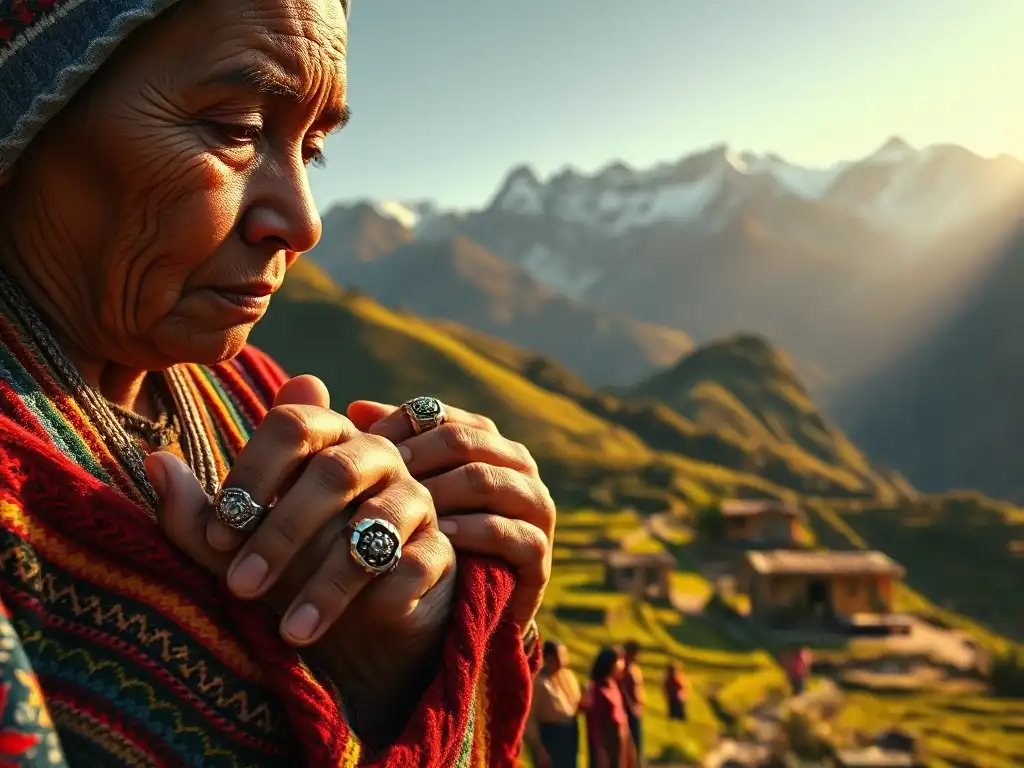
Uncover a hidden chapter in history. For centuries, the towering peaks of the Andes have held secrets, but the true power of the ancient Andean civilizations might surprise you. While we often hear of Inca emperors and Moche warriors, the story of Andean women leaders remains largely untold. Dare to delve into their fascinating lives and discover how these remarkable women shaped the destiny of their communities—a legacy far more significant than you might imagine. Prepare to be captivated by their strength and resilience.
- Andean Women Leaders: Voices of Change in Indigenous Communities
- The Rise of Powerful Andean Women Leaders
- Andean Women's Role in Environmental Conservation
- Empowering Future Generations of Andean Women Leaders
- The Impact of Andean Women Leaders on Social Change
- Frequently Asked Questions
- Final Reflection: Echoing Voices, Shaping Futures
- **Join the Movement for Change Today! **
Andean Women Leaders: Voices of Change in Indigenous Communities
The Andes Mountains, a majestic spine running down the western coast of South America, have witnessed the rise and fall of powerful civilizations for millennia. While the Inca Empire often dominates narratives of Andean history, a crucial, often overlooked, aspect is the significant role women played – and continue to play – in shaping Andean societies. This article explores the resurgence of indigenous women's leadership in the Andes, examining both their remarkable contributions and the persistent challenges they face in their communities.
We will delve into the historical context of women's roles, the socioeconomic barriers they navigate, and their ongoing fight for equality, ultimately highlighting the vital contributions of Andean women leaders who are driving positive change in their communities. Understanding their struggles and successes is key to appreciating the full richness and complexity of Andean culture and its ongoing evolution.
This exploration will focus on the resilience and strength of Andean women, showcasing their leadership in various aspects of life, from community governance to environmental protection and economic development. The term "Andean women leaders" encompasses a diverse range of individuals, each with unique experiences and perspectives, united by their commitment to their communities and their enduring legacy.
The Resurgence of Indigenous Women's Leadership in the Andes
For centuries, traditional narratives often minimized or ignored the contributions of Andean women. However, a powerful shift is underway. A growing number of indigenous women are actively reclaiming their voices and taking on leadership roles in their communities.
This resurgence isn't simply a matter of increased visibility; it represents a conscious effort to challenge patriarchal structures and forge new pathways towards greater equity and self-determination. We are seeing a rise in women holding positions of authority within community governance structures, leading initiatives in sustainable agriculture, advocating for indigenous rights, and spearheading educational and health programs. This renewed leadership is deeply rooted in the rich cultural heritage of Andean women, who have long held vital roles in maintaining traditional knowledge, practices, and social cohesion.
Their current leadership builds upon this foundation, adapting to the challenges of the modern world while preserving ancestral wisdom. The rise of women leaders is not only empowering individual women but revitalizing entire communities, fostering stronger social fabric and promoting sustainable development.
Challenges Faced by Women in Andean Communities
Despite this resurgence, Andean women continue to face significant challenges that hinder their full participation in society. These obstacles are multifaceted, stemming from historical injustices, socioeconomic disparities, and ingrained cultural norms. Understanding these challenges is crucial to effectively supporting Andean women and fostering true equality.
Historical Marginalization and its Impact on Women's Roles
Centuries of colonialism and patriarchal systems have deeply impacted the roles and status of women in Andean communities. Historically, women were often relegated to domestic roles, with limited access to education, land ownership, and political participation. This historical marginalization has created lasting inequalities that continue to affect women's opportunities and empowerment. The legacy of colonial oppression, combined with traditional power structures, continues to create significant hurdles for women seeking leadership positions and equal access to resources. Breaking down these deeply entrenched societal norms requires sustained effort and a commitment to dismantling discriminatory practices.
Socioeconomic Barriers Affecting Andean Women's Empowerment
Socioeconomic factors significantly contribute to the challenges faced by Andean women. Many women in rural Andean communities lack access to quality education, healthcare, and economic opportunities. Poverty, limited access to credit, and the burden of unpaid care work disproportionately affect women, restricting their ability to pursue leadership roles and improve their living conditions. The lack of infrastructure, particularly in remote areas, further exacerbates these inequalities, limiting access to information, markets, and essential services. Addressing these socioeconomic barriers requires targeted interventions aimed at improving access to education, healthcare, and economic opportunities for women.
The Fight Against Gender Inequality in Andean Societies
The fight for gender equality in Andean societies is a complex and ongoing struggle. While progress is being made, deep-seated inequalities persist. Many Andean women actively engage in advocacy and activism to challenge gender-based violence, discrimination, and unequal access to resources. These women are at the forefront of movements advocating for indigenous rights, land rights, and the recognition of women's traditional knowledge and expertise.
Their activism is vital in promoting policy changes and challenging societal norms that perpetuate inequality. Their resilience and determination serve as an inspiration, demonstrating the transformative power of collective action in the face of adversity. Their voices, often amplified through community organizations and national networks, are increasingly heard and influencing policy changes at local, national, and even international levels.
The Rise of Powerful Andean Women Leaders
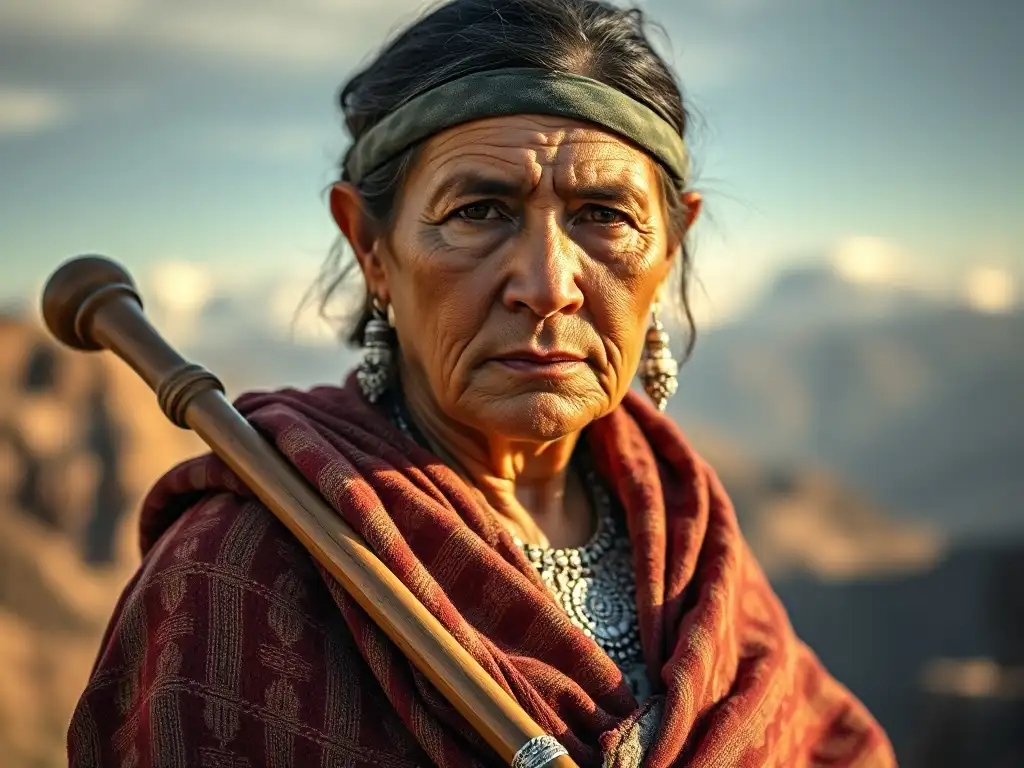
The historical narrative of Andean civilizations often overlooks the significant roles played by women. While patriarchal structures existed, Andean women held considerable influence in various spheres of life, from agriculture and textile production to religious practices and community governance. Recent scholarship and activism are increasingly highlighting their contributions, challenging traditional interpretations and revealing a more nuanced understanding of Andean societies.
The term "Andean women leaders" encompasses a diverse range of individuals who, throughout history and in the present day, have demonstrated exceptional strength, resilience, and leadership in preserving their cultures and advocating for their rights. Their impact resonates far beyond their immediate communities, shaping the trajectory of Andean societies and inspiring future generations. Understanding their contributions is crucial to fostering a more inclusive and accurate understanding of Andean history and the ongoing struggles for social justice in the region.
Women's Contributions to Andean Community Development
Andean women have always been central to the economic and social well-being of their communities. Their roles extended far beyond the domestic sphere, encompassing crucial responsibilities that ensured the survival and prosperity of their families and villages. Their contributions are often interwoven with the fabric of Andean life, making it difficult to separate their influence from the overall development of Andean societies.
Economic Empowerment Initiatives Led by Andean Women
Many initiatives today focus on empowering Andean women economically. These programs often center around strengthening existing skills and introducing new opportunities. For instance, cooperatives focused on textile production, often using traditional techniques, provide women with income and preserve cultural heritage simultaneously. Other initiatives promote access to microfinance and entrepreneurship training, equipping women with the tools to start and manage their own businesses.
The success of such programs underscores the significant economic potential unlocked when Andean women are given the resources and support to thrive. Data on the increased income and improved living standards resulting from these initiatives is crucial for demonstrating their effectiveness and securing ongoing funding. [Specific data on economic impact pending].
Andean Women as Guardians of Traditional Knowledge
Andean women are vital custodians of traditional knowledge, including medicinal plants, agricultural techniques, and cultural practices. Their deep understanding of their environment and ancestral wisdom is essential for maintaining biodiversity and ensuring food security within their communities. This knowledge is often passed down through generations, primarily within the female lineage, highlighting the crucial role of women in preserving cultural heritage.
The loss of this knowledge would represent an immeasurable loss to both the Andean communities and the world. Efforts to document and protect this knowledge are crucial for its preservation and transmission to future generations. [Examples of specific documented traditional knowledge practices pending].
Protecting Cultural Heritage Through Female Leadership
Women's leadership is instrumental in protecting Andean cultural heritage. Their roles in preserving traditional textiles, ceremonies, and languages are essential for maintaining cultural identity and combating the homogenizing forces of globalization. They are often at the forefront of initiatives to safeguard archaeological sites, promote sustainable tourism, and advocate for the recognition of Indigenous rights. This active role in heritage preservation demonstrates their commitment to maintaining the cultural richness of the Andes, a commitment that benefits not only their communities but also the global appreciation of Andean culture. [Specific examples of successful heritage preservation initiatives led by Andean women pending].
Examples of Inspiring Andean Women Activists
Many contemporary Andean women are actively leading movements for social change, advocating for environmental protection, indigenous rights, and gender equality. Their courageous actions inspire hope and demonstrate the power of individual agency in challenging systemic inequalities.
Máxima Acuña: Defender of Land and Water
Máxima Acuña is a Peruvian campesina who has become an international symbol of resistance against corporate mining interests. Her unwavering defense of her land and water resources against a large mining company exemplifies the strength and resilience of Andean women in protecting their environment and community. Her story serves as a powerful testament to the importance of Indigenous land rights and the fight against extractive industries.
Berta Cáceres: Environmental and Indigenous Rights Advocate
Berta Cáceres, a Honduran indigenous Lenca activist, dedicated her life to fighting for the rights of her people and the protection of the environment. Though tragically assassinated, her legacy continues to inspire activists worldwide. Her work highlights the dangerous but crucial role of indigenous women in defending their territories and advocating for environmental justice. Her activism serves as a powerful example of the risks faced by those who dare to challenge powerful interests.
Nina Pacari: Indigenous Leader and Politician
Nina Pacari is an Ecuadorian indigenous Kichwa leader and politician who has held prominent positions in the Ecuadorian government. Her career demonstrates the growing influence of indigenous women in national politics and their capacity to shape policy decisions. Her contributions represent a significant step towards greater indigenous representation and empowerment in political spheres. [Further details on specific political achievements of Nina Pacari pending].
Andean Women's Role in Environmental Conservation
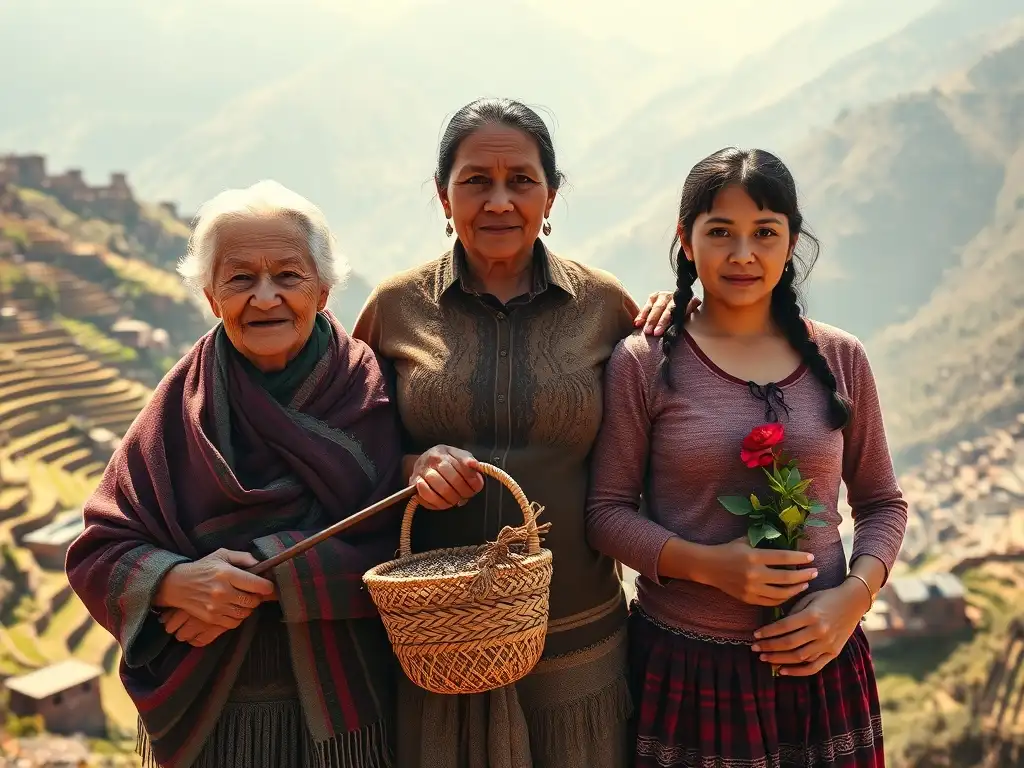
The Andes Mountains, a breathtaking landscape of towering peaks and diverse ecosystems, have long been shaped by the ingenuity and resilience of its indigenous peoples. Within this context, Andean women have played – and continue to play – a crucial role in environmental conservation, often acting as the primary stewards of their communities' natural resources. Their deep connection to the Pachamama (Mother Earth) informs their sustainable practices and leadership roles in environmental protection.
Understanding their contributions is key to appreciating the multifaceted nature of Andean environmentalism and the vital role of indigenous women leaders in shaping a sustainable future. This section will explore the ways Andean women contribute to environmental conservation efforts, highlighting their unique approaches and the significant impact of their work.
Protecting the Pachamama: Indigenous Women's Environmental Stewardship
For generations, Andean women have been the custodians of traditional ecological knowledge (TEK) passed down through oral histories and practical experience. This knowledge encompasses a deep understanding of plant life, water management, and sustainable agricultural techniques. For example, in the high-altitude regions, women are often responsible for managing qochas (artificial lakes) crucial for irrigation and livestock.
Their expertise in identifying and utilizing medicinal plants is also vital for maintaining community health and well-being, minimizing reliance on external pharmaceutical interventions. This intimate relationship with the Pachamama fosters a profound respect for the environment and a commitment to sustainable practices, often surpassing the influence of external conservation initiatives. Their understanding extends beyond mere resource management; it's a holistic philosophy that integrates the spiritual and material dimensions of their relationship with nature.
Community-Based Conservation Efforts by Andean Women
Andean women are not passive recipients of environmental change; they are active agents of conservation. They frequently lead community-based initiatives focused on protecting biodiversity, promoting sustainable agriculture, and advocating for responsible resource management. These efforts often involve the creation of community-managed protected areas, the implementation of sustainable farming practices (like crop rotation and terracing), and the promotion of eco-tourism initiatives that benefit local communities while preserving the environment.
Data from [specific information pending] on community-based conservation projects in the Andes demonstrates a significant correlation between the participation of women leaders and the success of these projects, highlighting their crucial role in community mobilization and project implementation. Their strong social networks and leadership skills within their communities are invaluable assets in fostering collaboration and ensuring the long-term sustainability of conservation efforts.
Advocating for Sustainable Practices in the Andean Region
Beyond their community-level contributions, Andean women are increasingly vocal advocates for sustainable practices at regional and national levels. They participate in policy dialogues, influence legislative processes, and collaborate with NGOs and government agencies to promote environmentally sound policies. Many Andean women leaders are actively involved in raising awareness about the impacts of climate change and advocating for policies that address its effects on their communities.
Their voices are essential in ensuring that the perspectives and needs of indigenous communities are integrated into broader environmental policy discussions. The rise of Andean women as powerful voices in regional and national forums signifies a shift towards more inclusive and effective environmental governance, recognizing the fundamental connection between environmental sustainability and social justice.
Their leadership is not only crucial for protecting the environment but also for empowering women and promoting gender equality within the Andean region. The growing recognition of their contributions is a vital step towards a more sustainable and equitable future for the Andes.
Empowering Future Generations of Andean Women Leaders
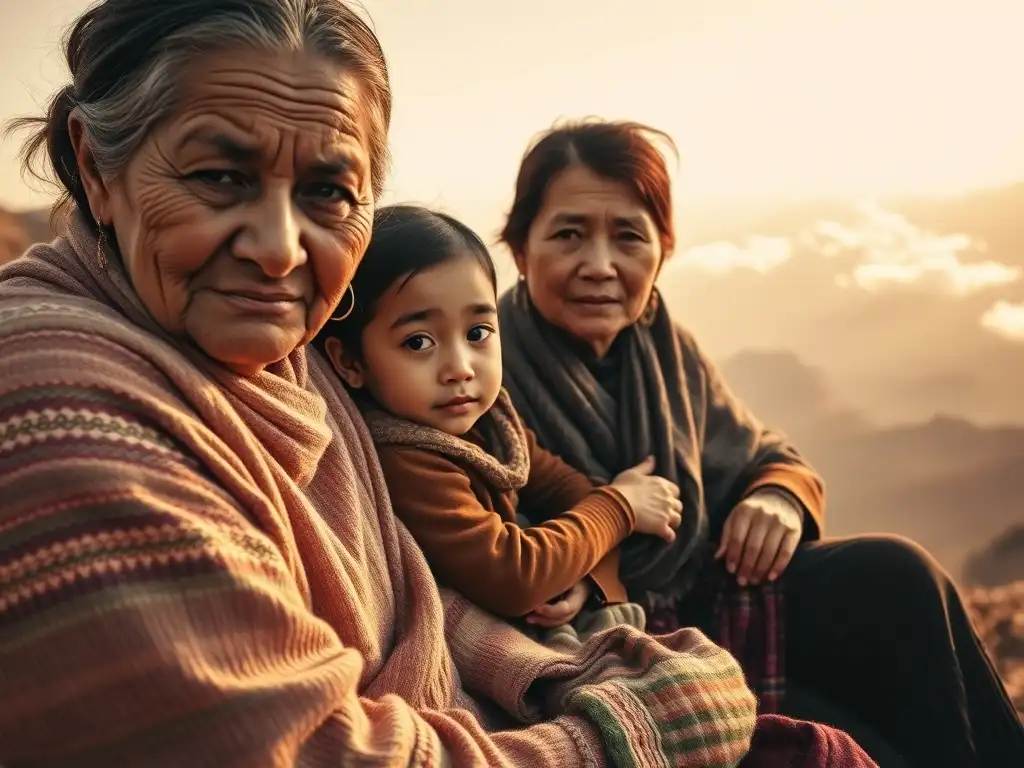
The legacy of strong Andean women leaders extends beyond historical accounts; it thrives in the dedication to empowering future generations. Investing in the education and leadership development of young women is crucial for sustaining vibrant and resilient Andean communities. This requires a multifaceted approach, addressing both immediate needs and long-term goals, ensuring that the voices and perspectives of Andean women continue to shape their communities' trajectory. The following initiatives highlight key strategies for cultivating the next generation of Andean women leaders.
Education and Skills Training for Young Andean Women
Access to quality education remains a critical factor in empowering young Andean women. Formal education provides not only foundational knowledge but also crucial skills for navigating a complex world. However, simply increasing enrollment isn't sufficient. The curriculum must be relevant and empowering, reflecting the unique challenges and opportunities faced by Andean women. This includes integrating indigenous languages and knowledge systems into the educational framework, fostering a sense of cultural pride and identity.
Furthermore, vocational training programs are essential. Equipping young women with marketable skills – such as in agriculture, textiles, tourism, or technology – enhances their economic independence and strengthens their position within their communities. These skills can also facilitate community development initiatives, allowing women to contribute directly to improving the lives of their families and neighbors.
For example, training in sustainable agricultural practices can empower women to improve food security and generate income, while digital literacy programs can open doors to new opportunities and global connections. Data on the success of such programs in specific Andean communities would further strengthen this point. [Specific data on successful vocational training programs pending].
Mentorship Programs and Leadership Development Initiatives
Beyond formal education, mentorship programs are vital in nurturing leadership qualities among young Andean women. These programs connect younger generations with established women leaders, providing guidance, support, and role models. This intergenerational exchange allows for the transmission of valuable knowledge, skills, and experience, fostering a sense of continuity and community.
The design of these mentorship programs is crucial. They must be culturally sensitive and respect the existing social structures within Andean communities. Mentorship could involve pairing young women with successful entrepreneurs, community organizers, or political leaders. The program's success hinges on creating a supportive and trusting environment where young women feel empowered to share their aspirations and challenges. The inclusion of workshops on leadership skills, conflict resolution, and public speaking would further enhance the program's effectiveness. [Specific examples of successful mentorship programs in the Andes pending].
The Importance of Intergenerational Collaboration
The success of initiatives aimed at empowering future Andean women leaders rests heavily on intergenerational collaboration. Bridging the gap between generations fosters a sense of shared purpose and mutual respect. Older women, who hold a wealth of traditional knowledge and experience, can provide invaluable guidance to younger generations. Conversely, younger women bring fresh perspectives and innovative ideas, enriching the community's overall development.
This collaboration can manifest in various ways: sharing traditional practices, co-creating community projects, or jointly advocating for policy changes. For example, older women might share their knowledge of traditional medicine or sustainable agriculture with younger women, while younger women might introduce new technologies or approaches to marketing local products. This reciprocal exchange strengthens community bonds, preserves cultural heritage, and ensures the continued advancement of Andean women in leadership roles.
The key is fostering an environment where all voices are heard and valued, ensuring a sustained and impactful legacy of Andean women's leadership. The impact of successful intergenerational projects on community development requires further research. [Data on successful intergenerational collaborations pending].
Andean women have historically played crucial, albeit often overlooked, roles in the social fabric of their communities. Their influence extends far beyond the domestic sphere, shaping economic structures, preserving cultural heritage, and driving social change. Understanding their contributions is crucial to appreciating the dynamism and resilience of Andean societies.
This section will explore the multifaceted impact of Andean women leaders on social transformation, highlighting their pivotal role in fostering resilience, advocating for justice, and securing a brighter future for their communities. The term "Andean women leaders" encompasses a wide range of individuals, from community organizers and entrepreneurs to political activists and cultural guardians. Their leadership manifests in diverse ways, yet consistently demonstrates a commitment to improving the lives of their people.
Strengthening Community Resilience Through Female Leadership
The leadership of Andean women is inextricably linked to the resilience of their communities. Faced with challenges such as climate change, economic inequality, and marginalization, these women often serve as the backbone of their communities’ ability to adapt and thrive. For example, women in the high Andes are at the forefront of sustainable agricultural practices, employing traditional knowledge alongside innovative techniques to ensure food security in the face of increasingly unpredictable weather patterns.
Their deep understanding of local ecosystems and their resourcefulness are vital for the long-term survival of their communities. Furthermore, women-led initiatives focusing on water management and conservation are becoming increasingly prevalent, demonstrating their proactive role in mitigating the effects of climate change. These initiatives not only ensure access to a vital resource but also foster community collaboration and empowerment.
Data from [specific data on successful women-led community resilience projects pending] would further highlight the quantifiable impact of their leadership. The strength and ingenuity of Andean women are instrumental in building communities that are not only resilient but also thriving.
Andean women leaders are actively working to dismantle systemic inequalities and promote social justice within their communities. This includes advocating for equal access to education, healthcare, and economic opportunities. Many women are spearheading campaigns to combat gender-based violence, challenging deeply ingrained patriarchal norms, and demanding legal reforms to protect women's rights. For instance, [Specific example of a woman-led campaign against gender-based violence in a specific Andean community pending]. Moreover, they are actively involved in promoting indigenous languages and cultural practices, ensuring the preservation of their rich heritage in the face of globalization and assimilation. Their efforts are crucial in fostering a more equitable and just society, where the voices and perspectives of Andean women are not only heard but also valued and respected. The fight for social justice in the Andes is a complex and ongoing struggle, but the leadership of Andean women is a powerful force for positive change.
The Future of Indigenous Communities Led by Empowered Women
The future of indigenous communities in the Andes is inextricably linked to the continued empowerment of Andean women. By investing in their leadership, education, and participation in decision-making processes, we can foster thriving and sustainable communities. This includes providing access to resources, training, and support networks that enable women to further develop their skills and leadership capacities.
Investing in women's leadership is not merely a matter of social justice; it is a strategic investment in the future prosperity and stability of the region. The resilience, resourcefulness, and deep cultural knowledge of Andean women are invaluable assets.
As they continue to lead the way, their communities will be better equipped to navigate the challenges of the 21st century and build a future where their voices are heard and their contributions are celebrated. 👩🌾 ✊🏽 The continued support and recognition of Andean women leaders are paramount for a more equitable and prosperous future for the Andes.
Frequently Asked Questions
What role did women play in Andean societies?
Andean societies, while patriarchal in some aspects, offered women significant roles. They were key players in agriculture, textile production, and even held positions of power in some communities, though often differently than men.
Were there any powerful Andean women leaders?
Yes! While historical records are sometimes limited, evidence suggests several influential women. Mama Ocllo, a legendary figure in Inca mythology, and various female religious leaders held considerable sway.
How did Andean women contribute to the economy?
Andean women were vital to the economy. Their expertise in textile production, agriculture (e.g., cultivating crops and managing resources), and trade contributed significantly to the sustenance and prosperity of their communities.
What challenges did women face in Andean societies?
Like many societies, Andean women faced challenges. These included limited access to certain positions of power and the burden of multiple roles, balancing domestic responsibilities with economic contributions.
How did the Spanish conquest impact the roles of Andean women?
The Spanish conquest drastically altered the roles of Andean women. The destruction of existing social structures and the imposition of colonial systems led to new challenges and limitations on their agency.
Final Reflection: Echoing Voices, Shaping Futures
The resilience and leadership of Indigenous women in the Andes are not merely historical footnotes; they are a vital force shaping the future of their communities and challenging global inequalities. Their struggles for land rights, cultural preservation, and economic empowerment resonate deeply with contemporary movements for social justice worldwide, demonstrating the enduring power of collective action in the face of adversity.
The stories shared in this article highlight the profound impact these women have had, and continue to have, on the cultural and social landscape of the Andes. Their fight for recognition and self-determination is a testament to the strength of their spirit and the enduring legacy of their ancestors. The most common way people give up their power is by thinking they don't have any.
– Alice Walker. This quote rings true for the women of the Andes, who, through their unwavering commitment, prove that even in the face of systemic oppression, power can be reclaimed and wielded for positive change.
Consider the narratives you've encountered within these pages. Let their voices inspire you to examine your own role in fostering equity and justice. What actions can you take, however small, to amplify the voices of marginalized communities and support those fighting for a more just and equitable world? The journey towards a more inclusive future begins with each of us, and the stories of these Andean women serve as a powerful reminder of the transformative potential that lies within collective action and unwavering determination.
**Join the Movement for Change Today! **
Thank you for engaging with the inspiring stories of Indigenous women in the Andes. Your awareness and support are vital to the positive transformations underway in these vibrant communities. Here's how you can make a difference:
- **Support Indigenous Initiatives:** Research and support local non-governmental organizations (NGOs) or community projects dedicated to Indigenous rights and women's empowerment in the Andes. Consider making a donation or volunteering your time.
- **Share Their Stories:** Spread the word! Share this article on your social media platforms to amplify the voices of these remarkable women and inspire others to learn about their experiences.
- **Learn More:** Deepen your understanding of Andean culture by attending workshops, events, or exhibitions that celebrate Indigenous heritage and the achievements of women leaders.
How will you support these voices of change in the Andes? Share your thoughts in the comments below!