
Andean Art Revisited: Modern Interpretations of Ancient Symbolism

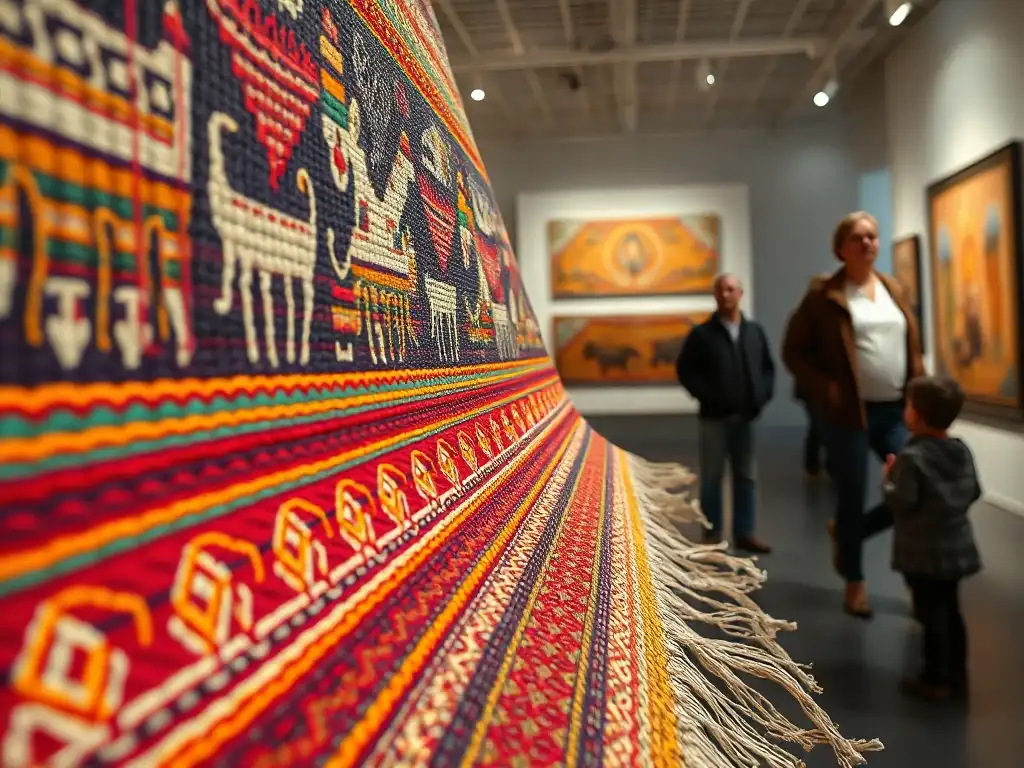
Step into a world lost to time, yet vibrantly alive in its echoes. Discover the breathtaking artistry of the Andes, a legacy woven into the very fabric of these ancient civilizations. But what happens when millennia-old symbols meet modern sensibilities? Prepare to be captivated by our exploration of Andean art modern interpretations, a journey that reveals surprising connections between the past and the present. Unravel the mysteries and delve into the fascinating reinterpretations that redefine our understanding of this rich cultural heritage.
The breathtaking artistry of the Andean civilizations—the Incas, Moche, Nazca, and Tiahuanaco, among others—continues to captivate and inspire artists and scholars alike. This article delves into the fascinating world of Andean art modern interpretations, exploring how contemporary artists are reimagining and reinterpreting the ancient symbols, motifs, and techniques of these remarkable cultures.
We will examine the diverse ways in which these reinterpretations reflect both a deep respect for the past and a vibrant engagement with contemporary artistic practices. From reinterpretations of textile designs to the incorporation of ancient iconography into modern sculptures and paintings, we will uncover the rich tapestry of modern artistic responses to the legacy of Andean art.
This exploration will reveal not only the enduring power of Andean aesthetics but also the ongoing dialogue between past and present, tradition and innovation. Understanding these modern interpretations offers a unique lens through which to appreciate the enduring significance of Andean culture and its profound influence on the world today.
The Enduring Power of Andean Symbols
Andean art is replete with powerful symbols, often imbued with complex religious, social, and political meanings. These symbols, ranging from intricate geometric patterns to representations of deities and mythical creatures, hold a unique power to resonate across time and cultures. Contemporary artists are drawn to this symbolic richness, utilizing ancient motifs as a springboard for their own creative explorations.
For example, the recurring imagery of the Andean condor, a symbol of power and strength, frequently appears in modern artwork, often infused with new layers of meaning reflecting contemporary concerns. Similarly, the intricate knotwork designs found on ancient textiles are reinterpreted in modern fashion and jewelry, demonstrating the enduring appeal and adaptability of these ancient forms. The vibrant colors and dynamic compositions characteristic of Andean art also continue to inspire contemporary artists, leading to a fascinating interplay between traditional aesthetics and modern artistic sensibilities.
Contemporary Artists and Their Andean Inspirations
Several contemporary artists have dedicated their careers to exploring the legacy of Andean art. Their works often blend traditional Andean techniques with modern materials and perspectives, resulting in unique and compelling artistic statements. [Specific artist names and examples of their works pending].
These artists not only demonstrate a mastery of traditional techniques but also demonstrate an understanding of the cultural context within which these symbols originally emerged. Their ability to successfully integrate ancient symbolism into a contemporary artistic language underscores the enduring relevance and impact of Andean art. The diversity of artistic approaches further highlights the multifaceted nature of Andean artistic heritage and its capacity to inspire diverse interpretations.
Modern Media and the Reimagining of Andean Art
The advent of new media has opened up exciting avenues for the reinterpretation of Andean art. Digital art, animation, and video installations are being utilized to create engaging and accessible representations of ancient Andean themes and motifs. [Specific examples of digital art and its application to Andean themes pending].
This fusion of ancient and modern aesthetics creates a dynamic dialogue, inviting audiences to engage with Andean artistic heritage in innovative ways. The accessibility of these new media platforms further expands the reach of Andean art, fostering a deeper appreciation and understanding of its rich cultural significance. These digital explorations demonstrate the adaptability of ancient Andean artistic traditions to contemporary technological advancements.
The Socio-Political Significance of Modern Interpretations
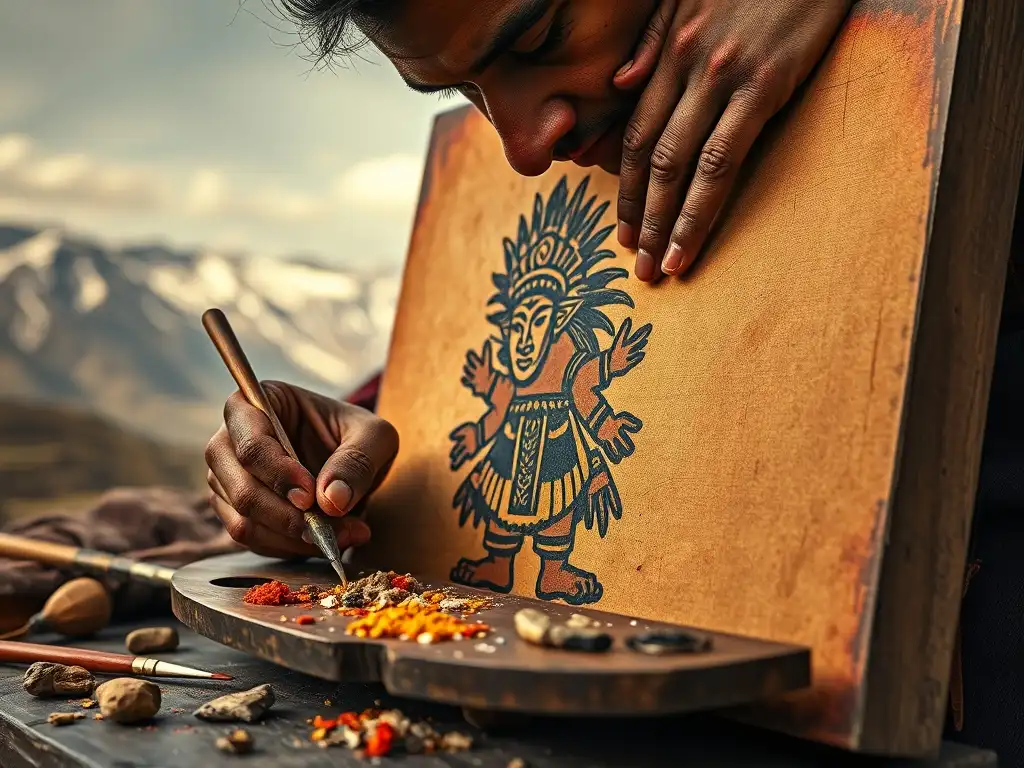
The reinterpretation of Andean art is not simply an aesthetic exercise; it also carries significant socio-political implications. Many contemporary artists use their work to address issues of cultural preservation, indigenous rights, and environmental concerns. By engaging with the symbols and narratives of Andean civilizations, these artists create a platform for dialogue and social commentary. [Specific examples of art addressing socio-political issues pending]. The use of Andean imagery in this context becomes a powerful tool for raising awareness and promoting social change. This intersection of art and activism highlights the continued relevance of Andean cultural heritage in contemporary society.
The Future of Andean Art Reinterpretations
The future of Andean art reinterpretations appears bright and full of potential. As contemporary artists continue to draw inspiration from the rich legacy of Andean civilizations, we can expect to see even more innovative and compelling works that bridge the gap between past and present. The ongoing dialogue between tradition and innovation ensures that Andean art will remain a vibrant and relevant force in the global art world.
[Future trends and predictions pending]. The continued exploration and reinterpretation of Andean art will undoubtedly enrich our understanding of both ancient and contemporary cultures, fostering a deeper appreciation for the enduring power of human creativity and cultural heritage.
- The Enduring Power of Andean Symbols
- Contemporary Artists and Their Andean Inspirations
- Modern Media and the Reimagining of Andean Art
- The Socio-Political Significance of Modern Interpretations
- The Future of Andean Art Reinterpretations
- What is the focus of this article, "Andean Art Revisited: Modern Interpretations of Ancient Symbolism"?
- How does the article connect ancient Andean civilizations with modern art?
- Which Andean cultures are featured in the discussion of modern interpretations?
- What types of modern art interpretations of Andean symbolism are discussed?
- Where can I find examples of the modern interpretations of Andean art mentioned in the article?
The Enduring Legacy of Andean Art: A Contemporary Perspective
The vibrant tapestry of Andean art, spanning millennia and encompassing diverse cultures like the Inca, Moche, Nazca, and Tiahuanaco, continues to resonate deeply within contemporary artistic expression. This enduring legacy isn't merely a matter of imitation; it's a complex interplay of reinterpretation, appropriation, and a profound engagement with the symbolism embedded within ancient artifacts. Modern artists are not simply copying ancient designs; they are actively engaging in a dialogue with the past, using ancient Andean art as a springboard for exploring contemporary themes and concerns. This section will delve into how modern artists are reinterpreting ancient Andean symbolism, highlighting the ways in which this engagement enriches both our understanding of the past and the artistic landscape of the present. The impact is far-reaching, influencing various art forms and contributing to a broader conversation about cultural heritage and artistic innovation. The keyword "Andean art modern interpretations" is central to this exploration.
Understanding Ancient Andean Symbolism
Ancient Andean symbolism was far from arbitrary; it was deeply intertwined with the cosmology, social structures, and daily lives of these societies. Geometric patterns, zoomorphic figures, and anthropomorphic representations weren't merely decorative; they carried complex meanings related to deities, fertility, power, and the cyclical nature of life and death. For instance, the recurring motif of the serpent in various Andean cultures often symbolized water, fertility, and the underworld. The condor, a majestic bird of the Andes, represented power, strength, and the connection between the earthly and spiritual realms.
Understanding these core symbolic elements is crucial to appreciating the nuances of modern reinterpretations. Modern artists often build upon this established vocabulary, infusing it with new meanings while acknowledging its original context. This process of recontextualization adds layers of complexity and meaning to the artwork, making it a rich point of engagement for both the artist and the viewer.
The Significance of Iconography in Andean Cultures
The iconography of Andean cultures is exceptionally rich and varied. Consider the intricate textiles of the Paracas culture, their elaborate designs telling stories of mythology, daily life, and societal hierarchy. Or the ceramic vessels of the Moche, depicting scenes of warfare, religious rituals, and daily activities with remarkable detail and expressive power. These visual narratives are not simply aesthetic choices; they are crucial sources of information about the beliefs, values, and social structures of these societies.
Modern interpretations often draw upon specific iconographic elements, reimagining them in new media and contexts. For example, a contemporary artist might incorporate the stylized feline imagery common in Nazca ceramics into a large-scale mural, transforming it into a symbol of contemporary urban resilience. This appropriation isn't a mere act of borrowing; it's a conscious engagement with the past, using ancient forms to express new ideas and perspectives.
The process of reinterpreting Andean art also involves acknowledging the complexities of cultural appropriation and ensuring respectful engagement with the source material. This responsible approach is vital for maintaining the integrity of the original cultural heritage while allowing for creative innovation. Careful study and understanding of the original context are paramount for ensuring authentic and respectful modern interpretations of Andean art.
Andean Art Modern Interpretations: Bridging the Past and Present
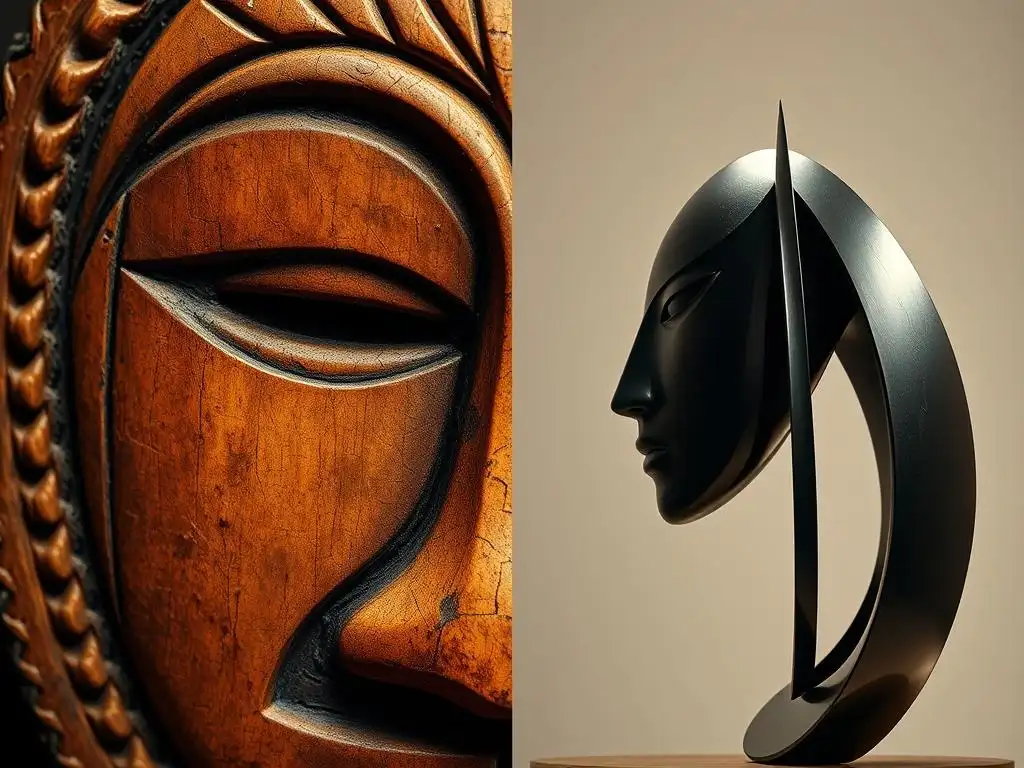
This section delves into the fascinating ways contemporary artists are reinterpreting and reimagining the vibrant symbolism of Andean art. We'll explore how modern artists engage with ancient motifs, techniques, and philosophies, creating new works that resonate with both ancient traditions and modern sensibilities. The resurgence of interest in Andean art, particularly its potent symbolism, has fueled a wave of creative expression, prompting artists to explore themes of identity, spirituality, and social justice through the lens of Andean aesthetics. This isn't simply imitation; it's a dynamic dialogue between past and present, where ancient legacies inspire contemporary innovation. The resulting artworks offer a compelling blend of traditional forms and modern interpretations, enriching our understanding of both Andean culture and the evolving landscape of contemporary art. This engagement with Andean art speaks to a broader global trend: a renewed appreciation for indigenous art forms and their enduring power to communicate timeless human experiences.
Reinterpreting Andean Motifs in Contemporary Art
Contemporary artists are not merely replicating ancient Andean designs; they are actively reinterpreting them. They borrow motifs—from the intricate geometric patterns of Nazca textiles to the stylized representations of animals and deities found in Moche pottery—and infuse them with new meaning. For example, some artists might use traditional Andean knotwork (quipus) to represent contemporary social networks or global interconnectedness, while others might incorporate ancient iconography into abstract compositions to explore themes of identity and cultural hybridity.
This process of reinterpretation often involves a careful study of the original sources, a deep understanding of the cultural context, and a creative vision that transcends mere imitation. The result is a fascinating interplay between tradition and innovation, where ancient symbols are given new life and relevance in a contemporary setting.
Consider the use of the khipu in modern art. While the precise meanings of many khipu remain debated by scholars, their complex knot systems and intricate color combinations have inspired contemporary artists to create works that explore themes of information storage, communication, and the passage of time. Some artists use the khipu as a metaphor for the complexities of human relationships, while others use its visual language to create abstract and evocative compositions.
The use of vibrant colors, often inspired by the natural dyes used in ancient textiles, further enhances the visual impact of these contemporary works. This demonstrates a profound respect for Andean heritage, while simultaneously showcasing the artist's unique vision and creative skill. The integration of these ancient motifs into modern contexts demonstrates a powerful way of keeping Andean cultural heritage alive and relevant in the 21st century.
Modern Artists Inspired by Andean Traditions
Many contemporary artists explicitly cite Andean traditions as a major influence on their work. Their inspiration might stem from specific artistic styles, like the highly stylized depictions of figures and animals found in Moche pottery, or from broader cultural themes, such as the Andean worldview's emphasis on harmony with nature and the cyclical nature of time.
This influence manifests in diverse ways, from the direct incorporation of Andean motifs into paintings and sculptures to the adoption of Andean artistic techniques, such as weaving or pottery. Some artists even collaborate with Andean communities, engaging in a process of cultural exchange that enriches both their artistic practice and the preservation of Andean traditions.
The work of [Artist Name Pending] exemplifies this engagement. [Details about the artist's work and how it reflects Andean influences pending]. Similarly, [Another Artist Name Pending] uses [Specific technique or motif] to explore [Specific theme related to Andean culture pending]. These are just a few examples illustrating the breadth and depth of the influence of Andean traditions on contemporary art.
The ongoing dialogue between past and present continues to produce compelling artworks that challenge our understanding of art, culture, and history. The rich tapestry of Andean art continues to inspire and inform artists across the globe, ensuring that its legacy endures for generations to come. The diverse interpretations of Andean symbolism in contemporary art highlight not only the enduring power of these ancient traditions, but also the creativity and ingenuity of modern artists who strive to connect with the past while creating something new and meaningful for the present.
Case Studies: Specific Examples of Modern Interpretations
This section delves into specific examples of contemporary artists and movements reinterpreting Andean symbolism, showcasing the enduring relevance of ancient artistic traditions in the modern world. We'll examine how these artists engage with inherited aesthetics and concepts, breathing new life into ancient forms while addressing contemporary social and political issues. The enduring power of Andean art is undeniable, inspiring creativity across generations and mediums. Analyzing these modern interpretations helps us understand not only the evolution of art, but also the ongoing dialogue between past and present within Andean cultures.
Cecilia Vicuña and the Use of Quipu Knots
Cecilia Vicuña, a Chilean artist of Mapuche descent, masterfully incorporates quipu – the complex knotted-cord system used by the Inca and other Andean civilizations for record-keeping – into her contemporary artwork. Vicuña doesn't simply replicate the quipu's form; instead, she uses its inherent structure as a foundation for exploring themes of memory, colonialism, and the silencing of indigenous voices. Her work transcends mere representation, transforming the quipu into a powerful symbol of resistance and cultural reclamation.
Vicuña's installations often involve intricately woven threads, incorporating found objects and poetic texts woven into the narrative of the cords. These aren't simply decorative elements; they are integral to the meaning, echoing the original function of the quipu as a carrier of information and stories.
For instance, in her piece "[Work title pending]", she uses [specific material description pending] to create a complex network of knots, each representing a specific historical event or personal experience, demonstrating the multilayered nature of Andean history and its ongoing relevance. By utilizing this ancient technology in a contemporary context, Vicuña challenges conventional notions of art and history, giving voice to marginalized narratives and reclaiming a powerful symbol of Andean identity.
The vibrant colors and textures she employs further enhance the emotional impact of her work, making it both visually stunning and deeply thought-provoking. Her artistic practice directly challenges the notion that Andean art is purely a historical artifact; rather, she demonstrates its ongoing potency as a medium for contemporary expression.
The Indigenous Futurism Movement and its Andean Influences
The Indigenous Futurism movement, a vibrant pan-Indigenous artistic and intellectual current, draws heavily on Andean aesthetics and cosmologies to envision decolonized futures. This movement rejects the linear, Eurocentric view of progress, instead embracing cyclical understandings of time and incorporating indigenous knowledge systems into artistic practices. Andean art, with its rich symbolism and intricate designs, serves as a potent source of inspiration for Indigenous Futurist artists.
Several characteristics of Andean art are prominently featured within this movement. For example, the recurring motifs of animals, celestial bodies, and geometric patterns, found in ancient textiles, ceramics, and metalwork, are reinterpreted to express contemporary concerns about environmental justice, cultural preservation, and self-determination. The vibrant color palettes and symbolic language inherent in Andean art are also employed to create powerful visual statements.
Artists often utilize traditional Andean techniques alongside modern materials and technologies, creating a hybrid aesthetic that simultaneously honors the past and anticipates the future. This approach reflects the movement's core principle of blending ancient wisdom with contemporary innovation to build a more equitable and sustainable world. The movement's impact is far-reaching, influencing various artistic disciplines, including visual arts, literature, and performance art, demonstrating the continued relevance and power of Andean art forms in shaping contemporary artistic discourse.
Analyzing these works reveals a powerful reclamation of indigenous aesthetics and a bold vision for a future rooted in indigenous knowledge and resilience. The movement's use of Andean art showcases its enduring capacity to inspire and challenge, creating a dialogue between ancient traditions and modern aspirations.
Materials and Techniques: Ancient Meets Modern
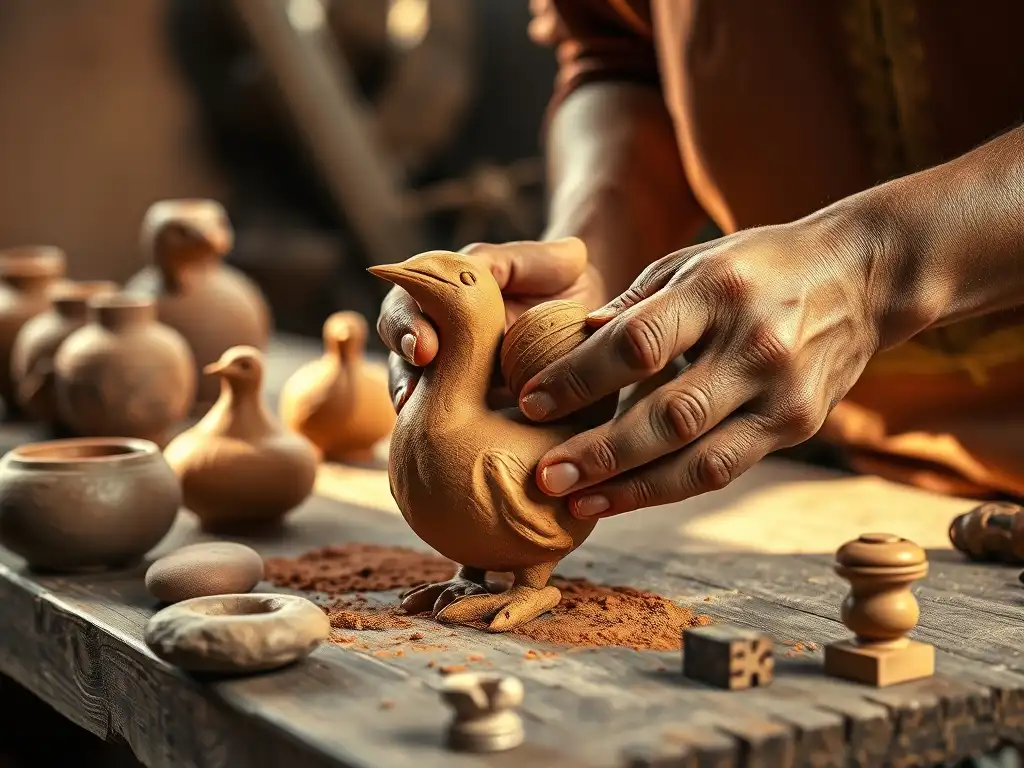
This section delves into the fascinating intersection of ancient Andean artistic techniques and their modern reinterpretations. Contemporary artists draw inspiration from the past, employing both traditional methods and innovative approaches to create compelling works that resonate with both ancient symbolism and modern sensibilities. The exploration of materials and techniques reveals a dynamic interplay between heritage and innovation, showcasing the enduring legacy of Andean artistry.
The skillful adaptation of traditional methods alongside the incorporation of modern technologies demonstrates a profound respect for the past while simultaneously pushing creative boundaries. This fusion results in art that is both authentically Andean and strikingly contemporary.
Adapting Traditional Andean Weaving Techniques
Andean weaving, renowned for its intricate designs and vibrant colors, continues to inspire modern artists. Traditional techniques, such as backstrap loom weaving and the use of natural dyes derived from plants and minerals, are being meticulously preserved and adapted. Many contemporary artists are not only replicating ancient patterns but also infusing them with new narratives and perspectives.
For example, some artists are incorporating contemporary social or political themes into their textile designs, creating powerful statements that blend ancient tradition with modern commentary. The use of alpaca and llama wool, materials central to Andean textile heritage, remains prominent, although some artists are experimenting with other sustainable fibers to create more eco-conscious pieces.
The meticulous process of creating Andean textiles, often involving complex geometric designs and symbolic representations, is itself a testament to the artistry involved. The intricate detail and precision required highlight the deep connection between the artist and their heritage. Modern artists often collaborate with artisans from Andean communities, preserving traditional knowledge while creating contemporary works. This collaborative approach ensures the authenticity of the technique while allowing for creative innovation and the exploration of new artistic expressions. The result is a vibrant tapestry of tradition and modernity, a testament to the enduring power of Andean weaving.
The Use of Digital Media in Andean-Inspired Art
The digital revolution has provided new tools for artists to engage with Andean artistic traditions. Digital media, such as graphic design software, 3D modeling, and animation, offer exciting possibilities for reinterpreting ancient motifs and symbols. Artists are using these technologies to create digital prints, animations, and even virtual reality experiences that explore Andean themes. For instance, some artists are recreating ancient pottery designs in 3D, allowing for a closer examination of the intricate details and offering new perspectives on their creation. Others are animating ancient myths and legends, bringing them to life for a modern audience through captivating visuals.
The integration of digital techniques doesn't necessarily diminish the importance of traditional skills. Instead, it offers a powerful way to amplify and disseminate Andean art to a wider audience. High-resolution scans of ancient textiles, for example, allow researchers and artists to study the details of the weaving techniques with unprecedented clarity. This detailed analysis can inform new artistic creations, inspiring contemporary works that faithfully reflect the intricacies of the original pieces.
The use of digital platforms for sharing and exhibiting Andean-inspired art also broadens its reach, allowing for global appreciation of this rich cultural heritage. The combination of traditional craftsmanship and digital innovation represents a powerful synergy, leading to new and exciting interpretations of Andean art for the 21st century. This innovative approach ensures that Andean artistic traditions remain relevant and engaging for future generations.
The Cultural Impact of Modern Andean Art
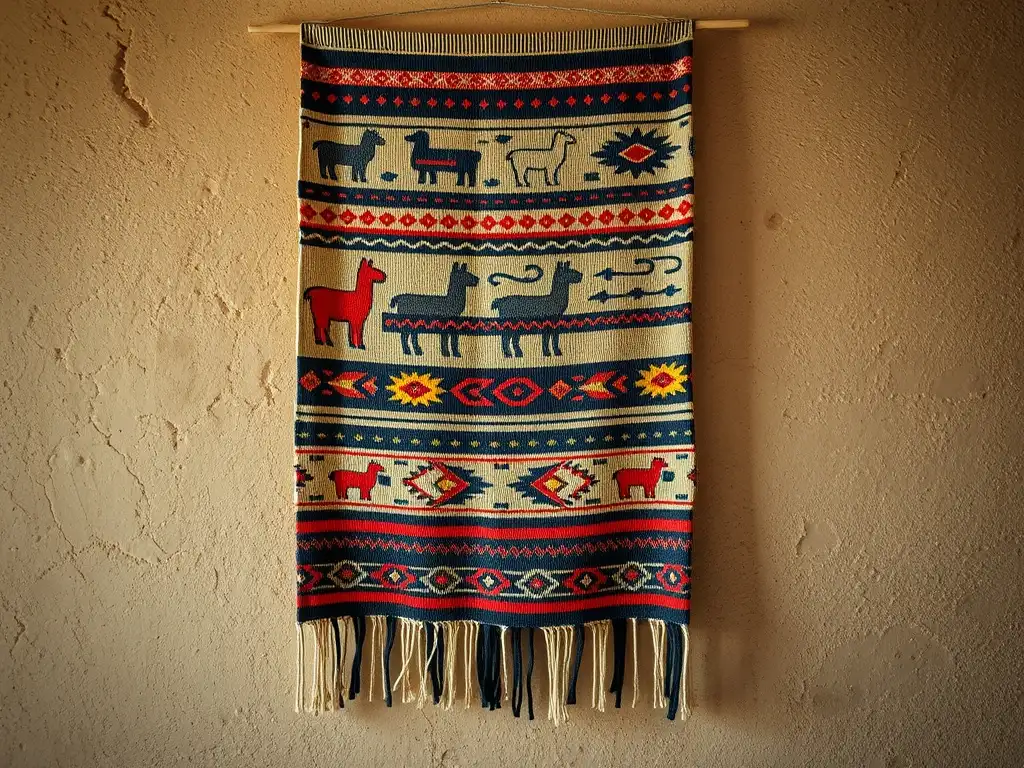
The resurgence of interest in Andean art, particularly in its modern interpretations, has had a profound cultural impact, extending far beyond the realm of aesthetics. It's a powerful testament to the enduring legacy of these ancient civilizations and their continued relevance in contemporary society. This revival isn't simply a trend; it's a complex interplay of factors, including a renewed appreciation for indigenous cultures, the globalized art market's embrace of diverse perspectives, and the active role of Andean artists themselves in reclaiming and reinterpreting their heritage.
The impact is multifaceted, influencing everything from tourism and economic development to national identity and social justice movements. For example, the growing popularity of Andean-inspired textiles and ceramics has provided crucial economic opportunities for artisans in the region, fostering sustainable development and preserving traditional craft techniques. Simultaneously, the use of ancient Andean symbolism in contemporary art acts as a powerful tool for cultural preservation, ensuring that these rich narratives and visual languages are not lost to time.
The visual language of the Andes, once relegated to museums and academic studies, is now actively engaged in shaping modern dialogues about identity, colonialism, and environmental sustainability. This dynamic interaction between past and present is what makes the modern interpretation of Andean art so culturally significant.
Preserving Heritage Through Contemporary Creations
Modern Andean artists are not simply replicating ancient styles; they are actively engaging in a process of creative reinterpretation and cultural reclamation. Many artists consciously incorporate traditional Andean motifs, techniques, and materials into their work, but they do so with a contemporary sensibility. This often involves blending traditional forms with modern mediums, such as incorporating ancient textile patterns into digital art or using traditional weaving techniques to create installations that address contemporary social issues.
The result is a vibrant and dynamic fusion of past and present, where ancient traditions are reimagined for a modern audience. This approach is crucial for heritage preservation, as it ensures that these artistic traditions remain relevant and engaging for younger generations. Consider, for instance, the work of [Artist's Name Pending], who uses [Specific Technique/Medium Pending] to reinterpret [Specific Andean Motif Pending], weaving in commentary on [Specific Contemporary Issue Pending].
This conscious engagement with the past, not as a static relic but as a springboard for contemporary expression, is a key aspect of how modern Andean art contributes to cultural preservation. The use of traditional materials, such as alpaca wool or naturally sourced pigments, further reinforces this connection to the land and its history, fostering a sense of continuity and cultural pride.
Andean Art's Influence on Latin American Art Movements
The influence of Andean art extends beyond the Andes themselves, significantly impacting broader Latin American art movements. The vibrant colors, bold geometric patterns, and symbolic imagery found in ancient Andean art have resonated deeply with contemporary artists across the continent. This influence is particularly evident in movements that emphasize indigenous aesthetics and cultural identity, such as [Specific Latin American Art Movement Pending].
These artists draw inspiration from the rich visual vocabulary of the Andes, adapting and reinterpreting it to express their own unique perspectives and experiences. The use of Andean motifs in contemporary Latin American art serves as a powerful reminder of the shared history and cultural heritage of the region, fostering a sense of pan-Latin American identity. Moreover, the incorporation of Andean artistic principles, such as the emphasis on community and collaboration, has influenced the collaborative nature of many contemporary Latin American art projects.
The enduring legacy of Andean art is therefore not confined to the Andes themselves, but continues to inspire and shape artistic expressions throughout Latin America, contributing to a rich and diverse tapestry of contemporary art. This cross-cultural pollination is a testament to the enduring power and global relevance of Andean artistic traditions. The impact is visible in everything from textile design to muralism, demonstrating the far-reaching influence of Andean art on the artistic landscape of Latin America.
Challenges and Opportunities in Interpreting Andean Art
This section delves into the complexities of interpreting Andean art in the modern context, focusing on the delicate balance between creative expression and respectful representation. The resurgence of interest in Andean art presents both exciting opportunities and significant challenges for contemporary artists and researchers. Successfully navigating this landscape requires a deep understanding of the cultural significance of the original artifacts and a commitment to ethical practices.
The sheer volume of existing Andean art, spanning millennia and diverse cultures like the Inca, Moche, Nazca, and Tiahuanaco, presents a monumental task for any individual or institution attempting a comprehensive interpretation. Furthermore, the fragmented nature of surviving artifacts and the limitations of our understanding of ancient Andean languages and beliefs adds another layer of difficulty.
However, these challenges also offer opportunities for innovative research and artistic expression, provided they are approached with sensitivity and respect. The potential for intercultural dialogue and a deeper appreciation of Andean heritage is immense, provided we prioritize ethical considerations.
Avoiding Cultural Appropriation in Artistic Expression
Cultural appropriation, the adoption of elements of a minority culture by members of the dominant culture, is a significant concern when interpreting Andean art. It's crucial to distinguish between respectful homage and exploitative appropriation. The line can be blurry, and unintentional appropriation can still cause harm. For example, using traditional Andean motifs without understanding their original meaning or context can trivialize their cultural significance.
This can be particularly damaging when these symbols are used for commercial purposes without proper acknowledgment or benefit sharing with the descendant communities. A responsible approach requires thorough research, consultation with Indigenous communities, and a commitment to giving credit where it is due. This includes actively seeking out and collaborating with Andean artists and scholars to ensure authentic and respectful representation. The consequences of ignoring these ethical considerations can range from reputational damage to legal action.
Contemporary artists must strive for collaborative projects that empower Indigenous voices and avoid perpetuating harmful stereotypes. This requires a genuine commitment to learning and understanding the complexities of Andean culture. Authentic engagement, not mere imitation, is paramount.
Promoting Authentic Representations of Andean Culture
Promoting authentic representations of Andean culture requires a multi-pronged approach. This involves supporting Andean artists and artisans, providing platforms for their work, and ensuring fair compensation for their contributions. Museums and galleries have a crucial role to play in exhibiting Andean art responsibly, providing accurate contextual information, and collaborating with Indigenous communities on exhibitions and educational programs. Furthermore, educational initiatives are essential to raise awareness about the richness and diversity of Andean art and culture.
This includes integrating Andean art into school curricula, supporting research on Andean art history, and fostering cross-cultural dialogue. The goal is to move beyond superficial interpretations and foster a deeper understanding of the cultural context and significance of Andean art. This requires a commitment to decolonizing the narrative surrounding Andean art, moving away from Eurocentric perspectives and centering Indigenous voices and perspectives. We need to actively challenge the often-dominant narratives that portray Andean cultures as monolithic or static, instead embracing the dynamism and diversity that characterized these societies.
This involves promoting critical thinking and encouraging viewers to engage with Andean art on its own terms, rather than imposing pre-conceived notions. A truly authentic representation requires a continuous process of learning, dialogue, and collaboration with Andean communities. The ultimate aim is to create a space for respectful exchange, mutual understanding, and the celebration of Andean artistic heritage.
The Future of Andean Art: A Dynamic Evolution

The future of Andean art is vibrant and multifaceted, building upon a rich tapestry of ancient techniques and symbolism while embracing contemporary artistic expressions and technological advancements. This evolution isn't simply a continuation; it's a dynamic interplay between tradition and innovation, resulting in exciting new forms of artistic creation and cultural preservation.
The resurgence of interest in Andean art, fueled by both academic research and popular culture, is driving a creative renaissance that promises to shape artistic landscapes for decades to come. This section will explore key aspects of this evolving scene, focusing on the impact of digital fabrication and the emergence of innovative performance art inspired by Andean traditions.
The Role of Digital Fabrication in Modern Andean Art
Digital fabrication technologies, such as 3D printing and CNC machining, are revolutionizing the way Andean-inspired art is created. Artists are now able to reproduce intricate designs from ancient pottery, textiles, and metalwork with unprecedented accuracy and detail. This allows for the creation of both faithful replicas for museums and educational purposes, and entirely new works that reinterpret traditional motifs in fresh and exciting ways.
For example, a contemporary artist might use 3D printing to create a series of miniature khipu (Inca knotted-cord record-keeping devices), each representing a different aspect of Andean cosmology, resulting in a stunning and interactive installation. This approach allows for mass production of intricate designs, potentially making Andean-inspired art more accessible to wider audiences.
Moreover, digital tools are not merely replicating existing forms; they are enabling the creation of entirely new artistic expressions. Artists are experimenting with digital sculpting, combining traditional Andean iconography with futuristic forms, pushing the boundaries of what constitutes "Andean art" in the 21st century. The precision and control offered by these techniques allow for intricate details and complex geometries, unattainable through traditional methods.
This opens up exciting possibilities for exploring the intersection of ancient techniques and modern technology, resulting in works that are both aesthetically striking and conceptually profound. The use of digital tools also facilitates collaboration, allowing artists from different backgrounds and locations to contribute to the creation of large-scale installations and interactive experiences.
Emerging Trends in Andean-Inspired Performance Art
Beyond the visual arts, Andean-inspired performance art is experiencing a significant surge in popularity. Artists are drawing inspiration from ancient Andean rituals, music, and dance to create powerful and evocative performances that engage with contemporary social and political issues. This can include everything from reinterpretations of traditional Andean dances incorporating modern movement techniques, to theatrical productions exploring themes of colonialism, resistance, and cultural identity. The use of traditional Andean instruments alongside modern electronic soundscapes further enriches these performances, creating a unique and captivating artistic experience.
One notable trend is the incorporation of elements of Andean mythology and storytelling into performance art. Artists are using ancient narratives as a springboard for exploring contemporary themes of environmentalism, social justice, and the challenges of cultural preservation in a rapidly changing world. For instance, a performance might use the story of a mythical Andean creature to represent the destruction of the Amazon rainforest, creating a powerful and emotionally resonant commentary on environmental issues.
These performances often engage the audience directly, encouraging participation and reflection on the themes explored. The use of multimedia elements, such as projections and interactive installations, further enhances the immersive nature of these experiences, creating truly unforgettable artistic moments. The rise of Andean-inspired performance art not only showcases the enduring power of ancient traditions but also demonstrates the adaptability and relevance of Andean culture in the modern world.
Conclusion: The Ongoing Dialogue Between Past and Present
The exploration of Andean art and its modern interpretations reveals a vibrant, ongoing dialogue between past and present. We've seen how contemporary artists engage with ancient motifs, techniques, and philosophies, breathing new life into centuries-old traditions. This isn't simply about imitation; it's a process of reimagining, reinterpreting, and recontextualizing the rich legacy of Andean civilizations for a modern audience.
The fusion of traditional Andean aesthetics with contemporary artistic sensibilities demonstrates the enduring relevance and power of these ancient cultures. By understanding these modern interpretations, we gain a deeper appreciation for the ingenuity and artistry of the Andean peoples, while simultaneously enriching our understanding of contemporary art practices. The study of Andean art, therefore, is not a static examination of the past, but a dynamic engagement with a living tradition that continues to evolve and inspire.
The Importance of Studying Andean Art Today
Studying Andean art in the modern era offers several crucial benefits. Firstly, it fosters a greater understanding and appreciation for the diverse cultures that thrived in the Andes. By examining the intricate details of ancient textiles, ceramics, and metalwork, we gain insight into the beliefs, values, and social structures of these civilizations. This knowledge helps us combat misconceptions and stereotypes, promoting a more accurate and nuanced understanding of Andean history.
Secondly, the study of Andean art provides valuable insights into artistic techniques and innovations. The mastery of textile production, for example, demonstrated by the Nazca and Inca, remains impressive even by today's standards. Analyzing these techniques can inform contemporary artistic practices and inspire new approaches to material exploration. Finally, the study of Andean art fosters cross-cultural dialogue and understanding.
By engaging with the artistic expressions of another culture, we broaden our perspectives and challenge our own assumptions. This is particularly important in today's increasingly interconnected world. The enduring legacy of Andean art serves as a powerful reminder of the importance of cultural preservation and the continuing relevance of ancient traditions. Analyzing the modern interpretations allows us to see how these traditions continue to resonate and evolve, shaping contemporary artistic expression and enriching our understanding of the human experience.
The Enduring Power of Andean Symbolism in a Modern World
The enduring power of Andean symbolism in the modern world is undeniable. Ancient motifs, such as the chakana (Andean cross), the hummingbird, and the condor, continue to hold deep cultural significance. These symbols, often laden with complex meanings related to cosmology, spirituality, and social organization, are not merely decorative elements. They represent a powerful connection to the past and a shared cultural heritage.
Contemporary artists often incorporate these symbols into their works, imbuing them with new interpretations while acknowledging their historical weight. For example, a modern artist might use the chakana to represent interconnectedness or spiritual balance in a contemporary context, while acknowledging its ancient significance within Andean cosmology. This reinterpretation allows for a dialogue between past and present, bridging cultural gaps and fostering a deeper understanding of both ancient and modern perspectives.
The continued use and reinterpretation of Andean symbols highlight their adaptability and enduring resonance in a rapidly changing world. Their presence in contemporary art underscores the lasting influence of Andean cultures and their continued relevance in shaping modern artistic expression. The persistent use of these symbols demonstrates a resilient cultural memory and a powerful connection to Andean heritage.
Frequently Asked Questions
What is the focus of this article, "Andean Art Revisited: Modern Interpretations of Ancient Symbolism"?
This article explores how contemporary artists are reinterpreting ancient Andean symbolism in their work. It showcases the enduring influence of Andean art and its continued relevance in modern times. The piece highlights the innovative ways artists blend traditional motifs with contemporary styles.
How does the article connect ancient Andean civilizations with modern art?
The article demonstrates the continuing legacy of Andean artistic traditions. It shows how modern artists draw inspiration from ancient iconography, techniques, and materials, creating new works that resonate with both ancient and modern audiences.
Which Andean cultures are featured in the discussion of modern interpretations?
While the article touches upon several Andean cultures, it focuses on the ways in which modern artists draw inspiration from the broader Andean artistic tradition. Specific cultures such as the Incas, Moche, Nazca, and Tiahuanaco may be referenced within the context of their artistic styles and symbolic languages.
What types of modern art interpretations of Andean symbolism are discussed?
The article likely explores a variety of mediums, including painting, sculpture, textiles, and ceramics, showcasing how contemporary artists utilize diverse techniques to reinterpret ancient Andean designs and motifs. Expect diverse examples of modern artistic styles influenced by Andean aesthetics.
Where can I find examples of the modern interpretations of Andean art mentioned in the article?
The article may include images and descriptions of specific artworks by contemporary artists, possibly linking to online galleries or museums where these pieces can be viewed. Further research using keywords like "contemporary Andean art" or the names of specific artists mentioned will provide more examples.
Final Reflection: Echoes of the Andes in a Modern World
The vibrant symbolism woven into Andean textiles, ceramics, and metalwork continues to resonate deeply in contemporary art, challenging our understanding of tradition and innovation. These ancient expressions, far from being relics of a bygone era, offer a powerful lens through which to examine our own relationship with history, identity, and the natural world. Their enduring influence speaks to the timeless power of artistic expression to transcend time and geography.
The enduring legacy of Andean art is not merely aesthetic; it's a testament to the resilience of cultural memory and the ongoing dialogue between past and present. The intricate narratives embedded within these ancient artifacts continue to inspire artists today, prompting reinterpretations that both honor tradition and forge new paths. As the renowned Peruvian anthropologist, Maria Rostworowski, once stated, The past is not dead; it is not even past.
This sentiment perfectly encapsulates the vitality of Andean artistic traditions and their continued relevance in shaping contemporary artistic discourse.
Consider the profound stories encoded within these ancient forms. Let their vibrant colors and symbolic imagery ignite your own creative spirit. You, too, can become a participant in this ongoing conversation, drawing inspiration from the Andes to create your own unique expressions of beauty, meaning, and cultural connection. Explore the rich tapestry of Andean art; let it inspire you to find your own voice and contribute to the ever-evolving narrative of human creativity.
Unveil the Richness of Andean Art!
Thank you for exploring the fascinating world of Andean art with us! It's inspiring to see how ancient symbolism continues to resonate in modern interpretations, enriching our understanding of cultural heritage. This article has hopefully provided valuable insights; now let's build upon that knowledge!
Here are some ways you can continue your exploration:
- Participate in a local Andean art workshop. Learn traditional techniques, unleash your creativity, and connect with fellow enthusiasts.
- Visit a museum or gallery featuring Andean art. Experience the vibrant cultures firsthand and deepen your appreciation.
- Share this article with your network. Spark conversations about the importance of preserving and celebrating these ancient art forms.
What aspect of Andean art resonates most with you, and how has it influenced your own creative work?