
The Andean Renaissance: How Indigenous Culture is Influencing Global Trends

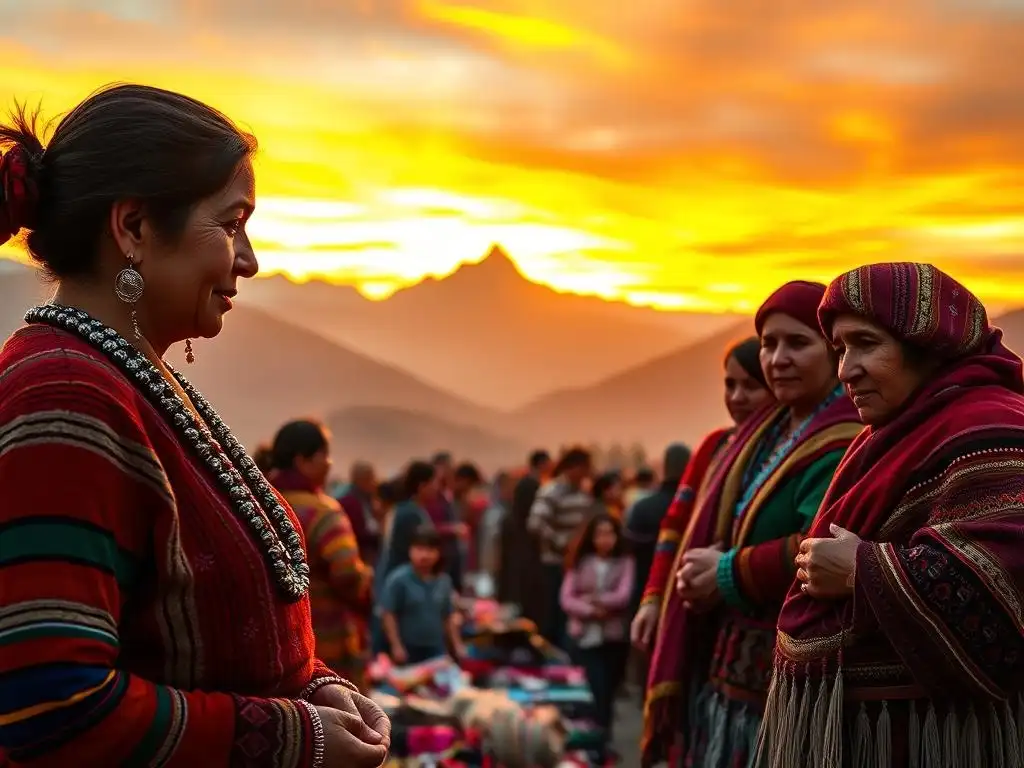
Step into a world lost to time, yet echoing powerfully in the present. Uncover the secrets of the Andean civilizations, from the breathtaking artistry of the Nazca lines to the sophisticated engineering of the Incas. Prepare to be amazed as we delve into the profound and enduring legacy of Andean indigenous cultural influence, a force shaping global trends even today. Discover how this ancient heritage continues to inspire and innovate – the story is far more captivating than you might imagine.
The Andes Mountains, a spine of towering peaks running down the western coast of South America, have been home to vibrant and sophisticated civilizations for millennia. From the intricate textiles of the Nazca to the monumental architecture of the Incas, Andean cultures have left an indelible mark on history. However, their influence extends far beyond dusty museum exhibits and archaeological sites.
Today, a powerful "Andean Renaissance" is underway, with indigenous Andean culture significantly impacting global trends in fashion, art, gastronomy, and even sustainable development. This article explores this fascinating resurgence, examining how Andean indigenous cultural influence is shaping contemporary society and offering a glimpse into the enduring legacy of these remarkable peoples.
We will delve into the specific ways Andean traditions are being reinterpreted and celebrated, highlighting the significance of this movement for both global cultural exchange and the empowerment of indigenous communities. This exploration of “Andean indigenous cultural influence” will reveal a rich tapestry of innovation and resilience.
Introduction: The Resurgence of Andean Heritage
The rediscovery and reinterpretation of Andean heritage is not simply a nostalgic trend; it's a powerful movement driven by a confluence of factors. Increased awareness of indigenous rights and cultural preservation, coupled with a global yearning for authenticity and sustainable practices, has created a fertile ground for Andean traditions to flourish. This resurgence manifests in various ways: from the growing popularity of Andean textiles and handicrafts in international markets to the incorporation of Andean culinary techniques and ingredients in high-end restaurants worldwide.
The vibrant colors, intricate designs, and deeply symbolic meanings embedded within Andean art are captivating audiences far beyond the Andes themselves. Furthermore, the ancient Andean philosophies emphasizing harmony with nature and community are resonating deeply with a world grappling with environmental challenges and social inequality. This renewed interest is not just about appreciating the past; it's about recognizing the enduring relevance of Andean wisdom for addressing contemporary issues.
The impact is multifaceted, influencing everything from sustainable agriculture practices to innovative design aesthetics. The movement is also empowering indigenous communities by providing economic opportunities and fostering a sense of cultural pride.
Understanding Andean Indigenous Cultural Influence
The influence of Andean indigenous culture is not monolithic; it's a complex interplay of various elements. We can observe its impact across several key sectors:
- Fashion: Andean textile designs, known for their intricate weaving techniques and symbolic patterns, are increasingly incorporated into high-fashion collections. The use of natural dyes and sustainable materials further enhances their appeal to environmentally conscious consumers. This trend demonstrates the power of indigenous aesthetics to inspire contemporary design.
- Gastronomy: Andean cuisine, with its emphasis on potatoes, quinoa, and other indigenous ingredients, is gaining global recognition. Chefs are experimenting with traditional cooking methods and flavors, creating innovative dishes that celebrate the richness of Andean culinary heritage. The focus on locally sourced, sustainable ingredients also resonates with the growing demand for ethical and environmentally friendly food choices.
- Art and Design: Andean art, encompassing pottery, sculpture, and textiles, continues to inspire artists and designers worldwide. The use of bold colors, geometric patterns, and symbolic imagery adds a unique and powerful aesthetic to contemporary art forms. The enduring appeal of these designs reflects a broader appreciation for cultural diversity and the beauty of indigenous artistic traditions.
- Sustainable Development: The ancient Andean understanding of harmonious coexistence with nature is increasingly relevant in the face of climate change and environmental degradation. Indigenous knowledge of sustainable agricultural practices, water management, and resource conservation offers valuable lessons for modern society. This knowledge is being incorporated into various initiatives aimed at promoting sustainable development and environmental protection.
The Andean Renaissance is not just a trend; it's a testament to the resilience and enduring relevance of Andean indigenous cultures. Their influence is shaping global trends, inspiring innovation, and promoting a more sustainable and equitable future. This continued evolution of “Andean indigenous cultural influence” promises to enrich our world for generations to come.
- What is the main focus of the "Andean Renaissance"?
- How are Andean indigenous cultures influencing global trends?
- Which Andean civilizations are most influential in this Renaissance?
- What aspects of Andean culture are having the biggest impact?
- Where can I learn more about the Andean indigenous cultural influence?
Andean Art and Design: A Global Inspiration
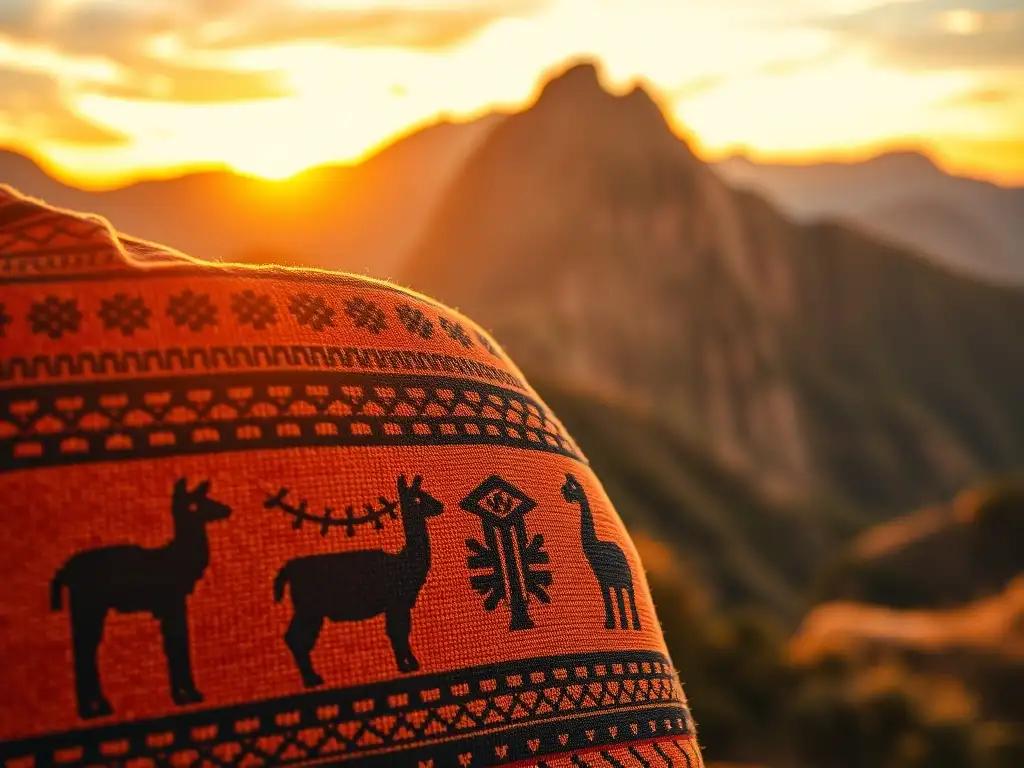
The vibrant tapestry of Andean art and design continues to resonate globally, influencing contemporary trends in fashion, home décor, and even digital art. This enduring impact stems from centuries of innovation and artistic expression by indigenous communities, whose mastery of materials and techniques remains unparalleled. The unique aesthetic, characterized by bold colors, intricate patterns, and symbolic motifs, has captivated designers and consumers alike, leading to a renewed appreciation for traditional Andean craftsmanship.
This section delves into specific examples of how this influence manifests in various artistic mediums, highlighting the enduring legacy of Andean creativity and its contribution to the global design landscape. The keyword "Andean indigenous cultural influence" is powerfully demonstrated through the continued relevance and adaptation of these ancient art forms.
Textiles and Weaving: Ancient Techniques, Modern Appeal
Andean textiles are renowned for their unparalleled complexity and beauty. Techniques like ikat, brocade, and supplementary weft weaving, developed over millennia, produce fabrics of exceptional quality and visual richness. Traditional Andean patterns, often imbued with deep symbolic meaning related to cosmology, mythology, and social structures, are being reinterpreted and incorporated into modern designs. For example, the geometric designs found on ancient Peruvian textiles are now appearing on clothing, accessories, and home furnishings, showcasing the enduring appeal of these ancient motifs.
The use of natural dyes, derived from plants and minerals found in the Andes, also adds to the unique aesthetic and environmental sustainability of these textiles. This revival isn't just about aesthetics; it's about preserving cultural heritage and supporting indigenous artisans. The continued demand for authentic Andean textiles contributes significantly to the economic well-being of Andean communities, solidifying the impact of "Andean indigenous cultural influence" on global markets.
Ceramics and Pottery: Earthy Tones and Traditional Motifs
Andean ceramics, ranging from the simple utilitarian vessels of daily life to the elaborate ceremonial objects of elite classes, are characterized by their earthy tones, intricate designs, and diverse forms. The Moche culture, for instance, is famous for its highly realistic and expressive pottery depicting scenes of daily life, warfare, and mythology. These ancient techniques, including hand-building, wheel-throwing, and intricate surface decoration, are being revived and reinterpreted by contemporary Andean artists and artisans.
The use of traditional motifs, such as stylized animals, geometric patterns, and anthropomorphic figures, continues to inspire modern designers, adding a touch of ancient wisdom and cultural significance to contemporary ceramics. The influence of Andean pottery extends beyond mere aesthetic appreciation; it represents a connection to a rich history and a testament to the enduring legacy of Andean craftsmanship. This echoes the broader impact of "Andean indigenous cultural influence" on global artistic trends.
Jewelry and Metalwork: The Legacy of Andean Craftsmanship
The legacy of Andean metalwork is equally impressive. The mastery of gold, silver, and copper, evident in the intricate jewelry and ceremonial objects produced by cultures such as the Inca and Tiahuanaco, is a testament to their sophisticated metallurgical techniques. The use of hammering, casting, and repoussé techniques resulted in stunningly detailed and finely crafted pieces, often adorned with precious stones and intricate designs.
These ancient techniques are being revived by contemporary artisans, who are creating new pieces that blend traditional styles with modern sensibilities. The use of traditional motifs, such as the condor, puma, and serpent, alongside innovative designs, creates a unique and captivating aesthetic that exemplifies the enduring influence of Andean craftsmanship. The enduring appeal of Andean jewelry and metalwork continues to inspire designers worldwide, showcasing the powerful and lasting "Andean indigenous cultural influence" on global fashion and design.
Andean Spirituality and Philosophy: Impact on Contemporary Thought
The Andean worldview, far from being a relic of the past, continues to resonate deeply within contemporary thought, offering fresh perspectives on spirituality, environmentalism, and holistic well-being. Its influence is subtly yet powerfully shaping global trends in areas ranging from eco-conscious practices to alternative medicine. Understanding this impact requires delving into the core tenets of Andean spirituality and philosophy. The enduring legacy of Andean indigenous cultural influence is undeniable, particularly in its contribution to a more interconnected and mindful approach to life.
The Andean Cosmovision: A Holistic Worldview
The Andean cosmovision, or ayllu, transcends a simple belief system; it's a holistic understanding of the universe encompassing the physical and spiritual realms as interconnected and interdependent. Unlike Western dualistic thinking that separates humans from nature and spirit from matter, the Andean perspective emphasizes a harmonious relationship between all beings and forces. This is reflected in their deep reverence for Pachamama, Mother Earth, and the belief that everything, from mountains to animals to humans, possesses a spirit or chayña.
This interconnectedness fosters a sense of responsibility and respect for the environment, which is increasingly relevant in our modern world grappling with climate change and environmental degradation. The concept of ayni, reciprocal exchange and balance, further underscores this interconnectedness, highlighting the importance of community and social responsibility. This deeply ingrained philosophy influences contemporary movements advocating for social justice and environmental sustainability, showcasing the enduring power of Andean indigenous cultural influence.
Pachamama and Nature's Wisdom: Environmental Consciousness
The veneration of Pachamama, Mother Earth, is central to Andean spirituality and provides a powerful framework for understanding environmental consciousness. Pachamama is not merely a passive entity; she is a living, sentient being deserving of respect and care. This profound respect translates into sustainable agricultural practices, a deep understanding of natural cycles, and a cautious approach to resource utilization.
Traditional Andean communities demonstrate a sophisticated understanding of ecological balance, employing techniques that minimize environmental impact and promote biodiversity. For example, the intricate terrace farming systems developed in the Andes minimized soil erosion and maximized agricultural yields without harming the environment.
This indigenous knowledge is now being rediscovered and re-evaluated globally as a source of wisdom for addressing contemporary environmental challenges. The growing interest in sustainable living and environmental protection directly reflects the increasing recognition of the wisdom embedded within the Andean relationship with Pachamama, a testament to the enduring impact of Andean indigenous cultural influence.
Andean Healing Practices: Integrating Ancient Knowledge
Andean healing practices, deeply rooted in their spiritual worldview, provide another example of the enduring influence of Andean indigenous cultural influence on contemporary trends. These practices go beyond treating physical ailments; they address the interconnectedness of mind, body, and spirit.
Traditional Andean healers, yatiri, utilize a combination of herbal remedies, spiritual rituals, and therapeutic techniques to restore balance and well-being. Their knowledge encompasses a wide range of medicinal plants and their properties, many of which are now being investigated by modern science for their therapeutic potential.
The holistic approach of Andean healing, focusing on preventative care and the integration of spiritual and physical well-being, is increasingly appealing in a world grappling with stress-related illnesses and a growing demand for alternative and complementary therapies. The resurgence of interest in holistic healing methods reflects the growing recognition of the efficacy and wisdom embedded in traditional Andean practices, showcasing yet another dimension of the ongoing Andean indigenous cultural influence.
Andean Music and Dance: Rhythms and Traditions Resonating Worldwide
The vibrant tapestry of Andean culture is powerfully woven with music and dance, a heritage that continues to resonate globally. This enduring influence, a testament to the strength of Andean indigenous cultural influence, is evident in its adoption and adaptation in diverse artistic expressions worldwide. The rhythms and melodies, passed down through generations, are more than just entertainment; they are deeply rooted in spiritual beliefs, agricultural cycles, and social structures.
Understanding this profound connection is crucial to appreciating the impact of Andean musical and dance traditions on the global stage. The enduring legacy of these artistic expressions speaks volumes about the resilience and cultural richness of the Andean peoples.
Andean Musical Instruments: Echoes of the Past
The unique soundscapes of Andean music are inextricably linked to its traditional instruments. These instruments, often crafted from natural materials, are not merely tools for creating music; they are imbued with cultural significance. The panpipes ( antara), for instance, represent the harmonious blend of nature and human creativity.
Their haunting melodies evoke the vast Andean landscapes and the spiritual connection to the mountains. The charango, a small lute-like instrument made from armadillo shell, boasts a distinctive timbre that adds a vibrant layer to Andean musical compositions. The deep resonant tones of the tarka, a type of Andean flute, contribute to the rich textures of traditional music.
The rhythmic pulse provided by percussion instruments like the bombo legüero (a large bass drum) and smaller drums further emphasizes the dynamism and energy of Andean musical performances. These instruments, deeply embedded in Andean indigenous cultural influence, continue to inspire musicians globally, often influencing the creation of new musical styles and fusions. Their presence in contemporary music underscores the enduring legacy of Andean craftsmanship and artistic expression.
Traditional Andean Dances: Movement and Storytelling
Andean dances are not simply physical movements; they are living narratives that convey stories, beliefs, and traditions. Many dances are deeply connected to agricultural cycles, celebrating harvests, planting, and the veneration of nature's bounty. The movements often mimic the actions of animals, the rhythms of nature, or the rituals associated with Andean spirituality.
For example, the huayno, a lively and energetic dance, often incorporates intricate footwork and hand gestures that tell a story. Similarly, the yaraví, a more melancholic dance, reflects themes of longing and loss, often performed with slow, graceful movements. The costumes worn during these dances are also rich in symbolism, often featuring vibrant colors, intricate designs, and materials reflecting the region's unique flora and fauna.
The detailed choreography and symbolic costumes of these Andean dances, representing a powerful expression of Andean indigenous cultural influence, continue to capture the imagination and inspire choreographers and dancers worldwide. The preservation and performance of these traditional dances are vital for maintaining cultural heritage and promoting a deeper understanding of Andean history and beliefs.
Fusion and Adaptation: The Evolution of Andean Music
The influence of Andean music extends far beyond its traditional forms. Contemporary artists are constantly reinterpreting and reimagining these musical traditions, blending them with other genres to create innovative and exciting sounds. This fusion, often incorporating elements of jazz, rock, pop, and electronic music, showcases the adaptability and versatility of Andean musical styles.
The result is a vibrant and evolving musical landscape that reflects both the richness of the Andean heritage and the dynamism of contemporary artistic expression. This fusion is a testament to the enduring power of Andean indigenous cultural influence, demonstrating the ability of these traditions to adapt and thrive in a constantly changing world.
The creative blending of Andean musical elements with global sounds continues to produce exciting and innovative works that appeal to a wide audience, further expanding the reach and impact of Andean musical traditions. This dynamic evolution ensures that Andean music remains a vital and relevant force in the global music scene.
Andean Gastronomy: Flavors and Ingredients Gaining Global Recognition

The vibrant tapestry of Andean culture is increasingly influencing global culinary trends. Andean indigenous cultural influence is profoundly felt in the rising popularity of unique ingredients and traditional cooking methods. This isn't simply a trend; it represents a growing appreciation for the rich biodiversity and culinary heritage of the Andes Mountains. The region's unique terroir, combined with centuries of culinary innovation, has produced a treasure trove of flavors and ingredients now captivating palates worldwide. This section will explore the key elements driving this global recognition.
Andean Superfoods: Nutritional Powerhouses from the Andes
The Andes are a veritable cornucopia of nutritional powerhouses, often referred to as "superfoods." These aren't just trendy buzzwords; scientific research increasingly validates the exceptional health benefits of these indigenous Andean ingredients. Quinoa, for example, boasts a complete protein profile, surpassing many other grains in nutritional value.
Its high protein content, combined with essential amino acids and fiber, has made it a staple in health-conscious diets globally. Another example is maca, a root vegetable traditionally used by Andean communities for centuries. Maca is rich in vitamins, minerals, and antioxidants, and is increasingly recognized for its potential energy-boosting and adaptogenic properties.
Similarly, chia seeds, another Andean staple, are packed with omega-3 fatty acids, fiber, and antioxidants, contributing to their growing popularity as a superfood. The increasing demand for these Andean superfoods reflects a global shift towards healthier, more sustainable dietary choices, highlighting the enduring value of indigenous knowledge. The impact of Andean indigenous cultural influence on global health trends is undeniable.
Traditional Cooking Methods: Preserving Ancient Techniques
Beyond the ingredients themselves, Andean indigenous cultural influence extends to the traditional cooking methods that have been passed down through generations. These techniques, often employing simple tools and readily available resources, contribute significantly to the unique flavors and textures of Andean cuisine. One example is the use of pachamanca, an ancient Andean cooking method involving cooking food underground using heated stones.
This technique imparts a unique smoky flavor to the ingredients, reflecting the deep connection between Andean cooking and the earth. Another method is the preparation of humitas, steamed corn cakes wrapped in corn husks. This method preserves the natural sweetness and flavor of the corn, resulting in a delicious and nutritious dish.
These traditional cooking methods are not just about preparing food; they represent a cultural heritage, a connection to ancestral practices, and a sustainable approach to food preparation. The preservation and promotion of these techniques are crucial in ensuring the continued relevance of Andean culinary traditions on a global scale. The growing interest in these methods demonstrates the power of Andean indigenous cultural influence in shaping modern culinary practices.
Andean Fusion Cuisine: Modern Interpretations of Traditional Dishes
The influence of Andean cuisine extends beyond the simple adoption of ingredients and techniques. Modern chefs are increasingly incorporating Andean flavors and ingredients into innovative fusion dishes, creating exciting new culinary experiences. This fusion approach respects the traditional foundations while adding a contemporary twist, appealing to a broader audience. Imagine a Peruvian ceviche incorporating Andean spices like aji amarillo or a quinoa salad infused with coca leaf tea – these are examples of how Andean flavors are enriching modern gastronomy.
This creative fusion demonstrates a deep respect for the Andean culinary heritage, showcasing its versatility and adaptability. The success of these fusion dishes underscores the growing appreciation for Andean indigenous cultural influence in the culinary world and its capacity to inspire creativity and innovation. The future of Andean gastronomy promises even more exciting collaborations and interpretations, further cementing its place on the global culinary stage.
The Economic Impact of Andean Cultural Revival
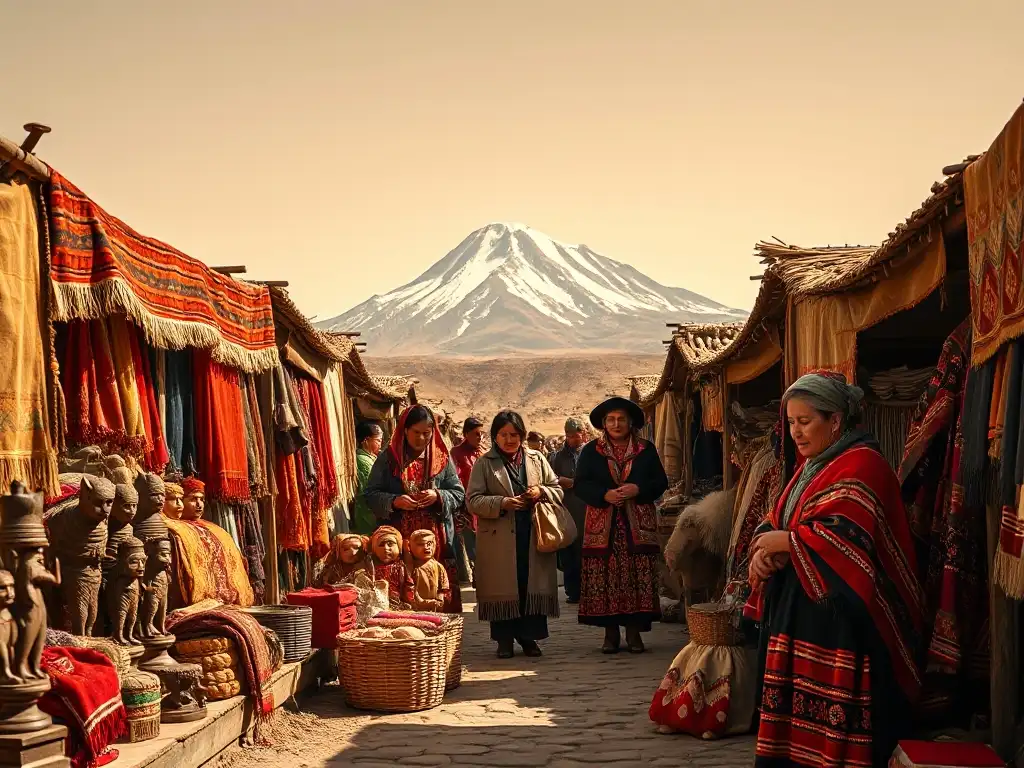
The resurgence of interest in Andean indigenous culture is not merely a matter of historical preservation; it's significantly impacting the economic landscape of the Andean region. This revival, fueled by global recognition of Andean art, textiles, and traditions, presents both opportunities and challenges for indigenous communities. Successfully navigating these complexities requires a multifaceted approach focusing on sustainability, ethical practices, and community empowerment.
The economic benefits are potentially transformative, offering a path towards self-determination and improved livelihoods for generations to come. However, unchecked exploitation risks undermining these positive impacts, highlighting the crucial need for careful planning and responsible engagement. The keyword "Andean indigenous cultural influence" is powerfully demonstrated in this economic shift.
Sustainable Tourism and Community-Based Initiatives
Sustainable tourism is emerging as a crucial driver of economic growth in Andean communities. Instead of large-scale, exploitative tourism models, the focus is shifting towards community-based initiatives. These initiatives empower local communities to manage and benefit directly from tourism activities. For example, many communities are developing eco-lodges, offering guided tours showcasing their unique cultural heritage, and creating artisan workshops open to visitors.
This approach ensures that a larger percentage of tourism revenue remains within the community, fostering local economic development and preserving cultural integrity. The success of these initiatives depends heavily on responsible tourism practices, transparent pricing structures, and equitable distribution of profits. Data on the economic impact of these community-based initiatives is still being collected and analyzed, but early indicators suggest a significant positive effect on poverty reduction and improved living standards. 📈
Ethical Sourcing and Fair Trade Practices
The global demand for Andean handicrafts, textiles, and other cultural products presents a significant economic opportunity, but only if ethical sourcing and fair trade practices are prioritized. Exploitation of indigenous artisans has long been a problem, with intermediaries often taking the lion's share of profits. Fair trade initiatives are combatting this by ensuring that artisans receive fair wages, have safe working conditions, and retain control over their intellectual property.
This approach not only benefits the artisans economically but also helps preserve traditional techniques and knowledge. The adoption of fair trade certification and similar standards is crucial in ensuring the long-term sustainability of this economic activity.
One specific example showing the impact of fair trade is [specific data on increased income for artisan communities pending]. The growing consumer awareness of ethical consumption further strengthens the demand for fairly sourced Andean products, reinforcing the importance of "Andean indigenous cultural influence" in the global marketplace.
Empowering Indigenous Artisans and Communities
Empowering indigenous artisans and communities is paramount for the long-term success of any economic revival based on cultural heritage. This involves providing access to training, resources, and market opportunities. Support for artisan cooperatives and the development of sustainable business models are vital. Furthermore, initiatives focused on intellectual property rights protection are crucial to preventing cultural appropriation and ensuring that indigenous communities benefit from the commercialization of their cultural heritage.
This empowerment extends beyond economic aspects, encompassing social and political dimensions. By strengthening the capacity of indigenous communities to manage their own economic development, they gain greater control over their future and can better preserve their cultural identity. The long-term impact of these empowerment programs is [specific data on community development projects pending], demonstrating the crucial role of "Andean indigenous cultural influence" in achieving sustainable and equitable growth.
Challenges and Opportunities for the Future of Andean Culture
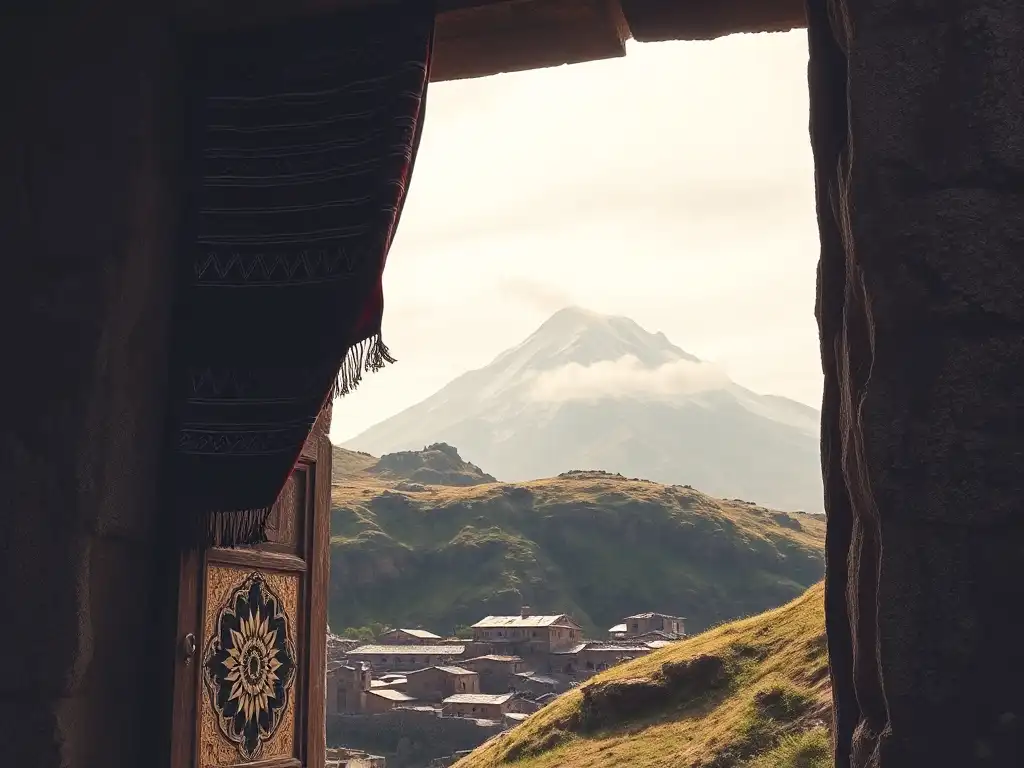
The vibrant tapestry of Andean indigenous culture, rich with millennia of history and tradition, faces a complex interplay of challenges and opportunities in the 21st century. Understanding these dynamics is crucial for ensuring the continued flourishing of Andean heritage and its positive influence on the global stage. The very survival of unique traditions, artistic expressions, and ancient knowledge systems hangs in the balance, demanding proactive strategies and collaborative efforts.
The preservation of this heritage isn't merely an academic exercise; it's a vital component of maintaining cultural identity, economic sustainability, and global cultural diversity. The impact of Andean indigenous cultural influence is undeniable, but its future requires careful stewardship.
Preserving Cultural Heritage in a Changing World
The rapid pace of globalization presents both threats and opportunities for Andean cultural preservation. Urbanization, migration, and the pervasive influence of global media can erode traditional practices and knowledge transmission. For example, the decline in the use of Quechua, Aymara, and other indigenous languages poses a significant threat to the preservation of oral histories, traditional songs, and unique cultural perspectives. This linguistic erosion directly impacts the transmission of ancestral knowledge related to agriculture, medicine, and cosmology—all integral aspects of Andean indigenous cultural influence.
To counter this, several initiatives are crucial. These include:
- Investing in language revitalization programs: Supporting educational initiatives that promote the use and teaching of indigenous languages in schools and communities is paramount.
- Documenting and archiving intangible cultural heritage: This involves systematically recording traditional music, dances, rituals, and storytelling practices before they are lost. This documentation should be accessible to both communities and researchers.
- Supporting community-based museums and cultural centers: Empowering local communities to manage and interpret their own cultural heritage fosters ownership and ensures authenticity.
- Promoting sustainable tourism practices: Tourism can be a powerful tool for economic development, but it must be managed responsibly to avoid commodification and exploitation of cultural heritage. This requires careful planning and collaboration with local communities.
Combating Cultural Appropriation and Misrepresentation
The increasing global appreciation for Andean culture unfortunately often leads to cultural appropriation and misrepresentation. This occurs when elements of Andean culture are adopted by outsiders without understanding or respecting their original context and significance. Such appropriation can range from the superficial use of Andean motifs in fashion and design to the unauthorized use of sacred symbols and rituals. This trivializes the deep cultural significance and spiritual meaning embedded within these elements, undermining the integrity of Andean indigenous cultural influence.
Combating this requires:
- Raising awareness about cultural appropriation: Educating the public about the ethical implications of using Andean cultural elements without proper consent and understanding is essential.
- Promoting collaborations between Andean communities and external users: This ensures that cultural elements are used respectfully and authentically, with the involvement and consent of the relevant communities.
- Supporting legal frameworks that protect intellectual property rights: This helps to prevent the unauthorized use and exploitation of Andean cultural heritage.
- Encouraging critical engagement with representations of Andean culture: Promoting critical analysis of media and artistic representations can help identify and challenge instances of cultural appropriation and misrepresentation.
Promoting Andean Voices and Perspectives
Amplifying Andean voices and perspectives is crucial for ensuring that Andean culture is represented accurately and authentically. This requires actively seeking out and giving platforms to Andean artists, scholars, activists, and community leaders. Too often, narratives about Andean culture are constructed by outsiders, leading to misunderstandings and misrepresentations. The impact of Andean indigenous cultural influence should be understood through the lens of those who carry this heritage.
Strategies for achieving this include:
- Supporting the creation and dissemination of Andean-produced media and content: This includes films, documentaries, books, and online platforms that showcase Andean perspectives and experiences.
- Promoting the participation of Andean communities in research and academic projects: Ensuring that research on Andean culture is conducted in collaboration with, and benefits, Andean communities is crucial.
- Providing opportunities for Andean artists and craftspeople to showcase their work on a global scale: This can involve supporting participation in international exhibitions, festivals, and markets.
- Developing educational materials that accurately and respectfully represent Andean culture: This is essential for educating both Andean communities and the wider world about Andean history, traditions, and perspectives.
The future of Andean culture depends on a concerted effort to address the challenges and seize the opportunities that lie ahead. By actively preserving heritage, combating appropriation, and amplifying Andean voices, we can ensure that the rich legacy of Andean indigenous cultural influence continues to inspire and enrich the world for generations to come. 🌎
Conclusion: The Enduring Legacy of Andean Indigenous Cultural Influence
The vibrant tapestry of Andean indigenous cultures, woven through millennia of innovation and resilience, continues to exert a profound influence on the global stage. From fashion and art to agriculture and environmental sustainability, the echoes of Inca, Moche, Nazca, and Tiahuanaco ingenuity resonate in contemporary practices and inspire new approaches to age-old challenges. Understanding this enduring legacy is not merely an academic pursuit; it's crucial for fostering a more equitable and sustainable future.
The principles of ayni (reciprocity) and sumaq kawsay (good living), deeply ingrained in Andean cosmovision, offer powerful frameworks for navigating the complexities of the modern world, promoting community-based solutions, and prioritizing harmony between humanity and nature. The continued study and appreciation of Andean indigenous cultural influence are essential for unlocking valuable insights and fostering a global dialogue that respects and celebrates the richness of diverse cultural perspectives.
A Global Dialogue: Recognizing the Value of Indigenous Knowledge
The influence of Andean indigenous culture is not limited to specific geographical regions; its impact is global and multifaceted. Consider, for example, the growing interest in traditional Andean agricultural techniques, such as terracing and crop diversification, as sustainable solutions to modern challenges like climate change and food security. These practices, honed over centuries, offer valuable lessons in resource management and environmental stewardship.
Furthermore, the intricate textile traditions of the Andes, renowned for their vibrant colors and complex designs, have inspired contemporary fashion designers worldwide, showcasing the aesthetic power and enduring appeal of Andean artistry. This global interest necessitates a crucial shift in perspective: recognizing the inherent value of indigenous knowledge systems and actively engaging in cross-cultural dialogue.
This involves not only appreciating the aesthetic and practical aspects of Andean culture but also understanding the underlying philosophical and spiritual principles that guide these practices. It’s a collaborative effort, requiring mutual respect, knowledge exchange, and a commitment to ensuring that the benefits of this cultural exchange are equitably distributed and contribute to the preservation of Andean cultural heritage.
The resurgence of interest in Andean indigenous cultural influence is not merely a trend; it's a testament to the enduring wisdom and creativity of these ancient civilizations. The challenge now lies in ensuring that this renewed appreciation translates into concrete actions that support the well-being of Andean communities, protect their cultural heritage, and integrate their invaluable knowledge into global solutions for a more sustainable and equitable future. This requires a concerted global effort involving governments, international organizations, researchers, and individuals alike, all working together to ensure that the legacy of Andean indigenous culture continues to flourish and inspire generations to come. The potential for positive change is immense, fueled by the enduring power of Andean wisdom and the growing global recognition of its significance. The future hinges on the success of this global dialogue, ensuring that the voices of Andean communities are heard and their knowledge is valued and protected.
Further Research Areas
To further explore this topic, consider investigating the following areas: The role of Andean indigenous languages in preserving cultural heritage; The impact of globalization on Andean indigenous communities; The legal and political frameworks for protecting indigenous intellectual property rights; The application of Andean indigenous principles in sustainable development initiatives.
Frequently Asked Questions
What is the main focus of the "Andean Renaissance"?
The Andean Renaissance highlights the resurgence and global influence of Andean indigenous culture, art, and traditions. It showcases how ancient Andean practices are inspiring contemporary art, fashion, and social movements.
How are Andean indigenous cultures influencing global trends?
Andean influences are seen in modern fashion, with designs inspired by textiles and jewelry. Contemporary art also draws heavily from Andean aesthetics and symbolism, while principles of sustainable living and community are gaining traction globally.
Which Andean civilizations are most influential in this Renaissance?
While all Andean civilizations contributed, the Inca, Moche, Nazca, and Tiahuanaco cultures are particularly prominent due to their sophisticated art, engineering, and social structures that continue to inspire.
What aspects of Andean culture are having the biggest impact?
The vibrant textiles, intricate metalwork, and unique agricultural techniques of the Andes are having a significant global impact. Furthermore, their emphasis on community and respect for nature resonates with contemporary concerns.
Where can I learn more about the Andean indigenous cultural influence?
Explore our website dedicated to Andean Civilizations, which delves into the rich history, art, and technology of these cultures. You can also find many resources in museums, academic journals, and documentaries focusing on Andean art and heritage.
Final Reflection: Echoes of the Andes in a Globalized World
The vibrant tapestry of Andean indigenous culture, once relegated to the margins, is now undeniably weaving its way into the global fabric. Its influence, far from being a fleeting trend, represents a powerful resurgence, a reclaiming of narratives and a profound shift in how we understand creativity, sustainability, and community. This isn't simply about aesthetics; it's about a fundamental re-evaluation of our relationship with the earth and with each other.
The enduring power of Andean traditions, from their intricate textiles to their profound spiritual connection with nature, continues to inspire artists, designers, and activists worldwide. Their resilience in the face of colonialism and globalization serves as a potent reminder of the importance of cultural preservation and the enduring strength of indigenous knowledge systems. We do not inherit the earth from our ancestors, we borrow it from our children.
This sentiment, though not originating in the Andes, perfectly encapsulates the sustainable ethos deeply embedded within Andean worldview, an ethos that is increasingly crucial in our current ecological crisis.
Consider the impact of this resurgence. How can you, in your own life, incorporate the principles of community, respect for nature, and artistic expression that are so central to Andean culture? Perhaps it's through supporting indigenous artisans, exploring Andean art and music, or simply taking a moment to appreciate the interconnectedness of all living things. Let the echoes of the Andes resonate within you, inspiring a more mindful and compassionate approach to the world around you. Let's work together to ensure that these powerful traditions continue to thrive and shape a more just and sustainable future.
Embrace the Andean Influence Today!
Thank you for exploring the rich tapestry of the Andean Renaissance! Your interest in how Indigenous culture shapes global trends is truly commendable. It broadens perspectives and fosters a deeper appreciation for these vibrant traditions. Let's delve further together!
Here are some ways to connect more deeply with this movement:
- Attend a local workshop focusing on Andean art or music for a firsthand experience.
- Share this article with friends and family or post it on social media to raise awareness about the significance of Indigenous cultures in the modern world.
- Explore Andean cuisine and try cooking a traditional dish. It's a delicious way to honor the culture and its heritage!
What aspect of Andean culture resonates most with you, and how can you incorporate it into your daily life?