
Nazca Lines Unveiled: Modern Theories and Scientific Explanations


Dive into the enigmatic world of the Andean civilizations! From the towering heights of Inca ingenuity to the breathtaking artistry of the Moche, a tapestry of fascinating cultures awaits. But what secrets do the mysterious Nazca Lines hold? Uncover compelling theories and scientific explanations behind this ancient marvel in our latest article, "Nazca Lines meaning and theories," and prepare to be amazed by the ingenuity of these lost civilizations. Prepare to be captivated.
The Nazca Lines, a collection of ancient geoglyphs etched into the Peruvian desert, remain one of archaeology's most enduring enigmas. These colossal figures and intricate designs, visible only from the air, have captivated researchers and the public alike for decades. This article delves into the current leading theories surrounding the creation and purpose of the Nazca Lines, exploring the scientific evidence and interpretations that attempt to unlock the secrets of this remarkable Andean legacy.
We will examine the scale and complexity of these geoglyphs, considering various hypotheses regarding their meaning and the advanced techniques employed in their creation, ultimately aiming to shed light on their significance within the broader context of Nazca culture and the Andean world. Understanding the Nazca Lines meaning and theories requires a multidisciplinary approach, combining archaeological findings, astronomical observations, and anthropological insights to piece together a comprehensive picture of this fascinating phenomenon.
Introduction to the Mystery of the Nazca Lines
The Nazca Lines, located in the arid coastal plains of southern Peru, consist of hundreds of figures ranging from simple lines and geometric shapes to intricate depictions of animals, plants, and stylized humanoids. These geoglyphs, some stretching over 300 meters in length, were created by removing the dark reddish-brown surface stones to reveal the lighter subsoil. Their sheer scale and precision are remarkable, particularly considering the tools and technology available to the Nazca culture (c. 100 BCE – 800 CE).
The mystery surrounding their creation is amplified by their invisibility from ground level; their true form only becomes apparent from a significant altitude, leading to much speculation about their intended purpose. Early theories ranged from landing strips for extraterrestrial visitors to elaborate irrigation systems, but modern research has offered more nuanced and scientifically grounded explanations.
The challenge lies in piecing together fragmented evidence and interpreting the cultural context within which these enigmatic lines were created. This requires considering not only the physical characteristics of the geoglyphs themselves but also the broader social, religious, and astronomical beliefs of the Nazca people.
Understanding the Nazca Geoglyphs: Scale and Composition
The scale of the Nazca Lines is truly breathtaking. Some of the animal figures, such as the hummingbird and the monkey, extend for hundreds of meters. The precision with which these vast images were created is equally impressive. The lines themselves are remarkably straight and consistent in width, suggesting a sophisticated understanding of surveying and measurement techniques.
Analysis of the geoglyphs reveals that they were not created all at once but rather over several centuries, with different styles and techniques evident across various periods. The composition of the geoglyphs varies considerably. Some are simple geometric shapes, while others are highly complex and detailed representations of animals and plants. The choice of figures, their arrangement, and the overall layout of the geoglyphs have led researchers to explore various hypotheses, including ritualistic practices, astronomical alignments, and marking of territorial boundaries.
Detailed studies of the soil composition and the methods used to create the lines are providing further clues to understanding the techniques and the time involved in their construction. The level of planning and coordination required to execute such massive projects speaks to the advanced organizational capabilities of the Nazca civilization. Furthermore, the remarkable preservation of the geoglyphs in the arid desert environment has allowed for extensive study, although environmental factors, such as erosion and human activity, continue to pose a significant challenge to their long-term preservation.
- Introduction to the Mystery of the Nazca Lines
- Understanding the Nazca Geoglyphs: Scale and Composition
Modern Interpretations of the Nazca Lines

The Nazca Lines, etched into the Peruvian desert, continue to fascinate and challenge researchers. While their exact purpose remains a mystery, modern interpretations offer compelling theories, moving beyond simplistic explanations. This section explores leading hypotheses, focusing on the astronomical and hydrological aspects of these enigmatic geoglyphs. The enduring mystery surrounding the Nazca Lines meaning and theories fuels ongoing research and debate. Understanding these interpretations provides valuable insight into the sophisticated culture that created them.
The Astronomical Alignment Theory: Nazca Lines and the Cosmos
One prominent theory suggests a strong astronomical connection to the Nazca Lines. This hypothesis posits that many lines and figures align with celestial events, such as solstices and equinoxes, or with the positions of significant stars and constellations. Proponents of this theory point to the precise alignment of certain geoglyphs with the rising and setting points of the sun on specific dates, suggesting a sophisticated understanding of astronomy and its calendrical implications. This would align with the astronomical knowledge demonstrated by other Andean cultures.
Detailed analysis of the geoglyphs' orientations, combined with astronomical data and sophisticated computer modeling, has yielded some intriguing results. For example, some researchers believe the hummingbird geoglyph might correlate with the heliacal rising of a particular star, marking an important agricultural or ceremonial cycle. However, other scholars remain skeptical, arguing that the alignments are coincidental or that the precision claimed is an overinterpretation of the available data.
Further research, including more accurate geodetic surveying and a more comprehensive analysis of the astronomical events relevant to the Nazca people, is needed to definitively prove or disprove this theory. The debate surrounding the Nazca Lines meaning and theories related to astronomy is far from settled.
The Water Ritual Hypothesis: Nazca Lines and Water Management
Another compelling theory centers on the vital role of water in the Nazca culture and the potential connection between the lines and water management or ritual practices. The Nazca region is extremely arid, and access to water was – and remains – crucial for survival. This hypothesis suggests that the lines might have been related to rituals aimed at ensuring plentiful water supplies, perhaps involving prayers or offerings to deities associated with water. The intricate designs themselves could be symbolic representations of water sources, underground aquifers, or even the flow of water in the infrequent but vital seasonal floods.
The Nazca Lines meaning and theories surrounding water are supported by archaeological evidence of sophisticated irrigation systems in the Nazca region. The lines themselves may have been part of a larger ceremonial landscape, where water played a central role in religious practices. The creation of the geoglyphs may have been a communal effort, representing the importance of water to the entire community. This would tie in with the observed patterns of settlement and agricultural practices in the region.
Evidence for Water-Related Rituals at Nazca
Click to expand evidence for water-related rituals
Archaeological excavations near the Nazca Lines have uncovered evidence of ritual sites containing offerings related to water. These include ceramic vessels depicting water deities and offerings of animal bones, suggesting that water played a significant role in their religious beliefs and practices. Furthermore, the discovery of underground aqueducts and sophisticated irrigation systems indicates a deep understanding of water management, lending further support to the hypothesis that the lines were linked to water rituals and ensured the survival of the Nazca civilization.
The study of these artifacts and irrigation systems offers a rich context for interpreting the meaning behind the Nazca Lines. The complex interplay between water management and religious beliefs is key to understanding the Nazca Lines' significance.
The ongoing research into the Nazca Lines continues to reveal new insights and refine existing theories. The interplay between astronomical alignments and water management rituals remains an area of active investigation, suggesting a potential integration of both cosmological and practical considerations in the creation of these remarkable geoglyphs. The quest to fully understand the Nazca Lines meaning and theories is an ongoing process, pushing the boundaries of archaeological research and our understanding of ancient Andean cultures.
The Shamanic Journey Interpretation: Nazca Lines and Spiritual Practices
The interpretation of the Nazca Lines as representations of shamanic journeys is a compelling theory that connects the geoglyphs to the spiritual beliefs and practices of the Nazca culture. This perspective suggests that the lines weren't merely decorative or astronomical markers, but rather served as a visual record of altered states of consciousness and spiritual experiences. The intricate designs, often depicting animals and plants with symbolic significance, are seen as embodying the shaman's journey through different realms and encountering various spiritual entities.
The elongated figures, such as the hummingbird or the monkey, could represent the shaman's transformation or the ability to shift between different planes of existence. The winding lines themselves might symbolize the path or trajectory of the shamanic journey, often depicted as a challenging and transformative process. This interpretation draws heavily on ethnographic studies of contemporary Andean cultures, where shamanic practices involving hallucinogenic plants are still prevalent.
The use of these substances could explain the otherworldly and often surreal nature of the geoglyphs. It's hypothesized that the creators may have used these plants to facilitate visions that were then translated into the elaborate designs etched onto the desert floor.
Furthermore, the scale and precision of the lines suggest a highly organized and ritualistic process, indicative of a deeply ingrained spiritual significance. The effort required to create these massive figures, spanning hundreds of meters, points to a community-wide undertaking, suggesting a shared belief system and a collective understanding of the spiritual meaning behind the project.
The location itself, the vast and desolate Nazca desert, could also be significant, representing a liminal space between the earthly and spiritual realms, ideal for such a ritualistic endeavor. This interpretation, while not definitively proven, offers a compelling narrative that connects the Nazca Lines to the broader cultural context of Andean shamanism and cosmology, offering a nuanced understanding of their meaning beyond simple astronomical alignments.
Further research into ancient Andean spiritual practices could further illuminate this fascinating theory. The intricate detail and symbolic representation within the lines themselves strongly support this hypothesis, offering a more profound understanding of the Nazca Lines' creation and purpose.
Scientific Explanations for the Nazca Lines
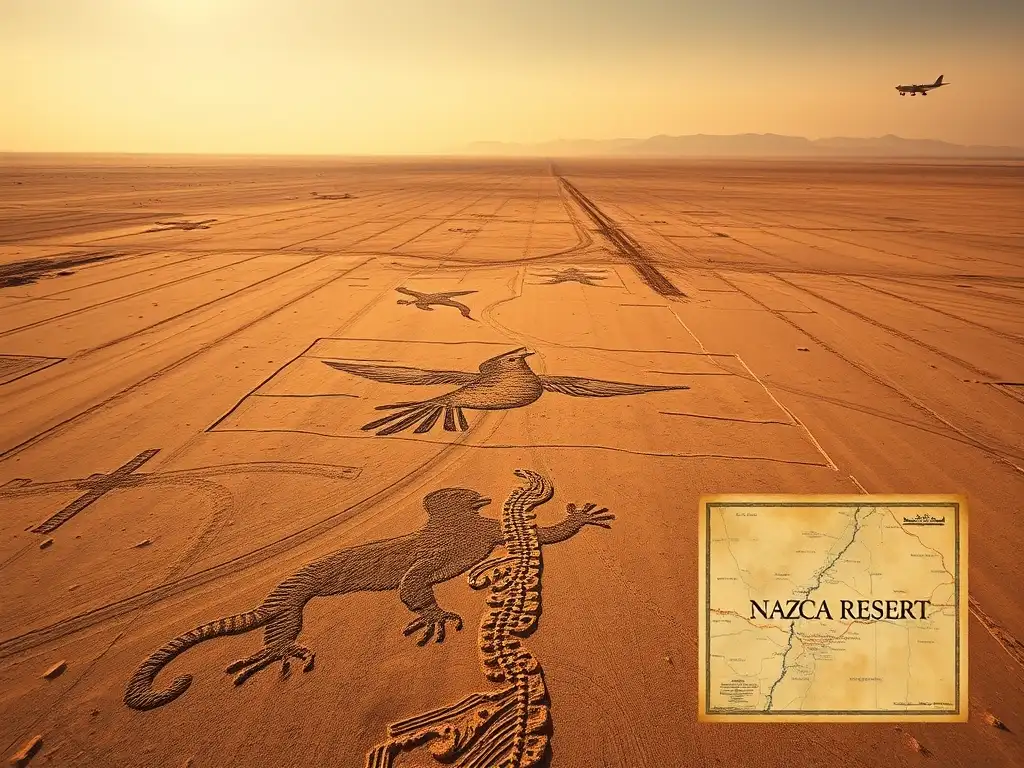
This section delves into the scientific understanding behind the creation and preservation of the Nazca Lines, moving beyond speculation and exploring the concrete evidence available. We will examine the geological factors that allowed for their creation and lasting survival, and then analyze the ingenious engineering techniques employed by the Nazca culture. Understanding these aspects is crucial to grasping the true Nazca Lines meaning and theories surrounding their purpose.
Geological Factors and Nazca Lines Creation
The unique geological characteristics of the Nazca desert played a pivotal role in both the creation and remarkable preservation of the geoglyphs. The arid climate, characterized by extremely low rainfall and minimal wind erosion, has acted as a natural preservative, shielding the lines from the ravages of time and the elements. The desert floor's composition, primarily consisting of reddish-brown oxidized iron-rich sediments, also contributed significantly.
This relatively soft, easily-worked surface allowed the Nazca people to remove the darker surface layer, revealing the lighter subsoil to create the contrasting lines. The stability of the desert floor ensured the lines maintained their shape over centuries. The absence of significant vegetation further facilitated the creation and visibility of the vast geoglyphs.
The Role of the Desert Environment in Preservation
The extreme aridity of the Nazca desert is the primary reason the lines have survived for centuries. Rainfall is exceptionally scarce, averaging less than 15mm annually in some areas. This lack of moisture prevents erosion, which would otherwise quickly degrade the lines.
Furthermore, the absence of significant vegetation minimizes the impact of root systems that could disrupt the ground surface. The low wind speeds also contribute to the preservation, reducing the abrasive action that could wear away the delicate lines. This unique combination of factors makes the Nazca desert an ideal environment for preserving large-scale ground markings, a crucial factor often overlooked in discussions of Nazca Lines meaning and theories.
The exceptional preservation allows modern researchers to study the lines with a level of detail that would be impossible in a more hostile environment. The desert's protective qualities are therefore as important to understanding the lines as the techniques used to create them.
The Engineering of the Nazca Lines: Techniques and Tools
The creation of the Nazca Lines required a sophisticated understanding of surveying, engineering, and large-scale earthworks. While the exact tools and methods remain debated, archaeological evidence suggests a combination of techniques. It's likely that the Nazca people used simple tools, such as stakes and ropes, to lay out the designs. The removal of the darker surface layer was probably achieved using rudimentary tools like shovels or picks made from stone or wood.
The scale of the undertaking is astonishing, requiring meticulous planning and coordination of labour across vast distances. The precision with which the lines were created, particularly the curves and intricate designs, points towards a high level of skill and organizational capability. Understanding the engineering involved is key to appreciating the remarkable achievement that the Nazca Lines represent and adds another layer to the ongoing discussion of Nazca Lines meaning and theories.
Precision and Scale in Geoglyph Construction
The sheer scale of the Nazca Lines is breathtaking. Some of the geoglyphs extend for hundreds of meters, requiring an incredible level of precision in their execution. The curves and angles are remarkably smooth and consistent, suggesting a sophisticated understanding of geometry and surveying. The ability to maintain consistent line widths across such vast distances is particularly noteworthy.
This level of precision is not easily achievable without some form of planning and measurement tools. While the tools themselves remain largely unknown, the results speak for themselves—a testament to the engineering skills of the Nazca people. The vastness and precision of the geoglyphs challenge our understanding of ancient Andean technology and add another layer of complexity to the ongoing debate about the Nazca Lines meaning and theories. Further research into the tools and techniques used will hopefully shed more light on this fascinating aspect of Nazca culture.
Dating the Nazca Lines: Archaeological Evidence and Radiocarbon Dating
Pinpointing the precise creation period of the Nazca Lines remains a challenge, demanding a multi-faceted approach combining archaeological evidence with scientific dating techniques. Archaeological digs near the geoglyphs have unearthed pottery shards and other artifacts offering crucial contextual clues. The styles of these artifacts are compared to established chronological sequences developed through extensive research on other Nazca sites.
This comparative analysis helps place the lines within a broader timeframe, though it doesn't offer the precision of absolute dating methods. For instance, the discovery of a specific type of Nazca pottery near a particular geoglyph might suggest a timeframe consistent with that pottery's known production period. However, this method relies on the assumption that the pottery was deposited at the same time as the geoglyph's creation, a supposition that requires careful consideration and corroboration.
Radiocarbon dating, a cornerstone of chronological studies, presents both opportunities and limitations in the context of the Nazca Lines. This technique analyzes organic materials – such as plant remains, charcoal, or even organic pigments potentially used in the creation or alteration of the lines – to determine their age. However, the arid climate of the Nazca desert presents a significant hurdle.
The scarcity of well-preserved organic material directly associated with the geoglyphs limits the number of successful radiocarbon datings. Furthermore, obtaining samples without causing damage to the fragile geoglyphs themselves is a crucial ethical consideration, demanding meticulous planning and minimally invasive sampling methods. Successful radiocarbon dating efforts have provided some age ranges, but the limited data and the inherent uncertainties associated with this method mean that the exact dates of creation for all the geoglyphs remain a topic of ongoing research and debate.
The results obtained so far point towards a spread of creation over several centuries, rather than a concentrated period, underscoring the dynamic nature of Nazca culture and the likely evolution of the geoglyphs over time. Further research and technological advancements are needed to refine our understanding of the lines' chronological development. The integration of radiocarbon dating with other dating techniques and archaeological findings promises a more complete picture of the Nazca Lines' history in the years to come.
Debunking Common Misconceptions About the Nazca Lines
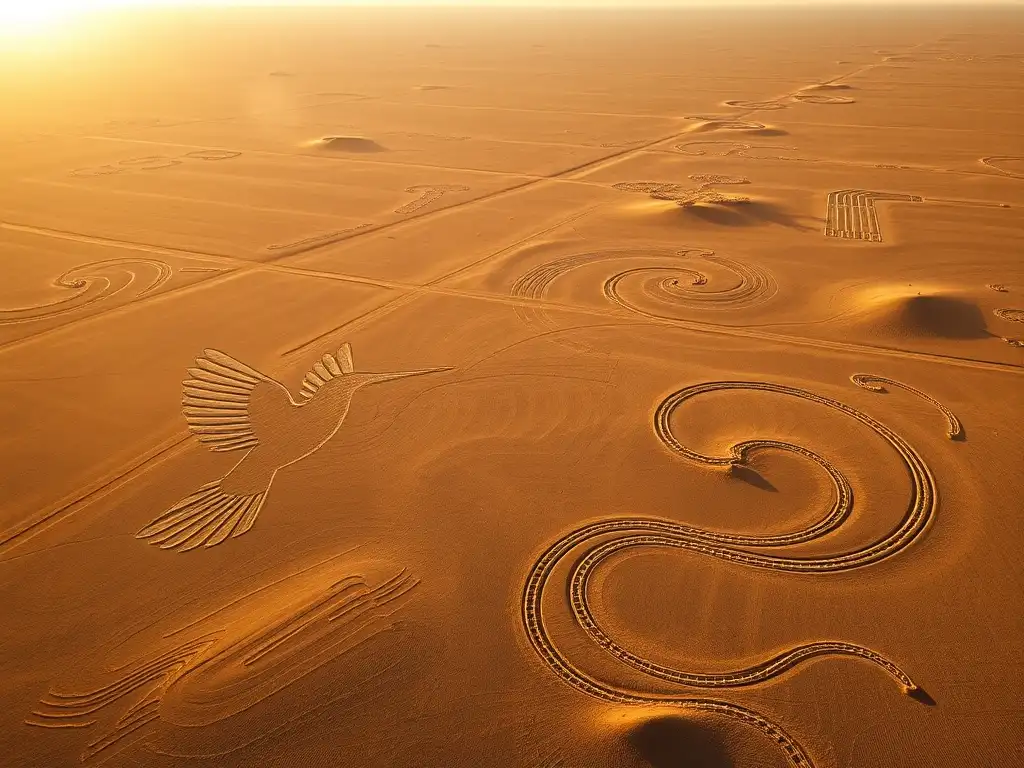
The Nazca Lines, enigmatic geoglyphs etched into the Peruvian desert, have captivated imaginations for decades. Their sheer scale and intricate designs have fueled countless speculations, some bordering on the fantastical. However, separating fact from fiction requires a critical examination of prevailing, yet often inaccurate, beliefs. Understanding the Nazca Lines meaning and theories necessitates a grounded approach, prioritizing scientific evidence over unsubstantiated claims. This section aims to dispel some common misconceptions and highlight the rigorous research shaping our current understanding.
Ancient Astronauts and the Nazca Lines: Separating Fact from Fiction
The "ancient astronauts" theory, positing extraterrestrial involvement in the creation of the Nazca Lines, remains a popular, albeit scientifically unsupported, explanation. Proponents suggest the lines' complexity and precision are beyond the capabilities of pre-Columbian Andean cultures. This narrative often overlooks the sophisticated engineering and astronomical knowledge demonstrated by these civilizations.
The Nazca people possessed advanced surveying techniques, utilizing simple tools and a deep understanding of the landscape to create these massive geoglyphs. Furthermore, recent research into the lines' creation methods, focusing on the tools and techniques employed, continues to support the hypothesis of purely terrestrial origins. The precision of the lines, often cited as evidence of extraterrestrial involvement, can be explained by the meticulous techniques employed, including the use of stakes and ropes for accurate alignment.
The notion of alien intervention ignores a wealth of archaeological evidence supporting the indigenous creation of the lines. There's no credible scientific evidence whatsoever to support the claims of alien involvement in the Nazca Lines' creation; instead, the available data points towards a human-driven project, a testament to the ingenuity and cultural significance of the Nazca civilization.
The Purpose of the Nazca Lines: Beyond Simple Explanations
While the exact purpose of the Nazca Lines remains a subject of ongoing debate, simplistic explanations often fall short. The idea that they were merely "giant hunting traps" or "simple paths" fails to account for the lines' artistic complexity and astronomical alignments. A more nuanced understanding emphasizes the multi-faceted nature of their function. Archaeological research suggests a strong link between the lines and Nazca religious beliefs, with some geoglyphs depicting deities or ceremonial objects.
The lines might have served as integral parts of rituals and ceremonies, perhaps connected to pilgrimage routes or water sources crucial for survival in the arid desert. Furthermore, the astronomical alignments of certain lines suggest a connection to the Nazca calendar and their understanding of celestial cycles. This suggests a sophisticated understanding of astronomy, used not just for practical purposes but also for religious and ceremonial practices.
The Nazca Lines meaning and theories are therefore best understood as interconnected facets of a complex socio-religious system, rather than a singular, easily definable function. Ongoing research, combining archaeological findings with advanced imaging techniques, promises to further illuminate the intricate relationship between the lines and the Nazca people's worldview. The lines were likely a multifaceted element within their society, serving multiple purposes simultaneously, showcasing their advanced understanding of the world around them.
The ongoing exploration of the Nazca Lines continues to offer new insights into the ingenuity and cultural richness of the Nazca civilization. By discarding unfounded speculation and embracing rigorous scientific investigation, we can better appreciate the true meaning and significance of these remarkable geoglyphs. The Nazca Lines meaning and theories evolve with each new discovery, reminding us that the past is not a static entity but a dynamic landscape waiting to be explored.
Nazca Lines Meaning and Theories: A Synthesis
Integrating Archaeological, Astronomical, and Anthropological Perspectives
The enigmatic Nazca Lines, etched into the Peruvian desert, continue to fascinate and challenge researchers. Understanding their meaning requires a multidisciplinary approach, integrating archaeological findings, astronomical alignments, and anthropological interpretations. Archaeological excavations around the geoglyphs have yielded limited direct evidence regarding their creation and purpose. However, the discovery of associated settlements and artifacts, such as pottery shards and textiles, provides valuable contextual information. These finds suggest a link between the lines and the Nazca culture's worldview, social structures, and ritual practices.
The astronomical alignment of some lines with solstices and equinoxes has fueled theories proposing an astronomical purpose. Some researchers believe that certain lines may have served as a giant calendar, marking significant celestial events. Others suggest a connection to water sources, with lines potentially guiding rituals related to rainfall and agricultural cycles.
This hypothesis is supported by the proximity of some geoglyphs to underground water sources. The intricate designs themselves, often depicting animals, plants, and geometric shapes, offer further clues. Anthropological studies analyze the symbolic meaning of these figures within the broader context of Nazca mythology and religious beliefs.
The recurring motifs, such as the hummingbird, spider, and lizard, may represent deities, shamans, or important aspects of Nazca cosmology. The scale of the lines and the effort required for their creation indicate a significant societal investment, suggesting a deep cultural and religious significance. The absence of definitive proof, however, keeps the debate about the "Nazca Lines meaning and theories" actively ongoing.
The Ongoing Research and Future Discoveries at Nazca
Research into the Nazca Lines is far from over. Ongoing fieldwork employs advanced technologies like LiDAR (Light Detection and Ranging) and high-resolution aerial photography to map the lines with unprecedented accuracy. These techniques reveal previously unseen geoglyphs and provide detailed information about their dimensions and orientations. Moreover, the application of geophysical survey methods allows researchers to detect subsurface features, potentially uncovering buried structures or artifacts associated with the lines.
This non-invasive approach helps preserve the fragile desert environment while expanding our knowledge. Further analysis of existing artifacts and the development of new dating techniques promise to refine our understanding of the timeline of the lines' creation and evolution. The potential discovery of new geoglyphs, especially those located in remote or previously unexplored areas, could significantly alter our current understanding of the Nazca Lines' scope and purpose.
Furthermore, interdisciplinary collaborations, bringing together archaeologists, astronomers, anthropologists, and other specialists, are crucial for a more comprehensive interpretation. The integration of diverse perspectives is key to unraveling the mysteries surrounding the "Nazca Lines meaning and theories." The future holds the potential for groundbreaking discoveries that will shed new light on this captivating enigma.
Preserving the Nazca Lines: Challenges and Conservation Efforts
The fragility of the Nazca Lines poses significant conservation challenges. The desert environment, while seemingly stable, is susceptible to erosion caused by wind and infrequent rainfall. Human activity, such as unauthorized access and construction, also threatens the integrity of the geoglyphs. The increasing tourism to the area, while economically beneficial for the local population, presents a delicate balancing act between accessibility and preservation.
Conservation efforts focus on several key areas: controlling access to the lines, mitigating the effects of erosion, and raising public awareness about the importance of protecting this unique cultural heritage. The implementation of sustainable tourism practices is essential. This includes developing visitor centers and designated viewing platforms that minimize environmental impact while providing a rewarding experience for tourists. Furthermore, ongoing monitoring and maintenance are necessary to identify and address potential threats to the lines.
Advanced technologies, such as satellite imagery and drone surveillance, are valuable tools for tracking changes and detecting early signs of degradation. International collaborations and the support of governmental and non-governmental organizations are critical for implementing effective long-term conservation strategies. The preservation of the Nazca Lines is not merely a matter of protecting ancient artifacts but also ensuring the legacy of a remarkable civilization for future generations to appreciate and learn from. Their continued existence is vital for understanding the "Nazca Lines meaning and theories," and ensuring that this invaluable cultural heritage remains for years to come.
Frequently Asked Questions
What are the Nazca Lines?
The Nazca Lines are geoglyphs—giant figures and lines etched into the Peruvian desert—created by the Nazca culture between 500 BC and 500 AD. Their precise purpose remains a mystery, fueling numerous theories.
What are the most prominent theories about the meaning of the Nazca Lines?
Leading theories suggest the lines served as ceremonial pathways, astronomical markers, or were part of a complex water management system. Some believe they held religious significance, possibly related to water rituals.
How were the Nazca Lines created?
The Nazca people cleared away the reddish-brown topsoil to reveal the lighter subsoil, creating the distinctive lines and figures. They used simple tools, but the scale and precision are remarkable. Precise surveying techniques likely aided in their creation.
What scientific methods are used to study the Nazca Lines?
Researchers use aerial photography, satellite imagery, and ground-penetrating radar to study the lines. Archaeological digs near the geoglyphs provide additional context and information about the Nazca culture. Advanced imaging helps reveal subtle details.
Are there any recent discoveries or updates regarding the Nazca Lines' meaning?
Ongoing research continues to refine our understanding. While a definitive answer remains elusive, new findings regularly contribute to our knowledge of the Nazca culture and the possible functions of the lines. New technologies are constantly improving our ability to study them.
Final Reflection: Deciphering the Enigma of the Nazca Lines
The enduring mystery of the Nazca Lines continues to resonate today, a powerful testament to humanity's enduring quest for understanding our past. These colossal geoglyphs, etched into the Peruvian desert millennia ago, challenge our assumptions about ancient civilizations and their capabilities, forcing us to reconsider our understanding of pre-Columbian societies and their sophisticated knowledge of engineering and symbolism. The sheer scale and precision of the lines remain astonishing, even in the age of satellite imagery and advanced technology.
The Nazca Lines' impact extends far beyond the realm of archaeology; they serve as a potent symbol of the enduring power of human creativity and ingenuity. Their continued study fuels ongoing debates about their purpose, prompting us to question our own biases and interpretations. The Nazca Lines are not just lines on the ground; they are a window into a lost world, a testament to the human spirit's capacity for wonder and creation.
This sentiment encapsulates the profound impact these enigmatic figures have had on our understanding of ancient cultures and their complex relationship with their environment. The ongoing research and interpretations continue to shape our understanding of ancient civilizations and their capabilities, challenging preconceived notions and expanding our knowledge of human history.
Consider the implications of this enduring mystery. What can we learn from the Nazca people's dedication to creating these monumental works? How can we apply their ingenuity and perseverance to the challenges we face today? Let the Nazca Lines inspire you to explore the unknown, to question assumptions, and to appreciate the enduring legacy of human creativity across time and cultures. Embrace the mystery, and let it fuel your own journey of discovery and understanding.
Unveil the Mystery: Explore the Nazca Lines Today!
Thank you for exploring the enigmatic Nazca Lines with us! We hope you've gained valuable insights into the current theories and scientific understanding. Now, let's take your journey even further.
Here are some ways to deepen your connection with these ancient marvels:
- Take a Guided Tour: Experience the Nazca Lines firsthand! Book a flight over the lines or a ground-based tour to witness these fascinating geoglyphs.
- Join Our Community: Connect with fellow enthusiasts! Share your thoughts and discoveries on our forums or social media channels.
- Continue Your Exploration: Learn more about the Nazca Lines and related topics! Explore our website for additional articles on Andean civilizations and other ancient wonders.
What most fascinates you about the Nazca Lines—their purpose, their creation, or the enduring mysteries surrounding them? Share your thoughts below!