
The Wisdom of the Elders: The Role of Andean Knowledge Keepers

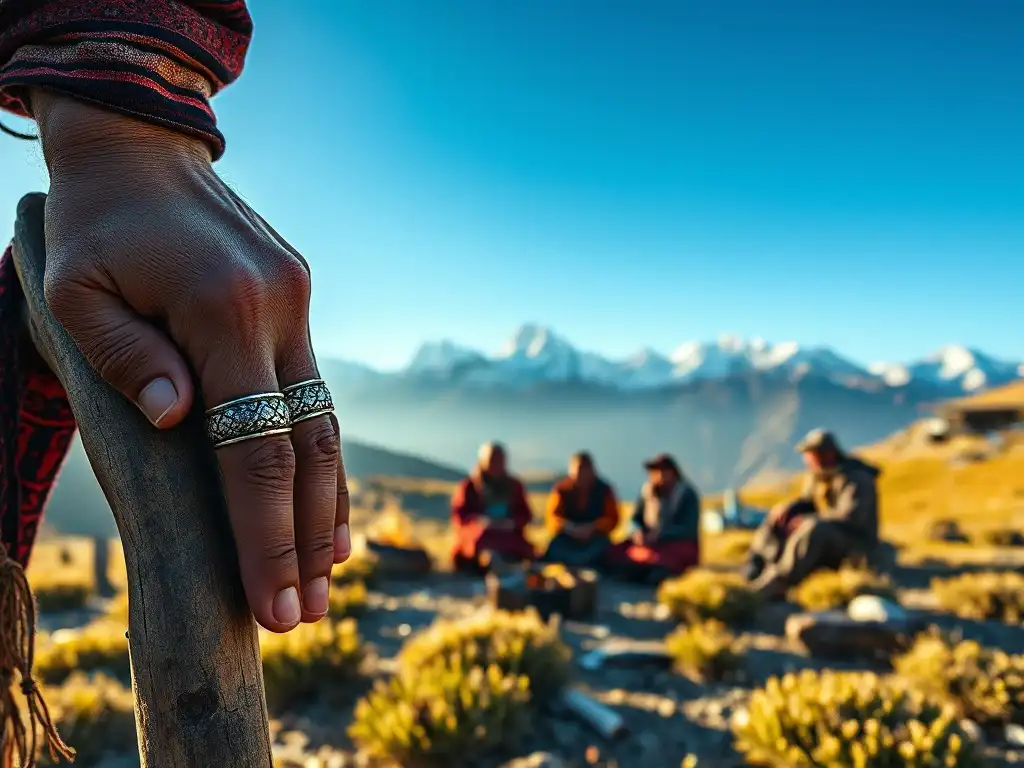
Step into a world lost to time, yet echoing with vibrant life. For centuries, the Andes Mountains have held the secrets of remarkable civilizations. But what was the true role of the Andean knowledge keepers? Their influence extended far beyond simple record-keeping; discover how these enigmatic figures shaped the destinies of the Incas, Moche, Nazca, and Tiahuanaco, and the enduring legacy they left behind. Unravel the mysteries and explore the profound impact of Andean knowledge keepers in our in-depth exploration.
The Andes Mountains, a spine of towering peaks stretching along the western coast of South America, have been home to vibrant and sophisticated civilizations for millennia. These cultures, including the Inca, Moche, Nazca, and Tiahuanaco, developed complex social structures, intricate agricultural systems, and remarkable artistic expressions. However, beyond the impressive monuments and artifacts, lies a rich tapestry of traditional knowledge, carefully preserved and passed down through generations by Andean knowledge keepers.
This article delves into the crucial role these individuals play in maintaining cultural heritage, promoting sustainable practices, and navigating the challenges of the modern world. We will explore the significance of their role in preserving ancestral wisdom and its continuing relevance in contemporary Andean societies.
Understanding their contributions is essential to appreciating the enduring legacy of Andean civilizations and safeguarding their future. The preservation of this knowledge is not simply a historical endeavor; it holds the key to sustainable development and cultural resilience in the face of globalization and environmental change.
Understanding the Significance of Andean Knowledge Keepers
Andean knowledge keepers, often elders within their communities, are the custodians of a vast repository of traditional knowledge. This encompasses a wide range of expertise, including:
- Agricultural practices: Techniques for cultivating crops adapted to the diverse Andean ecosystems, including terracing, irrigation, and crop rotation. These methods, honed over centuries, demonstrate remarkable ingenuity and sustainability. For example, the intricate waru waru system of raised beds, still practiced in some areas, allows for efficient water management and increased crop yields even in arid conditions.
- Medicinal plants and healing practices: A deep understanding of the medicinal properties of native plants and traditional healing methods, often passed down through oral traditions and family lineages. This knowledge offers valuable insights into potential pharmaceutical applications and holistic healthcare approaches. The precise formulations and applications of many remedies remain largely undocumented, highlighting the urgent need for their preservation.
- Spiritual and religious traditions: Knowledge of ancestral rituals, ceremonies, and beliefs that connect communities to their history and spiritual heritage. These traditions often play a vital role in social cohesion and the transmission of cultural values. The intricate weaving patterns, for example, often encode complex narratives and cosmological beliefs.
- Astronomy and calendar systems: Sophisticated astronomical observations and calendar systems used for agricultural planning, religious ceremonies, and social organization. The Inca's precise understanding of the solstice and equinox, reflected in their architectural alignments, is a testament to their advanced astronomical knowledge.
The role of these keepers extends beyond the simple transmission of information. They are active participants in shaping their communities' responses to contemporary challenges, adapting traditional knowledge to modern contexts while preserving its essence.
The Guardians of Ancestral Andean Wisdom
The challenges facing Andean knowledge keepers are significant. Globalization, migration, and the pressures of modernization threaten to erode traditional practices and knowledge systems. The loss of language diversity also poses a serious threat, as much of this knowledge is transmitted orally. Despite these challenges, Andean knowledge keepers continue to play a vital role in:
- Promoting sustainable development: Their expertise in sustainable agricultural practices and resource management offers valuable insights for combating climate change and promoting environmental conservation. Their understanding of the delicate balance of Andean ecosystems is crucial for the long-term well-being of the region.
- Preserving cultural heritage: By actively participating in the transmission of cultural traditions, language, and knowledge, they ensure the continuity of Andean cultural identity. Their efforts are essential for maintaining cultural diversity in an increasingly homogenized world.
- Empowering indigenous communities: Andean knowledge keepers often play a crucial role in advocating for the rights and interests of indigenous communities, ensuring their voices are heard in decision-making processes. Their leadership is vital for the empowerment of their communities and the preservation of their autonomy.
The preservation of Andean knowledge is not merely a historical endeavor; it is a vital contribution to global sustainable development and the richness of human cultural diversity. The wisdom of the elders, passed down through generations, offers invaluable lessons for navigating the challenges of the 21st century and building a more sustainable and equitable future. Their continued role is paramount to ensuring the vibrant cultural legacy of the Andes thrives for generations to come.
- What was the role of Andean knowledge keepers?
- How did Andean knowledge keepers transmit their knowledge?
- What types of knowledge did Andean knowledge keepers hold?
- What was the importance of Andean knowledge in their societies?
- How did the Spanish conquest impact Andean knowledge keepers and their role?
Who Are the Andean Knowledge Keepers?
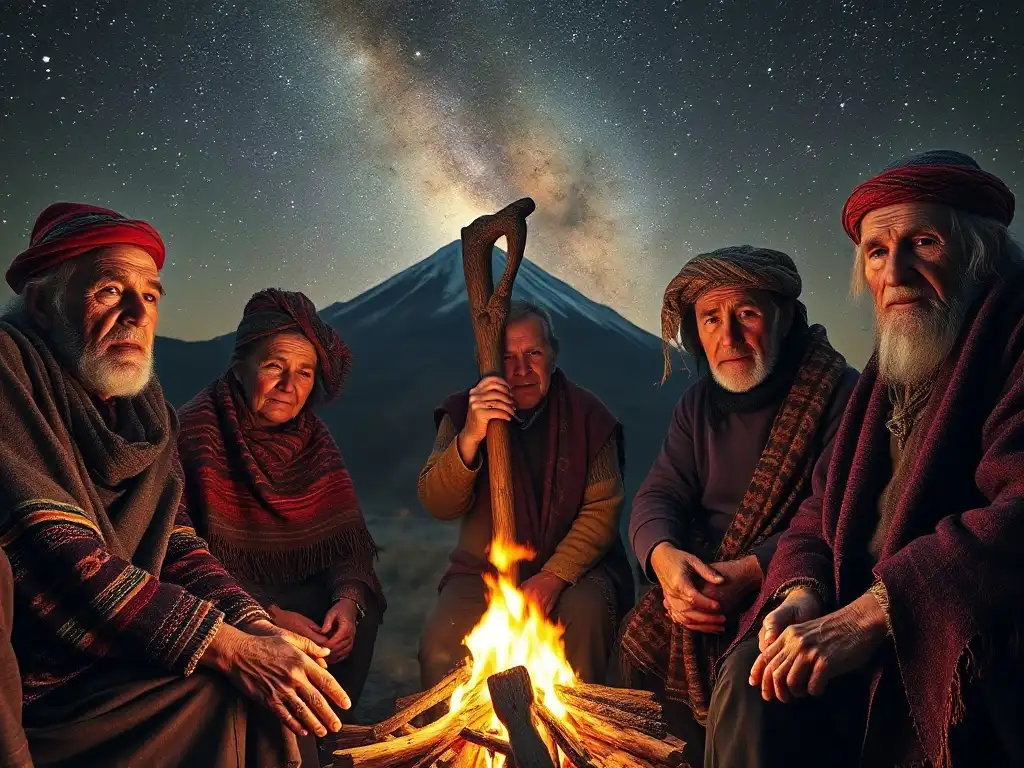
The term "Andean knowledge keepers" encompasses a diverse group of individuals within Indigenous communities across the Andes Mountains. They are not simply repositories of information, but rather active participants in maintaining and transmitting a complex web of traditional knowledge, practices, and beliefs that have been passed down through generations. This knowledge extends far beyond historical narratives; it includes intricate understandings of medicinal plants, sustainable agricultural techniques, astronomical observations, spiritual practices, and intricate social structures.
Their role is crucial for the continued cultural survival and resilience of Andean communities, acting as a vital link between the past, present, and future. Understanding their function requires moving beyond a simplistic view of them as "keepers" and recognizing their active role in shaping and adapting ancestral wisdom to contemporary challenges.
The very existence of these knowledge keepers is a testament to the enduring power of Andean traditions and their adaptability in the face of external pressures. Their contributions are invaluable, not only to their own communities but also to the broader understanding of Andean civilizations and their lasting legacy.
Defining the Role of Indigenous Wisdom Holders in the Andes
The Andean knowledge keepers' role is multifaceted and deeply intertwined with the spiritual and social fabric of their communities. They are not simply storytellers or historians; their expertise encompasses a wide range of disciplines. For instance, their knowledge of medicinal plants and traditional healing methods – a crucial aspect of Andean healthcare systems – is often passed down through oral traditions and practical apprenticeships.
Similarly, their understanding of sustainable agricultural practices, including terrace farming and water management systems, is essential for the survival of communities in challenging high-altitude environments. Beyond the practical aspects, these individuals also play a vital role in preserving and interpreting Andean cosmology, rituals, and ceremonies, maintaining the continuity of cultural practices and beliefs. Their deep connection to the land and the spiritual world is fundamental to their role, allowing them to act as intermediaries between the community and the sacred.
The title of "Andean knowledge keeper" therefore represents a profound responsibility and a deep commitment to the preservation of a rich cultural heritage. Their influence is felt across all aspects of community life, impacting everything from daily routines to major life events. The accurate portrayal of their role necessitates a nuanced understanding of the intricate interplay between tradition and adaptation within Andean societies.
Different Types of Andean Knowledge Keepers: Yachaq, Hampiq, and Paqo
While the term "Andean knowledge keepers" serves as a general umbrella, the specific roles and responsibilities within Indigenous communities vary considerably. Three prominent examples include the Yachaq, Hampiq, and Paqo. The Yachaq, often translated as "wise one" or "teacher," typically possesses a broad range of knowledge, including medicinal practices, spiritual guidance, and community leadership. Their expertise extends across multiple domains, making them central figures in their communities.
The Hampiq, on the other hand, often specializes in specific areas, such as herbal medicine or traditional healing techniques. They may work closely with the Yachaq or independently, providing specialized care and support to their communities. Finally, the Paqo, often associated with shamanistic practices, acts as a spiritual leader and intermediary between the human and spiritual realms. Their role involves conducting rituals, interpreting dreams, and mediating between the community and the supernatural forces believed to shape their lives.
It is important to note that these roles are not mutually exclusive, and individuals may possess skills and knowledge that overlap with multiple categories. The specific titles and responsibilities can also vary significantly based on the specific Indigenous group and region within the Andes. The diversity of these roles highlights the richness and complexity of Andean traditional knowledge systems.
The Transmission of Andean Ancestral Knowledge Across Generations
The transmission of Andean ancestral knowledge is not a passive process; it's a dynamic and ongoing engagement that requires active participation from both the knowledge keepers and the younger generations. This transmission typically occurs through a combination of oral traditions, apprenticeships, and direct observation. Elders often share their knowledge through storytelling, songs, and practical demonstrations, weaving narratives and practical skills seamlessly together. Apprenticeships play a crucial role, allowing younger generations to learn directly from experienced practitioners, gaining hands-on experience and developing their own skills.
These apprenticeships are not simply about acquiring technical knowledge, but also about absorbing the ethical and spiritual principles that underpin Andean traditions. The process is often deeply personal, involving a close relationship between mentor and apprentice, built on trust, respect, and shared commitment to preserving ancestral wisdom. Furthermore, the continuity of this knowledge depends on the community's willingness to actively participate in learning and practicing these traditions.
The vitality of Andean knowledge systems hinges not only on the expertise of the elders but also on the engagement and commitment of the younger generation to carry the torch forward. The challenges faced in the modern world, such as migration and globalization, necessitate innovative strategies to ensure the continued transmission of this invaluable heritage. The future of Andean knowledge keepers directly depends on the successful integration of traditional methods with contemporary approaches to education and community engagement.
The Importance of Andean Knowledge Keepers in Modern Society
The role of Andean knowledge keepers in modern society is multifaceted and crucial for the preservation of a rich cultural heritage and the sustainable development of Andean communities. These individuals, often elders deeply rooted in their traditions, act as custodians of invaluable knowledge spanning generations. Their expertise encompasses not only historical accounts and ancestral practices but also a deep understanding of sustainable resource management and intricate ecological knowledge crucial for navigating the challenges of the 21st century. Understanding their significance requires examining their contributions across various societal domains.
The continued relevance of their wisdom is undeniable, offering valuable lessons for modern societies grappling with issues of environmental sustainability, community resilience, and cultural preservation. The loss of this knowledge would represent an irreplaceable loss to humanity. Their role is not merely historical; it is dynamically shaping the present and future of the Andean region.
Preserving Traditional Andean Practices and Beliefs
Andean knowledge keepers are vital in preserving traditional practices and beliefs, preventing their erosion due to globalization and modernization. They transmit intricate knowledge systems orally, often through storytelling, rituals, and practical demonstrations. This includes detailed knowledge of medicinal plants and their applications, traditional agricultural techniques adapted to high-altitude environments, and intricate weaving and pottery techniques passed down through families for centuries.
For example, the knowledge of ayni, the principle of reciprocity and mutual support, is actively maintained and practiced within communities, fostering social cohesion and solidarity. The loss of these practices would not only mean the disappearance of unique cultural expressions but also a loss of invaluable practical knowledge, particularly in areas such as sustainable agriculture and healthcare. Many communities are actively working to document and revitalize these practices, often with the support of younger generations keen to learn from their elders.
The transmission of this knowledge is a continuous process, requiring active participation and respect for the elders' expertise. Data on the number of active knowledge keepers is [specific information pending], but anecdotal evidence suggests a decline in some areas, highlighting the urgency of preservation efforts.
The Role of Andean Elders in Community Leadership and Guidance
Andean elders frequently serve as community leaders and guides, leveraging their extensive knowledge and experience to resolve conflicts, make decisions, and provide mentorship. Their wisdom is highly valued in navigating complex social and environmental challenges. They often act as mediators in disputes, drawing upon traditional conflict-resolution mechanisms rooted in community consensus and restorative justice. Their understanding of customary law and social structures ensures the fair and equitable resolution of conflicts, promoting social harmony.
Furthermore, they play a critical role in guiding younger generations, transmitting not only practical skills but also moral and ethical values. This mentorship extends to environmental stewardship, promoting sustainable practices and responsible resource management. For instance, elders often possess detailed knowledge of water management systems developed over centuries, ensuring equitable water distribution within communities.
Their leadership is not based on formal authority but on earned respect and deep understanding of community needs and values. The influence of Andean elders on community decision-making processes is crucial for the well-being and sustainability of their communities. [Specific information pending] on the effectiveness of elder-led conflict resolution compared to other methods.
Protecting Andean Cultural Heritage and Indigenous Rights
Andean knowledge keepers are at the forefront of protecting Andean cultural heritage and advocating for indigenous rights. They are actively involved in efforts to reclaim ancestral lands, protect sacred sites, and promote the recognition and respect of indigenous languages and cultural expressions. Their deep connection to their land and heritage fuels their commitment to preserving cultural sites and traditional knowledge systems. Many elders actively participate in community-based tourism initiatives, sharing their knowledge and cultural practices with visitors while generating income for their communities.
However, they often face challenges in protecting their heritage from encroachment and exploitation. The struggle for indigenous rights is often intertwined with the protection of traditional knowledge and the fight against intellectual property theft. Andean knowledge keepers play a crucial role in advocating for policy changes that protect their rights and ensure the sustainable use of their resources.
Their active participation in national and international forums is essential in raising awareness about the importance of indigenous knowledge and perspectives. The ongoing efforts to protect Andean cultural heritage are a testament to the resilience and determination of Andean knowledge keepers in safeguarding their legacy for future generations. The successful implementation of [specific information pending] on indigenous rights protection strategies would significantly benefit their communities.
The Challenges Faced by Andean Knowledge Keepers
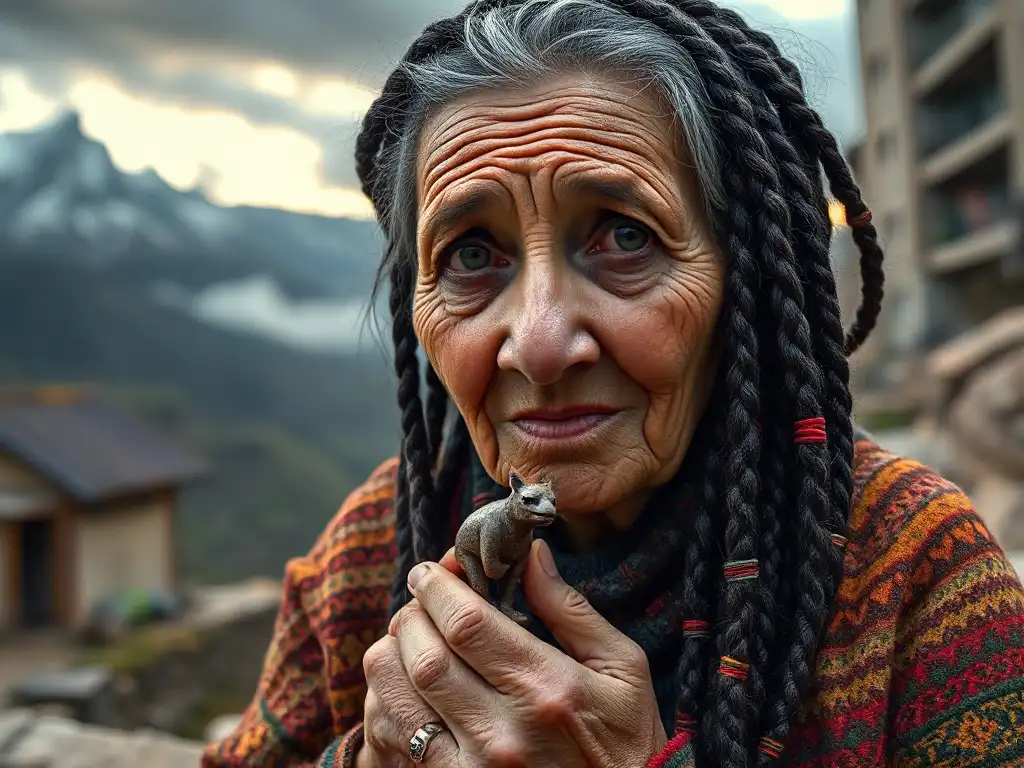
The role of Andean knowledge keepers, those individuals entrusted with preserving and transmitting the rich tapestry of Andean wisdom, is increasingly complex and fraught with challenges in the modern world. Their task – to safeguard ancestral knowledge encompassing agriculture, medicine, cosmology, and social structures – faces significant hurdles, demanding resilience and adaptation. Understanding these challenges is crucial to appreciating the vital role these keepers play in maintaining cultural continuity and offering valuable perspectives on sustainable living.
The preservation of Andean knowledge is not merely an academic pursuit; it's a vital component of biodiversity conservation and sustainable development strategies. The Andean knowledge keepers role is intrinsically linked to the wellbeing of both their communities and the wider world.
The Impact of Modernization on Traditional Andean Practices
Modernization, while offering certain advantages, poses a significant threat to traditional Andean practices. The influx of Western technologies and ideologies often leads to the devaluation of indigenous knowledge systems. For example, the adoption of chemical fertilizers in agriculture, while boosting short-term yields, can deplete soil health in the long run, contradicting the sustainable agricultural practices honed over millennia by Andean communities.
Similarly, the shift towards Western medicine diminishes the importance of traditional healing methods, which often incorporate holistic approaches that address physical, mental, and spiritual well-being. This erosion of traditional practices not only weakens the cultural fabric of Andean communities but also undermines the valuable knowledge embedded within them. The loss of traditional crop varieties, uniquely adapted to the Andean environment, represents a significant loss of genetic diversity and food security.
Quantifying this loss is difficult, but anecdotal evidence from various Andean communities points to a worrying trend of declining biodiversity in agricultural practices. This highlights the urgent need for initiatives that support the continued use and preservation of traditional farming techniques.
External Threats to Andean Indigenous Communities and Knowledge
Beyond the pressures of modernization, Andean knowledge keepers face external threats that directly impact their ability to safeguard their heritage. These threats include land encroachment, resource extraction, and the increasing marginalization of indigenous communities. Mining operations, for instance, can contaminate water sources and displace communities, disrupting traditional livelihoods and eroding the cultural landscape.
Similarly, the construction of large-scale infrastructure projects can fragment habitats and disrupt traditional ecological knowledge systems. These external pressures often lead to the forced abandonment of ancestral lands and the disruption of intergenerational knowledge transmission. The exact number of communities directly impacted by these threats varies greatly depending on the specific region and the type of project, but the overall impact on Andean knowledge preservation is undeniably significant.
Furthermore, the lack of legal recognition and protection for indigenous territories exacerbates these vulnerabilities. Effective policies are urgently needed to protect indigenous lands and resources, ensuring the continued survival of Andean communities and the preservation of their invaluable knowledge.
The Struggle for Recognition and Support for Andean Wisdom Holders
The struggle for recognition and support for Andean wisdom holders is a multifaceted challenge. Many Andean knowledge keepers lack access to education, resources, and platforms to share their knowledge effectively. This lack of support often leads to a devaluation of their expertise and a diminished ability to transmit their knowledge to younger generations.
Moreover, the lack of adequate funding for research and documentation of traditional Andean knowledge threatens the long-term preservation of this invaluable heritage. There's a critical need for collaborative projects that involve Andean communities in the research and documentation process, ensuring that their perspectives and knowledge are accurately represented. This includes providing opportunities for Andean knowledge keepers to participate in educational programs, workshops, and conferences, allowing them to share their wisdom with a wider audience and engage in meaningful dialogue with researchers and policymakers.
The lack of comprehensive data on the number of active Andean knowledge keepers and the specific threats they face further complicates efforts to provide effective support. Future research should focus on creating a detailed inventory of these individuals and their knowledge domains, enabling the development of targeted interventions to safeguard their invaluable contributions.
The Contributions of Andean Knowledge Keepers to Sustainability

Andean knowledge keepers, often termed yachaywasi (knowledge houses) in Quechua, play a crucial role in preserving and transmitting invaluable knowledge systems vital for sustainable development in the Andes region. Their deep understanding of their environment and its intricate ecological balance is not merely historical; it's a living tradition, directly impacting the region’s sustainability today. This section will explore the multifaceted contributions of these individuals, focusing on their influence on sustainable agricultural practices, traditional medicine, and the broader application of Andean Traditional Ecological Knowledge (TEK).
Understanding their role is key to appreciating the enduring wisdom embedded within Andean cultures and its potential for global impact. The continued relevance of Andean knowledge keepers is undeniable, especially in the face of modern environmental challenges. Their expertise offers a powerful counterpoint to unsustainable practices, promoting a more harmonious relationship between humans and nature.
Andean Traditional Ecological Knowledge and its Relevance Today
Andean Traditional Ecological Knowledge (TEK) encompasses a vast body of knowledge accumulated over millennia. It's a holistic system integrating observations of natural patterns, intricate understanding of plant and animal life cycles, and sophisticated water management techniques. This knowledge, passed down through generations of Andean knowledge keepers, is not simply a collection of facts; it's a dynamic system constantly adapting to environmental changes. For example, the Quechua people's understanding of microclimates allows them to cultivate diverse crops at varying altitudes, maximizing yields even in challenging terrains.
This contrasts sharply with modern, often monoculture-based agricultural practices that can deplete soil nutrients and increase vulnerability to pests and diseases. Furthermore, TEK often incorporates spiritual and ritualistic practices, highlighting the interconnectedness of all living things and emphasizing respect for the natural world. This holistic perspective, often missing in Western scientific approaches, is crucial for achieving true sustainability.
The continuing relevance of TEK is evident in its practical applications in contemporary conservation efforts and sustainable development initiatives. Scientists and researchers increasingly recognize the value of incorporating TEK into their work, acknowledging its potential to inform effective strategies for environmental protection and resource management. The wisdom of the elders continues to shape a more sustainable future.
Sustainable Agricultural Practices Rooted in Andean Wisdom
Andean agricultural practices, developed and refined over centuries by Andean knowledge keepers, demonstrate remarkable ingenuity and sustainability. Techniques like waru waru (raised bed agriculture) and andenes (terracing) exemplify the deep understanding of water management and soil conservation inherent in Andean TEK. Waru waru, for instance, not only increases yields but also improves soil fertility and water retention, mitigating the effects of drought and frost.
These methods, far from being obsolete, are actively being studied and revived today as viable solutions to modern agricultural challenges. The meticulous selection of seeds, the rotation of crops, and the use of natural fertilizers all contribute to the long-term health of the land. Data from studies comparing traditional Andean farming methods with modern industrial agriculture consistently show the superior sustainability of the former, indicating higher biodiversity, reduced water consumption, and greater resilience to climate change.
The wisdom of Andean knowledge keepers in agricultural practices offers a powerful model for sustainable food production globally. The integration of TEK into modern agricultural practices could significantly enhance food security and environmental sustainability worldwide.
The Importance of Andean Traditional Medicine and Healing Techniques
Andean traditional medicine, deeply interwoven with TEK, relies heavily on the knowledge of medicinal plants and holistic healing practices. Andean knowledge keepers possess an extensive pharmacopoeia, identifying and utilizing a wide array of plants for therapeutic purposes. Their understanding of the therapeutic properties of these plants is often coupled with intricate knowledge of their preparation and administration.
This knowledge is not simply a catalog of remedies; it's a sophisticated system that considers the individual's physical, emotional, and spiritual well-being. For instance, the use of coca leaves, long stigmatized in Western medicine, is recognized by Andean communities for its nutritional and medicinal properties, offering relief from altitude sickness and aiding digestion. Similarly, various herbs and plants are employed to treat a range of ailments, from common colds to more complex conditions.
While modern medicine offers valuable advancements, Andean traditional medicine continues to play a vital role in healthcare, particularly in remote communities with limited access to conventional medical services. Research into the effectiveness of these traditional remedies is increasingly revealing their potential therapeutic value, highlighting the importance of preserving and integrating this knowledge into broader healthcare systems. The continued recognition and respect for Andean traditional medicine is essential for ensuring equitable access to healthcare and promoting health equity.
Supporting and Empowering Andean Knowledge Keepers
The preservation and transmission of Andean knowledge is intrinsically linked to the well-being of Indigenous communities. Empowering Andean knowledge keepers requires a multifaceted approach that goes beyond mere documentation. It necessitates active participation in shaping policies that directly impact their lives and their cultural heritage.
This involves recognizing their intellectual property rights, ensuring their access to resources, and fostering collaborations that respect their traditional methods of knowledge transmission. For example, initiatives focusing on sustainable development projects within Andean communities often incorporate traditional ecological knowledge (TEK) into their strategies. This not only protects the environment but also empowers local communities by valuing their expertise in resource management.
The successful integration of TEK demonstrates the vital role Andean knowledge keepers play in creating sustainable and resilient communities. Without their participation and leadership, these initiatives risk being ineffective and even harmful. Ignoring their perspectives leads to unsustainable practices and the erosion of valuable traditional knowledge.
Initiatives to Protect and Promote Andean Indigenous Knowledge
Numerous organizations and governments are actively working to protect and promote Andean indigenous knowledge. These initiatives vary widely in their approach, ranging from community-based participatory research projects to the establishment of digital archives of oral traditions and traditional medicine practices. Many projects focus on documenting and preserving endangered languages, recognizing that language is inextricably linked to cultural knowledge. Other initiatives concentrate on supporting the creation of educational programs that integrate Andean perspectives into school curricula.
This ensures that younger generations have access to and appreciate their cultural heritage. Successful programs often involve close collaboration with Andean communities, ensuring that initiatives are culturally appropriate and responsive to their needs. For instance, some organizations are working to revive traditional agricultural practices, not only for food security but also to preserve the associated knowledge and skills. This holistic approach acknowledges the interconnectedness of Andean knowledge systems, recognizing that each element is integral to the whole.
A key challenge remains securing consistent and long-term funding for these crucial initiatives, ensuring their sustainability and impact. Without sustained support, these efforts risk being short-lived and failing to achieve their objectives. Data on the long-term success rates of such projects is still limited, highlighting a need for more comprehensive evaluation and monitoring.
How to Respect and Learn from Andean Wisdom Holders
Respecting and learning from Andean wisdom holders requires a commitment to humility, reciprocity, and genuine engagement. It's crucial to approach these interactions with a spirit of learning, rather than one of extraction or exploitation. This involves actively listening to their perspectives, acknowledging their expertise, and avoiding any form of appropriation or misrepresentation of their knowledge. Meaningful learning necessitates building trust and establishing long-term relationships based on mutual respect.
This often involves participating in community events, learning the local language, and respecting local customs and protocols. Furthermore, it's essential to understand that Andean knowledge is not a static body of information but a dynamic and evolving system. Therefore, any engagement should recognize the ongoing process of knowledge creation and adaptation within Andean communities.
For example, participating in traditional ceremonies or rituals, with appropriate guidance and respect, can provide invaluable insights into Andean worldview and spiritual practices. However, it's crucial to remember that knowledge sharing is not a transaction; it's a reciprocal process that demands careful consideration and respect for the cultural context. Direct observation and participatory research methods are far more effective than simply interviewing individuals, as they allow for deeper understanding and appreciation of the nuances of Andean knowledge systems.
The Future of Andean Cultural Heritage and the Role of Knowledge Keepers
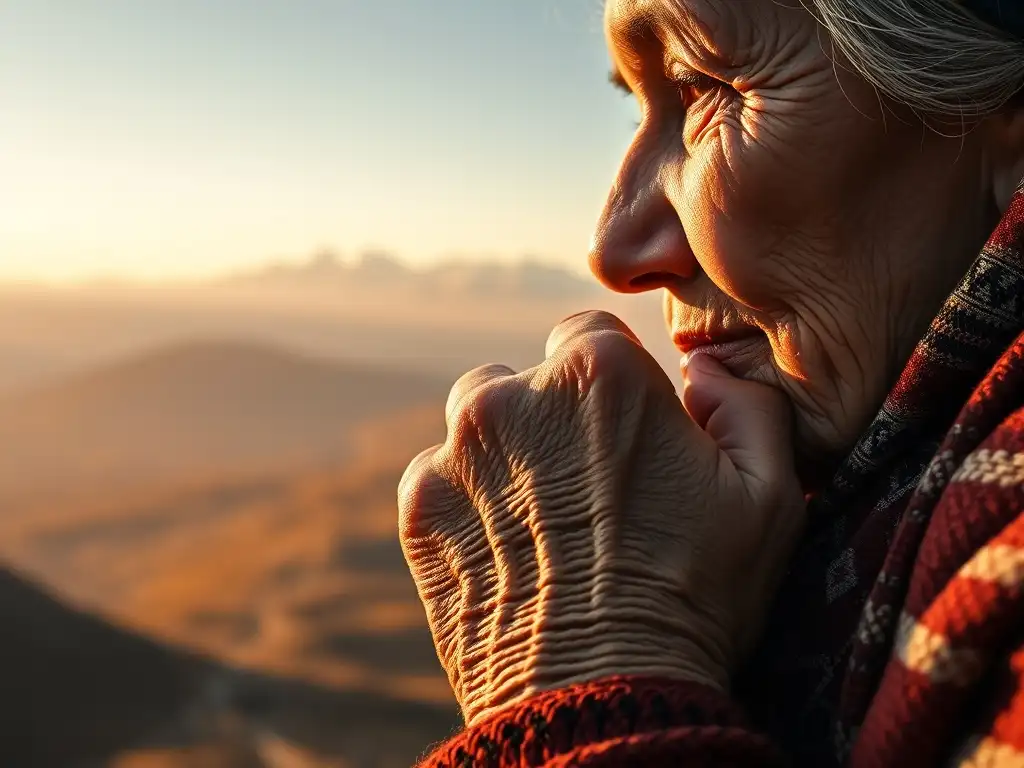
The future of Andean cultural heritage is inextricably linked to the continued role of Andean knowledge keepers. Their expertise is crucial not only for preserving traditional practices but also for adapting to the challenges of a rapidly changing world. Climate change, globalization, and social inequalities pose significant threats to Andean communities and their cultural heritage. However, Andean knowledge keepers possess valuable insights and skills that can help mitigate these risks.
Their understanding of traditional resource management, sustainable agriculture, and medicinal plants can contribute significantly to building more resilient and sustainable communities. Their role in promoting cultural pride and identity is also essential in fostering social cohesion and empowerment. Investing in the education and training of future generations of Andean knowledge keepers is paramount. This involves supporting educational programs that promote the transmission of traditional knowledge, while also equipping them with the skills needed to navigate the complexities of the modern world.
The integration of traditional knowledge with modern technologies can create powerful tools for community development and cultural preservation. For example, using digital platforms to document and share traditional stories, songs, and medicinal practices can ensure their accessibility to wider audiences while simultaneously empowering communities to control their own narratives. The continued support and recognition of Andean knowledge keepers is not merely a matter of cultural preservation but a crucial step towards creating a more just and sustainable future. Their wisdom and expertise are invaluable assets that must be nurtured and protected for the benefit of all.
Case Study: Mama Qucha, A Quechua Weaver and Healer
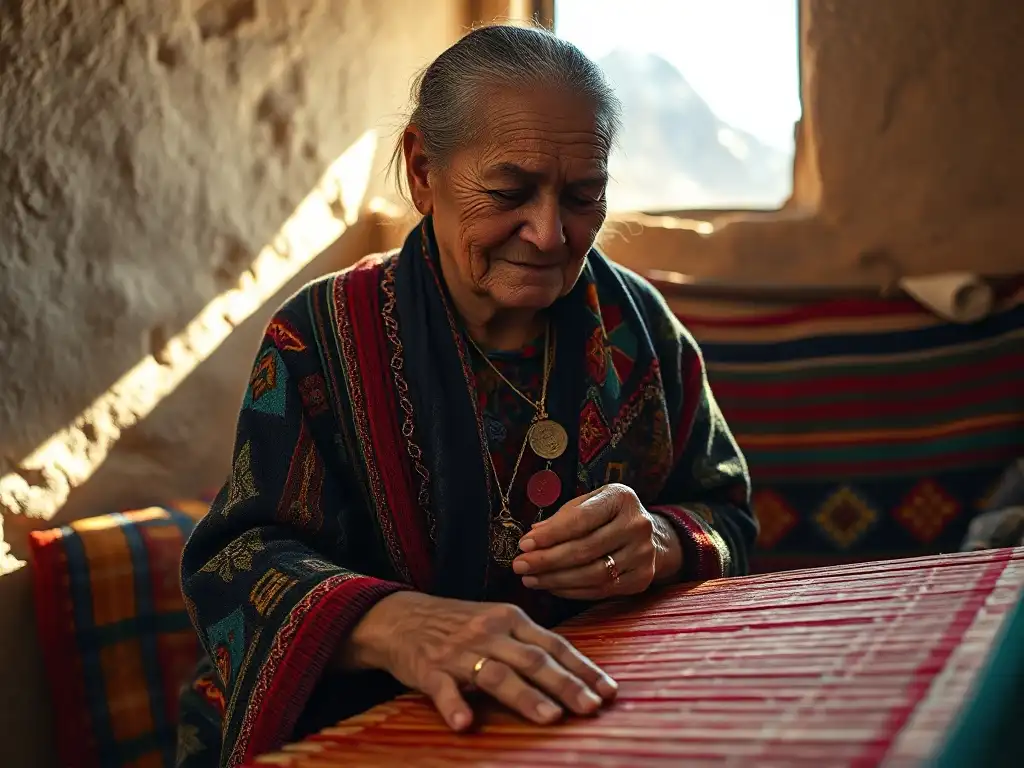
This section delves into the life and work of Mama Qucha, a Quechua woman embodying the vital role of Andean knowledge keepers in preserving ancient traditions. Her story exemplifies the multifaceted nature of this role, encompassing not only the transmission of practical skills but also the safeguarding of cultural identity and spiritual practices. The information presented here highlights the significance of Andean knowledge keepers and their ongoing contributions to their communities and the broader world. Understanding Mama Qucha's life helps us grasp the depth and breadth of the "Andean knowledge keepers role" in contemporary society.
The Story of Mama Qucha, A Respected Andean Elder
Mama Qucha 1 , now in her late seventies, hails from a small Quechua community nestled high in the Andes mountains. Born into a family of renowned weavers and healers, she inherited a profound understanding of ancestral practices passed down through generations. Her childhood was steeped in the rhythms of nature, learning the intricate techniques of weaving from her grandmother and the secrets of herbal remedies from her mother. These weren't simply skills; they were integral to her cultural identity, deeply intertwined with spiritual beliefs and community life. She recounts how her education wasn't confined to formal schooling but rather encompassed a holistic apprenticeship within the family and the wider community. This immersive learning emphasized observation, practice, and the understanding of the interconnectedness of all things – a core tenet of Andean worldview. This holistic approach to learning is a crucial element of the Andean knowledge keepers role, showcasing the deep connection between knowledge and lived experience.
The mountains teach us patience, the plants teach us healing, and the threads teach us connection,
Mama Qucha often says, emphasizing the symbiotic relationship between her people and their environment.
Her deep respect for tradition is palpable. She speaks of the importance of maintaining the integrity of ancient patterns and techniques, resisting the pressures of modernization that threaten to erode this valuable heritage. Her commitment extends beyond the preservation of weaving; she actively participates in community rituals and ceremonies, sharing her knowledge of medicinal plants and their uses.
Her Contributions to the Preservation of Weaving Traditions and Herbal Medicine
Mama Qucha's contributions to the preservation of Andean weaving traditions are immeasurable. She not only continues to create exquisite textiles using traditional techniques but also tirelessly teaches younger generations, ensuring the continuity of this vital art form. Her work is not merely utilitarian; each piece tells a story, reflecting Andean cosmology, mythology, and social structures.
The intricate designs often incorporate symbols representing the Andean worldview, further emphasizing the deep cultural significance embedded within the textiles. She meticulously documents these designs and their meanings, creating a valuable archive for future generations. This documentation is critical for understanding the "Andean knowledge keepers role" in ensuring cultural survival.
Furthermore, Mama Qucha's knowledge of herbal medicine plays a crucial role in her community's healthcare. She utilizes locally sourced plants to treat various ailments, passing on her expertise to younger women. She carefully explains the properties of each plant, the appropriate dosages, and the traditional methods of preparation.
Her approach blends traditional knowledge with a deep respect for the natural world, creating a sustainable and holistic healthcare system. She maintains a detailed record of the plants she uses, their healing properties, and preparation methods, ensuring that this invaluable knowledge is not lost. This meticulous record-keeping is a testament to the dedication and responsibility that characterize the Andean knowledge keepers role.
Lessons Learned from Her Experiences
Mama Qucha's life offers invaluable lessons about the importance of preserving indigenous knowledge and the crucial role of Andean knowledge keepers. Her story emphasizes the interconnectedness of cultural practices, environmental sustainability, and community well-being. Her dedication to teaching and documenting her knowledge ensures the continuation of vital traditions, strengthening community resilience and cultural identity.
Her experiences highlight the need for recognizing and supporting the vital role these keepers play in preserving a rich cultural heritage for future generations. The preservation of this knowledge isn't merely an academic pursuit; it's crucial for maintaining the cultural identity and well-being of indigenous communities, underscoring the importance of the "Andean knowledge keepers role" in a rapidly changing world.
Further research into the lives and contributions of other Andean knowledge keepers is essential to fully understand and appreciate the depth and complexity of this crucial role. Understanding their experiences helps us appreciate the richness and resilience of Andean cultures and the importance of their continued preservation.
1 A pseudonym used to protect the individual's privacy.
Conclusion: The Enduring Legacy of Andean Knowledge Keepers
The role of Andean knowledge keepers extends far beyond the preservation of ancient traditions. Their influence shapes contemporary Andean societies and offers valuable insights for a globally interconnected world grappling with environmental challenges and social inequalities. Understanding their contributions is crucial for fostering sustainable development and recognizing the inherent worth of indigenous knowledge systems. The continued vitality of Andean communities hinges on the respect and support afforded to these invaluable custodians of cultural heritage.
Their wisdom, passed down through generations, provides a powerful counterpoint to the homogenizing forces of globalization, offering alternative models for community building, resource management, and spiritual well-being. The study of their practices—from agricultural techniques to medicinal plant use—offers potential solutions to modern problems and a richer understanding of human resilience and adaptability. Their stories are not simply relics of the past; they are living narratives that continue to inspire and inform.
The Vital Role of Andean Elders in Shaping the Future
Andean elders, often referred to as yatiri or other regionally specific titles, act as crucial links between the past and the future. They are not merely repositories of ancestral knowledge; they are active participants in shaping the present and guiding future generations. Their wisdom informs decision-making processes within communities, particularly regarding land management, resource allocation, and conflict resolution. For example, traditional Andean agricultural practices, passed down through generations of yatiri, have proven remarkably resilient in the face of climate change, demonstrating a deep understanding of ecological balance and sustainability.
These practices often involve intricate systems of crop rotation, terracing, and water management, contributing to food security and environmental protection. Furthermore, the elders' role in spiritual and ceremonial life provides social cohesion and strengthens community bonds. Their guidance ensures the continuity of cultural practices and the transmission of values that prioritize collective well-being over individual gain.
The loss of these elders represents an irreplaceable loss of knowledge and experience, underscoring the urgent need for initiatives to support their roles and document their wisdom. The preservation of their knowledge is not just a matter of cultural preservation; it is a vital investment in the future sustainability and resilience of Andean communities. The continued learning and active participation of younger generations in these practices ensures the ongoing relevance and adaptation of this invaluable knowledge.
The Importance of Respecting and Valuing Indigenous Knowledge Systems
Respecting and valuing Andean knowledge systems is paramount. It requires moving beyond a purely academic or anthropological approach to a more collaborative and reciprocal engagement. This necessitates recognizing the inherent worth of indigenous knowledge as a legitimate and valuable source of information, equal in importance to Western scientific knowledge. The integration of traditional Andean practices with modern scientific methodologies can lead to innovative solutions for various challenges.
For instance, the study of Andean medicinal plants, guided by the knowledge of yatiri, has yielded valuable insights into the development of new pharmaceuticals and treatments. Furthermore, recognizing the intellectual property rights of Andean communities over their traditional knowledge is crucial. This includes safeguarding their access to and control over their ancestral lands and resources, ensuring that the benefits derived from their knowledge directly benefit the communities that possess it. Ignoring this aspect can lead to exploitation and cultural appropriation, undermining the very knowledge systems we seek to protect.
A holistic approach, incorporating indigenous perspectives and prioritizing community participation, is essential for achieving sustainable and equitable development in the Andean region. The ultimate goal should be to create a future where Andean knowledge keepers are not only respected but also empowered to share their wisdom and contribute to shaping a more just and sustainable world. This requires active support, education, and policy changes that recognize and protect their invaluable contribution.
Frequently Asked Questions
What was the role of Andean knowledge keepers?
Andean knowledge keepers, often elders within the community, played a crucial role in preserving and transmitting cultural knowledge, traditions, and history. They were vital for maintaining social order and continuity.
How did Andean knowledge keepers transmit their knowledge?
Knowledge was passed down through oral traditions, storytelling, rituals, and practical demonstrations. Generational learning and apprenticeship were key methods of knowledge transfer.
What types of knowledge did Andean knowledge keepers hold?
Their knowledge encompassed diverse fields, including agriculture, astronomy, medicine, religious beliefs, and social structures. They were experts in their respective communities.
What was the importance of Andean knowledge in their societies?
Andean knowledge was fundamental to the survival and prosperity of their societies. It guided daily life, ensured resource management, and fostered social cohesion.
How did the Spanish conquest impact Andean knowledge keepers and their role?
The Spanish conquest significantly disrupted Andean societies, leading to the suppression and loss of much traditional knowledge. Many knowledge keepers were killed or silenced, impacting cultural continuity.
Final Reflection: Echoes of the Andes: A Legacy for the Future
The wisdom of Andean knowledge keepers is not a relic of the past; it is a vital resource for navigating the complexities of the present. Their deep understanding of ecological balance, sustainable living, and community resilience offers invaluable lessons as we grapple with climate change, social inequality, and the urgent need for a more just and equitable world. Their traditional practices, often dismissed as outdated, hold the key to innovative solutions for the challenges we face.
The enduring influence of Andean knowledge keepers on their communities and the wider world is profound. Their connection to the land, their intricate understanding of medicinal plants, and their sophisticated systems of social organization offer a powerful counterpoint to the often unsustainable practices of modern society. The earth is not something we inherit from our ancestors, it is something we borrow from our children.
This sentiment, though not originating in Andean culture, perfectly encapsulates the deep respect for the environment that underpins Andean knowledge systems, a respect we must urgently cultivate globally.
Consider the profound wisdom embedded in these ancient traditions. How can you integrate the principles of sustainability, community collaboration, and respect for the natural world into your own life? Embrace the opportunity to learn from these keepers of ancient knowledge; their insights are not just historical artifacts, but a roadmap for a more sustainable and harmonious future. Let the echoes of the Andes resonate within you, inspiring action and a renewed commitment to a world where wisdom guides our path forward.
Thank you for joining us on this enlightening journey into the wisdom of Andean elders. We hope you found inspiration in their rich cultural heritage and timeless teachings. Now, it’s time to build upon this invaluable legacy!
Here are a few meaningful ways to continue your exploration:
- **Dive Deeper:** Explore books and documentaries on Andean traditions and philosophies to deepen your understanding. Consider visiting museums or cultural centers with relevant exhibits.
- **Connect & Share:** Join online forums or local groups focused on indigenous wisdom to exchange ideas and learn from others who share your interest. Participating in discussions can significantly enhance your learning experience.
- **Start a Dialogue:** Share your newfound knowledge with friends and family. You could host a discussion, write a blog post, or share insightful quotes on social media to spread awareness and appreciation for this rich cultural heritage.
Which aspect of Andean wisdom resonates most with you, and how will you integrate it into your daily life?