
Tiahuanaco's Enigma: Modern Research Shedding Light on an Ancient Power

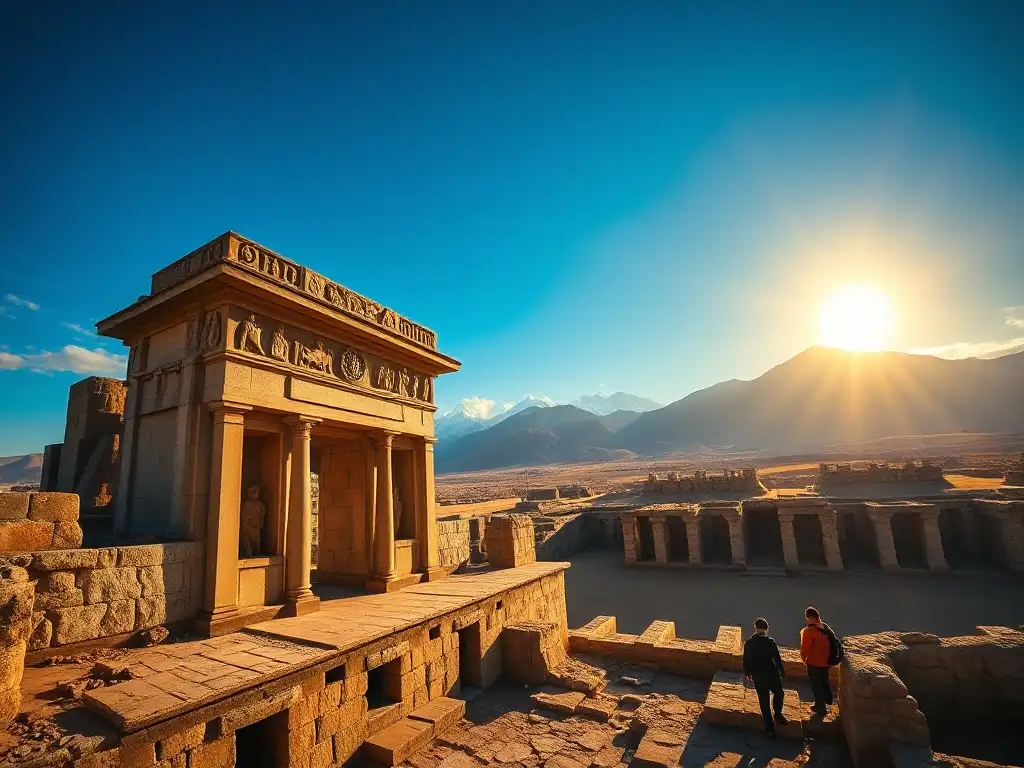
Step into a world lost to time, yet echoing with power and mystery. The Andean Civilizations website unveils the captivating stories of ancient empires, from the intricate artistry of the Nazca to the formidable engineering feats of the Incas. But today, we delve into the enigma that is Tiahuanaco. Our exploration of Tiahuanaco ancient civilization research will challenge your perceptions and reveal groundbreaking discoveries that reshape our understanding of this once-mighty power. Dare to uncover the secrets hidden within the stones... Read on to discover more.
The enigmatic city of Tiahuanaco, nestled high on the Altiplano of Bolivia, continues to captivate archaeologists and historians alike. For centuries, its monumental structures, intricate carvings, and sophisticated engineering have fueled speculation about its origins, its power, and its ultimate demise.
This article delves into the fascinating world of modern research on Tiahuanaco, exploring how cutting-edge techniques are unraveling the mysteries surrounding this ancient civilization and reshaping our understanding of its place within the broader tapestry of Andean history. We'll examine recent discoveries that challenge long-held assumptions, revealing new insights into Tiahuanaco's societal structure, its technological prowess, and its complex relationship with other Andean cultures.
The ongoing research on Tiahuanaco is not just a matter of academic curiosity; it's a vital process of reconstructing a pivotal chapter in the history of the Andes, providing a deeper appreciation for the ingenuity and resilience of its inhabitants. This exploration of "Tiahuanaco ancient civilization research" will showcase how modern scientific methods are illuminating the past, revealing a far more nuanced and complex picture than previously imagined.
Unveiling Tiahuanaco's Architectural Marvels: New Insights from Geophysical Surveys
Geophysical surveys, utilizing techniques like ground-penetrating radar (GPR) and magnetometry, are revolutionizing our understanding of Tiahuanaco's urban layout. These non-invasive methods allow researchers to map subsurface features, revealing hidden structures and providing crucial data on the city's expansion and evolution over time. Recent surveys have uncovered evidence of previously unknown residential areas, extensive irrigation systems, and possibly even ceremonial complexes buried beneath the surface.
This detailed mapping is transforming our understanding of the city's population size and its complex social organization. Furthermore, analysis of the construction techniques used in the monumental structures, like the Kalasasaya and Puma Punku, is revealing sophisticated engineering practices far beyond what was previously attributed to the Tiahuanaco culture. The precision in stone cutting and the intricate fitting of massive blocks continue to amaze researchers, prompting new questions about the tools and techniques employed.
The scale of these projects suggests a highly organized society with a centralized authority capable of mobilizing significant labor resources. Detailed analysis of the stone itself, including its provenance and the methods of transport, is also adding to this growing body of knowledge.
Deciphering the Iconography: New Interpretations of Tiahuanaco Art and Symbolism
The intricate carvings and symbolic representations found on Tiahuanaco artifacts and monumental architecture have long been a source of fascination and debate. Modern research employs interdisciplinary approaches, combining art history, anthropology, and linguistics, to decipher the meaning behind these complex images. New interpretations are challenging older, often Eurocentric, readings, offering fresh perspectives on Tiahuanaco cosmology, religious beliefs, and social structures.
For example, recent studies have focused on the recurring motifs of stylized figures, animals, and geometric patterns, attempting to correlate them with specific rituals, social hierarchies, or astronomical observations. The use of advanced imaging techniques, such as multispectral imaging, is also helping to reveal hidden details in faded or damaged carvings, providing further clues to their meaning. The challenge lies in understanding the context of these symbols within the broader Andean cultural landscape and avoiding imposing modern interpretations onto a vastly different worldview.
The ongoing efforts to translate and interpret Tiahuanaco's visual language are slowly bringing us closer to understanding the beliefs and values of its inhabitants. Careful consideration of the spatial arrangement of these symbols within the architectural context is also proving invaluable.
Tiahuanaco's Legacy: Connecting the Dots Across the Andean Region
The influence of Tiahuanaco extended far beyond its immediate geographical boundaries. Modern research is increasingly highlighting the city's role as a major cultural and political center, influencing a wide swathe of the Andean region during its period of dominance. This influence is visible in the spread of architectural styles, artistic motifs, and religious practices across vast distances.
Archaeological excavations at sites throughout the Andes are revealing connections to Tiahuanaco, demonstrating the reach of its power and the extent of its cultural impact. The study of ceramic styles, textiles, and other artifacts is crucial in tracing these connections and understanding the nature of the interactions between Tiahuanaco and its neighboring societies. Some scholars argue that Tiahuanaco exerted direct political control over these regions, while others propose a more nuanced model of cultural exchange and interaction.
Further research, integrating data from multiple sites and employing sophisticated statistical analyses, is needed to fully understand the complex dynamics of Tiahuanaco's relationship with the broader Andean world. The ongoing investigation into the spread of Tiahuanaco’s influence is a crucial step in understanding the broader patterns of cultural exchange and power dynamics in ancient Andes.
Environmental Factors and the Decline of Tiahuanaco: A Multifaceted Perspective
The reasons behind Tiahuanaco's decline remain a subject of ongoing debate among researchers. While some scholars point to internal factors such as social unrest or overextension of power, others emphasize the role of environmental changes, such as prolonged droughts or shifts in lake levels. Modern research is increasingly adopting a multifaceted approach, integrating archaeological, climatic, and geological data to build a more comprehensive understanding of the factors that contributed to the city's abandonment.
Studies of ancient lake sediments, pollen analysis, and isotopic data are providing valuable insights into past environmental conditions. These studies, combined with archaeological evidence of societal changes, are helping to paint a more complete picture of the complex interplay between environmental factors and societal responses.
The ongoing research into the environmental context of Tiahuanaco's decline highlights the importance of considering the interplay between human actions and natural processes in shaping the trajectory of ancient civilizations. Understanding the interplay of these factors is key to fully comprehending the reasons behind the city's eventual decline.
- Unveiling Tiahuanaco's Architectural Marvels: New Insights from Geophysical Surveys
- Deciphering the Iconography: New Interpretations of Tiahuanaco Art and Symbolism
- Tiahuanaco's Legacy: Connecting the Dots Across the Andean Region
- Environmental Factors and the Decline of Tiahuanaco: A Multifaceted Perspective
Unveiling the Mysteries of Tiahuanaco: An Introduction to Recent Discoveries
This section delves into the exciting advancements in Tiahuanaco ancient civilization research, focusing on recent archaeological discoveries and reinterpretations that are reshaping our understanding of this powerful pre-Columbian society. For centuries, Tiahuanaco, located on the shores of Lake Titicaca in modern-day Bolivia, has captivated researchers and enthusiasts alike with its monumental architecture, intricate artistry, and enigmatic societal structures. New techniques and approaches are providing unprecedented insights into its origins, development, and eventual decline, offering a more nuanced and complete picture than ever before.
We'll explore some of the key findings that are revolutionizing our understanding of this fascinating civilization, examining both the archaeological evidence and the ongoing debates surrounding its interpretation. The study of Tiahuanaco is not just an academic exercise; it offers crucial insights into the complexities of early Andean societies and their remarkable achievements.
The Enduring Legacy of Tiahuanaco: Why Study it Today?
The study of Tiahuanaco's ancient civilization remains incredibly relevant today for several compelling reasons. Firstly, its monumental architecture, such as the Kalasasaya Temple and the Puerta del Sol, presents significant engineering and architectural challenges that continue to inspire awe and stimulate research into ancient construction techniques. Understanding how these structures were built, the materials used, and the logistical feats involved provides valuable insights into the technological capabilities of the Tiahuanaco people.
Secondly, Tiahuanaco's sophisticated social organization and its influence on surrounding cultures are areas of intense research. Recent studies are shedding light on the complex interplay between the Tiahuanaco state and its neighbors, revealing a dynamic relationship involving trade, cultural exchange, and even conflict. This research helps us understand the processes of state formation and the dynamics of power in pre-Columbian societies. Analyzing Tiahuanaco's administrative systems, religious beliefs, and artistic expressions provides a rich understanding of a complex society.
Finally, the ongoing research into Tiahuanaco's agricultural practices and resource management is crucial for understanding its sustainable development model. Given the current global concerns about climate change and resource sustainability, examining how Tiahuanaco managed its resources and adapted to environmental challenges offers valuable lessons for modern societies. The Tiahuanaco civilization's resilience and adaptability in the face of environmental pressures are important case studies for understanding long-term societal sustainability.
Understanding Tiahuanaco's successes and failures provides valuable insights that could inform our approach to similar challenges today. The study of Tiahuanaco is, therefore, not merely a historical pursuit, but a valuable source of knowledge applicable to contemporary issues.
Tiahuanaco's Geographical Context: Understanding its Strategic Location
Tiahuanaco's location on the shores of Lake Titicaca played a crucial role in its rise to prominence. This high-altitude lake, situated at approximately 12,500 feet above sea level, provided a unique combination of resources and strategic advantages. The fertile lands surrounding the lake supported agriculture, providing a stable food supply for the growing population. The lake itself served as a vital transportation route, facilitating trade and communication with other Andean communities.
The presence of abundant resources, including fish, reeds, and minerals, contributed significantly to the Tiahuanaco economy and its ability to support a complex social structure. The lake's strategic position along ancient trade routes connecting the Andes with the Amazon basin and the coastal regions further enhanced Tiahuanaco's influence. Recent research using geographic information systems (GIS) is helping to map these ancient routes and trace the flow of goods and information across the Andean region. This research highlights Tiahuanaco's position as a pivotal hub within a wider network of interconnected communities.
Moreover, the unique environmental conditions of the altiplano, with its distinct dry and wet seasons, presented significant challenges to agriculture. Recent studies are focusing on Tiahuanaco's innovative agricultural techniques, such as raised field agriculture, which allowed for efficient water management and increased crop yields. Understanding these techniques is crucial for appreciating the ingenuity of the Tiahuanaco people and their ability to thrive in a challenging environment.
Their mastery of agricultural technology was fundamental to the civilization's growth and prosperity, showcasing their deep understanding of their environment and their capacity for innovative solutions. The study of Tiahuanaco's geographical context thus reveals a complex interplay between environment, technology, and socio-political organization that contributed significantly to its rise and influence.
New Archaeological Research at Tiahuanaco: Advanced Techniques and Findings
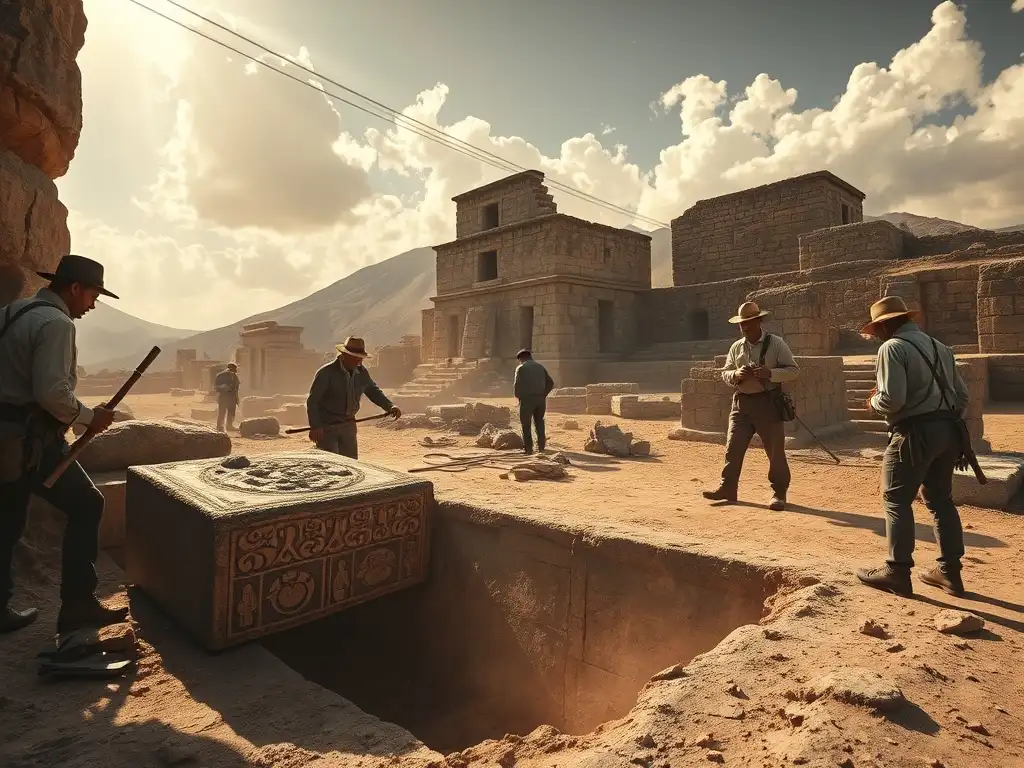
The ongoing research into the Tiahuanaco ancient civilization is revolutionizing our understanding of this enigmatic Andean power. Modern techniques are providing unprecedented insights into its urban planning, societal structures, and technological capabilities, challenging long-held assumptions and offering fresh perspectives on its rise and fall. This renewed focus on Tiahuanaco ancient civilization research incorporates a multidisciplinary approach, integrating archaeology, anthropology, geology, and other fields to paint a more complete picture of this fascinating society. The sheer scale and sophistication of Tiahuanaco's architecture and infrastructure continue to inspire awe and demand rigorous investigation.
Ground-Penetrating Radar and Remote Sensing: Mapping Tiahuanaco's Subsurface
Ground-penetrating radar (GPR) and other remote sensing technologies are proving invaluable in uncovering the hidden layers of Tiahuanaco. These non-invasive methods allow archaeologists to map subsurface structures without the need for extensive excavation, minimizing damage to the fragile site. Recent GPR surveys have revealed the presence of extensive subterranean networks, possibly including canals, aqueducts, and storage facilities, significantly expanding our understanding of Tiahuanaco's urban planning and infrastructure.
The analysis of these data, combined with high-resolution satellite imagery and aerial photography, is creating detailed three-dimensional models of the site, offering a comprehensive view of its layout and complexity. For example, preliminary findings suggest a far more extensive network of interconnected structures than previously imagined, hinting at a higher population density and a more intricate social organization than previously thought.
This advanced imaging is allowing researchers to identify previously unknown structures and plan future excavations more strategically, maximizing the impact of fieldwork and minimizing potential damage. The integration of these diverse datasets is crucial for a complete understanding of Tiahuanaco's urban design and its adaptation to the challenging altiplano environment.
Isotopic Analysis and Dating Methods: Refining Chronologies of Tiahuanaco's Development
Precise dating of Tiahuanaco's structures and artifacts has long been a challenge. However, advancements in isotopic analysis and radiocarbon dating are significantly refining our understanding of the civilization's chronology. By analyzing the isotopic ratios in human remains, animal bones, and plant materials, researchers can reconstruct past diets, migration patterns, and environmental conditions.
These data, combined with improved radiocarbon dating techniques, are providing more accurate dates for key phases in Tiahuanaco's development, clarifying the sequence of construction and occupation at various sites. For instance, recent isotopic studies have shed light on the dietary habits of Tiahuanaco's inhabitants, revealing a complex interaction between agriculture, animal husbandry, and trade networks. Furthermore, the application of accelerator mass spectrometry (AMS) radiocarbon dating is yielding more precise dates, narrowing down the timelines for specific building phases and cultural changes.
This improved chronological framework is essential for understanding the processes of growth, decline, and transformation that shaped Tiahuanaco's history, providing a more nuanced perspective on its long-term trajectory. The precision of these methods is crucial for understanding the complex interplay of internal development and external influences on Tiahuanaco's evolution.
New Excavations at Key Tiahuanaco Sites: The Puma Punku Complex
The Puma Punku complex, with its massive megalithic blocks and intricate stonework, remains one of the most enigmatic and debated aspects of Tiahuanaco. Recent excavations at Puma Punku are employing advanced techniques and methodologies to understand its construction, function, and significance within the broader Tiahuanaco context. These excavations focus not only on the monumental architecture but also on the surrounding areas to understand the broader urban landscape.
Researchers are meticulously documenting the precise placement and orientation of the stones, analyzing the tools and techniques used in their construction, and investigating the sedimentary layers to understand the environmental context of the site. The analysis of these findings promises to shed light on the engineering feats, logistical challenges, and social organization required to build such an impressive structure. For example, recent discoveries of smaller, less-conspicuous structures near Puma Punku suggest a more complex and extensive settlement pattern than previously imagined, potentially indicating specialized workshops or residential areas associated with the monument's construction and maintenance.
The meticulous documentation of these findings, including detailed photographic records and 3D modeling, is crucial for preserving and analyzing this invaluable archaeological information. The ongoing research at Puma Punku exemplifies the rigorous and detailed approach currently employed in Tiahuanaco ancient civilization research, pushing the boundaries of our understanding of this remarkable ancient society.
Reinterpreting Tiahuanaco's Society: Insights from Modern Research
This section delves into recent archaeological and anthropological research that challenges traditional understandings of Tiahuanaco society, offering nuanced perspectives on its political organization, economic systems, and religious practices. The keyword "Tiahuanaco ancient civilization research" is central to this re-evaluation, as new methodologies and discoveries constantly reshape our understanding of this remarkable civilization. We move beyond simplistic narratives to explore the complexities of this Andean power.
Tiahuanaco's Political Structure: Beyond the Traditional Interpretations
Traditional interpretations often portrayed Tiahuanaco as a highly centralized empire, ruled by a powerful elite. However, recent research suggests a more complex political landscape. Evidence from excavated settlements reveals a degree of regional autonomy, indicating that while Tiahuanaco exerted significant influence, its control wasn't uniformly absolute across its vast territory.
The distribution of elite goods, such as fine ceramics and textiles, doesn't follow a purely hierarchical pattern, hinting at a more nuanced system of power sharing or perhaps a fluctuating level of central control depending on factors like resource availability and political alliances. Further complicating the picture, some scholars argue for a more fluid, perhaps even confederative, structure where power was negotiated and re-negotiated between different groups and regions. Analysis of architectural styles across different sites also supports this idea, showing variations that suggest some degree of local adaptation and expression, even within the broader Tiahuanaco sphere of influence.
The absence of a clearly defined capital city, with power seemingly distributed across various monumental centers, further complicates the notion of a strictly centralized empire. More research, especially detailed analysis of administrative records (if any survive), is needed to fully clarify the dynamics of Tiahuanaco's political organization.
Economic Organization and Trade Networks: Connecting Tiahuanaco with Neighboring Cultures
Tiahuanaco's economic prowess is evidenced by its extensive trade networks, reaching far beyond its immediate geographical boundaries. Recent research using isotopic analysis of human remains and ceramic materials reveals the movement of people and goods across vast distances. This suggests that Tiahuanaco was not merely a regional center but a key player in a broader Andean exchange system.
The sophisticated organization of agricultural production, including techniques for terracing and irrigation, allowed for the surplus necessary to support a large population and sustain extensive trade. Analysis of traded goods, such as exotic metals, shells, and feathers, points to complex economic relationships with coastal and highland communities. The presence of Tiahuanaco-style artifacts in distant sites provides compelling evidence of this far-reaching influence.
Furthermore, the discovery of specialized workshops dedicated to the production of specific goods, such as textiles and ceramics, highlights a degree of economic specialization and potentially a stratified labor system. However, the exact nature of these economic interactions, whether based on tribute, trade, or a combination of both, remains a topic of ongoing debate within the field of Tiahuanaco ancient civilization research.
Religious Beliefs and Ritual Practices: New Perspectives on Tiahuanaco's Spirituality
The religious beliefs and practices of Tiahuanaco are a source of ongoing fascination and scholarly debate. Recent discoveries, including the excavation of ritual sites and the analysis of iconography, shed new light on the complexity of Tiahuanaco spirituality. The iconic Gate of the Sun, for example, continues to inspire intense scrutiny and interpretation, with new theories emerging regularly regarding its symbolic meaning and astronomical significance. The presence of numerous anthropomorphic and zoomorphic figures in Tiahuanaco art suggests a complex pantheon of deities and a rich mythology.
Recent research on ritual practices focuses on the role of water and its symbolic importance in Tiahuanaco cosmology. The intricate network of canals and aqueducts found at the site suggests a deep connection between water management and religious beliefs. Furthermore, the discovery of human sacrifices in certain contexts adds another layer of complexity to our understanding of Tiahuanaco religious rituals.
Interpreting these finds requires careful consideration of the cultural context and avoiding simplistic interpretations. The integration of new technologies, such as 3D modeling and digital analysis of artifacts, is significantly enhancing our ability to understand the intricacies of Tiahuanaco's religious world, further advancing the field of Tiahuanaco ancient civilization research. The ongoing debate surrounding the interpretation of these religious practices highlights the dynamism and complexity of Tiahuanaco's spiritual life.
Tiahuanaco's Architectural Marvels: A New Look at Engineering and Design
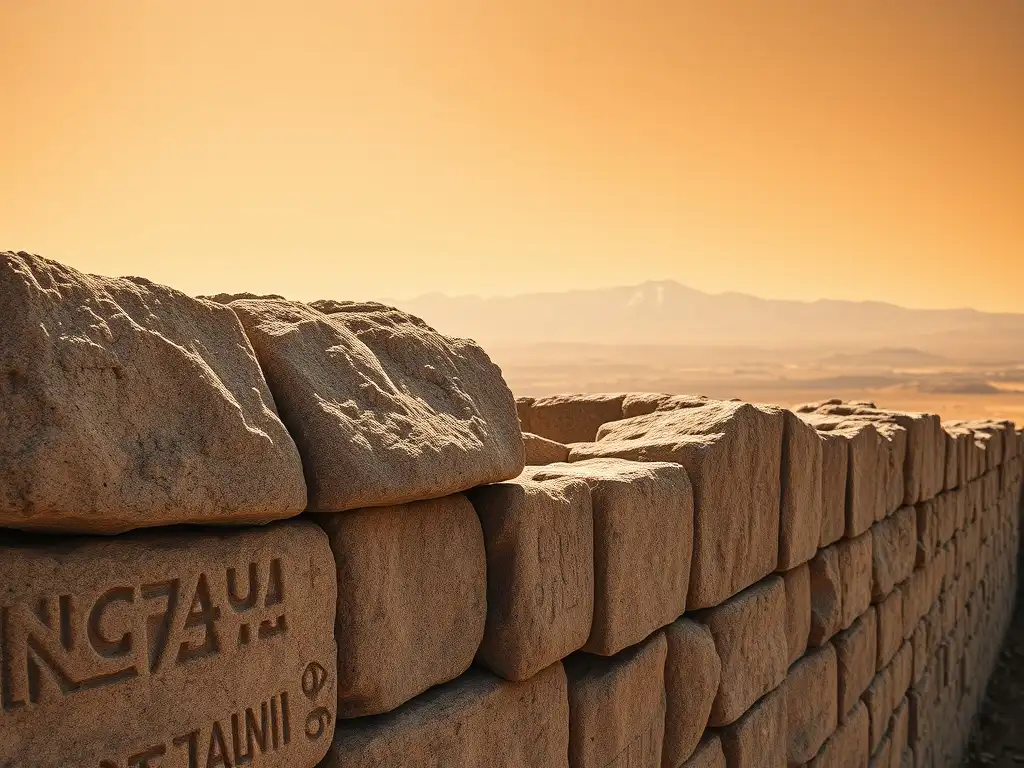
This section delves into the remarkable architectural achievements of the Tiahuanaco civilization, focusing on recent research that challenges previous assumptions and reveals the sophistication of their engineering and design principles. The scale and precision of Tiahuanaco's structures continue to amaze researchers, prompting ongoing investigation into their construction methods and the societal implications of such monumental projects. Understanding these aspects is crucial for comprehending the power and organization of this ancient civilization, a key element in the ongoing research of Tiahuanaco ancient civilization.
The Akapana Pyramid and Kalasasaya: Advanced Construction Techniques Revealed
The Akapana pyramid and the Kalasasaya platform are two of Tiahuanaco's most impressive structures. Recent archaeological investigations utilizing advanced techniques like ground-penetrating radar and 3D modeling have unveiled surprising details about their construction. Analysis suggests the use of sophisticated techniques for precise stone cutting and placement, far beyond what was previously thought possible for this period. The precision in the fitting of massive blocks of andesite, with minimal mortar used, points to a highly developed understanding of geometry and engineering.
Furthermore, evidence suggests the existence of complex internal structures within the Akapana, possibly including channels for water management – a testament to their advanced hydraulic engineering capabilities, adding another layer to the ongoing research into Tiahuanaco ancient civilization. The Kalasasaya platform, with its massive standing stones, reveals meticulous planning and execution. The alignment of these stones with astronomical events further underscores the advanced knowledge of the Tiahuanaco people.
The meticulous planning and execution of these projects highlight the importance of centralized authority and sophisticated organizational skills within Tiahuanaco society. The sheer scale of these undertakings implies a significant investment of labor and resources, indicating a well-structured society capable of mobilizing a large workforce for extended periods. This level of societal organization is a critical aspect of current Tiahuanaco ancient civilization research.
The Gateway of the Sun: Decoding its Symbolic Significance
The Gateway of the Sun, a monolithic structure intricately carved with symbolic figures, remains a focal point of Tiahuanaco ancient civilization research. Recent studies have focused on deciphering the iconography, aiming to understand its meaning within the broader context of Tiahuanaco cosmology and religion. Scholars debate the significance of the central figure, often interpreted as a deity or a powerful ruler, and the surrounding figures, which appear to represent various celestial bodies and mythical creatures.
The intricate detail and the sophisticated artistic style showcase the advanced artistic and symbolic capabilities of the Tiahuanaco civilization. The Gateway's construction, involving the precise carving and transportation of a massive stone block, further underscores their remarkable engineering prowess.
Ongoing research into Tiahuanaco ancient civilization incorporates comparative analysis with other Andean iconography to unravel the layers of meaning embedded within this enigmatic monument. Further analysis may reveal deeper connections to the spiritual beliefs and social structures of the Tiahuanaco people.
Tiahuanaco's urban layout reflects a sophisticated understanding of urban planning and resource management. Evidence suggests a carefully planned city with distinct residential areas, monumental structures, and possibly specialized workshops or craft production centers. Recent research using GIS (Geographic Information Systems) technology is helping to map the city’s extent and reveal patterns of settlement and infrastructure.
This research is providing valuable insights into the social organization and resource management strategies of the Tiahuanaco people, providing another compelling facet of Tiahuanaco ancient civilization research. The careful placement of buildings, the management of water resources (as evidenced by potential canal systems), and the distribution of resources all point to a complex and well-organized urban center. The study of Tiahuanaco's urban planning offers crucial insights into the social and economic structures of this remarkable civilization.
Understanding the city's layout and infrastructure provides a clearer picture of daily life, social hierarchies, and the economic activities that sustained this powerful Andean society. This integrated approach to understanding Tiahuanaco's urban design is becoming increasingly important in modern research on Tiahuanaco ancient civilization.
Tiahuanaco and its Relationship with Other Andean Cultures: New Connections
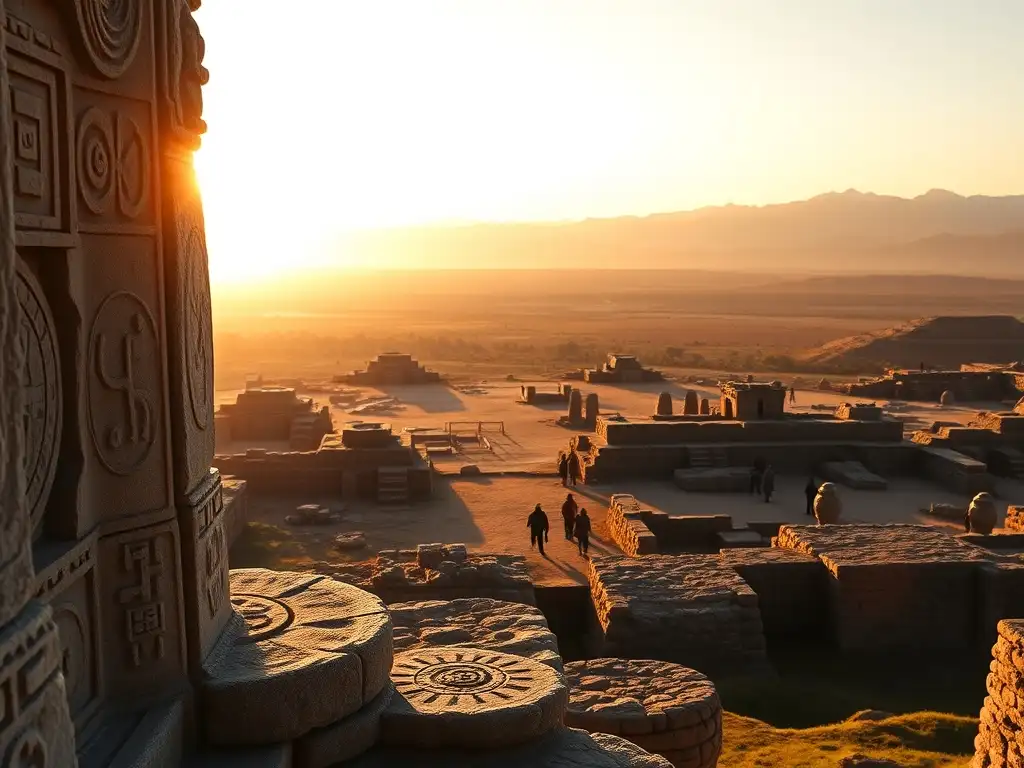
The study of Tiahuanaco's influence extends beyond its immediate geographical boundaries, prompting ongoing debate about its relationship with other Andean cultures. Recent research challenges previous interpretations, suggesting a more complex and nuanced interaction than previously thought. The traditional view often portrayed Tiahuanaco as a monolithic power exerting direct control over surrounding regions. However, a growing body of evidence points to a more intricate web of cultural exchange, trade, and even competition. This section will explore some key aspects of these newly discovered connections.
Tiahuanaco's Influence on the Wari Empire: A Reassessment of Interactions
The Wari Empire, a significant pre-Inca civilization flourishing in the central Andes, has long been studied in relation to Tiahuanaco. While some scholars previously suggested direct Tiahuanaco domination, current research emphasizes a more intricate relationship. Archaeological findings indicate a significant cultural exchange, with Wari adopting certain aspects of Tiahuanaco's artistic styles and administrative structures.
However, evidence also suggests significant independent development within the Wari Empire, demonstrating a capacity for adaptation and innovation rather than simple imitation. The presence of Tiahuanaco-style ceramics in Wari sites does not necessarily imply political subordination but could represent trade, diplomatic gifts, or even the movement of skilled artisans.
Further research focusing on isotopic analysis of human remains from both cultures could help determine population movement patterns and strengthen the understanding of these interactions. The complexity of this relationship underscores the need for a nuanced approach, moving away from simplistic narratives of conquest and towards a more dynamic understanding of cultural exchange in the Andes.
Cultural Exchange and Trade Routes: Tracing Tiahuanaco's Network of Influence
Tiahuanaco's influence wasn't limited to its immediate neighbors. Recent research highlights the crucial role of extensive trade networks in disseminating Tiahuanaco's cultural elements across vast distances. The discovery of Tiahuanaco-style artifacts in sites far removed from the Tiwanaku heartland points towards a robust system of exchange, possibly involving llama caravans traversing the challenging Andean terrain. The distribution of characteristic ceramics, textiles, and metalwork suggests a far-reaching influence that extended beyond simple trade.
The exchange of ideas, religious practices, and artistic motifs likely accompanied the movement of goods, creating a broader cultural sphere influenced by Tiahuanaco's unique identity. Analyzing the chemical composition of artifacts from different locations can offer crucial insights into the origin of materials and help trace the routes of these trade networks, refining our understanding of Tiahuanaco's economic and cultural reach. This research is crucial for understanding the extent of Tiahuanaco's impact on the wider Andean world.
While often used interchangeably, the terms "Tiahuanaco" and "Tiwanaku" require careful distinction. "Tiahuanaco" generally refers to the broader cultural sphere of influence, while "Tiwanaku" specifically designates the archaeological site itself. Analyzing shared iconography and artistic styles between the Tiwanaku site and other sites attributed to the Tiahuanaco cultural sphere offers valuable insights.
The iconic "Gateway of the Sun" at Tiwanaku, for example, displays stylistic elements that are echoed in artifacts found across a wide geographical area. The repetition of specific motifs, such as stylized figures, geometric patterns, and representations of deities, suggests a shared cultural identity or at least a strong influence emanating from the Tiwanaku center. However, regional variations in these artistic expressions also highlight the adaptive and dynamic nature of Tiahuanaco culture.
Further detailed stylistic analysis, potentially using digital image processing techniques, could reveal subtle differences and provide a more nuanced understanding of the relationships between different regions within the Tiahuanaco cultural sphere. This would further contribute to our understanding of "Tiahuanaco ancient civilization research". The careful examination of these similarities and differences is essential for a complete understanding of Tiahuanaco's legacy.
The Decline of Tiahuanaco: Modern Theories and Ongoing Debates
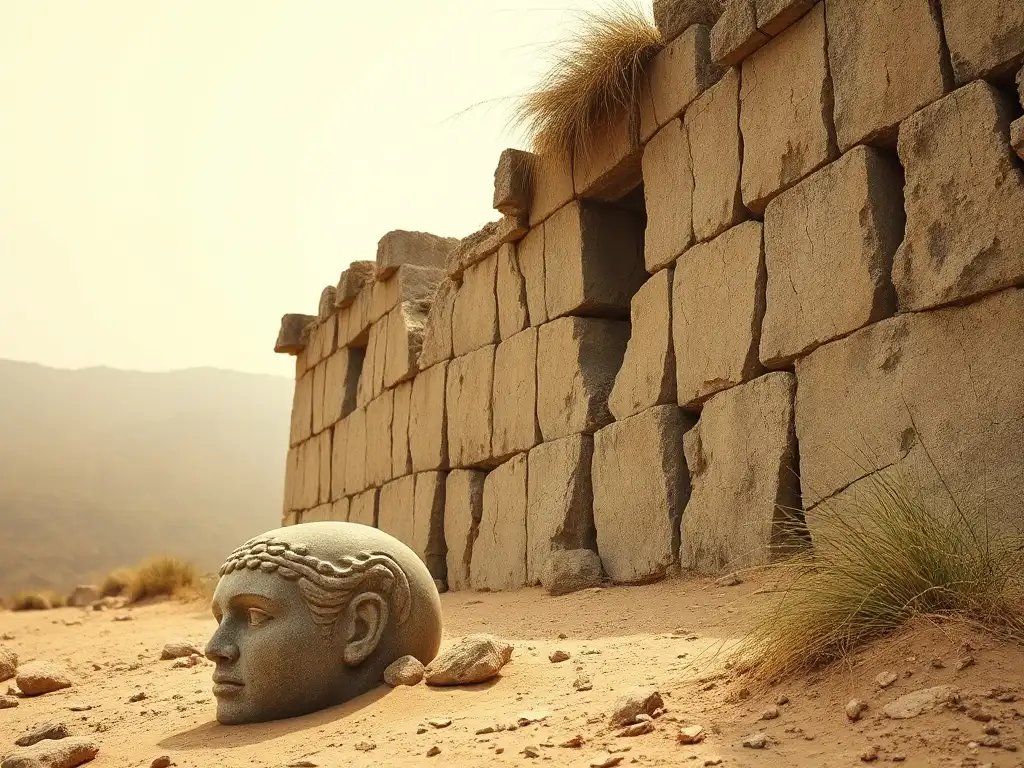
The fall of Tiahuanaco, a powerful Andean civilization that flourished between 500 and 1000 CE, remains a topic of intense scholarly debate. While a singular cause is unlikely, current research points towards a complex interplay of factors contributing to its decline and eventual abandonment. Understanding these contributing elements is crucial to piecing together a more complete picture of Tiahuanaco's history and its lasting influence on subsequent Andean cultures. This section explores some of the leading theories surrounding Tiahuanaco's decline, focusing on the most prominent lines of inquiry within contemporary research on Tiahuanaco ancient civilization.
Environmental Factors and Climate Change: Exploring Possible Causes of Tiahuanaco's Collapse
Evidence suggests that environmental shifts played a significant role in Tiahuanaco's demise. Archaeological findings, coupled with paleoclimatological data, indicate a period of significant climatic instability during the late Tiahuanaco period. This instability manifested as prolonged droughts, reduced agricultural yields, and changes in water availability – all critical factors for a civilization heavily reliant on intensive agriculture. The impact of these changes on Tiahuanaco's sophisticated irrigation systems, vital for sustaining its large population, is a key area of ongoing research.
Analysis of pollen and sediment cores from Lake Titicaca, for example, reveals fluctuations in vegetation patterns consistent with periods of drought. These fluctuations correlate with the timeline of Tiahuanaco's decline, suggesting a direct link between environmental stress and societal upheaval.
Furthermore, studies examining isotopic ratios in human remains from the period show evidence of dietary shifts, potentially reflecting a decline in agricultural productivity and the subsequent need to adapt to less favorable food sources. The precise extent of climate change's impact remains a subject of ongoing discussion and refinement within Tiahuanaco ancient civilization research, but the evidence strongly suggests its significant contribution to the overall weakening of the civilization.
Beyond environmental pressures, internal social and political factors likely contributed to Tiahuanaco's instability. The scale and complexity of Tiahuanaco's empire suggest a highly centralized political system, potentially vulnerable to internal conflicts and power struggles. Theories suggest that the immense demands placed on the population to support the expansive infrastructure and elite lifestyle may have led to social unrest and rebellion.
Evidence of warfare and conflict is found in the archaeological record, though its precise role in the decline is still debated. Some researchers argue that external pressures from neighboring groups, vying for control of resources and territory, exacerbated existing internal tensions. Changes in settlement patterns and the redistribution of population towards smaller, more localized communities may reflect a breakdown in centralized control and the rise of competing power centers.
Further research is needed to fully understand the dynamics of these internal conflicts and external pressures and their interplay in contributing to the collapse. Understanding the social and political landscape of the late Tiahuanaco period is crucial for a holistic understanding of the civilization's decline – a key focus of current Tiahuanaco ancient civilization research.
The Legacy of Tiahuanaco: Its Lasting Impact on Andean Civilizations
Despite its eventual decline, Tiahuanaco left an enduring legacy on subsequent Andean civilizations. Its sophisticated architectural techniques, artistic styles, and religious beliefs continued to influence the cultures that followed. The iconic stepped pyramids, monumental sculptures, and intricate textiles of Tiahuanaco served as inspirations and models for later Andean societies. For example, the distinctive architectural styles of Tiahuanaco can be traced in later constructions throughout the Andes, demonstrating the enduring influence of its artistic and technological innovations.
Furthermore, religious beliefs and practices associated with Tiahuanaco were likely adopted and adapted by successor cultures, contributing to the continuity of Andean religious traditions. The spread of Tiahuanaco's iconography and stylistic elements across a wide geographical area suggests a significant cultural impact that extended far beyond the immediate area of the Tiahuanaco state. The legacy of Tiahuanaco is a testament to its enduring influence and its role in shaping the broader cultural landscape of the Andes – a remarkable achievement highlighted by modern research on Tiahuanaco ancient civilization.
Future Directions in Tiahuanaco Research: Open Questions and New Avenues
The study of Tiahuanaco, a pivotal ancient civilization in the Andes, is far from complete. While significant progress has been made in recent decades, many mysteries remain, demanding innovative approaches and collaborative efforts. Understanding Tiahuanaco's rise, its sophisticated social structures, and its ultimate decline requires a multifaceted approach integrating archaeological findings with advanced technologies and interdisciplinary perspectives. This section explores key areas ripe for future research, highlighting the potential for groundbreaking discoveries that will further illuminate this enigmatic civilization. Further research into Tiahuanaco's ancient civilization will undoubtedly reshape our understanding of Andean history.
Areas for Further Exploration: Analysis of Tiahuanaco's Water Management Systems
Tiahuanaco's remarkable engineering feats, particularly its intricate water management systems, remain a source of fascination and ongoing debate. The sophisticated network of canals, aqueducts, and reservoirs that supported the city's population requires further in-depth analysis. Questions remain regarding the precise techniques used in their construction, the overall capacity of the system, and its role in the city's social and economic organization. Future research should focus on:
- Detailed hydrological studies: Analyzing rainfall patterns, water flow dynamics, and the capacity of the existing infrastructure to understand the system's efficiency and resilience. This includes utilizing modern hydrological modeling techniques to simulate past water availability and management strategies.
- Geophysical surveys: Employing non-invasive techniques like ground-penetrating radar (GPR) and electrical resistivity tomography (ERT) to map subterranean water channels and identify previously unknown structures related to water management. This could reveal hidden components of the system and provide a more comprehensive understanding of its scale.
- Isotopic analysis: Analyzing water samples from different sources to determine the origin of the water used by Tiahuanaco's inhabitants. This can shed light on water sourcing strategies and their adaptability to changing environmental conditions.
Furthermore, understanding the social implications of water control is crucial. Did access to water resources contribute to social stratification? How did the city manage water during periods of drought or scarcity? Answering these questions will significantly enhance our understanding of Tiahuanaco's societal complexities and resilience. This research is essential to understanding the Tiahuanaco ancient civilization's ingenuity and adaptation.
Technological Advances and New Methodologies: Enhancing our Understanding
The application of cutting-edge technologies promises to revolutionize our understanding of Tiahuanaco. Advanced imaging techniques, such as LiDAR (Light Detection and Ranging) and hyperspectral imaging, can provide high-resolution 3D models of the site, revealing subtle architectural details and uncovering previously hidden structures. These technologies, combined with Geographic Information Systems (GIS), can create detailed spatial models of the city, allowing for a more comprehensive analysis of its layout, urban planning, and social organization.
Furthermore, advancements in archaeobotany and archaeozoology, using techniques like DNA analysis and isotopic studies, can provide crucial information about the diet, agriculture, and environmental context of Tiahuanaco. This data can be correlated with climate data to understand the relationship between environmental changes and societal shifts. The use of stable isotope analysis on human remains can also shed light on migration patterns and dietary habits of the inhabitants, providing further insights into the population dynamics and social structure of the Tiahuanaco ancient civilization.
The Importance of International Collaboration: Protecting and Studying Tiahuanaco's Heritage
The preservation and study of Tiahuanaco require a concerted international effort. Collaboration between researchers from different countries, bringing together diverse expertise and resources, is crucial for conducting comprehensive research and implementing effective conservation strategies. International collaborations can facilitate the sharing of knowledge, technologies, and resources, ensuring that the research is conducted ethically and sustainably. This collaborative approach is vital for protecting this invaluable part of the world's cultural heritage.
International collaboration is paramount in safeguarding the Tiahuanaco ancient civilization's legacy for future generations. The collaborative effort ensures the long-term preservation and continued research of Tiahuanaco, allowing for a more complete understanding of this complex and fascinating ancient civilization. This is crucial for preserving the integrity of the site and ensuring that research is conducted responsibly and sustainably. 🤝
Frequently Asked Questions
What is Tiahuanaco?
Tiahuanaco was a powerful pre-Columbian civilization that flourished in the Andes region, near present-day Bolivia, between roughly 300 and 1200 CE. It is renowned for its remarkable monumental architecture and sophisticated social organization. Its influence spread across a wide area.
What kind of research is currently being done on Tiahuanaco?
Modern research on Tiahuanaco employs a range of techniques including archaeological excavation, carbon dating, ceramic analysis, and environmental studies. This helps to unravel its complex history, social structures, and environmental context.
What are some of Tiahuanaco's most significant achievements?
Tiahuanaco is famous for its massive stone structures, such as the Kalasasaya and Puma Punku, which demonstrate advanced engineering and architectural skills. They also developed a unique artistic style and complex agricultural systems to support a large population.
How did the Tiahuanaco civilization decline?
The exact reasons for Tiahuanaco's decline are still debated. Environmental factors, such as climate change and resource depletion, are likely candidates, along with internal social pressures and potential external conflicts. Further research is ongoing.
Where can I find more information about Tiahuanaco research?
You can find more information through academic journals focusing on Andean archaeology, museum websites (such as those featuring Tiahuanaco artifacts), and books on pre-Columbian civilizations. Many universities also conduct and publish research in this area.
Final Reflection: Unraveling Tiahuanaco's Legacy
The echoes of Tiahuanaco's sophisticated civilization resonate powerfully in the modern world, reminding us of the ingenuity and complexity of pre-Columbian societies. Its advanced urban planning, intricate artistry, and sophisticated agricultural techniques continue to challenge our understanding of ancient technological capabilities and societal structures, forcing a reassessment of established historical narratives. The ongoing research into Tiahuanaco is not merely an academic pursuit; it's a vital process of reclaiming and recontextualizing a rich cultural heritage often overlooked in dominant historical accounts.
The enduring mystery surrounding Tiahuanaco's rise and fall compels us to confront our own biases and assumptions about the capabilities of ancient cultures. The sheer scale of its achievements, from its monumental architecture to its intricate religious beliefs, continues to inspire awe and wonder. As the renowned archaeologist, Michael E. Moseley, once stated, Tiahuanaco was not just a city; it was a powerful symbol of Andean cultural integration and innovation.
This statement encapsulates the profound impact Tiahuanaco had on the Andean region and its lasting influence on subsequent civilizations. Understanding its legacy allows us to appreciate the interconnectedness of human history and the enduring power of cultural exchange.
Consider the implications of Tiahuanaco's story. What can we learn from its successes and failures? How can we apply the lessons of its sophisticated water management systems and its intricate social organization to address the challenges of our own time?
You, the reader, are now part of this ongoing conversation. Engage with the ongoing research, explore the archaeological evidence, and let the enigma of Tiahuanaco inspire you to question, to learn, and to contribute to a more complete and nuanced understanding of our shared human past. The story of Tiahuanaco is far from over; it continues to unfold with each new discovery and each fresh perspective.
Unveil the Secrets of Tiahuanaco Today!
Thank you for exploring the incredible mystery of Tiahuanaco with us! Your journey into this ancient civilization has unearthed fascinating insights into its majestic power and enduring legacy. Now, let's build on those discoveries!
Here's how you can continue your exploration:
- Deepen your understanding of Tiahuanaco by researching further at your local library or through reputable online sources.
- Connect with fellow enthusiasts by joining online forums or social media groups dedicated to Andean civilizations. Share your findings and learn from others!
- Experience Tiahuanaco firsthand by exploring related sites through virtual tours or, even better, by planning a visit in person.
What aspect of Tiahuanaco's history captivated you most? Share your thoughts and let's continue the discussion!