
Sacred Lands, Modern Challenges: Indigenous Land Rights in the Andes


Welcome to Andean Civilizations! Prepare to journey through millennia of breathtaking artistry, sophisticated engineering, and enduring spiritual traditions. But the story doesn't end with the past. The fight for Andean indigenous land rights continues to shape the present, presenting a complex tapestry of ancient legacies and modern struggles. Discover how the sacred lands of the Andes hold the key to understanding both their vibrant history and their uncertain future. Dive in and explore the compelling narrative unfolding before you.
-
Sacred Lands, Modern Challenges: Andean Indigenous Land Rights
- Understanding Andean Indigenous Territories
- The Historical Context of Land Ownership in the Andes
- Pre-Columbian Land Management Systems
- Colonial Impact on Indigenous Land Rights
- The Legacy of Colonial Land Dispossession
- Current Legal Frameworks for Indigenous Land Rights in Andes
- National Laws and International Conventions
- Challenges in the Implementation of Land Rights
- Conflicts over Resource Extraction and Land Use
- Mining and its Impact on Indigenous Communities
- Agricultural Expansion and Deforestation
- The Role of Indigenous Organizations in Land Rights Advocacy
- Community-Based Land Management Strategies
- Empowering Indigenous Voices and Traditional Knowledge
- Case Studies: Successful Land Rights Claims
- The Sarayaku People's Victory Against Oil Exploration
- The Awajún and Wampis Peoples' Self-Governance Initiative
- The Future of Andean Indigenous Land Rights
- Balancing Development and Indigenous Rights
- Sustainable Land Use and Environmental Protection
- The Importance of Cultural Preservation in Land Management
- Frequently Asked Questions
- Final Reflection: Echoes of the Past, Fights for the Future
- **Empower Indigenous Voices Today! **
Sacred Lands, Modern Challenges: Andean Indigenous Land Rights
The Andes Mountains, a majestic spine running down the western coast of South America, are not merely a geographical feature; they are the very heart of a rich tapestry of indigenous cultures and traditions stretching back millennia. This article delves into the complex and crucial issue of Andean indigenous land rights, exploring the historical context of land ownership, the significance of ancestral territories, and the modern challenges faced by indigenous communities in securing their rights to these sacred lands.
Understanding the deep-rooted connection between Andean peoples and their land is paramount to grasping the ongoing struggles for self-determination and the preservation of cultural heritage in the face of modern pressures such as mining, agriculture, and infrastructure development. The fight for Andean indigenous land rights is not just a legal battle; it's a fight for cultural survival, environmental protection, and the preservation of a unique and invaluable legacy for future generations.
This exploration will examine the complexities of land tenure, the impact of colonialism, and the ongoing efforts to protect and reclaim ancestral territories, highlighting the importance of respecting and upholding the rights of Andean indigenous communities.
Understanding Andean Indigenous Territories
Andean indigenous territories are not simply geographical spaces; they are deeply intertwined with the spiritual and cultural identities of the communities that inhabit them. These lands hold immense significance, representing ancestral heritage, sacred sites, and the resources necessary for survival. For centuries, indigenous communities have developed sophisticated systems of land management, reflecting a profound understanding of their environment and a commitment to sustainable practices.
These systems often involved communal ownership, intricate water management systems, and a deep respect for the interconnectedness of all living things. The concept of “territorio” goes beyond mere property ownership; it encompasses a holistic relationship between people, land, and spirituality. It includes not only the physical land but also the resources within it (water, minerals, flora, fauna), the intangible cultural heritage associated with it (sacred sites, ancestral knowledge), and the right to self-determination within that territory.
Understanding this holistic perspective is crucial to appreciating the complexities of Andean indigenous land rights. The loss of ancestral lands not only impacts economic livelihoods but also deeply affects the cultural and spiritual well-being of these communities. Many indigenous communities continue to practice traditional agriculture, herding, and resource management techniques, relying on their ancestral lands for sustenance and cultural continuity.
The Historical Context of Land Ownership in the Andes
The historical context of land ownership in the Andes is profoundly shaped by the arrival of the Spanish conquistadors in the 16th century. Prior to colonization, diverse systems of land tenure existed across different Andean regions, ranging from communal ownership to more hierarchical structures. However, the Spanish conquest brought about a radical shift, resulting in the dispossession of indigenous communities from their ancestral lands and the imposition of a European-style land ownership system.
This process involved the privatization of land, the establishment of large haciendas (estates), and the subjugation of indigenous populations to forced labor. The consequences of this colonial legacy continue to resonate today, manifesting in land conflicts, limited access to resources, and the erosion of indigenous cultural practices. The imposition of the private property system, alien to many Andean indigenous worldviews, created a framework that systematically marginalized indigenous communities and undermined their traditional land management practices.
The struggle for land rights in the Andes is therefore not just a contemporary issue but a legacy of centuries of dispossession and resistance. Detailed records of land ownership from the colonial period are often incomplete or unreliable, adding complexity to modern claims.
Pre-Columbian Land Management Systems
Before the Spanish conquest, Andean civilizations developed sophisticated and sustainable land management systems tailored to their diverse environments. The Incas, for instance, implemented a complex system of ayllus, communal units that collectively managed land and resources. This system ensured equitable distribution, promoted social cohesion, and fostered a deep respect for the environment. Other Andean cultures, such as the Moche and Nazca, also developed intricate irrigation systems and agricultural techniques adapted to their specific geographical conditions.
These systems demonstrated a remarkable understanding of water management, soil conservation, and sustainable resource use. Evidence suggests a strong connection between spiritual beliefs and land management practices, with sacred sites often integrated into agricultural landscapes. The pre-Columbian systems offer valuable lessons in sustainable resource management and highlight the deep historical connection between Andean peoples and their land.
Understanding these traditional systems is crucial for developing contemporary strategies for land management and for addressing the environmental challenges facing the Andes today. The integration of traditional ecological knowledge with modern approaches could contribute significantly to sustainable development in the region, respecting both the environmental and the cultural needs of Andean communities. Further research into these pre-Columbian systems is needed to fully understand their complexity and their relevance to contemporary land management practices.
Colonial Impact on Indigenous Land Rights
The Spanish conquest of the Andes in the 16th century profoundly altered the relationship between indigenous communities and their ancestral lands. Prior to the arrival of the Europeans, Andean societies, including the Inca Empire and various pre-Inca cultures, possessed complex systems of land tenure and resource management deeply intertwined with their spiritual beliefs and social structures. Land wasn't simply a commodity; it was a sacred entity, vital to their survival and cultural identity.
The Inca, for instance, implemented a sophisticated system of ayllus, communal land holdings managed collectively, ensuring equitable distribution of resources and reinforcing social cohesion. This intricate system was brutally dismantled by the colonial regime. The Spanish Crown, driven by the insatiable hunger for gold and silver, implemented a system of encomiendas and later haciendas, forcibly displacing indigenous populations from their ancestral lands and concentrating land ownership in the hands of a small elite.
This systematic dispossession not only deprived indigenous communities of their livelihoods but also severed their connection to their spiritual heritage, leading to lasting social and economic inequality. The imposition of European land ownership concepts, completely alien to Andean traditions, sowed the seeds of conflict and injustice that continue to resonate today. The forced labor system imposed on the indigenous population further exacerbated the situation, tying them to the land not as owners but as exploited workers.
The Legacy of Colonial Land Dispossession
The colonial legacy of land dispossession continues to shape the realities of Andean indigenous communities in the 21st century. Generations of forced displacement and marginalization have resulted in persistent land insecurity and limited access to resources. Many communities struggle to reclaim ancestral territories, facing legal and political obstacles that often favor powerful landowners and corporations.
The lack of clear land titles and the complex bureaucratic processes involved in land registration further complicate the situation, leaving many indigenous communities vulnerable to eviction and exploitation. This ongoing struggle for land rights is not simply a matter of economic survival; it is deeply connected to cultural preservation and identity. Access to ancestral lands is essential for maintaining traditional practices, including agriculture, pastoralism, and spiritual rituals, which are integral to the cultural survival of these communities.
The loss of land often leads to the erosion of traditional knowledge, languages, and social structures, contributing to a sense of displacement and cultural loss. The fight for land rights in the Andes is, therefore, a fight for cultural survival. Furthermore, the environmental degradation caused by unsustainable land use practices, often imposed by external actors, further threatens the livelihoods and cultural integrity of indigenous communities.
Current Legal Frameworks for Indigenous Land Rights in Andes
Several countries in the Andes have made efforts to address historical injustices and recognize indigenous land rights through legal frameworks. These frameworks vary significantly in their effectiveness and implementation. Some countries have enacted laws explicitly recognizing collective land ownership and the right of indigenous communities to self-determination over their territories. These laws often include provisions for land titling and participatory processes in decision-making regarding resource management.
However, the effective implementation of these laws often faces significant challenges. Bureaucratic inefficiencies, corruption, and a lack of resources can hinder the process of land titling and the enforcement of indigenous rights. Furthermore, conflicts between indigenous communities and other stakeholders, including large-scale mining companies and agricultural enterprises, frequently arise, highlighting the ongoing tension between legal recognition and practical implementation. The strength of these legal frameworks varies significantly across the Andean region, with some countries demonstrating a stronger commitment to indigenous rights than others.
Moreover, the enforcement of these laws often depends on the political will and capacity of the state, which can fluctuate over time. The ongoing struggle for Andean indigenous land rights necessitates a multifaceted approach that combines legal reform with strong advocacy, community empowerment, and international support. The challenges are complex and require a nuanced understanding of the historical, political, and socio-economic factors at play.
National Laws and International Conventions
The legal framework surrounding Andean indigenous land rights is complex, involving a layering of national laws and international conventions. Many Andean nations have incorporated elements of indigenous rights into their constitutions, recognizing ancestral territories and the right to self-determination. However, the implementation of these constitutional provisions varies widely. For example, some countries have established specific legal mechanisms for land titling and demarcation of indigenous territories, while others lack clear and effective procedures. This inconsistency creates significant challenges for indigenous communities seeking to secure their land rights.
Furthermore, international conventions, such as the International Labour Organization (ILO) Convention 169 concerning Indigenous and Tribal Peoples in Independent Countries, play a crucial role in setting international standards for the protection of indigenous rights, including land rights. These conventions often provide a basis for advocacy and legal challenges when national laws fall short.
However, the effectiveness of these international instruments depends on their ratification and implementation by individual nations, and the willingness of governments to comply with their provisions. The gap between international legal standards and their practical application on the ground remains a significant concern for Andean indigenous communities striving to protect their ancestral lands.
A clear understanding of both national legislation and relevant international conventions is paramount in navigating the complex legal landscape surrounding Andean indigenous land rights. The interplay between these legal frameworks often determines the success or failure of indigenous communities' efforts to secure their ancestral territories.
Challenges in the Implementation of Land Rights
Even when national laws and international conventions recognize Andean indigenous land rights, significant challenges hinder their effective implementation. One major obstacle is the lack of resources and capacity within government agencies responsible for land administration and demarcation. This often leads to lengthy delays in the process of land titling and recognition of indigenous territories. Furthermore, bureaucratic processes are frequently opaque and complex, making it difficult for indigenous communities, who often lack legal representation, to navigate the system effectively.
Another significant challenge stems from historical injustices and land dispossession. Many indigenous communities have been subjected to centuries of land grabbing and forced displacement, leading to fragmented land ownership and overlapping claims. Resolving these historical injustices and establishing clear land boundaries requires extensive research, consultation, and negotiation, which can be a lengthy and contentious process.
The lack of secure land tenure also impacts indigenous communities' ability to access credit, investments, and participate fully in the economy, perpetuating cycles of poverty and marginalization. Addressing these challenges requires a multifaceted approach, including increased government funding, capacity building for land administration agencies, and providing legal assistance to indigenous communities.
Conflicts over Resource Extraction and Land Use
Conflicts over resource extraction and land use are a recurring theme in the Andean region, frequently pitting indigenous communities against extractive industries and government entities. Mining, oil and gas exploration, and large-scale agricultural projects often encroach upon indigenous territories, leading to environmental degradation, displacement, and the violation of indigenous rights. These conflicts are often fueled by a lack of free, prior, and informed consent (FPIC) processes, where indigenous communities are not adequately consulted or meaningfully participate in decisions affecting their lands and resources. This lack of consultation often leads to social unrest, legal battles, and even violent confrontations.
Furthermore, competing interests over land use, such as the expansion of agricultural frontiers and the development of infrastructure projects, can also lead to conflicts. These conflicts highlight the tension between economic development and the protection of indigenous rights. Finding sustainable solutions requires balancing the needs of economic growth with the rights of indigenous communities to their ancestral lands and resources.
Implementing effective mechanisms for FPIC, promoting transparent and participatory decision-making processes, and ensuring that indigenous communities benefit from resource extraction projects are crucial steps in resolving these conflicts and fostering a more equitable and sustainable relationship between indigenous communities and the wider society. The ongoing struggle to reconcile economic development with the protection of Andean indigenous land rights remains a significant challenge for the region.
Mining and its Impact on Indigenous Communities
Mining activities, particularly large-scale operations, represent a significant threat to Andean indigenous land rights. The extraction of minerals like gold, copper, and silver often occurs on ancestral lands, displacing communities and disrupting traditional ways of life. This displacement frequently lacks adequate compensation or relocation plans, leading to significant social and economic hardship.
For example, the expansion of mining operations in the Peruvian Andes has resulted in the forced relocation of several Quechua communities, leading to loss of access to vital resources like water and fertile land for agriculture. The environmental consequences of mining, including water pollution and deforestation, further exacerbate the negative impacts on indigenous communities' livelihoods and cultural practices. The pollution of water sources, crucial for both human consumption and agriculture, is a recurring issue, impacting health and food security.
Furthermore, the introduction of heavy machinery and industrial processes often clashes with traditional spiritual beliefs and practices associated with the land, contributing to cultural erosion. The lack of free, prior, and informed consent (FPIC) in many mining projects further underscores the violation of indigenous rights and the need for greater respect for their autonomy in decision-making processes related to their ancestral territories. The ongoing struggle for fair compensation and environmental remediation highlights the complex challenges faced by Andean indigenous communities in balancing economic development with the preservation of their cultural heritage and environmental sustainability.
Agricultural Expansion and Deforestation
The expansion of large-scale agricultural projects, particularly for export crops like soy and palm oil, poses another major challenge to Andean indigenous land rights. This expansion often leads to deforestation and habitat loss, impacting biodiversity and disrupting ecological balance. Indigenous communities who depend on these ecosystems for their subsistence are directly affected, facing loss of access to traditional resources and a decline in biodiversity that supports their livelihoods.
For instance, the expansion of coca cultivation in the Bolivian Andes has led to deforestation and soil erosion, impacting the water resources of nearby indigenous communities. This expansion often occurs without the consent or participation of indigenous communities, resulting in land grabbing and the violation of their traditional land tenure systems. The resulting loss of forest cover also contributes to climate change, further exacerbating the challenges faced by these communities.
The introduction of monoculture farming practices often undermines the biodiversity of traditional agricultural systems, leading to a decline in food security and nutritional diversity. The need for sustainable agricultural practices that respect indigenous land rights and promote biodiversity is crucial for ensuring the long-term well-being of Andean communities and the preservation of their ancestral lands. Furthermore, the lack of clear land titles and the weak enforcement of existing legislation often leave indigenous communities vulnerable to land grabbing and exploitation.
The Role of Indigenous Organizations in Land Rights Advocacy
Indigenous organizations play a crucial role in advocating for Andean indigenous land rights. These organizations work to raise awareness about the challenges faced by indigenous communities, lobby for policy changes, and support legal challenges against land grabs and environmental damage. They act as a collective voice, amplifying the concerns of individual communities and advocating for their rights on a national and international level. For example, the AIDESEP (Asociación Interétnica de Desarrollo de la Selva Peruana) in Peru has been instrumental in advocating for indigenous rights and promoting sustainable development in the Amazon rainforest.
These organizations often engage in capacity-building initiatives, providing legal assistance and training to indigenous communities to empower them to defend their rights. They also work to build alliances with national and international organizations to increase awareness and garner support for indigenous land rights. Their efforts include advocating for the implementation of the Free, Prior, and Informed Consent (FPIC) principle, ensuring that indigenous communities have a meaningful say in decisions affecting their lands and resources.
Furthermore, indigenous organizations play a vital role in documenting traditional land tenure systems and providing evidence for land claims. Their advocacy efforts are essential in ensuring that the voices and rights of Andean indigenous communities are heard and respected in the face of increasing pressure on their ancestral lands. The effectiveness of these organizations is often dependent on factors like funding, internal cohesion, and external support.
Community-Based Land Management Strategies
Indigenous communities in the Andes have long practiced sophisticated land management techniques, often passed down through generations. These strategies are crucial for maintaining biodiversity, ensuring food security, and preserving cultural heritage. Community-based approaches prioritize collective decision-making, incorporating traditional ecological knowledge with modern sustainable practices.
For example, the Quechua communities in the Peruvian highlands utilize a system of ayllus, traditional social organizations, to manage communal lands, allocating resources and responsibilities based on established customs and needs. This ensures equitable access to resources and fosters a sense of collective stewardship. These systems often involve intricate water management techniques, such as the construction and maintenance of acequias (irrigation canals), reflecting a deep understanding of the Andean ecosystem and its delicate balance.
Effective community-based management also necessitates strong internal governance structures, conflict resolution mechanisms, and the capacity to engage with external stakeholders, including government agencies and NGOs, to secure necessary support and recognition. The success of these strategies often hinges on the ability of communities to maintain their social cohesion and traditional knowledge while adapting to the challenges of a changing world. Many Andean indigenous communities actively seek to integrate modern technologies and scientific knowledge into their traditional practices, such as using Geographic Information Systems (GIS) to map their territories and manage resources more effectively.
Empowering Indigenous Voices and Traditional Knowledge
The struggle for Andean indigenous land rights is intrinsically linked to the recognition and respect of indigenous voices and traditional knowledge. For centuries, these communities have held profound knowledge of their environment, including the sustainable use of natural resources and the preservation of biodiversity. However, this knowledge has often been marginalized or ignored in favor of dominant narratives and approaches to land management. Empowering indigenous voices requires creating spaces for their participation in decision-making processes that affect their lands and resources.
This includes ensuring their meaningful involvement in land titling processes, environmental impact assessments, and the development of national and regional policies related to land use and natural resource management. Furthermore, recognizing the legitimacy of traditional land tenure systems is essential. These systems, often based on communal ownership and customary practices, are frequently at odds with Western legal frameworks, leading to land conflicts and insecurity.
Promoting intercultural dialogue and understanding, through education and awareness-raising initiatives, is vital to bridge the gap between indigenous perspectives and mainstream approaches. The preservation and documentation of traditional knowledge, through participatory research methods, also plays a crucial role in strengthening indigenous claims and promoting sustainable development practices. This knowledge is not merely historical; it represents a valuable asset for addressing contemporary challenges, such as climate change and biodiversity loss.
Case Studies: Successful Land Rights Claims
Several Andean communities have achieved significant successes in securing land rights through persistent advocacy and strategic litigation. These successes demonstrate the importance of sustained community mobilization, effective legal strategies, and international support. One notable example [specific information pending: Name of community and location] successfully reclaimed ancestral lands after years of legal battles, leveraging both traditional knowledge and modern legal frameworks. Their strategy involved documenting their historical connection to the land through oral histories, genealogical records, and archaeological evidence.
They also collaborated with legal experts and NGOs to build a strong case, ultimately securing legal recognition of their land rights. Another case study [specific information pending: Name of community and location] highlights the effectiveness of community-based mapping and participatory monitoring in strengthening land claims. By meticulously documenting land use patterns and resource management practices, the community was able to demonstrate their long-standing stewardship of the land, contributing to a successful claim. These examples illustrate the multifaceted nature of securing land rights, emphasizing the importance of combining legal action with community mobilization, traditional knowledge, and strategic partnerships.
Analyzing these successful claims can provide valuable lessons and strategies for other Andean indigenous communities facing similar challenges in their pursuit of land rights. The successful integration of both traditional and modern approaches is crucial to achieving lasting results. These cases also demonstrate the importance of international pressure and support in influencing government policies and protecting indigenous rights.
The Sarayaku People's Victory Against Oil Exploration
The Sarayaku Kichwa people, an indigenous community in the Ecuadorian Amazon, achieved a landmark victory in their fight to protect their ancestral lands from oil exploration. Their struggle, spanning over a decade, exemplifies the challenges faced by Andean indigenous communities in defending their land rights against powerful corporate interests. The Sarayaku successfully argued before the Inter-American Court of Human Rights that the Ecuadorian government's granting of oil concessions on their territory violated their fundamental rights, including the right to consultation, the right to self-determination, and the right to a healthy environment.
The court’s ruling, delivered in 2012, mandated the Ecuadorian state to cease oil activities within Sarayaku territory and to consult meaningfully with the community on any future development projects affecting their lands. This victory highlighted the importance of international legal mechanisms in protecting indigenous rights, and it inspired other indigenous communities across the Andes to pursue similar legal avenues to defend their ancestral territories. The Sarayaku case serves as a powerful example of how collective action, strong community organization, and strategic legal engagement can lead to significant victories in the defense of Andean indigenous land rights.
The long-term impact of this decision continues to unfold, shaping the legal landscape for indigenous land rights in Ecuador and setting a precedent for other nations in the region. The ongoing monitoring and enforcement of the court's ruling remain crucial to ensure the Sarayaku's continued protection and self-determination.
The Awajún and Wampis Peoples' Self-Governance Initiative
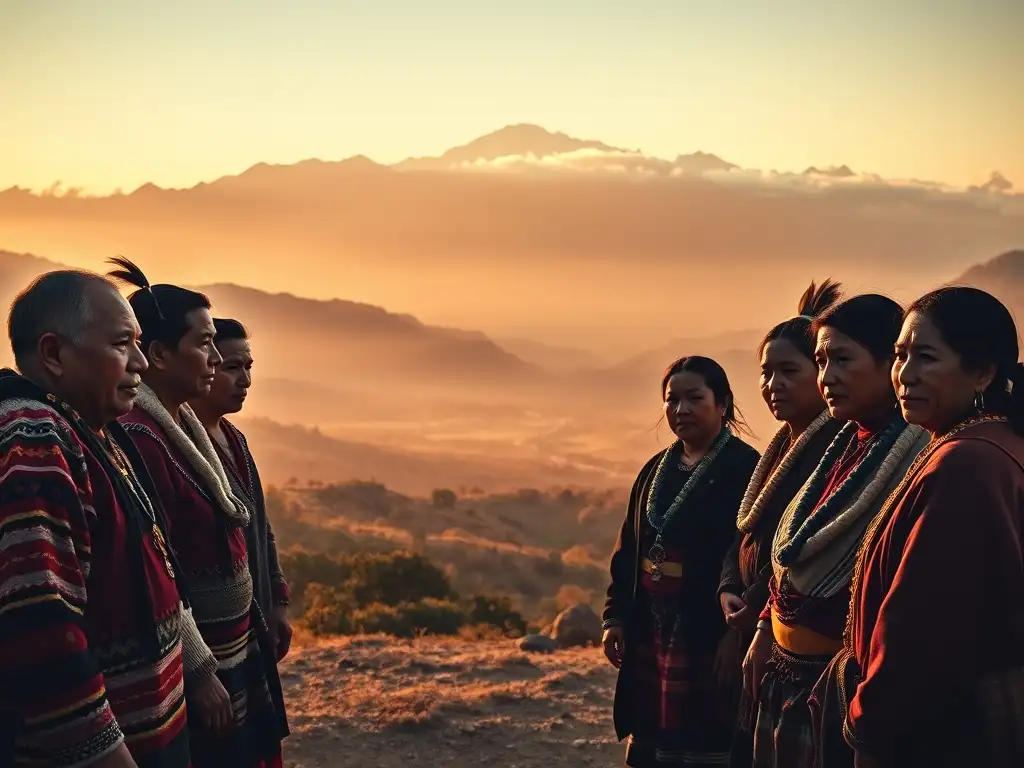
The Awajún and Wampis peoples, inhabiting the Amazon rainforest region of northern Peru, have developed a remarkable example of self-governance and territorial defense. Facing threats from illegal logging, mining, and drug trafficking, these indigenous communities have implemented innovative strategies to protect their ancestral lands and resources. Their initiative focuses on strengthening their own legal and administrative systems, establishing community-based monitoring mechanisms to combat illegal activities, and promoting sustainable development projects that benefit their members while preserving the environment.
This approach emphasizes the importance of indigenous knowledge and traditional practices in managing natural resources sustainably. The Awajún and Wampis' initiative demonstrates that indigenous communities can effectively govern their own territories and safeguard their rights, even in the face of significant external pressures. Their success hinges on strong internal organization, collaboration among communities, and a commitment to upholding their ancestral traditions while adapting to modern challenges.
The development of effective partnerships with external organizations, including non-governmental organizations and international agencies, has also been crucial to their success, providing crucial support in areas like capacity building and legal advocacy. Their model offers valuable lessons for other indigenous communities seeking to assert their self-determination and protect their land rights in the Andes. The continued success of this initiative relies on ongoing support and the ability to adapt to evolving circumstances, including climate change and the increasing complexity of global markets.
The Future of Andean Indigenous Land Rights
The future of Andean indigenous land rights is intricately linked to several key factors. The ongoing struggle for recognition of indigenous land titles remains a central challenge. Many communities still lack legally secure ownership of their ancestral territories, leaving them vulnerable to exploitation and displacement. Strengthening indigenous legal representation and capacity-building initiatives are crucial in addressing this. Furthermore, the integration of indigenous perspectives into national and regional development policies is essential.
This requires meaningful consultation and collaboration with indigenous communities, ensuring their participation in decisions affecting their lands and resources. The growing awareness of the critical role indigenous communities play in environmental conservation and the sustainable management of natural resources presents both an opportunity and a challenge. This awareness can lead to increased support for indigenous land rights, but it also requires careful consideration of how to balance conservation efforts with the needs and rights of indigenous communities. Addressing climate change impacts on Andean ecosystems is also paramount. Climate change exacerbates existing vulnerabilities and creates new challenges for indigenous communities, requiring adaptation strategies and support to ensure their resilience.
The role of international cooperation and the enforcement of international human rights standards are vital in ensuring the protection of Andean indigenous land rights. The continued support of international organizations and the active engagement of civil society are crucial in advocating for the rights of indigenous communities and holding governments accountable. Ultimately, the future of Andean indigenous land rights depends on a holistic approach that recognizes indigenous sovereignty, promotes sustainable development, and ensures the full protection of their fundamental rights. The successful implementation of these strategies will be crucial in safeguarding the cultural heritage and ensuring the well-being of Andean indigenous communities for generations to come.
Balancing Development and Indigenous Rights
The struggle for Andean indigenous land rights often intersects with the push for economic development. Governments frequently face the difficult task of balancing the needs of large-scale infrastructure projects, mining operations, and agricultural expansion with the rights and needs of indigenous communities. This often leads to contentious situations where the promise of economic progress clashes with the preservation of ancestral lands and traditional ways of life.
For example, the construction of hydroelectric dams in the Andes has frequently displaced indigenous communities and disrupted their traditional agricultural practices, leading to significant social and economic disruption. Finding solutions requires a shift towards participatory development models, where indigenous communities are actively involved in decision-making processes that affect their lands. This includes free, prior, and informed consent (FPIC) mechanisms that guarantee indigenous peoples have a genuine voice in determining how their territories are used and developed.
Success hinges on open dialogue, transparency, and a commitment to equitable benefit-sharing, ensuring that the economic gains from development projects are fairly distributed among all stakeholders, including the indigenous communities whose lands are impacted. Failure to adequately address these concerns can lead to social unrest, environmental degradation, and the erosion of indigenous cultures.
Sustainable Land Use and Environmental Protection
Andean indigenous communities have traditionally practiced sustainable land management techniques for centuries, fostering a deep connection between their cultures and the environment. Their knowledge of biodiversity, water management, and agricultural practices is invaluable in promoting sustainable development. However, these traditional practices are often threatened by unsustainable resource extraction, deforestation, and climate change.
The fight for Andean indigenous land rights is intrinsically linked to the protection of the environment. For instance, the preservation of páramo ecosystems, high-altitude grasslands crucial for water regulation, requires the active participation and recognition of indigenous communities who hold traditional knowledge about their sustainable management. Protecting these ecosystems is not just about preserving biodiversity; it's about ensuring the long-term water security of downstream populations.
Sustainable land use practices, such as agroforestry and rotational grazing, need to be promoted and supported, ensuring that indigenous communities are empowered to manage their lands in a way that safeguards both their cultural heritage and the environment. Ignoring this crucial link risks ecological collapse and further marginalization of indigenous communities. The challenge lies in integrating indigenous knowledge with modern scientific approaches to develop effective and equitable environmental protection strategies.
The Importance of Cultural Preservation in Land Management
The connection between land and culture is deeply ingrained in Andean indigenous societies. Their ancestral lands are not merely sources of resources; they are repositories of cultural heritage, embodying spiritual beliefs, traditional practices, and historical memories. The struggle for Andean indigenous land rights is therefore not only about securing territorial control but also about safeguarding cultural integrity. For example, the preservation of sacred sites, archaeological remains, and traditional agricultural terraces is crucial for maintaining cultural identity and continuity.
Land management policies must recognize and protect these cultural assets, ensuring that indigenous communities have the autonomy to manage and preserve their cultural heritage. This requires a holistic approach that integrates cultural preservation into land-use planning and environmental management strategies. Respecting indigenous cultural practices in land management also contributes to the preservation of biodiversity and sustainable resource use.
Traditional knowledge systems often hold valuable insights into effective and environmentally friendly land management techniques. Ignoring the cultural dimension of land rights undermines the very fabric of Andean indigenous societies and limits the potential for sustainable development that respects both culture and nature. A truly equitable approach requires the full recognition of cultural rights alongside territorial rights.
Frequently Asked Questions
What are Andean indigenous land rights?
Andean indigenous land rights refer to the legal and customary rights of indigenous communities in the Andes to their ancestral territories. These rights encompass access to resources, self-governance, and cultural preservation.
How are these rights currently challenged?
Modern challenges include mining operations, infrastructure projects, and land grabbing, often displacing communities and violating their traditional practices. Lack of clear legal frameworks also poses a significant obstacle.
What role did pre-Columbian societies play in land ownership?
Pre-Columbian Andean societies had complex systems of land tenure, often based on communal ownership and reciprocity. These systems were significantly disrupted by the Spanish conquest.
How are indigenous communities fighting for their land rights today?
Communities utilize various strategies including legal action, political mobilization, and international advocacy to protect their ancestral lands and challenge unjust practices. Community-based tourism is also playing an important role.
What is the significance of ancestral lands to Andean communities?
Ancestral lands hold deep cultural and spiritual significance for Andean communities, representing their identity, history, and connection to their ancestors. They are vital for their economic survival and cultural continuity.
Final Reflection: Echoes of the Past, Fights for the Future
The struggle for Indigenous land rights in the Andes is not a relic of the past; it is a vibrant, ongoing fight for self-determination and environmental sustainability in the face of relentless modern pressures. The exploitation of Andean resources, coupled with the persistent legacy of colonialism, continues to threaten the very fabric of Indigenous communities and their sacred landscapes. This fight directly impacts global conversations around climate change, resource management, and the recognition of diverse cultural values.
The enduring connection between Andean communities and their ancestral lands is profoundly moving. Their resilience in the face of adversity, their deep-rooted spiritual connection to the mountains and valleys, serves as a powerful example for us all. The land is not merely soil; it is a living entity, a mother who nourishes and sustains us.
This sentiment, echoed across generations, underscores the urgent need to recognize and respect Indigenous knowledge systems and land tenure practices. The fight for Andean land rights is not just about property; it's about preserving a unique cultural heritage and safeguarding biodiversity crucial for the planet's future.
Consider the profound implications of this struggle. What role can you play in amplifying the voices of Indigenous communities? How can you support initiatives that promote sustainable development and respect Indigenous rights? The future of the Andes, and indeed the planet, depends on our collective commitment to justice, environmental stewardship, and the recognition of the inherent value of Indigenous knowledge and traditions. Let the echoes of the past inspire us to build a more equitable and sustainable future for all.
**Empower Indigenous Voices Today! **
Thank you for learning about the critical issue of Indigenous land rights in the Andes. Your interest is vital for building understanding and supporting the pursuit of justice. Now, let's turn that understanding into action.
- **Join a local advocacy group** working to protect Indigenous rights, and become a powerful voice for change in your community.
- **Educate others:** Share your newfound knowledge by leading a discussion or sharing informative articles on social media to raise awareness of the challenges Indigenous peoples face.
- **Support Indigenous-owned businesses:** Seek out and purchase goods from local Indigenous artisans and entrepreneurs to strengthen their economies and celebrate their rich cultural heritage.
How will you help champion the rights of Indigenous communities today?