
Andean Spirituality in the Modern World: How Ancient Beliefs Still Resonate

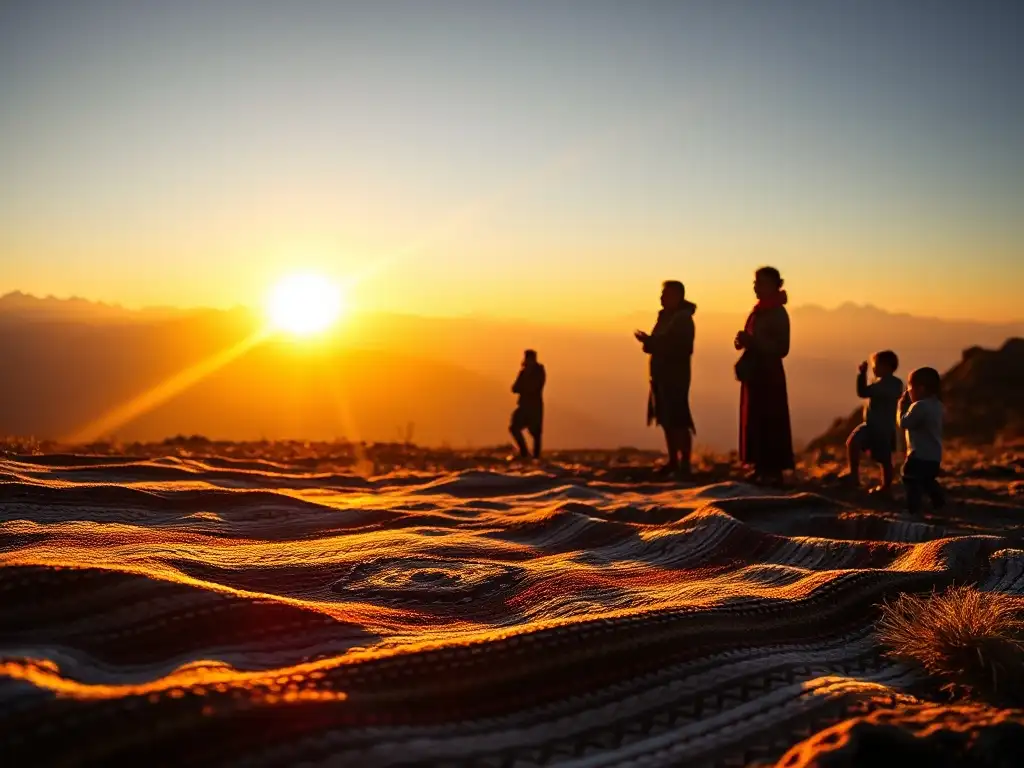
Step into a world lost to time, yet echoing powerfully in our present. Uncover the secrets of Andean spirituality and its surprising relevance in the modern world. From the breathtaking heights of Machu Picchu to the intricate artistry of Nazca lines, journey with us as we explore how ancient Andean beliefs continue to inspire and influence us today. Discover the fascinating connections between ancient wisdom and contemporary life in our exploration of "Andean spirituality modern applications"—a journey that will leave you questioning your own perceptions of the past and present.
The Andes Mountains, a majestic spine running down the western coast of South America, have been home to vibrant and sophisticated civilizations for millennia. From the towering heights of the Inca Empire to the intricate artistry of the Nazca lines, the Andean region boasts a rich tapestry of history and culture deeply intertwined with unique spiritual beliefs.
This article explores how these ancient Andean spiritual practices, far from being relics of the past, continue to resonate and find modern applications, impacting contemporary life in profound and unexpected ways. We will delve into the enduring influence of Andean cosmology, the resurgence of traditional healing practices, and the incorporation of ancient wisdom into modern wellness and self-discovery practices.
Understanding this enduring legacy provides crucial insight into the complexities of Andean identity and its ongoing evolution in the 21st century. The enduring appeal of Andean spirituality offers a powerful lens through which to examine the interplay between ancient traditions and contemporary challenges.
Andean Cosmology: A Foundation for Modern Worldviews
Andean cosmology, a complex system of beliefs centered around the interconnectedness of all living things and the sacredness of nature, forms the bedrock of Andean spirituality. This worldview, characterized by a deep respect for Pachamama (Mother Earth) and the reciprocal relationship between humanity and the cosmos, has significantly influenced various aspects of Andean life, from agriculture and social structures to artistic expression and healing practices.
The concept of Ayni, reciprocal exchange and balance, is a central tenet, emphasizing the importance of community and mutual support. Modern interpretations of Ayni are finding application in sustainable development initiatives and community-based projects that prioritize equitable resource distribution and collective well-being.
The Andean understanding of the universe as a dynamic and interconnected system resonates powerfully with contemporary ecological concerns, inspiring a growing movement towards more sustainable and harmonious living in alignment with nature's rhythms. Furthermore, the emphasis on community and reciprocity offers a valuable counterpoint to the individualistic tendencies often prevalent in modern society.
The Resurgence of Traditional Andean Healing Practices
Traditional Andean healing, incorporating herbal remedies, energetic balancing techniques, and spiritual rituals, is experiencing a significant resurgence. Techniques like limpia (spiritual cleansing) and the use of medicinal plants are increasingly sought out by individuals seeking holistic approaches to health and well-being. This renewed interest reflects a growing dissatisfaction with conventional medicine's limitations and a desire to connect with more natural and spiritually grounded healing modalities.
While scientific evidence supporting the efficacy of some Andean healing practices is still limited, anecdotal evidence and the widespread popularity of these methods suggest a powerful cultural and spiritual significance. The holistic nature of Andean healing, which considers the physical, emotional, and spiritual dimensions of health, aligns with contemporary trends towards integrative medicine and a more personalized approach to healthcare. The integration of ancient wisdom with modern scientific understanding holds potential for innovative approaches to wellness and disease prevention.
Andean Spirituality and Contemporary Wellness Practices
The principles of Andean spirituality are increasingly being incorporated into contemporary wellness practices, particularly in the areas of mindfulness, meditation, and self-discovery. The emphasis on living in harmony with nature, cultivating inner peace, and fostering a sense of connection to something larger than oneself resonates deeply with many individuals seeking meaning and purpose in their lives.
Workshops and retreats offering Andean-inspired practices are becoming increasingly popular, attracting individuals from diverse backgrounds seeking spiritual growth and personal transformation. This integration reflects a growing interest in exploring alternative spiritual paths and finding ways to connect with ancient wisdom to address the challenges of modern life.
The emphasis on community and reciprocal exchange within Andean spiritual practices also offers a valuable framework for building stronger social connections and fostering a sense of belonging in an increasingly fragmented world. The continued exploration of these ancient practices and their modern applications promises a rich and evolving dialogue between ancient wisdom and contemporary needs.
- Andean Cosmology: A Foundation for Modern Worldviews
- The Resurgence of Traditional Andean Healing Practices
- Andean Spirituality and Contemporary Wellness Practices
Understanding Andean Cosmovision: A Foundation for Modern Relevance
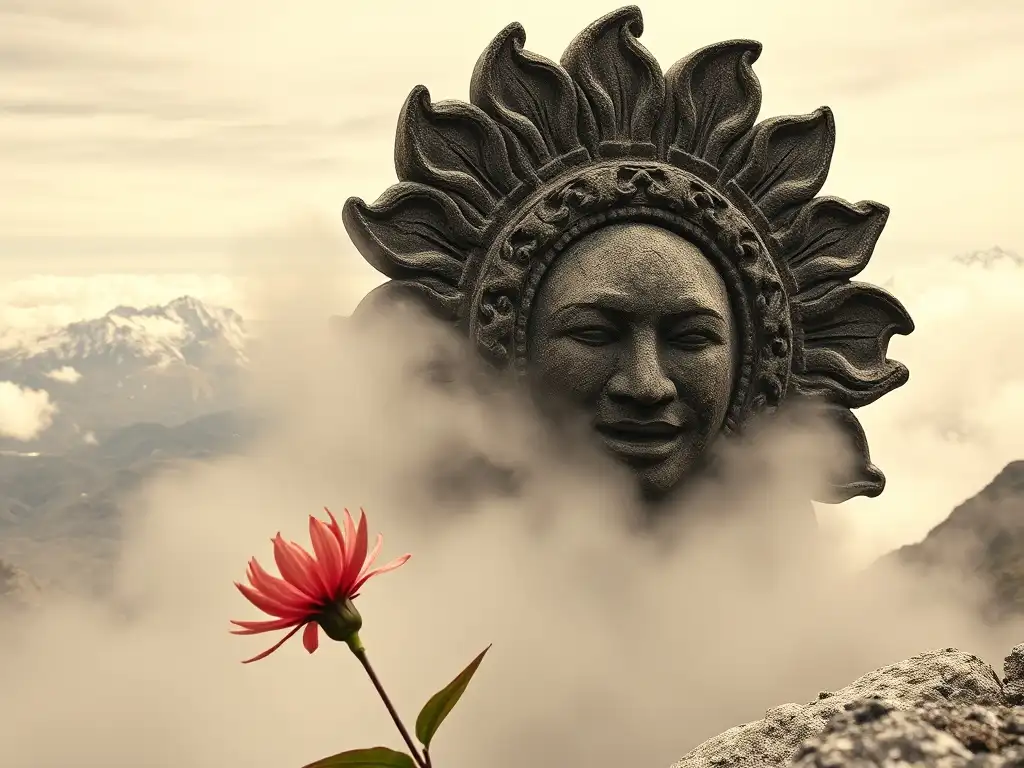
This section delves into the core beliefs and principles of the Andean worldview, or cosmovision, which serves as the bedrock for understanding its enduring relevance in the modern world. Understanding this framework is crucial for appreciating the continued influence of Andean spirituality and its modern applications. We will explore key concepts and deities that continue to shape contemporary Andean practices and perspectives. The enduring power of Andean spirituality lies in its capacity to connect individuals to the natural world and foster a sense of community and reciprocity. This resonates deeply with contemporary concerns about environmental sustainability and social justice.
The Core Principles of Ayni, Kawsay, and Munay
The Andean cosmovision rests on three fundamental principles: Ayni, Kawsay, and Munay. These concepts, deeply interconnected, offer a holistic understanding of life, reciprocity, and spiritual energy.
- Ayni (Reciprocity): This principle emphasizes the importance of balance and exchange within the community and with nature. It's not simply about giving and receiving; it’s about maintaining a harmonious flow of energy. Ayni manifests in various ways, from sharing resources and labor to performing rituals that honor the spirits of the land. The concept's modern applications are evident in community-based initiatives promoting social equity and sustainable resource management. Failure to uphold Ayni is believed to disrupt the cosmic balance, leading to misfortune.
- Kawsay (Life Force): This refers to the vibrant, life-giving energy that permeates all living things and the cosmos. It's the essence of existence, the force that animates the world. Respect for Kawsay involves a deep appreciation for nature and a commitment to living in harmony with it. Modern applications include environmental activism and sustainable living practices, recognizing the interconnectedness of all life. Understanding Kawsay encourages mindfulness and a holistic approach to well-being.
- Munay (Love, Power, and Will): This principle encompasses the power of intention, the ability to shape one's life and destiny through positive action and spiritual growth. It emphasizes the importance of personal responsibility and the potential for self-transformation. Modern applications might involve practices like meditation, personal development, and community building aimed at fostering positive change. The pursuit of Munay is a continuous journey of self-discovery and spiritual evolution.
Key Deities: Inti, Pachamama, and Wiracocha
The Andean pantheon is rich and diverse, with numerous deities representing various aspects of nature and human life. However, three stand out for their enduring importance: Inti, Pachamama, and Wiracocha. Understanding these deities illuminates the Andean understanding of the cosmos and its relationship to humanity.
- Inti (The Sun God): Inti is the most revered deity, representing life, energy, and power. He is often associated with the Inca empire's imperial authority and prosperity. His continued veneration reflects the enduring importance of solar energy and the cyclical rhythms of nature. Modern applications can be seen in ceremonies and festivals celebrating the solstices and equinoxes, reaffirming the connection between humans and the sun's life-giving power.
- Pachamama (Mother Earth): Pachamama represents the Earth, the source of all life and sustenance. She is revered as a nurturing and protective force, demanding respect and reciprocity. Modern applications of this reverence are seen in efforts to protect the environment and promote sustainable agricultural practices. Many indigenous communities continue to perform offerings to Pachamama, seeking her blessings for fertility and abundance.
- Wiracocha (Creator God): Wiracocha is a powerful creator deity, associated with the origin of the universe and humanity. He is often depicted as a wise and benevolent figure, representing the cosmic order and the interconnectedness of all things. Modern interpretations of Wiracocha's role emphasize the importance of cosmic balance and the need for respect for all forms of life. His presence underscores the spiritual dimension of the Andean cosmovision.
Andean Conceptions of Cyclical Time and Sacred Space
Andean spirituality views time and space not as linear but as cyclical and interconnected. This understanding profoundly shapes their worldview and practices.
- Cyclical Time: The Andean understanding of time is deeply rooted in the cycles of nature – the seasons, the sun's journey, and the phases of the moon. This cyclical perspective emphasizes the continuous renewal and regeneration of life. Modern applications of this cyclical understanding can be found in practices aimed at living in harmony with natural rhythms, promoting sustainability, and appreciating the continuous flow of life. The emphasis on cycles counters the linear, progressive view of time prevalent in many modern societies.
- Sacred Space: Specific locations hold profound spiritual significance within the Andean worldview. Mountains, rivers, and other natural features are often considered sacred spaces, imbued with spiritual energy. These places serve as sites for rituals, ceremonies, and pilgrimage. The concept of apu (mountain spirits) exemplifies this deep connection between the spiritual and the physical world. Modern applications include efforts to protect these sacred sites and preserve their cultural and environmental significance. The preservation of these spaces is crucial for maintaining the continuity of Andean spiritual practices and traditions. Respect for these sacred places also highlights the importance of respecting the environment and maintaining a harmonious relationship with nature. The preservation of these sites is vital for the continuity of Andean spiritual traditions and underscores the interconnectedness of spirituality and environmental stewardship, key elements in understanding Andean spirituality modern applications.
The Enduring Impact of Andean Spirituality on Contemporary Life
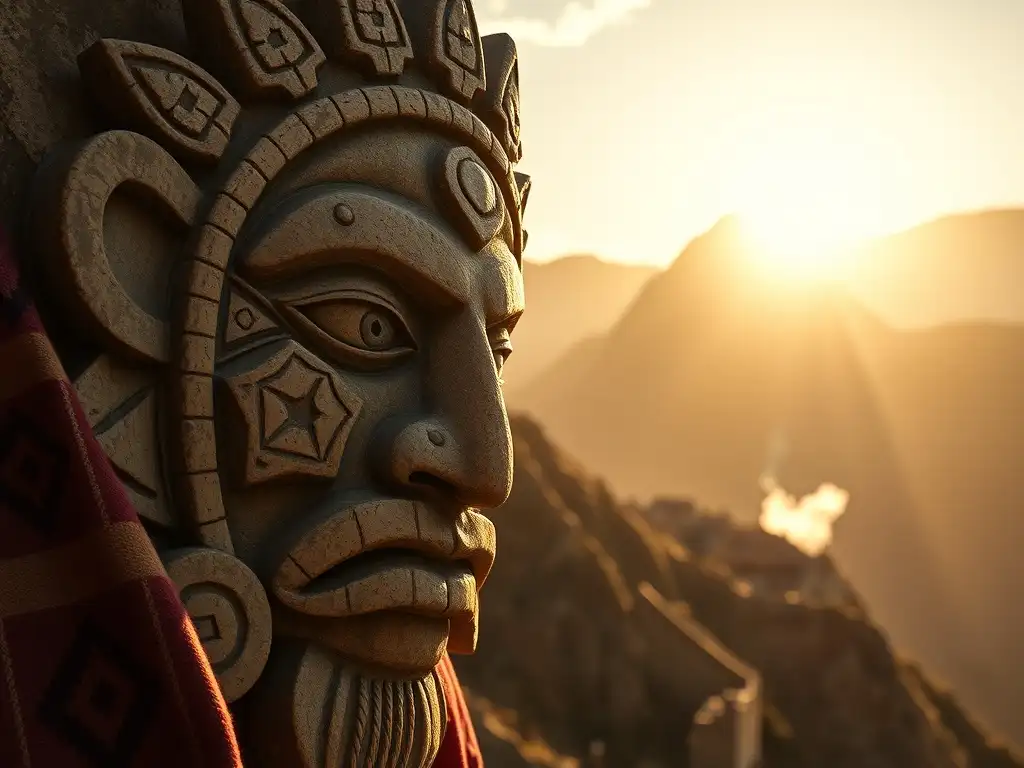
Andean spirituality, a complex tapestry woven from animistic beliefs, reverence for nature, and ancestor veneration, continues to exert a profound influence on contemporary life, far beyond the geographical confines of the Andes Mountains. Its enduring appeal stems from its inherent adaptability and its capacity to address universal human needs: the search for meaning, healing, and connection to something larger than oneself. Understanding its modern applications requires examining how ancient practices are reinterpreted and integrated into the lives of Andean communities and beyond, offering valuable insights into the enduring power of indigenous belief systems in a rapidly changing world.
This section will explore several key areas where Andean spirituality finds contemporary expression, highlighting its resilience and transformative potential. The keyword "Andean spirituality modern applications" will be explored in detail throughout.
Offerings to Pachamama and Despacho Ceremonies in Modern Communities
The veneration of Pachamama, Mother Earth, remains central to Andean spirituality. Offerings to Pachamama, often involving coca leaves, alcohol, food, and other symbolic items, are a vital part of daily life and significant events in many Andean communities. These offerings aren't merely ritualistic acts; they represent a deep-seated connection with the land and a recognition of its life-giving power.
The practice of despacho, a ritual offering intended to bring balance and harmony, has also seen a resurgence in recent decades. Despachos are meticulously crafted arrangements of symbolic items, often including coca leaves, flowers, incense, and small figurines, representing elements of the natural world and the spiritual realm. They are frequently used to express gratitude, seek healing, or request guidance.
While traditional forms of these ceremonies persist, modern interpretations have emerged. For example, some communities incorporate contemporary materials into their offerings, reflecting the changing landscape of Andean life. The inclusion of photographs or written petitions alongside traditional offerings demonstrates the adaptability of these ancient rituals to express modern concerns and aspirations.
The enduring popularity of these practices underscores the importance of maintaining a harmonious relationship with the natural world, a core tenet of Andean spirituality that resonates deeply with contemporary environmental concerns. The power of these ceremonies to foster community cohesion and provide a sense of shared identity further contributes to their continued relevance. This enduring practice showcases the practical application of Andean spirituality in modern times, highlighting its significance in everyday life.
Modern Applications of Andean Herbalism and Healing Practices
Andean herbalism, an integral part of traditional Andean healing, continues to thrive today. This holistic approach to medicine emphasizes the interconnectedness of body, mind, and spirit, and utilizes a wide variety of plants and natural remedies to address a range of ailments. Practitioners, often drawing upon generations of knowledge passed down through families, employ sophisticated techniques and deep understanding of plant properties to create effective treatments. Modern interest in alternative medicine has led to a renewed appreciation for Andean herbalism, with many seeking these practices as complementary or alternative approaches to conventional healthcare.
The use of specific plants, such as muña for respiratory issues or coca for its energizing and medicinal properties, continues to be widespread. However, the modern application of Andean herbalism also includes the integration of scientific research. Studies exploring the pharmacological properties of Andean plants are increasingly validating traditional knowledge, providing a scientific basis for previously anecdotal claims.
This convergence of traditional wisdom and scientific investigation is crucial for promoting the responsible and sustainable use of these valuable resources. The growing body of research represents a significant step toward integrating Andean herbalism into mainstream healthcare practices, acknowledging its efficacy and potential benefits. This blending of ancient knowledge and modern science exemplifies the dynamic evolution of Andean spirituality's modern applications.
The Role of Paqos and Curanderos Today
Paqos and curanderos, traditional healers and spiritual guides, continue to play a vital role in Andean communities. These individuals, often possessing extensive knowledge of Andean cosmology, herbalism, and ritual practices, serve as intermediaries between the spiritual and physical worlds. They provide spiritual guidance, perform healing ceremonies, and offer insights into navigating life's challenges. While their traditional roles persist, the modern context has presented new challenges and opportunities.
The increasing migration of Andean populations to urban areas has led to the adaptation of their practices to new settings. Paqos and curanderos are now often found in cities, adapting their rituals and approaches to meet the needs of urban populations. Furthermore, the growing global interest in Andean spirituality has led to increased demand for their services, both within and outside of Andean communities.
However, this increased visibility also presents concerns regarding cultural appropriation and the need to protect the integrity of traditional practices. The balance between preserving authenticity and meeting the demands of a globalized world presents a significant challenge for contemporary paqos and curanderos.
Their ongoing contribution to the spiritual well-being of Andean communities and the broader interest in their practices underscores the enduring significance of Andean spirituality in the modern world. The evolution of their roles highlights the adaptability and resilience of Andean spiritual traditions in contemporary society.
Andean Spirituality and Its Resonance with Modern Values
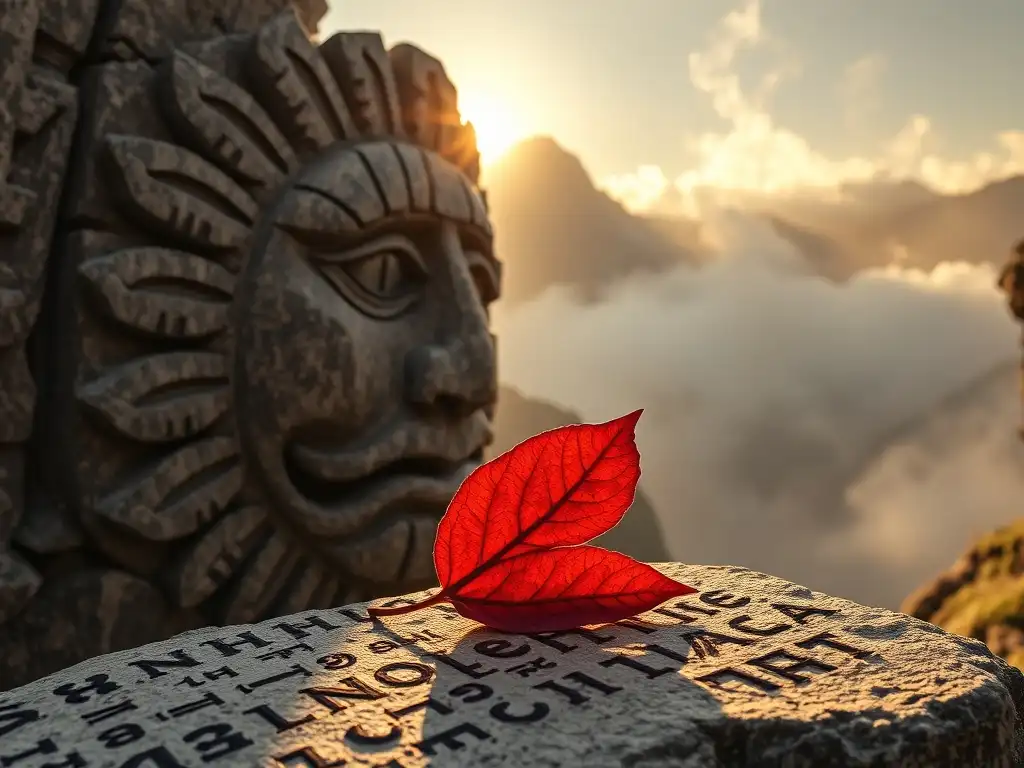
Andean spirituality, far from being a relic of the past, offers a compelling framework for addressing contemporary challenges. Its emphasis on interconnectedness, reciprocity, and respect for the natural world resonates deeply with modern concerns about environmental sustainability, social justice, and personal well-being. This section explores how ancient Andean beliefs continue to inspire and inform contemporary perspectives, demonstrating the enduring relevance of "Andean spirituality modern applications."
The core principles of Andean cosmology, with their focus on balance and harmony, provide valuable insights for navigating the complexities of the modern world. We will examine specific examples of how these principles manifest in modern contexts, highlighting the practical applications of this rich spiritual tradition.
The Connection Between Andean Spirituality and Environmental Stewardship
The Andean worldview deeply emphasizes the interconnectedness of all living things – a concept known as ayni. This principle of reciprocity extends beyond human relationships to encompass the entire ecosystem. Mountains, rivers, and animals are not merely resources to be exploited, but sentient beings deserving of respect and reverence.
This profound respect for nature is reflected in traditional Andean agricultural practices, which prioritized sustainable land management techniques to ensure the long-term health of the environment. For example, the intricate terrace farming systems employed by the Inca and other Andean cultures demonstrate a sophisticated understanding of water management and soil conservation. These practices, far from being outdated, offer valuable lessons for contemporary sustainable agriculture and environmental protection efforts.
The current global focus on climate change and biodiversity loss finds a powerful echo in the ancient Andean emphasis on living in harmony with nature – a key element in understanding "Andean spirituality modern applications." Modern environmental movements are increasingly drawing inspiration from indigenous knowledge systems, recognizing the wisdom embedded within these traditions.
Andean Teachings on Reciprocity and Community Wellbeing
The principle of ayni, or reciprocity, is central to Andean spirituality and profoundly shapes social relations. It emphasizes the importance of mutual exchange and balance in all interactions, fostering a sense of community responsibility and shared well-being. This reciprocal relationship extends beyond simple bartering; it encompasses a deep commitment to collective action and the equitable distribution of resources.
Traditional Andean communities often organized communal labor projects, known as minka, to address shared needs, such as building infrastructure or harvesting crops. This collaborative approach fostered strong social bonds and promoted a sense of collective ownership and responsibility. The modern application of these principles can be seen in initiatives promoting community-based development, social entrepreneurship, and collaborative governance models.
The emphasis on reciprocity and shared responsibility offers a powerful antidote to the individualism and inequality that often characterize modern societies. Understanding the nuances of ayni provides crucial insights into achieving more equitable and sustainable social structures, a vital aspect of "Andean spirituality modern applications."
Finding Balance Through Living in Harmony with Nature
The Andean concept of causa – the idea of maintaining equilibrium and balance – is crucial for understanding Andean spirituality's relevance today. This pursuit of balance extends to all aspects of life, from individual well-being to societal harmony and environmental sustainability. The disruption of causa is seen as a source of illness and misfortune, highlighting the importance of maintaining a harmonious relationship with the natural world and oneself.
Modern interpretations of this concept emphasize the need for mindful living, stress reduction, and a holistic approach to health and well-being. Practices such as meditation, yoga, and spending time in nature are increasingly popular, reflecting a growing awareness of the importance of achieving inner balance and living in harmony with the environment.
These contemporary practices echo the ancient Andean emphasis on achieving causa, demonstrating the continuing relevance of Andean spiritual principles for navigating the challenges of modern life and enriching our understanding of "Andean spirituality modern applications." The pursuit of balance, as understood in Andean thought, provides a valuable framework for creating a more sustainable and fulfilling life in the 21st century.
Practical Ways to Integrate Andean Spirituality into Daily Life
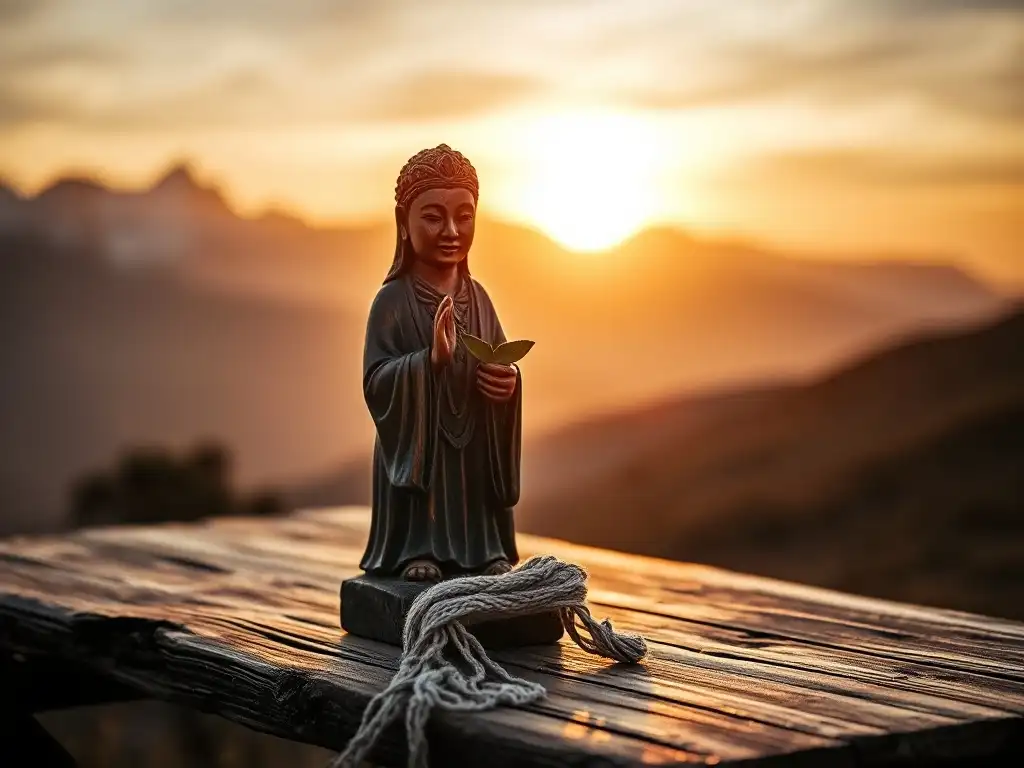
Andean spirituality, with its emphasis on interconnectedness, respect for nature (Pachamama), and the harmonious balance between the physical and spiritual realms, offers valuable insights for navigating modern life. While a complete immersion in ancient Andean practices might not be feasible for everyone, incorporating key elements into daily routines can significantly enrich one's life and provide a sense of grounding and purpose. This section explores practical applications of Andean spiritual principles in contemporary contexts, focusing on techniques readily adaptable to modern lifestyles. The core principles of Andean spirituality modern applications are surprisingly relevant to contemporary challenges.
Meditation Techniques Focusing on the Three Levels of Existence
Andean cosmology often describes three interconnected levels of existence: the Hanan Pacha (upper world), Kay Pacha (middle world – where we live), and Ukhu Pacha (lower world). Meditation practices can be structured around these levels to foster a sense of holistic well-being.
One approach involves visualizing oneself connected to these three realms during meditation. Begin by focusing on the Ukhu Pacha, imagining the earth's energy flowing upwards, grounding you and providing stability. Then, shift your attention to the Kay Pacha, focusing on your breath and your physical sensations, acknowledging your place in the present moment. Finally, connect with the Hanan Pacha, visualizing the celestial energies, fostering a sense of hope, inspiration, and connection to something larger than yourself.
Another technique involves incorporating elements from Andean nature worship. Imagine the Pachamama, the Earth Mother, nurturing you with her abundance. Visualize the sun's energy revitalizing your spirit, and the moon's gentle influence promoting calmness and introspection. This visualization can enhance the meditative experience and deepen your connection with the natural world, a core principle in Andean spirituality modern applications.
Incorporating Andean Symbols like the Chakana into Personal Practice
Andean symbols, rich in meaning and symbolism, can serve as powerful tools for personal growth and spiritual practice. The Chakana, or Andean Cross, is a particularly potent symbol representing the four directions, the four elements, and the connection between the three worlds.
The Chakana can be incorporated into daily life in several ways. One could wear jewelry featuring the Chakana, using it as a reminder of balance and harmony. Alternatively, one might draw the Chakana in a journal as a focal point for meditation or reflection. Creating artwork inspired by the Chakana, perhaps incorporating natural materials like stones or feathers, can also be a deeply meaningful practice. This active engagement with the symbol helps internalize its symbolism and enhances its influence on one's spiritual journey, a crucial aspect of Andean spirituality modern applications.
The use of other symbols, such as the Inti (Sun) and the Killa (Moon), can also be incorporated into personal practice. These symbols can be used in similar ways to the Chakana, serving as powerful reminders of the cyclical nature of life and the importance of balance.
The Importance of Gratitude and Respect for Nature in Modern Life
Andean spirituality places immense value on gratitude – ayni – the principle of reciprocity and balance. This principle extends to all aspects of life, emphasizing the interconnectedness of all beings and the need for mutual respect. In the modern world, where we are often disconnected from nature and from each other, embracing ayni can be profoundly transformative.
Practicing gratitude daily, whether through journaling, meditation, or simply expressing thanks for the small things, can significantly improve mental and emotional well-being. This is especially true when gratitude is extended to nature, acknowledging the gifts of Pachamama. Simple acts like planting a tree, cleaning a local park, or simply taking time to appreciate the beauty of the natural world can reinforce this connection and cultivate a sense of responsibility towards the environment.
This conscious effort to integrate gratitude and respect for nature into daily life is a key component of successfully applying Andean spirituality modern applications. The positive impact on both personal well-being and environmental consciousness is undeniable.
Challenges and Opportunities in the Revival of Andean Spirituality
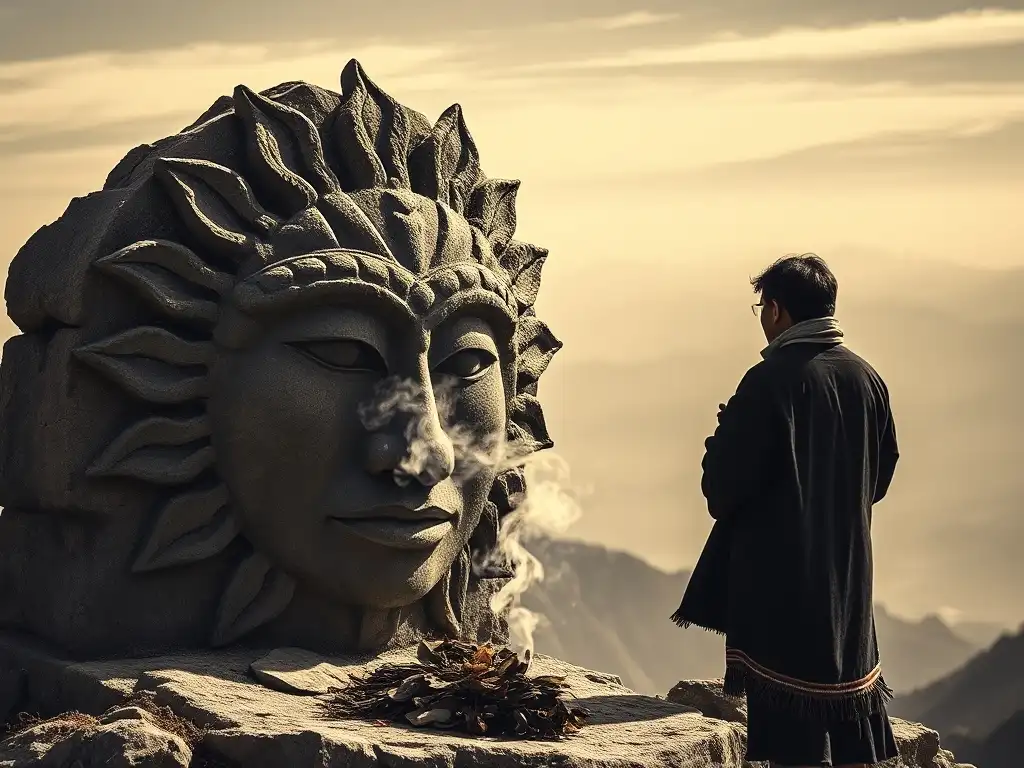
The resurgence of interest in Andean spirituality presents both exciting opportunities and significant challenges. While a renewed appreciation for ancient Andean wisdom offers a pathway to holistic well-being and environmental consciousness, it's crucial to approach this revival with sensitivity and respect. The commercialization of spiritual practices, often divorced from their original context, poses a major threat to the integrity of these traditions. The delicate balance between honoring ancestral knowledge and preventing cultural appropriation requires careful navigation.
Furthermore, the diverse nature of Andean cultures – encompassing the Incas, Moche, Nazca, and Tiahuanaco, among others – necessitates acknowledging the unique nuances and avoiding generalizations that flatten the rich tapestry of Andean spiritual beliefs. Understanding the historical context and the ongoing impact of colonialism are paramount in fostering a responsible and ethical engagement with Andean spirituality. This requires a deep commitment to ongoing learning and collaboration with Indigenous communities.
The ethical use of Indigenous knowledge is paramount in the revival of Andean spirituality. The appropriation of sacred rituals and practices for profit or personal gain constitutes a serious ethical breach. It's imperative to recognize that Andean spiritual practices are not mere commodities; they are deeply rooted in the cultural identity and spiritual well-being of Indigenous communities.
Authentic engagement requires seeking permission and guidance from traditional leaders and practitioners, respecting their intellectual property rights, and ensuring that any benefits derived from the sharing of this knowledge are fairly distributed. This involves a commitment to reciprocal relationships, recognizing the value of Indigenous knowledge systems beyond their potential for commercial exploitation. A lack of respect for these protocols can lead to the misrepresentation and distortion of sacred practices, causing irreparable harm to both cultural heritage and the spiritual well-being of Indigenous communities.
Examples of ethical engagement include supporting Indigenous-led initiatives, actively promoting respectful representation in media and academia, and contributing to the preservation of cultural heritage sites. Ultimately, ethical engagement requires a fundamental shift in perspective, prioritizing respect for Indigenous knowledge and self-determination over personal gain or academic curiosity.
The Importance of Lineage and Authentic Transmission
Authentic transmission of Andean spiritual practices is intrinsically linked to lineage. Knowledge within these traditions is often passed down through generations within specific families or communities, carrying with it a deep understanding of the context, meaning, and appropriate application of rituals and beliefs. This transmission is not merely a transfer of information; it's a process of mentorship and spiritual growth, involving years of apprenticeship and a profound commitment to the practice.
Bypassing this lineage risks a superficial understanding, leading to misinterpretations and potentially harmful practices. The emphasis on lineage underscores the importance of respecting the authority of traditional practitioners and recognizing their role as guardians of cultural heritage. The revival of Andean spirituality should therefore prioritize supporting and empowering these traditional lineages, ensuring the continuity of authentic transmission.
This involves fostering opportunities for apprenticeships, documenting traditional practices (with the consent of the communities involved), and providing resources to support the ongoing preservation of these traditions. Ignoring the importance of lineage leads to a diluted and potentially damaging appropriation of Andean spiritual practices, undermining their cultural significance and spiritual power.
Preserving and Sharing Andean Languages and Oral Traditions
Many Andean spiritual practices are intimately connected to Quechua, Aymara, and other Indigenous languages, as well as rich oral traditions. The preservation of these languages and traditions is therefore crucial for the authentic revival of Andean spirituality. The loss of a language often entails the loss of cultural knowledge, including spiritual practices and beliefs.
Actively supporting language revitalization programs, developing educational resources, and promoting the use of these languages in spiritual contexts are vital steps in preserving Andean cultural heritage. Moreover, the oral traditions—stories, songs, and rituals—that transmit Andean spiritual knowledge must be documented and shared responsibly, with the full participation and consent of the communities involved. This necessitates a respectful approach that avoids the imposition of external frameworks or interpretations.
The preservation and sharing of these languages and oral traditions are essential not only for the continuity of Andean spirituality but also for the broader preservation of cultural diversity and linguistic heritage. This is a collaborative effort that requires the active involvement of Indigenous communities, linguists, educators, and all those interested in the responsible revival of Andean spirituality. The ultimate goal is to ensure that these invaluable resources are passed on to future generations, maintaining their integrity and significance.
Andean Spirituality: A Path to Personal and Global Well-being
Andean spirituality, far from being a relic of the past, offers a potent framework for addressing contemporary challenges. Its emphasis on interconnectedness, respect for nature ( Pachamama), and community-based living provides valuable insights for navigating the complexities of the modern world. This ancient wisdom, rooted in the diverse cultures of the Andes, offers a unique perspective on personal growth and global well-being, resonating deeply with individuals seeking meaning and purpose in a rapidly changing world.
The principles of Andean spirituality are not merely historical curiosities; they are practical tools for creating a more sustainable and harmonious future. The resurgence of interest in Andean spirituality reflects a growing global need for alternative approaches to well-being, ones that prioritize balance, mindfulness, and a deep connection with the natural world. This section will explore how these ancient beliefs can be applied to modern life, fostering both individual transformation and positive global impact.
The Potential for Andean Wisdom to Promote Sustainable Living
The Andean worldview, deeply rooted in the cyclical rhythms of nature, offers a powerful model for sustainable living. The concept of Ayni, reciprocal exchange, emphasizes the interconnectedness of all beings and the importance of balance within ecosystems. This principle, applied to modern contexts, promotes responsible resource management and equitable distribution of wealth.
For example, indigenous communities in the Andes continue to practice sustainable agricultural techniques, such as terracing and crop rotation, minimizing environmental impact while ensuring food security. These practices, often passed down through generations, provide valuable lessons for addressing modern challenges like climate change and deforestation. Furthermore, the reverence for Pachamama, Mother Earth, underscores the need for respect and stewardship of the natural world.
This respect extends beyond mere conservation; it fosters a sense of responsibility towards future generations, encouraging sustainable practices that prioritize long-term well-being over short-term gains. The integration of Ayni and the respect for Pachamama into modern practices can significantly contribute to more sustainable and equitable societies. Studies show a strong correlation between communities that actively practice these principles and a higher level of environmental sustainability.
Andean Spirituality as a Path to Self-Discovery and Connection
Andean spirituality provides a rich tapestry of practices for self-discovery and personal growth. The emphasis on community and interconnectedness fosters a sense of belonging and shared purpose, combating the feelings of isolation and alienation prevalent in modern society. Traditional Andean rituals, such as pago a la tierra (offerings to the earth), promote a deeper connection with nature and a sense of gratitude for its bounty.
These practices cultivate mindfulness and promote emotional well-being. Furthermore, the Andean concept of Yanantin, duality and complementarity, encourages individuals to embrace their multifaceted nature, acknowledging both light and shadow within themselves. This acceptance of duality fosters self-acceptance and promotes personal growth by encouraging self-reflection and understanding.
Many modern individuals find solace and meaning in incorporating elements of Andean spirituality into their daily lives, using practices like meditation, nature walks, and community-based activities to foster self-discovery and cultivate a stronger sense of connection with themselves and the world around them. The holistic approach of Andean spirituality addresses not just the physical but also the emotional and spiritual dimensions of well-being, offering a path towards a more fulfilling and meaningful life.
The Lasting Legacy of Andean Traditions in the Modern World
Despite centuries of colonization and cultural upheaval, Andean traditions continue to thrive and adapt to modern contexts. The enduring power of Andean spirituality is evident in the resurgence of interest in indigenous knowledge systems and practices. Contemporary artists, musicians, and writers draw inspiration from Andean mythology and symbolism, creating works that resonate with audiences worldwide.
Furthermore, many indigenous communities actively preserve and revitalize their ancestral traditions, demonstrating the resilience and adaptability of Andean culture. This enduring legacy reflects the profound depth and relevance of Andean spirituality, demonstrating its capacity to inspire and guide individuals and communities in the modern world. The increasing integration of Andean practices into various fields, such as eco-tourism, sustainable agriculture, and alternative medicine, underscores the growing recognition of their value and potential for positive societal impact.
The enduring relevance of Andean spirituality is a testament to its enduring power and its capacity to offer valuable insights and practices for navigating the challenges of the 21st century. The continued exploration and application of Andean wisdom will undoubtedly contribute to a more just, sustainable, and spiritually fulfilling future.
Frequently Asked Questions
What is Andean spirituality?
Andean spirituality encompasses a complex system of beliefs and practices centered around the interconnectedness of all living things. It emphasizes a deep respect for nature, ancestors, and the sacred landscape.
How did ancient Andean beliefs influence modern practices?
Many modern Andean communities continue to practice ancestral traditions, integrating them into contemporary life. This includes rituals, ceremonies, and the use of traditional medicine derived from ancient knowledge.
What are some examples of modern applications of Andean spirituality?
Modern applications include Ayahuasca ceremonies, Pachamama rituals, and the incorporation of Andean symbolism into contemporary art and healing practices. These are often adapted to address modern challenges.
How does Andean spirituality relate to nature worship?
Andean spirituality deeply reveres Pachamama (Mother Earth) and other natural forces. It emphasizes a harmonious relationship with nature, viewing it as a sacred entity deserving of respect and protection.
Where can I learn more about applying Andean spiritual principles in my life?
You can explore this through researching Andean traditions, attending workshops or retreats, and connecting with modern practitioners who offer guidance and instruction on applying these principles in a safe and ethical way.
Final Reflection: Echoes of the Andes in a Changing World
The enduring wisdom of Andean spirituality offers a powerful antidote to the fragmented, materialistic worldview dominating much of modern society. Its emphasis on interconnectedness, reverence for nature, and community-based living provides a compelling alternative, particularly relevant in a time of ecological crisis and social division. This ancient knowledge system, far from being a relic of the past, holds potent solutions for the challenges of our present.
The profound impact of Andean cosmology on contemporary life is undeniable, weaving its way into art, activism, and even scientific discourse. Its emphasis on ayni – reciprocity and balance – resonates deeply with the growing awareness of our interconnectedness with the environment and each other. As the renowned anthropologist, Eduardo Galeano, once wrote: The earth is not something we inherit from our ancestors; it is something we borrow from our children.
This sentiment perfectly encapsulates the enduring relevance of Andean spiritual principles focused on sustainable living and responsible stewardship of the planet.
Consider the ways in which the principles of Andean spirituality – respect for Pachamama, the importance of community, and the pursuit of suma qamaña (good living) – can enrich your own life. How might you incorporate a deeper appreciation for the natural world into your daily routine? How can you foster stronger connections within your community, embracing reciprocity and mutual support? Embrace the wisdom of the Andes, and discover the transformative power of living in harmony with yourself, your community, and the Earth.
Embrace the Wisdom of Andean Spirituality Today!
Thank you for exploring the fascinating world of Andean spirituality and its enduring relevance in modern life. Understanding these ancient beliefs is a significant step towards a richer, more meaningful existence. Now, let's integrate this wisdom into your daily life!
- Incorporate a daily practice: Begin by dedicating a few minutes each day to reflection or expressing gratitude—a powerful way to connect with the spiritual heart of the Andean tradition.
- Explore Andean culture: Visit a local museum showcasing Andean artifacts or attend a cultural event celebrating Andean heritage to deepen your understanding and appreciation.
- Share your discoveries: Discuss your insights with friends, family, or online communities to inspire others to explore the beauty and wisdom of Andean spirituality.
How has Andean spirituality resonated with you, and how do you intend to incorporate its principles into your life?