
Weaving the Future: How Andean Textiles Are Keeping Culture Alive

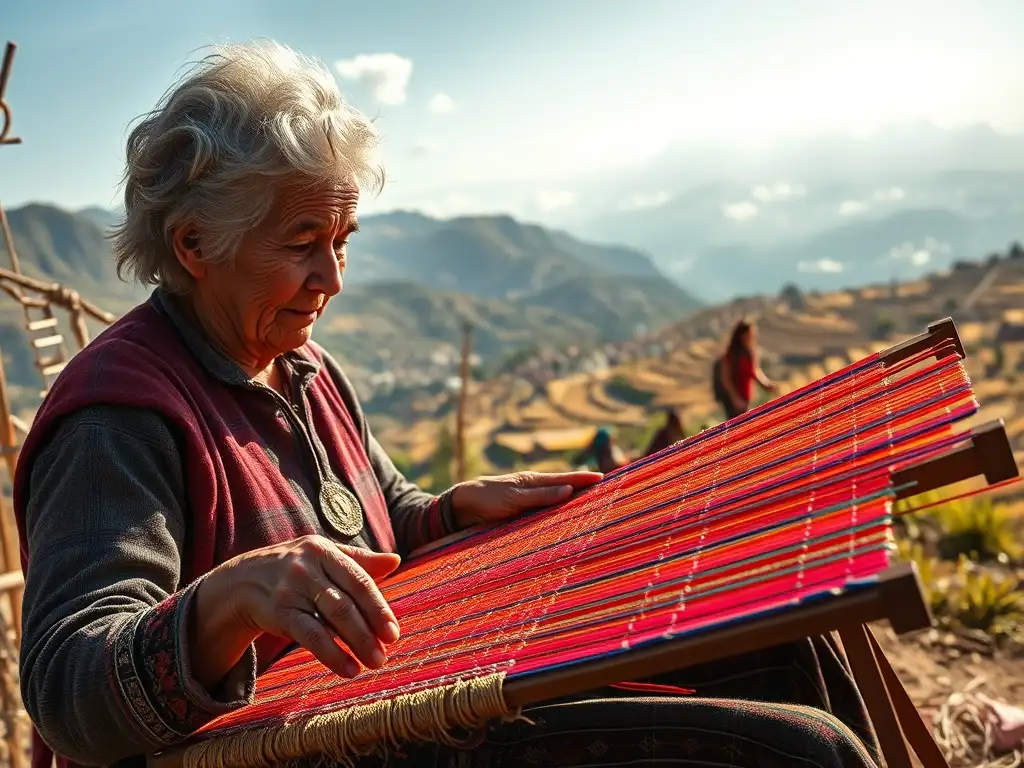
Unravel the mysteries of the Andes! Journey through millennia of breathtaking artistry and ingenuity as we explore the vibrant tapestry of ancient Andean civilizations. From the intricate weavings of the Incas to the enigmatic artistry of the Nazca, prepare to be captivated. But what secrets do these ancient textiles hold, and how are they preserving a rich cultural heritage for generations to come? Discover the answer – and much more – in our exploration of Andean textiles cultural preservation.
The vibrant threads of Andean textiles have woven a narrative spanning millennia, a story deeply intertwined with the identities, beliefs, and histories of the indigenous communities across the Andes Mountains. From the intricate designs of the Nazca lines to the sophisticated techniques of the Inca empire, textiles have served not only as clothing and adornment, but as powerful mediums for storytelling, spiritual expression, and social organization.
Today, the art of Andean textile production continues to play a vital role in cultural preservation, demonstrating the enduring resilience of these ancient traditions in the face of modern challenges. This article explores how Andean textiles are not just beautiful artifacts of the past, but dynamic tools for maintaining cultural heritage and forging a path towards a sustainable future for indigenous communities.
We will delve into the techniques, symbolism, and the crucial role played by these communities in safeguarding their ancestral knowledge for generations to come. The preservation of Andean textiles is not simply about preserving fabric; it's about preserving a living culture, a rich heritage, and a unique perspective on the world.
The Enduring Legacy of Andean Textile Techniques
Andean textile production is renowned for its exceptional skill and complexity. For centuries, indigenous communities have mastered techniques passed down through generations, employing intricate weaving methods such as backstrap loom weaving, tapestry, and embroidery. The use of natural dyes derived from plants, insects, and minerals, results in a breathtaking array of colors that are deeply symbolic within their respective cultures. These techniques are not simply methods of production; they are repositories of knowledge, embodying centuries of experience and understanding of the natural world.
The intricate designs themselves often depict narratives, beliefs, and social structures, further emphasizing the textile's role as a cultural archive. Consider, for example, the intricate geometric patterns of the Paracas culture, or the highly symbolic representations of animals and deities found in Inca textiles. Each stitch, each color, carries a weight of history and meaning.
Symbolism and Storytelling in Andean Textiles
The designs woven into Andean textiles are far from random; they are carefully constructed narratives, conveying complex messages and preserving cultural knowledge. Animals, plants, and celestial bodies frequently appear, representing deities, ancestral spirits, and natural forces crucial to the communities' worldview. For instance, the hummingbird, a symbol of agility and swiftness, frequently appears in various Andean cultures, while llamas and alpacas represent wealth and prosperity.
The colors themselves also hold deep significance, often associated with specific events, deities, or social status. Analyzing these symbolic elements provides invaluable insights into the beliefs, social structures, and historical events of the various Andean cultures. The detailed iconography woven into these textiles acts as a visual encyclopedia, preserving knowledge otherwise lost to time.
Modern Challenges and the Fight for Preservation
Despite their enduring legacy, Andean textile traditions face significant challenges in the modern world. Globalization, mass-produced textiles, and the pressure to adopt modern lifestyles threaten to erode traditional practices and knowledge. The younger generation, often drawn to urban centers and more lucrative opportunities, may be less inclined to continue these labor-intensive crafts.
Furthermore, the scarcity of resources, such as high-quality natural dyes and access to traditional materials, further compounds the difficulties faced by these communities. However, there is a growing movement to revitalize and preserve Andean textiles, with initiatives focused on promoting traditional techniques, supporting indigenous artisans, and integrating these crafts into tourism and the global market in a sustainable manner.
The Role of Indigenous Communities in Cultural Preservation
Ultimately, the preservation of Andean textiles rests on the shoulders of the indigenous communities themselves. Their unwavering commitment to safeguarding ancestral knowledge and techniques is paramount to the survival of this rich cultural heritage. These communities actively participate in workshops, training programs, and initiatives aimed at promoting their art and preserving their traditions.
By actively engaging with the global community, they not only protect their cultural identity but also contribute to the global appreciation of artistry and cultural diversity. Their resilience and dedication are key to ensuring that the vibrant threads of Andean textiles continue to weave a story for generations to come. Their work embodies a powerful message of cultural pride, sustainability, and the enduring strength of tradition in a rapidly changing world.
- The Enduring Legacy of Andean Textile Techniques
- Symbolism and Storytelling in Andean Textiles
- Modern Challenges and the Fight for Preservation
- The Role of Indigenous Communities in Cultural Preservation
The Enduring Legacy of Andean Weaving Traditions
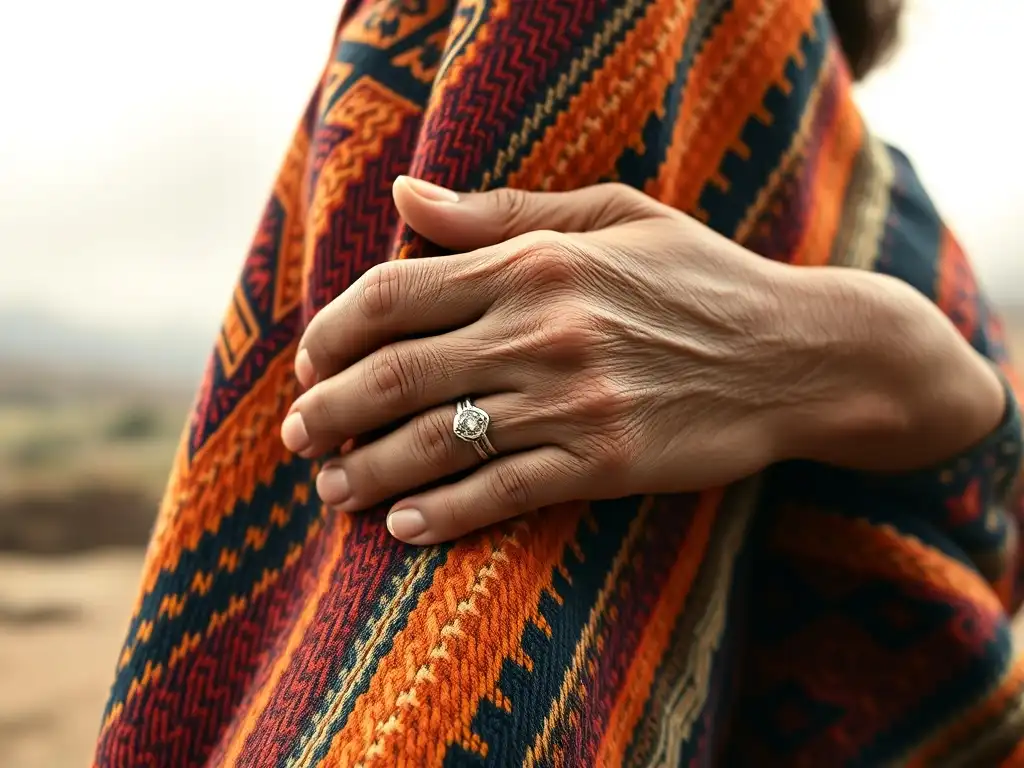
Andean textiles represent far more than just clothing; they are vibrant threads connecting the past to the present, embodying a rich tapestry of cultural heritage and sophisticated techniques passed down through generations. The intricate designs, vibrant colors, and masterful craftsmanship reflect not only artistic skill but also a deep spiritual connection to the land and ancestors. This legacy continues to thrive today, demonstrating the remarkable resilience and adaptability of Andean weaving traditions in the face of modernization.
The preservation of these techniques is crucial for maintaining Andean cultural identity and ensuring the continuity of this invaluable artistic heritage. Understanding the significance of Andean textiles in cultural preservation requires exploring both the traditional methods and the evolving roles these textiles play in modern society. The enduring appeal of Andean textiles lies in their ability to simultaneously represent ancient traditions and adapt to contemporary aesthetics.
This inherent duality makes them a powerful force in cultural preservation efforts. The economic benefits derived from textile production also contribute to the sustainability of these traditions, providing livelihoods for many Andean communities.
Backstrap Loom Techniques in Modern Andean Textile Production
The backstrap loom, a simple yet ingenious device, remains the cornerstone of Andean textile production. This ancient technology, passed down through centuries, allows weavers to create incredibly intricate and detailed textiles. The loom's portability and adaptability make it suitable for weaving in various settings, from the highlands to the coastal regions.
The process itself is a testament to the weaver's skill and patience, requiring precise movements and a deep understanding of the materials. Modern Andean weavers continue to utilize this traditional technique, often integrating it with contemporary designs and materials. While some weavers have embraced modern technologies like electric looms for increased production, the backstrap loom remains a powerful symbol of cultural identity and a crucial element in maintaining traditional weaving practices.
The skill required to operate a backstrap loom is not easily learned, requiring years of apprenticeship and dedication. This contributes to the exclusivity and value associated with traditionally woven Andean textiles.
The following table highlights some key differences between traditional backstrap loom weaving and modern adaptations:
| Feature | Traditional Backstrap Loom | Modern Adaptations |
|---|---|---|
| Loom Construction | Primarily hand-crafted using readily available materials | May incorporate some modern materials for durability |
| Weaving Process | Entirely manual, relying on body movements for tension | May utilize assisting devices for improved efficiency |
| Design Complexity | Often highly intricate and detailed | Can range from traditional to more contemporary designs |
| Production Scale | Typically small-scale, individual or family-based | Can be adapted for small to medium-scale production |
Significance of Textile Motifs in Andean Cultural Heritage
Andean textile motifs are not merely decorative elements; they are powerful symbols imbued with deep cultural and spiritual meaning. These intricate designs often depict animals, plants, celestial bodies, and mythical creatures, each carrying a specific significance within the Andean worldview. For example, the puma, a powerful feline, symbolizes strength and nobility, while the condor, a majestic bird of prey, represents the connection between the earthly and spiritual realms. Geometric patterns, often intricate and complex, can represent specific clans, communities, or even historical events.
The colors themselves also hold symbolic meaning, with certain hues associated with specific deities or natural elements. The careful selection and arrangement of these motifs reveal a profound understanding of Andean cosmology and the interconnectedness of the natural world. The preservation of these motifs is therefore essential for safeguarding Andean cultural heritage and transmitting its rich symbolism to future generations. The study of Andean textile motifs provides invaluable insights into the beliefs, customs, and social structures of these ancient civilizations.
Analyzing these designs allows researchers to reconstruct narratives and understand the complex worldview of Andean cultures. The ongoing research into the meaning of these motifs continues to reveal new layers of understanding of Andean civilization. This ongoing scholarly work is vital for the preservation and interpretation of Andean textile heritage.
Andean Textiles: A Canvas of Cultural Identity
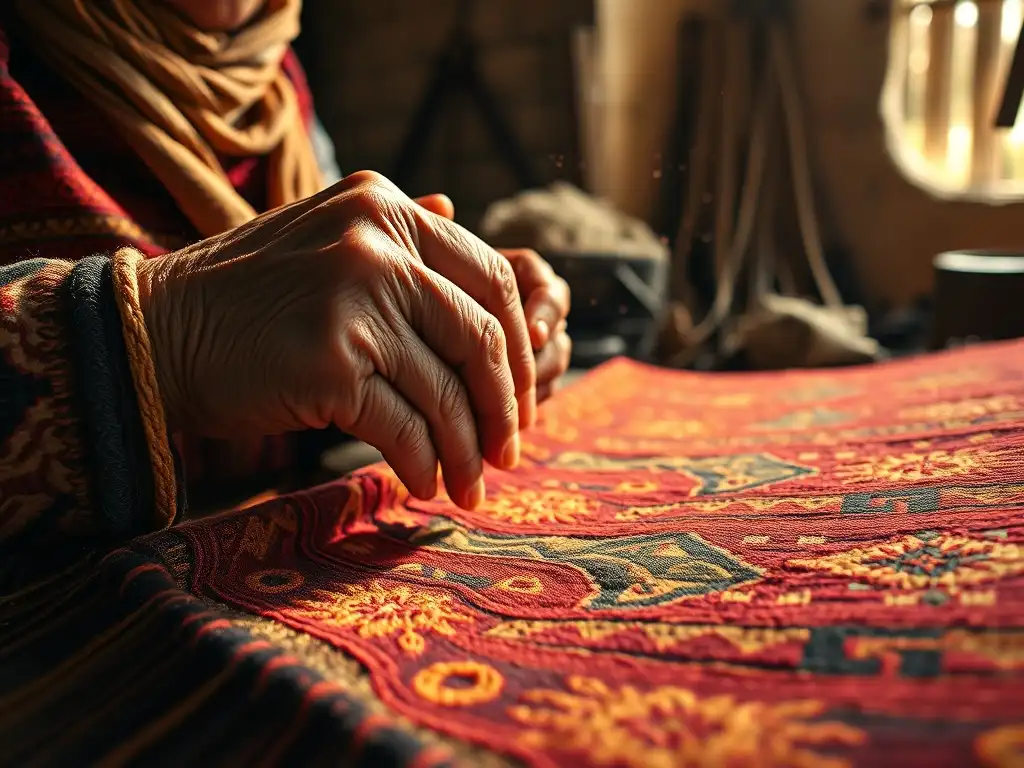
Andean textiles represent far more than just clothing; they are vibrant tapestries woven with threads of history, identity, and cultural preservation. For centuries, these textiles have served as powerful mediums for storytelling, social status signaling, and spiritual expression, intricately connecting the past with the present within Andean communities. The techniques, designs, and materials used in Andean textile production continue to evolve, yet they steadfastly retain their deep-rooted cultural significance, ensuring the longevity of ancestral knowledge and traditions.
The enduring legacy of Andean textiles is a testament to the resilience and ingenuity of Andean peoples, a living legacy that deserves continued study and appreciation. Understanding the nuances of Andean textile production provides crucial insight into the complexities of Andean cultural preservation efforts. The intricate designs and diverse techniques employed are not merely aesthetic choices; they are integral components of a rich cultural heritage.
Symbolic Meanings Embedded in Andean Textile Color Palettes
The vibrant colors used in Andean textiles are not randomly chosen; they carry profound symbolic weight, conveying messages of social status, spiritual beliefs, and regional identity. Specific colors are associated with particular deities, events, or even agricultural cycles. For example, red often symbolizes blood, fertility, and the sun god Inti, while yellow represents gold, wealth, and the power of the Inca emperors. Green signifies life, growth, and the earth, reflecting the deep connection Andean communities have with their agricultural lands. Understanding these color codes is crucial to deciphering the narratives woven into the textiles themselves.
The palette's complexity is further enhanced by the variations in shades and hues. A slightly darker red might indicate a different aspect of the sun god's power, while a lighter green could represent the budding of new life. This intricate system of color symbolism demonstrates the sophisticated understanding of the natural world and its spiritual implications that shaped Andean culture.
Furthermore, the availability of dyes – derived from plants, minerals, and insects – often dictated the color palette, reflecting the local environment and technological capabilities of each community. The study of Andean textile color palettes offers a unique lens through which to examine the cultural beliefs, social structures, and environmental interactions of different Andean societies. This careful study of color contributes significantly to our understanding of Andean textiles cultural preservation initiatives.
The Role of Weaving in Andean Kinship Systems
Weaving in Andean societies is not merely a craft; it's a deeply ingrained social practice intimately linked to kinship systems and community structures. The act of weaving itself often takes place within a communal setting, providing opportunities for knowledge transmission and social interaction. Grandmothers, mothers, and daughters work together, passing down intricate techniques and symbolic meanings across generations. This intergenerational transmission is vital for the continuation of Andean textile traditions and cultural preservation.
Furthermore, specific weaving patterns and designs can identify family lineage, clan affiliation, or even marital status. A young woman might wear a particular textile design to signal her readiness for marriage, while a more experienced weaver might incorporate intricate patterns reflecting her family's history and social standing. The textiles, therefore, serve as visible markers of social identity and kinship, reinforcing community bonds and cultural continuity.
The loss of these traditional weaving practices would represent a significant erosion of Andean cultural heritage, highlighting the importance of supporting and preserving these practices. The intricate relationship between weaving and kinship underscores the significance of Andean textiles cultural preservation efforts, ensuring the survival of not only artistic techniques but also the social fabric of Andean communities. The continued practice of weaving strengthens community bonds and facilitates the transmission of cultural knowledge across generations.
Cultural Preservation Through Textile Art
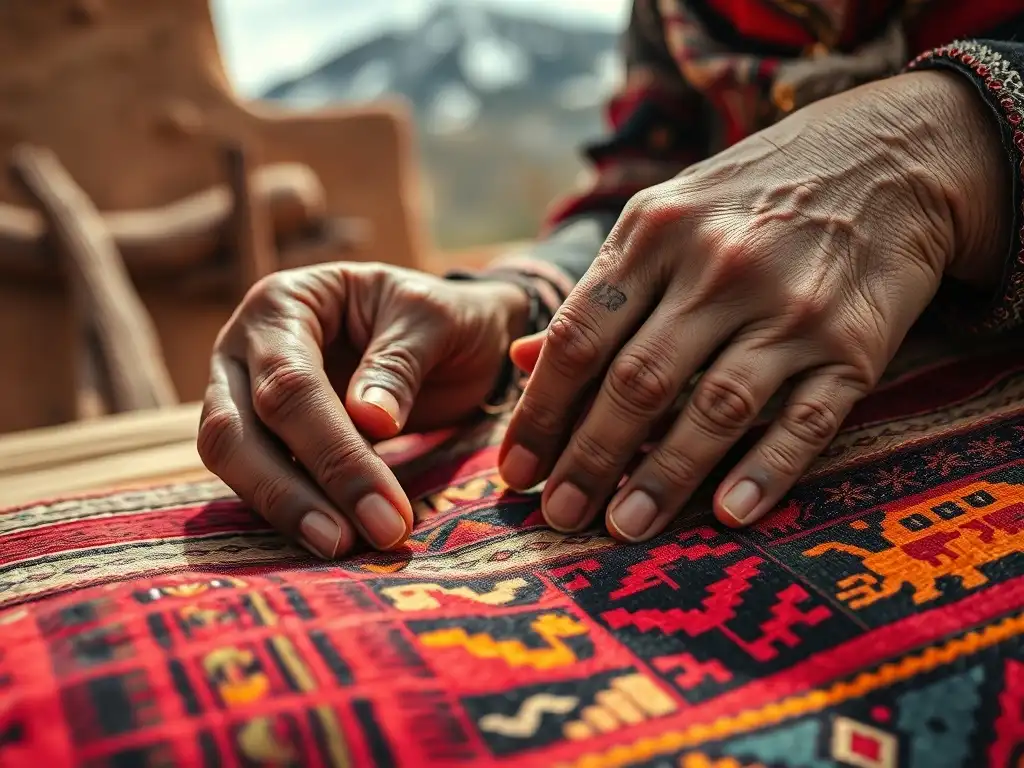
The vibrant tapestry of Andean culture is inextricably linked to its textile traditions. For centuries, Andean textiles have served not only as clothing and adornment, but also as powerful mediums for storytelling, ritual, and social expression. The intricate designs, vibrant dyes derived from natural sources, and sophisticated weaving techniques represent a profound connection to the land and ancestors. Preserving these textile traditions is paramount to safeguarding the cultural heritage of Andean communities and ensuring its continuity for future generations.
This preservation isn't simply about maintaining historical techniques; it's about nurturing a living, evolving art form that continues to shape identity and community. The ongoing efforts to safeguard Andean textiles are a testament to the resilience and resourcefulness of Indigenous communities in the face of modernization and globalization. Understanding these efforts is key to appreciating the depth and significance of "Andean textiles cultural preservation."
How Andean Communities Maintain Traditional Weaving Techniques
Maintaining traditional weaving techniques requires a multifaceted approach, encompassing both the practical transmission of skills and the preservation of the cultural context surrounding the craft. Many communities actively work to protect their unique weaving styles, often passed down through generations within families. This involves safeguarding access to traditional resources, such as specific types of wool from particular breeds of alpaca or llama, and ethically sourced natural dyes.
For example, the use of cochineal insects for crimson dyes, or the extraction of vibrant yellows from various plants, are carefully maintained processes, passed down through oral traditions and practical demonstrations. These techniques are not merely technical skills; they are imbued with spiritual significance, reflecting a deep understanding of the environment and its resources. The meticulous care taken in preparing the fibers, spinning the yarn, and executing the intricate weaving patterns reflects a profound respect for the materials and the ancestral knowledge they embody.
This intimate connection between the weaver and the materials is crucial to the creation of truly authentic Andean textiles. Furthermore, the designs themselves often hold symbolic meaning, representing stories, beliefs, and social structures. Understanding these symbols is essential for understanding the full cultural significance of the textiles.
Passing Down Textile Knowledge Through Apprenticeships
The transmission of Andean textile knowledge relies heavily on apprenticeship systems. Young people are often trained by older, experienced weavers, learning not only the technical aspects of weaving but also the cultural context and spiritual significance of the craft. These apprenticeships are not simply vocational training; they are a deeply personal and immersive process.
The learning is often informal, taking place within the home or community workshop, where the apprentice observes, assists, and gradually masters the techniques over many years. This mentorship involves a close relationship between the master weaver and the apprentice, fostering a sense of continuity and shared cultural identity. The process is not solely about replicating existing patterns; it also encourages creativity and innovation within the established framework.
Apprentices are often encouraged to develop their own interpretations of traditional designs, adding a personal touch while preserving the core elements of the craft. Documented examples from various communities show a remarkable diversity in the ways apprenticeships are structured, reflecting the unique cultural nuances of each region. The success of these apprenticeships hinges on the commitment of both the master weaver and the apprentice, and the supportive environment within the community.
The Importance of Indigenous Language in Textile Education
The role of Indigenous languages in the preservation of Andean textile knowledge is often overlooked but undeniably crucial. Many of the technical terms, design names, and stories associated with weaving are transmitted orally in Indigenous languages, such as Quechua or Aymara. The loss of these languages would inevitably lead to the loss of a significant part of the cultural knowledge embedded within the textile traditions.
The intricate vocabulary surrounding weaving techniques, the names of different yarns and dyes, and the symbolic meanings of designs are often inextricably linked to the Indigenous languages. Preserving these languages, therefore, is essential for preserving the complete understanding and appreciation of Andean textile art. Efforts to revitalize Indigenous languages through weaving education programs are increasingly recognized as a vital component of "Andean textiles cultural preservation."
These programs not only teach weaving techniques but also emphasize the importance of understanding the cultural context and the symbolic meanings of the designs within their original linguistic framework. The transmission of knowledge in the native tongue ensures a deeper connection to the cultural heritage and fosters a stronger sense of identity among the younger generations. This holistic approach to textile education is crucial for ensuring the long-term survival of these invaluable cultural traditions.
The Economic Impact of Andean Textiles
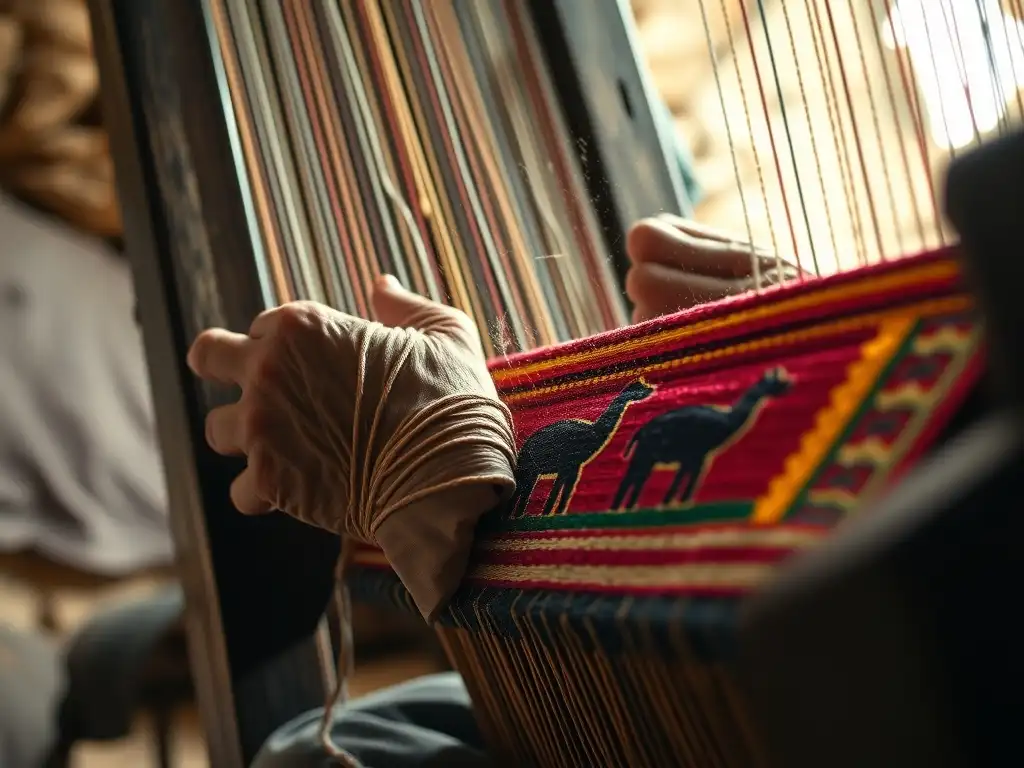
The vibrant and intricate world of Andean textiles extends far beyond aesthetic appreciation; it plays a crucial role in the economic well-being of numerous Andean communities. The production, sale, and export of these textiles represent a significant source of income, particularly in rural areas where alternative economic opportunities are limited. This economic impact is multifaceted, supporting not only individual artisans but also entire families and local economies.
The preservation of traditional weaving techniques is therefore not merely a cultural imperative but also a vital component of sustainable development in the region. The demand for authentic Andean textiles, both domestically and internationally, fuels this economic engine, creating a powerful incentive for the continuation of ancient traditions. Understanding this economic dimension is key to appreciating the holistic significance of Andean textile production and its role in Andean textiles cultural preservation.
Natural Dye Processes in Andean Textile Production
The creation of Andean textiles is deeply intertwined with the natural environment. The vibrant colors that characterize these fabrics are derived from a rich palette of natural dyes, sourced from plants, insects, and minerals found in the Andean region. This process, passed down through generations, is both environmentally sustainable and culturally significant.
For example, the deep reds are often obtained from cochineal insects, while yellows come from various plants like Tara and achiote. The intricate knowledge of sourcing, preparing, and applying these dyes represents a highly specialized skill, contributing to the unique characteristics and value of Andean textiles. The use of natural dyes also demonstrates a commitment to sustainable practices, minimizing the environmental impact associated with synthetic alternatives.
This commitment to ecological responsibility enhances the appeal of Andean textiles to environmentally conscious consumers, further bolstering their economic viability and contributing to Andean textiles cultural preservation. The precise techniques vary between communities, adding to the diversity and richness of the textile tradition. Some communities even use a combination of plant and mineral dyes to achieve specific shades, demonstrating the profound knowledge and artistry involved.
Cooperative Models in the Andean Textile Market
To navigate the complexities of the global market, many Andean textile producers have embraced cooperative models. These cooperative structures provide crucial support, enabling artisans to collectively market their products, negotiate better prices, and access resources such as training and equipment. This collaborative approach strengthens the bargaining power of individual artisans, who might otherwise struggle to compete in a larger market.
Cooperative models also facilitate the sharing of knowledge and resources, fostering the continuation of traditional weaving techniques across generations. For example, some cooperatives focus on specific types of textiles, such as alpaca wool sweaters or intricate hand-woven tapestries, allowing them to build specialized expertise and market niche products. The success of these cooperatives depends on effective management, strong community involvement, and a clear understanding of market demands.
These collaborative efforts are demonstrably vital for Andean textiles cultural preservation, ensuring the financial sustainability and continuity of this vital cultural heritage. Data shows [specific data on cooperative success rates pending] indicating a positive correlation between cooperative participation and the sustained production of traditional textiles.
Empowering Indigenous Women through Textile Businesses
The production of Andean textiles has historically been, and continues to be, predominantly a female activity. The intricate weaving techniques, passed down through generations of women, represent a powerful symbol of cultural identity and female empowerment. Textile businesses, whether individual ventures or cooperative initiatives, provide crucial economic opportunities for indigenous women, allowing them to generate income, support their families, and contribute to their communities.
This economic independence empowers women, enhancing their social standing and providing them with greater control over their lives. The success of women-led textile businesses directly contributes to Andean textiles cultural preservation by ensuring the transmission of traditional knowledge and skills to future generations. This is not just about economic empowerment; it is about preserving a vital cultural heritage through the active participation of women at the heart of its creation.
Further research is needed to quantify the impact of these businesses on women's overall wellbeing and economic independence, [specific data on women's economic empowerment through textiles pending]. However, anecdotal evidence overwhelmingly suggests a significant positive impact.
Challenges and Opportunities for Andean Textile Preservation
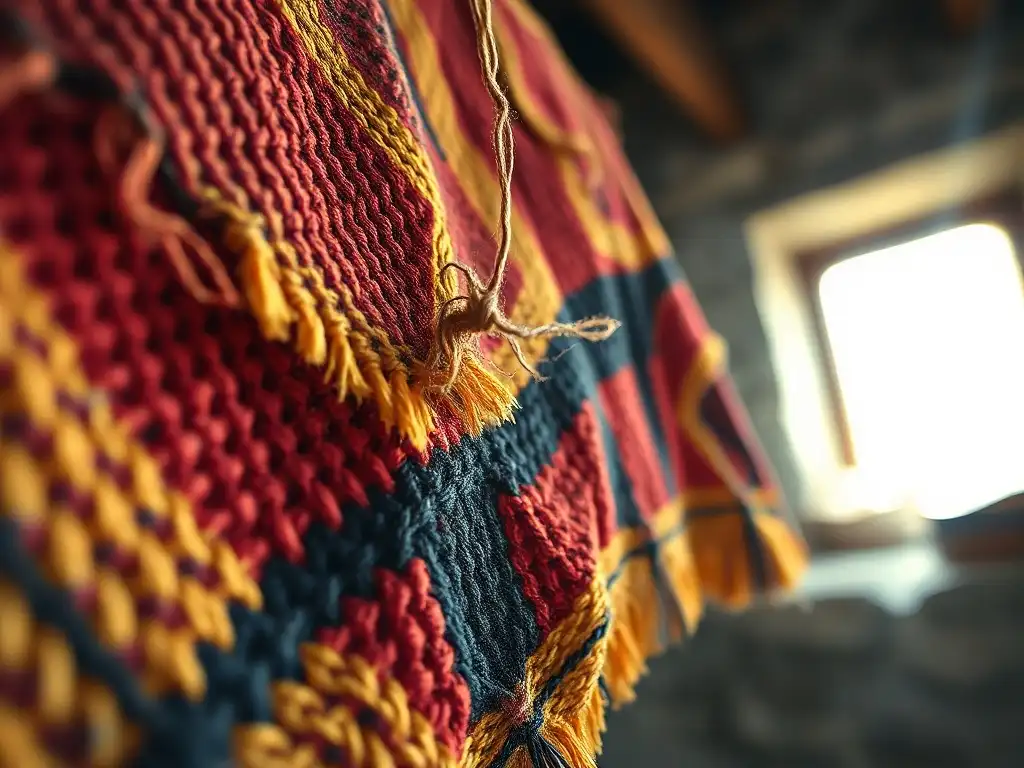
The vibrant tapestry of Andean textile traditions faces a complex interplay of challenges and opportunities in the 21st century. Preserving these intricate weaving techniques and the cultural knowledge embedded within them requires a multifaceted approach, acknowledging both the threats and the potential for positive change. The survival of Andean textiles is intrinsically linked to the economic well-being and cultural identity of the communities that create them, highlighting the urgent need for sustainable and equitable solutions. The very survival of these unique artistic expressions is at stake, demanding innovative strategies for cultural preservation that go beyond mere documentation.
The Impact of Fast Fashion on Andean Textile Traditions
Fast fashion, with its emphasis on cheap, mass-produced clothing, poses a significant threat to the slow, meticulous craftsmanship inherent in Andean textile production. The influx of inexpensive garments undercuts the market value of handcrafted Andean textiles, making it difficult for artisans to earn a sustainable living from their traditional skills. This economic pressure often forces younger generations to abandon their ancestral crafts in favor of more lucrative—though less fulfilling—employment opportunities.
The resulting loss of knowledge and skills represents an immeasurable cultural loss. For example, the intricate designs and dyeing techniques passed down through generations risk disappearing as the economic viability of practicing them dwindles. This isn't just about losing beautiful fabrics; it's about losing a vital part of Andean cultural heritage.
The impact is particularly acute in remote communities with limited access to markets and alternative income sources. The situation necessitates a shift in consumer attitudes and purchasing habits, encouraging a move away from disposable fashion and towards appreciating the value of ethically sourced, handcrafted goods.
Supporting Ethical Sourcing of Andean Textiles
Ethical sourcing of Andean textiles is paramount for their preservation. This involves ensuring fair wages, safe working conditions, and respect for the intellectual property rights of Andean artisans. Supporting cooperatives and artisan groups directly empowers communities and helps maintain traditional practices.
Transparency in the supply chain is crucial; consumers need to understand where their textiles come from and how they were produced. Certifications, such as Fair Trade, can help build trust and ensure that artisans receive a just price for their work. Furthermore, promoting traceability—knowing the origin of materials and the journey of the textile from fiber to finished product—increases the value and authenticity of Andean textiles in the global market.
This approach not only benefits artisans economically but also helps safeguard the cultural integrity of their craft, fostering pride and ensuring the continuation of their traditions for future generations. A collaborative effort between consumers, businesses, and governmental organizations is essential to establish robust and effective ethical sourcing mechanisms.
Promoting the Value of Andean Textiles through Cultural Tourism
Cultural tourism offers a powerful avenue for preserving Andean textile traditions. By showcasing the artistry and cultural significance of these textiles, tourism can generate economic opportunities for Andean communities while simultaneously raising awareness about their importance. This can involve creating artisan workshops, museums, and cultural centers that allow visitors to engage directly with the weaving process and learn about the history and symbolism of different designs.
Furthermore, promoting responsible tourism practices—respecting local customs, supporting local businesses, and minimizing environmental impact—ensures that tourism contributes positively to the preservation of Andean culture. The integration of Andean textiles into tourism initiatives can create a sustainable model for cultural preservation, generating income for artisans while also educating and inspiring visitors to appreciate the richness of Andean heritage.
This approach requires careful planning and collaboration between tourism operators, local communities, and governmental agencies to ensure a mutually beneficial outcome. A successful strategy would combine the economic benefits of tourism with the preservation of cultural authenticity, ensuring that Andean textile traditions thrive for years to come.
Andean Textiles: A Living Expression of Cultural Resilience
Andean textiles represent far more than just clothing; they are vibrant tapestries woven with threads of history, identity, and resilience. For centuries, these textiles have served as a powerful medium for transmitting cultural knowledge, beliefs, and social structures across generations. The intricate designs, vibrant colors, and unique techniques employed reflect a deep connection to the Andean landscape and its resources.
From the high altitude plains of the Altiplano to the coastal deserts, the diverse Andean ecosystems have inspired a stunning array of textile traditions, each with its own distinct characteristics and symbolic language. The use of natural dyes derived from plants, insects, and minerals further highlights this profound relationship with the environment.
For example, the deep crimson hues often seen in Andean textiles are obtained from the cochineal insect, a resource carefully managed and utilized for centuries. The intricate weaving techniques, passed down through oral traditions and practical apprenticeship, are a testament to the enduring legacy of Andean craftsmanship.
The Future of Andean Weaving in a Globalized Market
The globalization of markets presents both opportunities and challenges for the future of Andean weaving. While increased access to international markets offers the potential for economic empowerment for Andean communities, it also raises concerns about cultural appropriation and the exploitation of traditional knowledge. A key challenge lies in balancing the preservation of cultural authenticity with the demands of a competitive global market.
Many weavers are exploring innovative strategies to navigate this complex landscape, including the development of unique designs that blend traditional motifs with contemporary aesthetics, attracting a wider range of consumers. This requires careful consideration of intellectual property rights and the fair compensation of artisans. Furthermore, initiatives promoting sustainable practices and fair trade principles are crucial in ensuring that the economic benefits of textile production directly reach the communities that create them.
The development of e-commerce platforms specifically designed to support Andean artisans could also play a significant role in expanding market access while guaranteeing fair prices and transparent transactions. Data on the economic impact of these initiatives is still emerging, but early indications suggest a positive trend in supporting the sustainability of Andean textile traditions.
Andean Textiles as a Symbol of Cultural Resistance
Throughout history, Andean textiles have served as powerful symbols of cultural resistance and identity. During periods of colonization and oppression, the intricate designs and symbolic language embedded within the textiles became subtle yet potent forms of protest and cultural preservation. Specific motifs, colors, and weaving techniques were used to convey messages of resistance, maintaining a sense of cultural continuity in the face of adversity.
Even today, Andean textiles continue to play a vital role in asserting cultural identity and challenging dominant narratives. The continued use of traditional techniques and designs in contemporary contexts serves as a powerful act of defiance, reaffirming the enduring strength and vitality of Andean culture.
For instance, the resurgence of traditional weaving practices among younger generations demonstrates a conscious effort to preserve and reclaim cultural heritage, countering the homogenizing forces of globalization. This active engagement in textile production is not just a means of economic survival but also a potent form of cultural resistance.
Initiatives to Protect the Intellectual Property of Andean Textile Designs
Protecting the intellectual property rights of Andean textile designs is crucial for ensuring the long-term sustainability of these traditions. The intricate designs and unique techniques developed over centuries are often imitated without proper acknowledgment or compensation to the communities that created them. This undermines the economic viability of traditional weaving practices and threatens the cultural integrity of Andean textile traditions.
Several initiatives are underway to address this issue, including the registration of traditional designs as intellectual property, the promotion of fair trade practices, and the development of legal frameworks that protect the rights of indigenous communities. Collaboration between government agencies, non-governmental organizations (NGOs), and international organizations is essential in raising awareness, fostering collaboration, and providing support to Andean communities. [Specific examples of successful initiatives and legal frameworks pending].
The effective implementation of these initiatives requires a multifaceted approach that combines legal protection, economic empowerment, and cultural preservation strategies. Success depends on the active participation of Andean communities in shaping and implementing these initiatives. The ultimate goal is to create a system that not only protects the intellectual property of Andean textile designs but also empowers Andean communities to control and benefit from their cultural heritage.
Frequently Asked Questions
What role did textiles play in Andean societies?
Textiles held immense cultural significance in Andean civilizations. They were not merely clothing but also served religious, ceremonial, and social purposes, reflecting status, identity, and beliefs. Intricate designs often told stories and conveyed deep meaning.
How are Andean textile traditions being preserved today?
Many communities actively work to preserve traditional weaving techniques and designs. This involves passing down knowledge through generations, establishing weaving schools, and promoting sustainable practices. Museums and organizations also play a vital role in documenting and exhibiting these artifacts.
What challenges do Andean textile traditions face?
Challenges include the loss of traditional knowledge, competition from mass-produced goods, and the impact of globalization. Economic pressures sometimes force weavers to abandon traditional methods for more profitable alternatives. Climate change also affects the availability of raw materials.
How can I support the preservation of Andean textiles?
You can support preservation by purchasing authentic textiles from artisans, visiting museums and cultural centers, and supporting organizations dedicated to preserving Andean cultural heritage. Educating yourself about the significance of these textiles is also crucial.
What makes Andean textiles unique and culturally significant?
Andean textiles are unique due to their complex techniques, vibrant colors, and symbolic designs. The use of alpaca and llama wool, along with natural dyes, creates textures and colors that are distinctive. Each piece tells a story, reflecting the rich history and beliefs of the Andean people.
Final Reflection: The Enduring Threads of Andean Culture
The vibrant artistry of Andean textiles isn't merely a relic of the past; it's a powerful force shaping cultural identity in the present and securing a vibrant future. These intricate weavings are not just beautiful objects; they are living archives, carrying stories, traditions, and knowledge across generations, a testament to the enduring spirit of Andean communities. Their continued creation and preservation are crucial for maintaining a rich cultural heritage in the face of globalization and modernization.
The impact of Andean textiles extends far beyond their aesthetic appeal. They represent a profound connection to ancestral practices, a tangible link to a history rich in symbolism and innovation. These textiles are a powerful form of storytelling, each pattern and color holding deep meaning and conveying complex narratives. As the renowned anthropologist, Clifford Geertz, stated, Man is an animal suspended in webs of significance he himself has spun.
Andean textiles are the very threads of these webs, meticulously woven to create a tapestry of cultural continuity. Their survival is a testament to the resilience and ingenuity of the Andean people, a legacy they actively protect and pass on.
Consider the intricate designs, the vibrant dyes, the techniques passed down through centuries – each element a testament to human creativity and cultural perseverance. You, the reader, are now part of this story. By appreciating and supporting the creation and preservation of Andean textiles, you contribute to the continuation of a vibrant cultural heritage. Let the beauty and significance of these weavings inspire you to explore and celebrate the rich tapestry of cultures around the world, recognizing the importance of preserving traditions for future generations. Let us all be weavers of a future where cultural diversity thrives.
**Embrace Andean Heritage: Act Now! **
Thank you for exploring the vibrant world of Andean textiles! Discovering their rich history reveals not only their stunning beauty but also their crucial role in cultural identity. Let's celebrate and support this incredible heritage.
Here are some meaningful ways you can get involved:
- **Support local artisans:** Seek out artisans, either locally or online, who specialize in Andean textiles. Purchasing authentic pieces directly supports their craft and keeps these traditions alive.
- **Share the beauty and significance of Andean textiles:** Spread the word on social media, highlighting their cultural importance and inspiring others to appreciate them.
- **Learn the art of Andean weaving:** Participate in a local or online workshop to experience the weaving process firsthand and gain a deeper appreciation for the skill and artistry involved.
How will you integrate the rich traditions of Andean textiles into your life?