
The Ethics of Andean Research: Modern Debates and Considerations

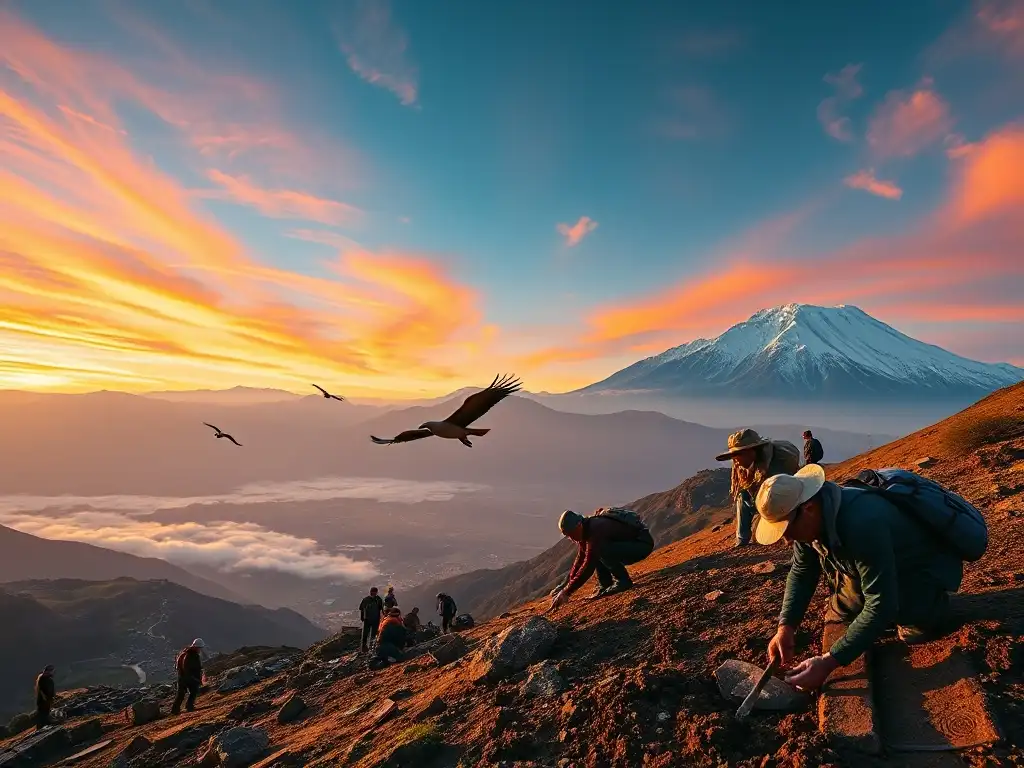
Uncover the mysteries hidden within the towering Andes! For centuries, these majestic mountains have guarded the secrets of remarkable civilizations. But what happens when we, the modern world, seek to understand their legacy? This website delves into the fascinating history, art, and technology of the Incas, Moche, Nazca, and Tiahuanaco, but we also confront the crucial contemporary issues surrounding Andean archaeological ethics. Are we truly respecting the past as we unearth its wonders? Journey with us as we explore the complex debate and discover the ethical considerations shaping the future of Andean research.
-
Andean Archaeological Ethics: Modern Debates and Considerations
- Understanding Ethical Challenges in Andean Research
- The Historical Context of Andean Research and its Ethical Implications
- Key Ethical Dilemmas in Andean Archaeological Studies
- Specific Ethical Issues in Andean Archaeological Practices
- Modern Approaches to Andean Archaeological Ethics
- Case Studies in Andean Archaeological Ethics
- Future Directions in Andean Research Ethics
- Conclusion: The Importance of Ethical Andean Archaeological Practices
-
Frequently Asked Questions
- What is the main focus of Andean archaeological ethics?
- How do ethical considerations affect archaeological digs in the Andes?
- What are some current debates surrounding Andean archaeological ethics?
- How do modern researchers balance scientific inquiry with ethical responsibilities in the Andes?
- What role do indigenous communities play in shaping Andean archaeological ethics?
- Final Reflection: Echoes of the Andes: A Legacy of Ethical Responsibility
- Engage in the Dialogue for Ethical Andean Research!
Andean Archaeological Ethics: Modern Debates and Considerations
The exploration of Andean civilizations—from the majestic Inca Empire to the enigmatic Nazca Lines and the sophisticated Moche culture—presents a unique set of ethical challenges for modern researchers. Understanding the ethical dimensions of Andean archaeology is crucial not only for preserving the invaluable heritage of these societies but also for ensuring respectful and equitable engagement with descendant communities and their perspectives.
This article delves into the complex debates surrounding Andean archaeological ethics, examining historical practices, contemporary concerns, and the ongoing efforts to establish responsible and ethical standards for future research. We will explore how the legacy of past exploitative practices continues to shape current discussions, and how a shift towards more inclusive and collaborative research methods is reshaping our understanding of Andean history and culture.
The goal is to illuminate the evolving ethical landscape of Andean archaeology and its impact on the interpretation and preservation of this rich cultural heritage, all while addressing the keyword "Andean archaeological ethics" and its semantic variations.
Understanding Ethical Challenges in Andean Research
The study of Andean civilizations demands a nuanced understanding of ethical considerations that go beyond simply adhering to legal frameworks. Ethical research in this field requires a commitment to respecting the cultural heritage and ancestral remains of indigenous communities, acknowledging their inherent rights and engaging in meaningful consultation and collaboration.
Key challenges include: the repatriation of artifacts; the appropriate management and interpretation of sacred sites; the potential for cultural misrepresentation and appropriation; and the equitable distribution of benefits arising from research. These challenges are not unique to the Andes, but their unique cultural context necessitates tailored approaches.
The sensitivity surrounding ancestral remains, often found in fragile high-altitude environments, demands careful excavation and respectful treatment, going beyond the purely scientific aspects of the work. Furthermore, the enduring spiritual significance of many sites for descendant communities requires a profound understanding of their beliefs and traditions, which must be central to any research project.
The Historical Context of Andean Research and its Ethical Implications
The history of Andean archaeological research is intricately intertwined with colonialism and its lasting effects. Understanding this historical context is paramount to grasping the current ethical dilemmas. The early stages of research often lacked sensitivity to indigenous perspectives, prioritizing the accumulation of artifacts for museums and the advancement of Western scientific knowledge over the needs and rights of local communities. This legacy of exploitation has fueled contemporary debates and demands for greater ethical responsibility.
Early Archaeological Practices in the Andes: A Legacy of Exploitation?
Early archaeological practices in the Andes were frequently characterized by a disregard for indigenous rights and cultural sensitivities. Many expeditions were driven by the pursuit of treasure and scientific glory, leading to the looting of sites, the destruction of contexts, and the removal of artifacts without proper consultation or compensation. The narrative often centered on the "discovery" of lost civilizations, failing to acknowledge the continued presence and knowledge of indigenous communities.
This legacy of exploitative practices continues to cast a long shadow on the field, raising questions about ownership, repatriation, and the equitable sharing of knowledge and benefits. Understanding this history is crucial to building a more ethical future for Andean archaeology.
Shifting Perspectives on Andean Heritage: Towards Ethical Research
Thankfully, there's a growing recognition of the need for a more ethical and collaborative approach to Andean research. Modern scholars increasingly emphasize the importance of working closely with indigenous communities, incorporating their traditional knowledge and perspectives into research projects, and ensuring their active participation in decision-making processes. This shift towards community-based participatory research represents a significant step towards a more just and equitable approach.
Such collaboration not only ensures the respect of cultural heritage but also enriches our understanding of Andean civilizations by incorporating diverse voices and perspectives, leading to a more nuanced and complete picture of the past. This collaborative methodology is crucial for ensuring that the study of Andean civilizations serves not only the interests of academics but also the communities whose heritage is being investigated. The future of Andean archaeological ethics lies in continued dialogue, collaboration, and a commitment to principles of respect, reciprocity, and justice.
Key Ethical Dilemmas in Andean Archaeological Studies
Andean archaeological ethics are complex and multifaceted, encompassing a broad range of considerations that go beyond simple preservation. The field grapples with issues deeply intertwined with the ongoing lives and cultural identities of Indigenous communities. These dilemmas challenge researchers to balance the pursuit of scientific knowledge with respect for ancestral lands, cultural heritage, and the rights of living descendants.
The very act of excavation and analysis raises profound questions about ownership, representation, and the potential for both harm and benefit. The ethical landscape is further complicated by the often-fragmented nature of legal frameworks governing archaeological research in the Andes, leading to inconsistencies and potential exploitation. Successfully navigating these challenges requires a nuanced understanding of the historical and contemporary contexts of Andean societies, a commitment to collaborative research methodologies, and a willingness to engage in ongoing dialogue with Indigenous communities and stakeholders.
Ownership of Andean Cultural Heritage: Who Decides?
The question of ownership of Andean cultural heritage is a central ethical dilemma. Traditional views often place ownership with the descendants of the original creators of artifacts and sites. However, national governments frequently assert sovereignty over archaeological finds within their borders, sometimes prioritizing national museums or historical narratives over community interests.
This tension creates significant ethical challenges, particularly when research involves the excavation or repatriation of artifacts. For example, the ongoing debate surrounding the return of artifacts to Indigenous communities from international museums highlights the complexities of determining legitimate ownership and the importance of respecting diverse perspectives on heritage. The lack of a universally accepted framework for resolving these disputes underscores the need for international collaboration and the development of more equitable and inclusive approaches to managing cultural heritage.
The Impact of Research on Local Andean Communities
Andean archaeological research can have profound impacts on local communities, both positive and negative. Positive impacts include economic benefits from tourism, increased community pride, and opportunities for community involvement in research projects. However, negative impacts can include the disruption of sacred sites, the displacement of communities, and the commodification of cultural heritage. Respecting the rights and perspectives of local communities is therefore paramount.
Ethical research requires genuine collaboration, ensuring that communities are involved in all stages of the research process, from planning and excavation to the dissemination of findings. Free, prior, and informed consent (FPIC) is crucial, guaranteeing that communities have a voice in decisions that affect their heritage and livelihoods. This necessitates a shift away from extractive research models towards participatory approaches that prioritize community well-being and self-determination.
Balancing Scientific Inquiry and Indigenous Rights in Andean Research
The pursuit of scientific knowledge must never come at the expense of Indigenous rights. Balancing these competing interests requires a commitment to ethical research practices that prioritize respect for cultural heritage, intellectual property, and community autonomy. This involves adopting collaborative research methodologies that center the voices and perspectives of Indigenous communities, ensuring that research questions are relevant to their concerns and that the results benefit them directly.
It also necessitates a critical examination of power dynamics within the research process and a commitment to transparency and accountability. Researchers must be willing to share their knowledge and findings with communities, engaging in open dialogue and addressing any concerns raised. This collaborative approach not only respects Indigenous rights but also enriches the research process, leading to more nuanced and meaningful understandings of Andean history and culture.
The Preservation of Andean Archaeological Sites vs. Research Needs
The preservation of Andean archaeological sites is often at odds with the needs of research. Excavation, while essential for generating new knowledge, inherently involves the destruction of archaeological context. This necessitates a careful balancing act between the preservation of sites for future generations and the legitimate need to conduct research. Ethical research requires prioritizing non-destructive methods whenever possible, such as remote sensing and geophysical surveys.
When excavation is unavoidable, it should be conducted with the utmost care, ensuring that all findings are properly documented and preserved. Furthermore, collaboration with local communities and heritage agencies is crucial to develop management plans that balance research needs with long-term preservation goals. This collaborative approach can lead to more sustainable and respectful research practices that benefit both scientific inquiry and cultural heritage.
Specific Ethical Issues in Andean Archaeological Practices
The Handling and Display of Andean Human Remains
The handling and display of Andean human remains present particularly sensitive ethical challenges. These remains are not mere objects of scientific study but represent ancestors and individuals who were part of vibrant communities. Respect for the deceased and their descendants requires careful consideration of cultural sensitivities and traditional practices.
Ethical approaches prioritize respectful handling and reburial whenever possible, ensuring that ancestral remains are treated with dignity and respect. When display is deemed necessary for educational or scientific purposes, it should be done in consultation with descendants and with a clear understanding of the potential impact on communities. The increasing recognition of the rights of the deceased and their living relatives demands a paradigm shift towards repatriation and the prioritization of community-based decision-making.
The Use of Advanced Technology in Andean Research: Ethical Considerations
The application of advanced technologies, such as DNA analysis, 3D scanning, and remote sensing, in Andean archaeological research presents both opportunities and challenges. These technologies can provide valuable insights into past lives and environments but also raise ethical questions related to privacy, data ownership, and the potential for misinterpretation or misuse of findings. Ethical research requires careful consideration of these issues, including obtaining informed consent from communities before using their ancestral remains or cultural heritage for technological analysis.
Data security and responsible data sharing practices are crucial to ensure the confidentiality and integrity of sensitive information. Transparency and community involvement are key to mitigating potential risks and ensuring that technology is used responsibly and ethically.
Publishing and Dissemination of Andean Research: Transparency and Accessibility
The publishing and dissemination of Andean research must prioritize transparency and accessibility. This involves ensuring that research findings are shared with local communities and that the language used is accessible and understandable. Open access publishing can help make research findings more widely available, while community-based participatory research models ensure that the results benefit the communities involved.
Transparency requires acknowledging the limitations of research and the potential for biases and interpretations. Dissemination should also consider the potential impact of research on communities and address any concerns raised by stakeholders. By prioritizing transparency and accessibility, researchers can foster trust and collaboration, ensuring that research contributes to a more just and equitable understanding of Andean history and culture.
Modern Approaches to Andean Archaeological Ethics
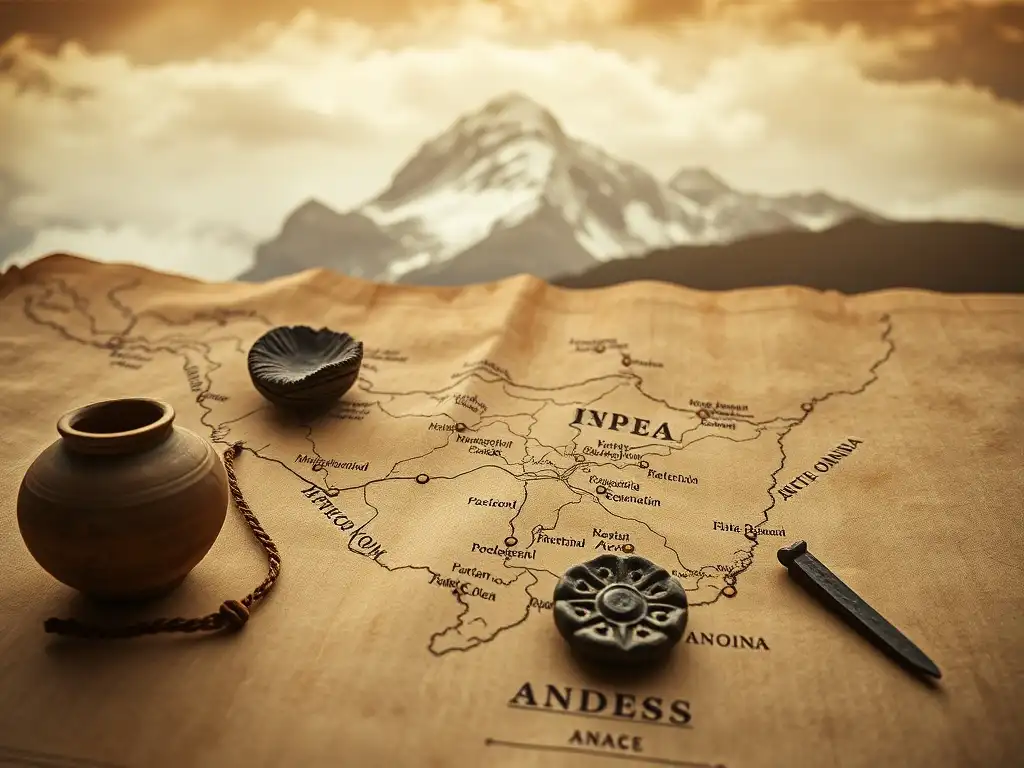
Modern approaches to Andean archaeological ethics are moving away from extractive research models—where researchers take artifacts and knowledge without reciprocal benefit to local communities—towards a more collaborative and respectful framework. This shift acknowledges the inherent rights of Indigenous communities to their ancestral heritage and prioritizes their participation in all stages of research, from project conception to dissemination of findings. The focus is on building trust and fostering mutually beneficial relationships, ensuring that research benefits both the academic community and the descendant communities.
This involves a fundamental rethinking of power dynamics within archaeological research, recognizing the profound historical injustices that have marginalized Indigenous voices and perspectives. The goal is not simply to avoid causing harm, but to actively contribute to the well-being and empowerment of Andean communities. This includes recognizing the ethical dimensions of repatriation and the return of cultural patrimony.
Collaborative Research Models with Andean Communities
Collaborative research models prioritize partnership with Andean communities throughout the research process. This means involving community members in every stage, from the initial research design and methodology development to data analysis, interpretation, and dissemination of findings. Instead of researchers imposing their own research agendas, collaborative projects are co-created with community members, ensuring that the research addresses issues of importance to them. This collaborative approach often involves establishing community advisory boards or working directly with community leaders to establish protocols and guidelines for research.
Effective collaboration requires active listening, respectful dialogue, and a commitment to transparency and mutual accountability. Successful examples demonstrate that these partnerships can lead to richer, more nuanced understandings of the past and contribute significantly to community empowerment and cultural revitalization. The long-term success of these models hinges on sustained commitment and a recognition that building trust takes time and consistent effort.
Developing Culturally Sensitive Research Methodologies
Developing culturally sensitive research methodologies is crucial for ethical Andean archaeological research. This involves adopting methodologies that are respectful of local customs, beliefs, and spiritual practices. For example, researchers must carefully consider the potential impact of excavations on sacred sites and ensure that appropriate protocols are in place to minimize disruption. This also includes respectful engagement with ancestral remains, prioritizing the wishes of descendant communities regarding the treatment and reburial of human remains.
Moreover, researchers need to be mindful of the language they use, avoiding terminology that could be considered offensive or disrespectful. It's vital to use inclusive and participatory methods that empower local communities to share their knowledge and perspectives. This might involve incorporating oral histories, traditional ecological knowledge, and other forms of indigenous knowledge systems into the research process. The goal is to create research that is not only scientifically rigorous but also culturally appropriate and respectful.
The Role of Local Knowledge in Andean Archaeological Interpretation
Local knowledge plays a vital and often underappreciated role in Andean archaeological interpretation. For too long, archaeological interpretations have been dominated by Western academic perspectives, often ignoring or dismissing the knowledge and perspectives of Andean communities. However, incorporating local knowledge—including oral traditions, place names, and traditional ecological knowledge—can significantly enrich and deepen our understanding of the past. This knowledge can provide crucial context and insights that are often absent from purely scientific approaches.
By engaging respectfully with local communities and incorporating their perspectives, researchers can develop more nuanced and complete interpretations of Andean history and culture. This collaborative approach acknowledges the importance of multiple perspectives and recognizes the value of indigenous knowledge systems as legitimate sources of historical understanding. It’s a shift from a paradigm of “discovery” to one of “co-creation” of knowledge.
Case Studies in Andean Archaeological Ethics
Examining specific case studies illuminates the complexities and challenges of applying ethical principles in Andean archaeology. These case studies highlight both successes and failures, offering valuable lessons for future research. By analyzing diverse examples, we can identify best practices and develop strategies to mitigate potential ethical pitfalls. The following examples provide a glimpse into the ongoing evolution of ethical standards within the field.
The Sipan Royal Tombs: Looting, Discovery, and Ethical Dilemmas
The discovery of the Sipan Royal Tombs in Peru presented a complex ethical dilemma. Initial looting significantly damaged the site and resulted in the loss of invaluable artifacts. The subsequent excavation, though ultimately successful in recovering many artifacts, also raises ethical questions regarding the initial lack of protection and the potential for further disruption of the site.
The case highlights the importance of proactive measures to prevent looting and the need for effective collaboration between archaeologists, government agencies, and local communities in protecting cultural heritage. The ethical challenges related to the ownership and repatriation of artifacts recovered from such sites also remain a significant point of discussion.
The Q'eswachaka Bridge Project: Indigenous Knowledge and Collaborative Conservation
The Q'eswachaka Bridge project in Peru stands in contrast to the Sipan example, showcasing a successful model of collaborative conservation. This project involves the annual reconstruction of a traditional Inca bridge by local communities, utilizing traditional techniques and knowledge. This exemplifies a positive approach where the preservation of cultural heritage is intertwined with the maintenance of traditional practices and community participation.
It highlights the importance of recognizing and valuing indigenous knowledge and skills in heritage preservation. The project demonstrates that ethical archaeological practice can contribute to both the preservation of the past and the empowerment of local communities. It serves as a powerful model for other projects seeking to balance conservation with community engagement.
Future Directions in Andean Research Ethics
The field of Andean archaeology is constantly evolving, and so too must its ethical frameworks. Future directions in Andean research ethics demand a proactive and multi-faceted approach. This includes not only refining existing guidelines but also anticipating and addressing emerging challenges. The increasing use of technology in archaeological investigation, for example, presents new ethical dilemmas concerning data ownership, access, and interpretation.
Furthermore, the growing interest in ancestral remains and the potential for commercial exploitation necessitates a robust ethical framework to protect these sensitive materials. The development of standardized protocols for the repatriation of artifacts and human remains remains a crucial area of focus, demanding international collaboration and a deep understanding of the diverse perspectives of Andean communities. Finally, fostering a culture of transparency and accountability within the archaeological community is paramount to ensuring ethical practices are not merely aspirational but are consistently implemented in the field.
Promoting Ethical Guidelines and Best Practices
Promoting ethical guidelines and best practices requires a multi-pronged strategy. Firstly, the development and dissemination of clear, concise, and accessible guidelines are crucial. These guidelines must be easily understood and readily available to all researchers, regardless of their background or experience level. Secondly, educational initiatives are necessary to integrate ethical considerations into archaeological training programs.
This includes incorporating ethics modules into university curricula and providing workshops and seminars for practicing archaeologists. Thirdly, the establishment of independent oversight bodies, perhaps within professional organizations, could help monitor adherence to ethical standards and provide a mechanism for addressing complaints or violations. Finally, fostering a culture of peer review and open discussion within the Andean archaeological community is essential to promoting best practices and identifying areas needing improvement. This might involve dedicated sessions at conferences or the creation of online forums where researchers can share experiences and learn from one another.
The Ongoing Dialogue between Researchers and Andean Communities
A cornerstone of ethical Andean archaeology is the establishment and maintenance of a respectful and ongoing dialogue between researchers and Andean communities. This necessitates a shift away from a paternalistic approach, where researchers dictate the terms of engagement, towards a collaborative model that prioritizes the voices and perspectives of the communities most directly affected by archaeological research. This includes actively seeking input from community members on research design, methodology, and the dissemination of findings.
Free, prior, and informed consent (FPIC) should be actively sought and meticulously documented before any research commences. Furthermore, mechanisms for ensuring the equitable sharing of benefits arising from the research are essential, which may include financial compensation, educational opportunities, or the repatriation of cultural artifacts.
Finally, fostering long-term relationships built on mutual respect and trust is crucial for ensuring sustainable and ethical collaborations. This requires patience, cultural sensitivity, and a genuine commitment to working in partnership with Andean communities.
Ensuring the Sustainable Future of Andean Heritage
Ensuring the sustainable future of Andean heritage requires a holistic approach that considers the long-term implications of archaeological research. This encompasses not only the protection of physical artifacts and sites but also the preservation of intangible cultural heritage, such as traditional knowledge and practices. Sustainable practices must be integrated into all stages of the research process, from initial site survey to the final publication of results. This includes minimizing the environmental impact of archaeological excavations, employing non-destructive research methods whenever possible, and developing strategies for the long-term preservation and management of archaeological sites. Furthermore, community-based heritage management initiatives should be prioritized, empowering local communities to protect and interpret their own heritage. This necessitates providing training and resources to enable communities to actively participate in the management and preservation of their cultural heritage. Collaboration with governmental agencies and international organizations is also vital for securing funding and implementing effective conservation strategies.
Conclusion: The Importance of Ethical Andean Archaeological Practices
Ethical Andean archaeological practices are not merely a matter of adhering to a set of rules; they are fundamental to ensuring the respectful and responsible study of a rich and complex cultural heritage. By prioritizing collaboration, community engagement, and sustainable practices, we can contribute to a deeper understanding of Andean civilizations while safeguarding their legacy for future generations.
The ongoing dialogue and commitment to ethical principles are not just important; they are essential for the continued viability and legitimacy of Andean archaeology. The future success of the field depends on its ability to adapt, innovate, and consistently prioritize the ethical treatment of both the material and intangible heritage of Andean cultures.
The commitment to transparency, accountability, and genuine partnership with Andean communities will ensure a future where the study of these remarkable civilizations benefits both researchers and the descendants of those who built them. Ignoring these ethical considerations risks damaging irreplaceable cultural heritage and undermining the very foundations of the field.
Frequently Asked Questions
What is the main focus of Andean archaeological ethics?
Andean archaeological ethics prioritize the respect for ancestral remains and the rights of Indigenous communities. It emphasizes collaboration and consultation with descendant communities in all stages of research.
How do ethical considerations affect archaeological digs in the Andes?
Ethical concerns necessitate obtaining informed consent from relevant communities, ensuring the protection of sacred sites, and promoting the repatriation of artifacts to their rightful owners. This often slows down the process but is essential.
What are some current debates surrounding Andean archaeological ethics?
Current debates revolve around issues of ownership of artifacts, the balance between research and preservation, and the development of appropriate community engagement models that truly empower local voices.
How do modern researchers balance scientific inquiry with ethical responsibilities in the Andes?
Modern researchers strive for a collaborative approach, working with communities rather than on them. This involves incorporating indigenous knowledge and perspectives into research, leading to more holistic and respectful projects.
What role do indigenous communities play in shaping Andean archaeological ethics?
Indigenous communities play a critical role, providing crucial insights, knowledge, and perspectives on the ethical conduct of research. Their involvement is essential for the long-term sustainability and cultural sensitivity of archaeological endeavors.
Final Reflection: Echoes of the Andes: A Legacy of Ethical Responsibility
The ethical dilemmas surrounding Andean archaeological research remain profoundly relevant today, demanding a constant reevaluation of our relationship with the past. The very act of excavation, of unearthing the stories of ancient civilizations, carries an inherent responsibility that extends far beyond the academic sphere; it impacts the present-day descendants of those cultures and shapes the future of our understanding of human history.
The ongoing debate surrounding repatriation, community engagement, and the preservation of cultural heritage underscores the deep-seated power dynamics at play. The legacy of colonialism continues to cast a long shadow over archaeological practices, reminding us that research must be conducted with humility and respect. The past is never dead. It's not even past.
– William Faulkner. This quote resonates deeply, highlighting the enduring influence of Andean cultures and the necessity of ethical engagement with their remnants. We must actively work to decolonize our methodologies and ensure that the voices and perspectives of Indigenous communities are central to the narrative.
Consider the implications of this discussion for your own life. How can you, as an individual, contribute to a more ethical and responsible approach to the study of the past? Whether you are a researcher, a student, a museum visitor, or simply a curious individual, you have a role to play in ensuring that the rich heritage of the Andes is preserved and celebrated with the respect and dignity it deserves. Let the echoes of the Andes inspire you to act, to learn, and to advocate for a future where ethical considerations guide our exploration of the past.
Engage in the Dialogue for Ethical Andean Research!
Thank you for joining us in exploring the crucial ethical considerations surrounding research in Andean communities. Your interest in these vital discussions is essential for fostering responsibility and respect within academia and beyond. Let's now move beyond knowledge and enact positive change.
Here are some concrete steps you can take today:
- Participate in relevant discussions, whether online or within your local community, about ethical research practices. Your perspective can contribute significantly to these important conversations.
- Share this information with colleagues and peers to raise awareness of the ethical considerations crucial to responsible research.
- Deepen your understanding of Andean cultures and ethics by exploring relevant books and articles. This will enrich your knowledge of these vibrant communities.
What ethical considerations do you consider paramount when conducting research within Andean communities? We encourage you to share your thoughts in the comments section.