
Andean Medicine: Modern Perspectives on Ancient Healing Practices

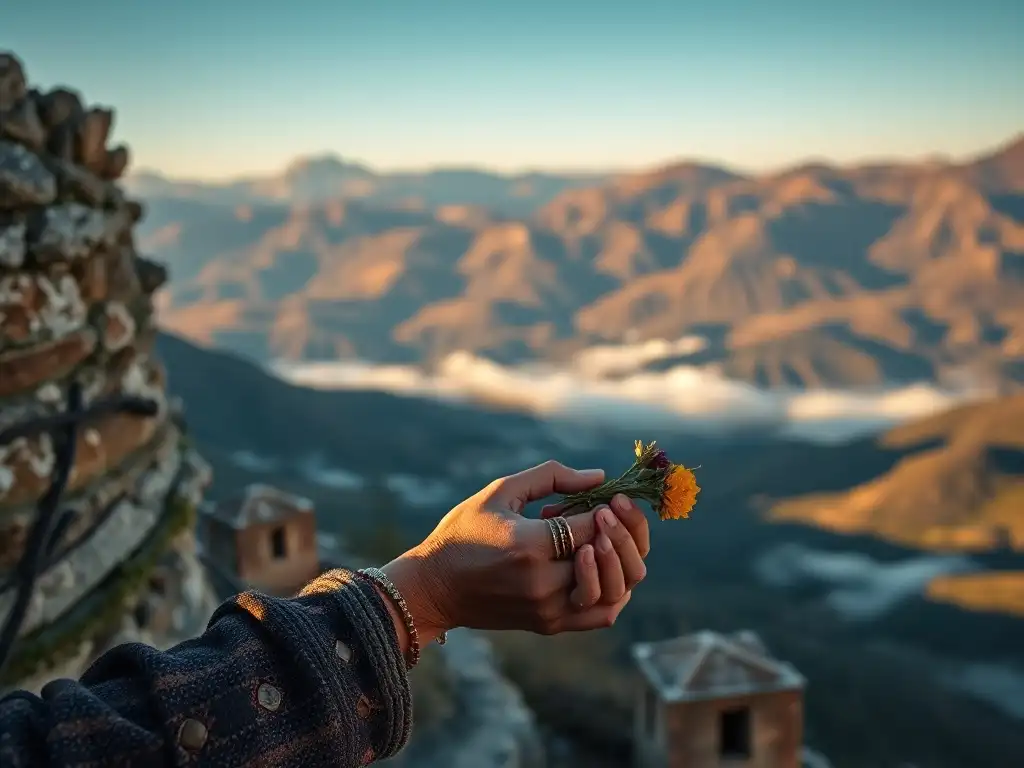
Step into a world lost to time, yet echoing with wisdom. For centuries, the Andes Mountains have held secrets whispered on the wind—secrets of a civilization that mastered not only monumental architecture but also sophisticated healing practices. Prepare to uncover the fascinating world of Andean healing practices, a journey into the ingenious methods and profound beliefs that shaped Andean medicine, and their surprising relevance to modern perspectives. Discover how ancient knowledge still holds the key to understanding health and well-being. Dare to delve deeper?
The Andes Mountains, a spine of towering peaks running down the western coast of South America, have been home to a rich tapestry of civilizations for millennia. From the sophisticated Inca Empire to the earlier cultures of the Moche, Nazca, and Tiahuanaco, these societies developed unique and complex systems of understanding the world, including sophisticated approaches to health and healing.
This article delves into the fascinating world of Andean medicine, exploring its core principles and examining how modern perspectives are re-evaluating and reinterpreting these ancient healing practices. We will uncover the enduring legacy of Andean healing traditions and their potential relevance in contemporary healthcare, exploring how these ancient techniques continue to inspire modern medical research and holistic wellness practices.
Understanding Andean healing practices offers a unique window into the interconnectedness of nature, spirituality, and human well-being, a perspective often overlooked in modern, Western medicine. This exploration is crucial for a more comprehensive understanding of human history and the diverse approaches to health and wellness across cultures.
Introduction to Traditional Andean Healing Systems
Andean healing systems weren't simply about treating illness; they were deeply intertwined with the spiritual and cosmological beliefs of the respective cultures. These systems viewed health as a state of harmony between the individual, their community, and the natural world. Illness, conversely, was seen as a disruption of this harmony, often attributed to imbalances in energy, spiritual forces, or transgressions against sacred principles. 1
Several key aspects characterized traditional Andean healing:
- Shamans and Healers: Highly respected figures in their communities, these individuals played a crucial role in diagnosing and treating illnesses. Their expertise encompassed herbal remedies, ritual practices, and spiritual healing techniques. Their knowledge was often passed down through generations, maintaining the continuity of these ancient traditions.
- Herbal Medicine: The Andes boast an incredible biodiversity, providing a vast array of plants with medicinal properties. Andean healers possessed an extensive knowledge of these plants, utilizing them to create remedies for various ailments. Specific plants and their applications varied across different regions and cultures, reflecting the unique ecological and cultural contexts.
- Ritual and Ceremony: Many healing practices were integrated with ritual and ceremony, aiming to restore balance and harmony. These rituals often involved offerings to deities, prayers, and the use of sacred objects. The spiritual dimension was an integral component of the healing process.
- Diagnosis and Treatment: Diagnoses were often based on observations of symptoms, combined with spiritual insights and interpretations of dreams or other signs. Treatment methods varied depending on the perceived cause of the illness, and could involve herbal remedies, physical manipulations, or spiritual interventions.
The Core Principles of Andean Medicinal Practices
The core principles underlying Andean medicinal practices revolved around several key concepts:
- Balance and Harmony: Maintaining a state of balance and harmony within the individual and between the individual and their environment was paramount. This included balancing the "hot" and "cold" aspects of the body and the environment, a concept found in many indigenous medical systems worldwide. Disruptions in this balance were believed to be the root cause of illness.
- The Importance of Nature: Nature played a central role in Andean healing. Plants, animals, and minerals were seen as sources of both healing and power. The knowledge of the medicinal properties of various natural substances was deeply embedded within the cultural traditions of Andean communities.
- Spiritual Dimension: The spiritual dimension was inseparable from the physical aspect of healing. Illness was often viewed as a consequence of spiritual imbalance or transgression. Shamans and healers played a crucial role in addressing these spiritual aspects through rituals and ceremonies.
- Holistic Approach: Andean healing practices adopted a holistic approach, considering the physical, emotional, and spiritual aspects of the individual. This integrated approach mirrors some aspects of modern holistic medicine, highlighting the interconnectedness of mind, body, and spirit in health and wellness.
1 Further research is needed to provide specific examples and data points for each sub-section. [Specific information pending]
Andean Herbal Remedies: A Deep Dive into Plant Medicine
Andean herbal remedies represent a cornerstone of traditional Andean healing practices. For centuries, the diverse and unique flora of the Andes Mountains has provided a rich source of medicinal plants used to treat a wide array of ailments. This deep-rooted knowledge, passed down through generations, forms a complex system of plant-based medicine that continues to fascinate and inspire modern researchers.
The effectiveness of these remedies is often attributed to the plants' bioactive compounds, many of which have been scientifically validated for their therapeutic properties. However, it's crucial to understand that the efficacy of these remedies is often intertwined with the spiritual and ritualistic aspects of Andean healing, creating a holistic approach to wellness.
The use of these remedies isn't simply about treating symptoms; it's about restoring balance and harmony within the individual and their environment. Modern scientific studies are increasingly exploring the potential of these plants, seeking to isolate active compounds and understand their mechanisms of action, while also acknowledging the importance of preserving traditional knowledge and practices.
Key Medicinal Plants Used in Andean Traditional Medicine
The Andean region boasts an incredible biodiversity, resulting in a vast pharmacopoeia. Some key medicinal plants used in Andean traditional medicine include the coca leaf (Erythroxylum coca), traditionally used as a stimulant, pain reliever, and for altitude sickness; mate de coca (Ilex paraguariensis), a stimulating and digestive aid; muña (Minthostachys species), known for its anti-inflammatory and digestive properties; and llantén (Plantago major), a common plant with wound-healing and anti-inflammatory properties.
Other important plants include various species of quinua (Chenopodium quinoa) and oca (Oxalis tuberosa), offering nutritional value and medicinal properties. This is not an exhaustive list, as numerous other plants are utilized depending on the specific community and the ailment being treated.
Detailed ethnobotanical studies are crucial for fully documenting the extensive knowledge surrounding the use of these plants. The knowledge of these plants and their uses is often held within specific communities, highlighting the importance of cultural preservation and respect for indigenous knowledge.
Preparation and Application of Andean Herbal Remedies
The preparation and application of Andean herbal remedies are often as intricate as the plants themselves. Remedies can range from simple infusions and decoctions to complex preparations involving multiple plants and other ingredients. Infusions, for example, involve steeping dried or fresh plant material in hot water, creating a tea-like beverage. Decoctions involve boiling the plant material in water for a longer period, extracting a more concentrated solution.
Other methods include the preparation of ointments, poultices, and tinctures, each with specific applications. The specific preparation method often depends on the desired effect and the plant being used. For instance, coca leaves might be chewed directly, brewed into a tea, or incorporated into other preparations.
The application of these remedies can also be varied, from oral ingestion to topical application, depending on the nature of the ailment. The precise methods often remain within the domain of experienced healers and practitioners, passed down through generations within families and communities. This knowledge forms a complex and valuable part of Andean cultural heritage.
Spiritual and Ritualistic Aspects of Andean Healing
Andean healing practices are deeply intertwined with spiritual and ritualistic beliefs, forming a holistic approach to health and well-being. The cosmovision, or worldview, of the Andes emphasizes the interconnectedness of all living things and the importance of maintaining balance and harmony within the individual, the community, and the natural world. Illness is often perceived as a disruption of this balance, caused by an imbalance of energies or the influence of malevolent forces.
Therefore, healing is not just about treating physical symptoms; it's about restoring this balance and harmony. Rituals, ceremonies, and prayers play a vital role in this process, helping to connect the individual with the spiritual world and facilitate healing. The use of sacred objects, such as specific stones or feathers, can also enhance the ritual's effectiveness.
Understanding these spiritual aspects is crucial for fully appreciating the complexity and effectiveness of Andean healing practices. This holistic approach contrasts with many modern Western medical approaches, which often focus primarily on the physical aspects of illness.
The Role of Shamans and Healers in Andean Communities
Shamans and healers play a central role in Andean communities, acting as intermediaries between the physical and spiritual worlds. These individuals possess extensive knowledge of medicinal plants, spiritual practices, and diagnostic techniques. Their role often extends beyond the purely medicinal, encompassing spiritual guidance, counseling, and community leadership.
Shamans are frequently involved in ceremonies aimed at restoring balance and harmony, often utilizing rituals, prayers, and the administration of herbal remedies. Healers may specialize in different areas, such as bone-setting, herbalism, or spiritual healing. The training of these healers is often passed down through generations, involving apprenticeships and rigorous learning processes.
The respect and trust placed in these individuals within their communities are essential to the effectiveness of their healing practices. Their knowledge is a vital part of the Andean cultural heritage and contributes significantly to the overall health and well-being of the communities they serve. Their role underscores the importance of integrating spiritual and physical approaches to healing.
Andean Cosmovision and its Influence on Health Practices
The Andean cosmovision, a complex worldview encompassing spiritual, social, and environmental perspectives, profoundly influences health practices. This worldview emphasizes the interconnectedness of all living things, seeing humans as an integral part of a larger ecosystem. Health is not viewed as simply the absence of disease but rather as a state of balance and harmony within this interconnected system.
Illness is often seen as a disruption of this balance, potentially caused by factors such as environmental imbalances, spiritual disturbances, or social conflicts. Therefore, healing practices aim to restore this balance through various means, including herbal remedies, spiritual rituals, and social interventions. The concept of ayni, a principle of reciprocity and mutual exchange, is also central to Andean health practices, emphasizing the importance of giving back to the community and the environment.
Understanding the Andean cosmovision is crucial for interpreting and appreciating the unique and holistic nature of Andean healing practices. This holistic perspective provides a valuable counterpoint to many Western medical approaches, which often focus more narrowly on biological mechanisms of disease.
Modern Scientific Research on Andean Healing Methods
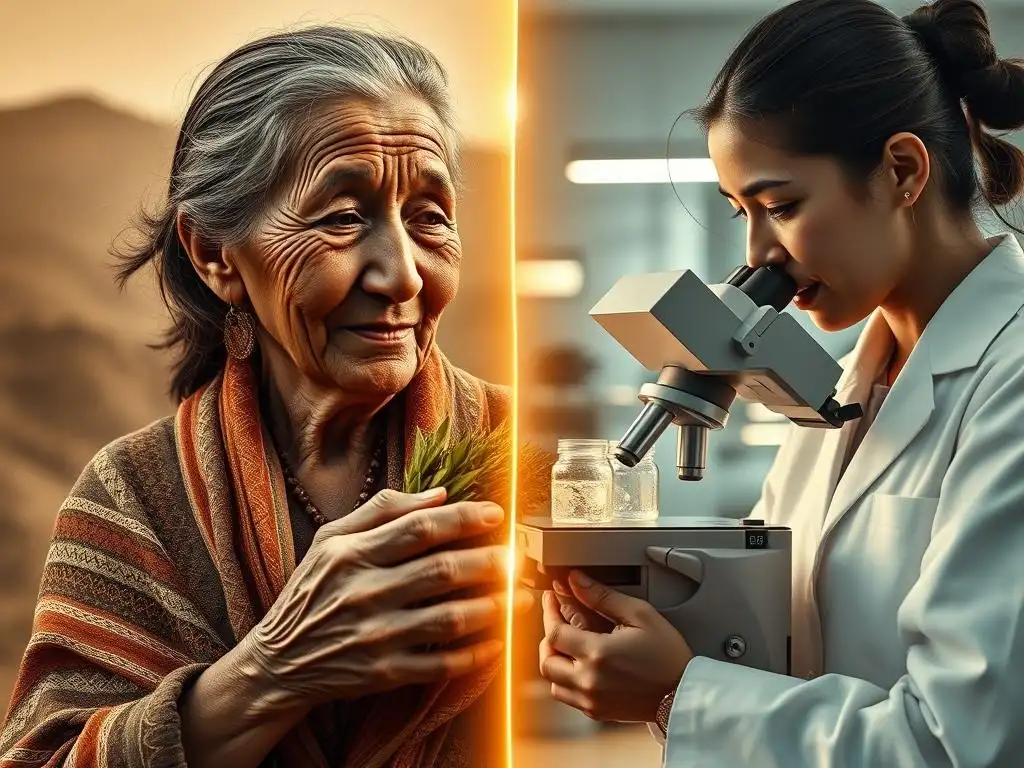
The resurgence of interest in Andean healing practices has spurred significant modern scientific research. Scientists are increasingly investigating the efficacy and mechanisms of action of traditional Andean remedies, moving beyond anecdotal evidence to rigorous scientific methodology. This research encompasses various disciplines, including botany, pharmacology, chemistry, and anthropology.
The aim is not only to validate traditional knowledge but also to identify potential new sources of medicine and therapeutic approaches. This interdisciplinary approach is crucial for understanding the complex interplay between the cultural context of Andean healing and its potential biomedical applications. For example, researchers are analyzing the chemical composition of plants used in traditional remedies to identify their active compounds and determine their pharmacological properties.
This process often involves comparing the results of laboratory analysis with traditional uses to understand the depth of the knowledge embedded in Andean healing traditions. This scientific scrutiny helps bridge the gap between traditional practice and modern medical understanding.
Studies on the Efficacy of Andean Medicinal Plants
Numerous studies focus on the efficacy of specific Andean medicinal plants. For instance, extensive research has been conducted on the medicinal properties of coca leaves, examining their potential applications in pain relief, altitude sickness mitigation, and even as a potential source of novel anesthetic compounds. Other studies delve into the therapeutic potential of plants used to treat gastrointestinal ailments, respiratory infections, and skin conditions.
These investigations often involve controlled clinical trials comparing the effectiveness of traditional remedies with conventional treatments. The results of these studies are not only crucial for validating the effectiveness of traditional Andean medicine but also for informing the development of new pharmaceuticals derived from Andean plants.
The meticulous documentation of traditional preparations and their effects is critical for ensuring the accuracy and reproducibility of scientific research. Furthermore, collaboration between traditional healers and modern scientists is vital for navigating the complexities of plant-based medicine and ensuring that research respects the cultural significance of these plants.
Integrating Traditional Andean Medicine with Modern Healthcare
Integrating traditional Andean medicine with modern healthcare systems presents both challenges and opportunities. One approach involves incorporating elements of traditional Andean healing into existing healthcare models, such as incorporating traditional practices alongside conventional treatments for specific conditions. This integrated approach can be beneficial for patients, offering a holistic approach to healthcare that combines the effectiveness of modern medicine with the cultural relevance and personalized aspects of traditional Andean healing.
However, such integration requires careful consideration of ethical and regulatory issues, including ensuring safety, efficacy, and cultural sensitivity. Successful integration requires collaboration between healthcare professionals, traditional healers, and researchers to develop culturally appropriate and scientifically sound approaches.
A key aspect is establishing clear guidelines and protocols for the safe and effective use of traditional Andean remedies. Furthermore, training healthcare professionals in traditional Andean medicine can facilitate better communication and understanding between patients and providers, leading to more effective and culturally sensitive care.
Challenges and Opportunities in Preserving Andean Healing Knowledge
The preservation of Andean healing knowledge faces significant challenges. The loss of traditional healers, the encroachment of modern medicine, and the pressures of globalization threaten the transmission of this invaluable knowledge across generations. However, there are also substantial opportunities for preserving and promoting this heritage. These include the documentation of traditional healing practices, the training of new generations of healers, and the promotion of research aimed at understanding and validating the effectiveness of traditional remedies.
The digital age offers new avenues for preserving and disseminating this knowledge, including the creation of online databases, educational resources, and virtual museums. However, careful attention must be paid to intellectual property rights and the need to protect the cultural heritage of Andean communities. Community-based initiatives and collaborations with traditional healers are essential for ensuring that the preservation efforts are culturally appropriate and sustainable.
Threats to Traditional Andean Medical Practices
Several factors threaten traditional Andean medical practices. The migration of younger generations to urban centers often leads to a decline in the transmission of knowledge to new generations. Furthermore, the dominance of Western medicine in many regions can lead to a devaluation of traditional practices and a decrease in their use. Economic pressures can also force traditional healers to abandon their practices in favor of more lucrative occupations. Environmental changes, such as deforestation and climate change, can also impact the availability of medicinal plants used in traditional remedies. Finally, the lack of formal recognition and regulation of traditional Andean medicine can create challenges in terms of accessibility, quality control, and integration with modern healthcare systems. Addressing these threats requires a multi-faceted approach that supports the livelihoods of traditional healers, promotes the preservation of medicinal plant resources, and integrates traditional practices into modern healthcare systems while respecting the cultural heritage involved.
Efforts to Document and Protect Andean Healing Heritage
Numerous organizations and individuals are working to document and protect Andean healing heritage. These efforts include conducting ethnographic research to document traditional healing practices, creating botanical gardens and seed banks to preserve medicinal plants, and developing educational programs to train new generations of healers. Furthermore, efforts are underway to establish legal frameworks that recognize and protect traditional knowledge and intellectual property rights.
Digital technologies are being used to create online databases and archives of traditional healing practices, making this knowledge more accessible to a wider audience. International collaborations are also essential for supporting these preservation efforts and promoting the exchange of knowledge between researchers, healers, and communities.
This collaborative approach is crucial to ensuring the long-term survival and sustainability of Andean healing traditions, while also ensuring that the cultural heritage of the Andean people is respected and protected. These collaborative efforts aim to preserve not just a set of medical practices, but a rich cultural heritage intertwined with the very identity of Andean communities.
The Relevance of Andean Healing Practices in Contemporary Society
Andean healing practices, with their deep roots in the intricate relationship between humans and nature, offer a compelling alternative or complement to conventional Western medicine. The holistic approach, emphasizing the interconnectedness of mind, body, and spirit, resonates strongly with contemporary society's growing interest in wellness and preventative healthcare. Many individuals today are seeking more personalized and integrated approaches to health, moving beyond a purely pharmaceutical model. This yearning for a more holistic perspective finds fertile ground in the ancient wisdom of Andean traditions.
The emphasis on natural remedies, derived from the abundant flora and fauna of the Andes, is particularly appealing in an era increasingly concerned about the side effects of synthetic drugs and the environmental impact of pharmaceutical production. The use of medicinal plants, for example, aligns with a growing global movement towards sustainable and eco-friendly healthcare solutions. Moreover, the focus on preventative care, inherent in many Andean practices, is a valuable lesson for modern societies often grappling with the high costs of treating chronic illnesses.
By emphasizing healthy lifestyles and spiritual well-being, Andean traditions offer a proactive approach to health maintenance that is increasingly relevant in our fast-paced, often stressful world. The integration of traditional Andean practices into contemporary healthcare systems is not just a matter of historical preservation, but a potential solution to several modern healthcare challenges.
Lessons from Andean Medicine for Holistic Wellness
Andean medicine offers valuable lessons for achieving holistic wellness in the 21st century. The concept of ayni, reciprocal exchange, is central to Andean cosmology and profoundly impacts their understanding of health. Maintaining balance and harmony within oneself and with the surrounding environment is crucial for well-being. This translates into a modern context by emphasizing the importance of mindful living, reducing stress, and fostering positive relationships. The integration of physical activity, healthy diet, and spiritual practices, all common threads in Andean traditions, contributes to a holistic approach to wellness.
Furthermore, the emphasis on community and social support within Andean healing systems provides a valuable model for modern healthcare. The involvement of family and community in the healing process underscores the importance of social connection and support networks in promoting mental and emotional well-being. This contrasts with the often individualistic approach of many Western medical systems.
By understanding and adapting these principles, individuals can cultivate a stronger sense of connection, resilience, and overall well-being, drawing inspiration from the centuries-old wisdom of Andean healing. The focus on spiritual well-being, interwoven with physical health in Andean traditions, provides a framework for a balanced and fulfilling life. This holistic perspective offers a potent antidote to the often fragmented and specialized nature of modern healthcare.
The Future of Andean Healing Traditions
The future of Andean healing traditions hinges on several crucial factors: preserving traditional knowledge, adapting practices to modern contexts, and fostering collaboration between traditional healers and modern healthcare professionals. The transmission of knowledge from elder healers to younger generations is paramount, ensuring the survival of these valuable practices. This requires initiatives to document, preserve, and educate future practitioners on these ancient techniques. Furthermore, research into the efficacy of traditional Andean remedies is vital for validating their use and potentially integrating them into mainstream healthcare. This requires a collaborative effort between traditional healers, scientists, and healthcare providers.
Another key aspect is navigating the challenges posed by globalization and modernization. While preserving authenticity is crucial, it's also important to adapt certain practices to meet the needs of contemporary society without compromising their core principles. This might involve combining traditional methods with modern diagnostic tools or integrating them into existing healthcare systems.
The careful balance between modernization and preservation is a critical aspect of ensuring the long-term survival and relevance of Andean healing traditions. The future success of these traditions depends on fostering a respectful and collaborative dialogue between different systems of knowledge, acknowledging the value of both ancient wisdom and modern scientific advancements.
Conclusion: Understanding the Enduring Legacy of Andean Healing Practices
Andean healing practices represent a rich tapestry of knowledge, deeply rooted in a profound understanding of the interconnectedness of humans, nature, and the cosmos. Their enduring relevance in contemporary society lies in their holistic approach, emphasis on natural remedies, and focus on preventative care. By understanding and appreciating these ancient traditions, we gain valuable insights into achieving holistic wellness and building more resilient and sustainable healthcare systems.
The lessons from Andean medicine, including the principles of ayni, community support, and spiritual well-being, offer a powerful antidote to the often fragmented and specialized nature of modern healthcare. The future preservation and integration of Andean healing practices requires collaboration, research, and a commitment to respecting and valuing the wisdom of these ancient traditions. The enduring legacy of Andean healing is not merely a historical curiosity; it is a vital resource for shaping a healthier and more balanced future.
- Introduction to Traditional Andean Healing Systems
- The Core Principles of Andean Medicinal Practices
- Andean Herbal Remedies: A Deep Dive into Plant Medicine
- Spiritual and Ritualistic Aspects of Andean Healing
- Modern Scientific Research on Andean Healing Methods
- Challenges and Opportunities in Preserving Andean Healing Knowledge
- The Relevance of Andean Healing Practices in Contemporary Society
- Conclusion: Understanding the Enduring Legacy of Andean Healing Practices
Frequently Asked Questions
What were some common Andean healing practices?
Andean healing practices were deeply intertwined with spiritual beliefs and nature. Common methods included herbal remedies, rituals, and the use of amulets and talismans to ward off illness.
How did Andean healers diagnose illnesses?
Diagnosis often involved spiritual divination, such as interpreting dreams or using coca leaves. Healers also observed physical symptoms and considered the patient's overall well-being within their community.
What role did plants play in Andean medicine?
Plants formed the foundation of Andean medicine. Herbal infusions, ointments, and other preparations were used to treat a wide range of ailments, with coca leaves holding a particularly significant role.
Are any ancient Andean healing practices still used today?
Yes, many traditional Andean healing practices continue to be practiced today, often integrated with modern medicine. These traditions are kept alive by healers and communities who value their ancestral knowledge.
How did the Incas contribute to Andean medicine?
The Inca Empire developed a sophisticated system of healthcare, including specialized healers and a network of hospitals. They also made advancements in surgical techniques and pharmacology, particularly with medicinal plants.
Final Reflection: The Enduring Legacy of Andean Healing
The wisdom embedded within Andean healing practices remains profoundly relevant today, offering a powerful counterpoint to the often impersonal nature of modern medicine. We've explored the intricate connection between nature, spirituality, and physical well-being that underpins these ancient traditions, highlighting their enduring capacity to address both physical and emotional ailments. This isn't simply a historical exploration; it's a call to rediscover a holistic approach to health that prioritizes balance and harmony.
The influence of Andean healing continues to ripple outwards, shaping contemporary approaches to holistic wellness and inspiring a renewed interest in plant-based medicine and spiritual practices. Its emphasis on preventative care and the interconnectedness of mind, body, and spirit resonates deeply with a growing global population seeking alternatives to conventional medicine. The earth provides all we need; we only need to learn how to receive it.
This sentiment, echoing through generations of Andean healers, speaks to a fundamental truth about our relationship with the natural world and our own inner selves.
Consider the profound implications of this ancient wisdom. How can you integrate the principles of balance and harmony into your own life? Perhaps it's through mindful movement, connecting with nature, or exploring the power of plant-based remedies. Embrace the opportunity to learn from these ancient traditions, to listen to the wisdom of the Andes, and to cultivate a deeper understanding of your own well-being. The path to holistic health is a journey, and the insights gleaned from Andean healing practices can be a powerful compass guiding you along the way.
Unveil the Secrets of Andean Healing Today!
Thank you for joining us on this journey through the rich landscape of Andean medicine. We hope you've uncovered valuable insights into how ancient healing practices continue to inform modern wellness approaches. Now, let's explore how you can further integrate these traditions into your life.
Here are some ways to deepen your connection with Andean healing:
- Participate in a hands-on herbalism workshop to learn about the traditional uses of Andean plants for health and well-being.
- Share this article with friends and family to encourage conversations about alternative and holistic healing methods.
- Explore reputable online resources and documentaries to further your understanding of Andean medicine and its cultural significance.
What new healing practice will you incorporate into your daily routine based on what you've learned today?