Current Issues and Perspectives

Explore the enduring legacy of Andean civilizations through cultural heritage and tourism 🏔️✨ Discover ancient cities, sacred landscapes, archaeological sites, traditional arts, and living customs connected to the Incas, Moche, Nazca, and Tiahuanaco. Learn how preservation, responsible travel, and local communities shape the future of these remarkable destinations while inspiring deeper appreciation for Andean history, identity, and innovation.
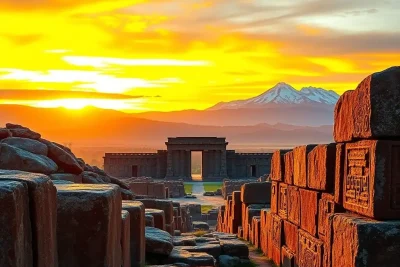
Discover how cultural heritage and tourism connect the ancient Andean world with contemporary communities across Peru, Bolivia, Ecuador, Chile, Colombia, and Argentina. This subcategory explores the preservation, interpretation, and responsible promotion of remarkable sites, traditions, landscapes, and material culture associated with the Inca, Moche, Nazca, Tiahuanaco, and other Andean civilizations. Readers will find historically grounded perspectives on archaeological tourism, UNESCO World Heritage, indigenous cultural identity, heritage conservation, museum interpretation, and the social and environmental challenges affecting important Andean destinations.
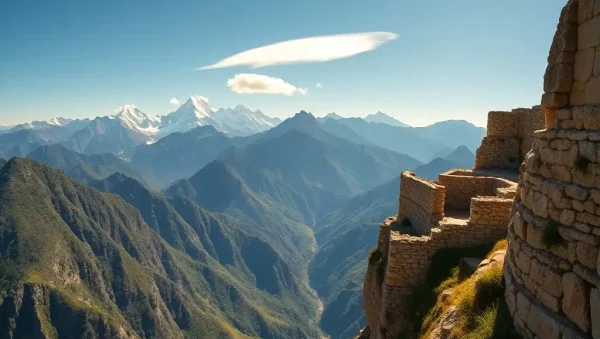
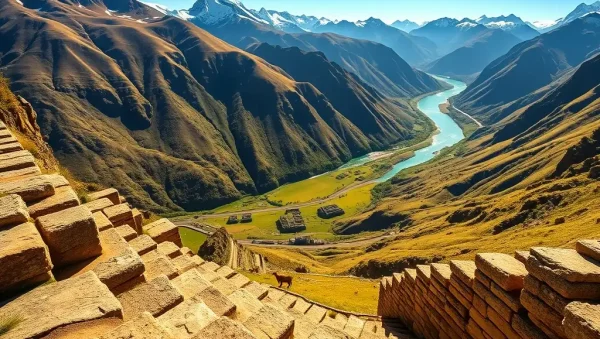
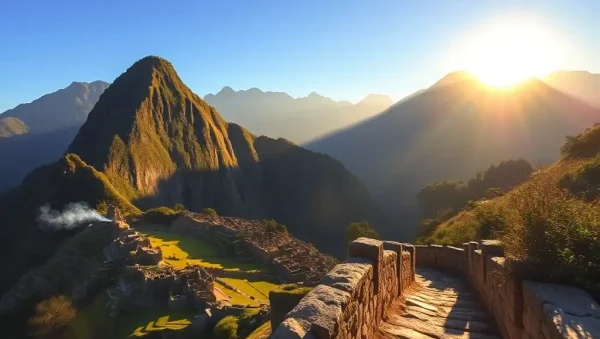
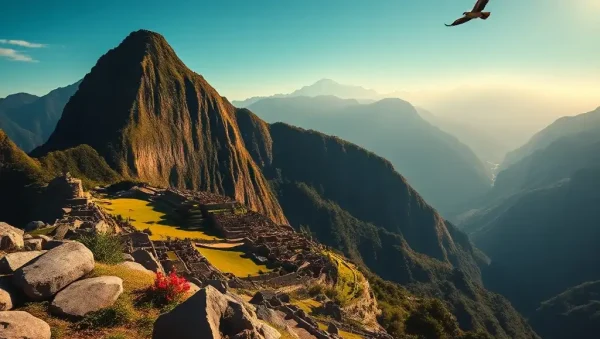
Explore the archaeological landscapes that make the Andes one of the world’s most significant cultural tourism regions. Articles may examine Machu Picchu, Cusco, the Sacred Valley, Chan Chan, the Nazca Lines, Tiwanaku, ceremonial centers, royal roads, temples, fortresses, and settlements shaped by sophisticated Andean societies. Each destination offers insight into ancient engineering, religious beliefs, political organization, agriculture, and artistic achievement.
This section also considers how visitors experience archaeological sites and how tourism can support research, local employment, and heritage education. Learn about visitor management, site protection, interpretation, accessibility, conservation rules, and the importance of traveling respectfully through fragile cultural landscapes.
Understand the methods used to protect ancient monuments, archaeological remains, textiles, ceramics, metalwork, murals, and sacred landscapes. Our content examines heritage conservation in the Andes, including preventive care, restoration, archaeological documentation, climate adaptation, disaster preparedness, and the protection of sites from looting, uncontrolled development, erosion, and excessive tourism.
Readers will also discover why conservation is more than repairing old buildings. Effective preservation involves local communities, archaeologists, historians, governments, museums, and indigenous organizations. It must respect the authenticity and cultural meaning of heritage while ensuring that future generations can study and appreciate these irreplaceable expressions of Andean history.
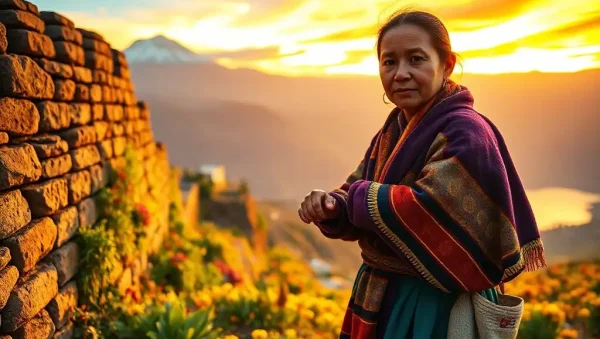
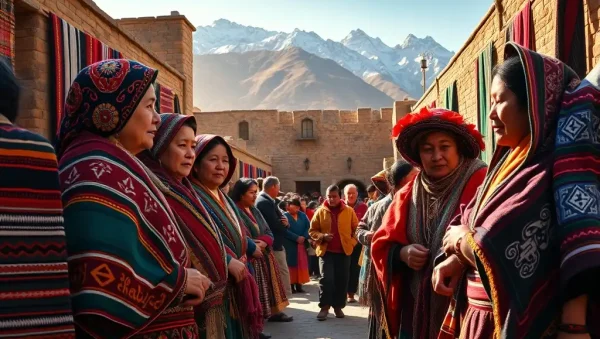
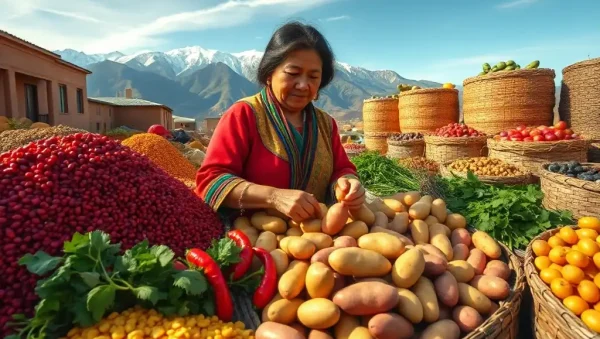
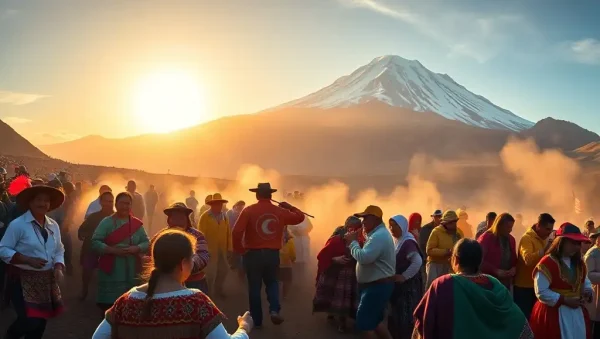
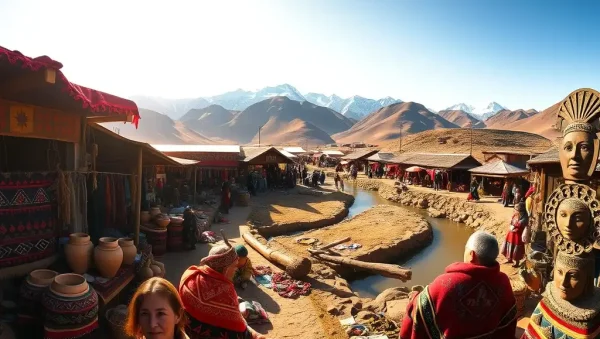
Andean heritage is not limited to monuments and artifacts; it continues through living languages, agricultural knowledge, music, dance, weaving, festivals, foodways, oral traditions, and spiritual practices. This section explores the role of Quechua, Aymara, and other Indigenous communities in maintaining cultural identity and transmitting ancestral knowledge across generations.
Articles highlight community-based tourism, cultural ownership, informed participation, and ethical representation. Readers can learn how tourism initiatives may strengthen local economies and cultural pride when communities lead decision-making, while also examining concerns about commercialization, cultural appropriation, unequal profits, and the misuse of sacred symbols or traditions.
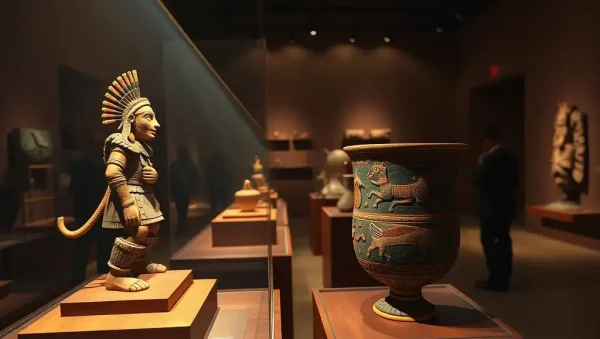
Discover how museums, archaeological collections, cultural centers, and heritage sites interpret the achievements of the ancient Andes. Topics may include Moche ceramics, Nazca pottery, Inca textiles, Tiahuanaco stonework, quipus, metal objects, agricultural tools, and ritual artifacts. These materials reveal the complexity of Andean art, technology, religion, trade, and social organization.
This section also addresses the responsibilities of museums and researchers. Ethical collecting, provenance research, repatriation, digital archives, and inclusive exhibitions are essential to presenting the past accurately. Readers will gain a deeper understanding of how interpretation can challenge outdated stereotypes and give greater visibility to Indigenous perspectives and archaeological evidence.
Learn how sustainable tourism can protect Andean heritage while creating meaningful experiences for visitors and lasting benefits for host communities. Responsible travel may include small-group visits, licensed local guides, conservation contributions, respect for site regulations, reduced environmental impact, and support for community-owned businesses. These practices help preserve archaeological sites, biodiversity, cultural landscapes, and local traditions.
We also examine major tourism challenges, including overcrowding, water consumption, waste management, carbon emissions, infrastructure pressure, and damage to fragile ruins. Sustainable cultural tourism requires long-term planning, transparent policies, visitor education, and cooperation between public institutions, private operators, conservation specialists, and local residents.
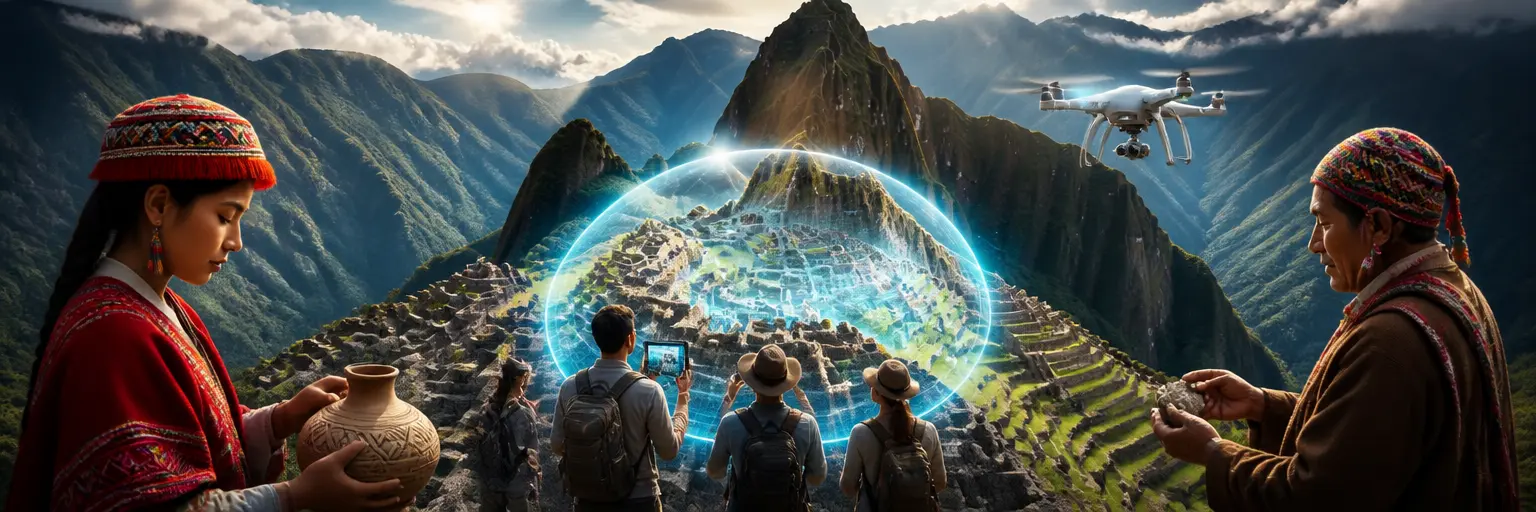
Cultural heritage tourism is shaped by contemporary debates about identity, politics, economics, technology, and cultural rights. This section explores heritage legislation, UNESCO recognition, archaeological ethics, tourism marketing, digital reconstruction, virtual tours, climate change, repatriation, and the impact of global travel on Andean communities and historic places.
Expect balanced perspectives that connect ancient civilizations with present-day realities. By examining both the opportunities and risks of tourism, this subcategory encourages informed discussion about who defines heritage, who benefits from tourism, how histories are represented, and how the Andes can be protected without separating heritage from the communities that continue to give it meaning.
Cultural heritage tourism involves visiting and learning about archaeological sites, historic places, museums, landscapes, traditions, arts, languages, and living cultural practices. In the Andes, it may include exploring Inca, Moche, Nazca, and Tiahuanaco heritage while engaging respectfully with contemporary Indigenous communities.
Preservation protects evidence of ancient knowledge, creativity, belief systems, and social organization. It also safeguards community identity, supports education and research, strengthens sustainable local economies, and ensures that future generations can experience the cultural legacy of the Andes.
Travelers should follow site regulations, avoid touching or climbing ruins, remain on designated paths, reduce waste, respect photography restrictions, hire qualified local guides, and purchase authentic products from community-based businesses. Visitors should also treat sacred places and cultural traditions with sensitivity.
Common threats include overcrowding, climate change, earthquakes, erosion, looting, illegal construction, pollution, inadequate conservation funding, and poorly managed tourism development. Strong heritage policies, scientific monitoring, community participation, and responsible visitor behavior are essential solutions.
Indigenous communities preserve languages, ceremonies, traditional ecological knowledge, crafts, oral histories, and sacred landscapes. Their participation improves conservation because they provide cultural knowledge, identify meaningful places, monitor local conditions, and help ensure that tourism respects community rights and priorities.