Current Issues and Perspectives

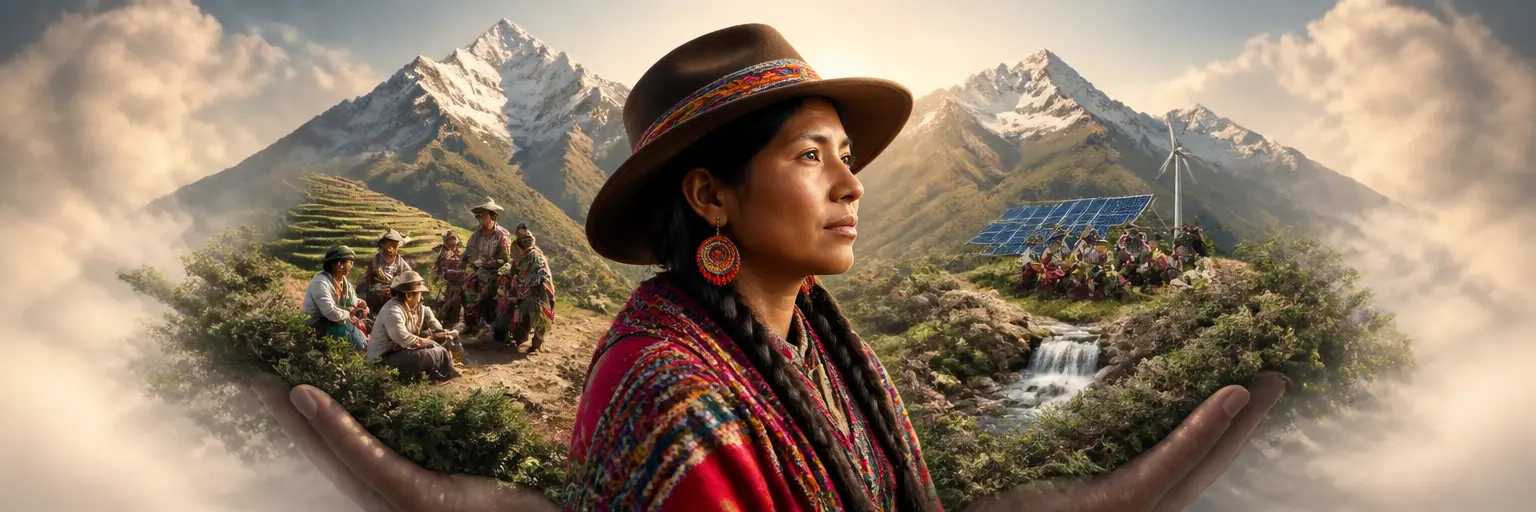
Discover how Indigenous communities shape the modern Andean world 🌎 through cultural preservation, environmental stewardship, community leadership, and social advocacy. Explore the enduring influence of Indigenous peoples across the Andes, from ancestral traditions and languages to contemporary efforts for land rights, education, sustainable development, and political representation. Learn how ancient knowledge continues to inspire solutions for today’s challenges while celebrating the resilience, identity, and diversity of Andean communities. Gain a deeper understanding of Indigenous perspectives and their vital role in shaping the future of the Andes.
Discover how Indigenous communities continue to shape the social, cultural, political, and environmental landscape of the Andes and beyond. This subcategory explores the contemporary experiences of Indigenous peoples connected to the cultural legacies of the Incas, Moche, Nazca, Tiahuanaco, and other Andean civilizations. Readers will find reliable perspectives on Indigenous rights, cultural identity, traditional knowledge, community leadership, language revitalization, and sustainable development across countries such as Peru, Bolivia, Ecuador, Chile, Colombia, and Argentina.
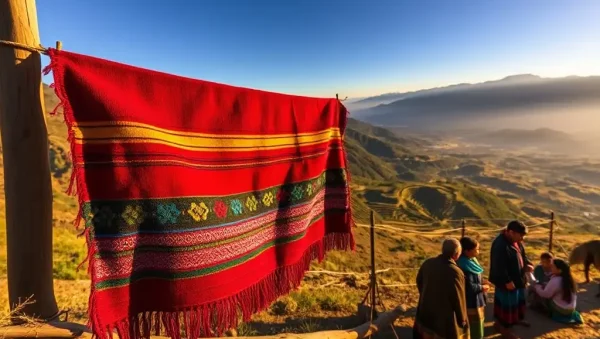
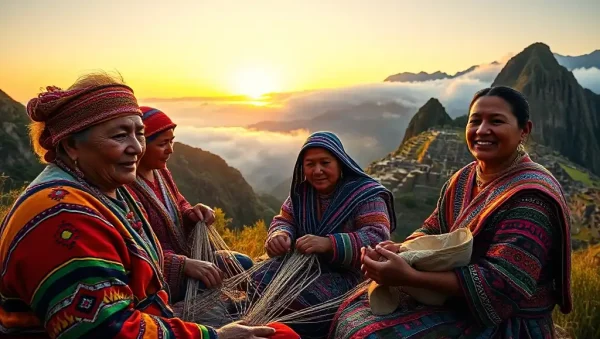
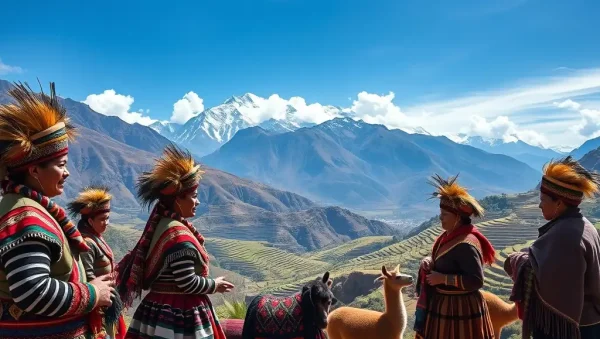
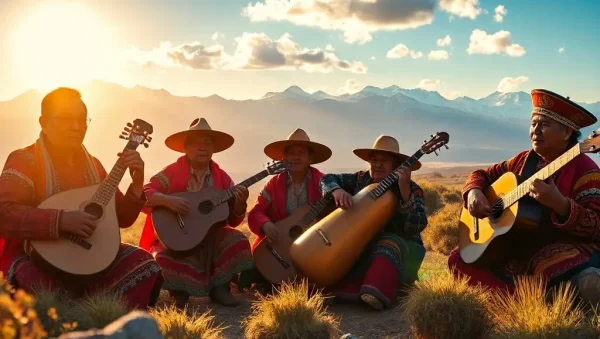
Learn how Indigenous communities preserve and reinterpret the traditions of ancient Andean civilizations in the modern world. Articles examine Andean identity, oral histories, festivals, music, textiles, foodways, spiritual beliefs, and community customs, showing how cultural heritage remains an active part of daily life rather than simply a subject of the past.
This section also considers the relationship between archaeological heritage and living communities. Explore how descendants of the Incas and other Andean peoples protect ancestral practices while responding to migration, globalization, tourism, education, and changing social conditions.
Explore the importance of Quechua, Aymara, and other Indigenous languages as essential expressions of Andean history and identity. Content in this section focuses on language preservation, bilingual education, oral tradition, community storytelling, and the recovery of Indigenous place names.
Readers can also discover how Indigenous knowledge systems contribute to agriculture, medicine, astronomy, environmental stewardship, and community decision-making. These perspectives demonstrate that ancestral knowledge remains valuable for understanding both Andean ecosystems and contemporary challenges.
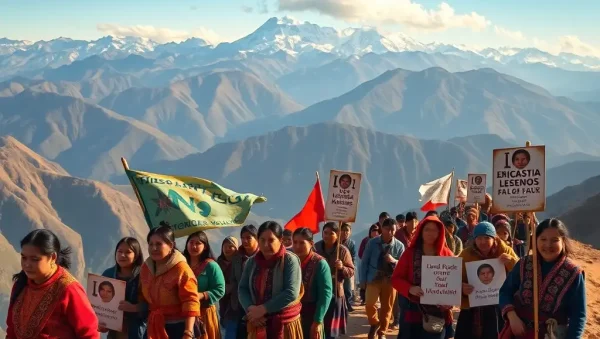
Understand the major political and social issues affecting Indigenous peoples in the Andes today. Topics may include land rights, cultural rights, political representation, collective autonomy, constitutional recognition, consultation, and legal protection under national and international frameworks.
This section presents the challenges and achievements of Indigenous movements seeking greater participation in public life. It highlights community organizations, Indigenous leaders, women’s leadership, youth activism, and efforts to ensure that development decisions respect local priorities and ancestral territories.
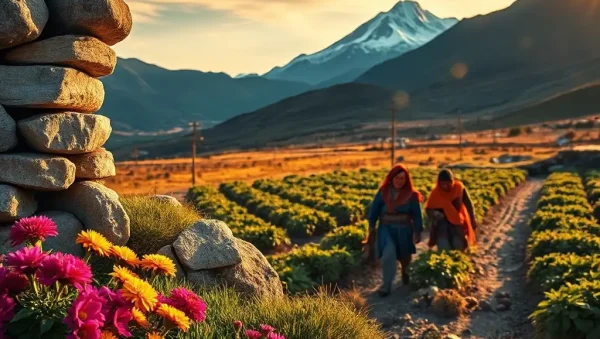
Discover how Indigenous communities help protect Andean mountains, wetlands, forests, rivers, and agricultural landscapes. Articles explore traditional ecological knowledge, biodiversity conservation, climate adaptation, water management, and sustainable farming in regions affected by environmental change.
Readers will gain insight into contemporary debates over mining, deforestation, infrastructure, tourism, and natural-resource management. Indigenous perspectives are especially important because many communities live in areas with significant ecological and cultural value.
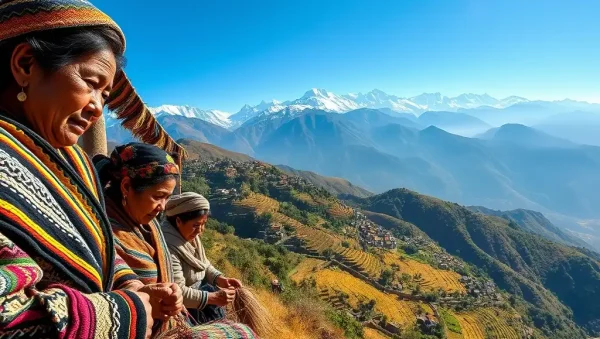
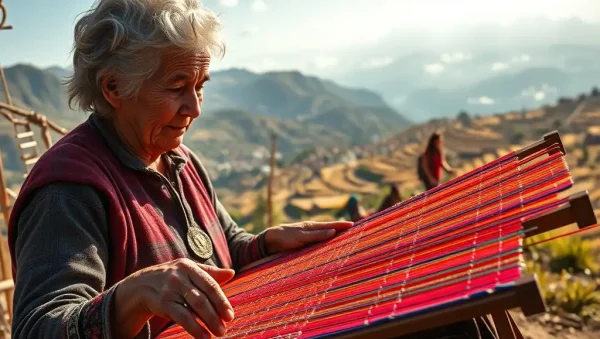
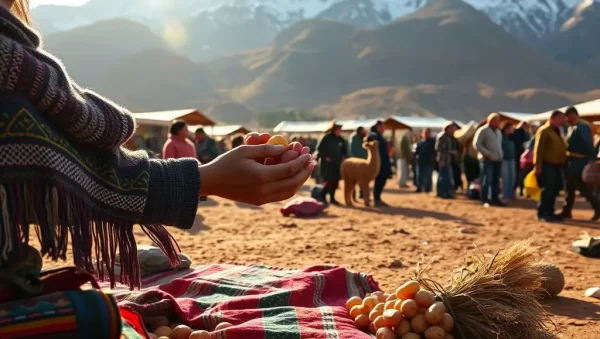
Explore the diverse economic activities that support Indigenous communities today, including agriculture, livestock raising, weaving, handicrafts, local markets, community-based tourism, and cultural enterprises. These topics reveal how traditional skills and modern innovation can work together to strengthen local livelihoods.
This section also examines the opportunities and risks associated with tourism and global commerce. Learn how ethical tourism, fair trade, cooperative organizations, and community control can help promote economic development while protecting cultural authenticity and environmental resources.
Understand how Indigenous communities are preparing younger generations to participate in a changing world while maintaining strong cultural connections. Articles address Indigenous education, intercultural learning, digital media, cultural transmission, and youth-led initiatives.
Readers can explore how young Indigenous people use technology, social networks, art, music, and activism to communicate community concerns. Their experiences offer important perspectives on the future of Andean culture, identity, social justice, and cultural preservation.
Indigenous communities play a vital role in preserving Andean languages, cultural traditions, agricultural knowledge, environmental practices, and collective identities. They also participate in politics, education, local economies, environmental protection, and cultural tourism.
Many contemporary Indigenous peoples are connected through cultural, linguistic, and regional continuities to ancient Andean societies. Quechua- and Aymara-speaking communities are especially associated with the broader legacy of the Inca, Tiahuanaco, and other Andean civilizations, although modern identities are diverse and should not be reduced to a single ancient culture.
Indigenous languages preserve unique histories, knowledge systems, place names, ecological insights, and cultural values. Supporting languages such as Quechua and Aymara strengthens cultural identity and helps ensure that traditional knowledge continues to be shared across generations.
Indigenous communities often use detailed knowledge of local landscapes, weather patterns, plants, animals, and water systems to manage natural resources sustainably. Their participation is essential in conservation projects, climate adaptation, biodiversity protection, and responsible management of ancestral territories.
People can support Indigenous communities by learning from reliable sources, respecting cultural protocols, purchasing ethically produced goods, choosing responsible community-based tourism, supporting language and education initiatives, and recognizing Indigenous rights. It is important to avoid stereotypes and to treat Indigenous peoples as contemporary communities with diverse voices and priorities.