
Atahualpa’s Story: Separating Fact from Legend in the Inca King's Life

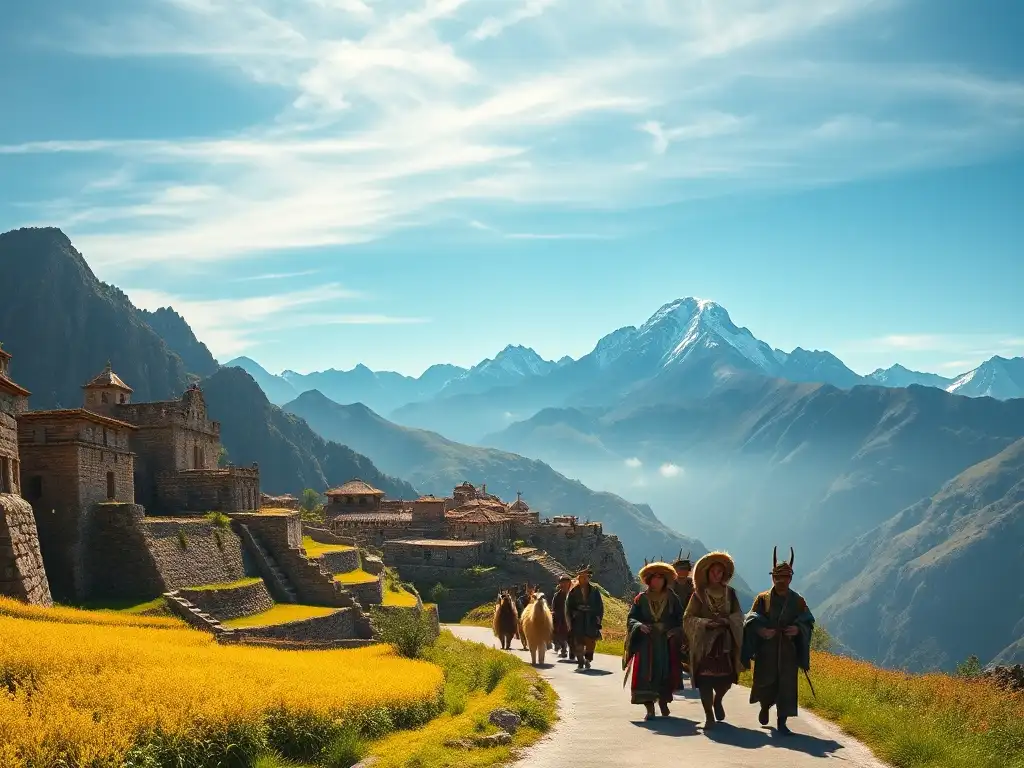
Welcome to Andean Civilizations, where the echoes of a lost world whisper secrets of ingenuity and power. Journey with us through the breathtaking tapestry of Andean history, art, and culture. But first, dare to unravel the enigma of Atahualpa Inca's reign; was his story a heroic tale, or a carefully constructed myth designed to obscure a brutal reality? Dive into the fascinating details of his life and the Spanish Conquest to discover the truth behind the legend.
The Inca Empire, a marvel of Andean civilization, reached its zenith under Huayna Capac, only to be tragically fractured by his death and the subsequent power struggle between his sons, Huáscar and Atahualpa. This article delves into the life of Atahualpa, the last Sapa Inca to rule an independent empire before the Spanish conquest.
We will explore the historical record, separating verifiable facts from the embellished narratives and legends that have grown around his name, aiming to provide a clearer picture of his reign and its impact on the trajectory of the Inca Empire. Understanding Atahualpa's reign is crucial to comprehending the complexities of the Spanish conquest and the dramatic downfall of this once-mighty civilization.
This exploration will focus on key aspects of his life, from his rise to power amidst civil war to his fateful encounter with Francisco Pizarro, ultimately addressing the keyword "Atahualpa Inca reign history" with accuracy and detail.
Atahualpa's Rise to Power: A Bloody Civil War
Atahualpa's ascension to the Inca throne wasn't a smooth transition. Following Huayna Capac's death (the cause of which remains debated amongst historians 1 ), a brutal civil war erupted between his sons, Huáscar and Atahualpa. Huáscar, initially declared successor, controlled the central and southern regions of the empire, while Atahualpa held sway in the north. This conflict, fueled by political maneuvering and vying for control of resources and power, devastated the Inca Empire, weakening it significantly before Pizarro even set foot on its shores. The war involved large-scale battles, strategic alliances, and considerable loss of life, leaving the empire fractured and vulnerable. Atahualpa, through a combination of military prowess and shrewd alliances, ultimately emerged victorious, capturing and executing Huáscar. This victory, however, came at a steep price – a weakened empire ripe for conquest. The internal strife significantly depleted the Inca army and treasury, and it sowed seeds of distrust among the populace.
The Cajamarca Encounter: Fact Versus Fiction
The infamous meeting at Cajamarca in 1532 is often shrouded in dramatic accounts. While many details are embellished, the core events remain chillingly clear. Atahualpa, confident in his power (perhaps overconfident given the recent civil war's toll), attended a meeting with Pizarro under a deceptive guise of peace.
What followed was a swift and brutal massacre, a classic example of Spanish military strategy exploiting technological and tactical advantages. The accounts vary on the exact number of Inca casualties, but the sheer disparity in weaponry and tactics resulted in a devastating defeat for the Inca army.
The capture of Atahualpa marked a pivotal moment, not just in his life, but in the history of the Inca Empire. The events at Cajamarca are often described as a betrayal, and while the Spanish deceit is undeniable, analyzing the context of the Inca's weakened state due to the recent civil war paints a more complex picture.
The Ransom and Atahualpa's Execution: A Legacy of Controversy
Following his capture, Atahualpa offered an immense ransom of gold and silver to secure his release. This legendary ransom, while historically documented, is often exaggerated in popular accounts. While the quantity was undoubtedly substantial, the exact figures remain debated among historians. Despite fulfilling his side of the bargain, Atahualpa was ultimately executed by Pizarro and his men.
The reasons given for his execution varied, ranging from accusations of plotting rebellion to the simple expediency of eliminating a powerful leader. The execution of Atahualpa marked the effective end of the Inca Empire's independence, paving the way for Spanish colonization and the subsequent cultural and societal upheaval. The story of the ransom and execution continues to fuel debate and discussion, highlighting the complexities of historical interpretation.
Atahualpa's Legacy: A Lasting Impact on Andean History
Despite his relatively short reign as Sapa Inca, Atahualpa's impact on Andean history is undeniable. His life, marked by both triumph and tragedy, serves as a crucial turning point. His reign, though cut short, provides valuable insights into the Inca political system, military strategies, and societal structures. The legacy of Atahualpa extends beyond the immediate consequences of the Spanish conquest.
He became a symbol of resistance and a figurehead in narratives of Inca resilience. Studying his story allows us to better understand the complexities of the Inca Empire and the devastating impact of the Spanish conquest. The ongoing debates surrounding his life and reign underscore the importance of critically analyzing historical sources and separating fact from fiction to gain a truly nuanced understanding of this pivotal figure in Andean history.
1 Further research is needed to definitively determine the cause of Huayna Capac's death. Several theories exist, but no single conclusion has gained universal acceptance among historians.
- Atahualpa's Rise to Power: A Bloody Civil War
- The Cajamarca Encounter: Fact Versus Fiction
- The Ransom and Atahualpa's Execution: A Legacy of Controversy
- Atahualpa's Legacy: A Lasting Impact on Andean History
The Early Life of Atahualpa: Before the Inca Throne

This section delves into the formative years of Atahualpa, exploring his upbringing and the events that shaped his character before his ascension to the Inca throne. Understanding this period is crucial for separating fact from the legendary narratives that often overshadow his actual reign. The available historical accounts, while sometimes contradictory, offer glimpses into a life marked by both privilege and political intrigue.
The scarcity of primary sources necessitates a careful examination of secondary interpretations, always acknowledging the limitations imposed by the historical record. We will focus on the most credible information available, highlighting the areas where certainty is high and acknowledging the areas where speculation remains. The aim is to present a balanced perspective, emphasizing verifiable information while acknowledging the persistent gaps in our understanding of Atahualpa's early life.
Atahualpa's Birth and Family Lineage
Atahualpa's birthdate remains uncertain, with estimations ranging within a few years around 1500 CE. He was born into the Inca royal family, a son of Huayna Capac, the powerful Sapa Inca (emperor) who ruled over a vast empire stretching along the Andes Mountains. His mother's identity is less clear; various accounts suggest different noble women as his mother, complicating the precise details of his lineage. 1 This uncertainty highlights the challenges faced by historians when trying to reconstruct the lives of individuals from pre-Columbian societies, which lacked the extensive written documentation of European cultures. However, his royal bloodline is undisputed, placing him firmly within the line of succession, albeit not initially as the heir apparent. His birth, in itself, marked a significant event within the Inca court, adding another potential contender to the already complex power dynamics amongst Huayna Capac’s offspring. The precise location of his birth also remains a point of debate amongst scholars, with several locations in the Inca heartland proposed. Further research is needed to definitively resolve this question.
The Inca Civil War: Atahualpa vs. Huáscar
The death of Huayna Capac in 1527 CE – the cause itself a subject of debate, with some attributing it to a naturally occurring illness and others suggesting foul play – triggered a devastating civil war between his sons, Atahualpa and Huáscar. Huáscar, initially designated as the successor, faced a challenge from Atahualpa, who controlled the northern provinces of the empire. This conflict, brutal and protracted, tore the Inca empire apart, weakening it significantly just as the Spanish conquistadors arrived. The war was not simply a struggle for power but also a clash of different regional interests and loyalties.
Atahualpa, with his military prowess and strategic alliances, gradually gained the upper hand. The conflict involved numerous battles, sieges, and shifting alliances, reshaping the political landscape of the Inca world. It dramatically altered the balance of power within the empire, leaving it vulnerable to external threats.
The war's impact extended beyond the battlefield, disrupting trade, agriculture, and social structures, leaving the Inca empire deeply fractured and ripe for conquest. The outcome of this war directly contributed to the ease with which Pizarro and his relatively small force were able to conquer such a vast and powerful empire. The legacy of this conflict continues to resonate in Andean history, serving as a crucial turning point in the region's trajectory.
1 Further research is needed to definitively establish Atahualpa's maternal lineage. Available sources offer conflicting accounts, highlighting the limitations of our understanding of Inca social structures.
Atahualpa's Rise to Power: Consolidating the Inca Empire
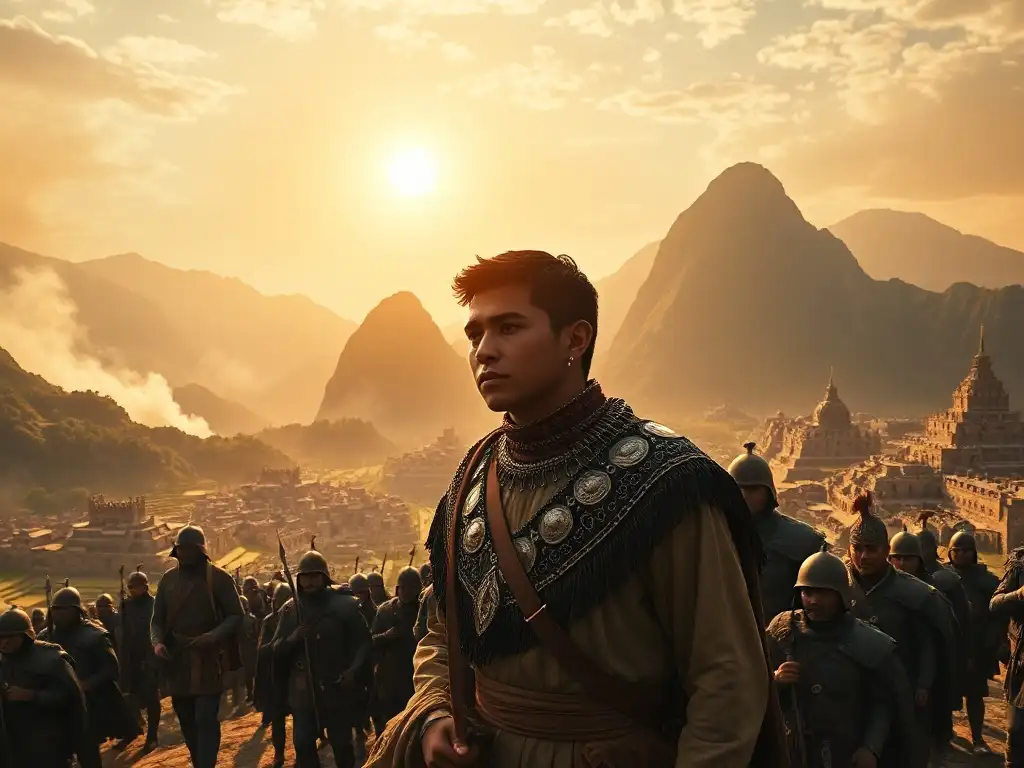
Atahualpa's ascension to the Inca throne wasn't a straightforward succession. His father, Huayna Capac, the powerful Sapa Inca, died unexpectedly during an epidemic, leaving a power vacuum and triggering a brutal civil war. This period, crucial for understanding Atahualpa's later reign and his eventual capture by Pizarro, highlights the complexities of Inca succession and the fierce competition for control of the vast empire. The "Atahualpa Inca reign history" is inextricably linked to this turbulent beginning.
The Battle for the Inca Throne: Atahualpa's Military Campaigns
The death of Huayna Capac plunged the Inca Empire into chaos. Huascar, the elder son, was initially declared successor, but Atahualpa, a younger but more militarily inclined son, challenged this claim. Atahualpa, leveraging his strong military support and charismatic leadership, launched a series of campaigns aimed at seizing control. These weren't mere skirmishes; they involved large-scale battles, mobilizing significant portions of the Inca army. The conflict was brutal, marked by strategic maneuvers, sieges, and significant bloodshed, tearing the empire apart.
Atahualpa's military prowess was instrumental in his victory, shaping the narrative of his "Atahualpa Inca reign history." Detailed accounts of specific battles, unfortunately, remain fragmented, requiring further research to fully reconstruct the military strategies employed. [Specific battle details pending]. However, we know that Atahualpa's strategic skill, combined with his ability to inspire loyalty among his troops, proved decisive.
Atahualpa's Victory and Control of the Inca Territory
Atahualpa's military campaigns culminated in his decisive victory over Huascar's forces. The exact location and details of the final, decisive battle remain a subject of scholarly debate, but the outcome was undeniable. Huascar was captured and subsequently executed, paving the way for Atahualpa's undisputed rule. The consolidation of power, however, wasn't immediate.
Atahualpa faced the monumental task of unifying a fractured empire, suppressing rebellions, and restoring order after years of intense civil strife. His reign, therefore, began not with peaceful succession, but with the violent consolidation of power, significantly impacting the course of his "Atahualpa Inca reign history." He had to implement effective administrative measures to re-establish control over the vast territories, manage resources effectively, and rebuild infrastructure damaged during the civil war. This period of consolidation laid the foundation for his subsequent policies and actions.
Atahualpa's Reign: Initial Actions and Policies
Following his victory, Atahualpa initiated several key policies aimed at consolidating his power and restoring stability to the empire. He focused on rebuilding infrastructure, reorganizing the administrative system, and implementing policies to address the economic consequences of the civil war. While specific details of these early policies are scarce, historical accounts suggest a focus on restoring agricultural production, trade routes, and the overall economic well-being of the empire.
His "Atahualpa Inca reign history" shows a ruler who prioritized pragmatic solutions to address the immediate challenges facing his newly unified kingdom. He likely implemented new tax systems, reorganized the mita system (labor tribute), and may have instituted reforms to strengthen the central authority. Unfortunately, the brevity of his reign, tragically cut short by the Spanish conquest, prevents a full understanding of the long-term impact of his policies.
Further research into Inca administrative records, if any survive, is necessary to gain a more comprehensive understanding of these critical initial years of Atahualpa's rule. The limited time frame of his reign, however, makes it difficult to assess the lasting effects of his initial actions and policies. Nonetheless, they were undoubtedly crucial in shaping the state of the Inca Empire at the time of the Spanish arrival.
The Arrival of the Spanish: A Turning Point for Atahualpa
The arrival of Francisco Pizarro and his conquistadors marked a dramatic turning point in the Atahualpa Inca reign history. Prior to 1532, Atahualpa had secured his position as Sapa Inca following a brutal civil war against his half-brother Huáscar. This internal conflict significantly weakened the Inca Empire, leaving it vulnerable to external threats.
The Spanish, arriving with superior weaponry and a devastating disease – smallpox – unwittingly exploited this fragility. Atahualpa's reign, initially characterized by consolidation of power and expansion, was abruptly and tragically altered by this unforeseen intrusion. The ensuing events dramatically reshaped the course of Andean history, leading to the collapse of the Inca Empire and the beginning of the Spanish colonial era.
Understanding this context is crucial to analyzing Atahualpa's reign and separating historical fact from the myths that have since surrounded his life and death. The impact of the Spanish arrival on the Inca Empire's social, political, and economic structures was profound and long-lasting.
Francisco Pizarro's Expedition to the Inca Empire
Pizarro's expedition, though relatively small in number, possessed a significant advantage: superior weaponry and tactics. They utilized firearms, steel swords, and horses – all unknown to the Inca. This technological disparity, coupled with the devastating effects of smallpox which had already decimated the Inca population, gave the Spanish a decisive edge.
Pizarro's meticulous planning and his understanding of Inca internal divisions also played a crucial role. He leveraged the existing tensions and power struggles within the Inca Empire, exploiting them to his advantage. His expedition was not a random act of conquest, but a carefully calculated strategy based on intelligence gathering and the exploitation of pre-existing weaknesses within the Inca societal structure.
The precise details of Pizarro's planning, including the intelligence gathering process and the specific strategies employed, remain areas requiring further historical research to fully illuminate the Atahualpa Inca reign history during this period. However, what is clear is that the Spanish were not merely lucky; their success was a result of a combination of factors, including superior weaponry, disease, and strategic planning.
The First Encounter: Atahualpa and the Spanish Conquistadors
The first encounter between Atahualpa and Pizarro's forces at Cajamarca remains a subject of intense historical debate. While accounts vary, it's generally agreed that the Inca were initially surprised by the Spanish tactics. Atahualpa, confident in his army's strength and unaware of the true nature of the Spanish weaponry, seemingly underestimated the threat.
The Spanish ambush, utilizing superior firepower and cavalry charges, decisively routed the vastly larger Inca army. This initial battle was not a fair fight; it was a carefully orchestrated massacre, highlighting the devastating impact of technological superiority on a civilization lacking comparable defensive capabilities. The descriptions of the encounter highlight the chaotic nature of the battle, with accounts varying on the precise number of casualties on both sides.
However, the overwhelming victory for the Spanish is undeniable, setting the stage for Atahualpa's capture and the subsequent downfall of the Inca Empire. Further research is needed to fully reconcile the conflicting accounts and create a more complete picture of this pivotal moment in Atahualpa Inca reign history.
The Capture of Atahualpa: A Pivotal Moment
The capture of Atahualpa at Cajamarca marked a turning point not only in his reign but also in the history of the Inca Empire. Imprisoned by Pizarro, Atahualpa initially attempted to negotiate his release, offering a massive ransom in gold and silver. This act, while demonstrating Atahualpa’s understanding of the Spanish value system, ultimately sealed his fate.
The immense wealth accumulated by the Inca, displayed in the ransom, only served to further entice the Spanish and fueled their greed. Despite fulfilling his promise, Atahualpa was ultimately executed, a decision fueled by Spanish ambitions for control and the desire to eliminate a powerful figurehead who could potentially inspire resistance. The execution of Atahualpa, despite the vast ransom paid, underscores the brutality and ruthlessness of the Spanish conquest.
This event solidified Spanish control over a significant portion of the Inca Empire and paved the way for the establishment of Spanish colonial rule in the Andes. The circumstances surrounding Atahualpa's death, including the charges against him and the motives of his captors, continue to be debated by historians, leaving room for further examination within the context of Atahualpa Inca reign history.
Atahualpa's Imprisonment and the Ransom of Gold
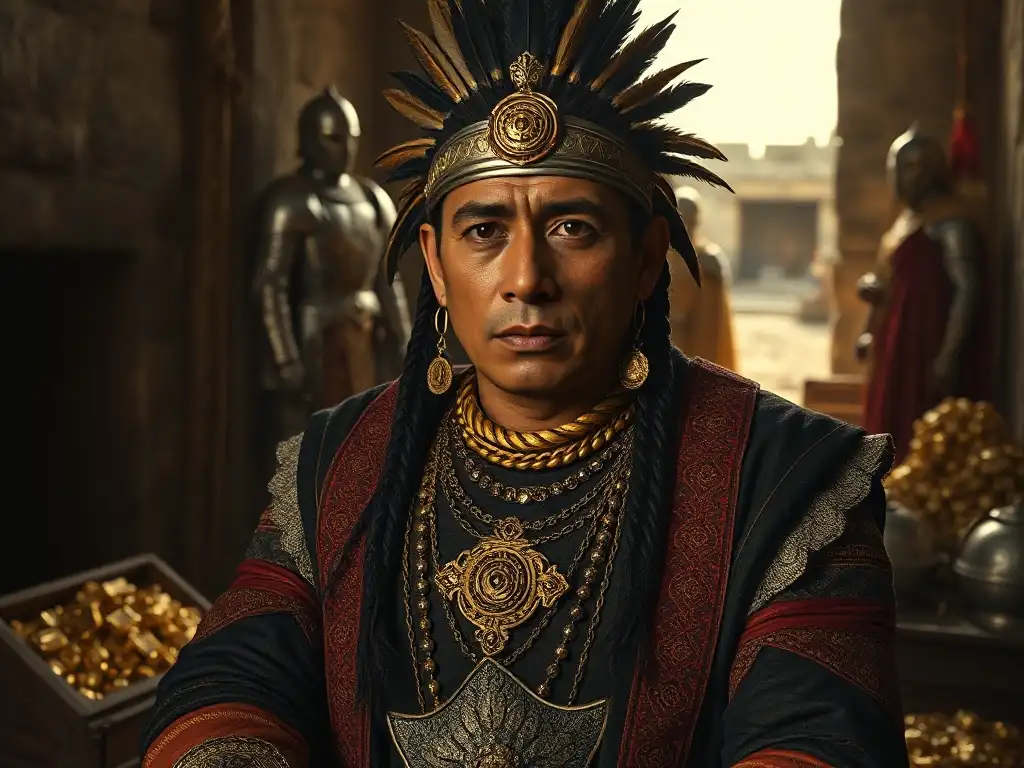
This section delves into the critical period of Atahualpa's life following his capture by Francisco Pizarro in Cajamarca. We will examine the conditions of his imprisonment and the infamous ransom deal, separating historical accounts from the embellishments that have grown around this pivotal moment in Inca and Spanish history. The keyword phrase "Atahualpa Inca reign history" will be naturally woven into the narrative, highlighting the impact of this tumultuous period on the trajectory of the Inca empire.
Atahualpa in Captivity: Life as a Prisoner
Following the infamous ambush at Cajamarca in 1532, Atahualpa, the Sapa Inca, found himself a prisoner of the Spanish conquistadors. His initial confinement was reportedly in a modest building, though accounts vary. The level of comfort afforded to him is debated by historians; some suggest relatively humane treatment, considering the circumstances, while others paint a picture of harsh confinement designed to break the Inca ruler's spirit.
Regardless of the exact conditions, Atahualpa's captivity represented a profound shift in power dynamics, marking the beginning of the end for the Inca Empire. The psychological impact of his imprisonment, coupled with the ensuing political turmoil within the Inca state, significantly hampered any organized resistance against the Spanish. His initial attempts to negotiate with Pizarro were met with calculated ambiguity, setting the stage for the infamous gold ransom agreement.
The sheer scale of the gold and silver demanded demonstrates the Spanish's early understanding of the Inca's wealth and their ruthless exploitation of it. We can see here the beginning of the end of the Atahualpa Inca reign history, a period defined by Spanish aggression and Inca vulnerability.
The Inca Gold Ransom: A Desperate Attempt to Secure Freedom
Faced with imprisonment and the threat of execution, Atahualpa proposed a staggering ransom: a room filled with gold to the height of his outstretched arm, and a second room twice as large filled with silver. This audacious offer, while demonstrating the Inca's vast wealth in gold and silver, also highlights Atahualpa's political acumen. He was attempting to buy his freedom, hoping to regain control and rally his people against the Spanish.
The sheer scale of the ransom—an amount that would translate to billions of dollars today—illustrates the unimaginable riches accumulated by the Inca Empire throughout its reign. The collection of this ransom involved a widespread mobilization of Inca resources and manpower, showcasing the empire's organizational capabilities even under duress. However, this act of desperation ultimately proved futile, highlighting the inherent power imbalance between the technologically superior Spanish and the Inca Empire.
The gathering of this immense wealth is a crucial aspect of Atahualpa Inca reign history, representing both the empire's strength and its eventual downfall. The detailed accounts of the ransom's collection, meticulously recorded by Spanish chroniclers, offer valuable insights into Inca society and economy. Historians continue to debate the precise value and the ultimate fate of this immense treasure.
The Broken Promise: The Spanish Betrayal
Despite fulfilling his side of the bargain, Atahualpa was not released. Pizarro, having secured an unimaginable fortune, found a pretext to execute the Inca ruler. Accusations of plotting rebellion and inciting unrest amongst the Inca population served as a convenient justification for the Spanish. The execution of Atahualpa, despite the ransom agreement, stands as a stark example of Spanish treachery and the brutal realities of the conquest.
This act of betrayal irrevocably altered the course of Atahualpa Inca reign history, effectively dismantling the Inca leadership and paving the way for the complete subjugation of the empire. The events surrounding Atahualpa's death remain a subject of intense scholarly debate, with historians analyzing the various accounts and motivations behind the Spanish decision. The consequences of this betrayal resonated deeply throughout the Andean region, shaping the future trajectory of the Inca people and the legacy of the Spanish conquest.
Atahualpa's Trial and Execution: The End of an Era
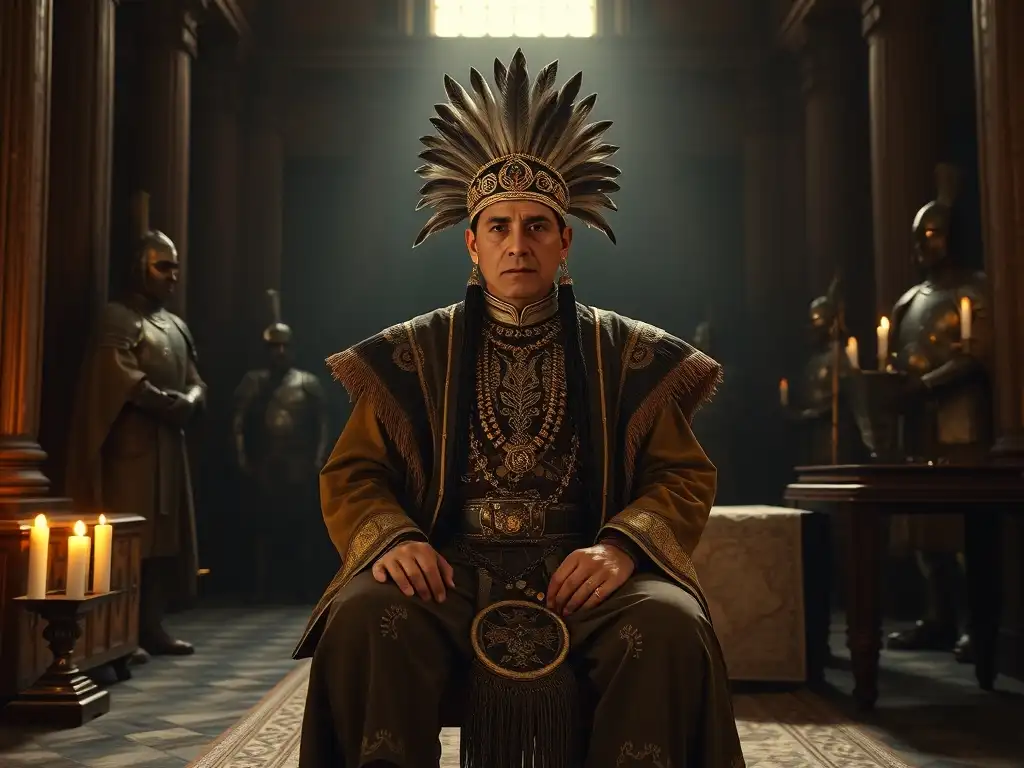
The trial and subsequent execution of Atahualpa Inca remain a deeply controversial topic in the study of the Spanish Conquest. While often portrayed as a swift and brutal act, a closer examination reveals a complex legal and political maneuver by Francisco Pizarro, designed to legitimize the seizure of the Inca Empire.
Understanding the nuances of Atahualpa's trial is crucial to disentangling the historical reality from the myths surrounding his reign and demise. The events surrounding his capture, imprisonment, and eventual execution significantly shaped the trajectory of the Inca Empire and the subsequent colonial period, influencing the narrative of "Atahualpa Inca reign history" for centuries.
The Charges Against Atahualpa: A Justification for Execution
The charges levied against Atahualpa by Pizarro were a carefully constructed narrative intended to justify the Spanish conquest and the Inca Emperor's execution. The accusations ranged from accusations of fratricide (the killing of his half-brother Huáscar) to charges of idolatry and rebellion against the Spanish Crown. These charges, however, lacked the objectivity and due process expected in a fair trial.
Pizarro, and his men, cleverly manipulated existing Inca societal structures and power dynamics to their advantage. The Inca Empire, while powerful, was internally fractured following a civil war between Atahualpa and Huáscar. This internal strife provided the perfect opportunity for Pizarro to exploit the situation and present himself as a legitimate authority capable of restoring order. The evidence presented against Atahualpa was largely circumstantial and based on the testimony of individuals who were either coerced or had vested interests in the Spanish cause. The lack of impartial judges and the absence of a recognized legal framework further undermined the legitimacy of the proceedings. Ultimately, the "trial" served as a political tool rather than a genuine pursuit of justice. The specific details of the accusations, often conflicting and exaggerated, underscore the manipulative nature of the process, reinforcing the narrative of "Atahualpa Inca reign history" as one of Spanish conquest and manipulation.
Atahualpa's Death: The End of the Inca Emperor
Atahualpa's execution, carried out by garrote in July 1533, marked a turning point in the Spanish conquest. Despite the immense ransom paid in gold and silver – a sum that still astounds historians – Pizarro ultimately chose to execute the Inca emperor. Several explanations exist for this decision, ranging from the fear of a future rebellion to the desire to eliminate a powerful symbol of Inca resistance.
Some historians suggest that the execution was a pragmatic decision, aiming to permanently destabilize the Inca Empire and prevent any organized opposition to Spanish rule. Others believe that Pizarro's greed and ambition played a major role, leading him to believe that eliminating Atahualpa would solidify Spanish control over the vast Inca territories. The execution itself was far from a simple event.
Accounts of the event often vary, highlighting the subjective nature of historical accounts and the complexities of interpreting the narrative of "Atahualpa Inca reign history". The exact circumstances surrounding his death, including the details of the garrote itself, remain subjects of ongoing historical debate.
The Aftermath of Atahualpa's Execution and Its Impact
The aftermath of Atahualpa's execution profoundly shaped the course of the Inca Empire and the subsequent colonial period. His death created a power vacuum, leaving the Inca Empire vulnerable to Spanish exploitation. The Inca social structure, already weakened by the civil war, crumbled further under Spanish rule. This marked a significant turning point in "Atahualpa Inca reign history," signaling the beginning of the end for the Inca Empire.
The execution not only removed a powerful leader but also served as a powerful symbol of Spanish dominance, instilling fear and discouraging any widespread resistance. The subsequent Spanish actions, including the installation of puppet rulers and the systematic dismantling of Inca institutions, were directly influenced by the events surrounding Atahualpa's death. The legacy of his execution continues to shape discussions surrounding colonialism, cultural destruction, and the interpretation of historical events, especially regarding the complexities of "Atahualpa Inca reign history".
Atahualpa's Legacy: Fact and Legend
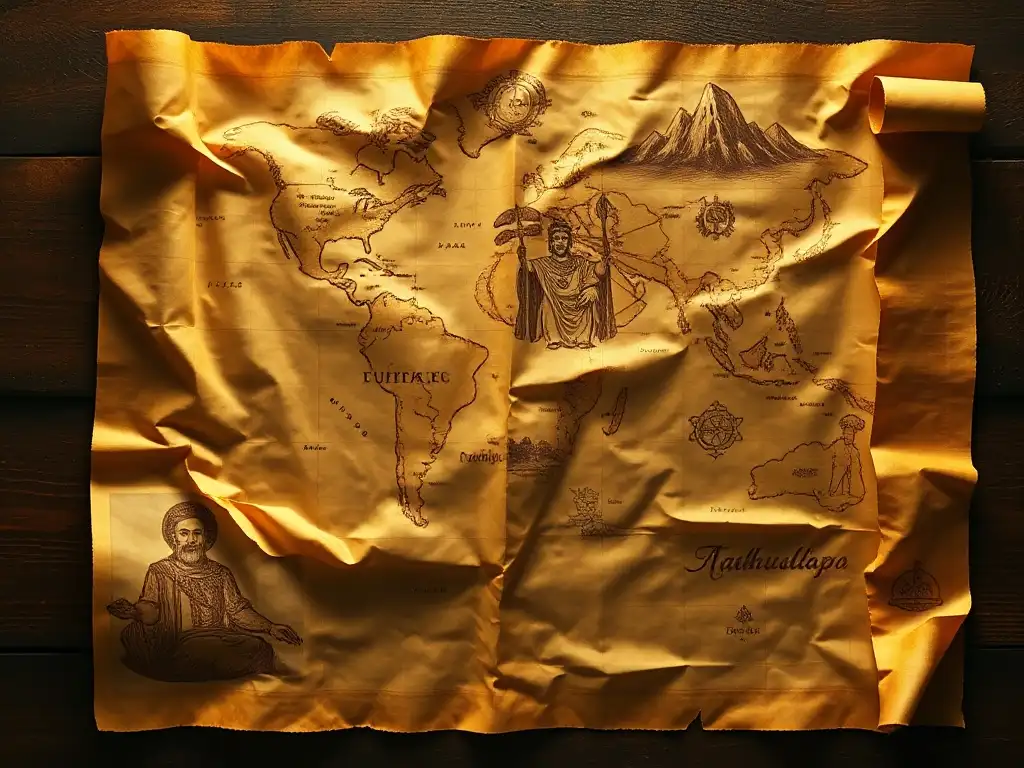
This section delves into the complex legacy of Atahualpa, separating the historical figure from the myths and legends that have grown around his name. We will explore his actual reign, the stories that have been passed down through generations, and his enduring impact on Andean history. Understanding this multifaceted legacy is crucial to grasping the full impact of the Spanish conquest on the Inca Empire and the subsequent shaping of Andean culture. The keyword phrase "Atahualpa Inca reign history" will be analyzed through the lens of both historical record and popular narratives.
The Historical Atahualpa: A Ruler of the Inca Empire
Atahualpa's reign, though tragically short, was a period of significant internal strife within the Inca Empire. He ascended to the throne following a civil war against his half-brother Huáscar, a conflict that significantly weakened the empire's defenses just as the Spanish arrived. While accounts vary, historical sources suggest Atahualpa was a shrewd military strategist, successfully consolidating his power through decisive battles. His administrative skills, however, remain a subject of debate among historians.
Some accounts depict him as a capable administrator, effectively managing the vast resources of the empire. Others portray a more chaotic picture, highlighting the disruption caused by the civil war and the challenges in maintaining control over such a geographically expansive territory. The precise extent of his administrative reforms and their long-term impact requires further research. Analyzing surviving Inca records, alongside Spanish chronicles (keeping in mind their inherent biases), is crucial for a more comprehensive understanding of his governance.
For example, the impact of his rule on agricultural production and trade networks is an area requiring more detailed investigation to fully understand the state of the empire during his brief reign. Furthermore, the precise details of his economic policies and their effect on the Inca population are still being debated. The available evidence suggests a complex picture, one that requires a nuanced approach to truly grasp the historical Atahualpa. The impact of the civil war on the empire's infrastructure and social fabric also needs further investigation to fully assess his legacy.
The Legendary Atahualpa: Myths and Stories
Beyond the historical record, numerous myths and legends surround Atahualpa. These stories, often passed down orally through generations, frequently embellish or reinterpret events to suit different cultural perspectives. One common theme revolves around Atahualpa's purported supernatural abilities. Some legends portray him as possessing magical powers, capable of influencing natural events or communicating with spirits. These narratives often serve to elevate his status to a near-mythical figure, imbuing him with almost divine qualities.
Another recurring motif is the exaggeration of his wealth and power. Stories of unimaginable riches and vast armies frequently appear, shaping a romanticized image of the Inca ruler. These embellishments, while not historically accurate, reflect the enduring fascination with Atahualpa and the Inca Empire's grandeur. The legendary Atahualpa serves as a powerful symbol of Inca resistance and resilience in the face of Spanish conquest.
The stories, while not factual accounts, continue to shape the collective memory and identity of many Andean communities. The blending of historical fact and legendary embellishment highlights the complexity of understanding Atahualpa's legacy. These narratives often serve to create a powerful, even heroic, figure that transcends the limitations of historical accuracy. The persistence of these legends emphasizes the enduring impact of Atahualpa on Andean culture and identity.
Atahualpa’s Lasting Influence on Andean History
Atahualpa's legacy extends far beyond his short reign. His capture and execution marked a pivotal moment in Andean history, signifying the beginning of the end for the Inca Empire. The subsequent Spanish conquest dramatically altered the social, political, and economic landscape of the Andes. However, Atahualpa's story continues to resonate today.
His name is synonymous with Inca resistance and the struggle against colonial oppression. His image, often depicted in art and literature, serves as a powerful symbol of Andean identity and cultural heritage. The story of Atahualpa continues to be retold and reinterpreted, shaping the collective memory and national narratives of many Andean countries. His legacy is a complex one, reflecting both the historical reality of his reign and the enduring power of myth and legend.
Understanding this complex legacy requires a critical engagement with both historical sources and the cultural narratives that have evolved around his life. The ongoing study of Atahualpa's life and reign contributes to a more complete understanding of the Inca Empire and its enduring impact on Andean culture. Moreover, his story serves as a poignant reminder of the complexities of historical interpretation and the enduring power of cultural memory. The continued interest in Atahualpa’s life ensures his enduring legacy within Andean history.
Analyzing Primary and Secondary Sources on Atahualpa
Understanding Atahualpa's reign and its impact requires a careful examination of both primary and secondary sources. Primary sources, those created during the time period under study, offer invaluable, albeit sometimes biased, firsthand accounts. Chronicles written by Spanish conquistadors, such as those by Pedro Pizarro (a cousin of Francisco Pizarro) and Cristóbal de Molina (also known as "El Cuzqueño"), provide crucial, albeit often prejudiced, narratives of Atahualpa's capture and execution.
These accounts, while valuable for understanding the Spanish perspective, must be analyzed critically, acknowledging the inherent biases of the authors who often portrayed Atahualpa as a ruthless tyrant to justify their actions. Conversely, while scarce, indigenous accounts, often woven into later oral traditions and transcribed much later, offer a different perspective, though their accuracy can be debated due to the passage of time and potential cultural transmission biases. These indigenous perspectives, however fragmented, are essential to counterbalance the overwhelmingly dominant Spanish narratives.
The challenge lies in carefully evaluating the reliability and potential biases of each source, comparing and contrasting different accounts to construct a more complete and nuanced picture of Atahualpa's life and reign. The use of multiple primary sources is crucial to avoid relying on a single, potentially skewed, narrative.
Differentiating Between Historical Facts and Popular Beliefs About Atahualpa
The story of Atahualpa is rife with legend and myth, often obscuring the historical reality of his reign and demise. Separating fact from fiction is crucial for a true understanding of his impact on Inca history and the broader context of the Spanish conquest. For instance, the popular image of Atahualpa as a solely power-hungry and ruthless ruler is largely derived from Spanish accounts aiming to legitimize the conquest. While Atahualpa certainly engaged in political maneuvering and possibly violence, the extent of his cruelty is often exaggerated in these biased narratives.
Similarly, the legend of his immense ransom in gold and silver, while factually accurate in its occurrence, is frequently embellished to highlight the supposed riches of the Inca Empire and justify the Spanish greed. The actual amount, while substantial, might be less than often portrayed in popular accounts. Another common misconception is the perceived lack of Inca resistance to the Spanish.
While Atahualpa's capture certainly disrupted Inca defenses, significant resistance continued even after his death, highlighting the complexities and nuances of Inca responses to the conquest that are often overlooked in simplified narratives. By critically analyzing the available evidence and comparing it to the romanticized and often inaccurate portrayals, we can begin to construct a more accurate and balanced understanding of Atahualpa's reign and its legacy within the broader context of "Atahualpa Inca reign history". This requires a conscious effort to move beyond simplistic narratives and embrace the complexities inherent in historical interpretation.
Frequently Asked Questions
What was the most significant event during Atahualpa's reign?
The most significant event was undoubtedly the Spanish conquest of the Inca Empire. His capture and subsequent execution marked the brutal end of the Inca's independence and the beginning of Spanish colonial rule.
How long did Atahualpa actually rule the Inca Empire?
Atahualpa's reign was remarkably short, lasting only a few years before his death in 1533. His claim to the throne and subsequent civil war drastically reduced the time he spent as the sole ruler.
What role did civil war play in Atahualpa's rise to power?
Atahualpa's ascension was directly tied to a fierce civil war against his half-brother Huáscar. This conflict significantly weakened the Inca Empire, making it vulnerable to the Spanish conquest.
What is the most debated aspect of Atahualpa's life?
The accuracy of accounts surrounding his life, particularly those from Spanish chroniclers, are heavily debated. Separating fact from legend remains a key challenge for historians.
How did Atahualpa's death impact the Inca Empire?
Atahualpa's death effectively sealed the fate of the Inca Empire. His execution removed the central figure of resistance, paving the way for the complete Spanish takeover and the disintegration of the Inca political structure.
Final Reflection: Atahualpa's Legacy: A Tapestry Woven from Truth and Myth
The story of Atahualpa, far from being a relic of the past, continues to resonate powerfully in the present. His life, a complex interplay of ambition, betrayal, and ultimately, tragedy, serves as a stark reminder of the fragility of power and the enduring impact of colonialism on indigenous cultures. The careful separation of fact from legend, as attempted in this article, is crucial not only for historical accuracy but also for understanding the lasting consequences of the Spanish conquest.
Atahualpa's reign, though tragically short, profoundly shaped the course of Andean history, leaving an indelible mark on the cultural landscape. His story, a potent symbol of resistance and resilience in the face of overwhelming force, continues to inspire debate and reflection. History is a gallery of pictures, in which there are few originals, and many copies.
This quote, though not directly about Atahualpa, perfectly encapsulates the challenge of discerning truth from the layers of myth and legend that have accumulated around his life. His image, both as a ruthless ruler and a victim of circumstance, continues to be reinterpreted and debated, reflecting our own evolving understanding of power, conquest, and cultural identity.
Consider, then, the weight of Atahualpa's legacy. How does his story challenge your own perceptions of history, power, and the enduring impact of colonialism? Let his life be a catalyst for further exploration, a reminder to critically examine historical narratives and to strive for a more nuanced understanding of the past. By engaging with Atahualpa's story, we not only learn about a pivotal moment in history but also gain valuable insights into the complexities of human experience and the importance of preserving and understanding diverse cultural narratives.
Unveil the Legacy of Atahualpa Today!
Thank you for exploring the fascinating story of Atahualpa! By discerning fact from fiction, you've uncovered the rich history of the Inca Empire. Now, let's continue your journey of discovery.
Here are some ways to engage further:
- Join the discussion: Share your thoughts on Atahualpa's lasting impact in our online forum and connect with other history enthusiasts.
- Expand your knowledge: Dive deeper into the world of Andean civilizations by subscribing to our newsletter for the latest articles and insightful perspectives.
- Share your insights: Create a short article or video about what you found most compelling about Atahualpa's life, and share it on social media using the hashtag #AtahualpaUnveiled.
What aspect of Atahualpa's reign captivated you most, and why do you believe his story remains relevant today?