
The Aftermath of Cajamarca: Pizarro's Consolidation of Power and Control

Step into a world lost to time, yet echoing with the power and mystery of the Andean Civilizations. For centuries, their ingenuity shaped the landscape and their legacy continues to fascinate. But what truly shifted the balance of power? The story of Pizarro's control of Cajamarca is more than just a battle; it's a turning point, a seismic shift that irrevocably altered the fate of an empire. Dare to uncover the secrets behind this pivotal moment and explore the devastating consequences that followed. Unravel the truth...
The capture of Atahualpa at Cajamarca in 1532 was not merely a military victory; it was a seismic event that irrevocably altered the course of Andean history. This pivotal moment, achieved through a shocking display of Spanish military prowess and Inca naiveté, didn't simply end the reign of the Sapa Inca. It unleashed a complex chain of events that allowed Francisco Pizarro to consolidate his power and initiate the systematic dismantling of the Inca Empire.
This article will delve into the immediate aftermath of the Cajamarca ambush, exploring how Pizarro leveraged his unexpected triumph to establish his control over the Inca heartland and lay the groundwork for the brutal conquest that followed. We will examine the initial power vacuum created by Atahualpa's imprisonment, the rapid consolidation of Spanish power, and the devastating consequences for the Inca civilization.
Understanding Pizarro's control of Cajamarca is key to grasping the broader mechanisms of the Spanish conquest. The strategic and political maneuvers employed in the days, weeks, and months following the battle profoundly impacted the future of the Andes, leaving an indelible mark on the region's history and culture.
The Capture of Atahualpa and Initial Power Vacuum
The capture of Atahualpa on November 16, 1532, created an immediate power vacuum at the heart of the Inca Empire. Atahualpa, the Sapa Inca, was the supreme authority, and his absence plunged the empire into chaos. His imprisonment led to a swift breakdown of central authority. The sophisticated administrative system of the Inca, reliant on a centralized command structure, crumbled in the face of the sudden removal of its leader.
Rival factions within the Inca court, previously subdued by Atahualpa's authority, began to vie for power, weakening the empire's ability to resist the Spanish advance. This internal strife, expertly exploited by Pizarro, proved to be a crucial factor in his subsequent victories. The initial reaction among the Inca populace was a mixture of shock, disbelief, and confusion.
Many were paralyzed by the unexpected and brutal efficiency of the Spanish conquest, unsure how to respond to the disappearance of their ruler. This period of uncertainty allowed Pizarro to solidify his position and begin to assert his control over the Inca territories. The ensuing civil war between Huáscar and Atahualpa's supporters further facilitated Pizarro's consolidation of power.
Immediate Consequences of Atahualpa’s Imprisonment
The imprisonment of Atahualpa had immediate and far-reaching consequences. Pizarro, understanding the power dynamics at play, quickly moved to exploit the situation. He initially offered to release Atahualpa in exchange for a massive ransom—a room filled with gold and twice as much in silver.
While this seemingly generous offer masked Pizarro's true intentions, it temporarily appeased some Inca leaders and allowed the Spanish to accumulate vast wealth. However, even as the ransom was being gathered, Pizarro began consolidating his control through strategic alliances, manipulation of Inca factions, and the use of terror. He systematically dismantled the Inca infrastructure, seizing control of vital resources and strategically placing Spanish garrisons throughout the conquered territories.
The execution of Atahualpa, despite the ransom being paid, demonstrated the ruthlessness of Pizarro and his determination to establish absolute Spanish dominance. This act served as a stark warning to any potential resistance and solidified Pizarro's image as an unconquerable force. The aftermath of Cajamarca was not just about the capture of a single ruler; it was about the systematic dismantling of an empire and the brutal imposition of Spanish colonial power.
Pizarro's Strategic Moves Post-Cajamarca
Following the stunning victory at Cajamarca, Pizarro's immediate priority shifted from battlefield tactics to securing his hard-won control. The capture of Atahualpa, the Sapa Inca, was a monumental achievement, but it was far from a guarantee of lasting dominance. Pizarro understood this acutely, immediately initiating a series of strategic moves designed to consolidate his power and prevent any potential Inca resurgence. This involved deft diplomacy, calculated brutality, and a keen awareness of the complex political landscape of the Inca Empire.
His actions were not merely reactive; they were carefully planned steps to establish a firm foundation for Spanish rule, demonstrating a masterful understanding of both military strategy and political maneuvering. He moved swiftly to neutralize any remaining pockets of resistance while simultaneously forging alliances with those who could aid his cause. The speed and efficiency of his actions were crucial in preventing any coordinated counter-attack by the Inca.
Securing Alliances with Indigenous Groups
Pizarro skillfully exploited existing tensions and rivalries within the Inca Empire. The Inca state, while vast and powerful, was not monolithic. Different ethnic groups and regions had their own grievances and ambitions, often simmering beneath the surface of imperial control. Pizarro shrewdly identified these fault lines and actively courted alliances with groups who resented Inca rule.
By offering protection and promising preferential treatment, he managed to recruit significant numbers of indigenous warriors to his ranks. These alliances proved invaluable, providing him with a crucial source of manpower and intelligence. This strategy was far more effective, and less costly, than relying solely on his relatively small Spanish force.
The incorporation of indigenous allies was a key element in Pizarro's strategy for achieving long-term control over the conquered territory. These allies provided local knowledge, logistical support, and, crucially, a significant fighting force. The effectiveness of this strategy is evident in the relatively swift subjugation of various Inca territories following the events at Cajamarca.
Establishing Spanish Authority in the Region
The establishment of Spanish authority wasn't simply a matter of military might; it required a multifaceted approach. Pizarro initiated the construction of fortifications in key strategic locations, demonstrating a clear commitment to long-term occupation. These structures served not only as defensive positions but also as potent symbols of Spanish power. Simultaneously, he began implementing a system of administration designed to extract resources and control the local population.
This involved establishing a chain of command, appointing Spanish officials to oversee various aspects of governance, and imposing new taxes and labor systems. The imposition of these systems was often brutal, marked by violence and oppression; however, it was an essential component of Pizarro's strategy to secure his control over the region and prevent any future rebellion. The swift and decisive action taken to establish Spanish authority prevented any meaningful challenge to Spanish rule in the initial years following the conquest.
The Ransoming of Atahualpa: A Calculated Maneuver
The ransoming of Atahualpa was not a mere act of greed; it was a highly calculated maneuver designed to achieve several objectives simultaneously. While it undeniably generated a massive influx of gold and silver, the ransom also provided valuable time, allowing Pizarro to consolidate his power and prepare for future challenges. The negotiations surrounding the ransom provided a crucial window of opportunity to strengthen his position and assess the remaining resistance within the Inca Empire.
Moreover, the spectacle of the Inca emperor being held captive and then executed, even after fulfilling the terms of the ransom, served as a powerful demonstration of Spanish dominance. This event deeply destabilized the Inca political system and effectively paved the way for the subsequent Spanish conquest. The ransom was not merely a financial gain; it was a strategically important tool in Pizarro's broader campaign of conquest and control.
The Gold and Silver Collection Process
The collection of Atahualpa's ransom was a logistical undertaking of immense scale. Pizarro organized the process with remarkable efficiency, utilizing both Spanish and indigenous labor to gather the vast quantities of gold and silver. The sheer volume of precious metals accumulated highlighted the immense wealth of the Inca Empire and underscored the potential rewards of conquest.
The process involved establishing collection points, assessing the value of the materials, and then transporting the treasure to safe locations under tight security. The successful completion of this process underscored Pizarro's organizational skills and his ability to manage a complex logistical operation. The sheer scale of the operation, and its successful completion, cemented Pizarro’s control over the region and its people.
The Strategic Use of the Ransom
The strategic implications of the ransom extended far beyond its immediate financial value. The gold and silver acquired were not merely used to enrich the conquistadors; they were instrumental in financing further expeditions, strengthening the Spanish military presence, and attracting new recruits. The wealth generated from the ransom allowed Pizarro to solidify his control, consolidate his power base, and effectively set the stage for the ultimate conquest of the Inca Empire.
The ransom, therefore, served not only as a source of immediate wealth but also as a vital catalyst for the long-term consolidation of Spanish power. Its strategic use was a pivotal factor in the eventual success of the Spanish conquest.
Atahualpa's Execution and the Shift in Power Dynamics

The Trial and Condemnation of the Inca Emperor
The execution of Atahualpa, despite the immense ransom paid, marked a pivotal moment in Pizarro's consolidation of power. The trial itself, a farcical display of Spanish justice, was orchestrated to legitimize Atahualpa's demise in the eyes of both the Spanish crown and the indigenous population. Accusations ranged from idolatry and rebellion to the murder of his brother Huáscar – charges conveniently tailored to justify the seizure of the Inca Empire.
The lack of due process and the blatant disregard for Inca legal customs cemented the perception of Spanish dominance and underscored the vulnerability of the Inca leadership. The process was less a trial and more a carefully staged performance designed to remove a significant obstacle to Pizarro's ambitions.
Historians continue to debate the exact details of the charges and the fairness of the proceedings, but the outcome—Atahualpa's death—remained a decisive victory for Pizarro. The execution eliminated a powerful and unifying figure, leaving the Inca Empire fractured and ripe for conquest.
The Impact of Atahualpa's Death on the Inca Empire
Atahualpa's death created a power vacuum within the Inca Empire, plunging the already weakened society into further chaos. The carefully constructed imperial system, reliant on a strong central authority, crumbled under the weight of internal conflict and external pressure. The absence of a clear successor led to a scramble for power among various Inca factions, weakening any potential resistance to the Spanish advance.
The death of the Emperor also severely damaged the morale and unity of the Inca people. The loss of their leader, particularly in such a brutal and unjust manner, shattered their faith and eroded their collective will to fight. This psychological blow, coupled with the ongoing Spanish military pressure, significantly contributed to Pizarro's success in subduing the Inca Empire.
The execution served as a powerful symbol of Spanish dominance, effectively crushing any remaining hope of Inca resistance. The ensuing civil war between rival Inca claimants further weakened the empire, making it an easier target for Spanish conquest.
Consolidating Control: Pizarro's Political and Military Actions
Establishing a Puppet Ruler
Following Atahualpa's execution, Pizarro strategically installed a puppet ruler to maintain a semblance of Inca governance while consolidating his own control. This calculated move allowed him to manage the vast Inca population and resources more effectively. By selecting a compliant leader from among the Inca nobility, often a relative of Atahualpa or Huáscar, Pizarro could exploit existing power structures and minimize open rebellion.
This puppet ruler, however, served primarily as a figurehead, with real power residing firmly in the hands of Pizarro and his conquistadors. This strategy, a common tactic during colonial conquests, allowed for a more gradual and less overtly violent assimilation of the Inca Empire into the Spanish colonial system. The choice of puppet ruler was a crucial political calculation, demonstrating Pizarro's understanding of the complexities of Inca social and political structures.
Securing Supply Lines and Communication
The establishment of secure supply lines and effective communication networks were crucial to Pizarro's long-term control of the conquered territory. Pizarro understood the importance of maintaining a steady flow of supplies from the coast to his inland settlements, ensuring his army remained adequately provisioned and equipped. He also focused on establishing reliable communication channels, allowing for rapid response to any uprisings or challenges to his authority.
These logistical achievements were instrumental in his ability to govern the vast Inca Empire effectively. The construction of roads, the establishment of fortified settlements, and the organization of a courier system facilitated the movement of troops, goods, and information across the empire. This efficient logistical apparatus allowed Pizarro to project power throughout the region and swiftly suppress any resistance.
Maintaining these vital supply lines and communication networks was critical to preventing the disintegration of his newly conquered empire. The control of these logistical elements proved as important as military prowess in securing Pizarro’s dominance.
The Expansion of Pizarro's Influence Beyond Cajamarca
The capture of Atahualpa at Cajamarca in 1532 was not the end, but rather a crucial beginning in Pizarro's relentless pursuit of power and control. The victory, though stunning, needed to be consolidated. Pizarro understood this acutely. His immediate actions following the capture were decisive and strategically brilliant, setting the stage for the complete subjugation of the Inca Empire.
The sheer audacity of seizing the Inca emperor, coupled with the devastating impact of disease and superior weaponry, created a power vacuum that Pizarro deftly exploited. He moved swiftly to exploit the disarray within the Inca ranks, preventing any unified resistance that could have threatened his newly acquired dominance. The initial shock and awe tactics gave way to a calculated strategy of expansion, leveraging the chaos to secure strategic locations and resources. This methodical approach marked the beginning of the end for Inca rule.
Military Campaigns to Secure Territory
Following the capture of Atahualpa, Pizarro launched a series of strategically important military campaigns to solidify his control over key regions. These campaigns were not merely about conquest; they were about establishing a secure base of operations and securing access to vital resources. The conquistadors, emboldened by their initial success, moved rapidly through vulnerable areas of the Inca Empire.
One example is the swift campaign towards Cusco, the Inca capital, which although initially met with some resistance, ultimately fell under Spanish control. These campaigns weren't just about overwhelming force; they involved shrewd alliances with rival Inca factions, further weakening the empire from within. The Spanish utilized their superior weaponry, horses, and tactical skills to achieve decisive victories in several key battles, effectively breaking the Inca's ability to mount a unified defense.
The systematic dismantling of the Inca military infrastructure was a key component of Pizarro's strategy, leaving the empire vulnerable and ripe for complete domination. The conquest was not a single event, but a series of calculated military maneuvers.
The Founding of New Spanish Settlements
Pizarro’s consolidation of power wasn't solely a military endeavor; it was also about establishing a lasting Spanish presence. The founding of new settlements served a dual purpose: they provided strategic bases for further expansion and symbolized the permanent displacement of Inca authority. These settlements were strategically located to control vital trade routes, access to resources, and to maintain control over key populations. The establishment of these settlements was not a haphazard process; they were carefully planned to exploit the Inca infrastructure, utilizing existing roads and buildings to establish a foothold.
The selection of these sites also considered proximity to resources like water and arable land, ensuring the long-term viability of these settlements. The founding of these settlements marked a significant shift in the power dynamic, replacing Inca governance with Spanish colonial rule. The establishment of these settlements was a critical step in the process of colonizing the Andean region.
Despite his initial successes, Pizarro's control over the conquered territories wasn't absolute. His authority was constantly challenged by various factors, both internal and external. The very nature of the conquest, driven by individual ambition and the lure of wealth, created inherent tensions among the conquistadors. The vastness of the Inca Empire and the resistance of the native population added layers of complexity to the challenges he faced.
These challenges tested his leadership and his ability to maintain order and control in the newly conquered lands. His reign was characterized by a constant struggle to maintain his dominance in the face of these multifaceted threats. The aftermath of Cajamarca was far from peaceful.
Internal Conflicts Among the Spanish Conquistadors
The conquest of the Inca Empire was a brutal and chaotic affair, fueled by greed, ambition, and the thirst for power. These motivations often led to conflicts among the Spanish conquistadors themselves. Disputes over the division of spoils, accusations of treachery, and rivalries for leadership were commonplace. The lack of a clearly defined system of governance contributed to this internal strife.
These conflicts often erupted into open violence, weakening Pizarro's overall authority and diverting resources away from the consolidation of power. These internal struggles were a constant threat to the stability of Spanish rule, undermining Pizarro's efforts to establish a unified and effective administration. The constant infighting among the conquistadors was a significant obstacle to Pizarro's long-term goals.
Inca Resistance and Rebellions
Despite the initial shock and awe of the Spanish conquest, Inca resistance never completely vanished. Even after the capture of Atahualpa, pockets of resistance persisted throughout the empire. Various Inca leaders, fueled by a desire to regain their independence, organized rebellions against the Spanish. These rebellions, though often fragmented and lacking the unified power of the pre-conquest empire, proved to be a constant source of unrest and conflict for Pizarro.
These uprisings, while often suppressed, required significant military resources and manpower, diverting attention and resources from other aspects of consolidating power. The persistent threat of Inca resistance constantly tested the limits of Pizarro's control and served as a reminder of the fragility of his hard-won authority. The ongoing rebellions were a considerable impediment to the complete pacification of the region.
The Long-Term Impact of Pizarro's Control in Cajamarca
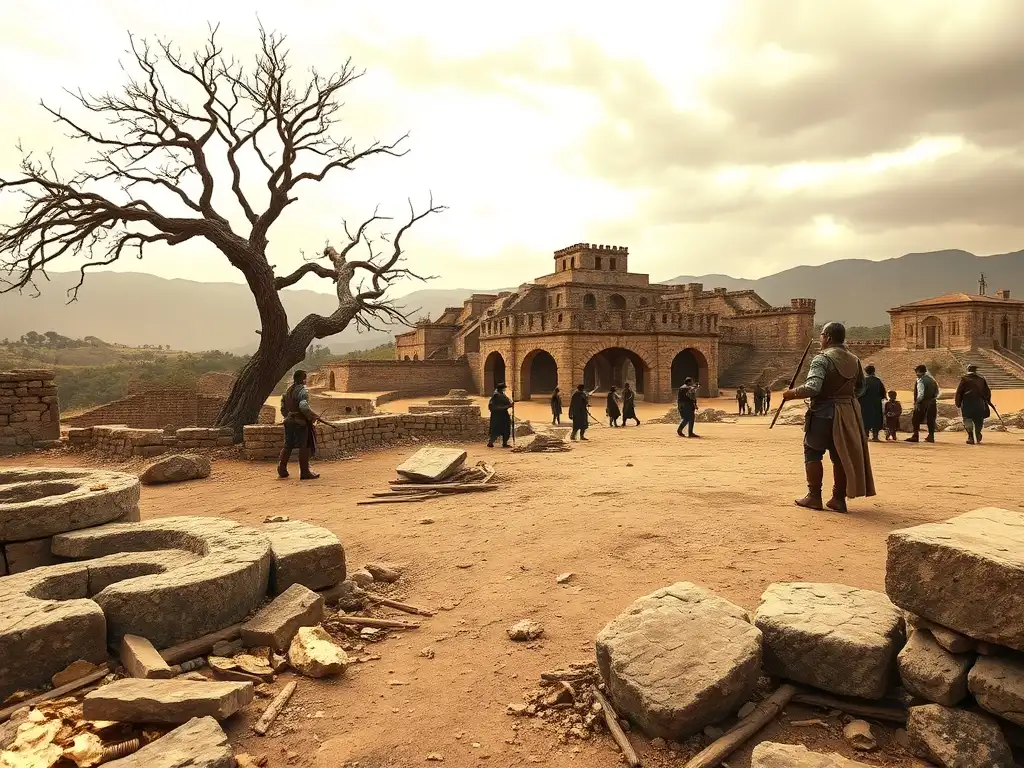
The capture of Atahualpa at Cajamarca in 1532 marked a pivotal moment, not just in the immediate power struggle, but in the long-term trajectory of the Andean region. Pizarro's ruthless efficiency in securing control of Cajamarca, a strategically important city, laid the groundwork for the subsequent conquest of the Inca Empire. The psychological impact of this decisive victory cannot be overstated. The Inca's perceived invincibility was shattered, fostering widespread fear and uncertainty amongst the indigenous population, weakening their resistance to the Spanish advance.
The control of Cajamarca provided Pizarro with a crucial base of operations, allowing him to amass resources, recruit allies (sometimes through coercion), and launch further expeditions into the heart of the Inca Empire. The city itself became a center for Spanish administration and a symbol of their newly established dominance. This initial success fueled further conquests and ultimately paved the way for the systematic dismantling of the Inca political, economic, and social structures.
The ramifications of Pizarro's actions at Cajamarca reverberated through centuries of colonial rule, shaping the cultural and political landscape of the Andes for generations to come. The city's strategic location and its symbolic importance in the conquest continue to resonate in historical narratives and archaeological studies today. The events of Cajamarca serve as a potent reminder of the devastating consequences of unchecked power and the lasting impact of conquest on indigenous populations.
Transformation of the Andean Political Landscape
Pizarro's control of Cajamarca fundamentally altered the Andean political landscape. Prior to the Spanish arrival, the Inca Empire was a vast and complex political entity, characterized by a hierarchical system of governance extending from the Sapa Inca down to local leaders. The Inca's sophisticated system of administration, road networks, and communication allowed for efficient control over a large territory. However, the capture of Atahualpa at Cajamarca shattered this centralized authority.
The ensuing power vacuum led to internal conflicts among competing Inca factions, weakening their collective ability to resist the Spanish. Pizarro exploited these divisions, strategically allying with some factions while subjugating others. The traditional Inca system of tribute and labor was replaced by the Spanish encomienda system, which forced indigenous populations into labor for Spanish landowners.
This system, along with the introduction of new diseases and the destruction of Inca infrastructure, led to a dramatic decline in the Inca population and the erosion of their traditional social structures. The imposition of Spanish laws, language, and religion further transformed the political landscape, creating a new colonial order that fundamentally reshaped the Andean world. The impact on the social fabric was profound and long-lasting, leaving a legacy that continues to shape the region today.
The Beginning of Spanish Colonial Rule
The successful seizure of Cajamarca marked the beginning of Spanish colonial rule in the Andes. Control of the city provided Pizarro with a strategic foothold, enabling the establishment of a permanent Spanish presence in the region. From Cajamarca, Pizarro and his men launched further expeditions, systematically conquering Inca territories and establishing new settlements.
The Spanish conquistadors imposed their own political and economic systems, replacing the Inca administration with a colonial bureaucracy. The implementation of the encomienda system, which granted Spanish landowners control over indigenous labor, fueled the exploitation of the native population and contributed to widespread suffering. The introduction of European diseases decimated the Inca population, further weakening their ability to resist Spanish rule.
The establishment of Spanish colonial rule in the Andes was a violent and transformative process, leading to the destruction of Inca civilization and the establishment of a new social order dominated by the Spanish. The legacy of this period continues to be felt in the region today, shaping its cultural, political, and economic landscape. The conquest of Cajamarca was not merely a military victory; it was the catalyst for a fundamental shift in the power dynamics of the Andean world.
Pizarro's Legacy: From Conqueror to Governor
Francisco Pizarro's legacy extends far beyond his military conquests. While initially driven by the thirst for gold and glory, his actions in Cajamarca and beyond ultimately shaped the political and social landscape of the Andes for centuries to come. After the initial conquest, Pizarro consolidated his power, securing his position as governor of the newly established Spanish colony. His actions, though often brutal and exploitative, were instrumental in establishing the foundations of Spanish colonial rule.
He oversaw the establishment of new cities, the exploitation of mineral resources, and the implementation of administrative structures that would govern the region for generations. Pizarro’s legacy is therefore complex and multifaceted. He is remembered as a ruthless conqueror but also as a key figure in the formation of a new colonial order.
His ambition and ruthlessness were critical factors in the Spanish conquest, but they also resulted in immense suffering for the indigenous population. Understanding Pizarro's role requires acknowledging both the brutality of his actions and the profound and lasting consequences of his decisions. He remains a controversial figure, his actions debated and analyzed even centuries later.
The Establishment of the Viceroyalty of Peru
Pizarro's ambition extended beyond the immediate control of Cajamarca. His conquest of the Inca Empire led to the establishment of the Viceroyalty of Peru, a vast colonial territory encompassing much of South America. This significant administrative unit formalized Spanish rule, solidifying their control over the region's resources and people.
The establishment of the Viceroyalty solidified Spanish control, establishing a formal structure of governance that extended beyond the immediate aftermath of the conquest. It marked a shift from the initial chaotic period of conquest to a more organized and enduring system of colonial rule. The Viceroyalty's structure, its administrative divisions, and its economic policies profoundly shaped the political and economic development of the region for centuries.
The creation of this Viceroyalty was a direct consequence of Pizarro's success in Cajamarca and the subsequent conquest of the Inca Empire. It represents a crucial step in the consolidation of Spanish power and the establishment of a lasting colonial presence in the Andes.
Pizarro’s Final Years and Death
Pizarro's final years were marked by internal conflicts and power struggles within the Spanish colony he had helped create. His ruthless ambition and accumulation of wealth created numerous enemies, both among his fellow conquistadors and within the Inca population. Despite his success in establishing Spanish control in Peru, he faced constant challenges to his authority.
These conflicts ultimately led to his assassination in 1541, a dramatic end to the life of one of the most controversial figures in the history of the Spanish conquest. His death, however, did not mark the end of Spanish rule in Peru, but rather a continuation of the complex power dynamics and struggles that characterized the colonial era.
The legacy of his actions, both in the conquest and in the subsequent establishment of colonial rule, continued to shape the destiny of Peru and the Andean region for centuries to come. The events surrounding his death highlight the inherent instability and violence that characterized the early years of Spanish colonial rule in the Andes.
Analyzing Pizarro's Methods of Control: A Historical Perspective
Pizarro's victory at Cajamarca wasn't simply a military triumph; it was a strategic masterclass in consolidating power. His methods, brutal and effective, ensured Spanish dominance over the Inca Empire for decades to come. Understanding Pizarro's approach requires analyzing his multifaceted strategy, which deftly combined military might with shrewd political maneuvering and the calculated exploitation of existing Inca vulnerabilities.
He didn't just conquer; he systematically dismantled the Inca infrastructure, replacing it with a colonial system designed to benefit Spain. This involved a complex interplay of force, manipulation, and the exploitation of pre-existing societal divisions within the Inca Empire itself. The swift and decisive nature of the Cajamarca battle, while shocking in its brutality, provided the foundation for this systematic takeover.
The sheer unexpectedness of the ambush, coupled with the capture of Atahualpa, sent shockwaves through the Inca leadership, crippling their ability to mount an effective resistance in the immediate aftermath. This initial shock was then carefully cultivated and leveraged by Pizarro to his advantage.
The Use of Force and Intimidation
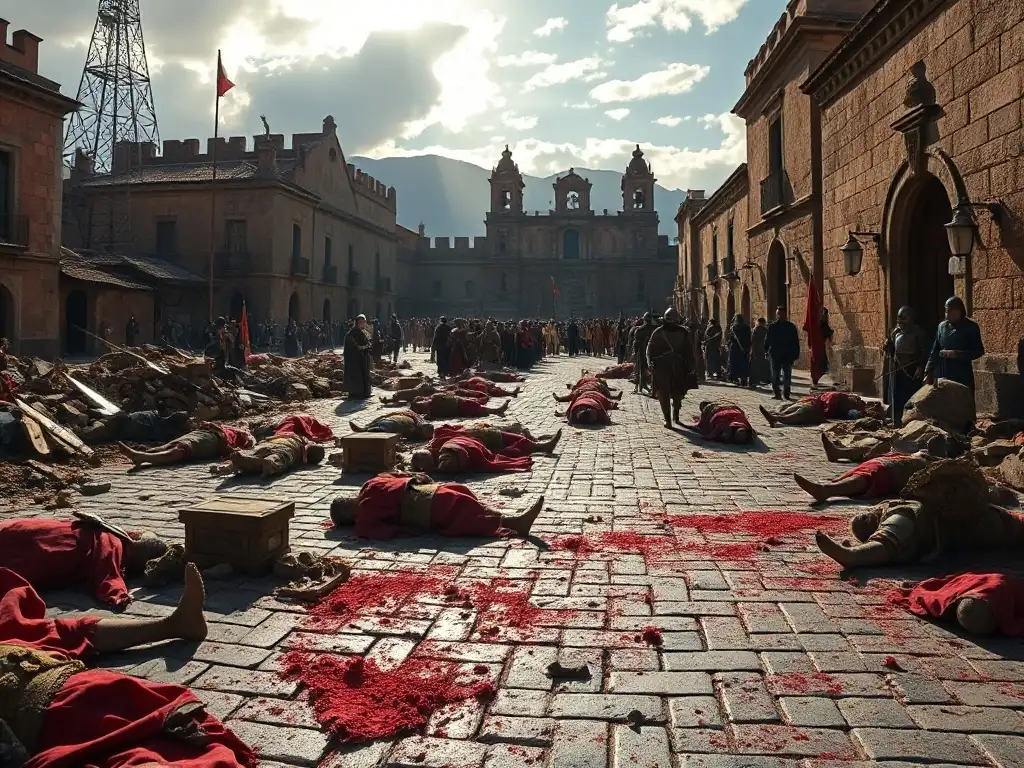
The Spanish conquest wasn't solely about superior weaponry; it was also about the psychological impact of overwhelming force. Pizarro's troops, though numerically inferior, possessed superior weaponry – cannons, firearms, and steel armor – that terrified the Inca. The massacre at Cajamarca, where thousands of unarmed Inca were slaughtered, served as a brutal demonstration of Spanish power, effectively crushing any immediate resistance.
This wasn't just about killing; it was about creating a climate of fear and submission. The systematic destruction of Inca infrastructure, religious sites, and symbols of authority further reinforced this message of dominance. The Spanish deliberately targeted places of cultural significance, aiming to break the spirit of the Inca people and their deeply rooted traditions.
This deliberate policy of intimidation aimed to prevent future uprisings and ensure long-term Spanish control. The stories of Cajamarca's brutality spread like wildfire throughout the Andes, fostering widespread fear and discouraging any attempts at rebellion.
The Exploitation of Inca Political Divisions
Pizarro's success wasn't solely due to military superiority; he cleverly exploited pre-existing tensions and divisions within the Inca Empire. The Inca empire, at the time of the Spanish arrival, was already facing internal strife. The recent succession crisis following the death of Huayna Capac had left the empire vulnerable, with rival claimants vying for power. Pizarro skillfully manipulated these divisions, allying with some factions against others to weaken the overall resistance.
This strategy of “divide and conquer” was crucial to his success. By offering support and promises to certain Inca leaders, Pizarro gained valuable allies who provided crucial information, troops, and logistical support. This internal fracturing of the Inca Empire drastically reduced their ability to mount a unified defense against the Spanish, significantly contributing to Pizarro's ultimate victory and control. This political manipulation proved as effective, if not more so, than any military tactic.
The Significance of Cajamarca in the Spanish Conquest
The Battle of Cajamarca stands as a pivotal moment in the history of the Spanish conquest of the Inca Empire. It wasn't merely a battle; it was a turning point, a watershed moment that irrevocably altered the course of Andean history. The capture of Atahualpa, the Sapa Inca, effectively decapitated the Inca leadership, leaving a power vacuum that the Spanish quickly filled.
The sheer brutality and unexpectedness of the Spanish victory shocked and demoralized the Inca, severely hampering their ability to organize a cohesive defense. The vast quantities of gold and silver ransomed for Atahualpa's release, while ultimately failing to save his life, provided the Spanish with the resources to further consolidate their power and expand their conquest. Cajamarca, therefore, marks not just the beginning of the end for the Inca Empire, but also the beginning of a new era of Spanish colonial rule in the Andes.
A Turning Point in the History of the Andes
Cajamarca represents a profound shift in the political and social landscape of the Andes. The Inca Empire, a sophisticated and powerful civilization, was brought to its knees in a single, devastating blow. The subsequent Spanish conquest led to the destruction of Inca culture, the imposition of a new colonial system, and the exploitation of the Andean population.
The legacy of Cajamarca continues to resonate today, shaping the cultural, social, and political realities of the Andean region. It serves as a stark reminder of the devastating consequences of colonialism and the enduring impact of historical trauma. The event itself became a symbol of the vulnerability of even the most powerful empires to external forces, a lesson that continues to be relevant in today's world.
A Case Study in Colonial Expansion
The events following Cajamarca offer a valuable case study in the dynamics of colonial expansion. Pizarro's methods—a combination of military force, political manipulation, and economic exploitation—became a model for subsequent colonial conquests. The strategy employed at Cajamarca, which involved a swift, decisive military victory followed by the systematic dismantling of the existing power structure and the imposition of a new colonial order, was replicated in various forms across the globe.
The study of Pizarro’s actions in Cajamarca and its aftermath provides crucial insights into the complexities of colonial power, demonstrating the crucial role of both military might and political strategy in achieving and maintaining control over a conquered territory. This case study highlights the enduring impact of colonialism and the lasting consequences of such actions on the conquered populations.
- The Capture of Atahualpa and Initial Power Vacuum
- Immediate Consequences of Atahualpa’s Imprisonment
- Pizarro's Strategic Moves Post-Cajamarca
- The Ransoming of Atahualpa: A Calculated Maneuver
- Atahualpa's Execution and the Shift in Power Dynamics
- Consolidating Control: Pizarro's Political and Military Actions
- The Expansion of Pizarro's Influence Beyond Cajamarca
- Challenges to Pizarro's Authority
- The Long-Term Impact of Pizarro's Control in Cajamarca
- Pizarro's Legacy: From Conqueror to Governor
- Analyzing Pizarro's Methods of Control: A Historical Perspective
- The Significance of Cajamarca in the Spanish Conquest
- What was the significance of the Battle of Cajamarca?
- How did Pizarro consolidate his power after Cajamarca?
- What role did the ransom of Atahualpa play in Pizarro's control?
- Did Pizarro face any resistance after securing Cajamarca?
- How did Pizarro's control of Cajamarca impact the wider Inca Empire?
Frequently Asked Questions
What was the significance of the Battle of Cajamarca?
The Battle of Cajamarca in 1532 marked a decisive turning point in the Spanish conquest of the Inca Empire. The capture of Atahualpa, the Inca emperor, effectively crippled Inca resistance and paved the way for Spanish domination.
How did Pizarro consolidate his power after Cajamarca?
Pizarro's consolidation involved strategic alliances with rival Inca factions, the exploitation of internal Inca conflicts, and the systematic dismantling of Inca political structures. He also established a strong military presence.
What role did the ransom of Atahualpa play in Pizarro's control?
The enormous ransom paid for Atahualpa's release provided Pizarro with significant wealth, allowing him to fund further expeditions and solidify his control. Despite the ransom, Atahualpa was later executed.
Did Pizarro face any resistance after securing Cajamarca?
Yes, Pizarro faced significant resistance from various Inca factions and leaders who fought to regain their independence. This resistance continued for many years after the initial conquest.
How did Pizarro's control of Cajamarca impact the wider Inca Empire?
Pizarro's control of Cajamarca served as a springboard for the conquest of the entire Inca Empire. The capture of the emperor and the city's strategic location allowed the Spanish to expand their influence and control rapidly.
Final Reflection: The Enduring Shadow of Cajamarca
The brutal efficiency of Pizarro's victory at Cajamarca continues to resonate today, a stark reminder of the devastating consequences of unchecked power and the enduring legacy of colonialism. The seemingly swift conquest masks a complex web of manipulation, betrayal, and systematic exploitation that shaped the future of an entire continent. Understanding this event is not merely an exercise in historical analysis; it's a crucial step in confronting the persistent inequalities that stem from this pivotal moment.
The impact of Cajamarca extends far beyond the immediate slaughter and seizure of Inca wealth. It represents a paradigm shift in power dynamics, a brutal demonstration of the vulnerability of even the most sophisticated empires to technologically superior, yet morally bankrupt, forces. History is not a burden to be borne, but a privilege to be cherished.
This quote, while not directly about Cajamarca, highlights the importance of understanding our past to shape a better future. The systematic dismantling of the Inca civilization, facilitated by the events at Cajamarca, serves as a cautionary tale against the seductive allure of unchecked ambition and the devastating consequences of ignoring the humanity of others.
Consider the ripple effects of Pizarro's actions. How has the legacy of this conquest shaped your own world? What responsibilities do we, as inheritors of this history, bear in acknowledging the injustices of the past and working towards a more equitable future? I urge you to reflect on the enduring power of Cajamarca not as a distant historical event, but as a potent symbol of the ongoing struggle for justice and the importance of understanding the complex interplay between power, morality, and history. Let the shadow of Cajamarca illuminate the path towards a more just and compassionate world.
Unveil the Legacy: Take Action Now!
Thank you for exploring the rich history of Cajamarca and Pizarro's profound impact on the Andean region. Your engagement with this pivotal moment is crucial to understanding our shared heritage. Now, let's translate that interest into action.
- Join a discussion group focused on the impact of colonization. Sharing your insights can inspire others and foster a deeper understanding of this complex historical period.
- Visit your local library or archive to delve into primary and secondary sources—explore the narratives that shaped our civilizations and gain a more nuanced perspective.
- Share your thoughts on Pizarro's role and its continuing relevance today through a blog post, video, or other creative medium. You can spark important conversations and contribute to a broader public understanding.
How has Pizarro's conquest of Cajamarca shaped the political landscape of modern Andean nations? What lasting effects are still visible today?