
Pizarro's Ambitions: Examining the Conqueror's Personal and Political Goals


Step into a world lost to time, yet echoing with power and mystery. Andean Civilizations unveils the breathtaking tapestry of ancient empires, from the intricate artistry of the Nazca to the sophisticated engineering of the Incas. But beneath the surface of shimmering gold and majestic cities lies a darker story. This journey begins with an exploration of Pizarro's motives and the brutal Spanish conquest—a complex narrative of ambition, greed, and the tragic downfall of a magnificent world. Dare to uncover the truth behind the legend? Dive in and explore the captivating story of Pizarro's Ambitions.
- Pizarro's Ambitions: Unraveling the Conqueror's Personal and Political Goals in the Andes
- The Driving Forces Behind Pizarro's Expedition to the Andes
- Political Motivations of Pizarro's Conquest
- Personal Ambitions and the Pursuit of Glory
- The Interplay of Personal and Political Goals in Pizarro's Actions
- The Legacy of Pizarro's Ambitions in the Spanish Conquest
-
Frequently Asked Questions
- What were Pizarro's primary motives for conquering the Inca Empire?
- Was Pizarro solely motivated by greed?
- What role did the Spanish crown play in Pizarro's conquest?
- How did Pizarro's personal characteristics contribute to his success?
- What were the long-term consequences of Pizarro's conquest for the Inca civilization?
- Final Reflection: The Enduring Legacy of Pizarro's Conquest
- Uncover Pizarro's Legacy and Shape Your Understanding!
Pizarro's Ambitions: Unraveling the Conqueror's Personal and Political Goals in the Andes
The Spanish conquest of the Inca Empire, a pivotal moment in Andean history, was driven by a complex interplay of personal ambitions and broader political objectives. This article delves into the multifaceted motivations of Francisco Pizarro, the conquistador whose relentless pursuit of power and wealth ultimately led to the downfall of a sophisticated civilization. We will examine Pizarro's individual desires, the influence of the Spanish crown, and the strategic calculations that shaped his actions, providing a nuanced understanding of "Pizarro's motives Spanish conquest" and the devastating consequences of his ambition.
Understanding Pizarro's goals is crucial to comprehending not only the conquest itself but also the enduring impact on the Andean region and its people. We will explore how these intertwined factors fueled his relentless drive, shaping the course of history in the Americas.
The Allure of Gold and Glory: Pizarro's Personal Greed
Pizarro's expedition was undeniably fueled by a potent mix of avarice and a thirst for glory. Early accounts paint a picture of a man driven by an insatiable desire for wealth, a common trait among conquistadors. The rumors of unimaginable riches in the Inca Empire—gold, silver, and jewels beyond measure—acted as a powerful magnet, attracting adventurers like Pizarro who sought to enrich themselves beyond their wildest dreams.
This personal greed wasn't merely about accumulating wealth; it was about achieving a social status and power previously unattainable in his native Spain. The acquisition of gold and silver wasn't just a means to an end; it was a symbol of triumph, a tangible representation of his success in the face of immense risk. He envisioned a life of opulence and influence, fueled by the plunder of the Inca Empire.
Beyond material wealth, Pizarro craved the recognition and prestige that came with conquering a powerful empire. In a society structured around hierarchical systems of power, the conquest provided an avenue for social mobility previously closed to him. The conquest represented not only personal wealth but also a chance to leave a lasting legacy, to be remembered as a figure of immense power and influence in the annals of Spanish history.
This desire for fame and recognition fueled his perseverance through hardship and adversity, making him a formidable force in the conquest. He sought not only gold but also the immortal glory associated with conquering a great empire.
The Crown's Influence and the Politics of Conquest
While Pizarro's personal ambitions played a significant role, his actions were also shaped by the political landscape of Spain. The Spanish monarchy, eager to expand its power and influence, actively encouraged and supported expeditions to the New World. The Crown offered financial backing, legal frameworks, and the promise of titles and lands to those who succeeded in conquering and colonizing new territories.
This provided a powerful incentive for individuals like Pizarro to undertake the perilous journey across the Atlantic. The Crown's involvement was not merely passive; it provided both the means and the justification for the conquest, framing it within a narrative of religious zeal and imperial expansion.
Furthermore, the competitive nature of the Spanish conquistador system incentivized aggressive expansion. Conquistadors often competed with each other for resources, territory, and royal favor. This competitive environment fueled Pizarro's relentless pursuit of the Inca Empire, pushing him to act decisively and aggressively to secure his place in the emerging colonial hierarchy. The constant threat of rivals meant that seizing the Inca Empire was not just a matter of personal ambition but also a matter of strategic necessity to maintain or improve his position within the complex power dynamics of the Spanish colonial system.
Strategic Calculations and the Conquest of the Inca Empire
Pizarro's conquest wasn't a haphazard event; it was the result of careful strategic planning and ruthless execution. He skillfully exploited internal divisions within the Inca Empire, leveraging existing conflicts and power struggles to his advantage. The death of Huayna Capac and the subsequent civil war between Huáscar and Atahualpa significantly weakened the Inca Empire, creating an opportune moment for Pizarro to strike. His exploitation of these divisions, combined with his superior weaponry and military tactics, allowed him to achieve victory against a numerically superior force.
Furthermore, Pizarro demonstrated a remarkable ability to adapt his strategies as circumstances changed. His initial encounters with the Inca were marked by both diplomacy and deception, allowing him to gain the trust of Atahualpa before ultimately capturing him. This capture proved pivotal in the conquest, allowing Pizarro to use Atahualpa as a pawn in his negotiations and to control the flow of information and resources within the Inca Empire. The capture of Atahualpa and the subsequent ransom – an enormous amount of gold and silver – are clear examples of Pizarro's strategic acumen and ruthless ambition.
The Legacy of Pizarro's Ambitions: A Lasting Impact on the Andes
The consequences of Pizarro's ambitions were devastating for the Inca Empire and its people. The conquest led to the destruction of a sophisticated civilization, the loss of countless lives, and the imposition of a brutal colonial regime. The impact of Pizarro's actions resonates even today, shaping the political, social, and cultural landscape of the Andean region.
The extraction of immense wealth, the disruption of social structures, and the introduction of new diseases fundamentally altered the course of Andean history. His actions serve as a stark reminder of the destructive power of unchecked ambition and the long-lasting consequences of conquest. The legacy of Pizarro remains a complex and controversial subject, a testament to the profound and lasting impact of his personal and political goals.
The Driving Forces Behind Pizarro's Expedition to the Andes

Pizarro's motives for conquering the Inca Empire were multifaceted, driven by a complex interplay of personal ambition, political maneuvering, and the alluring promise of unimaginable wealth. Understanding these intertwined factors is crucial to grasping the full scope of the Spanish conquest and its devastating impact on Andean civilizations. Analyzing Pizarro's actions requires moving beyond simplistic narratives of greed and focusing on the intricate web of motivations that fueled his relentless pursuit of power and riches. The "Pizarro's motives Spanish conquest" narrative is far more nuanced than a simple thirst for gold.
Early Life and Experiences Shaping Francisco Pizarro's Character
Francisco Pizarro's early life, marked by illegitimacy and a relatively humble upbringing, instilled in him a fierce determination to climb the social ladder. Born out of wedlock in Trujillo, Spain, he received little formal education, instead gaining experience in the brutal realities of 15th-century Iberian society. This early exposure to hardship and inequality likely fueled his ambition and shaped his ruthless pragmatism.
He learned early on that success required cunning, resilience, and a willingness to take risks – traits he would later employ with devastating effect in his conquest of the Inca Empire. His early involvement in minor military campaigns provided him with the basic military skills and experience that he would later refine and leverage in his conquest of the Incas. He wasn't just a greedy adventurer; he was a skilled strategist who understood the importance of timing, alliances, and exploiting weaknesses.
The lack of formal education, however, is not to be mistaken for a lack of strategic thinking; rather, it highlights a self-made man driven by his own intellect and experiences. He was a product of his environment, one that shaped his ambition and ruthlessness in equal measure.
The Lure of Inca Wealth and the Promise of Riches
The allure of Inca gold and silver was undeniably a major factor driving Pizarro's expedition. Rumors of the Inca's vast wealth, circulated among Spanish conquistadors, painted a picture of unimaginable riches waiting to be plundered. This wasn't simply about personal enrichment; the acquisition of such wealth held the potential for significant political advancement within the Spanish colonial system.
The promise of untold riches fueled the expedition, attracting investors and ambitious soldiers willing to risk their lives for a share of the spoils. This wasn't solely a personal quest for Pizarro; he understood the potential for accumulating immense wealth that would translate into political influence and power back in Spain. The sheer scale of Inca wealth, as evidenced by later accounts of the ransom paid by Atahualpa, served as a powerful magnet, drawing Pizarro and his men towards the Andes.
The possibility of amassing a fortune beyond wildest dreams overshadowed any perceived risks involved in the conquest. This economic incentive was intricately woven into the fabric of his ambitious plans.
Early Expeditions and the Crystallization of Pizarro's Ambition
Pizarro's early expeditions to the Andes, though initially unsuccessful, played a vital role in shaping his strategy and solidifying his ambition. These early voyages provided invaluable reconnaissance, allowing him to assess the Inca Empire's vulnerabilities and gather intelligence about its military strength, political structure, and internal conflicts. The initial failures served not as deterrents, but as learning experiences, refining his understanding of the terrain, the Inca people, and the potential for conquest.
Each failed attempt seems to have only fueled his determination, sharpening his strategic thinking and reinforcing his belief in the ultimate feasibility of his ambitious goal. The accumulation of knowledge gained through these early, less successful expeditions proved crucial to his later triumph. He meticulously planned each step, learning from previous mistakes and adapting his tactics to exploit the weaknesses he observed in the Inca Empire's defenses.
His persistence, fueled by both greed and a relentless ambition, ultimately paved the way for the successful conquest. It wasn't just luck; it was a calculated and persistent pursuit of a long-term goal.
Political Motivations of Pizarro's Conquest
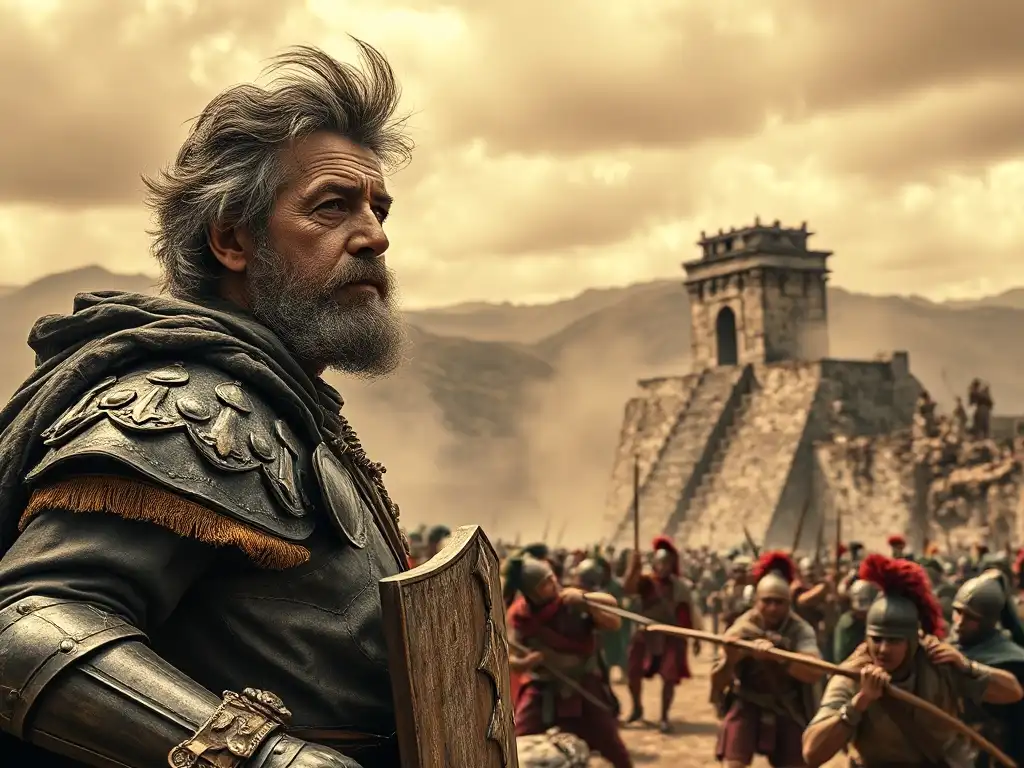
Pizarro's conquest of the Inca Empire wasn't solely driven by greed for gold, though that certainly played a significant role. A deeper examination reveals a complex web of political ambitions fueling his actions. Understanding Pizarro's motives requires analyzing his pursuit of power within the Spanish system, his desire for personal advancement, and the broader context of Spanish imperial expansion in the 16th century.
This section will delve into the political machinations that shaped Pizarro's conquest and cemented his place in history, even if a controversial one. The phrase "Pizarro's motives Spanish conquest" encapsulates this complex interplay of personal and political goals.
Securing Crown Support and Expanding the Spanish Empire
Pizarro's expeditions were not solely self-funded ventures. He meticulously cultivated relationships with the Spanish Crown, presenting compelling arguments for his explorations and promising immense riches and territorial expansion. His proposals highlighted the potential for increasing Spanish power and prestige on a global scale, significantly impacting the balance of power in the Americas and boosting Spain's standing against rival European powers.
This wasn't merely about personal gain; it was about strengthening the Spanish Empire. He expertly framed his expeditions as a strategic necessity for the Crown, emphasizing the potential for acquiring vast resources and subjugating indigenous populations to further Spain's imperial ambitions. The lure of untold wealth was undeniably a powerful motivator, but it was strategically interwoven with the promise of significant political gains for the Spanish monarchy.
Securing royal patronage was crucial for securing funding, obtaining necessary permits, and ultimately legitimizing his claim over conquered lands. Without this support, his ambitious plans would have crumbled. The careful orchestration of this political strategy was a crucial component of Pizarro's success.
Beyond the grand scale of empire-building, Pizarro's actions were also driven by a strong desire for personal advancement and social mobility within the rigid hierarchical structure of Spanish society. Born into a relatively humble background, Pizarro relentlessly pursued wealth and status. The conquest of the Inca Empire presented an unparalleled opportunity to achieve this.
Success in the New World offered a path to nobility, land ownership, and political influence that were otherwise unattainable in his homeland. The acquisition of titles, such as adelantado (governor), was not just symbolic; it conferred considerable power and authority, allowing him to control vast territories and resources. This personal ambition, while often viewed negatively, was a powerful force shaping his actions and decisions.
The accumulation of wealth was intrinsically linked to this upward social mobility. Gold and silver were not just commodities; they were instruments for gaining status and recognition within the Spanish court, transforming his standing from a relatively obscure conquistador to a powerful figure in the Spanish colonial administration.
The Political Climate of Spanish Imperial Expansion
Pizarro's conquest must also be understood within the broader context of Spain's ambitious imperial expansion in the 16th century. The Spanish Crown was actively encouraging exploration and conquest in the Americas, driven by a combination of religious zeal, the desire for new trade routes, and the pursuit of immense wealth. The political climate fostered a competitive environment among conquistadors, each striving to outdo the others in their exploits.
This competitive spirit fueled Pizarro's relentless pursuit of the Inca Empire, pushing him to overcome significant obstacles and risks. The prevailing belief in Spanish superiority and the right to conquer and colonize fueled the narrative of conquest, providing a justification for Pizarro's actions, however brutal they may have been.
The political support from the Crown, coupled with the prevailing ideology of the time, created a fertile ground for Pizarro's ambitions to flourish. Understanding this broader political backdrop is essential for a complete understanding of Pizarro's motivations and the lasting impact of the Spanish conquest.
Pizarro’s Strategies for Securing Royal Charters and Funding
Pizarro's conquest of the Inca Empire wasn't a spontaneous act of individual ambition; it was a meticulously planned operation requiring significant financial resources and official sanction. Securing these elements demanded shrewd political maneuvering and a persuasive presentation of his case to the Spanish Crown. His strategies involved not only highlighting the potential riches of the Inca Empire but also demonstrating his commitment to the Spanish monarchy and the Catholic faith. This wasn't merely about personal gain; Pizarro framed his expedition as a crucial step in expanding Spanish power and influence, furthering the interests of the Crown.
One key aspect of Pizarro's strategy was the careful crafting of his proposals to the Spanish monarchy. He didn't present a haphazard scheme but rather a well-structured plan that addressed potential risks and highlighted the likely rewards. His proposals emphasized the potential for vast wealth acquisition, portraying the Inca Empire as a treasure trove ripe for the taking. This appeal to the Crown's financial interests was crucial in securing initial funding and royal patronage.
He meticulously detailed the expected returns, justifying the investment required for the expedition. Furthermore, Pizarro cleverly emphasized the potential for religious conversion, aligning his ambitions with the Crown's missionary zeal to spread Catholicism. This added a moral dimension to his request, making it more palatable to the religious authorities who held considerable sway over royal decisions.
The process wasn't straightforward. Pizarro faced competition from other conquistadors vying for royal favor and funding. He had to persistently lobby the Crown, navigating the intricate web of court politics to secure the necessary royal charters.
This involved building alliances with influential individuals within the Spanish court, gaining their support for his cause. His persistence paid off, as he eventually obtained the necessary authorization and funding, albeit after multiple attempts and revisions to his proposals. The evolution of his proposals reflects a keen understanding of the political landscape and the ability to adapt his arguments to resonate with the decision-makers.
The success in securing these charters underlines his political acumen and the strategic nature of his approach to the conquest. He didn't merely stumble upon success; he actively pursued it, skillfully leveraging political connections and a persuasive narrative. The securing of funding and royal charters was, in itself, a significant conquest.
Personal Ambitions and the Pursuit of Glory
Pizarro's Desire for Fame and Enduring Legacy
Francisco Pizarro, a man of humble origins, harbored ambitions far exceeding his birthplace in Trujillo, Extremadura. His relentless pursuit of glory wasn't merely a thirst for power; it was a deep-seated desire to etch his name into the annals of history, to achieve a level of renown that transcended his relatively modest beginnings. This ambition fueled his relentless exploration and conquest, driving him forward despite immense hardship and setbacks.
He craved not just temporary power, but a lasting legacy, a story told and retold through generations, cementing his place among history's most significant figures. This desire for an enduring legacy is evident in his meticulous documentation of his expeditions, his attempts to cultivate a positive (albeit highly biased) image of himself, and his relentless pursuit of further conquests even after securing initial victories. Pizarro's actions were often driven by a need to prove himself, not just to the Spanish crown, but to himself, to validate his self-belief and overcome feelings of inadequacy that might have stemmed from his humble origins.
His persistent efforts to portray himself as a righteous conqueror, even in the face of overwhelming evidence of brutality, highlight the extent to which he sought to shape his historical narrative. This desire for a positive legacy is a crucial element in understanding Pizarro’s motives in the Spanish conquest. The pursuit of fame was not a secondary motivation; it was a primary driving force.
The Role of Personal Gain and Economic Enrichment
Beyond the intoxicating allure of fame, Pizarro's expeditions were undeniably fueled by the promise of immense personal wealth. The tales of gold and silver emanating from the Inca Empire acted as a powerful magnet, drawing him and his men across the treacherous ocean and into the heart of the Andes. The potential for economic enrichment wasn't merely a secondary consideration; it was a significant motivator, woven into the very fabric of his ambition.
Historical accounts reveal that Pizarro and his conquistadors were driven by a desire for personal enrichment, seeking to acquire land, gold, silver, and other valuable resources. This greed wasn't solely confined to material wealth; it extended to the acquisition of power and influence within the Spanish colonial system. The plunder of the Inca Empire promised not only untold riches but also the social standing and political influence that accompanied such vast wealth.
The distribution of spoils amongst his men was a crucial element of his leadership strategy, ensuring loyalty and incentivizing further risk-taking. This economic dimension of Pizarro's motives is inextricably linked to the broader context of the Spanish conquest, highlighting the significant role of economic incentives in shaping the course of history. The lure of untold riches fueled the violence and brutality that characterized the conquest, making personal gain a central element of Pizarro's motivations.
Pizarro's Brutality and the Justification of Conquest
Pizarro's conquest of the Inca Empire was characterized by extreme brutality, marked by massacres, enslavement, and the systematic destruction of Inca culture. However, Pizarro and his contemporaries often sought to justify this violence through religious and ideological frameworks. They presented themselves as agents of God, bringing Christianity and civilization to the "uncivilized" Inca. This religious justification served as a convenient veil for the naked pursuit of power and wealth.
The systematic exploitation and oppression of the Inca population, however, stands in stark contrast to any claims of benevolent intentions. The sheer scale of the violence committed suggests that personal ambition, greed, and the thirst for power were far more significant drivers than any genuine desire to spread Christianity or civilization. The brutality of the conquest, far from being an unintended consequence, was integral to achieving Pizarro’s goals. The systematic dismantling of the Inca infrastructure, the seizure of land and resources, and the enslavement of the indigenous population were all necessary steps in securing his personal ambitions and consolidating his power.
Analyzing Pizarro's motives requires a frank acknowledgment of the violence inherent in the conquest and a critical examination of the justifications used to mask the brutal realities of his actions. The conquest wasn't a clash of civilizations; it was a brutal power grab fueled by Pizarro's insatiable ambition. His legacy remains a complex and troubling one, a stark reminder of the dark side of human ambition and the devastating consequences of unbridled greed in the pursuit of "Pizarro's motives Spanish conquest."
Pizarro's Relationships with His Brothers and Key Allies
Francisco Pizarro's conquest of the Inca Empire wasn't a solo endeavor; it relied heavily on a complex web of familial and political alliances. His relationships with his brothers – Hernando, Gonzalo, and Juan – were crucial to his success, forming a powerful, albeit sometimes fractious, core of his military and administrative operations. These weren't simply familial bonds; they were strategic partnerships, each brother contributing unique skills and playing distinct roles in the conquest.
Hernando, for instance, proved a capable military commander, often leading troops in key battles and managing crucial logistical aspects of the campaigns. Gonzalo, known for his adventurous spirit and exploration capabilities, expanded the Spanish reach beyond the initial conquests, securing resources and further consolidating power.
Juan, while perhaps less prominent militarily, played a significant role in administration and governance in the newly conquered territories. Their combined efforts, though occasionally marked by internal conflicts and rivalries over power and spoils, ultimately contributed significantly to the overall success of the conquest.
The dynamic between the Pizarro brothers wasn’t always harmonious. Competition for resources, authority, and recognition fueled internal tensions. Accounts suggest disagreements over strategy, distribution of wealth, and even accusations of betrayal. However, despite these internal struggles, their shared ambition and the strategic necessity of unity largely outweighed personal rivalries, particularly in the face of significant Inca resistance. This internal dynamic highlights the complex interplay between personal ambition and political necessity in Pizarro's conquest.
Beyond his brothers, Pizarro cultivated alliances with other key figures, both within his immediate circle and among the broader Spanish colonial elite. These alliances were instrumental in securing funding, recruiting soldiers, and maintaining support back in Spain. These relationships, forged through shared ambitions, promises of riches, and strategic maneuvering, were vital for sustaining the long and arduous campaign against the Inca.
The support networks Pizarro built, extending beyond his family, illustrate his astute understanding of the political landscape and his skill in leveraging personal connections for the advancement of his goals. The network extended to securing royal patronage and navigating the complexities of Spanish court politics, ensuring that his actions were not only tolerated but also actively supported by the Spanish Crown. This skillful management of relationships was as crucial to the conquest's success as military might itself.
The Interplay of Personal and Political Goals in Pizarro's Actions
Pizarro's conquest of the Inca Empire wasn't a monolithic event driven by a single, unwavering motive. Instead, it was a complex interplay of personal ambition and shrewd political maneuvering, all wrapped within the legitimizing cloak of Spanish religious zeal. Understanding this duality is crucial to grasping the true extent of Pizarro's impact and the lasting consequences of his actions.
His relentless pursuit of wealth and power, fueled by a deep-seated desire for personal glory, was inextricably linked to his political strategies, ultimately resulting in the downfall of a sophisticated and advanced civilization. Analyzing Pizarro's motives requires dissecting this intricate relationship between personal greed and political pragmatism, a dynamic that shaped not only his actions but the very course of Andean history. The phrase "Pizarro's motives Spanish conquest" encapsulates this complex interplay perfectly.
How Personal Ambition Shaped Pizarro's Political Decisions
Pizarro's personal ambition was a driving force behind his relentless pursuit of the Inca Empire. He wasn't simply a soldier following orders; he was an entrepreneur of conquest, calculating risks and rewards with a keen eye for profit. His expeditions, fraught with peril and hardship, were fueled by the tantalizing prospect of unimaginable riches and the desire to establish himself as a powerful figure in the Spanish court.
The sheer audacity of his plans, the meticulous planning of his campaigns, and his ruthless efficiency in exploiting Inca vulnerabilities all point to a man driven by a powerful personal ambition. His political decisions, from forming alliances with disgruntled Inca factions to manipulating Atahualpa, were directly influenced by this insatiable desire for personal gain and power. He carefully cultivated his image, presenting himself as a bold and successful conquistador worthy of royal favor and substantial rewards.
This ambition, far from being a hindrance, was a catalyst for his political maneuvering and military successes. His actions demonstrate a clear understanding of the political landscape, using personal ambition as a tool to achieve larger political objectives.
The Use of Religious Doctrine to Legitimize Pizarro’s Actions
The Spanish conquest wasn't solely about plunder; it was presented as a divinely ordained mission. Pizarro cleverly utilized the prevailing religious doctrine of the time to legitimize his actions, portraying himself as an instrument of God's will. The subjugation of the Inca was framed as a righteous crusade, a mission to convert the "heathens" to Christianity and bring the blessings of civilization to the "New World."
This religious veneer provided a powerful justification for his brutality, allowing him to garner support both within Spain and amongst his own men. The narrative of spreading Christianity served as a powerful propaganda tool, masking the underlying motives of greed and conquest. This strategy allowed Pizarro to exploit existing religious fervor within Spain and deflect criticism of his methods.
The narrative of "Pizarro's motives Spanish conquest" is fundamentally incomplete without acknowledging this crucial element of religious justification. He skillfully used religious zeal to overshadow his personal ambitions and the inherent cruelty of his conquest.
The Devastating Impact of Pizarro's Actions on the Inca Empire
The consequences of Pizarro's actions were catastrophic for the Inca Empire. His conquest triggered a period of immense suffering, marked by widespread death, disease, and the destruction of Inca culture and social structures. The Inca, accustomed to a sophisticated system of governance and infrastructure, were utterly unprepared for the brutality and ruthlessness of the Spanish conquest.
The seizure of Atahualpa, the ransoming of gold, and the subsequent execution of the Inca emperor were just the beginning of a long and devastating process of subjugation. The introduction of European diseases, like smallpox, decimated the indigenous population, weakening their resistance and accelerating the collapse of the empire. The destruction of Inca temples, the disruption of agricultural practices, and the imposition of Spanish rule led to a profound and lasting transformation of Andean society.
The impact extended far beyond the immediate violence, permanently altering the cultural landscape and leaving an indelible scar on the history of the region. The sheer scale of the devastation underscores the far-reaching and devastating consequences of Pizarro's ambition and the "Pizarro's motives Spanish conquest" narrative. The legacy of his actions continues to shape the Andean world to this day.
The Cajamarca Massacre: A Case Study in Pizarro's Goals
The infamous Cajamarca Massacre of 1532 serves as a chilling illustration of the interwoven personal and political ambitions driving Pizarro's conquest. While the sheer brutality of the event speaks volumes about Pizarro's ruthlessness, a closer examination reveals a calculated strategy aimed at achieving both personal enrichment and the consolidation of Spanish power in the Inca Empire. The seemingly impulsive slaughter was, in reality, a meticulously planned operation designed to maximize the chances of capturing Atahualpa, the Inca emperor, and seizing control of the vast Inca wealth.
Pizarro's personal ambition is evident in the sheer audacity of the attack. He, with a vastly outnumbered force, dared to confront the Inca army in their own territory. This reckless gamble, however, was not based on blind arrogance.
Intelligence gathering, strategic planning, and a deep understanding of Inca political dynamics played a crucial role in Pizarro's success. He capitalized on internal Inca conflicts and the inherent vulnerabilities of Atahualpa's position, exploiting the emperor's relative isolation and the lack of unified resistance from his own people. The massacre itself was not simply a display of brute force; it was a calculated act designed to cripple the Inca resistance and secure Atahualpa's capture – a critical step in Pizarro's personal quest for power and riches.
The political ramifications of the Cajamarca Massacre are equally significant. By eliminating a large portion of the Inca leadership and seizing Atahualpa, Pizarro effectively decapitated the Inca Empire. This act of violence served to dramatically weaken the Inca's ability to resist Spanish encroachment, paving the way for the subsequent conquest of the empire.
The vast ransom demanded from Atahualpa, a mountain of gold and silver, directly benefited Pizarro and his men, fueling their individual ambitions while simultaneously providing crucial resources for the further consolidation of Spanish power in the region. The event thus highlights the inextricable link between Pizarro's personal greed and his political objectives, demonstrating how the two fueled each other in the brutal conquest of the Inca Empire.
The massacre was not just a moment of violence; it was a pivotal turning point in the Spanish conquest, shaped by Pizarro's cunning, ambition, and ruthless pursuit of both personal gain and political dominance. The immense wealth acquired, in turn, facilitated further expansion and subjugation, solidifying Spain's colonial grip on the Andes.
The Legacy of Pizarro's Ambitions in the Spanish Conquest
The Spanish conquest of the Inca Empire, spearheaded by Francisco Pizarro, irrevocably altered the course of Andean history. Pizarro's ambitions, a complex blend of personal greed, religious zeal, and political maneuvering, left an enduring legacy that continues to shape the region today. Understanding Pizarro's motives is crucial to comprehending the lasting impact of the Spanish conquest on Andean society and culture.
The brutal efficiency of his campaign, driven by his insatiable desire for wealth and power, resulted in the decimation of the Inca population, the destruction of their infrastructure, and the imposition of a new socio-political order. This section delves into the long-term consequences of Pizarro's actions, examining how his conquest reshaped the Andean world and continues to resonate centuries later. The exploration of Pizarro's motives, particularly within the context of "Pizarro's motives Spanish conquest," is vital for a complete understanding of this pivotal historical event.
Pizarro's Enduring Impact on Andean Society and Culture
Pizarro's conquest resulted in profound and lasting changes to Andean society and culture. The Inca Empire, a sophisticated civilization with a complex social structure, intricate agricultural systems, and a rich artistic tradition, was shattered. The introduction of European diseases, like smallpox, ravaged the indigenous population, leading to a drastic decline in numbers. This demographic catastrophe weakened the Inca's ability to resist Spanish domination and profoundly affected the cultural landscape.
The Inca's sophisticated knowledge systems, including their astronomical observations and advanced agricultural techniques, were largely suppressed or lost. Simultaneously, the Spanish imposed their own cultural norms, leading to the syncretism of indigenous and European traditions. This process, while creating new cultural expressions, also resulted in the loss of many irreplaceable aspects of Andean heritage. The impact on Andean languages is another significant area of consequence.
While Quechua, the language of the Inca, survived, its dominance was diminished, and many other indigenous languages suffered significantly. The imposition of Spanish as the official language fundamentally altered communication and cultural transmission within Andean communities. The enduring impact of these changes is evident in the socio-cultural fabric of the Andes to this day.
The Long-Term Ramifications of Pizarro's Conquest
The consequences of Pizarro's conquest extended far beyond the immediate destruction and subjugation of the Inca Empire. The establishment of the Viceroyalty of Peru marked a new era of colonial rule, profoundly impacting the political and economic landscape of the region. The Spanish extraction of vast quantities of silver and gold fueled the European economy while simultaneously devastating the Andean environment and depleting its resources.
This exploitation led to ecological damage and social inequalities that persist even today. The introduction of new agricultural practices and livestock altered the landscape and impacted indigenous farming methods. The Spanish also implemented the encomienda system, a form of forced labor that further exploited the indigenous population and created enduring social hierarchies.
The legacy of this system continues to manifest itself in modern social and economic disparities within the region. The long-term ramifications of Pizarro's conquest are far-reaching and complex, requiring a nuanced understanding of the interconnectedness of political, economic, social, and environmental factors.
Re-examining Pizarro's Motivations Based on New Research
Recent historical research has shed new light on Pizarro's motivations, offering a more complex and nuanced understanding of his actions than previously available. While traditional narratives often emphasized his greed and ambition, newer scholarship explores the interplay of various factors, including the prevailing political climate in Spain, Pizarro's personal experiences, and the religious fervor of the era. Some historians suggest that Pizarro's actions were driven by a desire to gain recognition and wealth within the Spanish court, viewing the conquest as a means to achieve personal advancement.
Others highlight the role of religious ideology, arguing that Pizarro's actions were motivated by a belief in his divinely ordained mission to spread Christianity. The analysis of primary sources, such as Pizarro's own letters and accounts from other conquistadors, provides valuable insights into his motivations. Furthermore, the study of the socio-political dynamics in 16th-century Spain provides a crucial context for understanding Pizarro's actions within a broader historical framework.
By considering these multiple perspectives, we gain a more complete and accurate picture of "Pizarro's motives Spanish conquest," moving beyond simplistic explanations and embracing the complexity of historical events. Further research focusing on previously unexplored archival material and interdisciplinary approaches holds the potential to further refine our understanding of Pizarro's ambitions and their impact on the Andean world.
Contrasting Pizarro's Ambitions with Cortés' in Mexico
While both Francisco Pizarro and Hernán Cortés spearheaded brutal conquests in the Americas driven by a thirst for gold and glory, their approaches and ultimate legacies differed significantly. Cortés, in Mexico, benefited from pre-existing internal conflicts within the Aztec Empire. He cleverly exploited these divisions, forging alliances with disgruntled indigenous groups who saw the Aztecs as oppressive rulers.
This strategy, while still undeniably violent, allowed Cortés to achieve a relatively swift conquest with a smaller force compared to Pizarro's campaign in Peru. Cortés also focused on establishing a strong, centralized colonial administration early on, laying the groundwork for a more stable, albeit exploitative, Spanish rule in Mexico.
Pizarro's conquest of the Inca Empire, conversely, was characterized by a more protracted and brutal campaign. The Inca Empire, while facing internal strife after the death of Huayna Capac, was considerably more unified and powerful than the Aztec Empire at the time of Cortés' arrival. Pizarro's success relied heavily on deception, betrayal, and calculated brutality, culminating in the capture and execution of Atahualpa.
His methods were arguably more ruthless, leading to a longer period of instability and resistance in the aftermath of the conquest. Unlike Cortés, who initially sought to govern his newly conquered territory himself, Pizarro's ambitions were more focused on accumulating personal wealth and power, initially through ransom and later through the exploitation of the Inca's vast resources. The resulting colonial administration in Peru was less immediately stable and faced prolonged rebellions, highlighting a key difference in their approaches to governance and long-term colonial control.
The contrasting legacies of Cortés and Pizarro underscore the complex interplay of ambition, strategy, and the specific circumstances of each conquest. While both men sought wealth and power, their methods and the consequences of their actions had lasting and disparate impacts on the colonized lands.
Frequently Asked Questions
What were Pizarro's primary motives for conquering the Inca Empire?
Pizarro's conquest was driven by a complex mix of factors. He sought personal wealth and glory, fueled by the lure of gold and riches described in earlier Spanish expeditions. He also aimed for political advancement within the Spanish empire.
Was Pizarro solely motivated by greed?
While greed was certainly a significant factor, Pizarro's ambitions were more nuanced. He also desired to expand Spanish power and influence, fulfilling the religious zeal and colonial ambitions of the Spanish crown. Religious conversion also played a role.
What role did the Spanish crown play in Pizarro's conquest?
The Spanish crown provided official authorization and support for Pizarro's expeditions, though it often acted with a degree of benign neglect until the riches started flowing back to Spain. This support was crucial for the success of the conquest.
How did Pizarro's personal characteristics contribute to his success?
Pizarro was a ruthless and ambitious leader with a strong will. His tactical skills, ability to exploit internal Inca conflicts, and decisive actions were instrumental in his success despite facing a larger, more sophisticated civilization.
What were the long-term consequences of Pizarro's conquest for the Inca civilization?
Pizarro's conquest led to the destruction of the Inca Empire and a dramatic shift in Andean society. The conquest brought disease, enslavement, and cultural disruption, fundamentally altering the course of Andean history.
Final Reflection: The Enduring Legacy of Pizarro's Conquest
The insatiable hunger for gold and glory that fueled Francisco Pizarro's conquest of the Inca Empire continues to resonate today, a stark reminder of the devastating consequences of unchecked ambition and the enduring power of colonialism. Pizarro's actions, driven by a complex interplay of personal greed and political maneuvering, serve as a cautionary tale, highlighting the fragility of civilizations and the lasting impact of historical injustices. His story is not merely a historical event; it's a living example of the dangers of unchecked power and the importance of understanding the motivations behind seemingly monumental historical shifts.
The legacy of Pizarro's conquest extends far beyond the immediate destruction of the Inca Empire; it continues to shape the cultural and social landscape of South America. The enduring effects of Spanish colonization, including the imposition of a new language, religion, and social hierarchy, are still felt today. The very fabric of Peruvian society bears the indelible mark of this conquest. History does not repeat itself, but it often rhymes.
This quote from Mark Twain perfectly encapsulates the enduring relevance of Pizarro's story, reminding us that the patterns of exploitation and power imbalance he exemplified continue to manifest themselves in various forms throughout the world.
Consider, for a moment, the complexities of Pizarro's motivations. Were they solely driven by avarice, or were there other factors at play? How can we, as individuals, learn from the mistakes of the past and strive to build a future free from the injustices that characterized Pizarro's conquest? You have the power to challenge the narratives that glorify conquest and to engage in critical thinking about the forces that shape our world. Let Pizarro's story serve not as a celebration of conquest, but as a catalyst for reflection and a commitment to building a more just and equitable future.
Uncover Pizarro's Legacy and Shape Your Understanding!
Thank you for exploring the fascinating world of Francisco Pizarro's ambitions! Your interest in his personal and political goals enriches your understanding of a complex historical figure and deepens your appreciation for the intricacies of history. Now, let's take that understanding further!
- Consider Pizarro's motivations: What drives your ambition? What goals inspire you, and what challenges will you overcome to achieve them? What parallels do you see between Pizarro's drive and your own aspirations?
- Learn more about Andean civilizations: Explore our archive to discover the rich tapestry of resilience and cultural achievements that shaped the Andes before, during, and after the Spanish conquest. You'll find stories of remarkable ingenuity and adaptation.
- Share your newfound knowledge: Discuss Pizarro's legacy and its impact with friends, family, or fellow history enthusiasts. Consider how historical figures like Pizarro continue to shape our modern perspectives and understanding of power, ambition, and colonialism.
What can Pizarro's relentless ambition teach you about setting and achieving your own goals, and navigating the obstacles you encounter?