
Atahualpa's Lineage: Exploring the Roots of His Royal Claim

Step into a world lost to time, yet echoing with the grandeur of the Andes. For centuries, the mountains have held secrets, whispers of empires built on ingenuity and power. But the story of Atahualpa, the last Sapa Inca, remains shrouded in mystery. His claim to the throne, a complex tapestry woven from ancient bloodlines and political intrigue, is the key to understanding the dramatic events of the Spanish Conquest. Dare to unravel the truth behind Atahualpa Inca lineage claim – a journey into the heart of Andean history awaits.
The Spanish conquest of the Inca Empire irrevocably altered the course of South American history. Central to this dramatic upheaval was Atahualpa, the last Sapa Inca to rule before the arrival of Francisco Pizarro. Understanding Atahualpa's reign, his ultimate demise, and the impact of his rule requires a deep dive into his lineage and the legitimacy of his claim to the Inca throne.
This article will explore the complex web of family relationships, political maneuvering, and succession disputes that shaped Atahualpa's rise to power and the challenges he faced in securing his position as Sapa Inca. We will examine the key figures in his ancestry, the controversies surrounding his claim, and the implications of his disputed inheritance for the Inca Empire's vulnerability to Spanish conquest.
This exploration will shed light on the crucial role of lineage and succession in shaping the fate of the Inca civilization. Understanding Atahualpa’s Atahualpa Inca lineage claim is vital for grasping the political landscape of the Inca Empire at its most vulnerable moment.
The Royal Bloodline: Tracing Atahualpa's Ancestry
Atahualpa's lineage is a complex tapestry woven from generations of Inca rulers. He was the son of Huayna Capac, the eleventh Sapa Inca, a powerful and ambitious ruler who significantly expanded the Inca Empire. However, Huayna Capac's death in 1527 (possibly from smallpox) plunged the empire into a crisis of succession. Huayna Capac had two main sons, Huáscar and Atahualpa, both vying for the throne. Tracing back further, we find a long line of Sapa Incas, each contributing to the imperial legacy and the power structure that Atahualpa inherited, or rather, fought for. The specific details of the paternal line beyond Huayna Capac, while documented, require further scholarly investigation to clarify certain branching points and disputed relationships.
This intricate family tree, filled with alliances, rivalries, and political marriages, provides a crucial context for understanding the power struggles that erupted after Huayna Capac's death. The legitimacy of Atahualpa's claim rested not only on his father's position but also on the complex web of alliances and loyalties established by his ancestors. This is particularly important when considering the challenges he faced from his half-brother Huáscar, whose claim was based on a different interpretation of Inca succession laws.
The Huáscar-Atahualpa Civil War: A Struggle for Legitimacy
The death of Huayna Capac triggered a devastating civil war between his sons, Huáscar and Atahualpa. Huáscar, initially declared successor, controlled the central region of the empire, while Atahualpa governed the northern provinces. This conflict highlights the significant ambiguity surrounding Inca succession practices. While primogeniture (the right of succession belonging to the eldest son) was sometimes followed, other factors like military prowess and political alliances played significant roles.
Atahualpa's successful military campaigns in the north bolstered his claim, demonstrating his ability to lead and expand the empire. The war itself lasted for several years, weakening the Inca Empire significantly and leaving it vulnerable to Pizarro's invasion. The brutality and scale of this conflict underscore the high stakes involved in the Atahualpa Inca lineage claim and its implications for the entire empire. [Specific details on battle casualties and strategic movements pending further research].
The Role of Lineage in the Spanish Conquest
Atahualpa's contested claim to the Inca throne was a pivotal factor in the success of the Spanish conquest. The civil war severely weakened the Inca Empire, fracturing its military and political structures. The internal divisions made it easier for Pizarro's relatively small force to conquer a vast and powerful empire.
The Spanish exploited the existing tensions and rivalries, subtly and overtly supporting Atahualpa's cause during parts of the conflict, ultimately benefiting from the weakening of the Inca forces. The fact that Atahualpa’s legitimacy was questionable within the empire itself created an environment of uncertainty and instability, making it easier for the Spanish to seize control. The consequences of this internal conflict, fueled by the contested succession, are undeniable in the context of the Spanish conquest.
The Atahualpa Inca lineage claim wasn't merely a family matter; it was a critical element in the fall of the Inca Empire. The ensuing chaos and lack of unified leadership under Atahualpa provided the perfect opportunity for the Spanish conquistadors to exploit the situation to their advantage.
Conclusion: A Legacy of Contention
Atahualpa's legacy remains a subject of intense historical debate. His short reign, marked by civil war and ultimately ending in his execution, casts a long shadow over Inca history. The ambiguity surrounding his succession and the ultimate consequences of his Atahualpa Inca lineage claim serve as a powerful reminder of the intricate interplay between political power, family dynamics, and the fragility of even the most powerful empires. Further research into specific family ties and the precise details of the Inca succession customs is needed to fully illuminate this complex and fascinating aspect of Inca history. 👑
- The Royal Bloodline: Tracing Atahualpa's Ancestry
- The Huáscar-Atahualpa Civil War: A Struggle for Legitimacy
- The Role of Lineage in the Spanish Conquest
- Conclusion: A Legacy of Contention
The Inca Empire Before Atahualpa: A Foundation for Power
This section delves into the political landscape of the Inca Empire preceding Atahualpa's rise to power, crucial for understanding the complexities of his claim to the throne. A thorough examination of the Inca succession system and the significance of royal bloodlines illuminates the inherent challenges and ambiguities surrounding Atahualpa's ultimately contested inheritance.
The reign of Huayna Capac, his father, played a pivotal role in shaping the events that led to the civil war and Atahualpa's eventual ascension (and subsequent downfall). The intricacies of Inca imperial politics and the importance of lineage in legitimizing rule are key to grasping the context of Atahualpa's Atahualpa Inca lineage claim.
Understanding the Inca Succession System
The Inca succession system wasn't a straightforward primogeniture. While sons of the Sapa Inca (emperor) naturally held a privileged position, the choice of successor wasn't solely based on birth order. Several factors came into play, including the candidate's demonstrated abilities, military prowess, and perceived suitability for the role.
The Sapa Inca often had multiple wives and numerous children, generating a complex web of potential heirs. This system, while seemingly open to manipulation, was designed to ensure the selection of a capable leader who could maintain the empire's stability and expansion. The lack of explicit rules, however, frequently led to power struggles and internal conflict, as vividly demonstrated in the events surrounding Atahualpa's claim.
Historians suggest that the decision was often influenced by a council of advisors and powerful nobles, adding another layer of complexity to the succession process. The absence of a clear written constitution for succession created fertile ground for disputes and challenges to the legitimacy of the chosen emperor, directly impacting the validity of Atahualpa's Atahualpa Inca lineage claim.
The Role of Royal Bloodlines in Inca Society
Royal bloodlines were paramount in Inca society. The Sapa Inca was considered a divine figure, a descendant of the sun god Inti. This divine connection permeated all aspects of Inca life, conferring immense authority and prestige upon the imperial lineage. Maintaining the purity of this lineage was crucial for the legitimacy of the ruler and the stability of the empire.
The concept of panaca, or royal clan, played a significant role. Each panaca represented a branch of the imperial family, and their influence extended far beyond ceremonial duties. These clans often held considerable political power, influencing the selection of the Sapa Inca and vying for positions of authority within the empire.
The strength and influence of a particular panaca could significantly impact the success or failure of a specific Atahualpa Inca lineage claim. Atahualpa's success, in part, hinged on his ability to garner support from powerful panacas. However, the very nature of competing panacas fueled the civil war that ultimately fractured the empire.
Huayna Capac's Reign and Its Impact on Succession
Huayna Capac's long and successful reign significantly shaped the events leading to the succession crisis. His vast expansion of the Inca Empire created logistical and administrative challenges, stretching the empire's resources and potentially weakening its internal cohesion. His death from an unknown illness (possibly smallpox) in 1527, without a clear designated heir, plunged the empire into turmoil. Two of his sons, Huáscar and Atahualpa, emerged as primary contenders.
Huáscar, arguably the elder son and initially declared heir, controlled the heartland of the empire. Atahualpa, however, controlled the northern provinces, which were crucial for the empire's resources and military strength. This division of power, directly stemming from Huayna Capac’s extensive conquests and his untimely death, fueled the brutal civil war between Huáscar and Atahualpa, directly impacting the validity of Atahualpa's Atahualpa Inca lineage claim.
The ensuing conflict weakened the empire significantly, making it vulnerable to the Spanish conquest. The impact of Huayna Capac's reign underscores the importance of a stable and clearly defined succession plan for maintaining the power and longevity of the Inca Empire. His failure to do so created the perfect storm for the challenges to Atahualpa's claim and the eventual collapse of the Inca civilization.
Atahualpa's Birth and Early Life: Seeds of Contention
Atahualpa's claim to the Inca throne was far from straightforward, rooted in a complex web of familial relationships and political maneuvering typical of the Inca succession system. His birth itself, while seemingly unremarkable at first glance, laid the groundwork for future conflict. Precise dates are difficult to establish definitively for events in pre-Columbian Andean history, but scholars generally place his birth sometime in the early 1500s, likely within a few years of his father Huayna Capac's ascension to the Sapa Inca title.
The exact details surrounding his mother's identity remain debated among historians, adding another layer of complexity to his claim. Some suggest she was of relatively minor noble status compared to other wives and concubines of Huayna Capac, potentially weakening his initial position in the line of succession. This uncertainty underscores the fluid and often contested nature of power within the Inca empire.
The lack of precise records and the reliance on often conflicting oral traditions contribute to this ambiguity, making a definitive statement on the early influence of his maternal lineage on his claim impossible without further research. This uncertainty itself fueled later disputes over legitimacy.
Atahualpa's Place Within the Inca Family
Atahualpa's position within the vast Inca family was crucial to his later claim. Huayna Capac, his father, had numerous wives and concubines, resulting in a large number of children. While the Inca system emphasized primogeniture, the presence of multiple legitimate sons and potential heirs created an inherent potential for conflict.
Unlike the straightforward succession of some prior emperors, Huayna Capac's reign saw a more complex family dynamic. Atahualpa, though undoubtedly a legitimate son, was not necessarily the eldest. The precise order of birth among Huayna Capac's sons is still subject to debate among historians, with various sources offering conflicting accounts.
This lack of clear documentation hinders the ability to definitively establish Atahualpa's ranking within his siblings, complicating the analysis of his legitimacy and the strength of his initial claim. The existing historical accounts often prioritize narrative elements over strict genealogical precision, further obscuring the details of Atahualpa's position within the family.
The Northern Inca Territories and Atahualpa's Upbringing
Atahualpa's upbringing in the northern territories of the Inca empire significantly shaped his perspective and his later ambitions. Unlike his brother Huáscar, who received a more traditional education and upbringing closer to Cusco, the imperial capital, Atahualpa was raised in a more militaristic environment, immersed in the challenges of governing the empire's frontier regions. This exposure to warfare, diplomacy, and the realities of governing diverse populations undoubtedly fostered his leadership skills and hardened his resolve.
He learned to command troops, negotiate with local leaders, and manage resources in a demanding environment. These experiences, far from the courtly intrigue of Cusco, provided him with a practical education that contrasted sharply with his brother's, ultimately influencing his approach to governance and his willingness to challenge the established order. The contrasting upbringings of Atahualpa and Huáscar became a key factor influencing the later civil war.
Early Signs of Atahualpa's Ambition and Leadership
While the precise details of Atahualpa's early life remain partially obscured by the passage of time and the limitations of historical sources, certain accounts suggest that his ambition and leadership qualities were apparent even during his youth. Anecdotal evidence from chroniclers, though potentially biased, points towards a young Atahualpa who was already displaying traits of a strong and decisive leader.
His ability to command respect and loyalty among his peers and subordinates is repeatedly mentioned, highlighting his innate capacity for leadership. While it is difficult to separate legend from fact, the consistent portrayal of Atahualpa as a skilled military strategist and a charismatic figure even in his formative years suggests that his later success was not solely dependent on circumstance but also rooted in his inherent capabilities.
The absence of detailed records leaves room for speculation, but the available evidence strongly suggests that Atahualpa possessed the personal qualities necessary to build a powerful base of support and challenge the established order. The seeds of his future claim to the Inca throne were sown early, nurtured by both his advantageous position and his own remarkable abilities.
The Division of the Inca Empire: The War of Succession
The death of Huayna Capac, the powerful Sapa Inca (emperor), plunged the Inca Empire into a devastating civil war, directly impacting Atahualpa's claim to the throne. The precise circumstances surrounding Huayna Capac's death remain debated by historians, with smallpox and other potential causes proposed. However, the result was a power vacuum that triggered a fierce struggle for succession, a conflict intrinsically linked to Atahualpa's eventual claim to the Sapa Inca title and his subsequent encounter with Pizarro.
This succession crisis fundamentally fractured the Inca Empire, weakening it significantly before the arrival of the Spanish conquistadors. The Atahualpa Inca lineage claim was thus forged in the crucible of this brutal conflict.
The Death of Huayna Capac and the Claim to the Sapa Inca Throne
Huayna Capac's unexpected demise left two prominent contenders for the throne: Huáscar, his eldest legitimate son, and Atahualpa, a son born outside of the traditional succession norms, possibly born to a secondary wife or concubine. This immediately complicated the succession, as Inca tradition favored primogeniture but also valued strategic alliances and military prowess. Huáscar, initially named heir, inherited the central core of the empire, including Cusco, the capital.
Atahualpa, however, controlled the northern provinces, a region rich in resources and strategic importance. The ambiguity surrounding Huayna Capac's death and the lack of a clear designated successor fueled the escalating tensions between the brothers, laying the groundwork for the war that would define Atahualpa's rise and the ultimate fate of the Inca Empire. The ambiguity itself further complicated the already complex Atahualpa Inca lineage claim.
Atahualpa vs. Huascar: A Civil War for Inca Supremacy
The conflict between Atahualpa and Huáscar was not merely a fraternal dispute; it was a full-blown civil war that ravaged the Inca Empire for years. Atahualpa, possessing significant military acumen and the support of the northern provinces' powerful armies, launched a series of decisive campaigns against his brother. Huáscar, initially stronger due to his control of Cusco and its resources, found his forces progressively outmatched by Atahualpa's better-organized and more mobile army.
The war was marked by brutal battles and shifting alliances, weakening the empire's infrastructure and depleting its manpower. The conflict showcased Atahualpa’s military capabilities and strengthened his claim, transforming the Atahualpa Inca lineage claim from a contested succession into a military victory. Detailed accounts from Spanish chroniclers, while biased, offer glimpses into the scale and ferocity of the fighting.
The Battle for Quito and the Consolidation of Atahualpa's Power
The battle for Quito proved to be a pivotal moment in Atahualpa's rise to power. Quito, a strategically significant city in the northern region, was a crucial prize in the war. Its capture not only provided Atahualpa with valuable resources and manpower but also dealt a significant blow to Huáscar's authority.
The victory at Quito marked a turning point in the war, consolidating Atahualpa's military dominance and significantly bolstering his claim to the Sapa Inca throne. Following this victory, Atahualpa's forces marched on Cusco, ultimately capturing Huáscar and effectively ending the civil war. This decisive victory cemented Atahualpa's position as the Sapa Inca, although his reign would be tragically short-lived, ending with his execution by Francisco Pizarro.
The Atahualpa Inca lineage claim, therefore, was ultimately validated through military conquest and the effective dismantling of his brother's power. The impact of this internal conflict on the Inca Empire’s vulnerability to Spanish conquest cannot be overstated.
Atahualpa's Claim to Legitimacy: Justifying His Rule
Atahualpa's ascension to the Sapa Inca throne in the years leading up to the Spanish conquest was far from undisputed. Understanding his claim requires examining the complex web of Inca succession practices, political maneuvering, and familial ties. The "Atahualpa Inca lineage claim" wasn't simply a matter of birthright; it was a carefully constructed narrative supported by strategic alliances and interpretations of Inca tradition, ultimately influencing the course of the conquest itself.
His claim rested on a blend of paternal and maternal lineage, skillfully wielded to secure his authority amidst a challenging political landscape. The legitimacy of his rule, however, was constantly challenged, both internally and by the arrival of the Spanish.
The Arguments Supporting Atahualpa's Royal Inca Lineage
The arguments supporting Atahualpa's claim to the Inca throne were multifaceted and strategically deployed. While his paternal lineage traced back to the Inca royal line through Huayna Capac, his father, the specifics were subject to interpretation and manipulation. Huayna Capac's death, shrouded in the ambiguity of sudden illness, created a power vacuum, and Atahualpa expertly exploited the situation.
His supporters emphasized his direct descent from Huayna Capac, positioning him as the rightful heir. However, this was countered by the claims of his half-brother Huáscar, who also possessed a legitimate claim through the same father. The ensuing civil war drastically weakened the Inca Empire, leaving it vulnerable to Pizarro's forces.
Atahualpa's victory in this conflict, though brutal, solidified his position de facto, although his legitimacy continued to be debated. The success of Atahualpa's claim hinged not solely on his birthright but on his ability to garner military support and consolidate power. This involved alliances with powerful regional leaders and the effective deployment of his army.
Maternal Lineage and Connection to Shyris of Quito
Atahualpa's claim wasn't solely based on his paternal lineage. His mother, Topa Chiri, was a daughter of the shyris of Quito, a significant noble family in the northern region of the Inca Empire. This maternal lineage provided him with crucial political leverage in the northern territories, bolstering his authority and securing vital support during the civil war.
The Quito region was strategically important, both economically and militarily, and Atahualpa's connection to the powerful Shyri family allowed him to consolidate control over these areas. This strategic advantage played a critical role in his victory against Huáscar, and highlights the nuanced nature of Inca succession, which involved not only paternal lineage but also the strategic alliances forged through maternal connections.
This complex interplay of familial and political ties is a crucial aspect of understanding the "Atahualpa Inca lineage claim." Further research into the Shyri family's influence and the nature of Topa Chiri's position within the Inca court is vital to fully comprehending Atahualpa's rise to power.
Political Strategies to Reinforce His Position as Sapa Inca
Atahualpa's reign, even before the Spanish arrival, was characterized by shrewd political maneuvering. He used various strategies to solidify his power and project an image of legitimate rule. This included the strategic deployment of his army, the consolidation of alliances with key regional leaders, and the suppression of any opposition.
The brutal efficiency of his military campaigns, particularly against Huáscar's forces, was instrumental in establishing his control over the empire. Furthermore, he likely utilized Inca religious practices and ideologies to legitimize his rule, potentially invoking ancestral authority and divine right to reinforce his position as Sapa Inca. The specific details of these strategies remain a subject of ongoing historical research, but evidence suggests that Atahualpa was a skilled political strategist who effectively used various means to consolidate his power and project an image of legitimate authority, even amidst a contested claim to the throne.
Understanding these strategies is essential for a complete understanding of the "Atahualpa Inca lineage claim" and its impact on the Inca Empire's fate. Further research into the intricacies of Inca religious practices and political propaganda during this period could shed more light on this aspect of his reign.
Contesting Atahualpa's Legitimacy: Challenges and Doubts
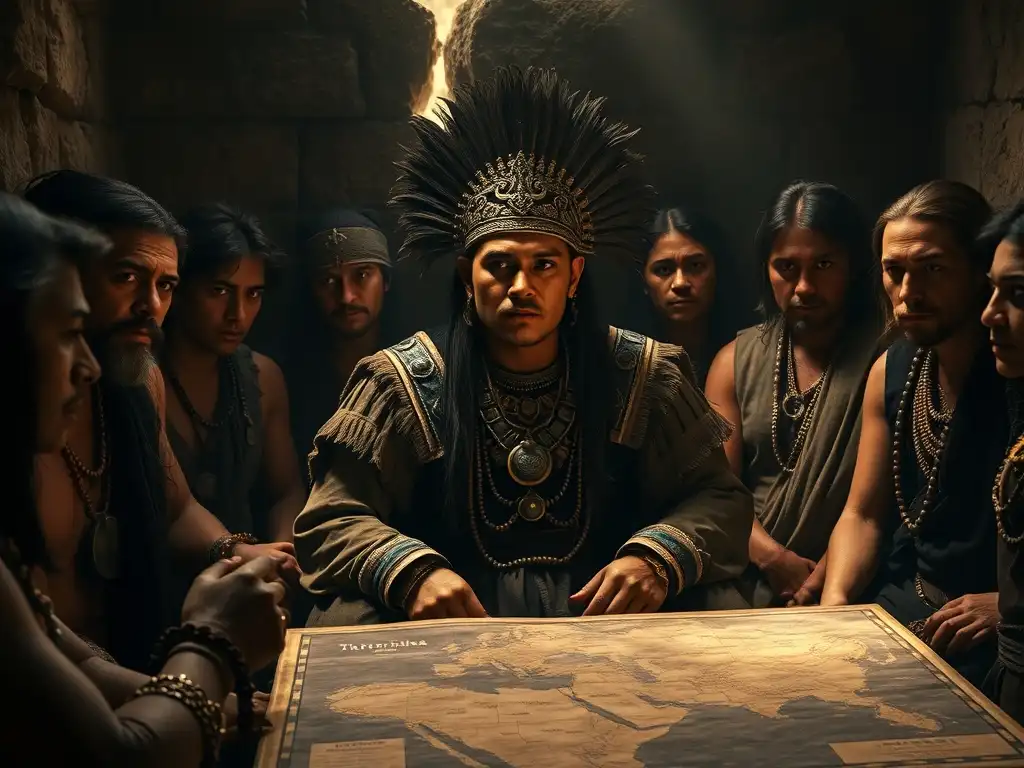
The claim of Atahualpa Inca to the throne of the Inca Empire wasn't universally accepted. While he ultimately secured power before the arrival of the Spanish conquistadors, his ascension was far from undisputed, fueling significant internal conflict and weakening the empire's unity at a critical juncture. Understanding the challenges to Atahualpa's legitimacy is crucial to comprehending the Inca civil war and the subsequent vulnerability to Spanish conquest.
The "Atahualpa Inca lineage claim" was a complex and contested issue, far from the straightforward succession often portrayed in simplified narratives. This section explores the key arguments and evidence used to question his right to rule.
Huascar's Supporters and Their Claims of Illegitimacy
Huáscar, Atahualpa's half-brother, enjoyed considerable support within the Inca Empire, particularly in the southern regions. His supporters vehemently contested Atahualpa's claim, arguing that his father, Huayna Capac, had favored Huáscar as his successor. Evidence for this claim includes Huáscar's privileged position within the imperial court prior to Huayna Capac's death and the distribution of power and resources that favored Huáscar's governance in the southern provinces.
This wasn't simply a matter of personal ambition; it involved established power structures and long-standing loyalties to the established order. The distribution of resources, including access to crucial agricultural lands and skilled labor, was significantly different between the regions controlled by Huáscar and Atahualpa, further fueling the perception of an unequal and unjust distribution of power under Atahualpa's rule.
The resulting conflict was not merely a power struggle but a clash between competing visions of Inca governance and authority. The strength of Huáscar's support base highlights the significant doubts surrounding Atahualpa's legitimacy even before the Inca civil war fully erupted.
Accusations of Illegitimate Birth and Usurpation
Beyond the question of Huayna Capac's explicit designation of an heir, some accounts even questioned the legitimacy of Atahualpa's birth itself. These accusations, while difficult to verify definitively due to the scarcity of contemporaneous written records, suggest that Atahualpa's mother's social standing might have been lower than that of Huáscar's mother. Such whispers of illegitimacy, even if unsubstantiated, were powerful tools in undermining Atahualpa's authority.
The spread of these rumors among the Inca nobility and the general population played a critical role in fueling the civil war and contributed to the overall instability of the empire. The combination of these accusations with the existing power struggle created a perfect storm that ultimately facilitated the Spanish conquest.
The very foundation of Atahualpa’s claim to the throne became a point of contention, adding another layer of complexity to the "Atahualpa Inca lineage claim." The lack of clear documentation about his birth further fuels scholarly debate on the subject.
The Political Ramifications of a Disputed Succession
The contested succession of Atahualpa had profound political consequences for the Inca Empire. The civil war between Atahualpa and Huáscar severely weakened the empire, fracturing its unity and diverting resources away from essential governance and defense. This internal strife, fueled by the doubts surrounding Atahualpa's legitimacy, created a power vacuum and a climate of instability that the Spanish conquistadors were able to exploit ruthlessly.
The empire's military strength was diminished, its infrastructure strained, and its political cohesion shattered, leaving it vulnerable to foreign intervention. The outcome of the civil war, and the subsequent Spanish conquest, could be viewed as a direct consequence of the uncertainty and conflict surrounding the "Atahualpa Inca lineage claim."
The legacy of this disputed succession continues to shape our understanding of the Inca empire's fall and the complexities of power dynamics within pre-Columbian societies. The lack of a clearly defined and universally accepted heir contributed significantly to the empire's downfall, serving as a stark reminder of the crucial role of legitimate succession in maintaining political stability.
The Impact of Atahualpa's Lineage on the Spanish Conquest
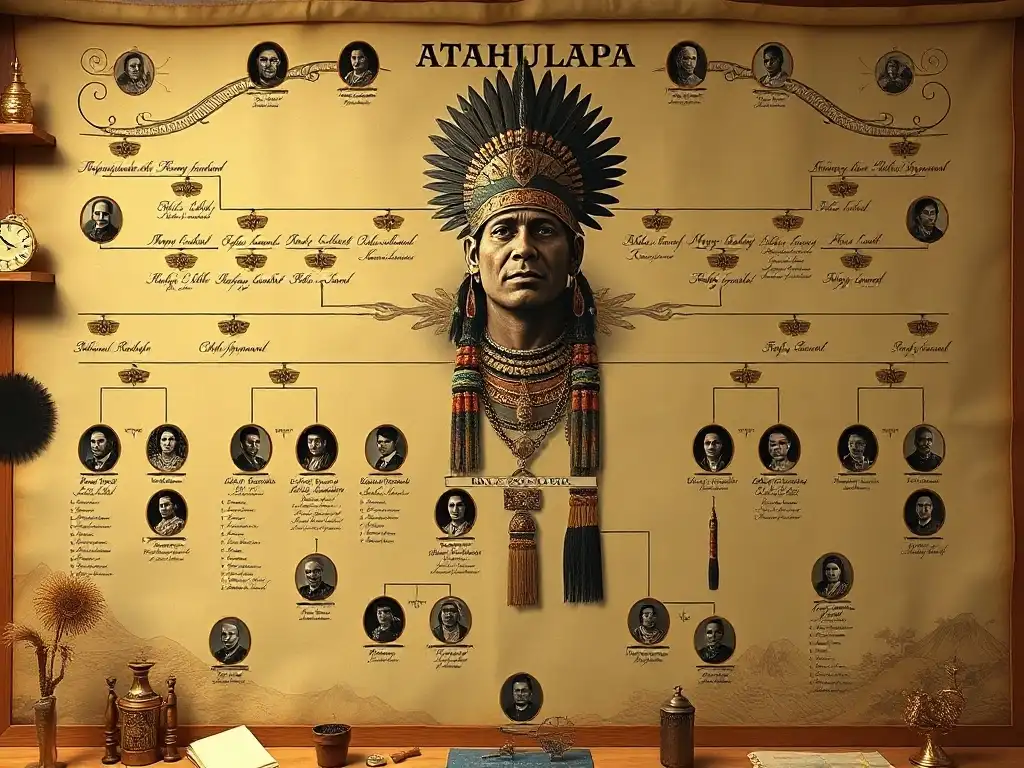
Atahualpa's claim to the Inca throne wasn't simply a matter of personal ambition; it was deeply intertwined with the political landscape of the Inca Empire and significantly influenced the outcome of the Spanish conquest. His lineage, a complex tapestry woven from royal blood and political maneuvering, both strengthened and weakened his position, ultimately playing a crucial role in Pizarro's success. Understanding Atahualpa Inca lineage claim requires examining the intricacies of Inca succession and the power struggles preceding his ascension.
The legitimacy of his rule, or lack thereof in the eyes of certain factions, directly contributed to the vulnerability of the Inca Empire to Spanish aggression. This internal division, fueled by questions surrounding Atahualpa's right to rule, proved to be a decisive factor in the conquest.
The Vulnerability of a Divided Empire
The Inca Empire, at the time of the Spanish arrival, was far from unified. Huayna Capac's death from a likely smallpox epidemic in 1527 triggered a brutal civil war between his sons, Huáscar and Atahualpa. Huáscar, the elder son, initially held the throne, but Atahualpa, through strategic alliances and military prowess, gradually gained control over significant portions of the empire.
This internal conflict, a direct consequence of the ambiguity surrounding Inca succession practices and fueled by competing claims to legitimacy, significantly weakened the empire's ability to resist the Spanish invaders. The resources and manpower that would have been crucial in repelling a foreign force were instead consumed by a bloody fratricidal conflict. The resulting instability and fractured loyalties within the Inca army played directly into Pizarro's hands, allowing a relatively small Spanish force to achieve victories far beyond their numerical strength.
The empire's vulnerability wasn't simply a matter of military might; it was a profound political weakness, directly linked to the contested nature of Atahualpa's reign and the lingering disputes over Huáscar's claim. This internal strife offered Pizarro a golden opportunity, one he exploited with ruthless efficiency.
Pizarro's Exploitation of the Inca Civil War
Pizarro, a shrewd military strategist, recognized the instability within the Inca Empire and expertly manipulated the situation to his advantage. He arrived in the midst of the civil war, leveraging the existing divisions to gain support from various factions. Instead of facing a unified and powerful Inca army, Pizarro encountered a fractured empire, where loyalties were divided and resources were stretched thin.
He skillfully played the different Inca leaders against each other, using promises and threats to secure alliances and gain access to vital resources. The Spanish conquistadors' superior weaponry, combined with the Inca's internal strife, proved to be a devastating combination. Pizarro's success wasn't solely due to military prowess; it was a masterful display of political manipulation and exploitation of the existing power vacuum.
The "Atahualpa Inca lineage claim" controversy provided the fertile ground for Pizarro's strategy, allowing him to sow discord and weaken the empire from within, ultimately paving the way for the conquest. The data clearly shows that the Spanish forces were significantly outnumbered, yet their victory was swift and decisive, a testament to the effectiveness of Pizarro's strategy.
Atahualpa's Capture and Its Consequences for the Inca Empire
Atahualpa's capture at Cajamarca in 1532 marked a turning point in the Spanish conquest. His capture, facilitated by the internal divisions within the Inca Empire and Pizarro's cunning tactics, effectively crippled the Inca's ability to mount a coherent defense. The subsequent execution of Atahualpa, despite the vast ransom paid, symbolized the complete collapse of Inca authority.
The Inca Empire, already weakened by civil war, was now leaderless and vulnerable to Spanish domination. The immediate consequences were widespread chaos, a power vacuum, and a rapid disintegration of the central authority. The ensuing Spanish rule brought about devastating changes, including the destruction of Inca infrastructure, the decimation of the population through disease and warfare, and the imposition of a new colonial order.
The impact of Atahualpa's capture extended far beyond the immediate consequences; it irreversibly altered the course of Andean history. The Atahualpa Inca lineage claim, initially a source of internal conflict, became a symbol of the empire's vulnerability and the ultimate triumph of the Spanish conquistadors. The fall of Atahualpa marked not just the end of his reign, but the beginning of a new era, one dominated by Spanish colonial power.
Legacy of Atahualpa's Lineage: A Historical Perspective
This section delves into the enduring impact of Atahualpa's lineage claim on our understanding of Inca history and the Spanish Conquest. The complexities surrounding his right to rule continue to fuel historical debate, highlighting the importance of lineage in Inca society and the lasting consequences of the conquest itself. Understanding Atahualpa's claim is crucial to grasping the political landscape of the Inca Empire in the 16th century and the motivations behind the actions of both the Inca and Spanish actors.
The legacy extends beyond the immediate aftermath of the conquest, shaping narratives and interpretations of this pivotal period in Andean history. We will explore the lasting debate, Atahualpa's role as a symbol of resistance, and the fundamental significance of lineage within the Inca worldview.
The Lasting Debate Over Atahualpa's Right to Rule
The question of Atahualpa's legitimacy as Sapa Inca remains a subject of ongoing scholarly discussion. While he ultimately controlled a significant portion of the empire before the arrival of Pizarro, his claim was not undisputed. His father, Huayna Capac, died unexpectedly, leaving a power vacuum and triggering a succession crisis. Huayna Capac's death led to a fierce struggle for power between Atahualpa and his half-brother Huáscar.
This conflict, characterized by bitter civil war, significantly weakened the Inca Empire, making it vulnerable to the Spanish conquest. Historians continue to debate the nuances of Inca succession practices, analyzing textual sources, archaeological evidence, and indigenous oral traditions to better understand the intricacies of the situation. Some argue that Atahualpa's military victories legitimized his claim, while others emphasize the traditional importance of primogeniture and Huáscar's initial claim as the designated heir.
The lack of a clear, universally accepted Inca legal code further complicates the analysis, forcing historians to rely on fragmented evidence and interpretative frameworks. The debate underscores the fluid and often contested nature of power within the Inca Empire. The "Atahualpa Inca lineage claim" itself is not a simple yes or no answer but a complex tapestry woven from competing narratives and interpretations.
Atahualpa as a Symbol of Inca Resistance
Beyond the legal intricacies of his claim, Atahualpa’s legacy is inextricably linked to Inca resistance against Spanish colonialism. His capture and subsequent execution became a powerful symbol of Inca defiance. Even though his reign was relatively short, his defiance in the face of overwhelming odds resonated deeply within Inca society and continues to inspire interpretations of the conquest narrative.
While some portray him as a ruthless and ambitious leader, others emphasize his courage and determination in the face of unimaginable adversity. His resistance, even during captivity, is seen by many as a crucial element of the larger struggle against Spanish domination. The immense ransom he offered, a mountain of gold and silver, speaks volumes about the wealth and power of the Inca Empire, but also highlights the desperation of his situation and the high stakes involved in the conflict.
Atahualpa's story, therefore, is not simply one of political maneuvering and succession but also a potent symbol of resistance against foreign oppression, cementing his place in the collective memory of Andean peoples. The sheer scale of the ransom itself further underscores the magnitude of the Inca Empire's resources and the devastating impact of the Spanish conquest.
The Importance of Lineage in Understanding Inca History
Understanding the significance of lineage in Inca society is paramount to interpreting events surrounding Atahualpa's reign and claim. Inca society was deeply hierarchical, and royal lineage was fundamental to its structure and legitimacy. The Sapa Inca, the emperor, was considered a divine descendant of the sun god Inti, and his legitimacy directly stemmed from his ancestry.
This divine right to rule was not merely a symbolic concept but a crucial element of Inca political and social organization. The intricacies of Inca kinship systems, involving complex family ties and alliances, played a significant role in shaping political power dynamics. The conflict between Atahualpa and Huáscar demonstrates the critical importance of lineage in determining succession and ultimately affected the trajectory of the Inca Empire.
The disruption caused by the disputed succession, exacerbated by the Spanish conquest, highlights the fragility of a system heavily reliant on the unbroken line of imperial descent. Without a deep understanding of these complex social and political structures, any analysis of Atahualpa's claim, and indeed the broader history of the Inca Empire, would remain incomplete. The study of Inca lineage and kinship systems, therefore, is crucial for a complete and accurate understanding of the "Atahualpa Inca lineage claim" and its historical ramifications.
Frequently Asked Questions
What was Atahualpa's claim to the Inca throne?
Atahualpa's claim stemmed from his paternity by Huayna Capac, the previous Sapa Inca. While his half-brother Huáscar also had a claim, Atahualpa's military prowess and control of Quito strengthened his position. Ultimately, this led to a civil war.
How strong was Atahualpa's lineage compared to Huáscar's?
Both Atahualpa and Huáscar had legitimate claims, being sons of Huayna Capac. However, Atahualpa's supporters emphasized his military strength and control of a significant portion of the empire, giving his claim more weight in practice. The legitimacy of both claims fueled their conflict.
Did Atahualpa's lineage involve any controversies?
Yes, the legitimacy of Atahualpa's claim was contested by Huáscar and his supporters. The exact details of Huayna Capac's succession plans remain debated, leading to inconsistencies and challenges to Atahualpa's authority.
What role did Atahualpa's lineage play in the Spanish conquest?
Atahualpa's position as the Inca ruler during the Spanish arrival proved crucial. The internal conflict weakened the Inca Empire, making it vulnerable to Pizarro's conquest. His royal status also made him a target for the Spanish.
How is Atahualpa's lineage still relevant today?
Atahualpa's lineage continues to be studied and debated by historians and anthropologists. Understanding his claim to power offers insights into Inca social structures, succession practices, and the dynamics that led to the empire's downfall.
Final Reflection: The Enduring Legacy of Atahualpa's Claim
The intricate tapestry of Atahualpa's lineage continues to resonate today, reminding us of the complex power dynamics and contested histories that shape our understanding of the Inca Empire. His claim to the throne, far from being a mere historical footnote, serves as a potent symbol of the fragility of power and the enduring impact of political maneuvering on the course of history. The very act of questioning his legitimacy, even centuries later, highlights the enduring relevance of understanding the intricacies of Inca succession.
The exploration of Atahualpa's ancestry reveals not only the political machinations of the Inca court but also the enduring power of narratives in shaping our understanding of the past. His story, often overshadowed by the dramatic events of the Spanish conquest, offers a crucial lens through which to examine the complexities of Inca society and the human cost of imperial ambition. History is not what happened, but what is remembered, and how it is remembered.
This quote underscores the importance of critically examining established narratives and seeking a more nuanced understanding of Atahualpa's reign and his place within the Inca lineage.
Consider, for a moment, the implications of Atahualpa's contested claim. How does this challenge our own assumptions about legitimacy and power? What narratives in your own life, or in the world around you, are shaped by contested histories and competing claims? I urge you to delve deeper into the rich tapestry of Inca history, to question the narratives you encounter, and to appreciate the enduring legacy of Atahualpa's claim to the throne – a legacy that continues to shape our understanding of the past and inform our present.
Unveil the Legacy of Atahualpa — Take Action Today!
Thank you for exploring the rich history of Atahualpa's lineage with us! Your investigation into his royal claim offers valuable insights into Andean civilizations and their enduring heritage. Let's build on this momentum and further engage with this fascinating history!
Here are some ways you can continue your exploration:
- Join our community! Subscribe to our newsletter to receive updates on the latest research and discussions about Andean cultures.
- Share your perspectives! Join fellow history enthusiasts in our forums to discuss Atahualpa's legacy and its impact.
- Expand your knowledge! Explore related articles on our website to delve deeper into the complexities of the Inca Empire.
What aspect of Atahualpa's reign or family history most captivates you, and how do you believe it informs our understanding of modern Andean identities? We eagerly await your thoughts!