
Atahualpa's Strategic Errors: What Led to the Inca King's Downfall?

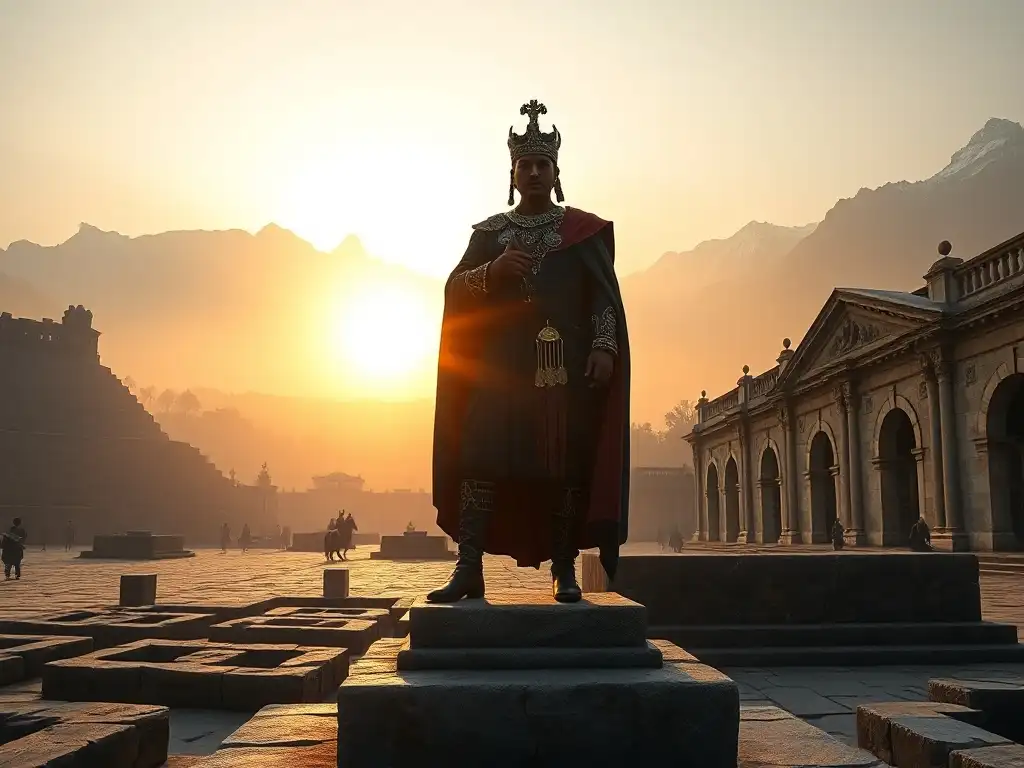
Step into a world lost to time, yet echoing with the power of the Andes. Imagine a civilization spanning vast mountain ranges, a tapestry woven with intricate artistry and breathtaking ingenuity. But what truly brought about the dramatic downfall of Atahualpa, the last independent Inca emperor? Discover the untold story behind Atahualpa Inca's downfall and uncover the strategic missteps that sealed his fate in this gripping exploration of the Spanish Conquest. Unravel the mysteries and prepare to be amazed.
- Atahualpa's Strategic Errors: Understanding the Inca King's Downfall
- Atahualpa's Fatal Miscalculations: Key Strategic Errors
- The Capture of Atahualpa and Its Immediate Consequences
- The Legacy of Atahualpa's Downfall: Lessons from History
- Conclusion: Reflecting on the Inca King’s Final Days
-
Frequently Asked Questions
- What were the main reasons for Atahualpa's downfall?
- How did Atahualpa's leadership contribute to the Inca defeat?
- What role did the Spanish conquistadors play in Atahualpa's capture?
- What was the significance of the ransom offered by Atahualpa?
- Beyond military factors, what other elements contributed to the Inca defeat?
- Final Reflection: The Enduring Legacy of Atahualpa's Choices
- Unveil the Lessons of Leadership!
Atahualpa's Strategic Errors: Understanding the Inca King's Downfall
The Spanish conquest of the Inca Empire remains a pivotal moment in history, a dramatic clash of cultures that irrevocably altered the course of South America. While the superior weaponry and disease vectors of the Spanish played a significant role, the downfall of Atahualpa, the last Sapa Inca to rule a unified empire, was also profoundly shaped by his own strategic miscalculations and the internal vulnerabilities of the Inca state.
This article delves into the key decisions and circumstances that contributed to Atahualpa's defeat, examining the pre-existing divisions within the Inca Empire and the critical errors of judgment made by the Inca ruler in the face of the Spanish invasion. We will analyze the context of the Inca civil war, Atahualpa's ascension, and his fateful encounter with Francisco Pizarro, ultimately unraveling the complex tapestry of factors that led to the Inca king's demise and the subsequent collapse of his vast empire.
Understanding these factors provides crucial insight into the dynamics of conquest and the fragility of even the most powerful empires. The keyword "Atahualpa Inca downfall" will be explored through a detailed examination of these critical aspects.
The Incas on the Eve of Conquest: A Divided Empire
The Inca Empire, at the time of the Spanish arrival, was far from the monolithic, unified power often depicted in historical narratives. Years of internal strife and succession disputes had weakened the empire significantly. The death of Huayna Capac, the previous Sapa Inca, in 1527 (possibly from smallpox), triggered a brutal civil war between his two sons, Huáscar and Atahualpa.
This conflict, far from a simple power struggle, exposed deep-seated tensions within the empire, fracturing the loyalty of various provinces and weakening the central authority. The war was characterized by intense battles and shifting alliances, leaving the empire exhausted and vulnerable. The infrastructure, meticulously built over centuries, was damaged, and the economy was severely disrupted.
This internal fracturing proved to be a critical factor in the Spaniards' ability to conquer a seemingly invincible empire. The empire's resources, which could have been used to resist the invaders effectively, were instead consumed by the devastating civil war. The resulting chaos and weakened military capacity left the Inca Empire ripe for conquest.
Atahualpa's Rise to Power and the Inca Civil War
Atahualpa's victory in the Inca Civil War, while securing him the throne, was also a pyrrhic one. His brutal tactics alienated many within the Inca elite, fostering resentment and distrust that would later prove detrimental. His swift and decisive military campaigns, while initially successful, left a trail of animosity and weakened his support base.
Furthermore, the war had depleted the Inca army, leaving them less prepared to face the technologically superior Spanish forces. Atahualpa's focus on consolidating his power after the civil war also meant neglecting the growing threat posed by the Spanish. Intelligence reports regarding the arrival of the Spanish conquistadors were likely dismissed or underestimated, a crucial oversight given the empire's weakened state.
This underestimation, combined with the lingering effects of the civil war, significantly contributed to Atahualpa's unpreparedness for the Spanish invasion. His focus on internal consolidation, while understandable after a bloody civil war, proved to be a fatal strategic error.
The Arrival of Pizarro and the Spanish Conquistadors
The arrival of Francisco Pizarro and his relatively small band of conquistadors in 1532 found the Inca Empire deeply divided and weakened. Atahualpa, despite his military prowess, made several critical errors in his interactions with the Spanish. His initial underestimation of the Spanish threat, combined with his reliance on outdated strategies and tactics, proved disastrous.
The capture of Atahualpa at the Battle of Cajamarca remains a pivotal moment, highlighting Atahualpa’s lack of understanding of the Spanish weaponry and tactics. The Inca army, already depleted by the civil war, was no match for the Spanish firearms and horses. Furthermore, Atahualpa’s trust in negotiations and his subsequent imprisonment played directly into Pizarro's hands.
The immense ransom offered by Atahualpa, while showcasing the Inca's wealth, ultimately sealed his fate, as Pizarro, despite receiving the gold, ultimately executed him. This act of betrayal underscored the fatal misjudgment of a ruler who underestimated both the ruthlessness and the cunning of his adversaries. The failure to recognize the true nature of the Spanish threat, coupled with strategic errors in military engagement and diplomacy, led to the catastrophic downfall of Atahualpa and the Inca Empire.
Atahualpa's Fatal Miscalculations: Key Strategic Errors
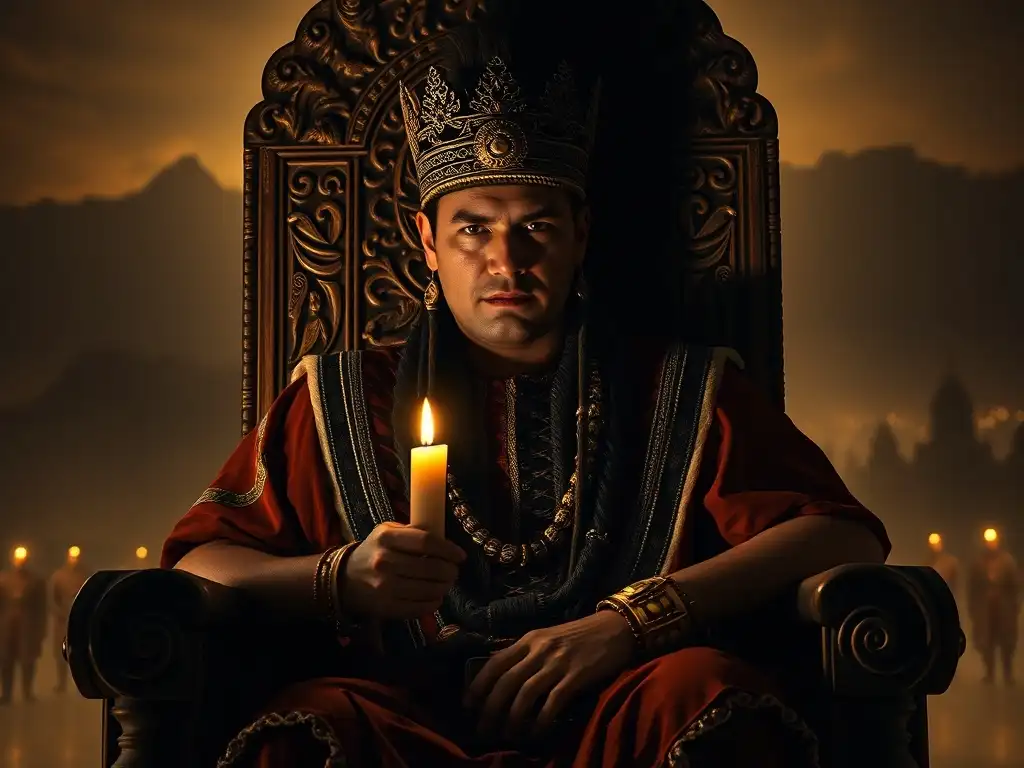
Atahualpa's reign as Sapa Inca was tragically short-lived, culminating in his capture and execution by Francisco Pizarro. While Pizarro's ruthlessness and cunning played a significant role in the Inca downfall, Atahualpa's own strategic errors were equally pivotal in his demise. A closer examination reveals a series of miscalculations that severely weakened his position and paved the way for the Spanish conquest. Analyzing these mistakes offers valuable insight into the complexities of the Inca empire's collapse and the nuances of the "Atahualpa Inca downfall."
Underestimation of Spanish Military Power
Atahualpa's profound misjudgment of Spanish military capabilities proved catastrophic. He underestimated their strength not only in terms of weaponry but also in their strategic thinking and adaptability.
Ignoring the Technological Superiority of the Spanish
The Inca army, while formidable in size and organization, lacked the technological advancements possessed by the Spanish conquistadors. Atahualpa failed to grasp the devastating impact of steel weapons – swords, lances, and especially firearms – against the Inca's primarily bronze and stone weaponry. This technological disparity, coupled with the Inca's reliance on close-quarters combat, severely disadvantaged them.
The relatively small number of Spanish soldiers was amplified exponentially by their superior weaponry. Reports suggest that the psychological impact of the firearms alone was significant, causing fear and disarray in the Inca ranks. This lack of appreciation for the implications of this technological gap was a fundamental strategic error.
Misjudging the Impact of Horses and Firearms
The impact of cavalry and firearms on the Inca army was immense. Horses, unknown in the Americas before the arrival of the Europeans, instilled fear and confusion among the Inca soldiers. Their speed and maneuverability allowed the Spanish to effectively outflank and overwhelm the Inca forces. Similarly, the explosive power of firearms proved devastating in battle, creating chaos and inflicting heavy casualties. Atahualpa's failure to adequately assess the tactical advantages offered by these elements significantly contributed to his defeat. The psychological impact of the horses alone, often described as "thunder beasts" by the Inca, shouldn't be disregarded.
Misunderstanding Spanish Intentions and Motivations
Beyond military might, Atahualpa's flawed understanding of the Spanish intentions and motivations proved equally detrimental. His initial interactions with Pizarro were marked by a lack of foresight and a misinterpretation of Spanish behavior.
Viewing the Spanish as Potential Allies, Not Conquerors
Initially, Atahualpa may have perceived the Spanish as potential allies or trading partners, perhaps unaware of their imperial ambitions. This perception, fueled by the Spanish display of seemingly advanced technology and gifts, blinded him to their true intentions. The early interactions, characterized by gifts and seemingly peaceful negotiations, created a false sense of security. Atahualpa's willingness to engage in dialogue and seemingly trust Pizarro's assurances demonstrates a critical failure to perceive the inherent threat. The lack of a clear understanding of the Spanish colonial project, fueled by their greed for gold and land, was a fatal oversight.
Failure to Recognize the Greed and Ambition of Pizarro
Atahualpa underestimated Pizarro's ambition and ruthless determination. He failed to recognize the driving force of greed and the insatiable desire for gold and power that fueled the Spanish conquest. Pizarro's deceptive tactics, masked by diplomatic overtures, were not fully understood or anticipated by Atahualpa.
The Inca leader's naiveté in dealing with a man like Pizarro, whose primary goal was conquest and plunder, ultimately proved disastrous. The vast wealth of the Inca Empire was a powerful magnet, and Atahualpa's failure to recognize this fundamental aspect of the Spanish motivation directly contributed to his downfall. This misjudgment highlights the crucial need for accurate intelligence gathering and assessment of enemy capabilities and intentions in any conflict.
Tactical Blunders Leading to the Cajamarca Massacre
The Cajamarca massacre, a pivotal moment in the Spanish conquest, was not simply the result of superior Spanish weaponry. Atahualpa's strategic blunders played a crucial role in his capture and the subsequent downfall of the Inca Empire. His decisions, based on a combination of underestimation of the Spanish capabilities and internal Inca political complexities, paved the way for the devastating defeat. The lack of foresight and preparedness on Atahualpa's part transformed a potentially advantageous situation into a catastrophic loss. His failure to properly assess the Spanish threat and his subsequent tactical errors irrevocably altered the course of Andean history.
The Decision to Meet the Spanish in Cajamarca
Atahualpa's decision to meet Pizarro and his conquistadors in the seemingly innocuous town of Cajamarca stands out as one of his most significant errors. While the exact reasons remain debated by historians, several factors likely contributed to this fateful choice. Perhaps Atahualpa, confident in the size and power of his army, underestimated the Spanish, believing a show of force would intimidate them into submission.
He may have also been influenced by reports portraying the Spanish as a smaller, less powerful force than they truly were. Moreover, the political climate within the Inca Empire, still reeling from the recent civil war between Atahualpa and his brother Huáscar, may have played a role. Atahualpa might have believed a swift, decisive action against the Spanish would solidify his power and quell any lingering dissent.
Instead, this decision led him directly into a carefully laid Spanish trap. The choice of Cajamarca, a narrow valley easily encircled, proved disastrous. It was a tactical misstep that sealed his fate.
Lack of Adequate Inca Military Preparedness
Beyond the choice of meeting location, Atahualpa's failure to adequately prepare his army for a potential confrontation with the Spanish proved catastrophic. While the Inca army boasted impressive numbers, they were ill-equipped to deal with the Spanish tactics and weaponry. The Inca warriors relied heavily on close-quarters combat and lacked the sophisticated defensive strategies necessary to counter the Spanish cavalry and firearms. Furthermore, Atahualpa's forces were likely disorganized, lacking the unified command structure needed to effectively respond to a swift, coordinated attack.
Intelligence gathering seems to have been inadequate, allowing the Spanish to stage a surprise attack with devastating consequences. The lack of preparedness, a critical strategic failure, significantly contributed to the ease with which the Spanish overpowered the Inca army. This lack of preparation highlights a deeper issue: Atahualpa's underestimation of the Spanish technological and tactical advantages.
The Trap of the Cajamarca Plaza: A Critical Error
The Cajamarca plaza itself became a symbol of Atahualpa's strategic missteps. The narrow confines of the plaza, surrounded by buildings and easily defensible positions, allowed the Spanish to establish a strong defensive perimeter. Atahualpa's army, accustomed to open battlefields, was caught completely off guard.
The Spanish, expertly using their superior weaponry and tactics, unleashed a devastating assault, exploiting the limitations of the terrain to their advantage. The Inca soldiers, densely packed into the plaza, were decimated by the coordinated attack, their attempts at resistance thwarted by the Spanish cavalry and firearms. The plaza, intended perhaps as a location for a display of Inca power, instead became the site of their humiliating defeat and Atahualpa's capture.
The selection of this location, coupled with the lack of adequate military preparedness, proved to be a fatal strategic error that irrevocably shifted the balance of power in the Andean region. The Cajamarca plaza serves as a stark reminder of the devastating consequences of underestimating one's opponent and failing to adequately prepare for conflict.
The Capture of Atahualpa and Its Immediate Consequences
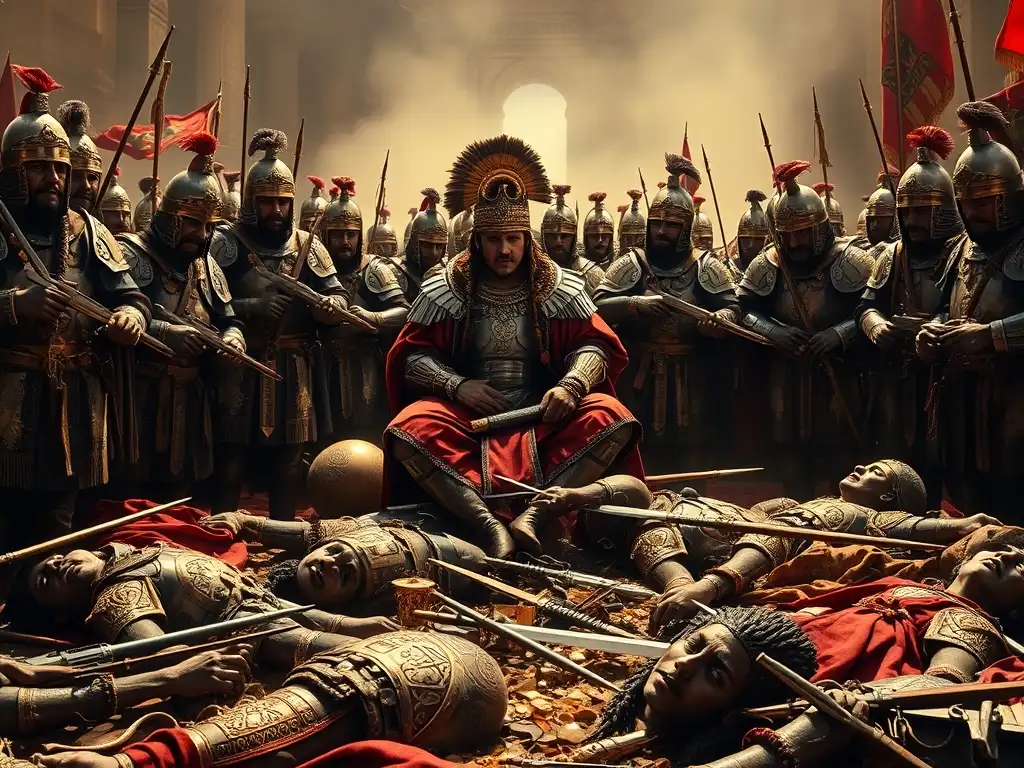
The capture of Atahualpa at Cajamarca on November 16, 1532, marked a pivotal moment in the Spanish conquest of the Inca Empire. Pizarro's audacious strategy, employing deception and overwhelming firepower, effectively neutralized the Inca army. Atahualpa, initially confident in his superior numbers, was utterly unprepared for the brutality and technological advantage of the conquistadors' weaponry – cannons, muskets, and steel armor proved devastatingly effective against the Inca's bronze weapons and quilted defenses.
The ensuing massacre shocked the Inca, shattering their belief in their own invincibility and sowing chaos amongst the ranks. This swift and decisive victory, achieved with relatively few Spanish casualties, laid the foundation for the subsequent conquest of the vast Inca empire. The psychological impact of the event was as significant as the military one.
The capture of the Sapa Inca, the divine ruler, undermined the legitimacy of the Inca state in the eyes of many subjects, paving the way for easier subjugation by the Spanish. The ensuing power vacuum destabilized the empire, creating opportunities for internal conflict and weakening its overall resistance to Spanish rule. This strategic success for Pizarro can be directly attributed to his meticulous planning, intelligence gathering, and exploitation of existing internal Inca conflicts.
Atahualpa's Imprisonment and the Inca Ransom
Following his capture, Atahualpa was imprisoned in Cajamarca. The initial brutality of his treatment – including the slaughter of thousands of his unarmed retinue – served as a stark warning to any who might consider resisting the Spanish. However, Pizarro, despite his ruthlessness, also displayed a pragmatic understanding of Inca society. He recognized the immense wealth of the empire and, rather than immediately executing Atahualpa, chose to exploit his value as a bargaining chip.
The infamous ransom, a room filled to the brim with gold and silver, became a testament to the Inca's opulence. The initial agreement – a room filled with gold and another filled with silver, equivalent to what the Inca called a "full room" – was a testament to the Inca’s vast wealth. The sheer volume of precious metals demanded was staggering, showcasing the extent of the Inca Empire's resources and the Spanish’s greed.
However, even this massive amount, which historians estimate to be worth billions of dollars today, proved insufficient to secure Atahualpa's freedom completely. The execution of Atahualpa despite the payment highlights the inherent duplicity and lack of trust underpinning the relationship between the Spanish and the Inca. The sheer scale of the ransom – a testament to Inca wealth – is often overlooked in discussions focusing solely on the strategic errors of Atahualpa.
The Failed Attempts to Secure Atahualpa's Release
Despite the immense ransom paid, Atahualpa's imprisonment continued. Several attempts were made by his loyalists, both within and outside the Inca court, to secure his release. These efforts, however, were hampered by the Spanish's control over key strategic locations and the increasing fragmentation of the Inca leadership.
Intrigue and internal power struggles further complicated matters. The Inca nobility, fractured by Atahualpa's own ascension to power and divided in their loyalty, offered only sporadic and ultimately ineffective resistance. The Spanish successfully exploited these divisions, playing different factions against one another to further consolidate their control.
Furthermore, the Inca, lacking the means to effectively counter Spanish weaponry and tactics, found themselves consistently outmaneuvered. The lack of a unified and effective strategy on the part of the Inca nobility, coupled with the Spanish’s masterful manipulation of internal conflicts, ensured the failure of any rescue attempts. The failure of these attempts underscores the limitations of Inca military capabilities in the face of superior Spanish technology and tactics, and the devastating impact of internal divisions within the Inca leadership.
Despite fulfilling his side of the bargain, Atahualpa was executed on July 26, 1533. The official charge was conspiracy and rebellion, but the true reason was likely Pizarro's ambition and fear of a resurgent Inca resistance. The elimination of Atahualpa, the symbol of Inca power and legitimacy, had catastrophic consequences for the empire.
The execution sent shockwaves throughout the Inca world, deeply undermining the authority of the existing political structures. The subsequent installation of puppet rulers by the Spanish further destabilized the empire, resulting in widespread unrest and weakening its capacity to resist further Spanish advances. The absence of a strong centralized authority created a power vacuum, which fueled internal conflicts and facilitated the rapid disintegration of the Inca Empire.
The execution of Atahualpa, therefore, wasn't merely a singular event; it was a turning point, a catalyst that irreversibly altered the course of Inca history and paved the way for the complete conquest of their vast empire. The strategic error of placing all their power in a single individual – a king vulnerable to capture – proved fatal to the Inca.
The Legacy of Atahualpa's Downfall: Lessons from History
The End of Inca Rule and the Beginning of Spanish Colonialism
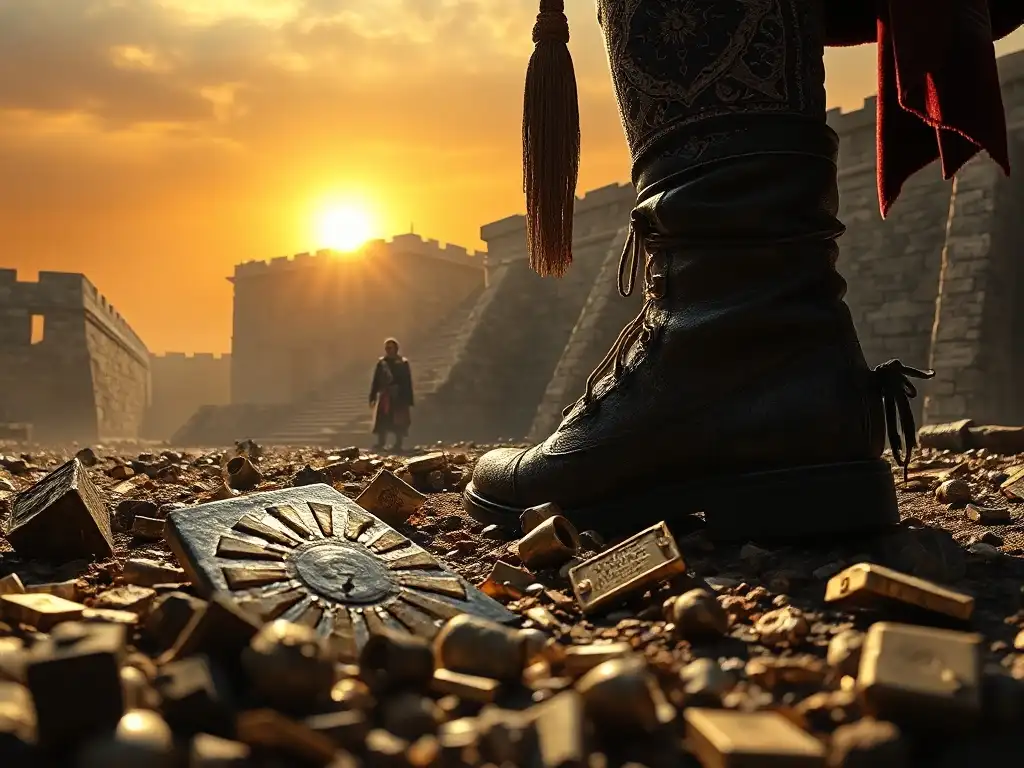
Atahualpa's capture and subsequent execution marked not just the end of his reign, but the brutal end of an era. The Inca Empire, a sophisticated and vast civilization, crumbled under the weight of internal strife and the overwhelming force of the Spanish conquistadors. The consequences were far-reaching and devastating. The meticulously organized Inca society, renowned for its advanced agricultural techniques, intricate road systems, and impressive architectural feats, was systematically dismantled.
The Spanish imposed their own governance, leading to the exploitation of resources, the enslavement of the indigenous population, and the introduction of diseases that decimated the native population. This period saw a dramatic shift in power dynamics, with the indigenous Andean worldview and social structures being replaced by a colonial system that would profoundly shape the region for centuries to come. The legacy of Atahualpa's downfall is not merely a historical event, but a complex tapestry woven with threads of political intrigue, cultural clash, and the lasting impact of colonization.
The consequences continue to resonate in the social, political, and economic landscapes of modern-day Andean nations. The sheer scale of the Inca Empire's collapse serves as a potent reminder of the fragility of even the most powerful empires, highlighting the vulnerability of centralized power structures in the face of internal divisions and external threats. Understanding this legacy is crucial to grasping the complexities of Andean history and its enduring impact on the present.
Atahualpa's Errors as a Case Study in Strategic Failure
Atahualpa's downfall provides a compelling case study in strategic failure. While the Spanish possessed superior weaponry, their success hinged significantly on Atahualpa's own missteps. His decision to engage in a civil war with his half-brother Huáscar weakened the empire considerably, leaving it vulnerable to external aggression. This internal conflict diverted crucial resources and manpower, creating a power vacuum that Pizarro deftly exploited.
Furthermore, Atahualpa's underestimation of the Spanish – their capabilities and their intentions – proved catastrophic. His initial attempts at diplomacy, seemingly naive in retrospect, ultimately failed to account for the conquistadors' ruthless ambition and their willingness to employ deception and violence. The capture at Cajamarca was a prime example of this strategic miscalculation. Atahualpa's reliance on outdated intelligence and his failure to effectively utilize the vast Inca army contributed significantly to the disastrous outcome.
His trust in the seemingly peaceful overtures of Pizarro, while perhaps stemming from a cultural misunderstanding, ultimately sealed his fate. Analyzing these decisions reveals a pattern of misjudgment and a failure to adapt to the rapidly changing circumstances presented by the arrival of the Spanish. This highlights the importance of accurate intelligence gathering, effective leadership in times of crisis, and a willingness to adapt strategies in the face of unforeseen challenges – lessons crucial not only for historical analysis but also for contemporary strategic thinking.
Analyzing the Factors Contributing to the Inca Defeat
The fall of Atahualpa and the Inca Empire was a multifaceted event, resulting from a confluence of factors. While Atahualpa's strategic errors played a significant role, it's crucial to acknowledge other contributing elements. The internal strife mentioned earlier – the Inca Civil War – significantly weakened the empire's military strength and political unity. This internal conflict created an environment ripe for exploitation by the Spanish, who capitalized on the existing divisions within the Inca leadership.
Additionally, the Spanish possessed superior weaponry, including firearms and horses, which gave them a decisive advantage on the battlefield. This technological disparity, coupled with the devastating impact of European diseases (such as smallpox) which decimated the Inca population, contributed significantly to their defeat. Moreover, the Inca's lack of immunity to these diseases created a public health crisis that further weakened their ability to resist the Spanish conquest.
The Inca's logistical challenges in coordinating a large-scale response to the Spanish invasion, compounded by the already existing internal conflict, hampered their ability to effectively counter the Spanish advance. Therefore, the "Atahualpa Inca downfall" was not solely a result of his individual failings, but a complex interplay of internal vulnerabilities, external threats, and a significant technological and epidemiological imbalance. Understanding these factors provides a more nuanced perspective on this pivotal moment in Andean history.
How Atahualpa's Downfall Shaped Andean History
Atahualpa's capture and subsequent execution in 1533 marked a pivotal moment not just for the Inca Empire, but for the entire Andean region. His death shattered the carefully constructed political and social order, plunging the empire into chaos and paving the way for Spanish colonization. The swift collapse of the Inca state wasn't solely due to Pizarro's military prowess; Atahualpa's strategic missteps significantly weakened the empire's ability to resist.
The ensuing power vacuum led to internal conflicts amongst rival Inca factions vying for control, further hindering any organized resistance against the Spanish. This internal strife, a direct consequence of Atahualpa's downfall, allowed the conquistadors to exploit the situation, consolidating their power and gradually extending their control over a vast territory.
The legacy of Atahualpa's downfall extends far beyond the immediate aftermath of the conquest. The Inca social structure, characterized by a sophisticated system of centralized governance and intricate social hierarchies, was irrevocably altered. The traditional methods of agriculture, religious practices, and artistic expressions were suppressed or significantly modified under Spanish rule.
The introduction of new diseases, coupled with the disruption of established trade routes and agricultural practices, decimated the indigenous population, leading to widespread famine and social upheaval. The lasting impact of these changes is still felt today in the cultural landscape of the Andes, shaping the identities and societal structures of modern Andean communities. The very fabric of Andean life was irrevocably transformed, resulting in a profound and lasting legacy that continues to be studied and debated by historians and anthropologists alike.
The consequences of Atahualpa's failure to effectively counter the Spanish invasion reverberate through centuries of Andean history, serving as a potent reminder of the fragility of power and the devastating impact of internal divisions in the face of external threats. Understanding this legacy is crucial to appreciating the complexities of Andean history and the ongoing efforts to preserve and celebrate indigenous cultures.
The sheer scale of the changes brought about by Atahualpa's downfall underscores the significance of this historical event. His reign, though brief, ultimately determined the fate of an entire civilization, leaving an indelible mark on the Andean world. The consequences of his strategic errors continue to resonate in the social, political, and cultural fabric of the region, making the study of his downfall a critical element in understanding the complex tapestry of Andean history.
The loss of Atahualpa was not merely the loss of a king; it was the loss of a unifying force, a catalyst for the disintegration of a powerful empire and the subsequent colonization of a vast and diverse region. The story of Atahualpa serves as a cautionary tale, illustrating the importance of strong leadership, strategic planning, and internal unity in the face of adversity.
Conclusion: Reflecting on the Inca King’s Final Days
The Tragic End of a Powerful Ruler
Atahualpa's reign, though brief, was marked by internal strife and ultimately, a devastating encounter with the Spanish conquistadors. His strategic miscalculations, stemming from a combination of underestimating the Spanish capabilities and internal political vulnerabilities, led to the catastrophic collapse of the Inca Empire. The execution of Atahualpa, a pivotal moment in the conquest, signified not just the death of a king, but the symbolic end of an era.
His story serves as a stark reminder of how even the most powerful empires can crumble under the weight of internal divisions and a failure to accurately assess external threats. The sheer scale of the ransom he offered—a room filled with gold and twice as much with silver—underscores the immense wealth and power of the Inca civilization before its swift decline. Despite the immense riches, Atahualpa's attempts to negotiate his freedom ultimately proved futile, highlighting the imbalance of power and the brutality of the conquest.
The details surrounding his death remain debated, but the narrative consistently paints a picture of a ruler betrayed by his own people and outmaneuvered by a relatively small force of Spanish soldiers. The final moments of Atahualpa's life serve as a poignant conclusion to a complex and tragic story. His legacy continues to fuel discussions about the intricacies of the Inca civilization and the devastating impact of the Spanish conquest.
The Lasting Impact of Atahualpa's Strategic Errors
Atahualpa's downfall had far-reaching consequences that continue to shape our understanding of the Inca Empire and the Spanish conquest. His failure to unify the Inca factions before the arrival of Pizarro created a power vacuum that the conquistadors readily exploited. This internal division, coupled with the Inca's unfamiliarity with Spanish weaponry and tactics, proved decisive in the swift conquest of a vast and powerful empire.
The strategic errors made by Atahualpa are not merely historical curiosities; they offer valuable lessons in leadership, diplomacy, and the assessment of threats. The impact of his decisions resonates even today, as scholars continue to analyze the factors that contributed to the Inca's defeat. The Atahualpa Inca downfall serves as a powerful case study in the fragility of even the most seemingly invincible empires, demonstrating the intricate interplay between internal politics, external threats, and the pivotal role of leadership in shaping a civilization's destiny.
Understanding the Atahualpa Inca downfall allows us to grasp the complexities of the Spanish conquest and the long-term consequences of its impact on Andean societies. The legacy of this pivotal moment in history continues to inspire research and debate, enriching our understanding of this crucial period. Analyzing the Atahualpa Inca downfall provides a deeper understanding of the factors leading to the disintegration of the Inca Empire and the subsequent establishment of Spanish colonial rule in South America.
Frequently Asked Questions
What were the main reasons for Atahualpa's downfall?
Atahualpa's downfall stemmed from a combination of factors: his internal power struggles with his half-brother Huáscar, which weakened the Inca Empire, and his underestimation of the Spanish conquistadors and their superior weaponry and tactics. His capture ultimately sealed his fate.
How did Atahualpa's leadership contribute to the Inca defeat?
Atahualpa's poor strategic decisions, including his lack of preparedness for war and his failure to effectively unite his forces against the Spanish, significantly contributed to the Inca defeat. His overconfidence also played a crucial role.
What role did the Spanish conquistadors play in Atahualpa's capture?
The Spanish conquistadors, led by Francisco Pizarro, employed superior military tactics and technology, such as horses and firearms, to outmaneuver and defeat Atahualpa's army. Their exploitation of internal Inca conflicts also proved decisive.
What was the significance of the ransom offered by Atahualpa?
Atahualpa's offer of a massive ransom in gold and silver highlights the immense wealth of the Inca Empire. While initially accepted by Pizarro, the ransom ultimately did not save Atahualpa from execution, demonstrating the Spanish thirst for conquest and power.
Beyond military factors, what other elements contributed to the Inca defeat?
Beyond military strategies, disease played a devastating role, decimating the Inca population and weakening their ability to resist the Spanish. Internal conflicts and a lack of unified resistance also proved fatal to the Inca Empire.
Final Reflection: The Enduring Legacy of Atahualpa's Choices
Atahualpa's strategic miscalculations weren't merely historical footnotes; they serve as potent reminders of the fragility of power and the enduring consequences of underestimating one's adversaries. The Inca Empire's swift collapse, precipitated by internal divisions and a failure to adapt to the unfamiliar tactics of the Spanish conquistadors, continues to resonate in discussions of colonialism, leadership, and the unpredictable nature of geopolitical shifts.
The story of Atahualpa's downfall is more than just a recounting of a historical event; it's a profound exploration of the human condition. His story underscores the importance of adaptability, foresight, and unity in the face of overwhelming odds. The greatest danger for most of us is not that our aim is too high and we miss it, but that it is too low and we reach it.
This quote, while not directly about Atahualpa, perfectly encapsulates the tragic irony of his situation – his ambition, while vast, was ultimately undermined by a lack of strategic vision and an underestimation of Pizarro's cunning.
Consider Atahualpa's story. Reflect on the choices you make, both large and small, and how they might shape your own future. What strategies do you employ to navigate challenges and anticipate potential threats? Embrace the lessons learned from Atahualpa's mistakes, and strive to cultivate the qualities of adaptability, foresight, and unity in your own life. By understanding the past, we can better prepare for the uncertainties of the future, ensuring that our own legacies are defined not by downfall, but by resilience and strategic brilliance.
Unveil the Lessons of Leadership!
Thank you for exploring the strategic missteps that contributed to the downfall of Inca King Atahualpa. This historical examination offers valuable insights into effective leadership and decision-making under duress. Now, let's put that knowledge to work!
Here's how you can apply what you've learned:
- Reflect on your leadership: Consider a recent decision you made. What did you learn from the experience, and how can you refine your approach in the future?
- Join the conversation: Share your perspective on Atahualpa's choices in our forum. What alternative actions might you have taken?
- Continue your learning: Further explore Andean history or delve deeper into strategic leadership principles – the pursuit of knowledge is ongoing.
What aspect of Atahualpa's story most resonates with you as a leadership lesson, and how will you integrate this knowledge into your life?