
The Battle of Cajamarca: A Detailed Account of the Pivotal Encounter

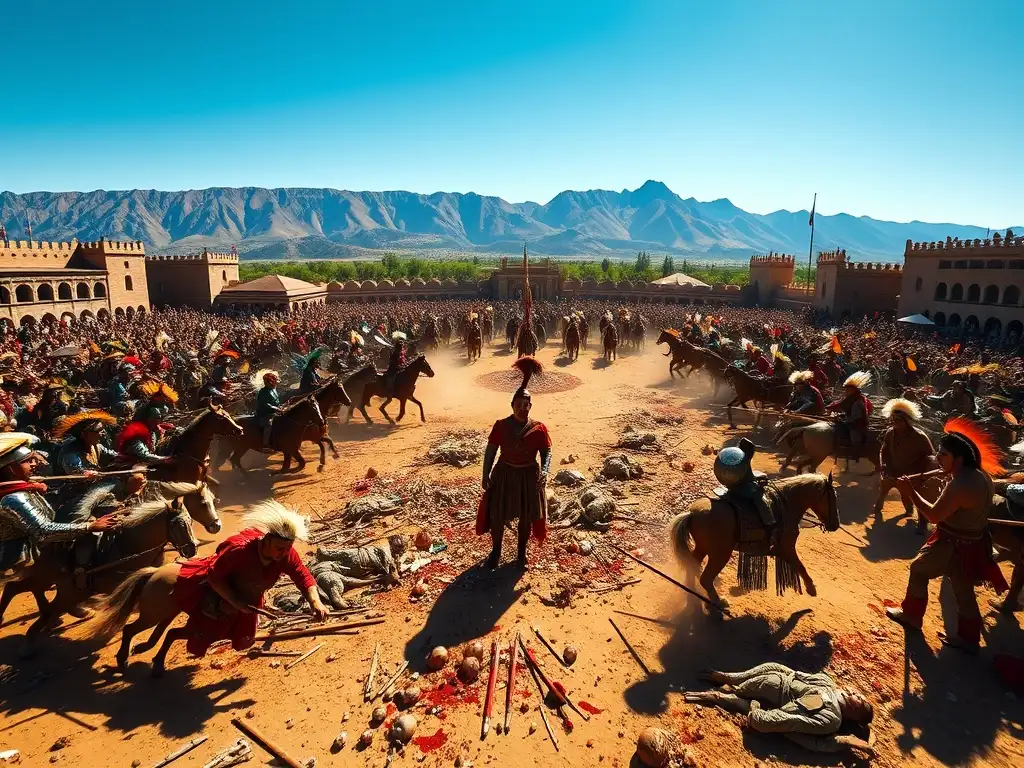
Step into a world lost to time, where empires rose and fell amidst breathtaking landscapes. Andean Civilizations unveils the mysteries and marvels of the ancient Andean world, from the intricate artistry of the Nazca lines to the sophisticated engineering of the Incas. But what truly sealed the fate of this extraordinary civilization? Prepare to be captivated by the Inca Battle of Cajamarca, a pivotal encounter that forever changed the course of history. Discover the shocking truth behind this dramatic clash and unravel the secrets of its devastating consequences. Dare to delve deeper…
- The Inca Battle of Cajamarca: A Detailed Account of the Pivotal Encounter
- Prelude to the Cajamarca Confrontation: Setting the Stage
- The Events of November 16, 1532: The Cajamarca Ambush Unfolds
- Analyzing the Factors Behind the Inca Defeat at Cajamarca
- The Aftermath of the Cajamarca Battle: Implications and Consequences
- The Significance of the Battle of Cajamarca in Andean History
- Frequently Asked Questions
- Final Reflection: Echoes of Cajamarca in the Modern World
- Unveil the Lessons of Cajamarca: Take Action Today!
The Inca Battle of Cajamarca: A Detailed Account of the Pivotal Encounter
The Spanish conquest of the Inca Empire, a pivotal moment in South American history, is indelibly marked by the infamous Battle of Cajamarca. This seemingly one-sided encounter, occurring in 1532, wasn't a battle in the traditional sense, but rather a carefully orchestrated ambush that effectively shattered the Inca's military might and paved the way for the subsequent colonization of the vast Andean empire.
This article delves into the meticulous planning, the shocking disparity in weaponry and tactics, and the long-term consequences of this pivotal event, exploring the factors that led to the Inca's defeat and the lasting impact on Andean culture and society. Understanding the Battle of Cajamarca is crucial to comprehending the complexities of the Spanish conquest and its devastating effects on the Inca civilization.
We will analyze the strategic brilliance of Francisco Pizarro, the fateful decisions of Atahualpa, and the cultural misunderstandings that contributed to this decisive moment in history.
The Strategic Genius of Francisco Pizarro
Francisco Pizarro, a Spanish conquistador of relatively humble origins, demonstrated remarkable strategic foresight in his planning of the ambush at Cajamarca. He masterfully utilized the geographical features of the valley to his advantage, channeling the Inca army into a confined space where their numerical superiority was negated. His forces, though significantly smaller, were armed with superior weaponry – steel swords, muskets, and cannons – that inflicted devastating casualties on the Inca warriors, who primarily relied on clubs, slings, and spears.
Pizarro's understanding of Inca social structures and political dynamics also played a crucial role. He exploited internal divisions within the Inca court, using deception and manipulation to lure Atahualpa into a trap. This carefully planned deception, coupled with the element of surprise, proved incredibly effective.
The meticulous detail in Pizarro’s planning stands as a testament to his strategic acumen, highlighting the critical role of intelligence and planning in military success. Further research into Pizarro's letters and contemporary accounts reveals a more nuanced understanding of his tactical genius.
The Inca Army and its Tactical Disadvantages
The Inca army, while vastly outnumbering the Spanish, suffered from significant tactical disadvantages. Their traditional methods of warfare, effective against other Andean groups, proved woefully inadequate against the Spanish weaponry and tactics. The Inca's reliance on close-quarters combat left them highly vulnerable to the range and firepower of the Spanish muskets and cannons. Furthermore, the Inca's lack of understanding of the Spanish fighting style and weaponry contributed to their disorganization and inability to mount an effective counterattack.
The psychological impact of the sudden and brutal Spanish attack, with its accompanying horses and terrifying weaponry, cannot be overstated. The sheer shock and awe of the encounter further contributed to the Inca's rout. Detailed accounts from surviving Inca chroniclers highlight the confusion and disarray within the Inca ranks during the initial stages of the encounter.
The Capture of Atahualpa and its Ramifications
The capture of Atahualpa, the Sapa Inca (emperor), was the ultimate goal of Pizarro's strategy. Atahualpa's presence at Cajamarca, ostensibly for a peaceful meeting, was a key element in Pizarro's plan. The capture of the emperor effectively decapitated the Inca leadership and plunged the empire into chaos. The subsequent ransom demanded by Pizarro, a room filled with gold and silver, speaks volumes about the vast wealth of the Inca Empire, and the Spanish greed that drove the conquest.
Atahualpa's imprisonment and eventual execution directly led to the collapse of Inca political and social structures, paving the way for the relatively easy subjugation of the remaining Inca territories. The events following Atahualpa's capture highlight the profound impact of the battle on the Inca Empire's political landscape. The ensuing power struggles amongst Inca factions further weakened the empire's resistance to Spanish rule.
The Legacy of Cajamarca: A Turning Point in Andean History
The Battle of Cajamarca marked a profound turning point in Andean history. The swift and decisive victory of the Spanish conquistadors dramatically altered the course of the Inca Empire, leading to its disintegration and the subsequent imposition of Spanish colonial rule. The consequences extended far beyond the immediate military defeat, impacting the cultural, social, and economic fabric of Andean society for centuries. The introduction of European diseases, the exploitation of Inca labor, and the destruction of Inca traditions all contributed to the long-term devastation caused by the Spanish conquest.
The legacy of Cajamarca serves as a stark reminder of the devastating consequences of imperialism and the enduring impact of historical events on cultural identity and societal structures. Analyzing the long-term effects of the battle allows for a deeper understanding of the complexities of post-colonial Andean society. The consequences of the battle continue to resonate in contemporary Andean societies.
Prelude to the Cajamarca Confrontation: Setting the Stage
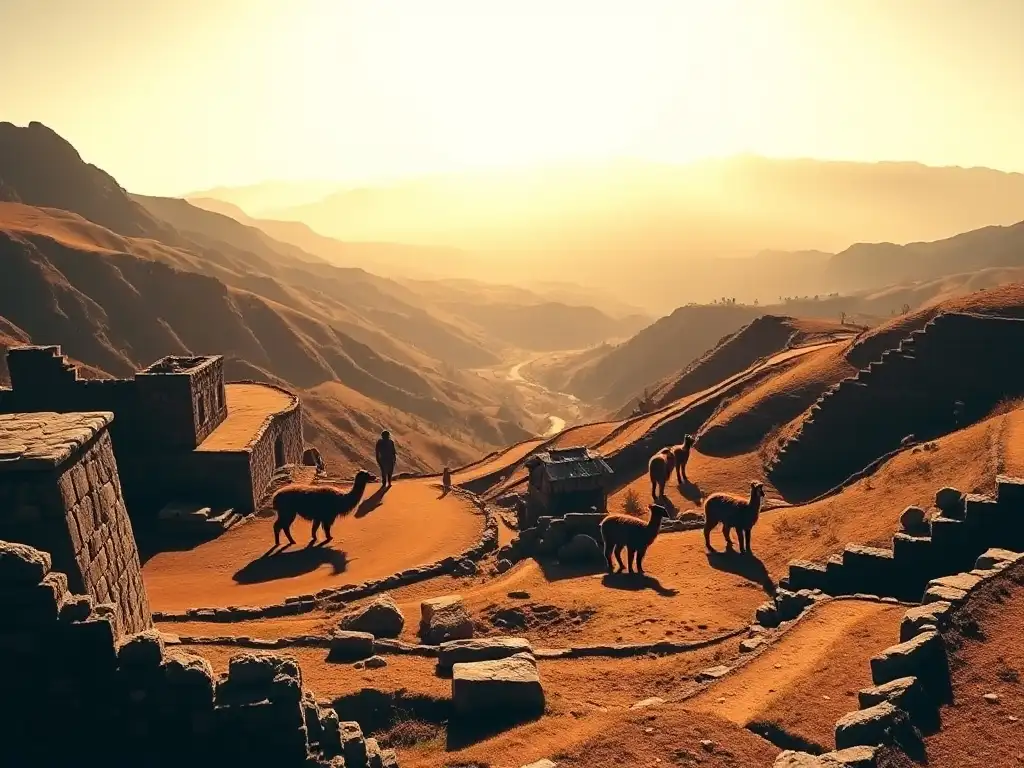
This section delves into the crucial events leading up to the infamous Inca Battle of Cajamarca, highlighting the political landscape and the strategic maneuvers that paved the way for the decisive encounter between Francisco Pizarro and Atahualpa. Understanding the prelude is key to grasping the full significance of the battle's outcome and its lasting impact on the Inca Empire and the course of South American history.
We'll analyze the factors that contributed to the seemingly improbable Spanish victory, focusing on the vulnerabilities of the Inca Empire and the cunning strategies employed by Pizarro. The Inca Battle of Cajamarca wasn't a random clash; it was the culmination of a carefully orchestrated campaign.
The Arrival of Pizarro and the Spanish Conquistadors
Pizarro's arrival in Cajamarca wasn't a spontaneous event. His expedition, characterized by meticulous planning and ruthless ambition, followed a deliberate path. The conquistadors, a relatively small force compared to the Inca army, leveraged superior weaponry – firearms, steel armor, and horses – which instilled fear and awe in the Inca soldiers unaccustomed to such technology. Their arrival was preceded by carefully cultivated alliances with disgruntled factions within the Inca Empire, exploiting internal conflicts to their advantage.
This careful maneuvering is often overlooked when discussing the Inca Battle of Cajamarca, yet it was a crucial element in their success. The Spanish meticulously gathered intelligence, understanding the Inca's social structure, religious beliefs, and political divisions, information that proved invaluable in their strategic planning. They weren't just conquerors; they were shrewd strategists who exploited existing weaknesses within the Inca Empire.
The Inca Empire Under Atahualpa: A Kingdom Divided
The Inca Empire, at the time of the Cajamarca encounter, was far from unified. Atahualpa's ascension to the throne following a civil war had left the empire fractured and vulnerable. The conflict between Atahualpa and his half-brother Huáscar had weakened the empire's military strength and its internal cohesion.
Resources were depleted, loyalties were divided, and the administrative structure was disrupted. This internal strife significantly hampered the Inca's ability to mount an effective defense against the Spanish invaders. The Inca Battle of Cajamarca took place amidst this political turmoil, a critical factor that allowed Pizarro's relatively small force to achieve such a decisive victory.
The empire's vulnerability, stemming from the recent civil war, is often overlooked in simplistic narratives of the conquest, but it is a crucial context for understanding the events of Cajamarca. We can see this division reflected in the differing accounts of the battle, with some sources highlighting the lack of unified command amongst the Inca forces.
Initial Encounters and Misunderstandings Between Inca and Spanish Forces
Before the main battle, there were several smaller skirmishes and interactions between the Spanish and Inca forces. These early encounters were marked by significant misunderstandings and cultural clashes. The Incas, accustomed to elaborate rituals and symbolic displays of power, misinterpreted the Spanish actions, leading to miscalculations and missed opportunities.
For example, the Spanish gifts, intended as gestures of goodwill, were perceived differently by the Inca, highlighting the communication barriers and the fundamental differences in cultural values. These early interactions, often characterized by mistrust and a lack of understanding, contributed to the chaotic and ultimately disastrous outcome for the Inca army during the Inca Battle of Cajamarca.
The initial encounters, therefore, are not merely a prelude but an integral part of the larger narrative, highlighting the critical role of cultural misunderstandings in the unfolding events. A detailed analysis of these early encounters reveals a complex interplay of cultural differences, strategic miscalculations, and ultimately, a catastrophic failure of communication for the Inca.
The Events of November 16, 1532: The Cajamarca Ambush Unfolds
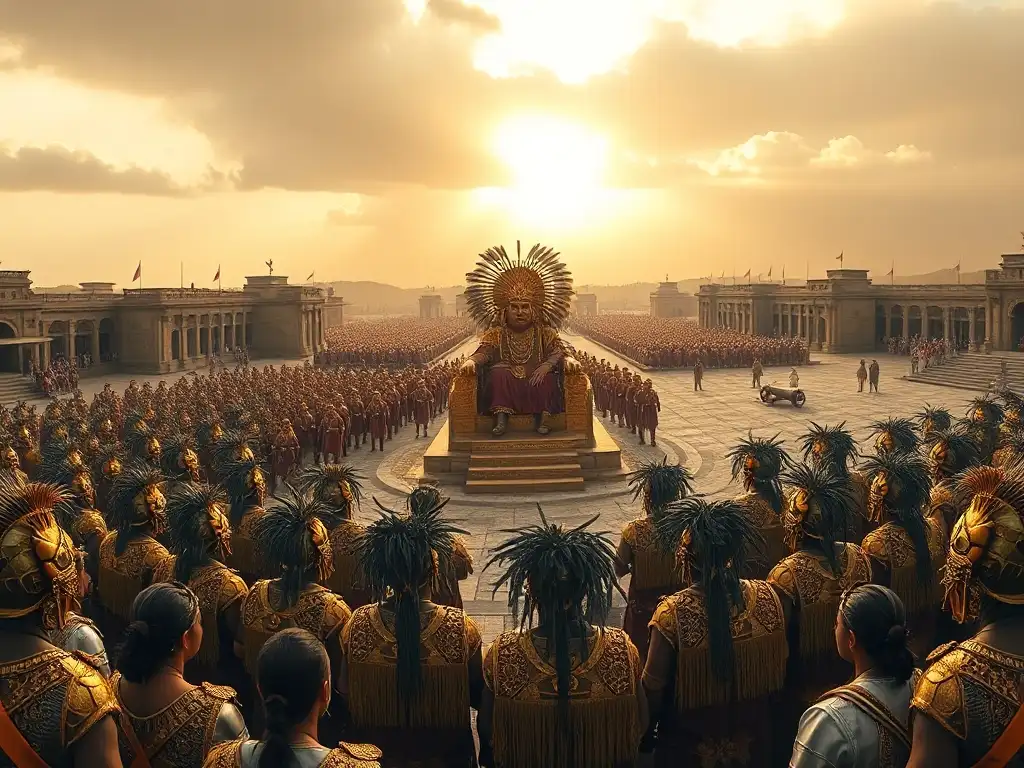
This section delves into the meticulously planned ambush that marked a decisive turning point in the Spanish conquest of the Inca Empire – the Inca Battle of Cajamarca. The events of November 16th, 1532, irrevocably altered the course of Andean history, showcasing a stark imbalance of power and military strategy. While the Inca army vastly outnumbered the Spanish conquistadors, Pizarro's cunning tactics and the element of surprise proved devastatingly effective.
We will examine the key moments of this pivotal encounter, focusing on the Inca delegation's arrival, Pizarro's strategic brilliance, and the ultimate capture of Atahualpa. Understanding these details allows us to appreciate the complexity of this historical event and its lasting impact on the Inca civilization and the broader Andean region. The sheer audacity of Pizarro's plan, executed with chilling precision, remains a subject of intense historical scrutiny.
The Inca Delegation's Arrival at Cajamarca Plaza
Atahualpa, the powerful Sapa Inca, arrived in Cajamarca with a substantial retinue. His entourage, a dazzling display of Inca wealth and power, included thousands of unarmed nobles, priests, and servants. They were adorned in exquisite textiles and gold ornaments, bearing gifts intended to appease the seemingly insignificant Spanish delegation. This display of trust, born from a misunderstanding of Spanish intentions, proved to be a fatal miscalculation.
The Inca delegation, expecting a peaceful diplomatic exchange, marched unsuspectingly into the plaza, completely unaware of the deadly trap awaiting them. Their confidence stemmed from their cultural understanding of diplomacy and the sheer size of their army, stationed just outside the city. The lack of visible Spanish military presence further reinforced their sense of security.
This naiveté, a crucial factor in the success of Pizarro's plan, highlights the cultural clash and the differing perceptions of power between the Inca and the Spanish. The contrast between the Inca's ceremonial approach and the Spanish's calculated aggression underscores the strategic imbalance that shaped the outcome of the encounter. Historians continue to debate the precise number of Inca soldiers present, with estimates ranging from several thousand to tens of thousands, further highlighting the overwhelming numerical superiority of the Inca forces.
Pizarro's Strategy: The Element of Surprise
Francisco Pizarro’s success at Cajamarca hinged on a masterful strategy built upon deception and superior weaponry. He cleverly positioned his small force of approximately 168 Spanish soldiers, along with their indigenous allies, in concealed positions surrounding the main plaza. This strategic deployment allowed for a coordinated assault, maximizing the impact of their firearms and cavalry. The element of surprise was paramount.
The Inca army, accustomed to open warfare and large-scale battles, was completely unprepared for the sudden and devastating attack that erupted from seemingly nowhere. Pizarro’s meticulous planning, including the careful selection of Cajamarca’s location—a narrow valley ideal for an ambush—demonstrates his understanding of military tactics. Furthermore, the utilization of hidden artillery and cavalry charges further magnified the impact of the Spanish forces, turning a seemingly unequal conflict into a rout.
The effective use of psychological warfare, exploiting the Inca's trust and lack of knowledge about Spanish weaponry, proved equally crucial to the success of the ambush. The noise and chaos of the sudden attack, coupled with the unfamiliar sound of gunfire, created widespread confusion and panic among the Inca ranks. This strategic mastery, coupled with the technological advantage of Spanish weaponry, allowed a small band of conquistadors to overcome a vastly superior Inca army.
The Capture of Atahualpa: A Turning Point in History
The capture of Atahualpa marked a pivotal moment, not just in the Inca Battle of Cajamarca, but in the broader context of the Spanish conquest. The swift and decisive capture of the Sapa Inca, the supreme ruler of the Inca Empire, effectively paralyzed the Inca military and political structure. The subsequent chaos and internal power struggles within the Inca Empire significantly weakened their resistance against the Spanish advance.
The immediate impact was the dismantling of Inca authority, creating a vacuum of power that Pizarro ruthlessly exploited. The long-term consequences were even more profound. Atahualpa's imprisonment and eventual execution led to the disintegration of the Inca Empire and paved the way for Spanish colonization.
This event, therefore, serves as a stark reminder of the devastating consequences of military conquest and the lasting impact of such pivotal battles on the trajectory of civilizations. The capture of Atahualpa, a symbol of Inca power and legitimacy, effectively shattered the Inca's sense of invincibility and dramatically shifted the balance of power in the Andes. The event’s significance resonates even today, shaping our understanding of the Inca Battle of Cajamarca and the broader dynamics of the Spanish conquest.
The Slaughter of Inca Warriors: A Brutal Display of Power
The initial moments of the ambush witnessed a horrifying display of Spanish military superiority. While Atahualpa and his retinue, initially unsuspecting, were captivated by the seemingly peaceful overture, the carefully concealed Spanish soldiers sprang into action. The meticulously planned attack unleashed a torrent of gunfire and steel upon the unsuspecting Inca army. Crossbows and arquebuses, weapons utterly foreign and terrifying to the Inca, rained down death and destruction. The thunderous noise, the smoke, and the sheer ferocity of the attack created chaos and panic among the Inca warriors.
The Inca, armed primarily with clubs, spears, and slings, were hopelessly outmatched. Their traditional warfare tactics, effective against other Andean groups, proved utterly ineffective against the Spanish weaponry and tactics. The Spanish cavalry, charging into the bewildered Inca ranks, further amplified the carnage. Horses, themselves a novelty to the Inca, added to the confusion and terror, their sheer size and power contributing to the overwhelming defeat.
The accounts of the battle detail a scene of unimaginable brutality, with mountains of corpses quickly accumulating in the plaza. Many Inca warriors, caught completely off guard, were slaughtered before they could even mount a proper defense. Estimates of Inca casualties vary widely, ranging from hundreds to thousands, but the sheer scale of the massacre is undeniable. This brutal display of power served as a stark warning to the remaining Inca forces, effectively shattering their resistance and paving the way for the Spanish conquest.
The psychological impact of this slaughter was as devastating as the physical toll, instilling fear and demoralization within the Inca ranks. The battle of Cajamarca was not just a military victory for the Spanish; it was a brutal demonstration of their superior firepower and a crushing blow to the Inca Empire's morale. The sheer number of casualties underscores the devastating effectiveness of the Spanish weaponry and tactics in the context of the Inca's unpreparedness. This disproportionate loss of life cemented the Spanish advantage and set the stage for the subsequent subjugation of the Inca Empire.
Analyzing the Factors Behind the Inca Defeat at Cajamarca
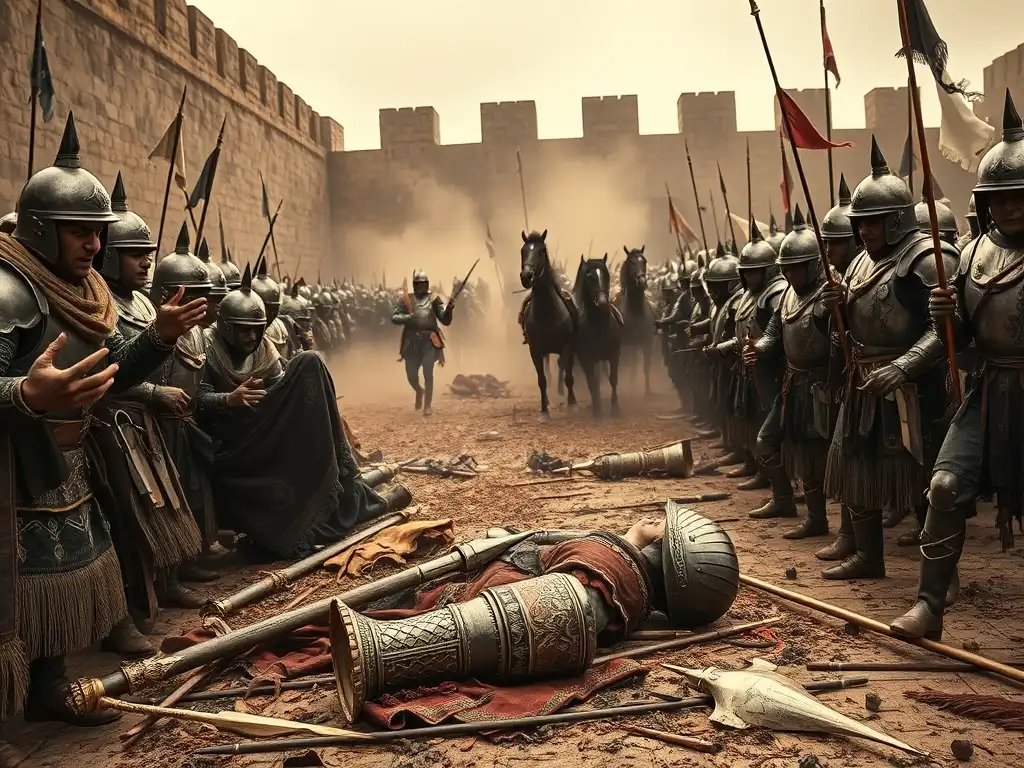
The Inca Battle of Cajamarca, in 1532, wasn't simply a clash of armies; it was a confluence of factors that led to the stunning defeat of the Inca Empire at the hands of a vastly smaller Spanish force. While Atahualpa's naivete and Pizarro's cunning played significant roles, a deeper analysis reveals a more complex picture involving military disparities, strategic miscalculations, and internal Inca weaknesses. Understanding these elements is crucial to grasping the true scale of this pivotal moment in Andean history.
Spanish Military Superiority: Weapons and Tactics
The Spanish conquistadors possessed a decisive technological advantage. Their weaponry, a blend of European steel and Inca ingenuity (some weapons were adapted from captured Inca designs), proved devastatingly effective against the Inca army. The espadas (swords), lanzas (lances), and alabardas (halberds) were far superior to the Inca's primarily bronze and stone weaponry. The impact of firearms, particularly the arquebuses and cannons, was particularly brutal. While the number of firearms was relatively small, their unexpected and devastating effect shattered the Inca's confidence and disrupted their formations.
The Spanish also employed superior tactics. Their disciplined formations, utilizing cavalry charges and coordinated infantry advances, were unlike anything the Inca had encountered. The element of surprise, achieved by Pizarro's meticulously planned ambush, further exacerbated the Inca's disadvantage.
The Inca army, accustomed to open warfare and less sophisticated tactics, was ill-equipped to counter the Spanish strategy. The use of horses, a completely novel element in Andean warfare, also caused significant psychological disruption and created chaos within the Inca ranks. The Spanish effectively used the terrain to their advantage, channeling the Inca forces into a narrow space where their superior weaponry could be used to maximum effect.
| Weapon Type | Spanish Weaponry | Inca Weaponry | Impact on the Battle |
|---|---|---|---|
| Melee Weapons | Espadas, Lanzas, Alabardas | Macanas (clubs), Stone axes, Sling stones | Spanish weapons caused far greater damage and injury |
| Ranged Weapons | Arquebuses, Cannons | Spears, slings | Firearms proved devastatingly effective and demoralizing |
| Cavalry | Horses | None | Horses created panic and significantly disrupted Inca formations |
The Inca's Lack of Preparation for a Different Kind of Warfare
The Inca army, despite its size and strength, was unprepared for the type of warfare the Spanish employed. Their experience primarily consisted of large-scale battles, often focused on overwhelming the enemy with sheer numbers and a relentless advance. They had limited understanding of ranged weaponry, cavalry charges, and the strategic use of terrain to their advantage. This lack of preparedness contributed significantly to their disorganization and vulnerability during the ambush at Cajamarca.
Furthermore, the Inca lacked the logistical support and communication systems necessary to effectively respond to a rapidly evolving situation. Messages took time to travel across the vast empire, hindering any coordinated response to the Spanish advance. The Inca's reliance on messengers and runners proved inadequate against the Spanish's comparatively faster communication through direct command and control. This hampered their ability to deploy reinforcements effectively and react to tactical changes on the battlefield. The Inca military structure, while effective in its own context, proved remarkably inflexible in the face of the Spanish's unexpected tactics.
Internal Conflicts within the Inca Empire: Weakening the Defense
The Inca Empire, at the time of the Battle of Cajamarca, was already weakened by internal strife. The recent civil war between Huáscar and Atahualpa had significantly depleted its resources and manpower, leaving the empire vulnerable to external threats. This internal conflict not only reduced the size and effectiveness of the army but also eroded morale and loyalty within the ranks. The lingering tensions and divisions within the Inca leadership further hampered their ability to mount a unified and effective defense against the Spanish.
The lack of a strong, centralized command structure further exacerbated the situation. Atahualpa's relatively recent ascension to the throne meant that he hadn't yet fully consolidated his power or established complete control over the vast empire. This lack of firm authority and the continued presence of rival factions within the court hindered the effective mobilization and coordination of the Inca forces.
The absence of a cohesive and well-defined command structure left the Inca army vulnerable to confusion and disarray in the face of the Spanish attack. The Inca's inability to present a united front significantly contributed to their defeat at Cajamarca. The "Inca Battle of Cajamarca" was, therefore, not just a military defeat, but also a reflection of the empire's internal vulnerabilities.
The Role of Disease and Foreign Alliances in the Conquest
The Inca defeat at Cajamarca wasn't solely due to superior Spanish weaponry or tactical brilliance. A crucial, often overlooked, factor was the devastating impact of Old World diseases on the Inca population. Prior to the arrival of Pizarro, smallpox, measles, and other illnesses had already ravaged the Inca Empire, significantly weakening its manpower and disrupting its social structure.
Historians estimate that the indigenous population of the Andes plummeted by as much as 90% in the decades following the initial contact with Europeans, a demographic catastrophe that profoundly impacted the Inca's ability to resist the Spanish. This pre-existing vulnerability created a fertile ground for the Spanish conquest, diminishing the Inca's capacity for effective mobilization and resistance. The weakened state of the empire, ravaged by disease, made the relatively small Spanish force seem much larger and more formidable than it actually was.
Furthermore, Pizarro cleverly exploited existing tensions and rivalries within the Inca Empire itself. The Inca Empire, at the time of the conquest, was embroiled in a succession crisis following the death of Huayna Capac. Atahualpa's claim to the throne was contested by his brother Huáscar, leading to a brutal civil war that severely weakened the empire's military and political cohesion.
Pizarro masterfully capitalized on this internal conflict, forging alliances with factions hostile to Atahualpa. These alliances provided the Spanish with crucial intelligence, logistical support, and even manpower, effectively turning the Inca's internal divisions into a significant advantage for the conquistadors. The availability of native allies, often motivated by personal grievances or the promise of rewards, played a crucial role in the eventual Spanish victory, highlighting the strategic importance of exploiting internal conflicts during the conquest.
The combined effect of disease and internal strife significantly tipped the scales in favor of the Spanish, rendering the Inca Empire vulnerable to a relatively small invading force. This underscores the complex interplay of biological and political factors that contributed to the Inca defeat at Cajamarca and the subsequent fall of the empire.
The Aftermath of the Cajamarca Battle: Implications and Consequences
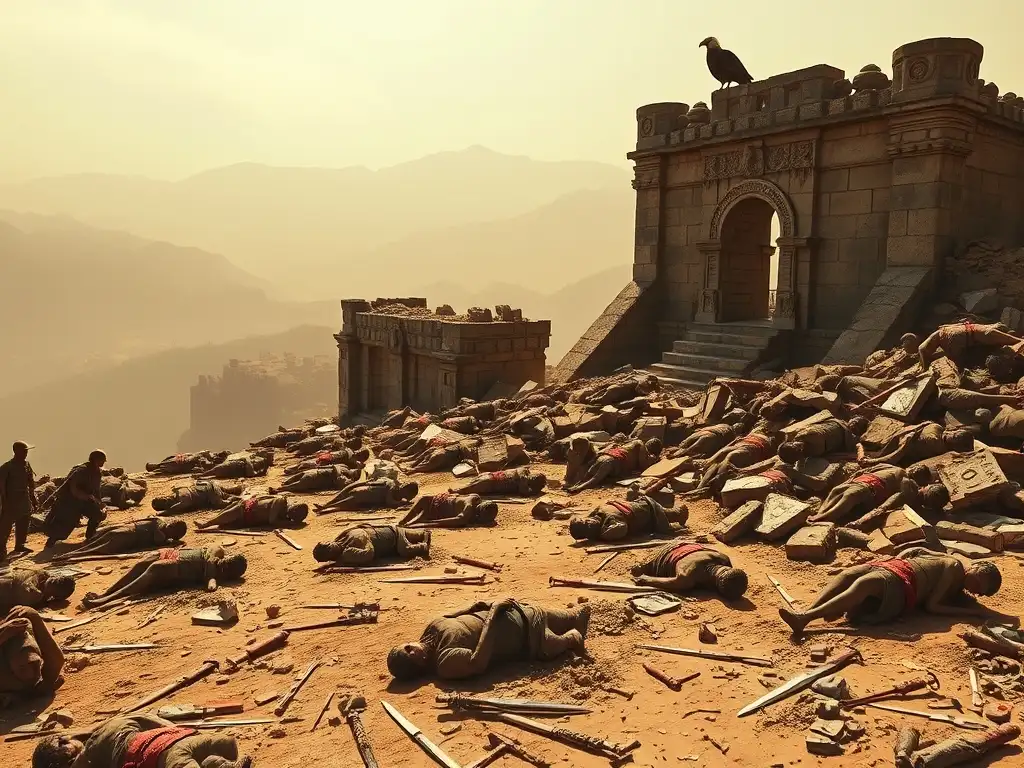
The Battle of Cajamarca, a seemingly swift and decisive victory for Pizarro's conquistadors, marked not an end, but a brutal beginning. The immediate aftermath was characterized by chaos, exploitation, and the systematic dismantling of the Inca Empire. The carefully orchestrated ambush, leveraging superior weaponry and the element of surprise, resulted in the capture of Atahualpa, the Sapa Inca, shattering the Inca's political and spiritual authority.
This pivotal moment triggered a cascade of events that irrevocably altered the course of Andean history. The Inca Battle of Cajamarca wasn't just a military victory; it was the catalyst for the complete subjugation of a sophisticated civilization.
Atahualpa's Imprisonment and Ransom
Following his capture, Atahualpa was held prisoner in Cajamarca, initially in a modest building before being moved to a more secure location. His imprisonment was far from comfortable; accounts suggest he was treated with a mixture of brutality and manipulation. Pizarro, recognizing the Inca's immense power and the potential wealth at his disposal, initiated negotiations for a massive ransom.
The ransom demanded, an unimaginable amount of gold and silver filling a large room twice over, became a chilling symbol of the conquistadors' greed and the Inca's vulnerability. This act, while ostensibly a negotiation, was ultimately a calculated strategy to extract as much wealth as possible before the inevitable collapse of the Inca Empire. The Inca's willingness to pay such a substantial ransom highlights both their desperation to secure their leader's release and the sheer scale of their empire's resources.
Despite fulfilling the ransom's terms, Atahualpa was executed, solidifying the Spanish grip on the Inca empire and signaling their disregard for any agreements. This blatant disregard for promises, even after receiving a vast ransom, further cemented the perception of the Spanish as ruthless conquerors. The Inca Battle of Cajamarca, and its immediate aftermath, serve as a grim reminder of the asymmetries of power and the brutal realities of colonial conquest.
The Fall of the Inca Empire: A Chain of Events
The capture of Atahualpa triggered a power vacuum within the Inca Empire, leading to internal conflict and weakening its ability to resist Spanish encroachment. Rival factions emerged, vying for control, further destabilizing an already vulnerable state. The Spanish skillfully exploited these divisions, using their superior military technology and strategic alliances to conquer territories piecemeal.
The meticulously organized Inca administration, once a hallmark of the empire, quickly crumbled under the weight of internal strife and external pressure. The Inca's sophisticated road network, once a symbol of their power and efficiency, became a highway for Spanish armies to advance deeper into the empire. The conquest wasn't a single, decisive battle but a prolonged campaign characterized by strategic maneuvering, manipulation, and the systematic eradication of Inca resistance.
The legacy of the Inca Battle of Cajamarca reverberated throughout the empire, accelerating its disintegration and paving the way for Spanish colonization. The fall of the Inca Empire serves as a potent example of how the disruption of a centralized power structure can lead to chaos and vulnerability in the face of external aggression.
The Legacy of Cajamarca: A Symbol of Conquest and Cultural Clash
The Battle of Cajamarca remains a potent symbol of the Spanish conquest of the Inca Empire and the broader clash of civilizations. It represents the stark imbalance of power between technologically advanced Europeans and a sophisticated, yet ultimately vulnerable, Andean society. The Inca Battle of Cajamarca continues to resonate today, serving as a reminder of the lasting impact of colonialism and the importance of understanding the complexities of historical events.
The event has become a pivotal moment in the study of the Spanish conquest, highlighting not only the military aspects but also the social, political, and economic transformations that followed. It serves as a powerful illustration of the devastating consequences of conquest, the exploitation of resources, and the destruction of indigenous cultures.
The legacy of Cajamarca, therefore, compels us to reflect on the ethical implications of imperial expansion and the lasting impact of such historical events on the cultural landscapes of the conquered. The Inca Battle of Cajamarca, in its multifaceted consequences, continues to shape our understanding of this critical period in Andean history.
The Long-Term Impact on Andean Civilizations
The Battle of Cajamarca marked a catastrophic turning point, not just for the Inca Empire, but for the entire Andean region. The swift and brutal capture of Atahualpa shattered the Inca's sophisticated political and social structures. The ensuing power vacuum led to widespread internal conflict amongst vying Inca factions, weakening the empire significantly and making it far more vulnerable to Spanish conquest.
This internal strife, fueled by the Spanish manipulation of competing elites, prevented any unified resistance capable of challenging the Spanish advance. The Inca's vast infrastructure, once a symbol of their power and ingenuity, was gradually dismantled and repurposed by the Spanish colonizers. Roads, irrigation systems, and even monumental structures were altered or destroyed to serve the colonial agenda.
The economic impact was equally devastating. The Inca's sophisticated agricultural system, which supported a large and densely populated empire, was disrupted by the introduction of European diseases and forced labor (the mita system). The vast stores of gold and silver, initially used to ransom Atahualpa, fueled Spanish ambitions and triggered a relentless pursuit of wealth that further exploited Andean resources and labor.
Traditional Andean economic practices were replaced by a system geared towards enriching the Spanish crown, leading to widespread poverty and social upheaval. The introduction of new crops and livestock had some positive effects, but these were overshadowed by the overall negative consequences for the Andean population.
Beyond the immediate economic and political consequences, the Battle of Cajamarca had profound cultural ramifications. The systematic destruction of Inca religious practices, the suppression of indigenous languages, and the imposition of Christianity led to a significant loss of cultural identity and knowledge. Ancient traditions, beliefs, and artistic expressions were systematically undermined, resulting in a cultural erosion that continues to impact Andean societies today.
The Spanish conquest, initiated by the battle, fundamentally reshaped the social fabric of the region, creating a legacy of inequality and cultural displacement that reverberates through centuries. The Inca's sophisticated system of governance, their intricate social hierarchy, and their rich spiritual traditions were systematically dismantled, paving the way for a new colonial order. The long-term consequences of the battle at Cajamarca remain a significant factor in understanding the complexities of modern Andean societies.
The Significance of the Battle of Cajamarca in Andean History
The Battle of Cajamarca, fought on November 16, 1532, stands as a pivotal moment not just in the history of the Inca Empire, but in the broader context of Andean history. This seemingly swift and decisive victory for Francisco Pizarro and his relatively small band of conquistadors irrevocably altered the trajectory of Andean societies.
The capture of Atahualpa, the Sapa Inca, wasn't merely a military triumph; it symbolized the dismantling of a complex and sophisticated political system that had dominated the Andes for centuries. The battle’s significance reverberates through subsequent centuries, shaping the political landscape, cultural practices, and even the very identity of Andean populations.
Understanding the battle requires looking beyond the immediate clash of arms to grasp its long-term consequences, encompassing both the immediate fall of the Inca and the enduring effects on the region’s subsequent history. The Inca Battle of Cajamarca was not simply a battle; it was a watershed moment.
The End of Inca Dominance: A New Era Begins
The capture of Atahualpa marked the effective end of Inca dominance in the Andes. The Inca Empire, a vast and intricate network of interconnected provinces and communities, crumbled under the weight of internal strife exacerbated by the Spanish conquest. The Inca's sophisticated administrative system, their intricate road network, and their highly organized agricultural practices were all disrupted.
The centralized power structure, meticulously maintained by the Inca rulers, collapsed, leading to a power vacuum that was quickly filled by Spanish conquistadors. This wasn't a simple replacement; it was a violent upheaval that shattered established social hierarchies and initiated a period of immense upheaval and transformation. The Inca's carefully cultivated control over resources, labor, and information was replaced by the exploitative systems imposed by the Spanish, leading to a profound shift in Andean societal structures.
The ensuing decades saw the imposition of a new colonial order, characterized by forced labor, the introduction of new diseases, and the disruption of traditional religious and cultural practices. The Inca Battle of Cajamarca, therefore, signifies not just a military defeat, but a complete restructuring of Andean power dynamics.
The Transformation of Andean Societies: Cultural and Political Changes
The aftermath of the Inca Battle of Cajamarca witnessed profound transformations across Andean societies. The Spanish conquest initiated a process of cultural upheaval, leading to the suppression of indigenous religions and the imposition of Catholicism. Traditional Andean social structures were dismantled, replaced by a hierarchical system that placed Spaniards at the top.
The introduction of new crops, livestock, and technologies, while sometimes beneficial, also disrupted existing agricultural practices and ecological balances. The forced labor system, known as the mita, extracted immense wealth from the Andean populations, resulting in widespread exploitation and suffering. This exploitation was not limited to the economic realm; it also extended to the cultural sphere, as Spanish authorities actively sought to erase indigenous traditions and replace them with European ones.
The impact on Andean art, architecture, and language was significant, with many traditional forms suppressed or altered. This period also witnessed the emergence of syncretic religious practices, blending indigenous beliefs with elements of Catholicism, demonstrating the resilience and adaptability of Andean cultures in the face of overwhelming change. The legacy of the Inca Battle of Cajamarca continues to shape the cultural landscape of the Andes today.
Understanding the Battle of Cajamarca: Lessons for Today
The Battle of Cajamarca serves as a potent reminder of the devastating consequences of conquest and the importance of understanding historical contexts. The seemingly disproportionate victory of a small Spanish force highlights the vulnerability of even the most powerful empires to internal divisions and external threats. The battle's legacy underscores the long-term effects of colonial violence on indigenous populations and the enduring impact of such events on societal structures, cultural practices, and political systems.
Analyzing the Inca Battle of Cajamarca allows us to examine the complexities of power, the dynamics of intercultural conflict, and the enduring legacy of colonialism. Studying this pivotal event offers valuable insights into the processes of cultural transformation, adaptation, and resistance that have shaped the Andean world.
The study of this pivotal event provides crucial lessons about the fragility of power, the devastating consequences of unchecked ambition, and the importance of understanding the complex interplay of internal and external factors in shaping historical outcomes. The Inca Battle of Cajamarca continues to serve as a powerful case study in global history, reminding us of the lasting impact of conquest and the enduring struggle for cultural preservation and self-determination.
Frequently Asked Questions
What was the Battle of Cajamarca?
The Battle of Cajamarca was a decisive encounter in 1532 between the Spanish conquistadors led by Francisco Pizarro and the Inca emperor Atahualpa. It marked the beginning of the Spanish conquest of the Inca Empire.
Why was the Battle of Cajamarca so significant?
The battle was significant because it resulted in the capture of Atahualpa, effectively crushing the Inca resistance and paving the way for the Spanish to conquer the vast Inca Empire. This was achieved with a small Spanish force.
What tactics did the Spanish use at Cajamarca?
The Spanish employed a surprise attack, using superior weaponry like guns and cannons against the unsuspecting Inca army. They also took advantage of the terrain to their advantage.
What was the fate of Atahualpa after the battle?
Following his capture, Atahualpa was held ransom by Pizarro. Despite paying a massive ransom, Atahualpa was eventually executed by the Spanish.
How did the Battle of Cajamarca impact the Inca Empire?
The battle led to the collapse of the Inca Empire, triggering civil war, disease, and the imposition of Spanish colonial rule. It fundamentally altered the course of Andean history.
Final Reflection: Echoes of Cajamarca in the Modern World
The events of Cajamarca, a seemingly distant historical clash, resonate deeply with contemporary concerns about power, deception, and the devastating consequences of unchecked ambition. The swift and brutal conquest of the Inca Empire, facilitated by technological disparity and strategic manipulation, serves as a stark reminder of the fragility of even the most powerful civilizations and the enduring impact of historical injustices. This seemingly ancient battle continues to shape our understanding of colonialism, cultural exchange, and the ethical complexities of global power dynamics.
The legacy of Cajamarca extends far beyond the immediate aftermath of the battle itself; its shadow stretches across centuries, influencing narratives of conquest, shaping national identities, and prompting ongoing debates about the ethical implications of colonialism. The sheer imbalance of power, so vividly illustrated in Atahualpa's capture, continues to fuel discussions about exploitation and the lasting wounds inflicted upon indigenous populations. History is not just what happened, but what is remembered, and how it is remembered.
This quote underscores the importance of understanding Cajamarca not merely as a military encounter, but as a pivotal moment that continues to shape our collective memory and understanding of the past.
Consider the implications of Cajamarca in your own life. How do we, as individuals and as a global society, grapple with the legacies of past injustices? How can we ensure that the lessons learned from this pivotal battle – the dangers of unchecked power, the importance of understanding diverse perspectives, and the enduring strength of cultural resilience – inform our actions today? Let the echoes of Cajamarca inspire you to critically examine power structures, advocate for justice, and strive for a more equitable and understanding future.
Unveil the Lessons of Cajamarca: Take Action Today!
Thank you for exploring the incredible events surrounding the Battle of Cajamarca! By studying this pivotal encounter, you've gained valuable insights into the complexities of history and the powerful forces that shaped our world.
Now, let's put that knowledge to work:
- Reflect on the historical lessons: Consider how the events of Cajamarca, and the dynamics of power involved, resonate with contemporary global issues and even local situations in your own community. Journaling your thoughts can be a helpful way to process this.
- Engage further with history: Visit your local library or museum to learn more about Andean civilizations. Explore artifacts and historical accounts to bring the past to life and deepen your understanding of your heritage.
- Share your newfound knowledge: Discuss the Battle of Cajamarca with friends and family. Share your perspective on its significance and inspire others to learn more about this fascinating chapter in history.
What unexpected parallels can you draw between the Battle of Cajamarca and the challenges we face globally today?