
The Impact on Inca Society: Pizarro's Conquest and its LongLasting Effects

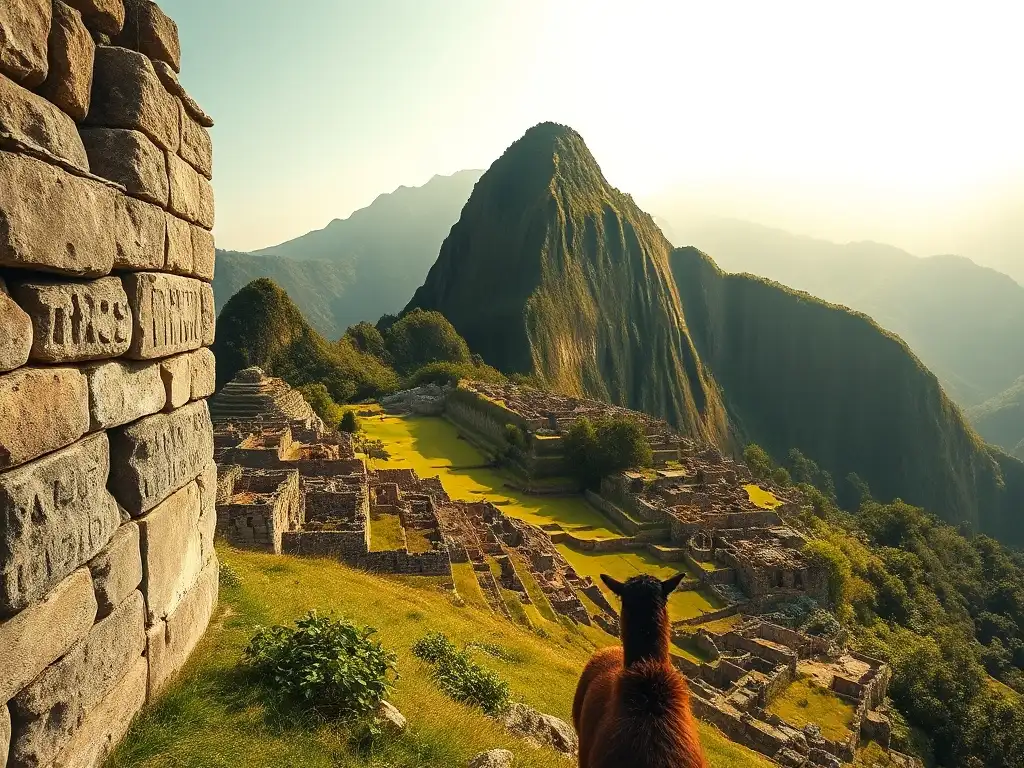
Step into a world lost to time, yet echoing with the grandeur of the Andes. Imagine a civilization unmatched in its ingenuity, a tapestry woven from intricate artistry, towering architecture, and a complex social order… then shattered. Pizarro's impact on Inca society wasn't merely conquest; it was a seismic shift that reverberated through generations. Dare to uncover the untold story of this cataclysmic event and its enduring legacy – a legacy that continues to shape the Andes today. Explore further to unravel the mysteries.
-
Pizarro's Impact on Inca Society: A Deep Dive into the Conquest's Legacy
- The Arrival of Pizarro and the Initial Disruption of the Inca Empire
- The Capture of Atahualpa: A Pivotal Moment in Inca History
- The Dismantling of the Inca Political Structure
- The Societal Transformation of the Inca People
- Cultural and Religious Shifts Under Spanish Rule
- The Economic Consequences of Pizarro's Conquest
- Long-Term Effects of the Conquest on Inca Descendants
- The Enduring Legacy of Pizarro's Actions in the Andes
-
Frequently Asked Questions
- What was Francisco Pizarro's main goal in conquering the Inca Empire?
- How did Pizarro's conquest affect the Inca political system?
- What was the impact of Pizarro's conquest on the Inca population?
- What long-term effects did Pizarro's actions have on Inca culture and religion?
- How did Pizarro's conquest impact Inca technology and infrastructure?
- Final Reflection: Echoes of Conquest: Pizarro's Enduring Legacy on Inca Society
- Unveil the Legacy of the Inca and Pizarro's Conquest!
Pizarro's Impact on Inca Society: A Deep Dive into the Conquest's Legacy
The Spanish conquest of the Inca Empire, spearheaded by Francisco Pizarro, represents a watershed moment in Andean history, irrevocably altering the social, political, and economic landscape of the region. This article delves into the profound and long-lasting impact of Pizarro's actions on Inca society, examining not only the immediate consequences of the conquest but also its lingering effects that continue to shape the cultural identity of Peru and surrounding areas even today.
We will explore how Pizarro's arrival disrupted the established Inca order, analyzing the key events leading to the empire's downfall and evaluating the lasting consequences of this brutal encounter, from the decimation of the population to the imposition of a new colonial system. Understanding Pizarro's impact requires a nuanced examination of both the immediate violence and the slow, insidious erosion of Inca traditions and structures that followed.
This exploration will illuminate the complex legacy of the Spanish conquest and its enduring relevance to our understanding of Andean history.
The Arrival of Pizarro and the Initial Disruption of the Inca Empire
Pizarro's arrival in 1532 marked the beginning of a catastrophic period for the Inca Empire. While the empire was already weakened by internal strife following the death of Huayna Capac and the ensuing civil war between Huáscar and Atahualpa, Pizarro's superior weaponry and strategic alliances with disgruntled Inca factions exploited these vulnerabilities with devastating efficiency. The Spanish conquistadors, numbering a mere few hundred, leveraged their advanced military technology – including firearms, steel weaponry, and horses – to overcome the numerically superior Inca army.
This technological disparity was crucial in the early stages of the conquest. The psychological impact of the Spanish weaponry, unheard of in the Andean world, further demoralized the Inca forces. The initial battles were characterized by brutal violence and the systematic dismantling of Inca military structures.
The Inca's sophisticated organizational system, which had previously facilitated effective governance and resource management across vast territories, proved inadequate against the ruthless efficiency of the Spanish conquest. The disruption extended beyond the battlefield; the imposition of unfamiliar diseases, such as smallpox, further weakened the Inca population, contributing significantly to its decline. The initial phase of the conquest saw the destruction of Inca infrastructure, the seizure of resources, and the disruption of traditional social structures, setting the stage for the complete subjugation of the empire.
The Capture of Atahualpa: A Pivotal Moment in Inca History
The capture of Atahualpa at Cajamarca in 1532 stands as a pivotal moment in Inca history and a testament to Pizarro's cunning strategy. Under the guise of a peaceful meeting, Pizarro and his men ambushed Atahualpa, utilizing superior weaponry and a carefully orchestrated plan to overwhelm the Inca emperor and his retinue. This act effectively decapitated the Inca Empire's leadership and removed its central authority.
The subsequent ransom, a room filled with gold and silver, while initially securing Atahualpa's life, ultimately sealed his fate. Despite fulfilling the terms of the ransom, Pizarro executed Atahualpa, solidifying Spanish control and plunging the Inca Empire into further chaos. Atahualpa's death not only eliminated a powerful leader but also removed a symbol of Inca identity and authority, contributing significantly to the disintegration of the empire's social and political fabric.
The capture and execution of Atahualpa dramatically shifted the balance of power, paving the way for the complete Spanish conquest and the imposition of a new colonial order. The consequences of this event resonated throughout Inca society, leading to widespread instability, loss of life, and the eventual dismantling of the Inca's complex social structures. The long-term effects of this pivotal moment continue to be felt in the cultural and political landscape of modern-day Peru.
The Dismantling of the Inca Political Structure
The arrival of Pizarro and his conquistadors marked the beginning of the end for the Inca Empire's meticulously organized political system. The Inca's sophisticated bureaucracy, with its network of officials, curacas (local leaders), and messengers, was systematically dismantled. Pizarro's strategy involved not only conquering the Inca army but also undermining the very foundations of its power structure.
The capture and execution of Atahualpa, the Sapa Inca, created a power vacuum that the Spanish expertly exploited. The ensuing civil war between Huáscar and Atahualpa's factions had already weakened the empire, leaving it vulnerable to Spanish manipulation. The Spanish skillfully played different factions against each other, weakening the Inca's ability to resist.
This deliberate strategy of divide and conquer proved devastatingly effective, leading to the collapse of the centralized Inca government and the fragmentation of the empire into smaller, easily controlled territories. The traditional system of tribute and resource management was replaced by a system that served the interests of the Spanish crown. The Inca's ability to mobilize resources and manpower for large-scale projects like road building and agricultural development was severely compromised.
The End of Inca Imperial Rule
The death of Atahualpa effectively ended the Inca Empire's imperial rule. The Spanish did not simply conquer a territory; they systematically destroyed the mechanisms that sustained the Inca state. The vast network of roads, which had facilitated communication and trade across the empire, fell into disrepair.
The intricate system of mit'a (labor service) was redirected to serve Spanish interests, resulting in the exploitation of the Inca workforce. The Inca's ability to govern effectively was crippled by the execution of its leadership and the imposition of a foreign political system. The Spanish crown replaced the Sapa Inca as the supreme authority, establishing a colonial administration that fundamentally altered the political landscape of the Andes.
This transition was not merely a change in rulers, but a complete overhaul of the governance structure, impacting every facet of Inca life. The subsequent installation of puppet rulers further solidified Spanish control, eliminating the possibility of an Inca resurgence in the short term.
The Imposition of Spanish Governance
The Spanish conquest didn't merely result in a change of rulers; it involved the complete imposition of a new governance structure. The Inca's centralized system, characterized by its intricate bureaucracy and sophisticated administrative practices, was replaced by a hierarchical colonial system that reflected Spanish ideals and priorities. The corregidores and other colonial officials held absolute power, often exploiting the indigenous population for their own gain.
The Spanish established new administrative units, redrawing the political map of the Andes and disregarding traditional Inca boundaries. This new system was designed to extract resources and labor from the conquered population, consolidating Spanish control and wealth.
The establishment of Spanish law and institutions further eroded the traditional Inca legal system and customs, leading to a significant cultural and political shift. The Inca’s traditional forms of justice and dispute resolution were replaced with the Spanish legal code, often leading to unfair and biased outcomes for the indigenous population.
The Societal Transformation of the Inca People
The Spanish conquest caused a profound and lasting transformation in Inca society. The Inca's carefully balanced social structures, their religious beliefs, and their economic systems were all severely disrupted. The imposition of Spanish culture, language, and religion led to the erosion of Inca traditions and customs. The introduction of new diseases, like smallpox, devastated the population and further weakened the Inca's resilience.
This societal upheaval resulted in the loss of cultural heritage and knowledge, as Inca traditions were suppressed and replaced with European customs. The consequences of this societal transformation continue to resonate in Andean societies today. The disruption of the Inca's social fabric created long-term challenges for the indigenous population, affecting their identity, livelihoods, and social structures.
Disruption of the Inca Social Hierarchy
The Spanish conquest dramatically disrupted the Inca's hierarchical social structure. The elite classes, including the curacas and other nobles, experienced a significant loss of power and status. While some curacas initially collaborated with the Spanish hoping to maintain their influence, many were ultimately replaced or marginalized. The Spanish often favored those who were willing to cooperate, creating a new system of power based on collaboration rather than traditional Inca hierarchies.
This led to internal conflicts and power struggles within Inca communities, further weakening their ability to resist Spanish rule. The traditional system of reciprocity and social obligations was replaced by a system based on exploitation and forced labor. The social fabric of Inca communities was irrevocably altered, with devastating consequences for their social cohesion and stability.
The Introduction of the Encomienda System
The encomienda system, a cornerstone of Spanish colonial rule, further exacerbated the exploitation of the Inca population. Under this system, Spanish conquistadors were granted control over indigenous communities and their labor. In theory, the encomenderos were responsible for the well-being of the indigenous population, but in practice, the system often led to brutal exploitation and forced labor. The encomenderos demanded tribute in the form of labor, goods, and resources, often pushing the Inca population to the brink of starvation and exhaustion.
This system contributed significantly to the decline of the Inca population and the destruction of their traditional economic systems. The devastating effects of the encomienda system are well documented and represent a significant chapter in the history of Spanish colonialism in the Andes. The system's inherent injustices led to widespread suffering and contributed to the long-term social and economic inequalities in the region.
Forced Labor and its Consequences
Forced labor, a defining characteristic of Spanish colonial rule, had devastating consequences for Inca society. The mit'a system, although already existing within the Inca Empire, was drastically transformed under Spanish control. Instead of being used for public works projects beneficial to Inca society, it became a tool for extracting resources for the benefit of the Spanish crown and colonial elites.
The Inca were forced to work in mines, on farms, and in construction projects, often under brutal conditions. This resulted in widespread death, disease, and the destruction of traditional ways of life. The forced labor system significantly reduced the Inca population and severely damaged their capacity for economic self-sufficiency.
The long-term consequences of this exploitative system are still felt in the region today, contributing to social and economic disparities that persist in many Andean communities. The human cost of this forced labor was immense and represents a dark chapter in the history of the Andean region.
Cultural and Religious Shifts Under Spanish Rule
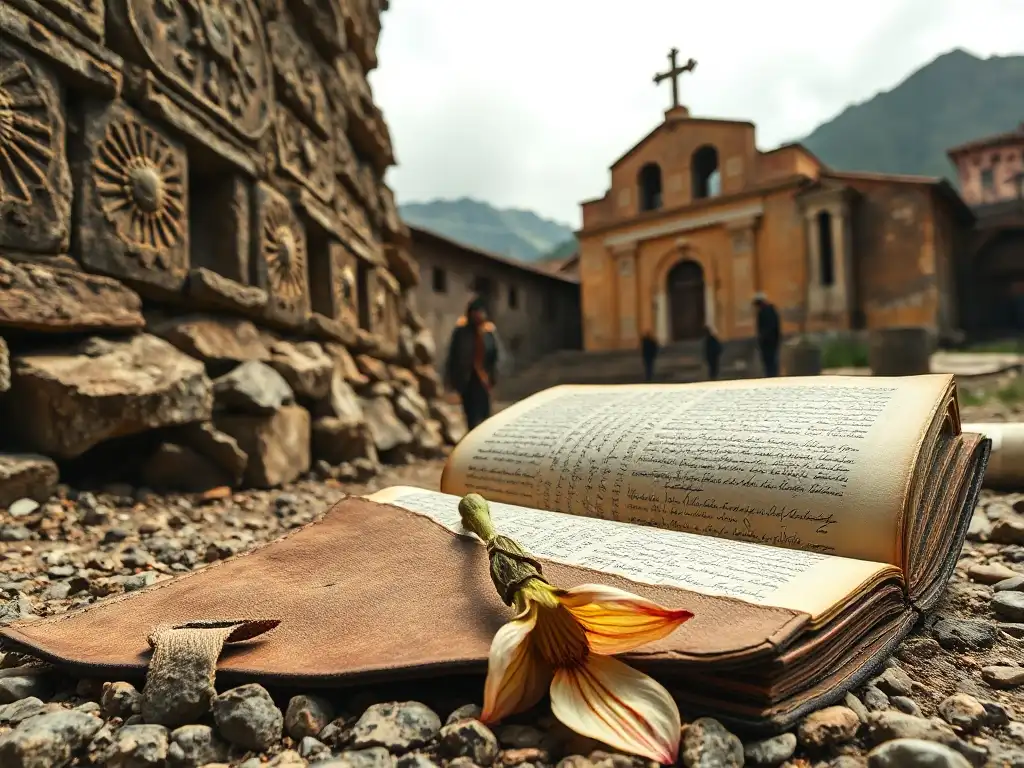
The Spanish conquest under Pizarro irrevocably altered the cultural and religious landscape of the Inca Empire. The Inca worldview, deeply rooted in a complex cosmology and reverence for nature, was systematically dismantled and replaced with a European framework. This process was brutal and far-reaching, impacting every aspect of Inca life, from daily rituals to societal structures.
The imposition of a new belief system was not merely a matter of religious conversion; it was a tool used to consolidate power and control the subjugated population. The dismantling of the Inca's intricate social hierarchy also contributed to a profound sense of loss and cultural disorientation.
The carefully constructed system of reciprocal obligations and communal responsibility was replaced with a more individualistic and hierarchical Spanish model, leaving many Inca people adrift and vulnerable. This cultural upheaval profoundly affected Inca identity and contributed to the long-term challenges faced by Andean communities in the post-conquest era.
The Suppression of Inca Religious Practices
The Spanish Crown, driven by a fervent desire to convert the indigenous population to Catholicism, aggressively suppressed Inca religious practices. Temples were destroyed, sacred objects confiscated and often melted down, and priests and religious leaders were persecuted. The huacas, or sacred sites, which held immense cultural and spiritual significance for the Inca, were desecrated, their power undermined through deliberate acts of vandalism and the imposition of Christian symbols and structures.
This systematic destruction aimed to eradicate the Inca's spiritual foundation and replace it with the Catholic faith. The suppression extended beyond the physical realm; Inca mythology, traditions, and oral histories, passed down through generations, were actively discouraged and replaced with Christian narratives.
The loss of these traditions contributed significantly to the erosion of Inca cultural identity and the disruption of their social fabric. This religious suppression was not simply a matter of religious conversion; it was a crucial strategy in dismantling Inca societal structures and establishing Spanish dominance.
The Imposition of Catholicism
The imposition of Catholicism wasn't a gentle process of conversion; it was a forceful imposition accompanied by coercion and violence. Missionaries established churches and convents across the former Inca Empire, actively seeking to convert the indigenous population. This conversion often involved the destruction of Inca religious sites and the substitution of Christian symbols and practices.
The indoctrination of the Inca into the Catholic faith was a central component of the Spanish colonial project, aimed at establishing religious and political control. The construction of impressive churches and cathedrals in major cities served as potent symbols of Spanish power and the dominance of the Catholic faith.
The introduction of new religious practices, including the celebration of Christian holidays and the adoption of Catholic rituals, fundamentally altered the social and spiritual lives of the Inca. The imposition of Catholicism, therefore, was not just a religious matter; it was a key element in the broader process of cultural assimilation and the subjugation of the Inca people.
Cultural Syncretism and its Manifestations
Despite the forceful imposition of Catholicism, a process of cultural syncretism emerged in the post-conquest era. Inca people, in an effort to preserve aspects of their heritage, subtly incorporated elements of their traditional beliefs and practices into the newly adopted Catholic faith. This blending of cultures resulted in a unique hybrid religious expression, where Inca deities were sometimes associated with Catholic saints, and traditional rituals were adapted to fit within a Catholic framework.
For instance, certain celebrations might have incorporated both pre-Columbian and Christian elements, representing a creative adaptation of religious practices under colonial rule. This syncretism, while a testament to the resilience of Inca culture, also reflects the complex power dynamics of the colonial period.
The blending of cultures was often a subtle act of resistance, a way of maintaining cultural identity in the face of oppression. However, it also demonstrates the transformative power of colonialism, impacting the very essence of Inca spiritual and cultural practices.
The Economic Consequences of Pizarro's Conquest
Pizarro's conquest had devastating economic consequences for the Inca Empire. The systematic exploitation of resources and the disruption of established economic systems led to widespread poverty, social unrest, and the long-term decline of the Inca economy. The introduction of new economic models, often forced upon the Inca population, further destabilized the existing structures. The legacy of this economic devastation continues to impact Andean societies today.
Plunder and Extraction of Inca Wealth
The Spanish conquistadors engaged in the systematic plunder and extraction of Inca wealth. Vast quantities of gold, silver, and other precious metals were seized, shipped back to Spain, and used to enrich the Spanish Crown and its supporters. This looting not only depleted the Inca's treasury but also disrupted their economic system, which relied on a complex network of resource management and redistribution.
The Inca's advanced agricultural techniques and sophisticated irrigation systems, which had supported a large and prosperous population, were disrupted. The extraction of resources was not limited to precious metals; the Spanish also appropriated land, livestock, and other resources, further undermining the Inca's economic stability. The sheer scale of this plunder was immense, leaving the Inca Empire economically crippled and vulnerable to further exploitation.
The Introduction of Spanish Economic Systems
The Spanish introduced new economic systems, including the encomienda and the repartimiento, which were designed to exploit the Inca labor force. Under these systems, Inca people were forced to work in mines, on farms, and in other sectors of the Spanish economy, often under brutal conditions. These systems were characterized by forced labor, low wages, and the denial of basic human rights.
The introduction of these economic systems completely restructured Inca society and its economic relationships. The traditional reciprocal labor systems were dismantled and replaced with a system of forced labor that benefited the Spanish colonists at the expense of the Inca population. The long-term consequences of these exploitative economic systems continue to resonate in the economic inequalities that persist in many Andean regions today.
The Impact on Inca Agriculture and Trade
The Spanish conquest significantly impacted Inca agriculture and trade. The disruption of established agricultural practices, the appropriation of land, and the introduction of new crops led to a decline in agricultural production and food security. The Inca's extensive road network, which facilitated trade and communication throughout the empire, was neglected and allowed to deteriorate. The Spanish also introduced new trade routes and commercial practices that favored Spanish interests and undermined the existing Inca system.
This disruption of agricultural and trade networks contributed to widespread poverty and social unrest. The imposition of new agricultural practices, often ill-suited to the Andean environment, further exacerbated the problem. The long-term effects of this disruption are still felt today in many Andean communities, which continue to struggle with issues of food security and economic development.
Long-Term Effects of the Conquest on Inca Descendants
The conquest of the Inca Empire by Pizarro and his men had devastating and long-lasting consequences for the Inca descendants, impacting their lives for centuries to come. The immediate effects of violence and disease were compounded by systematic dismantling of Inca social structures and the imposition of a new colonial order. This resulted in a complex web of social, economic, and cultural shifts that continue to shape the Andean region today.
The legacy of Pizarro's actions is not simply a historical event; it is a living reality impacting the lives and identities of millions. The forced assimilation into Spanish culture, coupled with the destruction of traditional ways of life, caused immense trauma and lasting societal damage.
Even today, the echoes of this brutal conquest are felt in the cultural landscape of the Andes. The struggle for self-determination and the reclamation of Inca heritage remain significant aspects of the lives of many Andean communities.
Demographic Changes and Population Decline
Pizarro's conquest triggered a catastrophic demographic collapse within the Inca population. The introduction of Old World diseases, such as smallpox, measles, and influenza, to which the Inca had no immunity, decimated the population. Estimates suggest that the native population of the Andes plummeted by as much as 90% in the decades following the conquest.
This massive loss of life irrevocably altered the social fabric of the region. Furthermore, the brutal enslavement and forced labor imposed by the Spanish further contributed to the population decline. The systematic exploitation of the indigenous population, coupled with the destruction of their agricultural systems, led to widespread famine and death.
The long-term effects of this demographic catastrophe are still evident today, with many Andean communities grappling with the consequences of this population decline. The genetic diversity of the Inca population was also significantly reduced, impacting their overall resilience and ability to adapt to future challenges. The sheer scale of the demographic collapse remains a stark testament to the devastating impact of Pizarro's conquest.
Lasting Social and Economic Inequalities
The Spanish conquest established a system of profound social and economic inequalities that persist in the Andes to this day. The indigenous population was relegated to the lowest rungs of society, subjected to forced labor, and denied access to land and resources. The Spanish colonial system created a rigid hierarchy, placing the Spaniards at the top and the indigenous people at the bottom.
This created a legacy of oppression and marginalization that continues to fuel social unrest and inequality. The economic exploitation continued for centuries, with indigenous communities forced to work in mines and on plantations under brutal conditions. This system of forced labor significantly hindered the economic development of the Andean region, perpetuating a cycle of poverty and dependency.
Even after independence from Spain, many of these inequalities remained entrenched, making it difficult for indigenous communities to achieve economic and social parity. The impact of Pizarro's conquest on the social and economic fabric of the Andes is a complex and ongoing issue.
The Ongoing Struggle for Cultural Preservation
The Spanish conquest aimed not only to conquer the Inca Empire but also to erase its culture and replace it with Spanish Catholicism. Temples were destroyed, Inca religious practices were suppressed, and the Quechua language was marginalized in favor of Spanish. Despite these efforts, Inca culture and traditions persisted, albeit often in modified or hidden forms.
The descendants of the Inca people have fought tirelessly to preserve their cultural heritage, facing ongoing challenges in the face of globalization and societal pressures. This struggle for cultural preservation manifests itself in various ways, including the revitalization of the Quechua language, the revival of traditional crafts and art forms, and the reclaiming of sacred sites.
The fight to preserve Inca culture is not just a matter of historical preservation; it is a fundamental aspect of the identity and self-determination of Andean communities. This ongoing struggle highlights the resilience of Inca culture and the determination of its descendants to maintain their heritage.
The Enduring Legacy of Pizarro's Actions in the Andes
Pizarro's conquest of the Inca Empire was a pivotal moment in Andean history, leaving an indelible mark on the region's social, economic, and cultural landscape. The consequences of his actions continue to resonate today, shaping the lives and identities of millions of people in the Andes. The enduring legacy of Pizarro is a complex and multifaceted one, encompassing both the destruction of a great civilization and the emergence of a new, hybrid culture.
Understanding Pizarro's impact requires acknowledging the profound suffering inflicted upon the Inca people and the lasting inequalities that resulted from the conquest. However, it also requires recognizing the resilience of Inca culture and the enduring spirit of its descendants who continue to preserve their heritage in the face of adversity. The story of Pizarro and the Inca is a powerful reminder of the long-term consequences of conquest and the importance of understanding the past to shape a more just and equitable future.
The legacy of Pizarro serves as a cautionary tale and a testament to the enduring strength of human spirit in the face of oppression. 🇿🇦
Frequently Asked Questions
What was Francisco Pizarro's main goal in conquering the Inca Empire?
Pizarro's primary objective was to conquer the Inca Empire and claim its vast wealth and resources for the Spanish Crown. He was driven by greed and a desire for power and glory.
How did Pizarro's conquest affect the Inca political system?
Pizarro's conquest completely destroyed the Inca political structure, replacing the emperor with Spanish viceroys and imposing a colonial system. The intricate system of governance collapsed.
What was the impact of Pizarro's conquest on the Inca population?
The conquest led to a drastic reduction in the Inca population, due to disease, warfare, and forced labor. Millions of lives were lost, and the social fabric was irrevocably altered.
What long-term effects did Pizarro's actions have on Inca culture and religion?
Pizarro's conquest resulted in the suppression of Inca religion and culture, with the Spanish imposing Catholicism and destroying many sacred sites. This cultural destruction had lasting consequences.
How did Pizarro's conquest impact Inca technology and infrastructure?
While some Inca infrastructure was initially utilized by the Spanish, the conquest ultimately led to a decline in Inca technological advancements. The focus shifted from Inca innovations to serving the needs of the colonial power.
Final Reflection: Echoes of Conquest: Pizarro's Enduring Legacy on Inca Society
The brutal conquest of the Inca Empire by Francisco Pizarro remains a stark reminder of the devastating consequences of unchecked power and colonial ambition. Its impact reverberates through the social, political, and cultural landscapes of South America to this day, shaping identities and influencing the very fabric of modern nations. The systematic dismantling of a sophisticated civilization serves as a cautionary tale, a potent example of the fragility of even the most advanced societies in the face of overwhelming force.
The enduring legacy of Pizarro's actions extends far beyond the immediate destruction of the Inca Empire. The imposition of Spanish language, religion, and social structures fundamentally altered the course of Andean history, leading to centuries of oppression and inequality. The very act of conquest, the erasure of a rich cultural heritage, continues to shape discussions of identity, land rights, and social justice in the region. The past is never dead. It's not even past.
– William Faulkner. This quote perfectly encapsulates the persistent influence of Pizarro's conquest, reminding us that the wounds of the past continue to bleed into the present.
Consider the implications of this history. Reflect on the resilience of the Inca people, their ability to adapt and preserve aspects of their culture despite immense hardship. You, the reader, hold the power to learn from this history, to understand the complexities of colonialism, and to advocate for a future where such atrocities are never repeated. Let the legacy of Pizarro serve not as a celebration of conquest, but as a catalyst for empathy, understanding, and a commitment to building a more just and equitable world.
Unveil the Legacy of the Inca and Pizarro's Conquest!
Thank you for exploring the fascinating impact of Pizarro's conquest on Inca society! You've delved into a pivotal moment in history that profoundly shaped cultures and civilizations. Now, let's build on that knowledge.
Here's how you can continue your exploration:
- Explore Further: Delve deeper into the rich history of the Andean civilizations by exploring our curated sections on Inca innovations and their remarkable cultural resilience.
- Engage with Others: Share your insights and perspectives by discussing this article with others in your community or on social media. Let's spark a conversation about the lasting impact of ancient conquests on modern societies.
- Reflect and Create: Write a short piece reflecting on the most significant lessons we can learn from the encounter between the Inca and Pizarro.
What insights about cultural resilience and transformation can you glean from the story of the Inca and their enduring legacy?