
Decoding Pizarro's Tactics: How a Small Force Overwhelmed a Vast Empire

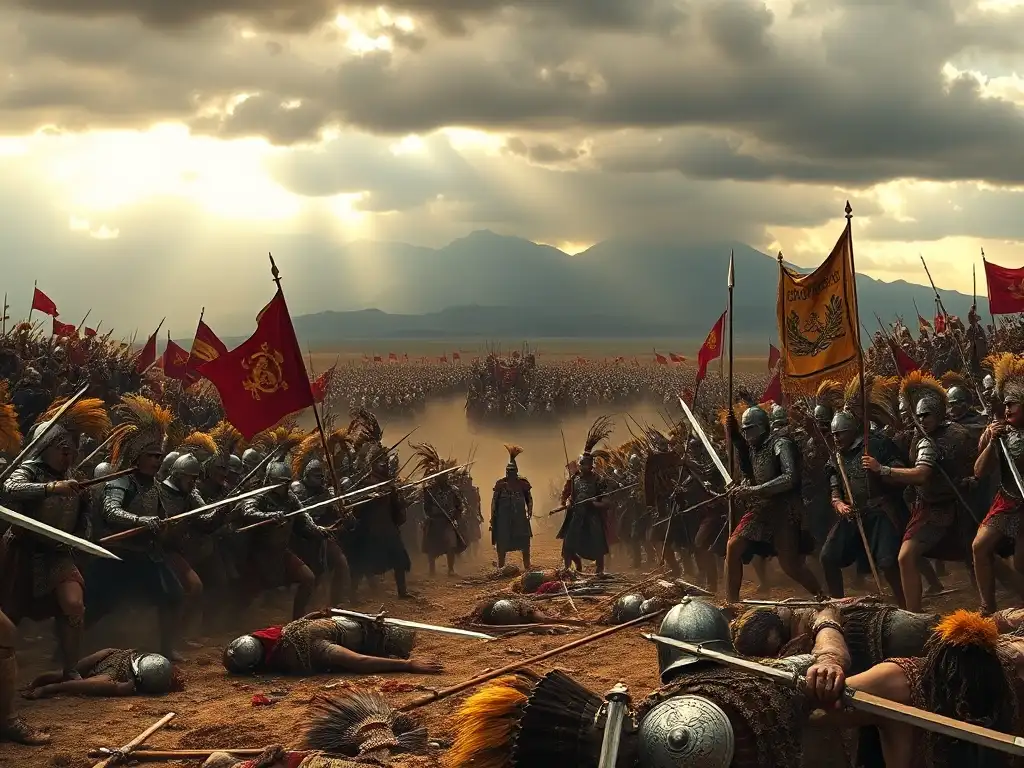
Step into a world lost to time, yet echoing with the grandeur of the Andean civilizations. From the intricate artistry of the Nazca lines to the sophisticated engineering of the Incas, their legacy continues to captivate. But what truly sealed their fate? Prepare to unravel the mysteries surrounding Pizarro's conquest of the Inca Empire, a story of cunning strategies and unexpected vulnerabilities that led to the downfall of a vast and powerful civilization. Discover how a relatively small force managed to conquer such a mighty empire – the answer may surprise you.
- Pizarro's Conquest of the Inca Empire: Decoding the Tactics of a Small Force
- Analyzing Pizarro's Military Strategies and Tactics
- The Battle of Cajamarca: A Case Study in Pizarro's Tactics
- The Fall of the Inca Empire: Beyond Military Superiority
- Lessons from Pizarro's Conquest: Implications and Interpretations
- Conclusion: Understanding Pizarro's Triumph over the Incas
-
Frequently Asked Questions
- What advantages did Pizarro have over the Inca Empire?
- How did Pizarro manage to conquer such a large empire with a relatively small force?
- What role did disease play in Pizarro's conquest?
- What were some of Pizarro's key tactical strategies?
- What was the long-term impact of Pizarro's conquest on the Inca Empire?
- Final Reflection: The Enduring Legacy of Conquest
- Unleash Your Inner Strategist!
Pizarro's Conquest of the Inca Empire: Decoding the Tactics of a Small Force
The Spanish conquest of the Inca Empire remains one of history's most compelling and controversial events. How did a relatively small force of Spanish conquistadors, armed with superior weaponry but outnumbered significantly, manage to overthrow a vast and sophisticated empire like the Inca? This article delves into the strategic brilliance, ruthlessness, and fortunate circumstances that allowed Francisco Pizarro and his men to conquer the Inca, examining the pre-existing vulnerabilities within the Inca Empire and the tactical maneuvers employed by Pizarro himself.
We will explore the context of the Inca Empire before the arrival of the Spanish, the background and ambitions of Pizarro, and the key elements that contributed to this monumental historical shift. Understanding Pizarro's conquest is crucial to comprehending not only the fall of a great civilization but also the broader impact of European colonialism in the Americas.
This analysis will focus on the "Pizarro's conquest of the Inca Empire" narrative, examining the multifaceted factors leading to the Inca's defeat. We will unpack the military strategies, political manipulations, and the role of disease in the Spanish victory, offering a nuanced perspective on this pivotal moment in history.
The Context of the Inca Empire Before Pizarro's Arrival
The Inca Empire, at its zenith, was a remarkably organized and extensive civilization stretching along the Andes Mountains of South America. However, the seemingly invincible empire was far from monolithic at the time of Pizarro's arrival. The empire, under the rule of Atahualpa, was embroiled in a brutal civil war following the death of Huayna Capac. This internal conflict, characterized by intense fighting and power struggles between Atahualpa and his half-brother Huáscar, had significantly weakened the empire's military strength and its centralized political structure.
The infrastructure, once a hallmark of Inca ingenuity, was disrupted, and the previously unified populace was divided and demoralized. This internal strife presented a critical vulnerability that Pizarro expertly exploited. Furthermore, Inca technology, while advanced for its time in areas like agriculture and engineering, was no match for the Spanish firearms and steel weaponry.
The Inca's reliance on traditional weaponry like clubs and slings proved insufficient against the Spanish's superior firepower. The existing social divisions and the recent civil war created a fertile ground for the Spanish conquest, significantly diminishing the empire's capacity to mount an effective defense. The strategic advantage wasn't solely military; it was also a consequence of the political instability and social fractures within the Inca society.
Francisco Pizarro: The Conquistador's Background and Ambitions
Francisco Pizarro was not merely a brutal conquistador; he was a shrewd strategist and a ruthless opportunist. His background, marked by a combination of poverty, ambition, and military experience, shaped his approach to conquering the Inca Empire. While details of his early life remain somewhat obscure, it's clear that he possessed a rare blend of daring, cunning, and unwavering determination.
His previous experience in the Caribbean, participating in expeditions and witnessing the vulnerability of indigenous populations to European diseases and weaponry, informed his strategy in Peru. Pizarro's ambitions extended far beyond mere wealth; he craved power, recognition, and the glory associated with conquering a vast empire. This ambition fueled his persistence in the face of adversity, driving him to overcome numerous obstacles and setbacks during his quest to conquer the Inca.
He meticulously planned his expeditions, strategically forming alliances with disgruntled factions within the Inca Empire, and exploiting the existing internal conflicts to his advantage. The success of Pizarro's conquest was not merely a matter of luck; it was the result of a carefully crafted strategy executed by a man driven by insatiable ambition and a profound understanding of his adversaries' weaknesses. Pizarro's actions, while brutal and exploitative by modern standards, were undeniably effective in achieving his objectives.
Analyzing Pizarro's Military Strategies and Tactics
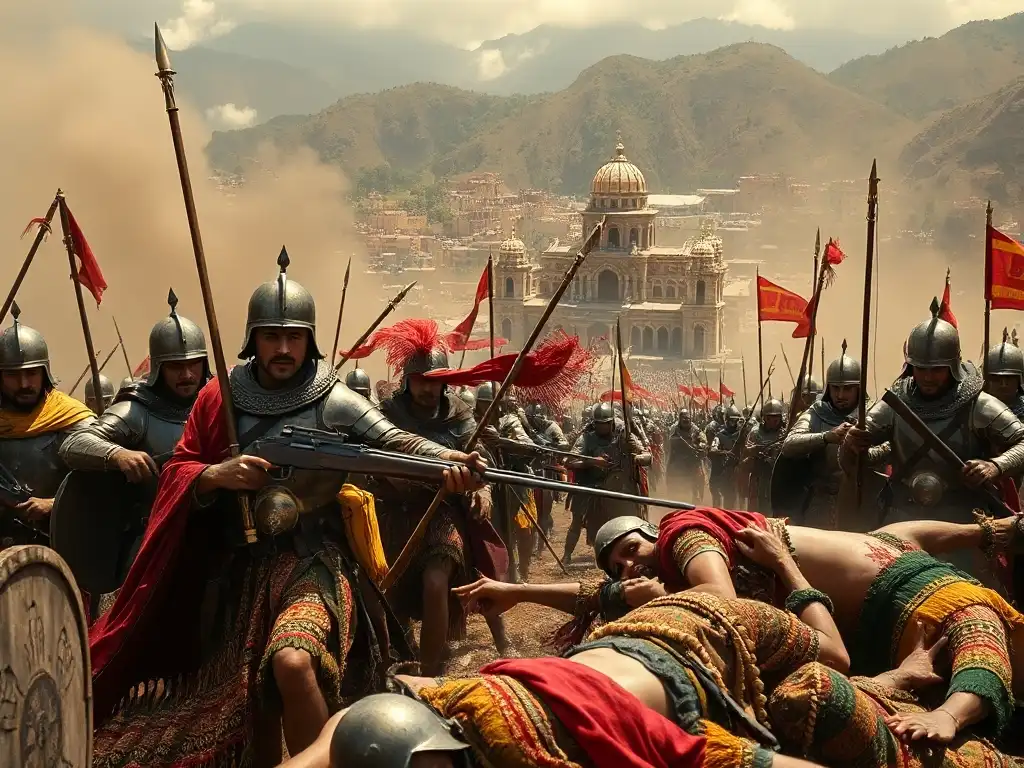
Pizarro's conquest of the Inca Empire wasn't a result of sheer military superiority. His forces were vastly outnumbered by the Inca army. Instead, his success hinged on a cunning combination of military strategy, tactical brilliance, and the exploitation of existing Inca vulnerabilities. This section delves into the key elements that allowed a relatively small Spanish force to topple a powerful empire.
Understanding Pizarro's methods requires analyzing his approach from initial reconnaissance to the decisive capture of Atahualpa. His success serves as a case study in asymmetric warfare, highlighting the importance of intelligence, manipulation, and psychological warfare in military campaigns. The effective use of deception and superior weaponry also played a crucial role in Pizarro's conquest of the Inca Empire.
Pizarro's Initial Expedition and Reconnaissance
Pizarro's initial expeditions weren't haphazard raids. They were carefully planned reconnaissance missions designed to gather crucial intelligence about Inca territory, military strength, and internal politics. His meticulous mapping of the Andean landscape, coupled with his efforts to learn the Inca language and customs, gave him a significant advantage. Pizarro understood the importance of understanding his enemy before engaging them directly.
He meticulously documented the Inca's logistical capabilities, their communication networks, and their societal structures. This information proved invaluable in formulating his later strategies. He learned of the Inca's reliance on specific mountain passes and their vulnerability to diseases unknown in the Americas.
This initial phase, often overlooked in analyses of Pizarro's conquest, was fundamental to his later success in the "Pizarro's conquest of the Inca Empire." His understanding of Inca infrastructure allowed him to predict their movements and ambush them effectively. He even managed to secure alliances with certain indigenous groups who resented Inca rule, providing him with valuable local guides and soldiers.
Exploiting Inca Internal Conflicts: The Civil War
The Inca Empire was far from unified at the time of Pizarro's arrival. A brutal civil war between Huáscar and Atahualpa, vying for control of the empire after the death of Huayna Capac, had severely weakened the Inca military and political structure. Pizarro cleverly exploited this internal strife.
He initially allied with Atahualpa, providing crucial support to his faction in the civil war. This wasn't simply opportunistic; it was a strategically calculated move to weaken the Inca Empire further before launching a full-scale assault. The civil war depleted the Inca's resources, manpower, and morale, making them far more vulnerable to the Spanish invasion.
By carefully choosing his alliances, Pizarro effectively turned the Inca against themselves, minimizing his own military risk. This strategic manipulation was key to the success of Pizarro's conquest of the Inca Empire, demonstrating a deep understanding of the political landscape. The weakening of the Inca military through internal conflict paved the way for the relatively small Spanish force to achieve a decisive victory.
The Capture of Atahualpa: A Turning Point
The capture of Atahualpa at Cajamarca in 1532 is often cited as the pivotal moment in Pizarro's conquest. This wasn't a brute-force military victory, but rather a masterclass in deception and psychological warfare. Pizarro used a carefully orchestrated ambush, exploiting the Inca's cultural norms and their trust in the Spanish.
The use of superior weaponry, particularly firearms and cavalry, which were novel to the Inca, combined with a carefully planned surprise attack, completely overwhelmed the Inca army. The capture of Atahualpa, the Sapa Inca, effectively decapitated the Inca Empire's leadership and shattered its morale. The ensuing chaos allowed the Spanish to consolidate their power and gradually extend their control over the empire.
The ransom offered by Atahualpa, while enormous, also served to further destabilize the Inca, as various factions vied for control and the distribution of the wealth. The capture of Atahualpa marked a turning point in Pizarro's conquest of the Inca Empire, significantly altering the power dynamics and paving the way for the Spanish colonization of the region. The event showcases Pizarro's mastery of tactical surprise and his ruthless exploitation of the Inca's cultural misunderstandings.
Pizarro's Use of Deception and Treachery
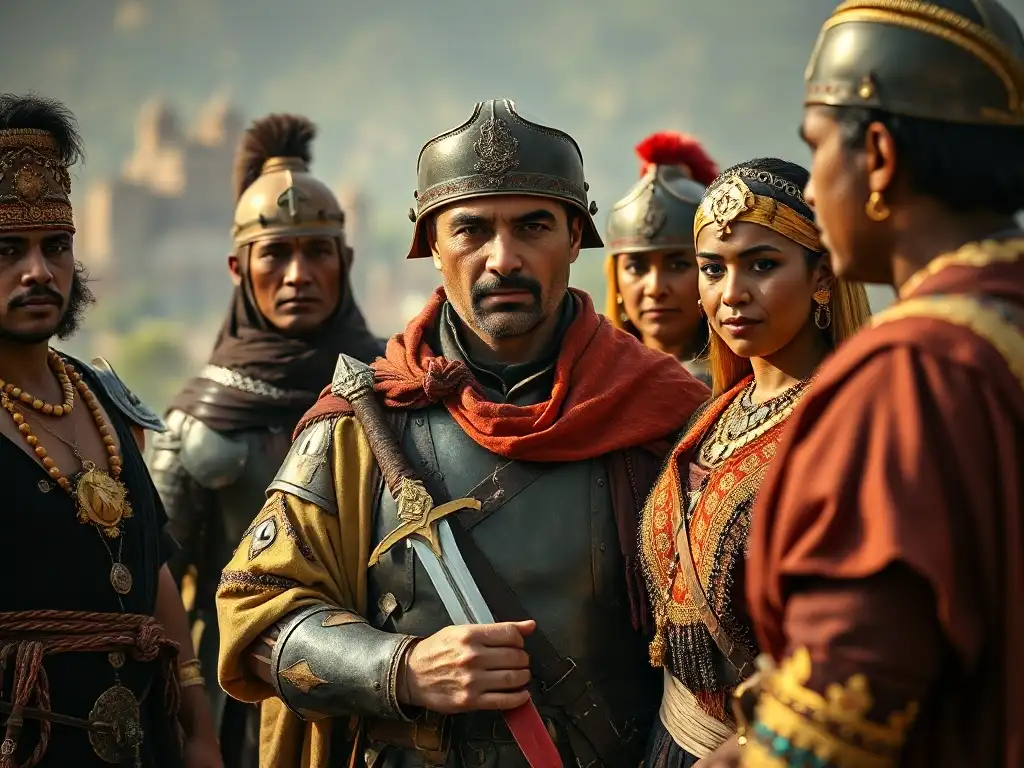
Pizarro's conquest wasn't solely a matter of brute force; it was a masterclass in manipulation and deceit. He expertly exploited internal Inca divisions and weaknesses, using treachery as a key component of his strategy. A prime example is the infamous capture of Atahualpa at Cajamarca.
Under the guise of a peaceful meeting, Pizarro and his men ambushed the Inca emperor, leveraging the element of surprise to overcome a vastly superior force. This act of treachery, while morally reprehensible, demonstrated Pizarro's shrewd understanding of psychological warfare and his willingness to employ underhanded tactics to achieve his objectives. His ability to sow discord among Inca leaders, playing factions against each other, further destabilized the empire and weakened its resistance.
The carefully cultivated image of peaceful intentions, followed by swift and brutal action, became a hallmark of Pizarro's approach, allowing him to achieve victories disproportionate to his numerical strength. He wasn't just a military leader; he was a political strategist, adept at exploiting weaknesses in his opponents' character and the inherent vulnerabilities of the Inca political system. This systematic dismantling of Inca power through deception laid the groundwork for the eventual Spanish conquest.
The Role of Superior Weaponry and Technology
The disparity in military technology played a crucial role in Pizarro's success. The Spanish possessed weaponry and technology far superior to that of the Inca, fundamentally altering the balance of power. This technological advantage wasn't just about superior weaponry; it was about a broader technological gap encompassing tactics, logistics, and communication. The Inca, while possessing a strong military organization and a large army, lacked the technological sophistication to effectively counter the Spanish forces.
The Impact of Steel Weapons and Armor
Steel weapons, such as swords, lances, and crossbows, proved devastatingly effective against Inca weaponry, which primarily consisted of clubs, slings, and spears made of wood or stone. The superior strength and sharpness of steel allowed Spanish soldiers to inflict far greater casualties. Furthermore, steel armor provided significantly better protection than the Inca's quilted or leather armor, reducing the effectiveness of Inca weaponry.
This combination of offensive and defensive superiority meant that Spanish soldiers could engage in close combat with a much higher probability of survival, significantly impacting the outcome of battles. The psychological impact of this technological advantage should not be underestimated; the sight of seemingly impervious Spanish soldiers wielding deadly weapons likely instilled fear and demoralized Inca warriors.
The Significance of Horses in the Conquest
The introduction of horses to the Andean region was a game-changer. The Inca had never encountered horses before, and their unfamiliar appearance and speed caused significant disruption and fear amongst Inca troops. Horses provided the Spanish with unparalleled mobility on the battlefield, allowing them to swiftly maneuver and outflank Inca formations. The cavalry charges proved devastatingly effective, breaking Inca lines and causing widespread panic.
This tactical advantage, combined with the superior weaponry of the Spanish riders, amplified the impact of the technological disparity. The psychological effect of mounted warriors charging into battle was immense, contributing significantly to the Spanish victories and the overall success of Pizarro's campaign. The horse, therefore, wasn't just a means of transportation; it was a symbol of Spanish power and a key factor in their conquest of the Inca Empire.
Indigenous Allies: Crucial Support for Pizarro's Forces
Pizarro's success in conquering the vast Inca Empire wasn't solely due to superior weaponry or cunning strategies. A critical factor often overlooked is the significant role played by indigenous allies. These alliances, born from a complex web of inter-tribal rivalries and resentments towards Inca rule, provided Pizarro with invaluable assistance in manpower, logistical support, and crucial intelligence. The Inca Empire, while powerful, wasn't monolithic; it was comprised of numerous conquered groups who harbored deep-seated grievances against the central Inca government. These groups saw in Pizarro's arrival an opportunity for liberation and revenge.
The most notable example is the support Pizarro received from the Cañari, a powerful indigenous group who had long resisted Inca domination. Their knowledge of the terrain, their fighting prowess, and their intimate understanding of Inca weaknesses proved invaluable to Pizarro's relatively small army. The Cañari provided scouts, guides, and even significant fighting forces, substantially increasing Pizarro's effective strength.
Their contribution extended beyond manpower; they provided crucial information about Inca troop movements, fortifications, and supply lines, allowing Pizarro to anticipate and counter Inca strategies effectively. This intelligence advantage often tipped the scales in battles where Pizarro's numerical inferiority could have otherwise been decisive.
Furthermore, the alliances Pizarro forged weren't simply opportunistic; they were carefully cultivated. Pizarro understood the importance of building trust and demonstrating his commitment to his allies. He offered rewards, both material and political, to incentivize their support.
This strategy, while undeniably pragmatic, proved remarkably effective in expanding his network of loyal indigenous supporters. The provision of weapons and armor, along with promises of autonomy and improved status after the conquest, solidified these crucial alliances and ensured a steady flow of manpower and intelligence throughout the campaign. Without this indigenous support, Pizarro's conquest would have been significantly more challenging, if not impossible.
The strategic exploitation of pre-existing tensions within the Inca Empire is a testament to Pizarro's astute political acumen, as vital to his success as his military tactics. The symbiotic relationship between Pizarro's forces and his indigenous allies highlights a crucial aspect of "Pizarro's conquest of the Inca Empire," often underrepresented in historical accounts.
The Battle of Cajamarca: A Case Study in Pizarro's Tactics
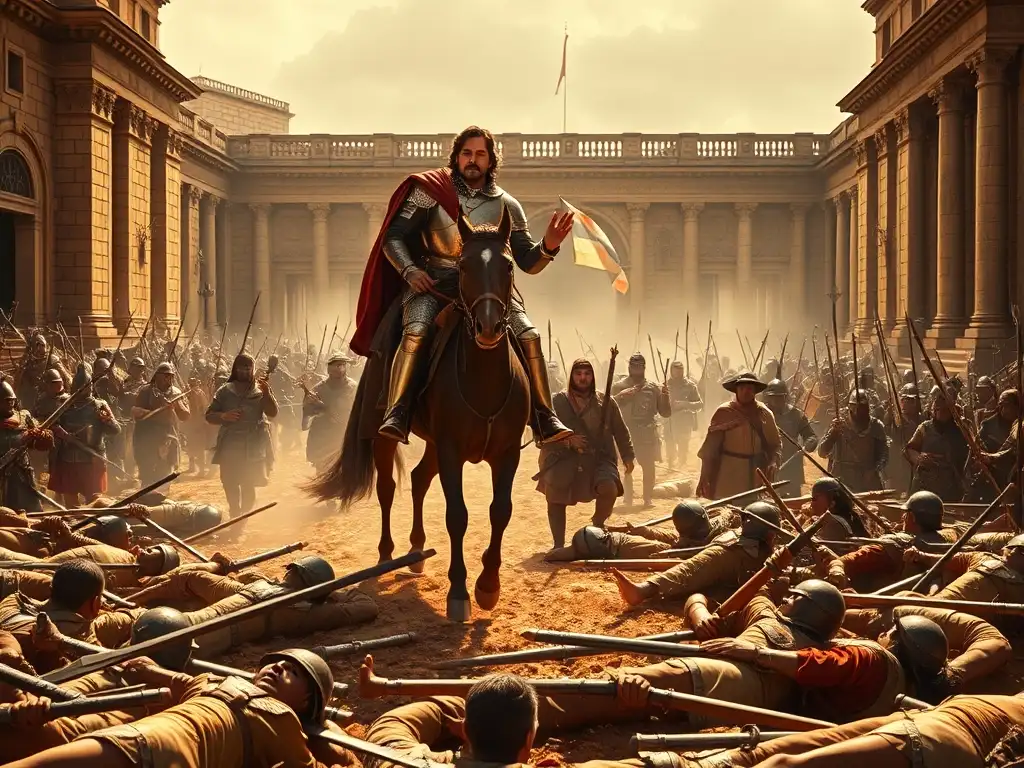
This section delves into the pivotal Battle of Cajamarca, a seemingly improbable victory for Francisco Pizarro's small Spanish force against the vastly superior Inca army. We will analyze the strategic brilliance behind Pizarro's conquest of the Inca Empire, focusing on the meticulous planning, audacious tactics, and exploitation of internal Inca weaknesses that led to the capture of Atahualpa and the subsequent collapse of the Inca Empire. Understanding this battle is key to understanding Pizarro's conquest of the Inca Empire and the broader context of the Spanish colonization of South America.
The Setting and Preparation for the Ambush
Cajamarca, a seemingly innocuous town nestled high in the Andes, provided the perfect stage for Pizarro's audacious plan. The strategic location, a narrow valley surrounded by high ground, allowed Pizarro to funnel the massive Inca army into a killing zone. This wasn't a mere accident; extensive reconnaissance and careful selection of the battlefield were crucial elements in Pizarro's strategy. He understood the importance of terrain in warfare, a lesson learned from years of experience in the conquest of other indigenous groups.
Pizarro's preparation wasn't limited to choosing the battlefield. He meticulously planned the ambush, assigning specific roles and responsibilities to his men. The Spanish forces, numbering only around 168 soldiers, were augmented by thousands of allied indigenous warriors, many of whom were resentful of Inca rule. This alliance, a testament to Pizarro's political acumen, significantly amplified his fighting capacity.
He leveraged existing tensions and rivalries within the Andean world to his advantage, a key factor in the success of his campaign. The Spanish also possessed superior weaponry, including guns, cannons, and steel swords, which provided a significant technological advantage over the Inca army's primarily bronze and stone weapons. This disparity in weaponry is often cited as a key factor in Pizarro's victory.
The element of surprise was paramount. Pizarro cleverly invited Atahualpa and his entourage to Cajamarca under the guise of a peaceful meeting. This deception, a hallmark of Pizarro's tactics, allowed him to position his forces strategically before the Inca army arrived, completely unsuspecting. The meticulous planning and the element of surprise were inseparable parts of Pizarro's overall strategy.
The Execution of Pizarro's Plan: A Detailed Analysis
The ambush at Cajamarca was executed with brutal efficiency. As Atahualpa and his retinue entered the plaza, the Spanish forces unleashed a devastating assault. Cannons roared, muskets fired, and cavalry charged, creating chaos and confusion among the Inca soldiers. The narrow confines of the valley prevented the Inca army from deploying effectively, turning their numerical superiority into a liability.
The element of surprise, combined with the superior weaponry and tactical positioning of the Spanish, resulted in a swift and decisive victory. Atahualpa, along with many of his nobles and soldiers, was captured within minutes. The Inca army, initially stunned and disoriented, was unable to mount an effective counterattack.
This swift capture of the Inca emperor was a turning point in the conquest, effectively paralyzing the Inca empire's ability to organize resistance. The battle demonstrated a masterful understanding of military tactics and exploitation of technological superiority. The Spanish strategy wasn't simply about brute force; it was a meticulously crafted plan designed to maximize their limited resources and exploit the weaknesses of their opponent.
The Aftermath of Cajamarca and its Impact
The Battle of Cajamarca was far more than a simple military victory; it was a strategic triumph that paved the way for the complete conquest of the Inca Empire. The capture of Atahualpa allowed Pizarro to leverage the Inca's internal divisions and gain control of the empire's vast resources. The ensuing years saw widespread Spanish colonization, the destruction of Inca infrastructure, and the decimation of the Inca population. The psychological impact of Cajamarca was as significant as the military victory. The swift and decisive defeat shattered the Inca's perception of their own invincibility and demoralized their resistance.
The consequences of Pizarro’s actions reverberate to this day. The conquest of the Inca Empire marked a turning point in the history of South America, leading to profound and lasting changes in its social, political, and cultural landscape. The legacy of Pizarro's conquest remains a complex and controversial topic, highlighting the devastating impact of colonialism and the lasting consequences of military conquest.
The Battle of Cajamarca serves as a stark reminder of the devastating power of superior military technology and strategic planning, especially when combined with the exploitation of internal conflicts within a targeted society. The study of Pizarro’s conquest of the Inca Empire continues to fascinate and inform historians, offering valuable insights into the dynamics of power and conquest in the pre-Columbian world.
The Fall of the Inca Empire: Beyond Military Superiority
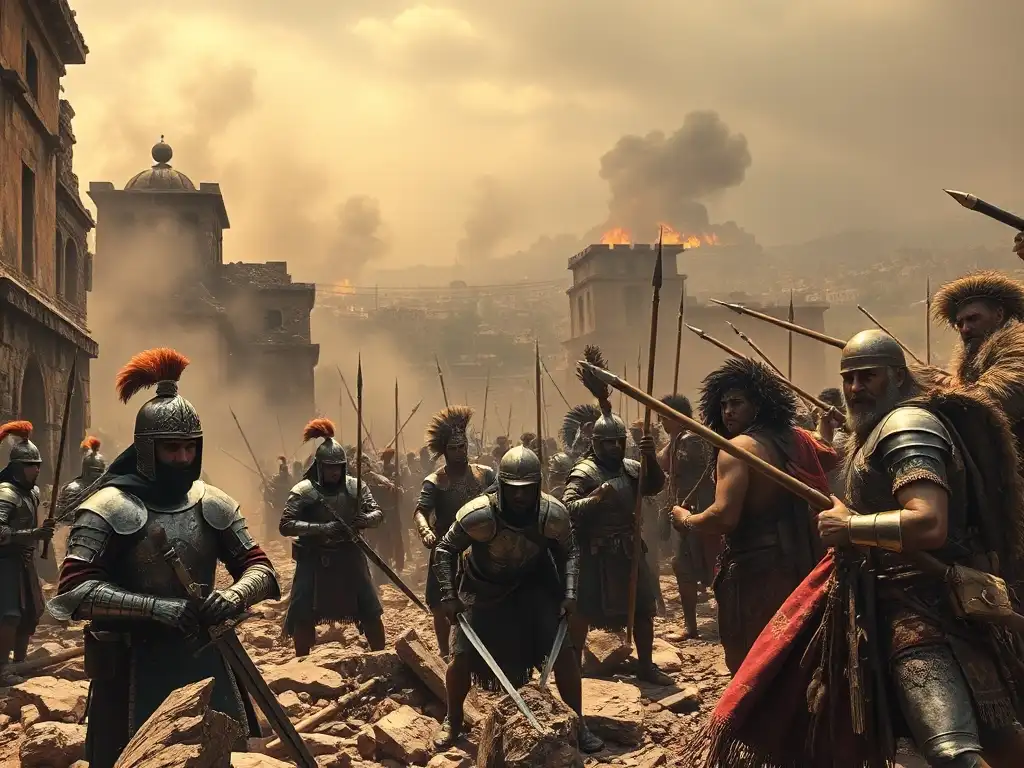
The commonly held narrative of Pizarro's conquest focuses heavily on the Spanish military advantage. While superior weaponry, including firearms and steel, undoubtedly played a role in Pizarro's success, attributing the Inca defeat solely to this is a significant oversimplification of a complex historical event. Pizarro's conquest of the Inca Empire, a truly remarkable feat, was the result of a confluence of factors extending far beyond mere military might.
The Spanish exploited existing internal weaknesses within the Inca Empire, skillfully leveraging political instability, psychological vulnerabilities, and the devastating impact of introduced diseases to achieve victory. Understanding the complete picture requires examining these interwoven elements, which ultimately proved far more decisive than any technological disparity. The sheer scale of the Inca Empire, while impressive, also presented inherent vulnerabilities that Pizarro expertly exploited.
The Collapse of Inca Political Structure
The Inca Empire, at the time of the Spanish arrival, was grappling with a severe succession crisis. The death of Huayna Capac, the powerful Inca emperor, had plunged the empire into a brutal civil war between his sons Huáscar and Atahualpa. This internal conflict significantly weakened the empire's military and administrative capabilities.
Resources that could have been used to defend against the Spanish were instead diverted to the fratricidal struggle. Atahualpa's eventual victory was pyrrhic; he had decimated the empire's military strength and left it vulnerable to external threats. Pizarro masterfully exploited this vulnerability, using sophisticated diplomacy and deception to manipulate the fractured Inca leadership and sow discord among different factions.
The Inca's intricate system of mit'a, or labor conscription, which had been the engine of their empire's expansion, was disrupted by the ongoing civil war, leaving the empire less capable of mobilizing its vast manpower for defense. The absence of a unified, strong leadership, coupled with a fractured military structure, proved to be a decisive factor in the empire's rapid collapse. The subsequent capture of Atahualpa further exacerbated the situation, leaving the Inca without a central authority capable of coordinating a unified defense against the Spanish.
The Psychological Impact of the Conquest on the Incas
The Spanish conquest wasn't just a military campaign; it was a psychological war. The sheer novelty and power of Spanish weaponry—cannons, muskets, and steel armor—created a sense of awe and terror among the Inca, a factor that significantly undermined their fighting spirit. The Inca had never encountered such technology before, and the devastating effect of these weapons instilled a fear that went beyond the immediate battlefield.
Reports of Spanish horses, described as "fiery beasts," further added to the psychological impact, contributing to the demoralization of Inca soldiers. Furthermore, Pizarro's use of deception and strategic alliances with disgruntled Inca factions played a crucial role in dismantling Inca resistance.
The Spanish skillfully exploited existing tensions and rivalries within the empire, turning Inca against Inca, thereby further weakening their ability to mount a coordinated defense against the invaders. This psychological warfare, combined with the military advantages, effectively paralyzed the Inca’s ability to effectively resist the Spanish advance, resulting in a collapse of morale and the surrender of many communities.
Disease as a Factor in the Inca's Defeat
The introduction of Old World diseases, like smallpox, measles, and influenza, played a devastating role in the Inca's defeat, arguably a more significant factor than the Spanish military might itself. The Inca population, lacking immunity to these diseases, suffered catastrophic losses. Entire communities were decimated, leaving the empire's infrastructure and manpower severely depleted.
This epidemiological disaster undermined the Inca's ability to mobilize an effective resistance, weakening the empire from within and facilitating the relatively easy conquest by a numerically inferior Spanish force. The sheer scale of the mortality caused by these diseases is difficult to quantify precisely, but historical accounts suggest that the impact was catastrophic, crippling the empire's ability to resist the Spanish invasion.
The spread of these diseases created a perfect storm, combining with the internal conflicts and the psychological impact of the Spanish invasion to accelerate the fall of the Inca Empire, solidifying Pizarro's victory. The long-term consequences of this devastating epidemic continue to shape the demographic landscape of the Andes to this day.
Lessons from Pizarro's Conquest: Implications and Interpretations
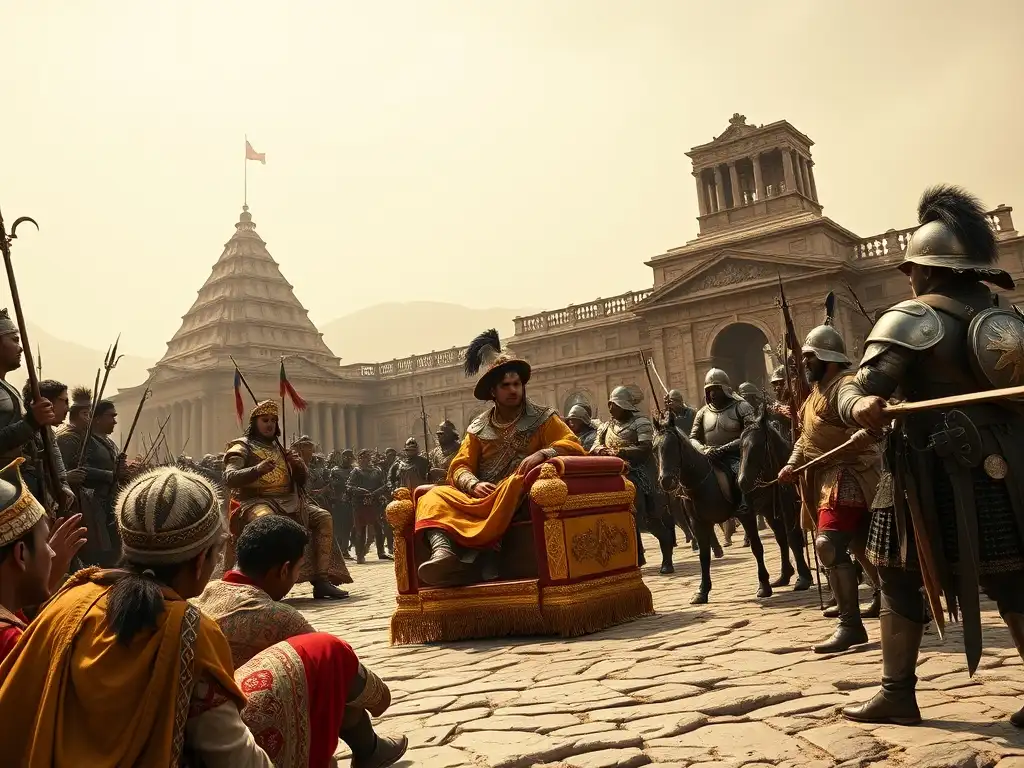
Pizarro's conquest of the Inca Empire, a seemingly improbable victory of a small band of conquistadors over a vast and powerful civilization, offers invaluable lessons about military strategy, political manipulation, and the devastating consequences of cultural clash. Analyzing Pizarro's tactics reveals not only his brilliance but also the vulnerabilities of the Inca Empire, paving the way for a deeper understanding of "Pizarro's conquest of the Inca Empire." This section delves into the lasting impact of this pivotal historical event, examining its reverberations across centuries and its continued relevance in contemporary discussions of colonialism and conquest.
The Legacy of Pizarro and the Spanish Conquest
The legacy of Francisco Pizarro is complex and multifaceted. He is remembered, understandably, as a ruthless conquistador responsible for the destruction of a thriving civilization and the immense suffering inflicted upon the Inca people. The brutality of the conquest, marked by massacres and enslavement, left an indelible stain on the history of the Andean region. However, a nuanced understanding requires acknowledging the significant role played by internal divisions within the Inca Empire itself.
The succession crisis following the death of Huayna Capac, coupled with the ensuing civil war between Huáscar and Atahualpa, severely weakened the empire, creating a power vacuum that Pizarro expertly exploited. This internal strife, arguably, was as crucial to the Spanish victory as Pizarro's strategic maneuvering. The legacy is not solely about Pizarro's actions but also about the pre-existing conditions within the Inca society that made it vulnerable.
The Spanish conquest wasn't just a military victory; it was a complex interplay of military might, political intrigue, and societal vulnerabilities. The ensuing colonial period profoundly altered the social, political, and economic landscape of the Andes, shaping its trajectory for centuries to come. Understanding this intertwined legacy allows for a more comprehensive evaluation of "Pizarro's conquest of the Inca Empire" and its enduring impact.
The Long-Term Consequences for the Andean Region
The Spanish conquest triggered profound and long-lasting transformations in the Andean region. The introduction of new diseases, such as smallpox and measles, decimated the indigenous population, leading to a drastic demographic decline. This depopulation had far-reaching consequences, impacting agricultural practices, social structures, and the overall economic vitality of the region. Furthermore, the imposition of the encomienda system, a form of forced labor, subjected the surviving Inca population to brutal exploitation, further exacerbating their suffering.
The extraction of vast quantities of silver and gold enriched the Spanish crown but came at an immense human cost. The legacy of this exploitation continues to shape socioeconomic inequalities in the region today. The Spanish also imposed their religious beliefs and administrative systems, leading to a cultural upheaval that erased or suppressed many aspects of Inca traditions and knowledge.
The long-term consequences extend beyond the immediate effects of the conquest, impacting everything from language and cultural practices to political systems and economic structures. Analyzing these far-reaching effects provides a crucial perspective on the true cost of "Pizarro's conquest of the Inca Empire." The enduring impact underscores the need for a critical examination of the lasting consequences of colonial conquest.
Re-evaluating the Narrative of Pizarro's Success
The conventional narrative often portrays Pizarro's victory as a testament to his military genius and strategic prowess. However, a more critical examination reveals a more nuanced picture. While Pizarro's tactical acumen cannot be denied – his use of superior weaponry, his exploitation of Inca internal conflicts, and his psychological warfare tactics were undeniably effective – it's crucial to contextualize his success within the broader framework of colonial expansion and the inherent power imbalances of the time.
The Spanish possessed advanced weaponry, including firearms and horses, which gave them a significant advantage over the Inca army. This technological superiority, combined with the devastating effects of disease, played a crucial role in the Spanish victory. Furthermore, the Inca's unfamiliarity with European warfare tactics and their own internal divisions proved to be significant factors in their defeat.
Re-evaluating Pizarro's "success" necessitates acknowledging the role of these external factors and avoiding an overly simplistic or triumphalist interpretation of events. A thorough analysis of "Pizarro's conquest of the Inca Empire" necessitates moving beyond a simple celebration of military prowess and embracing a more critical and comprehensive understanding of the historical context and its implications. Only then can we fully grasp the complexities and long-term consequences of this pivotal moment in Andean history.
Conclusion: Understanding Pizarro's Triumph over the Incas
Pizarro's conquest of the Inca Empire remains a pivotal moment in history, a testament to the complex interplay of military strategy, political maneuvering, and sheer fortune. While the Incas possessed a vast and sophisticated empire, their vulnerability to Pizarro's relatively small force underscores the significance of internal divisions and the devastating impact of disease and unfamiliar weaponry.
This wasn't simply a clash of armies; it was a clash of civilizations, with profound and lasting consequences for the Andean region and the world. Analyzing Pizarro's tactics allows us to better comprehend not only his success but also the fragility of even the most powerful empires when faced with internal strife and external threats.
Understanding this historical event is crucial for appreciating the complexities of power dynamics and the enduring legacy of colonialism on Andean societies. The strategic brilliance displayed by Pizarro, combined with the unfortunate circumstances faced by the Incas, offers a compelling case study in military history and the impact of conquest on cultural heritage.
Key Factors Contributing to Pizarro's Victory
Pizarro's victory wasn't solely due to military prowess. Several key factors converged to allow a relatively small Spanish force to overcome the Inca Empire. These factors included:
- Internal Conflict within the Inca Empire: The Inca Empire was embroiled in a brutal civil war between Huáscar and Atahualpa at the time of the Spanish arrival. This internal conflict significantly weakened the empire, diverting resources and manpower away from defense and creating an environment of instability that Pizarro expertly exploited. The power vacuum left by the conflict allowed Pizarro to manipulate the situation to his advantage.
- Superior Weaponry and Technology: The Spanish possessed superior weaponry, including steel swords, cannons, and firearms, which proved devastatingly effective against the Inca army's primarily bronze and stone weapons. This technological advantage, combined with the psychological impact of unfamiliar weaponry, played a crucial role in demoralizing Inca forces.
- Disease: The introduction of Old World diseases like smallpox, measles, and influenza decimated the Inca population, weakening their resistance and disrupting their social structures. This biological warfare, unintentional as it may have been, significantly aided Pizarro's campaign. Estimates suggest that disease alone killed millions of Incas, effectively crippling their ability to mount an effective defense.
- Strategic Alliances: Pizarro adeptly formed alliances with indigenous groups who resented Inca rule. These alliances provided crucial logistical support, intelligence, and manpower, bolstering the Spanish forces and further weakening the Inca Empire. The Spanish skillfully exploited pre-existing tensions and rivalries to their advantage.
- Psychological Warfare: Pizarro’s tactics weren’t limited to brute force. He employed psychological warfare, using intimidation and deception to magnify the perceived power of his forces. The Spanish conquistadors' reputation for brutality and their use of psychological tactics further contributed to their success.
The Enduring Impact of the Conquest on Andean Civilizations
The Spanish conquest had a catastrophic and lasting impact on Andean civilizations. The consequences extended far beyond the immediate loss of life and the overthrow of the Inca Empire:
- Demographic Collapse: The combination of warfare and disease led to a dramatic decline in the indigenous population, with estimates ranging from 80% to 90% reduction within the first century after the conquest. This demographic devastation irrevocably altered the social fabric of Andean societies.
- Cultural Disruption: The Spanish systematically dismantled Inca institutions and replaced them with their own colonial structures, leading to the suppression of indigenous languages, religions, and cultural practices. The destruction of Inca temples and the imposition of Christianity represent significant cultural losses.
- Economic Exploitation: The Spanish implemented a system of forced labor and resource extraction, exploiting the land and its people for the benefit of the Spanish crown. This system of economic exploitation created lasting inequalities and hardship for the indigenous population.
- Legacy of Colonialism: The consequences of Pizarro's conquest continue to resonate in contemporary Andean societies. The legacy of colonialism is visible in persistent social and economic inequalities, the ongoing struggle for indigenous rights, and the complex process of cultural revitalization. The impact of this historical event continues to shape the social, political, and economic landscape of the Andes. Understanding this enduring impact is crucial for a comprehensive understanding of "Pizarro's conquest of the Inca Empire".
Frequently Asked Questions
What advantages did Pizarro have over the Inca Empire?
Pizarro benefited from superior weaponry, including guns and steel, which the Inca lacked. He also exploited internal Inca conflicts and skillfully manipulated alliances. Disease, brought by the Spanish, decimated the Inca population.
How did Pizarro manage to conquer such a large empire with a relatively small force?
Pizarro's success stemmed from a combination of factors: military superiority, strategic alliances with rival Inca factions, and the devastating impact of European diseases. He also employed effective psychological warfare.
What role did disease play in Pizarro's conquest?
Smallpox and other diseases, introduced by the Spanish, ravaged the Inca population, significantly weakening their ability to resist the conquest. This epidemic was a crucial factor in Pizarro's victory.
What were some of Pizarro's key tactical strategies?
Pizarro employed ambush tactics, used deceit and manipulation, and strategically targeted Inca leadership. He skillfully exploited existing political divisions within the empire.
What was the long-term impact of Pizarro's conquest on the Inca Empire?
Pizarro's conquest led to the destruction of the Inca Empire, the loss of Inca culture and traditions, and the imposition of Spanish colonial rule. The consequences were devastating and long-lasting.
Final Reflection: The Enduring Legacy of Conquest
Pizarro's conquest of the Inca Empire remains a chillingly relevant example of how a seemingly small force, leveraging strategic brilliance and exploiting internal weaknesses, can topple a seemingly invincible power. The echoes of his brutal tactics, from calculated deception to the exploitation of existing societal fractures, resonate even today in discussions of power imbalances, political manipulation, and the devastating consequences of unchecked ambition. Understanding Pizarro's methods isn't just about history; it's about recognizing patterns of power dynamics that continue to shape our world.
The impact of Pizarro's actions reverberates through centuries, shaping not only the political landscape of South America but also the very fabric of its cultural identity. The trauma inflicted upon the Inca people continues to influence their societies and their relationship with the world. The legacy of colonialism, born from such conquests, is a complex and painful one. History is not just what happened, but what is remembered, and how it is remembered.
This quote highlights the enduring power of narratives, and how Pizarro's "success" has been shaped and reshaped over time, often obscuring the immense suffering it caused.
Consider the implications of Pizarro's strategies. Reflect on how seemingly small advantages, coupled with a ruthless disregard for human life, can lead to catastrophic consequences. You have the power to learn from history, to understand the complexities of power, and to strive for a future where such devastating conquests are not repeated. Examine your own biases, your own understanding of power, and ask yourself: what lessons can we glean from Pizarro's conquest to build a more just and equitable world?
Unleash Your Inner Strategist!
Thank you for exploring the fascinating world of Pizarro's tactics and the incredible story of how a relatively small force overcame a vast empire. This exploration provides valuable insights into leadership and resourcefulness. Now, let's build on that knowledge!
Here's how you can apply what you've learned:
- Reflect on Pizarro's strategies: Consider which of Pizarro's tactics resonated most strongly with you and how you might adapt it to your own life, whether in leadership roles, decision-making processes, or problem-solving.
- Share your insights: Discuss your newfound understanding with friends, colleagues, or online communities. Spark a conversation about the enduring relevance of historical military strategies in the modern world.
- Expand your knowledge: Delve deeper into the history of Andean civilizations and their leaders. Consider reading a relevant book, watching a documentary, or exploring online resources to further enrich your understanding.
What challenges are you currently facing that might benefit from strategic thinking inspired by Pizarro's remarkable journey? Share your thoughts below!