
Pizarro's Shadow: Unearthing the Ruthless Ambition Behind the Conquest of the Inca

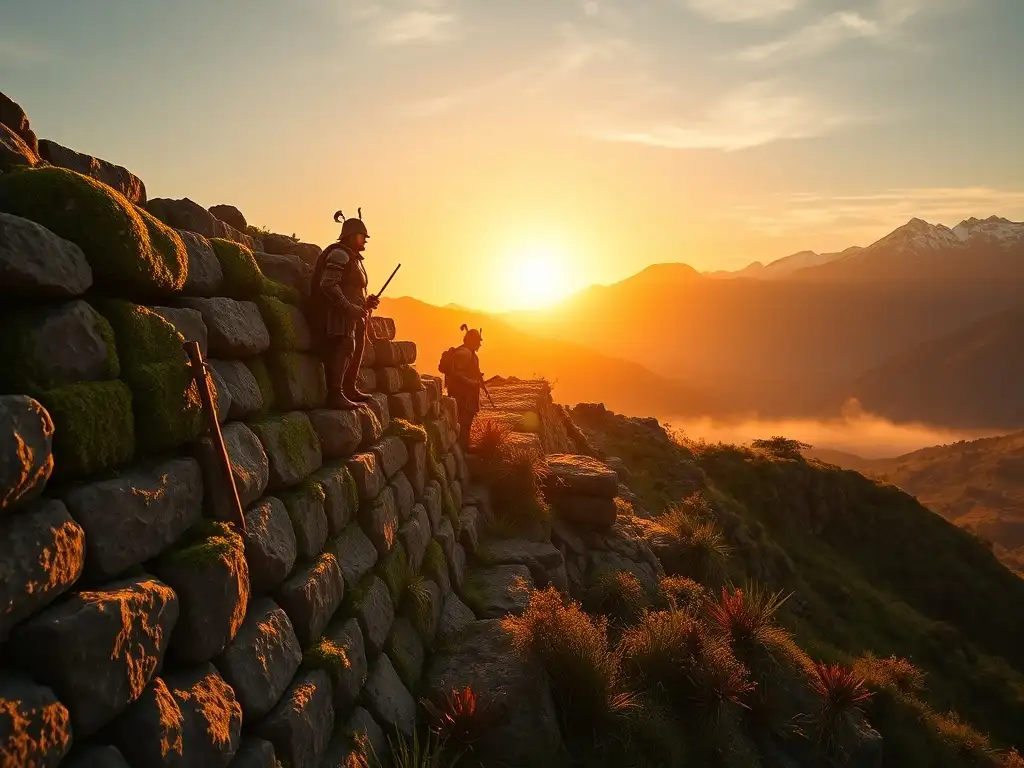
Step into a world shrouded in mystery and intrigue, where the echoes of a lost empire still resonate. Andean Civilizations unveils the captivating stories of ancient societies that flourished in the Andes Mountains, their remarkable achievements, and their tragic encounters with the Spanish conquistadors. But what truly drove Pizarro's relentless ambition? Discover the shocking truth behind Pizarro's conquest of the Inca—a tale of betrayal, brutality, and the ultimate downfall of a magnificent civilization. Dare to delve deeper and uncover the secrets hidden within Pizarro's Shadow.
The Spanish conquest of the Inca Empire remains one of history's most dramatic and consequential events. While the Inca civilization's sophisticated social structures, advanced agricultural techniques, and impressive architectural feats are widely celebrated, the brutal reality of its downfall often overshadows these achievements. This article delves into the life and ambitions of Francisco Pizarro, the key figure behind the conquest, exploring the ruthless strategies and calculated maneuvers that led to the collapse of a powerful empire.
We will examine not only Pizarro's military prowess but also the complex interplay of greed, ambition, and political maneuvering that fueled his relentless pursuit of power and wealth in the Andes. Understanding Pizarro's conquest of the Inca requires a nuanced understanding of the man himself—his motivations, his methods, and the long-lasting consequences of his actions.
This exploration will uncover the layers of deception and violence that shrouded Pizarro's rise, revealing the true shadow cast by his ambition on the fate of the Inca Empire. We will analyze the events leading up to the fateful encounter at Cajamarca and the subsequent subjugation of the Inca, highlighting the critical role played by Pizarro's cunning and the vulnerability of the Inca leadership.
The Genesis of a Conquistador: Francisco Pizarro's Early Life
Francisco Pizarro's early life, far from glamorous, laid the groundwork for his future ruthlessness. Born illegitimately in Trujillo, Spain, around 1475, he received a meager education and limited opportunities. His early experiences instilled in him a strong sense of ambition and a willingness to take risks.
Unlike many of his contemporaries who sought fortune through established avenues, Pizarro's path was marked by a relentless pursuit of wealth and glory, often achieved through unconventional and morally questionable means. He displayed an early aptitude for military strategy and leadership, traits that would later prove invaluable in his conquest of the Inca. His early life, characterized by hardship and a lack of social standing, perhaps fueled his insatiable desire to climb the social ladder, a desire he ultimately fulfilled through conquest and plunder.
This early struggle shaped his character, forging a man driven by an unwavering ambition that ultimately led to the downfall of a great civilization. The lack of conventional opportunities in his youth might have pushed him towards the more adventurous and ultimately destructive path of conquest.
Pizarro's Expeditions: Initial Forays into the Andes
Pizarro's conquest of the Inca wasn't a singular event, but the culmination of years of strategic planning and exploration. His early expeditions to the Andes, though initially unsuccessful in terms of immediate riches, were crucial in gathering intelligence and establishing vital connections. These expeditions were characterized by painstaking exploration, careful observation of Inca society, and the gradual building of alliances with disgruntled indigenous groups.
Pizarro meticulously studied the Inca's political structure, their vulnerabilities, and their internal conflicts. He skillfully exploited these weaknesses, forming alliances with rival factions and leveraging internal disputes to his advantage. These early forays were not merely exploratory; they were vital in mapping out his strategy for the eventual conquest.
The information gathered during these missions, coupled with his growing understanding of the Inca's strengths and weaknesses, proved essential in shaping his strategy for a successful, albeit brutal, conquest. The meticulous nature of his planning, often overlooked in discussions of the conquest, underscores the calculated and deliberate nature of his actions. He wasn't simply a lucky conquistador; he was a shrewd strategist who meticulously laid the groundwork for his ultimate triumph.
The Lure of Gold: Pizarro's Motivation for Conquest
Pizarro's conquest of the Inca Empire wasn't solely driven by a thirst for glory; the allure of unimaginable wealth played a pivotal role. Chronicles of the time depict the Inca as possessing vast quantities of gold and silver, meticulously crafted into intricate ornaments, religious artifacts, and even everyday objects. News of this opulence, spread by earlier explorers and conquistadors, fueled Pizarro's ambition.
He and his men were not merely soldiers; they were adventurers seeking to make their fortunes, driven by the promise of riches beyond their wildest dreams. The sheer volume of gold and silver in the Inca Empire, along with the stories of its sophisticated metalworking techniques, fueled a relentless pursuit of conquest.
This insatiable greed, coupled with the promise of immense personal wealth, spurred Pizarro and his men to undertake the perilous journey and engage in brutal acts of violence against the Inca. The accounts of the Inca's wealth, exaggerated though they may have been, served as a powerful catalyst for the conquest, overshadowing any moral or ethical considerations.
The Inca Empire Before Pizarro: A Land of Riches and Power
The Inca Empire, at the time of Pizarro's arrival, represented a significant achievement in Andean civilization. Spanning a vast territory along the Andes Mountains, from present-day Ecuador to Chile, it was a remarkably organized and sophisticated state. Its influence extended far beyond its political borders, impacting the lives and cultures of numerous indigenous groups throughout the region.
The Inca's mastery of engineering, evident in their impressive road networks, agricultural terraces, and monumental architecture, showcased their advanced knowledge and organizational skills. This advanced civilization was not simply a collection of disparate communities; it was a unified empire with a complex social and political structure, a powerful military, and a rich cultural heritage that made it a tempting target for European conquest. The empire's wealth wasn't limited to gold and silver; it also encompassed vast agricultural resources, a complex system of trade, and a highly skilled workforce.
Inca Political Structure and Social Hierarchy
The Inca Empire was governed by a highly centralized political system, with the Sapa Inca, the emperor, at its apex. The Sapa Inca held absolute power, considered a divine ruler and descendant of the sun god Inti. Below the Sapa Inca was a complex hierarchy of officials, nobles, and priests who managed the empire's various aspects, from administration and taxation to religion and warfare. The system of ayllu, a kinship-based community, formed the foundation of Inca society, organizing agriculture, labor, and social life.
This intricate social structure, while effective in managing a vast and diverse empire, also created vulnerabilities. The highly centralized power structure meant that the empire's fate was largely tied to the leadership of the Sapa Inca, making it susceptible to internal conflicts and external pressures. The rigid social hierarchy, while providing stability, also limited social mobility and potentially fostered resentment among the lower classes.
Inca Military Might
The Inca military was a formidable force, crucial in expanding and maintaining the vast empire. The army was comprised of conscripted citizens, organized into units based on their ayllu affiliations. Their weaponry, including clubs, spears, slings, and bolas, was effective in close-quarters combat, particularly in the mountainous terrain of the Andes.
The Inca also utilized sophisticated siege warfare techniques, including the construction of fortifications and the strategic use of terrain to their advantage. However, their military technology was significantly less advanced than that of the Spanish conquistadors, who possessed firearms, steel weapons, and horses—factors that played a crucial role in their eventual victory.
Despite their strength and organization, the Inca army ultimately proved no match for the superior weaponry and tactics of the Spanish, combined with the devastating impact of disease. The Inca's military prowess, however impressive, was ultimately outmatched by the technological superiority and strategic advantages of the Spanish conquistadors.
Pizarro's Arrival and the Cajamarca Trap: The Turning Point of the Conquest
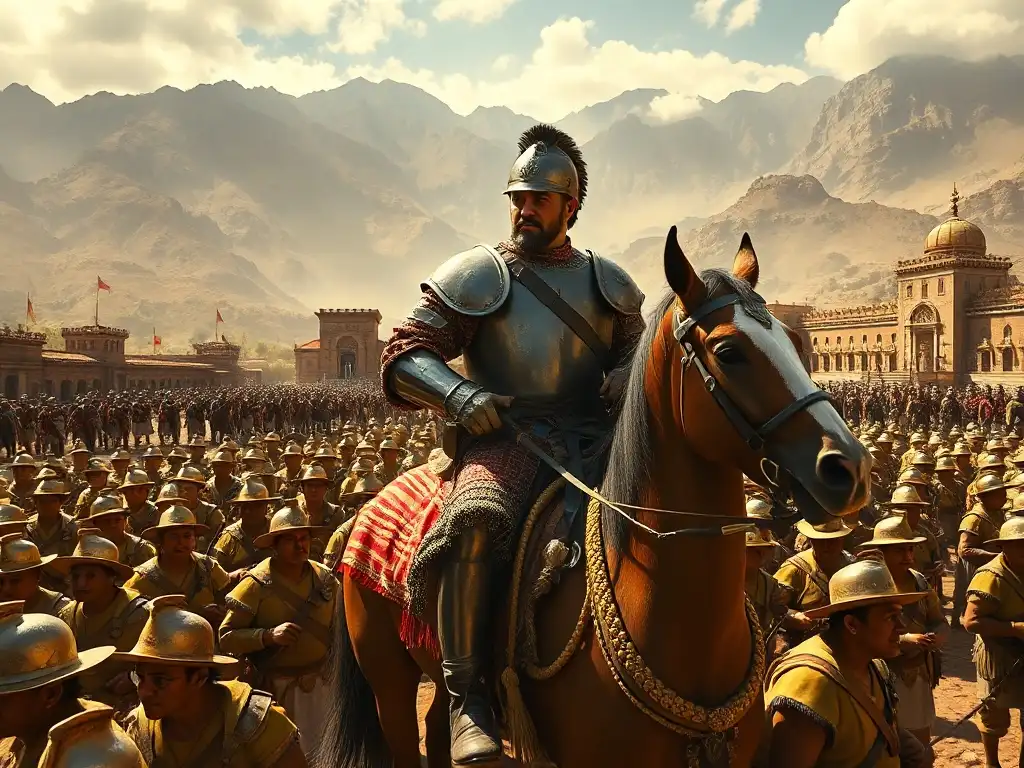
Pizarro's arrival in Cajamarca in 1532 marked a pivotal moment in the conquest of the Inca Empire. His relatively small force, numbering in the hundreds, faced an Inca army that likely numbered in the tens of thousands. However, Pizarro's meticulous planning and understanding of Inca customs and protocols proved decisive.
He strategically chose Cajamarca, a geographically advantageous location, to lure Atahualpa into a trap. The city's narrow streets and plazas would restrict the Inca army's maneuverability, neutralizing their numerical superiority. This calculated positioning, coupled with the element of surprise, would be instrumental in securing a swift and decisive victory for the Spanish conquistadors.
The Cajamarca ambush wasn't just a military tactic; it was a carefully orchestrated psychological operation, designed to exploit the Inca's cultural norms and Atahualpa's perceived invincibility. The sheer audacity of a small band of Spanish soldiers confronting the powerful Inca emperor speaks volumes about Pizarro's unwavering ambition and his calculated risk-taking. This audacious move effectively shifted the power dynamics in favor of the Spanish, setting the stage for the subsequent fall of the Inca Empire.
The Capture of Atahualpa: A Crucial Moment
The capture of Atahualpa was not a mere act of military prowess; it was a strategically significant event that irrevocably altered the course of Inca history. Atahualpa, the powerful and recently victorious Inca emperor, arrived in Cajamarca under a pretense of peace, unaware of the ambush awaiting him. The Spanish, concealed in strategic positions, unleashed a devastating surprise attack.
The use of cavalry, firearms, and steel weaponry against the Inca's largely bronze-based weaponry proved overwhelmingly effective. The ensuing chaos, combined with the psychological shock of the unexpected attack, led to the quick incapacitation and capture of Atahualpa. His capture symbolized the complete shattering of Inca authority and the beginning of the end for their vast empire.
The event sent shockwaves through the Inca leadership, creating a power vacuum and crippling their ability to mount an effective resistance against the Spanish invaders. The capture of Atahualpa was not simply a military victory; it was the symbolic capture of the Inca Empire itself.
The Massacre at Cajamarca: Pizarro's Brutality Exposed
The events at Cajamarca were far from a fair fight. The Spanish conquest was marked by extreme brutality, and the massacre that followed Atahualpa's capture serves as a stark example. Thousands of unarmed Inca nobles and commoners were slaughtered in cold blood.
The Spanish, using their superior weaponry, inflicted immense casualties on the largely unprepared Inca populace. This act of violence was not merely a consequence of war; it was a deliberate act of terror, aimed at breaking the spirit of the Inca and ensuring their submission. The brutality displayed in Cajamarca highlights the ruthlessness and lack of moral constraint that characterized much of the Spanish conquest.
This event stands as a grim reminder of the devastating consequences of colonialism and the immense suffering inflicted upon the indigenous population of the Americas. The systematic slaughter at Cajamarca was not an isolated incident but rather a reflection of the broader pattern of violence and subjugation that accompanied the Spanish conquest of the Inca Empire.
The Ransom of Atahualpa: A Betrayal of Promises
Following Atahualpa's capture, Pizarro demanded an enormous ransom in gold and silver in exchange for the Inca emperor's release. The Inca, desperate to secure their leader's freedom, complied, filling two large rooms with precious metals. However, this act of appeasement did not lead to Atahualpa's freedom.
Despite the Inca's fulfillment of the ransom agreement, Pizarro ultimately executed Atahualpa, showcasing a blatant disregard for his promises and a chilling display of power. This betrayal cemented the Spanish's reputation for treachery and solidified their control over the Inca Empire. The execution, despite the vast wealth received, demonstrates Pizarro's insatiable greed and his unwavering commitment to consolidating Spanish power in the Andes.
This act of betrayal not only resulted in Atahualpa's death but also significantly destabilized the Inca Empire, paving the way for its complete subjugation by the Spanish conquistadors. The broken promise serves as a potent symbol of the inherent dishonesty and brutality that characterized Pizarro's conquest.
The Execution of Atahualpa: Pizarro's Final Act of Deception
The execution of Atahualpa in 1533 remains a chilling testament to Pizarro's ruthlessness and duplicity. Despite Atahualpa's compliance in paying a massive ransom—a mountain of gold and silver—Pizarro fabricated charges against the Inca emperor. These accusations, ranging from idolatry to plotting rebellion, served as a convenient pretext for eliminating a powerful obstacle to Spanish control.
The trial itself was a sham, a blatant disregard for any semblance of justice. Atahualpa, despite possessing powerful allies and supporters within his own empire, was ultimately powerless against the superior weaponry and political maneuvering of the conquistadors. His execution, carried out by garrote, marked a pivotal moment in the conquest, solidifying Spanish dominance and plunging the Inca Empire into chaos.
The act served as a powerful message to any potential resistance: defiance would be met with swift and brutal retribution. The legacy of this event continues to fuel debate and scholarly research, highlighting the complex interplay of power, greed, and religious zealotry that defined the conquest. The sheer audacity of Pizarro's actions, carrying out the execution despite the ransom's fulfillment, underscores his insatiable hunger for power and resources.
Pizarro's Conquest of the Inca: Military Campaigns and Strategies
Pizarro's conquest of the Inca Empire wasn't solely about brute force; it was a masterful blend of military strategy, political manipulation, and exploitation of existing internal conflicts within the Inca state. Pizarro's relatively small force, numbering in the hundreds, achieved victory through a combination of factors. Their superior weaponry, including firearms and steel armor, gave them a significant advantage over the Inca army, which relied largely on clubs, slings, and spears.
However, this military superiority alone wouldn't have sufficed. Pizarro skillfully exploited the Inca's lack of immunity to European diseases, which decimated their population before any major battles even took place. This biological warfare played a crucial role in weakening the Inca's resistance.
Furthermore, Pizarro expertly employed deception and psychological warfare, using surprise attacks and exploiting divisions within the Inca leadership to his advantage. His strategies were often characterized by calculated risks and bold maneuvers, showcasing a remarkable understanding of the Inca's social and political structure. The conquest was not a straightforward military campaign but a complex interplay of warfare, diplomacy, and treachery.
Battles and Sieges: The Fall of the Inca Cities
The conquest wasn't a single decisive battle but a series of strategic engagements culminating in the fall of key Inca cities. The Battle of Cajamarca in 1532 stands out as a particularly significant event, showcasing Pizarro's cunning. By luring Atahualpa into a seemingly peaceful meeting, Pizarro and his men ambushed and captured the Inca emperor, effectively decapitating the empire's leadership.
This surprise attack, a testament to Pizarro's strategic brilliance, set the stage for subsequent campaigns. The siege of Cusco, the Inca capital, was another crucial phase, demonstrating the conquistadors' ability to overcome significantly larger Inca forces through superior tactics and weaponry.
The fall of these cities, often achieved through a combination of military force and political maneuvering, systematically dismantled the Inca's power structure and paved the way for the complete subjugation of the empire. Each battle and siege reveals a pattern of calculated risk-taking and exploitation of Inca vulnerabilities, highlighting the strategic brilliance—albeit ruthlessly applied—of Pizarro's campaign.
The Use of Indigenous Allies: A Key to Pizarro's Success
Pizarro's conquest wouldn't have been possible without the crucial support of indigenous allies. Many native groups, oppressed under Inca rule, saw the Spanish arrival as an opportunity to overthrow their overlords. These alliances provided Pizarro with vital intelligence, manpower, and logistical support, significantly outweighing the numerical disadvantage his forces faced.
The use of indigenous soldiers not only augmented his army's size but also provided invaluable knowledge of the terrain, Inca strategies, and local customs. This strategic partnership, born from resentment and opportunistic alliances, was instrumental in undermining Inca resistance and achieving a swift conquest.
The complex dynamics of these alliances, marked by both cooperation and betrayal, highlight the multifaceted nature of the conquest and the crucial role indigenous populations played, both willingly and unwillingly, in shaping its outcome. The exploitation of inter-tribal rivalries proved to be a potent weapon in Pizarro's arsenal, demonstrating his shrewd understanding of the political landscape beyond the Inca Empire itself.
The Aftermath of the Conquest: A Legacy of Exploitation
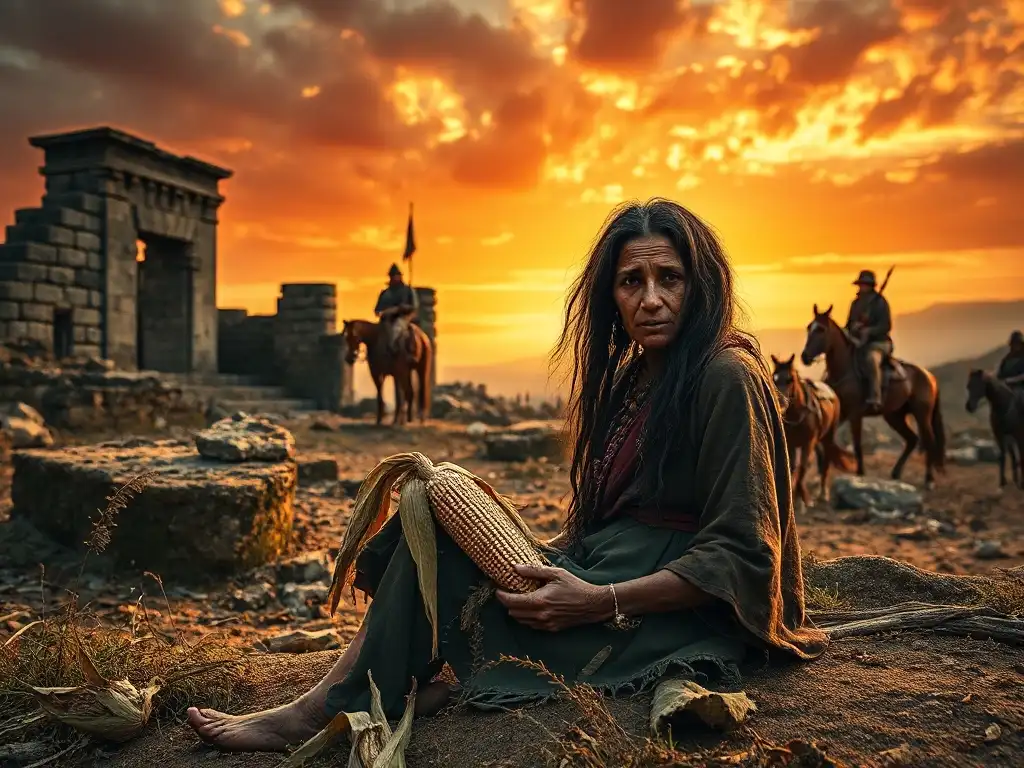
The Spanish conquest of the Inca Empire, spearheaded by Francisco Pizarro, unleashed a period of profound upheaval and exploitation across the Andean region. The meticulously organized Inca society, with its sophisticated agricultural systems and intricate social structures, was systematically dismantled. The vast wealth accumulated by the Inca, primarily in gold and silver, fueled the Spanish thirst for riches and propelled the expansion of the Spanish colonial empire.
This initial plunder, however, was only the beginning of a long and brutal process of resource extraction that would significantly impact the Andean landscape and its people for centuries to come. The introduction of European diseases, such as smallpox and measles, decimated the indigenous population, contributing to a drastic demographic decline. This demographic collapse, coupled with forced labor (the encomienda system), led to widespread suffering and the disruption of traditional ways of life.
The Inca's sophisticated agricultural techniques, while initially exploited by the Spanish, were gradually replaced by less efficient methods focused on the production of crops for export to Europe, further destabilizing the Andean economy and ecosystem. The conquest wasn't merely a military victory; it was a systematic dismantling of a complex civilization, paving the way for a new era defined by colonial dominance and exploitation.
The Establishment of Spanish Rule: The Viceroyalty of Peru
Following the conquest, the Spanish Crown established the Viceroyalty of Peru, a vast administrative unit encompassing much of South America. This viceroyalty served as the central hub of Spanish power in the region, controlling the extraction of resources, the administration of justice (often biased against the indigenous population), and the imposition of religious and cultural norms.
The establishment of this system cemented Spanish control and further marginalized the indigenous population. The viceroyalty's structure, with its complex bureaucracy and hierarchical system, ensured the continued flow of wealth back to Spain, enriching the Spanish crown and its elite while perpetuating the economic and social subjugation of the Andean peoples.
The establishment of new urban centers, often built on the ruins of Inca settlements, served as symbols of Spanish dominance and the imposition of a new order. This new colonial structure, while bringing a degree of centralized governance, ultimately served to solidify the exploitation of the land and its people for the benefit of the Spanish empire.
The Impact on Inca Society: Cultural and Demographic Changes
The impact of Pizarro's conquest on Inca society was catastrophic and far-reaching. The existing social hierarchy was completely overturned, with the Inca elite replaced by Spanish officials and a new class of mestizos (people of mixed indigenous and European ancestry). The Inca religion and traditions were suppressed, often violently, as the Spanish imposed Catholicism.
This cultural destruction led to the loss of invaluable knowledge and traditions, impacting the transmission of Inca history and culture to future generations. The introduction of European diseases resulted in a devastating demographic collapse, with estimates suggesting a population decline of up to 90% in the decades following the conquest. This drastic reduction in population severely hampered the Inca’s ability to maintain their complex social structures and agricultural systems.
The disruption of traditional agricultural practices, coupled with forced labor, led to widespread famine and further exacerbated the already dire situation. The psychological impact of the conquest, including the destruction of their social fabric and religious beliefs, also played a significant role in the long-term consequences for Inca society.
Pizarro's Legacy: A Ruthless Conqueror or a Catalyst for Change?
The legacy of Francisco Pizarro remains a subject of intense debate among historians. He is often portrayed as a ruthless conquistador driven by greed and ambition, responsible for the destruction of a great civilization. His actions, undoubtedly brutal and exploitative, led to immense suffering and the loss of countless lives. However, some historians argue that Pizarro's conquest, while undeniably tragic, inadvertently facilitated the integration of the Andean region into the broader global economy, introducing new technologies and ideas.
This perspective, however, often overlooks the immense human cost and the enduring negative consequences of colonial rule. The debate surrounding Pizarro's legacy underscores the complexities of historical interpretation and the challenges of assigning simple labels to such a multifaceted figure. His actions undeniably shaped the course of Andean history, but whether he was a catalyst for change or simply a symbol of ruthless conquest remains a matter of ongoing scholarly discussion.
Historical Interpretations of Pizarro's Actions
Historians have offered diverse interpretations of Pizarro's actions, ranging from condemnations of his brutality and greed to more nuanced analyses that acknowledge the complexities of the historical context. Some scholars emphasize Pizarro's strategic brilliance and military prowess, highlighting his ability to exploit internal divisions within the Inca Empire to achieve victory with a relatively small force.
Others focus on the devastating consequences of the conquest, emphasizing the loss of life, the destruction of Inca culture, and the long-term exploitation of the Andean region. These differing interpretations often reflect broader shifts in historical methodology and perspectives on colonialism.
More recent scholarship tends to favor a critical approach, highlighting the devastating impact of the conquest and challenging earlier narratives that romanticized or minimized Pizarro's role in the destruction of the Inca Empire. The ongoing reassessment of primary sources and the incorporation of indigenous perspectives are continuously shaping our understanding of Pizarro and his actions.
The Enduring Impact of Pizarro's Conquest on Andean History
Pizarro's conquest had a profound and lasting impact on Andean history. The fall of the Inca Empire marked the beginning of centuries of colonial rule, profoundly shaping the political, social, economic, and cultural landscape of the region. The legacy of colonial exploitation is still evident today in many aspects of Andean life, from social inequalities to economic disparities.
The effects of the conquest extend beyond the immediate aftermath, influencing the development of national identities, political structures, and cultural expressions in the countries that emerged from the former Inca Empire. Understanding Pizarro's conquest is crucial to comprehending the complex history of the Andean region and the enduring challenges faced by its people.
The conquest serves as a potent reminder of the devastating consequences of colonialism and the importance of acknowledging the perspectives and experiences of indigenous populations. The ongoing work of recovering and preserving Inca history and culture stands as a testament to the resilience of the Andean people and their determination to reclaim their heritage.
The Lasting Scars of Pizarro's Ambition on the Inca Civilization
Pizarro's conquest of the Inca Empire was not merely a military victory; it was a catastrophic event that irrevocably altered the course of Andean history. The brutal efficiency of the Spanish conquistadors, coupled with the devastating effects of introduced diseases, led to a societal collapse of unprecedented scale.
The Inca's sophisticated social structures, intricate agricultural systems, and rich cultural heritage were systematically dismantled, leaving behind a legacy of trauma and instability that continues to resonate today. The seemingly swift conquest masked a far more complex and protracted process of subjugation, encompassing not just military defeat but also the erosion of Inca power structures and the imposition of a new colonial order.
The impact was far-reaching, shaping the political, economic, and social landscape of the Andes for centuries to come. The consequences extended beyond the immediate destruction, shaping the very fabric of Andean society in ways that continue to influence the region.
Demographic Collapse and Social Disruption in the Andes
The arrival of the Spanish brought with it a wave of diseases—smallpox, measles, influenza—to which the Inca population had no immunity. The resulting demographic collapse was staggering. Estimates suggest that the Inca population plummeted by as much as 90% in the decades following the conquest. 1 This catastrophic loss of life decimated the workforce, disrupted agricultural production, and shattered the intricate social fabric of the empire. The existing social hierarchy, already destabilized by the conquest itself, crumbled further under the weight of this immense loss. The collapse wasn't solely a matter of mortality; it also involved the disruption of established social patterns, leading to widespread displacement, famine, and the breakdown of traditional systems of governance and resource management. The loss of life wasn't just a statistic; it represented the loss of knowledge, skills, and cultural memory accumulated over generations. This demographic catastrophe created a vacuum that the Spanish colonial system swiftly filled, further consolidating their control and shaping the future trajectory of the Andean region.
1 [Specific data on Inca population decline pending further research]
The Long-Term Impact on Andean Culture and Identity
The cultural impact of Pizarro's conquest was equally profound and long-lasting. The Inca's sophisticated system of record-keeping, based on quipus (knotted strings), was largely lost, along with much of their oral traditions and artistic practices. The Spanish actively suppressed indigenous religions and beliefs, replacing them with Catholicism. This forceful conversion led to the destruction of countless religious sites and artifacts, erasing significant aspects of Inca spiritual life.
While some Inca traditions survived, often syncretized with Catholic practices, the conquest irrevocably altered the cultural landscape. The imposition of Spanish language and administrative systems further undermined indigenous languages and forms of governance. The enduring legacy of colonialism continues to shape Andean identity, with indigenous communities still struggling to reclaim their cultural heritage and assert their rights in the face of historical injustices.
The process of cultural recovery is ongoing, a testament to the enduring strength and resilience of Andean cultures in the face of immense adversity. The impact of Pizarro's actions continues to be felt in the cultural landscape of the Andes, prompting ongoing efforts to preserve and revitalize indigenous traditions and knowledge. The struggle for cultural preservation and recognition represents a powerful counter-narrative to the narrative of conquest.
- The Genesis of a Conquistador: Francisco Pizarro's Early Life
- Pizarro's Expeditions: Initial Forays into the Andes
- The Lure of Gold: Pizarro's Motivation for Conquest
- The Inca Empire Before Pizarro: A Land of Riches and Power
- Pizarro's Arrival and the Cajamarca Trap: The Turning Point of the Conquest
- The Ransom of Atahualpa: A Betrayal of Promises
- The Execution of Atahualpa: Pizarro's Final Act of Deception
- Pizarro's Conquest of the Inca: Military Campaigns and Strategies
- The Aftermath of the Conquest: A Legacy of Exploitation
- Pizarro's Legacy: A Ruthless Conqueror or a Catalyst for Change?
- The Lasting Scars of Pizarro's Ambition on the Inca Civilization
- What motivated Pizarro's conquest of the Inca Empire?
- How did Pizarro manage to conquer such a vast and powerful empire?
- What was the impact of Pizarro's conquest on the Inca civilization?
- What significant technological advantages did Pizarro's forces possess?
- What lasting legacy did Pizarro's conquest leave on the region?
Frequently Asked Questions
What motivated Pizarro's conquest of the Inca Empire?
Pizarro's conquest was driven by a combination of factors: greed for gold and silver, a desire for territorial expansion for the Spanish crown, and a belief in their religious superiority. These ambitions fueled his ruthless campaign.
How did Pizarro manage to conquer such a vast and powerful empire?
Pizarro exploited internal conflicts within the Inca Empire, utilizing superior weaponry (guns and steel) and disease, which decimated the Inca population. He also employed deceptive tactics and skillful manipulation of Inca leaders.
What was the impact of Pizarro's conquest on the Inca civilization?
The conquest led to the destruction of the Inca Empire, the loss of countless lives, and the eradication of much of their culture and traditions. It also initiated a period of colonial rule and exploitation.
What significant technological advantages did Pizarro's forces possess?
Pizarro's army had superior weaponry, including guns, cannons, and steel armor, which gave them a significant advantage over the Inca's primarily bronze and stone weaponry. Horses also played a crucial role in their military success.
What lasting legacy did Pizarro's conquest leave on the region?
Pizarro's conquest resulted in the long-term subjugation of the Andean population, the imposition of Spanish culture and language, and the establishment of a new social and political order that continues to shape the region today.
Final Reflection: The Enduring Legacy of Conquest
The brutal conquest of the Inca Empire by Francisco Pizarro remains a chilling testament to unchecked ambition, a stark reminder of the devastating consequences of colonialism that continue to resonate in the political and social landscapes of South America today. The echoes of Pizarro's actions—the betrayal, the violence, the systematic dismantling of a sophisticated civilization—are not merely historical footnotes; they are living wounds that shape contemporary power dynamics and societal inequalities.
The enduring impact of Pizarro's conquest goes far beyond the immediate destruction of the Inca Empire. It profoundly altered the cultural and social fabric of the Andean region, leaving a legacy of exploitation and oppression that persists to this day. History does not repeat itself, but it often rhymes.
This quote, often attributed to Mark Twain, perfectly encapsulates the ongoing relevance of understanding Pizarro's actions. We see similar patterns of exploitation and disregard for indigenous populations in various contexts throughout history and even in contemporary global politics. The study of Pizarro's conquest serves as a crucial lens through which to examine these recurring themes and to learn from the mistakes of the past.
Consider the weight of this history. Consider the resilience of the Inca people and their descendants who continue to fight for recognition, justice, and the preservation of their cultural heritage. You, the reader, hold the power to engage with this history critically, to challenge narratives that glorify conquest, and to advocate for a more just and equitable future. Let the story of Pizarro's conquest not be a tale of mere historical events, but a catalyst for reflection, empathy, and a commitment to building a world where such atrocities are never repeated.
Unveil the Secrets of Conquest and Legacy!
Thank you for exploring the fascinating history of Pizarro and the Inca Empire! Your interest in this captivating era highlights the complex interplay of ambition and culture that shaped Andean civilizations. Having learned about Pizarro's ruthless conquest strategies, we encourage you to delve even deeper.
- **Expand your knowledge** by reading books on Andean history or watching documentaries about Pizarro's life and the lasting impact of his conquests.
- **Join our community! ** Share your thoughts and insights on social media using #AndeanCivilizations and connect with other history enthusiasts.
- **Discover lesser-known stories** from Andean history, focusing on the indigenous peoples' diverse and resilient responses to conquest.
How has your understanding of ambition and power dynamics in history changed your perspective on modern society?