
Pizarro's Letters: Glimpses Into the Conqueror's Mind Through His Writings


Step into a world lost to time, yet echoing with the power of empires. Imagine deciphering the secrets whispered from the Andes, secrets held within the very words of Francisco Pizarro himself. Our exploration of Andean Civilizations unveils a tapestry of vibrant cultures, from the Incas to the Nazca, but today, we delve into the fascinating enigma of the Pizarro letters historical analysis. Uncover the conqueror's perspective – a perspective that shaped the destiny of a continent. Dare to journey with us?
- Pizarro's Letters: A Deep Dive into the Conqueror's Mind Through His Writings
- Analyzing Pizarro's Letters: A Window into 16th-Century Conquest
- Key Themes Explored in Pizarro's Letters
-
Pizarro's Letters: A Historical Analysis of Key Passages
- Examining Specific Excerpts from Pizarro's Correspondence
- Letter to Charles V, July 1539 Analysis: Focus on Justification of Actions
- Letter to the Royal Audience of Panama, 1534 Interpretation: Revealing Military Strategies
- Letter to the Council of the Indies, 1535: Context: Understanding the Political Climate in Spain
- The Impact and Legacy of Pizarro's Letters on Historical Interpretation
- Comparing Pizarro's Letters with Other Conquest Narratives
- Conclusion: The Enduring Value of Pizarro's Letters
-
Frequently Asked Questions
- What is the significance of Pizarro's letters in understanding the Spanish conquest?
- How reliable are Pizarro's letters as historical sources?
- What aspects of Inca civilization are revealed through Pizarro's correspondence?
- What is the focus of a historical analysis of Pizarro's letters?
- Where can I find translations and analyses of Pizarro's letters?
- Final Reflection: Unmasking Pizarro: Legacy and Lessons from the Letters
- Unveil the Legacy of Pizarro's Words!
Pizarro's Letters: A Deep Dive into the Conqueror's Mind Through His Writings
Francisco Pizarro's conquest of the Inca Empire remains one of history's most dramatic and consequential events. Beyond the sweeping narratives of gold, glory, and brutality, lie the intimate details revealed through Pizarro's own words. This article delves into the historical significance of Pizarro's letters, offering a unique perspective on the motivations, strategies, and inner workings of the man who toppled a powerful empire.
We will analyze his correspondence not merely as historical documents, but as windows into the mind of a complex and controversial figure, shedding light on the complexities of the Spanish conquest and its impact on the Andean world. By examining the nuances of his writings, we aim to move beyond simplistic portrayals of Pizarro as a purely avaricious conqueror and instead offer a more nuanced understanding of his actions and their consequences.
This analysis will focus on the insights his letters provide into the political landscape, military strategies, and cultural encounters of the conquest, ultimately contributing to a more complete understanding of this pivotal period in Andean history. We will explore how his letters contribute to a richer understanding of “Pizarro letters historical analysis.”
Unveiling Francisco Pizarro: Beyond the Myth of the Conquistador
The image of Francisco Pizarro often conjures up a ruthless conquistador driven solely by greed. However, a careful examination of his letters reveals a more multifaceted portrait. His correspondence showcases a man deeply involved in the political machinations of both the Spanish court and the Inca Empire. He meticulously documented his military campaigns, detailing troop movements, logistical challenges, and the strategies employed to overcome the Inca army.
These accounts offer invaluable insights into the military technology and tactics used during the conquest, highlighting the strategic advantages exploited by the Spanish, such as superior weaponry and alliances with disgruntled Inca factions. Furthermore, his letters reveal his attempts to portray himself favorably to the Spanish crown, carefully crafting narratives that emphasized his piety, loyalty, and competence. This self-representation, however, often clashes with the realities depicted in other accounts and within the very details of his own writings.
We can see evidence of his pragmatism, his cunning, and even moments of doubt or uncertainty, all challenging the simplistic narrative of a purely ruthless conqueror. Analyzing these contradictions provides a much richer and more nuanced understanding of Pizarro's character and motivations. For example, [Specific example of a contradiction in Pizarro's letters pending].
The Significance of Pizarro's Correspondence in Historical Studies
Pizarro's letters are not just personal documents; they are primary sources of immense historical value. They provide a firsthand account of the conquest, offering details often missing from secondary sources. The letters offer a unique perspective on the Inca civilization, its social structure, political system, and religious beliefs, as observed through the eyes of a Spanish conquistador. However, it’s crucial to acknowledge the inherent biases present in these accounts.
Pizarro's perspective is naturally shaped by his own cultural background, his ambitions, and his desire to justify his actions to the Spanish crown. Therefore, a critical analysis of his letters requires considering this perspective and comparing his accounts with other primary sources, such as Inca accounts (where available) and those of other Spanish conquistadors. A rigorous “Pizarro letters historical analysis” necessitates this comparative approach to avoid perpetuating a single, potentially skewed, narrative. By carefully examining these letters in context, historians can gain a deeper understanding of the events surrounding the conquest, the motivations of the participants, and the long-term consequences for both the Spanish and the Inca peoples.
Furthermore, the letters offer crucial information about the logistics of the conquest, the distribution of wealth, and the establishment of Spanish colonial rule in the Andean region. The sheer volume and detail contained within them make them an indispensable resource for anyone seeking to understand this critical period in history. 🇿🇦
Analyzing Pizarro's Letters: A Window into 16th-Century Conquest

This section delves into a critical primary source for understanding the Spanish conquest of the Inca Empire: the letters written by Francisco Pizarro himself. These epistolary accounts, penned during the tumultuous years of conquest, offer invaluable, albeit biased, insights into the events, motivations, and strategies employed by the conquistadors. Analyzing Pizarro's Pizarro letters historical analysis reveals not only the historical context of the conquest but also the psychological landscape of the man who played a pivotal role in shaping the fate of the Inca civilization.
By carefully examining the language, tone, and selection of details within these letters, we can gain a nuanced understanding of the conquest, moving beyond simplistic narratives of heroism and brutality. The analysis of these letters provides a unique opportunity to understand the conquest from the perspective of a key player, allowing for a more comprehensive understanding of this pivotal moment in history.
Pizarro's Letters: Primary Sources for Understanding the Inca Conquest
Pizarro's letters serve as crucial primary sources for reconstructing the events of the Inca conquest. Unlike later accounts often filtered through the lens of myth or propaganda, these letters provide a contemporaneous record of the conquistadors' experiences. They detail the challenges faced during the expeditions, from the arduous journey across the Andes to the strategic alliances and conflicts encountered along the way.
For example, Pizarro meticulously describes the geography of the Andes, the Inca's infrastructure, including their sophisticated road systems and agricultural techniques. This detailed description provides researchers with valuable information about the Inca Empire's capabilities and complexities, enriching our understanding of their civilization beyond the narrative of the conquest itself. Furthermore, the letters also document the interactions between the Spanish and the Inca, revealing the initial encounters, negotiations, and ultimately, the violent clashes that led to the downfall of the empire.
Careful scrutiny of these descriptions allows historians to reconstruct the sequence of events, identify key decisions made by both sides, and analyze the impact of various factors, such as disease and internal Inca conflicts, on the outcome of the conquest. The sheer volume of information contained within these letters makes them an indispensable resource for any serious Pizarro letters historical analysis.
The Conqueror's Perspective: Examining Pizarro's Narrative of Events
It's crucial to acknowledge that Pizarro's letters are not objective historical accounts. They represent the perspective of a conquistador, a man driven by ambition, greed, and a belief in his own righteousness. His narrative consistently portrays himself and his men as heroic figures, often downplaying or omitting details that might cast them in a negative light.
For instance, the brutality inflicted upon the Inca population is often minimized or justified within the context of the conquistadors' self-preservation and the "divine right" to conquer. This inherent bias necessitates a critical approach to the Pizarro letters historical analysis, requiring historians to cross-reference the information contained within the letters with other sources to gain a more balanced understanding of the events.
By comparing Pizarro's accounts with those of Inca chroniclers, indigenous accounts, and other Spanish participants, historians can identify inconsistencies and biases, leading to a more accurate and nuanced interpretation of the conquest. Analyzing the language used by Pizarro—his choice of words, his emphasis on certain events over others—can further illuminate his personal motivations and the construction of his self-image.
Insights into Pizarro’s Motivations and Strategies Revealed Through His Writings
Pizarro's letters offer fascinating insights into his personal motivations and the military strategies he employed during the conquest. His ambition is evident throughout his correspondence, his descriptions of the Inca's wealth consistently fueling his desire for conquest and personal enrichment. He meticulously details his military strategies, outlining his plans for securing alliances, exploiting internal Inca conflicts, and utilizing superior weaponry and tactics.
Furthermore, Pizarro's letters reveal his understanding of the Inca's social structure and political dynamics, demonstrating his ability to manipulate these elements to his advantage. A close reading suggests a calculated approach, using deception, intimidation, and strategic alliances to achieve his goals. For example, the letters show how Pizarro skillfully exploited the existing rivalries within the Inca empire, using Atahualpa's victory over Huáscar to his advantage.
By analyzing the details of his strategies and comparing them to the actual outcomes, historians can gain a deeper understanding of the factors that contributed to the Spanish success. This detailed Pizarro letters historical analysis allows for a sophisticated understanding of the complexities of the conquest, extending beyond simplistic narratives of brute force and highlighting the importance of strategic planning and political maneuvering. The letters offer a unique window into the mind of a key historical figure, providing invaluable insights into the dynamics of the conquest and its lasting impact.
Key Themes Explored in Pizarro's Letters

This section delves into the recurring themes and underlying motivations revealed through a meticulous analysis of Francisco Pizarro's letters. These documents, penned during the crucial period of the Spanish conquest of the Inca Empire, offer invaluable insights into the conqueror's mindset, his strategic thinking, and his perceptions of the Inca civilization.
Analyzing these epistles allows us to move beyond simplistic narratives of conquest and explore the complex interplay of ambition, religious zeal, and political maneuvering that shaped Pizarro's actions and ultimately, the fate of the Inca Empire. A thorough examination of the Pizarro letters provides a nuanced understanding of the historical context surrounding the conquest and the perspectives of those involved.
The Pursuit of Gold and Wealth: A Recurring Motif in Pizarro's Correspondence
Pizarro's letters repeatedly emphasize the abundance of gold and silver within the Inca Empire. This obsession with material wealth is not merely a superficial observation; it forms a central pillar of his justifications for conquest and shapes his strategic decisions. The sheer quantity of gold described in his correspondence, often presented in hyperbolized terms, highlights the allure of the Inca treasures for the Spanish conquistadors.
For instance, he frequently detailed the lavish gold ornaments and artifacts found in Inca palaces and temples, consistently emphasizing their value to the Spanish crown. This wasn't simply a matter of personal enrichment; the acquisition of such vast riches was instrumental in securing royal favor and further funding for his expeditions. The detailed descriptions of Inca goldwork, while sometimes embellished for effect, reflect a deep-seated understanding of the economic power represented by these assets and their strategic importance in the Spanish conquest.
The constant reiteration of the Inca's wealth in his letters underscores the driving force of greed fueling his ambitions. We can see a clear correlation between descriptions of Inca wealth and requests for additional resources from the Spanish crown, showcasing how Pizarro skillfully leveraged these descriptions for his own gain.
Pizarro's Justifications for Conquest: Religious and Political Arguments
While the pursuit of gold is undeniably prominent, Pizarro's letters also reveal attempts to legitimize his actions through religious and political justifications. He consistently portrays the Inca as heathens, whose idolatry and supposed human sacrifices necessitate a Christian intervention. This religious framing served as a powerful tool for garnering support from the Spanish crown and the Church.
Pizarro strategically presented the conquest as a divinely ordained mission to spread Christianity and save the Inca souls, effectively masking his own ambitions under the guise of religious righteousness. Furthermore, his letters often highlight the supposed political instability within the Inca Empire, painting a picture of a vulnerable society ripe for conquest. He strategically emphasized internal conflicts and succession crises within the Inca ruling class, thereby justifying Spanish intervention as a means of restoring order and stability.
This strategic manipulation of information allowed him to present himself as a benevolent force, bringing order and civilization to a chaotic land, rather than a ruthless conqueror driven by greed. Analyzing the language used in these justifications reveals a sophisticated strategy aimed at garnering both religious and political support.
Depictions of the Inca Empire: Pizarro’s Observations and Biases
Pizarro's descriptions of the Inca Empire reveal a mixture of accurate observations and significant biases stemming from his own cultural perspective and ambitions. While he documented aspects of Inca infrastructure, such as sophisticated road systems and agricultural techniques, his accounts are often filtered through a lens of European superiority. He frequently downplays the complexities of Inca society, reducing it to a simplistic narrative that fits his narrative of conquest.
For example, his descriptions of Inca governance often lack nuance, failing to fully capture the intricate political organization and administrative systems. His accounts of Inca religious practices, while detailing certain rituals, often present them in a distorted, sensationalized manner, reinforcing the narrative of heathenism and justifying the need for Christian conversion. The contrast between his pragmatic descriptions of Inca military organization and his biased portrayals of Inca religious beliefs demonstrates the selectivity of his observations, reflecting a conscious effort to shape his audience's perception of the conquered empire.
A critical analysis of the Pizarro letters, therefore, necessitates a careful consideration of these biases to understand the true nature of the Inca civilization and the limitations of the conqueror's perspective. Further research comparing his accounts with other primary sources and archaeological evidence is crucial for a more complete and unbiased understanding of the Inca Empire.
The Dynamics of Power: Pizarro's Relationship with the Spanish Crown
Pizarro's letters reveal a complex and often strained relationship with the Spanish Crown. While ostensibly loyal subjects, his actions and writings frequently demonstrate a degree of independence bordering on defiance. He consistently sought to bolster his own authority and prestige, often bypassing or even undermining the directives of the royal court. This is evident in his persistent requests for greater autonomy and resources, often justified by the perceived urgency of the conquest and the magnitude of his achievements. He didn't simply report; he negotiated, sometimes demanding recognition and reward that went beyond what was initially promised.
The letters are replete with accounts of his military victories, meticulously detailed to highlight his tactical prowess and leadership qualities. These detailed descriptions served not only as reports but also as subtle (and sometimes not-so-subtle) attempts to garner favor and increase his standing within the hierarchy of the Spanish empire. He strategically emphasized his own contributions, minimizing the roles of other conquistadors, a clear indication of his ambition to secure his place as the primary architect of the conquest.
Furthermore, Pizarro's correspondence showcases a keen awareness of the political landscape in Spain. He carefully crafted his narratives to appeal to the interests of the monarchy, highlighting the immense wealth and resources to be gained from the Inca Empire. This strategic communication aimed to secure continued royal support and legitimize his actions, even when those actions deviated from official policy or protocol.
The letters, therefore, are not simply objective accounts; they are carefully constructed narratives designed to influence the perceptions and decisions of the Spanish Crown. Analyzing the language and tone used reveals a man acutely aware of the power dynamics at play and adept at manipulating them to his advantage.
This nuanced understanding of power dynamics is a key element in understanding Pizarro's character and his role in the conquest. His letters, therefore, offer invaluable insights into the political intricacies of the time, highlighting the constant negotiations and power struggles that shaped the conquest of the Inca Empire.
Pizarro's Letters: A Historical Analysis of Key Passages
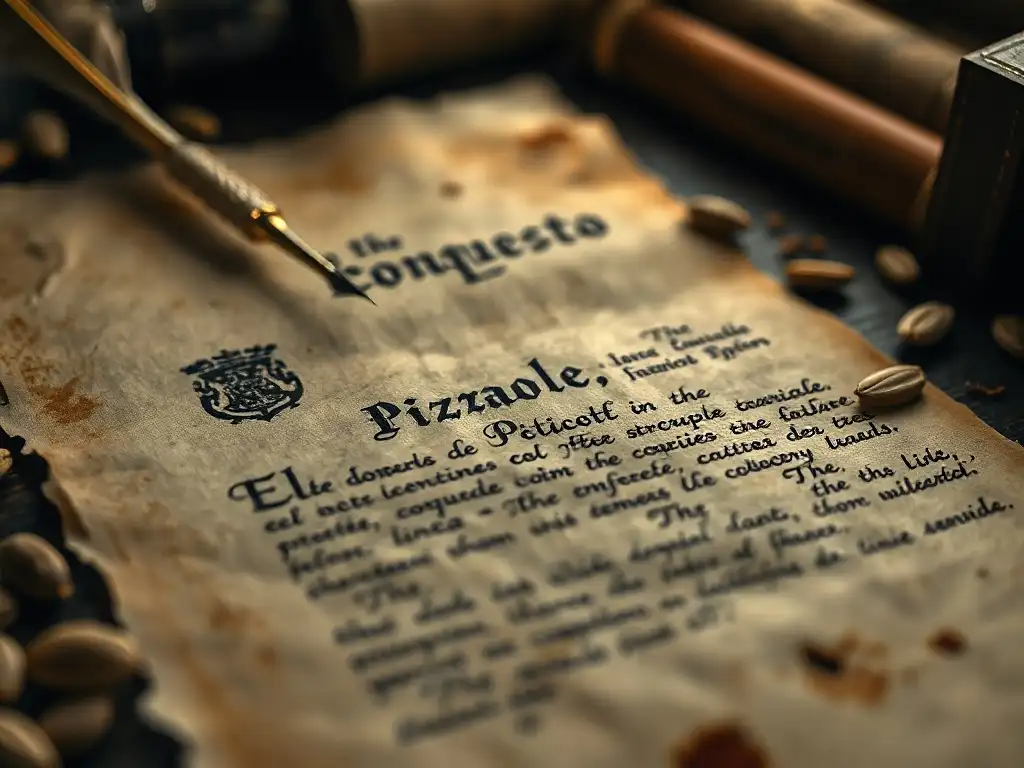
This section delves into a critical analysis of specific passages from Francisco Pizarro's letters, providing insights into his motivations, strategies, and perceptions of the Inca Empire and its conquest. Analyzing these primary sources offers a unique perspective on the events, beyond the often-romanticized or villainized narratives that have dominated historical interpretations.
We will examine the language, tone, and underlying biases to unravel the complex reality of the conquest as seen through the eyes of its key protagonist. The analysis focuses on revealing the subtle nuances within Pizarro's writings, aiming to provide a more nuanced understanding of "Pizarro letters historical analysis."
Examining Specific Excerpts from Pizarro's Correspondence
Pizarro's letters weren't simply factual reports; they were carefully crafted narratives designed to influence the Spanish Crown and secure his position and resources. Consider, for example, his frequent descriptions of Inca wealth – gold, silver, and textiles. These descriptions weren't mere observations; they were strategic tools used to justify the conquest and attract further investment and support from Spain. The lavish detail given to the Inca’s material possessions served to amplify the perceived riches of the land, bolstering his claims of a successful and profitable enterprise.
The frequency with which Pizarro mentions the Inca's "idolatry" and "pagan rituals" also reveals a crucial aspect of his worldview. This consistent framing of the Inca religion as inherently inferior served to legitimize the conquest in the eyes of the Spanish monarchy, who were heavily influenced by religious zeal and the desire to spread Christianity.
By portraying the Inca as "uncivilized" and their religion as "false," Pizarro subtly justified his actions, framing the conquest as a divinely ordained mission of conversion and civilization. This tactic is a recurring theme in his correspondence, crucial to understanding the "Pizarro letters historical analysis."
Letter to Charles V, July 1539 Analysis: Focus on Justification of Actions
Pizarro's July 1539 letter to Charles V, Emperor of Spain, is a masterful example of self-justification. Facing accusations of brutality and excessive violence, Pizarro strategically emphasized the immense wealth acquired and the vast territories conquered. He downplayed the casualties suffered by the Inca, while highlighting the strategic importance of his actions in securing Spanish dominance in the region. The letter skillfully shifts the focus from the ethical implications of the conquest to its material benefits for the Spanish Crown.
For instance, he meticulously details the amount of gold and silver seized, presenting it as tangible proof of the expedition's success. He also strategically omits or minimizes accounts of Inca resistance and the significant loss of life among the indigenous population, presenting a narrative that focuses solely on the material rewards of the conquest. This careful selection and omission of information demonstrates a keen understanding of the political landscape in Spain and the need to present a narrative that would secure continued royal support. A thorough "Pizarro letters historical analysis" must consider this sophisticated rhetorical strategy.
Letter to the Royal Audience of Panama, 1534 Interpretation: Revealing Military Strategies
In his 1534 letter to the Royal Audience of Panama, Pizarro reveals crucial aspects of his military strategies and logistical planning. This correspondence provides invaluable insights into the planning and execution of his campaigns, highlighting his understanding of Inca geography, social structures, and military tactics. The letter details his meticulous preparations, including careful scouting missions, the strategic use of alliances with rival Inca factions, and the effective deployment of his relatively small force against a vastly larger army.
Specifically, the letter describes his careful study of Inca infrastructure, such as the extensive road network, which he cleverly utilized for rapid troop movement and surprise attacks. He also highlights the importance of securing alliances with groups opposed to Atahualpa's rule, a tactic that significantly reduced Inca resistance and facilitated the conquest.
By analyzing the logistical details and strategic choices outlined in this letter, historians can gain a far more comprehensive understanding of the military aspects of the conquest, significantly contributing to the "Pizarro letters historical analysis." The detailed descriptions of troop movements and supply lines, combined with the strategic alliances forged, offer a fascinating glimpse into the mind of a skilled military commander operating in a challenging and unfamiliar environment.
Letter to the Council of the Indies, 1535: Context: Understanding the Political Climate in Spain
This letter, penned in 1535, offers a crucial window into Pizarro's attempts to manage his image and secure his position within the complex political landscape of Spain. The Council of the Indies, the governing body responsible for the Spanish colonies in the Americas, held immense power. Pizarro's communication with them wasn't simply a matter of reporting; it was a strategic maneuver aimed at influencing their decisions regarding the allocation of resources, the granting of titles, and the overall governance of the newly conquered territories. Understanding the political climate in Spain at this time is essential to interpreting Pizarro's words.
The Spanish Crown was grappling with internal conflicts, economic pressures, and the ongoing challenges of consolidating its power in the newly acquired American empire. Intrigue and competition amongst conquistadors were rife, with rivalries often spilling over into accusations and counter-accusations back in Spain. Pizarro, despite his successes, was not immune to these challenges.
He faced competition from other conquistadors vying for recognition and rewards, and he needed to carefully craft his narrative to maintain his favor with the Crown. The letter reflects this delicate balancing act, highlighting his achievements while simultaneously downplaying potential criticisms. He strategically emphasized the vast wealth extracted from the Inca Empire, painting a picture of unparalleled success and justifying the immense resources he requested for further expeditions and consolidation of power.
The political climate in Spain also influenced the style and content of Pizarro's letters. Formal language and a carefully constructed narrative were crucial in securing the Council's support. He needed to present himself not only as a successful conqueror but also as a loyal servant of the Crown, capable of effectively governing the conquered territories and generating substantial revenue for the Spanish treasury.
Any perceived insubordination or lack of loyalty could have serious repercussions, potentially leading to the loss of his authority or even imprisonment. Therefore, the letter is less a raw account of events and more a carefully constructed political document, aimed at securing Pizarro's position and furthering his ambitions. The careful selection of details and the strategic omission of others underscores the political nature of this correspondence.
Analyzing the letter requires considering the broader political context of Spain and the power dynamics within the Council of the Indies, which directly influenced Pizarro's choices of what to include and how to present his narrative. The letter is not just a historical record; it's a political performance designed to shape the Council's perception and secure Pizarro's future.
The Impact and Legacy of Pizarro's Letters on Historical Interpretation

Pizarro's letters, penned during the tumultuous years of the Inca conquest, offer a unique, albeit biased, perspective on one of history's most significant events. Their impact on historical interpretation is profound and multifaceted, shaping our understanding of the conquest for centuries. These firsthand accounts, while undeniably filtered through the lens of the conquistador's ambition and self-preservation, provide invaluable details otherwise lost to time.
The sheer volume of information contained within these letters—from descriptions of Inca society and its political structures to accounts of battles and negotiations—makes them a cornerstone of Andean historical studies. However, their significance extends beyond mere factual reporting. The framing of events, the deliberate choices in what to include and omit, and the very language employed all contribute to a complex legacy that continues to fuel scholarly debate.
Analyzing these nuances is crucial to understanding not only the conquest itself but also the ways in which historical narratives are constructed and interpreted. A thorough examination reveals a tapestry woven with threads of conquest, self-justification, and the subtle yet powerful shaping of historical memory. Understanding this shaping of memory is crucial to understanding the enduring impact of Pizarro's letters on our understanding of the Andean past.
How Pizarro’s Writings Shaped the Understanding of the Conquest
Pizarro's letters played a pivotal role in establishing the dominant narrative of the Spanish conquest for generations. His descriptions of the Inca Empire, though often skewed to highlight Spanish military prowess and downplay Inca resistance, became the foundational text for many early historical accounts. He meticulously documented the vast riches of the Inca, fueling the myth of Eldorado and further justifying the conquest in the eyes of the Spanish crown and European audiences.
His portrayal of Atahualpa, oscillating between depictions of a powerful emperor and a naive captive, served to legitimize the Spanish actions, portraying the conquest as a relatively straightforward military victory rather than the complex interplay of military might, political maneuvering, and disease that it truly was. The letters' influence can be traced through subsequent chronicles and histories, many of which relied heavily on Pizarro's accounts, often without critical analysis of their inherent biases. The result was a narrative that, for a long time, minimized Inca agency and resilience, presenting the conquest as an inevitable outcome of Spanish superiority.
This biased perspective persists, even today, highlighting the enduring, and sometimes problematic, legacy of Pizarro's writings. The challenge for modern historians is to disentangle fact from fiction, to analyze the letters critically, and to reconstruct a more nuanced and complete understanding of this pivotal historical period.
The Ongoing Debate: Different Interpretations of Pizarro’s Historical Account
The ongoing debate surrounding Pizarro's letters centers on the inherent biases and limitations of his perspective. While providing invaluable information, the letters are undeniably a product of a specific worldview, shaped by Pizarro's personal ambitions, his commitment to the Spanish crown, and the exigencies of the conquest itself. Modern scholars grapple with questions of authenticity, exploring the possibility of deliberate manipulation or omission of facts to serve Pizarro's purposes.
Some historians argue that Pizarro deliberately exaggerated the Inca's wealth and power to justify his actions and secure further support from Spain. Others focus on the inherent limitations of a conqueror's perspective, highlighting the inability of Pizarro to fully grasp the nuances of Inca culture and social structures. The letters, therefore, become not just a source of historical data but also a case study in the complexities of historical interpretation, showcasing the crucial need for a critical engagement with primary sources.
The debate extends to the very nature of historical truth—is it possible to arrive at an objective account, or are all interpretations inherently shaped by the perspective of the historian? This ongoing discussion underscores the enduring relevance and complexity of Pizarro's letters within the broader field of Andean historical studies.
Pizarro's Letters: A Crucial Tool for Modern Andean Historical Analysis
Despite their inherent biases, Pizarro's letters remain a crucial tool for modern Andean historical analysis. They offer a unique window into the mindset of a key figure in the conquest, providing insights into the motivations, strategies, and perceptions of the Spanish conquistadors. By analyzing the language, the selection of details, and the overall narrative structure, historians can gain a better understanding of the power dynamics at play during the conquest.
Moreover, by comparing Pizarro's accounts with other primary sources, such as Inca accounts (where available) and accounts from other Spanish conquistadors, scholars can begin to construct a more comprehensive and nuanced picture of the events. This comparative analysis allows for a critical assessment of Pizarro's claims, identifying areas of potential exaggeration or distortion. The letters also provide invaluable details about Inca material culture, social organization, and political structures, offering glimpses into aspects of Inca life that might otherwise be unknown.
Therefore, while recognizing the limitations of a biased source, modern historians utilize Pizarro's letters not as a definitive truth but as a crucial piece of a larger puzzle, contributing significantly to a more complete and accurate understanding of the Spanish conquest of the Inca Empire and its lasting impact on Andean societies. The careful analysis of these letters continues to yield new insights and refine our understanding of this pivotal moment in history.
Comparing Pizarro's Letters with Other Conquest Narratives

This section delves into a comparative analysis of Francisco Pizarro's letters with other primary and secondary sources detailing the Spanish conquest of the Inca Empire. By juxtaposing Pizarro's accounts with those of other chroniclers and historians, we gain a more nuanced understanding of the events and the motivations of the key players. This comparative approach is crucial for a robust Pizarro letters historical analysis, allowing us to move beyond a singular, potentially biased perspective. The inherent subjectivity in all historical accounts necessitates triangulation of evidence for a comprehensive picture.
Contrasting Pizarro's Perspective with Other Accounts of the Inca Conquest
Pizarro's letters, while invaluable primary sources, present a decidedly pro-Spanish viewpoint. He consistently portrays the Inca as a weakened, easily conquered civilization ripe for the taking, often downplaying the sophistication of Inca society and military prowess.
This contrasts sharply with accounts from indigenous perspectives, which are increasingly being brought to light through archaeological discoveries and the careful translation and analysis of surviving indigenous chronicles. While Pizarro meticulously details the acquisition of gold and silver, his letters often lack the depth of analysis concerning the social and political structures of the Inca Empire, focusing instead on the military achievements and strategic maneuvers of the Spanish forces.
For instance, the sheer scale of the Inca road network and the complexity of their administrative system are barely mentioned, reflecting a deliberate focus on the narrative of Spanish triumph. A more balanced Pizarro letters historical analysis requires acknowledging this inherent bias and supplementing the letters with other accounts that offer a broader, less Eurocentric perspective.
Comparison with Pedro Pizarro's Chronicle: Highlighting Differences
While Francisco Pizarro's letters offer a firsthand account from the conquistador himself, his cousin, Pedro Pizarro, provides a different narrative in his Relación del descubrimiento y conquista de los reinos del Perú. Pedro Pizarro's chronicle, written some years after the events, offers a more detailed account of the battles and skirmishes, often providing a more graphic description of the violence and brutality of the conquest.
A key difference lies in the portrayal of Atahualpa: Francisco's letters present a strategic, almost calculated depiction of the Inca emperor, while Pedro's chronicle offers a more visceral account of Atahualpa's personality and his interactions with the conquistadors. For example, while Francisco might mention Atahualpa's wealth and power in a relatively detached manner, focusing on its strategic implications for the Spanish campaign, Pedro might describe Atahualpa's demeanor, his reactions to specific events, and even his appearance in more vivid detail.
This difference allows for a richer Pizarro letters historical analysis by revealing contrasting perspectives within the same family, highlighting the complexities of memory and perspective in historical accounts. The differences in emphasis between the two accounts underscore the importance of using multiple sources for a complete understanding of the conquest.
Comparison with Inca Garcilaso de la Vega's Comentarios Reales: Identifying Similarities
In contrast to the primarily Spanish accounts, Inca Garcilaso de la Vega's Comentarios Reales de los Incas offers a unique perspective, that of a mestizo, a son of a Spanish conquistador and an Inca noblewoman. While Garcilaso's work is a secondary source, his dual heritage allows him to bridge the gap between the Spanish and Inca perspectives. Interestingly, several aspects of the Inca's social organization and political structures described in Garcilaso's work find partial corroboration in Pizarro's letters, albeit often implicitly.
For example, Pizarro's mentions of Inca wealth and the hierarchical structure of the empire, though presented within a framework of Spanish conquest, align with Garcilaso’s more detailed descriptions of the Inca system. A thorough Pizarro letters historical analysis needs to acknowledge this subtle yet significant congruence. By comparing Pizarro's often concise descriptions with Garcilaso’s more elaborate explanations, we can gain a deeper understanding of the Inca civilization and the context in which Pizarro’s actions unfolded.
The similarities, however, must be carefully examined, acknowledging the inherent biases of both accounts. Garcilaso, despite his dual heritage, still wrote within a colonial context, and his work reflects the prevailing European worldview of his time.
Conclusion: The Enduring Value of Pizarro's Letters
The letters of Francisco Pizarro, though written from a distinctly biased perspective, remain invaluable primary sources for understanding the Spanish conquest of the Inca Empire. Their enduring value lies not only in their historical detail but also in their revealing portrayal of Pizarro himself – a complex figure driven by ambition, greed, and a deeply ingrained worldview that shaped the course of Andean history. By analyzing these letters, historians can gain a more nuanced understanding of the conquest, moving beyond simplistic narratives of heroic conquistadors and vanquished natives.
The letters offer glimpses into the logistical challenges, the political maneuvering, and the brutal realities of the conquest, providing a crucial counterpoint to the often-romanticized accounts that followed. Furthermore, the letters' very existence highlights the importance of studying primary sources, even those tainted by the perspectives and agendas of their authors. A critical approach allows for a more complete and accurate understanding of this pivotal moment in Andean and world history.
The inconsistencies, the omissions, and even the blatant exaggerations within Pizarro's correspondence offer fertile ground for historical analysis and interpretation. These textual nuances allow us to reconstruct a richer and more complex picture of the conquest than would be possible relying solely on secondary accounts.
The Importance of Studying Pizarro's Writings for Understanding the Conquest
Studying Pizarro's letters is crucial for several reasons. First, they provide a firsthand account of the events, offering unique insights into the conquistadors' motivations, strategies, and daily lives. While undeniably biased, the letters offer details about the Inca Empire's political structure, military capabilities, and social organization that are otherwise difficult to obtain. For example, Pizarro's descriptions of the Inca's infrastructure, their sophisticated agricultural techniques, and their complex system of tribute provide essential information for understanding the scale and complexity of the Inca civilization before the conquest.
Second, the letters illuminate the complex interplay between the Spanish conquistadors and the indigenous populations. They reveal the strategies employed by both sides, the shifting alliances, and the brutal acts of violence that characterized this period. Analyzing the language Pizarro uses to describe the Inca, for instance, reveals much about the prevailing European prejudices and stereotypes of the time.
Finally, the letters offer a window into the psychological and emotional world of a key figure in the conquest. Pizarro's own anxieties, ambitions, and moral compromises are evident throughout his correspondence, adding a human dimension to the often-dehumanizing narrative of conquest. By understanding Pizarro's mindset, we can better comprehend the decisions he made and their consequences for the Inca Empire.
Pizarro's Letters: A Complex and Essential Piece of the Andean History Puzzle
Pizarro's letters are not simply a chronological account of events; they are a complex and multifaceted historical artifact. They reveal not only the events of the conquest but also the biases and perspectives of the writer. Understanding the context in which these letters were written—the political climate in Spain, the competition among conquistadors, and the need to justify actions to the Spanish crown—is vital for a proper interpretation.
The letters often contain inconsistencies and contradictions, requiring careful scrutiny and comparison with other historical sources. For example, Pizarro's descriptions of the Inca's wealth often fluctuate, likely reflecting both his desire to impress the Spanish court and the actual difficulties in assessing the resources at his disposal. This inherent complexity challenges historians to engage in critical analysis, going beyond a simple acceptance of Pizarro's narrative and instead seeking to reconstruct a more complete and balanced understanding of the events.
The letters, therefore, are not simply a source of information but a puzzle that demands careful piecing together, demanding a sophisticated historical methodology to extract their true value. The process of interpreting these documents becomes a vital part of understanding not only the conquest itself but also the methods and challenges of historical research. The "Pizarro letters historical analysis" therefore demands a multi-faceted approach, considering both the content and the context of these crucial documents.
Frequently Asked Questions
What is the significance of Pizarro's letters in understanding the Spanish conquest?
Pizarro's letters provide first-hand accounts of the conquest, offering invaluable insights into the events, motivations, and perspectives of the conquistadors. They are crucial primary sources for historical analysis.
How reliable are Pizarro's letters as historical sources?
While valuable, Pizarro's letters should be analyzed critically. They reflect his personal biases and self-serving interests, requiring corroboration with other sources for a complete picture.
What aspects of Inca civilization are revealed through Pizarro's correspondence?
The letters depict the Inca Empire's political structure, social hierarchy, and military capabilities, though often through a biased and limited Spanish perspective. They also describe Inca art and technology.
What is the focus of a historical analysis of Pizarro's letters?
A historical analysis examines the letters' content, context, and authorship, considering their reliability and comparing them to other historical accounts to create a more comprehensive understanding of the conquest. It also looks at linguistic style and propaganda.
Where can I find translations and analyses of Pizarro's letters?
Translations and scholarly analyses of Pizarro's letters can be found in academic journals, books dedicated to the Spanish conquest, and online archives. Many libraries and universities also hold copies.
Final Reflection: Unmasking Pizarro: Legacy and Lessons from the Letters
Pizarro's letters, far from being mere historical documents, offer a chillingly relevant window into the psychology of conquest and the enduring consequences of unchecked ambition. Their stark descriptions of violence and exploitation resonate deeply with contemporary discussions of colonialism, power dynamics, and the lasting trauma inflicted upon indigenous populations. The brutal realities depicted within these pages serve as a stark reminder of the human cost of unchecked power and the importance of critically examining historical narratives.
The enduring impact of Pizarro's actions, as revealed through his own words, continues to shape our understanding of the Spanish conquest and its devastating effects on the Inca civilization. His letters, while self-serving, inadvertently expose the fragility of narratives built on conquest and the inherent biases within accounts written by the victors. History is written by the victors,
a phrase often attributed to Winston Churchill, rings profoundly true when analyzing Pizarro's carefully crafted prose. His attempts to justify his actions only highlight the moral complexities and the need for a nuanced understanding of this pivotal moment in history.
You, the reader, are now equipped with a deeper understanding of Pizarro's motivations and the brutal reality of the conquest. Consider how the biases present in historical accounts, particularly those written by conquerors, can shape our understanding of the past. Challenge yourself to seek out diverse perspectives and to critically examine the narratives presented to you.
By doing so, we can learn from the mistakes of the past and work towards a future where such atrocities are not repeated. Let Pizarro's letters serve not only as a historical record, but as a potent reminder of the importance of empathy, critical thinking, and the pursuit of a more just and equitable world.
Unveil the Legacy of Pizarro's Words!
Thank you for exploring the fascinating world of Pizarro's letters! These writings offer invaluable insights into the mind of this conquistador and the historical context of the Andean civilizations. To further enrich your understanding, consider these suggestions:
- **Dive Deeper:** Explore the lasting impact of Pizarro's conquests on Andean cultures through our related articles. You'll find detailed analyses of the social, political, and economic consequences.
- **Share Your Thoughts:** Join the discussion! Share your insights and favorite discoveries from Pizarro's letters in the comments below.
- **Explore Further:** Expand your knowledge of the Inca Empire and the Spanish conquest with our recommended reading list. These books offer diverse perspectives and in-depth analyses.
What aspect of Pizarro's motivations or actions do you find most compelling, and how has studying his letters altered your understanding of Andean history?