
Pizarro vs. Atahualpa: Decoding the Fatal Misunderstandings That Shaped History

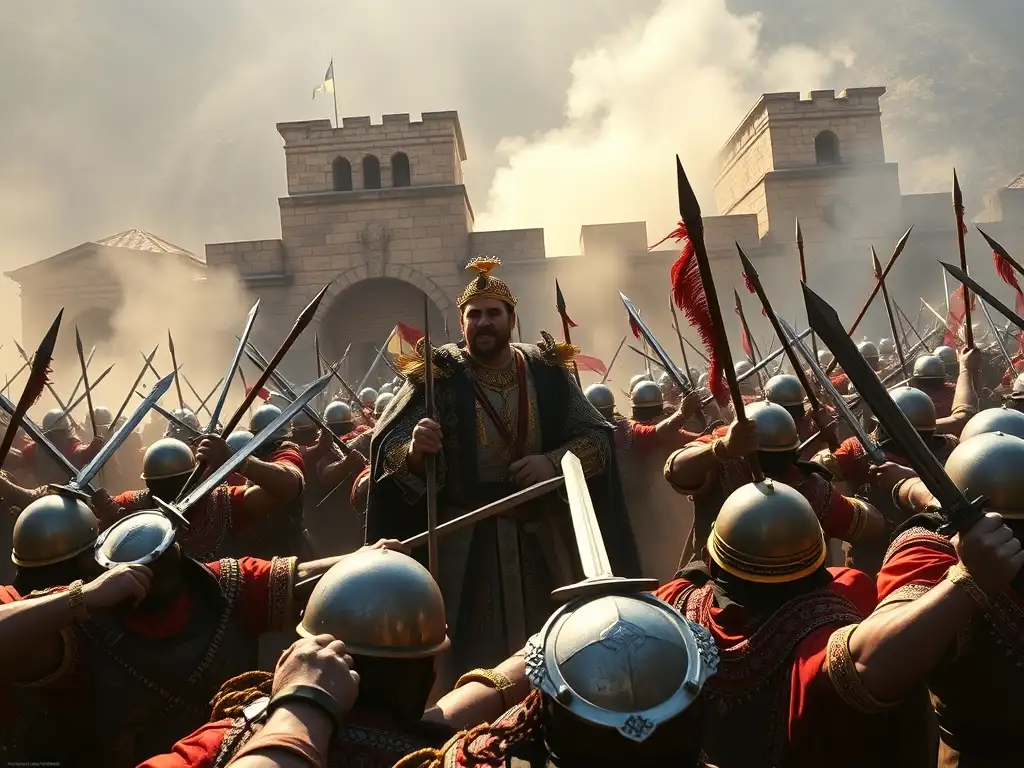
Step into a world lost to time, yet echoing with the power and mystery of the Andean civilizations. From the breathtaking artistry of the Nazca lines to the sophisticated engineering of the Inca, their legacy continues to captivate. But what truly sealed their fate? Dive into the dramatic narrative of Pizarro’s conquest of Atahualpa, a clash of cultures steeped in misunderstanding and ambition that irrevocably altered the course of history. Uncover the secrets behind this pivotal moment and explore the complexities of this fateful encounter— discover the untold story.
The conquest of the Inca Empire by the Spanish, a pivotal moment in South American history, is inextricably linked to the fateful encounter between Francisco Pizarro and Atahualpa. This article delves into the complexities of their interaction, exploring the cultural clashes, strategic maneuvers, and misunderstandings that ultimately led to the downfall of a vast and sophisticated empire.
We will examine the context of their meeting, the ambitions driving Pizarro, and the devastating consequences for the Inca civilization, analyzing how the "Pizarro Atahualpa Inca conquest" unfolded as a result of a confluence of factors far beyond a simple military victory. The narrative will unpack the multifaceted nature of this historical event, highlighting the crucial role of political machinations, cultural differences, and sheer chance in shaping the course of history.
Understanding this pivotal moment requires a deep dive into the perspectives of both leaders, acknowledging the vastly different worldviews that collided in 16th-century Peru. We will uncover how these fundamental differences, coupled with Pizarro's ruthless pragmatism, contributed to the tragic outcome of the Inca Empire.
The Clash of Worlds: Context of the Pizarro-Atahualpa Encounter
The meeting between Pizarro and Atahualpa wasn't a random event; it was the culmination of years of Spanish exploration and internal strife within the Inca Empire itself. Atahualpa's ascension to the throne following a civil war significantly weakened the Inca's ability to resist the Spanish. The empire, already fractured by internal conflict, faced a technologically superior force with vastly different military tactics and strategies.
The Inca, accustomed to a centralized, hierarchical system, were ill-prepared for the Spanish's deceptive strategies and alliances with rival factions. The Inca worldview, deeply rooted in religious beliefs and Andean cosmology, was completely at odds with the Spanish conquistadors' materialistic ambitions and thirst for gold and power. This clash of civilizations, marked by profound misunderstandings and misinterpretations, played a critical role in determining the outcome.
The Inca, used to diplomacy and ritualistic exchanges, were ill-equipped to counter the Spanish's brutal efficiency and calculated ruthlessness. Understanding this fundamental disparity is crucial to grasping the dynamics of the encounter.
Francisco Pizarro's Ambitions and the Spanish Conquest of the Inca Empire
Francisco Pizarro's ambition and ruthless pursuit of wealth and power were key drivers of the Spanish conquest. His actions, though viewed through a modern lens of ethical condemnation, were typical of the conquistadors' mindset within the context of the era. His determination, coupled with his strategic acumen, allowed him to exploit the Inca's vulnerabilities and achieve a victory far beyond what his relatively small force might suggest. The conquest wasn't solely a military achievement; it was a masterful display of political manipulation and psychological warfare.
Pizarro's Background and Motivations for Exploration in South America
Pizarro, a Spanish conquistador of relatively humble origins, was driven by the promise of riches and glory that the New World offered. He participated in earlier expeditions, gaining experience and learning the intricacies of navigating the complex political landscape of South America. His participation in previous ventures honed his skills as a military leader and strategist, preparing him for the challenges of conquering the Inca Empire.
Unlike some of his contemporaries, Pizarro possessed a unique blend of ruthlessness and cunning, traits that proved instrumental in his success. His understanding of both military tactics and the psychology of his opponents gave him a decisive edge.
The Spanish Arrival in the Inca Territory: Initial Encounters
The initial encounters between the Spanish and the Inca were marked by a mixture of awe and apprehension on both sides. The Spanish, with their advanced weaponry and horses, initially appeared invincible to the Inca. However, the Inca's initial reactions varied, ranging from curiosity to outright hostility depending on local circumstances and the existing power dynamics.
These early interactions, while seemingly minor, laid the groundwork for the subsequent events, influencing the perceptions and strategies employed by both sides. The Spanish exploited the existing tensions and rivalries within the Inca Empire to their advantage, forging alliances and creating divisions among their opponents.
Pizarro's Strategic Use of Alliances and Deception
Pizarro masterfully employed deception and manipulation to conquer the Inca Empire. He skillfully exploited the ongoing Inca civil war, forging alliances with rival factions and using misinformation to sow discord among the Inca leadership. His strategy wasn't simply about brute force; it was a carefully orchestrated campaign of psychological warfare and political intrigue.
The capture of Atahualpa, a pivotal moment in the conquest, was a testament to Pizarro’s cunning and his ability to exploit the Inca’s lack of understanding of Spanish tactics and motivations. This strategic use of alliances and deception played a crucial role in securing a victory that far exceeded the Spanish's numerical advantage. The narrative of the conquest is therefore not just a story of military prowess but also a testament to Pizarro's strategic genius – or perhaps, his ruthless pragmatism.
Atahualpa's rise to power was anything but straightforward. He inherited a vast and complex empire, the Inca, already facing internal strife following the death of his father, Huayna Capac, in 1527. A civil war erupted between Atahualpa and his half-brother Huáscar, a conflict that weakened the Inca's military and political structure significantly.
While Huáscar held the traditional seat of power in Cusco, Atahualpa controlled the northern provinces, amassing considerable support and military strength. His victory in the civil war, culminating in Huáscar's capture and execution, solidified his position as the sole Inca emperor, though the empire was far from unified and the scars of the conflict ran deep. This internal vulnerability played a critical role in the subsequent Spanish conquest.
Atahualpa's reign, though short, was marked by ambitious projects and attempts to consolidate his power, but the looming threat of the Spanish arrival cast a long shadow over his rule. He was a shrewd military strategist, a fact evidenced by his decisive victory over Huáscar, but his ability to effectively manage a fractured empire and confront an unknown enemy proved ultimately insufficient.
The Inca Empire Under Atahualpa: A Society in Transition
The Inca Empire under Atahualpa was a society in flux. The recent civil war had left deep wounds, disrupting established trade routes, weakening the military, and sowing discord among the population. The vast empire, stretching along the Andes Mountains, faced logistical challenges in maintaining control and communication across its diverse regions. While Atahualpa attempted to consolidate his power and rebuild the empire's infrastructure, the process was far from complete when the Spanish arrived.
The ongoing tensions and the lingering effects of the civil war created a climate of uncertainty and vulnerability that the Spanish conquistadors skillfully exploited. The Inca's sophisticated administrative system, based on a complex network of curacas (local leaders) and mita (labor tribute), was strained by the recent conflict, making it less effective in responding to the external threat. This internal fragility proved to be a decisive factor in the swift conquest.
Atahualpa's Perspective on the Arrival of the Spanish
Atahualpa's initial perception of the Spanish is a matter of scholarly debate, with limited primary sources offering direct insight into his thoughts. However, it's plausible that he initially underestimated the Spanish threat, viewing them as another group vying for power within the existing Andean landscape. The Spanish, with their relatively small numbers and unfamiliar technology, might have initially been perceived as a manageable challenge, especially considering Atahualpa's recent military success against Huáscar.
This misjudgment, coupled with a lack of understanding of the Spanish's true intentions and capabilities, proved fatal. The cultural gap and the lack of effective communication undoubtedly contributed to this initial underestimation. The Inca worldview, deeply rooted in religious beliefs and traditional practices, couldn't fully comprehend the Spanish motivations driven by greed, religious zeal, and the desire for territorial expansion.
The Inca Political Structure and Atahualpa's Role
The Inca political structure was highly centralized, with the emperor at its apex. Atahualpa, as the Sapa Inca, held absolute authority, controlling all aspects of life, from religious matters to economic production and military affairs. His word was law, and his decisions were implemented through a complex bureaucratic system.
However, the recent civil war had significantly weakened this centralized authority, creating power vacuums and opportunities for resistance. The curacas, local leaders, often held considerable influence within their regions, and their loyalty to Atahualpa might have been tenuous in some areas. This decentralized power dynamic, coupled with the disruption caused by the civil war, created a climate ripe for exploitation by the Spanish, who successfully used divide-and-conquer tactics to further destabilize the Inca Empire.
The Meeting at Cajamarca: A Fateful Encounter
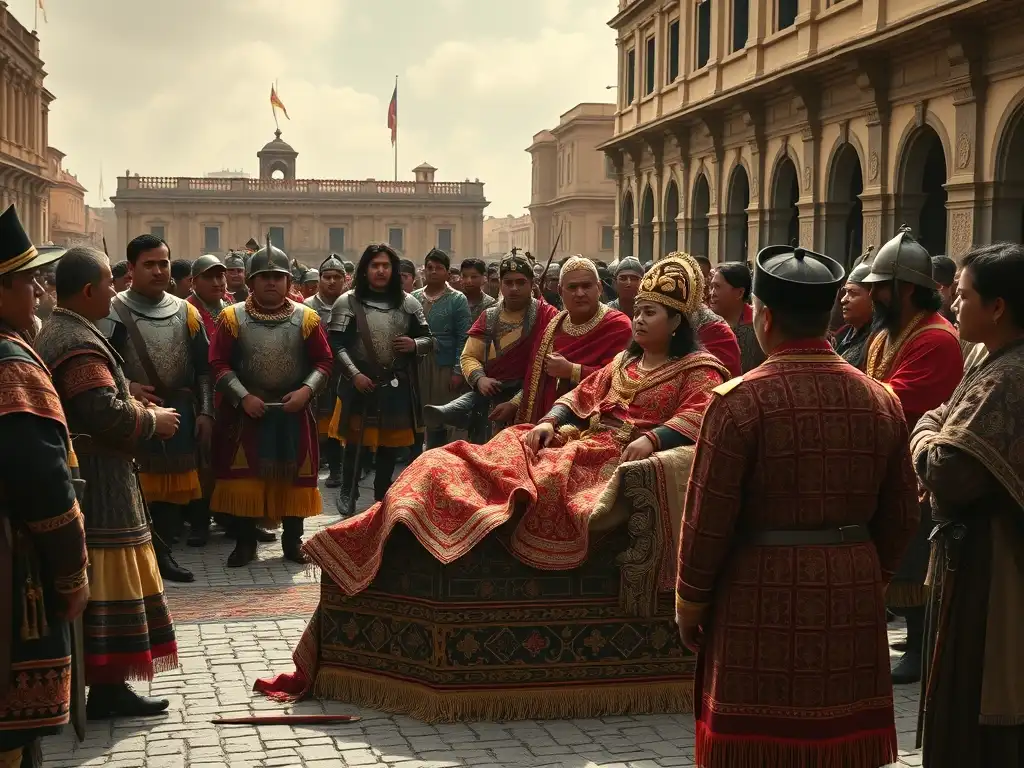
The meeting at Cajamarca in 1532 marked a pivotal moment in the conquest of the Inca Empire. It was a carefully orchestrated trap by Pizarro, who lured Atahualpa into a seemingly peaceful encounter with a significantly smaller Spanish force. The Spanish, utilizing superior weaponry and tactical strategy, swiftly overwhelmed the Inca army, leading to Atahualpa's capture.
This event dramatically shifted the balance of power, effectively dismantling the Inca's resistance and paving the way for the Spanish conquest. The Cajamarca encounter serves as a stark illustration of the contrasting military capabilities and strategic approaches of the two sides. The Inca, accustomed to warfare within their own cultural context, were utterly unprepared for the Spanish tactics and advanced weaponry.
The Events Leading to the Capture of Atahualpa
The events leading up to the capture of Atahualpa involved a series of calculated moves by Pizarro. He strategically positioned his troops in Cajamarca, a narrow valley, to maximize their advantage. He employed deception, pretending to offer peaceful intentions while secretly preparing for an ambush. Pizarro understood the Inca's cultural norms and exploited their trust.
The Inca army, vastly outnumbering the Spanish, entered the plaza in a relatively disorganized manner, unprepared for the sudden and brutal attack. This strategic advantage, coupled with the element of surprise and superior weaponry, enabled Pizarro to capture Atahualpa with minimal casualties on the Spanish side. The capture of the Inca emperor was a masterstroke of military strategy and deception.
Cultural Misunderstandings and Communication Barriers
The capture of Atahualpa was significantly facilitated by profound cultural misunderstandings and communication barriers. The Inca and the Spanish held vastly different worldviews, religious beliefs, and social structures. The Inca's lack of understanding of the Spanish motivations and their advanced weaponry contributed to their vulnerability.
Conversely, the Spanish, while attempting to learn about the Inca culture, often misinterpreted their customs and rituals, leading to further misunderstandings. The failure of effective communication played a pivotal role in shaping the events at Cajamarca and the subsequent conquest. The lack of a common language and the differing interpretations of gestures and actions created a fertile ground for miscalculations and misinterpretations on both sides.
The Spanish Strategy and the Inca's Unpreparedness
Pizarro's strategy at Cajamarca was a combination of military prowess and psychological manipulation. He cleverly exploited the Inca's cultural norms and their trust in diplomacy, luring Atahualpa into a trap. The Spanish's superior weaponry, including firearms and steel armor, played a decisive role in their victory. Conversely, the Inca army, while numerically superior, was ill-prepared for such a technologically advanced enemy.
Their traditional weapons and tactics were no match for the Spanish firepower and strategic planning. The Inca's lack of understanding of the Spanish's intentions and their technological superiority, combined with the internal divisions caused by the civil war, contributed to their defeat. The conquest underscores the significant impact of technological disparity and strategic planning in warfare.
The Imprisonment of Atahualpa: Turning Point in the Inca Conquest
The capture of Atahualpa at Cajamarca in 1532 marked a pivotal moment in the Inca conquest. Pizarro's audacious ambush, leveraging superior weaponry and exploiting internal Inca conflicts, resulted in the emperor's imprisonment. This wasn't merely the capture of a ruler; it was the seizure of the heart of the Inca Empire's political and religious authority.
The ensuing chaos and power vacuum significantly weakened the Inca's ability to resist the Spanish advance. Atahualpa's captivity effectively paralyzed the empire's command structure, leaving its vast territories vulnerable to Spanish exploitation. The psychological impact on the Inca population was immense; the capture of their Sapa Inca shattered their faith and undermined their collective will to resist.
The subsequent events unfolded rapidly, demonstrating the fragility of the Inca Empire in the face of this decisive blow. The imprisonment was not just a military victory; it was a strategic masterpiece that paved the way for the complete subjugation of the Inca civilization. The sheer unexpectedness of the event, the swiftness of the capture, and the complete lack of preparation on the part of the Inca army further highlighted the vulnerability of the empire to the Spanish strategy.
Atahualpa's Attempt to Buy His Freedom with Gold and Silver
Faced with imprisonment, Atahualpa, in a desperate attempt to secure his release, offered an immense ransom: a room filled with gold and twice its size with silver. This staggering offer, reflecting the vast wealth of the Inca Empire, speaks volumes about the emperor's political acumen and his understanding of Spanish motivations. The Inca leadership likely believed that their material wealth could outweigh their military inferiority.
However, this act of appeasement proved ultimately futile. While the Spaniards initially accepted the offer, their greed and ambition far outweighed any sense of honor or adherence to the agreement. The collection of the ransom, a monumental undertaking involving the mobilization of Inca resources across vast territories, only further exposed the empire's vulnerabilities and enriched the Spanish conquistadors.
The sheer scale of the gold and silver amassed underscores the Inca's immense wealth, a resource that ultimately contributed to their downfall. The failure of this desperate gambit highlights the fundamental power imbalance between the two sides and the inherent dangers of negotiating with a vastly superior force driven by avarice.
The Broken Promises and the Escalation of Conflicts
Despite the Inca's fulfillment of the ransom agreement—a mountain of gold and silver that filled two rooms—Pizarro reneged on his promise to release Atahualpa. This breach of faith fueled further conflict and deepened the distrust between the Incas and the Spanish. The broken promise not only enraged the Inca people but also emboldened the Spanish, who felt empowered to continue their conquest with even greater ruthlessness.
The event solidified the perception of the Spanish as untrustworthy and violent, further fueling resistance in the already fractured Inca Empire. The escalation of violence following this act of betrayal led to increased casualties and further instability within the Inca ranks, making the Spanish conquest easier and more brutal.
The act of breaking the promise is a clear example of the Spanish disregard for Inca culture, traditions, and agreements, which significantly contributed to the ultimate fall of the Inca Empire. This act of bad faith significantly contributed to the overall brutality of the conquest.
The Impact of Atahualpa's Imprisonment on the Inca Empire
Atahualpa's imprisonment triggered a catastrophic chain reaction within the Inca Empire. The absence of a strong central authority led to internal power struggles and fragmentation, hindering any organized resistance against the Spanish. The empire, already weakened by internal conflicts preceding the Spanish arrival, crumbled under the weight of this loss. The vacuum of leadership created opportunities for rival factions to vie for power, diverting resources and energy away from fighting the Spanish.
This internal strife ultimately played a crucial role in the Spanish conquest, giving them a significant advantage over a divided and weakened enemy. The psychological impact was equally devastating. The capture of the Sapa Inca shattered the belief system and spiritual authority of the empire, leading to widespread demoralization among the Inca population. The imprisonment, therefore, was not just a military defeat but a profound blow to the very fabric of Inca society.
Atahualpa's Execution and the Aftermath
Following a sham trial orchestrated by Pizarro and his men, Atahualpa was executed in 1533. The execution was a calculated act of brutality designed to further consolidate Spanish power and eliminate any remaining semblance of Inca resistance. The decision to execute Atahualpa, despite the vast ransom paid, underscores the Spanish conquistadors' insatiable greed and ruthless ambition.
It served as a stark warning to any who might contemplate opposing Spanish rule. The execution was not simply a political act; it was a symbolic act of dominance, meant to break the spirit of the Inca people and facilitate the complete subjugation of their empire. The aftermath of Atahualpa's death was characterized by widespread chaos, civil war, and the systematic dismantling of the Inca Empire's infrastructure and social structures.
The Trial and Condemnation of Atahualpa
The trial of Atahualpa was a blatant miscarriage of justice, a farce designed to legitimize his execution in the eyes of the Spanish crown and the Catholic Church. The proceedings were conducted according to Spanish legal standards, entirely foreign to the Inca worldview and legal system. Atahualpa, lacking any understanding of Spanish law and facing accusations based on fabricated evidence and biased interpretations, had little chance of a fair trial.
The charges ranged from idolatry to rebellion, reflecting the Spanish desire to justify their conquest on religious and political grounds. The trial's outcome was predetermined; the execution was a foregone conclusion, driven by the Spanish thirst for power and resources. The sham trial served as a tool for justifying the brutal conquest and the appropriation of Inca wealth and territory.
The Fall of the Inca Empire and the Consolidation of Spanish Power
The execution of Atahualpa marked the beginning of the end for the Inca Empire. With their leader gone and their society fractured, the Incas posed little organized resistance to the Spanish advance. The Spanish conquistadors swiftly consolidated their control over the former Inca territories, establishing a colonial regime that would last for centuries.
The fall of the Inca Empire was not a single event but a process facilitated by internal divisions, the devastating impact of European diseases, and the superior military technology of the Spanish. The consolidation of Spanish power involved the systematic dismantling of Inca institutions, the suppression of Inca culture and religion, and the imposition of Spanish language and customs. This process had profound and lasting consequences for the indigenous population of the Andes.
Legacy of the Pizarro-Atahualpa Conflict: Colonial Impact
The Pizarro-Atahualpa conflict left an indelible mark on the history of the Andes. The Spanish conquest, initiated by this fateful encounter, resulted in the devastating loss of life, the destruction of Inca civilization, and the establishment of a colonial system that profoundly shaped the region's social, economic, and political landscape for centuries to come. The legacy of this conflict includes the enduring impact of colonialism, the suppression of indigenous cultures, and the lasting inequalities that persist in many Andean communities today.
The encounter between Pizarro and Atahualpa serves as a potent reminder of the devastating consequences of colonialism and the importance of understanding the complexities of historical interactions. The legacy continues to shape discussions about indigenous rights, cultural preservation, and the lasting effects of imperial power. The story of Pizarro and Atahualpa remains a crucial element in understanding the complexities of the "Pizarro Atahualpa Inca conquest".
Analyzing the Key Misunderstandings of the Pizarro and Atahualpa Encounter
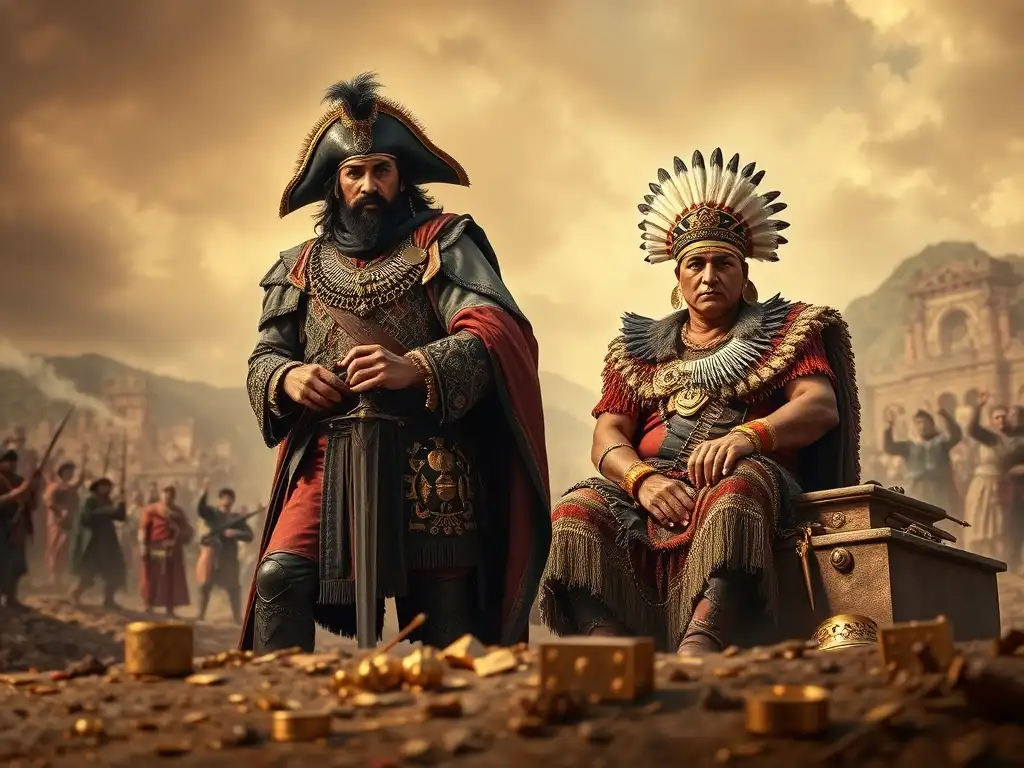
Differing Concepts of Power, Diplomacy, and Warfare
The clash between Pizarro and Atahualpa stemmed, in large part, from fundamentally different understandings of power, diplomacy, and warfare. Pizarro, operating within the framework of European feudalism and the burgeoning mercantilist system, viewed power as centralized and hierarchical, achieved through military dominance and the accumulation of wealth. His concept of diplomacy involved strategic alliances, calculated betrayals, and the ultimate imposition of his will through force. Warfare, for Pizarro, was a tool for conquest, expansion, and the extraction of resources.
Atahualpa, on the other hand, inherited a complex Inca political system based on a sophisticated network of alliances, tribute, and reciprocal obligations. While the Inca empire wielded considerable military might, its power was also rooted in a system of religious authority and legitimacy that extended from the Sapa Inca to the most distant provinces. Inca diplomacy relied on intricate systems of kinship, ritual exchange, and symbolic displays of power, rather than the overt aggression favored by Pizarro.
This fundamental difference in understanding power dynamics created an almost insurmountable barrier to any meaningful negotiation or understanding. The Inca's attempts at diplomacy, which often involved gifts and symbolic gestures, were misinterpreted by Pizarro as weakness or submission, further fueling his aggressive ambitions. The Inca's reluctance to engage in open warfare, initially, was seen as a sign of fear, rather than a strategic decision based on their different understanding of conflict.
The Role of Religion and Belief Systems in the Conflict
Religion played a crucial, albeit often overlooked, role in shaping the events surrounding the encounter between Pizarro and Atahualpa. The Inca worldview was profoundly intertwined with their elaborate religious system, centered around the worship of the sun god, Inti, and a pantheon of other deities. The Sapa Inca was considered a divine figure, a direct descendant of the sun god, whose authority was divinely sanctioned.
This religious framework provided a powerful source of legitimacy and cohesion for the Inca empire. In contrast, Pizarro and his men were driven by a fervent brand of Catholicism, which justified their conquest as a divinely ordained mission to spread Christianity and subdue the "infidels." The Spanish saw the Inca's religious practices as pagan and idolatrous, further fueling their sense of superiority and justifying their violent actions.
The Inca's inability to comprehend the Spanish religious zeal, and the Spanish failure to grasp the significance of Inca religious beliefs, contributed significantly to the misunderstandings and mistrust that characterized their interaction. The destruction of Inca religious artifacts and temples, and the forced conversion of the Inca population, were not merely acts of cultural vandalism but also deliberate attempts to undermine the very foundations of Inca power and social order. The Spanish conquest, therefore, was not simply a military campaign but also a religious crusade, imbued with a sense of divine mandate that drastically altered the power dynamics of the encounter.
Language and Communication Barriers: A Fatal Divide
The language barrier between Pizarro and Atahualpa presented a formidable obstacle to any meaningful communication and understanding. While interpreters were employed, the nuances of language, culture, and worldviews often got lost in translation. The Inca language, Quechua, lacked the vocabulary to accurately convey the abstract concepts that were central to the Spanish worldview, such as "sovereignty," "feudalism," and "private property." Similarly, the Spanish lacked the cultural context to fully grasp the significance of Inca rituals, customs, and social structures.
Simple misunderstandings could, and did, have catastrophic consequences. For example, gifts offered by the Inca as signs of respect or diplomacy were often interpreted by the Spanish as weakness or submission. The Inca's lack of familiarity with the Spanish military tactics and weaponry also exacerbated the communication problems, leading to a series of miscalculations and tactical errors on the part of the Inca.
The inability to effectively communicate led to mistrust, suspicion, and ultimately, violence. The absence of a shared linguistic and cultural framework dramatically skewed the power dynamic, contributing significantly to the Inca's defeat. This highlights the vital role of effective communication in intercultural encounters and the disastrous consequences of neglecting this critical aspect.
The Enduring Lessons of the Pizarro-Atahualpa Clash
Understanding the Complexities of Cultural Encounters
The encounter between Pizarro and Atahualpa serves as a stark reminder of the complexities inherent in intercultural encounters. It highlights the dangers of imposing one's own cultural framework on another, without acknowledging the validity and richness of different worldviews. The Spanish conquest was not simply a military victory; it was a brutal imposition of a colonial system that profoundly reshaped the Andean landscape, society, and culture.
Understanding the complexities of this historical event requires moving beyond simplistic narratives of conquest and acknowledging the multiple perspectives and experiences of those involved. This includes recognizing the resilience and adaptability of Andean communities in the face of colonial oppression, as well as the devastating consequences of cultural destruction and exploitation. The story of Pizarro and Atahualpa is not just a tale of military conflict; it is a cautionary tale about the importance of intercultural understanding, respect, and empathy.
The Long-Term Consequences of Colonialism in the Andes
The consequences of the Pizarro-Atahualpa encounter reverberated through centuries, shaping the social, economic, and political landscape of the Andes. The Spanish conquest led to the destruction of the Inca empire, the decimation of the indigenous population, and the imposition of a colonial system that lasted for centuries. The extraction of resources, the forced labor of indigenous populations, and the introduction of new diseases had a devastating impact on the Andean ecosystem and its inhabitants.
The legacy of colonialism continues to shape the socio-economic disparities and political instability of the region today. Understanding the long-term consequences of this encounter is crucial for addressing the ongoing challenges faced by Andean communities.
The struggle for indigenous rights, land reclamation, and cultural preservation are all direct consequences of the historical trauma inflicted during the colonial era. The story of Pizarro and Atahualpa, therefore, is not just a historical event; it is a living legacy that continues to shape the present.
The Importance of Recognizing Multiple Perspectives in History
The Pizarro-Atahualpa encounter underscores the crucial importance of recognizing multiple perspectives in historical narratives. Too often, historical accounts focus solely on the perspective of the victors, neglecting the experiences and voices of the conquered. A balanced understanding of this historical event requires acknowledging the Inca perspective, their sophisticated social and political organization, and their resistance to Spanish rule.
This involves examining the Inca's own accounts, when available, and supplementing them with archaeological evidence and ethnographic studies to reconstruct a more complete and nuanced picture of the events. By recognizing multiple perspectives, we can move beyond simplistic narratives of conquest and explore the complexities of power, culture, and identity that shaped this pivotal moment in history.
This approach is not only essential for a more accurate and comprehensive understanding of the past, but it also helps us to address the ongoing legacies of colonialism and injustice in the present. The story of Pizarro and Atahualpa, when viewed through multiple lenses, becomes a powerful tool for promoting intercultural understanding, empathy, and social justice.
Conclusion: The Tragic Story of Pizarro and Atahualpa
The encounter between Francisco Pizarro and Atahualpa remains a pivotal moment in history, a tragic intersection of ambition, misunderstanding, and cultural clash that irrevocably altered the course of the Inca Empire and the Americas. The events surrounding their meeting, from the initial strategic advantage seized by Pizarro to the ultimate betrayal and execution of Atahualpa, highlight the devastating consequences of unchecked power and a profound failure of intercultural communication.
Pizarro's ruthlessness, fueled by the insatiable greed for gold and the desire for glory, overshadowed any attempts at diplomacy or understanding. He exploited internal Inca conflicts and the inherent vulnerabilities of a society unfamiliar with European warfare and political maneuvering.
Atahualpa, for his part, was a powerful leader navigating complex political dynamics within his own empire. While his initial arrogance might have contributed to his underestimation of the Spanish forces, his actions were also a product of his cultural context and understanding of power. The Inca worldview, with its emphasis on ritual, diplomacy, and symbolic displays of wealth, was fundamentally different from the conquistadors' brutal pragmatism. The infamous ransom, a mountain of gold and silver, ultimately served as a testament to the Inca's wealth and, tragically, as a symbol of their naivete in the face of Pizarro's insatiable avarice.
The story of Pizarro and Atahualpa is not simply a narrative of conquest; it is a complex drama of cultural misunderstanding, political manipulation, and the devastating impact of colonialism. It serves as a cautionary tale about the dangers of unchecked power, the importance of intercultural understanding, and the lasting legacy of historical trauma.
The fall of the Inca Empire, orchestrated by Pizarro's ambition and fueled by the fateful encounter with Atahualpa, fundamentally reshaped the landscape of South America, leaving an indelible mark on its history and culture that resonates to this day. The tragic irony lies in the fact that the immense wealth extracted from the Inca civilization ultimately served to fuel further European expansion and exploitation, a consequence that continues to shape discussions of historical justice and reparations.
The legacy of this encounter continues to fuel discussions about colonialism, power imbalances, and the enduring impact of historical injustices on indigenous populations. Understanding this complex narrative is crucial to grappling with the ongoing consequences of the Spanish conquest.
- The Clash of Worlds: Context of the Pizarro-Atahualpa Encounter
- Francisco Pizarro's Ambitions and the Spanish Conquest of the Inca Empire
- Atahualpa, the Inca Emperor: Power and Authority Before the Conquest
- The Meeting at Cajamarca: A Fateful Encounter
- The Imprisonment of Atahualpa: Turning Point in the Inca Conquest
- Atahualpa's Execution and the Aftermath
- Analyzing the Key Misunderstandings of the Pizarro and Atahualpa Encounter
- The Enduring Lessons of the Pizarro-Atahualpa Clash
- Conclusion: The Tragic Story of Pizarro and Atahualpa
- What led to the encounter between Pizarro and Atahualpa?
- How did the power dynamic between Pizarro and Atahualpa play out?
- What role did cultural misunderstandings play in the Inca conquest?
- What was the significance of the ransom offered by Atahualpa?
- What was the lasting impact of the Pizarro-Atahualpa encounter?
Frequently Asked Questions
What led to the encounter between Pizarro and Atahualpa?
The encounter stemmed from Spanish ambitions for conquest and wealth in the Americas. Pizarro's expedition, driven by greed and a desire for glory, reached the Inca Empire at a time of internal strife, weakening the Inca's defenses. This opportune moment allowed for the capture of Atahualpa.
How did the power dynamic between Pizarro and Atahualpa play out?
Pizarro, despite commanding a significantly smaller force, exploited internal Inca conflicts and utilized superior weaponry to capture Atahualpa. The Inca emperor's initial attempts at diplomacy and offering ransom ultimately failed to prevent his execution.
What role did cultural misunderstandings play in the Inca conquest?
Significant cultural differences between the Spanish and Inca civilizations led to a profound lack of understanding. These misunderstandings, concerning concepts of power, religion, and diplomacy, hindered effective communication and contributed to the Inca defeat.
What was the significance of the ransom offered by Atahualpa?
Atahualpa offered a massive ransom of gold and silver, hoping to secure his release. While initially accepted by Pizarro, the ransom did not prevent his execution, highlighting the Spanish conquistadors' ultimate goal of conquest and control, not just wealth.
What was the lasting impact of the Pizarro-Atahualpa encounter?
The encounter marked the beginning of the end for the Inca Empire, leading to its collapse and the imposition of Spanish colonial rule in South America. This event irrevocably altered the course of Andean history and continues to shape the region today.
Final Reflection: Echoes of Conquest: Understanding the Past to Shape the Future
The clash between Pizarro and Atahualpa remains a chillingly relevant example of how cultural misunderstandings, fueled by greed and power, can lead to catastrophic consequences. The legacy of this encounter continues to resonate today, shaping our understanding of colonialism, exploitation, and the enduring impact of historical trauma on indigenous populations worldwide. The events of Cajamarca are not merely a historical footnote; they serve as a stark warning against the dangers of unchecked ambition and the importance of cross-cultural understanding.
The story of Pizarro and Atahualpa is more than just a recounting of a brutal conquest; it's a powerful illustration of how differing worldviews can lead to irreconcilable conflict. The Inca Empire, with its sophisticated social structures and advanced civilization, was tragically unprepared for the ruthlessness and technological superiority of the Spanish conquistadors. This imbalance of power, coupled with a profound failure of communication, resulted in the devastation of a great empire. As Eduardo Galeano poignantly wrote, The conquerors wrote the history, and they wrote it for themselves.
This underscores the crucial need to critically examine historical narratives and to amplify the voices of those who have been historically marginalized.
Consider the implications of this historical tragedy. How can we, as individuals and as a global community, learn from the mistakes of the past? You have the power to challenge biased narratives, to seek out diverse perspectives, and to advocate for a more just and equitable world. By understanding the complexities of the encounter between Pizarro and Atahualpa, we can cultivate empathy, promote intercultural dialogue, and work towards a future where such devastating misunderstandings are prevented. Let the echoes of this conquest inspire us to build a more compassionate and understanding future.
Unveil the Lessons of History!
Thank you for exploring the complex relationship between Pizarro and Atahualpa! We hope you gained valuable insights into the critical misunderstandings that dramatically changed the course of Andean history. Now, let's consider how we can apply these lessons to our lives.
- Reflect on communication breakdowns in your own life: Identify a situation where clearer communication could have improved the outcome. What steps can you take to foster better understanding in your relationships?
- Share this article with friends and family to spark a conversation about the importance of perspective, both historically and in our modern world.
- Learn more about Andean civilizations: Explore our additional resources and articles to deepen your understanding of intercultural interactions and their lasting impact.
What is one key takeaway from this historical encounter that remains relevant today? Let's discuss!