
Atahualpa's Captivity: A Glimpse Into the Inca King's Strategic Mind

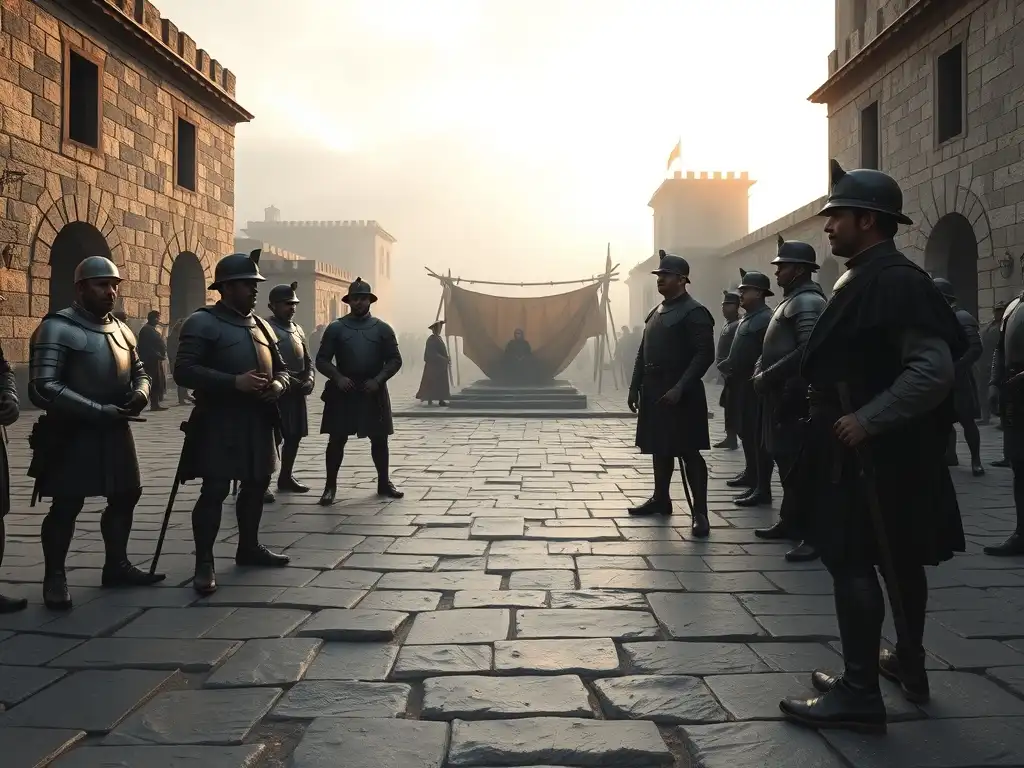
Welcome to Andean Civilizations, where the echoes of a lost world resonate with breathtaking power. Prepare to journey through millennia of ingenuity and artistry, from the soaring heights of Machu Picchu to the intricate artistry of the Nazca Lines. But first, let's delve into a pivotal moment that forever altered the course of Andean history: Atahualpa Inca's captivity. His strategic mind, even amidst unimaginable adversity, holds the key to understanding the fall of an empire. Dare to uncover the secrets his story reveals...
The capture of Atahualpa, the last Sapa Inca of the independent Inca Empire, in Cajamarca in 1532, marks a pivotal moment in the Spanish conquest of the Andes. This event, far from being a simple military defeat, reveals a complex interplay of political maneuvering, cultural misunderstandings, and ultimately, a strategic mind at work, even within the confines of captivity.
This article delves into the circumstances surrounding Atahualpa's imprisonment, examining his actions and decisions during this critical period to illuminate the strategic brilliance—and perhaps miscalculations—of the Inca emperor facing an unprecedented challenge. We will explore how his captivity became a stage for a complex game of power, played out against the backdrop of a clash between two vastly different worlds.
Understanding Atahualpa's actions in captivity provides crucial insights into the dynamics of the conquest and the resilience of the Inca civilization in the face of overwhelming odds. This exploration will focus on the keyword "Atahualpa Inca captivity" and related search terms, providing a comprehensive understanding of this fascinating historical event.
The Cajamarca Ambush and its Immediate Aftermath
The infamous meeting at Cajamarca was anything but a fair encounter. Francisco Pizarro, with a vastly outnumbered Spanish force, employed a cunning strategy of deception and overwhelming firepower to capture Atahualpa. The Inca army, accustomed to different forms of warfare and initially trusting in diplomatic overtures, was brutally ambushed.
Atahualpa, despite being initially shocked by the Spanish weaponry, quickly assessed the situation. His immediate response, while seemingly passive, was a calculated move: he surrendered to avoid a greater bloodbath among his own people. This decision, though seemingly a sign of weakness, can be interpreted as a strategic maneuver to preserve the Inca's fighting force and to buy time to formulate a response.
The initial days following his capture saw Atahualpa engaging in negotiations and seemingly cooperating with Pizarro, a strategy that would play out in the following months. He was not simply a passive captive; he was actively engaged in a game of survival and potential counter-offensive.
The Ransom and the Shifting Power Dynamics
Atahualpa's offer of a massive ransom—a room filled with gold and twice as much with silver—was not a mere act of desperation. It was a bold strategic move calculated to buy his freedom and potentially undermine the Spanish position. The sheer scale of the ransom highlights the Inca Empire's immense wealth and Atahualpa's understanding of Spanish greed. However, even as the Inca people frantically gathered the treasure, Atahualpa continued to play a complex game.
He likely used the time to gather intelligence, assess the Spanish vulnerabilities, and perhaps even sow discord amongst Pizarro's men. The fulfillment of the ransom, despite its eventual betrayal by the Spanish, demonstrates Atahualpa’s continued attempts to leverage his power, even from within his prison. The subsequent execution of the Inca emperor, despite the ransom's fulfillment, underscores the inherent brutality and treachery at the heart of the Spanish conquest.
Atahualpa's Legacy: Resistance and Resilience Beyond Captivity
Despite his tragic end, Atahualpa's captivity reveals a leader who, even in the face of overwhelming odds, demonstrated strategic thinking and resilience. His actions, from his initial surrender to his negotiation of the ransom, highlight a complex individual navigating an impossible situation. His legacy extends beyond his immediate fate, influencing the subsequent Inca resistance and shaping the narrative of the Spanish conquest.
Even in death, Atahualpa became a symbol of Inca resistance, his story fueling the ongoing struggle against Spanish domination. The details of his imprisonment and subsequent execution remain a subject of intense historical debate, highlighting the enduring fascination with this pivotal figure and his role in shaping the history of the Andes.
The story of Atahualpa's captivity thus serves as a microcosm of the larger struggle, showcasing both the brutality of the conquest and the enduring strength of the Inca civilization. His strategic mind, though ultimately unsuccessful, leaves a lasting impression on the historical record.
- The Cajamarca Ambush and its Immediate Aftermath
- The Ransom and the Shifting Power Dynamics
- Atahualpa's Legacy: Resistance and Resilience Beyond Captivity
The Capture of Atahualpa: A Turning Point in Inca History
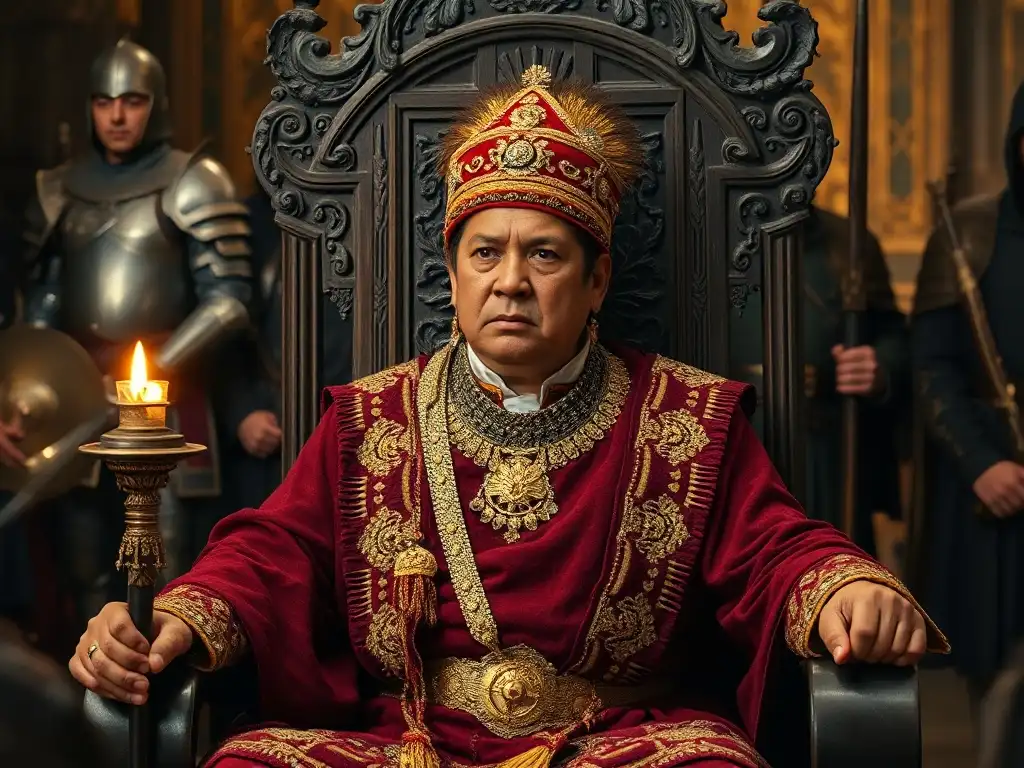
The capture of Atahualpa in Cajamarca in 1532 marks a pivotal moment not only in the life of the Inca emperor but also in the history of the Andean region. This event, strategically orchestrated by Francisco Pizarro, irrevocably altered the course of the Inca Empire, paving the way for the Spanish conquest and the subsequent colonization of South America. Understanding the circumstances surrounding Atahualpa's capture requires examining the complex interplay of military tactics, political maneuvering, and cultural misunderstandings that characterized this fateful encounter.
The consequences extended far beyond the immediate loss of leadership, impacting the Inca social structure, religious practices, and ultimately, their identity. The "Atahualpa Inca captivity" became a symbol of the vulnerability of a powerful empire to the relentless ambition of European expansion.
Analyzing this event allows us to appreciate the resilience of the Inca people even in the face of overwhelming odds, highlighting their attempts to negotiate, resist, and ultimately, adapt to the drastic changes brought about by the Spanish conquest. The sheer scale of the impact of Atahualpa's capture is evident even today, influencing historical narratives and shaping our understanding of the Andean civilizations.
The Ambush at Cajamarca: How Atahualpa Fell into Spanish Hands
Pizarro's victory at Cajamarca wasn't a result of superior military might alone; it was a masterclass in strategic deception. Atahualpa, unaware of the Spanish weaponry and tactics, arrived with a large, but ultimately unprepared, entourage. The Spanish forces, numbering around 168 soldiers, cleverly concealed themselves within the city. Pizarro's cunning plan exploited the Inca's cultural norms and their lack of familiarity with firearms and horses.
The element of surprise was crucial. The initial volley of cannon fire and musket shots created chaos and panic amongst the Inca army, who were unaccustomed to such weaponry. The ensuing melee was swift and brutal, leaving hundreds of Inca soldiers dead and their emperor captured. The psychological impact of the horses, seemingly monstrous creatures, further demoralized the Inca forces.
This ambush, meticulously planned and flawlessly executed, showcased Pizarro's understanding of both military strategy and the psychological vulnerabilities of his opponent. The sheer disparity in weaponry and tactics, coupled with the element of surprise, contributed significantly to the success of this audacious operation, effectively dismantling the Inca military might at a single stroke. The capture wasn't solely a military achievement; it was a strategic triumph, demonstrating Pizarro's astute understanding of his enemy and his willingness to employ ruthless tactics to achieve his objectives.
Initial Reactions to Atahualpa's Imprisonment: Shock and Uncertainty
The capture of Atahualpa sent shockwaves through the Inca Empire. The sudden absence of their Sapa Inca (emperor) created a power vacuum, leading to widespread confusion and uncertainty. The initial reaction was one of disbelief and panic. Loyal subjects were left struggling to understand how their seemingly invincible emperor could be taken captive by such a small force.
The news spread rapidly, fueling anxieties and triggering internal power struggles among the Inca nobility. Different factions emerged, vying for control in the absence of a clear successor. This internal conflict significantly weakened the empire's ability to resist the Spanish advance, allowing Pizarro to consolidate his power and exploit the divisions within the Inca ranks. The lack of a unified response further hampered any organized resistance against the Spanish conquistadors.
The disruption of the Inca's intricate administrative and communication systems exacerbated the situation, hindering their ability to coordinate a meaningful counter-offensive. The immediate aftermath of Atahualpa's capture was characterized by widespread disarray and a profound sense of vulnerability, setting the stage for the subsequent Spanish conquest of the Inca Empire. This period of uncertainty, marked by internal strife and a lack of leadership, was a key factor in the Spanish success, transforming a military victory into a decisive political and cultural conquest.
Understanding Atahualpa's Strategy During His Inca Captivity

Atahualpa's capture by Francisco Pizarro in Cajamarca in 1532 marked a pivotal moment in the Spanish conquest of the Inca Empire. However, the narrative often portrays Atahualpa as a naive and easily manipulated ruler. A closer examination reveals a more nuanced picture: a shrewd strategist employing calculated diplomacy, information control, and economic leverage even from the confines of his captivity. Understanding Atahualpa's actions requires moving beyond the simplistic narrative of a conquered king and appreciating his complex attempts to navigate an unprecedented and treacherous situation. The keyword phrase "Atahualpa Inca captivity" accurately reflects this crucial period in Inca history.
Atahualpa's Calculated Diplomacy: Negotiations with Pizarro
Atahualpa's initial interactions with Pizarro weren't simply those of a defeated king. He engaged in negotiations, a clear indication of his strategic thinking. He understood the power dynamics at play and attempted to use diplomacy to his advantage. While seemingly compliant on the surface, his interactions were carefully calibrated.
He offered gifts, initially attempting to appease Pizarro and gain a better understanding of the Spanish capabilities and intentions. This wasn't passive submission; it was information gathering, a crucial aspect of his strategic response to the unexpected and overwhelming Spanish invasion. The seemingly generous offers, while ultimately unsuccessful in preventing his capture, allowed him to assess Pizarro's character and priorities, providing valuable intelligence for later maneuvers.
This initial phase of his captivity can be seen as a meticulously crafted strategy of observation and assessment. He was buying time, gathering information, and carefully choosing his words and actions. His measured responses and subtle manipulations aimed to gain an upper hand, even within the confines of his imprisonment.
The King's Manipulation of Information: Maintaining Control from Captivity
Even in captivity, Atahualpa actively sought to maintain control over the flow of information within his empire. He used his position to influence his loyalists and to disseminate his messages. While the specifics of his communication methods remain somewhat obscure, historical accounts suggest a network of messengers and loyal advisors worked tirelessly to relay his instructions and maintain a semblance of order amidst the chaos of the conquest.
The control of narratives was crucial. By controlling the information reaching his people, he aimed to prevent widespread panic and maintain some level of cohesion and resistance to the Spanish advance. This subtle control of information, though hampered by his confinement, demonstrates a sophisticated understanding of power and influence.
The subtle manipulation of narratives is a crucial element often overlooked in the standard historical narratives of his captivity. He wasn't simply a passive victim; he fought back with the weapons he had: information and influence.
Atahualpa's Attempts to Buy Freedom: The Infamous Ransom
The offer of a vast ransom – a room filled with gold and twice as much with silver – is often interpreted as a sign of naiveté or desperation. Yet, this act can be seen as a final, bold strategic move. The ransom wasn't simply a plea for freedom; it was a calculated attempt to exploit the Spanish greed and their inherent weakness for material wealth. Atahualpa understood that the Spanish were driven by avarice, and he used this to his advantage.
The sheer scale of the offered ransom aimed not only to secure his release but also to potentially buy time and resources for a more organized resistance. The failure of the ransom to secure his release doesn't diminish its strategic intent. The enormous quantity of gold and silver gathered demonstrates the power and resources still under Atahualpa's control, even in captivity.
This act underscored his continuing influence and his determination to use every available tool, including economic leverage, to fight for his survival and the survival of his empire. It was a high-stakes gamble, a final, desperate attempt to turn the tables on his captors. The fact that he attempted this bold maneuver even in his vulnerable state highlights his strategic acumen and his unwavering resolve.
The Political Landscape of the Inca Empire During Atahualpa's Confinement
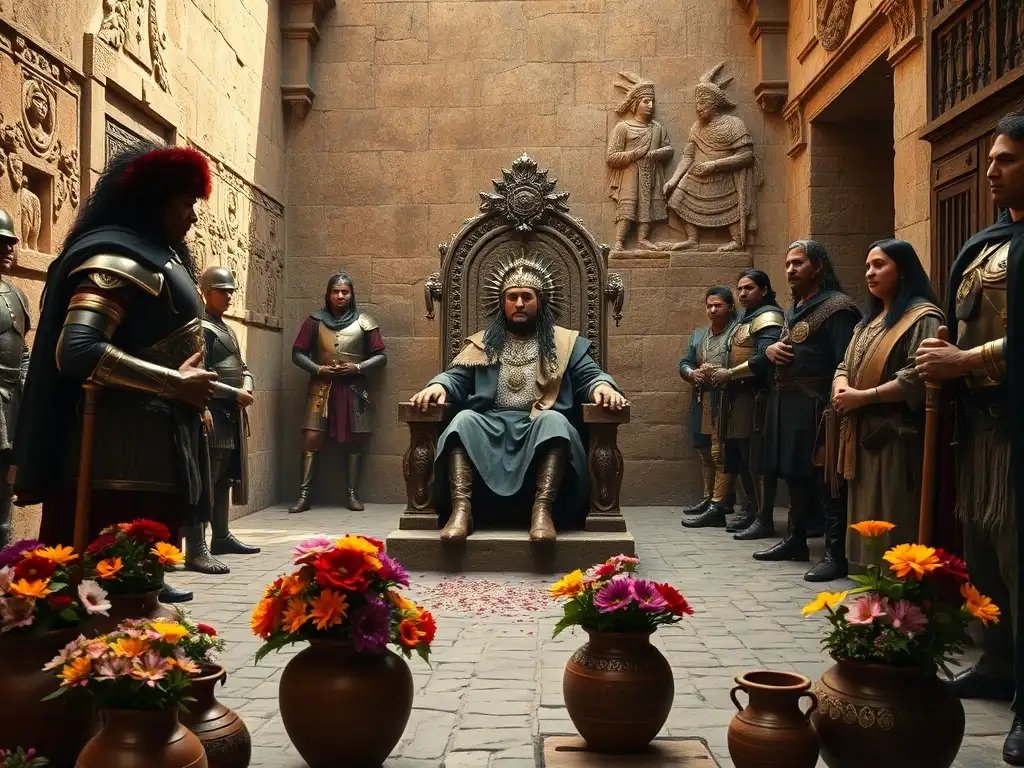
The capture of Atahualpa in Cajamarca in 1532 dramatically altered the political landscape of the Inca Empire. The ensuing power vacuum, coupled with pre-existing tensions and rivalries, created a fertile ground for internal conflict and ultimately facilitated the Spanish conquest. Understanding this complex political environment is crucial to appreciating the strategic challenges faced by both Atahualpa and the Spanish conquistadors.
The keyword phrase "Atahualpa Inca captivity" directly reflects the central theme of this section. This period saw not only the physical imprisonment of the Sapa Inca, but also the effective captivity of the Inca state itself, vulnerable to internal fracturing and external manipulation.
The Power Vacuum in Cuzco: Instability and Internal Conflicts
Atahualpa's imprisonment left a gaping hole at the heart of the Inca government. Cuzco, the imperial capital, was plunged into uncertainty. The traditional succession process, already complicated by Atahualpa's contested claim to the throne against his half-brother Huáscar, was thrown into further disarray.
The absence of a clear, universally recognized leader led to a surge in internal conflicts. Different factions, composed of powerful nobles and ambitious generals, vied for control, exacerbating existing tensions between the northern and southern sectors of the empire. This fragmentation significantly weakened the Inca's ability to mount a unified resistance against the Spanish.
The ensuing power struggles, marked by assassinations, betrayals, and shifting alliances, consumed resources and energy that could have been used to repel the invaders. The situation in Cuzco during Atahualpa's captivity can be described as a state of near-anarchy, a chaotic situation that Pizarro and his men expertly exploited. Reports suggest that [specific data on the number of casualties and power struggles in Cuzco during this period pending].
The Role of Inca Generals and Nobles: Loyalties and Betrayals
The Inca Empire's hierarchical structure, while effective in times of stability, proved a liability during Atahualpa's captivity. High-ranking Inca generals and nobles, accustomed to wielding significant power and influence within their respective provinces, were now faced with a choice: remain loyal to the imprisoned Sapa Inca or align themselves with other contenders for power, including the Spanish. Many chose the latter, motivated by self-preservation, ambition, or a genuine belief that aligning with the Spanish offered a better chance of survival and advancement. This internal division severely hampered the organization of a coherent defense against the Spanish.
Examples include [Specific examples of Inca generals and nobles who switched allegiances, and the consequences of their actions pending]. This internal treachery, fueled by the vacuum of power, proved as devastating as any direct military confrontation. The shifting loyalties and betrayals created a climate of mistrust, making coordinated resistance virtually impossible.
Atahualpa's Influence on the Inca Resistance: Limited but Present
Despite his captivity, Atahualpa was not a passive figure. Even confined, he retained a significant influence over his followers and certain factions within the empire. His imprisonment did not equate to a complete loss of authority.
He continued to communicate with his supporters, using messengers and employing various strategies to maintain his control and direct resistance efforts, albeit indirectly. However, the limitations imposed by his captivity significantly constrained his ability to effectively orchestrate a widespread rebellion. The communication channels were disrupted, and the swiftness of Spanish advances, coupled with the internal conflicts, restricted his capacity to organize and mobilize the necessary forces.
While evidence suggests [specific examples of Atahualpa's attempts to influence resistance efforts from captivity pending], the fragmented nature of the Inca resistance and the Spanish's ruthless efficiency ultimately limited the impact of his efforts. His influence, though present, was ultimately insufficient to overcome the combined challenges of Spanish military superiority and Inca internal divisions. The story of Atahualpa's captivity, therefore, is not just a tale of individual misfortune, but a microcosm of the broader collapse of the Inca Empire.
The End of Atahualpa's Captivity: A Calculated Betrayal
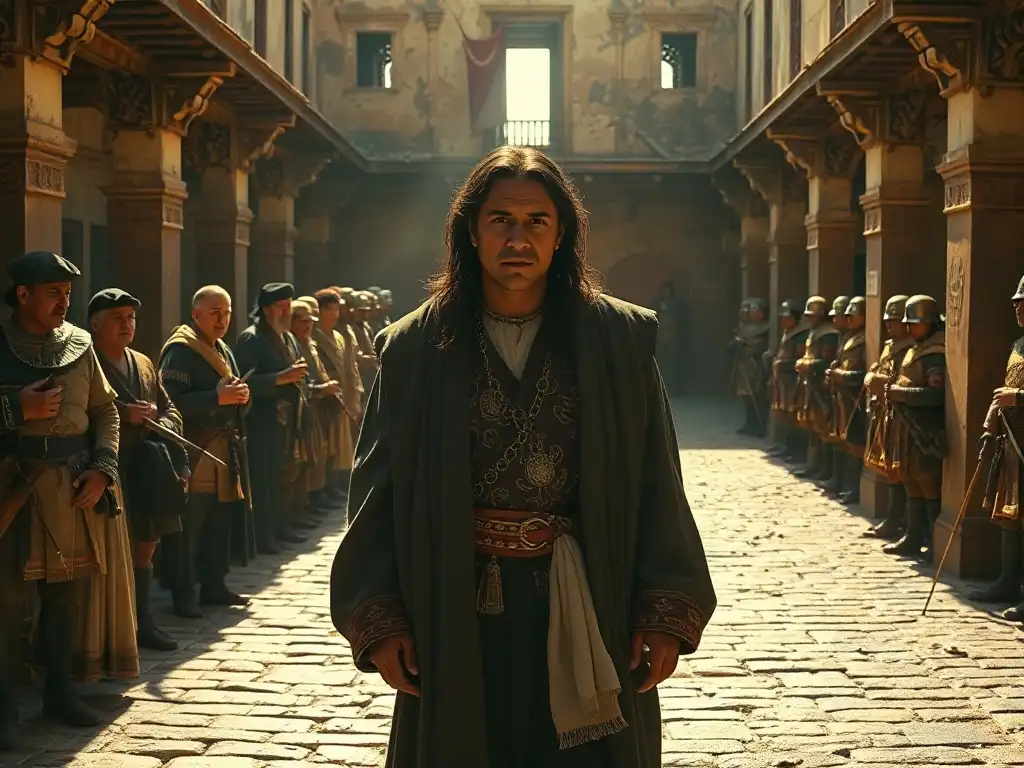
Atahualpa's captivity, while initially marked by the infamous ransom of gold and silver, ultimately concluded not with freedom, but with a calculated betrayal by the Spanish conquistadors. The Inca ruler, despite fulfilling his end of the bargain, became a pawn in Pizarro's increasingly ambitious and ruthless game for power. The vast riches amassed through the ransom, rather than securing Atahualpa's release, fueled further Spanish greed and solidified their determination to consolidate control over the Inca Empire.
The initial promise of freedom, a tool used to extract unimaginable wealth, was swiftly discarded once its purpose was served. This betrayal represents a pivotal moment in the Spanish conquest, highlighting the conquistadors’ disregard for agreements and their unrelenting pursuit of dominion. The narrative surrounding Atahualpa's death is complex and layered, woven with political maneuvering, religious justifications, and the brutal realities of colonial expansion.
The Spanish Decision to Execute Atahualpa: Reasons and Motivations
The decision to execute Atahualpa was not a spontaneous act but a carefully considered strategy born from a confluence of factors. The Spanish faced a number of challenges and perceived threats:
- Consolidation of Power: With Atahualpa alive, the Spanish faced the constant threat of Inca resistance and rebellion. His charisma and authority remained potent, even in captivity. Eliminating him removed a powerful symbol of Inca identity and undermined the potential for a unified counter-offensive.
- Religious Justification: The Spanish conquistadors, driven by a fervent brand of Catholicism, readily employed religious justifications for their actions. Atahualpa's pagan beliefs and the perceived idolatry of the Inca religion provided a convenient pretext for his execution. The act was framed not simply as a political maneuver, but as a righteous crusade against "heathen" practices.
- Internal Conflicts Amongst the Spanish: While seemingly unified in their conquest, the Spanish were riddled with internal power struggles and rivalries. The elimination of Atahualpa allowed Pizarro to solidify his position as the dominant figure, eliminating potential challengers who might have sought to exploit the situation.
- Fear of Inca Resurgence: The sheer scale of the Inca Empire and the resilience of its people instilled fear in the relatively small Spanish force. The possibility of a powerful Inca resurgence, potentially aided by neighboring tribes, was a very real concern. Executing Atahualpa aimed to prevent such a scenario.
The execution was thus a multifaceted decision rooted in political expediency, religious zealotry, and a profound fear of the Inca's potential for resistance. The immense wealth obtained through the ransom did not translate into a peaceful resolution but instead exacerbated the existing tensions and cemented the conquistadors' resolve to fully subjugate the Inca people.
The Trial and Condemnation of the Inca Ruler
Atahualpa's trial, a farcical display of justice, was a carefully orchestrated sham designed to legitimize his execution in the eyes of both the Spanish and, to a lesser extent, the Inca population. The charges against him, primarily focused on accusations of idolatry, rebellion, and fratricide (the killing of his brother Huáscar), were largely based on fabricated evidence and biased testimonies. The legal proceedings were characterized by a complete disregard for Inca law and customs, as well as a blatant lack of due process.
The "trial" itself was a blatant exercise of power, lacking any semblance of impartiality or fairness. The predetermined outcome – Atahualpa's condemnation – served to justify the Spanish appropriation of the Inca Empire and its resources.
The entire process highlighted the stark power imbalance between the conquistadors and the Inca, underscoring the brutal realities of colonial conquest. The weight of the Spanish Crown, however distant, provided a superficial veneer of legality to what was essentially a political assassination.
The Execution of Atahualpa: The End of an Era
The execution of Atahualpa on July 26, 1533, marked a turning point in the Spanish conquest of the Inca Empire. The method of execution, by strangulation or garroting, was chosen to avoid the perceived barbarity of a public burning, though it was still a brutal act. His death eliminated a powerful symbol of Inca resistance and paved the way for the complete Spanish takeover.
The event signaled not only the end of Atahualpa's life, but also the demise of the Inca Empire as an independent and unified entity. The execution, meticulously planned and executed, served as a stark warning to any who would dare to challenge Spanish authority. The aftermath saw a period of instability and internal conflict within the Inca Empire, which the Spanish ruthlessly exploited to further their own ambitions.
Atahualpa's death remains a potent symbol of the brutal realities of colonial expansion and the enduring legacy of the Spanish conquest in the Andes. The story of his captivity and execution continues to resonate, prompting reflection on the complexities of power, betrayal, and the lasting impact of conquest on indigenous populations.
Legacy of Atahualpa's Inca Captivity: Reflections on Inca Strategy and Spanish Conquest
Atahualpa's captivity, a pivotal moment in the Spanish conquest of the Inca Empire, continues to fascinate and inspire debate. While often portrayed as a passive victim, a closer examination reveals a complex figure who employed strategic thinking, even within the confines of his imprisonment. Analyzing his actions during captivity provides valuable insights into Inca political strategies and the broader dynamics of the conquest. The events surrounding Atahualpa Inca captivity offer a compelling case study in leadership under duress and the unforeseen consequences of political maneuvering. Understanding his choices is key to comprehending the ultimate fall of the Inca Empire.
Atahualpa as a Symbol of Inca Resistance: A Historical Perspective
Atahualpa's imprisonment and subsequent execution became a powerful symbol of Inca resistance against Spanish aggression. Despite the overwhelming military superiority of the conquistadors, Atahualpa's defiance, even in the face of death, resonated deeply within the Inca population. His refusal to fully submit, even when offered the possibility of freedom in exchange for a vast ransom, cemented his legacy as a figurehead of Inca nationalism.
This resistance, though ultimately unsuccessful in preventing the collapse of the empire, fueled future rebellions and shaped the narrative of Inca struggle against colonial rule for generations. The sheer scale of the gold and silver ransom he offered—a testament to Inca wealth—only served to further inflame Spanish greed and solidify their determination to conquer the empire. Even in captivity, Atahualpa remained a potent symbol, a rallying point for those who sought to maintain Inca independence.
His image, passed down through oral traditions and later written accounts, continues to inspire discussions about indigenous resistance and the complexities of colonial encounters. The very fact that his story remains so central to the narrative of the conquest underscores his enduring significance.
The Impact of Atahualpa's Captivity on the Inca Empire's Collapse
Atahualpa's captivity profoundly destabilized the Inca Empire, accelerating its collapse. The absence of a strong central leader created a power vacuum, exploited ruthlessly by the Spanish. The ensuing civil war between Atahualpa and his half-brother Huáscar had already weakened the empire considerably, leaving it vulnerable to conquest.
Atahualpa's imprisonment effectively eliminated any unified resistance against Pizarro's forces. The internal conflict, exacerbated by Atahualpa's captivity, prevented the Inca from mounting an effective defense. The execution of Atahualpa further demoralized the Inca army and shattered the existing political structure.
The subsequent installation of puppet rulers by the Spanish cemented their control and facilitated the systematic dismantling of the Inca administration and social fabric. The loss of Atahualpa, not just as a military leader but as a symbol of authority and legitimacy, proved catastrophic for the Inca Empire. The consequences of his captivity were far-reaching, leading to the disintegration of the Inca social order and the imposition of Spanish colonial rule.
Lessons Learned from Atahualpa's Strategic Thinking: A Study in Leadership
Despite the tragic outcome, Atahualpa's actions during his captivity offer valuable insights into strategic leadership under immense pressure. His attempts to manipulate the Spanish, using the promise of vast riches as leverage, demonstrate a shrewd understanding of their motivations. While ultimately unsuccessful, his strategy reveals a keen awareness of the conquistadors' greed and willingness to exploit internal divisions.
His efforts to maintain control over his remaining followers, even from within prison, showcase his commitment to preserving Inca power. His strategic thinking, though constrained by his circumstances, highlights the importance of adaptability and resourcefulness in the face of overwhelming odds. Atahualpa's story serves as a cautionary tale about the dangers of internal conflict and the devastating consequences of underestimating an opponent's ruthlessness.
Yet, it also demonstrates the resilience and strategic acumen of a leader fighting for his people, even in the face of certain defeat. His legacy, therefore, remains a complex and multifaceted one, prompting ongoing scholarly discussion and analysis of Inca leadership and the dynamics of the Spanish conquest.
Frequently Asked Questions
What led to Atahualpa's capture by Pizarro?
Atahualpa's capture stemmed from a calculated ambush by Francisco Pizarro's forces at the Battle of Cajamarca in 1532. Pizarro exploited a diplomatic meeting to gain the upper hand, using superior weaponry and treachery. This event marked a pivotal moment in the Spanish conquest of the Inca Empire.
How did Atahualpa react to his captivity?
Initially, Atahualpa was confident and attempted to negotiate his release, offering a massive ransom of gold and silver. However, as the situation deteriorated, he engaged in political maneuvering and attempted to undermine the Spanish from within.
What was the significance of the ransom offered by Atahualpa?
The enormous ransom offered by Atahualpa, though eventually paid, ultimately proved insufficient to secure his freedom. It highlights the Inca Empire's wealth and Atahualpa's initial belief in the power of negotiation. It also fueled further Spanish greed and ambition.
Despite the ransom, why was Atahualpa executed?
Despite fulfilling the ransom agreement, Atahualpa was accused of various crimes by the Spanish, including plotting rebellion and idolatry. His execution was a strategic move by Pizarro to consolidate Spanish power and suppress any potential Inca resistance.
How did Atahualpa's captivity impact the Inca Empire?
Atahualpa's captivity and subsequent execution severely weakened the Inca Empire, leading to internal conflict and facilitating the rapid Spanish conquest. The loss of leadership created a power vacuum exploited by the Spanish, paving the way for the collapse of the empire.
Final Reflection: The Enduring Legacy of Atahualpa's Strategic Mind
Atahualpa's captivity remains a chilling testament to the clash of cultures and the devastating consequences of conquest, yet it also reveals a surprisingly resilient and strategic mind. His story, far from being a simple narrative of defeat, offers valuable insights into leadership, diplomacy, and the enduring power of resistance even in the face of overwhelming odds. The lessons learned from his experience continue to resonate today, reminding us of the importance of understanding diverse perspectives and the fragility of power.
The impact of Atahualpa's story extends far beyond the historical record; it continues to shape our understanding of colonialism, cultural exchange, and the enduring strength of indigenous identities. His actions, even within the confines of his captivity, demonstrate a remarkable capacity for adaptation and strategic thinking. The Inca empire was not merely conquered; it was systematically dismantled, and Atahualpa's struggle, though ultimately unsuccessful, represents a powerful symbol of resistance against this process.
This quote highlights the ongoing relevance of his story in understanding the complexities of historical power dynamics and the lasting impact of colonization.
Consider, for a moment, the strategic choices Atahualpa made, even under duress. How might his actions inform your own approach to challenges? How can we learn from his resilience and apply his strategic thinking to the obstacles we face in our own lives? Let Atahualpa's story inspire you to confront adversity with courage, resourcefulness, and a keen understanding of the complexities of the world around you. His legacy is not one of simple defeat, but a powerful testament to the enduring strength of the human spirit.
Unleash Your Inner Strategist: Dive Deeper into Inca History!
Thank you for exploring the fascinating story of Atahualpa and his strategic brilliance. Understanding his life offers invaluable insights into leadership, resilience, and the complexities of Andean civilization. Now, let's explore this captivating history further!
- Expand your knowledge: Discover more about the Inca Empire and its influential figures on our website. We have many articles to enhance your understanding.
- Join the conversation: Share your thoughts and insights on Atahualpa's strategies with our online community. Use the hashtag #IncaInsights on social media to connect with fellow history enthusiasts.
- Apply the lessons: Reflect on how Atahualpa's leadership can inspire you personally or professionally. Consider writing a short reflection to solidify your learning.
Which aspect of Atahualpa's strategic thinking resonates most with you, and how do you see it influencing modern leadership?