
The Ransom of Atahualpa: A Golden Promise, a Betrayal Foretold?

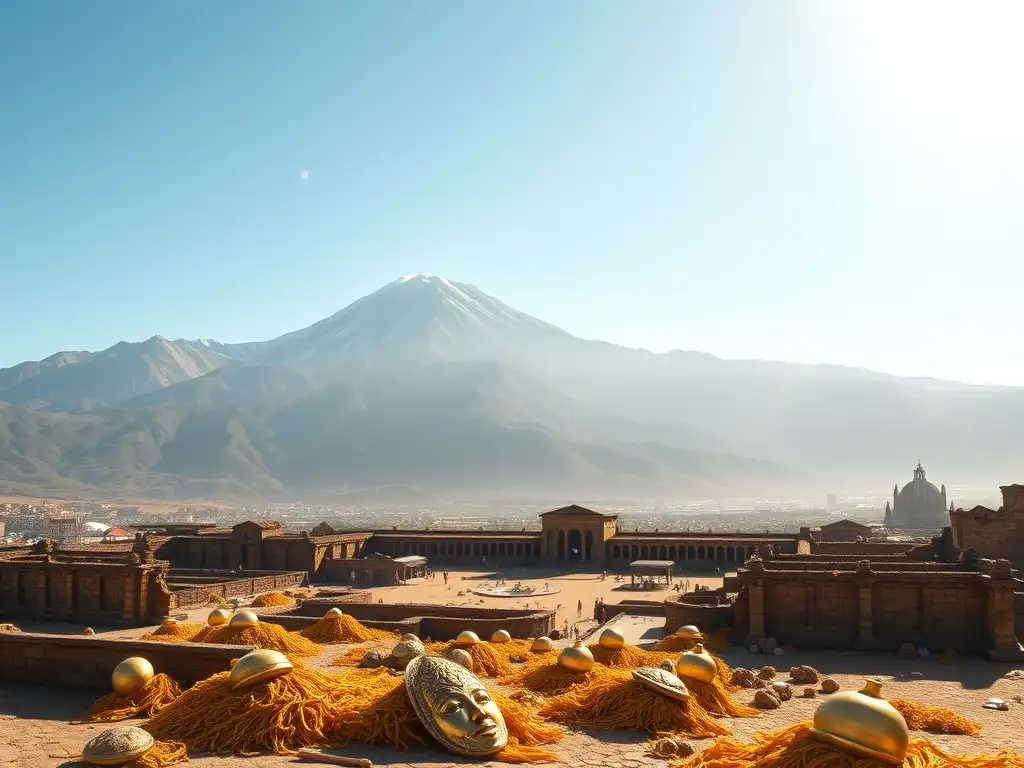
Step into a world of shimmering gold and shadowed betrayals, where the echoes of empires past still resonate. The Andean Civilizations website unveils the fascinating tapestry of ancient cultures, from the intricate artistry of the Nazca lines to the breathtaking engineering of Machu Picchu. But our journey begins with a story of unparalleled riches and devastating consequences: Atahualpa's ransom, a legendary hoard of Inca gold that promised salvation but sealed a tragic fate. Dare to uncover the truth behind this golden promise – and the betrayal that followed.
The conquest of the Inca Empire by the Spanish conquistadors remains one of history's most dramatic and controversial events. Central to this narrative is the story of Atahualpa, the last Sapa Inca, and the immense ransom he offered for his life – a promise of gold that ultimately sealed his fate. This article delves into the circumstances surrounding Atahualpa's ransom, exploring the political turmoil within the Inca Empire preceding his capture, the negotiations with Francisco Pizarro, and the ultimate betrayal that led to Atahualpa's execution.
We will examine the vast quantities of Inca gold amassed, the significance of this wealth within the Inca civilization, and the lasting impact of this event on the history of South America. The tale of Atahualpa's ransom is not merely a story of greed and conquest; it's a microcosm of the complexities of intercultural encounter, political power, and the enduring legacy of a lost civilization. Understanding this pivotal moment requires examining the pre-existing power dynamics within the Inca Empire, the strategic maneuvering of both Atahualpa and Pizarro, and the devastating consequences of broken trust.
The sheer scale of the promised gold – a room filled to the brim – underscores the immense power and resources of the Inca Empire, a civilization whose artistry and engineering achievements continue to fascinate and inspire. This exploration of the "Atahualpa ransom Inca gold" will reveal a story far richer and more nuanced than a simple tale of conquest.
The Context of the Inca Empire Before Atahualpa
Before the arrival of the Spanish, the Inca Empire was a vast and powerful civilization, stretching along the Andes Mountains from present-day Colombia to Chile. However, the empire's apparent strength masked underlying tensions. The Inca system of governance, while sophisticated, relied heavily on a complex network of alliances and tributary relationships. The empire's expansion, achieved through military conquest and strategic marriages, had created a diverse population with varying degrees of loyalty to the ruling Sapa Inca.
This internal fragility became increasingly apparent in the years leading up to Atahualpa's ascension. The Inca practiced a form of ancestor veneration, and the legitimacy of the Sapa Inca was intrinsically tied to his lineage and ability to maintain social order and prosperity. Evidence suggests that several factors contributed to the weakening of the empire's internal cohesion, including disputes over succession, economic pressures, and potential rebellions in outlying regions.
The Inca Empire was not a monolithic entity; it was a complex tapestry of interwoven cultures and loyalties, a dynamic system constantly negotiating power and influence. This internal complexity played a significant role in the events surrounding Atahualpa's capture and the subsequent events. The vastness of the Inca Empire, its sophisticated infrastructure (like the impressive road system), and the centralized nature of its administration were all factors that both strengthened and, ultimately, contributed to the empire's vulnerability.
The Inca Civil War and Atahualpa's Rise
The death of Huayna Capac, the Sapa Inca, plunged the Inca Empire into a brutal civil war. Huayna Capac's death, possibly from smallpox, left two potential heirs: Huáscar, his designated successor, and Atahualpa, his son from a northern conquest. The ensuing conflict was a bloody struggle for power, dividing the empire and weakening its defenses. Atahualpa, initially positioned in the north, skillfully used his military strength and alliances to gain the upper hand.
The conflict involved extensive battles and a significant loss of life, disrupting the empire's economy and fracturing its social fabric. Ultimately, Atahualpa emerged victorious, defeating Huáscar and seizing control of the majority of the empire. However, this victory came at a tremendous cost. The civil war left the Inca Empire significantly weakened, its resources depleted, and its population demoralized – a crucial factor that contributed to its subsequent vulnerability to the relatively small Spanish force led by Francisco Pizarro.
This internal strife, therefore, created the perfect storm for the Spanish conquest; a weakened empire, ripe for exploitation, with a new ruler still consolidating his power. The scars of the civil war were deep, and the consequences would be felt far beyond Atahualpa's capture and execution. The civil war created a power vacuum that Pizarro and his men were able to ruthlessly exploit.
Atahualpa's Capture and the Offer of Inca Gold
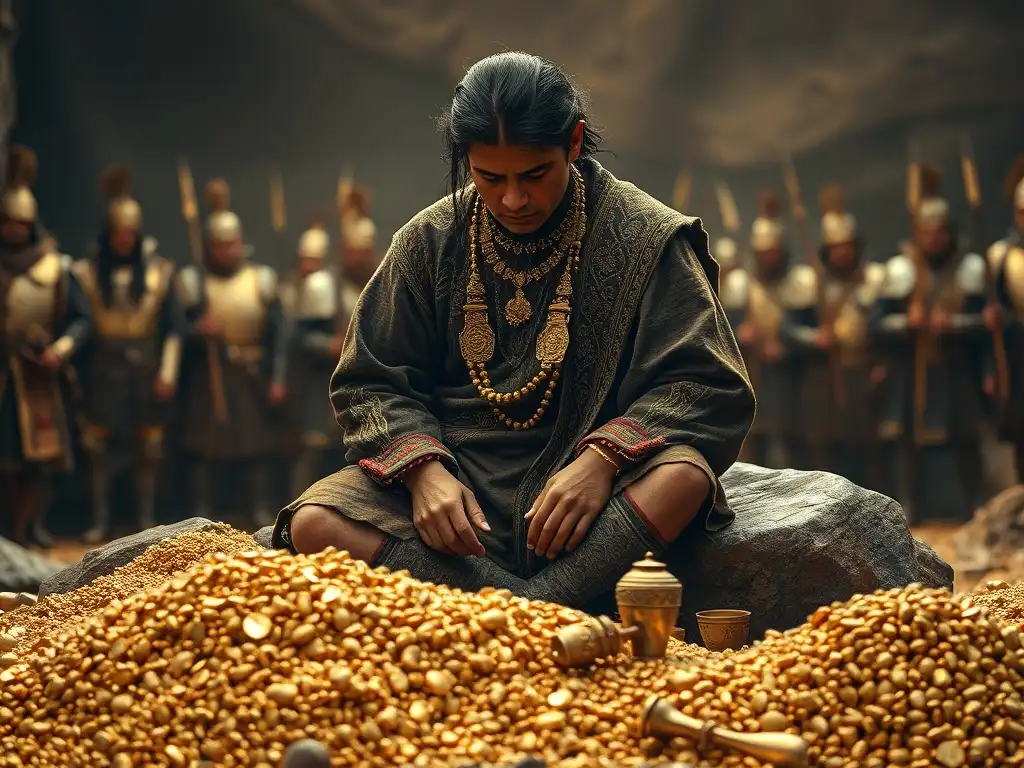
The capture of Atahualpa, the Sapa Inca, in Cajamarca on November 16, 1532, marked a pivotal moment in the Spanish conquest of the Inca Empire. Pizarro's seemingly audacious strategy, a calculated ambush leveraging superior weaponry and the element of surprise, effectively crippled the Inca leadership and paved the way for the subsequent subjugation of the vast empire. The sheer disparity in military technology—steel against bronze, firearms against slings—was a significant factor, but the internal conflicts within the Inca empire, exacerbated by Atahualpa's recent victory in a civil war against his brother Huáscar, also played a crucial role.
This internal strife weakened the Inca's ability to mount an effective defense against the relatively small Spanish force. The Inca army, though vastly larger, was disorganized and lacked the unified command structure necessary to counter Pizarro's carefully orchestrated attack. The ensuing massacre left thousands of Inca soldiers dead and the emperor himself a prisoner.
This event, far from being a simple military victory, was a strategic masterpiece that irrevocably altered the course of Andean history. The capture of Atahualpa immediately sparked a desperate search for solutions, and the subsequent offer of a colossal ransom in gold and silver became a defining characteristic of this chaotic period. The sheer scale of the promised Atahualpa ransom Inca gold was almost unbelievable, reflecting the immense wealth of the Inca Empire.
Pizarro's Strategy and the Capture of the Inca Emperor
Pizarro's success in capturing Atahualpa wasn't just luck; it was the result of meticulous planning and a deep understanding of Inca culture and politics. He exploited the existing tensions within the Inca Empire, using his spies to gather intelligence about Atahualpa's movements and the disposition of his army. The choice of Cajamarca as the site of the ambush was strategically brilliant. The narrow streets and plazas of the city limited the effectiveness of the Inca's numerical superiority.
Pizarro's forces, positioned in advantageous locations, unleashed a devastating volley of gunfire and cannon fire, creating widespread panic and confusion among the Inca ranks. The element of surprise was paramount; Atahualpa, accustomed to displays of power and respect, was completely unprepared for the brutal efficiency of the Spanish attack. The use of horses and cavalry also played a significant role, terrifying the Inca soldiers who had never encountered such swift and powerful mounts.
The capture of Atahualpa wasn't just a military feat; it was a political coup, effectively decapitating the Inca leadership and leaving the empire vulnerable to Spanish domination. The ensuing chaos and power vacuum allowed Pizarro to consolidate his control and begin the systematic dismantling of the Inca Empire. The Atahualpa ransom Inca gold offered afterward was merely a consequence of this decisive victory.
The Promise of Atahualpa's Ransom: A Room Full of Gold
The Inca Emperor, facing imprisonment and the threat of execution, offered an unimaginable ransom: a room filled with gold, and twice that amount in silver. This promise, while seemingly excessive, reflected the immense wealth of the Inca Empire and Atahualpa's desperate attempt to secure his freedom. The scale of the Atahualpa ransom Inca gold was unprecedented.
Descriptions from Spanish chroniclers paint a picture of staggering opulence: mountains of gold artifacts, intricately crafted jewelry, and massive quantities of silver. The Inca gold, often fashioned into religious objects and royal regalia, represented not just material wealth but also the spiritual and cultural heart of the empire. The sheer volume of precious metals collected was so immense that it took months to accumulate, and even then, it may not have fully met Atahualpa's initial promise.
Despite fulfilling the terms of the ransom, Atahualpa was ultimately executed by Pizarro, highlighting the treacherous nature of the Spanish conquest and the ultimate futility of the Inca's desperate attempt to buy their freedom. The Atahualpa ransom Inca gold became a symbol of both Inca wealth and Spanish greed, forever entwined in the tragic narrative of the conquest. The story of this ransom underscores the brutality and complexity of the encounter between the Spanish conquistadors and the Inca Empire, a clash of cultures that resulted in the dramatic fall of a powerful civilization.
The Collection of Inca Gold and Silver for the Ransom
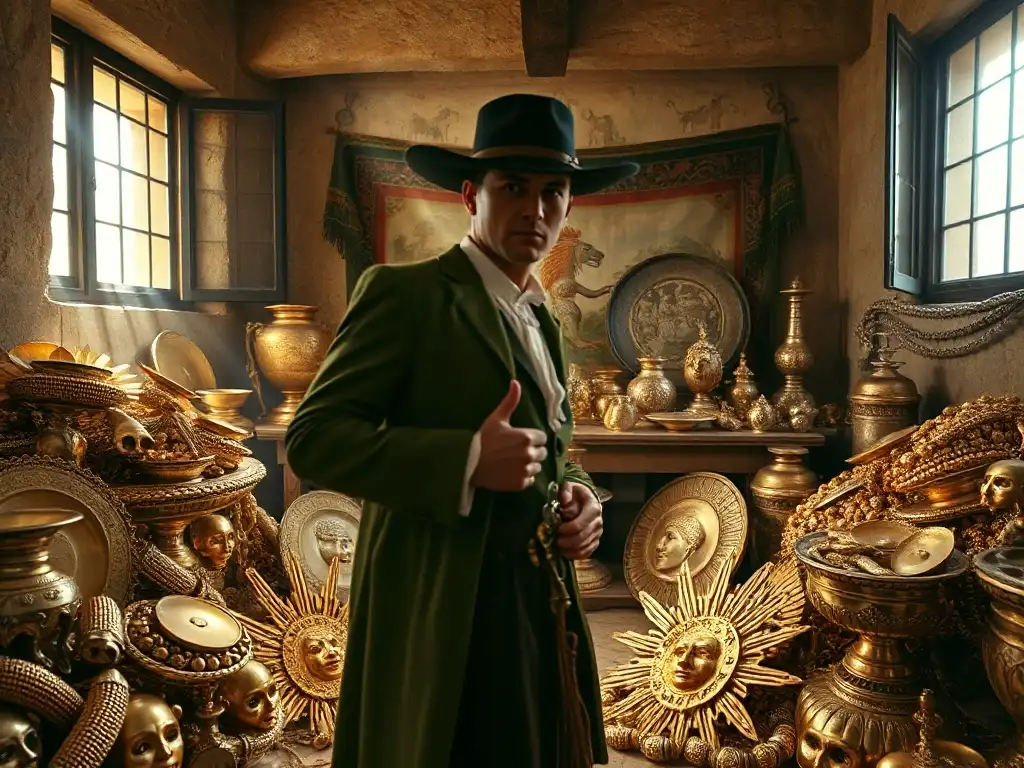
The infamous Atahualpa ransom, a pivotal event in the Spanish conquest of the Inca Empire, involved a staggering amount of gold and silver amassed to secure the Inca emperor's freedom. The sheer scale of the collection highlights not only the Inca's mastery of metallurgy but also the vastness of their empire and its accumulated wealth. Understanding the collection process itself reveals much about the Inca social structure, their relationship with their conquered territories, and the brutality of the Spanish conquest. The keyword phrase "Atahualpa ransom Inca gold" accurately reflects the core subject of this section.
The Extent of the Inca Empire's Wealth
The Inca Empire, at its zenith under Huayna Capac and his successors, controlled a territory stretching along the Andes Mountains from present-day Colombia to northern Chile and Argentina. This vast expanse encompassed diverse ecological zones, from arid coastal deserts to high-altitude Andean plains and lush jungle valleys. This diversity fueled a complex economy, with each region contributing unique resources.
The Inca implemented a sophisticated system of mita, a form of labor tribute, which ensured a steady flow of goods and services to the imperial center, including significant quantities of precious metals. The empire's wealth wasn't merely limited to gold and silver; it also included textiles, agricultural products, and other valuable materials.
However, the sheer volume of gold and silver, particularly from regions like the Cajamarca area where Atahualpa was captured, was astounding and played a crucial role in shaping the ransom's scale. The extent of this wealth, even after decades of Spanish plunder, continues to amaze researchers and historians studying the Atahualpa ransom Inca gold.
The Organization of the Ransom Collection
The collection of the ransom was a chaotic and brutal process, orchestrated by the Spanish conquistadors under Francisco Pizarro. The Inca, facing the overwhelming power of Spanish weaponry and tactics, were forced to comply with the demands. The task of gathering the gold and silver fell upon the Inca nobility and commoners alike, who were subjected to immense pressure and violence to meet the impossible deadlines set by Pizarro.
The organization, or rather the disorganization, reflects the utter disruption of the Inca political and economic systems. Evidence suggests that the collection was not a centrally coordinated effort by the Inca themselves, but rather a desperate, fragmented response to the Spanish ultimatum.
The gold and silver items came from various locations throughout the empire, showcasing the diverse artistic styles and metallurgical techniques of different Inca regions. This haphazard gathering, while fulfilling Pizarro's avarice, unintentionally provided valuable insights into the cultural diversity and the extent of the Inca Empire's reach—all for the sake of the "Atahualpa ransom Inca gold".
The Types of Gold and Silver Artifacts Offered
The ransom was not simply a pile of bullion. Instead, it comprised a vast array of finely crafted gold and silver objects reflecting the Inca's sophisticated artistic and metallurgical skills. These included:
- Religious artifacts: Golden idols of gods and goddesses, intricate ceremonial objects, and vessels used in religious rituals.
- Royal regalia: Ornate headdresses, jewelry, and clothing items belonging to the Inca nobility.
- Household items: Golden and silver plates, bowls, goblets, and other tableware items.
- Weapons and tools: Gold-plated weapons and finely crafted tools made of silver and other metals.
The sheer variety and artistry of these objects showcase the Inca's mastery of metallurgy and their sophisticated understanding of gold and silver working. The precision and detail in the craftsmanship highlight the dedication of Inca artisans, even under duress. Many of these artifacts were melted down by the Spanish, a tragic loss for our understanding of Inca art and culture.
However, the surviving accounts and the few remaining artifacts provide invaluable insights into the richness and complexity of the "Atahualpa ransom Inca gold". The sheer quantity and quality of the ransom serve as a testament to the Inca Empire's power and wealth, even in the face of its devastating conquest.
The Fulfillment (and Failure) of the Atahualpa Ransom
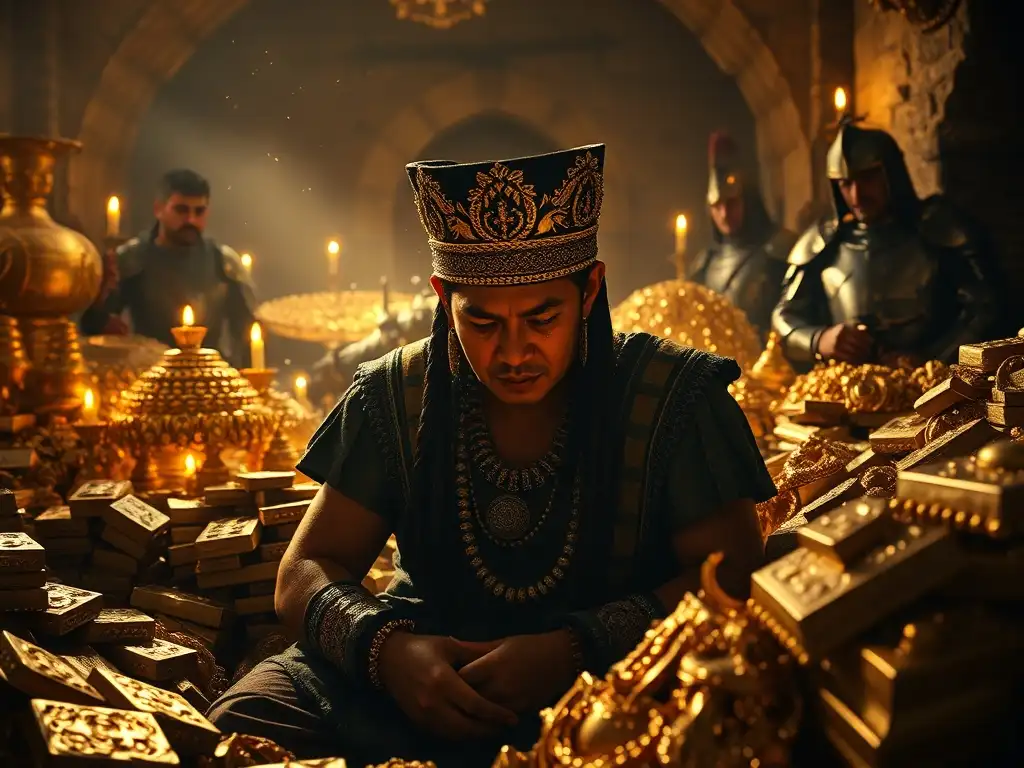
The story of Atahualpa's ransom is a dramatic tale of immense wealth, broken promises, and ultimately, a tragic end. The Inca emperor's offer to fill a room with gold and twice its volume with silver, in exchange for his freedom, captivated the Spanish conquistadors. But did the Incas truly fulfill their side of the bargain? And what was the true extent of the treasure amassed? Let's delve into the specifics.
The Amount of Gold and Silver Collected
The sheer scale of the collected gold and silver remains a subject of debate among historians. While contemporary accounts from Spanish chroniclers offer vivid descriptions, the precise quantities are difficult to verify definitively. Estimates vary widely, but most agree that the ransom was substantial, representing a significant portion of the Inca Empire's wealth.
The room selected by Pizarro was reportedly approximately 22 feet long by 17 feet wide. The Incas diligently filled it with gold artifacts: ornaments, religious objects, vessels, and more. These were not just nuggets; they were meticulously crafted items, showcasing the high level of Inca artistry and metallurgical skills. Following this, they filled another room, twice the size, with silver. This silver, while less valuable per unit of weight than gold, was still an incredibly significant amount.
It's important to note that the gold wasn't just raw material. It was processed, transformed into elaborate objects reflecting the Inca's sophisticated understanding of metallurgy. This significantly increased its value in terms of craftsmanship and cultural significance. The silver, too, was not just in raw form; it included silver plates, ingots, and decorative objects.
The total weight, generally calculated in marcos (a unit of weight used at the time), is often cited as being in the thousands, representing an astronomical sum in today's values. Precise figures, however, remain elusive due to the imprecise methods of measurement and record-keeping at the time. The sheer volume of gold and silver collected is undeniable, though the exact weight remains a matter of scholarly discussion. The "Atahualpa ransom Inca gold" remains a testament to the empire's wealth and the conquistadors' greed.
The Spanish Perspective on the Ransom
The Spanish conquistadors viewed the ransom through the lens of their own avarice and ambition. The sheer amount of gold and silver was beyond anything they could have imagined. The ransom wasn't just a means to secure Atahualpa's release; it became a symbol of the immense wealth that awaited them in the newly conquered land.
Their accounts often emphasize the "immense" riches, using superlative language to magnify the scale of the treasure. This wasn't just about economic gain; it was a validation of their conquest, a testament to their power and the subjugation of a powerful empire. The Spanish chronicles, though valuable sources, must be interpreted cautiously, recognizing the inherent bias of the writers.
The focus was often on the individual gains of the conquistadors, rather than a precise accounting of the total wealth. The distribution of the ransom among the conquistadors, a process rife with disputes and disagreements, further complicates attempts to determine the precise total amount.
The Spanish perspective on the Atahualpa ransom is crucial to understanding the events that followed. The promise of such unimaginable riches fueled their ambitions and contributed to the escalating tensions and betrayals that ultimately sealed Atahualpa's fate. The greed associated with the "Atahualpa ransom Inca gold" played a significant role in shaping the early years of Spanish colonization in the Andes.
Did the Inca Fulfill Their Part of the Bargain?
The question of whether the Incas fulfilled their part of the bargain is complex. While they undoubtedly amassed a staggering quantity of gold and silver, the Spanish never intended to honor their end of the agreement. Pizarro's promise was a cynical maneuver, a tool to gain control of the Inca's wealth.
The Incas, under immense pressure and facing the brutality of the Spanish, fulfilled their commitment to the best of their ability. They gathered gold and silver from across the empire, depleting royal treasuries and temples. Their efforts, however, were met with betrayal. Even after the ransom was collected, Atahualpa was executed, demonstrating the Spaniards' disregard for their promises.
The execution, therefore, rendered the question of fulfillment moot, highlighting the inherent power imbalance and the Spanish conquistadors' disregard for Inca lives and culture. The story of the "Atahualpa ransom Inca gold" is a stark reminder of the brutality and injustice of the conquest. The vast treasure, a testament to Inca wealth and artistry, became a symbol of Spanish greed and colonial exploitation.
The Betrayal of Atahualpa and His Execution
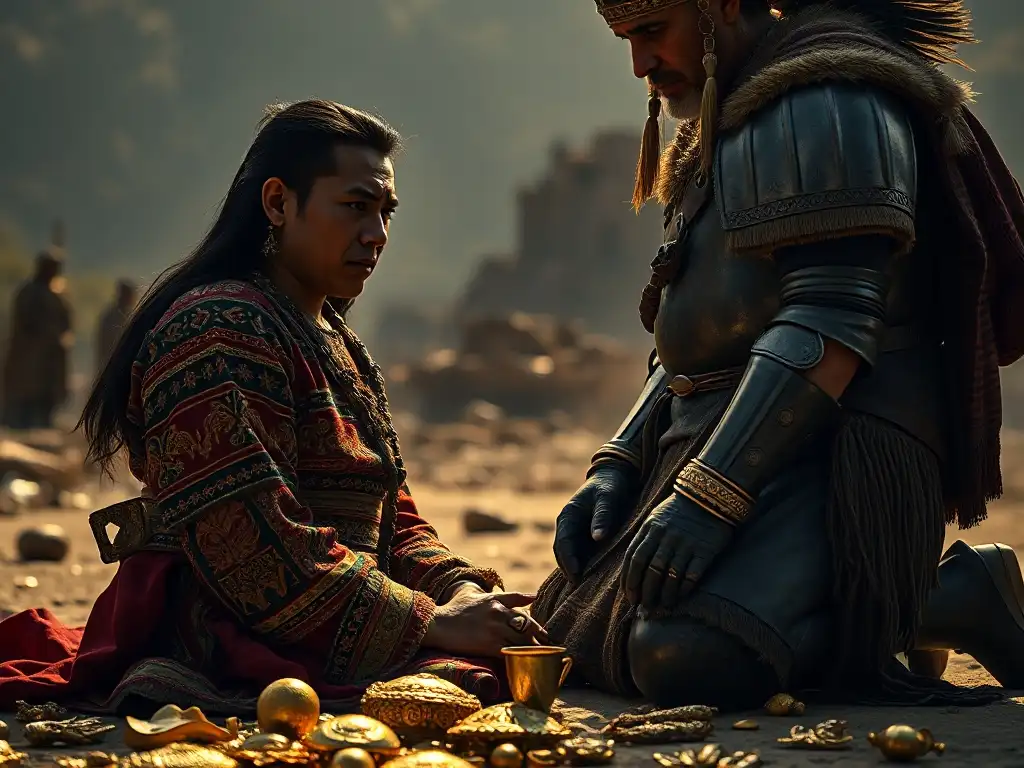
The story of Atahualpa's ransom is inextricably linked to the brutal realities of the Spanish conquest. While the Inca emperor initially fulfilled his promise of filling a room with gold and twice that amount in silver, the outcome was far from the negotiated agreement. This section delves into the betrayal that led to Atahualpa's execution, exploring the complex interplay of greed, political maneuvering, and the inherent power imbalances of the conquest.
Understanding this pivotal moment is crucial to grasping the devastating impact on the Inca Empire and its enduring legacy. The sheer quantity of "Atahualpa ransom Inca gold" promised, and ultimately delivered, only highlights the magnitude of the betrayal that followed.
Pizarro's Decision: A Breach of Promise
Despite receiving an unimaginable amount of gold and silver – a testament to the Inca's immense wealth and Atahualpa's desperate attempt to secure his freedom – Pizarro ultimately decided to execute the Inca emperor. This decision, seemingly contradictory to the terms of the ransom, was driven by a confluence of factors. Pizarro’s ambition extended beyond mere riches; he sought to consolidate power and control over the vast Inca empire.
The immense treasure, while undoubtedly a driving force, was merely a means to an end. The sheer scale of the "Atahualpa ransom Inca gold" only fueled the Spanish conquistadors' insatiable greed, making it difficult to honor the agreement. Evidence suggests that internal conflicts within the Spanish ranks also played a significant role.
Some conquistadors, fueled by avarice and a thirst for power, actively worked against any compromise that would lessen their share of the spoils. The execution of Atahualpa, therefore, wasn't solely Pizarro's decision but a culmination of competing interests and ambitions within the conquering force. His justification, that Atahualpa had plotted against him, remains debated by historians, with many viewing it as a convenient pretext to eliminate a powerful obstacle.
The Political Motivations Behind Atahualpa's Execution
The execution of Atahualpa was not simply a matter of broken promises; it held profound political implications. By eliminating the legitimate Inca ruler, Pizarro effectively removed a significant obstacle to the Spanish conquest. Atahualpa's death created a power vacuum within the Inca Empire, facilitating the Spanish takeover and the subsequent installation of puppet rulers more amenable to Spanish control. The vast quantities of "Atahualpa ransom Inca gold" were undeniably a factor, but the strategic removal of a powerful and unifying figure like Atahualpa was crucial for long-term Spanish dominance.
The ensuing civil war among Inca factions further weakened the empire, making it easier for the Spanish to impose their authority. This calculated political maneuver, masked by accusations of conspiracy, highlights the ruthless pragmatism that characterized the Spanish conquest. The strategic impact of Atahualpa's death far outweighed the immediate financial gains from the ransom.
The Impact of Atahualpa's Death on the Inca Empire
Atahualpa's execution had catastrophic consequences for the Inca Empire. His death plunged the empire into chaos and instability. The carefully constructed political system, based on a strong central authority, crumbled, leading to widespread civil war among competing factions vying for power.
This internal conflict significantly weakened the Inca's ability to resist the Spanish advance. The loss of their emperor, coupled with the brutal methods employed by the conquistadors, devastated the Inca population and culture. The sheer magnitude of the "Atahualpa ransom Inca gold," and the subsequent betrayal, symbolized the complete dismantling of the Inca's power and the beginning of a new era of colonial subjugation.
The impact of this loss resonates even today, as the Inca Empire's legacy continues to be shaped by this pivotal moment in its history. The consequences of the betrayal surrounding the "Atahualpa ransom Inca gold" extended far beyond the immediate loss of treasure, leaving a lasting scar on the Inca civilization.
The Legacy of Atahualpa's Ransom and Inca Gold
The story of Atahualpa's ransom, a colossal amount of Inca gold and silver promised to Pizarro in exchange for his freedom, remains a pivotal moment in the history of the Spanish conquest. This event, steeped in betrayal and ambition, profoundly impacted the course of Andean history and continues to fascinate historians and treasure hunters alike. The sheer scale of the ransom, representing a significant portion of the Inca Empire's wealth, underscores the empire's immense power and the devastating consequences of its conquest.
The Atahualpa ransom, and the Inca gold it represented, serves as a powerful symbol of both the empire's opulence and the brutality of its downfall. Analyzing its legacy requires examining its symbolic weight, its immediate impact, and its enduring significance in shaping our understanding of this crucial historical period.
The Symbolic Importance of the Inca Gold
The Inca gold wasn't merely a material commodity; it held profound symbolic meaning within Inca culture. Gold, often associated with the sun god Inti, represented power, divinity, and the very essence of the Inca worldview. Inca artisans meticulously crafted intricate objects from gold, often adorning them with precious stones.
These weren't simply decorative pieces; they were ritualistic objects, imbued with spiritual significance and used in ceremonies honoring the gods and ancestors. The vast quantity of gold amassed for Atahualpa's ransom thus represented more than just wealth; it symbolized the heart of the Inca Empire's religious and political power. The seizure of this gold by Pizarro signified not only the conquest of a territory but also the subjugation of a deeply rooted spiritual belief system.
The sheer volume of gold, enough to fill two large rooms, as recorded by Spanish chroniclers, visually represented the destruction of this powerful belief system. It's a chilling reminder of the cultural devastation inflicted during the conquest. The loss of this gold was not merely an economic blow; it was a symbolic annihilation.
The Fate of the Ransom and Its Impact on the Spanish Conquest
Despite the immense quantity of gold and silver collected, Atahualpa's life was ultimately forfeit. The promise made by Pizarro proved hollow, marking the beginning of a period of systematic plunder and exploitation of the Inca Empire. The ransom itself fueled further Spanish ambition, attracting more conquistadors and escalating the violence of the conquest. The sudden influx of wealth fundamentally altered the economic landscape of the Spanish colonies, triggering a cascade of events that shaped the future of South America.
The distribution of the ransom among the conquistadors, far from unifying them, often led to internal conflicts and power struggles. The gold, intended to secure Atahualpa's freedom, paradoxically became a catalyst for further violence and instability. It's crucial to remember that the initial conquest, though fueled by this ransom, was only the beginning of a long and brutal process of colonization.
The impact of the Atahualpa ransom on the ensuing Spanish Conquest is undeniable, representing a pivotal moment that shaped the course of the colonial era. Further research is needed to fully understand the long-term economic repercussions of the wealth extracted through this event. [Specific information pending on long-term economic consequences of Atahualpa's ransom]
The Lasting Significance of Atahualpa’s Story
Atahualpa's story, inextricably linked to his ransom and the Inca gold, continues to resonate today. It serves as a potent symbol of colonial injustice, highlighting the brutal realities of conquest and the devastating consequences of exploitation. His legacy transcends the historical context, serving as a reminder of the importance of cultural preservation and the fight against oppression.
The tale of Atahualpa's ransom is a compelling narrative that engages with themes of betrayal, ambition, and the enduring power of cultural heritage. The story is not just about gold and conquest; it's about the human cost of colonialism and the lasting impact of historical events on the present. The exploration of the Atahualpa ransom and Inca gold continues to spark debate and inspire further research, ensuring that the memory of this pivotal moment in history remains relevant and impactful.
The narrative highlights the importance of understanding the complexities of the past to build a more just and equitable future. The ongoing fascination with this story underlines its enduring power and its relevance in contemporary discussions about colonialism, cultural heritage, and the ongoing struggle for social justice. 💰
Atahualpa Ransom Inca Gold: A Turning Point in History
The immense quantity of gold and silver amassed by Atahualpa, and subsequently seized by Pizarro, represents a pivotal moment not only in the history of the Inca Empire but also in the broader context of the Spanish conquest of the Americas. The sheer scale of the ransom—a room filled to the brim with gold and twice as much with silver—was unprecedented. This staggering wealth, far exceeding anything the conquistadors had ever encountered, fundamentally altered the dynamics of the conquest.
It fueled further Spanish exploration and exploitation, validating the initial investment in the expedition and encouraging further ventures into the heart of the Andes. The influx of Inca gold and silver into the Spanish coffers significantly impacted the European economy, contributing to the inflation of the 16th century and profoundly reshaping global trade routes. The acquisition of this treasure solidified the Spanish crown's ambition for further conquest and colonial expansion in South America, setting the stage for decades of brutal subjugation and resource extraction.
The events surrounding the ransom serve as a stark reminder of the devastating consequences of unchecked greed and the irreversible impact of colonialism on indigenous populations and their cultural heritage. The story of Atahualpa's ransom is, therefore, far more than a tale of lost treasure; it's a symbolic representation of the brutal transition of power and the beginning of a new era shaped by the exploitation of the Americas' immense resources.
The Atahualpa ransom, while initially fulfilling the conquistadors' avarice, ultimately proved to be a double-edged sword. The vast wealth, though initially beneficial, also attracted further Spanish expeditions, leading to increased conflict and the further disintegration of the Inca Empire. The insatiable hunger for more gold fueled the ambition of subsequent conquistadors, pushing them further into the Andes in search of even greater riches.
This insatiable appetite for gold and silver, fueled by the Atahualpa ransom, became a defining characteristic of the Spanish conquest, leading to widespread devastation and the systematic dismantling of indigenous societies across the continent. The legacy of this event continues to resonate today, highlighting the enduring consequences of colonial exploitation and the lasting impact of this pivotal moment on both the Americas and Europe.
Frequently Asked Questions
What was Atahualpa's ransom?
Atahualpa, the last Sapa Inca, offered an immense ransom to the Spanish conquistadors for his freedom: a room filled with gold to the height of his outstretched hand, and a similar room filled with silver. This represented a vast portion of the Inca Empire's wealth.
Why did Atahualpa offer such a large ransom?
Atahualpa believed that his wealth could buy his freedom from the Spanish. He underestimated the conquistadors' greed and their ultimate intentions, which were never truly focused on fulfilling promises.
Was the ransom paid in full?
While Atahualpa fulfilled his promise of gold and silver, it was not enough to secure his release. The Spanish, despite receiving an unimaginable amount of treasure, executed him anyway.
What happened to the gold and silver after the ransom?
A significant portion of the gold and silver was melted down and shipped back to Spain. This wealth fueled Spanish expansion and significantly enriched the Spanish crown.
How did the Atahualpa ransom impact the Inca Empire?
The seizure of the ransom, along with the execution of Atahualpa, significantly weakened the Inca Empire, paving the way for its complete conquest by the Spanish. This event marked a turning point in Inca history.
Final Reflection: Echoes of Empire: The Enduring Legacy of Atahualpa's Gold
The story of Atahualpa's ransom remains a chilling testament to the brutal realities of conquest, a stark reminder that the allure of gold can eclipse even the most fundamental principles of human decency. The sheer scale of the promised treasure, and the subsequent betrayal, continues to resonate in discussions of colonialism, exploitation, and the enduring power of material wealth. Its impact stretches far beyond the historical event itself, shaping our understanding of power dynamics and the devastating consequences of unchecked greed.
The legacy of Atahualpa's ransom is not merely a historical footnote; it's a living narrative that continues to shape our perceptions of wealth, power, and the ethical implications of empire. The story serves as a cautionary tale, reminding us of the human cost behind the glittering facades of conquest. Gold does not glitter for all alike.
This simple truth, though often overlooked, encapsulates the profound inequality and injustice inherent in the events surrounding Atahualpa's captivity and execution. The enduring fascination with this historical episode underscores the ongoing need to critically examine the narratives we inherit and to confront the uncomfortable truths they reveal.
Consider, for a moment, the weight of that promised gold – not just its material value, but the cultural and spiritual significance it held for the Inca civilization. What lessons can we glean from this tragedy? How can we ensure that the pursuit of wealth does not overshadow our commitment to justice and human dignity?
You, the reader, hold the power to shape a future where the lessons of Atahualpa's fate are not forgotten, but actively used to build a more equitable and just world. Let the story of the Inca gold serve not as a celebration of conquest, but as a catalyst for reflection and a commitment to a more compassionate future.
Unveil the Secrets of Andean History!
Thank you for exploring the captivating story of Atahualpa and the intricate web of promise and betrayal that shaped Andean civilization. You've discovered how wealth and power played a crucial role in this historical saga. Now, let's delve deeper into this remarkable past!
- Join a local history group or online forum to discuss the fascinating events surrounding Atahualpa's ransom and other pivotal moments in Andean history. Engage with fellow history enthusiasts and share your insights.
- Expand your knowledge by exploring relevant books, documentaries, or podcasts. These resources offer diverse perspectives on this dramatic and multifaceted history.
- Share this article with friends and family, or post it on social media to spark conversation and encourage others to consider the impact of historical decisions.
What are the lasting implications of Atahualpa's story on modern Andean societies? Consider the enduring influence of his legacy on political structures, social dynamics, and cultural identity.