
Atahualpa's Military Might: Did Internal Strife Weaken the Inca Army?

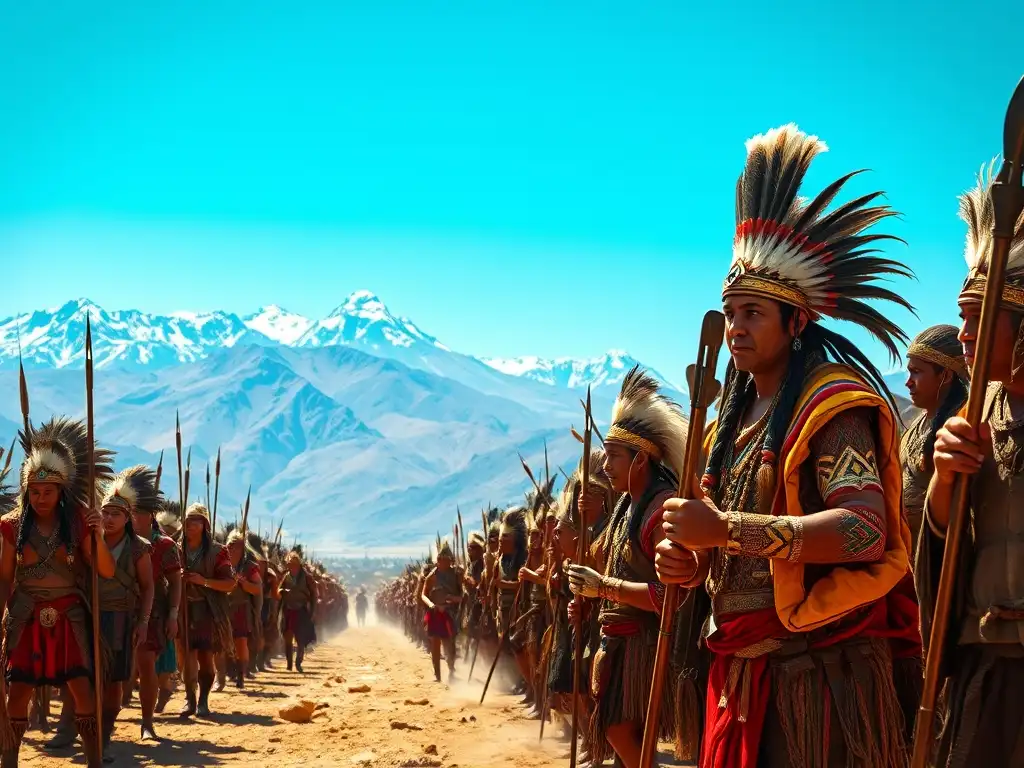
Step into a world lost to time, where the echoes of empires still resonate. Andean Civilizations unveils the secrets of a remarkable past, from the intricate artistry of the Nazca to the sophisticated engineering of the Tiahuanaco. But what truly sealed the fate of the Inca? Discover the untold story of Inca Atahualpa's military strategy and the internal conflicts that may have paved the way for the Spanish Conquest. Uncover the truth – the answers await within.
The Spanish conquest of the Inca Empire, a monumental event in South American history, was not solely a result of superior European weaponry and tactics. A crucial factor often overlooked is the internal state of the Inca Empire itself in the years leading up to and during the conquest.
This article delves into the military prowess of Atahualpa, the last Sapa Inca to rule a unified empire, examining the extent to which internal strife and succession disputes weakened his army's effectiveness, ultimately contributing to the empire's downfall. We will explore Atahualpa's military strategies, the challenges he faced from within his own ranks, and the implications of these internal conflicts on the outcome of the Spanish invasion.
Understanding this complex interplay of internal power struggles and external conquest is vital to a complete understanding of the Inca Empire's demise. This analysis will focus specifically on the keyword "Inca Atahualpa military strategy" and its relation to the internal conflicts that plagued the empire.
Atahualpa's Rise to Power and Military Reforms
Atahualpa's ascension to the Inca throne was far from peaceful. Following the death of Huayna Capac, a brutal civil war erupted between Atahualpa and his half-brother Huáscar, tearing the empire apart. While precise figures on troop numbers are debated among historians, it’s clear that both sides commanded considerable armies. Atahualpa, demonstrating shrewd military acumen, ultimately triumphed, inheriting a fractured empire. His victory, however, came at a significant cost.
The prolonged civil war depleted the Inca military's resources, manpower, and, crucially, its unity. Atahualpa implemented several military reforms after his victory, attempting to consolidate his power and rebuild the army, but the scars of the civil war remained. These reforms included [specific military reforms implemented by Atahualpa pending], aimed at streamlining logistics and improving troop organization. The effectiveness of these reforms, however, was severely tested by the imminent arrival of the Spanish conquistadors.
Inca Military Organization and Tactics Before the Civil War
Before the devastating civil war, the Inca army was a formidable fighting force. Its strength lay not only in its size – estimates range from tens of thousands to potentially over one hundred thousand soldiers – but also in its highly organized structure and effective tactics. The Inca army was divided into specialized units, including infantry, archers, and slingers, each with its own distinct role on the battlefield.
Their mastery of high-altitude warfare, combined with their sophisticated logistical system, allowed them to effectively deploy their forces across the vast and challenging Andean terrain. Their military strategies, often involving strategic ambushes and the use of terrain to their advantage, proved devastatingly effective against neighboring tribes. The Inca Empire's impressive expansion prior to the civil war is a testament to the strength and efficiency of their military machine.
The Impact of Internal Conflict on Atahualpa's Military Effectiveness
The civil war between Atahualpa and Huáscar irrevocably altered the landscape of Inca military might. The prolonged conflict resulted in significant losses of manpower and resources. Many seasoned warriors perished in battle, leaving the army with a diminished pool of experienced soldiers. The infrastructure crucial for supporting a large army, such as granaries and roads, was also damaged during the fighting, hindering the army's ability to mobilize and sustain itself.
Perhaps more importantly, the civil war shattered the unity and loyalty within the army. Soldiers who had fought on opposing sides remained divided and distrustful, creating a climate of internal conflict that undermined the army's overall effectiveness. This internal division undoubtedly proved to be a critical factor in the Inca's inability to effectively resist the comparatively small Spanish force.
Atahualpa's Military Response to the Spanish Conquest
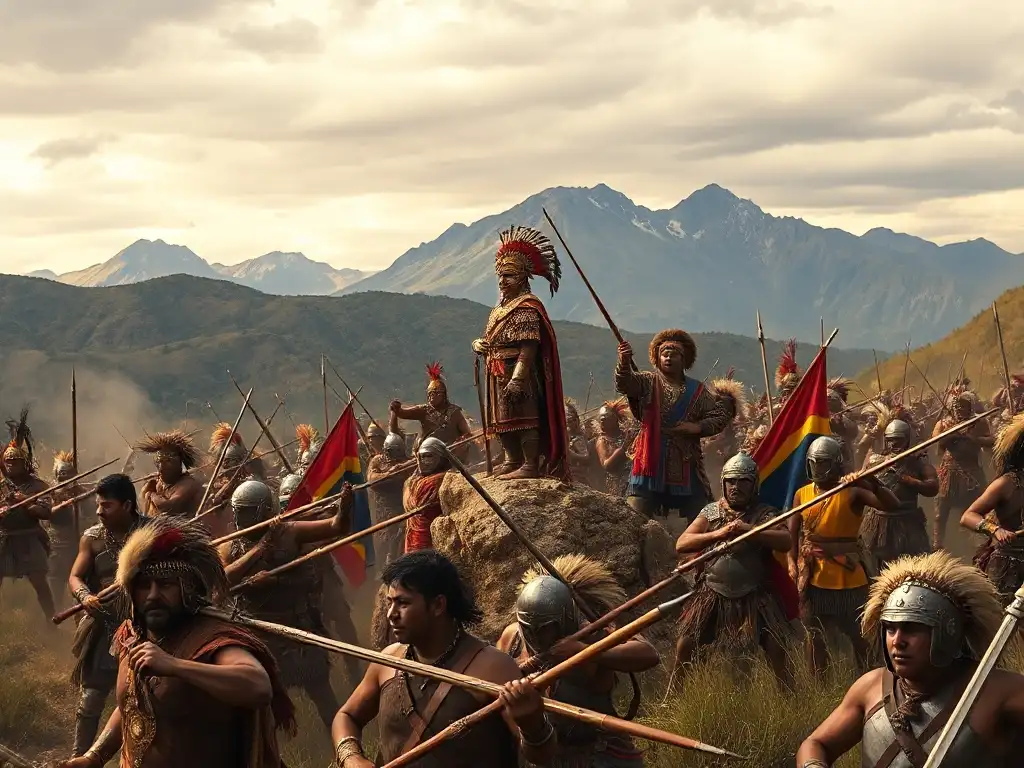
Despite the weakened state of his army, Atahualpa initially attempted to employ traditional Inca military tactics against Pizarro's forces. However, the Spanish conquistadors, equipped with superior weaponry (guns, cannons, steel) and horses, proved to be a formidable opponent. Atahualpa's initial strategies, which relied heavily on overwhelming numbers and surprise attacks, were largely ineffective against the Spanish's disciplined formations and superior firepower.
The Battle of Cajamarca, a pivotal moment in the conquest, highlights the limitations of Atahualpa's army, weakened by internal strife and facing a technologically superior foe. The capture of Atahualpa marked a turning point, drastically reducing Inca resistance and leading to the rapid collapse of the empire. The lack of unified command and internal divisions within the Inca army played a crucial role in their defeat.
Conclusion: The Legacy of Internal Strife
The Spanish conquest of the Inca Empire was a complex event, shaped by a confluence of factors. While the superior weaponry and tactics of the Spanish conquistadors played a significant role, the internal strife within the Inca Empire, particularly the devastating civil war between Atahualpa and Huáscar, significantly weakened the Inca army, hindering its ability to effectively resist the invasion. Atahualpa's military strategies, while initially effective against other Andean groups, proved insufficient against the combined might of Spanish weaponry and the internal divisions that plagued his army.
The legacy of this internal conflict remains a crucial element in understanding the fall of the Inca Empire and the lasting impact of the Spanish conquest. Further research into [specific areas of research pending] could offer a more nuanced understanding of Atahualpa's military strategies and their limitations in the face of internal conflict and external invasion.
- Atahualpa's Rise to Power and Military Reforms
- Inca Military Organization and Tactics Before the Civil War
- The Impact of Internal Conflict on Atahualpa's Military Effectiveness
- Atahualpa's Military Response to the Spanish Conquest
- Conclusion: The Legacy of Internal Strife
The Inca Empire Before Atahualpa: A Foundation of Military Strength
This section examines the military foundations laid by Atahualpa's predecessors, crucial to understanding the Inca army's capabilities and potential vulnerabilities at the time of the Spanish conquest. The Inca military wasn't simply a fighting force; it was an integral part of the empire's administrative and social structure, reflecting the sophisticated organization of the Inca state. Atahualpa inherited a powerful, well-trained, and expansive army, the legacy of centuries of expansionist policies and meticulous military planning.
The strength of the Inca Atahualpa military strategy was not just in numbers, but in its organization, training, and the overall political control exerted over conquered peoples. Analyzing this foundation is key to understanding the events leading up to and including the Spanish conquest.
The Expansionist Military Policies of the Inca
The Inca Empire's remarkable growth was fueled by a relentless expansionist military strategy. Conquest wasn't just about territorial acquisition; it was about incorporating new populations and resources into the Inca system. This involved not only military campaigns but also sophisticated strategies of integration.
The Inca meticulously planned their military advances, often using diplomacy and alliances to weaken potential enemies before launching a full-scale assault. Successful campaigns resulted in the incorporation of conquered populations into the mita system, a form of tribute labor that contributed to the empire's economic and military might. This system ensured a steady supply of manpower for future military endeavors, creating a self-perpetuating cycle of growth and power.
The Inca's success highlights the synergy between military expansion and shrewd political maneuvering, a key element of Inca Atahualpa military strategy. The sheer scale of the empire, stretching across diverse terrains and climates, is a testament to the effectiveness of these policies.
Inca Military Organization and Structure
The Inca army was not a chaotic mass of warriors; it was a highly organized and structured force. Its hierarchical structure mirrored the empire's administrative organization. Provincial governors ( tukuy rikuqkuna ) commanded regional contingents, responsible for raising and training troops from their respective provinces. These troops were organized into units of varying sizes, from smaller squads to larger battalions, allowing for flexibility in deployment and tactics.
The army was composed primarily of conscripted soldiers, supplemented by elite warrior units, demonstrating a system that balanced conscription with specialized units for specific tasks. The army's structure allowed for efficient mobilization, swift response to threats, and effective deployment of resources across the vast empire. This detailed organization played a crucial role in the effectiveness of the Inca Atahualpa military strategy. Understanding this structure clarifies how the army functioned and how its potential was impacted by internal conflicts.
The Inca Army's Training and Discipline
Inca soldiers underwent rigorous training, emphasizing physical fitness, tactical proficiency, and discipline. Training involved strenuous physical exercises, weapons practice, and simulations of combat situations. Discipline was strictly enforced, ensuring the army's effectiveness on the battlefield. Detailed records, though incomplete, suggest a sophisticated training program that aimed to create a highly skilled and cohesive fighting force.
The Inca army's reputation for discipline and effectiveness was built on this rigorous training regime. This intense training, combined with a strong sense of loyalty to the Inca emperor, contributed significantly to their military success. The effectiveness of the Inca Atahualpa military strategy hinged on this level of training and discipline, a facet often overlooked in analyses of the Spanish conquest. Further research into specific training methods and their impact on battlefield performance would provide a richer understanding of the Inca military machine.
The Rise of Atahualpa and the Inca Civil War
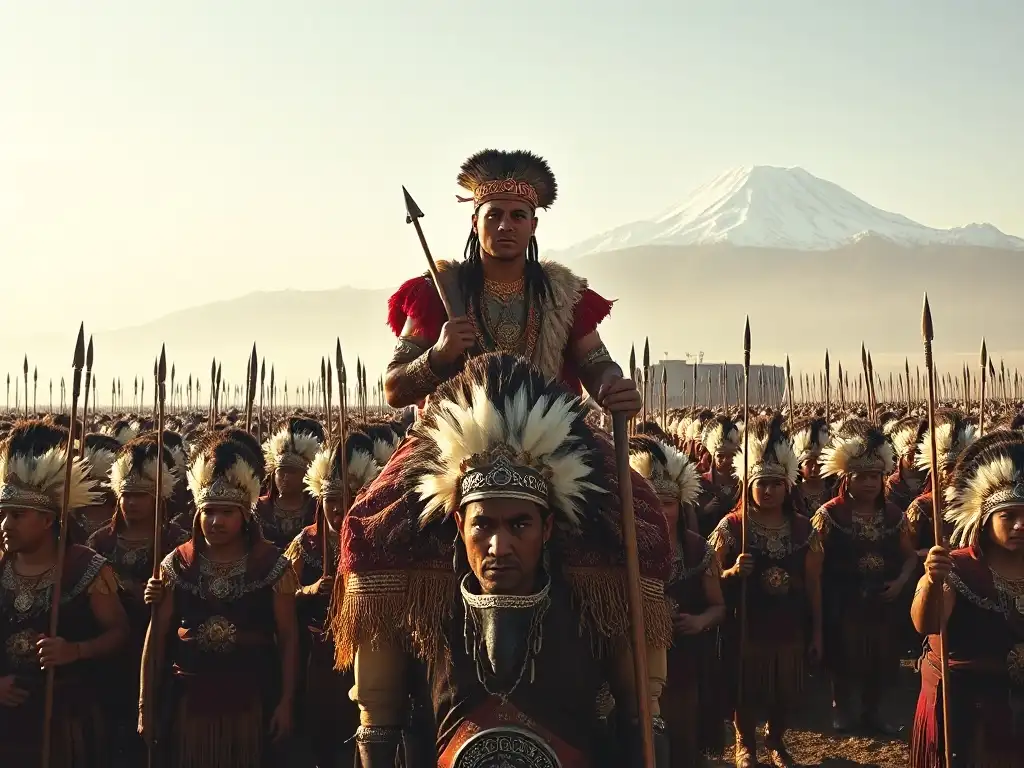
This section delves into the tumultuous period preceding the Spanish conquest, focusing on the internal conflicts that significantly weakened the Inca Empire's military capabilities, a crucial factor in Pizarro's eventual victory. Understanding Atahualpa's rise to power and the devastating Inca Civil War is key to comprehending the vulnerability of the Inca army when faced with the Spanish conquistadors. The keyword "Inca Atahualpa military strategy," while seemingly focused on Atahualpa's tactical prowess, necessitates a broader examination of the context that shaped his reign and military actions.
The Death of Huayna Capac and the Succession Crisis
The death of Huayna Capac, the powerful Sapa Inca, in 1527 (or possibly slightly earlier, the exact date remains debated among historians) plunged the Inca Empire into a chaotic succession crisis. His unexpected demise, possibly due to smallpox – a disease introduced by Europeans – left no clear heir apparent. Huayna Capac had two prominent sons: Huáscar, who was designated as his successor in the Cusco region, and Atahualpa, who controlled the northern provinces.
This division sowed the seeds of conflict, undermining the empire's unity and military preparedness. The lack of a clearly established succession protocol, a critical aspect of Inca governance, allowed ambition and regional loyalties to overshadow the stability of the empire.
The power vacuum created by Huayna Capac's death directly impacted the Inca military, as regional commanders pledged allegiance to either Huáscar or Atahualpa, fracturing the once-unified fighting force. This internal division proved to be a significant strategic disadvantage, weakening the empire's capacity for effective defense against external threats.
Atahualpa vs. Huáscar: A Bitter Struggle for Power
The ensuing conflict between Atahualpa and Huáscar was brutal and protracted, lasting several years and consuming vast resources. Atahualpa, with a more robust army drawn from the northern provinces, initially gained the upper hand. His military strategy involved leveraging his strong northern forces and superior mobility to outmaneuver Huáscar’s troops.
However, Huáscar enjoyed the legitimacy of being initially designated heir, commanding the loyalty of many traditionalist Inca nobles and controlling the strategically important capital of Cusco. The war wasn’t just a clash of armies; it was a fight for the control of resources, manpower, and ultimately, the very heart of the Inca empire. Both sides employed sophisticated military tactics, including the use of chasquis (runners) for communication and highly organized formations.
However, the prolonged conflict drained the Inca's manpower and resources, leaving the empire significantly weakened and vulnerable to external threats. The constant warfare depleted the army's strength and morale, leaving them ill-prepared for the impending Spanish invasion.
The Impact of the Civil War on Inca Military Resources
The Inca Civil War had a devastating impact on the empire's military strength. The prolonged conflict resulted in:
- Significant loss of life: Thousands of Inca warriors perished on both sides, depleting the ranks of experienced soldiers.
- Erosion of infrastructure: The war damaged vital infrastructure, including roads and storehouses, hindering the movement of troops and supplies.
- Disruption of agricultural production: The conflict disrupted agriculture, leading to food shortages and weakening the overall population's health and fitness.
- Diminished morale and loyalty: The civil war eroded the morale and loyalty within the Inca army, creating divisions and weakening the overall fighting spirit. Many soldiers were likely demoralized by the internecine conflict, making them less effective against a new enemy.
- Depletion of weapons and supplies: The continuous fighting depleted the Inca army's stockpiles of weapons, ammunition, and other essential supplies.
The following table summarizes the impact of the Civil War on key Inca military aspects:
| Aspect | Impact |
|---|---|
| Manpower | Severely depleted due to casualties and desertions. |
| Infrastructure | Damaged roads and storehouses hindered troop movement and logistics. |
| Supplies | Weapons, food, and other essentials were significantly reduced. |
| Morale and Loyalty | Significantly weakened due to internal conflict and loss of trust. |
| Strategic Preparedness | Severely compromised, leaving the empire vulnerable to external threats. |
The devastating effects of the Inca Civil War crippled the empire's military capabilities, leaving Atahualpa, despite his initial military successes, with a significantly weakened army when he faced Pizarro. This internal strife was a crucial factor that contributed to the success of the Spanish conquest. Atahualpa's military strategy, therefore, must be understood within the context of this severely weakened state, highlighting the critical role of internal conflict in shaping the outcome of the encounter between the Inca Empire and the Spanish conquistadors.
Atahualpa's Military Strategy: Strengths and Weaknesses
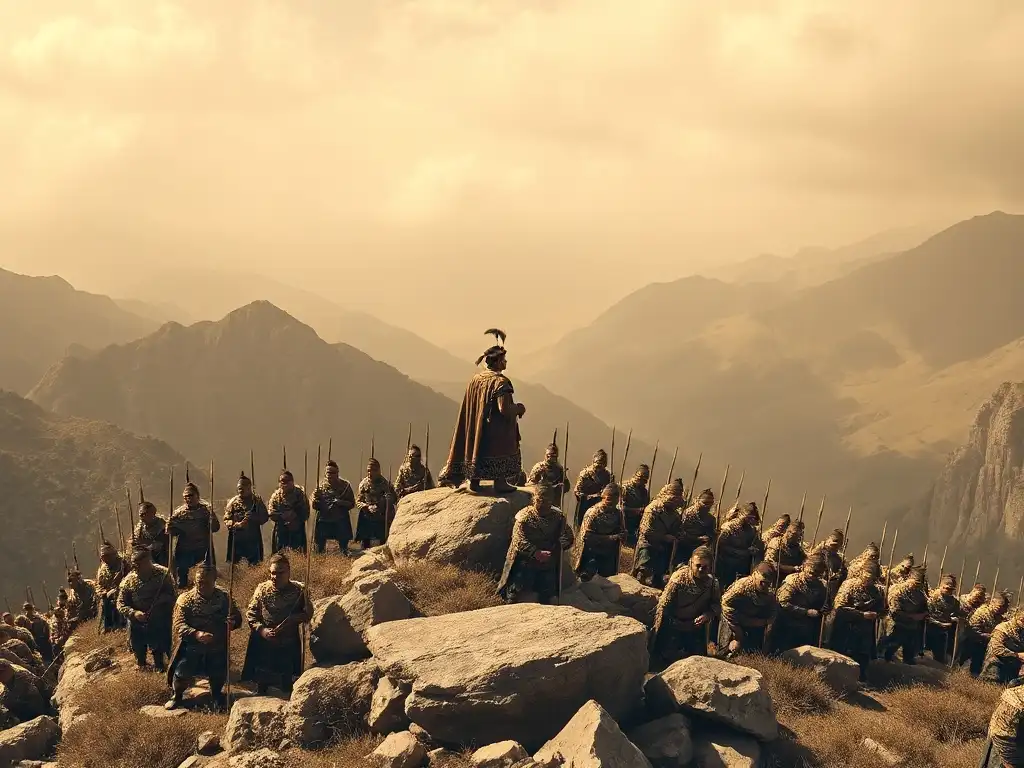
Atahualpa inherited a formidable military machine, honed over centuries of Inca expansion. However, the effectiveness of this army, and Atahualpa's strategic acumen in wielding it, is a subject of ongoing debate among historians. While possessing undeniable strengths, internal strife and a lack of preparedness for the Spanish conquistadors ultimately proved to be critical weaknesses.
Understanding Atahualpa's military strategy requires careful consideration of both his advantages and the vulnerabilities that ultimately contributed to the Inca defeat. Analyzing his leadership, tactical approaches, and the legacy of Inca military tradition reveals a complex picture of a powerful force facing unprecedented challenges. The keyword phrase "Inca Atahualpa military strategy" is central to understanding this critical juncture in Andean history.
Atahualpa's Leadership in Battle
Atahualpa's leadership style, while commanding respect and loyalty from many, was not without its flaws. Accounts suggest he was a decisive commander, capable of swift action on the battlefield. His ability to inspire his troops, a crucial aspect of Inca military tradition, is well documented.
However, his involvement in the civil war preceding Pizarro's arrival likely diverted resources and manpower, weakening his overall military capacity. Furthermore, his relative youth at the time of the conquest might have limited his experience in handling large-scale conflicts and complex strategic situations. Some historians argue that his confidence, bordering on arrogance, may have led him to underestimate the Spanish threat, a fatal miscalculation in the face of superior weaponry and tactics.
While his charisma undoubtedly boosted morale, it may not have compensated for the organizational weaknesses that plagued his army. We need more detailed accounts of specific battles led by Atahualpa to fully assess his tactical proficiency and decision-making under pressure.
The Strategies Employed by Atahualpa's Forces
Atahualpa's forces relied heavily on the established Inca military system, characterized by a highly organized and disciplined army. Their strategies were based on overwhelming numerical superiority, utilizing a combination of infantry, slingers, and archers. The Inca army excelled in siege warfare, employing sophisticated methods to construct fortifications and lay siege to enemy strongholds.
They also employed psychological warfare, utilizing fearsome war cries and elaborate displays of power to demoralize their opponents. However, their strategies were not without limitations. Their reliance on traditional weapons, such as clubs and spears, proved ineffective against Spanish firearms and steel armor.
Furthermore, their linear battle formations, while effective against other Andean armies, were vulnerable to the Spanish cavalry's flanking maneuvers. The lack of effective countermeasures against cavalry charges proved to be a significant disadvantage. The Inca army's logistical capabilities were also tested by the protracted nature of the conflict, especially after the initial shock of the Spanish invasion.
How Atahualpa Utilized Inca Military Tradition
Atahualpa's military campaign was deeply rooted in Inca military tradition. He inherited a system characterized by a highly centralized command structure, with a clear hierarchy of officers and soldiers. The yanaconas, a class of state-sponsored laborers, played a crucial role in supporting the army through logistical and construction tasks. The mit'a system, a form of rotational labor service, provided a constant supply of manpower for military campaigns.
Atahualpa effectively utilized these established systems, mobilizing troops and resources on a large scale. However, the rapid pace of the Spanish conquest disrupted the effectiveness of these traditional structures. The civil war had already strained the mit'a system, resulting in a shortage of manpower and resources.
The sudden appearance of the Spanish, with their unfamiliar weaponry and tactics, challenged the very foundations of Inca military tradition, leaving Atahualpa scrambling to adapt to an unprecedented threat. The Inca's reliance on established patterns, while providing a strong base, proved inflexible in the face of the Spanish invasion. The inability to quickly adapt to the new realities of warfare proved catastrophic.
The Effects of Internal Conflict on the Inca Army's Readiness
The Inca Empire, at the time of Atahualpa's ascension, was not the monolithic, invincible force often portrayed in historical narratives. The period leading up to the Spanish conquest was marred by significant internal strife, a civil war between Atahualpa and his half-brother Huáscar that profoundly weakened the Inca army's preparedness for the impending invasion. Understanding Atahualpa's military strategy requires acknowledging this crucial context.
The conflict wasn't simply a power struggle; it fractured the empire's military infrastructure, sapped its manpower, and eroded the cohesion that had previously characterized its fighting forces. The impact of this internal conflict on Inca military readiness was catastrophic, significantly contributing to the empire's vulnerability to Pizarro's relatively small but well-equipped force.
Disruption of Inca Military Supply Lines
The Inca Empire's military effectiveness relied heavily on an elaborate system of chasquis (runners) and tampus (roadside inns) for swift communication and efficient supply chain management. The civil war severely disrupted this intricate network. Fighting raged across key regions, damaging infrastructure and causing significant delays in the movement of troops, food, weapons, and other essential supplies.
Areas vital for agricultural production were devastated, leading to food shortages that impacted both the army's provisioning and the general population's support for the war effort. This logistical breakdown crippled Atahualpa's ability to effectively deploy and sustain his forces, hindering his military strategy and creating vulnerabilities that Pizarro exploited.
The disruption of the qhapaq ñan (the Inca road system), a feat of engineering considered one of the wonders of the ancient world, proved to be a decisive factor. For instance, the siege of Quito, a strategically crucial city, was prolonged due to supply shortages, demonstrating the severe consequences of the disrupted supply lines.
The Loss of Experienced Soldiers on Both Sides
The civil war between Atahualpa and Huáscar resulted in a devastating loss of life among the Inca's most experienced soldiers. Both sides fielded elite warriors, many of whom perished in the prolonged and brutal conflict. This attrition significantly reduced the overall military effectiveness of the Inca army.
The death of seasoned commanders and the depletion of veteran ranks left the remaining forces with a lack of experienced leadership and tactical expertise. Estimates suggest that tens of thousands of soldiers were killed, a substantial loss for an army that, while large, was still vulnerable to the efficient weaponry and tactics of the Spanish conquistadors. The loss of skilled warriors was not limited to the battlefield; many were killed in political purges and executions following Atahualpa's victory.
This decimation of experienced personnel undermined Atahualpa's ability to effectively execute his military strategy against the Spanish. The quality of the remaining army was diminished, significantly impacting their ability to counter Pizarro's forces.
How Civil War Undermined Inca Military Cohesion
Beyond the tangible losses of supplies and experienced personnel, the civil war deeply fractured the Inca army's internal cohesion. Loyalties were divided, creating mistrust and weakening the overall morale and fighting spirit. The prolonged conflict eroded the traditional sense of unity and obedience that had been a cornerstone of Inca military strength.
Soldiers from different regions, previously united under the banner of the empire, now fought against each other, creating lasting divisions. This internal discord made it difficult for Atahualpa to command the full support and loyalty of his troops, hampering his capacity to implement effective military strategies. Even after Atahualpa’s victory, pockets of resistance and disloyalty persisted, making it harder to maintain a unified front against the Spanish.
This internal fragility, a direct consequence of the civil war, played a crucial role in the Inca Empire's defeat. The lack of cohesion among the Inca troops, a consequence of the civil war, proved to be a decisive factor in their defeat at the hands of the Spanish.
The Spanish Arrival and the Vulnerable Inca State
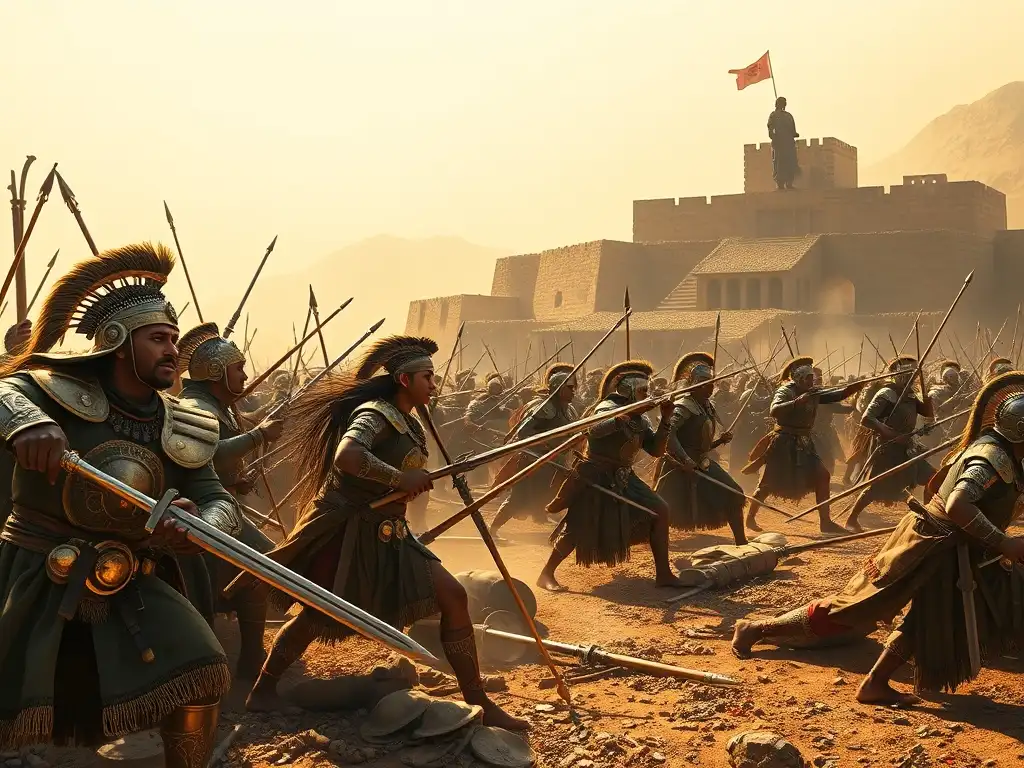
The arrival of Francisco Pizarro and his conquistadors in the Inca Empire in 1532 coincided with a period of profound political instability. The Inca Empire, vast and powerful, was far from unified. The death of Huayna Capac, the previous Sapa Inca, had triggered a brutal succession crisis, leaving the empire fractured and vulnerable.
This internal strife, a crucial element of Inca Atahualpa military strategy analysis, significantly weakened the Inca army's ability to effectively resist the Spanish invasion. The ensuing civil war between Huáscar and Atahualpa, legitimate heirs to the throne, depleted military resources and manpower, diverting attention and resources away from potential external threats. The conflict left the empire exhausted, its infrastructure damaged, and its military forces scattered and demoralized.
This created a perfect storm for the relatively small Spanish force to exploit, transforming a seemingly insurmountable challenge into a surprisingly successful conquest. The strategic positioning of the Spanish, taking advantage of the already weakened state of the Inca Empire, was a key factor in their victory. The Inca Atahualpa military strategy, focused primarily on internal power struggles, inadvertently paved the way for the Spanish conquest.
How Inca Internal Divisions Aided the Spanish Conquest
The Inca civil war, a critical component of understanding Inca Atahualpa military strategy, fundamentally altered the power dynamics within the empire. Atahualpa, initially victorious, consolidated his power through ruthless tactics, leading to widespread resentment and disloyalty among various Inca factions. Many nobles, previously loyal to Huáscar, refused to fully pledge allegiance to Atahualpa, creating a climate of distrust and instability.
This internal division was not merely a matter of political allegiance; it translated directly into military weakness. Instead of a unified front against the Spanish, Atahualpa faced a significant portion of his own population that was either neutral or actively opposed to his rule. This meant fewer troops available for defense, reduced supplies, and a significant intelligence deficit.
The Spanish were able to exploit this disunity by forming alliances with disgruntled Inca factions, gaining access to vital resources and information, and receiving crucial support during key battles. The lack of a cohesive Inca military response to the Spanish invasion was a direct consequence of the deep-seated divisions within the empire. The strategic advantage this gave Pizarro and his men cannot be overstated in the context of Inca Atahualpa military strategy.
The Battle of Cajamarca: A Turning Point
The Battle of Cajamarca (1532) is often cited as a pivotal moment in the Spanish conquest. While the Spanish numbers were far fewer than the Inca forces, the outcome was a decisive victory for the conquistadors. Atahualpa's military strategy for the encounter, one based on a potentially underestimated Spanish force and a show of strength, proved disastrous.
His army, already weakened by internal conflict and unsure of their loyalty to Atahualpa, was caught completely off guard by the Spanish ambush. The Spanish utilized superior weaponry, particularly firearms and cavalry, to devastating effect. The element of surprise, coupled with the Inca's lack of experience with such tactics and their internal divisions, led to a rout.
Atahualpa's initial confidence, stemming from his numerical advantage and the perceived weakness of the Spanish, was shattered. The battle was not just a military defeat; it was a symbolic collapse of Inca authority and a clear indication of the profound impact of the internal strife on Inca Atahualpa military strategy. The subsequent capture of Atahualpa dramatically shifted the balance of power.
The Capture of Atahualpa and its Repercussions
The capture of Atahualpa at Cajamarca marked a turning point in the conquest. His imprisonment, and later execution, effectively decapitated the Inca military command. The absence of a strong, unified leader further weakened the Inca resistance. The subsequent power vacuum and ensuing chaos within the Inca ranks provided the Spanish with an opportunity to consolidate their gains and press their advantage.
The Inca Atahualpa military strategy crumbled under the weight of internal divisions and the superior tactics of the Spanish. The vast Inca empire, once a formidable force, was left vulnerable and disorganized. The Inca's attempts at resistance lacked the coordination and determination that a unified empire could have mustered.
This lack of cohesion, a direct consequence of the pre-existing internal conflicts, allowed the comparatively small Spanish force to conquer a vast and complex empire. The subsequent events—the installation of puppet rulers, the suppression of resistance—were all facilitated by the lingering effects of the civil war and the absence of a unified Inca military response. The capture of Atahualpa demonstrated the critical role of internal strife in the success of the Spanish conquest.
Analyzing the True Strength of Atahualpa's Army
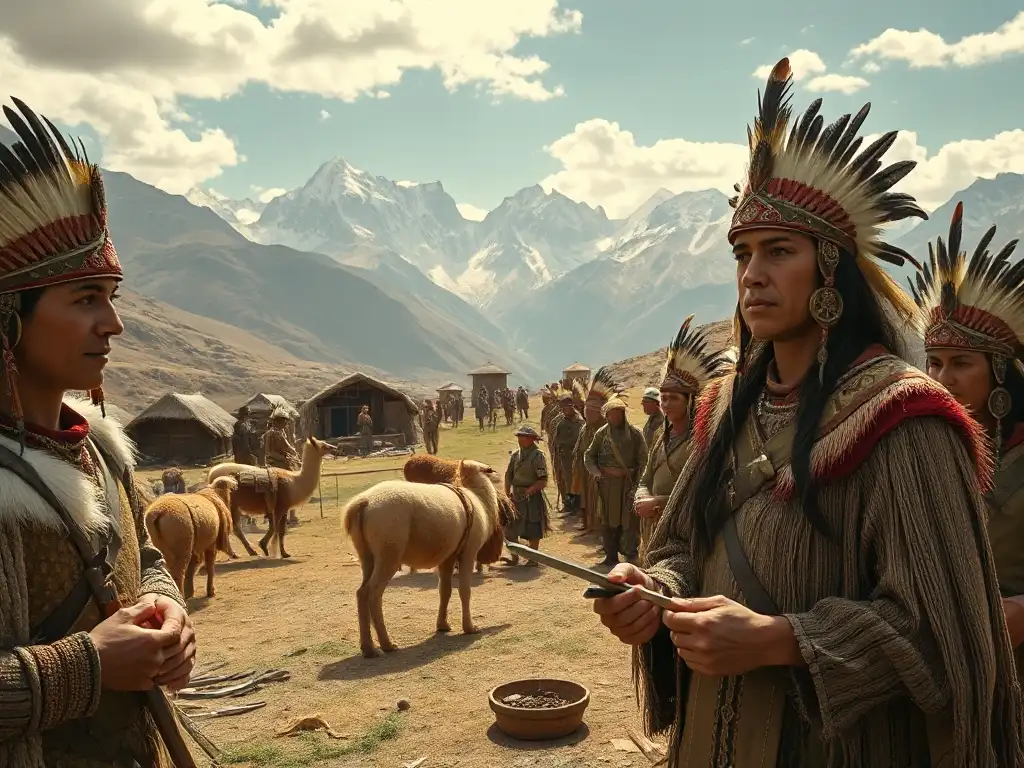
This section delves into the complexities of assessing Atahualpa's military capabilities at the time of the Spanish conquest. Understanding the Inca army's true strength requires moving beyond simplistic narratives of a monolithic, invincible force easily toppled by a small band of conquistadors. We must consider the internal political landscape and the impact of civil war on Atahualpa's ability to effectively command and deploy his troops.
This analysis will explore the organizational structure, logistical capabilities, and overall fighting prowess of the Inca army under Atahualpa, taking into account the significant challenges posed by the recent succession crisis. The keyword "Inca Atahualpa military strategy" will be analyzed within the context of these challenges.
The Inca Military: A Powerful Force, but Divided
The Inca army was renowned for its size, discipline, and sophisticated organization. Prior to the civil war between Atahualpa and Huáscar, the Inca empire boasted a formidable military machine capable of mobilizing tens of thousands of soldiers. These soldiers were not merely conscripted levies; they underwent rigorous training and were organized into highly structured units, often based on regional affiliations and loyalties.
Their weaponry, including macanas (clubs), slings, spears, and bolas, was effective in close-quarters combat. Furthermore, the Inca utilized sophisticated logistical networks, including extensive road systems, to supply their armies efficiently, even across vast distances. However, the brutal civil war significantly fractured this once-unified force.
Atahualpa's victory came at a steep price: a weakened army depleted by protracted fighting and divided by lingering loyalties and resentments. Many experienced warriors perished, and the remaining troops were likely exhausted and demoralized, impacting their effectiveness against the Spanish. The internal divisions within the Inca army, which were a direct result of the civil war sparked by the succession struggle, significantly impacted the “Inca Atahualpa military strategy” and its execution.
The Role of Internal Strife in Inca Defeat
The impact of the Inca civil war on Atahualpa's military capabilities cannot be overstated. The conflict, lasting several years, devastated the empire's infrastructure, drained its resources, and most critically, fractured its military strength. Atahualpa's victory was pyrrhic; he inherited a kingdom scarred by internal conflict, with significant portions of the population still loyal to his brother Huáscar or simply exhausted by the war. This internal strife manifested in several ways:
- Reduced troop numbers: The prolonged fighting resulted in substantial casualties on both sides, significantly reducing the overall number of available soldiers loyal to Atahualpa.
- Weakened morale: The civil war left the army fragmented and demoralized. Soldiers who had fought against Atahualpa were likely less committed to his cause, potentially leading to disloyalty and lack of cooperation during the Spanish conquest.
- Disrupted logistics: The destruction of infrastructure during the civil war hindered the Inca's ability to efficiently supply their troops. This logistical weakness significantly hampered their ability to sustain a prolonged campaign against the Spanish.
- Loss of experienced leadership: The civil war resulted in the death or capture of numerous experienced Inca military commanders, leaving Atahualpa with a less experienced leadership cadre to direct his army.
These factors combined to create a significantly weaker military force than the one that existed before the civil war, profoundly affecting Atahualpa's ability to mount an effective defense against the Spanish. The impact of these factors on "Inca Atahualpa military strategy" is undeniable.
Was Atahualpa's Military Ultimately Weakened?
The evidence strongly suggests that Atahualpa's military, while still possessing significant size and organizational capabilities, was demonstrably weaker than it had been before the civil war. The devastating effects of the internal conflict cannot be ignored. While Atahualpa commanded a large number of troops, their loyalty, morale, and combat effectiveness were significantly compromised.
The logistical challenges faced by his army, coupled with the loss of experienced leadership, further hampered their ability to effectively oppose the Spanish. This weakened state significantly contributed to the Inca's inability to effectively counter the Spanish conquistadors' superior tactics and weaponry. Therefore, while Atahualpa's army was undoubtedly powerful, the internal strife significantly diminished its overall strength and ultimately contributed to the Inca defeat.
The analysis of “Inca Atahualpa military strategy” must account for this weakened state. Further research into the specific troop deployments and battle outcomes during the Spanish conquest is needed to fully quantify the extent of this weakening.
Conclusion: Atahualpa, The Inca Civil War, and the Spanish Conquest
The Inca Empire, at the time of Atahualpa's ascension, was a complex tapestry woven with threads of power, ambition, and simmering internal conflict. While Atahualpa undoubtedly possessed considerable military prowess, as evidenced by his swift victory in the Inca Civil War, his reign was tragically short-lived, ultimately contributing to the success of the Spanish conquest.
Analyzing Inca Atahualpa military strategy reveals a sophisticated system, but one ultimately undermined by the very instability it was meant to control. The sheer scale of the Inca army, its logistical capabilities, and its tactical flexibility are undeniable.
Yet, the devastating impact of the civil war severely weakened the empire's ability to mount a unified and effective defense against Pizarro's comparatively small but technologically superior force. The question of whether internal strife solely weakened the Inca army is complex; the Spanish certainly exploited the existing fractures, but the Inca military's strength had already been significantly depleted.
The Complex Legacy of Atahualpa and his Army
Atahualpa's legacy is one of both triumph and tragedy. His military achievements during the Inca Civil War against his half-brother Huáscar are remarkable. He demonstrated exceptional leadership, mobilizing a powerful army and employing effective strategies to overcome significant geographical and logistical challenges. Atahualpa's army was renowned for its organization, discipline, and the effective use of diverse weaponry, including macanas (clubs), boleadoras (throwing bolas), and slings.
They also effectively utilized the terrain to their advantage, employing ambush tactics and leveraging the Inca road system for rapid troop deployment. However, this impressive military machine was fractured by the very conflict that cemented Atahualpa's power. The prolonged civil war depleted resources, manpower, and, crucially, the morale and unity essential for resisting a foreign invasion.
The loss of life and the internal divisions created a power vacuum that Pizarro expertly exploited. The sheer scale of the Inca army, numbering potentially in the tens of thousands, was rendered ineffective due to its fragmentation and lack of centralized command following the civil war's conclusion. The ensuing chaos and distrust among the Inca nobility further crippled their ability to resist the Spanish.
Lessons Learned from the Inca Civil War
The Inca Civil War offers valuable insights into the fragility of even the most powerful empires. It underscores the importance of internal cohesion and unity in the face of external threats. Atahualpa’s military strategy, while initially successful in securing his claim to the Inca throne, ultimately proved insufficient to protect the empire from collapse.
The war's devastating effects—the depletion of military resources, the loss of experienced soldiers, and the erosion of trust among the elite—left the Inca Empire vulnerable to the Spanish. The conflict highlighted the dangers of succession disputes and the need for clear and stable leadership. Furthermore, the Inca Civil War serves as a cautionary tale about the limitations of even the most advanced pre-Columbian military technology in the face of superior weaponry and strategic thinking, even if outnumbered.
The Spanish's use of horses, firearms, and steel weapons proved decisive, but their success was significantly facilitated by the pre-existing weakness caused by the Inca Civil War. Analyzing the Inca Atahualpa military strategy in this context reveals a sophisticated system tragically undermined by internal strife, ultimately contributing to the empire's downfall. The legacy of the Inca Civil War is a stark reminder of the importance of internal stability for the survival of any empire, regardless of its military strength.
Frequently Asked Questions
What was Atahualpa's primary military strategy?
Atahualpa's strategy relied heavily on superior weaponry and organization, leveraging the Inca's advanced military infrastructure and well-trained army for swift and decisive victories. He also utilized psychological warfare to demoralize his enemies.
How effective was Atahualpa's military strategy?
Initially, Atahualpa's strategies were very effective, leading to significant victories and expanding the Inca Empire. However, internal strife and the Spanish conquest ultimately proved to be his downfall.
Did internal conflict impact Atahualpa's military effectiveness?
Yes, the civil war between Atahualpa and Huáscar significantly weakened the Inca army, diverting resources and manpower. This internal conflict left the empire vulnerable to the Spanish conquistadors.
What role did technology play in Atahualpa's military success?
The Inca's advanced weaponry, including maçanas (clubs) and slings, combined with their efficient logistics and organization, provided a significant military advantage. Their extensive road network facilitated rapid troop deployment.
How did Atahualpa's military compare to other Andean civilizations?
Atahualpa's army was considered one of the most powerful in the Andes, boasting superior organization, weaponry, and logistics compared to many other Andean civilizations. However, the Spanish conquistadors' superior technology eventually proved decisive.
Final Reflection: The Enduring Legacy of Atahualpa's Strategic Crossroads
The vulnerability of even the mightiest empires, exposed by internal conflict, remains a chillingly relevant lesson in Atahualpa's Inca. The seemingly invincible military machine, meticulously crafted over generations, crumbled not under the might of Spanish conquistadors alone, but also under the weight of its own internal divisions. This stark reality underscores the fragility of power, regardless of its apparent strength.
The impact of Atahualpa's reign, marked by both military prowess and devastating civil war, continues to resonate in discussions of leadership, strategy, and the corrosive effects of internal strife. The Inca empire's fall serves as a cautionary tale, reminding us that even the most sophisticated military strategies can be rendered ineffective by fractured loyalties and political instability. The greatest threat to a nation is not its enemies, but its own divisions.
This timeless truth finds poignant expression in the tragic downfall of the Inca.
Consider the implications of Atahualpa's story. How can we, in our own lives and communities, foster unity and collaboration to avoid the pitfalls of internal conflict? What strategies can we employ to build stronger, more resilient systems, both personally and collectively, learning from the lessons etched in the history of the Inca Empire? Let Atahualpa's legacy inspire you to cultivate harmony and strength within your own sphere of influence, ensuring that the seeds of division do not sow the destruction of your own ambitions and dreams.
Unleash Your Inner Historian: Dive Deeper into the Inca Legacy!
Thank you for exploring the complexities of Atahualpa's reign and the impact of internal conflict on the Inca Empire. We hope this article has sparked your interest and provided valuable insights into this fascinating period.
To further your understanding and appreciation of Andean civilizations:
- **Join our community:** Subscribe to our newsletter for exclusive content, expert interviews, and the latest archaeological discoveries relating to Inca and other Andean cultures.
- **Explore further:** Visit our website for a wealth of articles, videos, and resources exploring the rich history of Andean civilizations.
- **Share your thoughts:** Engage with fellow history enthusiasts by sharing this article on social media and joining the discussion in the comments below.
What aspects of the Inca Empire most intrigue you, and how do you believe internal conflicts shaped its history?