
Pizarro's Allies: The Indigenous Factions That Fueled the Spanish Advance

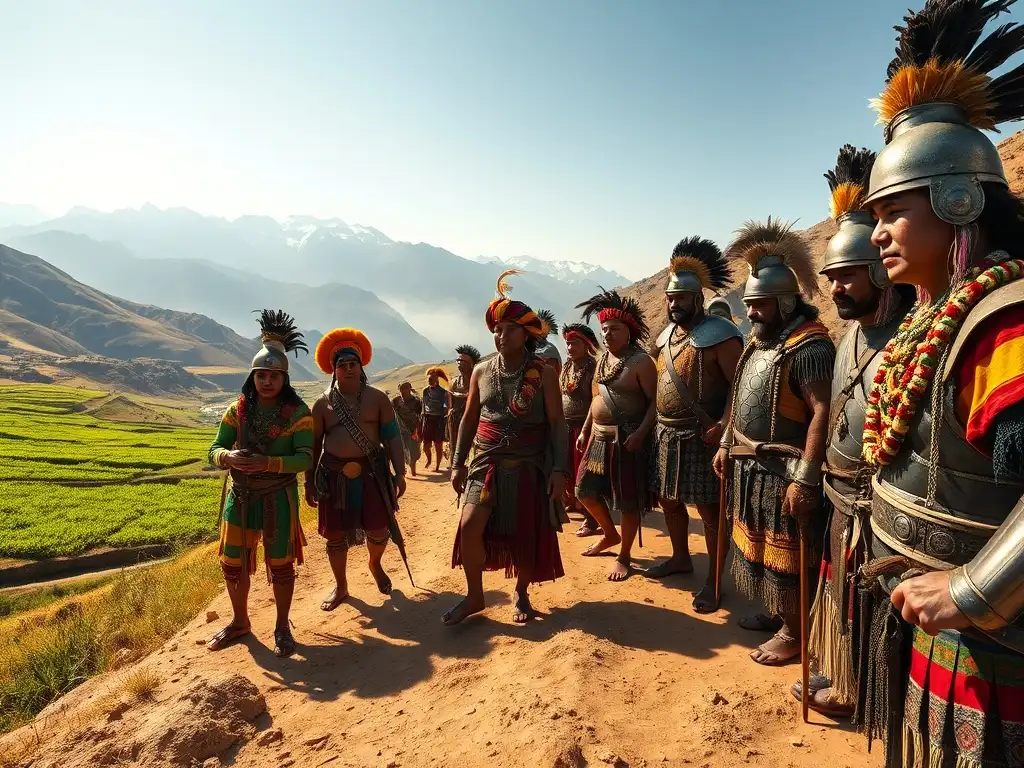
Unravel the mysteries of the Andes! For centuries, these majestic mountains held the secrets of powerful civilizations. But the Spanish conquest wasn't a simple story of invaders versus the Incas. Discover the shocking truth about Indigenous allies who played a pivotal role in Pizarro's triumph. Explore the complex web of alliances and betrayals that shaped the fate of empires in our in-depth analysis of "Pizarro's Allies: The Indigenous Factions That Fueled the Spanish Advance"—a story that will challenge everything you thought you knew.
-
Pizarro's Allies: Indigenous Factions That Fueled the Spanish Advance
- The Complex Landscape of Pre-Columbian Andean Politics
- The Rise of the Inca Empire and Its Internal Divisions
- The Role of Indigenous Groups in the Spanish Conquest
- Understanding the Motivations of Indigenous Allies
- The Impact of Indigenous Collaboration on the Conquest
- The Long-Term Consequences of Indigenous Alliances
- The Siege of Cusco: Indigenous Involvement
- The Indigenous Allies: Key Factors in the Spanish Victory
- The Significance of Pizarro's Indigenous Allies in the History of the Andes
- Conclusion: A Nuanced Understanding of the Spanish Conquest
-
Frequently Asked Questions
- What role did indigenous allies play in the Spanish conquest of the Andes?
- Which indigenous groups allied with the Spanish conquistadors?
- What were the motivations behind indigenous alliances with the Spanish?
- How did these alliances impact the outcome of the conquest?
- What is the lasting impact of these indigenous alliances on Andean societies?
- Final Reflection: The Enduring Legacy of Indigenous Agency in Conquest
- Unveil the Complexities of History Together!
Pizarro's Allies: Indigenous Factions That Fueled the Spanish Advance
The Spanish conquest of the Inca Empire, a pivotal moment in Andean history, was not solely a tale of Spanish military might. It was a complex tapestry woven with threads of internal conflict, strategic alliances, and the exploitation of pre-existing tensions among indigenous populations. This article delves into the crucial role played by various indigenous factions who, for a variety of reasons, allied with the Spanish conquistadors, significantly contributing to the downfall of the Inca Empire.
We will explore the political landscape of pre-Columbian Andes, the internal weaknesses of the Inca Empire, and the critical impact of the Inca Civil War, ultimately demonstrating how these factors facilitated Pizarro's astonishingly rapid conquest. Understanding these indigenous alliances is crucial to grasping the full complexity and nuance of this transformative historical event. The seemingly insurmountable Inca Empire crumbled not just under the weight of Spanish weaponry, but also because of the fractures within its own society, skillfully manipulated by Francisco Pizarro and his men.
This article will shed light on the key indigenous groups whose alliances proved instrumental in shaping the course of the conquest. The keyword "Indigenous allies Spanish conquest" will be explored throughout this analysis.
The Complex Landscape of Pre-Columbian Andean Politics
The Andes before the arrival of the Spanish were far from a unified entity. A diverse array of cultures and kingdoms, each with its own complex social structures, political systems, and rivalries, existed across the vast mountainous terrain. The Inca Empire, while powerful, had only recently achieved dominance, leaving many conquered peoples with resentment and a desire for independence.
This fragmented political landscape provided fertile ground for the Spanish to sow discord and exploit existing tensions. Pizarro shrewdly understood this dynamic, leveraging pre-existing rivalries to gain support and bolster his relatively small army. Many indigenous groups, weary of Inca rule or seeking an advantage over their neighbors, saw an opportunity to improve their position by allying with the seemingly unstoppable Spanish force.
This wasn't simply opportunistic behavior; it was a calculated response to a complex political reality, reflecting the strategic maneuvering and power dynamics of the time. The presence of numerous, distinct linguistic groups and differing cultural practices further complicated the political scene. The Spanish effectively exploited these cultural and linguistic divides, fostering alliances based on shared grievances and promises of future benefits.
The Rise of the Inca Empire and Its Internal Divisions
The Inca Empire, at its zenith, controlled a vast territory stretching along the Andes Mountains. However, its rapid expansion, achieved through military conquest, created inherent instability. The Inca system of governance, while effective in controlling a massive empire, relied heavily on a centralized authority and a complex system of tribute and labor.
This system, while successful in maintaining order, also bred resentment among conquered populations. The Inca's use of forced labor ( mita ) and the imposition of their culture and language on conquered peoples generated widespread discontent. This internal dissent was a crucial weakness that Pizarro and his allies skillfully exploited.
Furthermore, the Inca Empire lacked a robust system of succession, leading to frequent power struggles and internal conflicts. This inherent vulnerability, coupled with the resentment among conquered populations, provided the perfect conditions for the Spanish to intervene and exploit the situation to their advantage. The Inca's sophisticated infrastructure, while impressive, was also vulnerable to disruptions caused by internal conflicts and the subsequent withdrawal of labor and resources.
The Inca Civil War: A Catalyst for Spanish Intervention
The Inca Civil War, erupting after the death of Huayna Capac, proved to be a catastrophic turning point. The struggle between Huáscar and Atahualpa, the two rival claimants to the Inca throne, plunged the empire into chaos. This internecine conflict severely weakened the Inca military and administration, leaving the empire vulnerable to external threats. Pizarro, with his relatively small force, arrived at the perfect moment, skillfully exploiting the ongoing conflict.
He strategically allied with one side, gaining crucial support and access to resources, while simultaneously weakening the Inca's ability to resist the Spanish advance. The civil war effectively shattered the unity and strength of the Inca Empire, paving the way for Pizarro's conquest. The availability of Inca soldiers and resources to the Spanish, due to the ongoing conflict, dramatically shifted the power balance.
The civil war wasn't simply a backdrop to the conquest; it was a fundamental factor that enabled its success. This internal conflict, coupled with the strategic alliances forged by Pizarro, ultimately resulted in the astonishingly rapid collapse of the Inca Empire. The impact of this civil war remains a critical aspect of understanding the Spanish conquest.
The Role of Indigenous Groups in the Spanish Conquest
The Spanish conquest of the Inca Empire wasn't solely a military endeavor; it was a complex tapestry woven with threads of strategic alliances and opportunistic partnerships. Indigenous groups, long subjugated under Inca rule or embroiled in inter-tribal conflicts, played a crucial role in facilitating Pizarro's advance. Their participation, driven by a variety of motivations, significantly altered the balance of power and ultimately determined the fate of the Inca Empire.
These alliances weren't simply acts of collaboration; they were intricate political maneuvers, shaped by centuries of regional rivalries and simmering resentments against Inca dominance. Understanding the dynamics of these alliances is key to comprehending the complexities of the conquest.
The sheer scale of the Inca empire, stretching across vast territories and encompassing diverse ethnic groups, meant that resistance to Inca rule wasn't monolithic. Many groups saw the arrival of the Spanish not as an invasion, but as an opportunity to overthrow their oppressors and potentially gain a position of power within a new order.
The Cañaris: Loyal Supporters of the Spanish Crown
The Cañari, a powerful pre-Inca civilization inhabiting the southern highlands of Ecuador, offered unwavering support to the Spanish. Their fierce resistance to Inca subjugation had lasted for decades, marked by continuous uprisings and guerrilla warfare. The Cañari saw the Spanish conquistadors as potential liberators and allies in their long-standing struggle against Inca domination. Their intimate knowledge of the Andean terrain, coupled with their formidable fighting skills, proved invaluable to Pizarro's forces.
They provided crucial logistical support, including guides, provisions, and intelligence on Inca troop movements. The Cañari's loyalty extended beyond providing military assistance; they actively participated in battles, significantly contributing to several key Spanish victories. Their contributions were instrumental in the Spanish conquest of the region, solidifying their position as one of Pizarro's most reliable indigenous allies. The Spanish, in turn, rewarded their loyalty with preferential treatment and recognition within the newly established colonial administration.
The Chachapoyas: Seeking Revenge Against Inca Rule
The Chachapoyas, inhabiting the cloud forests of northern Peru, harbored deep-seated resentment towards Inca rule. Their relative isolation in the mountainous terrain had partially shielded them from complete Inca subjugation, yet they still suffered under Inca policies and tribute demands. The arrival of the Spanish presented an opportunity for revenge and liberation. The Chachapoyas actively joined Pizarro's forces, providing crucial support in the form of manpower and logistical assistance.
Their knowledge of the challenging mountain passes and dense forests was vital in navigating the difficult terrain, aiding the Spanish in their military campaigns. Their motivation was primarily fueled by a desire to settle scores against the Inca, with the Spanish conquest viewed as a means to achieve this goal. The Chachapoyas' participation highlights the complex interplay of local grievances and opportunistic alliances that characterized the Spanish conquest.
The Huancas: Strategic Alliance Against Inca Dominance
The Huanca, a significant ethnic group inhabiting the central Andes, forged a strategic alliance with Pizarro, primarily driven by their desire to break free from Inca control. The Huancas had a long history of conflict with the Inca, resisting their attempts at subjugation. Their alliance with the Spanish wasn't simply based on shared animosity towards the Inca; it was a calculated political move aimed at securing their own autonomy and potentially gaining a more advantageous position within the emerging colonial order.
The Huancas' military contributions, including soldiers and logistical support, played a significant role in several key battles. This strategic alliance underscores the importance of indigenous political calculations and the complex motivations behind their participation in the Spanish conquest. The Huanca case exemplifies how indigenous groups strategically aligned themselves with the Spanish, not out of blind loyalty, but as a means to achieve their own political objectives.
Understanding the Motivations of Indigenous Allies
The diverse motivations of indigenous groups who allied with the Spanish highlight the complexities of the conquest. It wasn't a uniform alliance based on shared values or ideologies; rather, it was a confluence of individual and collective aspirations, shaped by centuries of inter-tribal rivalries and the desire for liberation from Inca oppression.
Seeking Freedom from Inca Oppression
For many indigenous groups, the Spanish conquest represented an opportunity to escape the harsh realities of Inca rule. Centuries of Inca expansion had resulted in the subjugation of numerous ethnic groups, often leading to heavy taxation, forced labor, and cultural suppression. The Inca system, while sophisticated, was often oppressive to those on the periphery of the empire.
The promise of freedom from this oppression served as a powerful incentive for many groups to side with the Spanish, viewing them as liberators from Inca tyranny. This is evident in the enthusiastic support offered by groups like the Cañaris and the Chachapoyas, who had long resisted Inca domination.
Exploiting Political Instability for Personal Gain
The arrival of the Spanish created a power vacuum, leading to political instability and uncertainty. Ambitious indigenous leaders saw this as an opportunity to advance their own political agendas and gain power within the emerging colonial order. By allying with the Spanish, these leaders could potentially secure a position of influence and authority, surpassing their previous status under Inca rule. This pragmatic approach underscores the complex political calculations at play during the conquest, where self-interest and ambition played a significant role in shaping alliances.
Promises of Power and Recognition by the Spanish
The Spanish conquistadors, aware of the strategic value of indigenous alliances, made promises of power and recognition to those who supported them. These promises, often vague and ultimately unfulfilled, served as an effective tool in securing indigenous cooperation. The lure of political power and social status within the new colonial hierarchy was a significant motivating factor for many indigenous leaders and groups.
This demonstrates the manipulative tactics employed by the Spanish, who exploited internal divisions and individual ambitions to further their own conquest. The manipulation of these promises further complicates the narrative of the conquest, highlighting the unequal power dynamics at play.
The Impact of Indigenous Collaboration on the Conquest
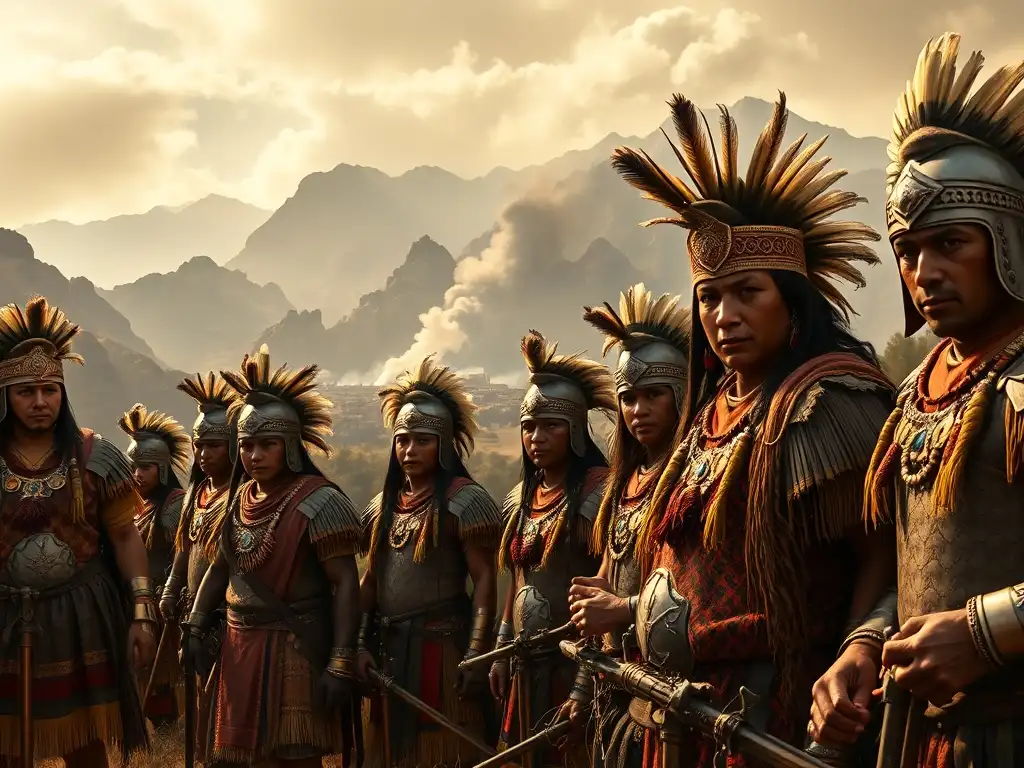
The Spanish conquest of the Inca Empire was not solely a military achievement; it was significantly facilitated by the strategic alliances forged by Francisco Pizarro with various indigenous factions. These alliances provided Pizarro with crucial advantages, transforming what could have been a protracted and uncertain campaign into a relatively swift and decisive victory. The sheer scale of the Inca Empire, its internal divisions, and the resentment harbored by subjugated groups all played into the hands of the Spanish conquistadors.
Without the substantial support of these indigenous allies, the outcome of the conquest might have been drastically different. The scale of the Spanish force was comparatively small, and their success hinged on exploiting existing tensions and leveraging indigenous manpower and knowledge. This collaboration profoundly altered the course of Andean history, leading to the downfall of a powerful empire and the subsequent colonization of the region.
Indigenous Knowledge as a Strategic Advantage
Pizarro's success was partly due to the effective utilization of indigenous knowledge. Local guides provided invaluable information about Inca geography, military strategies, and logistical routes. This detailed understanding of the terrain, including the best paths through the Andes and the location of Inca settlements, gave the Spanish a significant advantage in their military campaigns.
Furthermore, indigenous informants revealed the internal power struggles and weaknesses within the Inca Empire, allowing Pizarro to skillfully exploit divisions among the Inca leadership. This intimate knowledge of the Inca social structure and political landscape, obtained through collaboration with dissident groups, proved instrumental in undermining Inca resistance and facilitating the Spanish advance. The Spanish were able to effectively utilize this knowledge to outmaneuver and outwit their larger Inca opponents.
The Crucial Role of Indigenous Warriors in Pizarro’s Army
The Spanish army was bolstered significantly by a considerable number of indigenous warriors who fought alongside them. These indigenous allies provided critical manpower, supplementing the relatively small number of Spanish soldiers. Their familiarity with Andean warfare tactics and the terrain proved invaluable. These warriors weren't simply cannon fodder; they brought their own skills, experience, and knowledge of local warfare to the battles.
Estimates vary, but the number of indigenous warriors fighting alongside Pizarro likely far outnumbered the Spanish soldiers themselves. This indigenous military support was a decisive factor in several key battles, contributing significantly to Spanish victories and the eventual conquest. The provision of indigenous soldiers was a crucial element in the Spanish ability to control vast territories with a relatively small number of European troops.
The Logistics and Support Provided by Local Populations
Beyond military support, indigenous populations provided essential logistical assistance to the Spanish. This included supplying food, water, shelter, and transport for the Spanish army as it moved through the Andes. Local communities were often compelled to provide these services, sometimes willingly to curry favor with the Spanish, and sometimes through coercion.
This logistical support was vital to the Spanish campaign's success, ensuring the army's sustenance and mobility throughout their conquest. The provision of resources by local populations allowed the Spanish to maintain their campaign for extended periods, overcoming logistical challenges that would have otherwise severely hampered their advance. Without this consistent and substantial logistical support, the Spanish conquest would have been significantly more difficult, if not impossible.
The Long-Term Consequences of Indigenous Alliances
The alliances forged during the conquest had profound and lasting consequences for the Andean region. The collaboration between the Spanish and certain indigenous groups fundamentally reshaped the political landscape, leading to the establishment of a new colonial order. This new order profoundly impacted indigenous societies, often resulting in the displacement, exploitation, and marginalization of various groups. The long-term effects of these alliances continue to resonate in contemporary Andean societies, shaping social structures, political dynamics, and cultural identities. The legacy of collaboration is complex and multifaceted, with both positive and negative consequences for the indigenous populations involved.
The Shifting Power Dynamics in Post-Conquest Andes
The post-conquest Andes witnessed a significant shift in power dynamics. While the Inca Empire crumbled, new power structures emerged, shaped by the alliances forged during the conquest. Indigenous groups that had collaborated with the Spanish often gained preferential treatment and positions of power within the colonial system, while those who resisted faced brutal repression and marginalization.
This led to a complex and often volatile political landscape, with ongoing conflicts and power struggles among various indigenous groups and the Spanish colonial administration. The new social hierarchy established after the conquest reflected the alliances formed and the consequences of collaboration and resistance during the conquest itself.
The Legacy of Collaboration: A Complex Historical Narrative
The legacy of indigenous collaboration during the Spanish conquest is a complex and multifaceted historical narrative. It's crucial to avoid simplistic interpretations that either glorify or condemn the actions of indigenous groups. Some collaborated out of strategic calculations, seeking to improve their position within a changing political landscape. Others were coerced into collaboration, facing the brutal consequences of resistance. Understanding this complexity requires a nuanced examination of the historical context, recognizing the diverse motivations and experiences of the indigenous populations involved. The narrative should acknowledge the agency of indigenous peoples within a system of coercion and exploitation.
The Ongoing Debate About Indigenous Agency and the Spanish Conquest
The role of indigenous agency in the Spanish conquest remains a subject of ongoing debate among historians. While the overwhelming power of the Spanish military and the devastating impact of European diseases are undeniable factors, it's crucial to acknowledge the active participation of indigenous groups in shaping the outcome of the conquest. The extent to which indigenous peoples acted autonomously versus being coerced into collaboration is a complex question, requiring careful consideration of diverse historical sources and perspectives.
This discussion is crucial for a more accurate and comprehensive understanding of the conquest and its lasting impact on Andean societies. The debate highlights the need for a more nuanced and sophisticated interpretation of the events, moving beyond simplistic narratives of victimhood or complicity.
The Siege of Cusco: Indigenous Involvement
The siege of Cusco, the Inca capital, in 1533, wasn't solely a Spanish affair. Indigenous participation played a crucial role in the city's fall, significantly impacting the outcome of the conquest. While the Spanish possessed superior weaponry, their numbers were relatively small compared to the Inca forces. Their success hinged heavily on securing the cooperation, or at least the neutrality, of various indigenous groups who harbored grievances against the Inca empire.
These groups, often subjugated by the Inca, saw an opportunity to overthrow their rulers and gain independence or a more advantageous position within the emerging power structure. The accounts of chroniclers like Pedro Pizarro detail instances of indigenous warriors actively fighting alongside the Spanish, providing invaluable knowledge of the terrain, Inca military tactics, and even acting as guides. Their contributions extended beyond combat; many provided vital logistical support, transporting supplies and facilitating communication across difficult Andean terrain.
The extent of their involvement varied, from providing crucial intelligence to actively participating in sieges and battles. The siege of Cusco serves as a prime example of how the Spanish strategically exploited existing indigenous conflicts to achieve their goals. The contribution of these allies cannot be understated in understanding the relatively swift fall of Cusco.
The Indigenous Allies: Key Factors in the Spanish Victory
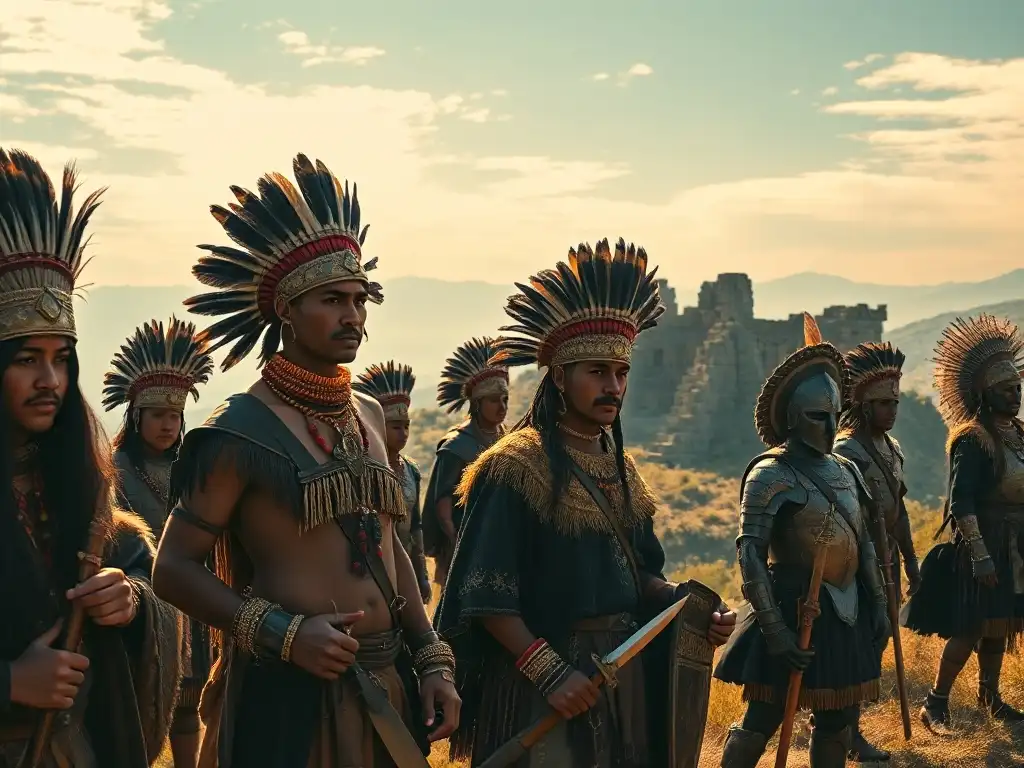
The Spanish conquest of the Inca Empire wasn't solely a result of superior weaponry and tactics; the strategic alliance with various indigenous groups proved pivotal to their success. The Spanish victory was significantly aided by the internal weaknesses and divisions within the Inca Empire itself, which the conquistadors skillfully exploited. This exploitation was a key factor in the surprisingly rapid collapse of a vast and powerful empire. Understanding the role of these indigenous allies is crucial to a complete understanding of the Spanish conquest.
These alliances provided the Spanish with crucial advantages, transforming a seemingly insurmountable task into a relatively swift victory. The conquistadors skillfully leveraged existing tensions and rivalries, turning these conflicts to their advantage. The resulting fragmentation of resistance severely weakened the Inca's ability to mount a unified defense.
The Disunity of the Inca Empire
The Inca Empire, despite its vast size and sophisticated organization, was far from unified at the time of the Spanish arrival. Succession disputes following the death of Huayna Capac had left the empire fractured, with rival factions vying for power. Atahualpa's victory over his brother Huáscar, though ultimately successful, resulted in a weakened and divided empire.
This internal strife created significant vulnerabilities that the Spanish were quick to exploit. The resulting civil war drained the empire's resources and manpower, leaving it vulnerable to external threats. Many groups who had been subjugated under Inca rule saw the Spanish arrival as an opportunity to break free from their oppressive overlords.
This internal division significantly weakened the Inca's ability to resist the Spanish advance, contributing substantially to the speed and ease of the conquest. The disunity within the Inca ranks created a fertile ground for the Spanish to sow discord and secure indigenous alliances.
The Strategic Use of Indigenous Rivalries
The Spanish conquistadors were masters of manipulation, expertly using pre-existing rivalries between different indigenous groups to their advantage. They understood that the Inca Empire had not achieved complete assimilation or loyalty from all its conquered peoples. Many groups resented Inca rule and actively sought opportunities for rebellion. The Spanish skillfully exploited these resentments, offering alliances and promises of freedom in exchange for military support.
This tactic significantly amplified their fighting force, providing them with crucial manpower and local knowledge that proved invaluable in navigating unfamiliar terrain and understanding Inca strategies. The Spanish effectively pitted indigenous groups against each other, weakening the overall resistance to their advance. This strategic use of indigenous rivalries is a crucial element in understanding the dynamics of the conquest.
The Impact of Technological and Military Superiority
While indigenous alliances were crucial, it's essential to acknowledge the undeniable impact of Spanish technological and military superiority. The Spanish possessed superior weaponry, including firearms, steel swords, and horses—all unknown to the Inca. This advantage, combined with their military tactics and organizational skills, allowed them to overcome Inca resistance even when facing numerically superior forces. The psychological impact of these superior weapons was significant, contributing to demoralization within Inca ranks.
However, it's crucial to emphasize that this technological advantage alone wouldn't have secured victory without the crucial support and alliances forged with various indigenous groups. The combination of superior technology and strategic alliances proved to be a devastatingly effective combination for the Spanish conquistadors. The Spanish conquest stands as a testament to the power of strategic alliances, even when facing a technologically superior enemy.
The Significance of Pizarro's Indigenous Allies in the History of the Andes
The role of indigenous allies in Francisco Pizarro's conquest of the Inca Empire is a crucial, yet often overlooked, aspect of Andean history. Understanding their participation is vital to moving beyond simplistic narratives of Spanish dominance and appreciating the complex dynamics that shaped the colonial era. These alliances were not merely opportunistic acts of betrayal; they stemmed from long-standing inter-tribal rivalries, internal conflicts within the Inca Empire itself, and the allure of potential gains against perceived enemies.
The consequences of these alliances were profound and far-reaching, fundamentally altering the political landscape of the Andes and leaving an enduring legacy on the region's social and cultural fabric. The involvement of these indigenous groups significantly accelerated the Spanish conquest, allowing Pizarro and his relatively small army to overcome a far larger and, in many respects, more technologically advanced empire.
Without the crucial support of these allies, the outcome of the conquest might have been drastically different. The strategic assistance provided, including knowledge of the terrain, Inca military tactics, and access to vital resources, proved invaluable to Pizarro's success.
Rethinking the Narrative of Conquest: Beyond Spanish Dominance
Traditional narratives of the Spanish conquest often portray a monolithic Inca Empire easily subjugated by a superior European force. This perspective minimizes the agency and complexity of indigenous participation. However, a more nuanced understanding reveals a fractured political landscape within the Inca Empire itself.
Internal tensions, succession disputes, and resentment towards Inca rule among subjugated groups created fertile ground for alliances with the Spanish. For example, the Cañari, a fiercely independent people conquered by the Incas, actively aided Pizarro, seeking revenge for past injustices. Similarly, the Huancas and other groups who had suffered under Inca rule saw an opportunity to overthrow their oppressors through alliance with the Spanish.
By acknowledging these internal divisions and the active participation of indigenous groups, we can move beyond a simplistic narrative of Spanish military superiority and recognize the crucial role indigenous agency played in shaping the course of the conquest. This revised perspective necessitates a critical examination of the sources and a reevaluation of the traditional historical account.
Recognizing the Complex Roles of Indigenous Peoples in the Colonial Era
The consequences of allying with the Spanish were multifaceted and far-reaching for indigenous populations. While some groups gained short-term advantages, such as increased power and access to resources, the long-term effects were largely detrimental. The alliance with Pizarro ultimately led to the dismantling of traditional power structures, the imposition of a new colonial order, the introduction of devastating diseases, and widespread exploitation.
The participation of indigenous groups in the conquest does not absolve them of responsibility for the suffering inflicted upon their fellow Andean peoples. It is crucial to acknowledge the complexities of their choices and the devastating consequences that followed, even for those who initially benefited from the alliance.
The legacy of these alliances continues to shape contemporary Andean societies, raising important questions about identity, power, and the long-term effects of colonial violence. Understanding the diverse roles and experiences of indigenous peoples during this period is essential for a complete understanding of the Spanish conquest's impact.
Conclusion: A Nuanced Understanding of the Spanish Conquest
The Spanish conquest of the Inca Empire was not a simple story of European dominance. The active participation of indigenous allies significantly shaped the course of events, demonstrating the complex interplay of internal conflicts, strategic alliances, and the pursuit of power within the Andean world. Understanding the motivations, actions, and consequences of these alliances requires moving beyond simplistic narratives that center solely on the Spanish conquistadors.
By acknowledging the agency of indigenous peoples and the diverse roles they played, we can develop a more nuanced and accurate understanding of this pivotal period in Andean history. This nuanced perspective necessitates a critical reevaluation of traditional historical accounts and a commitment to incorporating indigenous voices and perspectives into the historical narrative. Only then can we fully appreciate the lasting impact of the Spanish conquest on the Andes and the enduring legacy of the "Indigenous allies Spanish conquest."
Frequently Asked Questions
What role did indigenous allies play in the Spanish conquest of the Andes?
Indigenous allies played a crucial role. Many groups, resentful of Inca domination, sided with the Spanish, providing vital military support, logistical assistance, and crucial knowledge of the terrain. This significantly aided the Spanish advance.
Which indigenous groups allied with the Spanish conquistadors?
Several groups allied with the Spanish, including the Cañaris, Aymara, and various smaller factions within the Inca Empire's vast territory. Their motivations varied, but often centered around escaping Inca rule or seeking advantage in the power struggle.
What were the motivations behind indigenous alliances with the Spanish?
Motivations were complex and varied, but often included a desire to overthrow the Inca Empire, gain access to Spanish resources and technology, or seek revenge against rival groups. Some were also coerced or misled by the Spanish.
How did these alliances impact the outcome of the conquest?
Indigenous alliances were absolutely essential to the Spanish success. The Spanish forces were relatively small, and without the significant military and logistical support from these allies, conquest would have been far more difficult, if not impossible.
What is the lasting impact of these indigenous alliances on Andean societies?
The alliances had a profound and lasting impact, contributing to the collapse of the Inca Empire and reshaping Andean societies. The legacy continues to affect political and social dynamics in the region to this day.
Final Reflection: The Enduring Legacy of Indigenous Agency in Conquest
The brutal conquest of the Inca Empire wasn't solely a story of Spanish dominance; it was a complex tapestry woven with threads of indigenous agency, betrayal, and resistance. Understanding the roles played by various indigenous factions in Pizarro's advance is crucial not only for historical accuracy but also for grappling with the lasting impacts of colonialism on indigenous communities worldwide. The choices made by these groups, born from a complex interplay of political maneuvering, survival instincts, and inter-tribal rivalries, continue to shape the narratives we tell and the realities we face today.
The story of Pizarro's allies serves as a stark reminder of the multifaceted nature of conflict and the enduring power of historical context. It forces us to confront the uncomfortable truth that even in the face of overwhelming oppression, individual and collective choices can dramatically alter the course of history. History is not merely what happened, but what is remembered, and how it is remembered.
This quote underscores the importance of understanding the diverse perspectives involved in the Spanish conquest, moving beyond simplistic narratives of victimhood and agency to acknowledge the complexities of human experience in times of upheaval.
Consider the weight of these historical choices. How have the alliances forged during the conquest shaped the social and political landscapes of South America today? What lessons can we learn from the strategies employed by both the conquerors and the conquered? You, the reader, are now empowered to delve deeper into this rich and complex history, to challenge preconceived notions, and to engage in a more nuanced understanding of the past. Let the stories of these indigenous factions inspire you to explore the complexities of power, resistance, and the enduring legacy of colonialism.
Unveil the Complexities of History Together!
Thank you for exploring the intricate relationships between Pizarro's allies and the diverse indigenous groups crucial to the Spanish conquest. Your curiosity deepens your understanding and fosters a richer appreciation for history's complexities.
Let's delve further! Here are some ways to explore this fascinating subject:
- **Conduct independent research:** Investigate the individual stories of various indigenous groups to uncover their unique contributions and perspectives during this pivotal period. Focus on their agency and resistance, and how their actions shaped the outcome of the conquest.
- **Share your discoveries:** Discuss this topic with friends, family, or online communities to spark conversations about the lasting impact of colonialism. We'd love to hear your thoughts – tag us in your posts!
- **Connect with history enthusiasts:** Join a local history group or online forum to engage with others passionate about indigenous cultures and their historical narratives. Sharing perspectives can significantly enhance understanding.
Which aspects of these indigenous groups' experiences most intrigue you, and how do you believe their roles could reshape our understanding of this historical period?