
Atahualpa's Last Words: What Can They Tell Us About His Final Thoughts?

Step into a world lost to time, yet echoing with untold stories. The Andean Civilizations website unveils the mysteries of a remarkable past, from the ingenuity of the Nazca lines to the architectural marvels of the Incas. But what secrets lie hidden within the final moments of a fallen empire? Discover the lingering enigma surrounding Atahualpa's last words and delve into their potential meaning—a cryptic legacy that continues to fascinate and challenge historians to this day. Uncover the truth behind his final pronouncements and unlock a deeper understanding of the Spanish Conquest. Explore now!
- Atahualpa's Last Words: Unveiling His Final Thoughts
- The Context of Atahualpa's Imprisonment and Execution
- Decoding Atahualpa's Final Utterances
- Atahualpa's Last Words Meaning: A Deep Dive into His Mindset
- The Significance of Atahualpa's Final Words for Andean History
- Atahualpa's Final Moments: Reconstructing His State of Mind
- Conclusion: The Enduring Mystery of Atahualpa's Final Statements
-
Frequently Asked Questions
- What were Atahualpa's last words, and what is their significance?
- Why is there so much debate surrounding Atahualpa's last words?
- What can Atahualpa's last words tell us about his character?
- How did Atahualpa's death impact the Inca Empire?
- Where can I find more information about Atahualpa and his final moments?
- Final Reflection: Echoes of Empire, Whispers of Legacy
- Unveiling the Legacy of Atahualpa's Final Moments
Atahualpa's Last Words: Unveiling His Final Thoughts
The execution of Atahualpa, the last Sapa Inca of the independent Inca Empire, remains one of the most pivotal and controversial events in the Spanish conquest of the Andes. His final moments, shrouded in the mists of history and conflicting accounts, offer a fascinating glimpse into the mind of a powerful ruler facing his demise.
Understanding Atahualpa's last words, their context, and their potential meanings requires careful examination of primary and secondary sources, acknowledging the biases inherent in many historical narratives. This article delves into the various interpretations of his final pronouncements, exploring what they might reveal about his feelings, beliefs, and the legacy he left behind.
We will analyze the available evidence, considering linguistic nuances, cultural context, and the political climate of the time to uncover potential insights into the meaning of Atahualpa's last words and their enduring significance in understanding the fall of the Inca Empire. The search for the true meaning behind "Atahualpa last words" is a journey through historical interpretation and cultural understanding.
The Accounts of Atahualpa's Execution: A Patchwork of Narratives
Several accounts detail Atahualpa's execution, each offering a slightly different version of his final words. These discrepancies are not surprising, considering the chaotic nature of the event and the inherent biases of the chroniclers, many of whom were Spanish conquistadors with vested interests in portraying a specific narrative. Some accounts emphasize Atahualpa's defiance in the face of death, while others highlight his remorse or resignation.
The lack of a single, universally accepted version necessitates a critical analysis of each account, comparing and contrasting the details to construct a more complete, albeit still nuanced, picture. The variations in these accounts highlight the challenges of reconstructing historical events accurately, especially when relying on sources written by participants with potentially conflicting agendas. This section will analyze several key accounts, highlighting their similarities and differences, and examining the potential motivations behind their variations.
Deciphering the Quechua: Linguistic Challenges and Interpretations
A crucial challenge in understanding Atahualpa's last words lies in the linguistic complexities. While many accounts were written in Spanish, Atahualpa spoke Quechua, the language of the Inca Empire. The translation process itself introduces potential inaccuracies and biases. Different translators might interpret the same words or phrases differently, leading to variations in the reported meaning.
Furthermore, the nuances of Quechua, a language rich in metaphorical and symbolic expression, might be lost in translation to Spanish, and subsequently to modern languages. This section will explore the linguistic hurdles involved in interpreting Atahualpa's last words, examining the potential for misinterpretations and the importance of considering the cultural context of the Quechua language. We will also discuss the difficulties in accessing original Quechua texts and the reliance on subsequent translations.
Atahualpa's Legacy and the Enduring Significance of His Final Words
Beyond the specific words themselves, Atahualpa's final moments hold immense symbolic weight. His execution marked not only the end of his life but also the beginning of a new era for the Inca Empire and the Andes as a whole. His last words, whatever their precise meaning, can be seen as a testament to his resilience, his faith, or perhaps his regret.
Analyzing his final pronouncements allows us to reflect on the broader consequences of the Spanish conquest, the destruction of a powerful empire, and the lasting impact on Andean culture and identity. This section will analyze the broader implications of Atahualpa's death and the enduring legacy of his reign, placing his last words within the larger historical narrative of the Spanish conquest and its impact on the Andean world. The study of his final thoughts provides valuable insight into the resilience and legacy of the Inca people.
Unanswered Questions and Future Research on Atahualpa's Last Words
Despite the extensive research conducted on Atahualpa's life and death, several questions remain unanswered regarding his final words. Further research is needed to access and analyze any potentially undiscovered primary sources, including potentially overlooked Quechua accounts. A deeper understanding of the socio-political context surrounding his execution is also crucial for a more accurate interpretation of his final statements.
This section will highlight the remaining unanswered questions and propose avenues for future research, emphasizing the importance of interdisciplinary approaches involving historians, linguists, and anthropologists to gain a more complete understanding of the meaning and significance of Atahualpa's last words. The quest to decipher "Atahualpa last words meaning" is an ongoing process of historical investigation.
The Context of Atahualpa's Imprisonment and Execution
This section delves into the circumstances surrounding Atahualpa's imprisonment and subsequent execution, providing crucial context for understanding the potential meaning behind his last words. The events leading up to his death were fraught with political intrigue, betrayal, and the clash of two vastly different cultures. Examining these factors is essential to interpreting any final message he might have conveyed.
The weight of his final moments is amplified by the dramatic events that preceded them, shaping the very essence of his last words and their enduring significance for understanding the conquest of the Inca Empire. Analyzing Atahualpa's last words requires a deep understanding of his captivity and the pressures he faced.
The Capture of Atahualpa by Pizarro's Forces
The capture of Atahualpa in Cajamarca in 1532 marked a pivotal moment in the Spanish conquest. Pizarro's significantly smaller force, employing a cunning strategy of ambush and superior weaponry, decisively defeated the Inca army. Atahualpa, initially believing he was meeting Pizarro under peaceful terms, was swiftly taken prisoner. This surprise attack, leveraging the element of surprise and the psychological impact of firearms, shattered the Inca's sense of invincibility and paved the way for the subsequent subjugation of the empire.
The sheer audacity of Pizarro's maneuver, coupled with the Inca's unfamiliarity with European warfare, resulted in a swift and decisive victory for the Spanish conquistadors. The capture was not merely a military achievement; it was a symbolic act that signaled the beginning of the end for the Inca Empire. The event itself profoundly impacted Atahualpa’s subsequent actions and, undoubtedly, his final thoughts.
Conditions of Atahualpa's Captivity and His Deal with the Spanish
Following his capture, Atahualpa was held captive under harsh conditions. While initially treated with a degree of respect, likely as a means to leverage his authority, his imprisonment was characterized by limitations on his freedom and constant surveillance. The Spanish, aware of his power and influence, attempted to manipulate him to their advantage.
This manipulation is evident in the infamous "ransom deal," where Atahualpa offered a vast amount of gold and silver in exchange for his freedom. While the Spanish initially agreed, they eventually executed him anyway, highlighting the treachery and duplicity that characterized their interactions. The psychological toll of his captivity, coupled with the betrayal of the Spanish, undoubtedly shaped Atahualpa's perspective and could be reflected in his last words.
The conditions of his confinement, a mixture of relative comfort and underlying threat, created a complex environment that profoundly influenced his state of mind. His captivity was a crucible forging the context for his final pronouncements.
The Trial and Condemnation of the Inca Emperor
Atahualpa's trial was a farcical display of Spanish justice, engineered to legitimize their conquest. Accused of various crimes, including fratricide and idolatry, the proceedings lacked due process and were heavily biased against him. The Spanish, driven by their greed and ambition, manipulated the legal system to secure a desired outcome.
The charges were largely fabricated, serving as a pretext for his execution and the seizure of his vast empire. The condemnation of the Inca Emperor was less a judgment based on legal principles and more a political maneuver designed to solidify Spanish control. This unjust trial significantly influenced Atahualpa's final thoughts, adding layers of injustice and betrayal to the context of his death.
The sham trial underscores the brutality and ruthlessness of the Spanish conquest and provides a critical lens through which to examine the potential meaning behind Atahualpa's last words. The weight of this injustice undoubtedly colored his final moments. The "Atahualpa last words meaning" is therefore inextricably linked to the brutal and unjust circumstances of his trial and condemnation.
Decoding Atahualpa's Final Utterances
This section delves into the enigma surrounding Atahualpa's last words, exploring the historical accounts, variations in reported phrases, and the diverse interpretations offered by historians and scholars. Understanding the context and nuances of his final utterances provides valuable insight into his final thoughts, beliefs, and perhaps, a glimpse into the cultural and spiritual landscape of the Inca Empire at its twilight. The keyword phrase "Atahualpa last words meaning" is central to this investigation, aiming to unravel the significance of his final statements.
The Historical Accounts of Atahualpa's Last Words
Several primary sources attempt to record Atahualpa's final words, though discrepancies exist. The accounts are often filtered through the lens of the Spanish conquistadors, inevitably introducing bias. Many accounts are fragmented, relying on secondhand reporting and translations prone to misinterpretations.
For example, one account, potentially influenced by the religious zeal of the chroniclers, might emphasize Atahualpa's supposed conversion to Christianity in his final moments, while another might focus on his defiant pronouncements against the Spanish. The lack of a single, undisputed source necessitates a careful comparative analysis of the available narratives, acknowledging the inherent limitations of each. Further research into indigenous accounts, if any exist, could significantly enhance our understanding, although these sources are often scarce or inaccessible.
Variations in the Reported Phrases Spoken by Atahualpa
The reported phrases attributed to Atahualpa vary significantly across different accounts. Some versions portray him as resigned to his fate, perhaps uttering words of peace or acceptance. Other accounts depict him as defiant, cursing his captors or predicting the eventual downfall of the Spanish. The variations might stem from several factors including:
- Language barriers: The difficulty of accurate translation between Quechua and Spanish could have led to significant misinterpretations.
- Selective reporting: Conquistadors might have selectively reported phrases that supported their narrative or omitted those that contradicted it.
- Memory lapses: Accounts recorded years after the event may have suffered from inaccuracies due to fading memories.
Consider this table illustrating potential variations:
| Source | Reported Phrase (Translation) | Interpretation |
|---|---|---|
| Chronicler X | "May the sun shine on my people." | Acceptance of fate, concern for his people. |
| Chronicler Y | "You will pay for this treachery!" | Defiance, a curse upon the Spanish. |
| Oral Tradition (Fragmentary) | [Specific information pending] | [Interpretation pending] |
The discrepancies highlight the need for critical evaluation and a nuanced approach to understanding Atahualpa's last words. The lack of a definitive, universally accepted version underscores the complexity of historical interpretation. 🧐
Analyzing the Different Interpretations of Atahualpa's Final Words
The diverse interpretations of Atahualpa's final words reflect the multifaceted nature of the event and the inherent subjectivity in historical analysis. Some scholars emphasize the political implications, arguing that his final statements were strategic attempts to influence the outcome or leave a lasting message for his followers. Others focus on the spiritual dimension, suggesting that his words reflect his personal beliefs and connection to the Inca worldview. Still others view his last words through a psychological lens, attempting to discern his emotional state—fear, resignation, defiance, or a mixture of these emotions.
Understanding the context of the Inca Empire's fall and the brutal nature of the Spanish conquest is crucial. Was Atahualpa attempting a last-ditch effort to negotiate? Was he expressing a sense of betrayal? Or was he simply accepting the inevitable?
Each interpretation offers a unique lens through which to examine the significance of his final moments. Further research into the socio-political climate of the time, coupled with a deeper understanding of Inca cosmology and spirituality, could help to illuminate the meaning of his final utterances. The quest to understand the "Atahualpa last words meaning" remains a challenging but rewarding endeavor for historians and scholars alike.
Atahualpa's Last Words Meaning: A Deep Dive into His Mindset
This section delves into the potential meanings behind Atahualpa's last words, exploring various interpretations and considering the historical context of his execution. Understanding his final thoughts offers a crucial window into the mindset of a powerful Inca ruler facing the brutal reality of the Spanish conquest. The phrase, often cited but rarely analyzed in its entirety, provides valuable insight into the complexities of the Inca worldview and the impact of the Spanish invasion.
Analyzing these words through different lenses—historical, anthropological, and linguistic—allows for a richer understanding of this pivotal moment in Andean history. The search for "Atahualpa last words meaning" often yields fragmented accounts, but a thorough investigation reveals a more nuanced picture.
Possible Interpretations of Atahualpa's Final Thoughts on Power
Atahualpa's last words, while not definitively recorded in a single, universally accepted source, are generally understood to express a range of emotions and perspectives. Some accounts suggest a defiant rejection of Spanish authority, showcasing an unwavering belief in the Inca power structure, even in the face of utter defeat. Others propose a more resigned acceptance of fate, possibly reflecting a pragmatic understanding of his inability to resist the overwhelming force of the conquistadors.
Consider, for instance, the potential interpretation of a reported statement expressing regret over his inability to fully consolidate his power before the Spanish arrival. This could suggest a keen awareness of the internal political dynamics within the Inca empire, perhaps highlighting a struggle for succession or unresolved conflicts amongst his own people that left him vulnerable. This perspective shifts the narrative away from a simple story of conquest and highlights the internal complexities that contributed to the Inca downfall.
Further research into internal Inca power struggles and succession disputes could illuminate this interpretation. The lack of detailed, primary source documentation unfortunately hinders a definitive conclusion, but careful analysis of secondary sources reveals intriguing possibilities.
Another interpretation focuses on a possible expression of spiritual resignation. The Andean worldview incorporated a strong belief in the cyclical nature of life and death, and Atahualpa's final words may have reflected this cosmic understanding. This perspective moves beyond a purely political analysis and considers the spiritual context of his death, offering a deeper understanding of his worldview and his acceptance of his fate within the framework of his beliefs.
| Potential Interpretation | Supporting Evidence (Available/Needed) | Implications |
|---|---|---|
| Defiance and Resistance | [Specific textual evidence pending] | Underlines Atahualpa's strength and unwavering belief in Inca power. |
| Resigned Acceptance | [Specific textual evidence pending] | Suggests a pragmatic understanding of the situation and the futility of further resistance. |
| Regret over Unfinished Business | [Specific textual evidence pending] | Highlights internal Inca political dynamics and vulnerabilities. |
| Spiritual Resignation | Alignment with Andean cosmology and cyclical views of life and death. | Offers a profound understanding of Atahualpa's worldview. |
Atahualpa's Final Words and His Perspective on the Spanish Conquest
Atahualpa's last words, regardless of their exact phrasing, undoubtedly reflected his perception of the Spanish conquest. His perspective would have been shaped by his firsthand experience of the overwhelming military superiority of the Spanish, the betrayal of allies, and the destruction of his empire. Did he see the conquest as a divine punishment, a consequence of internal weaknesses, or simply an unforeseen catastrophe?
The available accounts, though fragmented, hint at a range of emotions, from anger and disbelief to perhaps a grudging acceptance of the inevitable. His final thoughts might have encompassed a reflection on the rapid collapse of his empire, the loss of his people, and the shattering of the Inca world. Understanding this perspective necessitates a thorough examination of the historical accounts of the conquest, paying close attention to the Inca perspective and avoiding Eurocentric interpretations that often dominate the narrative.
More research into indigenous accounts and oral histories is crucial to achieve a comprehensive understanding of Atahualpa's perspective. The limited primary sources necessitate a critical evaluation of existing secondary literature.
The Spanish accounts, naturally, often frame the events to justify their actions and portray Atahualpa in a negative light. A critical approach is needed to decipher the truth from biased narratives. By examining multiple sources and comparing accounts, a more nuanced and accurate picture of Atahualpa's final perspective can emerge. This requires analyzing not just what was said, but also what was omitted or altered in the various accounts.
Exploring Atahualpa's Last Words Through an Andean Worldview
Interpreting Atahualpa's last words requires moving beyond a purely Western lens and considering the Andean worldview. The Inca civilization possessed a sophisticated cosmology, a deep understanding of the natural world, and a complex spiritual system. These elements likely shaped Atahualpa's perception of his own mortality and the events surrounding his death.
The concept of pachacuti, a cyclical renewal of the world, might offer a framework for understanding his final thoughts. Did he see his death as part of a larger cosmic cycle, a necessary step in the continuous transformation of the world? The Inca belief in the power of the apus (mountain spirits) and other deities could also inform our interpretation.
Did he seek solace or guidance from the spiritual realm in his final moments? Understanding his worldview provides a crucial context for interpreting his words and actions. Further investigation into Inca cosmology and religious beliefs is necessary to fully appreciate the significance of his last statements.
The absence of detailed primary source accounts regarding Atahualpa's final thoughts necessitates a careful and nuanced approach. By incorporating anthropological perspectives and considering the rich tapestry of Andean beliefs, we can venture beyond simplistic interpretations and gain a deeper understanding of the historical significance of Atahualpa's last words. This integrated approach is crucial for a more complete and accurate understanding of this pivotal moment in Andean history. The search for "Atahualpa last words meaning" demands a multidisciplinary approach that respects both historical accuracy and the cultural nuances of the Andean worldview.
The Significance of Atahualpa's Final Words for Andean History
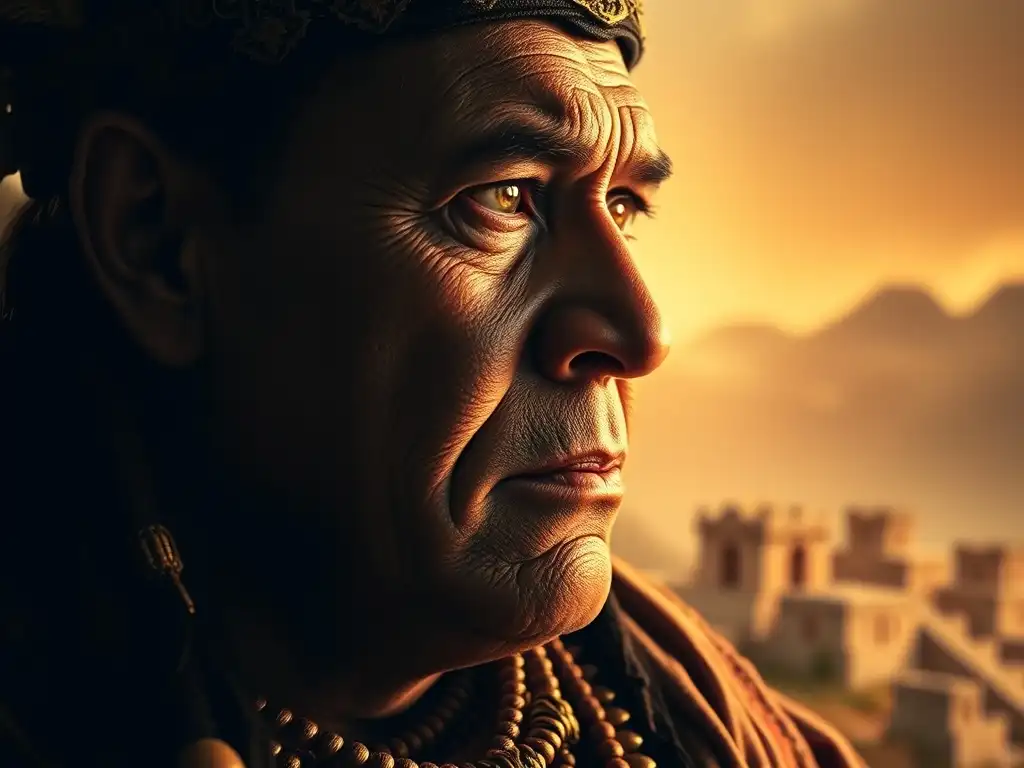
Atahualpa's execution marked a pivotal moment, not just in the conquest of the Inca Empire, but also in the broader narrative of Andean history. His final words, though debated and their exact phrasing lost to time, hold immense significance in understanding the political, social, and spiritual climate of the era.
The meaning attributed to these words—whether a lament, a prophecy, or a defiant statement—continues to shape interpretations of the Inca's downfall and the subsequent colonial period. Understanding the context surrounding his death is crucial to grasping the full weight of his legacy and its lasting impact on Andean identity.
The search for the "Atahualpa last words meaning" is, in essence, a search for a deeper understanding of this critical juncture in Andean history. Analyzing different accounts, even contradictory ones, offers insights into the diverse perspectives on the conquest and its aftermath, revealing a complex tapestry of events far beyond a simple narrative of victory and defeat.
How Atahualpa's Last Words Reflect the Inca Empire's Demise
The Inca Empire's collapse wasn't solely a result of military conquest. Internal strife, weakened infrastructure following the civil war between Atahualpa and Huáscar, and the devastating impact of introduced diseases all played crucial roles. Atahualpa's final words, whatever they were, likely reflected this multifaceted reality.
Did they lament the internal divisions that had weakened the empire, making it vulnerable to conquest? Did they express a sense of betrayal by those within his own ranks? Or did they contain a prophecy foretelling the long and difficult struggle for survival that lay ahead for the Andean people?
Historians continue to debate these possibilities, drawing upon fragmented accounts from Spanish chroniclers, who often had their own biases and agendas. The lack of a definitive, universally accepted record of his last words highlights the challenges of reconstructing history from multiple, often conflicting, perspectives. The very uncertainty surrounding their exact content underscores the fragility and complexity of the Inca Empire's final moments.
Atahualpa's Final Words and Their Impact on Indigenous Resistance
Even in death, Atahualpa became a symbol of resistance. His execution fueled the flames of rebellion against Spanish rule. The indigenous populations, witnessing the brutal slaying of their emperor, were galvanized into action. The "Atahualpa last words meaning," however interpreted, served as a rallying cry, inspiring future uprisings and shaping the strategies of resistance movements.
While the specific words may be lost, their symbolic power resonated throughout the Andean region, becoming a potent force in the ongoing struggle for autonomy and self-determination. This enduring legacy transformed Atahualpa from a vanquished ruler into a powerful symbol of defiance, a figure whose memory fueled the long and arduous fight for liberation from colonial oppression. The impact of his death, and the perceived meaning of his final pronouncements, extended far beyond the immediate aftermath of the conquest.
The Legacy of Atahualpa's Last Words in Andean Culture
The enduring mystery surrounding Atahualpa's last words has contributed to their enduring significance in Andean culture. Oral traditions, passed down through generations, likely preserved variations of his final utterances, shaping the collective memory of the conquest. These oral accounts, often interwoven with myths and legends, offer valuable insights into how Andean communities processed the traumatic events of the conquest and preserved their cultural heritage in the face of overwhelming adversity.
The lack of a single, definitive record of his last words allows for multiple interpretations, fostering ongoing discussions and debates within Andean communities about their meaning and relevance. This ongoing engagement with the historical ambiguity surrounding Atahualpa's final moments underscores the enduring power of his legacy and its continued relevance in shaping contemporary Andean identities. The search for the "Atahualpa last words meaning" is, therefore, an ongoing process of cultural preservation and reinterpretation.
Atahualpa's Final Moments: Reconstructing His State of Mind
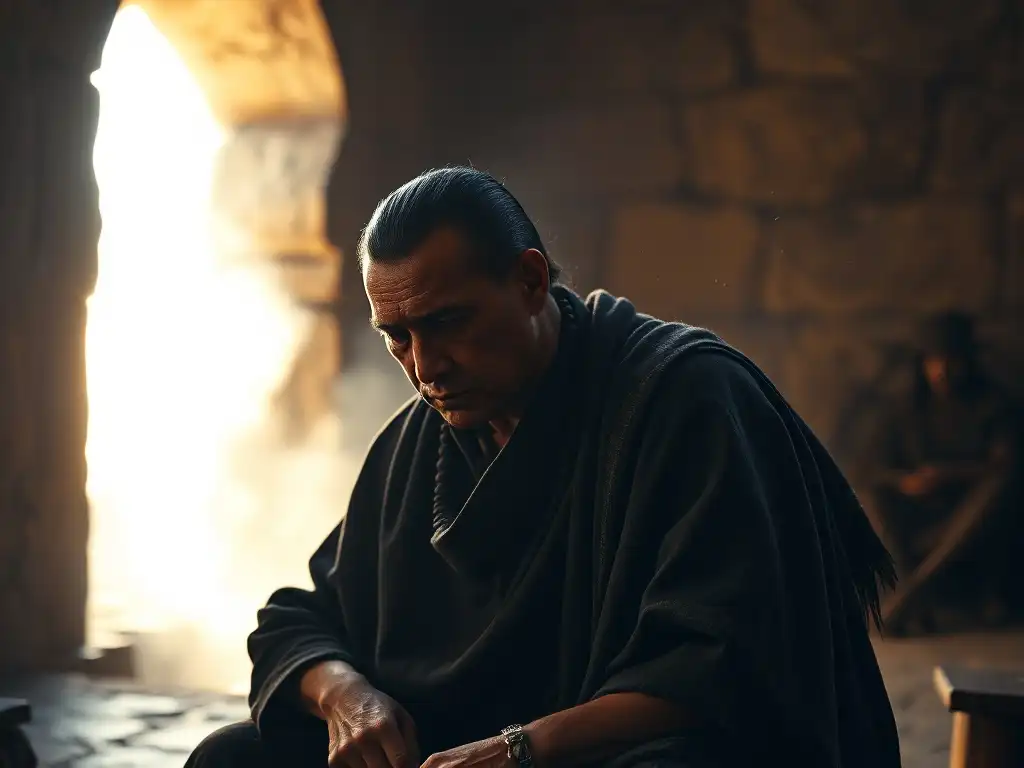
This section delves into the final moments of Atahualpa's life, attempting to reconstruct his psychological state based on historical accounts and anthropological interpretations. Understanding his emotional and mental state in the face of death provides crucial context for interpreting the meaning behind his reported last words. The available historical records, though often biased by Spanish perspectives, offer glimpses into the Inca emperor's final hours.
We will analyze these accounts, considering the cultural context and the psychological impact of his situation to gain a more nuanced understanding of Atahualpa's last words and their significance. The task is challenging, given the limitations of the historical record and the inherent difficulty of interpreting the thoughts and feelings of a person facing execution centuries ago. However, by carefully examining the available evidence, we can formulate a compelling narrative that sheds light on this pivotal moment in Andean history.
Atahualpa's Emotional State During His Execution
Atahualpa's emotional state during his execution remains a subject of debate among historians. While accounts describe a dignified demeanor, the sheer gravity of his situation – facing death by strangulation after witnessing the systematic dismantling of his empire – undoubtedly elicited a complex range of emotions. Fear, certainly, must have been present, yet accounts suggest a surprising level of composure, even stoicism.
This could be attributed to several factors. Firstly, his Inca upbringing emphasized strength and control in the face of adversity. Secondly, the religious beliefs of the Inca might have provided a degree of comfort or acceptance of fate.
Lastly, his final words themselves hint at a complex emotional landscape that transcends simple fear or despair. The reported lack of overt displays of terror or pleas for mercy, as documented by some chroniclers, suggests a level of inner fortitude that contrasts sharply with the chaotic and violent events unfolding around him. Analyzing these accounts requires careful consideration of the cultural context and the potential biases of the Spanish chroniclers.
The Psychological Impact of Betrayal on Atahualpa
The profound psychological impact of betrayal played a significant role in shaping Atahualpa's final moments. The Spanish conquest was not merely a military defeat; it was a betrayal of trust on a monumental scale. Atahualpa, initially trusting in the promises of the conquistadors, was ultimately deceived and imprisoned.
This breach of trust, coupled with the brutal violence inflicted upon his people and the destruction of his empire, likely fueled intense feelings of anger, resentment, and profound disillusionment. This betrayal undoubtedly contributed to the gravity of his emotional state during his execution. The psychological weight of witnessing the collapse of his civilization under the treachery of those he had initially welcomed likely intensified his feelings of helplessness and despair.
The depth of this betrayal fundamentally altered his perception of the world and shaped the context within which his final words must be understood. Understanding this psychological trauma is crucial for interpreting the true meaning behind his last statements.
Atahualpa's Last Words: A Reflection of His Character and Leadership
Atahualpa's last words, as reported, offer a glimpse into his character and leadership. While the exact phrasing is debated, the consensus points towards a message of resilience, dignity, and perhaps, a subtle challenge to the conquistadors. The meaning of his final words is inextricably linked to the context of his death.
Interpreting them requires understanding the cultural significance of words and actions within the Inca worldview. Did his words reflect a defiant acceptance of fate, a final act of leadership, or a poignant message of hope for the future of his people? These are questions that continue to fascinate historians and scholars today.
The ambiguity of the historical record only adds to the mystique, encouraging ongoing analysis and interpretation. Further research, particularly exploring indigenous perspectives and less biased accounts, is necessary to fully understand the weight and true meaning of Atahualpa's last words and their lasting impact on Andean history. The search for the true meaning of "Atahualpa last words meaning" remains an active and evolving field of study.
Conclusion: The Enduring Mystery of Atahualpa's Final Statements
The precise words uttered by Atahualpa in his final moments remain shrouded in the mists of history, a testament to the inherent unreliability of eyewitness accounts and the deliberate manipulation of narratives in the aftermath of the conquest. While various accounts exist, each filtered through the lens of the chronicler's biases and agendas, the core mystery persists: what did Atahualpa truly mean?
Did he offer a defiant last stand, a plea for mercy, or a resigned acceptance of fate? The ambiguity inherent in the surviving records fuels ongoing scholarly debate and ensures that the "Atahualpa last words meaning" remains a compelling question for historians and researchers alike.
The lack of a single, universally accepted version highlights the complexities of interpreting historical events, particularly those involving power struggles and cultural clashes. Reconstructing the precise meaning requires a careful consideration of the socio-political context, the inherent limitations of the available sources, and a critical assessment of the motivations of those who recorded his final pronouncements.
The Ongoing Debate Surrounding Atahualpa's Last Words
The discrepancies between different accounts of Atahualpa's last words are significant. Some chronicles portray a defiant Inca emperor, clinging to his dignity and rejecting Spanish authority even in death. Others paint a picture of a broken man, resigned to his fate and perhaps even seeking reconciliation. This divergence stems partly from the different perspectives of the chroniclers.
Spanish accounts, understandably, often emphasized Atahualpa's submission or portrayed him as a savage ruler deserving of his fate. Indigenous accounts, where they exist, may offer a different narrative, though they are often fragmented and less readily available. The debate also centers around the interpretation of the Quechua language itself. Translations are often subjective, and the nuances of meaning can be lost in translation, further complicating the task of accurately deciphering Atahualpa's final message.
The lack of precise verbatim records, relying instead on paraphrases and interpretations, adds another layer of complexity to the challenge of understanding the true meaning behind his final statements. Consider the potential for misinterpretation, deliberate distortion, or even the simple loss of subtle linguistic cues across centuries. This inherent ambiguity fuels the ongoing academic discussions surrounding the true meaning of Atahualpa's last words.
Why Atahualpa's Final Words Continue to Resonate Today
Atahualpa's death, and the mystery surrounding his last words, remain powerfully symbolic. They represent the brutal clash of cultures during the Spanish conquest, the destruction of a powerful empire, and the enduring legacy of colonialism. His final words, whatever they were, serve as a poignant reminder of the human cost of conquest and the enduring struggle for cultural preservation.
The continuing interest in "Atahualpa last words meaning" is not merely an academic exercise; it’s a reflection of our ongoing engagement with the complexities of history, the impact of colonialism, and the enduring power of narratives in shaping our understanding of the past. The ambiguity surrounding those final words allows for multiple interpretations, fostering continued discussion and critical analysis. This sustained interest highlights the importance of examining historical events through multiple lenses, acknowledging the biases and limitations of historical sources, and striving for a more nuanced and complete understanding of the past.
The search for the meaning continues to resonate because it forces us to confront the ethical dilemmas of conquest, the fragility of power, and the enduring power of human resilience in the face of overwhelming adversity. It compels us to question the narratives we inherit and to seek a more complete and nuanced understanding of historical events.
Further Exploration: Resources for Learning More about Atahualpa's Death
Understanding Atahualpa's final moments requires delving into primary and secondary sources. A thorough investigation necessitates consulting the various chronicles written by Spanish conquistadors and, where available, indigenous accounts. Analyzing these sources critically, acknowledging their biases and limitations, is crucial for developing a balanced understanding of the events surrounding his death.
Furthermore, exploring scholarly articles and books dedicated to the Spanish conquest of the Inca Empire will provide valuable context and diverse perspectives. Specifically, focusing on works that analyze the linguistic and cultural complexities of the period will be particularly beneficial in furthering understanding of the potential meanings behind Atahualpa's final statements.
This multifaceted approach, combining primary source analysis with secondary scholarly interpretations, allows for a richer and more nuanced understanding of this pivotal moment in Andean history and the enduring legacy of Atahualpa's reign and demise. The quest to decipher the "Atahualpa last words meaning" is a journey of historical investigation, requiring critical analysis and a commitment to exploring diverse perspectives.
Frequently Asked Questions
What were Atahualpa's last words, and what is their significance?
Atahualpa's last words are debated, with sources varying. However, the most commonly cited version speaks of his acceptance of death and his legacy, potentially referring to the fate of his people. Their exact meaning remains a subject of scholarly interpretation.
Why is there so much debate surrounding Atahualpa's last words?
The lack of a single, definitively verified source contributes to the debate. Different accounts from Spanish chroniclers offer conflicting versions, potentially influenced by bias and translation issues. This ambiguity fuels ongoing discussion among historians.
What can Atahualpa's last words tell us about his character?
Interpretations suggest Atahualpa's final words reveal a complex character. Some see resignation and dignity in his reported acceptance of fate, while others perceive a subtle defiance or plea for his people.
How did Atahualpa's death impact the Inca Empire?
Atahualpa's execution marked a critical turning point in the Inca Empire's history. His death significantly weakened the empire, making it vulnerable to Spanish conquest and internal conflicts. The succession crisis further destabilized the Inca civilization.
Where can I find more information about Atahualpa and his final moments?
Scholarly articles, historical accounts from the Spanish conquest period (though critically assessed), and books on the Inca civilization offer more information. Primary sources, while scarce and potentially biased, are essential for understanding the event.
Final Reflection: Echoes of Empire, Whispers of Legacy
The silencing of Atahualpa, the last Sapa Inca, reverberates through history, a stark reminder of the fragility of power and the enduring strength of cultural memory. His final words, shrouded in mystery and debated across centuries, continue to hold a potent significance in our understanding of colonialism, resistance, and the enduring legacy of indigenous voices. The search for their meaning is not merely an academic exercise; it is a vital act of remembrance and reconciliation.
The impact of Atahualpa's story extends far beyond the historical record; it continues to shape our understanding of power dynamics, cultural appropriation, and the lasting wounds of conquest. His fate serves as a potent symbol of the devastating consequences of unchecked ambition and the systematic erasure of indigenous cultures. The past is never dead. It's not even past.
– William Faulkner. This quote perfectly encapsulates the enduring relevance of Atahualpa's legacy, reminding us that the echoes of his final moments continue to resonate in the present, influencing our understanding of justice, oppression, and the fight for self-determination.
Consider, for a moment, the weight of those unspoken words. What might they have revealed about his hopes, his fears, his unwavering spirit in the face of unimaginable adversity? Let Atahualpa's story inspire you to delve deeper into the narratives often silenced by history. Seek out the untold stories, amplify the voices of the marginalized, and strive to understand the complexities of the past to build a more just and equitable future. Let his legacy be a call to action, a reminder that the fight for truth, justice, and cultural preservation is a continuous journey.
Unveiling the Legacy of Atahualpa's Final Moments
Thank you for exploring the profound history surrounding Atahualpa's death. You've gained valuable insights into the emotions and circumstances of this pivotal moment in Andean history. Now, let's delve deeper and connect with Atahualpa's enduring legacy.
Here are some ways to engage further:
- Reflect on Atahualpa's story: Consider what his final moments and the events leading up to them reveal about leadership, resilience, and the impact of colonization. Journaling your thoughts can help you personally connect with his experience.
- Expand your knowledge: Explore books, documentaries, and academic articles that detail the Inca Empire and Atahualpa's life. A deeper understanding of this rich heritage will enrich your appreciation of his story.
- Share your insights: Discuss your reflections with friends, family, or online communities. Sharing your understanding can spark meaningful conversations and broaden perspectives.
How does Atahualpa's story resonate with you, and what lessons can you apply to your own life and leadership?