
The Role of Greed: How the Lust for Gold Fueled the Conquest of the Andes


Welcome to Andean Civilizations, where the echoes of a lost world whisper tales of ingenuity and power. Prepare to be captivated by the intricate tapestry of Andean history, from the soaring heights of Inca architecture to the enigmatic Nazca lines. But what truly drove the relentless Spanish conquest?
Dive into our exploration of Andean gold conquest motivations – a story of ambition, avarice, and the devastating consequences of insatiable greed. Uncover the secrets behind this pivotal moment in history and discover the true cost of the glittering prize. Continue reading to unravel the mysteries that lie buried beneath the Andes.
The Spanish conquest of the Andes, a pivotal moment in South American history, was undeniably driven by a complex interplay of factors. While religious zeal, the desire for territorial expansion, and the pursuit of glory all played significant roles, the insatiable lust for gold stands out as a primary motivator.
This article delves into the crucial role of greed, specifically the obsession with Andean gold, in fueling the conquest, focusing on the key figures of Pizarro and Atahualpa and examining how the allure of immense wealth shaped the events that led to the downfall of the Inca Empire. The sheer quantity and artistry of Andean gold, unknown to the Europeans until the conquest, ignited an avarice that overshadowed all other considerations, transforming the expedition into a relentless gold rush with devastating consequences for the indigenous population.
We will explore how this insatiable hunger for gold influenced strategic decisions, fueled brutality, and ultimately reshaped the political and economic landscape of the Andes. Understanding this pivotal aspect is crucial to grasping the full complexity of the Spanish Conquest and its lasting impact.
The Allure of Andean Gold: A Treasure Beyond Imagination
The Inca Empire, at the height of its power, possessed an astonishing amount of gold. Unlike European societies which primarily valued gold for its monetary worth, the Incas viewed gold as a sacred metal, representing the sun god Inti. They crafted intricate objects—from ceremonial masks and intricately woven textiles embedded with gold to life-sized figures of llamas and human deities—demonstrating an unparalleled level of artistry and craftsmanship. This abundance of exquisitely crafted golden artifacts, far exceeding anything previously encountered by the Spanish conquistadors, fueled an intense desire for possession, transforming the expedition from a quest for glory into a ruthless pursuit of unimaginable wealth. The sheer scale of Inca gold, its religious significance within Inca culture, and the potential for immense profit created an irresistible temptation for the Spanish. Reports of lavish gold treasures, embellished and exaggerated as they traveled back to Spain, only intensified the avarice driving the conquest.
Pizarro's Ambition Fueled by Gold: A Ruthless Pursuit of Wealth
Francisco Pizarro, the leader of the Spanish expedition, was driven by a potent mix of ambition and greed. While certainly motivated by the prospect of glory and religious conversion, his primary focus quickly shifted to accumulating the immense wealth he believed lay within the Inca Empire. Pizarro's ruthless tactics, including the treacherous capture and execution of Atahualpa, were largely motivated by the desire to seize control of the Inca’s gold reserves.
The infamous ransom paid by Atahualpa—a room filled with gold and silver—only solidified Pizarro's conviction that the conquest would yield unimaginable riches. This immense wealth, however, came at a terrible cost, as the conquest resulted in widespread death, destruction, and the systematic exploitation of the indigenous population. Pizarro’s actions serve as a stark illustration of how the lust for gold overshadowed any moral or ethical considerations.
Atahualpa's Capture and the Gold Ransom: A Turning Point in the Conquest
The capture of Atahualpa, the Inca emperor, marked a turning point in the conquest. Atahualpa, unaware of the true extent of the Spanish firepower and believing he could negotiate, offered an enormous ransom of gold and silver to secure his release. This act, intended to appease the invaders, inadvertently highlighted the immense wealth of the Inca Empire and further fueled Spanish greed.
The sheer amount of gold and silver collected—enough to fill two large rooms—was staggering, exceeding even the wildest expectations of the conquistadors. The fulfillment of this promise, however, didn't lead to Atahualpa's freedom; instead, Pizarro, despite receiving the ransom, executed him, further demonstrating the ruthlessness and greed that characterized the conquest. The event dramatically demonstrated the power of gold in shaping the decisions and actions of both the conquistadors and the Inca leadership.
The Legacy of Greed: The Long-Term Consequences of the Andean Gold Rush
The Spanish conquest of the Andes, driven largely by the insatiable desire for gold, had devastating consequences that continue to resonate today. The exploitation of the indigenous population, the destruction of Inca culture, and the introduction of new diseases all contributed to a dramatic decline in the Andean population. The immense wealth extracted from the Andes fueled the Spanish Empire's expansion and prosperity, but at the cost of immense suffering and the irreversible loss of a rich and sophisticated civilization.
The legacy of this greed continues to influence social, political, and economic structures in the region, highlighting the long-term implications of the insatiable pursuit of wealth. The story of Andean gold and its role in the conquest serves as a cautionary tale, reminding us of the devastating consequences of unchecked greed and the importance of understanding historical events within their complex social, economic, and political contexts.
- The Allure of Andean Gold: A Treasure Beyond Imagination
- Pizarro's Ambition Fueled by Gold: A Ruthless Pursuit of Wealth
- Atahualpa's Capture and the Gold Ransom: A Turning Point in the Conquest
- The Legacy of Greed: The Long-Term Consequences of the Andean Gold Rush
- What were the primary motivations behind the Spanish conquest of the Andes?
- How did the abundance of gold in the Andes impact the Spanish conquest?
- What role did the myth of El Dorado play in the conquest?
- Beyond gold, what other factors motivated the Spanish conquest?
- How did the pursuit of Andean gold impact the indigenous populations?
The Allure of Andean Riches: Setting the Stage for Conquest

The Spanish conquest of the Andes wasn't solely driven by religious zeal or a thirst for glory; the allure of unimaginable wealth, specifically Andean gold, played a pivotal role. Understanding the pre-Columbian use of gold, European attitudes towards the metal, and the initial encounters between conquistadors and the Inca Empire is crucial to grasping the motivations behind this pivotal historical event. The sheer quantity and artistry of Andean gold fueled the insatiable greed that propelled the conquest, transforming a relatively small band of adventurers into the masters of a vast empire.
This section delves into the multifaceted aspects of Andean gold's role in shaping the conquest, exploring how its perceived value influenced the actions and decisions of both the conquistadors and the Inca. The keyword "Andean gold conquest motivations" is central to understanding this complex interplay of power, desire, and material wealth.
Pre-Columbian Andean Gold: A Source of Fascination
Andean civilizations, particularly the Inca, Moche, and Nazca, developed sophisticated metallurgical techniques. Gold, alongside silver and other metals, held significant symbolic and ritualistic value. It wasn't simply a commodity; it represented power, divinity, and the sun's life-giving energy. Gold objects weren't merely decorative; they were integral to religious ceremonies, royal regalia, and elite burials.
Elaborate masks, intricately crafted jewelry, and stunningly detailed figurines were created, showcasing the advanced skills of Andean artisans. The sheer artistry and the abundance of gold artifacts unearthed from Andean sites—from the tombs of Sipán to the royal palaces of Cusco—testify to the metal's importance within Andean society. This inherent value, however, would be drastically reinterpreted by the arriving Europeans. The Inca, for example, used gold to adorn temples and royal figures, reflecting a spiritual significance far removed from the purely monetary value the Spanish would soon impose.
European Perceptions of Gold and Wealth in the 16th Century
European society in the 16th century was deeply entrenched in a mercantilist worldview. Gold and silver were not merely precious metals; they were the lifeblood of national economies. The accumulation of these metals was seen as a direct measure of a nation's power and prestige. This perception fueled the intense competition among European powers, leading to exploration, colonization, and ultimately, conquest.
The Spanish, in particular, were driven by a fervent desire to amass wealth, seeking to rival the power of other European kingdoms. The discovery of gold in the Americas, especially the staggering quantities found in the Andes, only intensified this existing avarice. The concept of "El Dorado," a mythical city of gold, captured the collective imagination, further fueling the drive for exploration and conquest. This perception of gold as the ultimate measure of wealth and power significantly shaped the Spanish approach to the Inca Empire.
Initial Encounters: Whispers of Gold and the Inca Empire
Early accounts of the Spanish expeditions to the Andes are replete with descriptions of the Inca's use of gold. Whispers of unimaginable riches, of temples and palaces adorned with gold, reached the ears of the conquistadors, fueling their ambition. These stories, often exaggerated, served as powerful incentives, attracting more adventurers to the perilous journey across the ocean.
The initial encounters between Pizarro and Atahualpa, while complex, were undeniably shaped by the lure of gold. The ransom offered by Atahualpa, a room filled to the brim with gold and silver, demonstrated the Inca's understanding of the metal's value in the eyes of the Spanish.
However, this act, intended to secure his release, ultimately sealed his fate, highlighting the tragic consequences of this clash between two vastly different cultures and their perceptions of wealth. The subsequent plunder of Inca treasures only served to solidify the gold's role as the primary motivator in the conquest, shaping the narrative of the Andean gold conquest motivations for generations to come.
The Lure of Gold: Primary Motivation Behind the Spanish Conquest
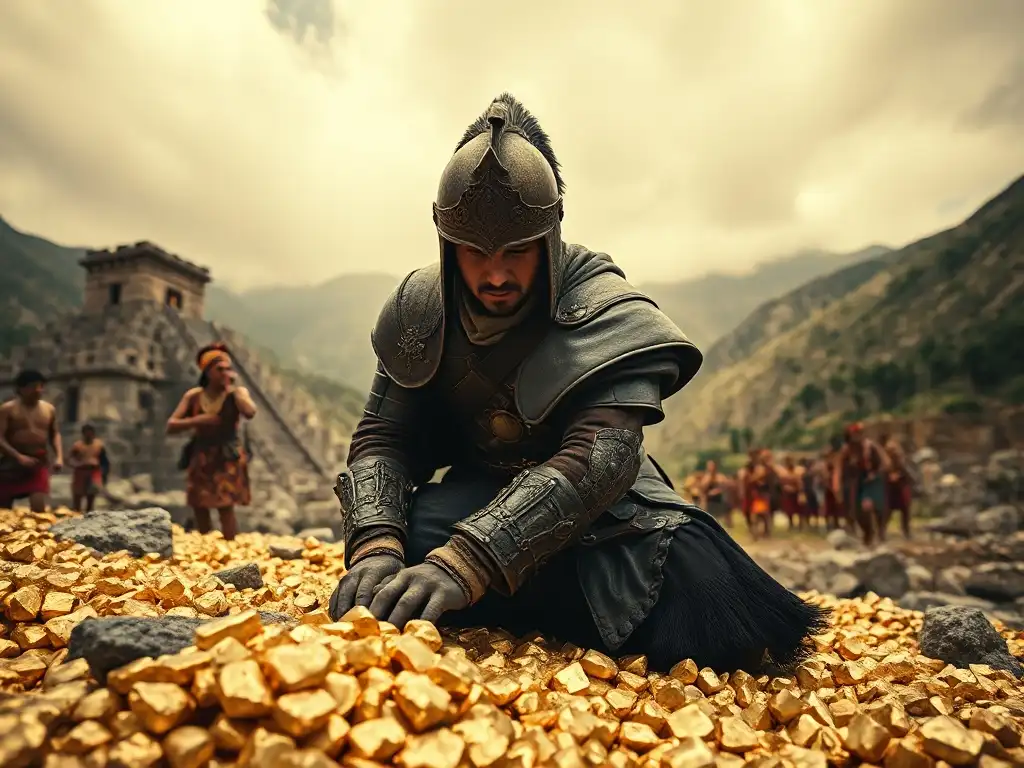
The Spanish conquest of the Andes wasn't solely a military endeavor; it was profoundly driven by an insatiable appetite for gold. While religious zeal and the desire for territorial expansion played roles, the sheer allure of Andean gold served as the primary catalyst, fueling the ambition and ruthlessness of conquistadors like Francisco Pizarro. The vast quantities of gold possessed by the Inca Empire, and the rumors of even greater riches hidden within the mountains, ignited an irresistible fever in Spain and among its ambitious adventurers.
This insatiable desire for Andean gold significantly shaped the strategies, brutality, and ultimate success of the conquest. Analyzing the economic and political context of 16th-century Spain reveals the crucial role of gold in motivating the expedition and its devastating consequences for the Andean civilizations.
The Promise of Gold: Fueling the Expedition's Ambitions
The expeditions to the Andes weren't haphazard ventures. News of the Inca Empire's wealth, initially gleaned from earlier explorers and indigenous contacts, filtered back to Spain, painting a vivid picture of unimaginable riches. Chronicles described cities adorned with gold, temples shimmering with precious metals, and rulers whose power was symbolized by mountains of gold artifacts.
This potent imagery, combined with Spain's burgeoning economic needs, fueled the ambitions of conquistadors seeking fortune and glory. The promise of untold wealth, far exceeding anything found in Europe at the time, overshadowed any perceived risks. This wasn't just about acquiring gold; it was about securing a place in history and amassing a fortune that could elevate one from humble beginnings to unimaginable power and influence.
The potential rewards were simply too alluring to ignore, transforming a risky endeavor into a potentially life-changing gamble. The sheer scale of the Inca Empire's gold reserves, a fact confirmed only after the conquest, cemented gold's role as the primary motivating force.
Francisco Pizarro's Ruthless Pursuit of Andean Gold
Francisco Pizarro's relentless pursuit of Andean gold exemplifies the central role it played in the conquest. His expeditions were meticulously planned, driven by a calculated assessment of the Inca Empire's vulnerability and the potential for acquiring enormous wealth. Pizarro's brutality, his willingness to employ deception and violence, were directly linked to his unwavering focus on securing the Inca's gold reserves.
The infamous ransom of Atahualpa, a room filled to the brim with gold and silver, highlights the extent to which Pizarro prioritized the acquisition of gold above all else. Even after Atahualpa's execution, Pizarro continued his relentless pursuit of gold, systematically plundering Inca cities and temples.
His actions weren't merely acts of conquest; they were calculated strategies to maximize the extraction of gold, reflecting the overriding importance of this precious metal in shaping the conquest's narrative. The sheer amount of gold accumulated by Pizarro and his men demonstrates the extent of their greed and its influence on their actions.
The Economic Imperative: Spain's Thirst for New World Treasures
Spain's insatiable thirst for gold wasn't simply a matter of individual greed; it was deeply intertwined with the nation's economic ambitions. The Spanish crown was facing significant financial pressures, and the prospect of acquiring vast quantities of gold from the New World offered a solution to these fiscal challenges. The influx of Andean gold significantly bolstered the Spanish treasury, fueling further exploration and conquest.
This gold fueled Spain's burgeoning power in Europe, allowing it to finance military campaigns and consolidate its imperial ambitions. The economic imperative, therefore, played a crucial role in driving the Spanish conquest of the Andes, with the allure of gold acting as both a powerful incentive and a crucial resource for maintaining and expanding Spain’s global empire.
The economic impact of this gold on Spain's economic and political landscape cannot be overstated; it fundamentally reshaped the European power dynamic. The conquest, fueled by the desire for Andean gold, had far-reaching consequences, shaping not only the fate of the Andean civilizations but also the course of European history.
The Impact of Gold Lust on the Conquest of the Andes

The Spanish conquest of the Andes was not solely a military endeavor; it was profoundly driven by an insatiable lust for gold. This avarice, far from being a peripheral factor, served as a potent catalyst, shaping the strategies, brutality, and ultimate outcome of the conquest. The allure of Andean gold, its perceived abundance and mythical properties, fueled the ambition of conquistadors and significantly influenced the devastating impact on the indigenous populations and their rich cultures.
Understanding this fundamental motivation is crucial to grasping the complexities of this historical period. The relentless pursuit of gold profoundly shaped the narrative of the Andean gold conquest motivations, leaving an indelible mark on the region's history.
Exploitation and Plunder: The Search for Inca Treasure
The Spanish conquistadors were driven by the legend of Inca wealth, fueled by accounts of vast gold reserves within the empire. This fueled a relentless pursuit of treasure, leading to systematic exploitation and plunder. Pizarro's conquest of the Inca Empire, for instance, was directly motivated by the desire to access this legendary wealth.
The ransom demanded from Atahualpa, a room filled to the brim with gold and silver, exemplifies the extent of this greed. Historians estimate that the value of the gold and silver seized from the Inca alone was astronomical, dwarfing anything previously seen in Europe. This massive influx of precious metals profoundly impacted the European economy, further fueling the insatiable appetite for Andean riches.
The systematic looting of Inca temples, palaces, and tombs resulted in the irreversible loss of countless artifacts and cultural treasures, forever altering the historical record of the Andean civilizations. The sheer scale of this plunder significantly contributed to the collapse of the Inca Empire and the widespread destruction of its cultural heritage. This relentless search for Inca treasure exemplifies the core motivation behind the Andean gold conquest motivations.
The Dehumanization of the Indigenous Population for Gold
The insatiable desire for gold led to the brutal dehumanization of the indigenous Andean population. The Incas, along with other Andean groups, were reduced to mere instruments in the pursuit of wealth. Their lives held little value in the eyes of the conquistadors, who readily employed violence, enslavement, and forced labor to extract gold.
The mita system, a pre-existing Inca labor system, was ruthlessly exploited and intensified by the Spanish, forcing indigenous people into grueling and often fatal conditions in gold mines. The sheer number of deaths resulting from this brutal exploitation remains a chilling testament to the devastating consequences of the Spanish greed. Moreover, the dehumanization extended beyond physical exploitation.
Indigenous beliefs, traditions, and cultural practices were often disregarded or destroyed in the quest for gold, contributing to the cultural devastation that followed the conquest. This systematic dehumanization, inextricably linked to the pursuit of Andean gold, underscores the profound moral failings at the heart of the Andean gold conquest motivations.
The Destruction of Andean Culture in the Quest for Gold
The relentless pursuit of gold resulted in the widespread destruction of Andean culture. The systematic dismantling of Inca infrastructure, the destruction of temples and sacred sites, and the suppression of indigenous religious practices were all consequences of the Spanish quest for wealth. The melting down of countless gold and silver artifacts, representing centuries of artistic and spiritual expression, represents an irreparable loss to humanity's cultural heritage.
Furthermore, the introduction of European diseases, coupled with the disruption of traditional social structures and agricultural practices, further exacerbated the cultural devastation. The forced conversion to Christianity, often accompanied by violence and suppression of indigenous beliefs, served to erase centuries of cultural heritage.
The long-term consequences of this cultural destruction are still felt today, underscoring the lasting impact of the Andean gold conquest motivations. The destruction went beyond tangible objects; it represented the systematic dismantling of a complex and sophisticated civilization, its knowledge, and its identity.
Andean Gold as a Catalyst for Conflict and Change

The allure of Andean gold played a pivotal role in shaping the Spanish conquest, acting as a potent catalyst for conflict and irreversible change across the Andean world. The sheer quantity and artistry of Inca gold, along with the legends surrounding it, fueled the insatiable greed of the conquistadors, transforming a relatively fragile initial invasion into a brutal and successful campaign. Understanding the significance of gold in this context requires examining its multifaceted influence on both the Spanish motivations and the internal dynamics of the Inca Empire.
The lust for gold wasn't simply a driving force; it was a fundamental element that warped the course of history, leaving an enduring legacy on the Andean region. Analyzing this aspect of the conquest provides crucial context for understanding the complexities of this pivotal period. The sheer weight of the gold, both literally and metaphorically, shaped the trajectory of events.
The Capture of Atahualpa: A Gamble for Inca Gold
The capture of Atahualpa in Cajamarca in 1532 stands as a prime example of how the pursuit of Andean gold directly influenced the conquest's trajectory. Pizarro's audacious plan, a calculated gamble relying on deception and superior weaponry, was undeniably motivated by the promise of unimaginable riches. The initial reports of the Inca Empire's wealth, exaggerated as they may have been, fuelled the conquistadors' ambitions.
The ransom demanded by Atahualpa—a room filled with gold and twice as much in silver—highlights the extent to which gold was perceived as the ultimate prize. This wasn't just about acquiring wealth; it was about controlling a source of unimaginable power, symbolized by the glittering gold. The sheer volume of gold amassed—a staggering amount, enough to fill a large room—demonstrates the scale of Inca wealth and its magnetic appeal to the Spanish.
The fulfillment of this ransom, however, did not satisfy the Spanish hunger for gold; instead, it only whetted their appetite for more. The subsequent execution of Atahualpa, despite the ransom's payment, cemented the conquistadors' ruthless pursuit of wealth and power. The event served as a grim reminder that the promise of Andean gold overshadowed any semblance of ethical considerations.
The Inca Civil War: Aided by Spanish Greed
The Inca Empire, already weakened by a recent civil war between Huáscar and Atahualpa, proved vulnerable to the Spanish advance. This internal conflict, fueled by power struggles and succession disputes, inadvertently facilitated the conquest. The Spanish cleverly exploited this division, allying themselves with factions to gain a strategic advantage and access to resources, including, of course, gold.
The availability of Inca gold further intensified the conflict, as both sides sought to control the valuable resources and use them to bolster their military strength. The Spanish, adept at playing factions against one another, used the lure of gold and the promise of support to win over allies and secure their position.
The civil war, therefore, wasn't merely a backdrop to the conquest; it was an integral component, directly influenced by the Spanish desire for gold and strategically manipulated to their advantage. This strategic manipulation underscores the extent to which the Spanish conquest was not just a military campaign but also a sophisticated political maneuver, leveraging existing conflicts to maximize their gains.
Gold and the Transformation of the Andean World
The acquisition of Andean gold had profound and lasting consequences for the Andean world. The massive extraction of gold, coupled with the destruction of Inca infrastructure and the imposition of Spanish rule, fundamentally altered the region's social, economic, and political landscape. The Spanish systematically dismantled Inca structures, melting down gold artifacts and redirecting resources to benefit the Spanish crown.
The consequences extended far beyond the mere economic impact; the cultural and spiritual significance of gold in Inca society was irrevocably damaged. The transformation was not merely a shift in power but a complete reshaping of Andean culture, a legacy that continues to resonate today.
The exploitation of Andean gold wasn't just about the acquisition of precious metal; it was a symbolic act of cultural annihilation, a forceful imposition of a new world order driven by greed. The story of Andean gold is therefore one of both immense wealth and profound loss, a stark reminder of the destructive potential of unchecked ambition.
The Lasting Legacy of the Andean Gold Conquest Motivations
The insatiable desire for Andean gold profoundly shaped the trajectory of South America, leaving a legacy that continues to resonate today. The Spanish conquest, fueled by this avarice, wasn't merely a military campaign; it was a systematic dismantling of pre-Columbian societies, their intricate social structures, and their rich cultural heritage. The consequences of this greed extended far beyond the immediate plunder of gold and silver.
It triggered demographic collapse, the introduction of new diseases, and the imposition of a new colonial order that profoundly altered the landscape of the Andes. Understanding this legacy is crucial to comprehending the complexities of modern Andean societies. The impact of the "Andean gold conquest motivations" is still felt in the economic, social, and political structures of the region.
The Long-Term Consequences of the Gold Rush
The immediate impact of the gold rush was catastrophic. The indigenous populations suffered immensely from forced labor in mines, disease outbreaks (like smallpox and measles), and the disruption of their traditional ways of life. Millions perished, leading to a drastic demographic decline that shaped the demographics of the region for centuries.
Beyond the human cost, the relentless extraction of precious metals depleted the environment, leading to long-term ecological damage. The Spanish conquest's focus on gold extraction diverted resources and attention away from sustainable agricultural practices and other forms of economic activity, creating a dependency on mining that persists in some forms even today. The economic structures imposed by the conquistadors favored the extraction of resources for the benefit of the Spanish crown and its colonial elite, creating enduring inequalities that continue to fuel social and political unrest in many Andean nations.
Even today, debates around resource management and equitable distribution of wealth are directly linked to this historical legacy. The lasting scars of this exploitative system are undeniable.
The Enduring Myth of El Dorado and its Andean Roots
The legend of El Dorado, the mythical city of gold, played a significant role in fueling the Spanish conquest of the Andes. While the legend's precise origins are debated, it's clear that the tales of immense wealth in the Andean region significantly amplified the conquistadors' greed and fueled their relentless pursuit of riches.
The myth, while ultimately unfounded in its literal sense, served as a powerful motivator, driving explorers and conquistadors across treacherous landscapes in their quest for untold riches. This mythical city became a symbol of the boundless potential for wealth that the Americas held, further enticing European powers to engage in colonization and exploitation.
The enduring power of the El Dorado myth highlights the potent allure of gold and its role in shaping the narrative of the conquest. The persistent fascination with this legend underscores the deep-seated human desire for wealth and the lasting impact of the "Andean gold conquest motivations" on the collective imagination.
Remembering the Past: A Reflection on Greed and Conquest
Understanding the role of greed in the Spanish conquest of the Andes is not simply an exercise in historical revisionism; it's a crucial step in confronting the enduring legacy of colonialism and its continuing impact on the world. The story of the Andean gold conquest serves as a cautionary tale about the destructive power of unchecked ambition and the devastating consequences of prioritizing material wealth over human life and cultural preservation.
By acknowledging the atrocities committed during the conquest and the lasting impact of the greed that fueled it, we can work towards a more just and equitable future. The exploration of the "Andean gold conquest motivations" should serve as a reminder of the importance of ethical considerations in resource management, international relations, and the pursuit of economic development.
The past should inform our present and guide our future actions, ensuring that the mistakes of history are not repeated. The legacy of the Andean gold conquest demands critical reflection and a commitment to building a more just and sustainable world.
Frequently Asked Questions
What were the primary motivations behind the Spanish conquest of the Andes?
The Spanish conquest of the Andes was driven by a complex interplay of factors, but greed for gold was undeniably a major force. The conquistadors were captivated by stories of immense Andean gold reserves, fueling their ambition and brutality.
How did the abundance of gold in the Andes impact the Spanish conquest?
The presence of vast gold and silver deposits significantly fueled Spanish ambitions. The promise of immense wealth attracted conquistadors and spurred further exploration and exploitation of Andean territories.
What role did the myth of El Dorado play in the conquest?
The legend of El Dorado, a city of gold, significantly fueled the Spanish conquest. This mythical city, though never found, fueled the belief in immense riches within the Andes, driving exploration and conquest.
Beyond gold, what other factors motivated the Spanish conquest?
While gold was a primary motivator, other factors included the desire for land, the spread of Catholicism, and the opportunity for social advancement among the conquistadors. These intertwined factors shaped the conquest.
How did the pursuit of Andean gold impact the indigenous populations?
The Spanish quest for gold resulted in the exploitation and enslavement of indigenous populations. The destruction of Andean cultures and the immense loss of life were direct consequences of the relentless pursuit of gold.
Final Reflection: The Enduring Shadow of Andean Gold
The insatiable hunger for gold, a driving force behind the Spanish conquest of the Andes, continues to cast a long shadow over our understanding of colonialism and its enduring legacy. The plunder of unimaginable wealth not only fueled the Spanish empire but also irrevocably altered the social, political, and economic fabric of the Andean region, leaving wounds that persist to this day. The consequences of this greed, far from being a historical footnote, remain deeply relevant in our ongoing conversations about resource extraction, exploitation, and the lasting impact of imperialism.
The story of Andean gold is not merely a tale of conquest; it's a powerful illustration of how unchecked ambition can lead to devastating consequences. It forces us to confront the uncomfortable truths of our past and examine the systems that continue to perpetuate inequalities born from such historical injustices. Gold, that glittering curse, has been the ruin of many nations,
a sentiment echoed across centuries, speaks volumes about the destructive power of unchecked avarice. Understanding this history is crucial to preventing similar tragedies from unfolding in the future, particularly as we grapple with contemporary issues of resource scarcity and global inequality.
Consider the impact of this narrative on your own life. How does understanding the role of greed in shaping history inform your perspective on current events? What responsibility do we, as inheritors of this legacy, bear in ensuring a more just and equitable future? Let the story of Andean gold serve not as a mere historical account, but as a potent reminder of the importance of ethical considerations in our pursuit of progress and the critical need to challenge systems that perpetuate exploitation and inequality. Let us learn from the past to build a brighter future.
**Unveil the Rich Tapestry of Andean History! **
Thank you for exploring the fascinating world of Andean civilizations and their epic stories, shaped by complex power dynamics and ambition. Your interest in the role of resource acquisition, particularly gold, during the conquest deepens our understanding of these remarkable cultures.
Now, let's delve further:
- **Expand Your Knowledge:** Explore our extensive library of articles for deeper insights into Andean cultures and history.
- **Share Your Discoveries:** Share this article on social media to spark discussions about the intricacies of history and the Andean experience.
- **Join Our Community:** Connect with fellow history enthusiasts in our forum to discuss the lasting impact of historical events and their complexities.
What aspect of Andean history most surprised you, and how do you think it informs our understanding of the present day?