
Atahualpa's Legacy in Art: How the Inca King is Portrayed in History

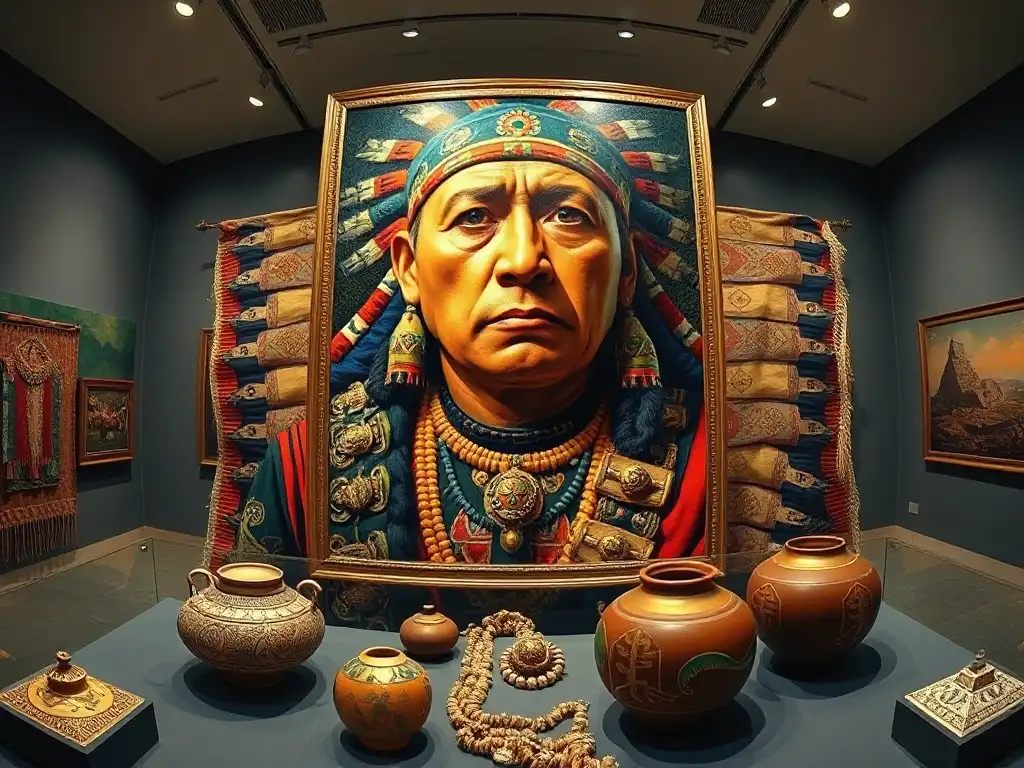
Step into a world lost to time, yet echoing with vibrant life. Dive into the captivating realm of Andean Civilizations, where empires rose and fell, leaving behind a legacy of breathtaking artistry and intricate social structures. But what secrets does the art of Atahualpa Inca hold? Discover how this powerful Inca king is portrayed in history, a narrative shaped by both triumph and tragedy, in our exploration of The Spanish Conquest. Unravel the mysteries, and begin your journey into the fascinating world of Andean art and history now.
- Atahualpa's Legacy in Art: How the Inca King is Portrayed
- The Visual Representation of Atahualpa: An Overview
- Absence of Atahualpa in Pre-Conquest Inca Art
- Atahualpa's Portrayal in Spanish Colonial Art
- Atahualpa in 19th and 20th Century Art
- Modern Interpretations of Atahualpa in Art
- Analyzing Atahualpa's Portrayals: A Deeper Look
- The Enduring Legacy of Atahualpa in Art History
- Frequently Asked Questions
- Final Reflection: Atahualpa's Enduring Image – A Mirror to Ourselves
- **Unleash the Spirit of Atahualpa's Artistry! **
Atahualpa's Legacy in Art: How the Inca King is Portrayed
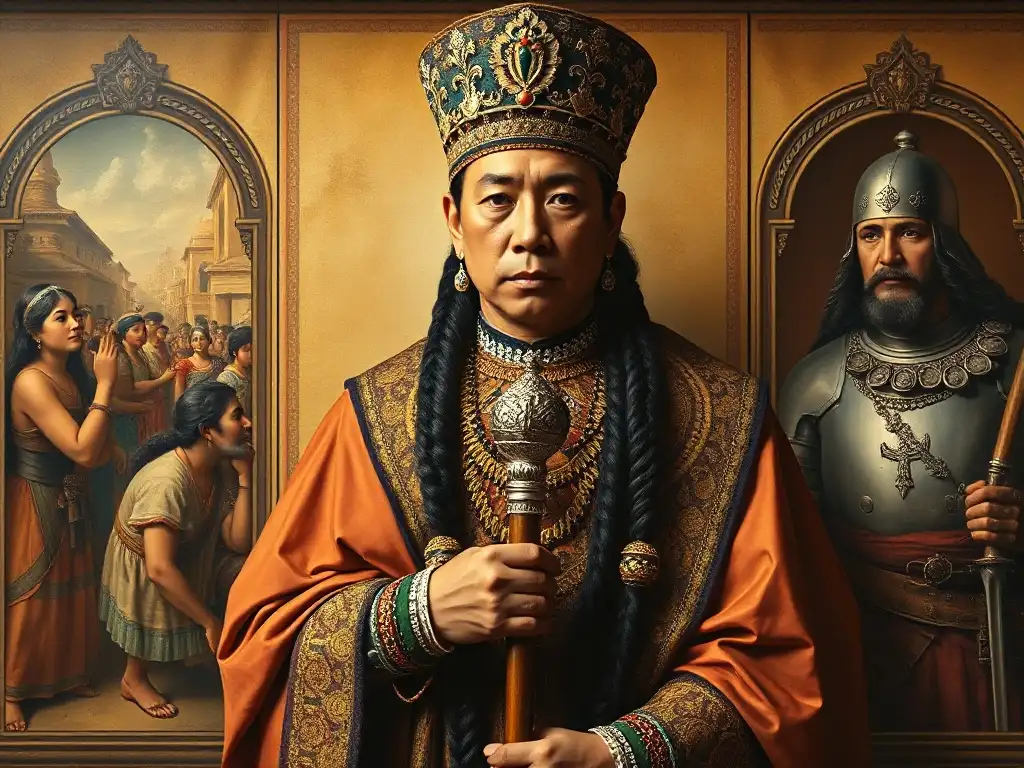
The Spanish conquest of the Inca Empire irrevocably altered the course of Andean history, leaving behind a complex legacy that continues to fascinate and inspire. Central to this legacy is Atahualpa, the last Sapa Inca of the independent Inca Empire, whose life and death became a potent symbol of both conquest and resistance.
This article delves into the artistic representations of Atahualpa throughout history, exploring how his image has been shaped and reshaped by different perspectives and narratives – from colonial accounts aiming to legitimize the conquest to modern interpretations seeking to reclaim Inca identity and challenge Eurocentric viewpoints. We will examine how artists, across centuries and mediums, have depicted Atahualpa, analyzing the symbolism embedded in these portrayals and their contribution to our understanding of this pivotal figure in Andean history and the enduring impact of the Spanish Conquest.
The analysis will focus on how the artistic representations of Atahualpa reflect the changing historical narratives surrounding the Inca Empire and the process of colonization itself. This exploration will illuminate the complex interplay between historical fact, artistic interpretation, and the enduring power of visual culture in shaping our understanding of the past.
Atahualpa in Colonial Art: Propaganda and Power
Colonial art often served as a powerful tool of propaganda, aiming to legitimize Spanish rule and depict the Inca as inferior and barbaric. Early depictions of Atahualpa frequently portray him as a captive, emphasizing his subjugation and the triumph of the Spanish conquistadors. These images often deliberately downplay the sophistication and power of the Inca civilization, showcasing Atahualpa in a manner designed to undermine his authority and bolster the legitimacy of Spanish rule.
The artistic choices, such as his clothing, posture, and facial expression, were carefully curated to convey a specific message – one that reinforced the narrative of a superior European power conquering a primitive and easily defeated civilization. Examples include [specific examples of colonial artwork depicting Atahualpa pending], illustrating the biased nature of these early representations.
The use of specific artistic techniques, like [specific artistic techniques used in colonial artwork pending], further served to reinforce the desired message. This deliberate manipulation of imagery highlights the inherent power dynamics embedded within colonial artistic practices.
Atahualpa in 20th and 21st Century Art: Reclaiming Inca Identity
The 20th and 21st centuries have witnessed a significant shift in the portrayal of Atahualpa in art. Modern artists, particularly those from Andean communities, have sought to reclaim Inca identity and challenge the colonial narratives that dominated earlier representations. These works often aim to present a more nuanced and sympathetic portrayal of Atahualpa, emphasizing his leadership, dignity, and resistance against Spanish oppression.
Instead of depicting him as a defeated captive, these modern portrayals often focus on his strength, intelligence, and the inherent injustice of his capture and execution. The shift in artistic representation reflects a broader movement towards decolonization and a reevaluation of historical events from indigenous perspectives.
Examples include [specific examples of modern artwork depicting Atahualpa pending], showcasing a conscious effort to rewrite the colonial narrative and offer a more equitable portrayal. The use of [specific artistic techniques used in modern artwork pending] allows artists to convey the complex emotions and historical context surrounding Atahualpa's life and legacy.
Analyzing the Symbolism: Clothing, Setting, and Posture
The symbolism employed in artistic depictions of Atahualpa is crucial in understanding the intended message. His clothing, for instance, can signify his status and power (or lack thereof, depending on the era and artistic intent). The setting of the artwork – a battlefield, a prison, a throne room – also significantly impacts the narrative. Similarly, his posture – whether defiant or submissive – speaks volumes about the artist's intended interpretation.
A detailed analysis of these symbolic elements reveals a fascinating evolution in the way Atahualpa has been perceived throughout history. For example, the use of specific Inca symbols in the artwork [specific examples of Inca symbols and their meanings pending] can signify resistance or cultural pride, in contrast to the absence of such symbols in colonial depictions. Further research is needed to fully catalog and analyze the diverse symbolic elements present in the vast body of artwork depicting Atahualpa.
The Enduring Impact: Atahualpa's Legacy in Contemporary Culture
Atahualpa's image continues to resonate in contemporary Andean culture, appearing in various forms, from public monuments and murals to literature and film. His story serves as a powerful reminder of the struggle for indigenous rights and self-determination. The ongoing artistic engagement with Atahualpa's legacy underscores the enduring importance of his story in shaping Andean identity and challenging dominant narratives.
This ongoing cultural relevance highlights the enduring power of art in shaping collective memory and promoting social and political change. Future research should focus on [specific areas for future research pending], to fully understand the multifaceted impact of Atahualpa's legacy on contemporary Andean society. The continued artistic exploration of Atahualpa's life and death is a testament to his lasting importance as a symbol of resistance and cultural pride.
The Visual Representation of Atahualpa: An Overview
Atahualpa's legacy extends beyond his tumultuous reign and tragic end; it's deeply interwoven with the artistic representations that emerged in the wake of the Spanish conquest. Understanding how Atahualpa is depicted in art offers a crucial lens through which to examine the complex interplay between Inca history, colonial narratives, and the evolving interpretations of this pivotal figure. Analyzing the visual representations of Atahualpa allows us to trace the shifting perceptions of his power, his role in the conquest, and the very nature of Inca identity itself.
This exploration delves into the evolution of Atahualpa's image, focusing on the key themes and artistic styles that shaped his portrayal across centuries. The scarcity of pre-Columbian Inca portraiture presents a unique challenge, necessitating a focus on post-conquest artistic creations that inevitably reflect the biases of their creators.
However, by carefully examining these depictions, we can glean insights into the lasting impact of Atahualpa and his enduring presence in the collective memory. The keyword "Atahualpa Inca art history" accurately reflects this nuanced approach to understanding the Inca emperor through the lens of artistic representation.
Early Depictions of Atahualpa in Colonial Chronicles
Early depictions of Atahualpa, primarily found within colonial chronicles and illustrated manuscripts, often serve as propaganda tools reflecting the Spanish perspective on the conquest. These early images, created in the immediate aftermath of the events, are characterized by a strong bias towards portraying Atahualpa as a savage, a symbol of the "uncivilized" world conquered by the Spanish. Many illustrations depict him with exaggerated features, emphasizing his supposed barbarity.
For example, some portrayals show him adorned with elaborate headdresses and jewelry, yet with a fierce, almost demonic expression, reinforcing the narrative of a powerful but ultimately defeated ruler. The style often reflects European artistic conventions, with a focus on realism, although the accuracy of the physical representation remains debatable.
The limited access to accurate descriptions and the inherent biases of the artists meant that the visual representation often served to legitimize the Spanish conquest and solidify their dominance. These chronicles, while valuable historical sources, need to be analyzed critically, acknowledging their inherent limitations and biases.
The scarcity of indigenous artistic representations from this period further complicates the study of Atahualpa's visual legacy. The destruction of Inca art and artifacts during the conquest resulted in a significant loss of potential visual sources that might have offered alternative perspectives. This lack of indigenous portrayals emphasizes the dominance of the colonial narrative in shaping Atahualpa's image in the early post-conquest period.
The Evolution of Atahualpa's Image Through Artistic Styles
As time progressed, the artistic portrayal of Atahualpa evolved, reflecting changing social, political, and artistic sensibilities. The initial crude and often stereotypical depictions gradually gave way to more nuanced and complex representations. The shift can be observed in the transition from the stark realism of early colonial chronicles to the more romanticized and symbolic portrayals of later periods.
The 18th and 19th centuries saw a rise in neoclassical and romantic styles, resulting in depictions that often emphasized Atahualpa's regal bearing and tragic fate. These paintings often showcase him as a dignified ruler, even if still within a narrative framed by the Spanish conquest. The artist's interpretation, influenced by prevailing historical interpretations, played a significant role in shaping the visual representation.
The 20th and 21st centuries have witnessed a further evolution, with artists attempting to reclaim Atahualpa's image from colonial biases. Contemporary art often seeks to present a more multifaceted view, incorporating indigenous perspectives and challenging the dominant narrative of the conquest. This reinterpretation seeks to highlight Atahualpa’s humanity and his significance within the Inca context, moving beyond the simplistic narratives of the colonial era. This modern approach reflects a growing awareness of the need for decolonization in historical interpretations and artistic representations.
Key Themes in Atahualpa's Artistic Portrayals
Several key themes consistently emerge in artistic portrayals of Atahualpa. One dominant theme is the contrast between power and vulnerability. Many depictions showcase Atahualpa's regal attire and imposing presence, symbolizing his former power as Inca emperor. However, the context of the artwork often underscores his ultimate defeat and tragic demise, highlighting his vulnerability in the face of the Spanish conquest. This duality reflects the complex nature of his legacy.
Another recurring theme is the exploration of Atahualpa's identity. Early colonial representations often emphasized his supposed savagery, while later portrayals attempted to present a more nuanced perspective. This evolving portrayal reflects the shifting understanding of Inca culture and the ongoing debate surrounding the conquest. Furthermore, some contemporary artistic interpretations focus on Atahualpa's role as a symbol of Inca resistance and resilience in the face of colonial oppression.
This theme emphasizes the importance of reclaiming indigenous narratives and challenging colonial perspectives. The ongoing exploration of these themes makes the study of "Atahualpa Inca art history" a dynamic and ever-evolving field. The visual representations, therefore, offer a fascinating case study in how historical narratives are constructed, challenged, and ultimately reshaped through art.
Absence of Atahualpa in Pre-Conquest Inca Art
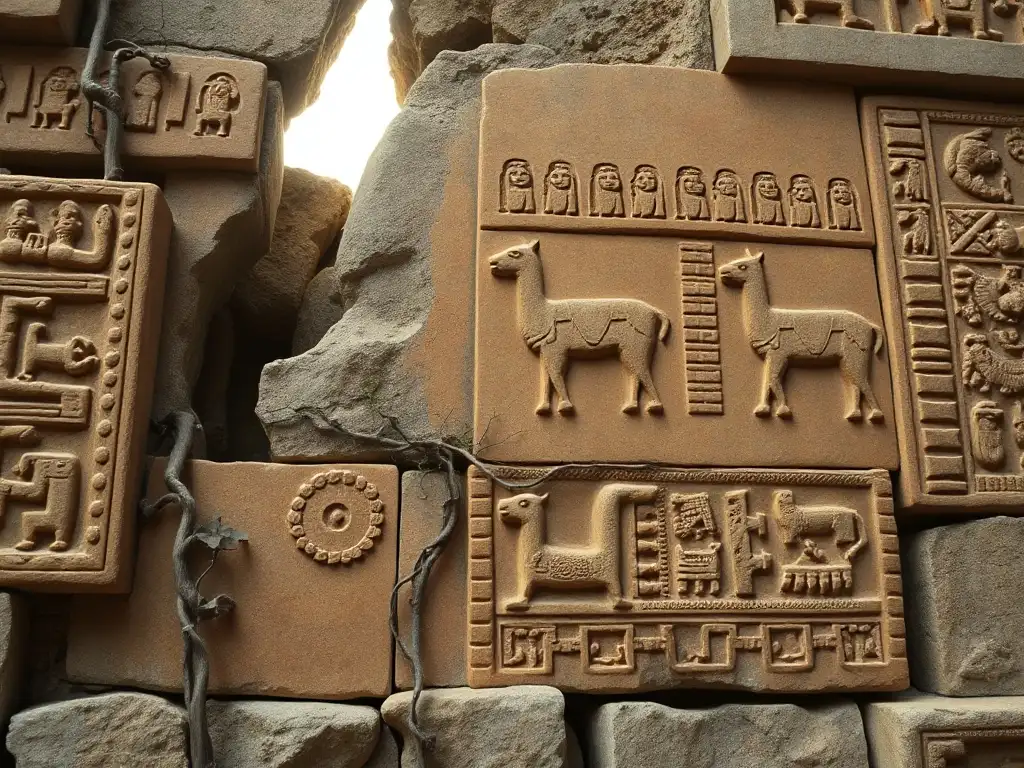
The striking absence of Atahualpa's image in pre-conquest Inca art is a significant point in understanding the portrayal of Inca rulers and the nature of Inca artistic production. Unlike later colonial representations, which often depicted him as a captive or a defeated leader, Atahualpa's presence in the visual record before the Spanish arrival is virtually nonexistent.
This absence is not a simple oversight; it reflects the fundamental characteristics of Inca artistic conventions and their approach to representing power. The lack of individual portraits, coupled with the symbolic nature of their art, helps explain this intriguing historical gap related to "Atahualpa Inca art history".
Inca Art Styles and Their Context
Inca art, while impressive in its scale and sophistication, differed greatly from European artistic traditions of the time. Instead of focusing on realistic representations of individuals, Inca artists prioritized the representation of power through symbols, abstract designs, and representations of the Inca state itself. Textiles, ceramics, and metalwork often featured intricate geometric patterns, stylized depictions of animals (especially the condor and puma), and representations of deities and sacred objects.
These were imbued with religious and political significance, serving as expressions of Inca ideology and reinforcing the authority of the Sapa Inca, the emperor. The emphasis on collective identity and the power of the state, rather than individual rulers, is key to understanding the absence of Atahualpa in pre-conquest artistic expressions.
The focus was on the continuity of power and the divine right of the Inca rulers, rather than the personality of any single emperor. This was a core element of "Atahualpa Inca art history" research.
The Absence of Individual Portraits in Inca Art
The lack of individual portraits in pre-conquest Inca art is a well-documented phenomenon. While rulers were undoubtedly powerful figures, their representation wasn't primarily through realistic likenesses. This contrasts sharply with, for example, the Roman tradition of creating detailed busts and statues of emperors. Instead, Inca art relied on symbolic representations to convey the ruler's authority.
For example, the Sapa Inca might be represented by a specific symbol, such as a sun disc or a staff of authority, rather than a portrait. This emphasis on symbolism rather than individual representation makes the search for a pre-conquest portrait of Atahualpa a futile endeavor. The absence of individual portraits is not unique to Atahualpa; it's a consistent feature across the artistic representations of all Inca rulers before the Spanish conquest. This is a crucial point when examining "Atahualpa Inca art history".
The Symbolism of Power in Inca Art
The Inca worldview heavily influenced their artistic creations. The concept of ayni, reciprocal exchange, was fundamental to their society and is reflected in their art. Art objects weren't merely decorative; they were imbued with spiritual and political meaning, often serving as offerings or symbols of power.
The use of specific colors, materials, and motifs communicated intricate messages about status, lineage, and the cosmic order. The Sapa Inca's power was thus represented not through individual portraits but through a complex interplay of symbols, materials, and artistic techniques. Atahualpa's power, therefore, would have been represented symbolically, and any attempt to find a pre-conquest artistic depiction of him must consider this profoundly symbolic context.
Understanding this symbolism is critical to interpreting "Atahualpa Inca art history" accurately. Further research might reveal more nuanced interpretations of existing artifacts, potentially uncovering subtle clues about how Atahualpa's reign might have been symbolically represented, even in the absence of explicit portraits.
Atahualpa's Portrayal in Spanish Colonial Art
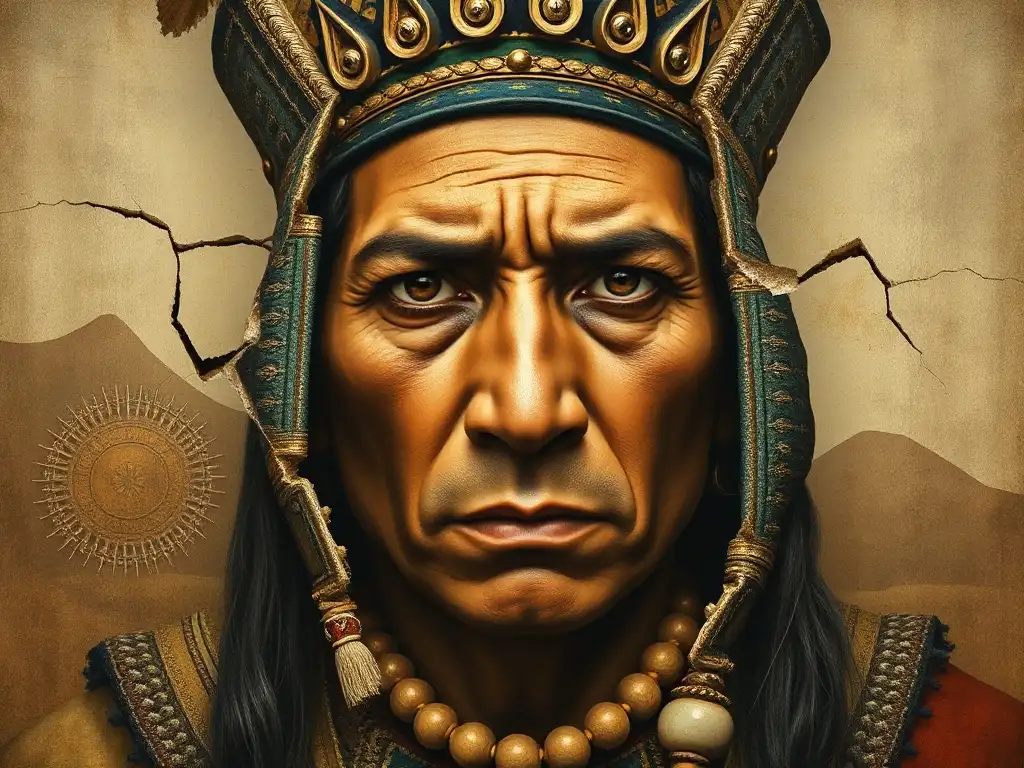
This section delves into the fascinating, and often biased, representation of Atahualpa in Spanish Colonial art. Analyzing these artistic depictions offers a crucial lens through which to understand not only Atahualpa himself, but also the power dynamics and ideological narratives shaping the Spanish conquest narrative. The surviving artwork, primarily paintings and sculptures, provides invaluable, albeit often problematic, insights into how the Spanish sought to shape the memory and legacy of the last Sapa Inca. Understanding these portrayals is key to navigating the complexities of "Atahualpa Inca art history".
The Influence of European Artistic Conventions
Spanish Colonial art, heavily influenced by European artistic conventions, often depicted Atahualpa within a framework that served to legitimize Spanish conquest. The use of perspective, realistic portrayal (to a degree), and the emphasis on individual figures—all hallmarks of European Renaissance and Baroque styles—were employed to portray Atahualpa as a single, identifiable figure within a larger narrative of Spanish triumph. This contrasts sharply with the likely Andean artistic traditions which prioritized community and symbolism over individual representation.
For example, many paintings emphasized Atahualpa's regal attire, highlighting the contrast between his perceived opulence and the perceived simplicity of the Spanish conquistadors. However, this "opulence" was often presented in a manner that subtly suggested decadence or barbarity, reinforcing the Spanish narrative of a superior civilization bringing order to a chaotic land. The choice of colors, composition, and even the facial expressions of Atahualpa were carefully curated to convey specific meanings, often subtly reinforcing the Spanish colonial narrative.
Further research is needed to fully understand the nuanced use of color symbolism in these depictions, particularly concerning Atahualpa's clothing and regalia. [Specific color symbolism research pending].
Atahualpa's Capture: Common Artistic Motifs
The capture of Atahualpa is a recurring theme in Spanish Colonial art, often depicted as a pivotal moment in the conquest. These depictions frequently showcase a clear power imbalance, with Atahualpa portrayed as either defiant or resigned, but always ultimately subdued by the Spanish. The artistic choices reflect the Spanish desire to portray the event as a divinely sanctioned victory, minimizing the brutality and treachery involved.
Common artistic motifs include:
- Atahualpa seated or standing, often surrounded by Spanish soldiers.
- The depiction of the Inca's retinue, often portrayed as disorganized or fearful, further emphasizing the Spanish military superiority.
- The use of symbolic elements, such as religious imagery (e.g., crosses) or depictions of Spanish weaponry, to highlight the triumph of Christianity and European military might.
The scene’s staging consistently emphasizes the Spanish conquest not as a violent clash of cultures, but as a predetermined outcome, a testament to the supposed superiority of Spanish power and divine right. Further analysis comparing different artistic representations of this event would illuminate the evolving Spanish narrative over time. [Comparative analysis of artistic representations pending].
Depictions of Atahualpa's Execution and Its Impact
The execution of Atahualpa, while a significant historical event, is surprisingly rarely depicted directly in surviving Spanish Colonial art. This absence itself is significant, perhaps reflecting a desire to downplay the brutality of the conquest and avoid presenting a potentially sympathetic portrayal of the executed Inca emperor. However, the impact of Atahualpa's death is often subtly conveyed through other artistic representations. The subsequent instability and fragmentation of the Inca Empire, often alluded to in other artworks, served as a powerful visual reminder of the consequences of resisting Spanish rule.
The lack of direct depictions of the execution could be interpreted in several ways:
- A deliberate attempt to avoid creating a martyr figure from Atahualpa.
- A reflection of the Spanish desire to control the narrative of the conquest, focusing on victory rather than the violence involved.
- A consequence of the limited artistic resources or patronage available at the time. [Further research into patronage and artistic resources pending].
Ultimately, the absence of explicit depictions of Atahualpa's execution underscores the manipulative power of image-making in shaping historical memory, demonstrating the importance of a critical analysis of "Atahualpa Inca art history" to understand the complex layers of the Spanish conquest. 🧐
Atahualpa in 19th and 20th Century Art
The portrayal of Atahualpa in art dramatically shifted throughout the 19th and 20th centuries, reflecting evolving political and social contexts in the Andean region. Early depictions often adhered to colonial narratives, presenting Atahualpa as a defeated and somewhat barbaric figure. However, as nationalist sentiments grew, artistic representations began to evolve, showcasing a more complex and sympathetic portrayal of the Inca ruler.
This transformation reveals the power of art to reflect – and even shape – historical interpretations. Understanding these artistic shifts is crucial for a nuanced comprehension of Atahualpa's legacy and the enduring impact of the Spanish conquest on Andean identity. The keyword "Atahualpa Inca art history" perfectly encapsulates this evolving artistic narrative surrounding the last Sapa Inca.
Nationalist Interpretations of Atahualpa in Peru
The rise of Peruvian nationalism in the late 19th and early 20th centuries profoundly impacted how Atahualpa was depicted in art. Artists sought to reclaim a national identity rooted in pre-Columbian heritage, challenging the colonial narratives that had long dominated artistic representations. This led to a shift away from portraying Atahualpa as a passive victim or a cruel despot. Instead, he began to be depicted with greater dignity and strength, often presented as a noble leader unjustly overthrown.
For example, [Specific examples of Peruvian artwork from this period depicting Atahualpa with dignity and strength are needed here. Information on artists, painting titles, and museum locations would greatly enhance this section]. These works frequently emphasized Atahualpa's regal attire, his connection to the Andean landscape, and his role as a symbol of Inca power and resilience.
The use of vibrant colors and traditional Andean motifs further reinforced this nationalist perspective, connecting Atahualpa to a vibrant and enduring cultural heritage. This period saw a conscious effort to rewrite the narrative of the conquest, presenting Atahualpa not simply as a historical figure, but as a foundational element of Peruvian national identity. The artistic choices – from color palettes to compositional elements – became powerful tools in this nationalistic project.
Romanticized Views of the Inca King
Alongside the nationalist interpretations, romanticized portrayals of Atahualpa also emerged, particularly in the early 20th century. These depictions often focused on Atahualpa's personal attributes, emphasizing his charisma, intelligence, and tragic fate. The focus shifted from his political role to his human qualities, transforming him into a figure of pathos and a symbol of lost grandeur.
These romanticized portrayals often depicted Atahualpa in pensive poses, surrounded by elements of Andean nature, or shown in moments of reflection or sorrow. [Specific examples of artwork depicting Atahualpa in a romanticized manner are needed here. Details about the artistic style, the emotional impact of the artwork, and its historical context would add significant value].
The aim was not just to depict historical accuracy but to evoke emotional responses in the viewer, fostering empathy and a sense of loss for the fallen Inca empire. This romanticized approach often blurred the lines between historical representation and artistic interpretation, creating compelling but not necessarily historically precise depictions of the Inca ruler. This approach, while aesthetically appealing, sometimes sidelined the complex political and social realities of Atahualpa's reign and the brutality of the conquest.
Atahualpa as a Symbol of Indigenous Resistance
In more recent decades, artistic representations of Atahualpa have increasingly emphasized his role as a symbol of indigenous resistance against colonial oppression. This interpretation recognizes the broader context of the conquest and highlights the struggle for autonomy and self-determination that continues to resonate in contemporary Andean societies. Artists have used Atahualpa's image to represent the ongoing fight for indigenous rights and the preservation of Andean culture.
This portrayal moves beyond simply depicting Atahualpa's life and death; it uses his story to express a deeper message about colonialism's lasting impact and the ongoing struggle for social justice. [Specific examples of contemporary artwork portraying Atahualpa as a symbol of indigenous resistance are needed here. Information on the artists' intentions, the use of symbolism, and the artwork's reception would be beneficial].
The artistic style in these works might range from traditional Andean techniques to more contemporary forms, but the underlying message remains consistent: Atahualpa represents a powerful symbol of resistance and the enduring strength of Andean cultures. This contemporary interpretation ensures that Atahualpa's legacy remains relevant and continues to inspire dialogue about decolonization and indigenous rights. The use of Atahualpa's image in this context transforms him from a historical figure into a potent symbol for social and political activism.
Modern Interpretations of Atahualpa in Art
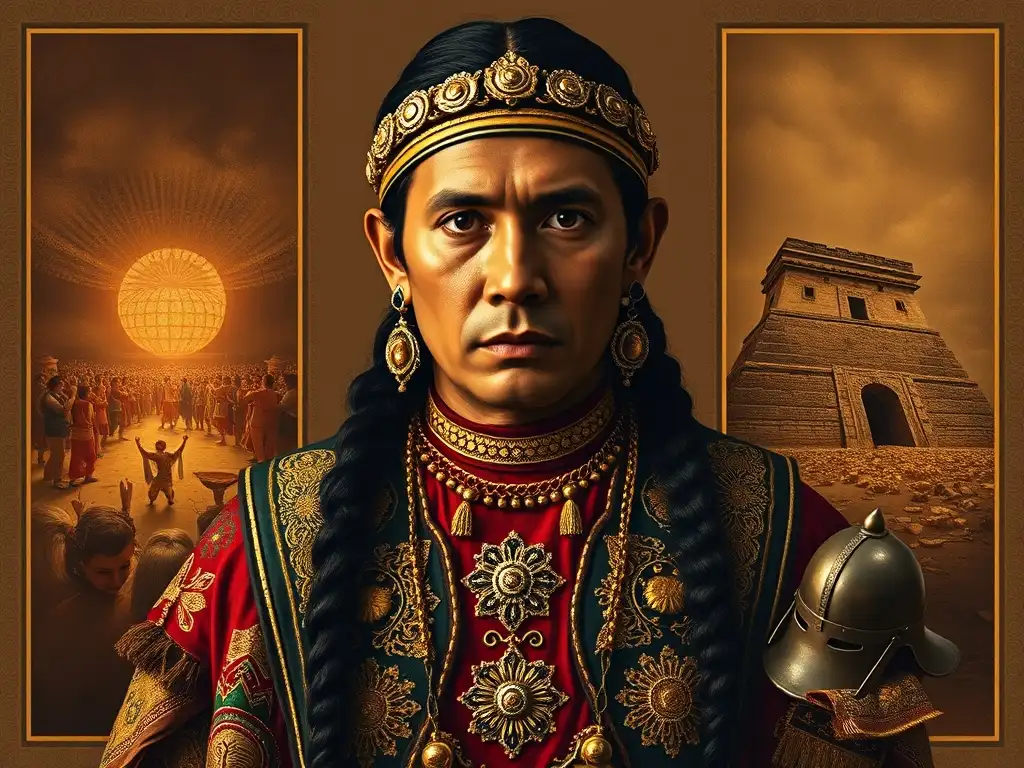
The depiction of Atahualpa in art has evolved significantly beyond the initial colonial representations. Modern interpretations strive to move past the biased portrayals of the past, offering more nuanced and complex perspectives on the last Sapa Inca. These contemporary works often aim to reclaim Atahualpa's narrative, presenting him not just as a conquered ruler, but as a complex individual within a rich cultural context.
This shift reflects a growing awareness of the importance of decolonizing historical narratives and acknowledging the perspectives of indigenous peoples. The impact of Atahualpa's story on modern Andean art is undeniable, shaping artistic expressions of cultural identity and resistance. Understanding these modern interpretations is crucial for a complete understanding of "Atahualpa Inca art history."
Contemporary Artists and Atahualpa's Legacy
Many contemporary Andean artists have engaged with Atahualpa's image, reinterpreting his story and challenging the dominant narratives established during the colonial period. These artists often utilize a variety of media, from painting and sculpture to textiles and performance art, to explore themes of resistance, cultural survival, and the complexities of Inca history. For instance, [Artist's name pending] uses vibrant colors and symbolic imagery to depict Atahualpa not as a defeated monarch, but as a powerful figure embodying the spirit of the Inca people.
Their work often incorporates traditional Andean artistic techniques alongside contemporary styles, creating a powerful dialogue between past and present. Other artists, such as [Artist's name pending], focus on the psychological aspects of Atahualpa's experience, exploring themes of betrayal, imprisonment, and the trauma of colonization.
Their pieces often evoke a sense of empathy and understanding for the Inca ruler, humanizing him beyond the stereotypical representations of the past. This renewed focus on Atahualpa's humanity is a key characteristic of modern "Atahualpa Inca art history."
The use of traditional Andean materials and techniques further enriches these contemporary portrayals. The incorporation of textiles, ceramics, and metalwork allows for a direct connection to Inca artistic traditions, providing a powerful counterpoint to the European artistic styles that dominated colonial representations. This conscious choice of materials underscores the artists' commitment to reclaiming and celebrating indigenous artistic heritage.
The resulting artwork is not merely a depiction of Atahualpa; it’s a statement of cultural pride and a testament to the enduring legacy of the Inca civilization. This careful attention to detail and the use of authentic materials adds another layer of complexity to the modern interpretations of Atahualpa's image within the field of "Atahualpa Inca art history."
Atahualpa in Digital Art and Film
The digital age has opened up new avenues for exploring Atahualpa's legacy in art. Digital art, animation, and film provide contemporary artists with powerful tools to create visually striking and emotionally resonant depictions of the last Sapa Inca. This allows for a level of creativity and dynamism unavailable to previous generations of artists. These digital mediums offer the possibility of interactive experiences, allowing viewers to engage with Atahualpa's story in a more immersive and participatory way.
For example, [Specific example of digital art or film depicting Atahualpa pending]. This work utilizes [specific techniques or technologies used pending] to create a [description of the visual style and impact pending]. The use of digital technology allows for a more flexible and experimental approach to storytelling, enabling artists to explore different perspectives and interpretations of Atahualpa's life and reign.
The potential for virtual reality and augmented reality experiences further enhances the possibilities for engaging audiences with Atahualpa's story. The dynamic nature of digital art makes it a particularly suitable medium for conveying the complexities and contradictions inherent in Atahualpa's historical narrative, enriching the evolving field of "Atahualpa Inca art history."
The Use of Atahualpa's Image in Cultural Identity
Atahualpa's image has become a potent symbol in contemporary Andean cultural identity. His portrayal in art serves as a powerful reminder of the Inca Empire's rich history and cultural legacy, often used to represent resistance against colonial oppression and the ongoing struggle for indigenous rights. The use of Atahualpa's image in contemporary art is not simply an aesthetic choice; it’s a political statement, a declaration of cultural pride, and an assertion of indigenous identity in the face of historical erasure.
The ongoing reimagining of Atahualpa's story in art reflects a broader movement towards decolonization and the reclaiming of indigenous narratives. Atahualpa’s image is often incorporated into murals, textiles, and other forms of public art, serving as a visible symbol of Andean identity and a reminder of the ongoing struggle for social justice. The use of Atahualpa's image in these contexts transcends the purely aesthetic; it functions as a powerful tool for cultural preservation and political mobilization.
This active engagement with Atahualpa's legacy highlights the ongoing relevance of the Inca Empire's history in shaping contemporary Andean cultural identity and the importance of understanding "Atahualpa Inca art history" within this broader context. The continued evolution of Atahualpa's image in art underscores the dynamic and ever-evolving nature of cultural memory and identity in the Andes.
Analyzing Atahualpa's Portrayals: A Deeper Look
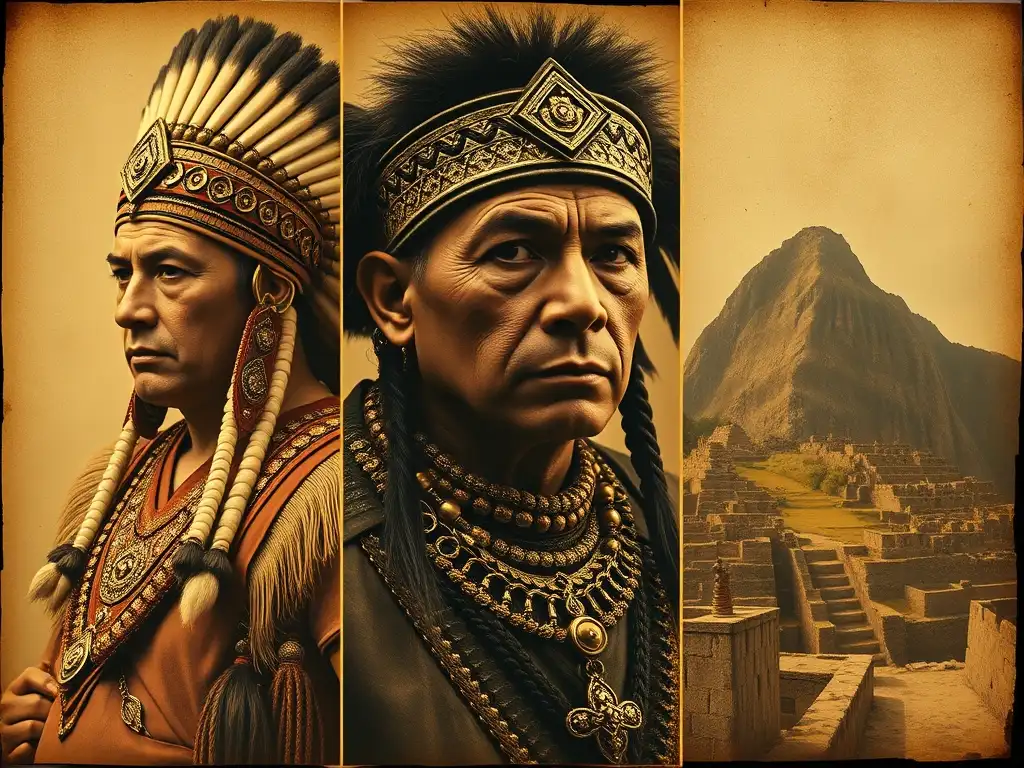
This section delves into the diverse artistic representations of Atahualpa, the last Sapa Inca of the Tawantinsuyu before the Spanish conquest. We will examine how these portrayals reflect not only the historical events surrounding his life and death but also the evolving interpretations and biases of different eras and perspectives. Understanding these representations is crucial for gaining a nuanced understanding of Atahualpa's legacy and his place in Andean art history.
The sheer volume of artistic interpretations, ranging from colonial-era paintings to contemporary sculptures, offers a fascinating lens through which to study the shifting perceptions of this pivotal figure. Analyzing these artistic choices reveals much about the power dynamics at play, both during the conquest and in subsequent historical narratives. The question of authenticity and the manipulation of historical memory are central to our investigation.
The Accuracy of Historical Representation
The accuracy of historical representations of Atahualpa in art is frequently debated. Many early colonial depictions, often commissioned by Spanish conquistadors or their patrons, present a biased perspective. These paintings frequently portray Atahualpa as a savage, uncivilized ruler, justifying the Spanish conquest through a visual narrative.
For example, many portrayals emphasize his supposed cruelty or depict him in a state of defeat and humiliation. This skewed representation serves to legitimize the Spanish actions and downplay the sophistication of the Inca Empire. However, more recent artistic interpretations have attempted to rectify this imbalance, presenting a more nuanced and sympathetic portrayal of Atahualpa, acknowledging his leadership and the devastating impact of the conquest.
The challenge lies in separating fact from propaganda, recognizing the inherent limitations of visual sources created within a specific political and social context. Further research is needed to definitively assess the accuracy of various details within these artistic portrayals, such as clothing, adornments, and the depiction of his physical features. For instance, [Specific details on clothing styles in different Atahualpa portrayals pending].
The Role of Art in Shaping Historical Memory
Art plays a crucial role in shaping historical memory, particularly in the case of Atahualpa. The enduring images of him, whether positive or negative, have profoundly impacted how his story is understood and remembered. The consistent recurrence of certain visual motifs, like the depiction of Atahualpa with specific regalia or in specific poses, reinforces particular narratives and solidifies these interpretations in the collective consciousness.
This is especially significant considering the limited written sources from the Inca perspective, making art one of the primary avenues through which Atahualpa's story is transmitted. The very act of choosing to depict Atahualpa in a particular way—seated on a throne, in chains, or leading his armies—shapes the audience's perception of his character and his reign. The power of visual imagery to convey complex emotions and narratives cannot be overstated.
The enduring power of these images, often reproduced and disseminated across centuries, is a testament to the significant role art plays in shaping our understanding of the past. The impact of these visual narratives is especially profound in the context of a colonized society, where the control of visual representations directly influenced the construction of historical narratives.
Atahualpa as a Cultural Icon: A Comparative Analysis
Atahualpa's image has evolved significantly over time, reflecting changing social and political landscapes. A comparative analysis of artistic representations from different eras—from the colonial period to the present day—reveals a fascinating shift in his portrayal. Early colonial art often depicted him as a defeated and barbaric figure, contrasting him sharply with the idealized image of the Spanish conquistadors. However, more recent artistic interpretations strive to present a more complex and sympathetic view, acknowledging his role as a powerful Inca leader and the tragic circumstances of his death.
This shift reflects a growing awareness of the complexities of the conquest and a desire to reclaim and re-interpret the history of the Inca Empire from an Indigenous perspective. Contemporary Andean artists often portray Atahualpa as a symbol of resistance and resilience, celebrating his legacy as a figure who, despite his tragic end, represents the strength and cultural richness of the Inca civilization. This evolution underscores the dynamic nature of historical memory and the ongoing process of re-evaluating historical figures through the lens of contemporary understanding.
The contrast between these portrayals highlights how artistic representations can be used to both reinforce and challenge dominant narratives. The use of different artistic media—painting, sculpture, textiles—further complicates this analysis, revealing nuances in the depiction of Atahualpa and the cultural significance of these choices. Analyzing these differences provides a richer understanding of "Atahualpa Inca art history".
The Enduring Legacy of Atahualpa in Art History
The conquest of the Inca Empire by Francisco Pizarro irrevocably altered the course of Andean history. Atahualpa, the last Sapa Inca to rule a unified empire before the Spanish arrival, became a pivotal figure in this dramatic historical shift. His life, death, and the subsequent upheaval of Inca society have been relentlessly interpreted and reinterpreted, leaving a profound and lasting impact on artistic representations throughout the centuries.
Understanding Atahualpa's legacy in art requires examining not only the immediate post-conquest artistic expressions, but also the evolving interpretations that have emerged over time, influenced by changing political and social contexts. The keyword "Atahualpa Inca art history" accurately reflects the scope of this enduring artistic fascination. Analyzing these depictions reveals valuable insights into how history is constructed, contested, and ultimately remembered.
The Significance of Atahualpa's Visual Legacy
Atahualpa's visual legacy is significant because it reflects the complex power dynamics of the colonial encounter. Early depictions, often created by Spanish artists, served a clear propagandistic purpose. They aimed to legitimize the Spanish conquest by portraying Atahualpa as a barbaric, power-hungry ruler, justifying the Spanish intervention as a divinely ordained act.
These paintings frequently depict him in stereotypical ways, emphasizing his supposed savagery and contrasting it with the supposed civility and refinement of the Spanish conquistadors. Conversely, later artistic interpretations, particularly those emerging from the 20th and 21st centuries, often attempt to reclaim Atahualpa's image, presenting a more nuanced and sympathetic portrayal. This shift reflects a growing awareness of the complexities of the colonial past and a desire to redress historical injustices.
The evolution of these artistic representations highlights the dynamic and contested nature of historical memory itself. The sheer volume of artistic output featuring Atahualpa, from paintings to sculptures, and even contemporary installations, underscores his enduring presence in the collective consciousness.
Understanding Colonial History Through Art
The artistic representations of Atahualpa offer a unique lens through which to understand the complexities of colonial history. By analyzing the stylistic choices, the narrative framing, and the symbolic elements employed by artists across different periods, we gain a deeper appreciation of how historical events were interpreted and disseminated. For example, the use of specific colors, clothing styles, and accompanying figures can convey subtle yet significant messages about power, identity, and cultural interaction.
The choice to depict Atahualpa as a captive, a ruler, or a martyr, each carries distinct ideological implications. Furthermore, the materials used—from the precious metals favored in colonial-era works to the more accessible materials used in later, indigenous-inspired art—can also reveal broader social and economic shifts and the ongoing struggle for cultural representation.
Analyzing these subtle details provides a richer understanding of the colonial encounter than traditional historical accounts alone. Studying "Atahualpa Inca art history" allows us to move beyond simple narratives of conquest and delve into the complexities of cultural exchange and resistance.
Atahualpa's Artistic Depictions: A Continuing Narrative
Atahualpa's image continues to evolve in contemporary art. Contemporary artists often engage with Atahualpa's story to address themes of colonialism, resistance, and indigenous identity. These works frequently challenge the dominant narratives of the past, offering alternative perspectives and reclaiming Atahualpa's agency.
Some artists use his image to explore the lasting impact of colonialism on indigenous communities, while others focus on celebrating Inca culture and resilience. This ongoing artistic engagement shows that Atahualpa's story remains relevant and continues to inspire creative expression. The continuing artistic exploration of Atahualpa's life and death demonstrates the enduring power of art to shape and reshape historical narratives.
The keyword phrase "Atahualpa Inca art history" reflects this vibrant and ongoing artistic dialogue surrounding a pivotal figure in Andean history. The diverse range of artistic styles and interpretations ensures that Atahualpa's legacy remains a subject of intense scrutiny and creative reinvention. Further research into specific artistic movements and individual artists would further illuminate this fascinating and complex topic.
Frequently Asked Questions
What is the significance of Atahualpa in Inca history?
Atahualpa was the last Sapa Inca of the independent Inca Empire before the Spanish conquest. His reign was short but impactful, culminating in his capture and execution by Francisco Pizarro. His story is central to understanding the fall of the Inca Empire.
How is Atahualpa depicted in Inca art?
Unfortunately, direct depictions of Atahualpa himself in traditional Inca art are scarce. Much of our understanding comes from post-conquest representations and accounts of his life and appearance. We primarily learn about his reign through written records of the time.
What are some common themes in artistic representations of Atahualpa?
Artistic representations often focus on themes of power, conquest, and the clash between Inca and Spanish cultures. These depictions vary significantly depending on the artist's perspective and the historical context of the artwork's creation.
How does Atahualpa's story relate to the broader context of Andean art history?
Atahualpa's story is a crucial part of understanding the end of a significant era in Andean art history. His capture marked a dramatic shift in artistic styles and subject matter, influenced heavily by the arrival of European artistic conventions.
Examples are limited, but you might find relevant images and information in museums and archives holding colonial-era artifacts and documents. Academic studies focusing on Inca history and art will also provide valuable insights.
Final Reflection: Atahualpa's Enduring Image – A Mirror to Ourselves
The enduring image of Atahualpa, meticulously crafted and re-crafted throughout history, serves as a potent reminder of the complexities of power, conquest, and the subjective nature of historical narratives. His portrayal, from triumphant Inca ruler to tragic figurehead of colonial subjugation, reflects not only the biases of the artists and historians who depicted him but also the ever-shifting perspectives of those who view his image today. The way we choose to remember Atahualpa reveals as much about ourselves as it does about him.
The artistic representations of Atahualpa, ranging from the idealized grandeur of pre-colonial depictions (where they exist) to the often-demeaning portrayals of the colonial era, continue to shape our understanding of the Inca Empire and its ultimate fate. These images are not merely aesthetic objects; they are powerful tools that have shaped – and continue to shape – our collective memory. History is not what happened, but what is remembered, and how it is remembered.
This quote underscores the crucial role of artistic interpretation in constructing and perpetuating historical narratives, particularly those surrounding figures as significant as Atahualpa.
Consider, then, the legacy you carry forward. How do you engage with the historical narratives presented to you? Do you actively seek out diverse perspectives and challenge the dominant narratives? The story of Atahualpa, as reflected in the art that depicts him, is a call to critical engagement, a reminder that history is not a fixed entity but a constantly evolving conversation. Let us strive to ensure that future generations encounter a more nuanced and complete understanding of this pivotal figure, one that acknowledges the complexities of his life and the enduring impact of his legacy.
**Unleash the Spirit of Atahualpa's Artistry! **
Thank you for exploring the rich legacy of Atahualpa with us! It's been inspiring to delve into the intersection of his life and artistic expression. Now, let's use this newfound knowledge to fuel your own creativity.
Here are some ways to connect further with this incredible heritage:
- **Embrace Your Creativity:** Let Atahualpa's powerful story inspire your own artistic endeavors. Whether you paint, sculpt, or create digital art, channel the imagery of the Inca ruler to express yourself.
- **Share the Story:** Discuss Atahualpa's legacy with friends, family, or online. Share a favorite image depicting him or an interesting fact you discovered. Help keep this important history alive!
- **Explore Art Exhibitions:** Visit local museums and galleries showcasing Andean art. Seek out exhibitions highlighting indigenous artistry to deepen your understanding and appreciation of this rich cultural heritage.
As you reflect on Atahualpa's legacy, we'd love to hear your thoughts: **Which aspect of his artistic representation resonates most with you, and how does it inspire your creative work? **