
The Spanish Weapons: How Technology Gave Pizarro a Decisive Edge

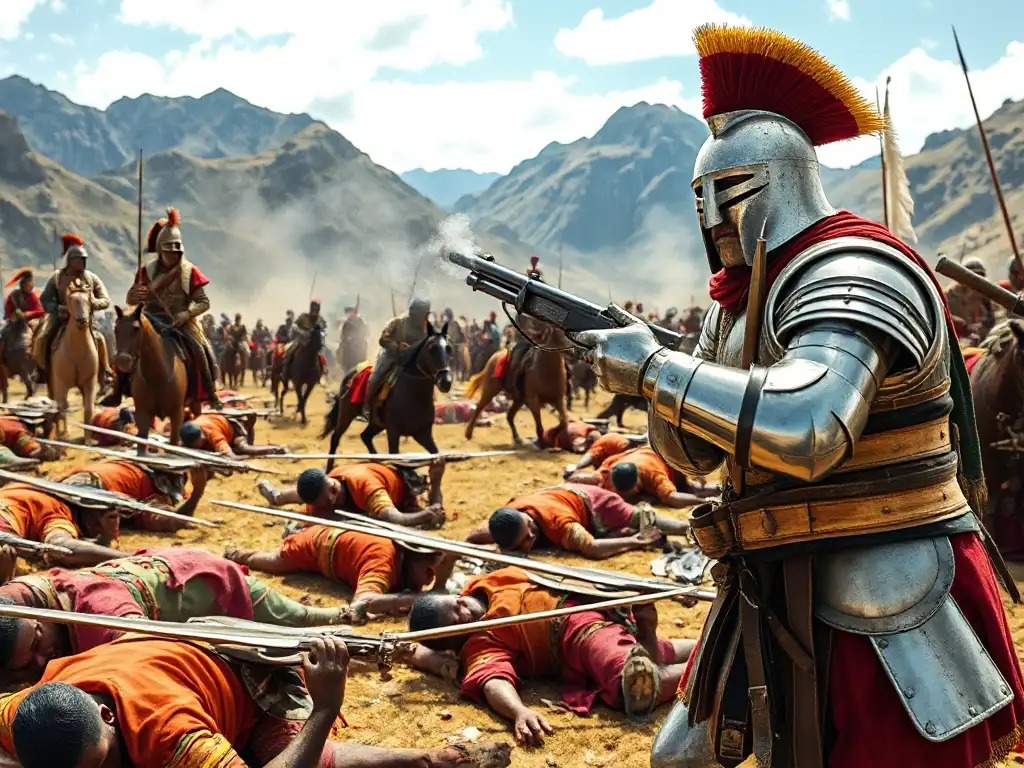
Uncover the secrets behind the dramatic fall of mighty Andean empires. For centuries, the Incas, Moche, and Nazca thrived, building breathtaking cities and intricate societies. But their reign ended abruptly. What truly tipped the balance of power? This website delves into the fascinating world of Andean civilizations, and this article explores the shocking impact of Spanish conquistadors' weaponry, revealing how advanced technology gave Pizarro a decisive edge. Prepare to be amazed by the ingenuity and resilience of these ancient cultures, and the devastating power that brought their age to a close.
- The Spanish Conquistadors Weaponry Impact: Pizarro's Technological Advantage in the Andes
- Introduction: The Technological Disparity in the Conquest of the Andes
- Spanish Military Technology: The Arsenal of the Conquistadors
- The Inca Military: Strengths and Limitations
- The Decisive Role of Technology in Pizarro's Success
- The Long-Term Consequences of Technological Imbalance
- Conclusion: The Undeniable Impact of Spanish Conquistadors Weaponry
-
Frequently Asked Questions
- What weaponry did the Spanish conquistadors possess that gave them an advantage over the Andean civilizations?
- How did the Spanish conquistadors' weaponry impact Andean warfare tactics?
- What role did steel play in the Spanish conquistadors' success?
- Did the Andean civilizations attempt to counter the Spanish weaponry?
- Beyond firearms, what other technological advantages did the Spanish possess?
- Final Reflection: Echoes of Steel: Technology's Enduring Legacy in Conquest
- Unveil the Power of History: Take Action Today!
The Spanish Conquistadors Weaponry Impact: Pizarro's Technological Advantage in the Andes
The Spanish conquest of the Inca Empire, a pivotal moment in South American history, wasn't solely a matter of military prowess. While the ambition and cunning of figures like Francisco Pizarro played a crucial role, the technological disparity between the Spanish conquistadors and the Inca army proved a decisive factor. This article delves into the weaponry employed by the Spanish, examining how superior technology significantly contributed to Pizarro's victory and shaped the course of Andean history.
We will explore the impact of this technological advantage, analyzing its role in the conquest and its lasting consequences for the indigenous populations and the cultural landscape of the Andes. This analysis will focus on the key elements of Spanish weaponry which contributed to their overwhelming success against the Inca, ultimately leading to the collapse of a vast and sophisticated empire.
Understanding this technological gap is crucial to grasping the complexities of the conquest and its enduring legacy. The keyword "Spanish conquistadors weaponry impact" will be explored throughout this analysis.
Steel Weapons: The Cutting Edge of Conquest
The Inca, like many other pre-Columbian Andean civilizations, primarily relied on bronze and copper tools and weapons. Their weaponry, while effective in inter-tribal conflicts, was no match for the superior steel weaponry of the Spanish. Spanish swords, lances, and pikes, forged from high-quality steel, possessed significantly greater strength, durability, and sharpness. This superiority is evident in accounts from the conquest, describing how easily Spanish blades could cut through Inca armor and bodies, while Inca weapons often shattered or bent upon impact.
The difference in material science alone provided a massive advantage, allowing for more effective piercing and slashing attacks. The sheer force and penetration power of Spanish steel fundamentally altered the dynamics of combat. This technological edge was not just a matter of individual combat skills; it fundamentally reshaped the battlefield strategy.
Firearms: The Sound of Conquest
The introduction of firearms, such as muskets and cannons, represented a truly revolutionary technological leap. The Inca had no effective countermeasures to ranged weaponry of this nature. The psychological impact of the explosive power and deadly accuracy of these weapons was as significant as their destructive capacity.
The thunderous sound of cannons and the deadly hail of musket fire instilled fear and disarray in the Inca ranks, breaking the cohesion of their formations and contributing to their rout. The effectiveness of firearms in both siege warfare and open battles solidified the Spanish advantage, allowing for the conquest of fortified Inca positions and the decimation of larger armies. Specific accounts detail the devastating effects of cannons against Inca fortifications, highlighting the decisive impact of this technology.
Horses: Mobility and Psychological Impact
The use of horses by the Spanish conquistadors provided another significant advantage. The Inca had never encountered horses before, and the sight of mounted soldiers charging into battle must have been terrifying. The speed and mobility afforded by cavalry allowed for rapid deployment of forces, flanking maneuvers, and the pursuit of fleeing enemies.
This superior mobility effectively negated one of the Inca's strengths: their superior numbers. The psychological impact of the horses, their speed and power, added to the Spanish's overall intimidation factor, further contributing to the Inca's defeat. The combination of these factors significantly amplified the impact of Spanish weaponry.
Armor and Defensive Technology: A Shield Against Inca Weapons
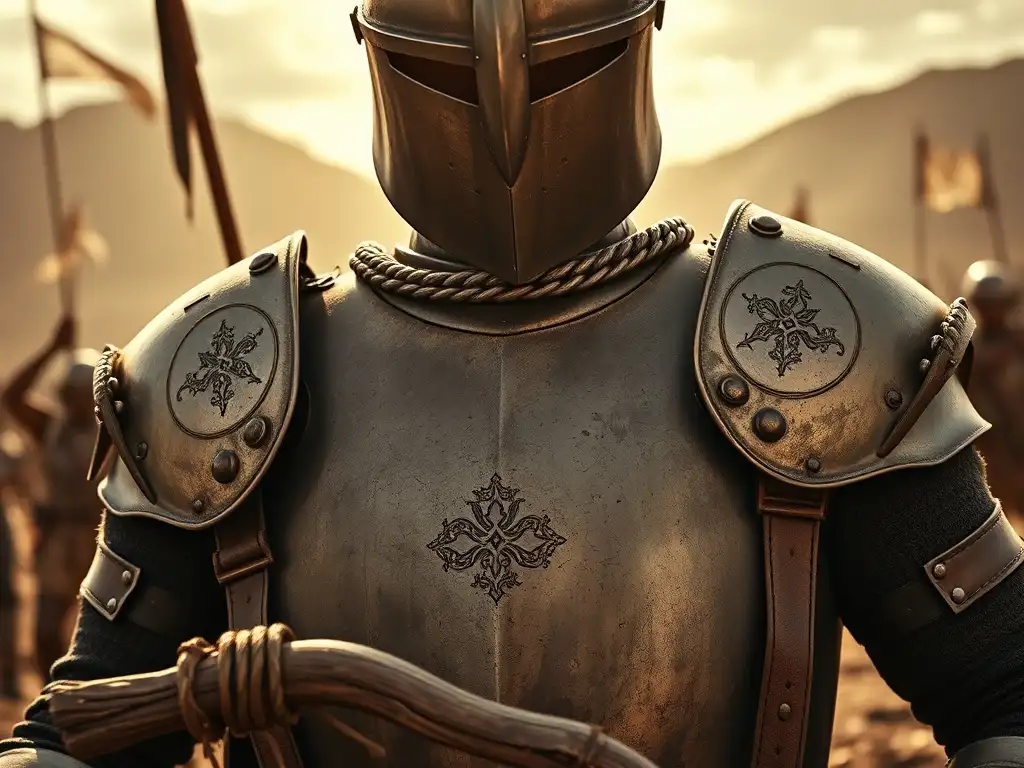
The Spanish conquistadors also benefited from superior armor. While not impenetrable, steel helmets, breastplates, and other forms of body armor offered a significant level of protection against Inca weapons. This defensive advantage allowed Spanish soldiers to withstand attacks that would have been fatal to their Inca counterparts, further tilting the balance of power decisively in their favor. This protective gear, combined with their superior weaponry, gave the Spanish a significant edge in close-quarters combat. The combination of offensive and defensive technological superiority dramatically increased the survival rate of Spanish soldiers and their overall combat effectiveness.
The Long-Term Impact: A Legacy of Technological Superiority
The Spanish conquest of the Inca Empire serves as a stark illustration of how technological superiority can dramatically alter the outcome of conflict. The impact of Spanish weaponry extended far beyond the immediate battles, shaping the political, social, and economic landscape of the Andes for centuries to come. The introduction of steel tools and weaponry fundamentally altered Andean metallurgy and production techniques, while the devastating effects of firearms and horses reshaped warfare and military strategy in the region.
The lasting impact of this technological disparity remains a crucial aspect of understanding the complex history of the Spanish conquest and its consequences. The legacy of this technological gap continues to resonate in the Andean region today.
Introduction: The Technological Disparity in the Conquest of the Andes
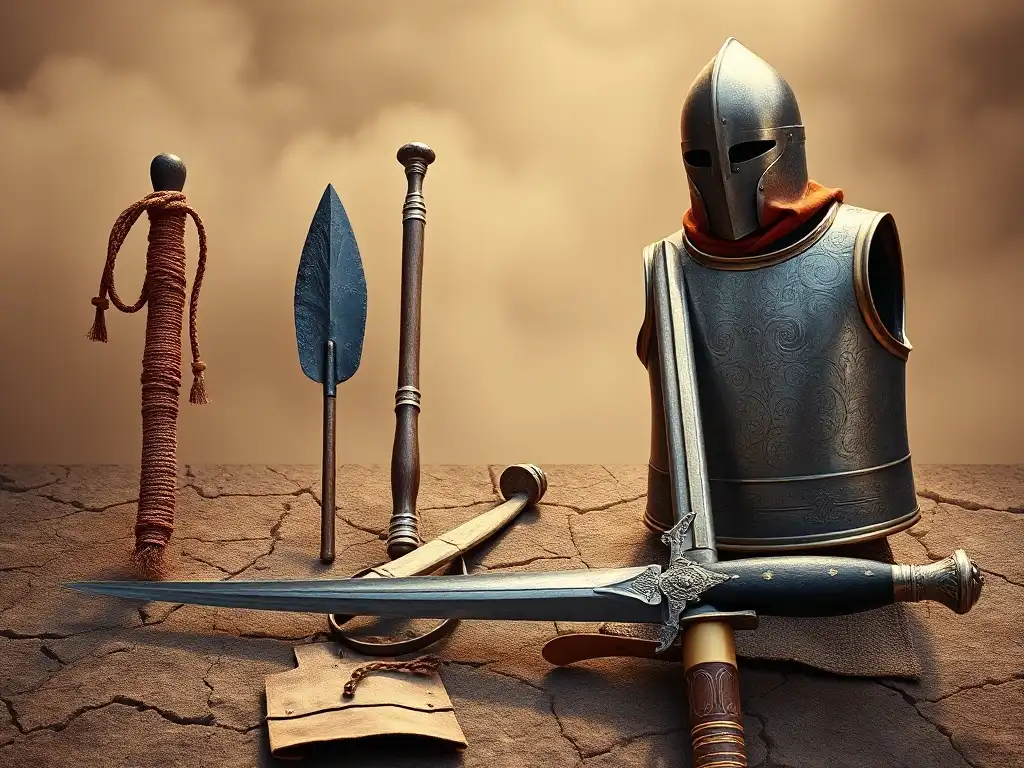
The Spanish conquest of the Inca Empire, a pivotal moment in Andean history, wasn't solely a triumph of military strategy. A significant factor contributing to Pizarro's success was a stark technological disparity between the Spanish conquistadors and the Inca army. This section will delve into the specific weaponry and technological advantages wielded by the Spanish, analyzing their impact on the outcome of the conquest and the subsequent reshaping of Andean society.
Understanding the technological imbalance is crucial to grasping the full scope of the Spanish conquest and its enduring consequences. The Spanish conquistadors weaponry impact is a complex subject encompassing not only the weapons themselves but also the strategic and psychological effects they had.
Understanding the Context: Andean Civilizations Before the Spanish Arrival
Before analyzing the Spanish weaponry, it's essential to establish the context of Andean military technology. Inca warfare, while sophisticated in its organization and logistics, relied primarily on weaponry made from readily available materials. Their primary weapons included macanas (clubs), boleadoras (throwing bolas), and warak'as (spears).
While effective in close-quarters combat, these weapons lacked the range and destructive power of European firearms. Furthermore, Inca armor, often consisting of quilted cotton or leather, offered limited protection against steel weaponry. The Inca's strength lay in their highly organized armies and their familiarity with the Andean terrain, but this advantage proved insufficient against the technological superiority of the Spanish.
The impact of the Spanish conquistadors' weaponry was exacerbated by this pre-existing technological gap. Detailed accounts from Spanish chroniclers, though often biased, offer insights into the nature of Inca weaponry and military tactics, providing valuable, albeit imperfect, data for analysis. Further research into Andean metallurgical techniques could offer a more nuanced understanding of their capacity for weapon production.
Pizarro's Expedition: A Clash of Worlds and Technologies
Pizarro's relatively small force possessed a decisive technological advantage. Their arsenal included steel swords, crossbows, and most importantly, firearms – muskets and cannons. These weapons offered unprecedented range and firepower, causing widespread terror and confusion among the Inca soldiers. The psychological impact of the explosions and the accuracy of the firearms was as significant as their physical destructive power. The effectiveness of the Spanish weaponry is evident in the accounts of battles, where relatively small numbers of Spanish soldiers inflicted heavy casualties on the much larger Inca armies.
Consider the Battle of Cajamarca: The element of surprise, combined with the devastating power of firearms and steel weaponry, allowed Pizarro to capture Atahualpa with minimal losses. This victory, largely attributed to technological superiority, set the stage for the conquest of the entire empire. The Spanish also utilized horses, which were completely unknown to the Inca, adding another layer to their technological advantage, providing speed and mobility in battle.
The impact of these combined factors – firearms, steel weapons, horses – on the Spanish conquistadors' success cannot be overstated. Further studies comparing casualty rates in different battles could quantify the impact of specific weapons on the course of the conquest.
The sheer psychological impact of the Spanish conquistadors weaponry, coupled with their superior technology, proved to be a decisive factor in their conquest. The introduction of these technologies irrevocably altered the landscape of warfare in the Andes, ushering in a new era marked by profound social and political upheaval.
Spanish Military Technology: The Arsenal of the Conquistadors
The Spanish conquistadors' success in subjugating the vast and powerful Andean empires wasn't solely due to superior tactics or political maneuvering. A crucial factor in their victory was the technological advantage they possessed, specifically in their weaponry. The Spanish arsenal, a stark contrast to the weaponry of the Inca, Moche, Nazca, and Tiahuanaco, played a decisive role in shaping the outcome of the conquest.
This technological disparity, encompassing superior metallurgy, devastating firearms, and advanced siege weaponry, fundamentally altered the balance of power in the Andes. Understanding the Spanish conquistadors weaponry impact requires a detailed examination of the specific tools and their effectiveness in Andean warfare.
Steel Swords and Blades: Superior Metallurgy of Spanish Weapons
The superior metallurgy of Spanish steel provided a significant advantage. Inca and other Andean armies primarily relied on bronze and copper weapons, which, while effective in close-quarters combat, were significantly less durable and sharper than the steel blades wielded by the conquistadors.
Spanish swords, rapiers, and daggers possessed a hardness and sharpness that allowed them to easily penetrate Andean armor and inflict devastating wounds. This superiority wasn't merely a matter of material; the Spanish also possessed more advanced techniques in blade forging and tempering, resulting in weapons that were both stronger and more resilient.
The difference in the quality of the steel is evident in the surviving artifacts: many Andean weapons show signs of significant wear and damage, while Spanish steel weapons, even those recovered from battlefields, often show remarkable preservation, reflecting the higher quality of the metal. The impact of this technological difference in close combat was substantial, contributing significantly to the Spanish advantage.
Firearms: The Psychological and Physical Impact of Guns and Cannons
The introduction of firearms represented a paradigm shift in Andean warfare. The psychological impact of guns and cannons was as significant as their physical destructive power. The Andean populations had never encountered such weapons, and the noise, smoke, and devastating effects of firearms created fear and confusion amongst their ranks.
This psychological advantage, combined with the actual lethality of the weapons, significantly weakened Andean resistance. The Spanish effectively used this element of surprise and terror to their strategic advantage, often overwhelming their opponents before close-quarters combat even began. The Spanish conquistadors weaponry impact on the psyche of the Andean armies cannot be overstated.
The Role of Arquebuses and Their Power in the Andes
Arquebuses, a type of early matchlock firearm, were particularly effective in Andean warfare. Their range and accuracy, although limited by today's standards, were far superior to any ranged weapons used by the Andean armies. While the rate of fire was slow, a volley of arquebus fire could inflict significant casualties and break enemy formations.
The Spanish utilized arquebuses effectively in both open battles and sieges, often employing them to soften up enemy defenses before launching a ground assault. The relatively flat terrain of many Andean battlefields also proved favorable for the use of these weapons. Reports from the conquest frequently mention the devastating effect of arquebus volleys on densely packed Andean armies.
Early Cannons and Their Effect on Andean Warfare
Early cannons, though less accurate and mobile than later firearms, still played a critical role in the Spanish conquest. Their primary use was in sieges, where they could breach fortifications and demoralize defenders. The psychological impact of cannon fire was immense, as the thunderous explosions and the destruction they caused created fear and confusion among the Andean populations.
While the Andean civilizations had their own siege engines, these were significantly less powerful and less effective than the Spanish cannons. This disparity in siege weaponry proved decisive in many battles and campaigns, facilitating the conquest of heavily fortified Andean cities and strongholds. The strategic use of cannons, particularly in sieges, profoundly altered the course of the conquest, highlighting the significant Spanish conquistadors weaponry impact.
Armor and Protective Gear: Spanish Defensive Advantages
The Spanish conquistadors possessed a significant advantage in defensive technology, a crucial factor contributing to their success against the Inca. Their superior armor and protective gear drastically reduced casualties during combat, while Andean warriors suffered far greater losses. This defensive superiority stemmed from access to advanced metallurgical techniques unavailable to the Inca. The Spanish utilized steel, a far stronger and more resilient material than the bronze and copper alloys commonly used by Andean civilizations.
This difference in material quality translated directly into a difference in battlefield effectiveness. The Spanish armor was capable of deflecting many of the Andean weapons, turning what would have been lethal blows into glancing impacts. The disparity in defensive capabilities was a key element in tilting the balance of power decisively in favor of the conquistadors. The impact of this technological advantage cannot be overstated; it was a pivotal element in the Spanish conquest.
Steel Armor: Deflecting Andean Weapons
Steel armor, crafted using advanced techniques from Europe, provided Spanish soldiers with unparalleled protection. Unlike the relatively thin and brittle armor of the Inca, often made of layers of quilted cotton or leather, the Spanish steel plate armor significantly reduced the effectiveness of Inca weaponry, such as clubs, slings, and spears. The superior hardness and tensile strength of steel allowed the armor to deflect blows that would have easily penetrated Andean defenses.
This allowed Spanish soldiers to engage in prolonged combat with significantly reduced risk of serious injury or death. Accounts from the time describe Spanish soldiers emerging from battles with relatively minor wounds while their Inca adversaries suffered far more severe casualties.
The steel armor was a tangible symbol of the technological chasm separating the two sides. The difference wasn't merely in the materials used; it was also in the craftsmanship – Spanish armorers possessed skills and techniques far exceeding those of their Andean counterparts.
Helmets and Shields: Further Protection for Conquistadors
Beyond steel plate armor, Spanish soldiers were equipped with helmets and shields, further enhancing their defensive capabilities. These provided additional protection against blows to the head and upper body, areas particularly vulnerable in close-quarters combat. The helmets, often made of steel or iron, were designed to withstand significant impacts, protecting the vital brain from potentially fatal injuries. Similarly, shields provided protection against projectiles and slashing weapons, allowing soldiers to advance and retreat with greater security.
The combination of armor, helmets, and shields created a formidable defensive system that significantly reduced Spanish casualties during conflict. This superior defensive technology allowed the Spanish to endure attacks that would have decimated less-protected forces, creating a decisive edge on the battlefield. The combination of these elements created a cumulative effect, amplifying the overall defensive advantage of the Spanish army.
Horses: The "Tanks" of the 16th Century Battlefield
The introduction of horses to the Andean battlefield represented a revolutionary shift in military tactics and effectiveness. Horses provided Spanish cavalry with unmatched mobility, speed, and striking power, completely altering the dynamics of combat. The impact of mounted soldiers on the Inca army was profound, transforming the battlefield into a domain where the Inca were at a considerable disadvantage. The horse, a creature unknown to the Inca, functioned as a powerful weapon in itself; its sheer size and speed instilled fear and confusion among the Inca warriors.
The Impact of Mounted Soldiers in Andean Terrain
While Andean terrain, characterized by mountainous regions and steep inclines, presented some challenges to mounted cavalry, the advantages still outweighed the disadvantages. Spanish cavalry, despite the uneven ground, could still maneuver effectively, utilizing their speed and mobility to outmaneuver and overwhelm Inca infantry. The impact of a charging cavalry unit was devastating, breaking through Inca formations and routing enemy troops.
While not always effective in all terrains, the strategic use of cavalry in the plains and open areas gave the Spanish a significant advantage. The ability to rapidly deploy troops and strike from unexpected angles provided a tactical edge that the Inca could not match.
Psychological Impact of Horses on Inca Warriors
The psychological impact of horses on Inca warriors was significant. The unfamiliar sight of these large, powerful animals, coupled with the speed and ferocity of mounted charges, instilled fear and disorientation among the Inca ranks. Many accounts describe the terror experienced by Inca soldiers confronting Spanish cavalry, further contributing to the Spanish victories.
This psychological effect, in combination with the inherent military advantages of mounted combat, further amplified the technological and tactical advantage the Spanish possessed. The element of surprise and the sheer terror inspired by the horses contributed heavily to the overall success of the Spanish conquistadors in their campaign. The psychological impact was a crucial, often overlooked, element in the Spanish conquest of the Inca empire.
The Inca Military: Strengths and Limitations
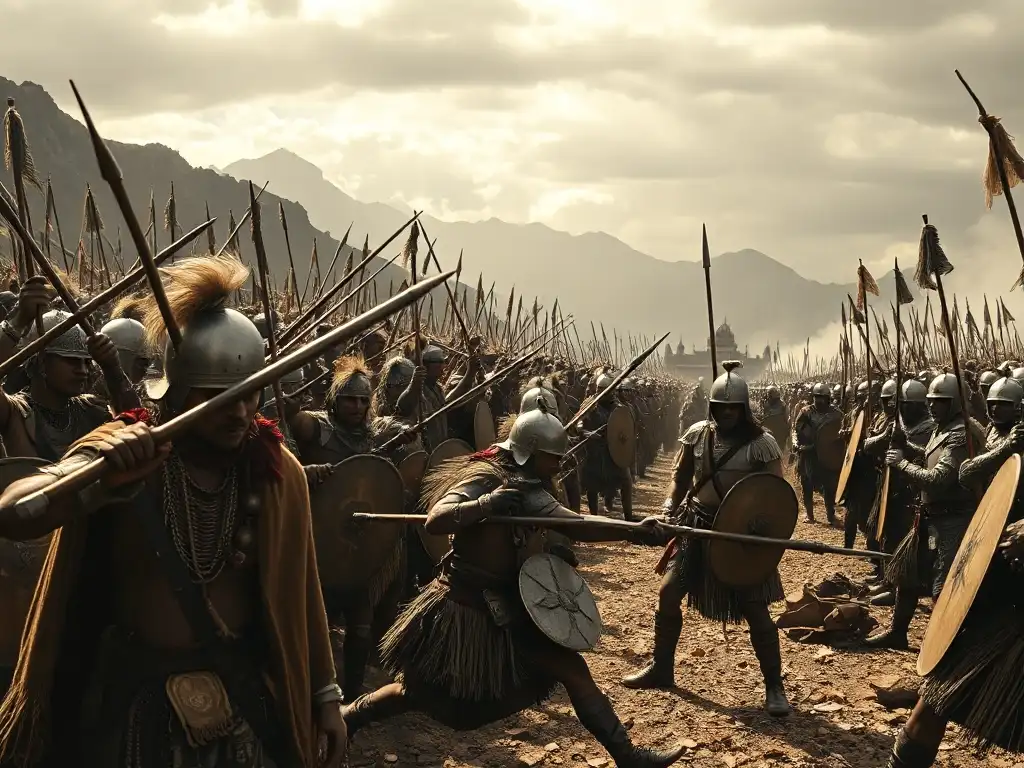
The Spanish conquest of the Inca Empire wasn't solely a matter of superior firepower; it was a complex interplay of technological advantage, strategic brilliance, and internal Inca vulnerabilities. While the Inca possessed a formidable military machine, adapted to the unique challenges of their mountainous terrain and regional conflicts, their weaponry and tactics proved inadequate against the advanced weaponry and military strategies employed by the Spanish conquistadors.
This section will delve into the strengths and, crucially, the limitations of the Inca military, providing a nuanced understanding of the factors that contributed to their defeat. The impact of Spanish conquistadors' weaponry on the Inca was undeniable, fundamentally altering the course of Andean history.
Inca Weaponry: Stone, Wood, and Bronze
The Effectiveness of Inca Spears, Clubs, and Slings
Inca weaponry, primarily composed of stone, wood, and bronze, was effective in regional conflicts. Spears, crafted from hardened wood and tipped with obsidian or bronze, were used for thrusting and throwing. Macanas, heavy clubs often adorned with metal studs, delivered devastating blows in close combat. Slings, capable of launching projectiles with remarkable accuracy over considerable distances, provided ranged support.
These weapons were effective against other Andean groups lacking the advanced weaponry of the Spanish conquistadors. However, their effectiveness paled in comparison to the firearms and steel weaponry of the Europeans. For example, while an Inca sling could inflict injury, it couldn't pierce steel armor. The impact of Spanish conquistadors' weaponry on Inca tactics was immediate and devastating.
Lack of Metal Armor and Firearms
A significant disadvantage for the Inca was the absence of widespread metal armor and firearms. While some elite warriors may have possessed rudimentary metal defenses, these were nowhere near the level of protection offered by Spanish steel armor and helmets. This lack of personal protection rendered Inca soldiers extremely vulnerable to Spanish swords, lances, and muskets.
The difference in defensive capabilities significantly amplified the impact of Spanish conquistadors' weaponry. The conquistadors' firearms, in particular, proved devastating, unleashing a hail of projectiles that the Inca had no effective means of countering. This technological gap fundamentally altered the nature of warfare in the Andes.
Inca Military Tactics and Strategies
Inca Warfare: Designed for Regional Conflicts
Inca military organization was impressive, with a vast army capable of mobilizing large numbers of soldiers. Their tactics, however, were largely designed for the type of regional conflicts they had historically faced within the Andes. These involved prolonged sieges, ambushes, and close-quarters combat. They excelled in mountain warfare, utilizing their knowledge of the terrain to their advantage. However, this expertise proved less effective against the highly mobile and strategically flexible Spanish forces. The impact of Spanish conquistadors' weaponry was compounded by their superior battlefield tactics.
Limitations Against Advanced European Military Technology
The Inca military organization, while impressive in scale, struggled to adapt to the Spanish style of warfare. The Spanish conquistadors' weaponry, including firearms, cannons, and steel armor, rendered many of the Inca's established tactics ineffective. The psychological impact of the unfamiliar sounds and destructive power of firearms also played a significant role in demoralizing Inca troops. The Inca's reliance on close-quarters combat left them vulnerable to the devastating effects of ranged weaponry.
Their lack of experience in dealing with cavalry further compounded their difficulties. The impact of Spanish conquistadors' weaponry, therefore, wasn't just a matter of superior technology; it was a complete transformation of the rules of engagement. The Inca military, despite its size and organization, was ultimately unprepared for this new form of warfare. The disparity in technology and tactics proved decisive in the Spanish conquest.
The Decisive Role of Technology in Pizarro's Success
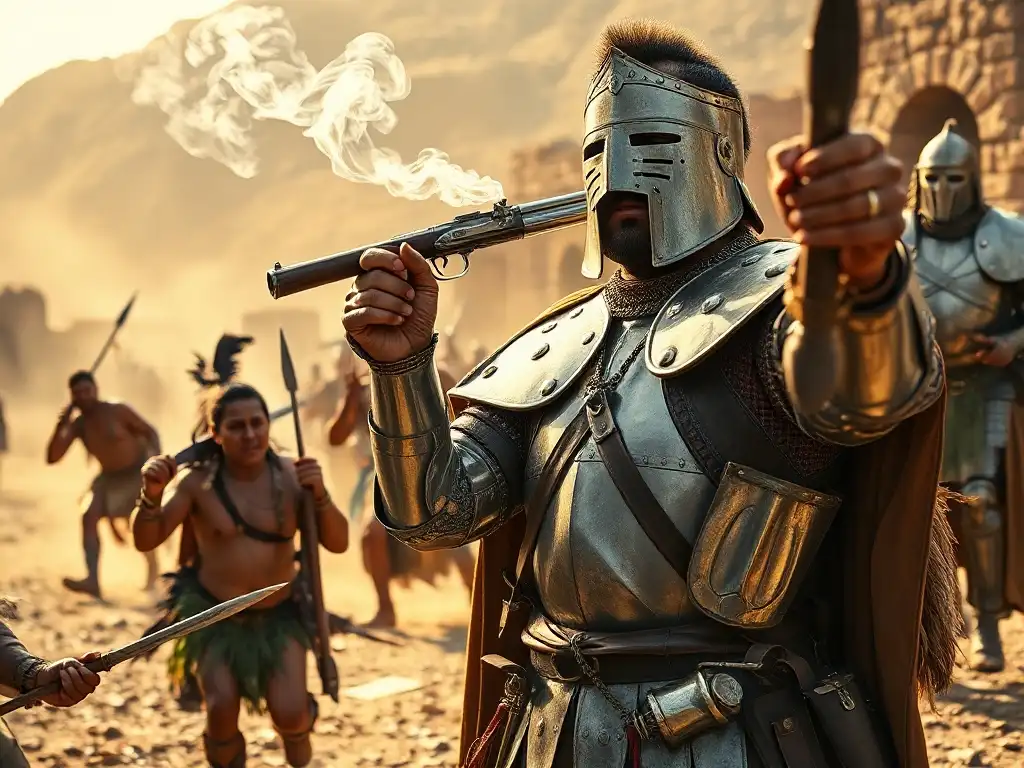
The Spanish conquest of the Inca Empire wasn't solely a matter of military strategy; it was significantly shaped by a technological disparity that gave Pizarro a decisive advantage. The Spanish conquistadors possessed weaponry far superior to that of the Inca, creating an asymmetrical warfare scenario that proved devastatingly effective. This technological edge wasn't just about superior firepower; it also played a crucial psychological role, undermining Inca confidence and accelerating their defeat. Understanding this technological imbalance is key to comprehending the swiftness and completeness of the Spanish conquest, a pivotal moment in the history of the "Spanish conquistadors weaponry impact."
How Spanish Weapons Created Asymmetrical Warfare
The Inca army, while vast and well-organized, relied primarily on clubs, slings, spears, and macanas (a type of club). These weapons, while effective in close-quarters combat against similarly equipped opponents, were no match for the Spanish arsenal. The Spanish conquistadors, on the other hand, wielded steel swords, lances, crossbows, and most importantly, firearms – arquebuses and cannons.
This disparity created a fundamentally asymmetrical battlefield. The range and power of firearms allowed the Spanish to inflict casualties from a safe distance, minimizing their own losses. The superior reach and penetration of steel weapons also meant that each Spanish soldier could effectively engage multiple Inca warriors.
Consider the Battle of Cajamarca: A small force of Spanish conquistadors, armed with superior weaponry, managed to capture the Inca emperor Atahualpa and his retinue. This was not simply a matter of cunning strategy; the technological advantage played a pivotal role. The element of surprise, combined with the devastating impact of firearms and steel weapons, allowed the Spanish to achieve a victory that seemed impossible given the numerical disparity. The "Spanish conquistadors weaponry impact" on the battlefield was immediate and undeniable.
The Psychological Warfare of the Conquistadors' Arsenal
Beyond the immediate battlefield impact, the Spanish weaponry had a profound psychological effect on the Inca. The sight and sound of firearms, completely unknown to the Inca, instilled fear and confusion. The seemingly magical power of these weapons, capable of inflicting death from afar, shattered the Inca's confidence in their own fighting prowess and their belief in their divine right to rule.
This psychological warfare, amplified by the superior technology, significantly contributed to the collapse of the Inca Empire. The Spanish effectively used their advanced weaponry not just as instruments of death but also as tools to break the Inca's will to resist. The psychological impact of the "Spanish conquistadors weaponry impact" is often underestimated.
The Shock and Fear Induced by Firearms
The sudden and unexpected appearance of firearms on the battlefield created a profound psychological impact. The loud explosions, the smoke, and the devastating effects of the projectiles were unlike anything the Inca had ever experienced. Accounts from the time describe the Inca soldiers' terror and confusion in the face of this new and terrifying technology. The psychological shock of witnessing their comrades falling to unseen forces from a distance was crippling.
This fear and disorientation significantly reduced the Inca's fighting effectiveness, making them easier targets for the Spanish soldiers. The devastating power of firearms was far beyond anything the Incas could comprehend or counter. This element of the "Spanish conquistadors weaponry impact" proved decisively influential.
The Impact of Steel Weapons on Inca Morale
The superior quality of Spanish steel weapons also played a significant role in undermining Inca morale. Inca weapons, made primarily of bronze or wood, were simply no match for the strength and sharpness of Spanish steel swords and lances. The ease with which Spanish soldiers could pierce Inca armor and inflict fatal wounds further demoralized the Inca warriors.
Witnessing the effectiveness of these weapons firsthand, and the relative ease with which Spanish soldiers dispatched Inca fighters, significantly eroded Inca confidence and contributed to the rapid disintegration of their resistance. The superior quality of Spanish steel weapons was a critical component of the "Spanish conquistadors weaponry impact" on the Inca Empire.
The Strategic Importance of Spanish Technology
The Spanish conquest of the Inca Empire wasn't solely a matter of military might; it was a clash of technologies. The Spanish conquistadors possessed a technological arsenal far superior to that of the Inca, a disparity that proved decisive in their victory. This technological advantage wasn't merely about brute force; it allowed for strategic maneuvering, efficient resource management, and the psychological intimidation of the Inca forces. The impact of Spanish weaponry on the outcome of the conquest cannot be overstated.
It fundamentally altered the balance of power, enabling a relatively small force to overcome a vastly larger empire. The superior technology effectively neutralized the Inca's numerical advantage, transforming a seemingly impossible task into a feasible, albeit brutal, undertaking. Understanding this technological imbalance is crucial to comprehending the dynamics of the conquest and the long-term consequences for the Andean region.
How Superior Technology Facilitated Conquest
The Spanish conquistadors' superior weaponry played a pivotal role in facilitating their conquest. Steel swords, crossbows, and, most importantly, firearms offered unparalleled advantages on the battlefield. Inca warriors, armed primarily with clubs, slings, and spears, were simply no match for the firepower and cutting power of Spanish steel.
The effectiveness of Spanish cannons in sieges and open battles further amplified their advantage. These weapons allowed the Spanish to decimate Inca ranks from a distance, minimizing their own casualties. Furthermore, the Spanish utilized gunpowder effectively, creating psychological shock and awe among the Inca soldiers, who had never encountered such destructive force.
This technological disparity translated directly into military dominance, allowing a relatively small contingent of Spanish soldiers to conquer a vast empire. The impact of this technological superiority reverberated through the entire conquest, shaping its trajectory and outcome. The psychological impact alone was staggering; the Inca's belief in their own invincibility shattered by the devastating power of Spanish weaponry.
The Role of Horses in Swift Military Campaigns
The introduction of horses to the Andean region represented a significant technological advantage for the Spanish conquistadors. Horses provided unmatched speed and mobility, allowing the Spanish to execute swift military maneuvers and surprise attacks that the Inca were ill-equipped to counter. The Inca, unfamiliar with cavalry tactics, were often overwhelmed by the speed and power of mounted Spanish soldiers.
Horses allowed the Spanish to quickly cover large distances, effectively deploying their forces across the expansive Andean terrain. This mobility was crucial in disrupting Inca supply lines, ambushing Inca armies, and quickly responding to changing battlefield situations. The psychological impact of the horse was also significant; the sight of mounted warriors charging into battle was terrifying to the Inca, who had never encountered such a formidable force.
The strategic use of cavalry, therefore, played a critical role in the Spanish conquest, and the impact of the horse on the outcome of the conflict cannot be overestimated. The combination of speed, maneuverability, and psychological impact made the horse a vital weapon in the Spanish arsenal.
The Long-Term Consequences of Technological Imbalance
The Spanish conquest of the Inca Empire wasn't solely a matter of military prowess; it was profoundly shaped by a stark technological imbalance. The Spanish conquistadors' weaponry, superior in both lethality and range, played a decisive role in their victory, leaving an enduring legacy on Andean society and the broader dynamics of colonial power. This section will explore the long-term consequences of this technological disparity, examining its impact on Andean warfare, societal structures, and the subsequent colonial period. The term "Spanish conquistadors weaponry impact" accurately reflects the profound and lasting effects of this imbalance.
The Legacy of Spanish Military Superiority in the Andes
The Spanish conquistadors' superior weaponry wasn't just about winning battles; it fundamentally altered the course of Andean history. Steel weapons, such as swords and lances, proved far more effective than the Inca's primarily bronze and stone implements. Furthermore, firearms—arquebuses and cannons—offered unparalleled range and firepower, allowing the Spanish to inflict devastating casualties from a distance, effectively neutralizing the Inca's numerical advantage.
The psychological impact of these weapons shouldn't be underestimated; the sheer terror inspired by the noise and destructive power of cannons and muskets significantly contributed to the Spanish victories. This advantage wasn't simply a matter of superior materials; it reflected a centuries-long technological advancement in Europe, resulting in weaponry far beyond anything available in the Andes at the time. The devastating effectiveness of Spanish weaponry during the conquest is a crucial element of understanding the "Spanish conquistadors weaponry impact" on the region.
The Impact on Andean Society and Warfare
The Spanish conquest's impact on Andean society extended far beyond the battlefield. The introduction of Spanish weaponry fundamentally reshaped Andean warfare. Traditional Andean battle tactics, often reliant on close-quarters combat and large-scale formations, proved ineffective against the Spanish's ranged weaponry. The Inca's sophisticated system of military organization and logistics, while impressive, could not compensate for the technological gap.
This led to a decline in traditional Andean military practices and a shift towards adopting, albeit imperfectly, European military technologies. The legacy of this shift is visible in the adoption of European weaponry and tactics by later Andean resistance movements, demonstrating the enduring impact of the initial conquest. The study of this transformation provides a deeper understanding of the "Spanish conquistadors weaponry impact" on Andean society.
The Enduring Influence of Military Technology on Colonial Dynamics
The technological advantage enjoyed by the Spanish during the conquest had lasting implications for the colonial period. The Spanish maintained a significant military edge throughout the colonial era, relying on superior weaponry to suppress indigenous resistance and maintain control. This military superiority underpinned the colonial power structure, shaping the social, political, and economic landscape of the Andes for centuries.
The continued use of superior weaponry by the Spanish, and later by other European powers, served to reinforce the colonial hierarchy and cemented the imbalance of power established during the initial conquest. Analyzing the long-term effects of this military disparity is essential for fully grasping the "Spanish conquistadors weaponry impact" and its continuing repercussions on the region.
The dominance of European military technology served as a cornerstone of colonial control, influencing everything from the organization of labor to the shaping of political institutions. Even after independence, the shadow of this technological imbalance continued to affect the region's military capabilities and strategic thinking.
Conclusion: The Undeniable Impact of Spanish Conquistadors Weaponry
The Spanish conquest of the Inca Empire, while a complex event driven by various factors, undeniably hinged on a significant technological disparity. The superior weaponry of the Spanish conquistadors, a culmination of centuries of European advancements, proved decisive in overcoming the Inca's formidable military might. This wasn't simply a matter of brute force; it was a strategic advantage that amplified the conquistadors' effectiveness, allowing a relatively small force to conquer a vast empire.
The impact of this technological gap resonates even today, shaping the historical narrative and the very fabric of Andean societies. The Spanish conquistadors weaponry impact is a crucial element in understanding this pivotal moment in history.
Understanding the Role of Technology in Historical Events
The Spanish conquest serves as a stark reminder of the profound role technology plays in shaping historical outcomes. While factors like disease, internal strife within the Inca Empire, and the psychological impact of unfamiliar weaponry all contributed to the conquest, the Spanish technological advantage was undeniably a catalyst. The steel swords, crossbows, cannons, and firearms possessed by Pizarro's men were vastly superior to the Inca's weaponry, primarily consisting of clubs, slings, and spears. This disparity wasn't merely quantitative; it was qualitative.
The range and accuracy of firearms, for example, allowed the Spanish to inflict casualties from a safe distance, minimizing their own losses. The superior defensive capabilities offered by steel armor further tilted the balance of power. Analyzing the Spanish conquistadors weaponry impact requires acknowledging this crucial technological imbalance.
Detailed studies comparing the effectiveness of various weapons systems employed by both sides are crucial for a nuanced understanding of the conquest's dynamics. For instance, [Specific data on comparative casualty rates pending] would provide valuable insight into the actual impact of Spanish weaponry. Further research could quantify the effectiveness of different Spanish weapons in various terrains common in the Andes, contributing to a more comprehensive understanding of the subject.
Reflections on the Lasting Effects of Conquest in the Andes
The consequences of the Spanish conquest, profoundly shaped by the technological disparity, continue to reverberate throughout Andean societies. The introduction of European weaponry not only led to the immediate collapse of the Inca Empire but also triggered a cascade of long-term effects. The subsequent centuries witnessed the imposition of new social structures, economic systems, and cultural norms, all deeply influenced by the power dynamics established through superior weaponry. The legacy of this conquest is visible in the modern political landscapes, cultural practices, and even the genetic makeup of Andean populations.
The Spanish conquistadors weaponry impact extended far beyond the battlefield, reshaping the very identity of the region. Even today, the echoes of this historical event are present in discussions of land rights, cultural preservation, and economic development in the Andes. Analyzing the enduring consequences requires a multidisciplinary approach, incorporating historical, anthropological, and sociological perspectives to fully grasp the complex interplay of factors that shaped the region's post-conquest trajectory.
A thorough examination of the long-term effects of this technological imbalance is critical to understanding the present-day realities of the Andean world. Further research into [Specific examples of long-term social and economic impacts pending] would provide a deeper insight into the lasting legacy of the Spanish conquest. The study of this legacy is crucial for fostering a more informed and empathetic understanding of the Andean region and its rich, complex history.
Frequently Asked Questions
What weaponry did the Spanish conquistadors possess that gave them an advantage over the Andean civilizations?
The Spanish possessed superior firearms, including arquebuses and cannons, which inflicted devastating casualties on the Andean armies lacking comparable technology. They also utilized steel swords and armor, providing significant personal protection.
How did the Spanish conquistadors' weaponry impact Andean warfare tactics?
The overwhelming firepower of Spanish weaponry forced Andean civilizations to adapt, but ultimately proved ineffective. Traditional Andean close-combat tactics were rendered obsolete by the long-range capabilities and destructive power of Spanish firearms. Mass formations became vulnerable targets.
What role did steel play in the Spanish conquistadors' success?
Steel provided a significant technological advantage. Spanish steel swords, armor, and weaponry were far superior to the Andean bronze and copper implements, offering greater durability and lethality in combat. This superiority translated to decisive battlefield victories.
Did the Andean civilizations attempt to counter the Spanish weaponry?
While Andean civilizations lacked comparable technology, they attempted to adapt. They employed guerrilla warfare tactics, utilizing their knowledge of the terrain to ambush Spanish forces and minimize losses from direct confrontation. However, this proved largely ineffective against the Spanish's superior weaponry.
Beyond firearms, what other technological advantages did the Spanish possess?
Besides firearms, the Spanish also benefited from superior horses, providing unmatched mobility and cavalry charges. Advanced navigational tools and shipbuilding technology also played a crucial role in their ability to reach and conquer the Andean civilizations.
Final Reflection: Echoes of Steel: Technology's Enduring Legacy in Conquest
The technological disparity between the Spanish conquistadors and the Inca Empire wasn't merely a factor in the conquest of Peru; it was the decisive tipping point. The superior weaponry wielded by Pizarro's forces – steel swords, crossbows, cannons, and gunpowder – fundamentally altered the course of history, leaving an undeniable mark on the Americas and shaping the global landscape we inhabit today. This imbalance highlights the profound impact technology can have on power dynamics, a lesson that remains tragically relevant in our modern world.
The echoes of those steel blades still resonate in the cultural and social fabric of Latin America. The legacy of conquest, shaped by this technological advantage, continues to influence political structures, social inequalities, and even the very language spoken across the continent. The enduring impact of this historical event underscores the importance of understanding the role of technology in shaping power and its lasting consequences. History is not just what happened, but what is remembered, and how it is remembered.
This quote perfectly encapsulates the ongoing struggle to understand and reconcile with the past, a past indelibly shaped by the Spanish conquistadors' technological prowess.
Consider the implications of this historical narrative. What responsibilities do we bear as inheritors of this legacy? How can we learn from the past to ensure that technological advancements are used responsibly and ethically in the present and future?
You, the reader, hold the power to shape a more equitable and just world. By understanding the impact of technology on power dynamics, we can strive to create a future where technological advancements serve humanity, rather than contributing to further imbalances and injustices. Let the story of Pizarro's conquest serve not as a celebration of dominance, but as a cautionary tale and a call to action.
Unveil the Power of History: Take Action Today!
Thank you for exploring how technology influenced Pizarro's conquest of the Inca Empire. You've discovered key insights into the technological advantages that propelled European explorers to success. Now, let's put this knowledge to good use!
- **Join a local historical society or online forum** to discuss the role of technology in shaping historical events.
- **Share this article** with friends and family who might find the fascinating interplay between technology and conquest equally compelling.
- **Deepen your understanding of Andean civilizations** by exploring related articles on our site.
Consider how modern technology is shaping our world today, drawing parallels to its impact on Pizarro's conquest.