
Atahualpa's Enduring Impact: A Symbol of Resistance and Lost Glory

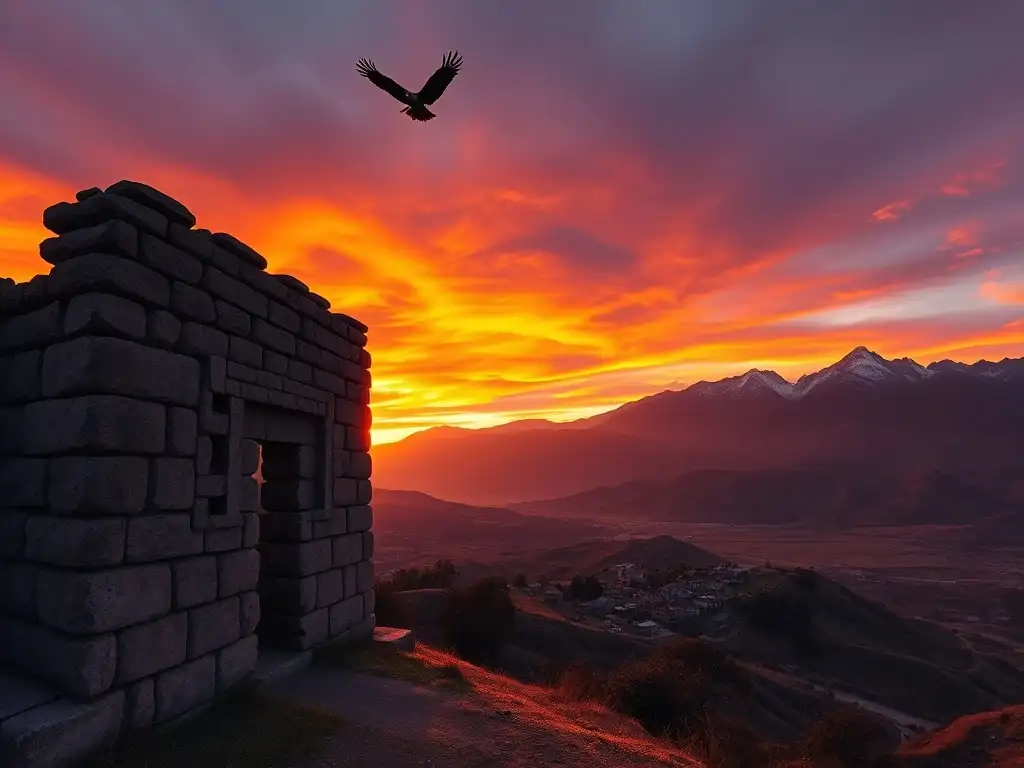
Step into a world lost to time, yet echoing with the power of empires. Dive into the fascinating tapestry of Andean civilizations, where ingenuity and artistry thrived for millennia. But what about the legacy of Atahualpa Inca, the last Sapa Inca? His story, a dramatic clash of cultures and a symbol of both resistance and devastating loss, is far more complex than you might imagine. Discover the Atahualpa Inca impact on history and uncover the secrets behind his enduring legacy. Unravel the truth – your journey begins now.
The Spanish conquest of the Inca Empire stands as a pivotal moment in South American history, forever altering the course of Andean civilizations. While Francisco Pizarro's name is often synonymous with this conquest, the story is incomplete without understanding the profound impact of Atahualpa, the last Sapa Inca before the fall of the empire.
This article delves into Atahualpa's enduring legacy, exploring his role not just as a conquered ruler but as a symbol of resistance and a reminder of the lost grandeur of the Inca civilization. We will analyze his influence on the subsequent historical trajectory of the Andes, examining how his story continues to resonate even centuries later and exploring his lasting impact on the cultural identity of the region.
This exploration will consider Atahualpa's pre-conquest reign, his confrontation with Pizarro, the consequences of his capture, and the enduring power of his image as a figure of both tragedy and defiance in the face of overwhelming odds. His story serves as a powerful lens through which to understand the complexities of the Inca Empire's demise and the enduring struggle for cultural preservation in the face of colonialism.
Atahualpa's Reign Before the Conquest
Atahualpa's rise to power was itself a testament to the inherent instability within the Inca Empire at the time of the Spanish arrival. He ascended to the throne following a civil war with his brother Huáscar, a conflict that significantly weakened the empire's defenses and arguably paved the way for the success of Pizarro's relatively small expeditionary force. Before the arrival of the Spanish, Atahualpa had consolidated his power, but the scars of the civil war were still evident.
[Specific details regarding Atahualpa's governance and policies before the conquest pending]. His reign, though short, was marked by ambitious projects [More detail on these projects pending] and attempts to consolidate power after the brutal conflict with his brother.
This internal strife weakened the Inca's ability to effectively resist the Spanish, a factor that significantly influenced the outcome of the conquest. The legacy of this internal conflict continues to be debated by historians, with some arguing that it was the primary factor in the Inca's defeat.
The Capture and Execution of Atahualpa
The infamous meeting between Atahualpa and Pizarro at Cajamarca remains a defining moment in the conquest. Pizarro's audacious strategy, employing deception and overwhelming force, resulted in Atahualpa's capture. This event marked a turning point, not only for Atahualpa himself, but for the entire Inca Empire. The subsequent events, including the infamous ransom of gold and silver, and the eventual execution of Atahualpa despite the payment, highlight the brutal realities of colonial expansion.
[Specific details regarding the negotiations, the amount of gold and silver, and the circumstances of Atahualpa's death pending]. The execution was a strategic move by Pizarro, aiming to eliminate the central authority of the Inca Empire and pave the way for easier subjugation of the remaining population. The event itself continues to be studied and analyzed to understand the motivations of both Pizarro and Atahualpa during this critical juncture.
Atahualpa's Enduring Symbolism: Resistance and Cultural Identity
Despite his relatively short reign and tragic end, Atahualpa's legacy transcends the immediate historical events surrounding his capture and execution. He became a potent symbol of Inca resistance against Spanish oppression, a figure representing the fight for cultural preservation in the face of overwhelming odds. His image and story have been passed down through generations, shaping the narrative of Andean identity and inspiring movements for indigenous rights. [Specific examples of Atahualpa's representation in Andean art, literature, and cultural practices pending].
His story continues to resonate powerfully, serving as a reminder of the resilience of Andean cultures and their enduring struggle for self-determination. The ongoing interest in Atahualpa’s story reflects a deeper yearning to understand and reclaim a complex past, shaped by both tragedy and unwavering resistance. His enduring legacy serves as a powerful testament to the strength and resilience of the Andean people.
The Impact on Subsequent Andean History
Atahualpa's death created a power vacuum that deeply affected the Inca Empire's ability to resist the Spanish conquest. The subsequent installation of puppet rulers and the disintegration of the empire's centralized control facilitated the Spanish colonization process. [Specific details regarding the consequences of Atahualpa's death on the Inca political landscape and the subsequent Spanish strategies of control pending].
The loss of Atahualpa, the last fully independent Sapa Inca, marked a definitive end to an era and profoundly impacted the social, political, and economic structures of Andean society for centuries to come. His story serves as a pivotal point in understanding the long-term consequences of the Spanish conquest and the ongoing process of decolonization in the Andean region. The lasting effects of his removal are still felt today.
- Atahualpa's Reign Before the Conquest
- The Capture and Execution of Atahualpa
- Atahualpa's Enduring Symbolism: Resistance and Cultural Identity
- The Impact on Subsequent Andean History
Atahualpa Inca: A Defining Figure of the Andean Conquest
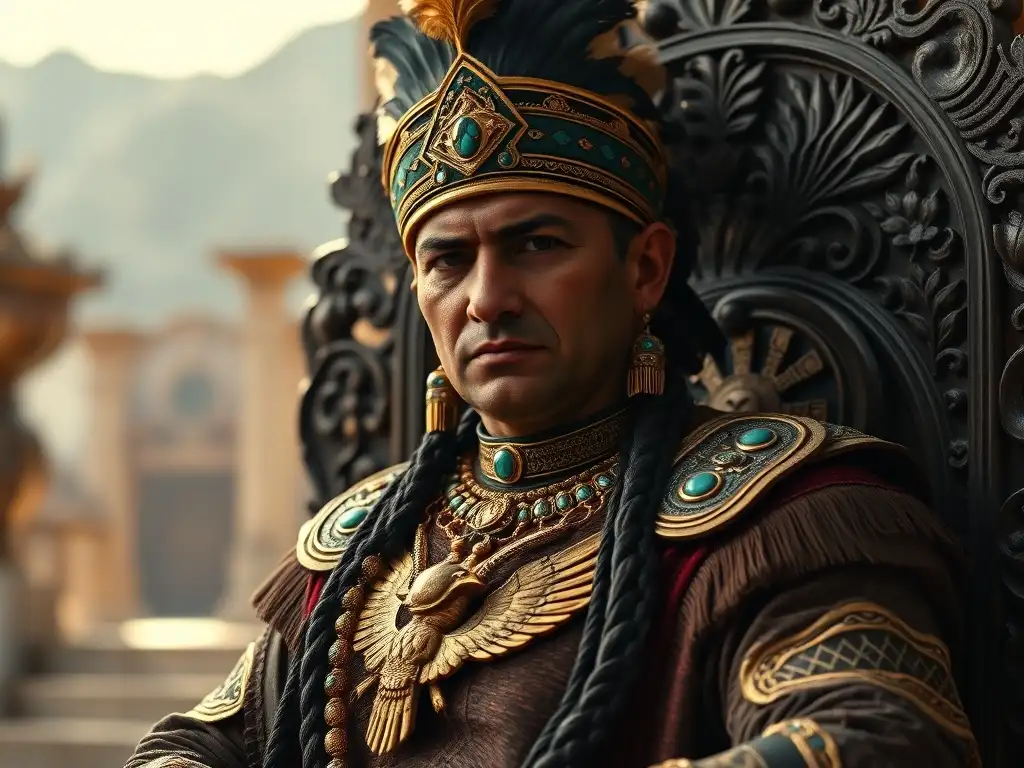
This section delves into the multifaceted legacy of Atahualpa, exploring his impact on the course of Andean history and his enduring symbolic power. His story is inextricably linked to the Spanish conquest, but understanding his reign and the circumstances surrounding his demise offers crucial insight into the complexities of the Inca Empire just before its collapse.
Analyzing Atahualpa's influence requires examining his rise to power, his involvement in the tumultuous Inca Civil War, and the state of the empire under his relatively brief rule. The impact of Atahualpa Inca on history remains a subject of ongoing scholarly debate, but his legacy as a symbol of resistance and lost Andean glory is undeniable.
The Rise of Atahualpa and the Inca Empire
Atahualpa's ascension to the Inca throne was far from straightforward. He was the son of Huayna Capac, the powerful Sapa Inca who presided over a vast and prosperous empire at its zenith. Upon Huayna Capac's death (the cause remains debated, with smallpox being a leading theory), the empire was plunged into a brutal civil war.
Atahualpa, initially a regional governor, skillfully maneuvered through complex political alliances and military campaigns. His strategic acumen and ruthless ambition allowed him to defeat his half-brother Huáscar, securing his claim to the Inca throne. This ascent, however, was achieved through bloodshed and significantly weakened the empire, leaving it vulnerable to the impending Spanish invasion.
Atahualpa's rise exemplifies the inherent fragility of power within the Inca system, even at the height of its imperial strength. The swift and brutal nature of his victory foreshadowed the similar swiftness of the Spanish conquest itself. His ruthless efficiency in consolidating power, although initially beneficial to his claim, ultimately proved detrimental to the Inca Empire's overall stability.
Atahualpa's Role in the Inca Civil War
The Inca Civil War (ca. 1527-1532) was a pivotal moment in Andean history, a period of intense internal conflict that profoundly weakened the Inca Empire. Atahualpa's participation was not simply that of a contender; his actions shaped the conflict's trajectory and its ultimate outcome.
He expertly exploited existing tensions and rivalries within the empire, skillfully leveraging his military strength and political maneuvering to outmaneuver Huáscar. The conflict wasn't merely a power struggle between brothers; it represented a clash of regional interests and competing visions for the future of the Inca state. Atahualpa's victory, while securing his position, left the empire fractured, its infrastructure damaged, and its manpower depleted – a situation that Pizarro would ruthlessly exploit.
The war's devastating impact on the Inca Empire's cohesion and resources is a crucial factor in understanding the relative ease with which Pizarro conquered such a vast and previously powerful civilization. The legacy of this war continues to inform our understanding of the Atahualpa Inca impact on history.
The Inca Empire at the Time of Atahualpa's Reign
Atahualpa inherited an empire already reeling from the civil war. While Huayna Capac had overseen a period of considerable expansion and prosperity, the years preceding Atahualpa's reign were characterized by internal strife and instability. The empire's vast infrastructure, while impressive, was strained by the recent conflict. Communication networks were disrupted, and regional loyalties were fractured.
The Inca's sophisticated administrative system, normally a source of strength, was rendered less effective by the war's aftermath. This weakened state, combined with the introduction of European diseases (like smallpox), created a perfect storm that facilitated the Spanish conquest. Atahualpa's short reign can be seen as a last gasp of imperial power, a desperate attempt to consolidate control and restore order before the inevitable arrival of the conquistadors.
The state of the empire under his rule serves as a critical context for understanding the speed and relative ease of the Spanish conquest and the lasting Atahualpa Inca impact on history. The fragility of the empire at this juncture highlights the importance of internal stability in maintaining a large and complex political entity. The swift downfall under the Spanish conquest underscores the devastating consequences of internal conflict and the vulnerability of even the most powerful empires to external threats.
The Capture and Imprisonment of Atahualpa
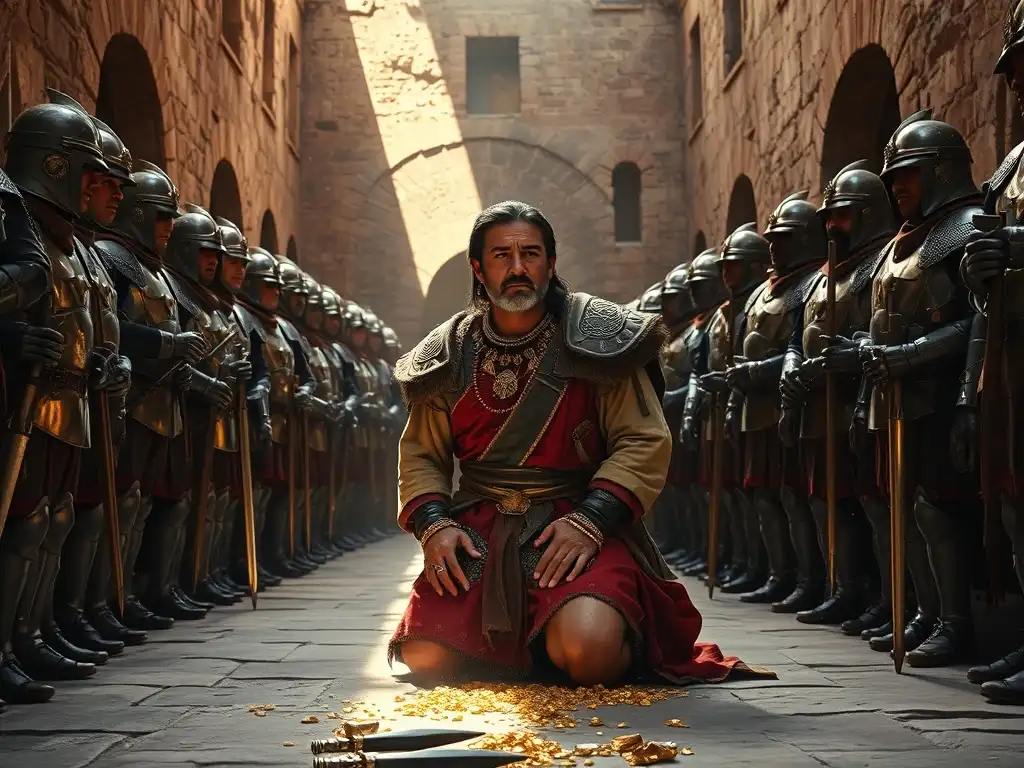
The capture of Atahualpa, the last Sapa Inca of the independent Inca Empire, remains one of the most pivotal events in the Spanish conquest of the Andes. This seemingly swift victory, achieved through a combination of military strategy and outright treachery, dramatically altered the course of Andean history and irrevocably reshaped the political landscape. Atahualpa's capture wasn't a simple battle; it was a meticulously planned ambush that exploited the Inca's cultural norms and trust, ultimately leading to the downfall of a vast and powerful empire.
The consequences of this event reverberate through history, shaping the narrative of colonial rule and the enduring legacy of resistance against oppression in the region. Understanding the circumstances surrounding Atahualpa's capture is crucial to grasping the full impact of this pivotal moment. Analyzing the event requires considering not just the immediate military actions but also the broader socio-political context of the time, including internal Inca conflicts and the existing power dynamics within the empire itself.
The impact of Atahualpa's capture extended far beyond the immediate loss of life, profoundly influencing the subsequent colonization of the Andes and leaving an indelible mark on the collective memory of the Andean peoples. The event continues to be a subject of intense historical debate, with scholars grappling with the complexities of the encounter and its long-term consequences.
The Meeting of Atahualpa and Pizarro in Cajamarca
The fateful meeting between Atahualpa and Francisco Pizarro in Cajamarca on November 16, 1532, is often described as a clash of civilizations, but it was more accurately a carefully orchestrated trap. Pizarro, with a vastly smaller force of approximately 168 Spanish soldiers, strategically positioned his men within the city's plaza, concealing them behind buildings and utilizing the terrain to their advantage. Atahualpa, unaware of the ambush, arrived with a large, but largely unarmed retinue.
The Spanish, utilizing superior weaponry (including cannons and firearms, unknown to the Inca), unleashed a devastating attack, catching the Inca army completely off guard. The element of surprise, coupled with the psychological impact of the Spanish weaponry, proved decisive. The ensuing massacre resulted in the deaths of thousands of Inca soldiers and nobles.
This event, far from being a fair fight, demonstrated the devastating asymmetry of power between the technologically advanced Spanish and the Inca army, highlighting the significance of weaponry and tactical planning in the conquest. The sheer brutality of the attack is a stark reminder of the violence inherent in the colonial enterprise.
The Treachery of the Spanish Conquistadors
The capture of Atahualpa was not merely a military victory; it was a triumph of deception and betrayal. Pizarro's actions exemplify the calculated ruthlessness of the Spanish conquistadors. The seemingly peaceful initial encounter was a façade concealing a premeditated plan for conquest.
Pizarro's emissaries, sent to meet with Atahualpa, skillfully exploited existing tensions within the Inca Empire, fostering discord and weakening the Inca's ability to mount an effective defense. Reports indicate that Pizarro violated the terms of a proposed truce, further highlighting the duplicitous nature of the encounter. The Spanish employed psychological warfare, using their superior weaponry and strategic positioning to instill fear and disarray among the Inca forces.
This combination of military might and calculated deception ensured the success of their ambush, demonstrating a strategy that relied heavily on manipulation and the exploitation of power imbalances. The event serves as a stark example of the ethical complexities of conquest and the devastating consequences of colonialism.
Atahualpa's Captivity and the Ransom Offer
Following his capture, Atahualpa was held captive by the Spanish. Despite his imprisonment, Atahualpa, initially, retained a significant degree of power and influence. Recognizing the vast wealth of the Inca Empire, the Spanish demanded a massive ransom for his release. The ransom, famously, involved filling two rooms with gold and twice that amount with silver.
While Atahualpa successfully fulfilled the gold portion of the ransom, the Spanish, in a further act of treachery, executed him anyway. The execution of Atahualpa, despite the ransom payment, solidified the Spanish control over the Inca Empire and marked a turning point in the conquest. The sheer scale of the ransom itself underscores the immense wealth and resources controlled by the Inca Empire before the conquest.
The subsequent events following the execution further highlight the Spanish disregard for agreements and the brutal realities of the conquest. The story of Atahualpa's captivity and the ransom serves as a powerful illustration of the greed and brutality that characterized the Spanish conquest, emphasizing the enduring impact of Atahualpa’s story on the perception of this historical period. The Atahualpa Inca impact on history is inextricably linked to this period of betrayal and violence.
The Execution of Atahualpa and its Aftermath
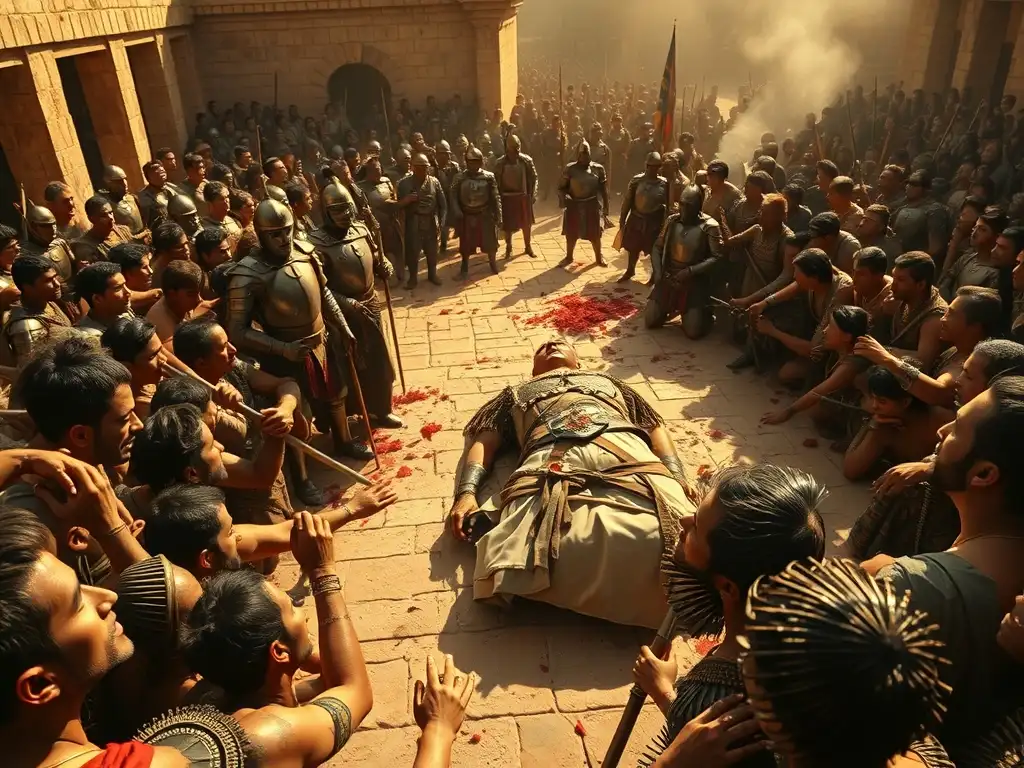
The execution of Atahualpa in 1533 was a pivotal moment in the Spanish conquest of the Inca Empire, profoundly impacting the course of Andean history. While the Inca emperor's death didn't immediately end the resistance, it drastically altered its nature and effectiveness. This section delves into the immediate aftermath of Atahualpa's demise, examining the trial, the execution itself, and the subsequent effects on the Inca resistance movement. Understanding this pivotal event is crucial to grasping the enduring legacy of Atahualpa Inca's impact on history.
The Trial and Condemnation of the Inca Emperor
Atahualpa's trial, a farcical display of Spanish justice, was far from impartial. Accused of various crimes, including idolatry, fratricide (the killing of his brother Huáscar), and rebellion against the Spanish crown, the evidence presented was largely fabricated or based on biased interpretations of Inca customs. The Spanish, led by Francisco Pizarro, manipulated the proceedings to ensure a guilty verdict.
The trial itself lacked fundamental legal principles, highlighting the inherent power imbalance between the conquistadors and the Inca. The entire process served as a tool to legitimize the Spanish conquest in the eyes of both the Spanish crown and, to a lesser extent, some within the Inca population itself. The lack of due process and the blatant disregard for Inca law cemented the image of Atahualpa as a victim of Spanish aggression, a perception that has endured through the centuries.
Documents from the time, though often biased, offer glimpses into the sham nature of the proceedings and the manipulation employed by Pizarro and his men. Historians continue to debate the specifics, but the overall conclusion remains clear: the trial was a pretext for the seizure of power and the subjugation of the Inca Empire.
The Execution of Atahualpa: A Turning Point
The execution of Atahualpa by garrote, despite the immense ransom paid in gold and silver, marked a significant turning point in the Spanish conquest. The act itself, a public display of Spanish dominance, shattered the remaining vestiges of Inca authority and demoralized many within the empire. The execution, while initially perceived by some as a decisive blow to the Inca resistance, ironically fueled further resistance in the long run.
The death of the emperor became a rallying cry, transforming the nature of the conflict from a struggle against a specific ruler to a fight for the survival of Inca culture and identity. This shift in the nature of the resistance is a key aspect of Atahualpa Inca's impact on history, shaping the subsequent decades of conflict and the ultimate fate of the Inca Empire. The event itself is vividly described in various accounts, though their accuracy is often debated.
The Impact of Atahualpa's Death on the Inca Resistance
Atahualpa's death did not extinguish Inca resistance; instead, it ignited a prolonged and multifaceted struggle. The vacuum of power created by his execution led to a period of internal conflict and fragmentation within the Inca ranks. Different factions emerged, each vying for control and offering varying degrees of cooperation or resistance to the Spanish.
This fragmentation, however, did not translate into a complete collapse of resistance. Instead, it led to localized uprisings and guerilla warfare, often led by regional leaders and descendants of the Inca royal family. These decentralized resistance movements, though ultimately unsuccessful in regaining the empire's former glory, prolonged the conflict for decades, demonstrating the enduring strength of Inca resilience and the deep-seated resentment towards Spanish rule.
The impact of Atahualpa's death on the subsequent resistance movements serves as a powerful example of how even the seemingly decisive victories of the conquistadors could not entirely erase the determined spirit of the indigenous populations. The legacy of Atahualpa, therefore, extends beyond his reign; it encompasses the enduring struggle for freedom and self-determination that characterized the Andean resistance to Spanish colonial rule. The study of these resistance movements offers crucial insight into Atahualpa Inca's lasting impact on history.
Atahualpa's Legacy: A Symbol of Andean Resistance
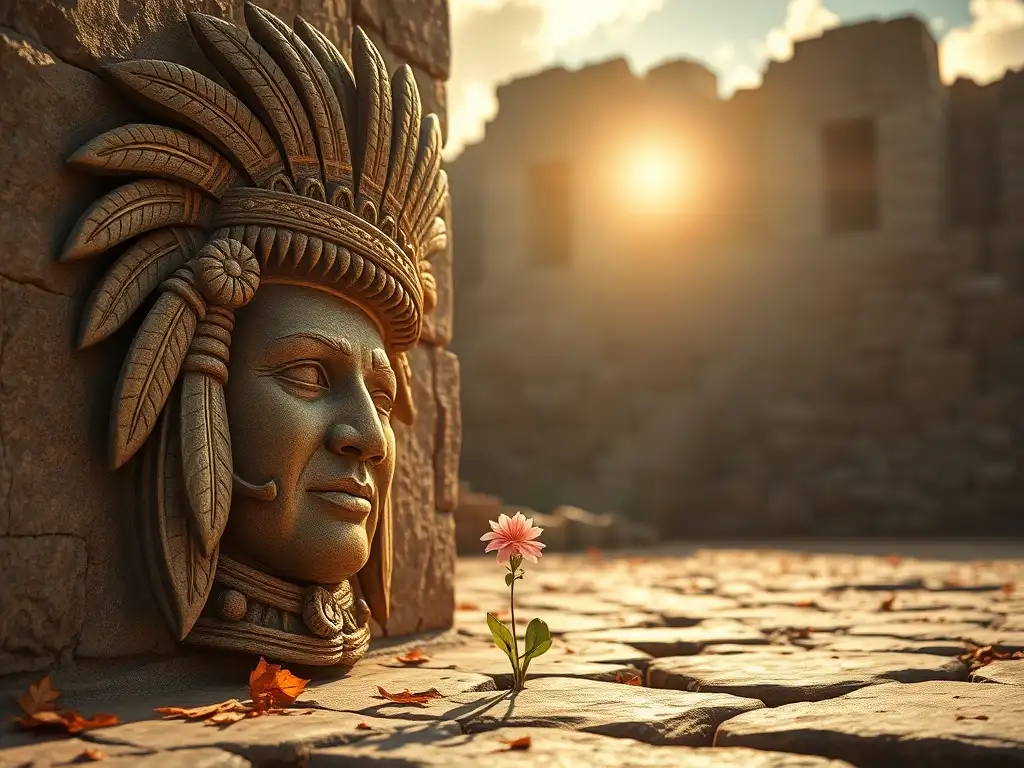
Atahualpa as a Symbol of Indigenous Struggle
Atahualpa's execution at the hands of Francisco Pizarro in 1533 remains a potent symbol of indigenous resistance against Spanish colonial oppression. His story, passed down through generations, transcends a mere historical event; it embodies the struggle for autonomy and the tragic consequences of conquest. Atahualpa's defiance, even in the face of overwhelming force, resonated deeply within Andean communities and continues to inspire a sense of national identity and pride in modern-day Ecuador and Peru.
His legacy is not just one of a ruler who lost a battle, but of a leader who represented the fight for the preservation of a vibrant civilization. The sheer scale of the ransom he offered – a room filled with gold and twice as much with silver – highlights both the Inca Empire's wealth and the Spanish conquistadors' insatiable greed, further solidifying Atahualpa's image as a victim of brutal exploitation. This narrative, passed down through oral traditions and later formalized in written accounts, shaped the collective memory of Andean peoples and fueled subsequent resistance movements against colonial rule.
The image of Atahualpa's defiance serves as a constant reminder of the injustices suffered and a call for the recognition of indigenous rights and cultural heritage. His story continues to serve as a powerful catalyst for discussions surrounding colonialism, resistance, and the enduring impact of historical trauma.
The Cultural Memory of Atahualpa in Andean Societies
The memory of Atahualpa is deeply ingrained in Andean culture, preserved through various forms of artistic expression, storytelling, and historical accounts. While the details vary depending on the specific community and the passage of time, the core narrative of his resistance and unjust death remains consistent. In many Andean communities, Atahualpa is remembered not only as a ruler but also as a symbol of resilience and cultural pride.
This is evident in the numerous songs, poems, and plays that depict his life and death, often highlighting his bravery and the injustices inflicted upon him. These artistic representations serve as a vital means of transmitting historical memory across generations, ensuring that Atahualpa's legacy is not forgotten. Furthermore, the ongoing archaeological excavations and research into Inca history constantly unearth new information and artifacts that enrich and refine our understanding of Atahualpa's reign and his ultimate fate.
This continuous discovery fuels further engagement with his narrative and its enduring impact. The ongoing interest in Atahualpa's story demonstrates the enduring power of cultural memory and its role in shaping national identity and fostering a sense of collective heritage. The preservation and celebration of his memory underscores the importance of acknowledging the past to build a more just and equitable future.
Atahualpa's Lasting Significance in History
Atahualpa's impact extends far beyond the immediate consequences of the Spanish conquest. His story serves as a critical case study in the dynamics of colonial encounters, highlighting the devastating effects of imperialism and the resilience of indigenous populations. His legacy continues to shape discussions surrounding issues of cultural preservation, historical justice, and the lasting impact of colonialism on indigenous communities.
The study of Atahualpa's life and death offers valuable insights into the complexities of power dynamics, the clash of civilizations, and the enduring struggle for self-determination. Analyzing his reign, the circumstances surrounding his capture, and his subsequent execution provides a crucial lens through which to understand the broader historical context of the Spanish conquest and its profound consequences. Moreover, Atahualpa's story serves as a potent reminder of the importance of preserving and celebrating indigenous cultures and histories.
His legacy compels us to critically examine the narratives we inherit and to strive for a more inclusive and accurate understanding of the past. The ongoing scholarly debate surrounding various aspects of his life and reign further underscores his lasting significance in shaping historical interpretations and fostering a deeper understanding of the complexities of the Andean past.
Examining Atahualpa's Impact on the Spanish Conquest
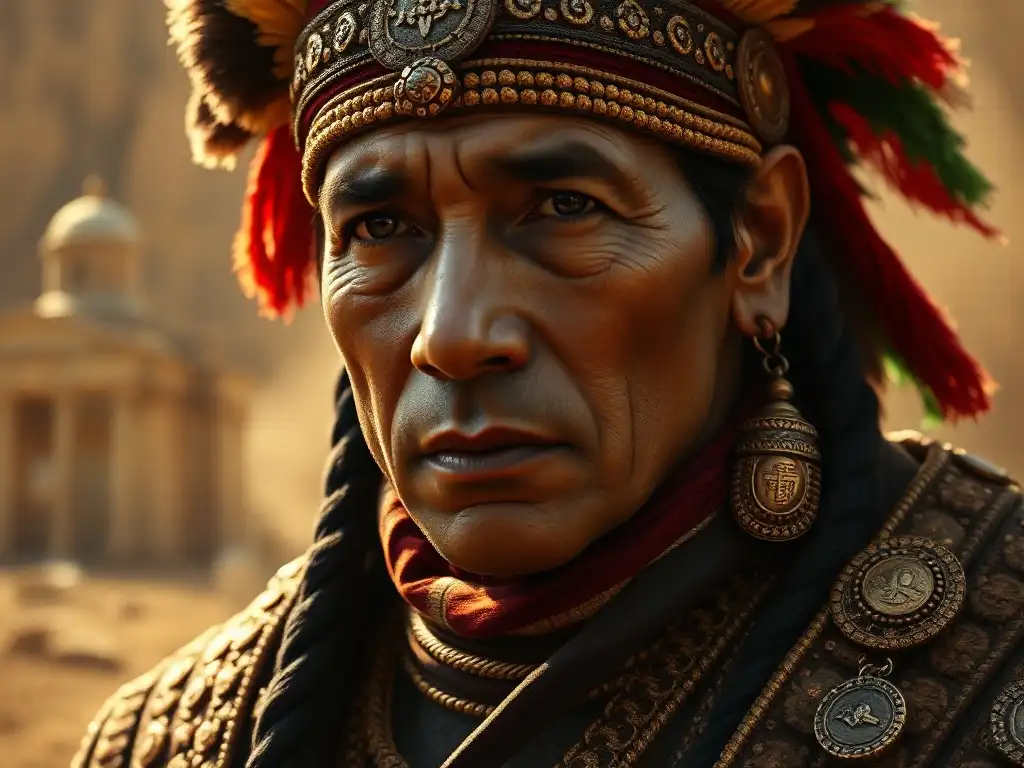
This section delves into the profound and multifaceted impact of Atahualpa Inca on the Spanish conquest of the Inca Empire. His reign, though tragically short, irrevocably altered the course of history in the Andes, leaving a legacy that continues to resonate today. Understanding Atahualpa's influence is key to comprehending the complexities of the conquest itself and its enduring consequences.
The analysis will focus on his direct influence on the conquest's trajectory, the long-term repercussions of his actions, and the lasting political and social effects of his demise. The keyword phrase "Atahualpa Inca impact on history" will be explored through these lenses.
Atahualpa's Influence on the Course of the Conquest
Atahualpa's unexpected ascension to the Inca throne following a civil war significantly weakened the empire. This internal conflict, fueled by succession disputes, left the Inca state vulnerable to Pizarro's relatively small but well-armed force. Atahualpa's victory over his half-brother Huáscar, while securing his rule, depleted the empire's military resources and created divisions amongst the population. This internal strife proved to be a decisive factor in Pizarro's surprisingly swift conquest. The lack of unified resistance, a direct consequence of the ongoing power struggle, allowed Pizarro to exploit the existing fractures within the Inca social structure.
Furthermore, Atahualpa's initial arrogance and underestimation of the Spanish capabilities, perhaps fueled by his recent triumph in the civil war, contributed to the early successes of the conquistadors. His decision to meet Pizarro in Cajamarca without sufficient military precaution proved disastrous. This fateful encounter, often cited as a turning point in the conquest, highlights the role of individual choices in shaping historical events.
A different strategic approach by Atahualpa, perhaps a more cautious engagement or a decisive preemptive strike, might have altered the outcome considerably. The "Atahualpa Inca impact on history" is therefore not solely about the conquest's outcome, but also about the consequences of his leadership choices during this critical juncture.
The sheer amount of gold and silver offered as ransom by Atahualpa – a staggering quantity – further fueled Spanish ambition and prolonged their presence in the Andes. While the ransom ultimately failed to save Atahualpa's life, it provided the Spanish conquistadors with the resources to solidify their control and expand their operations throughout the empire. The allure of such wealth undoubtedly incentivized further exploration and conquest, shaping the economic and political trajectory of the colonial period.
The Long-Term Consequences of Atahualpa's Actions
The execution of Atahualpa marked a pivotal moment, not only in the immediate conquest but also in the long-term development of the Andean region. His death created a power vacuum, leading to instability and further weakening of the Inca administrative structures. The subsequent imposition of Spanish rule resulted in the dismantling of the Inca political system and the implementation of a completely different social and economic order. The legacy of Atahualpa's demise continues to shape the cultural landscape of modern-day Peru and neighboring countries.
The Spanish conquest, facilitated by Atahualpa's actions, led to the widespread destruction of Inca infrastructure, the suppression of traditional religious practices, and the introduction of new diseases that devastated the indigenous population. The "Atahualpa Inca impact on history" is therefore inextricably linked to the long-term consequences of colonization, impacting demographics, culture, and the overall socio-economic fabric of the region for centuries. The effects of this period of upheaval are still felt today in various aspects of Andean life.
The fall of Atahualpa had far-reaching political and social ramifications. The Inca Empire, once a powerful and sophisticated civilization, was shattered, its intricate systems of governance and administration replaced by a colonial regime. This transition resulted in the displacement of indigenous elites, the exploitation of the native population through the encomienda system, and the introduction of a hierarchical social structure based on Spanish dominance.
The consequences extended beyond the purely political sphere. The imposition of Christianity as the dominant religion led to the suppression of Inca beliefs and practices. This cultural disruption, coupled with the economic exploitation and forced labor, profoundly altered the social fabric of Andean society. The social impact of Atahualpa's demise is still visible in the cultural complexities and social inequalities that persist in the region.
Analyzing the "Atahualpa Inca impact on history" requires understanding this profound and lasting social transformation. The story of Atahualpa, therefore, serves as a powerful reminder of the fragility of power and the enduring consequences of pivotal historical moments. His legacy is a complex tapestry woven from triumph, tragedy, and lasting impact on the course of history.
The Lost Glory: The End of the Inca Empire
The execution of Atahualpa in 1533 marked not only the end of his life but also a pivotal moment signifying the irreversible decline of the vast Inca Empire. Atahualpa's death, a brutal culmination of Spanish treachery and Inca internal strife, shattered the carefully constructed political and social order that had flourished for centuries. The Inca Empire, once a symbol of power and sophisticated organization, fractured into warring factions, leaving a vacuum of power that the Spanish readily exploited.
The immediate impact was chaos; the carefully managed system of tribute, infrastructure maintenance, and societal hierarchy collapsed, paving the way for a new era dominated by European influence. The sheer scale of the empire's disintegration is a testament to the profound impact of Atahualpa's demise on the Andean world.
The Fragmentation of the Inca Empire Post-Atahualpa
Following Atahualpa's death, the Inca Empire experienced a period of intense political instability and fragmentation. The carefully balanced power structure, previously maintained through a complex system of kinship ties and carefully controlled succession, crumbled. Rival claimants to the Inca throne emerged, sparking bloody civil wars that weakened the empire further. These internal conflicts, exacerbated by the Spanish manipulation and exploitation of these divisions, effectively prevented any unified resistance against the conquistadors.
The ensuing power struggles, often fueled by competing claims to ancestral legitimacy and control over resources, left the once-mighty empire vulnerable and ripe for conquest. This fragmentation significantly hindered any organized attempts to repel the Spanish, leading to a more rapid and complete subjugation than might have otherwise occurred. The loss of centralized authority, coupled with the decimation of the Inca elite, crippled the empire's ability to govern and defend its vast territories.
The Lasting Effects of the Conquest on Andean Culture
The consequences of Atahualpa's death and the subsequent Spanish conquest extended far beyond the immediate political upheaval. The impact on Andean culture was profound and enduring. The Inca religion, a complex system of beliefs and practices centered around the veneration of the sun god Inti and other deities, suffered a significant blow.
Temples were destroyed, religious practices suppressed, and the Inca worldview was systematically undermined by the imposition of Catholicism. The traditional social structure, characterized by a hierarchical system with the Sapa Inca at its apex, was dismantled and replaced by a colonial system that privileged the Spanish. This cultural disruption led to the loss of invaluable knowledge, traditions, and artistic expressions, leaving a lasting scar on Andean identity.
The imposition of Spanish language and customs further eroded indigenous cultural practices, resulting in a complex process of cultural syncretism and the gradual assimilation of indigenous populations. This cultural transformation remains a significant aspect of Andean history to this day.
Atahualpa's Legacy within the Context of Andean Civilizations
Despite his tragic end, Atahualpa's legacy within the context of Andean civilizations remains complex and multifaceted. He is remembered not only as the last Sapa Inca of the independent Inca Empire but also as a symbol of resistance against colonial oppression. His defiance in the face of Spanish power, even amidst internal divisions, resonates with Andean peoples even today.
The immense ransom he offered, a testament to the Inca's wealth and power, became a symbol of both their vulnerability and their remarkable resources. His story serves as a reminder of the devastating impact of colonization on indigenous cultures and serves as a potent symbol in narratives of resistance and the struggle for self-determination. Atahualpa's life and death continue to be studied and interpreted, providing valuable insights into the complexities of the Inca Empire's final days and the enduring consequences of the Spanish conquest.
His impact on history continues to shape the understanding of this crucial period in Andean history. The study of Atahualpa provides a critical lens through which to analyze the broader historical context of the Spanish conquest and its long-term effects on Andean societies.
Frequently Asked Questions
What was Atahualpa's most significant achievement before his capture?
Atahualpa's most significant achievement was uniting the Inca Empire under his rule after a civil war. This consolidation of power set the stage for his confrontation with the Spanish conquistadors.
How did Atahualpa's capture impact the Inca Empire?
Atahualpa's capture by Pizarro marked the beginning of the end for the Inca Empire. His death led to chaos and facilitated the Spanish conquest.
What role did Atahualpa's ransom play in his story?
The enormous ransom Atahualpa offered Pizarro – a room full of gold and silver – highlights the Inca's wealth and ultimately fueled Spanish greed and ambition, yet did not save his life.
How is Atahualpa remembered in modern-day Peru?
Atahualpa is remembered as a symbol of resistance against Spanish colonialism and a last Inca emperor. He represents both the glory and the tragedy of the Inca civilization.
Why is Atahualpa's legacy important to understanding Andean history?
Atahualpa's story is crucial for understanding the brutal encounter between the Inca and Spanish civilizations, illustrating the impact of colonialism and the destruction of a powerful empire.
Final Reflection: Atahualpa's Legacy: A Call to Remember and Resist
The story of Atahualpa's life and death remains profoundly relevant today, a stark reminder of the devastating consequences of colonialism and the enduring power of resistance. His tragic end serves not merely as a historical footnote, but as a potent symbol of the ongoing struggle for justice and self-determination in the face of oppression. The echoes of his story resonate in countless contemporary movements fighting for indigenous rights and cultural preservation worldwide.
Atahualpa's influence extends far beyond the immediate aftermath of the Spanish conquest. His image, forever etched in the collective memory of the Andean peoples, continues to inspire pride and a fierce determination to reclaim their heritage. His story is a testament to the resilience of the human spirit in the face of unimaginable hardship. The past is never dead. It's not even past.
- William Faulkner. This quote perfectly encapsulates Atahualpa's enduring legacy; his story is not a relic of the past, but a living narrative that shapes our present and informs our future.
Consider, for a moment, the weight of Atahualpa's story. Reflect on the complexities of his reign, the brutality of his conquest, and the enduring legacy of Inca civilization. Let his story serve as a catalyst for deeper understanding, not only of the past, but also of the present-day struggles for social justice and cultural preservation. You, too, can be a voice for those whose stories have been silenced, a champion for those whose rights have been violated. Let Atahualpa's enduring spirit inspire you to fight for a more just and equitable world.
**Embrace the Spirit of Resistance! **
Thank you for exploring the fascinating story of Atahualpa and his enduring legacy. Your interest underscores the importance of history and the continued relevance of resistance in our world. Let's translate this inspiration into meaningful action.
- **Learn more** about Atahualpa's time and its contemporary significance through our insightful articles and resources on **Inca civilization**.
- **Join** our vibrant community forums and connect with others who share your passion for understanding how historical figures inspire modern movements for social justice and equality.
- **Share** this article with your friends and on social media to spread awareness of Atahualpa's lasting impact and encourage others to discover the rich history of the Inca Empire.
How does the concept of resistance resonate with your own life today?