
Pizarro's Legacy: Heroic Explorer or Ruthless Tyrant?

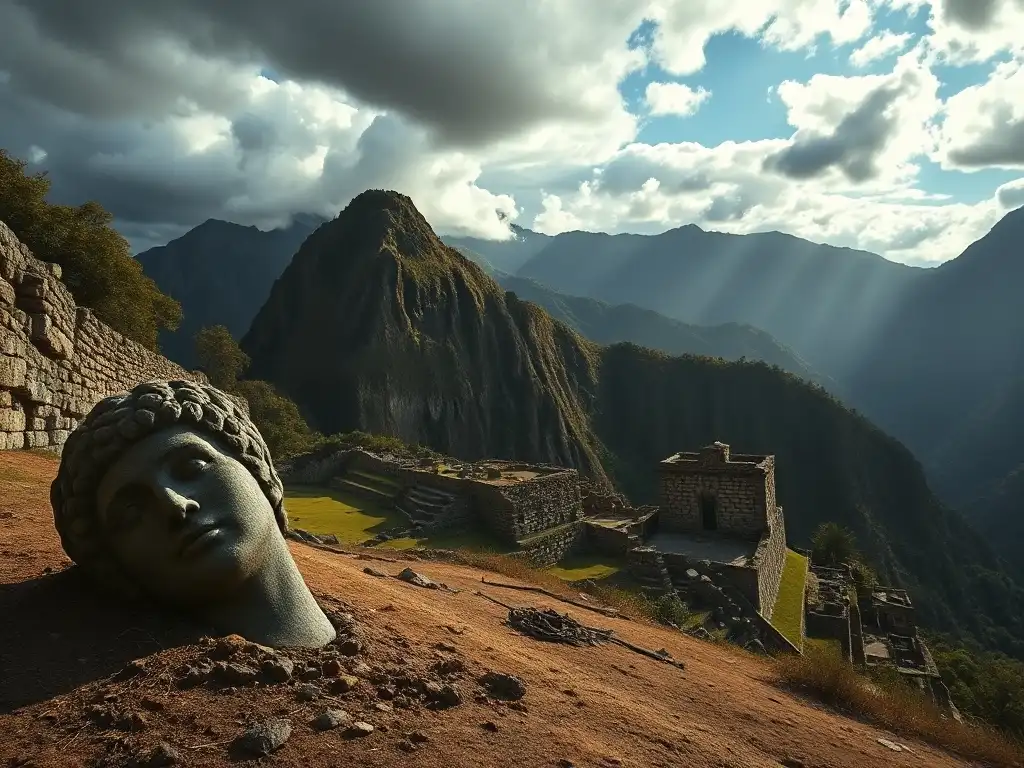
Step into a world lost to time, yet echoing with the grandeur of the Andean civilizations. From the intricate artistry of the Nazca lines to the sophisticated engineering of the Incas, their legacy continues to fascinate and inspire. But what truly shaped the destiny of these remarkable empires? Discover the controversial impact of Pizarro on Inca civilization, a pivotal moment that irrevocably altered the course of history. Was he a heroic explorer or a ruthless tyrant? Uncover the truth and explore the complexities of Pizarro's Legacy – the answer may surprise you.
The Spanish conquest of the Inca Empire, a pivotal moment in South American history, is inextricably linked to the name Francisco Pizarro. This article delves into the complex and controversial legacy of Pizarro, examining his actions and their profound impact on Inca civilization. Was he a daring explorer who opened up new worlds, or a ruthless tyrant responsible for the destruction of a sophisticated empire and the suffering of millions?
We will explore the multifaceted nature of Pizarro's legacy, analyzing both the positive and negative aspects of his conquest, while focusing on the long-term consequences of his actions on the Inca people and their culture. This exploration will provide a nuanced understanding of Pizarro's impact, moving beyond simplistic narratives of heroism or villainy to present a more complete and accurate picture of this pivotal historical figure and his lasting influence on the Andean world.
The lasting effects of Pizarro's conquest are still felt today, shaping the social, political, and cultural landscape of modern Peru and beyond. Understanding Pizarro's role requires a careful examination of his motivations, methods, and the devastating consequences that followed his arrival in the Andes.
The Conquest and the Fall of the Inca Empire
Pizarro's conquest of the Inca Empire, achieved with a relatively small force, was a remarkable feat of military strategy and exploitation of internal Inca conflicts. However, the methods employed were brutal and resulted in the decimation of the Inca population through warfare, disease, and enslavement. The conquest wasn't a swift victory; it involved years of strategic maneuvering, alliances with rival Inca factions, and calculated acts of violence.
Pizarro's initial encounters with the Inca involved deception, manipulation, and ultimately, the capture and execution of the Inca emperor Atahualpa. This act alone triggered a cascade of events that led to the collapse of the Inca Empire's political and social structures. The systematic dismantling of Inca governance, the destruction of infrastructure, and the imposition of Spanish rule fundamentally altered the course of Andean history.
The initial stages of the conquest saw widespread violence, the destruction of sacred sites, and the forced conversion of the Inca population to Christianity. These actions represent a significant and lasting negative impact on Inca civilization. The sheer scale of the population decline, due to both direct violence and disease, remains a chilling testament to the brutality of the conquest.
The Transformation of Andean Society
The Spanish conquest under Pizarro irrevocably transformed Andean society. The introduction of new diseases, such as smallpox and measles, decimated the indigenous population, leading to a dramatic demographic shift. The traditional Inca social structure, characterized by a complex hierarchy and sophisticated agricultural practices, was dismantled and replaced with a colonial system based on Spanish control and exploitation.
The Inca's intricate road system, a marvel of engineering, fell into disrepair, and the centralized economic system was replaced by a system of forced labor, encomienda, which further exploited the indigenous population. The extraction of silver and gold, resources highly valued by the Spanish, led to the destruction of Inca mines and the exploitation of the existing workforce.
This exploitation, coupled with the introduction of new agricultural practices and livestock, irrevocably altered the Andean ecosystem. The consequences of these transformations are still felt today in the demographic composition, economic systems, and social structures of the Andean region.
The Enduring Legacy of Pizarro: A Complex Evaluation
Pizarro's legacy is undeniably complex and multifaceted. While some may view him as a bold explorer who expanded the horizons of the Spanish Empire, a closer examination reveals a more troubling picture. His conquest resulted in the destruction of a sophisticated civilization, the death of countless individuals, and the long-term subjugation of the Inca people.
The introduction of European diseases alone caused a catastrophic demographic collapse, drastically altering the genetic makeup and cultural continuity of the Andean population. The imposition of colonial rule, the exploitation of resources, and the destruction of Inca cultural practices had profound and lasting effects on the region. While acknowledging Pizarro's role in the expansion of the Spanish Empire, it's crucial to understand the immense human cost and the enduring negative consequences of his actions.
The narrative must move beyond simplistic notions of heroism and acknowledge the devastating impact of his conquest on Inca civilization and the Andean world. A balanced assessment necessitates acknowledging both his role in a historical process and the profound suffering he inflicted.
- The Conquest and the Fall of the Inca Empire
- The Transformation of Andean Society
- The Enduring Legacy of Pizarro: A Complex Evaluation
- What was Pizarro's main goal in conquering the Inca Empire?
- How did Pizarro's actions affect the Inca Empire's political structure?
- What was the impact of Pizarro's conquest on the Inca population?
- What lasting cultural impacts did Pizarro's conquest have on the Inca people?
- How is Pizarro's legacy viewed today?
The Dual Nature of Francisco Pizarro: Exploring His Complex Character
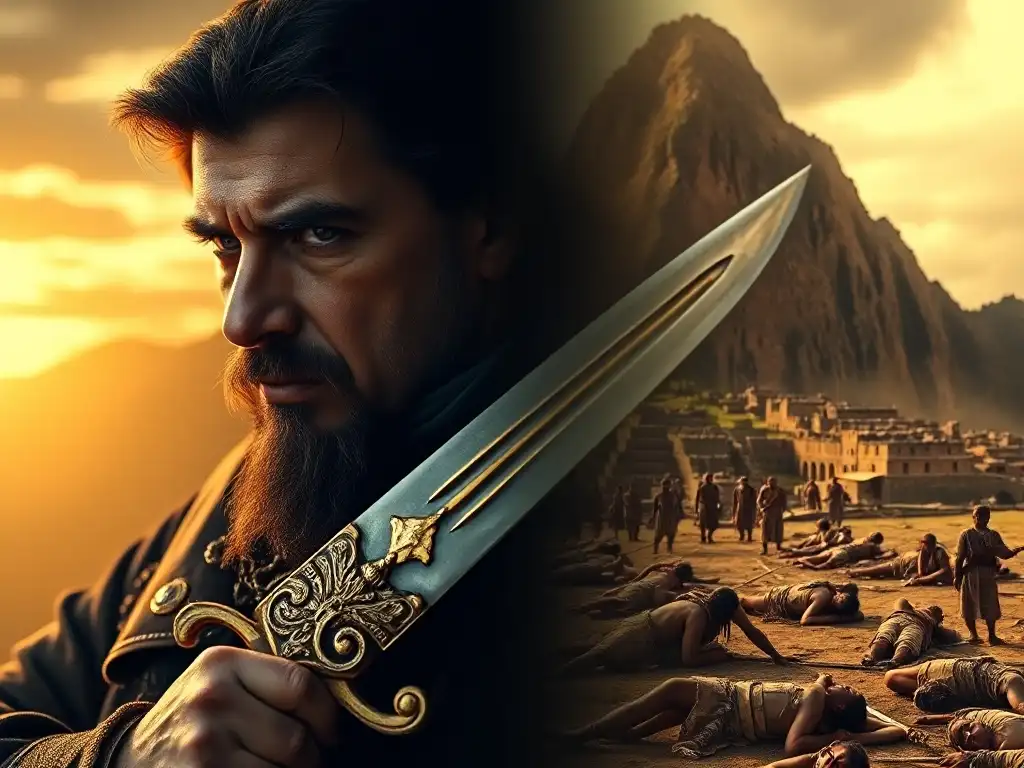
Pizarro's impact on Inca civilization is a subject of intense debate, and understanding his character is crucial to evaluating his legacy. He's often portrayed as a ruthless tyrant, responsible for the destruction of a sophisticated empire. However, a nuanced examination reveals a more complex figure, a man driven by ambition, greed, and a fervent belief in his own destiny, all within the context of the brutal realities of 16th-century European expansion.
Historians grapple with reconciling the brutality of his actions with the undeniable organizational and logistical skills he displayed in conquering the Inca. Was he a cunning strategist or a fortunate opportunist? The answer, as with most historical figures, is likely somewhere in between.
His legacy remains a potent symbol of the clash between two vastly different worlds, and the enduring consequences of conquest. Analyzing his personality helps to clarify the multifaceted nature of "Pizarro's impact on Inca civilization," moving beyond simplistic labels of "hero" or "tyrant." The true picture is far more intricate and disturbing.
Pizarro's Early Life and Ambitions: The Genesis of a Conqueror
Francisco Pizarro's early life, marked by poverty and illegitimacy in Trujillo, Spain, instilled in him a fierce ambition to transcend his humble beginnings. He displayed an early aptitude for military matters, participating in the conquest of various regions within the Spanish territories. This early experience provided him with invaluable skills in warfare, leadership, and resource management – skills he would later utilize to devastating effect in the Andes.
While lacking formal education, Pizarro possessed a remarkable ability to assess situations, exploit weaknesses, and inspire loyalty among his men. His early life, far from idyllic, forged a resilient, determined, and arguably ruthless individual who was willing to take significant risks to achieve his goals. This inherent risk-taking, combined with his military prowess, laid the foundation for his future exploits in Peru.
The seeds of his later actions, both brutal and brilliant, were sown in these formative years. His ambition, far from being a singular driving force, was intertwined with a deep-seated desire for wealth and recognition, fueling his relentless pursuit of the Inca Empire.
The Allure of Gold and the Inca Empire: Motives Behind the Conquest
The allure of gold, a powerful motivator throughout the Spanish conquest of the Americas, played a significant role in Pizarro's actions. The rumors of unimaginable riches within the Inca Empire fueled his expedition, transforming a potentially risky venture into a seemingly irresistible opportunity. However, the ambition wasn't solely about personal enrichment.
The Spanish conquistadors were driven by a complex mix of motivations, including the desire for land, power, and religious conversion. Pizarro's expedition was not simply a treasure hunt; it was a carefully calculated campaign aimed at seizing control of a vast and wealthy empire. This involved meticulous planning, exploiting internal conflicts within the Inca Empire following the death of Huayna Capac and the succession crisis between Huáscar and Atahualpa.
Pizarro's understanding of the political landscape, coupled with his ruthless pragmatism, allowed him to leverage these divisions to his advantage. The conquest wasn't simply a matter of superior weaponry; it was a calculated exploitation of political vulnerabilities, a testament to Pizarro's strategic acumen, even if achieved through brutal means. The ensuing devastation of the Inca civilization serves as a chilling reminder of the devastating consequences of this ambition, adding another layer to the complexity of "Pizarro's impact on Inca civilization."
Pizarro's Conquest of the Inca Empire: A Timeline of Events
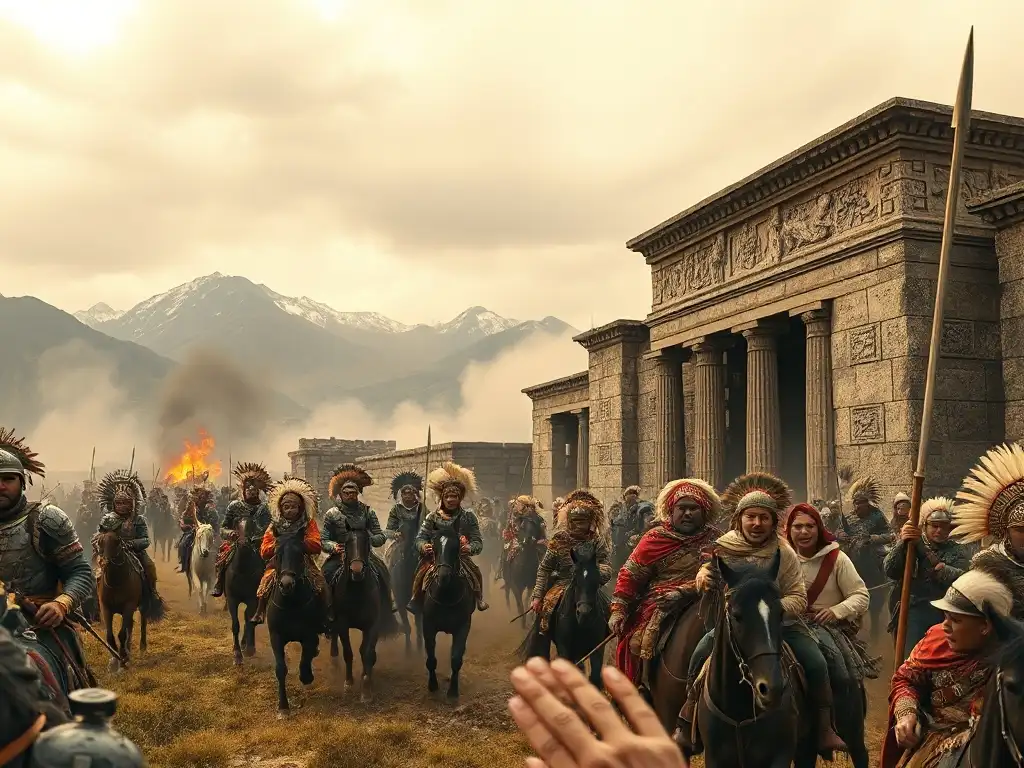
This section details the key events in Francisco Pizarro's conquest of the Inca Empire, highlighting the strategic maneuvers and brutal tactics that led to the downfall of a once-powerful civilization. Understanding this timeline is crucial to analyzing Pizarro's impact on Inca civilization and forming a nuanced perspective on his legacy. The conquest wasn't a swift, decisive victory, but rather a protracted process marked by strategic deception, internal Inca conflicts, and overwhelming Spanish military superiority, exploiting weaknesses within the Inca societal structure. The consequences of Pizarro's actions reverberate through Andean history to this day.
The First Encounters: Initial Interactions with the Inca
Pizarro's initial expeditions along the Peruvian coast were characterized by careful observation and strategic maneuvering. He meticulously gathered intelligence about the Inca Empire, its internal power struggles, and its vast wealth. These early encounters, while seemingly peaceful, laid the groundwork for the subsequent conquest. Pizarro understood the importance of exploiting existing divisions within the Inca Empire, a strategy that proved instrumental in his success.
For example, the civil war between Huáscar and Atahualpa significantly weakened the Inca, creating a power vacuum that Pizarro skillfully exploited. His early interactions were far from innocent; they were carefully calculated steps in a larger plan of conquest, masked as peaceful exploration. The reports brought back by his scouts about the Inca's gold and their internal conflicts fueled his ambition and solidified his determination to conquer the empire.
It's important to note that these early interactions, often portrayed as mere exploration, were integral to Pizarro's ability to leverage Inca vulnerabilities. The detailed accounts of Inca customs, military organization, and political structure, obtained through observation and interaction with local populations, were crucial to his later tactical successes. The seemingly benign early explorations were, in reality, a crucial phase in the systematic dismantling of the Inca Empire.
The Capture of Atahualpa: A Turning Point in the Conquest
The capture of Atahualpa at Cajamarca in 1532 marks an undeniable turning point in Pizarro's conquest. This wasn't a result of superior military strength alone; it was a masterclass in deception and tactical brilliance. Pizarro, with a relatively small force, used a carefully orchestrated ambush to capture the Inca emperor. The element of surprise, coupled with the psychological impact of the Spanish weaponry (guns and horses, unknown to the Inca), played a pivotal role.
Atahualpa, initially believing Pizarro's intentions to be peaceful, was taken completely off guard. The sheer brutality of the attack and the overwhelming power displayed by the Spanish forces instilled fear and confusion among the Inca army. The capture of Atahualpa effectively decapitated the Inca leadership, leaving the empire vulnerable and without a strong central authority to resist the Spanish advance.
The vast ransom offered by Atahualpa, a mountain of gold and silver, while seemingly a sign of Inca wealth, also served to further enrich the Spanish and solidify their determination to control the empire's resources. This event, far from being a random act, was a carefully planned strategic maneuver that irrevocably altered the course of Inca history. The psychological impact of this event cannot be overstated; it shattered the Inca's perception of their own invincibility and paved the way for the complete conquest of their empire.
The Battle of Cajamarca: Pizarro’s Tactical Advantage
The Battle of Cajamarca was not a "battle" in the traditional sense; it was a massacre. Pizarro's tactical advantage stemmed from a combination of factors: superior weaponry, the element of surprise, and the exploitation of the Inca's cultural norms and beliefs. The Spanish utilized firearms, steel weapons, and horses—all unknown to the Inca—to devastating effect. The Inca army, accustomed to close-quarters combat and unfamiliar with ranged weaponry, was utterly unprepared for the Spanish assault.
Pizarro's meticulous planning, including the strategic placement of his troops in a narrow plaza, further amplified the impact of his superior weaponry. The Inca's belief in peaceful diplomacy, initially used by Pizarro to lure Atahualpa into a false sense of security, ultimately contributed to their downfall. The use of surprise and psychological warfare was a key component of Pizarro's strategy. The sheer terror inflicted upon the Inca army, combined with the capture of their emperor, effectively paralyzed their resistance.
It’s crucial to analyze this "battle" not simply as a military engagement but as a calculated act of brutality that exploited cultural differences and technological superiority to achieve a swift and decisive victory. The sheer disparity in weaponry and the strategic planning involved demonstrate that Pizarro’s “victory” was less about military prowess and more about calculated manipulation and ruthless exploitation of the Inca’s trust and vulnerabilities. The consequences of this event profoundly shaped the future of the Inca civilization and the Andean region as a whole.
The Fall of Cusco and the Inca Resistance: The Aftermath of the Conquest
The fall of Cusco in 1533 marked a pivotal moment, not an end, in the Inca story. While Pizarro's forces had achieved a stunning victory, securing the Inca capital, the conquest was far from complete. The Inca people, far from surrendering meekly, mounted a fierce and protracted resistance that lasted for decades. This resistance was fueled by a complex interplay of factors, including deep-seated resentment towards the Spanish, the inherent resilience of Inca social structures, and the strategic brilliance of certain Inca leaders who refused to accept defeat.
The immediate aftermath of Cusco's capture saw the execution of Atahualpa, a devastating blow to Inca morale but not a crippling one. The Inca Empire, despite its apparent fragmentation under Spanish rule, possessed a robust administrative system and a deeply ingrained sense of cultural identity. This allowed for the continuation of resistance movements even after the fall of the capital.
We see evidence of this in the various uprisings and rebellions that erupted in different parts of the former empire in the years following the conquest. These were not simply isolated incidents but coordinated efforts, often led by members of the Inca royal family or powerful regional leaders who sought to reclaim their ancestral lands and restore Inca sovereignty.
One crucial aspect of the post-Cusco resistance was the ingenious use of guerrilla warfare tactics. The Inca fighters, often outnumbered and outgunned, leveraged their intimate knowledge of the Andean terrain to their advantage. They employed hit-and-run tactics, ambushes, and carefully planned raids, inflicting significant casualties on the Spanish conquistadors and their indigenous allies despite their inferior weaponry.
This prolonged resistance significantly hampered the Spanish effort to consolidate their control over the vast Inca territories. The cost of maintaining control was high, both in terms of manpower and resources, highlighting the ongoing challenge posed by the Inca resistance to Pizarro's ambitions.
The resistance also showcased the enduring power of Inca cultural and religious beliefs. Despite the destruction of many Inca temples and the suppression of Inca religious practices, the indigenous population continued to maintain their cultural identity, often weaving resistance into their daily lives and religious observances.
This subtle but persistent resistance, expressed through cultural practices and beliefs, played a crucial role in maintaining a sense of collective identity and preserving a degree of autonomy even under Spanish rule. It was a testament to the resilience of Inca culture in the face of overwhelming foreign power.
The legacy of this resistance continues to shape Peruvian identity today, a potent reminder of the enduring spirit of the Inca people. Understanding this prolonged struggle is essential for a complete understanding of Pizarro's impact on Inca civilization; it wasn't merely a swift conquest but a protracted conflict that profoundly shaped the fate of both the conquerors and the conquered.
Pizarro's Impact on Inca Civilization: A Legacy of Transformation
Pizarro's conquest of the Inca Empire irrevocably altered the course of Andean history, leaving a complex and multifaceted legacy that continues to shape the region today. His actions, while viewed by some as heroic feats of exploration, are more accurately understood as the brutal imposition of Spanish power, resulting in the destruction of a sophisticated civilization and the exploitation of its people and resources.
Understanding Pizarro's impact requires a nuanced examination of his actions and their far-reaching consequences. The keyword phrase, "Pizarro's impact on Inca civilization," encapsulates the devastating effects of the conquest, encompassing political, social, economic, and cultural transformations.
The Destruction of Inca Institutions: Dismantling a Powerful Empire
The Spanish conquest under Pizarro resulted in the systematic dismantling of the Inca Empire's intricate political and social structures. The highly organized mita system, a form of labor tribute that supported the empire's infrastructure and public works, was brutally repurposed for the benefit of the Spanish crown. Instead of building temples and roads, Inca laborers were forced to toil in mines extracting silver and other precious metals, fueling the Spanish economy while devastating Inca society.
The Inca nobility, the curacas, were either executed, imprisoned, or replaced with Spanish-appointed officials, effectively eliminating the traditional leadership structure. This power vacuum destabilized the Inca societal fabric, leading to widespread unrest and the erosion of cultural identity. The sophisticated Inca bureaucracy, renowned for its record-keeping using quipus (knotted strings), was largely destroyed, leading to the loss of invaluable historical and administrative knowledge.
The destruction extended beyond the political realm; religious sites, considered sacred by the Inca, were desecrated, further undermining the cultural foundations of the empire. The impact on the Inca's social organization was catastrophic, leading to a prolonged period of instability and suffering.
The Imposition of Spanish Culture and Religion: A Shift in Beliefs
The Spanish conquest wasn't merely a military victory; it was a forceful imposition of Spanish culture and Catholicism. The Inca religion, with its complex pantheon of gods and sophisticated rituals, was systematically suppressed. Temples were destroyed, and the practice of traditional Inca religious ceremonies was forbidden under penalty of death.
The Spanish actively promoted the conversion of the Inca population to Christianity, employing various methods, from persuasion to coercion, to achieve this goal. This religious upheaval led to a significant loss of cultural heritage and a profound disruption of the Inca worldview. The Inca concept of ayni, reciprocal exchange and communal responsibility, was largely replaced by the individualistic principles of Spanish society.
The introduction of the Spanish language further contributed to the cultural transformation, gradually replacing Quechua, the language of the Inca, in many areas. This cultural shift, while gradual, resulted in a lasting impact on Andean identity and cultural practices. The imposition of Spanish Catholicism, though initially met with resistance, became a defining aspect of Andean life.
The Economic Exploitation of the Andes: Resource Extraction and Forced Labor
The Spanish conquest ushered in an era of intense economic exploitation in the Andes. The Spanish were primarily driven by the desire for precious metals, particularly silver. This led to the establishment of vast mining operations, which relied heavily on the forced labor of the indigenous population. The encomienda system, which granted Spanish conquistadors control over indigenous labor, was a brutal instrument of economic exploitation.
Inca workers were forced to endure grueling conditions in the mines, with many dying from exhaustion, disease, and accidents. The extraction of silver and other resources had a devastating environmental impact, leading to deforestation, soil erosion, and water pollution. The flow of wealth extracted from the Andes enriched the Spanish crown and fueled the growth of the Spanish colonial empire, while simultaneously impoverishing and devastating the Inca economy and environment.
The long-term consequences of this economic exploitation are still felt in the Andes today. The legacy of resource extraction continues to shape the economic and environmental landscape of the region. The devastating effects of this period of extreme exploitation are a crucial aspect of understanding Pizarro's lasting impact on Inca civilization.
The Demographic Collapse of the Inca Population: The Devastating Consequences
The arrival of Pizarro and the subsequent Spanish conquest triggered a catastrophic demographic collapse within the Inca Empire. This wasn't simply a matter of battlefield deaths, although those were significant. The true devastation stemmed from a confluence of factors, including disease, forced labor, and the disruption of established social structures and agricultural practices. The Inca population, largely unaccustomed to Old World diseases, suffered immensely from smallpox, measles, influenza, and typhus.
These diseases, introduced by the Spanish, spread like wildfire through a population with no natural immunity, decimating entire communities. Estimates suggest that the Inca population plummeted by as much as 90% in the century following the conquest – a truly staggering loss of life that irrevocably altered the course of Andean history. This wasn't a slow decline; it was a rapid and brutal depopulation, leaving behind a fractured and weakened society struggling to survive.
The effects extended beyond the immediate mortality. The disruption of established agricultural systems, coupled with the forced labor imposed by the Spanish, further exacerbated the situation. Traditional Inca farming techniques, which had sustained a vast population for centuries, were disrupted, leading to widespread famine and malnutrition.
The demanding labor imposed by the encomienda system, which forced indigenous populations to work in mines and on Spanish-owned lands, further depleted their strength and resilience, contributing to higher mortality rates. The loss of skilled farmers and artisans, coupled with the destruction of irrigation systems and agricultural infrastructure, created a vicious cycle of decline, making it incredibly difficult for the surviving Inca population to recover.
This demographic collapse had profound and long-lasting consequences, shaping the social, economic, and political landscape of the Andes for generations to come. The impact of Pizarro's actions on the Inca population is undeniable, leaving a legacy of suffering and immense population loss that continues to resonate today.
The sheer scale of the demographic catastrophe is difficult to comprehend fully. Historians continue to debate the precise figures, but the consensus points to a dramatic and irreversible decline. This loss of life wasn't just a numerical reduction; it represented the annihilation of a complex and sophisticated civilization, its knowledge, traditions, and cultural heritage profoundly impacted.
The consequences of this demographic collapse are still felt in the Andes today, highlighting the profound and enduring legacy of Pizarro's conquest. The decimation of the Inca population remains a stark reminder of the devastating consequences of colonial expansion and the fragility of human societies in the face of disease and exploitation. The long-term effects of this population loss continue to be studied and debated, underscoring the complexity and enduring impact of Pizarro's actions on the Inca civilization.
Pizarro's Actions: Examining the Ethical Dimensions of His Conquest
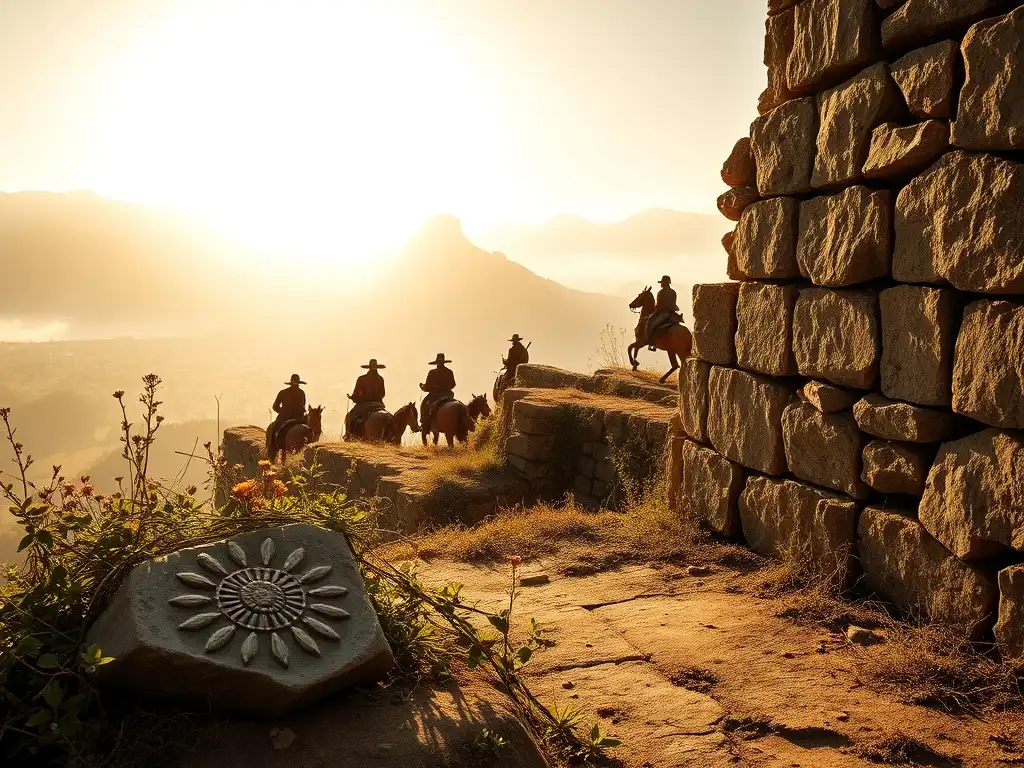
This section delves into the actions of Francisco Pizarro, analyzing the ethical implications of his conquest of the Inca Empire. We will examine the brutality employed, the deceptive tactics used, and the justifications offered by the Spanish conquistadors for their actions. Understanding Pizarro's impact on Inca civilization requires a critical assessment of these morally complex issues.
The legacy he left behind is undeniably intertwined with immense suffering and the destruction of a sophisticated civilization, but also with the introduction of new technologies and cultural exchanges, albeit under profoundly coercive circumstances. Analyzing these contrasting aspects is crucial to forming a complete understanding of Pizarro's role in history.
The Brutality of the Conquest: Violence and Massacres Under Pizarro's Command
The conquest of the Inca Empire under Pizarro's leadership was characterized by widespread violence and brutality. The Battle of Cajamarca, often cited as a pivotal moment, exemplifies this. Pizarro's ambush of the Inca emperor Atahualpa, along with the subsequent massacre of thousands of unarmed Inca nobles and soldiers, stands as a stark example of the conquistadors’ ruthlessness.
Accounts from both Spanish and indigenous sources detail horrific scenes of slaughter, torture, and the destruction of Inca sacred sites. These acts of violence were not isolated incidents but rather a systematic approach to subjugating the Inca population, effectively dismantling their social structures and political systems. The sheer number of casualties resulting from Pizarro's campaigns remains a subject of ongoing scholarly debate, but even conservative estimates point towards a significant demographic collapse within the Inca Empire in the decades following the conquest.
This drastic population decline profoundly impacted Inca civilization's ability to maintain its social and economic structures. The psychological trauma inflicted on the surviving population further contributed to the long-term consequences of Pizarro's actions. The impact of this violence continues to resonate in modern-day Peru.
Pizarro's Betrayal and Deception: Tactics of the Conquest
Pizarro’s conquest was not solely reliant on superior weaponry. He skillfully employed deception and betrayal to achieve his objectives. His initial interactions with Atahualpa, presented as diplomatic encounters, were carefully orchestrated to gain the emperor's trust before launching a surprise attack.
The use of false promises and manipulative strategies, such as exploiting internal Inca conflicts, are well-documented. The infamous ransom demanded for Atahualpa's release, a room filled with gold and silver, was a calculated move to enrich the conquistadors while simultaneously weakening the Inca Empire's economic power. Even after receiving the immense ransom, Pizarro broke his promise and executed Atahualpa, furthering instability and chaos within the Inca state.
This systematic use of deceit, a hallmark of Pizarro’s strategy, undermined the Inca's ability to resist effectively and contributed significantly to the empire's rapid downfall. These tactics highlight the morally questionable methods employed by Pizarro in his pursuit of conquest, further complicating the assessment of his historical impact.
The Justification of Conquest: The Spanish Perspective of Pizarro's Actions
The Spanish conquistadors, including Pizarro, often justified their actions through a religious and ideological framework. They presented their conquest as a divinely ordained mission to spread Christianity and "civilize" the indigenous populations. This narrative, however, served to mask the underlying motives of greed, power, and territorial expansion.
The concept of the Requerimiento, a formal declaration read to indigenous populations before an attack, is a prime example of this justification. While ostensibly offering conversion and submission as alternatives to warfare, the Requerimiento was largely a performative act intended to legitimize the conquest in the eyes of the Spanish crown, not a genuine offer of peaceful coexistence. The Spanish perspective, therefore, needs to be viewed within the historical context of its inherent biases and the colonial mindset that underpinned the conquest.
Examining the justification presented by Pizarro and his contemporaries allows for a deeper understanding of the ideological underpinnings of the conquest and its lasting impact on the perception of Pizarro's legacy. Understanding this complex interplay of religious zeal, economic ambitions, and political maneuvering is crucial to fully grasp Pizarro's impact on Inca civilization.
The Debate: Pizarro - Heroic Explorer or Ruthless Tyrant?
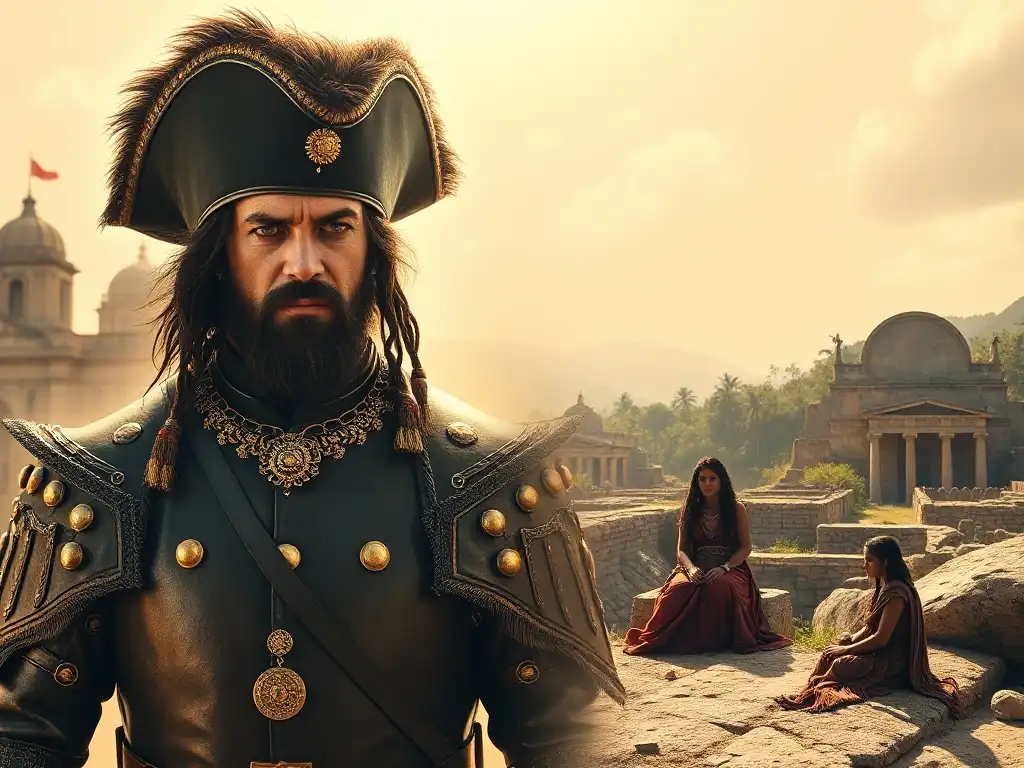
The legacy of Francisco Pizarro remains fiercely debated. Was he a bold explorer who opened up the Americas to European influence, a figurehead of progress and expansion? Or was he a ruthless tyrant whose conquest led to the devastation of a thriving civilization and the immeasurable suffering of its people? Understanding Pizarro's impact on Inca civilization requires a nuanced examination of both perspectives, acknowledging the complexities of the historical context. The simplistic dichotomy of "hero" versus "tyrant" fails to capture the multifaceted reality of his actions and their enduring consequences.
Arguments for Pizarro as a Heroic Explorer: The Narrative of Discovery
The narrative portraying Pizarro as a heroic explorer often centers on his ambition, perseverance, and navigational skills. Proponents of this view highlight his role in "discovering" the Inca Empire, opening up a new world for European exploration and trade. They might emphasize his leadership in navigating treacherous terrain and overcoming significant challenges to reach the Inca heartland.
This narrative often minimizes or downplays the brutality of the conquest, focusing instead on the supposed "civilizing" influence of Spanish rule and the introduction of new technologies and ideas. This perspective, however, largely ignores the perspective of the Indigenous population and the catastrophic consequences of the conquest.
For example, the introduction of European diseases decimated the Inca population, a devastating impact rarely acknowledged in this heroic portrayal. The "discovery" narrative frequently overlooks the fact that the Inca Empire was a sophisticated civilization with a rich history, complex social structures, and advanced agricultural practices—a civilization that was violently conquered and subjugated.
Arguments for Pizarro as a Ruthless Tyrant: The Legacy of Destruction
The overwhelming evidence, however, points towards Pizarro as a ruthless tyrant whose actions resulted in the systematic destruction of the Inca civilization. His conquest was characterized by brutality, treachery, and the exploitation of the Inca people. The infamous capture of Atahualpa, the Inca emperor, and the subsequent massacre of thousands of Inca nobles, are stark examples of Pizarro's cruelty and disregard for human life.
The seizure of Inca gold and silver fueled the Spanish conquest, enriching Spain while devastating the Inca economy and social fabric. The imposition of Spanish rule led to forced labor, disease, and widespread death, resulting in a dramatic decline in the Inca population. Furthermore, the destruction of Inca religious sites and cultural artifacts represented a deliberate attempt to erase Inca identity and impose Spanish cultural dominance.
This legacy of destruction is undeniable and profoundly shapes the perception of Pizarro as a figure of oppression and violence. The sheer scale of the human cost of the conquest far outweighs any purported benefits of "discovery" or "civilization."
The Historical Context: Understanding the Complexity of the Conquest
Understanding Pizarro's impact necessitates examining the broader historical context of the Spanish conquest. The conquest wasn't solely the work of one man; it was a complex process involving political maneuvering, military strategies, and the exploitation of existing tensions within the Inca Empire itself. Factors such as internal conflicts, disease, and the superior weaponry of the Spanish played significant roles in the conquest's success.
However, this doesn't absolve Pizarro of responsibility for his actions. His leadership and strategic decisions were instrumental in orchestrating the conquest and its devastating consequences. The brutality and scale of the violence inflicted upon the Inca population remain a stark testament to the destructive nature of the conquest and Pizarro's role within it.
Analyzing Pizarro's actions within this historical framework helps to appreciate the full extent of his impact on Inca civilization, revealing a complex legacy that continues to resonate today. The long-term effects of the Spanish conquest, including the lasting social, economic, and political ramifications for the Andean region, are a direct result of Pizarro's ruthless pursuit of power and wealth.
The Lasting Influence of Pizarro on Andean History and Culture
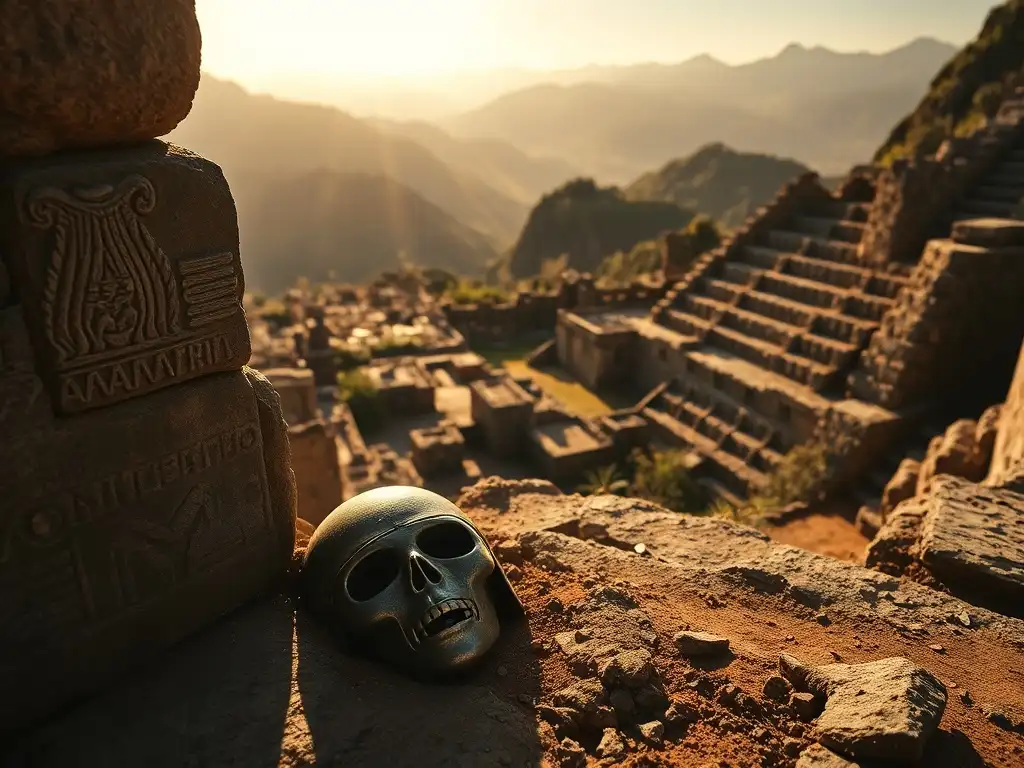
Pizarro's conquest of the Inca Empire irrevocably altered the course of Andean history and culture, leaving a legacy that continues to resonate today. His actions, while initially focused on the acquisition of gold and power, had profound and lasting consequences that shaped the social, political, and economic landscape of the region for centuries. Understanding Pizarro's impact requires examining not only the immediate devastation but also the long-term transformations he set in motion.
The effects of his conquest were multifaceted, impacting everything from the social structure to the very memory of the Inca Empire itself. This enduring legacy compels us to critically examine his role, moving beyond simplistic narratives of hero or villain to a more nuanced understanding of his complex impact.
The Spanish conquest under Pizarro fundamentally reshaped Andean society. The pre-existing Inca social structure, characterized by a relatively centralized system with ayllus (kinship-based communities) and a hierarchical system of power, was dismantled. Pizarro's conquest ushered in a new colonial social hierarchy, with Spaniards at the apex. This república de españoles enjoyed immense privileges, including access to land, labor, and political power. The indigenous population was relegated to the bottom of this rigid hierarchy, subjected to forced labor ( mita system) and exploitation.
The Spanish Crown implemented the encomienda system, granting Spanish conquistadors control over indigenous labor and resources in exchange for supposed protection and Christianization. This system, while officially abolished, continued in various forms, leading to the widespread dispossession of indigenous lands and the concentration of wealth in the hands of the Spanish elite.
The distribution of land was not merely a matter of economic control; it was a tool to enforce social and political dominance, effectively undermining the traditional Inca system of land tenure and communal living. The long-term effects of this land redistribution are still visible in contemporary land ownership patterns and social inequalities in the Andes.
The legacy of this system continues to fuel social and political tensions in many Andean countries to this day. Detailed studies of land records from the colonial period reveal a stark picture of systematic dispossession and the consolidation of vast estates in the hands of a small Spanish elite.
The Ongoing Reinterpretation of Pizarro's Role in History: Shifting Perspectives in Historiography
The historical portrayal of Pizarro has evolved significantly over time. Initially, many accounts glorified him as a heroic explorer and conqueror, emphasizing his courage, ambition, and the supposed "civilizing" mission of the Spanish conquest. This perspective, often rooted in colonial narratives, minimized or ignored the brutality and devastation inflicted upon the Inca population.
However, more recent scholarship, informed by postcolonial perspectives and indigenous voices, has offered a drastically different interpretation. These analyses highlight the violence, exploitation, and cultural destruction wrought by Pizarro and his men. The sheer scale of the death toll, brought about by warfare, disease, and forced labor, is increasingly acknowledged as a catastrophic event with lasting consequences.
Furthermore, the systematic dismantling of Inca institutions and the imposition of a foreign culture are now understood as acts of cultural genocide. This shift in perspective calls for a more critical and nuanced examination of Pizarro's actions, moving beyond simplistic narratives of heroism or villainy to a more complex understanding of his role in the historical trauma inflicted upon the Andean region. The ongoing debate surrounding Pizarro's legacy demonstrates the dynamism of historical interpretation and the importance of incorporating diverse perspectives.
Pizarro and the Memory of the Inca Empire: Indigenous Cultural Revitalization and Resistance
Despite the immense challenges posed by the Spanish conquest, indigenous Andean populations have shown remarkable resilience. While Pizarro's actions aimed to erase Inca culture and memory, indigenous communities have actively resisted this erasure through various means. The survival and adaptation of many indigenous languages, traditions, and cultural practices are testament to this enduring resistance. Moreover, the ongoing revitalization of Inca traditions and the assertion of indigenous identities in contemporary society represent a powerful counter-narrative to the colonial project. This cultural revitalization encompasses efforts to reclaim ancestral lands, languages, and spiritual practices, often in the face of ongoing systemic inequalities.
The memory of the Inca Empire continues to play a crucial role in indigenous identities and political movements. The struggle for recognition and self-determination reflects a sustained effort to rewrite the narrative of the conquest, challenging the dominant narratives that have long marginalized indigenous perspectives.
The ongoing process of reclaiming Inca heritage is a testament to the enduring strength and resilience of Andean cultures, demonstrating that Pizarro's impact, while profound, did not succeed in extinguishing the flame of Inca identity and cultural pride. The symbolic importance of Inca imagery and traditions in contemporary Andean society underscores the ongoing struggle for cultural survival and the power of collective memory in shaping identity and resistance.
Frequently Asked Questions
What was Pizarro's main goal in conquering the Inca Empire?
Pizarro's primary goal was the acquisition of wealth and power. He sought to claim the Inca's vast gold and silver reserves for the Spanish Crown and establish a Spanish colony in the Americas. This ambition drove his brutal conquest.
How did Pizarro's actions affect the Inca Empire's political structure?
Pizarro's conquest completely destroyed the Inca Empire's political structure. The Inca emperor was captured and killed, leading to a period of civil war and the disintegration of the centralized government. Spanish rule replaced the Inca system.
What was the impact of Pizarro's conquest on the Inca population?
Pizarro's conquest resulted in a catastrophic loss of life among the Inca population due to warfare, disease, and enslavement. Millions died, and the social fabric of Inca society was irrevocably altered.
What lasting cultural impacts did Pizarro's conquest have on the Inca people?
Pizarro's conquest led to the suppression of Inca religion and culture, replaced by Catholicism. While some Inca traditions survived, they were often blended with Spanish influences, resulting in a syncretic culture.
How is Pizarro's legacy viewed today?
Pizarro's legacy remains highly controversial. Some view him as a ruthless conqueror responsible for immense suffering, while others acknowledge his role in opening up the Americas to European exploration. His actions are seen as both heroic and villainous depending on the perspective.
Final Reflection: The Enduring Shadow of Conquest
Pizarro's actions irrevocably altered the course of South American history, leaving a legacy of exploitation that continues to resonate in the social and political landscapes of modern-day Peru and beyond. The brutal conquest, far from being a relic of the past, serves as a stark reminder of the devastating consequences of unchecked power and the enduring impact of colonialism. Understanding this history is not merely an academic exercise; it is crucial for building a more just and equitable future.
The fall of the Inca Empire under Pizarro's command was a watershed moment, not just for the indigenous population who suffered immensely, but for the very definition of "progress" and "civilization." The narrative of heroic exploration often overshadows the systematic destruction and cultural genocide that followed. History is written by the victors,
a phrase often repeated, highlights the inherent bias in our understanding of the past. We must actively seek out and amplify the voices of those who were silenced, to gain a more complete and nuanced perspective on Pizarro's true legacy.
Consider the complexities of this history. How do we reconcile the undeniable advancements brought about by the Spanish with the immeasurable suffering inflicted upon the Inca people? You, the reader, are challenged to engage with this uncomfortable truth, to question the narratives you've inherited, and to actively seek a deeper understanding of the past. Let Pizarro's legacy serve not as a celebration of conquest, but as a catalyst for critical reflection on the enduring consequences of imperialism and the importance of acknowledging the perspectives of all those affected by historical events.
Unveil Your Perspective: Hero or Tyrant?
Thank you for exploring the complex legacy of Francisco Pizarro and considering the intricacies of his historical role. You've examined the duality of a man who was both explorer and conqueror, leaving a rich legacy for us to contemplate. Now, it's your turn to contribute!
- Share your thoughts: Write a short reflection on whether you see Pizarro as a heroic explorer or a ruthless tyrant, and share it in the comments below.
- Engage in discussion: Join fellow history enthusiasts on our forum to discuss the varying perspectives on Pizarro's impact on Andean civilizations.
- Further your research: Explore our other articles on influential explorers and their legacies to learn more about similar figures in history.
Considering Pizarro's life and choices, what crucial lesson does his story teach us about leadership and morality?