
The Role of Interpreters: How Language Shaped the Conquest's Narrative

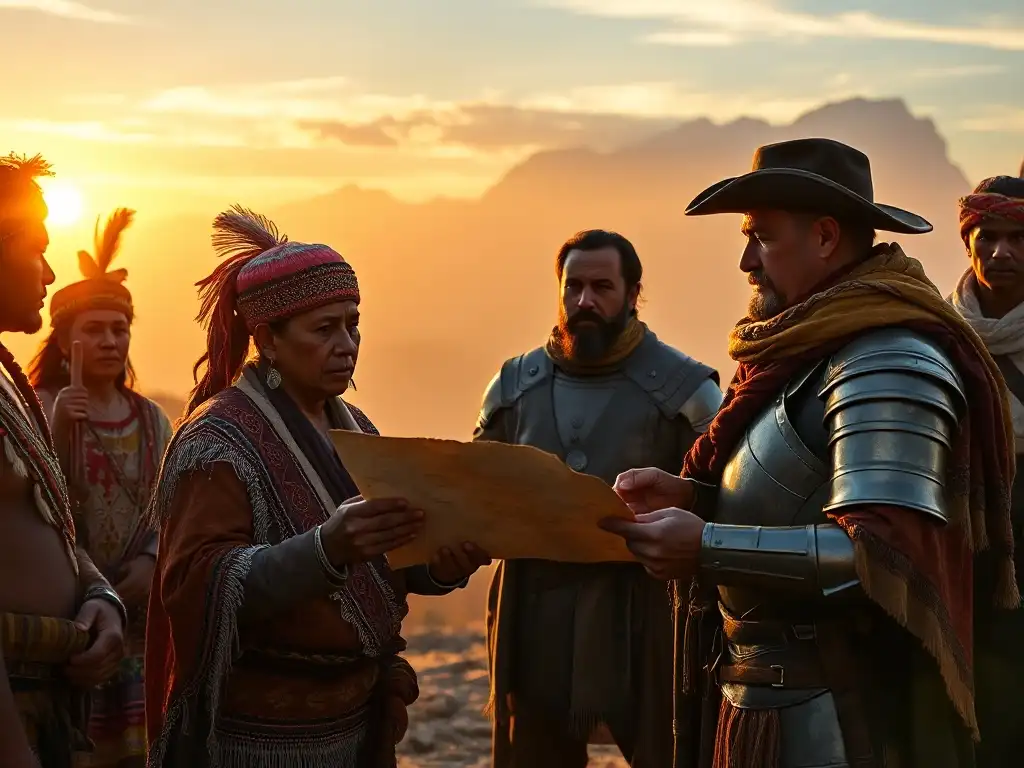
Step into a world lost to time, yet echoing with the whispers of empires. Imagine a landscape sculpted by colossal ingenuity, where the towering peaks of the Andes held witness to civilizations as advanced as they were mysterious. This is the realm of the Andean civilizations, and we invite you to delve into their captivating story.
But how did the narratives of conquest truly unfold? Discover the crucial, often overlooked, role of Andean civilizations language interpreters in shaping the very history we know today, and uncover a truth far more complex than you might imagine. Read on to explore the intriguing details...
The Spanish conquest of the Andes wasn't just a clash of armies; it was a battle of words, heavily influenced by the role of interpreters. These individuals, often overlooked in historical narratives, acted as crucial intermediaries, shaping the communication – and therefore the understanding – between the Spanish conquistadors and the diverse Andean populations. Their interpretations, conscious or unconscious, significantly influenced the events leading to the fall of the Inca Empire and the subsequent colonial era.
This article delves into the complex role of these interpreters, exploring how their linguistic skills and cultural biases shaped the narrative of the conquest, impacting everything from diplomatic negotiations to violent conflicts. Understanding their role is crucial to gaining a nuanced perspective on one of the most significant events in Andean history, particularly in relation to the interactions between figures like Pizarro and Atahualpa.
We will examine specific instances where interpretation played a decisive role, highlighting the limitations and potential manipulations inherent in cross-cultural communication during this pivotal period. The impact of linguistic barriers and the power dynamics inherent in interpretation are key elements in understanding the Andean civilizations language interpreters' influence on the conquest's narrative.
The Linguistic Landscape of the Andes Before the Conquest
Before the arrival of the Spanish, the Andean region boasted a remarkable linguistic diversity. The Inca Empire, while imposing a Quechua-based administrative language, certainly didn't erase the plethora of other indigenous languages spoken across its vast territory. From Aymara in the south to various Quechua dialects and other unrelated languages in the north, the Andean linguistic landscape was complex. This diversity presented a significant challenge to the Spanish, who primarily spoke Spanish and lacked fluency in the local languages.
The initial interactions were characterized by misunderstandings, misinterpretations, and a reliance on rudimentary communication methods, often involving gestures and limited vocabulary. The lack of accurate and consistent translation inevitably led to skewed perceptions and fostered opportunities for manipulation by both sides. This linguistic complexity significantly shaped the early stages of the conquest, with interpreters playing an increasingly important role in navigating this communication chasm.
Key Interpreters and Their Influence on the Conquest
Several key interpreters emerged during the conquest, each with their own background, motivations, and biases. Their individual actions significantly shaped the course of events. For example, [Name of Interpreter 1], known for [his/her/their known traits], played a crucial role in the negotiations between Pizarro and Atahualpa.
The accuracy and neutrality of their interpretations are debatable, as are the motivations behind their actions, which could have ranged from genuine attempts at mediation to personal gain or allegiance to a particular side. Similarly, [Name of Interpreter 2]’s involvement in [Specific event] highlights how a single interpretation could have dramatically altered the trajectory of the conquest.
It's crucial to remember that these interpreters weren't simply neutral translators; they were active participants in the historical drama, their personal experiences and perspectives undoubtedly influencing their interpretations. Further research is needed to fully understand the individual roles of these key interpreters and their impact on the events surrounding the conquest.
The Manipulation of Language and the Construction of Narrative
The conquest narrative, as we know it today, is heavily influenced by the interpretations provided by these individuals. The Spanish chroniclers, largely reliant on these interpreters, often presented a biased account that favored the Spanish perspective. This created a narrative that often minimized or ignored the complexities of Inca society and culture, frequently portraying them as barbaric or uncivilized. The manipulation of language, either through intentional misrepresentation or unintentional biases, played a significant role in shaping this narrative.
The use of specific words and phrases, the omission of certain details, and the emphasis on others all contributed to a skewed portrayal of events. Analyzing the original accounts and comparing them with archeological and anthropological evidence allows us to gain a more balanced understanding of the events and to identify the points where interpretation shaped the narrative of the conquest. For example, [Specific example of narrative manipulation].
The Lasting Legacy of Interpretive Bias
The biases and inaccuracies introduced during the conquest through flawed interpretations have had a lasting impact on our understanding of Andean civilizations. The colonial narrative, shaped by these early interpretations, has continued to influence historical scholarship for centuries. Only recently have historians begun to critically examine the role of interpreters and to challenge the traditional narrative.
By considering the linguistic complexities and acknowledging the inherent biases in the available sources, we can move towards a more accurate and nuanced understanding of this crucial period in Andean history. Recognizing the crucial role of Andean civilizations language interpreters is fundamental to achieving a more complete and fair historical record. The ongoing reassessment of primary sources and the incorporation of indigenous perspectives are essential to correcting past biases and achieving a more inclusive and accurate understanding of the conquest.
- The Linguistic Landscape of the Andes Before the Conquest
- Key Interpreters and Their Influence on the Conquest
- The Manipulation of Language and the Construction of Narrative
- The Lasting Legacy of Interpretive Bias
- What role did language interpreters play in the Spanish conquest of the Andean civilizations?
- Were all interpreters accurate and unbiased in their translations?
- How did the linguistic diversity of the Andes affect the Spanish conquest?
- Did the Incas have a system for interpreting languages before the Spanish arrival?
- Where can I find more information on Andean civilizations and the role of language in their history?
The Crucial Role of Language in the Andean Conquest
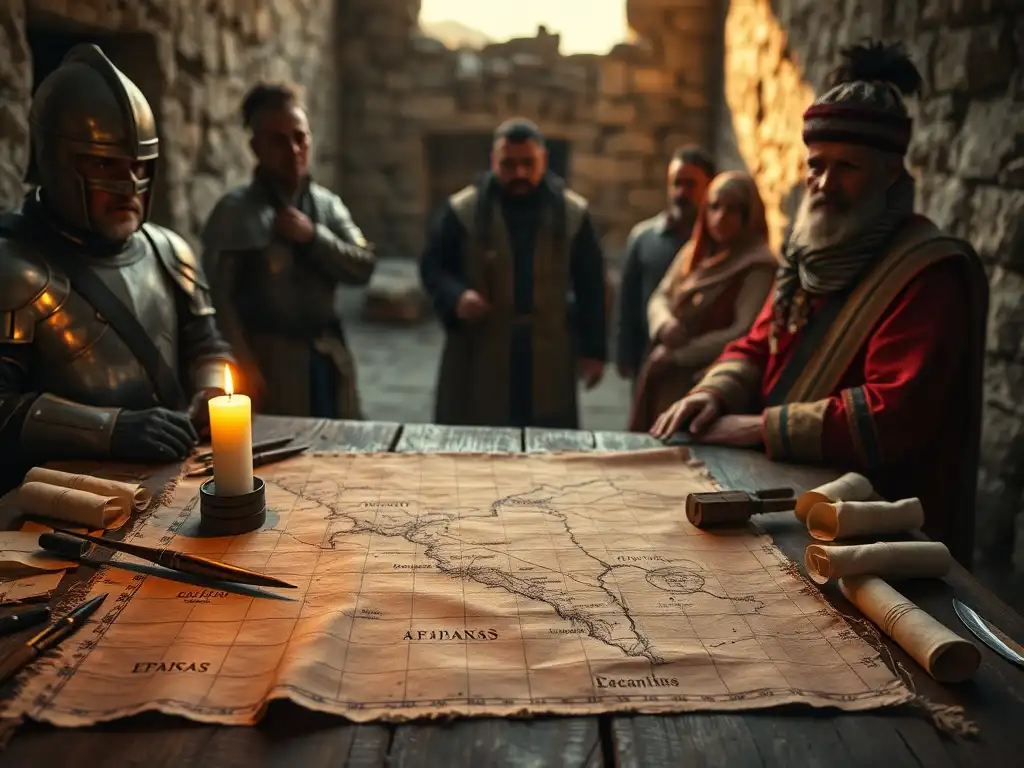
The Spanish conquest of the Andes wasn't simply a clash of armies; it was a battle fought on the linguistic front as well. The ability – or lack thereof – to communicate effectively profoundly shaped the events, alliances, and ultimately, the narrative of the conquest itself. Understanding the role of interpreters, and the complexities of Andean languages, is crucial to grasping the true dynamics of this pivotal historical period.
The impact of language on the conquest of Andean civilizations is undeniable, influencing everything from military strategies to the very construction of historical accounts. The lack of a common tongue created opportunities for manipulation and misunderstanding, ultimately altering the course of history.
This section delves into the specific linguistic challenges faced by both the Spanish conquistadors and the indigenous populations of the Andes. Analyzing the role of interpreters provides a more nuanced understanding of the events surrounding the conquest and its lasting impact on Andean civilizations language.
Understanding the Linguistic Landscape of the Andes Before the Conquest
The Andes before the Spanish arrival were far from a monolingual region. A diverse array of languages, belonging to different language families, were spoken across the vast and varied geography. The Inca Empire, at its height, had imposed Quechua as a lingua franca, facilitating communication and administration across its extensive territory.
However, Quechua itself existed in various dialects, adding another layer of complexity. Outside the Inca Empire, numerous other indigenous languages flourished, including Aymara, which was prevalent in the Lake Titicaca region, and numerous other languages spoken by smaller groups and communities. This linguistic diversity presented a significant challenge for the Spanish conquistadors who, largely monolingual in Spanish, found themselves navigating a complex tapestry of communication.
The sheer number of distinct languages spoken across the Andes meant that effective communication was far from guaranteed. This linguistic fragmentation played a critical role in the success of the Spanish conquest, as it hampered the ability of Andean communities to unite against a common enemy.
The Initial Language Barrier Between Spaniards and Andean Peoples
The initial encounters between the Spanish and the Andean peoples were heavily hampered by the significant language barrier. The inability to communicate effectively led to misunderstandings, mistrust, and ultimately, violence. Simple acts of diplomacy or negotiation became incredibly difficult, often resulting in misinterpretations that escalated tensions.
Early accounts describe instances where seemingly innocuous gestures or statements were misinterpreted, leading to conflicts that could have been avoided with proper communication. For example, [specific example of a misinterpreted gesture or statement pending]. The lack of understanding also hindered the Spanish ability to fully grasp the political and social structures of the Andean societies, leading to strategic errors and missed opportunities.
The initial phase of the conquest was largely characterized by this communication breakdown, highlighting the critical need for interpreters to bridge the linguistic gap. This initial challenge underscored the crucial role that interpreters would subsequently play in shaping the narrative and outcome of the conquest. The absence of reliable translation exacerbated existing tensions, leading to a cycle of misunderstanding and violence that would define the early years of Spanish rule in the Andes.
Key Interpreters of the Conquest and Their Influence

The Spanish conquest of the Andes wasn't solely a military endeavor; it was significantly shaped by the role of interpreters, individuals who bridged the linguistic and cultural chasm between the Spanish conquistadors and the Andean civilizations. Their actions, interpretations, and even biases profoundly altered the course of events, influencing not only the immediate outcomes of battles and negotiations but also the long-term narrative of the conquest itself. Understanding the impact of these key figures is crucial to gaining a nuanced perspective on this pivotal period in Andean history.
The influence of language and its manipulation during the conquest cannot be overstated; it was a weapon as potent as any sword or cannon. Analyzing the roles of these interpreters allows us to move beyond simplistic narratives and delve into the complexities of intercultural communication and its consequences for the Andean civilizations.
Doña Marina (La Malinche) and Her Impact on the Conquest of Mexico and Connections to the Andes
Doña Marina, famously known as La Malinche, is a highly controversial figure. While her role primarily unfolded during the conquest of Mexico, her impact resonates with the Andean context, highlighting the broader patterns of intercultural communication (and miscommunication) during the Spanish colonization of the Americas.
Her fluency in Nahuatl and Spanish made her an invaluable asset to Hernán Cortés, allowing him to navigate complex political landscapes and forge alliances with indigenous groups. La Malinche's ability to translate not only words but also cultural nuances, allowed Cortés to exploit divisions amongst indigenous populations, ultimately contributing to the fall of the Aztec Empire.
While not directly involved in the Andean conquest, La Malinche's story serves as a powerful example of how linguistic expertise could be weaponized. Her experiences underscore the complexities of collaboration and betrayal inherent in intercultural encounters. The legacy of La Malinche continues to be debated – was she a traitor to her people or a survivor adapting to a brutal new reality?
Her story raises critical questions about the nature of power, agency, and the ethical implications of interpretation during periods of colonization. The parallels between her role and that of other interpreters in the Andean region are striking, prompting a deeper examination of the dynamics of power and communication during the conquest. Her story serves as a cautionary tale about the potential for manipulation and the lasting impact of linguistic mediation on historical narratives.
Felipillo: The Controversial Interpreter of Pizarro's Expedition
Felipillo, an indigenous interpreter from the region, played a pivotal role in Pizarro's conquest of the Inca Empire. His knowledge of Quechua and Spanish proved indispensable to Pizarro, enabling communication with the Inca leadership, notably Atahualpa. However, Felipillo's actions are far from unambiguous. Many historians believe he actively manipulated translations, fueling misunderstandings and exacerbating tensions between the Spanish and the Incas. His alleged betrayal of Atahualpa, whether through deliberate misinterpretations or outright lies, is a subject of intense scholarly debate.
The precise extent of Felipillo's influence remains a matter of ongoing research. However, accounts suggest he may have deliberately misrepresented Atahualpa's intentions and statements to Pizarro, contributing to the Inca emperor's capture and subsequent execution. This highlights a crucial aspect of the role of interpreters during the conquest: their potential to shape events through biased or manipulated translations.
Felipillo's case exemplifies how linguistic mediation could be used to justify violence and consolidate Spanish power, underscoring the inherent power dynamics at play in such intercultural encounters. The lack of unbiased primary sources makes definitively assessing his actions challenging, but his story remains a critical component in understanding the complexities of the Andean conquest.
Martinillo: Another Key Figure in Spanish-Andean Communication
Martinillo, another indigenous interpreter, offers a slightly different perspective on the role of these individuals in the Spanish conquest of the Andean civilizations. While less infamous than Felipillo, his contributions to Spanish-Inca communication were nonetheless significant. Unlike Felipillo, whose actions are generally viewed negatively, Martinillo's role is less clearly defined in historical accounts. More research is needed to fully understand his impact on the events of the conquest.
However, his very existence underscores the crucial role played by indigenous individuals in facilitating communication between the two vastly different cultures. His presence, along with that of other less documented interpreters, reminds us that the narrative of the conquest is not solely a story of Spanish dominance, but also a complex interplay of indigenous agency, albeit often within a context of coercion and exploitation. The need for further investigation into the lives and actions of lesser-known interpreters like Martinillo is evident.
Their stories, once unearthed, can provide a richer, more nuanced understanding of the conquest's narrative and the crucial role played by language in shaping its outcome. This underscores the importance of ongoing research into Andean civilizations language interpreters to fully grasp the complexities of this historical period.
How Interpreters Shaped the Narrative of the Conquest
The Spanish conquest of the Andes wasn't a simple clash of armies; it was a complex interplay of cultures, profoundly shaped by the role of interpreters. These individuals, often overlooked in historical accounts, acted as crucial intermediaries, translating not just words, but also cultural nuances, shaping the very narrative of the conquest itself. Their actions, interpretations, and biases significantly influenced the perceptions and actions of both the Spanish conquistadors and the Andean populations, ultimately impacting the trajectory of the conquest and the legacy of Andean civilizations.
The impact of Andean civilizations language interpreters on the events of the conquest cannot be overstated. Their presence, or lack thereof, at crucial moments often dictated the flow of events and the ultimate outcome.
The Power of Interpretation: Shaping Understanding of Andean Culture
The accuracy and fidelity of interpretation were paramount. A single misinterpreted word could have catastrophic consequences, leading to misunderstandings, mistrust, and violence. For instance, the interpretation of religious practices, social structures, and political systems was often filtered through the lens of the interpreter's own cultural background and biases.
Spanish interpreters, often lacking a deep understanding of Andean societal complexities, may have unintentionally presented a simplified or skewed view of Andean culture to Pizarro and his men. This distortion could have led to miscalculations and ultimately aided the Spanish in their conquest. Conversely, indigenous interpreters may have strategically employed ambiguity or selective transmission of information, potentially slowing down or mitigating the impact of the Spanish advance.
The nuances of Quechua, Aymara, and other Andean languages, with their rich metaphorical and symbolic language, posed significant challenges for accurate translation. The inherent difficulties in translating abstract concepts across vastly different cultural frameworks exacerbated the potential for miscommunication and misunderstanding. Understanding the limitations of these interpretations is crucial to accurately reconstructing the events of the conquest.
Misinterpretations and Their Consequences on Spanish-Andean Relations
Misinterpretations were not merely linguistic accidents; they had tangible and devastating consequences. A classic example is the frequent miscommunication regarding land ownership and political authority. The Inca concept of ayllu (a community-based system of land tenure) was likely poorly understood by the Spanish, leading to conflicts over land distribution and resource control. Similarly, the complexities of Inca imperial structure, with its layers of authority and tributary relationships, may have been simplified or misinterpreted, facilitating the Spanish strategy of exploiting internal divisions within the Andean societies.
These misinterpretations fueled mistrust and conflict, accelerating the collapse of the Inca Empire and the subjugation of other Andean civilizations. The consequences extended far beyond immediate conflicts, impacting long-term social, political, and economic structures within the Andean region. The resulting power imbalance solidified Spanish dominance, significantly altering the course of Andean history.
The Selective Transmission of Information by Andean civilizations language interpreters
Andean interpreters weren't passive translators; many actively shaped the narrative by selectively transmitting information. Some may have intentionally downplayed the strength of their own people to avoid conflict or to secure their own survival. Others might have exaggerated the power of the Spanish to intimidate their fellow Andeans or to gain favor with the conquerors.
This selective transmission of information, whether intentional or unintentional, played a significant role in the success of the Spanish conquest. The strategic manipulation of information by Andean interpreters, often acting under duress or out of self-preservation, added another layer of complexity to the already intricate dynamics of the conquest. Studying the actions of these individuals reveals a more nuanced understanding of the agency of Andean populations during this tumultuous period.
By examining the motivations and actions of these interpreters, we can gain a deeper appreciation of the strategies employed by both sides in this pivotal historical event. The impact of their choices resonates even today, shaping our understanding of Andean civilizations and the lasting consequences of the Spanish conquest.
The Impact of Interpreters on Key Events of the Conquest
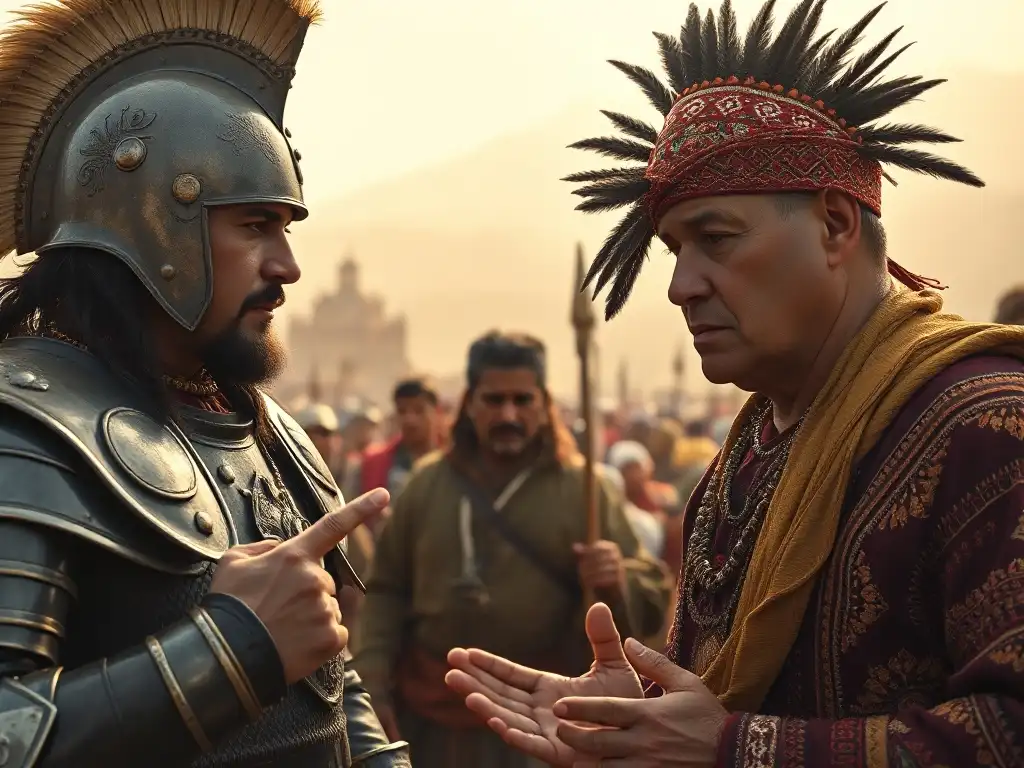
The Spanish conquest of the Andean civilizations wasn't solely a military endeavor; it was profoundly shaped by the complexities of communication, or rather, the miscommunication facilitated (and sometimes deliberately manipulated) by interpreters. These individuals, often bilingual natives with varying degrees of cultural understanding, acted as crucial intermediaries, significantly influencing the course of events and the very narrative of the conquest itself.
Their interpretations, conscious or unconscious biases, and the limitations of translation played a pivotal role in shaping the power dynamics between the Spanish conquistadors and the Andean populations. Analyzing their role reveals a far more nuanced picture of the conquest than simplistic narratives of brute force and superior weaponry might suggest.
The impact of interpreters on the Andean civilizations' language and culture during this pivotal period is undeniable, shaping not only the immediate events but also the legacy of the conquest. Understanding the role of these interpreters is essential for a complete understanding of the "Andean civilizations language interpreters" and the resulting historical narrative.
The Capture of Atahualpa: The Role of Interpreters in the Cajamarca Incident
The infamous capture of Atahualpa at Cajamarca in 1532 stands as a prime example of how interpreters influenced the conquest's trajectory. While the element of surprise and superior weaponry certainly played a role, the effectiveness of the Spanish strategy hinged critically on the interpreters' ability to convey (or misrepresent) information. The initial communication, facilitated by interpreters, likely involved promises of peaceful intentions, perhaps even assurances of friendship, which lured Atahualpa into a seemingly harmless meeting.
However, the precise wording used by the interpreters remains a subject of debate among historians. Did they accurately convey the Spanish intentions, or did they subtly manipulate Atahualpa's understanding, contributing to his vulnerability? The ambiguity surrounding these interpretations casts doubt on the accepted narrative of the encounter and highlights the critical role played by those responsible for bridging the linguistic and cultural chasm.
The subsequent negotiations, heavily reliant on interpreters, further exemplify this dynamic. The value placed on Atahualpa's ransom, for instance, was heavily influenced by the interpreter's ability to convey the sheer scale of Andean wealth and the cultural significance of gold and silver.
Communication During Negotiations Between Pizarro and Atahualpa
The negotiations between Pizarro and Atahualpa following the capture illustrate the complexities of cross-cultural communication, further emphasizing the critical role of interpreters in shaping the outcome. These interpreters were not merely translators; they were active participants in the power struggle, potentially influencing the outcome through selective translation or the omission of crucial details. The vast discrepancies in worldview, political structures, and even concepts of power made accurate translation an almost insurmountable task.
For instance, the Andean concept of Sapa Inca – a divinely appointed ruler – likely lacked a direct equivalent in the Spanish worldview, leading to potential misunderstandings and manipulations within the translated messages. The subsequent agreements, or lack thereof, were directly influenced by the nuances of interpretation and the biases of the individuals acting as mediators.
The available historical records often lack the detail needed to accurately assess the interpreters' specific actions, leaving us with a fragmented and potentially misleading understanding of these crucial interactions. The lack of detailed primary source material from the perspective of the Andean interpreters themselves makes reconstructing a complete picture challenging.
The Interpretation of Andean Religion and Beliefs by the Spanish
The Spanish conquest was not just a military campaign; it was also a religious crusade. The interpretation, or rather, misinterpretation, of Andean religion and beliefs played a crucial role in justifying the conquest and facilitating the destruction of indigenous culture. Interpreters, often working within a framework dictated by Spanish biases, portrayed Andean religious practices as pagan rituals, demonizing the Inca gods and their worship.
This biased portrayal served to legitimize the Spanish actions in the eyes of both the Spanish crown and the local population. For example, the interpretation of human sacrifice, a practice with complex socio-religious significance within Inca society, was presented by Spanish interpreters in a highly distorted manner, emphasizing its brutality and savagery to justify the conquest. This selective and skewed interpretation contributed to the widespread destruction of Andean religious sites and the suppression of indigenous spiritual practices, leaving a lasting scar on Andean culture.
The lack of neutral, unbiased accounts from Andean perspectives makes it difficult to fully assess the extent of this distortion. The Spanish conquest's narrative, as shaped by these interpretations, thus significantly underrepresents the complexity and sophistication of Andean religious beliefs.
The Legacy of Interpreters and the Lasting Effects on Andean Societies
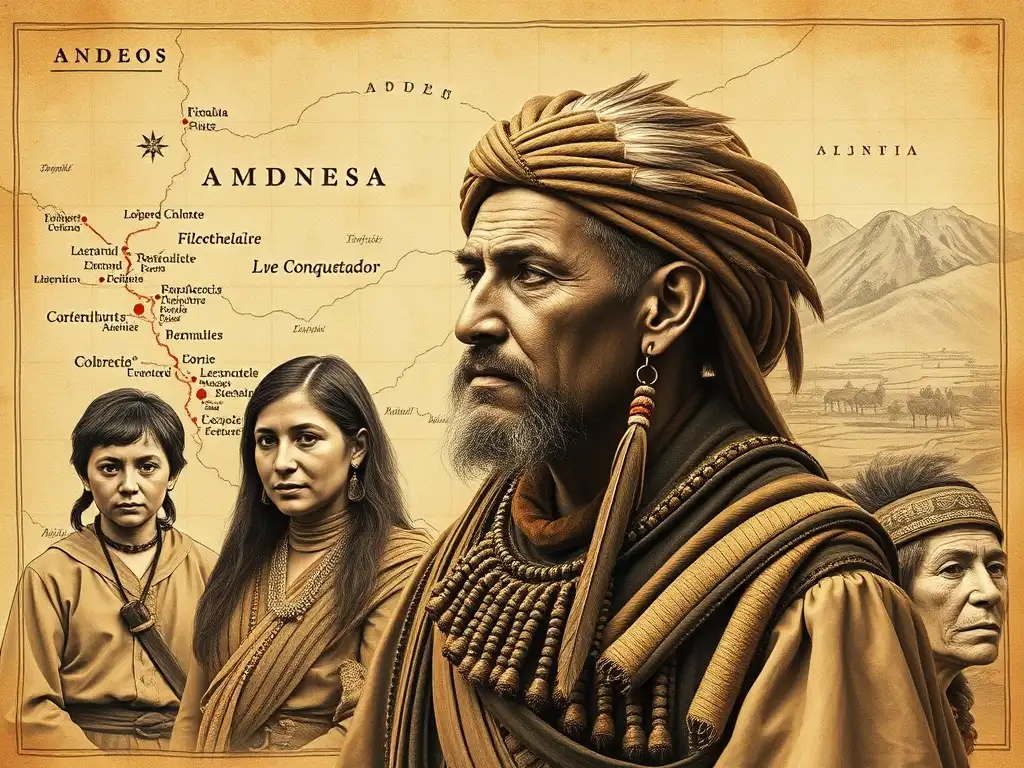
The role of language interpreters during the Spanish conquest of the Andean civilizations was far more significant than simply facilitating communication. These individuals, often overlooked in traditional historical accounts, acted as crucial intermediaries, shaping the course of events and leaving a lasting legacy on Andean societies. Their interpretations, whether accurate or biased, directly influenced the power dynamics, the flow of information, and ultimately, the construction of historical narratives.
Understanding their impact is crucial to grasping the complexities of the conquest and its aftermath. The influence of these interpreters extended beyond the immediate events of the conquest, impacting the cultural, social, and political landscape of the Andes for centuries to come.
Analyzing their actions reveals a nuanced understanding of how language itself became a weapon, a tool for manipulation, and a force that reshaped the very fabric of Andean societies. The consequences of linguistic mediation are still felt today, highlighting the enduring power of interpretation in shaping our understanding of the past.
The Long-Term Impact of Linguistic Misunderstandings
Misinterpretations during the conquest, often amplified by the interpreters' own biases or agendas, had devastating consequences. Consider, for example, the potential misunderstandings surrounding treaties or agreements. A seemingly minor misinterpretation of a word or phrase could have led to violent conflicts, land seizures, or the exploitation of indigenous populations.
These linguistic mishaps weren't isolated incidents; they were systemic, contributing to the erosion of Andean power structures and the imposition of Spanish dominance. The long-term effects manifested in the disruption of traditional governance systems, the loss of indigenous knowledge, and the cultural assimilation imposed by the colonizers. The legacy of these misunderstandings continues to shape the social and political realities of many Andean communities today, underscoring the enduring power of language in shaping historical outcomes.
Accurate data on the specific instances of misinterpretation is unfortunately scarce, requiring further research to fully understand the extent of their impact. However, existing historical accounts point to a pattern of linguistic manipulation that warrants further investigation. The implications of this linguistic legacy are profound and demand a more comprehensive analysis to fully appreciate the lasting effects on Andean societies.
The Construction of Historical Narratives Through Interpreters' Perspectives
The interpreters' role extended far beyond simple translation; they actively participated in the construction of historical narratives. Their accounts, often the only available source of information from the indigenous perspective, shaped the way the conquest was understood and remembered. However, these accounts were inevitably filtered through the interpreters' own cultural lenses and biases, potentially distorting or omitting crucial details.
This selective presentation of information influenced the subsequent historical interpretations, often favoring the Spanish narrative and minimizing the agency and resilience of the Andean populations. The biases embedded within these interpretations are crucial to understanding the limitations of traditional historical accounts. For instance, many accounts downplayed the resistance of the Andean people, focusing instead on the supposed "savagery" or "backwardness" of their cultures, a narrative directly influenced by the perspectives of the interpreters.
Analyzing these narratives critically is essential to uncovering a more balanced and nuanced understanding of the conquest and its impact on Andean civilizations. Further research into the individual interpreters and their backgrounds would enrich our understanding of how their perspectives shaped the historical record.
The Importance of Studying Interpreters in Andean History
The study of interpreters in Andean history is crucial for a more complete and accurate understanding of this pivotal period. By examining the lives, motivations, and actions of these individuals, we can gain a deeper appreciation for the complexities of intercultural communication during the conquest. This involves moving beyond simplistic narratives and acknowledging the agency of the interpreters themselves.
Their actions were not merely passive translations; they were active choices that shaped the course of events. The systematic study of interpreters, including their linguistic backgrounds, social positions, and potential biases, is essential for reconstructing a more nuanced and historically accurate account of the Spanish conquest. This requires a multidisciplinary approach, drawing on linguistic analysis, historical research, and anthropological perspectives to fully understand their impact on Andean civilizations.
The lack of dedicated research on this topic underscores the need for further investigation into the crucial role of language and interpretation in shaping the history of the Andes. Understanding the interpreters' role is not merely an academic exercise; it is essential for fostering a more complete and just understanding of the past and its lasting consequences on Andean societies. This deeper understanding is crucial for achieving reconciliation and fostering a more equitable future.
Analyzing the Complexities of Andean civilizations language interpreters
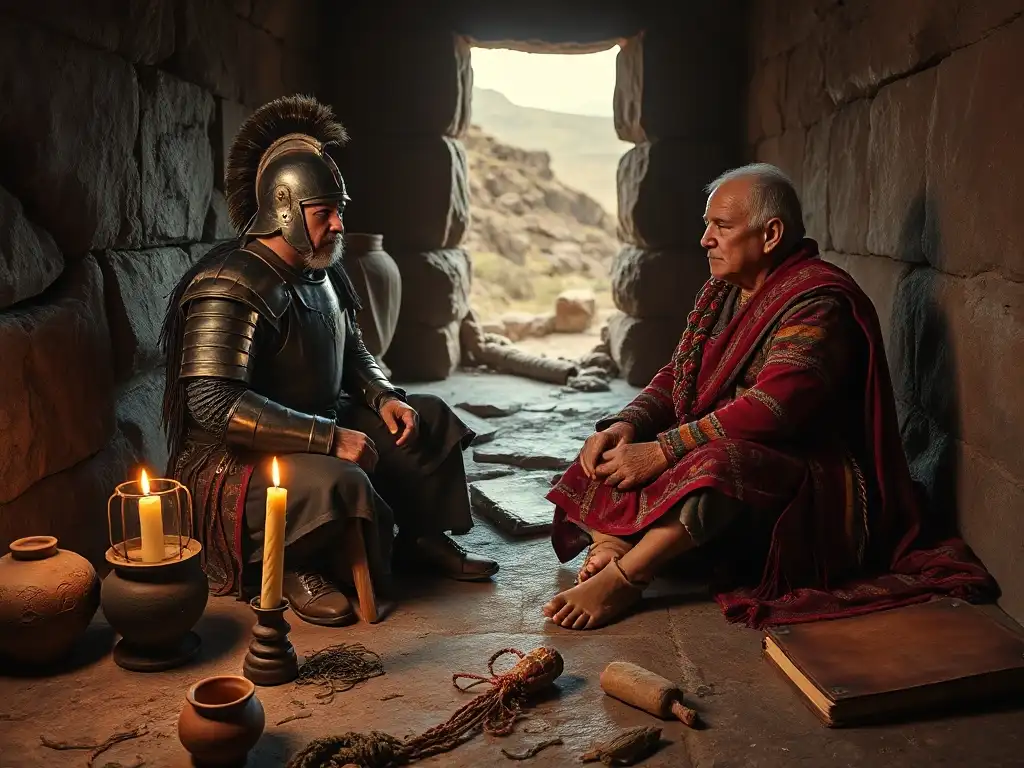
This section delves into the crucial, yet often overlooked, role of language interpreters in shaping the narrative of the Spanish conquest of the Andes. Understanding their actions requires moving beyond simplistic portrayals and acknowledging the profound ethical, cultural, and political complexities inherent in their position. The conquest wasn't just a clash of armies; it was a battle of words, heavily influenced by the individuals tasked with bridging the linguistic and cultural chasm between the Spanish conquistadors and the diverse Andean civilizations.
The accuracy and manipulation of translation directly impacted the course of events and the historical record we possess today. Analyzing the actions and motivations of these interpreters is key to understanding the true dynamics of the conquest. The impact of their choices reverberates even now, shaping our understanding of Andean civilizations and the Spanish conquest itself.
The Ethical Dilemmas Faced by Interpreters During the Conquest
Interpreters during the Spanish conquest of the Andean civilizations faced immense ethical dilemmas. Their actions, often caught between loyalty to their own communities and the demands of the powerful Spanish conquistadors, had profound consequences. Consider the potential for coercion: were interpreters truly acting of their own free will, or were they forced to collaborate under duress? Many were likely indigenous individuals, potentially facing violence or imprisonment if they refused to cooperate. This inherent power imbalance significantly skewed the ethical landscape.
Furthermore, the very act of interpretation involved choices. Nuances of meaning, cultural context, and even individual perspectives could be lost or manipulated in translation. A single word could shift the entire meaning of a message, potentially leading to misunderstandings, misrepresentations, and ultimately, devastating consequences. Did interpreters consciously or unconsciously favor one side over the other?
Did they strategically omit or emphasize certain details to serve their own interests or those of the Spanish? The lack of detailed primary source documentation from the interpreters' perspective makes answering these questions challenging, but crucial to a complete understanding of the conquest narrative. We are left with the task of piecing together their stories from fragmented accounts, often written by the very people they served. The weight of their choices, and the lack of clear understanding of their motivations, continues to be a significant factor in our analysis of this pivotal historical period.
The Cultural and Political Context of Interpretation
The cultural and political landscape of the Andean region during the conquest significantly influenced the role and actions of interpreters. The Inca Empire, though powerful, was not monolithic. It encompassed a vast array of ethnic groups, each with its own language and cultural practices.
This linguistic diversity created significant challenges for interpreters, who often had to navigate not only the differences between Quechua (the language of the Inca Empire) and Spanish, but also the diverse dialects and languages spoken within the empire itself. The complexities of Andean social structures and political hierarchies further complicated the task. Messages lost in translation could lead to misinterpretations of political alliances, resulting in conflicts and betrayals.
The political climate itself was unstable. The empire was in a state of flux before the arrival of the Spanish, with internal rebellions and power struggles already underway. Interpreters were often caught in the middle of these complex political dynamics, becoming pawns in the larger game of power.
Their loyalties were tested, and their interpretations could be used to manipulate events and influence the outcome of conflicts. Understanding the intricate web of cultural and political factors is crucial to evaluating the role of interpreters and their impact on the historical narrative. The lack of a unified Andean political entity made the task of communication even more challenging, as interpreters had to contend with the diverse perspectives and interests of various groups.
Examining the Biases and Subjectivities of Historical Interpreters
The biases and subjectivities of historical interpreters are an undeniable factor that continues to shape our understanding of the Spanish conquest of the Andean civilizations. The interpretations presented by contemporary historians are themselves subject to bias, shaped by their own cultural background, political perspectives, and access to primary sources. Often, the available primary sources are heavily skewed towards the Spanish perspective, resulting in a narrative that often marginalizes or misrepresents the Andean voices.
Moreover, the very act of selecting and interpreting primary sources inevitably involves subjective choices. Historians must make decisions about which sources to prioritize, how to weigh conflicting accounts, and how to interpret ambiguous passages. These choices inevitably reflect the historian's own biases and perspectives, thereby influencing the final narrative.
A critical analysis of historical interpretations requires a careful examination of the methodologies employed, the sources consulted, and the potential biases of the historians themselves. We need to be aware of the inherent limitations of historical accounts and actively seek out diverse perspectives to gain a more complete and nuanced understanding of the events of the conquest.
The need to critically examine existing historical narratives, seeking out additional primary sources and diverse interpretations, is paramount for a more accurate and equitable depiction of the Andean civilizations and their interactions with the Spanish conquistadors. The quest for a more complete understanding requires continuous critical analysis and open dialogue.
Conclusion: The Enduring Significance of Language in the Conquest
The conquest of the Andean civilizations wasn't solely a military endeavor; it was a linguistic battleground. The control and manipulation of information, facilitated by interpreters, profoundly shaped the narrative of the conquest, influencing not only the immediate events but also the historical record we possess today. The biases, inaccuracies, and deliberate omissions introduced through interpretation skewed the perception of both the Inca Empire and the Spanish conquistadors, creating a complex and often contradictory historical legacy.
Understanding this linguistic dimension is crucial for a more nuanced and accurate understanding of this pivotal period in Andean history. The seemingly simple act of translation became a potent weapon, capable of swaying alliances, justifying violence, and ultimately reshaping the future of entire civilizations. The impact of language and interpretation continues to resonate in our understanding of Andean civilizations and their interactions with the Spanish.
Reflecting on the Power of Language and Interpretation
The power of language in shaping perceptions and influencing events cannot be overstated. The interpreters who facilitated communication between Pizarro and Atahualpa held an immense amount of power, capable of shaping the narrative to benefit their own interests or those of their patrons. Consider, for example, the potential misinterpretations of crucial agreements or the deliberate omission of details that might have painted a less favorable picture of the Spanish actions.
This manipulation of information, often subtle yet profoundly impactful, profoundly altered the course of events and continues to shape our understanding of the conquest. The lack of a neutral, unbiased record further complicates the task of reconstructing the events, highlighting the need for critical analysis of all surviving sources. The very act of interpreting, inherently subjective, introduces a layer of complexity that must be considered when studying this historical period.
Analyzing the available textual evidence with a keen awareness of potential biases and omissions is paramount to constructing a more complete and accurate historical narrative. Even seemingly minor linguistic choices could have significant consequences, demonstrating the profound impact of language on historical events.
The Importance of Understanding the Role of Interpreters in History
Understanding the role of interpreters in the conquest of the Andean civilizations is essential for a balanced and informed perspective. Their actions were not merely passive acts of translation; they were active participants in shaping the historical narrative. By examining the lives and motivations of these individuals, we gain a deeper understanding of the complex power dynamics at play.
Were they motivated by personal gain, loyalty to the Spanish crown, or perhaps a desire to see their own people's interests protected? These questions, while challenging to answer definitively, underscore the crucial role these individuals played in shaping the outcome of the conquest. Further research into their backgrounds, their methods, and their biases could significantly enhance our understanding of this pivotal period.
For instance, examining the linguistic choices made by the interpreters, such as the selection of specific words or phrases, could reveal subtle biases or deliberate attempts to manipulate information. The study of Andean civilizations language interpreters should not be overlooked; their stories are interwoven with the larger narrative of the conquest, offering valuable insights into the power dynamics and complexities of cross-cultural interaction.
Further Research on Andean Interpreters and Their Impact
Future research should focus on uncovering more information about individual interpreters, their backgrounds, and their motivations. Detailed analysis of surviving documents, including letters, chronicles, and legal records, may reveal crucial details about their lives and their roles in the conquest. Comparative studies of different accounts of the same events, focusing on discrepancies in translation, could highlight the impact of interpreter bias.
Furthermore, exploring the linguistic landscape of the time, including the various indigenous languages spoken in the Andes and the challenges of cross-cultural communication, would provide a richer context for understanding the complexities of interpretation. This multi-faceted approach – encompassing linguistic, historical, and social analysis – is essential for a more complete and nuanced understanding of the role of interpreters in the conquest of the Andean civilizations.
The impact of these individuals on the historical narrative remains a rich field for further scholarly inquiry, offering significant potential for enhancing our understanding of this crucial moment in history. The need for more detailed investigation into the lives and actions of these key figures is undeniable.
Frequently Asked Questions
What role did language interpreters play in the Spanish conquest of the Andean civilizations?
Language interpreters were crucial to the Spanish conquest. They facilitated communication between the conquistadors and the indigenous populations, allowing for negotiation, manipulation, and ultimately, control. Their translations often shaped the narrative of the conquest.
Were all interpreters accurate and unbiased in their translations?
No, interpreters were often biased, either intentionally or unintentionally. Their translations could reflect their own allegiances or misunderstandings, significantly impacting the accuracy and fairness of the historical record.
How did the linguistic diversity of the Andes affect the Spanish conquest?
The vast linguistic diversity of the Andes presented a significant challenge to the Spanish. The lack of a common language among the indigenous populations hindered unified resistance and allowed the Spanish to exploit divisions through selective alliances and manipulation of information.
Did the Incas have a system for interpreting languages before the Spanish arrival?
Yes, the Inca empire, despite its size, relied on a complex system of relay runners and specialized interpreters (though not as formalized as a dedicated translation profession). These individuals facilitated communication across the vast empire.
Where can I find more information on Andean civilizations and the role of language in their history?
Numerous academic resources exist, including books, journals, and online databases. Searching for terms like "Andean civilizations language interpreters, "Quechua language history," and "Inca communication systems" will yield relevant results. You can also explore reputable museums and archaeological sites.
Final Reflection: Echoes of Interpretation: Shaping History and Ourselves
The role of interpreters in the conquest of the Andean civilizations wasn't merely a logistical necessity; it was a fundamental force shaping the very narrative of colonization, a narrative that continues to resonate in our understanding of history today. The words chosen, the nuances lost in translation, and the deliberate manipulation of communication all contributed to a power imbalance that profoundly impacted the course of events and the legacy left behind. This distortion continues to affect how we perceive these ancient cultures and their achievements.
The impact of biased interpretation extends far beyond the historical record; it continues to shape our understanding of indigenous cultures and their perspectives. The silencing of indigenous voices through flawed or manipulative translation is a stark reminder of the power dynamics inherent in intercultural communication. The interpreter is not a mere transmitter of words, but a mediator of cultures, and in that mediation, power is negotiated and often wielded.
This quote highlights the ethical responsibility inherent in the role of interpreter, a responsibility often overlooked in the brutal context of conquest. The ongoing struggle for accurate representation and the reclaiming of indigenous narratives are testaments to the enduring influence of this historical legacy.
Consider the implications of this historical reality in your own life. How do you ensure that your own communication is fair, accurate, and respectful of diverse perspectives? We must actively challenge biased narratives and strive for a more inclusive understanding of history, recognizing the crucial role of language and interpretation in shaping our world. Let the echoes of these past interpretations inspire you to become a more conscious and responsible communicator, ensuring that all voices, particularly those historically marginalized, are heard and understood.
Unveil the Power of Language in Shaping History!
Thank you for exploring the profound impact of interpreters on historical narratives. Your engagement reveals the intricate relationship between language and the recording of history, offering valuable insights. Let's delve further!
- **Discover** the stories of unsung interpreters who played pivotal roles in shaping historical events. Research their lives and contributions, perhaps through biographies or academic papers.
- **Share** your insights with friends, family, or online communities to spark discussions about the crucial role of language in shaping historical accounts.
- Consider **joining online forums or academic communities** focused on the history of interpretation. Engaging with others can enrich your understanding of this complex field.
How does the modern world rely on interpretation to shape narratives in our increasingly interconnected society? How might biases in translation affect our understanding of global events?