
Inca Education: Shaping Minds in the Empire of the Sun

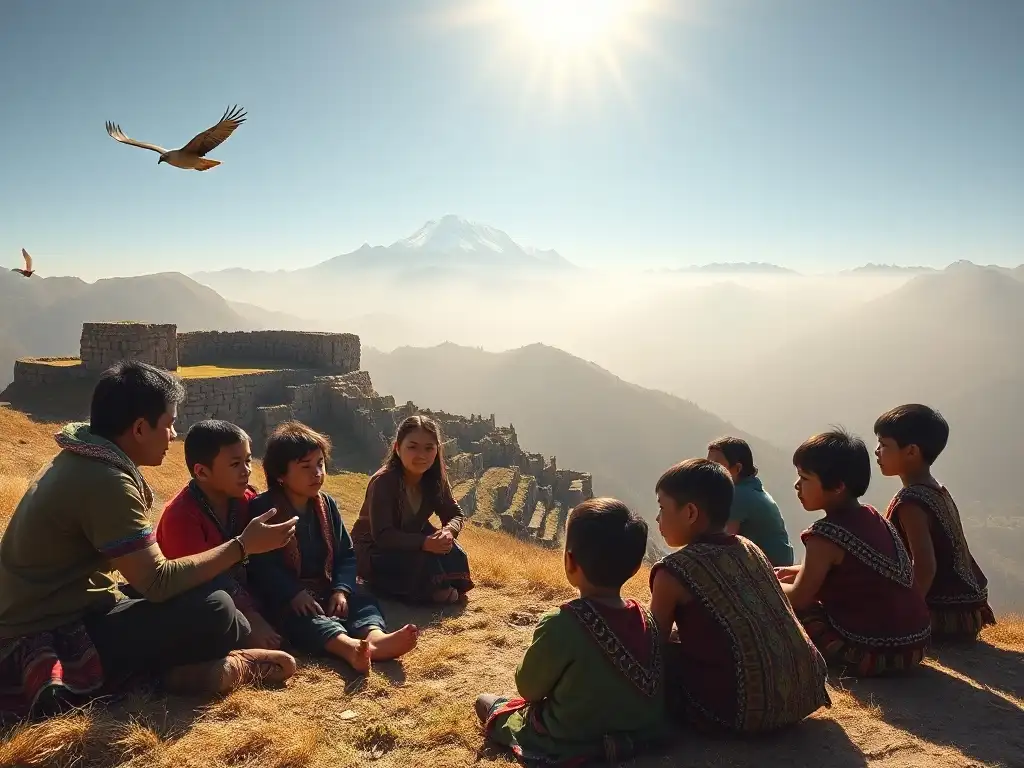
Step into a world lost to time, yet echoing with the whispers of a magnificent civilization. Journey with us through the Andes, where towering mountains held secrets as profound as the Inca education system itself. Uncover the ingenious methods used to shape the minds of an empire that stretched across the sun-drenched landscapes of South America. What innovative techniques did they employ? How did their education system contribute to the Inca's remarkable achievements? Discover the answers, and more, as we delve into the fascinating story of Inca education.
The Inca Empire, a civilization that flourished in the Andes Mountains from the 15th to the 16th century, was renowned for its sophisticated social structures, impressive engineering feats, and intricate agricultural systems. But beyond the grandeur of Machu Picchu and the efficiency of its administration lay a surprisingly advanced education system, crucial to maintaining the empire's stability and prosperity.
This article delves into the fascinating world of Inca education, exploring its methods, aims, and lasting impact on the lives of its citizens. We will examine how the Inca education system, subtly interwoven into the fabric of daily life, shaped the minds and destinies of individuals within the Empire of the Sun, contributing significantly to its remarkable achievements.
Understanding the Inca approach to education offers valuable insights into their societal values and the mechanisms that sustained their power. The keyword "Inca education system" will be analyzed throughout the article to provide a comprehensive understanding of this vital aspect of Inca civilization.
The Role of the Yachaywasi: Schools of the Inca Empire
The Inca education system wasn't confined to formal schools in the way we understand them today. Instead, education was a lifelong process deeply embedded within the community. However, specialized institutions, known as yachahuasis, played a pivotal role in training the elite and those destined for positions of authority.
These institutions weren't solely focused on academics; they encompassed physical training, moral instruction, and practical skills crucial for leadership. The curriculum was tailored to the student's intended role in society, reflecting the hierarchical structure of the Inca Empire. For example, future leaders received rigorous training in governance, military strategy, and religious practices, while others focused on specialized crafts or agricultural techniques.
The yachahuasis acted as incubators for future leaders and skilled artisans, ensuring the continuity of the empire's complex social and economic systems. The quality of education provided at these institutions directly influenced the overall efficiency and stability of the Inca government and its various specialized departments.
Education Beyond the Yachaywasi: A Societal Approach to Learning
While the yachahuasis catered to the elite, the vast majority of Inca children received their education within their families and communities. This informal learning process was equally crucial to the success of the Inca Empire. Children learned practical skills like farming, weaving, pottery making, and construction through observation and participation in daily life. This hands-on approach ensured a skilled workforce capable of maintaining the infrastructure and economy of the empire.
Furthermore, the Inca's strong emphasis on community fostered a culture of shared knowledge and mutual support, where elders mentored younger generations, transmitting traditional knowledge, values, and beliefs. This integrated approach to education ensured that everyone, regardless of social standing, contributed to the collective well-being of the community. This communal learning also strengthened social bonds and promoted a sense of collective identity within the vast Inca Empire.
The Importance of Quipu and Oral Tradition in Inca Education
The Inca did not possess a written language in the conventional sense. Instead, they relied on a sophisticated system of knotted strings called quipus to record information, including historical accounts, census data, and astronomical observations. The creation and interpretation of quipus were integral to Inca education, teaching students about record-keeping, numerical systems, and data analysis. Alongside quipus, oral tradition played a critical role in transmitting knowledge and cultural values across generations.
Stories, songs, and myths were used to educate children about history, religion, and social customs, fostering a strong sense of identity and cultural pride. This unique approach to education, combining practical experience, oral tradition, and the intricate system of quipus, demonstrates the ingenuity and adaptability of the Inca civilization. The ability to interpret and utilize quipus was a highly valued skill, indicating a level of advanced mathematical and organizational understanding within Inca society.
Religious and Moral Instruction: Shaping Inca Values
Religious and moral instruction formed a significant part of Inca education, regardless of the setting. The Inca religion emphasized the importance of community, respect for authority, and adherence to traditional customs. Children were taught about the Inca gods, the importance of rituals, and the consequences of violating social norms. This moral instruction aimed to instill a sense of responsibility and civic duty, promoting social harmony and stability within the empire.
The Inca believed that proper conduct and adherence to religious principles were essential for the well-being of both the individual and the community. This religious and moral education reinforced the hierarchical structure of Inca society and contributed to its social cohesion. The emphasis on collective responsibility and respect for authority played a vital role in maintaining order and stability throughout the vast and diverse Inca Empire.
- The Role of the Yachaywasi: Schools of the Inca Empire
- Education Beyond the Yachaywasi: A Societal Approach to Learning
- The Importance of Quipu and Oral Tradition in Inca Education
- Religious and Moral Instruction: Shaping Inca Values
The Foundations of Inca Learning: A Unique Educational Approach
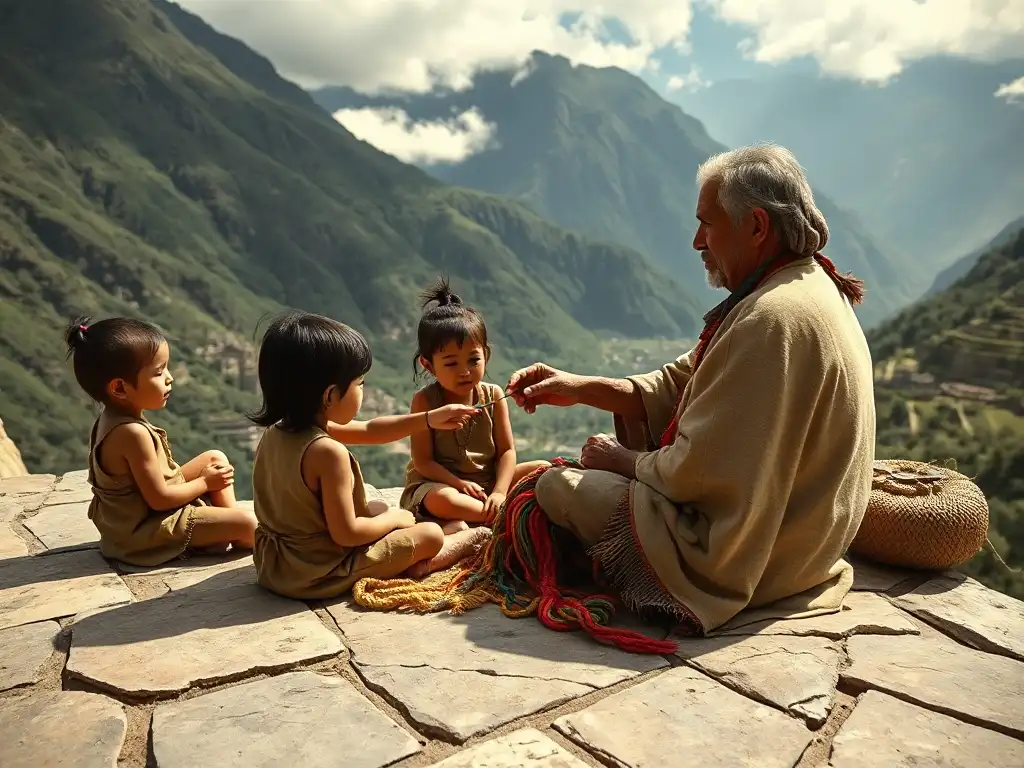
The Inca education system, far from being a monolithic structure, was deeply intertwined with the intricate social fabric of the Inca Empire. It wasn't a formal system in the Western sense, lacking standardized curricula and institutions like schools in the modern understanding. Instead, education was a lifelong process, deeply embedded in the daily routines and societal structures of the empire. The emphasis was placed on practical skills and moral values, aligning perfectly with the needs of a vast, hierarchical society.
Understanding the Inca approach requires moving beyond our preconceived notions of what constitutes "education" and embracing the holistic nature of their approach. This system effectively prepared individuals for their roles within the ayllu, the community-based social unit, and the wider empire. The Inca education system was, in essence, a form of social engineering, carefully designed to maintain order, productivity, and the ideological cohesion of the empire.
Inca education was profoundly shaped by the empire's rigid social hierarchy. The ayllu, the fundamental social and economic unit, played a crucial role. Children's education began within the ayllu, learning from family members and elders. This informal learning focused on practical skills necessary for survival and contributing to the community. Boys learned agriculture, herding, construction, and warfare techniques, while girls learned weaving, cooking, and domestic skills. The level of education and the type of skills acquired were directly correlated with one's social standing.
The elite, the curacas and other nobility, received a more specialized and advanced education. They received instruction in administration, religion, and Inca history, preparing them for leadership roles within the empire. This privileged education often involved learning quipu record-keeping, a complex system using knotted cords to store and transmit information. Access to this advanced knowledge was strictly controlled, reinforcing the existing power structure.
The system wasn't entirely static, however. Exceptional individuals from lower social strata could, through demonstrated talent and ability, rise through the ranks. This meritocratic element, although limited, provided a degree of social mobility, albeit within the confines of the existing hierarchical structure. This fluidity, however small, demonstrates a pragmatic approach to talent identification within the Inca education system. The system was primarily focused on maintaining the social order, but it also recognized and utilized exceptional talent whenever it emerged.
Aims and Objectives: Service to the Empire and Gods
The primary aims of Inca education were to instill loyalty to the Sapa Inca, the emperor, and to the Inca gods. Education served to maintain the stability and prosperity of the empire by equipping individuals with the necessary skills and moral values. Religious instruction emphasized the importance of Inca mythology and rituals, reinforcing the spiritual authority of the ruling class. This indoctrination was not solely religious; it also served a political purpose, solidifying the Inca's power and legitimacy.
The emphasis on practical skills was directly linked to the needs of the empire. Agricultural techniques were crucial for food production, sustaining the large population and the vast armies. Construction skills were necessary for building the impressive infrastructure of the empire, including roads, temples, and irrigation systems. Military training was essential for maintaining control over the conquered territories.
This practical focus ensured that individuals could contribute effectively to the empire's economic and military strength. The Inca's success lay not just in their military prowess but also in their ability to organize and manage a large and diverse population effectively, a feat facilitated by their unique approach to education and training. The system was designed to create loyal, skilled citizens who actively contributed to the empire's overall success. This holistic and integrated approach to education was a key component of the Inca Empire's remarkable achievements.
Yachayhuasi: The House of Learning for the Inca Elite
The Inca education system, while not uniformly applied across the vast empire, prioritized the training of the elite within specialized institutions known as yachayhuasi, meaning "house of learning." These weren't schools in the Western sense, but rather residential institutions where select children, primarily sons of nobility and high-ranking officials, received rigorous instruction. The yachayhuasi played a crucial role in maintaining the Inca's social hierarchy and ensuring the continuity of their sophisticated administrative and military structures.
Access to a yachayhuasi education was a privilege, reflecting the Inca's belief in meritocracy combined with a strong emphasis on hereditary privilege. The quality of instruction varied based on the location and resources of the yachayhuasi, with those in Cuzco, the imperial capital, naturally offering the most prestigious and comprehensive education. The system aimed to cultivate loyalty to the Sapa Inca, the emperor, and prepare future leaders capable of effectively governing the empire.
This focus on training future leaders, rather than mass education, significantly shaped the Inca's approach to governance and societal development. Evidence suggests a strong correlation between the location of a yachayhuasi and the administrative or strategic importance of the region, further highlighting its role in maintaining imperial control.
Curriculum: History, Religion, Administration, and Military Strategy
The curriculum within the yachayhuasi was far from standardized, but certain core subjects consistently emerged. History, particularly Inca history and mythology, formed a cornerstone of the education. Students memorized key events, lineages of the Sapa Inca, and foundational myths that reinforced the legitimacy of Inca rule. This emphasis on history served not only as a means of cultural preservation but also as a tool for political indoctrination.
Religion played a vital role, with students learning about Inca deities, rituals, and the complex cosmology underpinning their worldview. A deep understanding of religious practices was essential for those destined for positions of power within the Inca religious hierarchy. Administration was another key area of focus. Students were trained in record-keeping using quipus (knotted strings), accounting, and the intricate systems of taxation and resource management that sustained the empire.
Finally, military strategy was a crucial component of the curriculum, particularly for students expected to serve in the Inca army. They learned about warfare tactics, weaponry, and the organization of the Inca military. The rigorous nature of this training ensured the effectiveness of the Inca army in conquering and controlling their vast empire. The curriculum effectively combined theoretical knowledge with practical skills, preparing students for their future roles within the Inca state.
The Role of Amautas: Royal Tutors and Knowledge Keepers
Central to the yachayhuasi system were the amautas, highly respected teachers and scholars who served as both instructors and mentors. These individuals were not simply educators; they were custodians of Inca knowledge and tradition. Their selection was rigorous, based on their intellectual capabilities, mastery of various subjects, and unwavering loyalty to the Sapa Inca. The amautas utilized a variety of teaching methods, including storytelling, memorization, and practical exercises.
They instilled not only knowledge but also values of discipline, obedience, and loyalty. The relationship between an amauta and his students was often deeply personal, extending beyond the formal curriculum. The amautas played a pivotal role in shaping the character and worldview of future leaders. Their expertise spanned a wide range of disciplines, reflecting the holistic nature of Inca education.
The prestige associated with being an amauta ensured the high quality of instruction within the yachayhuasi. Their influence extended far beyond the walls of the educational institution, shaping the intellectual and cultural landscape of the Inca Empire. Further research is needed to fully understand the selection process of amautas and the specific methodologies they employed. [Specific information pending on Amauta training and selection processes].
Life at the Yachayhuasi: Rigorous Training and Discipline
Life within a yachayhuasi was far from leisurely. Students lived a highly structured and disciplined existence, adhering to a strict daily routine that prioritized both intellectual and physical development. Their days were filled with lessons, memorization exercises, practical training, and physical activities. Discipline was paramount, with infractions met with swift and often severe consequences.
This rigorous environment aimed to cultivate not only intellectual prowess but also obedience and unwavering loyalty to the Inca state. The physical training was crucial, preparing students for military service and the demands of life in a mountainous environment. The yachayhuasi fostered a strong sense of community among students, with many forming lifelong bonds. However, competition for recognition and advancement was also fierce, creating a highly competitive learning environment.
While the curriculum focused on intellectual and military development, the social dynamics within the yachayhuasi played a significant role in shaping the students' character and future leadership abilities. The strict regimen and competitive nature of the yachayhuasi ensured that only the most capable and determined individuals emerged to serve the Inca Empire. [Further research is needed to determine the specific daily routines and disciplinary measures employed in the yachayhuasi]. The overall experience was designed to mold future leaders capable of governing effectively and maintaining the power of the Inca Empire.
Acllahuasi: Education for Chosen Women
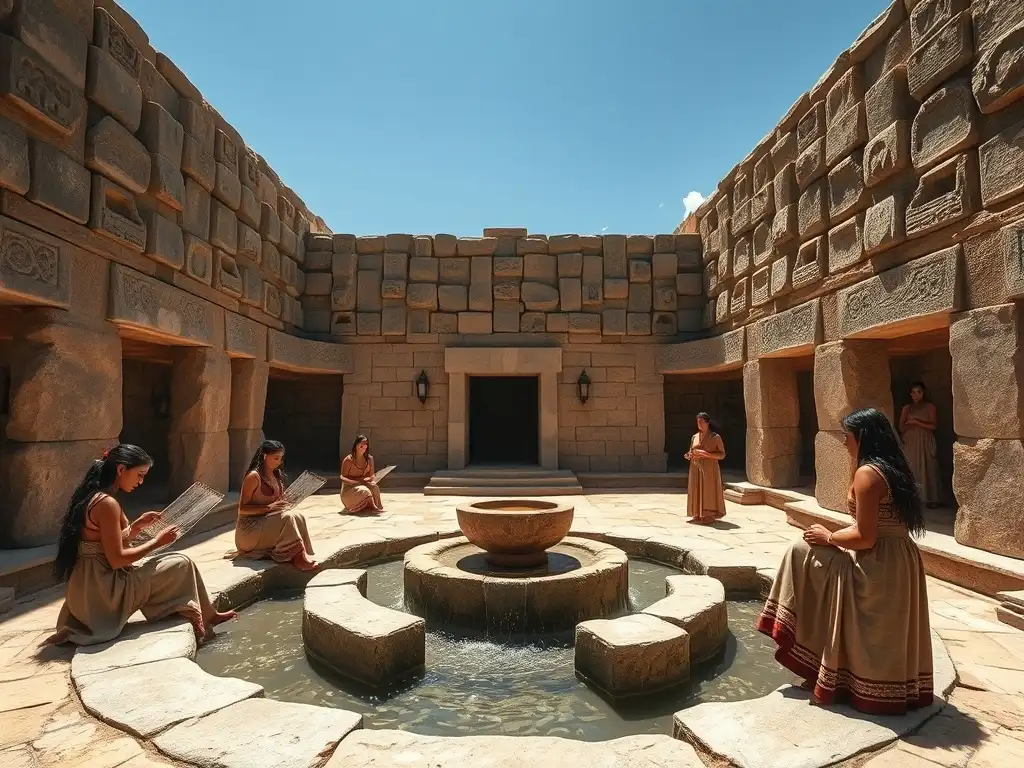
The Inca education system wasn't solely focused on men. A significant, albeit often overlooked, aspect involved the acllas, or chosen women, educated in specialized institutions known as Acllahuasi. These weren't simple schools; they were integral to the Inca social fabric, producing highly skilled individuals who played crucial roles in religious ceremonies, textile production, and the broader economy. The Acllahuasi system represents a sophisticated approach to female education within the Inca Empire, highlighting the value placed on women's contributions beyond the domestic sphere.
Understanding the Acllahuasi is key to understanding the nuanced complexities of the Inca education system and the significant role women played within it. The selection process for acllas was rigorous, with young girls chosen based on beauty, intelligence, and potential. This selection was a significant honor for both the girl and her family.
The Training of Acclla: Weaving, Cooking, and Religious Service
The curriculum within the Acllahuasi was multifaceted and rigorous. Training emphasized several key areas:
- Textile Production: Acllas were renowned for their mastery of weaving, producing exquisite textiles used for ceremonial purposes and royal garments. They were trained in various weaving techniques, using high-quality materials like alpaca and vicuña wool. The intricate designs often incorporated symbolic imagery reflecting Inca mythology and beliefs. Their skills were highly valued, contributing significantly to the Inca economy and showcasing the empire's artistic prowess.
- Culinary Arts: Beyond textiles, acllas received advanced training in culinary arts. This wasn't simply basic cooking; it involved preparing food for religious ceremonies and royal feasts. They learned intricate recipes and food preparation techniques, reflecting the importance of food in Inca culture and religion. Maintaining the high standards of food preparation for religious and elite consumption was a crucial role.
- Religious Service: A significant aspect of aclla training involved religious service. Many acllas served as priestesses, participating in religious ceremonies and rituals. This role required deep knowledge of Inca mythology, religious practices, and the intricate rituals of the Inca pantheon. Their participation in religious activities underscored the spiritual dimension of the Acllahuasi system. The acllas were not just skilled artisans; they were also vital participants in the religious life of the Inca Empire.
The training in the Acllahuasi was not simply vocational; it fostered a strong sense of community and identity among the acllas. The rigorous schedule and shared experiences created bonds that extended beyond their time in the institution.
The Acllahuasi system significantly impacted the social role of women in the Inca Empire. While many women worked in agriculture and domestic spheres, the acllas represented a distinct group, contributing to the empire through specialized skills and religious service. Their textiles, culinary skills, and participation in religious ceremonies were integral to the functioning of Inca society. This highlights a crucial point: Inca society valued women's contributions beyond the domestic realm, recognizing their importance in religious, economic, and artistic spheres.
The system also provided opportunities for social mobility. While chosen from various social strata, the acllas gained status and prestige through their training and service to the empire. This, coupled with the high level of skill they acquired, ensured a level of social standing not always available to women in other sectors of Inca society. The Acllahuasi thus represented a unique pathway for women's advancement within the Inca social hierarchy.
The system's impact extended beyond the individual acllas, shaping the broader social and religious landscape of the Inca Empire. Further research is needed to fully understand the long-term social and economic impact of the Acllahuasi system on Inca society. The available data paints a picture of a complex and sophisticated institution, but more detailed information on the daily lives of acllas, their social interactions, and their post- Acllahuasi lives would greatly enhance our understanding.
Informal Education in Inca Society: Practical Knowledge and Skills
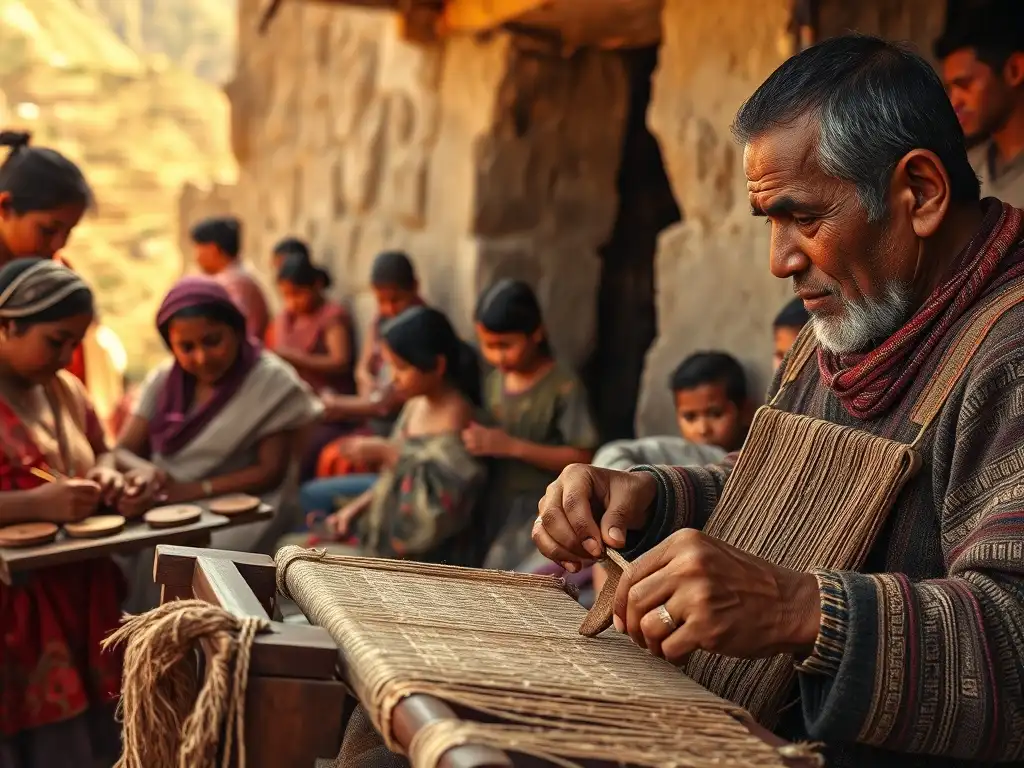
The Inca education system, while lacking formal schools in the way we understand them today, was incredibly effective in transmitting essential knowledge and skills across generations. This informal education, deeply ingrained in the fabric of Inca society, focused on practical applications and the preservation of cultural heritage. Children learned through observation, participation, and direct instruction within their families and communities. This system ensured the continuity of Inca traditions and the efficient functioning of their complex empire. Understanding this informal approach is crucial to grasping the true extent of Inca societal development and the sophistication of their "Inca education system".
From a very young age, Inca children were actively involved in the daily life of their communities. Agricultural practices were central to their existence, and children learned by assisting their parents and elders in the fields. They learned about crop rotation, irrigation techniques, terracing, and the careful cultivation of potatoes, maize, and other essential crops. This hands-on experience wasn't just about farming; it instilled a deep respect for the land and the importance of communal effort.
Furthermore, children observed and participated in community events, religious ceremonies, and social interactions, absorbing social norms, ethical values, and the intricate workings of their society. This immersive learning environment fostered a strong sense of community and responsibility. For example, observing the intricate chaccu (a communal hunt) would teach not only hunting techniques but also cooperation and resource management. The Inca education system successfully integrated practical skills with social cohesion.
Acquiring Practical Skills: Farming, Pottery, and Textile Production
Beyond agriculture, children were trained in various crafts essential to Inca life. Girls learned spinning, weaving, and dyeing techniques from their mothers and female relatives, mastering the production of textiles that were vital for clothing, blankets, and religious objects. Boys learned pottery, metalworking (especially in certain regions), and stone carving, developing the skills necessary for constructing buildings, tools, and ceremonial items.
This division of labor, while present, wasn't rigid; children were often exposed to a range of skills, ensuring flexibility and adaptability within the community. The quality of Inca craftsmanship, evident in their intricate textiles and finely-carved stonework, speaks volumes about the effectiveness of this apprenticeship-style learning. The Inca education system ensured the perpetuation of these crucial skills, guaranteeing the economic and social stability of the empire.
Oral Tradition and Storytelling: Transmission of Myths, Laws, and History
Oral tradition played a pivotal role in the Inca education system. Stories, myths, and historical accounts were passed down through generations, shaping the worldview and understanding of Inca children. These narratives taught moral lessons, explained the cosmos, and preserved the empire's history and laws.
The amautas (wise men) and acllas (chosen women) played a crucial role in this process, acting as keepers and transmitters of knowledge. They were not merely storytellers, but educators who used captivating narratives to impart complex ideas and values. The rich tapestry of Inca mythology, reflected in their art and architecture, demonstrates the efficacy of this oral tradition in shaping cultural identity and transmitting important societal knowledge.
This method was vital to the Inca education system, ensuring the preservation of cultural heritage without the use of a written language. The intricate details and consistent themes across different regions show the success of this approach in maintaining cultural uniformity across the vast Inca empire.
Methods of Inca Instruction: Oral Transmission and Practical Application
The Inca education system, unlike many contemporary systems, relied heavily on oral transmission and practical application. Written language as we understand it didn't exist; instead, knowledge was meticulously passed down through generations via storytelling, songs, and meticulously choreographed performances. This oral tradition wasn't merely rote memorization; it involved a deep understanding of context and meaning, fostering critical thinking skills within the framework of Inca values and beliefs.
The effectiveness of this system is evidenced by the sophisticated engineering feats, intricate agricultural practices, and complex social structures the Inca civilization achieved. The absence of a widespread written script didn't hinder intellectual development; rather, it shaped a unique learning environment emphasizing memory, performance, and practical skill acquisition.
The Inca education system prioritized the holistic development of the individual, aligning education with the needs of the community and the empire's continued success. This approach ensured that knowledge wasn't confined to an elite class but was broadly disseminated, albeit through different pathways depending on social standing.
The Use of Quipu for Record Keeping and its Role in Learning
While lacking a formal alphabet, the Inca utilized the quipus – complex systems of knotted strings – for record-keeping. These weren't mere accounting tools; they played a crucial role in education. Different colors, knot types, and string arrangements conveyed numerical data, historical accounts, and even potentially narrative information. Young Inca students, particularly those destined for administrative or religious roles, were trained in quipu reading and creation.
This training wasn't just about memorizing knot patterns; it involved understanding the context of the information encoded within the quipus. Learning to interpret and create quipus fostered numerical literacy, historical understanding, and analytical skills. The complexity of the quipu system itself suggests a sophisticated pedagogical approach designed to develop advanced cognitive abilities.
Think of it as a unique form of advanced mathematics and data visualization integrated into the educational process. Further research is needed to fully understand the extent of information these intricate strings could convey, and how this impacted various aspects of Inca life and learning. The intricate nature of quipu construction and interpretation likely involved years of dedicated study.
Emphasis on Recitation and Performance in Inca Learning
Recitation and performance formed the cornerstone of Inca education. Students weren't simply passive recipients of information; they actively participated in the learning process through memorization and dramatic reenactment. Myths, historical accounts, and practical instructions were often woven into songs, dances, and theatrical performances.
This approach fostered both memorization and a deeper understanding of the subject matter. The repetitive nature of recitation, coupled with the emotional engagement of performance, ensured that knowledge was not only retained but also internalized. For example, the recounting of Inca legends likely served as a means of transmitting cultural values, reinforcing social norms, and building a sense of communal identity.
Furthermore, the dramatic presentation of historical events could have served as a powerful tool for teaching leadership qualities, strategic thinking, and problem-solving. The sheer scale and complexity of some Inca festivals and ceremonies suggest a high level of organizational skill and collaborative learning that directly contributed to their educational system.
Learning through Hands-on Work and Demonstrations
The Inca education system prioritized practical skills. Learning wasn't confined to theoretical knowledge; it was deeply intertwined with hands-on experience. Students learned through observation, imitation, and active participation in various tasks relevant to their future roles within society. This approach was particularly evident in the training of artisans, farmers, and builders.
Young people apprenticed with skilled craftspeople, learning through direct observation and guided practice. For example, aspiring farmers would work alongside experienced cultivators, learning about crop rotation, irrigation techniques, and terrace construction. Similarly, future builders would assist master craftsmen in constructing buildings, roads, and other infrastructure projects.
This emphasis on practical application ensured that students acquired not only the necessary skills but also a deep understanding of the underlying principles of their craft. This hands-on approach fostered a culture of innovation and problem-solving, contributing to the Inca's remarkable achievements in engineering, agriculture, and other fields. The system ensured a seamless transition from education to the workplace, contributing to the economic and social stability of the empire.
The Impact of Inca Education on the Empire
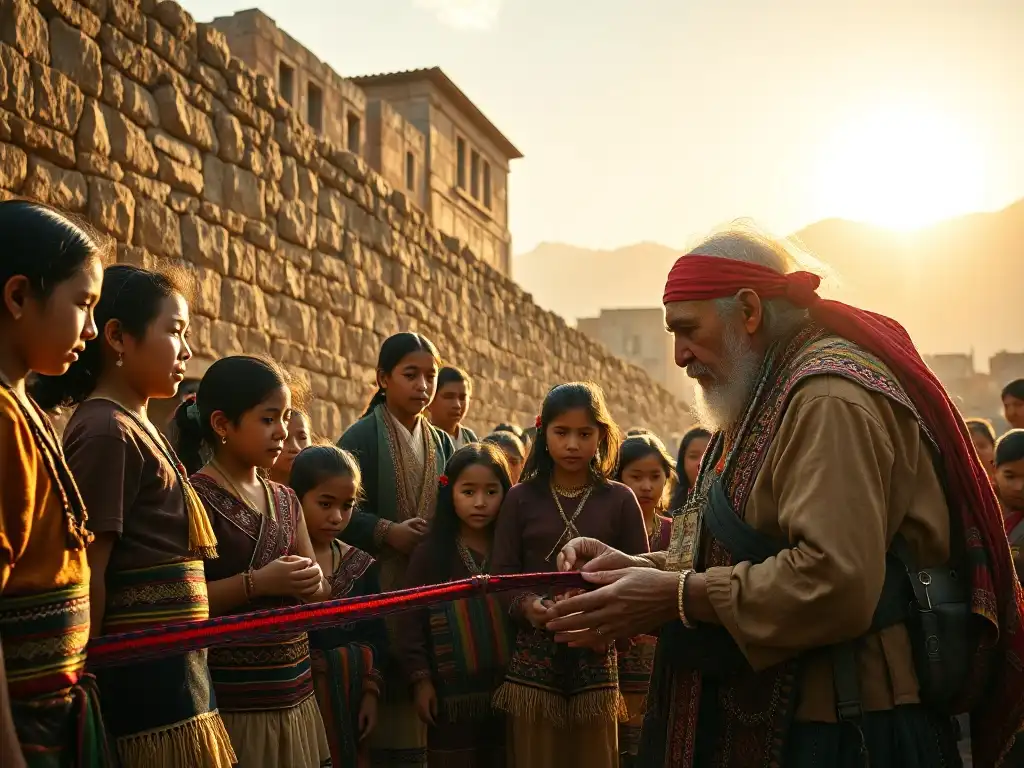
The Inca education system, a crucial component of the Inca Empire's success, wasn't solely focused on academic learning in the way we understand it today. Instead, it was a deeply intertwined system designed to cultivate loyalty, efficiency, and a unified identity across a vast and diverse empire. Its impact reverberated through every facet of Inca society, from the meticulous organization of agriculture and infrastructure to the maintenance of religious practices and the stability of the political structure.
Understanding the Inca approach to education is crucial to grasping the scale and longevity of their impressive civilization. This system, far from being a simple transmission of knowledge, actively shaped the very fabric of Inca life. The intricate network of yachahuasis (schools) and the rigorous training imparted within them contributed significantly to the empire's remarkable achievements in engineering, agriculture, and social organization.
The effectiveness of the Inca education system is evident in the empire's endurance and the enduring legacy it left behind. It wasn't merely about literacy or numeracy; it was about forging a cohesive and powerful society.
The Role of Education in Creating a Unified and Efficient State
The Inca Empire's vast territory presented significant challenges in governance and administration. To overcome these, the Inca education system played a vital role in creating a unified and efficient state. The curriculum, although varying based on social class, emphasized loyalty to the Sapa Inca (emperor) and the Inca ideology.
This was achieved through rigorous training in Inca history, traditions, and religious beliefs, fostering a strong sense of shared identity and purpose among the population. This indoctrination, however, was not solely about blind obedience. The system also trained individuals in practical skills necessary for the smooth functioning of the empire, such as record-keeping using quipus (knotted cords) and the efficient management of resources.
The education system ensured a consistent supply of skilled administrators, engineers, and artisans who were crucial to the empire's infrastructure projects, agricultural production, and military strength. This consistent flow of competent personnel, educated within the framework of Inca ideology, enabled the empire to maintain its vast territory and complex administrative structure effectively. The system also facilitated the standardization of practices across different regions, ensuring a degree of uniformity and efficiency in governance.
Shaping Competent Officials and Devout Followers
The Inca education system meticulously cultivated competent officials and devout followers of the Inca religion. The elite, destined for roles in government and the priesthood, received a far more extensive education than the commoners. This included advanced training in administration, accounting (using the quipu system), astronomy, and religious rituals.
These individuals were groomed to become capable administrators, ensuring the efficient functioning of the empire's complex bureaucracy. They managed resources, oversaw public works projects, and maintained order across the vast empire. Simultaneously, the education system instilled a deep reverence for the Inca gods and the Sapa Inca, shaping individuals into loyal and dedicated subjects.
Religious instruction was integral to the curriculum, reinforcing the Inca worldview and promoting social cohesion. The combination of practical skills and religious devotion created a powerful synergy, resulting in a highly effective governing class dedicated to the success and stability of the empire. This carefully crafted education system ensured the continuity of Inca power and the preservation of their unique culture.
The Lasting Influence of Inca Education on Modern Andean Practices
Even after the Spanish conquest, the enduring legacy of the Inca education system can be observed in certain aspects of modern Andean practices. While the formal structure of Inca education was dismantled, the emphasis on practical skills, community involvement, and respect for tradition continued to influence education and social structures in the region. The importance of oral traditions, storytelling, and community-based learning, all hallmarks of Inca education, persist in many Andean communities today.
Moreover, the Inca emphasis on practical skills, particularly in agriculture and craftsmanship, remains relevant in the Andean context, where many communities still rely on traditional methods of farming and artisan production. The spirit of community cooperation and mutual support, fostered by the Inca education system, continues to be a significant aspect of Andean social life.
While the exact methods and curriculum may have evolved, the underlying principles of the Inca education system – emphasizing practical skills, community involvement, and respect for tradition – continue to resonate in modern Andean societies, showcasing the system's enduring impact. This lasting influence serves as a testament to the effectiveness and adaptability of the Inca approach to education.
Comparing Inca Education with Other Ancient Societies
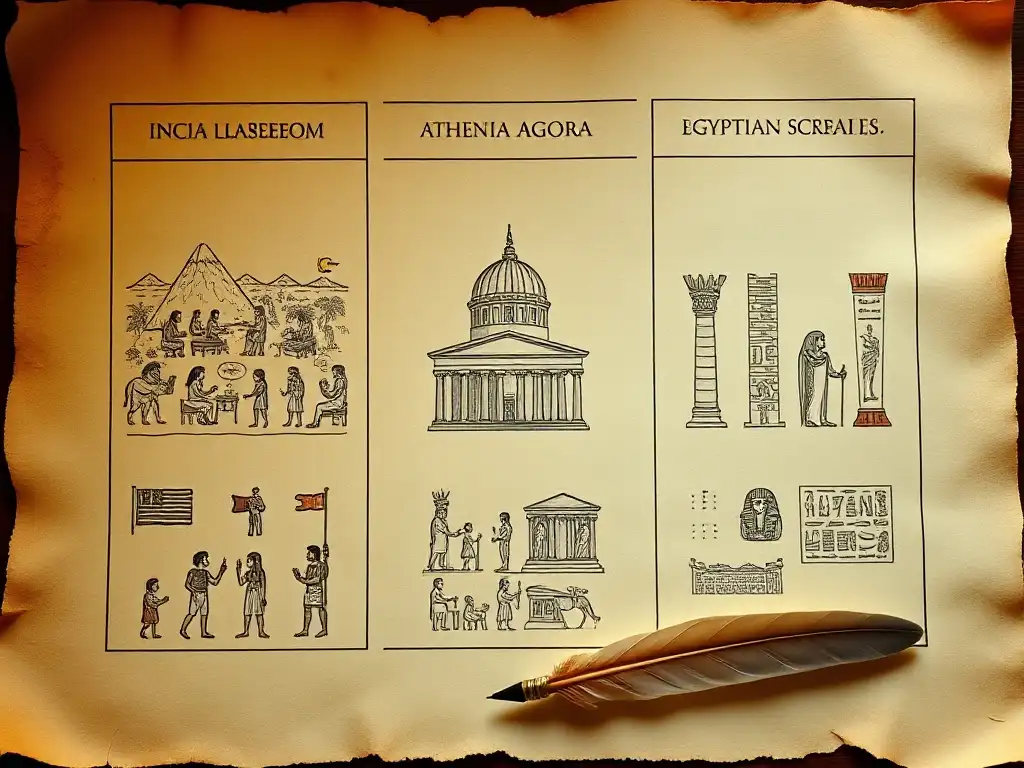
Similarities and Differences with Roman and Egyptian Education
The Inca education system, while unique in its Andean context, shared some surprising similarities with other ancient powerhouses like Rome and Egypt. All three civilizations placed a high value on education, albeit for different purposes and with varying approaches. For instance, like the Romans who emphasized practical skills for governance and military service, the Inca also prioritized practical training. However, the Roman focus on rhetoric and law found little parallel in the Inca system, which instead emphasized agricultural techniques, weaving, and construction – skills vital for the empire's survival.
Unlike the highly stratified Roman educational system, with its differentiated curricula for patricians and plebeians, the Inca system, while not entirely egalitarian, was more inclusive. While elite children received a more advanced education, focusing on leadership and administrative roles, the broader population received training essential for their designated roles within the ayllu (community). This contrasts sharply with the Egyptian system, where education was primarily reserved for the priestly and scribal classes, leaving the majority of the population largely uneducated.
The table below summarizes key similarities and differences:
| Feature | Inca Education | Roman Education | Egyptian Education |
|---|---|---|---|
| Emphasis | Practical skills, service | Governance, military, law | Priesthood, scribal skills |
| Accessibility | Relatively inclusive | Highly stratified | Highly exclusive |
| Curriculum | Agriculture, weaving, etc. | Rhetoric, law, military arts | Religion, writing, math |
| Goal | Collective well-being | Individual advancement | Maintaining social order |
While all three systems aimed to maintain social order and ensure the functioning of their respective societies, the Inca system uniquely emphasized collective well-being and service to the Sapa Inca and the community. This communal aspect is a key differentiator, setting Inca education apart from the more individualistic approaches of Rome and Egypt. The Roman focus on individual achievement and the Egyptian emphasis on maintaining a rigid social hierarchy stand in contrast to the Inca emphasis on communal harmony and service.
Unique Features: Focus on Practical Skills and Collective Service
The Inca education system was profoundly shaped by its unique socio-political structure and environment. Unlike the abstract philosophical pursuits of some other ancient civilizations, Inca education prioritized practical skills directly applicable to daily life and the needs of the empire. This emphasis on practicality is perhaps its most distinctive feature.
The training was tailored to the individual's ayllu and their designated role within the community. Children were taught skills relevant to their future roles, whether it was farming, weaving, pottery, construction, or other essential crafts. This ensured a highly skilled and self-sufficient population, capable of supporting the vast Inca empire. The system fostered a sense of collective responsibility and interdependence, crucial for the empire's cohesion and survival.
Furthermore, the Inca education system instilled a strong sense of loyalty and service to the Sapa Inca and the ayllu. Education wasn't merely about acquiring skills; it was about shaping individuals into responsible and contributing members of society. This aspect is reflected in the Yachaywasi (houses of knowledge), where selected children received advanced education in areas like administration, religion, and warfare, preparing them for leadership roles within the empire.
The curriculum, while varied based on social standing, consistently prioritized the needs of the collective over individual ambition. This focus on community service and collective well-being differentiates the Inca educational approach significantly from many other ancient systems.
The emphasis was not on individual advancement, but on the betterment of the entire community, a truly unique aspect of the Inca educational philosophy. Further research is needed to fully understand the nuances of the curriculum and teaching methods employed in different ayllus and social strata, but the available evidence strongly points towards a system deeply intertwined with the societal fabric of the Inca Empire.
Conclusion: Understanding the Significance of Inca Education
The Inca education system, while vastly different from modern models, was a remarkably effective tool for maintaining social order and transmitting cultural knowledge within the vast Inca Empire. Its focus on practical skills, loyalty to the Sapa Inca, and the propagation of Inca ideology ensured the empire's stability for centuries. Understanding this system offers crucial insights into the Inca worldview, their societal structures, and their remarkable achievements in infrastructure, agriculture, and administration.
The enduring legacy of Inca educational practices continues to shape Andean identity and informs contemporary discussions on education and cultural preservation. Further research into specific aspects of the system, such as the role of amautas (teachers) and the curriculum variations across different regions, is crucial for a more complete understanding of this fascinating aspect of Inca civilization. The meticulous record-keeping and oral traditions, though fragmented by the Spanish conquest, provide valuable clues to piece together the intricate workings of this unique system.
Analyzing these fragments allows us to appreciate the sophistication and effectiveness of Inca educational practices within their historical context. The system's emphasis on practical skills and community integration offers valuable lessons even today, highlighting the importance of tailoring education to the specific needs and context of a society. This holistic approach to learning, which integrated spiritual, practical, and social elements, is a testament to the Inca's advanced understanding of human development and societal cohesion.
The Enduring Influence of Inca Learning on Andean Identity
The Inca education system's impact transcends its historical context. Its emphasis on community, practical skills, and the transmission of cultural knowledge continues to resonate in Andean communities today. While the formal structures of the Inca Empire are long gone, the values instilled through their educational practices remain deeply embedded in Andean identity. The emphasis on collective responsibility, respect for elders, and the importance of traditional crafts and knowledge are all legacies of the Inca education system.
This influence can be seen in contemporary Andean communities' commitment to preserving traditional knowledge, languages, and practices. Many communities continue to utilize traditional methods of teaching and learning, often incorporating elements that echo the practical and holistic approach of the Inca system. The persistence of these practices demonstrates the remarkable resilience and enduring influence of Inca educational philosophies. Moreover, the ongoing research and study of Inca education contribute to a stronger sense of cultural pride and identity amongst Andean peoples.
By understanding their ancestors' achievements, communities can better appreciate their own heritage and work towards its preservation. The Inca legacy in education serves as a powerful reminder of the importance of cultural transmission and the enduring power of knowledge to shape identity and community. The continued relevance of Inca educational principles highlights their timelessness and adaptability.
The Inca education system wasn't simply a method of imparting knowledge; it was a sophisticated tool of social engineering, designed to maintain the empire's stability and perpetuate its ideology. The system meticulously categorized individuals based on their aptitudes and social standing, channeling them into specific roles within the intricate social hierarchy. This carefully orchestrated process ensured the continuation of the Inca's centralized authority and the smooth functioning of the empire's complex administrative and economic systems.
The elite received a rigorous education focused on governance, administration, religion, and military strategy, preparing them for positions of power and leadership within the empire. This specialized training instilled loyalty to the Sapa Inca and ensured the perpetuation of Inca ideology and practices.
In contrast, the commoners received training primarily focused on practical skills relevant to their assigned roles within the ayllu (community) system. This included agricultural techniques, construction, textile production, and other essential skills contributing to the empire's economic and infrastructural development.
The effectiveness of the Inca education system is evident in the empire's remarkable achievements. The sophisticated road network, intricate agricultural techniques, and highly organized administrative structure all testify to the success of the system in cultivating a skilled and loyal populace. The system's emphasis on practical skills and community integration fostered a sense of collective responsibility and social cohesion, vital for the empire's stability and longevity.
The Inca education system, therefore, was not merely a system of learning, but a cornerstone of the Inca Empire's power and longevity, representing a remarkable example of social engineering in the ancient world. Its study allows us to appreciate the complex interplay between education, social structure, and political power in the creation and maintenance of a vast and successful empire. Further research could explore the specific methods of assessment and selection used within the system, providing further insight into its precision and effectiveness.
Frequently Asked Questions
What was the main goal of the Inca education system?
The Inca education system primarily aimed to create loyal and productive citizens for the empire. This involved instilling values of obedience, hard work, and service to the Sapa Inca. Emphasis was placed on practical skills and societal roles.
Who received education in the Inca Empire?
While not universally accessible, education was provided to children of the elite and those destined for specialized roles within the empire, such as priests, officials, and artisans. Commoners received a more basic, practical training within their communities.
What subjects were taught in Inca schools?
The curriculum varied depending on social standing, but generally included practical skills like agriculture, weaving, and construction, along with religious instruction and military training for boys. Oral traditions and history were also crucial elements.
How did the Inca education system differ from other ancient civilizations?
Unlike some other civilizations with formal schooling systems, the Inca system was less focused on abstract learning and more on practical skills and social roles within the empire's hierarchical structure. Oral tradition played a significant part.
What evidence exists to support our understanding of the Inca education system?
Our understanding comes primarily from archaeological findings, chronicles written by Spanish conquistadors, and ethnographic studies of later Andean communities that preserved some Inca traditions. These sources offer fragmented yet valuable insights.
Final Reflection: Echoes of the Sun: The Enduring Legacy of Inca Education
The Inca education system, far from being a relic of a bygone era, offers a powerful model for understanding the crucial link between societal values and educational practices. Its emphasis on practical skills, community engagement, and holistic development remains strikingly relevant in a world grappling with issues of inequality and unsustainable practices. The Inca understood that education wasn't merely about rote learning; it was about shaping citizens capable of contributing meaningfully to their society.
The Inca approach to education, with its focus on community and practical application, continues to resonate deeply, challenging modern educational systems to prioritize holistic development over standardized testing. The true measure of a nation's strength lies not in its wealth, but in the well-being of its people.
While not a direct Inca quote, this sentiment perfectly captures the spirit of their educational philosophy, which prioritized the needs of the community above all else. This holistic approach, encompassing physical, intellectual, and spiritual growth, offers a valuable counterpoint to the often fragmented nature of modern education.
Consider the enduring impact of the Inca's emphasis on practical skills and community service. How might incorporating similar principles into our own educational systems foster a more engaged and responsible citizenry? You, the reader, hold the power to champion a more holistic and community-focused approach to learning. Reflect on the values you prioritize in your own life and consider how you can contribute to building a more just and sustainable future, inspired by the enduring wisdom of the Inca Empire.
Empower Your Journey into Inca Education Today!
Thank you for exploring the fascinating world of Inca education and its profound impact on society. Your interest in the rich heritage of the Inca Empire shows a commitment to understanding this ancient wisdom. Let's delve deeper together!
Here are some ways you can continue your exploration:
- Expand your knowledge by enrolling in an online course or workshop focusing on ancient Andean educational systems.
- Share your discoveries! Discuss your learning with friends, family, or online communities using #IncaEducation to spark wider interest.
- Experience the culture firsthand by visiting a museum showcasing Inca artifacts. This will provide a tangible connection to the civilization and its educational practices.
What aspect of Inca education resonates most with you, and how will you apply this inspiration to your own learning?