
Inca Craftsmanship: The Art of Weaving, Pottery, and Metalwork

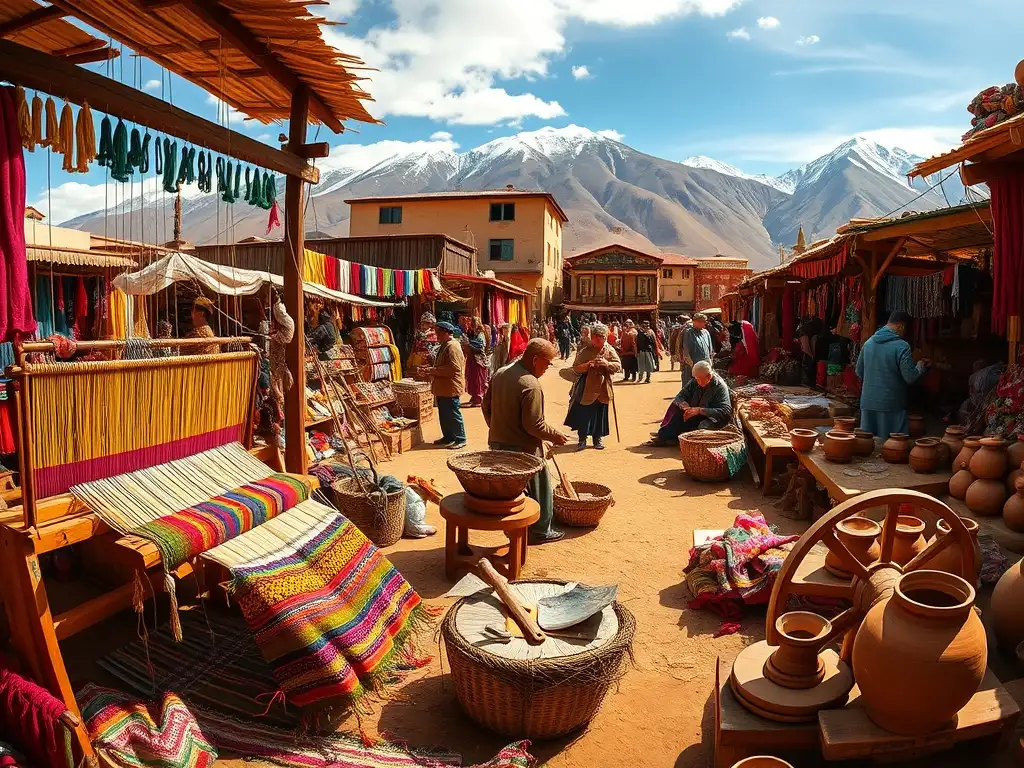
Unravel the mysteries of a lost world. Step into the heart of the Andean Civilizations, where breathtaking artistry and innovative engineering thrived. From the intricate Inca weaving techniques to the awe-inspiring artistry of the Moche and Nazca, prepare to be captivated by a legacy that echoes through time. Discover the secrets behind their mastery of weaving, pottery, and metalwork – a journey into a civilization as rich and complex as its breathtaking landscapes. Let's explore…
The Inca Empire, renowned for its sophisticated social structures and expansive territory spanning the Andes Mountains, left behind a legacy far beyond its impressive infrastructure. A deep understanding of Inca society requires appreciating the intricate artistry embedded in their daily lives.
This artistry, expressed through weaving, pottery, and metalwork, wasn't merely decorative; it was deeply interwoven with their spiritual beliefs, social hierarchy, and economic systems. This article delves into the remarkable craftsmanship of the Inca, focusing specifically on their weaving techniques, highlighting the ingenuity and cultural significance embedded within their textiles and other artistic endeavors.
We will explore the techniques, materials, and symbolism used to create these enduring masterpieces, offering a glimpse into the vibrant and complex world of Inca artistry, and how the mastery of "Inca weaving techniques" contributed to the empire's strength and identity. The skill and precision involved reveal a level of technological advancement and artistic expression that continues to fascinate and inspire today.
The Significance of Craftsmanship in Inca Society
Inca society placed immense value on skilled craftsmanship. Artisans held positions of respect within the community, often working within specialized workshops ( camayocs) overseen by the state. Their creations served multiple purposes: practical items like clothing and tools, but also religious objects, ceremonial attire, and luxury goods used to reinforce power structures and social status. The quality of an artisan's work directly reflected upon their community and, ultimately, the Inca Empire itself.
This emphasis on quality and precision is evident in the surviving examples of Inca craftsmanship, which showcase an unparalleled level of detail and technical proficiency. The intricate designs, vibrant colors, and sophisticated techniques employed demonstrate a deep understanding of materials and a commitment to excellence. Furthermore, the distribution of crafted goods across the vast empire served as an important mechanism for economic control and political cohesion.
The creation and exchange of these goods were integral to Inca social and political life, binding together diverse communities under the centralized authority of the Sapa Inca. The intricate designs often incorporated symbolic elements, reflecting religious beliefs and social structures. For example, specific patterns and colors could denote a person's social rank or clan affiliation.
Inca Textile Art: More Than Just Fabric
Inca weaving techniques were exceptionally advanced for their time. The mastery of spinning, dyeing, and weaving allowed them to create incredibly intricate and durable textiles. Alpaca and llama wool were the primary materials, carefully selected and processed to achieve the desired texture and color. Natural dyes derived from plants, minerals, and insects produced a stunning range of colors, often featuring complex patterns and designs.
These weren't merely decorative; they often encoded important information. Consider the chunus, woven garments that served as markers of social status and were frequently adorned with intricate patterns reflecting the wearer's lineage or position within the social hierarchy. The use of different weaving techniques, such as tapestry weaving, brocade, and embroidery, further enhanced the visual complexity and durability of their textiles. Examples of surviving Inca textiles showcase the extraordinary skill and artistry involved, with some pieces featuring hundreds of individual threads woven together to create incredibly detailed images.
The precision and intricacy of these pieces highlight the high level of expertise and the significant role that textile production played within Inca society. The preservation of these textiles provides invaluable insight into Inca technology, social organization, and cultural beliefs. The study of surviving examples continues to reveal new details about Inca weaving techniques and their cultural significance.
Inca Weaving Techniques: A Deep Dive
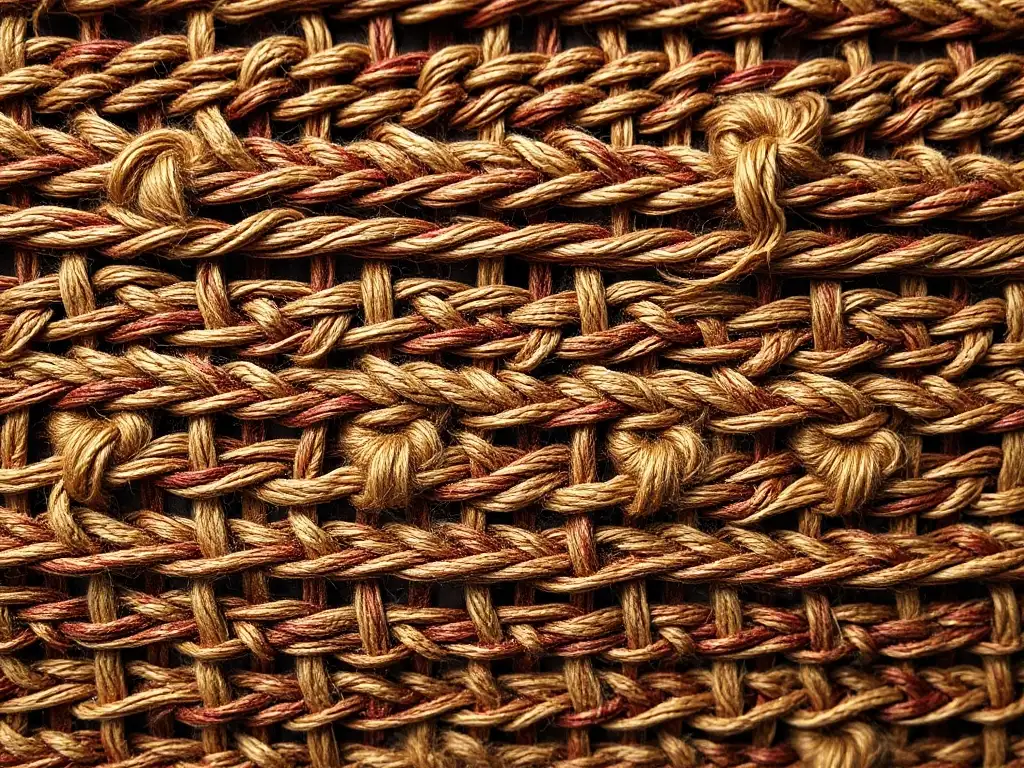
The Inca Empire, renowned for its sophisticated engineering and administrative prowess, also possessed unparalleled expertise in textile production. Inca weaving techniques were not merely utilitarian; they were a vital component of their social structure, religious beliefs, and daily life. Understanding these techniques reveals a fascinating insight into the ingenuity and artistry of this remarkable civilization. This section delves into the intricacies of Inca weaving, examining the tools, materials, and symbolic patterns that defined this craft.
The mastery of Inca weaving techniques represented a high level of skill and precision, passed down through generations, creating textiles of exceptional quality and enduring beauty. The production and use of textiles were integral to Inca society, reflecting their social hierarchy, religious beliefs and economic system. This intricate relationship makes the study of Inca weaving techniques a rich and rewarding endeavor.
The Importance of the Loom in Inca Weaving
The loom was the cornerstone of Inca weaving. Unlike some simpler weaving methods, the Inca employed a highly sophisticated backstrap loom, a portable and versatile tool that allowed for intricate designs and complex textures. This backstrap loom, often made from wood and secured with ropes, allowed weavers to control the tension of the warp threads with their body, enabling precise manipulation of the weft. The loom’s portability meant that weaving could be undertaken almost anywhere, a significant factor in a society with a vast and varied geography.
The skill required to operate the backstrap loom effectively was considerable, and mastery was a testament to years of dedicated training and practice. Different types of backstrap looms existed, each potentially suited to specific weaving tasks or textile types. Further research is needed to fully document the variations in loom construction and their impact on the final products.
[Specific information pending: Detailed descriptions of different Inca loom types and their regional variations]. The backstrap loom’s efficiency and adaptability were crucial in enabling the Incas to produce the vast quantities of textiles needed for clothing, ceremonial objects, and other essential items. The loom itself, therefore, represents more than just a tool; it symbolizes the heart of Inca textile production.
Materials Used in Inca Textiles: From Cotton to Alpaca Wool
The Inca's mastery extended beyond the loom itself; they also expertly utilized a diverse range of materials to create their remarkable textiles. The most common fibers included cotton, grown in the warmer coastal regions, and various wools, predominantly from alpaca and llama. Alpaca wool, prized for its softness and warmth, was often reserved for elite garments and ceremonial textiles. Llama wool, while coarser, was still widely used for clothing and everyday items.
Vicuña wool, exceptionally fine and luxurious, was the most prestigious material, often associated with Inca royalty. The careful selection and preparation of these fibers were crucial steps in the weaving process. Fibers were meticulously cleaned, spun into threads, and sometimes dyed using natural pigments derived from plants, minerals, and insects. These dyes, often vibrant and long-lasting, added another layer of artistry to the finished products.
The use of different fibers and dyes allowed for a broad spectrum of textures and colors, contributing to the rich visual diversity of Inca textiles. The selection of materials often reflected social status and the intended use of the textile, further highlighting the interwoven nature of textile production and Inca social structures. Examples of the diverse use of materials include the intricate tapestry weavings featuring a combination of alpaca and cotton, creating complex textures and patterns. The careful selection and blending of fibers demonstrate a deep understanding of material properties and a commitment to producing high-quality textiles.
Key Inca Weaving Patterns and Their Meanings
Inca weaving patterns were far more than mere decoration; they were imbued with deep symbolic meaning, often reflecting religious beliefs, social status, and regional identity. Geometric designs, such as stripes, chevrons, and stepped patterns, were frequently employed, often carrying specific connotations related to the cosmos, agriculture, or deities. For example, stepped patterns might represent agricultural terraces or the layers of the Andes mountains. Zoomorphic motifs, depicting animals like birds, llamas, and snakes, were also common, potentially representing totems or spiritual forces.
Anthropomorphic figures, though less frequent, appeared in some textiles, possibly representing deities or ancestors. The complexity and precision of these designs highlight the high level of skill possessed by Inca weavers. The use of color also played a significant role in conveying meaning. Certain colors might be associated with specific deities or events, further enriching the symbolic layer of the textiles.
The study of Inca weaving patterns requires careful consideration of both the visual elements and the cultural context in which they were created. [Specific information pending: A more comprehensive catalogue of Inca weaving patterns and their associated meanings]. By deciphering these patterns, we gain a deeper understanding of Inca cosmology, social structures, and the profound significance of textiles in their daily lives. The intricate relationship between visual design and cultural meaning makes the analysis of Inca weaving patterns a rich area of ongoing research.
Tapestry Techniques Employed by Inca Weavers
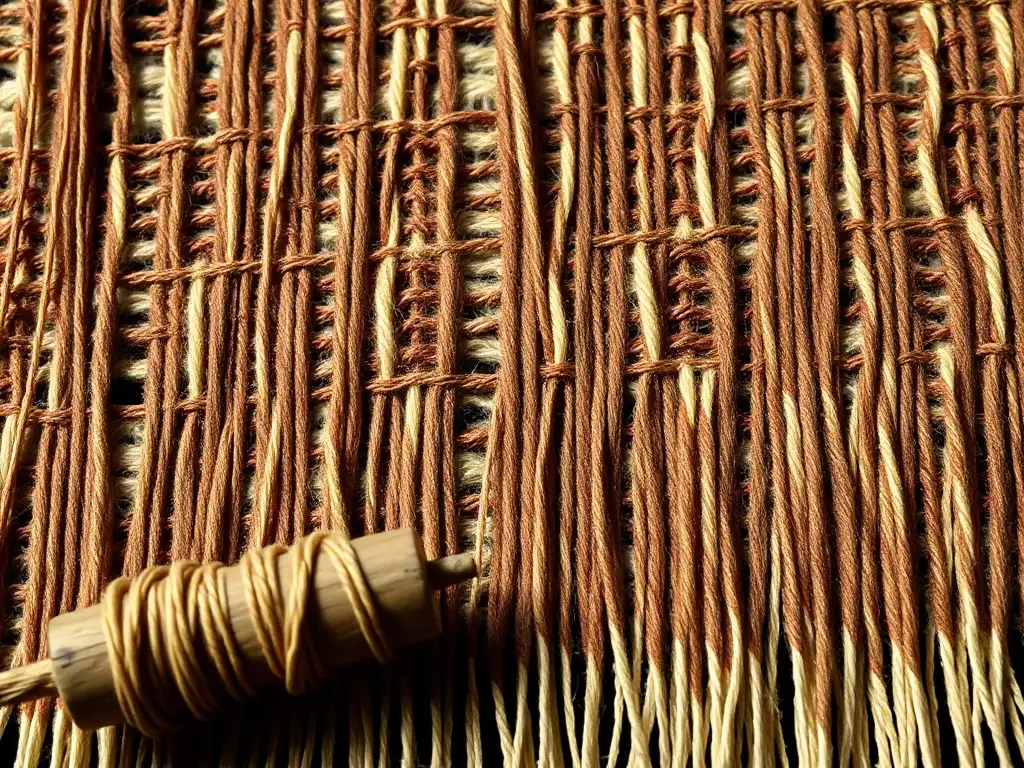
Inca tapestry weaving represents a pinnacle of Andean textile artistry. Unlike simpler forms of weaving, tapestry employs a technique where weft threads are manipulated to create intricate designs and patterns on the fabric's surface. Instead of a uniform background color, tapestry allows for a multitude of colors and detailed imagery. Inca weavers skillfully integrated this technique to depict scenes from their daily life, religious beliefs, and mythology.
The precision and complexity of these tapestries are astounding, considering the tools available at the time. They employed a backstrap loom, a simple yet effective device that allowed for incredible control over the weaving process. The backstrap loom, often anchored to a post or tree, allowed the weaver to adjust the tension of the warp threads, enabling them to create complex designs with remarkable accuracy. The creation of these tapestries was a time-consuming and laborious undertaking, often requiring months or even years to complete a single piece.
The skill required to execute the intricate designs, combined with the enduring nature of the materials, explains the survival of these remarkable artifacts to this day. Many examples show incredibly fine details, including depictions of animals, plants, and human figures, showcasing the weavers' remarkable mastery of their craft and meticulous attention to detail. The use of multiple colors within a single piece also speaks to a sophisticated understanding of color theory and composition.
Inca Dyeing Methods and Natural Pigments
The vibrant colors found in Inca textiles were achieved through the masterful use of natural pigments derived from plants, insects, and minerals. The Incas possessed a sophisticated understanding of dyeing techniques, using a variety of methods to achieve a wide range of hues. Cochineal, a scale insect, provided a rich crimson, while various plants yielded yellows, browns, and greens. The preparation of these dyes involved complex processes, often requiring meticulous preparation and precise control of temperature and time.
For instance, achieving a specific shade of red might involve multiple stages of dyeing, using different mordants (substances used to fix the dye to the fiber) to achieve the desired intensity and permanence. The sources of these pigments were often geographically specific, highlighting the extensive trade networks that existed within the Inca Empire. The ability to procure and utilize these resources played a crucial role in the creation of high-quality textiles, which were highly prized and used in various contexts, from everyday clothing to ceremonial garments.
The longevity of the colors found in surviving Inca textiles is a testament to the effectiveness of their dyeing techniques and the enduring quality of the natural pigments. Research into these methods continues to reveal the intricate knowledge and skill of Inca dyers. The careful selection and combination of dyes, coupled with their mastery of the dyeing process, resulted in textiles that were both beautiful and exceptionally durable.
The Role of Inca Textiles in Status and Ceremony
Inca textiles were not merely functional items; they held significant social and ceremonial importance. The quality, color, and design of a textile often indicated the wearer's social standing within the Inca hierarchy. Elaborate textiles, featuring intricate patterns and rare dyes, were reserved for the elite, including the Inca emperor, nobles, and priests. These garments served as powerful symbols of authority and status, visually communicating the wearer's position within the social structure.
Ceremonial textiles, often used in religious rituals and festivals, were particularly elaborate and richly decorated. These textiles were frequently adorned with intricate designs, symbolic motifs, and depictions of deities and mythical creatures. The use of specific colors and patterns in these ceremonial textiles had deep symbolic meaning, reflecting the Inca worldview and cosmology. For example, certain colors might have been associated with particular deities or events.
The production of these high-status textiles was often undertaken by specialized workshops, employing skilled artisans who held a privileged position within Inca society. The creation and use of these textiles reinforced the Inca social order, highlighting the power and prestige of the ruling class and the importance of religious beliefs within the empire. The surviving examples of these ceremonial textiles provide invaluable insight into the complexity and richness of Inca culture and beliefs. The meticulous craftsmanship and symbolic significance of these pieces make them among the most important artifacts of the Inca civilization.
Inca Pottery: Shaping Clay with Purpose
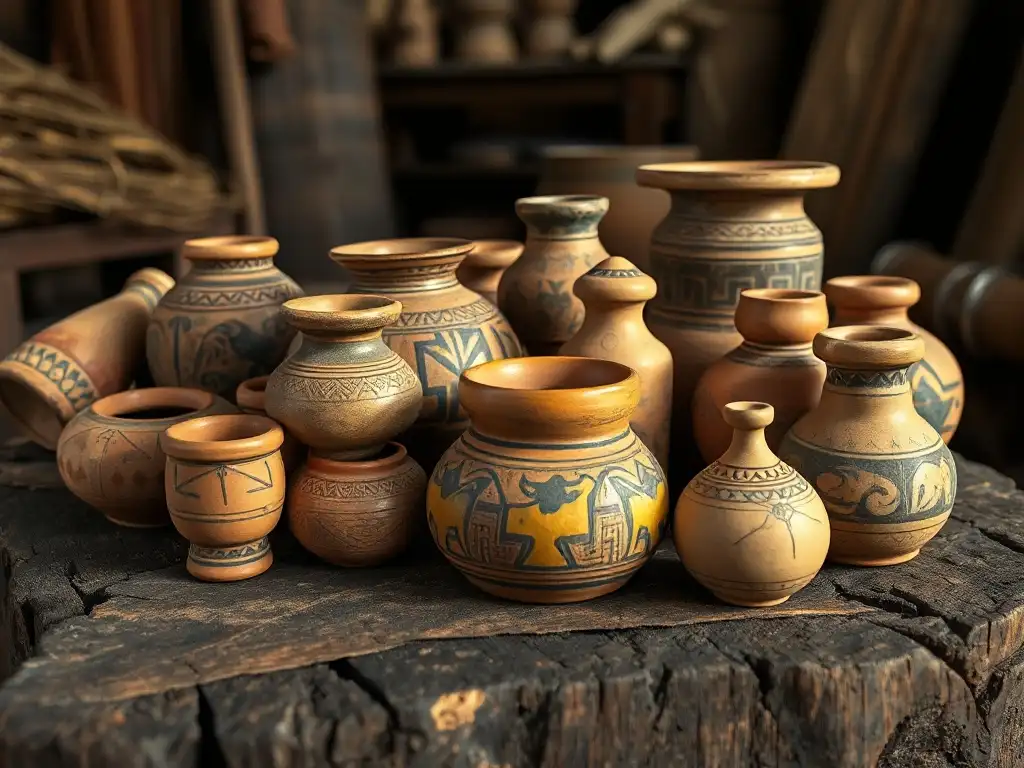
Inca pottery, a testament to their advanced technological and artistic capabilities, stands as a vital component of their rich cultural legacy. Unlike some other Andean cultures that focused heavily on elaborate burial practices and ornate grave goods, the Incas utilized pottery extensively in daily life.
This section will delve into the diverse forms, decorative styles, and masterful techniques employed in Inca ceramic production, shedding light on the significance of this craft within their society. Understanding Inca pottery provides invaluable insight into their social structures, religious beliefs, and daily routines, enriching our comprehension of "Inca weaving techniques" and other aspects of their sophisticated civilization.
The Diversity of Inca Ceramic Forms
The Inca Empire, spanning vast territories across the Andes, encompassed diverse environments and consequently, a variety of pottery styles. While certain commonalities exist, regional variations are apparent. For instance, the pottery from coastal regions often displays a greater influence of pre-Inca traditions, showcasing different shapes and surface treatments compared to those from the highlands. The forms themselves were incredibly functional, reflecting the practicality inherent in Inca design. We find a wide array of vessels:
- Aryballos: Small, globular vessels with a narrow neck, often used for carrying liquids or storing perfumes.
- Kero: Ceremonial drinking cups, frequently elaborately decorated and possessing unique shapes, often depicting symbolic imagery.
- Cantaro: Large, water jars with a wide body and narrow neck, essential for water storage and transport in the arid Andean climate.
- Plates and Bowls: Simple and functional pieces, used for everyday meals, ranging in size and depth.
The meticulous craftsmanship evident in even the most simple forms underlines the Inca's dedication to quality and functionality. The prevalence of specific forms in certain regions suggests potential social or economic stratification, with certain types of vessels possibly being associated with particular social groups or ceremonies. Further research is needed to fully elucidate these regional differences and their implications. [Specific regional pottery data pending]
Inca Pottery Decoration Styles and Motifs
Inca pottery decoration was far from arbitrary; it served both aesthetic and symbolic purposes. While some pieces are relatively plain, many are adorned with intricate designs, employing a range of techniques. Common decorative motifs included:
- Geometric patterns: Stripes, zigzags, and other geometric forms, often arranged in complex and repetitive sequences. These patterns sometimes echo textile designs, highlighting the interconnectedness of different crafts within Inca society.
- Anthropomorphic and zoomorphic figures: Representations of humans and animals, sometimes depicted in stylized or abstract forms. These figures often held religious or mythological significance, reflecting the Inca worldview.
- Plant and floral motifs: Images of plants and flowers, representing the importance of agriculture and the natural world in Inca culture. These motifs often included representations of maize, coca leaves, and other significant plants.
- Inca symbols: Specific symbols, such as the Inti (sun) or the Chakana (Andean cross), were frequently incorporated into the designs, emphasizing the Inca's imperial ideology and religious beliefs.
The vibrant colors used in Inca pottery – reds, yellows, blacks, and whites – were derived from natural pigments, reflecting the sophisticated understanding of the natural world possessed by the Inca artisans. The application of these pigments, often in multiple layers, demonstrates a high level of skill and precision. The careful execution of these decorative elements further underscores the importance of pottery within the broader Inca cultural context, connecting deeply with "Inca weaving techniques" through shared design principles.
Inca Pottery Techniques: Coiling and Molding
Inca potters employed a variety of techniques to shape their vessels, demonstrating remarkable adaptability and innovation. Two primary methods stand out:
- Coil Building: This technique involved rolling out long coils of clay and layering them upon each other, creating the vessel’s form. This allowed for the construction of large and complex vessels, showcasing the potter's skill in controlling the clay's consistency and ensuring structural integrity.
- Molding: For mass production of simpler forms, molds were used. These molds, often made from clay or other materials, allowed for the creation of numerous identical pieces efficiently. This efficient method complemented the coil-building technique, allowing for a diverse range of pottery to meet varying needs.
The choice of technique often depended on the vessel's intended use and complexity. The combination of these techniques, combined with the mastery of surface decoration, allowed Inca potters to produce a vast array of ceramic objects, each reflecting the Inca's sophisticated understanding of material properties and artistic expression. The integration of these techniques with the intricate "Inca weaving techniques" highlights the interconnectedness of Inca craftsmanship across different mediums. The precision and artistry evident in Inca pottery serve as a powerful testament to their enduring cultural legacy.
The Function of Inca Pottery in Daily Life and Rituals
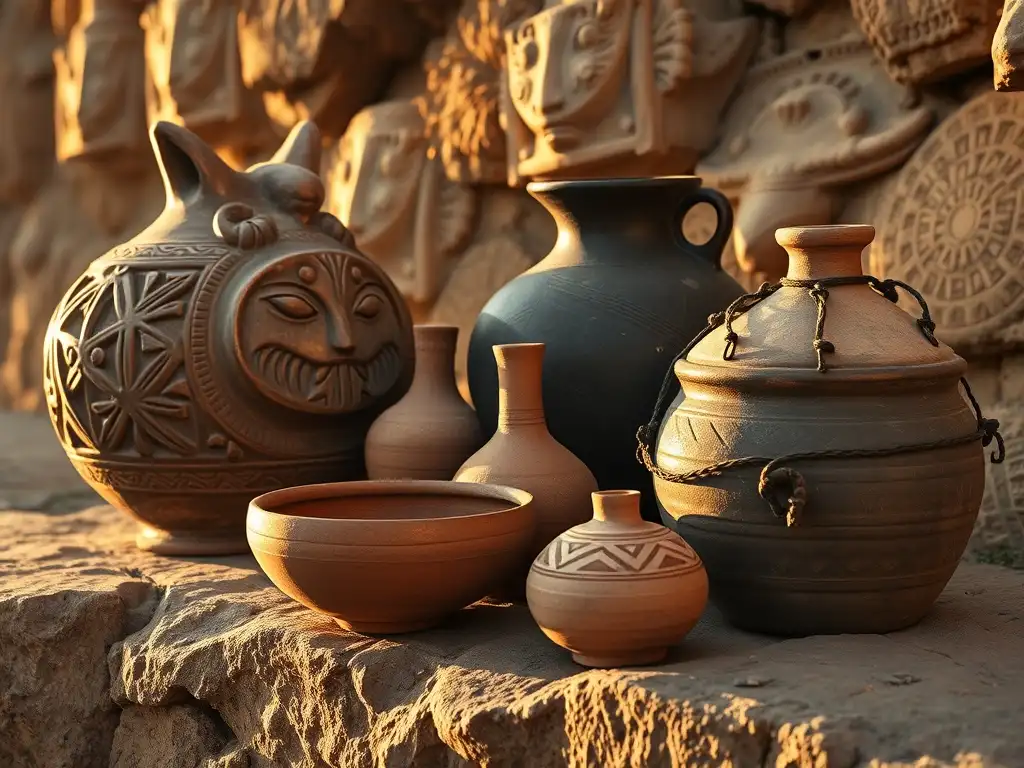
Inca pottery wasn't merely decorative; it played a vital role in daily life and religious ceremonies. Everyday vessels, ranging from simple bowls for food storage to intricate jars for liquids, were essential components of domestic life. The quality and decoration of these pieces often reflected the social status of their owners.
Elaborate designs and fine craftsmanship indicated wealth and prestige, while simpler, more utilitarian pieces served the needs of the common people. Archaeological evidence consistently reveals pottery fragments in domestic settings, alongside tools and other artifacts, highlighting its ubiquitous presence in Inca households. The sheer volume of pottery discovered across various Inca sites underscores its importance in daily routines, from preparing and serving food to storing water and other provisions.
Beyond domestic use, Inca pottery held profound significance in religious and ceremonial practices. Ceremonial vessels, often adorned with intricate iconography and featuring unique shapes, were used in rituals and offerings to the gods. These pieces frequently depicted deities, mythical creatures, and symbolic motifs related to Inca cosmology and beliefs. The meticulous detail and high-quality materials used in creating these ceremonial items emphasize their sacred role.
Some vessels were specifically designed for specific rituals, such as libations or offerings to the ancestors. The discovery of these vessels in sacred sites, alongside other ritual objects, provides invaluable insights into the spiritual world of the Inca people and their intricate relationship with their deities. The careful placement and context of these finds suggest deliberate and ritualistic use. Analysis of the chemical composition of the clay and pigments used in these ceremonial pieces further highlights their unique status and purpose.
Regional Variations in Inca Ceramics
While the Inca Empire imposed a degree of standardization across its vast territory, regional variations in ceramic styles persisted. Pottery from different regions displayed unique characteristics in terms of form, decoration, and the types of clay used. These variations often reflect local traditions and artistic preferences that predated the Inca conquest. For instance, the pottery of the northern coastal regions might exhibit a different style compared to the ceramics found in the highlands of Cuzco. These differences are not merely aesthetic; they often provide clues about the cultural interactions and the degree of integration within the Inca Empire.
Analyzing these regional variations allows archaeologists to trace the movement of people and goods across the empire, shedding light on the complex dynamics of Inca administration and control. The presence of specific ceramic styles in certain regions can reveal trade routes and patterns of cultural exchange.
Furthermore, the evolution of ceramic styles over time can help researchers understand the process of Inca imperial expansion and the incorporation of different cultural groups into the empire. The study of regional variations in Inca ceramics therefore provides a crucial lens through which to examine the intricate tapestry of Inca society and its complex interactions across its geographically diverse territories.
Detailed stylistic analysis, combined with scientific dating techniques, allows for a more nuanced understanding of the Inca's impact on the diverse populations within their vast empire. The subtle but significant differences in ceramic styles across the empire serve as a powerful testament to the multifaceted nature of Inca rule and the enduring influence of local traditions.
Inca Metalwork: Gold, Silver, and Bronze Mastery
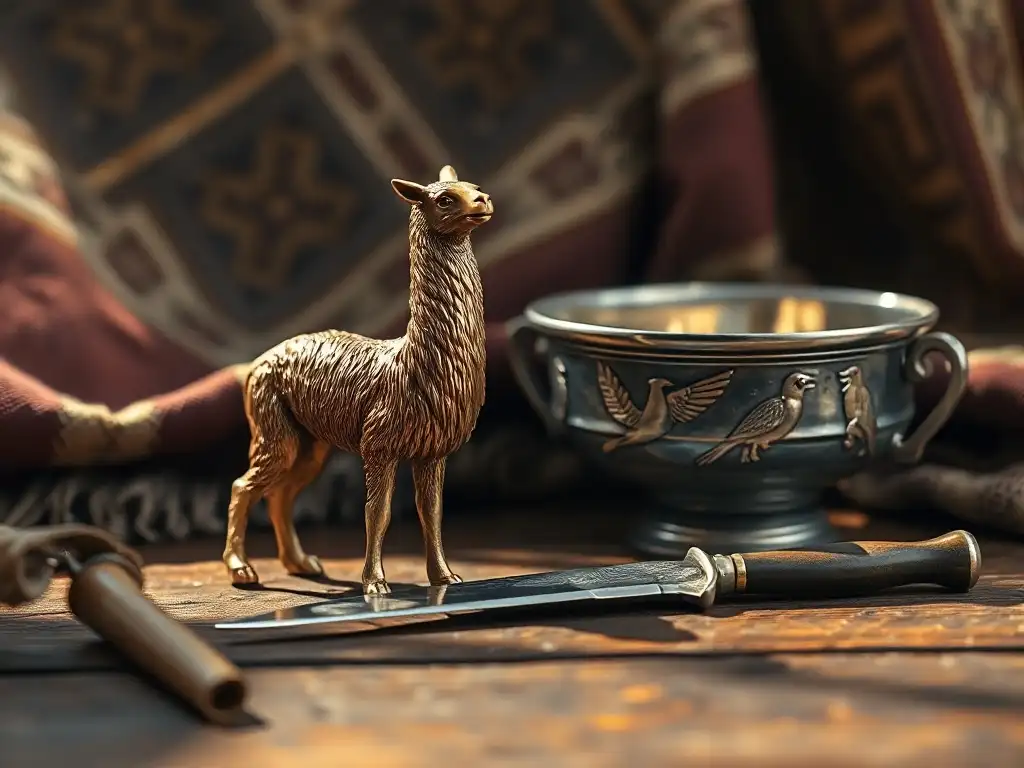
The Inca Empire's mastery of metalworking is a testament to their advanced technological capabilities and artistic sensibilities. Their skill in shaping gold, silver, and bronze into intricate objects of adornment, ritual significance, and practical use stands as a remarkable achievement in Andean metallurgy. Unlike many other ancient civilizations that relied heavily on casting, Inca artisans employed a diverse range of techniques, reflecting a sophisticated understanding of material properties and manipulation.
Their innovative approaches to metalworking, combined with their artistic vision, resulted in a unique and enduring legacy. The sheer volume and variety of surviving artifacts—from delicate jewelry to imposing ceremonial objects—provide compelling evidence of the scale and sophistication of Inca metalworking.
The impact of Inca metalworking extends beyond the purely aesthetic; the techniques and artistry employed reveal much about their social structure, religious beliefs, and economic organization. Understanding their metalworking practices provides crucial insights into the complexity and richness of Inca society.
Inca Metallurgy: Techniques and Processes
Inca metallurgists employed several sophisticated techniques, including hammering, annealing, soldering, and gilding. Hammering, a fundamental technique, involved shaping the metal through repeated blows, often using stone hammers and anvils. Annealing, a process of heating and cooling the metal, was crucial to maintain its malleability and prevent cracking during shaping. Soldering, the joining of metal pieces using a lower-melting-point alloy, allowed for the creation of complex, multi-part objects.
Gilding, the application of a thin layer of gold to another metal, was used to enhance the aesthetic appeal of objects and to create a sense of richness and opulence. These techniques, often used in combination, allowed Inca artisans to create extraordinarily detailed and finely crafted items. The precision and skill evident in surviving artifacts suggest a high degree of specialization within Inca society, with dedicated artisans possessing years of training and experience.
Archaeological evidence suggests that some workshops may have been dedicated to specific metalworking tasks, demonstrating a sophisticated level of organizational structure within the Inca metalworking industry. Further research into Inca metallurgical practices is crucial for a deeper understanding of their innovative techniques and the organizational infrastructure that supported this important aspect of their society. The precise chemical composition of the alloys employed and the specific tools used are still areas of ongoing study and provide opportunities for future discoveries related to Inca weaving techniques.
Precious Metals in Inca Art: Gold and Silver
Gold and silver held immense symbolic importance in Inca culture, representing the sun and the moon, respectively. These precious metals were used to create a wide array of objects, including ceremonial masks, elaborate headdresses, finely crafted jewelry, and intricately decorated vessels. The Inca's skill in working with these metals is evident in the intricate detail and high level of craftsmanship displayed in surviving artifacts.
The sheer quantity of gold and silver objects recovered from Inca sites attests to the empire's wealth and the importance of these metals in Inca society. Interestingly, Inca artisans often combined gold and silver in a single piece, creating stunning visual effects through contrasting colors and textures. The use of different alloys, varying the gold and silver content, allowed for subtle variations in color and sheen.
This ability to manipulate the properties of the metals demonstrates a sophisticated understanding of metallurgy, well beyond simply shaping the raw material. Moreover, the stylistic choices in the use of gold and silver often reflected the social status of the individual for whom the object was created, with higher-ranking individuals often adorned with more elaborate and lavish pieces. The intricate designs incorporated into these pieces often represent mythological figures, animals, or symbols of Inca beliefs.
The Use of Bronze in Inca Tools and Weapons
While gold and silver were primarily used for ceremonial and decorative purposes, bronze played a more practical role in Inca society. Bronze, an alloy of copper and tin, was used to create a variety of tools and weapons, including axes, knives, chisels, and spearheads. The use of bronze allowed for the creation of tools that were both durable and sharp, essential for tasks such as agriculture, construction, and warfare. Unlike the highly decorative nature of gold and silver work, bronze objects were often more functional, reflecting the practical needs of Inca society.
However, even in functional bronze objects, Inca artisans displayed their skill and artistry. Many bronze tools and weapons exhibit intricate designs and high levels of craftsmanship. The precise casting techniques and the careful shaping of the bronze demonstrate a high level of skill and precision.
The distribution and types of bronze tools found throughout the Inca Empire provide insights into the economic organization and technological diffusion within the empire. Further research into the sourcing of the raw materials—copper and tin—used in bronze production would illuminate the trade networks and economic interactions that shaped Inca society. The analysis of the chemical composition of Inca bronze objects can provide valuable information regarding their manufacturing processes and the technological advancements achieved by Inca metallurgists.
The Symbolism of Metalwork in Inca Culture
Inca metalwork wasn't merely decorative; it held profound religious and symbolic significance. Gold, in particular, was associated with the sun god Inti, representing power, divinity, and the Inca's royal lineage. The shimmering metal mirrored the sun's brilliance, reinforcing the emperor's status as a divine intermediary. Silver, often associated with the moon, held a different, yet equally important symbolic weight, representing fertility, water, and the feminine principle.
The careful selection and combination of these metals in specific artifacts underscored their complex cosmology and worldview. For example, a golden sun disc might be adorned with silver crescent moons, visually representing the interplay between celestial bodies and reinforcing the Inca belief in a harmonious universe. Furthermore, the intricate designs themselves often incorporated symbolic motifs like jaguars, condors, and snakes, each with specific meanings tied to Inca mythology and beliefs about the natural world.
The artisans weren't simply crafting beautiful objects; they were creating powerful statements of religious and political authority. The use of specific alloys and the incorporation of turquoise, lapis lazuli, and other precious stones further enhanced the symbolic power of these pieces. Understanding the symbolism unlocks a deeper appreciation for the artistry and cultural significance of Inca metalwork.
Inca Metalworking Techniques: Hammering and Casting
Inca artisans possessed remarkable skills in metalworking, mastering techniques like hammering and casting to create intricate and durable objects. Hammering, a technique requiring immense skill and precision, was used to shape thin sheets of gold and silver into elaborate forms. Artisans would meticulously beat the metal, gradually refining its shape and creating incredibly detailed designs. This process required specialized tools, including various types of hammers and anvils, ensuring consistent pressure and preventing damage to the delicate metal.
Evidence suggests that the Inca also employed sophisticated annealing techniques, heating and cooling the metal to increase its malleability and prevent cracking during the hammering process. The skill required to create such intricate designs through hammering alone is a testament to the expertise of Inca metalworkers. Casting, on the other hand, allowed for more complex shapes and larger pieces.
The Inca utilized the lost-wax casting method, a sophisticated process where a wax model was coated in clay, heated to melt the wax, and then molten metal was poured into the resulting mold. This technique allowed for intricate details and the creation of hollow objects, showcasing a high level of technological understanding. The combination of hammering and casting demonstrates the Inca's mastery of diverse techniques, allowing them to create a wide range of metalwork, from delicate jewelry to large-scale ceremonial objects.
Inca Metal Ornaments and Ritual Objects
The Inca created a diverse array of metal objects, ranging from personal ornaments to large-scale ritual items. Ornaments included intricately crafted earrings, necklaces, and headdresses, often incorporating precious stones and feathers. These pieces were not just decorative; they denoted social status and reinforced the wearer's connection to the Inca elite. For example, elaborate gold ear ornaments indicated high rank within the social hierarchy.
The use of specific motifs, such as the double-headed serpent, further emphasized the wearer’s importance and connection to Inca cosmology. Beyond personal adornment, Inca metalworkers produced impressive ritual objects. These included intricately crafted vessels used in ceremonies, often shaped like animals or mythical creatures. These vessels were sometimes inlaid with other precious metals and stones, enhancing their symbolic and ritualistic significance.
Large golden masks, representing deities or ancestors, were also created, serving as powerful focal points in religious ceremonies. The sheer scale and artistry of some of these pieces demonstrate the Inca's advanced metalworking capabilities and the importance of metalwork within their religious and political systems. The creation of these objects required significant resources and specialized labor, underscoring the central role of metalwork in Inca society. These artifacts serve as powerful reminders of the sophistication and artistry of Inca civilization.
The Legacy of Inca Craftsmanship
The Inca Empire's mastery of metalwork wasn't merely a display of technical skill; it was deeply intertwined with their religious beliefs and social structures. Gold, representing the sun god Inti, held immense spiritual significance. Silver, associated with the moon, was also highly valued. The intricate designs and techniques employed in Inca metalwork weren't just decorative; they conveyed powerful messages, reflecting the Inca worldview and reinforcing their authority. The sheer artistry involved in creating these pieces, from the delicate repoussé work to the sophisticated alloys used, testifies to the advanced level of their metallurgical knowledge.
This legacy continues to inspire awe and admiration centuries later, influencing contemporary artists and researchers alike. The precision and detail found in surviving examples demonstrate not only technical proficiency but also a deep understanding of material properties and artistic expression. The enduring appeal of Inca metalwork lies not only in its aesthetic beauty but also in its connection to a rich and complex culture. Studying these artifacts provides invaluable insights into Inca cosmology, social hierarchy, and artistic practices. Even today, the techniques used by Inca artisans remain a source of fascination and study for metalworkers and historians, highlighting the enduring impact of this remarkable civilization.
The legacy is not just about the objects themselves, but the sophisticated knowledge system that underpinned their creation and the cultural significance they embodied. Understanding this legacy allows us to appreciate the ingenuity and artistry of the Inca people on a deeper level. Careful analysis of the remaining metalwork, combined with archaeological findings, continues to reveal new facets of their remarkable craftsmanship and its lasting impact. The sophisticated techniques used, including hammering, casting, and gilding, represent a peak of pre-Columbian metalworking, leaving an impressive and enduring legacy.
The survival of numerous examples, despite the ravages of time and looting, is a testament to the durability of their craft and the importance placed upon these objects by both the Inca themselves and later generations. Many pieces are remarkably well-preserved, enabling detailed study and analysis of the techniques employed. Furthermore, the legacy extends beyond the tangible artifacts.
The knowledge and skills passed down through generations of Inca artisans represent a significant cultural heritage, and ongoing research efforts continue to uncover new details about the processes and materials used, enhancing our understanding of this fascinating aspect of Inca civilization. The legacy of Inca metalwork is a multifaceted one, encompassing not only the aesthetic beauty of the objects but also the technological advancements, cultural significance, and enduring inspiration they provide.
Frequently Asked Questions
What were some of the key Inca weaving techniques?
Inca weavers were masters of their craft, employing techniques like backstrap loom weaving, spindle spinning, and complex dyeing processes to create incredibly intricate textiles. Their mastery of color and design is legendary.
What materials did the Inca use for weaving?
The Incas primarily used alpaca and llama wool, known for their softness and warmth. Cotton was also employed, particularly in warmer regions. These fibers were meticulously prepared before weaving.
How did Inca weaving techniques differ from those of other Andean cultures?
While sharing some similarities with other Andean cultures, Inca weaving stood out due to its scale of production, sophisticated designs, and the use of specific knotting and tapestry techniques. Royal textiles were particularly elaborate.
What was the significance of textiles in Inca society?
Textiles held immense social and religious significance. Clothing indicated social status, and intricate weavings were used in religious ceremonies and rituals. Textiles were also important for trade.
Where can I learn more about Inca weaving techniques?
Many museums worldwide showcase Inca textiles, offering valuable insights. You can also find books and online resources dedicated to Andean textiles and weaving techniques, offering detailed information.
Final Reflection: The Enduring Legacy of Inca Craftsmanship
The intricate artistry of Inca weaving, pottery, and metalwork continues to resonate today, a testament to the ingenuity and cultural depth of a civilization lost to time. These techniques, far from being relics of the past, offer invaluable insights into sustainable practices, innovative design, and the power of human creativity to transcend generations. Their enduring appeal speaks volumes about our ongoing fascination with beauty, skill, and the rich tapestry of human history.
The impact of Inca craftsmanship extends far beyond museum walls; it permeates our understanding of textile production, artistic expression, and the very definition of cultural heritage. The precision and artistry involved in these crafts are breathtaking, a stark reminder of the dedication and skill possessed by the Inca artisans. The past is never dead. It's not even past.
– William Faulkner. This quote perfectly encapsulates the enduring relevance of Inca craftsmanship; its influence continues to shape contemporary art, design, and our appreciation for the ingenuity of past civilizations. The vibrant colors, intricate patterns, and masterful techniques continue to inspire artists and designers today.
Consider the intricate details, the sheer dedication to perfection, the profound connection to nature evident in Inca artistry. You too can find inspiration in their legacy. Take a moment to appreciate the beauty of handcrafted items, to value the skill and dedication involved in creating something truly unique.
Let the enduring spirit of Inca craftsmanship inspire you to embrace creativity, to appreciate the artistry in everyday life, and to seek out the beauty and skill in the world around you. Let the legacy of the Inca live on, not just in museums, but in your own appreciation and understanding of the power of human creativity.
Unveil the Mastery of Inca Craftsmanship!
Thank you for joining us on this journey through the rich heritage of Inca craftsmanship. We hope you've been inspired by the skill and artistry of their weaving, pottery, and metalwork. Now, let's put that inspiration into action!
Here are some engaging ways to deepen your connection to this vibrant legacy:
- Explore a local artisan market to discover contemporary craftspeople creating beautiful works inspired by Inca techniques.
- Try your hand at traditional weaving or pottery making in a workshop. It's a wonderful way to experience the art firsthand!
- Share your newfound appreciation with friends and family. Host a gathering to discuss Inca craftsmanship and its enduring relevance in today's world.
As you reflect on the beauty and intricacy of Inca art, consider how you can integrate the spirit of their masterful craftsmanship into your own life and creative pursuits. Let us know your thoughts in the comments below!