
The Inca System of Communication: Messengers and Networks

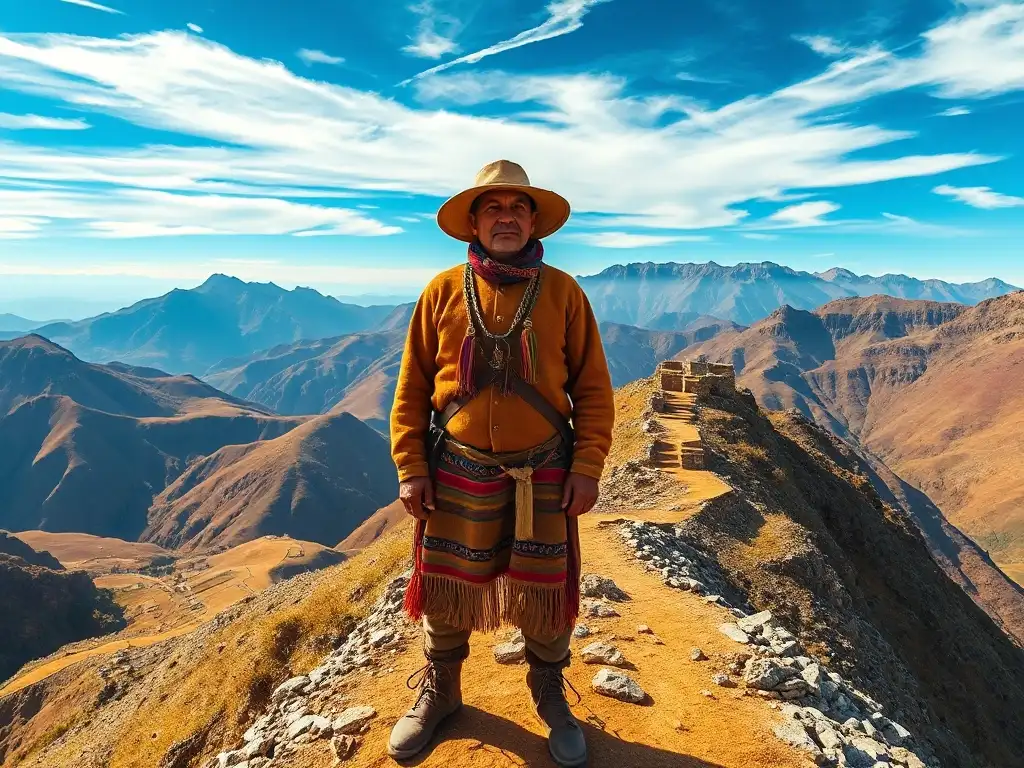
Step into a world lost to time, yet echoing with the whispers of a sophisticated empire. Imagine a civilization that spanned a vast mountain range, its intricate web of power held together not by brute force, but by ingenious communication. Discover the secrets behind the Inca communication system, a marvel of engineering and organization that allowed the Inca Empire to flourish. Unravel the mysteries of their messengers and networks – a story far more captivating than any legend. Prepare to be amazed.
- The Inca Communication System: Messengers and Networks
-
Frequently Asked Questions
- How did the Inca communicate over such vast distances?
- What role did the chasquis play in the Inca communication system?
- What were quipus and how were they used in Inca communication?
- How did the Inca road system support their communication network?
- Were there other forms of communication besides runners and quipus?
- Final Reflection: Echoes of the Inca Road: A Legacy of Connection
- Unveil the Secrets of Inca Communication!
The Inca Communication System: Messengers and Networks
The Inca Empire, a vast and sophisticated civilization that stretched across the Andes Mountains, relied on an incredibly efficient communication system to maintain control and cohesion across its geographically challenging territories. Unlike many other ancient societies that relied on written language for long-distance communication, the Inca developed a unique system based on a network of human messengers, known as chasquis, and a strategically planned infrastructure of roads and relay stations.
This intricate system allowed for the rapid transmission of information, orders, and news across hundreds of miles, playing a crucial role in the empire's political, economic, and social organization. This article delves into the fascinating world of Inca communication, exploring the importance of this system, the role of the chasquis, and the logistical marvels behind its success.
Understanding the Inca communication system provides valuable insight into the ingenuity and organizational prowess of this remarkable civilization, highlighting how they overcame geographical obstacles to build and maintain their empire. We will explore the "Inca communication system" in detail, examining its various components and their impact on daily life within the empire.
The Importance of Communication in the Inca Empire
Effective communication was paramount to the Inca Empire's success. Given the vastness of the empire and the challenging Andean terrain, a robust communication network was essential for several key reasons. Rapid transmission of orders from the emperor was crucial for maintaining control over distant provinces and responding swiftly to emergencies, such as rebellions or natural disasters. The efficient flow of information also facilitated the effective mobilization of resources, including food, labor, and materials, for construction projects, military campaigns, and religious ceremonies.
Furthermore, the communication system played a vital role in disseminating imperial propaganda and solidifying the authority of the Inca ruler. The speed and reliability of the system allowed the Inca to govern effectively and maintain social order across their diverse and far-flung territories. Without a sophisticated communication network, the Inca Empire's impressive scale and longevity would have been impossible to achieve.
The Chasquis: Inca Messengers
The backbone of the Inca communication system was the chasquis, a highly trained corps of runners who relayed messages across the empire's extensive road network. These messengers were not merely runners; they were essential components of a complex logistical operation that required meticulous planning, rigorous training, and unwavering dedication. Their ability to swiftly transmit information across vast distances was a testament to the Inca's understanding of human endurance and their mastery of logistical organization.
The chasquis were integral to the functioning of the empire, ensuring that vital information reached its destination in a timely manner. Their role extended far beyond simply carrying messages; they were vital links in maintaining the cohesion and stability of the Inca state.
Who Were the Chasquis?
The chasquis were carefully selected individuals, often from specific ethnic groups known for their endurance and loyalty. While detailed records are scarce, anthropological and archaeological evidence suggests that chasquis came from diverse backgrounds within the empire. They were typically young, strong, and healthy individuals, capable of running long distances over challenging terrain.
[Specific information pending on the average age and physical characteristics of chasquis]. Their selection process likely involved rigorous physical tests and assessments of their stamina and reliability. The chasquis were not simply runners; they were highly valued members of Inca society, entrusted with critical information and essential to the smooth operation of the empire.
Training and Selection of Inca Messengers
The training of chasquis was rigorous and demanding. Potential messengers underwent a comprehensive program designed to hone their physical capabilities and ensure their reliability. This likely involved endurance training, learning to navigate the complex terrain of the Andes, and mastering techniques for carrying messages securely and efficiently. [Specific details on training methods pending].
The selection process was equally stringent. Candidates would have been evaluated not only on their physical fitness but also on their loyalty, trustworthiness, and discretion. The Inca placed a high value on the integrity of their messengers, understanding that the security and accuracy of information were crucial to the functioning of the empire. The rigorous selection and training ensured that only the most capable and trustworthy individuals served as chasquis.
The Chasqui's Route and Relay System
The Inca road system, a marvel of engineering, was crucial to the effectiveness of the chasquis. These roads, often paved and strategically placed, connected all corners of the empire. The chasquis did not run the entire distance of a message's journey. Instead, they operated in a relay system.
A chasqui would run a certain distance – perhaps a few miles – before handing the message off to another runner waiting at a strategically placed tambos (relay stations). These tambos provided food, water, and rest for the runners, ensuring they could maintain their pace and efficiency. The network of tambos and roads ensured that messages could travel vast distances in remarkably short times.
[Specific data on the average distance covered by a single chasqui and the number of tambos along a typical route are pending]. This relay system was a testament to the Inca's logistical ingenuity and their understanding of efficient communication networks. The seamless transfer of messages between chasquis was vital to the speed and reliability of the entire communication system.
The Inca Road System: Backbone of Communication
The Inca communication system was heavily reliant on an extensive and sophisticated road network, the Qhapaq Ñan. This network wasn't merely a system of pathways; it was the very artery through which information, goods, and people flowed across the vast Inca Empire. Its strategic design facilitated rapid communication, allowing for the swift transmission of vital messages across mountainous terrain and diverse landscapes.
The Inca's mastery of engineering is evident in the construction of these roads, which often traversed challenging geographical features, showcasing their remarkable ability to adapt to the environment. This infrastructure played a crucial role in maintaining the empire's unity and control.
The sheer scale of the Qhapaq Ñan, stretching thousands of miles, is a testament to the Inca's organizational prowess and their understanding of the importance of efficient communication for imperial governance. Without this road system, the swift transmission of vital information across the empire would have been virtually impossible.
The Qhapaq Ñan: The Inca Royal Road
The Qhapaq Ñan, meaning "Royal Road" in Quechua, was the principal artery of the Inca road system. This network of roads wasn't a single, continuous highway, but rather a complex system of interconnected pathways that spanned approximately 40,000 kilometers, connecting the far-flung corners of the Inca Empire. The strategic placement of roads facilitated the movement of armies, the transport of goods, and, importantly, the rapid transmission of messages. The construction of the Qhapaq Ñan was a monumental undertaking, requiring sophisticated engineering skills and a massive workforce.
Sections of the road were paved with stone, while others were carefully graded and maintained to ensure easy passage for messengers and travelers. Its impact on the Inca Empire’s ability to manage its vast territory and maintain control cannot be overstated. The Qhapaq Ñan stands as a symbol of Inca ingenuity and their advanced understanding of infrastructure's role in governance and communication.
Tambos: Resting Places for Inca Messengers
Strategically located along the Qhapaq Ñan were tambos, which served as essential waystations for Inca messengers. These structures provided lodging, food, and supplies for runners carrying messages across the empire. The tambos were spaced at intervals that allowed messengers to cover significant distances while ensuring they could rest and replenish their supplies. This network of tambos was meticulously planned to ensure the efficient and uninterrupted flow of communication.
The tambos weren't merely resting places; they were vital hubs in the communication network, contributing to the speed and reliability of message delivery. Archaeological evidence reveals a range of tambo sizes and structures, reflecting their varying functions and locations. Some were small, basic shelters, while others were more elaborate structures capable of housing numerous messengers and their supplies.
The Role of Roads in Efficient Communication
The Inca road system was integral to the empire's efficient communication network. The strategic placement of roads and tambos allowed for the rapid transmission of messages across vast distances. The well-maintained roads ensured that messengers could travel swiftly and reliably, minimizing delays. This efficiency was crucial for the effective governance of the empire.
The speed of communication facilitated swift responses to emergencies, such as rebellions or natural disasters, and ensured the timely distribution of vital information throughout the empire. The roads also played a role in the economic and social life of the Inca Empire, facilitating trade and the movement of people. This intricate system of roads and tambos was a cornerstone of Inca power and a key factor in their success in managing a vast and diverse territory.
Inca Methods of Message Delivery

The Inca communication system was a marvel of its time, relying on a combination of ingenious methods to ensure rapid and reliable message delivery. While the Qhapaq Ñan provided the infrastructure, the actual transmission of messages relied on a combination of oral communication, a unique knot-based system known as quipus, and a highly organized relay system of runners. Each of these components played a critical role in facilitating the flow of information across the empire.
Oral Communication and Quechua
The Quechua language was the lingua franca of the Inca Empire, facilitating communication across its diverse regions. Messengers, known as chasquis, were carefully selected for their knowledge of the language and their ability to memorize and relay complex information accurately. While written language wasn't used in the same way as in other societies, the oral tradition was highly developed, with intricate systems of storytelling and memorization ensuring the accurate transmission of messages.
The chasquis were trained to deliver messages verbally, often employing mnemonic devices to aid in recall. This reliance on oral communication highlights the significance of linguistic skills and memory within the Inca communication system. The chasquis were not simply messengers; they were skilled communicators who played a crucial role in maintaining the empire's unity and control.
Quipus: The Inca Knot System
The quipus were complex recording devices made of colored strings with knots tied in various patterns. These weren't merely decorative items; they were sophisticated tools used to record numerical data, store information, and possibly even represent narratives. While the precise method of interpretation remains a subject of ongoing research, it's clear that quipus played a vital role in the Inca administrative system.
They were used to record census data, track resources, and manage the empire's vast economy. The complexity of the quipu system demonstrates the Inca's advanced understanding of information management and their ability to develop innovative methods of record-keeping. The quipu's ability to store and convey numerical information played a significant role in the effective administration of the Inca Empire.
Quipu Use in Census and Resource Management
The use of quipus in census taking and resource management was crucial to the Inca Empire’s effective governance. Data recorded on quipus included population counts, agricultural yields, and the distribution of resources. This information was essential for the planning and allocation of resources, ensuring the efficient functioning of the empire. The quipus provided a centralized system for tracking and managing essential data, allowing the Inca administration to make informed decisions regarding taxation, labor allocation, and the distribution of goods.
The accuracy and efficiency of this system were vital to the empire's stability and prosperity. The detailed records kept on quipus were essential for maintaining order and stability across the vast Inca Empire. The use of quipus in census and resource management represents a sophisticated approach to data management in a pre-Columbian context.
Challenges and Limitations of the Inca Communication Network
Geographical Obstacles
The Inca Empire's vast expanse presented significant geographical challenges to its communication network. The Andes Mountains, with their towering peaks, deep valleys, and treacherous terrain, posed considerable obstacles to the swift and reliable transmission of messages. Steep inclines, unpredictable weather conditions, including snowstorms and landslides, and the sheer distance between settlements frequently interrupted the flow of information.
The chasms and rivers that crisscrossed the empire required the construction of ingenious bridges and pathways, adding to the complexity and time required for travel. Navigating these obstacles demanded exceptional skill and resilience from the chasquis, the runners who served as the backbone of the Inca communication system.
The construction and maintenance of the Qhapaq Ñan (Inca Road system) itself represented a monumental undertaking, a testament to the Inca's determination to overcome these geographical barriers. Consider, for example, the challenges faced by messengers traversing the high-altitude passes of the Andes – the thin air and extreme cold significantly impacted travel times and the physical well-being of the chasquis.
Speed and Reliability of the Inca Messaging System
While remarkably efficient for its time, the Inca messaging system wasn't without limitations concerning speed and reliability. While chasquis could cover significant distances in relatively short periods, the overall speed of communication depended heavily on factors beyond their control. Adverse weather, impassable terrain, and the sheer length of the routes all contributed to delays. The system's reliability also faced challenges; the possibility of accidents, illness, or even sabotage could disrupt message delivery.
The reliance on human runners, rather than a faster, more technologically advanced system, inherently limited the speed at which information could travel. For instance, urgent messages might take days, even weeks, to reach their destination across the vast distances of the empire, potentially impacting timely responses to critical events. The Inca system, therefore, prioritized efficient organization and relay points rather than outright speed.
Potential for Misinterpretation or Loss of Information
The oral nature of the Inca communication system introduced a potential for misinterpretation or loss of information. Unlike written communication, which provides a permanent record, messages conveyed orally were susceptible to inaccuracies stemming from human memory and potential misunderstandings. The chain of messengers involved in relaying a message increased the risk of errors, with each relay potentially altering the original message's nuance or content.
While the use of standardized terminology and perhaps mnemonic devices may have mitigated some of these risks, the inherent limitations of oral transmission remained a significant factor. The absence of a widespread writing system meant that messages, once delivered, were not permanently recorded, making verification or later review impossible. This aspect highlights the importance of the chasquis' training and memorization skills in maintaining the integrity of the Inca communication network.
The Legacy of the Inca Communication System
Impact on Inca Administration and Control
The Inca communication system was instrumental in maintaining the empire's administrative efficiency and centralized control. The rapid transmission of information allowed the emperor and his officials to monitor events throughout the vast empire, respond promptly to emergencies, coordinate resource allocation, and enforce imperial policies. The system facilitated the collection of taxes, the mobilization of labor for public works projects, and the suppression of rebellions.
The effectiveness of the Inca communication network is evident in the empire's impressive administrative achievements, including the organization of a vast agricultural system, the construction of extensive infrastructure, and the maintenance of social order across diverse regions. Without this efficient system, the Inca's ability to govern such a wide-ranging and diverse population would have been severely hampered.
Influence on Later Andean Communication Practices
The Inca communication network left a lasting impact on subsequent Andean communication practices. The Qhapaq Ñan, while largely falling into disuse after the Spanish conquest, continued to influence transportation routes and settlement patterns in the Andean region for centuries. The principles of relay systems and the importance of established communication networks continued to shape how communities interacted and information spread across the Andes.
Elements of the Inca’s organizational structure and communication strategies likely influenced the development of postal services and other communication networks in the post-colonial era. Even today, some aspects of Andean communication, such as the reliance on oral traditions and community networks, can be traced back to the Inca system's legacy. This enduring influence underscores the remarkable sophistication and lasting impact of the Inca approach to communication.
Lessons from the Inca Network for Modern Logistics
The Inca communication system offers valuable lessons for modern logistics and communication networks. Its emphasis on redundancy, strategically placed relay points, and the adaptation to challenging geographical conditions provides insights into building resilient and efficient systems. The Inca's mastery of adapting their system to diverse environments, utilizing human resources effectively, and overcoming geographical barriers serves as a case study for modern network design.
While technology has advanced significantly, the core principles of efficient routing, clear communication protocols, and the importance of human expertise remain relevant. The Inca's experience highlights the need for adaptable and robust systems capable of functioning even under adverse conditions, a crucial lesson for modern supply chains and communication infrastructure. The resilience and effectiveness of the Inca system, despite its technological limitations, stand as a testament to the ingenuity of its creators and a source of inspiration for modern logistical solutions.
Frequently Asked Questions
How did the Inca communicate over such vast distances?
The Inca relied on a sophisticated system of messenger runners, called chasquis, who relayed messages along a network of roads and trails throughout their empire. This system allowed for rapid communication across mountainous terrain.
What role did the chasquis play in the Inca communication system?
Chasquis were specially trained runners who carried messages using a system of quipus (knotted cords) and verbal communication. They were strategically positioned along the roads to ensure efficient message delivery.
What were quipus and how were they used in Inca communication?
Quipus were complex knotted cords used to record numerical data and possibly also store information. While their exact use is still debated, they played a vital role in the Inca's record-keeping and communication.
How did the Inca road system support their communication network?
The extensive Inca road network, Qhapaq Ñan, was crucial. Its strategic placement of relay stations and its overall infrastructure facilitated the rapid movement of messengers and information across the empire.
Were there other forms of communication besides runners and quipus?
Yes, the Inca also utilized verbal communication extensively. They also employed visual signals, like smoke signals, for long-distance communication in certain situations.
Final Reflection: Echoes of the Inca Road: A Legacy of Connection
The Inca communication system, a marvel of pre-Columbian engineering and social organization, remains a potent symbol of human ingenuity and the power of interconnectedness in a world increasingly reliant on instantaneous digital communication. Its sophisticated network of chasquis, strategically placed tambos, and meticulously maintained roads stands as a testament to the Inca's understanding of the vital role communication plays in building and maintaining a vast empire. This system, far from being a relic of the past, offers valuable lessons for modern society grappling with the complexities of global communication and information sharing.
The enduring legacy of the Inca communication system extends far beyond its historical significance. It serves as a powerful reminder of the human capacity for innovation and collaboration in the face of immense challenges. The sheer scale of the undertaking, the dedication of the chasquis, and the intricate planning involved all speak to a level of societal cohesion rarely seen. The Inca road system was not merely a network of paths; it was the nervous system of the empire.
This quote encapsulates the profound impact of effective communication on the Inca's ability to govern, administer, and defend their vast territory. The echoes of their achievements resonate even today, prompting us to consider the importance of building strong, reliable, and equitable communication networks in our own time.
Consider the implications of the Inca system for your own life. How can you foster stronger connections with those around you, both near and far? How can you contribute to building more inclusive and accessible communication networks within your community? Embrace the spirit of the chasquis, the unwavering dedication to delivering vital information, and strive to be a bridge builder in your own sphere of influence. Let the legacy of the Inca communication system inspire you to connect, collaborate, and build a more informed and interconnected world.
Unveil the Secrets of Inca Communication!
Thank you for exploring the fascinating world of Inca communication. You've discovered how this ancient civilization skillfully managed messengers and vast networks, showcasing the power of effective communication. Now, let's put that knowledge to practical use!
Here are some ways to further engage with this incredible history:
- **Expand your knowledge:** Visit a local museum or explore online resources featuring artifacts and information about Inca communication methods. Many museums offer virtual exhibits.
- **Share your discoveries:** Discuss your findings with friends, family, or online communities! Use hashtags like #IncaCommunication to connect with other history enthusiasts.
- **Get creative:** Design your own communication network—perhaps a fun game with friends, or a story set within the Inca Empire. Consider the challenges and successes of their system.
How might the innovative communication strategies of the Inca improve your daily life?