
Inca Medicine and Healing Practices: Herbs, Rituals, and Surgery

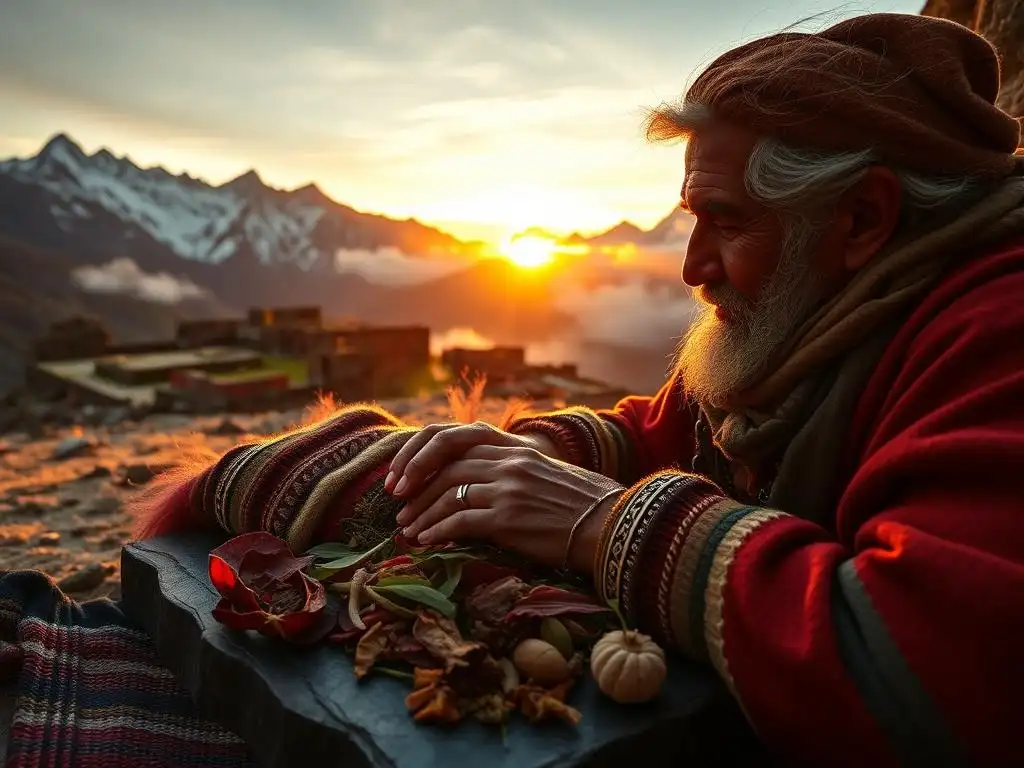
Step into a world lost to time, yet echoing with the whispers of ancient wisdom. Journey with us to the heart of the Andes, where the mighty Inca Empire flourished, leaving behind a legacy of breathtaking artistry and surprisingly advanced technology. But what secrets did their healers possess? Prepare to be amazed as we delve into the fascinating world of Inca healing practices and techniques, uncovering the intricate blend of herbs, rituals, and even surgical procedures that defined their approach to medicine. Unravel the mysteries—explore now!
- Inca Medicine and Healing Practices: An Overview of Ancient Andean Treatments
- Inca Herbal Medicine: The Power of Andean Flora
- Inca Rituals and Spiritual Healing
- Inca Surgical Practices and Advanced Techniques
- Inca Treatments for Common Ailments
- Comparison of Inca Healing Practices with Modern Medicine
- The Impact of Inca Medicine on Andean Culture
- Frequently Asked Questions
- Final Reflection: The Enduring Legacy of Inca Healing
- Unlock the Secrets of Inca Healing Today!
Inca Medicine and Healing Practices: An Overview of Ancient Andean Treatments
The Inca Empire, renowned for its sophisticated engineering and intricate social structures, also possessed a surprisingly advanced understanding of medicine and healing. Far from rudimentary practices, Inca healing incorporated a complex interplay of herbal remedies, spiritual rituals, and surprisingly skillful surgical techniques. This article delves into the fascinating world of Inca medicine, exploring their knowledge of the human body, their treatments for various ailments, and the roles of different practitioners within their society.
Understanding Inca healing practices and techniques offers a captivating glimpse into the ingenuity and holistic worldview of this remarkable civilization. We will examine the foundations of their medical knowledge, their understanding of health and disease, and the key figures who shaped their approach to healing.
This exploration will reveal a sophisticated system that combined empirical observation with deeply rooted spiritual beliefs, showcasing the intricate connection between the physical and spiritual realms in Inca society. The rich tapestry of Inca healing practices provides a window into a world where medicine was not merely a science, but an integral part of their cultural and religious life.
The Foundations of Inca Medical Knowledge
Inca medical knowledge was built upon a deep understanding of the natural world. Their extensive botanical knowledge formed the basis of their pharmacopoeia. They meticulously cataloged the medicinal properties of countless plants, creating a vast array of herbal remedies to treat a wide range of conditions. These remedies were often administered in conjunction with specific rituals, reflecting the strong connection between their medical practices and religious beliefs. Evidence suggests a sophisticated understanding of anatomy and physiology, although this was likely developed through practical experience rather than formal dissection (which was not a part of their culture). The Inca's understanding of the human body was intertwined with their cosmology and their beliefs about the balance of forces within the individual and the cosmos. Maintaining this balance was crucial for health, and illness was often seen as a disruption of this equilibrium. They utilized a variety of diagnostic methods, including observation of symptoms, pulse diagnosis, and even divination. 1 The effectiveness of their treatments varied, of course, but their dedication to understanding and addressing illness was remarkable for its time. Detailed records of their herbal remedies and treatments are unfortunately scarce, lost to the ravages of time and conquest. However, archaeological discoveries and ethnobotanical studies continue to shed light on their impressive botanical knowledge and healing practices.
Inca Understanding of Health and Disease
The Inca worldview profoundly influenced their understanding of health and disease. Illness was often attributed to an imbalance of forces, either within the individual or between the individual and the cosmos. This could be caused by various factors, including supernatural forces, dietary imbalances, or physical trauma. They believed that the body's humors needed to be in balance, a concept shared with other ancient medical systems.
Maintaining this balance was crucial for health, and illness was seen as a disruption of this delicate equilibrium. Treatment, therefore, often involved restoring this balance through a combination of herbal remedies, rituals, and sometimes surgery. Specific illnesses were often attributed to specific causes, ranging from demonic possession to the wrath of the gods.
For example, diseases like smallpox, which devastated the population after the arrival of Europeans, were likely seen as a disruption of the cosmic order. The Inca's response to these outbreaks, while tragically lacking the understanding of infectious disease transmission, demonstrates their resilience and attempts to manage illness within their existing framework of understanding. The concept of preventative medicine was also important, with emphasis placed on maintaining a healthy lifestyle through proper diet and hygiene.
Key Figures in Inca Medicine: Healers and Shamans
Inca society relied on a network of healers and shamans to address illness and maintain health. While specific titles and hierarchies are not fully understood, it is clear that specialized individuals played crucial roles. Curanderos, or healers, were typically individuals with a deep understanding of herbal remedies and practical healing techniques. They were often respected members of their communities.
In contrast, paqos or shamans, held a more spiritual role, often employing rituals and ceremonies to address illnesses believed to be caused by supernatural forces. The paqos were often involved in diagnosing the root cause of illness, relying on divination and spiritual insights. The lines between these roles were sometimes blurred, with many healers incorporating spiritual elements into their practice. The extent to which these healers underwent formal training is debated; however, it's likely that knowledge was passed down through generations within families or specific lineages.
This system of healers and shamans highlights the integrated approach to medicine in Inca society, where physical and spiritual well-being were inextricably linked. Further research is needed to fully elucidate the roles and training of these important figures in Inca society. The legacy of their knowledge continues to fascinate and inspire researchers today.
1 Further research is needed to fully understand the specifics of Inca diagnostic methods.
Inca Herbal Medicine: The Power of Andean Flora
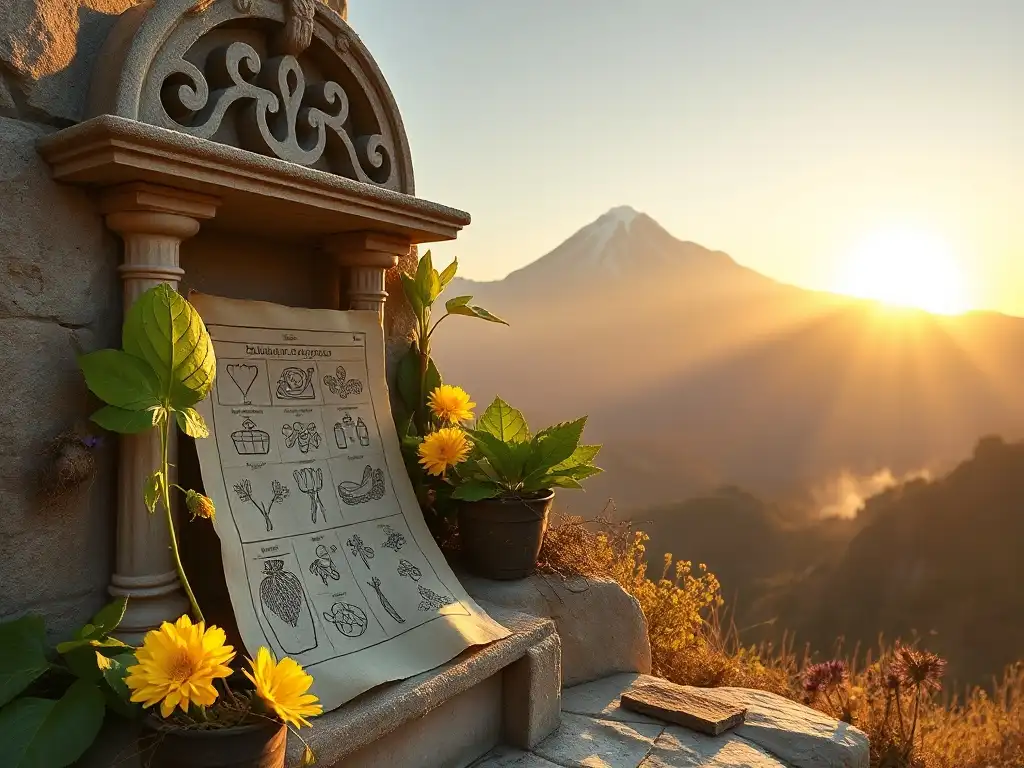
Inca healing practices and techniques were deeply intertwined with their environment, particularly the rich biodiversity of the Andes Mountains. Their sophisticated understanding of medicinal plants formed the cornerstone of their medical system, providing remedies for a wide array of ailments. The Incas didn't view illness as merely a physical condition; rather, it was often seen as an imbalance within the individual, their community, or even the cosmos.
Restoring this balance was central to their healing practices, and herbal remedies played a crucial role in this process. This intricate system of knowledge, passed down through generations of curanderos (healers), allowed the Incas to effectively treat various illnesses, injuries, and even perform rudimentary surgeries. The effectiveness of their herbal remedies is supported by ongoing research into the pharmacological properties of many Andean plants.
Important Medicinal Plants Used by the Incas
The Inca pharmacopoeia was extensive, encompassing hundreds of plant species. Some of the most important included:
- Coca ( Erythroxylum coca): Not only a stimulant, coca leaves possessed significant medicinal properties, used for pain relief, fatigue, and altitude sickness. Its role extended beyond mere medicine; it held significant ritual and social importance.
- Quinine ( Cinchona species): This bark, renowned for its antimalarial properties, was a vital resource in combating the widespread disease prevalent in the Andes. Its discovery and use by the Incas predate its introduction to European medicine.
- Sacha Inchi (Plukenetia volubilis): The seeds of this plant were a valuable source of protein and essential fatty acids, contributing to overall health and well-being. They were also used in treating skin conditions.
- Matico (Piper aduncum): Known for its powerful antiseptic and hemostatic properties, matico leaves were used to stop bleeding and treat wounds. Its effectiveness in wound healing is still recognized today.
- Muña (Minthostachys species): This aromatic herb was utilized for its digestive benefits and its ability to alleviate respiratory problems. Its essential oils are still used in modern herbal remedies.
The Incas meticulously cataloged and understood the properties of these and many other plants, demonstrating a deep understanding of botany and pharmacology well in advance of European advancements in the field. Further research is needed to fully document the extent of their botanical knowledge and the precise applications of various plants.
Preparation and Administration of Herbal Remedies
The preparation of Inca herbal remedies was often a complex process. Plants were carefully harvested at specific times of the year, often according to lunar cycles and other astronomical observations. They were then processed using various techniques, including:
- Infusion: Steeping herbs in hot water to create teas.
- Decoction: Boiling herbs in water to extract their active compounds.
- Maceration: Soaking herbs in liquids, such as alcohol or oil, to extract their essence.
- Pounding and mixing: Creating pastes or poultices for topical application.
The administration of these remedies varied depending on the ailment. Some were taken orally, while others were applied topically as ointments or poultices. The dosage and frequency of administration were carefully determined by the curanderos, who considered factors such as the patient's age, the severity of the illness, and even astrological influences. The process was often accompanied by ritualistic practices and prayers, reinforcing the holistic nature of Inca healing. Detailed records of preparation methods are unfortunately scarce, leaving many aspects of this process to be inferred from archaeological findings and ethnobotanical studies.
The Role of Coca in Inca Healing Practices
Coca leaves held a central position in Inca healing practices and techniques. Their use transcended simple medicinal applications, encompassing ritualistic and social aspects. While often perceived solely as a stimulant, coca leaves possessed several medicinal properties:
- Pain Relief: Coca leaves were chewed to alleviate pain, particularly headaches and toothaches. The alkaloids in coca leaves possess mild anesthetic properties.
- Fatigue and Altitude Sickness: Chewing coca leaves helped combat fatigue and the effects of altitude sickness, a crucial aspect of life in the high Andes.
- Digestive Aid: Coca leaves were believed to aid digestion and alleviate gastrointestinal discomfort.
- Ritualistic Significance: Coca leaves were integral to Inca religious ceremonies and offerings, symbolizing the connection between the human world and the spiritual realm. Their use in healing was thus imbued with spiritual and ritualistic significance.
The precise methods of utilizing coca leaves for medicinal purposes remain partially undocumented, but their widespread use and importance in Inca society are undeniable. The complex interplay between the medicinal, ritualistic, and social roles of coca in Inca culture highlights the integrated nature of their healing practices. Further research into Inca texts and archaeological evidence could shed more light on the specific ways coca was used in healing.
Inca Rituals and Spiritual Healing

Inca healing practices and techniques were deeply intertwined with their spiritual beliefs. Illness wasn't simply a physical ailment; it was often seen as an imbalance in the individual's relationship with the spiritual world, their community, or the natural environment. Shamans, known as paqos, played a crucial role in diagnosing and treating these imbalances, employing a combination of herbal remedies, rituals, and surgical procedures. Understanding the Inca worldview is key to appreciating the complexity and sophistication of their medical system. Their cosmology, with its emphasis on the interconnectedness of all things, significantly influenced their approach to healing.
The Connection Between Spirituality and Health in Inca Culture
The Inca believed that maintaining harmony with the Pachamama (Mother Earth) and the Apus (mountain spirits) was essential for good health. Disease was often attributed to the displeasure of these powerful forces or to the influence of malevolent spirits. Therefore, healing wasn't just about treating symptoms; it involved restoring this disrupted harmony. This holistic perspective encompassed physical, emotional, and spiritual well-being.
For example, a lack of respect for nature or a violation of social norms could be seen as contributing factors to illness, requiring spiritual rectification alongside physical treatment. The paqos acted as intermediaries between the human and spiritual realms, using their knowledge of rituals and herbal remedies to restore balance. They were highly respected members of society, entrusted with the well-being of the community.
Their expertise combined practical medical knowledge with a deep understanding of Inca spiritual traditions. Detailed accounts of these beliefs are unfortunately scarce due to the destruction of many Inca texts after the Spanish conquest. However, surviving archaeological evidence and colonial chronicles offer valuable insights into their spiritual healing practices.
Ritual Cleansing and Purification Practices
Ritual purification played a central role in Inca healing practices and techniques. These practices aimed to cleanse the body and spirit of negative energies or malevolent influences believed to cause illness. One common method involved the use of coca leaves, chewed and offered to the deities as a form of appeasement and purification. The coca leaf was not only a medicinal herb but also a sacred offering, symbolizing respect and connection to the spiritual world.
Other purification rituals involved the use of water, particularly in the form of ceremonial baths or copas (ritual libations). These rituals often took place at sacred sites, further emphasizing the connection between physical and spiritual healing. The use of specific herbs and plants in these rituals also played a significant role.
For instance, certain plants were believed to possess specific cleansing properties and were used accordingly. Further research is needed to fully understand the specific plants and their application in various cleansing rituals. The details of many rituals remain obscured by the passage of time and the limitations of available historical records.
The Significance of Sacred Sites in Inca Healing
Many Inca healing practices and techniques took place at sacred sites, emphasizing the importance of the location in the healing process. These sites, often located in mountainous regions or near significant natural features, were believed to possess powerful spiritual energies. The Apus, the mountain spirits, were considered protectors and healers, and their presence was believed to enhance the effectiveness of the rituals and treatments.
These locations frequently served as pilgrimage sites, where individuals seeking healing would travel to seek the intervention of the spiritual world. The specific locations varied across the Inca Empire, but many shared common characteristics, such as proximity to water sources, caves, or significant geological formations. Archaeological evidence suggests that some sites were specifically designed for healing purposes, featuring structures or features that facilitated ritual practices.
More research is needed to fully understand the specific roles of different sacred sites and their association with particular illnesses or healing practices. The geographical distribution of these sites also suggests a complex relationship between Inca cosmology and their understanding of the natural world. Understanding the significance of these locations is critical to a complete understanding of Inca healing practices and techniques.
Inca Surgical Practices and Advanced Techniques
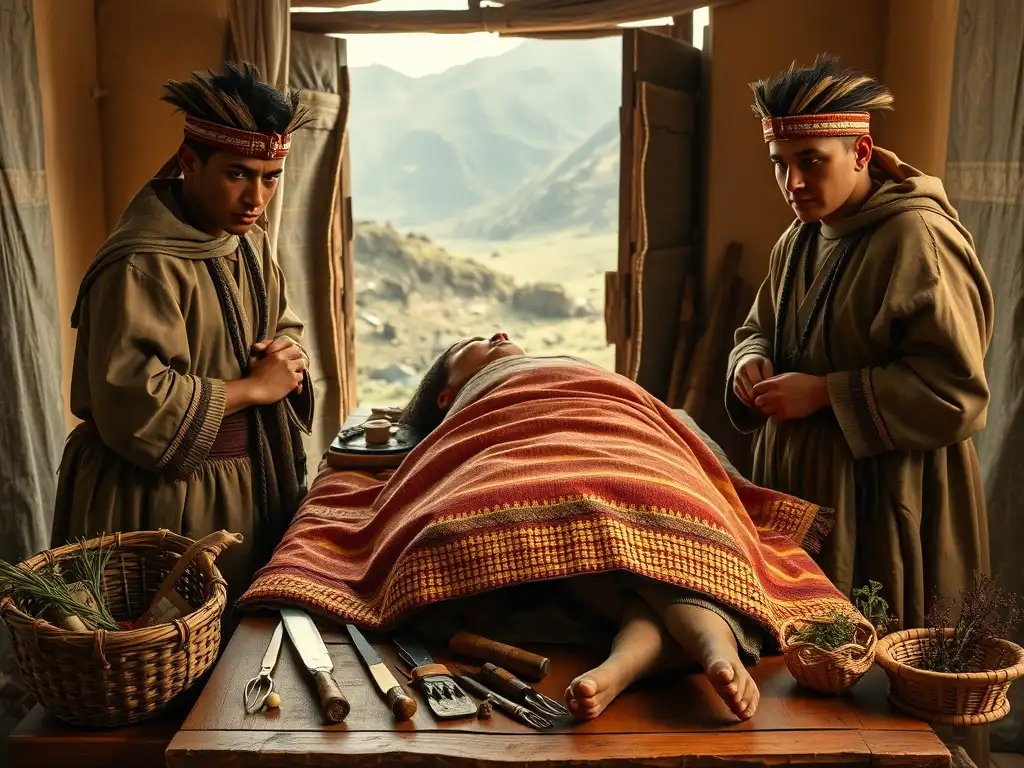
The Inca Empire, renowned for its sophisticated engineering and intricate social structures, also possessed surprisingly advanced medical knowledge, particularly in surgical techniques. While often overshadowed by their impressive architectural feats, the Inca's understanding of the human body and their ability to perform complex procedures stand as a testament to their ingenuity and resourcefulness. Their surgical practices, though lacking the sterile environments and advanced tools of modern medicine, demonstrate a remarkable level of skill and understanding of anatomy and physiology.
Understanding Inca healing practices and techniques requires a closer look at their surgical capabilities, which were far more advanced than previously assumed. This section will explore the evidence supporting the sophistication of Inca surgical skills, focusing on trepanation and their potential use of anesthetics.
Evidence of Inca Surgical Skills
Archaeological evidence provides compelling proof of Inca surgical skills. Numerous skeletal remains unearthed across the Andes exhibit clear signs of surgical intervention, particularly trepanation, but also evidence suggesting other surgical procedures. These findings aren't isolated incidents; the frequency of these surgical interventions suggests a degree of established practice and expertise within Inca society.
The success rate, while not perfectly quantifiable due to the limitations of archaeological data, indicates a level of proficiency that surpasses many other contemporary cultures. Careful examination of healed bone fragments reveals successful surgical closures and minimal signs of infection, suggesting a good understanding of post-operative care and possibly the use of antiseptic techniques. Further research is needed to fully understand the extent of their surgical practices beyond trepanation, but existing evidence strongly suggests a level of expertise that challenges conventional narratives of Inca medicine.
The consistent nature of the surgical work, in terms of techniques and post-operative healing, points towards a structured system of medical training and specialization within the Inca Empire. This is a significant aspect of Inca healing practices and techniques that deserves further study.
Trepanation: Inca Cranial Surgery Techniques
Trepanation, the surgical practice of cutting a hole in the skull, was a common procedure in Inca society. However, it wasn't performed randomly; analysis reveals a surprising level of precision and sophistication in their techniques. Archaeological finds show various methods employed, including scraping, drilling, and sawing, each adapted to the specific situation and the available tools. The tools themselves, often crafted from obsidian or other sharp stones, were surprisingly effective.
The careful placement of trepanation holes, often avoiding vital areas of the skull, indicates a detailed understanding of cranial anatomy. More importantly, many skulls show evidence of successful healing after the procedure, indicating a high survival rate. This is a compelling testament to their surgical expertise and the overall understanding of asepsis and post-operative care within the Inca healing practices and techniques.
Types of Trepanation Techniques Observed
Researchers have identified several distinct techniques used in Inca trepanation:
- Circular Trepanation: This involved creating a circular hole in the skull using a rotating tool.
- Rectangular Trepanation: Less common, this technique involved creating a rectangular opening using a series of cuts.
- Step-wise Trepanation: A more complex technique involving a series of small, overlapping holes to create a larger opening.
Use of Anesthetics and Pain Management in Inca Surgery
While direct evidence of specific anesthetic agents used by the Inca is scarce, indirect evidence suggests the potential use of some form of pain management during surgical procedures. The complexity of some of the surgical interventions, coupled with the relatively high survival rates observed in healed trepanation sites, points towards the possibility of pain relief methods. Ethnobotanical studies have identified several plants native to the Andes with anesthetic or analgesic properties that could have been used.
However, more research is needed to confirm their actual use in Inca surgical practices. Furthermore, the social and ritualistic context of Inca medicine might have involved methods of psychological preparation or trance-inducing rituals to help manage pain. The exploration of Inca healing practices and techniques must consider these aspects alongside the purely surgical elements.
The possibility of combining herbal remedies with psychological techniques for pain management during surgery opens up a fascinating area for future research in Inca medicine. Further investigation into potential plant-based anesthetics and ritualistic pain management techniques is crucial for a complete understanding of Inca surgical practices.
Inca Treatments for Common Ailments
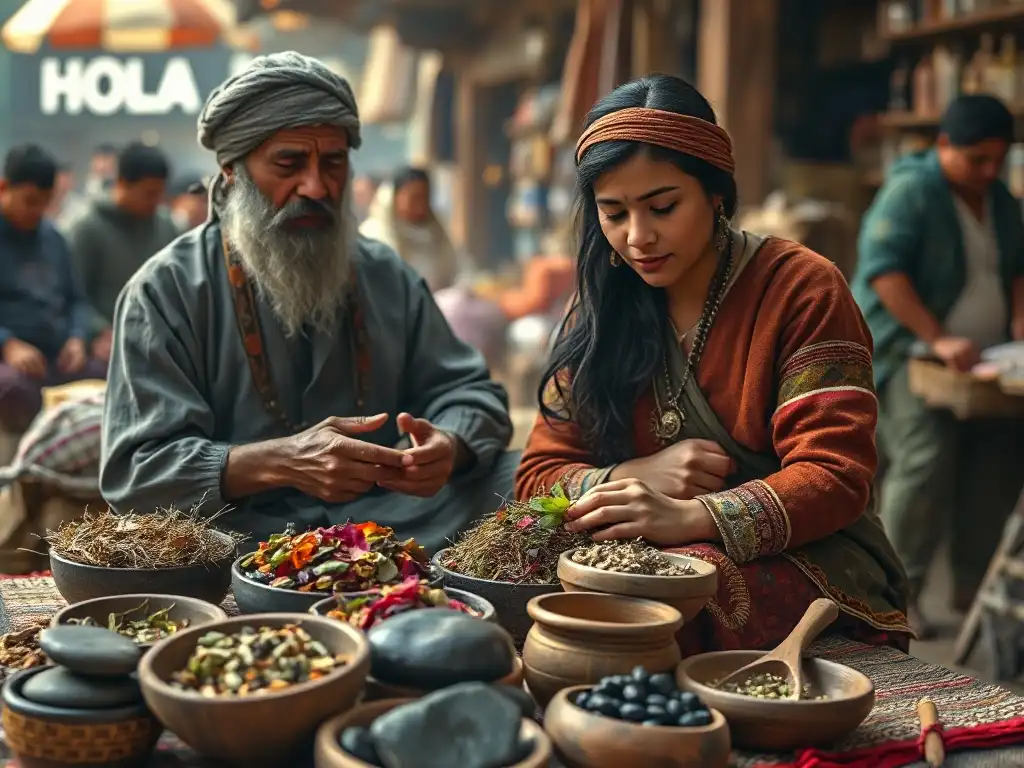
The Inca Empire, despite its impressive architectural and agricultural achievements, lacked the advanced medical technology of later eras. However, their sophisticated understanding of herbal remedies, combined with spiritual rituals and surprisingly advanced surgical techniques, provided effective treatments for a range of common ailments. Inca healing practices and techniques were deeply intertwined with their cosmology and belief system, viewing illness as an imbalance needing restoration, rather than a purely physical problem.
This holistic approach shaped their medicinal practices, integrating natural remedies with spiritual ceremonies. Their extensive knowledge of the Andean flora provided a rich source of medicinal plants, forming the foundation of their pharmacopoeia. The effectiveness of many Inca remedies remains a subject of ongoing research, with some showing promising results in modern pharmacological studies.
Inca Remedies for Digestive Issues
Digestive problems were prevalent in the Inca Empire, likely due to dietary habits and the challenges of food preservation. Inca healers utilized a variety of herbal remedies to address issues like indigestion, diarrhea, and constipation. For instance, coca leaves, chewed regularly by many Incas, were believed to aid digestion and alleviate stomach aches.
Their stimulant properties could have helped with sluggish digestion, while the plant's anesthetic qualities may have offered relief from pain. Furthermore, muña ( Minthostachys sp. ), a plant with minty properties, was commonly used as a digestive aid, potentially due to its antispasmodic and carminative effects.
Other plants, whose specific identities are sometimes lost to history, were likely employed for their laxative or astringent properties, depending on the nature of the digestive complaint. Detailed records of these remedies are scarce, relying heavily on archaeological finds and ethnobotanical studies of surviving Andean traditions that may hold clues to ancient Inca practices. The effectiveness of these remedies varied, of course, and more research is needed to fully understand their scope and efficacy.
Addressing Respiratory Problems with Inca Medicine
Respiratory illnesses, such as bronchitis, pneumonia, and the common cold, were significant health concerns in the high-altitude Andean environment. Inca medicine addressed these problems through a combination of herbal remedies and ritualistic practices. Matico ( Buddleja globosa), a plant known for its antiseptic and expectorant properties, was likely used to treat respiratory infections.
Infusions of matico leaves might have been administered to ease coughing and promote expectoration, clearing the airways. Beyond herbal remedies, the Incas incorporated ritualistic practices into their respiratory treatments. These rituals often involved offerings to deities associated with health and healing, seeking spiritual intervention to restore balance and facilitate recovery.
The integration of spiritual and physical approaches reflects the holistic nature of Inca healing practices and techniques. While the precise details of these rituals remain partially obscured by the passage of time, archaeological evidence suggests the significance of such ceremonies in the healing process. Further research on Inca religious practices and their connection to medicinal treatments is crucial to a more complete understanding of their approach to respiratory ailments.
Inca Approaches to Treating Wounds and Injuries
Inca surgeons displayed remarkable skill in treating wounds and injuries, particularly considering the limited tools available. Archaeological evidence reveals instances of trepanation, a surgical procedure involving drilling holes in the skull. While the reasons for trepanation remain debated (ranging from therapeutic to ritualistic purposes), its successful execution demonstrates a sophisticated understanding of cranial anatomy and surgical techniques. The use of rudimentary tools, such as obsidian blades and bone instruments, along with herbal remedies for infection control, suggests a surprisingly advanced level of surgical proficiency.
Inca healers utilized various herbs with antiseptic and analgesic properties to treat wounds. For example, coca leaves were likely applied to wounds not only for their anesthetic properties but also for their potential antimicrobial effects. The application of pressure bandages, possibly made from plant fibers, would have aided in hemostasis (stopping bleeding).
The extent to which Inca surgical practices were widespread or limited to specialized healers is still under investigation. However, the evidence strongly suggests that Inca healing practices and techniques encompassed a sophisticated understanding of wound care, reflecting both their practical knowledge and the integration of herbal remedies into surgical procedures. Further investigation into Inca surgical practices is needed to fully appreciate their medical achievements.
Comparison of Inca Healing Practices with Modern Medicine
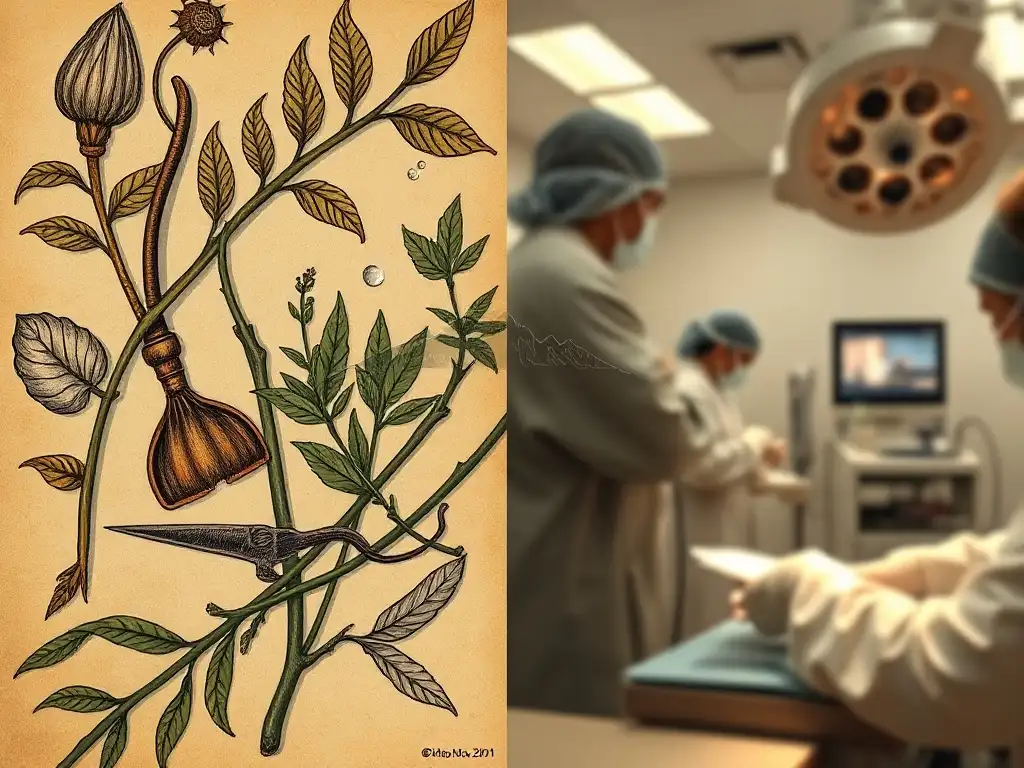
Inca healing practices and techniques, while vastly different from modern medicine, offer a fascinating glimpse into a sophisticated system of healthcare developed within a unique cultural context. The Incas lacked the understanding of germ theory and the microscopic world that underpins much of modern medicine. However, their approach, deeply intertwined with spiritual beliefs and a profound understanding of the natural world, resulted in surprisingly effective treatments for certain ailments.
Their pharmacopoeia, heavily reliant on herbal remedies, shows a level of botanical knowledge that rivals some contemporary understandings of plant-based medicine. They also demonstrated advanced surgical skills, particularly in trepanation (skull surgery), showcasing a practical approach to trauma care that, while rudimentary by today's standards, was remarkably successful in many cases.
The Legacy of Inca Medical Knowledge
The legacy of Inca medical knowledge is not just a matter of historical curiosity; it holds potential for modern applications. Many of the plants used in Inca medicine are still utilized today in traditional Andean medicine, and some are being investigated for their potential therapeutic properties in scientific research. For example, the coca leaf, central to Inca rituals and used for its stimulant and analgesic properties, is now being studied for its potential to help manage altitude sickness and other conditions.
Furthermore, the Inca's holistic approach, emphasizing the interconnectedness of the body, mind, and spirit, resonates with contemporary trends in integrative and holistic medicine. This holistic perspective, while not scientifically provable in all aspects, provides a valuable framework for understanding the patient within their broader context. Researchers are currently exploring the potential of combining traditional Andean knowledge with modern scientific methods to discover new treatments and improve healthcare outcomes.
Further research into Inca medical texts, archaeological findings, and surviving traditional practices is crucial to unlocking the full potential of this ancient knowledge base. The detailed records kept by the Inca, though fragmented, provide a rich source of information for future studies. Preserving and studying these records is critical to understanding the intricacies of Inca healing practices and techniques.
Potential Applications of Inca Herbal Remedies Today
The Inca pharmacopoeia, based predominantly on plants found in the diverse Andean ecosystem, offers a rich reservoir of potential medicinal compounds. Many of these plants possess bioactive compounds with demonstrable therapeutic effects. For instance, quinine, derived from the cinchona tree, was a cornerstone of Inca medicine and later became a crucial weapon against malaria. This showcases the potential for discovering novel drugs from plants traditionally used in Inca healing practices and techniques.
Other Inca remedies, including those utilizing plants like Matico ( Piper aduncum) known for its antiseptic properties, and various species of Solanum (nightshades) with potential analgesic properties, are currently undergoing scientific investigation. However, it's crucial to approach these investigations with caution. The efficacy and safety of these remedies need to be rigorously tested using modern scientific methods before they can be incorporated into mainstream healthcare.
Simply because a plant was used traditionally does not guarantee its safety or effectiveness. Thorough clinical trials and pharmacological analyses are essential to validate any potential therapeutic applications. Furthermore, understanding the proper preparation and dosage of these remedies, based on Inca practices, is critical for ensuring their safe and effective use.
Contrasting Ancient Inca Techniques with Modern Medical Approaches
A comparison between Inca healing practices and techniques and modern medical approaches reveals striking differences in methodology and understanding of disease. Modern medicine relies heavily on scientific evidence, technological advancements, and a germ theory-based understanding of disease. It emphasizes diagnosis through advanced imaging and laboratory tests, followed by targeted interventions such as surgery, medication, and radiation therapy. In contrast, Inca medicine was more holistic and integrated, encompassing ritual, herbal remedies, and surgical techniques, all operating within a framework of spiritual beliefs.
While the Incas performed impressive surgical procedures like trepanation with surprisingly high success rates (considering the tools and sanitation available), their understanding of the underlying causes of disease was limited. Their surgical success was likely due to a combination of factors, including a good understanding of anatomy and a robust immune system among their population. Modern medicine, through the use of sterile techniques and advanced surgical tools, has greatly reduced the risk of infection and improved surgical outcomes.
While Inca medicine relied heavily on empirical observation and traditional knowledge passed down through generations, modern medicine prioritizes rigorous scientific research and clinical trials to validate treatments and ensure safety. The contrast highlights the evolution of medical understanding and the remarkable advancements achieved through scientific inquiry and technological innovation. However, the holistic approach of Inca medicine, focusing on the interconnectedness of mind, body, and spirit, offers valuable lessons for modern healthcare, which is increasingly recognizing the importance of addressing the psychosocial aspects of illness.
The Impact of Inca Medicine on Andean Culture
Inca medicine, far from being a mere set of healing practices, profoundly shaped Andean culture, weaving itself into the fabric of daily life, religious beliefs, and social structures. Its influence extended beyond the physical realm, impacting social hierarchies, economic systems, and artistic expression. The sophisticated understanding of medicinal plants and the intricate rituals surrounding healing elevated healers – curanderos – to positions of significant respect and power within Inca society. This wasn't simply about treating illness; it was about maintaining cosmic balance and ensuring the well-being of the entire community.
The Enduring Influence of Inca Healing Traditions
The legacy of Inca healing practices continues to resonate in modern-day Andean communities. Many traditional remedies and techniques, passed down through generations, still form a vital part of healthcare systems in the region. The use of medicinal plants, for instance, remains widespread, with many communities cultivating and utilizing the same herbs and plants employed by the Incas.
This continuity demonstrates the remarkable resilience and adaptability of Inca medical knowledge. Furthermore, the spiritual and ritualistic aspects of Inca healing, emphasizing the interconnectedness of physical and spiritual well-being, are also preserved in various contemporary Andean healing practices. This enduring influence underscores the deep-rooted connection between Inca heritage and the cultural identity of Andean peoples.
Even today, the holistic approach to health, focusing on the mind-body-spirit connection, reflects the core principles of Inca healing philosophy. Detailed studies are needed to fully quantify the extent of this continuing impact, specifically identifying the percentage of current Andean medicine directly traceable to Inca roots. [Specific data on the percentage of current Andean practices derived from Inca traditions pending].
Preserving Inca Medicinal Knowledge for Future Generations
The preservation of Inca medicinal knowledge is crucial not only for understanding the rich history of Andean civilizations but also for potentially unlocking valuable insights into modern medicine. Many Inca remedies, based on natural ingredients, may offer effective treatments for various ailments. However, the challenge lies in documenting and safeguarding this knowledge before it’s lost forever.
This requires a multi-pronged approach: thorough ethnographic research within Andean communities, careful documentation of traditional healing practices, and collaborative efforts between researchers, healthcare professionals, and community members. Furthermore, establishing botanical gardens dedicated to preserving Inca medicinal plants and creating accessible databases of traditional remedies are vital steps in this process.
The task is not merely to archive information; it’s about fostering a respectful and collaborative partnership with indigenous communities to ensure the ethical and sustainable preservation of their invaluable heritage. The potential benefits of this preservation extend beyond the realm of medicine, enriching our understanding of Andean culture and contributing to global biodiversity conservation.
Current Andean Communities Utilizing Traditional Inca Healing
Numerous Andean communities actively integrate Inca healing techniques into their healthcare systems. For example, in the highlands of Peru, traditional curanderos continue to treat patients using herbal remedies, massage, and spiritual practices passed down through generations. They often combine these traditional methods with modern medicine, creating a blended approach to healthcare. The knowledge is often passed down orally within families, with apprentice healers learning through years of observation and practice alongside experienced practitioners.
This system emphasizes a holistic approach, addressing the physical, emotional, and spiritual aspects of illness. The efficacy of these traditional methods, while often anecdotal, warrants further scientific investigation to understand their potential therapeutic value. A comparative study analyzing the success rates of traditional Inca healing methods versus modern medicine within Andean communities would provide valuable insights.
[Comparative study data pending]. The continued utilization of Inca healing practices highlights the enduring relevance and effectiveness of this ancient system of medicine within contemporary Andean society. The integration of these traditions within modern healthcare systems offers a unique opportunity to explore and potentially benefit from a rich heritage of healing knowledge.
Frequently Asked Questions
What types of healing practices did the Inca civilization utilize?
Inca healing practices were remarkably advanced for their time, encompassing a diverse range of techniques. These included the use of herbal remedies, surgical procedures, and spiritual rituals to address illness and injury. They also emphasized preventative care.
What role did herbs play in Inca medicine?
Inca healers, known as curanderos, possessed extensive knowledge of medicinal plants. They used a wide variety of herbs and plants to treat various ailments, often combining them into complex preparations. Coca leaves were particularly significant, used both medicinally and ritually.
Were surgical procedures common in Inca society?
While less common than herbal remedies, the Inca did perform surgical procedures, demonstrating a surprising level of surgical skill. Evidence suggests they performed trepanation (skull surgery) and other complex operations, though survival rates are unknown.
How important were spiritual beliefs in Inca healing?
Spiritual beliefs played a vital role in Inca healing. Illness was often seen as a result of imbalance or spiritual interference. Curanderos incorporated religious rituals and ceremonies into their healing practices to restore harmony and appease the gods.
What evidence exists to support our understanding of Inca healing practices?
Our understanding comes from various sources. These include archaeological discoveries of surgical tools and medicinal plants, colonial Spanish accounts, and ethnohistorical studies that draw connections between Inca traditions and later Andean practices. These provide a glimpse into their sophisticated medical knowledge.
Final Reflection: The Enduring Legacy of Inca Healing
The sophisticated medical knowledge of the Inca Empire, far from being a relic of the past, offers a powerful lens through which to examine contemporary approaches to healthcare and our relationship with nature. Its intricate blend of herbal remedies, spiritual rituals, and surprisingly advanced surgical techniques continues to resonate in our modern world, challenging us to reconsider the holistic nature of well-being.
The Inca understanding of the interconnectedness of physical and spiritual health profoundly impacted their healing practices, and this holistic approach continues to inspire modern integrative medicine. Their emphasis on preventative care, the use of natural remedies, and the integration of spiritual beliefs into the healing process offer valuable lessons for a world increasingly focused on pharmaceutical solutions. The body is a sacred temple, and we must treat it with respect and reverence.
While not a direct Inca quote, this sentiment encapsulates their philosophy beautifully, reminding us of the importance of mindful living in maintaining health.
Consider the ingenuity of Inca surgeons, their mastery of trepanation, and their remarkable success rates. Reflect on the intricate knowledge of medicinal plants that allowed them to treat a wide range of ailments. You too can cultivate a deeper understanding of your own well-being by exploring the principles of holistic health, embracing natural remedies where appropriate, and recognizing the profound connection between mind, body, and spirit. Let the legacy of Inca healing inspire you to seek a more balanced and harmonious approach to your health and well-being.
Unlock the Secrets of Inca Healing Today!
Thank you for exploring the fascinating world of Inca medicine and healing practices! You've discovered a rich tradition of herbal remedies, rituals, and surgical techniques that shaped ancient Andean civilizations. Now, let's delve even deeper!
Here's how you can further connect with this ancient wisdom:
- Explore the Power of Andean Herbs: Discover the benefits of traditional Andean herbs by visiting a local herbalist or health food store. Experiment with natural remedies and incorporate them into your wellness routine.
- Learn from the Experts: Seek out workshops or lectures in your area focusing on traditional Andean medicine or holistic healing. Learning directly from experienced practitioners offers valuable insights and practical skills.
- Share Your Discoveries: Spread the word! Share your favorite Inca healing practices with friends, family, or online communities. Start a conversation about the value of these ancient techniques in modern wellness.
Consider the wisdom you've gained. Which unique healing practices will you integrate into your life to promote well-being and a deeper connection with nature?