
The Inca System of Governance: Ruling a Vast Territory

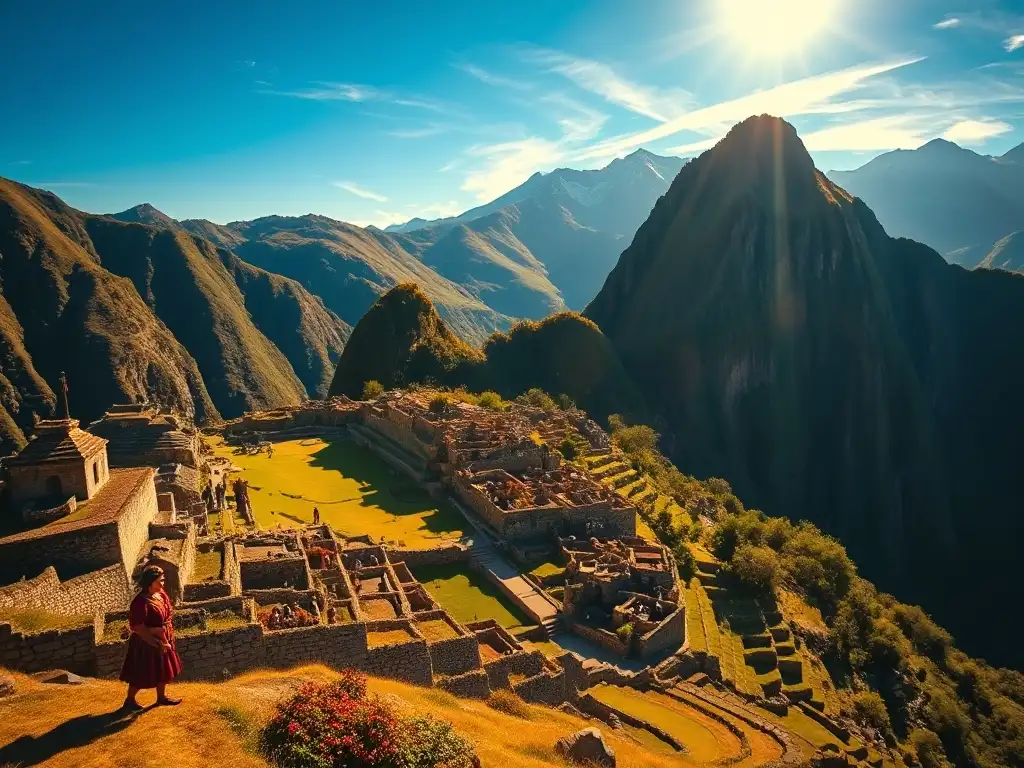
Step into a world lost to time, yet echoing with the whispers of a magnificent empire. For centuries, the Andes Mountains held the secrets of the Inca, a civilization that mastered engineering, agriculture, and unparalleled governance. But how did they manage to rule such a vast territory? Uncover the intricacies of the Inca empire governance system—a testament to ingenuity and power—and prepare to be amazed by the sophisticated strategies that bound this incredible empire together. Dive in and discover the answers.
- The Inca Empire Governance System: Ruling a Vast Territory
- Understanding the Foundations of Inca Governance
- Key Elements of the Inca Empire Governance System
- Inca Infrastructure and Its Role in Governance
- Methods of Inca Empire Expansion and Control
- The Legacy and Impact of the Inca Governance System
-
Frequently Asked Questions
- What was the key to the Inca Empire's success in governing such a vast territory?
- How did the Inca Empire maintain control over its diverse population?
- What role did the Sapa Inca play in the Inca governance system?
- How did the Inca Empire organize its provinces and manage its resources?
- What was the impact of the Inca system of governance on its people?
- Final Reflection: Echoes of the Inca Empire in Modern Governance
- Unveil the Secrets of Inca Governance!
The Inca Empire Governance System: Ruling a Vast Territory
The Inca Empire, at its zenith, controlled a vast and geographically diverse territory stretching along the Andes Mountains of South America. Its success wasn't solely due to military might, but also to a remarkably sophisticated and efficient system of governance.
This article delves into the intricacies of the Inca empire governance system, exploring the mechanisms that allowed them to effectively administer, control, and integrate such a sprawling empire, ranking among history's most impressive feats of political organization. We will examine the key components of their administrative structure, from the emperor's absolute authority to the intricate network of officials and the crucial role of mit'a, the labor system that underpinned their society.
Understanding this system provides crucial insight into the remarkable achievements and enduring legacy of the Inca civilization, shedding light on their ability to maintain order and prosperity across diverse landscapes and cultures. The keyword "Inca empire governance system" is central to this exploration, highlighting the unique characteristics that set Inca administration apart.
The Emperor: Absolute Power and Divine Right
The Inca Empire was ruled by a single emperor, the Sapa Inca, considered a divine figure, a direct descendant of the sun god Inti. His authority was absolute, encompassing all aspects of life within the empire. The Sapa Inca was not merely a political leader; he was the supreme religious authority, the head of the army, and the ultimate judge. Decisions made by the Sapa Inca were rarely questioned, and his word was law.
Succession was a complex matter, often involving a struggle for power amongst potential heirs, highlighting the intense competition for this supremely powerful position. The elaborate ceremonies and rituals surrounding the emperor reinforced his divine status and strengthened his control over the population. This absolute power, however, was carefully balanced by a complex bureaucratic structure that ensured the efficient administration of the empire.
The Administrative Structure: A Hierarchical System
The Inca administrative system was a highly organized hierarchy, mirroring the empire's vast geographical expanse. The empire was divided into four quarters ( suyus), each governed by a governor appointed by the Sapa Inca. These governors, in turn, oversaw a network of regional and local officials, responsible for collecting taxes, organizing labor, and maintaining order.
This system ensured that even the most remote regions of the empire were integrated into the central administration. Communication was facilitated by a sophisticated network of roads and messengers, allowing for rapid transmission of information and the effective mobilization of resources. The efficiency of this system is evidenced by the empire's ability to respond swiftly to crises and maintain a remarkably stable political order across a vast and diverse population.
Mit'a: The Labor System as a Cornerstone of Governance
The mit'a system was not merely a labor system; it was an integral component of the Inca governance structure. It involved the mandatory service of able-bodied citizens in various public works projects, from agricultural production to road construction and military service. This system ensured the construction of impressive infrastructure projects, including the extensive road network, and contributed to the empire's economic prosperity.
While mandatory, the mit'a system also provided essential services to the population and fostered a sense of collective responsibility. The system's effectiveness depended on a carefully managed rotation of labor and the fair distribution of tasks, minimizing potential abuses of power. However, the system's potential for exploitation also existed, a point that requires careful consideration when evaluating its overall impact.
Control and Integration of Conquered Peoples: A Strategy of Assimilation
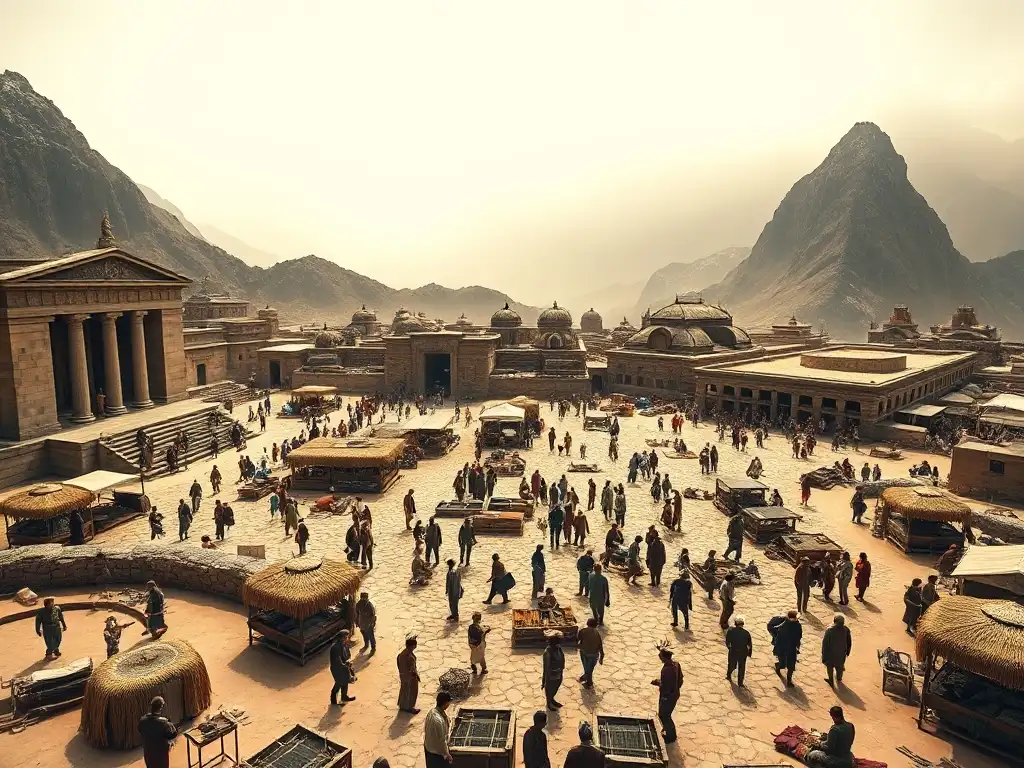
The Inca empire's success wasn't only about military conquest; it was also about their ability to effectively integrate conquered populations. Rather than simply imposing their culture, the Inca implemented a strategy of assimilation. This involved relocating populations to new areas, encouraging intermarriage, and promoting the adoption of Inca customs and language (Quechua). This approach, while sometimes forceful, ultimately fostered a degree of unity and stability within the empire.
The integration of conquered peoples into the mit'a system further strengthened their incorporation into the empire's economic and social fabric. However, it's important to acknowledge the inherent inequalities and potential for resistance that this system of integration also created. The Inca's approach to governance stands as a complex example of both integration and control, demonstrating the nuanced strategies employed in managing such a vast and diverse empire.
The Legacy of Inca Governance: Enduring Influences
The Inca empire's governance system, despite its ultimate collapse, left a lasting impact on the Andean region. Elements of their administrative structure, including the hierarchical organization and the emphasis on collective responsibility, continue to resonate in the region's political and social landscape. The mit'a system, while modified over time, serves as a historical precedent for community-based labor practices.
Studying the Inca empire governance system offers valuable lessons in political organization, demonstrating the complexities of managing a vast and diverse territory and the enduring influence of effective administrative structures. The sophisticated techniques employed by the Inca in maintaining order and prosperity continue to fascinate and inspire scholars and historians alike, ensuring their place as a significant case study in the development of ancient governance systems.
Understanding the Foundations of Inca Governance
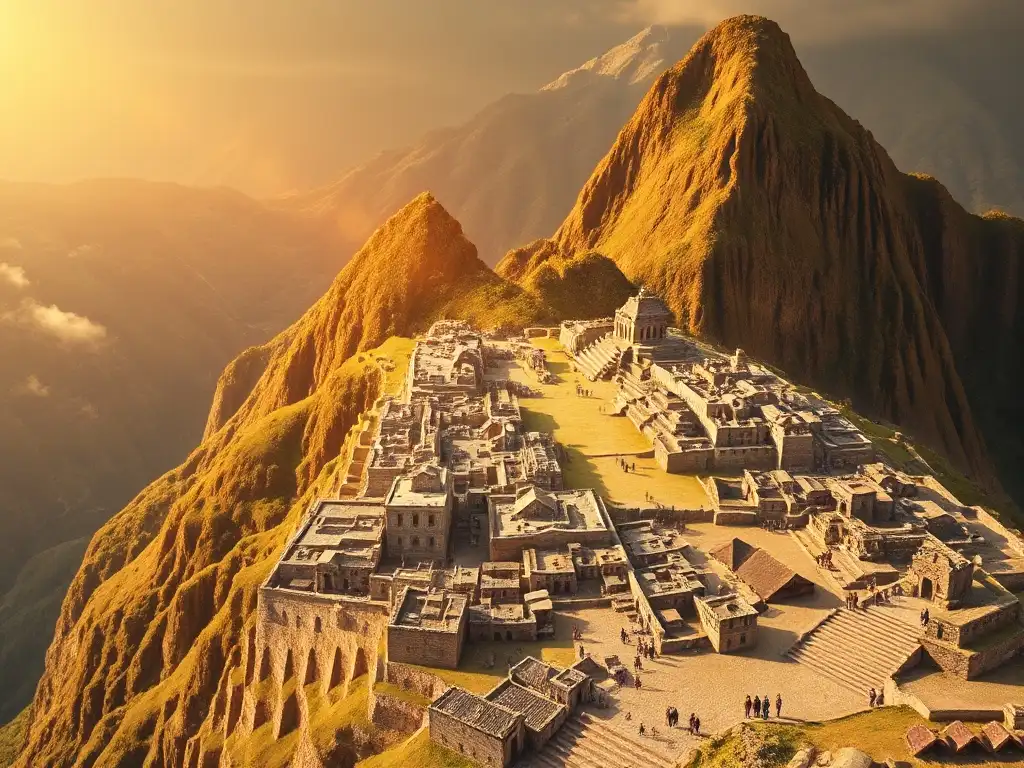
This section delves into the intricate mechanisms that allowed the Inca empire to govern such a vast and diverse territory. The Inca governance system, a marvel of ancient administration, relied on a complex interplay of religious authority, centralized power, and efficient bureaucratic structures. Understanding this system is key to appreciating the scale and sophistication of the Inca civilization, a civilization that successfully integrated numerous ethnic groups and managed resources across a challenging Andean landscape. The keyword "Inca empire governance system" is central to understanding this remarkable achievement. We will explore the key components that contributed to its success.
The cornerstone of Inca governance was the Sapa Inca, the emperor. He wasn't merely a political leader; he was considered a divine figure, a direct descendant of the sun god Inti. This divine status imbued his authority with unparalleled legitimacy, ensuring obedience and loyalty throughout the empire. The Sapa Inca held absolute power, controlling all aspects of life within the empire, from religious ceremonies and military campaigns to agricultural production and infrastructure development.
His power wasn't arbitrary, however. He was supported by a complex bureaucracy and a network of loyal officials. Decisions were often made in consultation with advisors and high-ranking officials, but ultimately, the final word rested with the Sapa Inca. Succession was a carefully managed process, often involving complex political maneuvering and even violent conflict among potential heirs.
The legitimacy of the Sapa Inca's rule was crucial for maintaining social order and preventing rebellion. The death of a Sapa Inca often triggered periods of uncertainty and potential instability, highlighting the significance of his role in maintaining the delicate balance of power within the Inca empire governance system. Think of it as a carefully constructed pyramid, with the Sapa Inca at its apex.
The Sapa Inca also played a vital role in religious ceremonies, further solidifying his divine authority. He was seen as the intermediary between the gods and the people, responsible for ensuring the well-being of the empire through rituals and sacrifices. This connection between religious and political power was fundamental to the Inca empire governance system.
Inca Political Structure: Hierarchy and Administration
The Inca empire's vast territory was divided into four main provinces, each governed by a tukuy rikuq, a high-ranking official appointed by the Sapa Inca. These officials were responsible for overseeing local administration, collecting taxes, and ensuring the smooth functioning of the empire within their respective jurisdictions. This regional structure allowed for efficient administration and ensured that the central government maintained control even over distant regions.
Below the tukuy rikuq, a tiered system of officials ensured that orders from the central government reached even the smallest communities. This hierarchical structure, coupled with an extensive network of roads and messengers, facilitated efficient communication and control across the vast empire. The system relied heavily on a meritocratic approach, with individuals promoted based on their abilities and loyalty, rather than solely on birthright. This system, while hierarchical, offered opportunities for advancement, fostering loyalty and efficiency.
This intricate administrative structure was crucial for the successful functioning of the Inca empire governance system. It allowed for the efficient collection of taxes (in the form of labor or goods), the distribution of resources, and the implementation of government policies across the diverse and geographically challenging regions of the empire. The intricate network of officials ensured that the Sapa Inca's will was felt throughout the empire.
The Role of the Royal Panacas in Inca Governance
The panacas were powerful kinship groups, descendants of previous Sapa Incas. These groups held significant influence within the Inca empire governance system, not only through their bloodline connection to the ruling lineage but also through their control over land, resources, and patronage networks.
While not directly involved in the day-to-day administration of the empire, the panacas played a crucial role in maintaining political stability and continuity. They acted as a powerful check on the reigning Sapa Inca, ensuring that decisions were made in accordance with Inca traditions and the interests of the royal family. Their influence extended to religious ceremonies, military matters, and the appointment of key officials.
The power and influence of the panacas, however, were not without their challenges. Competition between different panacas for power and influence could lead to internal conflicts and instability. The balance of power between the reigning Sapa Inca and the powerful panacas was a delicate one, constantly shifting based on political alliances and the relative strength of each group.
The dynamic between the Sapa Inca and the panacas was an integral aspect of the Inca empire governance system, shaping the political landscape and influencing the empire's trajectory. Understanding this dynamic is crucial to a complete understanding of the Inca empire governance system.
The Importance of Cusco as the Center of Inca Power
Cusco, nestled high in the Andes Mountains, was far more than just the capital of the Inca Empire; it was the very heart of its power, a meticulously planned city reflecting the empire's sophisticated governance system. Its central location within the vast Inca territory facilitated efficient communication and control. The strategic placement allowed for relatively quick movement of troops and messengers to the far reaches of the empire, crucial for maintaining order and responding to any potential threats.
This efficient communication network was essential for the swift dissemination of imperial decrees and the collection of tribute. The city's design itself, with its radiating roads connecting to all corners of the empire, mirrored this organizational structure.
Beyond its strategic importance, Cusco held profound symbolic significance. The Incas believed their ancestors originated in the area, imbuing the city with a sacred aura that reinforced the legitimacy of the ruling Sapa Inca. Temples, palaces, and other monumental structures adorned the city, showcasing the empire's wealth and power while serving as powerful reminders of the Inca's divine authority.
The magnificent Coricancha, the Temple of the Sun, stood as a testament to this, its golden splendor a reflection of the Inca's mastery over both material resources and spiritual belief. The city’s layout, incorporating astronomical alignments and sacred sites, further cemented its role as a nexus of religious and political power, bolstering the Inca governance system by connecting the earthly realm with the spiritual. The carefully constructed urban landscape reinforced the Inca’s claim to divine mandate, strengthening their control and influence over the vast population they ruled.
The sheer grandeur of Cusco served as a constant reminder of the Inca's authority and the power of their centralized governance. This was not merely a capital; it was a living testament to the Inca's might and their carefully crafted system of rule.
Key Elements of the Inca Empire Governance System
The Inca empire governance system, a marvel of ancient administration, effectively controlled a vast and diverse territory through a sophisticated blend of centralized authority and localized governance. This intricate system ensured the smooth functioning of the empire, facilitating resource distribution, population management, and the maintenance of social order across diverse geographical terrains and cultures. Understanding its key elements reveals the ingenuity and organizational prowess of the Inca civilization.
The system's success stemmed from a combination of carefully designed structures, effective communication networks, and a deep understanding of the needs and dynamics of the conquered populations. This section will explore some of the most critical components of this remarkable system, focusing on its organizational principles and practical applications.
The success of the Inca empire's governance can be attributed to its adaptability, allowing it to integrate diverse groups while maintaining a strong central authority. This adaptive approach was crucial to the empire's longevity and its significant impact on the Andean region.
The Decimal System: Organizing the Population
The Inca empire's administration relied heavily on a highly structured decimal system for organizing its population. This system, a cornerstone of the Inca empire governance system, divided the population into groups of ten, one hundred, one thousand, and ten thousand, each with assigned leaders and responsibilities. This hierarchical structure facilitated efficient resource allocation, labor mobilization, and tax collection. For example, a group of ten households (a pachaca) reported to a leader, who then reported to a leader of a hundred households, and so on, forming a clear chain of command.
This decimal organization wasn't merely a numerical classification; it was deeply embedded in the social fabric. It dictated the distribution of land, the assignment of labor tasks (like mita), and the collection of tributes. The system ensured that every individual within the vast Inca empire had a clearly defined place and role, fostering a sense of order and predictability. The meticulous record-keeping associated with this system, often utilizing quipus (knotted cords), allowed for accurate accounting of population numbers, resources, and tax obligations, providing the central government with crucial data for effective governance.
The efficiency of this system is a testament to the Inca's advanced understanding of administrative principles. Further research is needed to fully understand the nuances of this system and how it adapted to the different ecological zones and cultural groups within the empire. [Specific information on the precise methods of population census pending].
The Role of the Curacas: Local Governors and Leaders
The Inca empire governance system didn't rely solely on centralized control; it skillfully integrated local leaders, known as curacas, into the administrative structure. These individuals, often from pre-existing power structures within conquered territories, played a vital role in maintaining order and facilitating communication between the Inca rulers and the local populations. The curacas were not simply figureheads; they held significant authority within their communities, responsible for collecting taxes, organizing labor, and ensuring compliance with Inca laws.
By incorporating the curacas into the system, the Inca emperors cleverly minimized resistance and fostered a sense of collaboration. This strategy prevented widespread rebellion and ensured the smooth flow of resources and information throughout the empire. The curacas served as intermediaries, translating Inca policies into locally understood terms and addressing the specific needs and concerns of their communities. However, the curacas were also carefully monitored by Inca officials, ensuring that their loyalty remained steadfast.
This delicate balance between local autonomy and centralized control was a key element in the empire's success. The relationship between the Inca government and the curacas was complex and varied across different regions and time periods. [Further research is needed to fully explore the varying degrees of autonomy enjoyed by different curacas].
Inca Taxation and Resource Management System
The Inca taxation and resource management system was intricately linked to the decimal system and the role of the curacas. Taxes weren't solely monetary; they primarily consisted of mita labor, agricultural produce, and other goods. This system ensured a continuous flow of resources to the imperial centers, supporting the construction of infrastructure, the maintenance of the army, and the upkeep of the elaborate religious ceremonies. The mita system, a form of obligatory labor service, was a cornerstone of this system, requiring individuals to contribute a specific amount of time to public works projects.
The Inca's remarkable ability to manage resources effectively is evident in their extensive road network, advanced irrigation systems, and impressive architectural feats. The system wasn't simply about extraction; it also involved redistribution. Resources collected as taxes were often redistributed to communities in need, ensuring a degree of social equity and mitigating potential unrest. The system’s efficiency facilitated the empire’s expansion and stability, allowing for the construction of massive projects and the support of a large population.
The effectiveness of the Inca's resource management system is evidenced by the empire's longevity and the impressive infrastructure it left behind. However, the system's impact on different social strata and its potential for exploitation require further investigation. [Data on the specific goods and services collected as taxes in different regions pending].
The Importance of Mit'a Labor in the Inca Economy
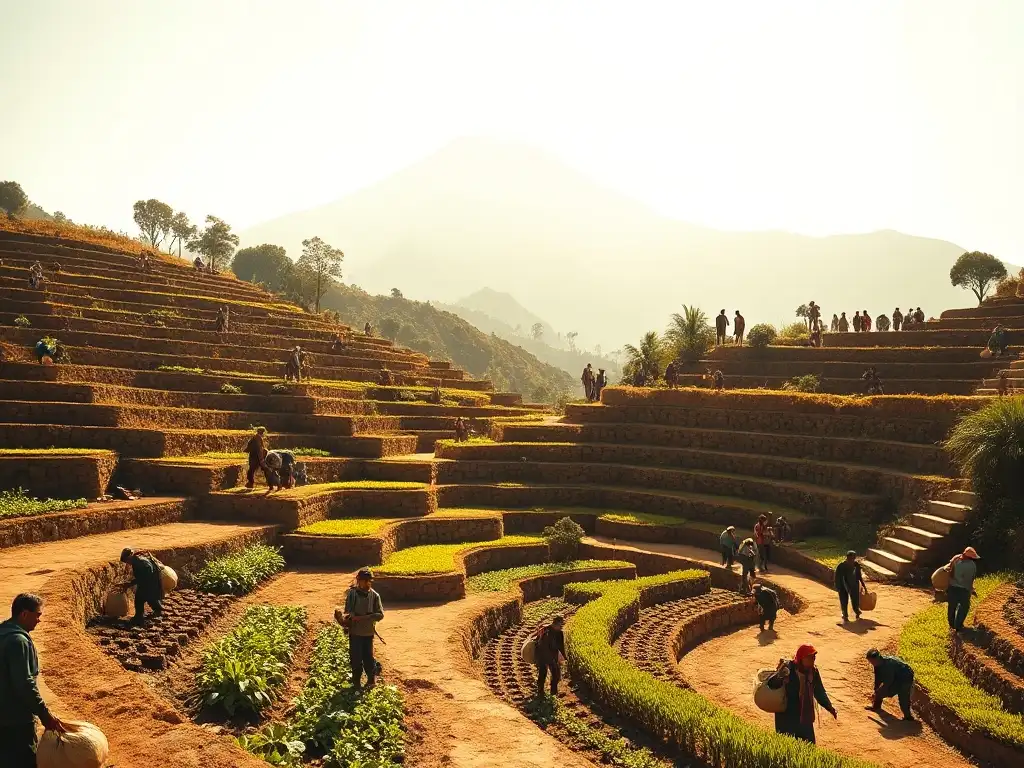
The Inca empire's vast infrastructure, agricultural productivity, and military strength were all underpinned by the mit'a system, a form of mandatory labor service. This wasn't simply forced labor; it was a crucial element of the Inca's sophisticated governance system, integrating the population into the empire's economic engine and fostering a sense of collective responsibility. Unlike other forms of forced labor found in other empires, mit'a wasn't solely exploitative. It provided a vital service to the empire and, in return, the state provided essential necessities to the laborers and their families.
The mit'a obligation varied depending on an individual's age, health, and skills. Able-bodied individuals between the ages of 15 and 50 were generally required to contribute. The duration of service also varied, ranging from a few weeks to several months annually. The tasks were diverse, encompassing everything from agricultural work in state-controlled lands to building roads, temples, and irrigation canals.
Highly skilled artisans were often assigned to work on intricate projects requiring specialized craftsmanship. This ensured the construction of impressive structures like Machu Picchu and the vast network of roads that linked the empire's far-flung regions. The system provided a level of social mobility, allowing individuals to acquire new skills and knowledge. Those who excelled in their mit'a service could gain prestige and better opportunities within their communities.
The efficiency of the mit'a system was further enhanced by the meticulous organization of the Inca bureaucracy. Officials carefully planned and allocated labor resources according to the needs of the empire. This ensured a steady supply of labor for crucial projects without disrupting agricultural production or other essential activities. The system was not without its flaws; abuse and exploitation certainly occurred, particularly in the later years of the empire.
However, its fundamental role in the Inca economy and its contribution to the empire's impressive achievements cannot be overstated. The mit'a system served as a powerful instrument of economic control and social integration, demonstrating the Inca's mastery in managing a large and diverse population. The system's success, for a considerable period, is a testament to the Inca's administrative prowess and ability to harness the collective strength of their subjects.
Inca Law and Justice System: Maintaining Order
The Inca empire, despite its vast size and diverse population, maintained a remarkably stable and orderly society. This was largely due to a sophisticated legal system, characterized by a hierarchical structure and a strong emphasis on communal responsibility. Inca law, while unwritten, was based on a complex set of customs, traditions, and rulings handed down by the Sapa Inca and his appointed officials.
Justice was dispensed through a network of courts, with local authorities handling minor disputes and higher courts dealing with more serious crimes. The system prioritized restorative justice, aiming to reconcile offenders with their victims and restore harmony within the community.
The Inca legal system was deeply integrated with the empire's religious beliefs and social structure. Religious leaders played a significant role in adjudicating disputes, often invoking supernatural sanctions to deter wrongdoing. The concept of ayllu, the extended family unit, was central to the administration of justice. Communities were responsible for maintaining order within their own ranks, and members were expected to report any crimes or infractions to the authorities.
This system of communal responsibility ensured that justice was not solely the prerogative of the state, but was shared by all members of society. While punishments could be severe for serious offenses, they generally aimed at restoring balance rather than simply inflicting retribution. This included fines, forced labor, exile, or, in extreme cases, the death penalty.
The effectiveness of the Inca justice system stemmed from the close relationship between law, religion, and community. It fostered a sense of social cohesion and collective responsibility, contributing to the overall stability of the empire. The absence of a formal written legal code did not hinder the system's ability to maintain order and resolve disputes effectively.
The emphasis on communal participation and restorative justice created a legal framework that was both efficient and adaptable to the diverse social structures within the empire. This system, while lacking the formal structure of modern legal systems, was remarkably successful in governing a large and complex society, highlighting the Inca's skill in developing institutions that reflected and reinforced their social values. The Inca justice system stands as a fascinating example of how a society could maintain order and resolve disputes without relying on a codified legal framework.
Inca Infrastructure and Its Role in Governance
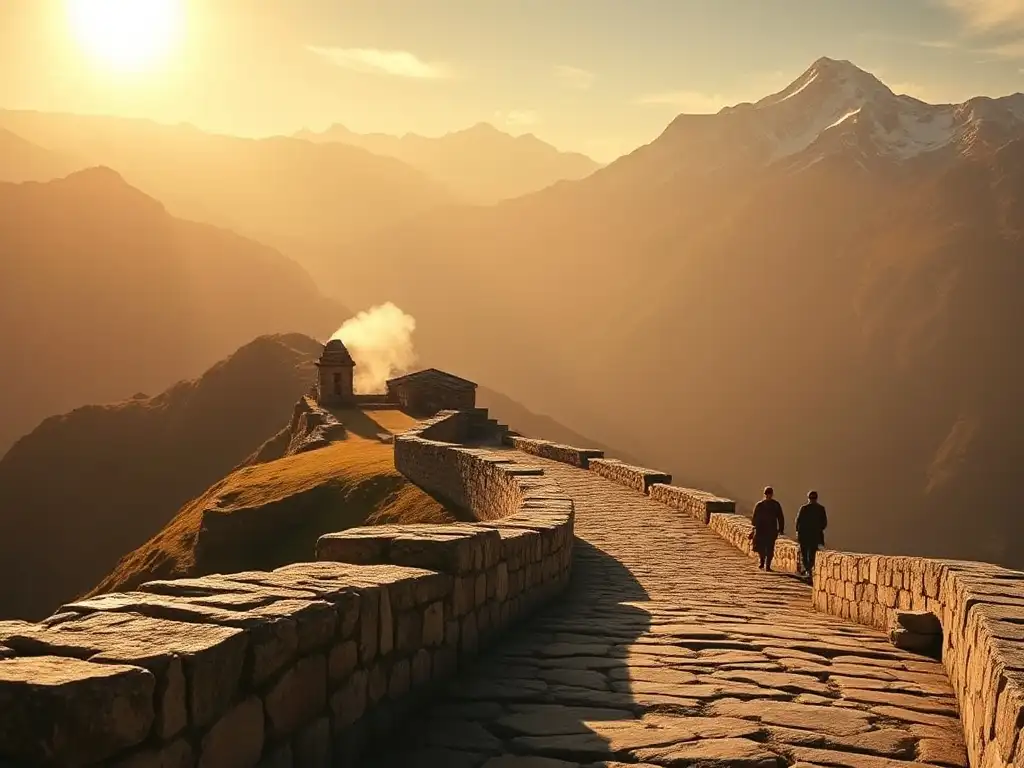
The Inca empire's success in governing its vast and diverse territory hinged significantly on its sophisticated infrastructure. This wasn't merely a matter of building impressive structures; the infrastructure itself was a crucial tool for maintaining control, facilitating communication, and ensuring the stability of the empire. The Inca governance system relied heavily on the efficient movement of people, goods, and information across the Andes, a feat made possible by their remarkable engineering prowess and organizational capabilities.
The sheer scale of their construction projects, coupled with their logistical achievements, speaks volumes about their administrative capabilities and centralized control. Understanding the Inca's infrastructure is key to understanding their highly effective governance system.
The Qhapaq Ñan: The Inca Road System and Communication
The Qhapaq Ñan, or Inca Road system, stands as a testament to Inca engineering and its crucial role in governance. This network of roads, spanning thousands of miles across treacherous Andean terrain, wasn't just a means of transportation; it served as the empire's communication artery. The roads connected distant provinces to the capital at Cusco, allowing for the rapid transmission of messages, the movement of troops, and the efficient distribution of resources.
The network included a system of chasquis, runners who relayed messages using a sophisticated system of relay stations strategically placed along the routes. These stations provided food, shelter, and fresh runners, ensuring that messages could travel incredible distances in remarkably short periods. The Qhapaq Ñan's impact on the Inca empire's governance is undeniable; it allowed for efficient communication, swift military response, and the timely movement of essential goods, ultimately contributing to the empire's stability and longevity.
The meticulous planning and construction of the Qhapaq Ñan, with its bridges, tunnels, and carefully graded paths, demonstrate the Inca's mastery of engineering and their dedication to maintaining a strong and unified empire. The system’s effectiveness can be seen in the speed with which the Inca government could respond to rebellions or natural disasters, showcasing the direct link between infrastructure and effective governance. Further research into the specific organization and maintenance of the chasquis system could provide even greater insight into the intricate workings of Inca governance.
Inca Storage Systems: Ensuring Food Security
Food security was paramount to the Inca empire's stability. The Inca governance system implemented a sophisticated system of qollqas, which were strategically located storehouses used to store surplus agricultural products. These weren't just simple storage facilities; they were carefully designed and constructed structures, often built into the landscape to take advantage of natural features like caves and rock formations.
The qollqas played a vital role in managing the empire's resources and ensuring food security for the entire population, especially during times of drought or other natural calamities. This system allowed the Inca to effectively manage the distribution of food, preventing widespread famine and maintaining social order. The qollqas acted as a buffer against economic hardship, minimizing social unrest and strengthening the empire's stability.
The precise capacity and distribution of these storehouses across the empire is still being researched, but their existence is clear evidence of the Inca's foresight and their focus on long-term stability through effective resource management. The careful planning and construction of these storage facilities, combined with their strategic placement, demonstrate the sophisticated nature of the Inca governance system and its concern for the well-being of its subjects. The effective management of food resources was a crucial element in maintaining the loyalty and support of the population, ultimately contributing to the empire's long reign.
Inca Engineering and Construction: Public Works and Control
The Inca's impressive engineering and construction feats weren't limited to roads and storehouses. They undertook massive public works projects, including irrigation systems, terraces, and monumental architecture, all of which served both practical and symbolic purposes within the Inca governance system. Irrigation systems, for example, allowed for increased agricultural productivity, supporting a larger population and strengthening the empire's economic base. Terraced farming on steep hillsides increased arable land, maximizing food production.
Monumental architecture, such as the impressive stonework at Machu Picchu and Sacsayhuamán, served not only as symbols of Inca power and authority but also as a testament to their advanced engineering skills and organizational capacity. These projects required a highly organized workforce and significant resources, demonstrating the centralized control and administrative capabilities of the Inca government. The construction of these public works provided employment, fostered community engagement, and reinforced the Inca's authority and legitimacy.
The scale and precision of these projects underscore the empire's sophisticated understanding of engineering principles and its ability to mobilize and manage vast human resources, further highlighting the effectiveness of their governance system. The Inca's ability to plan, execute, and maintain these projects on such a grand scale is a testament to their organizational prowess and the powerful influence of their centralized governance. Further analysis of the workforce organization and resource allocation for these projects would provide a deeper understanding of the Inca's administrative mechanisms.
The Use of Quipus: Record Keeping and Administration
The Inca Empire, lacking a written language in the conventional sense, relied heavily on a sophisticated system of knotted strings called quipus for record-keeping and administration. These weren't mere decorative items; they were complex data storage devices, crucial for managing the vast empire's resources and population. Each quipu consisted of a main cord with various colored strings attached, each with knots of varying sizes and placements. These knots represented numerical values, and the colors and arrangement of the strings likely conveyed additional information, potentially representing categories of data such as agricultural yields, population counts, or tax assessments. 1
The intricacies of quipu interpretation remain a subject of ongoing research, with ongoing debates about the exact nature of the information encoded. However, evidence suggests that quipus were used to record intricate details about the empire's economy. For example, researchers have found quipus documenting the distribution of goods and labor throughout the empire, demonstrating a sophisticated understanding of logistics and resource management. These records were essential for ensuring the smooth functioning of the mit'a, the Inca system of labor taxation, and for maintaining the empire's vast network of storehouses, known as qollqas.
The individuals responsible for creating and interpreting quipus, known as quipucamayocs, held positions of significant power and influence within Inca society. They were highly trained specialists who understood the complex system of knotting and color-coding, making them vital to the empire's administrative apparatus. Their expertise ensured the accurate recording and transmission of critical information, facilitating the effective governance of a vast and diverse population spread across a challenging terrain.
The precision and scale of the quipu system illustrate the advanced administrative capabilities of the Inca Empire, a testament to their ingenuity in the absence of a written alphabet. The loss of the quipu language after the Spanish conquest represents a significant loss for our understanding of Inca history and the complexities of their governance. Further research and decipherment are crucial to unlocking the secrets held within these intricate knotted strings.
1 While the exact methods of quipu interpretation are still under investigation, considerable progress has been made in understanding their basic numerical encoding and potential applications in record-keeping.
Methods of Inca Empire Expansion and Control
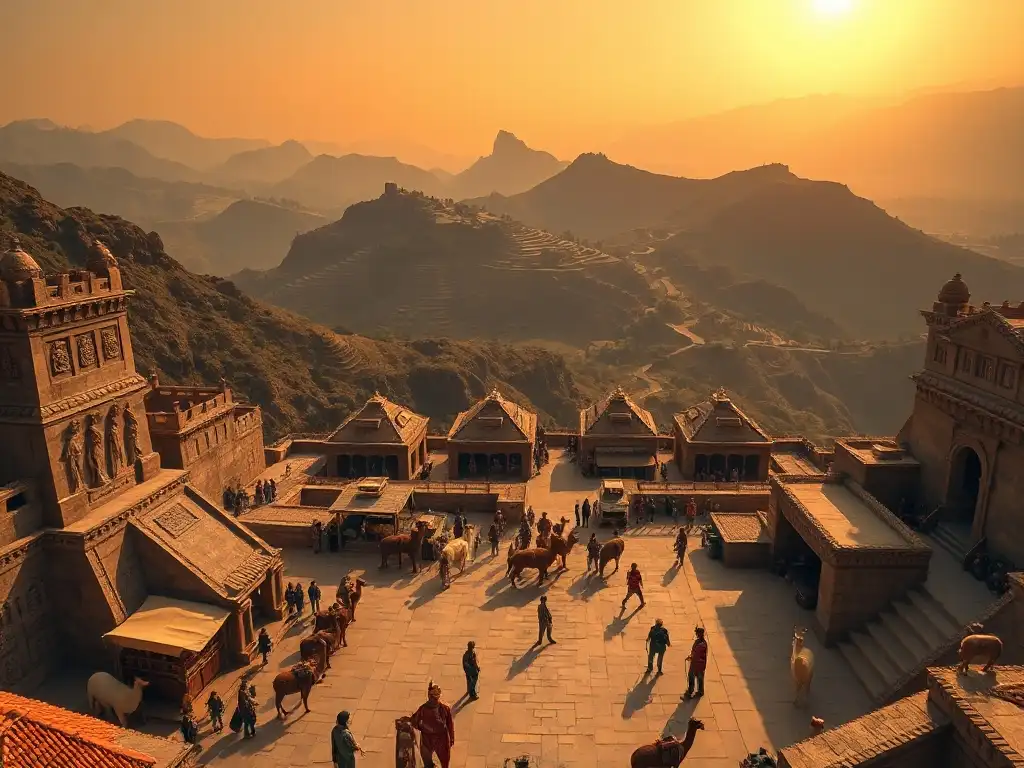
The Inca empire's governance system, a marvel of its time, wasn't solely built on military might. While conquest played a significant role, the Incas cleverly employed a multifaceted approach combining military prowess, shrewd diplomacy, and sophisticated strategies of resettlement and cultural integration to effectively govern their vast and diverse territory. Understanding these methods is key to appreciating the complexity and longevity of the Inca empire. The keyword, "Inca empire governance system," is intrinsically linked to these expansion and control mechanisms.
Inca Military Might and Conquest Strategies
The Inca army, a formidable force, was instrumental in the empire's expansion. Their military success wasn't simply a matter of brute strength; it was a result of carefully planned strategies and effective organization. The army consisted of highly disciplined soldiers, often drawn from conquered populations, who were trained in various fighting techniques.
These techniques included the use of slings, spears, clubs, and bolas – a type of weighted throwing rope. The Inca military also utilized sophisticated logistical systems ensuring troops were well-supplied during campaigns, even in challenging Andean terrain. The organization of the army was hierarchical, mirroring the empire's administrative structure, with commanders appointed by the Sapa Inca himself.
Their conquest strategies often involved a combination of swift, decisive attacks and prolonged sieges, tailored to the specific circumstances and defenses of each targeted community. The effectiveness of their military campaigns is evidenced by the vast territory they managed to bring under their control, stretching across diverse geographical regions and encompassing numerous ethnic groups. The Inca military wasn't just about conquest; it also served as a powerful tool for maintaining order and suppressing rebellions within the empire.
Inca Diplomacy and Alliances with Conquered Peoples
Conquest alone couldn't sustain the Inca empire. The Incas understood the importance of diplomacy and forging alliances with conquered peoples. While military force was used to subdue resistance, the Incas also employed sophisticated strategies to integrate conquered communities into the empire peacefully.
This involved offering incentives like access to resources, protection from external threats, and participation in the empire's impressive infrastructure projects. The Inca leadership often strategically married into the ruling families of conquered groups, strengthening political ties and fostering a sense of shared identity. This approach reduced the likelihood of rebellion and helped maintain social stability across the vast empire.
The Incas also skillfully manipulated existing power structures within conquered regions, co-opting local elites and incorporating their knowledge and skills into the imperial administration. This pragmatic approach minimized resistance and ensured smoother integration of conquered territories into the Inca empire governance system. This blend of force and diplomacy demonstrates the Inca's sophisticated understanding of political strategy and control.
The Inca System of Resettlement and Cultural Integration
A crucial element of the Inca empire governance system was its sophisticated system of resettlement and cultural integration. The Incas frequently relocated populations, often moving entire communities to different parts of the empire. This practice served multiple purposes. It helped to consolidate power by dispersing potential rebellions, preventing the concentration of dissident groups.
It also facilitated the spread of Inca culture and customs across the empire, promoting a degree of homogeneity. Furthermore, resettlement was used to populate newly conquered areas and to provide labor for large-scale infrastructure projects like roads and irrigation systems. This wasn't a forced displacement in all cases; sometimes communities were offered incentives to relocate, such as access to better resources or more favorable living conditions. Importantly, the Incas weren't aiming for complete cultural assimilation.
Instead, they followed a policy of selective integration, incorporating aspects of local cultures while promoting Inca dominance. This balanced approach allowed for the peaceful coexistence of diverse cultural practices within the empire, contributing to the empire's stability and longevity. The ingenuity of this resettlement system highlights the Inca's sophisticated understanding of population management and its crucial role within their overall governance strategy. The impact of this system is still visible today in the distribution of certain ethnic groups across the Andes.
Maintaining Control Over Diverse Populations
The Inca Empire's success wasn't solely reliant on military might; effective governance over a vast and diverse population was crucial. The Inca faced the significant challenge of integrating numerous ethnic groups, each with its own language, customs, and beliefs, into a unified empire. This required a sophisticated approach that went beyond simple subjugation. The empire employed a multifaceted strategy combining political shrewdness, economic incentives, and carefully constructed social structures.
One key element was the strategic placement of Inca officials and colonists throughout the empire. These individuals, often drawn from the Inca nobility or loyal subject populations, acted as intermediaries, facilitating communication and enforcing imperial policies. They weren't merely administrators; they were also responsible for monitoring local affairs, identifying potential unrest, and reporting back to the central government in Cusco. This system allowed for rapid response to any challenges to imperial authority. The presence of Inca representatives served as a constant reminder of the empire's power and reach.
Furthermore, the Inca utilized a system of mita, a form of obligatory labor service. While often viewed negatively, the mita system served a dual purpose. It provided the empire with a readily available workforce for large-scale projects such as road construction, agriculture, and mining. Simultaneously, it integrated different ethnic groups into the imperial economy, fostering a sense of shared purpose and interdependence.
By participating in these collective endeavors, individuals from diverse backgrounds developed a shared identity and a stake in the empire’s success. The system, however, required careful management to avoid exploitation and maintain social harmony. Evidence suggests that the mita system was far from uniform and its implementation varied across different regions and communities depending on local conditions.
The Inca also employed a sophisticated system of communication, utilizing a network of relay runners (chasquis) to transmit messages across the vast empire. This rapid communication system enabled the central government to swiftly respond to crises, maintain order, and coordinate economic activities. The speed and efficiency of this system were crucial in suppressing rebellions and ensuring the timely distribution of resources.
The chasquis weren't just messengers; they were integral to the effective governance of such a large and geographically diverse empire. The speed at which news could travel was a significant factor in the empire's ability to maintain control and prevent widespread uprisings.
Finally, the Inca cleverly used religious ideology to bolster their authority. The Inca religion emphasized the divine right of the Sapa Inca, the emperor, strengthening his position as the supreme ruler. Religious festivals and ceremonies served to reinforce the legitimacy of imperial rule and fostered a sense of collective identity within the empire.
By linking their power to the spiritual realm, the Inca rulers ensured that their authority was not only political but also profoundly religious and deeply ingrained in the lives of their subjects. This potent combination of political control and religious belief was a crucial factor in the empire's longevity and overall success in managing its diverse population.
The Legacy and Impact of the Inca Governance System
The Inca empire governance system, a marvel of its time, left an indelible mark on the history of South America and continues to fascinate scholars and historians today. Its sophisticated organization, spanning vast distances and diverse populations, offers valuable insights into effective governance and societal management. Understanding its legacy requires examining its influence on subsequent societies, the lessons learned from its administrative efficiency, and the enduring impact of its impressive infrastructure.
The very concept of a centralized, highly organized empire in the Andes region fundamentally reshaped the political and social landscape, leaving its imprint on the region for centuries after its fall. The Inca's success wasn't solely based on military might; it was built on a robust and adaptable system of governance that continues to be studied and analyzed. The keyword "Inca empire governance system" perfectly encapsulates this complex and fascinating subject.
Influence of Inca Political Ideas on Later Societies
The Inca empire's political structures and administrative practices significantly influenced subsequent Andean societies and even impacted the governance models of the Spanish colonial administration. The concept of a unified empire, with a clear hierarchy and centralized authority, was novel in the Andes before the Inca. While the Spanish colonial regime ultimately replaced the Inca system, certain aspects of Inca organization, such as the use of mit'a (labor tribute) albeit in a drastically altered and exploitative form, were adapted and repurposed by the Spanish.
The curacazgos, pre-existing local power structures, were integrated into the colonial system, demonstrating a degree of continuity and adaptation. Even today, some aspects of Andean community organization and resource management reflect the enduring legacy of Inca principles, demonstrating the resilience and adaptability of these ideas.
The Inca's emphasis on collective responsibility and community well-being, though often distorted by later regimes, continues to resonate in many Andean cultures. Further research is needed to fully quantify the direct and indirect influence on later governance models; however, the evidence points towards a significant and lasting impact.
Lessons from the Inca Empire's Administrative Efficiency
The Inca empire's administrative efficiency was remarkable for its time. Their sophisticated system of record-keeping, using quipus (knotted cords) for census data and resource management, allowed for effective resource allocation and taxation. This detailed record-keeping, while not fully deciphered today, demonstrates a high level of organizational skill and planning.
The network of roads, strategically placed storehouses ( qollqas), and relay runners ensured swift communication and efficient distribution of goods across the vast empire. These systems allowed the Inca to manage a diverse population effectively, minimizing conflict and ensuring relative stability. Modern governance systems can learn from the Inca’s emphasis on clear communication channels, efficient logistics, and detailed record-keeping.
The Inca system, while undeniably authoritarian, highlights the importance of centralized coordination for large-scale projects and effective resource management. A comparative study with modern governance systems in terms of efficiency and resource allocation could reveal further insights into the strengths and weaknesses of the Inca model.
The Enduring Impact of Inca Infrastructure
The Inca's engineering prowess is evident in the extensive network of roads, bridges, and irrigation systems that remain visible today. This infrastructure not only facilitated trade and communication but also played a crucial role in the empire's stability and longevity. The sophisticated road system, connecting distant regions, allowed for the rapid movement of troops and the efficient distribution of resources. The impressive stonework, often precisely fitted without mortar, showcases a mastery of engineering and construction techniques.
The impact of this infrastructure is still felt today, with many Inca roads forming the basis for modern transportation networks. The enduring nature of their construction speaks to the quality of materials and workmanship. Furthermore, the Inca's focus on sustainable practices, such as terrace farming, highlights their understanding of environmental management.
The study of Inca infrastructure provides valuable lessons in sustainable construction, resource management, and the long-term benefits of investing in robust infrastructure. The sheer scale and longevity of their achievements continue to inspire awe and admiration. Further analysis could focus on comparing Inca construction techniques with modern engineering principles, highlighting both similarities and differences.
The Spanish Conquest and the Fall of the Inca Empire
The Spanish conquest, beginning in the early 16th century, dramatically altered and ultimately ended the Inca empire's sophisticated governance system. The arrival of Francisco Pizarro and his conquistadors wasn't simply a military invasion; it was a targeted assault on the Inca's political and social structures.
The Inca's centralized authority, while effective in managing a vast territory, proved vulnerable to internal divisions and external forces exploiting those weaknesses. The initial advantage held by the Inca, in terms of manpower and resources, was gradually eroded by superior weaponry, disease (most notably smallpox), and the exploitation of existing rivalries among different Inca factions.
The Inca's reliance on a highly structured, top-down system, while efficient for resource management and infrastructure projects, became a liability. The death of Huayna Capac and the subsequent civil war between his sons, Huáscar and Atahualpa, severely weakened the empire's cohesion. This internal conflict significantly hampered the Inca's ability to mount a unified defense against the Spanish, allowing Pizarro and his relatively small force to achieve disproportionate success. The capture and execution of Atahualpa in 1533 effectively decapitated the Inca leadership, leaving the empire in chaos and ripe for conquest.
The Spanish conquest wasn't just a military victory; it was a systematic dismantling of the Inca governance system. The mita system, a form of mandatory labor crucial to Inca infrastructure projects, was repurposed by the Spanish to extract wealth from the conquered population, often under brutal conditions. The Inca's intricate network of roads and tambos (roadside inns), essential for communication and trade, were maintained but used primarily to serve Spanish interests.
The Spanish replaced the Inca's administrative structure with their own colonial bureaucracy, imposing a new system of governance that prioritized the extraction of resources and the subjugation of the indigenous population. The legacy of this conquest continues to shape the political and social landscape of the Andean region today.
The fall of the Inca Empire serves as a stark reminder of the fragility of even the most robust governance systems when faced with internal strife and external pressures. The sophisticated organization that characterized Inca rule was ultimately unable to withstand the combined forces of internal conflict and a technologically superior invading force.
Frequently Asked Questions
What was the key to the Inca Empire's success in governing such a vast territory?
The Inca Empire's success stemmed from its efficient administrative system, extensive road network, and effective communication strategies, which allowed for centralized control and the swift movement of resources and information.
How did the Inca Empire maintain control over its diverse population?
The Incas employed a strategy of integration and assimilation, incorporating conquered peoples into their empire through political alliances, religious practices, and economic policies. They also strategically relocated populations to foster loyalty and prevent rebellion.
What role did the Sapa Inca play in the Inca governance system?
The Sapa Inca was the supreme ruler, considered a divine figure, holding absolute power. He oversaw all aspects of governance, from religious ceremonies to military campaigns and infrastructure projects.
How did the Inca Empire organize its provinces and manage its resources?
The empire was divided into four administrative provinces, each overseen by a governor. A system of mita (labor tribute) and storehouses ensured the efficient distribution of resources and the completion of large-scale projects.
What was the impact of the Inca system of governance on its people?
While the system provided stability and prosperity for many, it also involved strict social hierarchy and demanding labor obligations. The extent of its impact varied significantly across different regions and social groups.
Final Reflection: Echoes of the Inca Empire in Modern Governance
The Inca's sophisticated system of governance, with its intricate network of roads, efficient bureaucracy, and emphasis on community, offers invaluable lessons for modern societies grappling with issues of infrastructure, resource management, and social equity. The challenges of managing vast populations and diverse landscapes remain strikingly similar, highlighting the enduring relevance of studying past civilizations.
The Inca's commitment to ayni, reciprocal labor, resonates deeply with contemporary discussions surrounding social responsibility and collaborative problem-solving. Their ability to unify a diverse empire through a shared identity and infrastructure is a testament to the power of effective leadership and inclusive policies. The Inca Empire was not built on conquest alone, but on a complex system of cooperation and mutual benefit.
This quote underscores the importance of understanding the nuanced interplay between power, community, and effective governance, a lesson that continues to shape our understanding of political systems today.
Consider the intricate web of roads that connected the Inca Empire – a feat of engineering that facilitated communication, trade, and the efficient distribution of resources. How can we, in our own time, build similar networks of connection and collaboration to address the challenges of our interconnected world?
You, the reader, are now challenged to reflect on the parallels between Inca governance and contemporary challenges, and to consider how the principles of inclusivity, resource management, and community engagement can be applied in your own sphere of influence. Let the legacy of the Inca inspire you to build a more just and sustainable future.
Unveil the Secrets of Inca Governance!
Thank you for exploring the fascinating world of Inca governance! Understanding this sophisticated system not only enhances your knowledge of Andean civilizations but also offers valuable insights into the complexities of leadership and community management throughout history. Let's delve deeper into this intriguing topic.
Here are some ways to further explore and engage with Inca governance:
- Deepen your understanding: Explore additional resources on Andean civilizations to broaden your perspective on their cultural context. Consider researching specific aspects such as their agricultural techniques, religious beliefs, or social structures to gain a more complete picture.
- Join the discussion: Share your thoughts and insights on Inca governance in our forums. How do you think their innovative approaches to community organization and resource management compare to modern governance models? What lessons can we learn from their successes and challenges?
- Share your discoveries: Recommend this article to friends and family who are interested in ancient cultures and the history of South America.
What aspect of Inca governance intrigues you most, and how might its principles inspire contemporary leadership practices?