
The Role of Women in Inca Society: Beyond the Expected

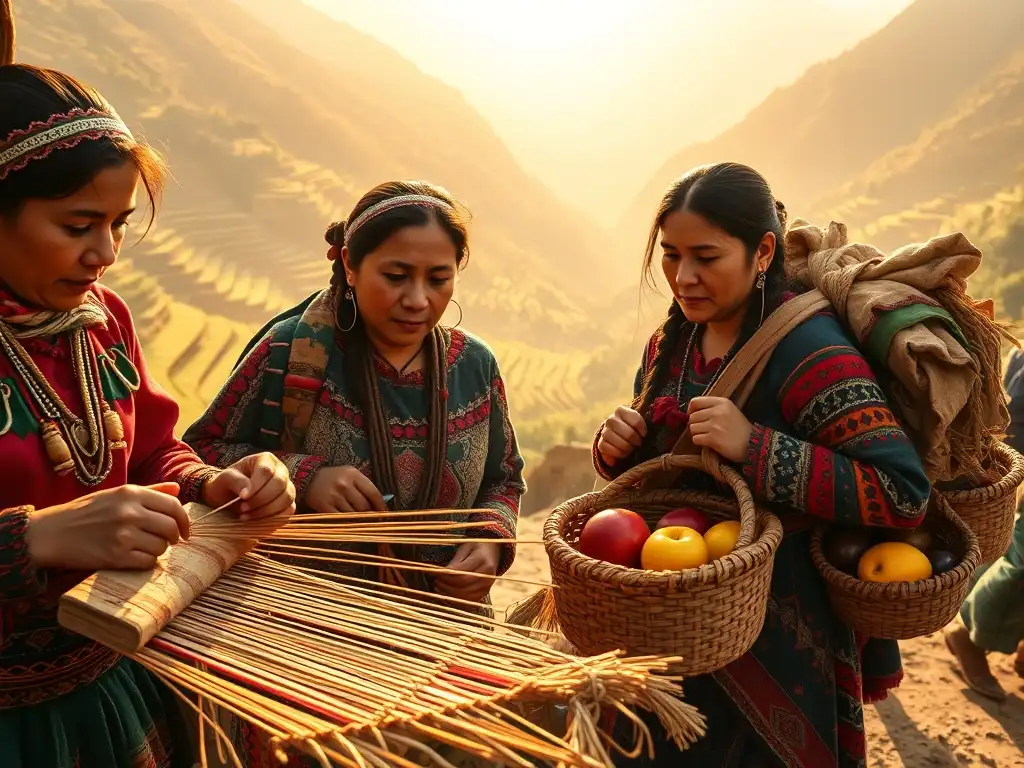
Uncover the secrets of a lost world, where the mountains whispered tales of empires and innovation. Prepare to challenge your assumptions about the Andean Civilizations, as we delve into the fascinating lives of the Inca. Their society, a complex tapestry of power and tradition, held surprising roles for women – roles far beyond what history books often portray. Discover the untold story of Inca women societal roles and witness the strength and influence they wielded in this remarkable civilization. Dare to explore…
The Inca Empire, a civilization that flourished in the Andes Mountains for centuries, is often depicted through a lens that focuses primarily on the achievements and power structures of Inca men. However, a deeper examination reveals a far more nuanced reality, where Inca women held significant roles and responsibilities, often exceeding the limited portrayals found in many historical accounts.
This article delves into the multifaceted lives of Inca women, exploring their contributions to the economy, social structure, religion, and even political life, challenging preconceived notions and highlighting the crucial, yet often overlooked, contributions of these remarkable individuals to the empire's success. We will explore the intricacies of their societal roles, moving beyond the simplistic narratives and uncovering the rich tapestry of their lives within the Inca world.
Understanding the role of Inca women provides a more complete and accurate understanding of the Inca civilization as a whole, moving beyond the traditionally male-centric perspectives. This exploration of "Inca women societal roles" will reveal a vibrant and complex picture of women's lives within this fascinating empire.
Economic Contributions of Inca Women
Inca women were not merely homemakers; they were active participants in the empire's robust economy. Their roles extended far beyond domestic duties, encompassing crucial agricultural practices, textile production, and even specialized crafts. Women were responsible for cultivating crops like potatoes, maize, and quinoa, vital staples of the Inca diet. Their agricultural expertise was essential to the empire's food security, ensuring the sustenance of its vast population.
Furthermore, women were highly skilled in textile production, creating intricate textiles for clothing, ceremonial purposes, and trade. The quality and artistry of their work were renowned, contributing significantly to the empire's economic prosperity. Beyond agriculture and textiles, women also engaged in other crafts, such as pottery and metalworking, further demonstrating their economic importance. The economic contributions of Inca women were fundamental to the empire's stability and success, a fact often underestimated in traditional historical narratives.
While the Inca social structure was hierarchical, Inca women enjoyed a level of social standing that varied depending on their lineage and marital status. Women from noble families held positions of influence within their communities, often acting as advisors or playing key roles in religious ceremonies. Marriage played a significant role in their social standing, with unions often strategically arranged to strengthen alliances or consolidate power. However, even women from commoner families held respected positions within their communities, contributing significantly to the social fabric of Inca society.
Within the family unit, women were responsible for raising children, managing households, and maintaining the social harmony of their families. Their roles were essential to the social cohesion and stability of Inca society at all levels. The family structure, heavily reliant on the women’s roles and responsibilities, served as a cornerstone of Inca society.
Religious Practices and Roles
Inca religion played a central role in daily life, and women were deeply involved in its various aspects. While the priesthood was predominantly male, women served as priestesses in certain contexts, particularly those associated with fertility and earth worship. They participated in religious ceremonies, rituals, and festivals, often playing crucial roles in maintaining the spiritual well-being of their communities.
Many women were also skilled healers, utilizing traditional medicinal knowledge to treat illnesses and injuries. Their knowledge of herbal remedies and healing practices was highly valued, demonstrating the significant role they played in the spiritual and physical health of the Inca people. The integration of women in religious practices highlights their importance in the spiritual life of the Inca Empire and their deep connection to the Andean worldview.
Political Influence and Power
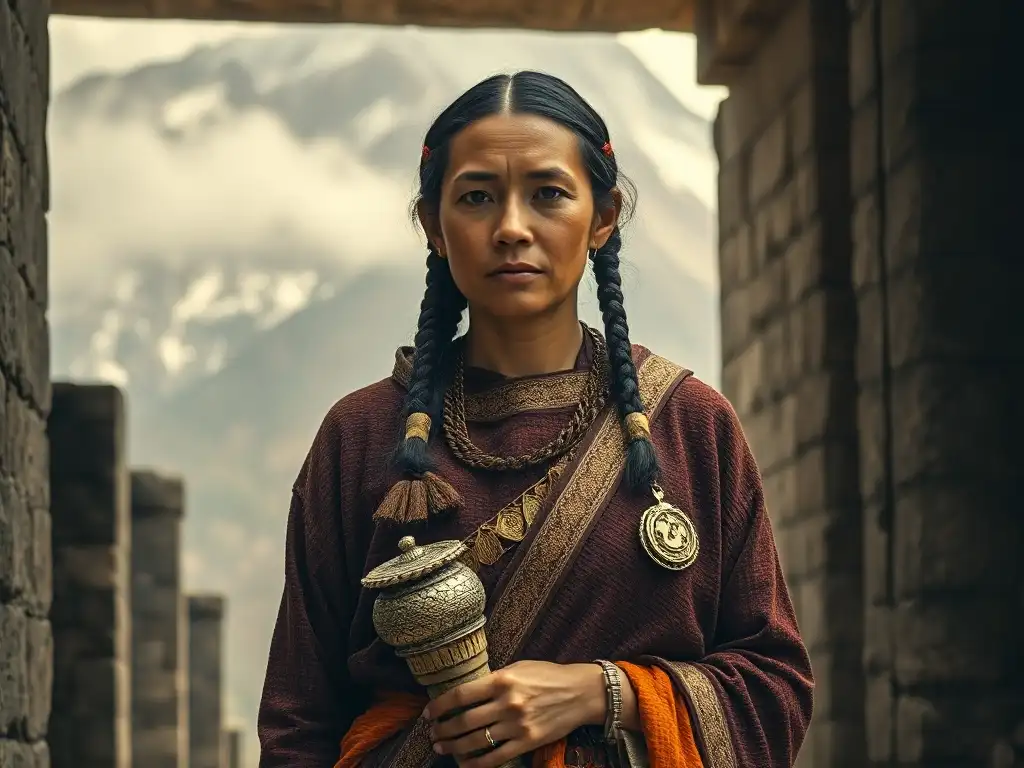
While the Inca political system was predominantly patriarchal, evidence suggests that Inca women held some degree of political influence, particularly within their families and local communities. Women from noble lineages often advised their male relatives on political matters, wielding indirect power through their counsel and influence. Although they rarely held formal political offices, their opinions and perspectives were valued, and their roles extended beyond the domestic sphere.
Furthermore, the influence of powerful female figures within the royal family cannot be ignored, suggesting a more complex dynamic of power than typically portrayed. While their political power was less direct than that of men, the indirect influence of Inca women was undeniably significant in shaping the political landscape of the empire. Further research is needed to fully understand the extent of this influence.
Beyond the Stereotypes: A Re-evaluation
The traditional depiction of Inca women as solely domestic figures is a significant oversimplification. The evidence presented here highlights the diverse and essential roles they played in all facets of Inca life. From their economic contributions to their social status, religious practices, and even political influence, Inca women were integral to the empire's success and cultural richness.
A reassessment of their societal roles is crucial for a more complete and accurate understanding of the Inca civilization, challenging the long-held stereotypes and providing a more nuanced and equitable portrayal of their vital contributions. The study of "Inca women societal roles" requires ongoing research and a critical examination of historical narratives, moving towards a more inclusive and accurate representation of this influential group within the Inca Empire.
- Economic Contributions of Inca Women
- Social Status and Family Life
- Religious Practices and Roles
- Political Influence and Power
- Beyond the Stereotypes: A Re-evaluation
Inca society, while patriarchal in structure, afforded women a level of influence and agency often overlooked in traditional narratives focusing solely on the emperor and male elites. Understanding the role of Inca women requires moving beyond simplistic generalizations and examining the nuanced complexities of their social standing.
The hierarchical structure of Inca society, while placing men in positions of formal political power, did not entirely exclude women from significant roles within their communities and families. This section will explore the ways in which Inca women navigated this social landscape and the varying degrees of influence they wielded based on their social standing.
Inca society was rigorously stratified, with the emperor at the apex, followed by the nobility (royal family, high priests, and military leaders), and then the commoners. Women's social standing mirrored this structure. While women of the royal family enjoyed considerable privilege and influence, acting as political advisors and holding significant religious roles, the social standing of commoner women varied according to their family's standing within their ayllu (community).
Even within the commoner class, however, women held vital positions, particularly in areas relating to agriculture, textile production, and domestic management. Their contributions were essential to the functioning of the empire, though their influence might not have been reflected in formal political power structures.
[Specific examples of royal women’s influence pending - further research needed on specific roles and documented actions]. The presence of female mummies in elite tombs alongside male counterparts suggests a level of status and respect afforded to women within the higher echelons of society, contrasting with the commonly held belief that Inca women were solely relegated to domestic roles.
Kinship Ties and Clan Affiliations
Kinship and clan affiliations were central to Inca social organization. Women's roles were deeply intertwined with these structures. Inheritance practices, while favoring male heirs in some cases, also recognized women's rights to land and property, particularly within their maternal lineage. This suggests a system that, while patriarchal, wasn't entirely devoid of mechanisms for protecting women's economic interests.
The ayllu, the core social and economic unit, was structured around kinship ties, both paternal and maternal. Women played a crucial role in maintaining these bonds, passing down traditions, knowledge, and skills within their families and clans. Their influence within the ayllu was often indirect but significant, shaping social dynamics and community cohesion. The strength of these family and clan affiliations provided a degree of social security and support for women, albeit one often contingent upon their family's status.
Women's Roles within Ayllus: Community Contributions
The ayllu relied heavily on the contributions of women. While men were predominantly involved in agriculture on a larger scale and military service, women played a crucial role in food processing, textile production, and childcare. Their work in weaving and spinning was highly valued, producing textiles of exceptional quality for both domestic use and tribute to the state.
This economic contribution was not insignificant, as textiles were a significant element of the Inca economy and served as a form of currency and trade. Furthermore, women were involved in managing household finances and resources, contributing significantly to the economic well-being of their families and the ayllu as a whole. Their roles in food preservation and preparation ensured food security for the community, a vital function in a society that relied heavily on agriculture.
The importance of women's contributions to the ayllu's subsistence and social fabric cannot be overstated. Their involvement went beyond domestic tasks; they were active participants in the community's economic and social life, even if their roles were not always formally recognized in the same way as men's. This active participation, however, underscores the crucial role Inca women played in maintaining the Inca Empire's social and economic stability.
Domestic Roles and Daily Life of Inca Women
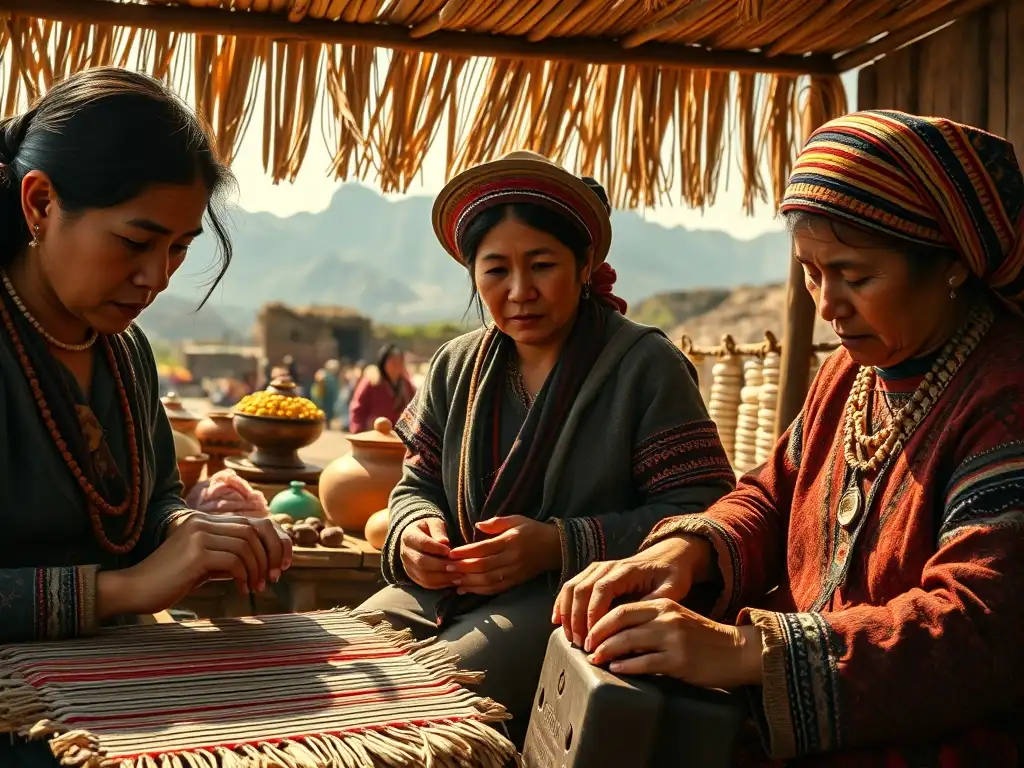
This section delves into the multifaceted domestic lives of Inca women, moving beyond the often-simplified narratives to reveal the complexity and significance of their contributions to Inca society. While often overlooked in broader historical accounts, understanding their daily routines illuminates the intricate workings of the Inca Empire. The roles of Inca women were not simply confined to the home; their activities were integral to the economic and social fabric of their communities.
We will explore their diverse responsibilities, highlighting the crucial role they played in household management, textile production, and food security. The term "Inca women societal roles" itself undersells the depth and breadth of their influence.
Household Management and Child Rearing
Inca women were responsible for the meticulous management of their households. This encompassed a wide range of tasks, from maintaining cleanliness and order to overseeing the distribution of resources within the family unit. Child-rearing was a central aspect of this responsibility, with women playing a crucial role in educating and nurturing the next generation.
This education extended beyond basic survival skills; it included the transmission of cultural knowledge, traditions, and values. The training of young girls, in particular, focused on developing the skills essential for their future roles as wives, mothers, and contributors to the community. Anthropological studies suggest that family structures were generally patriarchal, yet women held significant decision-making power within the domestic sphere.
They managed household budgets, allocated resources, and often played a mediating role in family conflicts. Evidence from archaeological digs, such as the careful arrangement of domestic artifacts and the presence of specialized tools associated with childcare, supports this understanding of their crucial role.
Textile Weaving: A Primary Skill and Art Form
Textile weaving was not merely a domestic chore; it was a highly skilled art form and a crucial economic activity for Inca women. They were responsible for producing a wide range of textiles, from everyday clothing to elaborate ceremonial garments and tapestries. The intricate designs and techniques employed reflected their artistic talent and deep understanding of Andean traditions.
The quality and artistry of Inca textiles were renowned throughout the empire. Different types of fibers, including cotton, wool from llamas and alpacas, and even vicuña, were used to create textiles of varying textures and qualities. The process involved complex techniques such as spinning, dyeing, and weaving, often using backstrap looms.
The vibrant colors and intricate patterns of Inca textiles served not only as practical clothing but also as a powerful form of visual communication, conveying social status, family lineage, and religious beliefs. The mastery of these skills was passed down through generations, ensuring the continuity of this vital aspect of Inca culture. Archaeological finds consistently reveal the sophistication of Inca textile production, showcasing the expertise and dedication of the women involved.
Food Preparation and Family Sustenance
Inca women played a central role in ensuring the food security of their families and communities. They were responsible for the preparation of food, using a variety of techniques and ingredients. This included cultivating and processing agricultural products, such as potatoes, maize, and quinoa, as well as raising livestock like llamas and alpacas.
The preservation of food was also a crucial aspect of their work, employing techniques such as drying, freezing, and fermentation to ensure a year-round supply. Their knowledge of medicinal plants and their use in food preparation further highlight their significant contribution to the health and well-being of their families. The organization of food storage and distribution within the household was also under their purview, underscoring their role as skilled managers of household resources.
Understanding the intricacies of Inca food preparation and preservation techniques provides valuable insights into the ingenuity and resourcefulness of Inca women in managing essential aspects of daily life within the empire. Their contributions were fundamental to the sustenance and stability of Inca society.
Economic Contributions of Inca Women
Inca women played a vital role in the empire's economy, far exceeding the often-simplified narratives that focus solely on domestic duties. Their contributions spanned agriculture, craft production, and even participation in resource distribution, forming a crucial pillar of the Inca's economic strength and social stability. Understanding the full extent of their economic influence is key to grasping the complexity of Inca society and dispelling misconceptions about the limitations placed upon Inca women.
Their economic power was intertwined with their social standing, demonstrating a far more nuanced picture than previously acknowledged in many historical accounts. The keyword "Inca women societal roles" is central to understanding this multifaceted contribution.
Agricultural Labor and Crop Cultivation
Inca agriculture, renowned for its ingenuity and productivity, relied heavily on the labor of women. While men often handled tasks requiring greater physical strength, such as terracing mountainsides or managing irrigation systems, women were actively involved in crucial aspects of crop cultivation. They participated in planting, weeding, harvesting, and processing crops like potatoes, maize, quinoa, and beans – staples of the Inca diet and economy.
This wasn't simply supplementary work; archaeological evidence suggests a significant division of labor where women managed specific plots and were responsible for the yield from those areas. The ayllu system, the Inca's community-based organization, likely facilitated this division, assigning responsibilities based on skill and experience, with women holding key positions in agricultural production.
Their expertise in cultivating and preserving crops was essential to the empire's food security and overall economic prosperity. The efficiency of Inca agricultural practices is directly linked to the significant contributions of Inca women.
Craft Production: Pottery, Jewelry, and Weaving
Beyond agriculture, Inca women excelled in various craft production sectors, contributing significantly to the empire's economic output and trade. Pottery, jewelry, and weaving were particularly important areas where their skills were highly valued. Women were responsible for creating a wide range of pottery items, from everyday household utensils to elaborate ceremonial vessels. The quality and artistry of Inca pottery, often adorned with intricate designs and vibrant colors, demonstrate the high level of skill and expertise among female artisans.
Similarly, women played a key role in the production of jewelry, using precious metals and stones to craft ornaments for both everyday use and religious ceremonies. Perhaps most significantly, weaving was predominantly a female domain. Women wove textiles of exceptional quality, using techniques passed down through generations to create clothing, tapestries, and ceremonial items.
These textiles served not only practical purposes but also held significant cultural and symbolic value, indicating the high esteem in which the skills of female weavers were held within Inca society. The intricate designs and durability of these textiles are testament to their mastery. The economic value of these crafts is often overlooked when discussing Inca women's roles.
Economic Participation and Resource Distribution
The economic activities of Inca women extended beyond direct production. They participated in local markets and trade networks, exchanging goods and services within their communities and beyond. While the extent of their individual participation in long-distance trade remains a subject of ongoing research, evidence suggests that women played a significant role in the distribution of resources within the ayllu system.
This involved managing the storage and allocation of food and other essential goods, ensuring the community's welfare. Their involvement in resource management demonstrates a level of economic power and influence often unseen in other historical contexts. The Inca women societal roles were far-reaching, impacting both production and distribution systems.
Further research is needed to fully understand the complexities of their economic participation and influence within the broader Inca economic system, challenging traditional assumptions about their limited roles within the empire. The importance of their economic contribution to the empire's overall success cannot be overstated.
Religious and Spiritual Roles of Inca Women
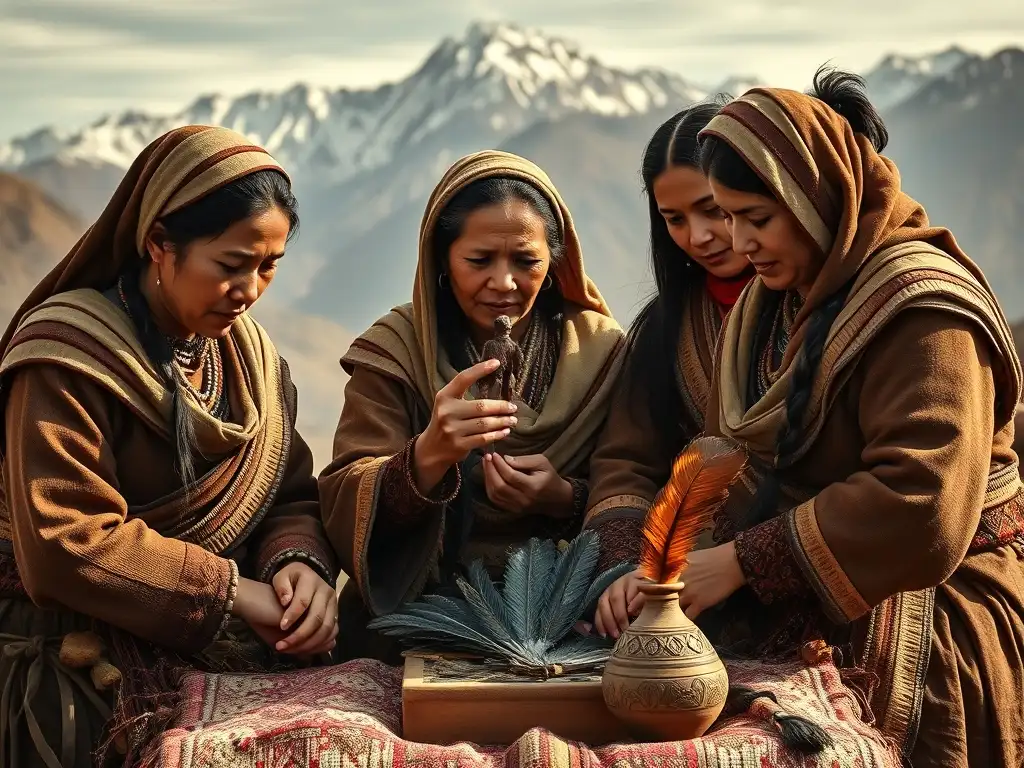
Inca society, often perceived through a lens focused on male rulers and warriors, reveals a complex reality when examining the significant roles women played in the religious and spiritual life of the empire. Far from being mere homemakers, Inca women held positions of power and influence within the religious sphere, participating actively in rituals, ceremonies, and the maintenance of sacred spaces.
Understanding their contributions requires moving beyond simplistic narratives and delving into the intricate tapestry of Inca spirituality. The keyword phrase "Inca women societal roles" is directly addressed here by highlighting a crucial, often overlooked, aspect of their societal influence.
Priestesses and Chosen Women: Acllas
The acllas, or "chosen women," formed a crucial element of the Inca religious system. These women, selected from across the empire for their beauty, intelligence, and virtue, were dedicated to the service of the Sun God, Inti, and other deities. They weren't simply sequestered in convents; their roles were multifaceted and vital.
Some acllas served as priestesses, conducting rituals, interpreting omens, and maintaining temples. Others dedicated their lives to weaving fine textiles, creating intricate pottery, and brewing chicha, a sacred fermented corn beverage used in religious ceremonies. Their skills and crafts were considered sacred, contributing directly to the religious and ceremonial life of the Inca empire.
The quality of their work, often imbued with symbolic meaning, reflected the reverence held for the religious sphere and highlighted the sophisticated level of craftsmanship within the acllahuasi (houses of the chosen women). The selection process itself was rigorous, emphasizing the importance of purity and spiritual aptitude, showcasing the value placed on these women's contributions to the Inca worldview.
Women's Participation in Rituals and Offerings
Beyond the acllas, women from all social strata participated in various rituals and offerings throughout the Inca calendar. Evidence suggests women played active roles in agricultural ceremonies, praying for bountiful harvests and offering thanks to the earth deities. They were involved in festivals celebrating the sun, moon, and stars, contributing to the vibrant tapestry of Inca religious practices.
Their involvement wasn't merely passive; they actively participated in processions, chanting, and the presentation of offerings, demonstrating their deep connection to the spiritual life of the community. This active participation underscores the integrated nature of women's roles within Inca society, demonstrating their essential contribution to maintaining social harmony and religious balance. Specific details regarding the nature of these offerings and the roles women played in particular ceremonies are still being researched, but available archaeological evidence and textual accounts paint a picture of significant female involvement.
Mama Quilla: The Moon Goddess and Her Significance
Mama Quilla, the Moon Goddess, held a prominent position in the Inca pantheon, representing fertility, femininity, and the cyclical nature of life. Unlike many other ancient cultures where lunar deities are often associated with darker or more mysterious aspects, Mama Quilla was revered as a benevolent force, closely linked to the Earth Mother, Pachamama.
Women held a special connection to Mama Quilla, seen as a powerful female figure who embodied their reproductive capabilities and connection to the natural world. Festivals dedicated to Mama Quilla were likely led or heavily participated in by women, reinforcing the deep spiritual bond between the goddess and the female population.
The worship of Mama Quilla provides a powerful example of how Inca religion actively celebrated and empowered female figures, highlighting the importance of women's spirituality and their role in maintaining cosmic balance. Further research into iconography and ritual practices associated with Mama Quilla will undoubtedly reveal even more insights into the significance of this powerful female deity and her influence on Inca women's lives.
Political Influence and Power of Inca Women
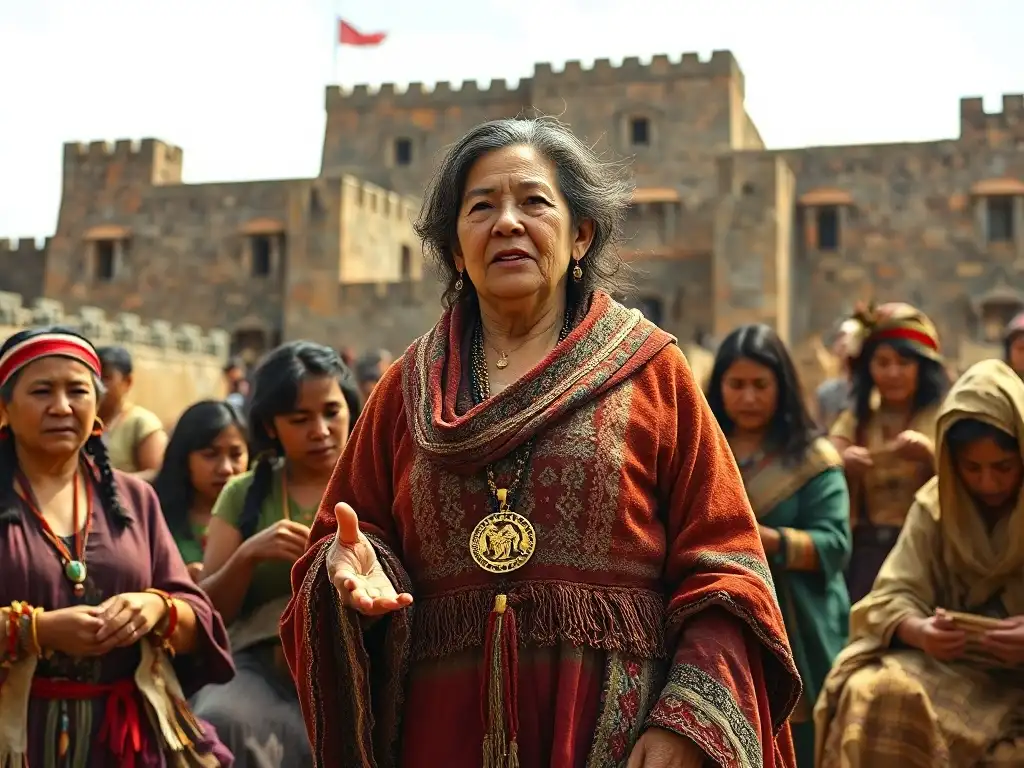
While often portrayed as solely domestic figures, Inca women held significant, albeit often subtle, political influence and power. Their roles extended far beyond the domestic sphere, impacting various aspects of Inca governance and societal structure. Understanding the true extent of their power requires moving beyond stereotypical narratives and examining the available archaeological and historical evidence. This section explores the varied ways Inca women exercised influence, challenging traditional perspectives on their societal standing.
The key to understanding their impact lies in recognizing the intricate web of kinship, religious authority, and political maneuvering that characterized Inca society. This nuanced approach reveals a more complex and empowering picture of Inca women's roles. The term "Inca women societal roles" itself often understates the dynamism and variety of their influence.
Royal Wives and Their Political Influence
The coyas, or royal wives of the Sapa Inca, held considerable political influence. Their lineage and marital status granted them access to the highest echelons of power. While the Sapa Inca held ultimate authority, the coyas acted as advisors, shaping policy through their counsel and influence on the ruler. Their opinions carried significant weight, particularly in matters relating to the royal family and the succession process.
Furthermore, the coyas often controlled significant resources and networks, using these to advance their interests and those of their family members. Archaeological evidence suggests that coyas were involved in the administration of royal estates and the distribution of resources, solidifying their political standing and influence. The power dynamics between the Sapa Inca and his coyas were complex, with instances of coyas exerting considerable influence over courtly affairs and even shaping succession plans.
Women as Messengers and Ambassadors
Inca women served as vital messengers and ambassadors, traversing the vast empire to deliver messages, negotiate treaties, and manage inter-regional affairs. Their roles often involved traversing treacherous terrain and navigating complex political landscapes. Their ability to move freely within the empire, often unhindered by the restrictions placed upon men, made them invaluable assets in diplomatic missions. This mobility and trusted position within their communities allowed them to gather intelligence, establish alliances, and maintain peaceful relations between different regions.
The use of women in such crucial diplomatic roles highlights their importance in maintaining the integrity and stability of the Inca empire. The skill and discretion required for such positions further emphasize the capabilities and trust placed in Inca women. Their contributions to diplomacy are often overlooked, yet they were instrumental to the empire's success.
While the Sapa Inca held supreme authority, instances of female authority and regional leadership exist in historical accounts and archaeological findings. While less common than male leadership, women held positions of power in local communities and religious institutions. Evidence suggests that some women managed large estates, oversaw agricultural production, and held religious authority.
These positions, though not equivalent to the Sapa Inca's power, demonstrate the existence of diverse leadership roles for women beyond the domestic sphere. Further research is needed to fully understand the extent and nature of these roles, but the available evidence challenges the simplistic notion of Inca women as solely subordinate figures. The presence of female mummies adorned with elaborate jewelry and buried with significant grave goods further supports the presence of women of high social standing and authority.
The investigation of these finds continues to shed light on the complexities of Inca women's societal roles. The discovery of additional evidence promises to further illuminate the varied and significant roles women played in Inca society.
Inca Women and Marriage
Inca women, contrary to some simplified narratives, held significant roles within their society, although these roles were often defined within a patriarchal structure. Understanding their lives requires moving beyond stereotypical portrayals and examining the complexities of their experiences within the Inca social fabric. This section delves into the intricacies of Inca marriage, highlighting the realities of women's lives within this institution. The concept of "Inca women societal roles" is far more nuanced than often presented.
Marriage in Inca society was largely arranged, serving as a crucial tool for solidifying social alliances and maintaining political stability. While romantic love wasn't absent, the primary purpose of marriage was rarely based solely on individual affection. The process involved careful consideration of lineage, social status, and economic resources.
High-ranking women, for example, often married into influential families to strengthen political ties between different ayllus (kinship groups). This practice ensured the continuity of power and the stability of the empire. The selection of a spouse was often the responsibility of family elders, who weighed the potential benefits of each union for the broader community.
Evidence suggests that women, despite having limited agency in the selection process itself, could exert influence through their families and networks. A woman's family would carefully assess the potential husband's character, resources, and social standing, ensuring a favorable match for their daughter's well-being and social advancement. This indirect influence, however, should not be mistaken for complete autonomy in choosing a partner.
The system prioritized the collective good over individual preferences, reflecting the strong communal ethos of Inca society. Further research is needed to ascertain the extent of female agency in these arrangements, [specific data on female influence in marriage arrangements pending].
Complementarity and Balance in Marriage
Despite the arranged nature of Inca marriages, the ideal portrayed a relationship built on complementarity and balance, rather than strict male dominance. Inca mythology and religious beliefs emphasized the importance of dualities and interconnectedness. This worldview extended to marital relationships, where husband and wife were seen as complementary forces, each contributing essential elements to the successful functioning of the household and the community.
While men often held more public roles, women managed the domestic sphere, overseeing agricultural production, weaving, and childcare. Their work was crucial to the sustenance of the family and the larger Inca empire. The textile production by Inca women, for example, wasn't merely a domestic task; it represented a significant contribution to the economy and the symbolic power of the empire. Their intricate weaving techniques and the quality of their textiles were highly valued. This economic contribution bolstered their social standing within the family and the community, challenging the notion of women being solely confined to the domestic realm.
Furthermore, the concept of ayni, reciprocal labor, applied to marital relationships as well. The mutual support and collaboration between husband and wife were essential to their success. This system fostered interdependence and highlighted the equal contribution of both partners to the well-being of the family unit.
While Inca women played vital roles in the economy and social life, their legal rights were limited compared to men. Inca law granted men greater authority within the family and broader society. This is reflected in inheritance laws, where property and land primarily passed down through male lines. Women inherited less, often receiving a smaller share of the family's resources compared to their brothers.
However, this should not be interpreted as a complete lack of legal protection. Women had legal recourse in cases of domestic violence or infidelity, although the specifics of the legal processes and outcomes require further investigation. [Data on legal recourse for women in Inca society pending]. The perception of Inca women as solely subservient is a simplification; their social standing and influence varied based on their social class and family connections.
Elite women, for example, often enjoyed greater privileges and wielded considerable power within their households and communities, influencing decisions related to the family's economic activities and social standing. The nuances of their experiences within the legal and social framework of Inca society require further detailed study. The term "Inca women societal roles" needs to be understood in its full complexity, taking into account both limitations and agency.
Challenging the Stereotypes: Inca Women's Agency
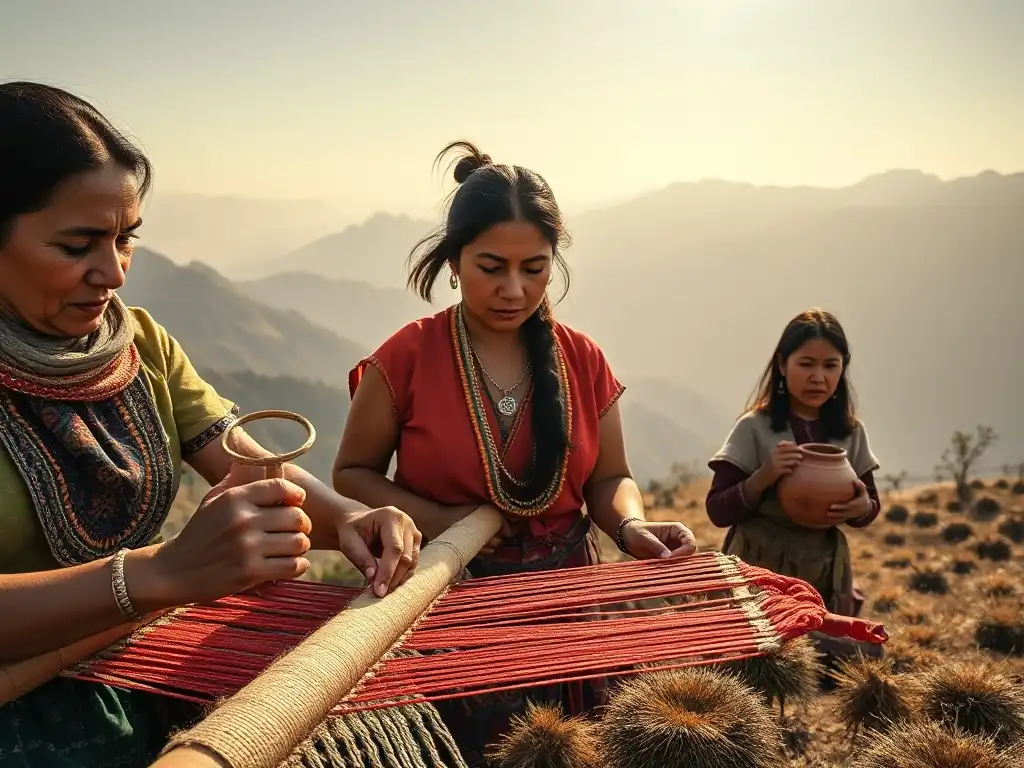
The common perception of Inca women often portrays them as subservient figures, confined to domestic roles. However, a closer examination of available evidence reveals a far more nuanced and complex reality. Inca women actively participated in the economic, social, and even political spheres of their society, wielding significant influence and agency despite the patriarchal structures present.
This section will delve into the various ways Inca women shaped their world, challenging the stereotypical image often presented. We will explore how the limited surviving primary sources, combined with archeological discoveries, paint a picture of women's multifaceted contributions and resilience. The term "Inca women societal roles" doesn't fully capture the dynamism and complexity of their involvement in Inca life.
Examining Primary Sources and Archaeological Evidence
Primary sources concerning Inca women are scarce, largely due to the destruction of many Inca records during the Spanish conquest. However, surviving Spanish chronicles, while often biased, offer glimpses into women's lives. These accounts, when critically analyzed alongside archaeological findings, reveal crucial information. For instance, the discovery of female mummies adorned with elaborate jewelry and fine textiles suggests a higher social status for some women. These artifacts are not merely indicators of wealth; they represent power and influence within their communities.
Furthermore, the chroniclers mention women's participation in textile production, a highly valued skill in Inca society. Textiles were not just clothing; they were used for religious ceremonies, trade, and even as a form of tribute. The intricate designs and techniques used demonstrate a high level of skill and artistry, suggesting a sophisticated system of knowledge transfer and specialization amongst women artisans.
The meticulous weaving techniques, passed down through generations, point to a significant role for women in maintaining cultural traditions and economic stability. The skill and artistry involved suggest a level of autonomy and respect within their communities. Archaeological evidence of female involvement in agriculture, including the cultivation of crops and management of irrigation systems, further supports this conclusion.
Diverse Experiences of Women Across the Empire
It is crucial to acknowledge the diversity of experiences among Inca women. Their roles and opportunities varied significantly based on factors such as social class, ethnicity, and geographic location. Women in the imperial court, for example, likely enjoyed greater privileges and access to resources than those in rural communities. Similarly, noblewomen likely had different experiences compared to commoner women. The Inca Empire encompassed a vast territory with diverse ecological zones and indigenous groups, leading to regional variations in social structures and gender roles.
While there's limited data on the experiences of women from different ethnic groups within the empire, [specific information pending] further research is needed to fully understand the nuances of their lives. However, even within these diverse contexts, evidence suggests that women consistently played vital economic and social roles. Their contributions extended beyond the domestic sphere, encompassing agriculture, textile production, and even religious practices. This highlights the need to move beyond simplistic generalizations about "Inca women societal roles" and acknowledge the spectrum of experiences across the empire.
Agency and Resistance Within Societal Norms
Despite the patriarchal nature of Inca society, women found ways to exert agency and resist oppressive norms. Although the extent of their political influence remains debated, [specific information pending] evidence suggests that women held positions of power and authority in certain contexts. For example, some accounts mention women serving as priestesses and holding significant religious roles. These roles afforded them influence and respect within their communities.
Moreover, women’s participation in economic activities granted them a degree of autonomy. Their control over resources, such as textiles and agricultural produce, provided them with economic independence and the ability to negotiate within the social structure. While the extent of this autonomy is difficult to quantify precisely, it is evident that women did not passively accept their assigned roles.
Their contributions to the empire's economic and social fabric demonstrate a level of agency and resilience that deserves recognition and further study. The resilience and agency of Inca women should be celebrated, moving beyond simplistic narratives and embracing the complexity of their lives. Further research into the specific experiences of Inca women will undoubtedly reveal even more about their significant contributions to Inca society.
Inca Women's Legacy and Impact
The Inca Empire, renowned for its sophisticated infrastructure and intricate social structures, often overshadows the significant contributions of its women. While patriarchal in nature, Inca society afforded women a level of agency and influence often overlooked in traditional historical narratives. Understanding the full picture of Inca society necessitates a deeper dive into the roles and impact of Inca women, moving beyond simplistic characterizations. Their influence permeated various aspects of life, leaving an indelible mark on Andean societies that resonates even today. This section will explore the lasting impact of Inca women and their enduring legacy.
Lasting Cultural Impact on Andean Societies
Inca women's influence extended far beyond the domestic sphere. Their roles as farmers, weavers, and healers were crucial to the empire's economic and social stability. Their agricultural expertise, for instance, contributed significantly to the empire's food security. The sophisticated agricultural techniques employed, including terracing and irrigation, were largely managed and maintained by women.
This knowledge and skill were passed down through generations, shaping agricultural practices in the Andes for centuries after the fall of the Inca Empire. Furthermore, their textile production was not merely a domestic task; rather, it was a vital economic activity. The intricate weaving techniques and designs developed by Inca women are still admired today, reflecting a high level of artistry and skill.
These textiles served not only practical purposes but also held symbolic and ritualistic significance, demonstrating the women's integral role in Inca religious life. The preservation and transmission of Inca medicinal knowledge, primarily through women, also left a lasting impact on Andean healing traditions, many of which persist to this day. Their deep knowledge of medicinal plants and healing practices contributed to a robust healthcare system within the empire.
Contemporary Perspectives on Inca Women's Contributions
Contemporary scholarship is increasingly recognizing and re-evaluating the roles of Inca women, challenging traditional interpretations that often marginalized their contributions. Archaeological findings, coupled with a critical analysis of colonial accounts (carefully considering potential biases), are revealing a more nuanced understanding of Inca women's lives and influence. For example, the discovery of female mummies in elite contexts challenges the notion that only men held positions of power.
Furthermore, detailed analysis of textile artifacts reveals sophisticated designs and techniques, highlighting the high level of skill and artistry possessed by Inca women. These discoveries, alongside the reinterpretation of historical texts, are offering a more accurate and complete picture of Inca women's societal participation. The ongoing research into Inca kinship systems also sheds light on the importance of female lineage and inheritance practices, suggesting a more complex social structure than previously understood.
This renewed focus on Inca women's contributions fosters a more inclusive and accurate understanding of Inca history, ensuring their voices are heard and their legacy acknowledged. The field is actively engaged in correcting historical misinterpretations and celebrating the crucial role Inca women played in shaping their society.
Remembering and Honoring the Women of the Inca Empire
Remembering and honoring the women of the Inca Empire is crucial for a complete and accurate understanding of this remarkable civilization. Their contributions extended far beyond the domestic sphere, impacting various aspects of Inca life, from agriculture and textiles to medicine and religious practices. By acknowledging their achievements and challenging traditional narratives that minimized their roles, we can gain a richer and more nuanced appreciation of Inca society.
This involves actively seeking out and promoting research that centers the experiences and contributions of Inca women. It also necessitates a critical examination of existing historical accounts, considering the biases and limitations inherent in colonial perspectives. Furthermore, supporting initiatives that preserve and promote Inca cultural heritage, including textile arts and traditional healing practices, directly honors the legacy of Inca women who were the custodians of this knowledge.
By actively engaging in these efforts, we not only celebrate the women of the Inca Empire but also contribute to a more just and equitable understanding of history, ensuring that their stories are told and their contributions are properly recognized. The ongoing effort to reclaim and retell their narratives is essential for a more complete and inclusive historical record. 👩🌾 🧵 👑
Frequently Asked Questions
What were the main societal roles of Inca women?
Inca women held diverse roles, from farming and weaving to religious duties and leadership within their communities. Their contributions were vital to the empire's success.
Did Inca women have any political power?
While not holding formal political office like men, Inca women exerted significant influence through their roles in the royal family and religious institutions. They often held advisory positions and wielded considerable power within their spheres.
How did the Inca view the roles of women compared to men?
Inca society valued both men and women, assigning them different but equally important roles. While there was a clear gendered division of labor, both genders were seen as essential to the functioning of society.
What was the significance of weaving in Inca women's lives?
Weaving was a highly skilled craft, and Inca women were renowned for their textiles. It was not only an economic activity but also a religious and social practice, reflecting their status and skill.
Were Inca women involved in religious practices?
Absolutely! Inca women served as priestesses and participated in religious ceremonies. Their roles were crucial in maintaining the spiritual well-being of the community and the empire.
Final Reflection: Unveiling the Strength of Inca Women
The resilience and multifaceted contributions of Inca women are not merely historical footnotes; they are crucial lenses through which we understand the complexities of power, social structures, and gender dynamics, even in our modern world. Their stories challenge simplistic narratives and offer valuable insights into a society that, while vastly different from our own, still resonates with contemporary discussions about gender equality and social justice.
The enduring legacy of Inca women continues to shape our understanding of pre-Columbian civilizations and challenges the patriarchal biases often embedded in historical accounts. Their roles extended far beyond the domestic sphere, encompassing significant economic, political, and religious influence. Their contributions were vital to the empire's success, yet often overlooked. The Inca empire was not built by men alone; it was a collaborative effort, with women playing an indispensable role in its prosperity and stability.
This quote, though not directly from an Inca source, encapsulates the essence of the article's argument and highlights the need for a more nuanced understanding of their societal impact.
Consider the strength and ingenuity of these women, their unwavering dedication to their communities, and the sophisticated systems they helped create and maintain. You, too, can challenge preconceived notions and seek out the untold stories that shape our world. Let the resilience of Inca women inspire you to examine your own biases and actively work towards a more equitable and inclusive future, where the contributions of all individuals are recognized and celebrated.
Empower Your Journey: Embrace the Legacy of Inca Women!
Thank you for exploring the fascinating role of women in Inca society! Your interest highlights the importance of a deeper understanding of history. Let's put this knowledge to good use.
Here are some ways you can delve further and share this inspiring story:
- Join a discussion group—either online or in your community—focused on ancient civilizations to exchange ideas and learn from others.
- Share your newfound knowledge on social media, highlighting the significant contributions of women throughout history.
- Research the lives of individual Inca women or communities, focusing on their strength and resilience. Consider writing about your findings.
What aspect of Inca women's lives resonates most with you, and how can you integrate that inspiration into your daily life?