
The Inca Calendar: Timekeeping in the Realm of the Sun

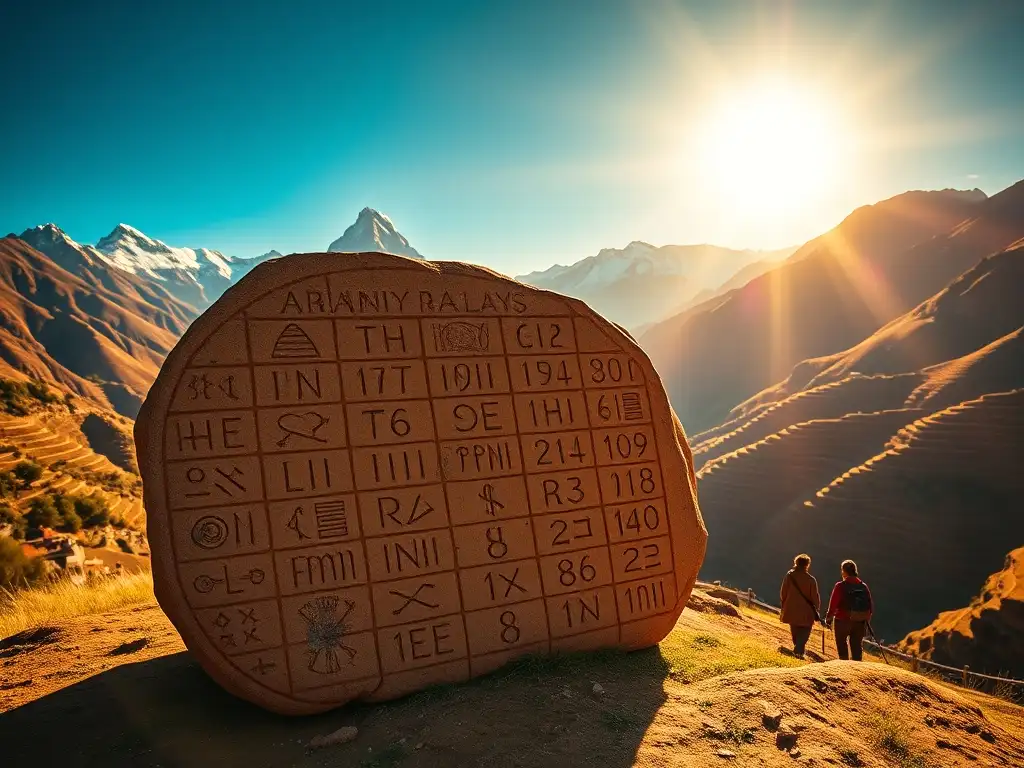
Step into a world lost to time, yet echoing with the whispers of a magnificent empire. Journey with us through the breathtaking landscapes and captivating culture of the ancient Andes, where innovation thrived and empires rose and fell. Unravel the mysteries of the Inca calendar system, a celestial marvel that dictated the lives and rituals of a civilization that continues to fascinate. Prepare to be amazed by the ingenuity and precision of a people who charted the course of the sun and stars – their story awaits you.
The Inca Empire, a civilization that flourished in the Andes Mountains from the 15th to the 16th century, possessed a sophisticated understanding of time and its passage. Unlike many other ancient societies that relied heavily on written records, the Inca developed a complex system of timekeeping primarily based on meticulous astronomical observations and a deep connection to the natural world. This article delves into the fascinating world of the Inca calendar system, exploring its intricacies and revealing how it played a pivotal role in their social, agricultural, and religious life.
Understanding the Inca calendar provides invaluable insight into the organization and worldview of this remarkable civilization, shedding light on their agricultural practices, religious ceremonies, and overall societal structure. We will examine the Inca solar calendar in detail, exploring its key features and its significance in the daily lives of the Inca people.
The Inca calendar system, a testament to their advanced knowledge of astronomy and their deep understanding of the Andean environment, remains a captivating subject of study for historians and archaeologists alike. This exploration will illuminate the precision and functionality of this unique system, highlighting its importance within the broader context of Inca society and its enduring legacy.
Understanding the Inca Timekeeping System
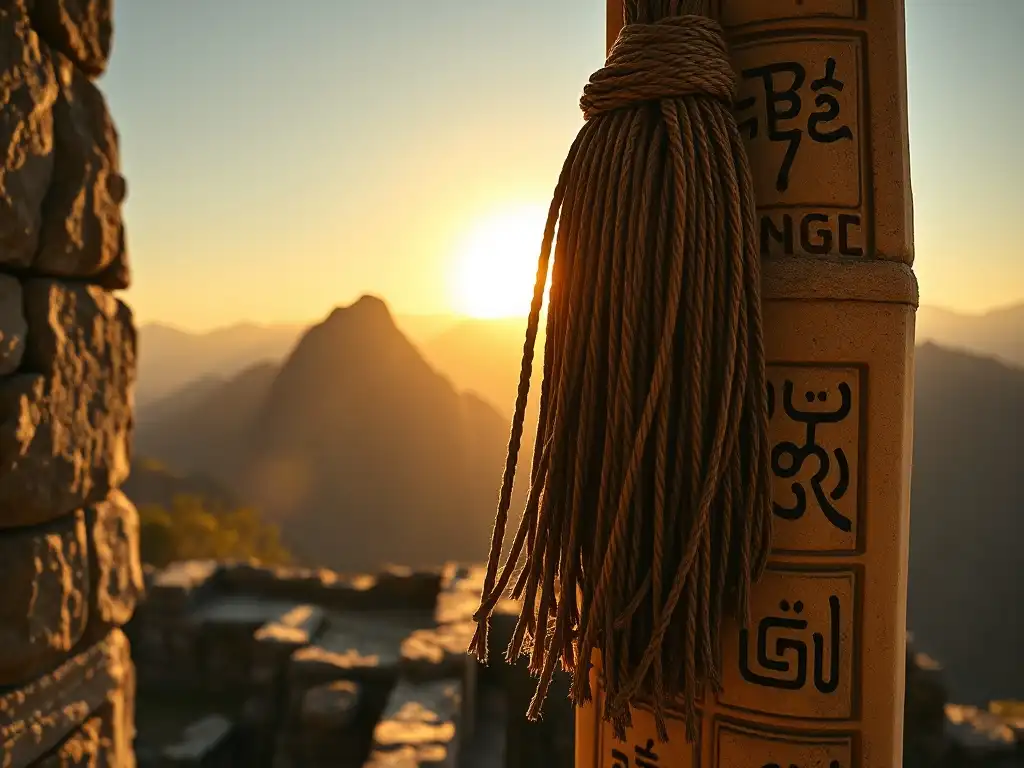
The Inca did not have a written language in the same way as many other ancient civilizations. Instead, their knowledge was passed down through generations via a sophisticated oral tradition, utilizing quipus – complex systems of knotted strings – to record numerical data and, potentially, other information. While the exact nature of quipu-based calendrical records remains a subject of ongoing research and debate, evidence suggests a highly developed system of timekeeping intricately woven into the fabric of Inca life.
Their calendar wasn't simply a means of tracking days and years; it was deeply integrated with their religious beliefs, agricultural cycles, and administrative practices. The Inca calendar system was not a single, monolithic entity, but rather a complex interplay of different methods and observations, reflecting the diverse needs of their vast empire. The system incorporated both solar and lunar cycles, along with observations of significant celestial events, providing a comprehensive framework for organizing their lives.
Understanding this nuanced system requires consideration of its various components and their interconnectedness. This intricate system allowed the Inca to manage their vast empire and agricultural resources with remarkable efficiency. The precision of their timekeeping is evident in the meticulous planning of agricultural activities and religious festivals that were synchronized with the seasonal changes.
The Inca Solar Calendar: A Closer Look
The core of the Inca timekeeping system was the solar calendar, a 365-day cycle closely aligned with the solar year. This calendar was divided into twelve lunar months, each approximately 30 days long. However, unlike the Gregorian calendar we use today, the Inca solar calendar didn't necessarily adhere strictly to a fixed number of days per month.
Instead, the length of each month was likely adjusted based on astronomical observations and practical considerations related to agriculture and other seasonal activities. This flexibility allowed for a more accurate reflection of the changing seasons in the diverse Andean environment. The Inca year began around the June solstice, marking the start of the capacocha, a significant period of religious festivals and agricultural preparations.
The precise details of how the Inca organized their calendar are still being uncovered, with ongoing research revealing new insights into their sophisticated methods. Further research is needed to understand the precise lengths of each month and the possible variations across different regions of the empire. Archaeological evidence, such as the placement of astronomical observatories and the orientation of Inca structures, supports the existence of a well-defined solar calendar.
Key Features of the Inca Solar Calendar
The Inca solar calendar featured several key elements that contributed to its effectiveness and importance. Firstly, its alignment with the agricultural cycle was paramount. The Inca were expert farmers, and their calendar helped them time planting and harvesting, ensuring optimal yields. The calendar also played a crucial role in organizing religious festivals and ceremonies, many of which were linked to agricultural cycles and celestial events.
Secondly, the calendar likely incorporated a system of intercalary days or months to account for the discrepancy between the solar and lunar cycles. This aspect of the calendar remains a topic of ongoing research and debate among scholars. Thirdly, the Inca's knowledge of astronomy allowed them to predict important events, such as solstices and equinoxes, which were marked by significant ceremonies and celebrations. These events were not merely astronomical occurrences; they held deep religious and social significance within the Inca worldview.
Finally, the Inca's oral tradition and use of quipus likely played a vital role in preserving and transmitting calendrical knowledge across generations. The ability to accurately track time was essential for coordinating the activities of a vast empire and ensuring the smooth functioning of Inca society. The sophistication of their calendar system highlights the advanced knowledge and organizational skills of the Inca civilization. The Inca calendar system, therefore, wasn't just a simple tool for measuring time; it was an integral part of their culture, religion, and governance.
The Inca Lunar Calendar and its Role
The Inca lunar calendar, while less emphasized than the solar calendar in surviving records, played a vital role in Inca society. Unlike the precise solar calendar which tracked agricultural cycles, the lunar calendar was more closely tied to societal events and religious practices. The phases of the moon, particularly the new moon and full moon, marked significant occasions. These included festivals, ceremonies, and possibly even decisions regarding warfare or political events.
The cyclical nature of the moon mirrored the cyclical nature of life itself, reinforcing the Inca worldview. Archaeological evidence, while limited compared to that for the solar calendar, suggests the use of lunar reckoning in the placement of certain structures or the timing of specific rituals. Further research is needed to fully understand the complexities of the Inca lunar calendar and its intricate relationship with the broader Inca cosmology.
The limited surviving documentation presents a challenge in reconstructing the full picture, but the available evidence strongly suggests a significant role for lunar observations in the Inca worldview. It's likely that specialized priests or astronomers carefully tracked the lunar cycles, informing the Inca leadership of significant lunar events. The precise methods used for lunar observation remain a subject of ongoing scholarly debate.
Interplay Between the Solar and Lunar Cycles in Inca Astronomy
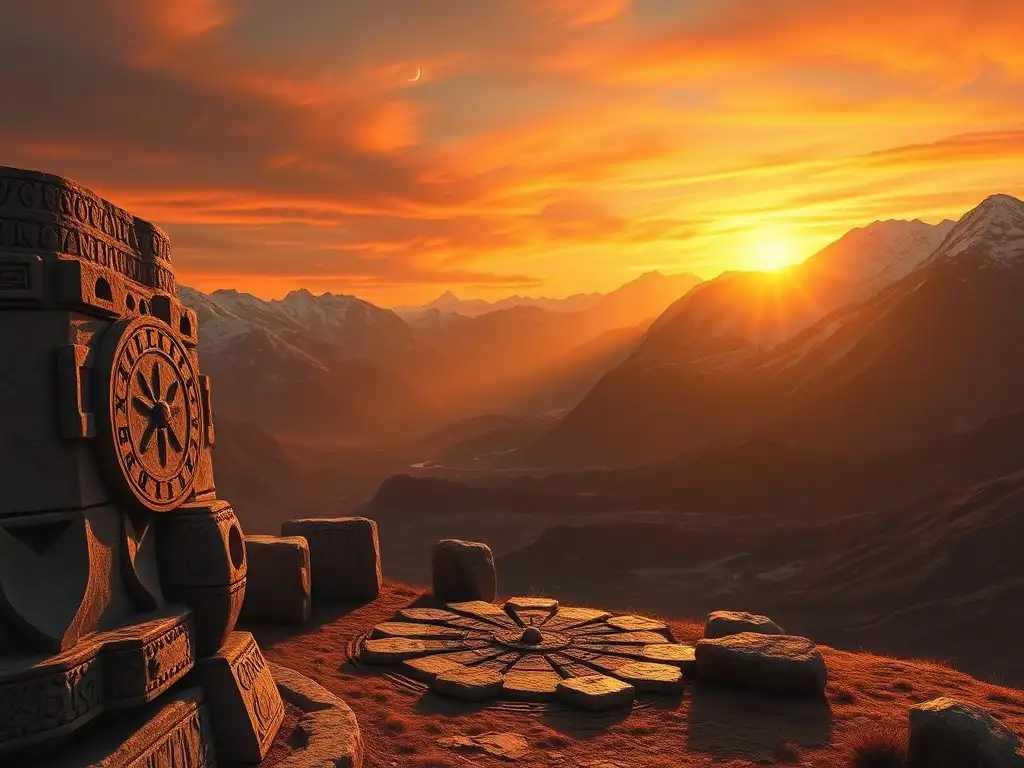
The Inca understanding of time wasn't solely based on a single system; instead, it involved a sophisticated interplay between solar and lunar cycles. The solar calendar, crucial for agriculture, dictated the planting and harvesting seasons, while the lunar calendar governed religious and social events. This intricate relationship highlights the Inca's deep understanding of astronomy and their ability to integrate celestial observations into their daily lives.
The precise synchronization of these two cycles wasn't a mere coincidence; it reflected a sophisticated understanding of celestial mechanics. The Inca astronomers, likely members of a priestly class, meticulously tracked both the sun and the moon, correlating their movements to predict seasonal changes and plan important ceremonies. This intricate system allowed for a comprehensive calendar that integrated both the practical needs of agriculture and the spiritual requirements of their complex religious beliefs.
The precise methods employed for synchronizing these cycles remain an area of active research, but the effectiveness of their calendar system is undeniable, evidenced by their successful agricultural practices and well-organized social structure. The intricate interplay between the sun and moon in the Inca calendar serves as a testament to their advanced astronomical knowledge and its profound influence on their society.
Inca Agricultural Calendar and its Importance
The Inca agricultural calendar was the cornerstone of their civilization, inextricably linked to their survival and prosperity. Based primarily on the solar cycle, it dictated the planting and harvesting of crops, ensuring the food security of the vast empire. The precise knowledge of the solstices and equinoxes, meticulously tracked by Inca astronomers, allowed for the optimization of agricultural practices. Different regions within the empire, due to varying altitudes and climates, possessed their own variations of the calendar, adapted to local conditions.
This demonstrates the Inca's adaptability and their understanding of the diverse ecological zones within their realm. The calendar wasn't merely a system for tracking time; it was a vital tool for managing resources and ensuring the stability of their society. The meticulous planning enabled by the Inca calendar allowed for the efficient distribution of resources and the organization of large-scale labor projects, such as the construction of terraces and irrigation systems.
The success of the Inca empire, in part, can be attributed to the sophistication of their agricultural calendar and their ability to effectively manage their resources based on its predictions. The Inca agricultural calendar stands as a remarkable example of how advanced astronomical knowledge could be directly applied to ensure the well-being and prosperity of a large and complex civilization. The intricate system of agricultural practices, coupled with the precise timing provided by the calendar, ensured the consistent production of food, supporting the vast Inca population and contributing significantly to their empire's enduring success.
The Significance of the Inca Calendar in Farming Practices
The Inca calendar system was intricately linked to agricultural practices, forming the backbone of their sophisticated farming techniques. Their understanding of the seasons, meticulously tracked through celestial observations and practical experience passed down through generations, allowed for precise planting and harvesting schedules. This wasn't simply a matter of convenience; it was crucial for their survival. The Inca Empire, sprawling across diverse altitudes and climates, demanded a nuanced approach to agriculture.
The calendar provided this, dictating the optimal times for planting potatoes at high altitudes, maize in the valleys, and other crops suited to specific microclimates. Farmers relied heavily on the calendar's predictions of rainfall, frost, and other weather patterns, adjusting their planting and irrigation strategies accordingly. Failure to adhere to these cycles could lead to devastating crop failures, impacting the entire community. The precise timing facilitated by the Inca calendar system contributed significantly to the Inca Empire's remarkable agricultural productivity and its ability to support a large population.
The system wasn't static; it was adaptive, incorporating local knowledge and adjusting to variations in weather patterns observed over time. This dynamic approach demonstrates the sophistication of Inca agricultural practices and their deep understanding of their environment. The Inca's success in feeding their vast empire was, in no small part, due to the effectiveness of their calendar-guided agricultural practices.
Inca Religious Festivals and the Calendar
The Inca calendar wasn't merely a tool for practical purposes; it was deeply embedded in their religious beliefs and practices. Numerous festivals and ceremonies were intricately tied to specific dates throughout the year, reflecting the cyclical nature of life and the cosmos as understood by the Inca. These festivals were not merely celebrations; they were vital rituals designed to maintain the balance between the human world and the supernatural realm.
For example, the Inti Raymi, the festival of the sun, was a major event timed to coincide with the winter solstice, a pivotal moment in the agricultural cycle and a critical juncture in the Inca worldview. This festival, along with many others, involved elaborate processions, sacrifices, and rituals aimed at appeasing the gods and ensuring a bountiful harvest. The calendar dictated the timing of these events, ensuring their alignment with the natural rhythms of the land and the celestial movements perceived as divinely ordained.
The intricate connections between the calendar and religious observances underscore the profound significance of timekeeping in the Inca worldview. Religious leaders, known as yachaq, played a crucial role in interpreting the calendar and determining the appropriate dates for these crucial religious festivals. Their knowledge was highly valued, and their pronouncements guided the entire empire’s religious calendar.
How the Inca Calendar Guided Ceremonies and Rituals
The Inca calendar's influence extended far beyond agricultural planning and religious festivals. It guided a wide range of ceremonies and rituals integral to Inca society. From smaller community celebrations marking significant life events like births and marriages to large-scale state-sponsored rituals aimed at ensuring the empire's prosperity, the calendar provided the framework for these events.
The timing of these ceremonies was not arbitrary; it was carefully chosen to align with specific astronomical events or phases of the agricultural cycle. For instance, rituals related to water management, crucial in a society reliant on irrigation, were likely timed to coincide with specific rainfall patterns or periods of water scarcity. Similarly, ceremonies associated with the construction of monumental structures, such as temples and roads, might have been scheduled to maximize auspicious times based on celestial alignments.
The calendar, therefore, served as a guide for ensuring the proper execution of both public and private rituals, reinforcing social order and maintaining harmony within the Inca Empire. The precise nature of some of these ceremonies and their specific calendrical associations remain subjects of ongoing research, but the pervasive influence of the Inca calendar system on all aspects of Inca life is undeniable. The calendar's role in regulating the timing of ceremonies and rituals highlights its importance as a unifying force in Inca society, shaping its social and political structures.
Inca Calendar Markers: Identifying Key Dates
The Inca calendar system, unlike the Gregorian calendar we use today, wasn't based on a fixed, written system. Instead, it relied heavily on observation of the natural world and the meticulous tracking of celestial events. Key dates were identified through a combination of solstices, equinoxes, and the agricultural cycle. The solstices, marking the longest and shortest days of the year, were particularly significant, often celebrated with elaborate ceremonies and feasts.
The winter solstice, for instance, likely held strong religious importance, possibly related to the rebirth of the sun and the renewal of the earth. Equinoxes, when day and night are of equal length, also marked important points in the Inca year, often linked to planting and harvesting cycles. The Inca's astute observation of the stars and constellations further refined their calendar, allowing them to predict seasonal changes with impressive accuracy. Specific constellations' appearances or disappearances signaled crucial moments for planting specific crops or initiating religious rituals.
Archaeological evidence, such as markings on pottery and textiles, suggests the use of specific symbols or iconography to represent these key dates, allowing for a visual record of significant events and seasonal changes. While a precise, written calendar hasn't been found, the intricate relationship between celestial events and agricultural practices reveals a sophisticated understanding of time and its impact on their way of life. Furthermore, the Inca's agricultural success highlights the accuracy and effectiveness of their observational calendar.
The Role of Intihuatana Stones in Inca Timekeeping
Intihuatana stones, often translated as "place where the sun is tied," are enigmatic structures found throughout the Inca Empire. Their exact function remains a subject of ongoing debate among scholars, but their strong association with astronomical alignments suggests a critical role in Inca timekeeping. These stones, typically large, carved rocks, are often positioned strategically to align with the sun's path during solstices and equinoxes.
By observing the sun's shadow cast by these stones at specific times of the year, the Inca could precisely mark these important dates. Some Intihuatana stones feature intricate carvings and designs, possibly representing constellations or other celestial markers. The precise placement and orientation of these stones demonstrate a remarkable level of astronomical knowledge and engineering skill.
The stones' significance extended beyond mere timekeeping; they also served as important religious sites, where ceremonies and rituals were performed to honor the sun god, Inti, and ensure a bountiful harvest. The combination of astronomical observation and religious significance highlights the integral role of Intihuatana stones in the socio-religious life of the Inca, reflecting their deep-seated connection to the natural world and their sophisticated understanding of celestial movements. The continuing mystery surrounding some of the stones' features, however, ensures that research into these fascinating structures continues to this day.
Inca Calendar vs. Western Calendar
The Inca calendar system differed drastically from the Western, Gregorian calendar in its structure and function. The Gregorian calendar is a lunisolar calendar, meaning it incorporates both lunar cycles and solar cycles, resulting in a fixed, 365-day year with leap years to account for the discrepancy between the solar year and the lunar year. The Inca calendar, on the other hand, was primarily solar, focusing on the sun's movements and the agricultural cycle. It lacked the standardized, fixed structure of the Gregorian calendar, relying instead on observations of solstices, equinoxes, and other celestial events.
The Inca system didn't have a fixed number of days or months, but rather a system based on the agricultural year, with periods defined by planting and harvesting seasons. This resulted in a more flexible system, adaptable to variations in weather patterns and agricultural needs. While the Gregorian calendar is primarily a secular system for organizing time, the Inca calendar was deeply intertwined with religious practices and beliefs. Key dates were not merely points on a calendar but occasions for significant ceremonies and rituals.
The lack of a written record for the Inca calendar makes direct comparison challenging, but the fundamental differences between the two systems highlight distinct approaches to timekeeping reflecting their unique cultural and environmental contexts. The Gregorian calendar's precision and standardization contrast with the Inca calendar's flexibility and integration with religious and agricultural practices. This comparison underscores the importance of understanding different cultural perspectives on time and its significance in shaping human societies.
Comparing Inca Chronology with Modern Time Reckoning
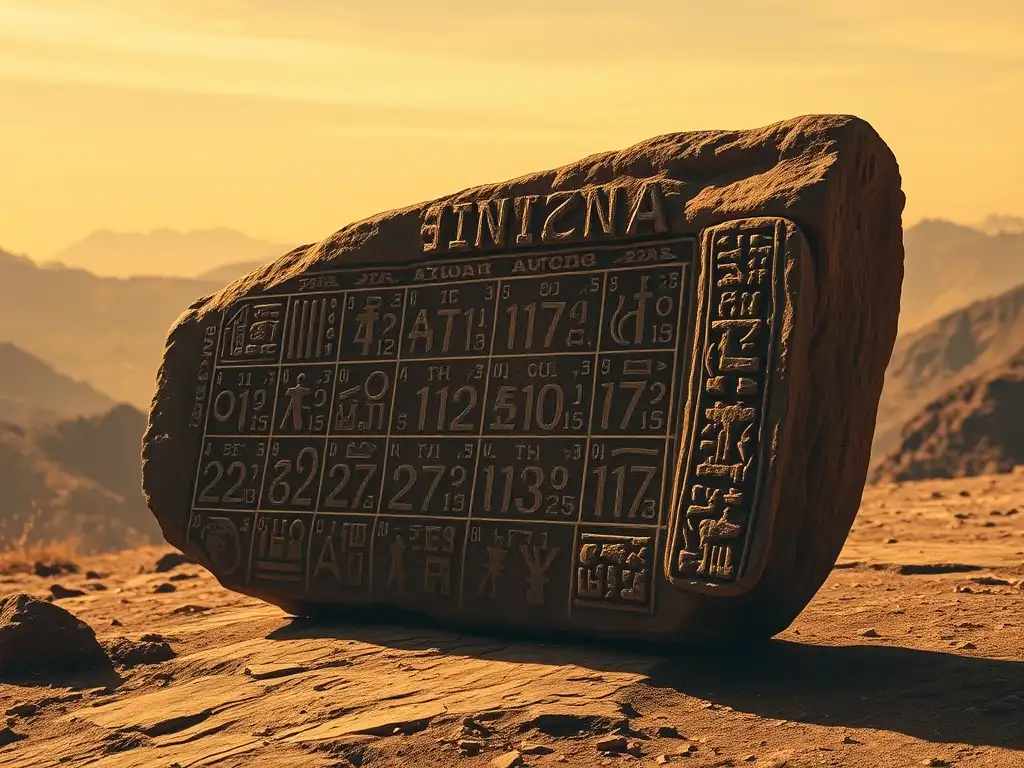
The Inca calendar system, unlike our Gregorian calendar, wasn't based on a fixed, solar-centric year. Instead, it intertwined solar and lunar cycles with agricultural rhythms and religious observances. This resulted in a more fluid system, adaptable to the varying conditions of the Andean highlands. While we use a standardized 365-day year (plus leap years), the Inca year varied slightly depending on observations of the sun and moon.
Their year wasn't divided into months in the same way as ours; instead, it was structured around agricultural cycles and significant religious festivals. For example, the Inca New Year, Capac Raymi, commenced around June 24th, marking the winter solstice in the Southern Hemisphere and the beginning of the agricultural cycle. Reconciling Inca dates with our modern system requires careful consideration of these differences and the use of archaeological and ethnohistorical evidence.
The lack of written records necessitates a comparative approach, relying on analysis of archaeological findings like monumental architecture, such as Machu Picchu, which were meticulously aligned with astronomical events, and oral traditions passed down through generations. Understanding the nuances of their system helps us appreciate the sophistication of their astronomical knowledge and their ability to integrate it into their daily lives and religious practices. The precision with which they tracked the movements of celestial bodies is remarkable, demonstrating a sophisticated understanding of astronomy far surpassing what many might assume for a "pre-literate" society.
Legacy of the Inca Calendar System
The Inca calendar system's influence continues to be felt even today. While the exact methods of timekeeping were largely lost following the Spanish conquest, remnants of their understanding of time and its relationship to the natural world persist in Andean communities. Many traditional celebrations and agricultural practices still reflect the cyclical nature of the Inca calendar.
For example, specific festivals and rituals associated with planting and harvesting continue to be observed, albeit adapted and blended with other cultural influences over the centuries. The legacy of the Inca calendar isn't just about the continuation of specific dates or rituals; it's about the enduring connection between Andean communities and their environment. The holistic approach to timekeeping, where agriculture, religion, and social life intertwined, offers a valuable contrast to our modern, compartmentalized approach.
Scholars continue to research the surviving aspects of the system, piecing together fragments of information from various sources, including oral histories, archaeological evidence, and colonial-era chronicles. This ongoing research sheds light not only on the Inca civilization but also on the complexities of indigenous knowledge systems and their resilience in the face of colonization. The Inca calendar's enduring influence highlights the enduring power of cultural memory and the importance of preserving indigenous traditions.
What We Can Learn from Inca Timekeeping Today
The Inca calendar system offers valuable lessons for our modern world. Their close connection to the natural world, reflected in their timekeeping, presents a stark contrast to our increasingly detached and technology-driven approach to understanding time. The Inca's holistic perspective, integrating their calendar into all aspects of life, is a reminder of the interconnectedness of human society and the environment. Their sophisticated astronomical knowledge, developed without the aid of modern instruments, demonstrates the potential of human observation and ingenuity.
Studying their methods can inspire new approaches to environmental sustainability and resource management. Furthermore, the Inca’s system highlights the importance of community and shared knowledge in managing resources. Their calendar wasn’t just a tool for individuals; it served as a framework for collective action, coordinating agricultural practices and religious observances across vast territories.
In a world increasingly characterized by globalization and technological advancements, understanding the Inca calendar and its principles can offer valuable insights into alternative ways of organizing society and interacting with the natural world. It provides a potent reminder of the importance of respecting and learning from indigenous knowledge systems, which often hold valuable lessons for sustainable living and harmonious coexistence with nature. The legacy of Inca timekeeping prompts us to reconsider our relationship with time and the environment, offering a path towards a more balanced and sustainable future.
- Understanding the Inca Timekeeping System
- The Inca Solar Calendar: A Closer Look
- Key Features of the Inca Solar Calendar
- The Inca Lunar Calendar and its Role
- Interplay Between the Solar and Lunar Cycles in Inca Astronomy
- Inca Agricultural Calendar and its Importance
- The Significance of the Inca Calendar in Farming Practices
- Inca Religious Festivals and the Calendar
- How the Inca Calendar Guided Ceremonies and Rituals
- Inca Calendar Markers: Identifying Key Dates
- The Role of Intihuatana Stones in Inca Timekeeping
- Inca Calendar vs. Western Calendar
- Comparing Inca Chronology with Modern Time Reckoning
- Legacy of the Inca Calendar System
- What We Can Learn from Inca Timekeeping Today
Frequently Asked Questions
What was the Inca calendar system used for?
The Inca calendar system wasn't a single, written calendar like ours. Instead, it was a complex system used for agricultural planning, religious ceremonies, and managing the empire's resources. It was deeply entwined with their understanding of the cosmos.
Did the Incas have a written calendar?
No, the Incas didn't have a written calendar in the way we understand it. Their system relied on oral traditions, observations of the sun, moon, and stars, and complex knotted strings called quipus to record and track time.
How accurate was the Inca calendar system?
The Inca calendar system was remarkably accurate for its time, allowing for precise predictions of solstices and equinoxes, crucial for their agricultural practices. Their understanding of celestial movements was sophisticated.
What role did the sun play in the Inca calendar?
The sun held central importance in the Inca worldview and calendar. The movements of the sun dictated agricultural cycles and many religious festivals, reflecting their sun-centered cosmology.
How did the Inca calendar influence their society?
The Inca calendar deeply influenced all aspects of Inca society, shaping their agriculture, religious beliefs, and social organization. It was integral to their daily lives and governance.
Final Reflection: Echoes of the Sun: The Enduring Legacy of Inca Timekeeping
The Inca calendar system, far from being a relic of a bygone empire, offers a powerful lens through which to understand our own relationship with time and the natural world. Its intricate understanding of celestial cycles and agricultural rhythms speaks directly to the contemporary challenges of sustainability and environmental awareness. We are, after all, still bound by the same sun and seasons that guided the Inca.
The profound impact of the Inca's sophisticated timekeeping continues to resonate today, shaping our understanding of ancient civilizations and their remarkable achievements. Their ability to predict agricultural cycles with such accuracy, a feat achieved without modern technology, is a testament to their deep connection to their environment and a powerful reminder of the importance of observation and understanding the natural world. The past is never dead. It's not even past.
- William Faulkner. This quote perfectly encapsulates the enduring relevance of the Inca calendar system, its echoes still reverberating in our present-day concerns about resource management and environmental stewardship.
Consider the Inca's deep respect for the cyclical nature of time, their understanding that life is a continuous flow, not a linear progression. This perspective offers a valuable counterpoint to our often frenetic, goal-oriented modern lives. I invite you to take a moment to reflect on your own relationship with time. How can we, like the Inca, cultivate a deeper appreciation for the rhythms of nature and integrate that understanding into our daily lives? Let the wisdom of the Inca calendar inspire you to find balance, harmony, and a more sustainable path forward.
**Embrace the Inca Mystique: Unlock the Secrets of Time! **
Thank you for exploring the fascinating world of the Inca calendar with us! We hope you gained valuable insights into how this ancient civilization harmonized their timekeeping with the rhythms of the sun. Now, let's delve deeper into the rich and mystical Inca heritage.
Here are some inspiring ways to continue your exploration:
- **Visit local museums** showcasing Inca artifacts to gain a tangible understanding of their remarkable achievements.
- Connect with fellow enthusiasts by **joining an online community** dedicated to Andean cultures.
- **Create your own Inca calendar** as a hands-on project to experience how the Incas perceived time, and consider how you might integrate their wisdom into your modern life.
Which aspect of the Inca calendar most captivates you, and how might this knowledge reshape your perception of time?