
Inca Childbirth and Naming Ceremonies: Welcoming New Life

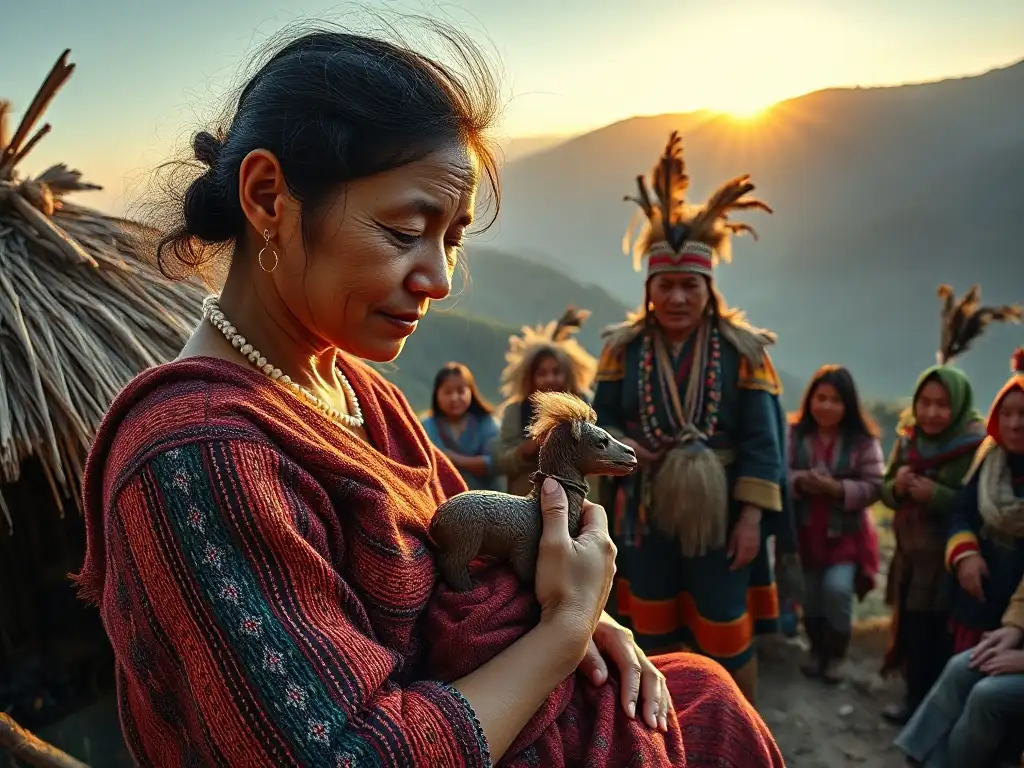
Step into a world lost to time, yet echoing with vibrant life. Imagine the breathtaking Andes Mountains, the birthplace of empires older than history itself. On this journey through Andean Civilizations, we unravel the mysteries and marvels of cultures like the Inca, Moche, Nazca, and Tiahuanaco. But first, prepare to be captivated by the intriguing world of Inca baby naming traditions – a glimpse into the beliefs and rituals surrounding the sacred arrival of a new life. Discover the secrets whispered on the wind, and delve into the rich tapestry of Andean heritage. Let your exploration begin!
The Inca Empire, a civilization renowned for its sophisticated engineering, intricate social structures, and awe-inspiring artistry, also possessed a deeply spiritual and ritualistic approach to life's most fundamental events. This article delves into the fascinating world of Inca childbirth and naming ceremonies, exploring the beliefs, practices, and traditions surrounding the welcoming of new life into their communities.
We'll uncover the significance of these rituals within the broader context of Inca society, revealing how deeply intertwined these ceremonies were with their cosmology, social hierarchy, and agricultural cycles. Understanding Inca baby naming traditions offers a profound insight into their worldview and the importance they placed on the continuity of their culture and the strength of their communities.
This exploration will reveal how the naming of a child was not merely a simple act of identification, but a powerful ritual connecting the newborn to the cosmos, their ancestors, and the future prosperity of the empire. Prepare to be captivated by the rich tapestry of Inca beliefs and practices surrounding the arrival of a new life.
Childbirth Practices in the Inca Empire
Inca childbirth, far from being a private affair, was a deeply communal event. Midwives, highly respected figures within their communities, played a crucial role, assisting mothers throughout the birthing process. These women, often possessing extensive knowledge of herbal remedies and birthing techniques, provided crucial support and guidance.
The location of childbirth varied, depending on the family's social standing. While noblewomen might have given birth in more comfortable settings, the majority of births likely occurred within the family home, surrounded by the warmth and support of family and community members. The process itself was interwoven with beliefs about the spiritual realm, with prayers and offerings made to ensure a safe and successful delivery.
Unfortunately, precise details regarding the specific medical practices remain scarce, but archaeological evidence and ethnographic studies of related cultures offer glimpses into their likely approaches. The survival rate of both mother and child was likely impacted by factors such as nutrition, sanitation and access to skilled care. Further research is needed to fully understand the intricacies of Inca birthing practices.
The Significance of Naming Ceremonies
The naming ceremony, paqarina, wasn't simply a matter of choosing a name; it was a sacred ritual that marked the child's official entry into Inca society and the spiritual world. The name itself wasn't chosen arbitrarily. It held deep symbolic meaning, often reflecting the circumstances of the birth, the child's physical characteristics, or the family's hopes and aspirations for the child's future. Names frequently referenced nature, deities, or significant events, connecting the child to the broader Inca worldview.
For example, a child born during harvest might receive a name associated with abundance or fertility. The ceremony often involved the participation of family members, community elders, and possibly a priest or shaman. The child's name was not only announced but also formally recorded, solidifying their place within the community’s lineage and social structure. This act was a powerful affirmation of the child's existence and their potential contribution to Inca society.
Inca Naming Traditions and Their Cultural Context
Inca naming traditions were closely tied to their cosmology and agricultural cycle. The names often reflected the importance of the Andean environment, with many names derived from plants, animals, or geographical features. Additionally, the names could also indicate the child's position within the family or their expected role in society.
The naming ceremony itself was a public affair, signifying the child's integration into the community and their connection to their ancestors. This event was a crucial moment, marking the child's passage into the social structure and their participation in the ongoing continuity of Inca culture and traditions. The naming process wasn't simply a formality; it was a powerful ritual that shaped the child's identity and destiny within Inca society.
The choice of name was not taken lightly, reflecting the deep-seated spiritual beliefs and social structures that governed Inca life. The use of specific names could also be influenced by the child's birth order and their perceived potential future contributions.
Connecting the Past to the Present: The Legacy of Inca Naming Traditions
While the Inca Empire no longer exists, the echoes of their naming traditions can still be heard in modern-day Andean communities. Many indigenous communities in the Andes continue to incorporate elements of Inca naming practices into their own cultural traditions. The legacy of Inca naming traditions serves as a powerful reminder of the rich cultural heritage of the Andes and the enduring impact of the Inca civilization.
Studying these traditions allows us to gain a deeper understanding of the Inca worldview and its lasting influence on the region's cultural landscape. It provides a window into a unique and complex society, highlighting the importance of cultural continuity and the enduring power of tradition.
The persistence of these traditions across generations underscores the profound significance of Inca culture and its enduring legacy. The study of Inca baby naming traditions is not just an academic pursuit; it's a journey into the heart of a vibrant and enduring culture.
- Childbirth Practices in the Inca Empire
- The Significance of Naming Ceremonies
- Inca Naming Traditions and Their Cultural Context
- Connecting the Past to the Present: The Legacy of Inca Naming Traditions
- What were some common Inca beliefs surrounding childbirth?
- How did Inca naming ceremonies differ from modern practices?
- What factors influenced the choice of an Inca child's name?
- Were there specific ceremonies or rituals associated with Inca baby naming?
- Can we still see evidence of Inca baby naming traditions today?
The Significance of Birth in Inca Society
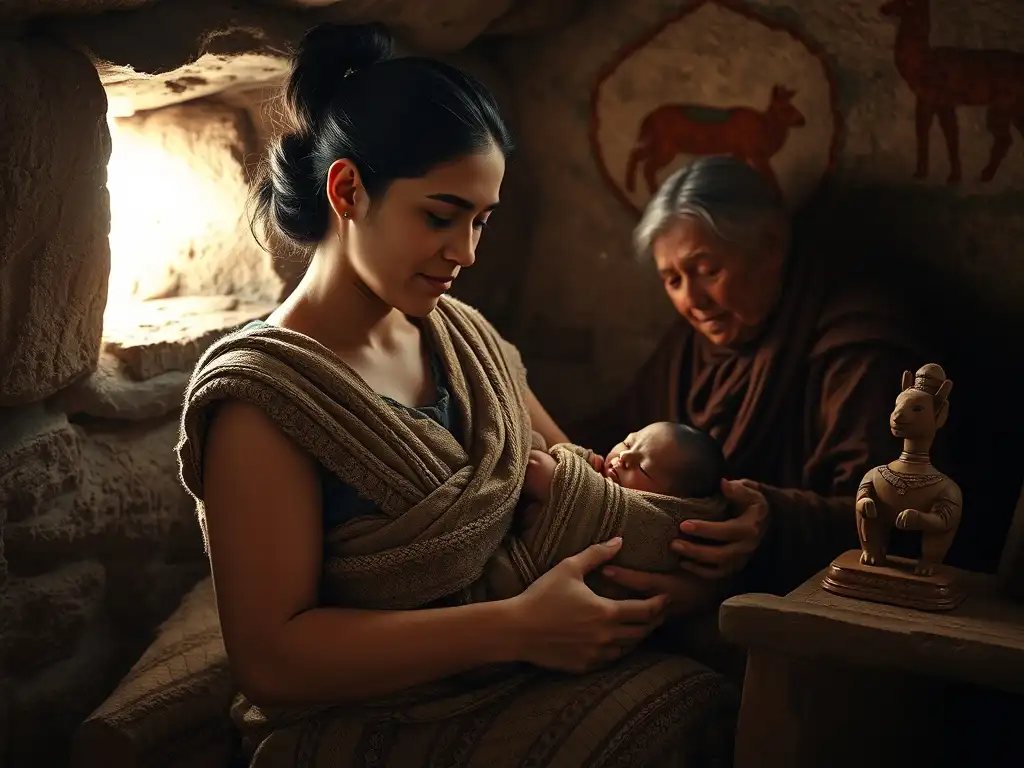
The arrival of a new life held profound significance within Inca society, deeply intertwined with their cosmology, social structure, and agricultural cycles. Birth wasn't merely a biological event; it was a sacred act, connecting the individual to the ayllu (community) and the broader Inca worldview. The Inca believed that children were gifts from the gods, embodying the continuation of life and the promise of future generations.
This reverence extended beyond the immediate family, encompassing the entire community, who shared in the joy and responsibility of raising the child. The health and well-being of the newborn were seen as crucial for the prosperity of the ayllu, reflecting the interconnectedness of individual and collective destinies within Inca society. The high infant mortality rate, unfortunately common in pre-industrial societies, only intensified this sense of preciousness surrounding each newborn.
Inca beliefs regarding fertility and birth rituals were complex, drawing on a rich tapestry of religious beliefs and agricultural practices. Understanding these beliefs provides a crucial lens for appreciating the importance of Inca baby naming traditions and the broader cultural context surrounding childbirth.
The Importance of Lineage and Family in the Inca Empire
Inca society was rigidly hierarchical, with lineage playing a vital role in determining social status and responsibilities. The ayllu, the extended family unit, formed the bedrock of Inca social organization. Children were not merely individuals; they were integral components of the ayllu's continued existence and prosperity.
Their birth strengthened family ties and ensured the continuation of ancestral traditions and customs. The naming ceremony, therefore, was not simply a social event but a crucial ritual that formally integrated the newborn into the ayllu and its intricate network of kinship obligations. The Inca emphasis on lineage influenced every aspect of life, from agricultural practices to political structures, and childbirth was no exception.
The birth of a child, especially a son, strengthened the family's position within the ayllu and potentially enhanced its standing in the broader Inca Empire. This social dynamic profoundly shaped Inca baby naming traditions, often reflecting family history, ancestral ties, and aspirations for the child's future role within the community. Data on specific naming patterns within different ayllus is unfortunately scarce, requiring further research to fully understand the nuances of this practice.
Inca Beliefs Surrounding Pregnancy and Childbirth
Inca beliefs regarding pregnancy and childbirth were deeply rooted in their cosmology and religious practices. Pregnancy was viewed as a sacred process, with expectant mothers receiving special care and attention. They were often excused from strenuous labor and provided with nutritious food to ensure the health of both mother and child. The Inca believed that certain spirits and deities played a crucial role in childbirth, influencing the health and well-being of the newborn.
Shamans and paqos (religious specialists) played a vital role in assisting with childbirth, performing rituals and offering prayers to ensure a safe delivery. The process itself was considered a sacred act, with specific rituals and practices observed to ensure the successful birth and the well-being of the mother and child. These rituals involved the use of medicinal plants, prayers, and offerings to appease the gods and ensure a favorable outcome. Post-partum care was equally important, with mothers and newborns receiving continued support from family and community members.
The health of the mother and child was directly linked to the well-being of the entire ayllu, highlighting the collective responsibility for ensuring their survival and prosperity. While specific details of these practices remain partially obscured by the passage of time, archaeological evidence and surviving accounts offer valuable insights into these deeply held beliefs. Further research into Inca medicinal plants and shamanistic practices could shed more light on the specific rituals surrounding childbirth.
Inca Childbirth Practices and Rituals
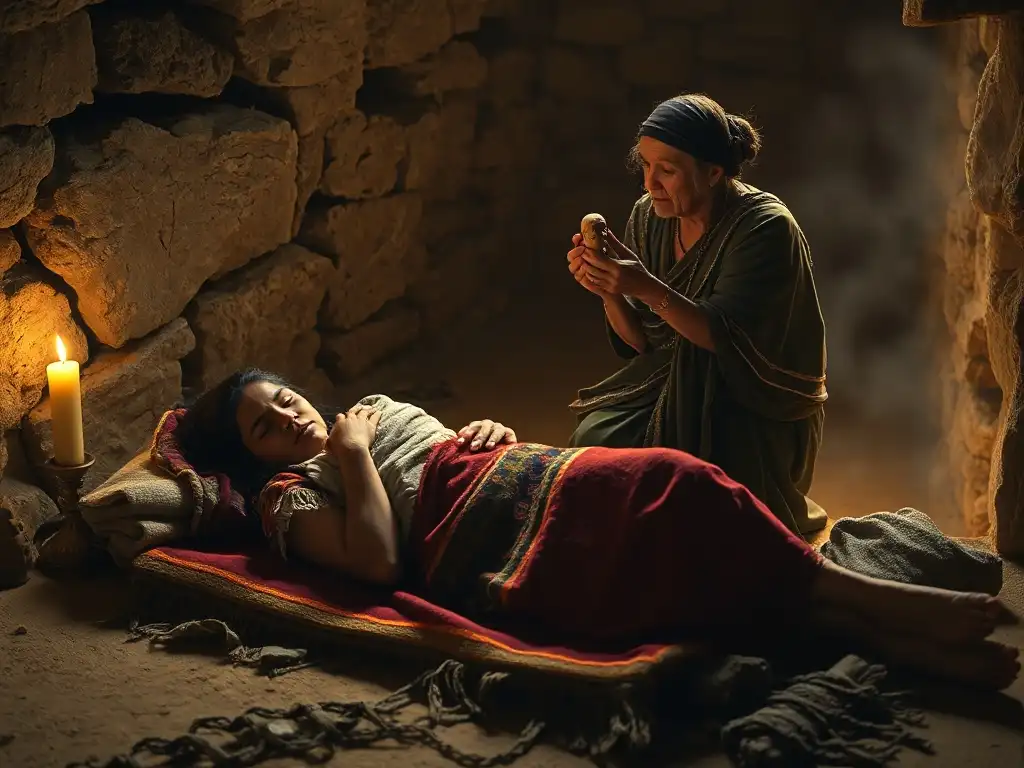
This section delves into the fascinating world of Inca childbirth practices and rituals, offering a glimpse into the beliefs and customs surrounding the arrival of a new life in the Inca Empire. We'll explore the roles of traditional midwives, the preparations undertaken by expectant mothers and their families, and the techniques employed during the birthing process itself. Understanding these practices illuminates the deep-rooted spiritual and social significance of childbirth within Inca society.
The arrival of a child was not merely a biological event but a deeply spiritual one, heavily infused with ritual and ceremony. The focus on "Inca baby naming traditions" will be explored in a later section.
Traditional Inca Midwives and Their Role
Inca society placed immense value on the expertise of traditional midwives, known as mama llacta. These women were highly respected members of their communities, possessing extensive knowledge of herbal remedies, birthing techniques, and postnatal care. Their role extended far beyond the purely physical; they served as spiritual guides, offering support and reassurance to the expectant mother and her family. The mama llacta wasn't simply assisting in a biological process; she was facilitating a sacred transition, welcoming a new soul into the community.
Their skills were passed down through generations, often within family lineages. They possessed a deep understanding of medicinal plants and their applications, using various herbs to ease pain, promote healing, and prevent complications. Their knowledge encompassed not only the physical aspects of childbirth but also the spiritual dimension, incorporating prayers and rituals to ensure a safe delivery and the well-being of both mother and child.
The mama llacta's expertise was crucial in a time before modern medical interventions, ensuring the continuity of Inca traditions and the survival of infants. Their profound understanding of the human body and the natural world made them invaluable assets to their communities. The respect afforded to these women reflects the importance placed on the continuity of life and the sacred nature of childbirth in Inca culture.
Preparations for Childbirth in Inca Culture
The anticipation of a new life in Inca culture involved meticulous preparations, both practical and spiritual. Expectant mothers were cared for with great attention, their diet carefully monitored to ensure optimal health. They followed specific dietary guidelines, consuming foods believed to promote strength and vitality. This meticulous attention to diet reflects the holistic approach of Inca medicine, emphasizing the interconnectedness of physical and spiritual well-being.
Furthermore, the family would prepare the birthing space, ensuring a clean and comfortable environment. This space was often imbued with spiritual significance, perhaps incorporating offerings to Pachamama (Mother Earth) or other deities associated with fertility and childbirth. This preparation extended beyond the physical realm; rituals and ceremonies were performed to invoke blessings and ensure a smooth and safe delivery.
The expectant mother was often surrounded by female relatives and friends who provided emotional and physical support throughout the pregnancy and labor. The community's collective participation underscores the shared responsibility and communal nature of Inca life. The preparations highlight the importance of community support and spiritual preparation alongside practical arrangements for childbirth.
The Birthing Process and Inca Techniques
The Inca birthing process involved specific techniques and practices, many of which remain shrouded in mystery due to a limited number of surviving detailed accounts. However, it's known that the mama llacta played a central role, guiding the mother through labor using various techniques to ease pain and facilitate delivery. These techniques may have included herbal remedies, massage, and possibly other practices. The birthing position likely varied, potentially involving squatting or other positions considered conducive to a natural delivery.
While detailed information on specific techniques is scarce, the emphasis on natural methods and herbal remedies is evident. The overall approach was holistic, prioritizing the well-being of both mother and child. Following delivery, postnatal care was crucial, with the mama llacta providing guidance on breastfeeding, hygiene, and recovery.
This holistic approach highlights the Inca's deep respect for the natural processes of the body and their reliance on traditional knowledge and practices. Further research is needed to fully elucidate the specific birthing techniques employed, but available evidence suggests a sophisticated and deeply respectful approach to the birthing process. The limited surviving documentation underscores the need for further archaeological and historical investigation into Inca childbirth practices.
Inca Baby Naming Traditions: A Sacred Act
Inca baby naming traditions were far more than a simple act of assigning a name; they were deeply embedded in the spiritual and social fabric of Inca society. The process reflected a profound connection to the ayllu (community), the Andean cosmos, and the ancestors. Understanding these practices offers a glimpse into the Inca worldview and the importance placed on the continuity of life and lineage.
The naming of a child wasn't merely a parental decision but a communal event, signifying the child's integration into the social and spiritual order. This careful selection of names, imbued with symbolic meaning, ensured a strong bond between the child and their cultural heritage, shaping their identity and destiny within the Inca empire. The meticulous rituals surrounding these ceremonies underscore the significance of welcoming new life within their society.
The Selection of Inca Names: Meaning and Symbolism
Inca names were not chosen arbitrarily. They held significant meaning, often reflecting the circumstances of the child's birth, the family's aspirations, or even auspicious events occurring at the time. Names frequently invoked deities, natural phenomena, or significant aspects of Inca cosmology. For instance, names like Inti (Sun), Killa (Moon), or Pachamama (Earth Mother) reflected the reverence for the natural world and the powerful forces shaping their lives. Other names might be associated with animals, plants, or celestial bodies, each carrying its own symbolic weight and cultural significance.
The selection process often involved consultation with elders or paqos (shamans), who possessed knowledge of Inca traditions and could interpret omens or divine guidance. This ensured the name was not only appropriate but also auspicious for the child's future. Certain names might be reserved for specific lineages or social classes, further solidifying the social hierarchy within the Inca empire. Furthermore, the meaning of a name wasn't static; it evolved and deepened over time, reflecting the child's experiences and development within the community.
The name became an integral part of their identity, connecting them to their family history and the broader Inca heritage. Detailed records of Inca names, unfortunately, are scarce, making definitive statements about the full range of naming practices challenging. However, existing archaeological and ethnohistorical sources provide valuable insights into this vital aspect of Inca culture.
The Naming Ceremony: Rituals and Celebrations
The Inca naming ceremony wasn't a simple, private affair. It was a significant communal event, often involving elaborate rituals and celebrations. The timing of the ceremony varied, potentially tied to specific agricultural cycles or auspicious astrological alignments. The ceremony typically included offerings to the gods, particularly the sun god Inti and the earth goddess Pachamama, seeking their blessings for the child's well-being and prosperity. Prayers and chants were recited, invoking ancestral spirits and requesting protection and guidance for the newborn.
The paqos played a crucial role, conducting rituals and performing divination to ensure the ceremony's success. The community actively participated, sharing food, drink, and festive activities. The ceremony served as a powerful affirmation of the child's entry into the ayllu and the wider Inca society. The celebration wasn't solely focused on the naming; it also marked the child's official integration into the social and spiritual world of the Inca.
The feast and shared experience strengthened community bonds and reaffirmed the collective responsibility for the child's upbringing and well-being. The vibrant social aspect of the ceremony highlighted the importance of communal support within Inca society. This collective participation underscores the communal nature of Inca life and the shared responsibility in raising children.
The Role of the Community in Inca Naming Practices
The community's role in Inca naming practices extended beyond mere participation in the ceremony. The ayllu, the extended family unit, played a vital role in shaping the child's identity and future. The name chosen reflected not only the child's lineage but also their place within the broader social structure. The community's elders provided guidance and ensured the name's appropriateness and auspiciousness. Moreover, the community shared responsibility for the child's upbringing, education, and overall well-being.
The collective nature of Inca society meant that the child's development was a shared concern. The ayllu offered support and guidance to the parents, contributing to the child's social and spiritual development. This communal approach to child-rearing ensured the child's integration into the Inca way of life and fostered a strong sense of belonging.
The naming ceremony, therefore, served as the formal initiation into this communal responsibility, marking a significant transition in the child's life and its connection with the wider Inca society. The community's involvement in the naming process demonstrated the deep-rooted social fabric and collective ethos that characterized Inca civilization. The emphasis on communal responsibility underscores the importance of kinship and collective identity within Inca society.
Post-Birth Care and Early Childhood in the Inca World
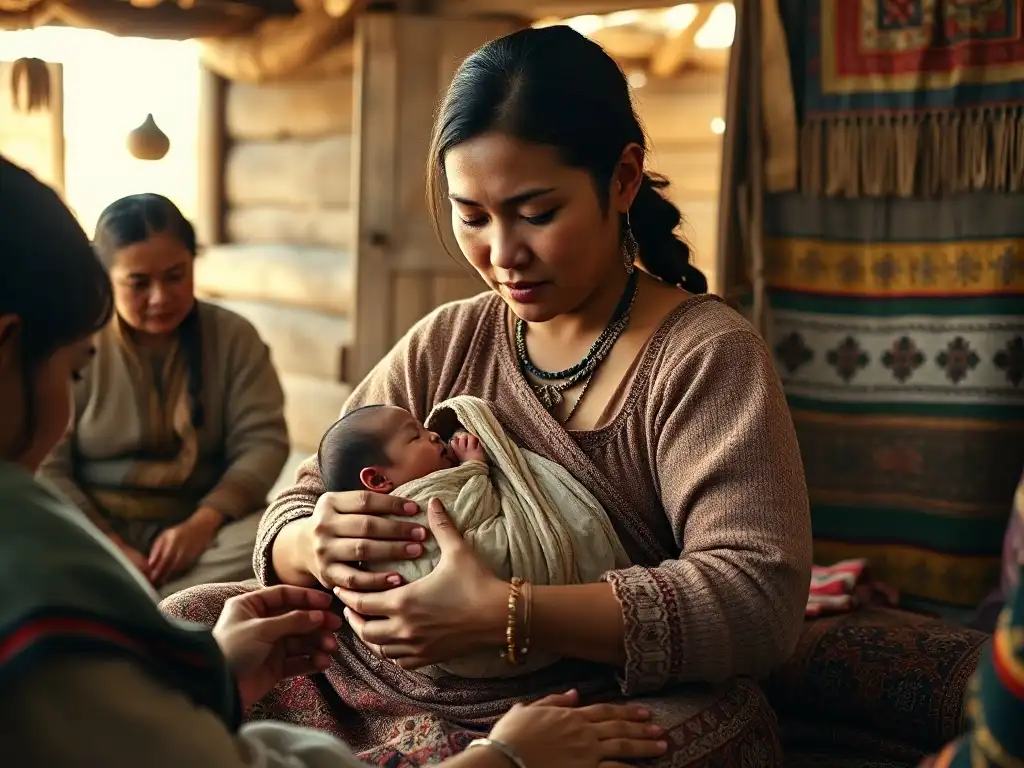
The arrival of a child in Inca society was a momentous occasion, celebrated with rituals and practices reflecting the profound importance placed on family and community. Post-natal care for both mother and child was crucial, emphasizing natural remedies and a strong emphasis on communal support. While detailed records are scarce, archaeological evidence and ethnohistorical accounts offer glimpses into these practices. Understanding these practices sheds light on Inca values and their holistic approach to health and well-being.
Inca Infant Care and Nurturing Methods
Inca infant care prioritized breastfeeding, considered essential for the child's physical and spiritual development. Mothers were encouraged to breastfeed for an extended period, often supplemented by carefully prepared foods as the child grew. These foods, likely consisting of mashed or finely ground grains and vegetables, were adapted to the child's age and digestive capabilities.
The use of medicinal plants, passed down through generations of women, played a significant role in treating common childhood ailments. For example, coca leaves were likely used to soothe colic, while other plants were utilized for various other health issues. The close-knit family structure ensured that multiple caregivers, including grandmothers and other female relatives, assisted in the nurturing process, creating a supportive environment for both mother and child.
This communal support system ensured the well-being of the infant and allowed the mother to recover fully after childbirth. The close bond between mother and child was crucial, reflecting the strong emphasis Inca society placed on family unity. 👶
The Significance of Weaving in the Life of Inca Children
Weaving was not merely a craft in Inca society; it was a fundamental aspect of life, deeply intertwined with cultural identity and spiritual beliefs. Children were often introduced to the basics of weaving at a young age, learning alongside their parents and other community members. For girls, weaving represented a crucial life skill, preparing them for their future roles as wives and mothers responsible for producing textiles for their families.
Boys might learn simpler aspects of weaving, though their primary focus would be on other skills vital to Inca society. The intricate designs and techniques employed in Inca weaving were often passed down through generations, representing a rich tapestry of knowledge and tradition. The colors and patterns used in the textiles held symbolic meaning, reflecting the Inca worldview and their connection to the natural world.
Learning to weave was therefore not only a practical skill but also a way for children to connect to their heritage and spiritual beliefs. The process of learning to weave was a social one, reinforcing community bonds and transmitting cultural knowledge across generations. This early introduction to weaving contributed significantly to the development of fine motor skills and creativity in Inca children.
Inca education was not confined to formal institutions; instead, it was a continuous process integrated into daily life. Children learned through observation, imitation, and active participation in community activities. Boys were often trained in agricultural practices, animal husbandry, or military skills, depending on their social standing and the needs of their community. Girls learned domestic skills, including weaving, cooking, and childcare, preparing them for their future roles within the family structure.
Storytelling played a vital role in transmitting Inca history, mythology, and values to the younger generation. These stories, often passed down orally, conveyed moral lessons and reinforced social norms. Participation in communal rituals and ceremonies further contributed to the socialization of children, strengthening their sense of belonging and identity within the Inca community.
The emphasis on community involvement instilled a strong sense of social responsibility and cooperation from an early age. This holistic approach to education ensured that Inca children were well-prepared for their roles within the complex social structure of the Inca Empire, fostering a sense of unity and purpose within their community. The Inca system of early childhood education, while informal, was remarkably effective in shaping individuals who contributed meaningfully to the societal fabric of the Inca world.
The Spiritual Dimensions of Inca Childbirth
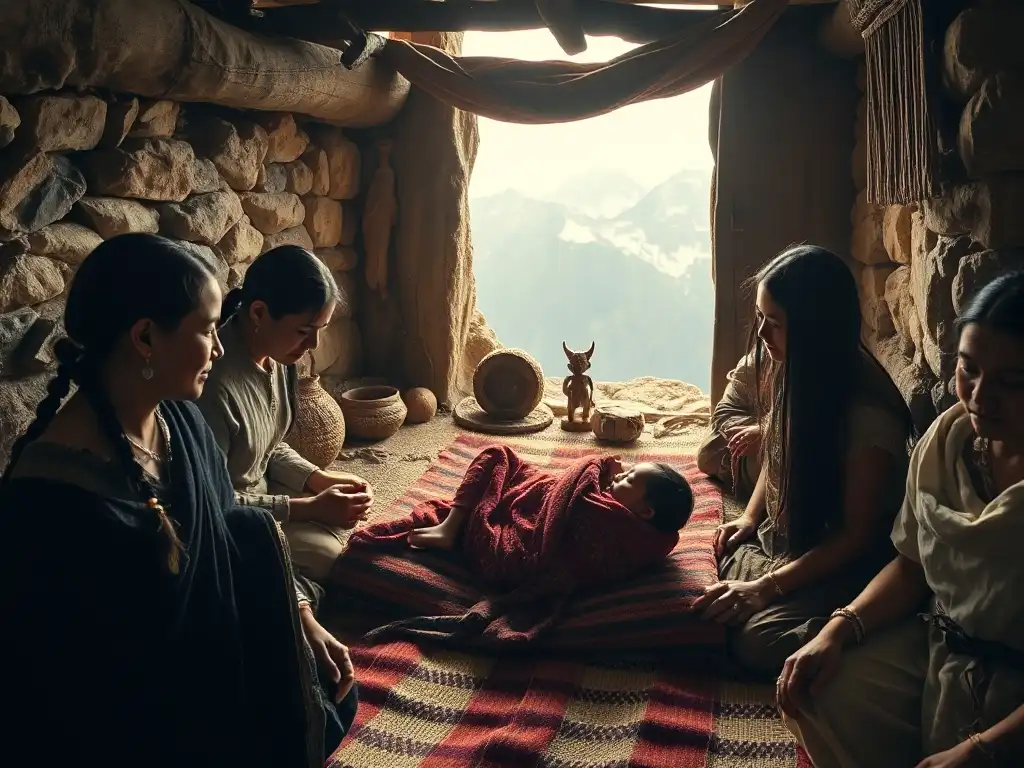
The arrival of a child in Inca society was not merely a biological event; it was a deeply spiritual experience interwoven with the Andean worldview. The Inca believed that the world was imbued with camayana, a sacred power that connected all living beings. Childbirth, therefore, was a powerful manifestation of this camayana, a sacred act connecting the earthly and spiritual realms.
Understanding the spiritual context surrounding Inca childbirth illuminates the profound significance placed upon the newborn and their integration into the community. This spiritual dimension heavily influenced Inca baby naming traditions, reflecting the beliefs and values of the culture. The names themselves often served as a connection to the spiritual world, linking the child to ancestral spirits and protective deities.
The process of choosing a name was far more than a simple act of identification; it was a ritualistic act that shaped the child's destiny within the Inca cosmology. Furthermore, the significance of the spiritual realm extended beyond the naming ceremony, influencing practices surrounding pregnancy, labor, and postpartum care.
Inca Deities Associated with Fertility and Birth
Several Inca deities were closely associated with fertility, childbirth, and the well-being of newborns. Mama Killa, the moon goddess, was a significant figure, representing the cyclical nature of life and fertility. Her influence was believed to be particularly potent during childbirth, guiding the mother and protecting the infant.
Pachamama, the Earth Mother, was another crucial deity, embodying the life-giving power of the land and ensuring the sustenance of the community. Her role in childbirth emphasized the connection between the human world and the natural world, highlighting the importance of respecting the environment. Additionally, Viracocha, the creator god, was invoked for protection and guidance throughout the entire process, ensuring a successful birth and a healthy child.
These deities weren't merely invoked passively; offerings and prayers were routinely made to secure their favor and blessing. Specific rituals and practices were associated with each deity, further demonstrating the centrality of the spiritual realm in Inca childbirth practices. The intricate relationship between these deities and the act of childbirth underscored the sacredness of new life in Inca culture.
Inca Prayers and Offerings for a Safe Delivery
Inca women relied heavily on prayer and offerings to ensure a safe delivery and the health of both mother and child. Prayers were often directed to Mama Killa and Pachamama, seeking their protection and guidance during labor. These prayers were not simply whispered requests; they were elaborate rituals involving specific incantations and gestures, passed down through generations of mamaconas (priestesses) and midwives.
Offerings played a crucial role in these rituals. These offerings varied, ranging from coca leaves and chicha (fermented corn beer) to llama fetuses, depending on the severity of the situation or the specific deity being addressed. The offerings were intended to appease the deities and secure their benevolent intervention.
The meticulous preparation and presentation of these offerings reflected the deep respect and reverence the Inca held for the spiritual realm and its influence on human life. Evidence suggests that specific herbs and plants were also used in these ceremonies, possibly acting as both medicinal and spiritual aids. [Specific herb and plant details pending]
The Inca Concept of Life and Death
The Inca worldview encompassed a cyclical understanding of life and death, deeply influencing their approach to childbirth. Death was not seen as an absolute end but rather as a transition to another realm. This perspective informed their beliefs about the soul and the afterlife, shaping their practices surrounding childbirth and infancy. The newborn was not just a new individual but also a link to the ancestral lineage, carrying the spirit of their ancestors.
This connection underscored the importance of proper naming ceremonies, as the name served as a symbolic bridge between the living and the departed. The concept of huaca, or sacred places and objects, also played a significant role. Certain locations were believed to be imbued with spiritual power, making them ideal for childbirth and related ceremonies.
The Inca believed that the spirit of the newborn was vulnerable in its early days, requiring specific rituals and protections to ensure its safe passage into the world and its integration into the community. This holistic view of life and death shaped their approach to childbirth, highlighting the deep spiritual significance of welcoming new life. The Inca baby naming traditions, therefore, were not merely about assigning a name but about securing the child's place within this cyclical worldview.
Contrasting Inca Childbirth with Modern Practices
Differences in Medical Approaches
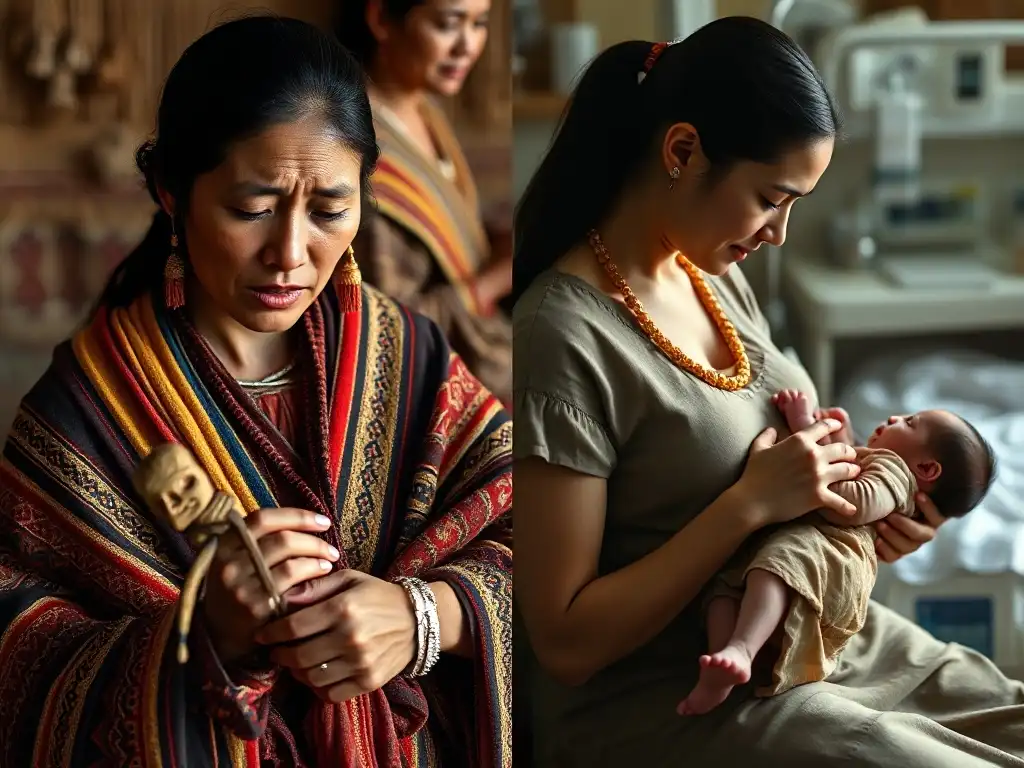
Inca childbirth, unlike modern practices, lacked the advanced medical interventions we take for granted today. Midwives, experienced women within the community, played a crucial role, relying on herbal remedies and traditional techniques. Pain management involved methods such as massage, herbal teas, and possibly the use of coca leaves for their analgesic properties.
While the precise techniques remain debated by scholars, evidence suggests a focus on natural birthing processes with limited surgical intervention. Modern obstetrics, on the other hand, offers a wide array of interventions, including pain relief through epidurals, cesarean sections, and continuous fetal monitoring. This stark contrast highlights the significant advancements in medical technology and understanding of the birthing process over centuries.
The survival rate for both mother and child would have been considerably lower in Inca times due to the lack of sterile environments and readily available antibiotics. The risks associated with postpartum hemorrhage and infection were significantly higher, impacting the overall health outcomes. Understanding these differences allows for a deeper appreciation of the resilience and adaptability of Inca women and the limitations of their healthcare system compared to our modern, technologically advanced approach.
Cultural Significance of Birth Across Time
The cultural significance of childbirth in Inca society differed markedly from modern perspectives. In modern Western cultures, the birth of a child is often viewed as a personal event, celebrated primarily within the family. While family remains central, the Inca approach was more deeply embedded in the community and spiritual fabric.
The birth of a child was not just a familial matter; it was considered a communal event, signifying the continuation of the ayllu (kinship group) and the strengthening of the community’s ties. The arrival of a new life was seen as a blessing, a contribution to the collective well-being and the perpetuation of Inca traditions. This communal aspect extended to the naming ceremonies and the integration of the newborn into the social structure.
The profound spiritual beliefs surrounding the Inca worldview also shaped the perception of birth. The child’s arrival was often interpreted within the context of ancestral spirits and the cosmos, highlighting the interconnectedness of the human and spiritual realms. In contrast, modern interpretations often emphasize individual autonomy and personal choice in how births are experienced and celebrated.
Preserving the Legacy of Inca Traditions
Preserving the Legacy of Inca Traditions
The legacy of Inca baby naming traditions, while partially lost to time, continues to resonate in some Andean communities today. While precise details of the naming process remain subject to ongoing research and scholarly debate, certain elements suggest a connection to ancestral lineage, cosmology, and the surrounding environment. Names often reflected the child's birth order, significant events surrounding their birth, or characteristics attributed to them by their family. In some cases, names were linked to specific deities or powerful figures in Inca mythology.
Efforts to preserve these traditions involve anthropological research, the study of surviving historical records (albeit limited), and the careful documentation of oral histories within present-day communities that still maintain some vestiges of Inca practices. Ethnographic studies play a vital role in understanding the nuances of Inca culture and its evolution. The challenge lies in balancing the preservation of cultural heritage with the realities of modern life and the evolving societal norms in the Andes. The integration of traditional practices into contemporary contexts requires careful consideration and a respectful approach, ensuring that the traditions are not merely romanticized but understood within their historical and social contexts.
The continuation of certain naming practices, albeit modified, serves as a testament to the enduring legacy of Inca culture. Further research is crucial to ensure the accurate and respectful preservation of Inca baby naming traditions for future generations. The study of Inca quipu (knotted-string records) may also yield further insights, though deciphering their complex system remains a significant challenge.
Frequently Asked Questions
What were some common Inca beliefs surrounding childbirth?
Inca culture placed great importance on childbirth, viewing it as a sacred and powerful event. They believed that children were gifts from the gods, and the process held significant spiritual meaning. Midwives played crucial roles in assisting mothers and ensuring safe deliveries.
How did Inca naming ceremonies differ from modern practices?
Inca naming ceremonies were deeply ritualistic, often involving family, community members, and religious leaders. Names weren't chosen arbitrarily but rather held spiritual significance, often reflecting the child's birth order, circumstances, or perceived destiny. Unlike modern practices, the ceremony was a community affair.
What factors influenced the choice of an Inca child's name?
The choice of a name was a complex process. Factors included the child's birth order, the day of the week they were born, and significant events occurring at the time. Names were also often tied to Inca deities or natural elements, reflecting the importance of the spiritual world.
Were there specific ceremonies or rituals associated with Inca baby naming?
Yes, Inca naming ceremonies were elaborate rituals. They often included offerings to the gods, prayers for the child's well-being, and celebrations involving family and the community. These ceremonies were designed to ensure the child's safe passage into the world and their successful integration into Inca society.
Can we still see evidence of Inca baby naming traditions today?
While the specific practices are largely lost to time, some elements of Inca naming traditions may persist in modern Andean communities. The importance of family lineage and spiritual connection in naming remains relevant, suggesting a cultural continuity influenced by the ancient Inca practices.
Final Reflection: Echoes of the Andes: A Legacy of Inca Naming
The ancient practices surrounding Inca childbirth and naming ceremonies remain profoundly relevant today, a testament to the enduring power of cultural heritage and the universal human need to mark the arrival of new life with meaning and ritual. These traditions, far from being relics of a distant past, offer valuable insights into the interconnectedness of family, community, and the spiritual world, reminding us of the rich tapestry of human experience across time and cultures.
The enduring influence of Inca naming traditions on modern Andean communities is striking, a vibrant thread woven into the fabric of their cultural identity. The emphasis on connection to ancestors, the land, and the cosmos continues to resonate, shaping not only individual identities but also the collective memory of a people. The names we bear are not merely labels, but echoes of our past, shaping our present and guiding our future.
This sentiment, though not directly from Inca sources, perfectly encapsulates the enduring power of their naming practices. The careful selection of names, imbued with symbolic meaning, reflects a deep respect for the cyclical nature of life and the importance of honoring one's heritage.
Consider the profound implications of these ancient practices. How might consciously choosing a name, imbued with meaning and intention, shape your own life and the lives of those you love? Take a moment to reflect on the names you bear, and the stories they tell. What legacy do you wish to create, what values do you wish to embody? Let the echoes of the Andes inspire you to approach the naming of your own children, or the celebration of any new beginning, with intentionality and reverence, weaving a meaningful narrative into the fabric of your own family's history.
Embrace and Celebrate New Beginnings
Thank you for exploring the rich traditions of Inca childbirth and naming ceremonies with us! We hope you gained valuable insights into how these vibrant customs honor new life and heritage. Let's put this inspiration into practice!
- Explore and Share: Learn more about Andean culture by researching other significant ceremonies, such as marriage rituals or harvest festivals. Share your discoveries with friends or in online forums to spark conversations about the role of tradition in our lives.
- Reflect and Connect: Consider how your own family traditions shape your identity and sense of belonging. Share your reflections on social media using #AndeanCivilizations to help raise awareness of diverse cultural practices.
- Join the Community: Subscribe to our newsletter for more engaging articles on Andean customs and history. Connect with others who share your interest in Andean culture through online forums and discussion groups.
How will you incorporate these meaningful traditions into your own life and heritage?