
Festivals and Celebrations in the Inca Empire: Rhythms of Life

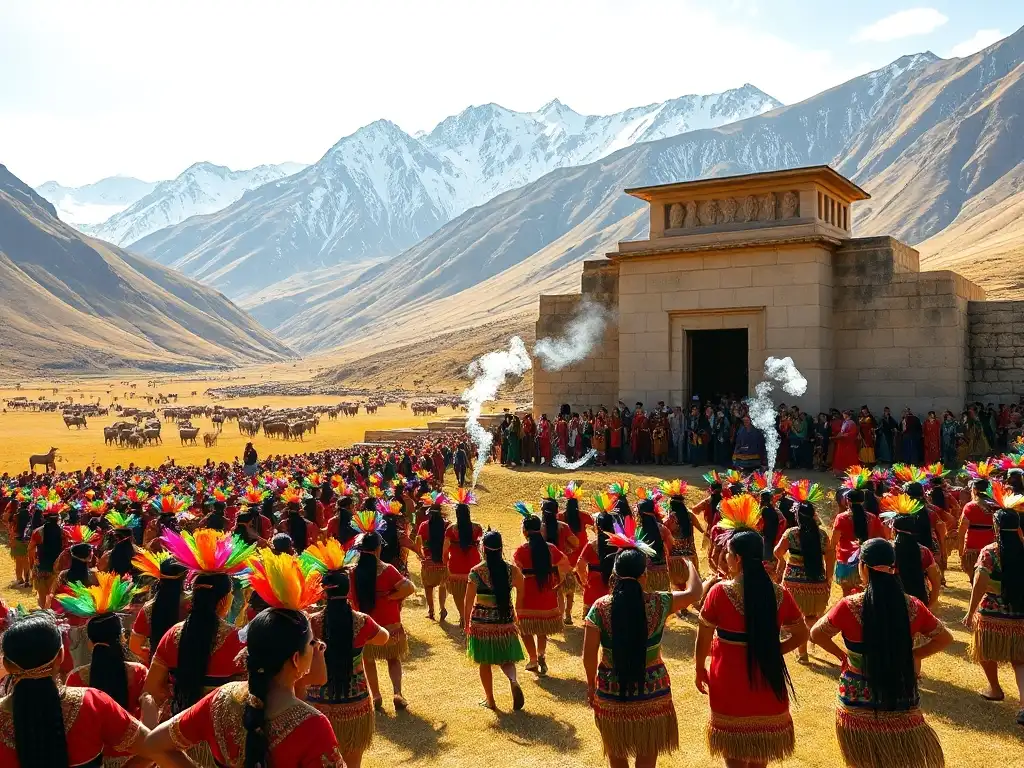
Step into a world lost to time, yet echoing with vibrant life. Imagine the breathtaking spectacle of Inca Empire festival traditions, a tapestry woven from ancient rituals, intricate artistry, and the unwavering rhythm of Andean life. Discover the secrets behind these captivating celebrations and unlock the mysteries of a civilization that continues to fascinate and inspire. Prepare to be amazed as we delve into the heart of the Inca Empire's rich cultural heritage – a journey you won't soon forget.
- Inca Empire Festival Traditions: Rhythms of Life in the Andes
- The Significance of Festivals in Inca Society
- Key Inca Empire Festivals and Celebrations
- Music, Dance, and Rituals in Inca Festivals
- The Legacy of Inca Festival Traditions
-
Frequently Asked Questions
- What were some important festivals celebrated in the Inca Empire?
- How did Inca festivals reflect their religious beliefs?
- What role did music and dance play in Inca festivals?
- What were some of the common practices during Inca festivals?
- How did the Inca Empire's festivals differ from those of other Andean cultures?
- Final Reflection: Echoes of the Andes: A Legacy of Inca Celebration
- **Celebrate and Embrace the Inca Spirit! **
Inca Empire Festival Traditions: Rhythms of Life in the Andes
The Inca Empire, a civilization that flourished in the Andes Mountains for over a century, was not just a sophisticated political and administrative entity; it was also a society deeply interwoven with vibrant religious and agricultural cycles. Life in the Inca Empire was rhythmically punctuated by a multitude of festivals and celebrations, intricately linked to the agricultural calendar, the sun's movements, and the veneration of their many gods.
Understanding these festivals provides crucial insight into the Inca worldview, their social structures, and their deeply spiritual connection to their environment. This article delves into the rich tapestry of Inca festival traditions, exploring their significance, rituals, and lasting legacy on Andean culture.
We will examine how these celebrations reflected the Inca's profound respect for nature, their intricate social hierarchy, and their belief in the power of collective participation in maintaining cosmic balance. The keyword, "Inca Empire festival traditions," will guide our exploration of this fascinating aspect of Andean history.
The Inti Raymi: Celebration of the Sun God
The Inti Raymi, or Festival of the Sun, was arguably the most important festival in the Inca calendar. Held annually during the winter solstice (around June 24th), it was a grand spectacle that celebrated the Inca sun god, Inti, the supreme deity in their pantheon. The festivities lasted for several days and involved elaborate processions, sacrifices (often llamas), feasts, and theatrical performances.
The Sapa Inca, the emperor, played a central role, presiding over the ceremonies and offering prayers for a bountiful harvest and the continued prosperity of the empire. Thousands of people from across the empire converged on Cusco, the capital, participating in the joyous and solemn rituals that reaffirmed their collective identity and their dependence on the sun’s life-giving energy. The Inti Raymi was not merely a religious event; it was a powerful demonstration of the Inca's political authority and the unity of their vast empire.
Detailed accounts from Spanish chroniclers, although biased by their colonial perspective, offer valuable glimpses into the scale and magnificence of this significant celebration. Archaeological evidence, such as the remains of ceremonial sites and the discovery of artifacts related to the Inti Raymi, further enriches our understanding of this pivotal festival.
Capac Raymi: Honoring the Inca Ancestors
Unlike the Inti Raymi, which was a public festival celebrated throughout the empire, the Capac Raymi, or Festival of the Dead, was a more private and solemn affair focused on honoring the deceased Inca rulers and ancestors. This festival was deeply rooted in the Inca belief system that emphasized the continuity between the living and the dead. It involved elaborate rituals performed by priests and nobles in sacred sites, including offerings of food, drink, and valuable objects to appease the spirits of the ancestors and seek their blessings.
The exact dates and details of the Capac Raymi are less well documented than the Inti Raymi, but its significance in the Inca worldview is undeniable. The emphasis on ancestor veneration highlights the importance of lineage and social hierarchy within the Inca society, underscoring the deep respect for their past rulers and their crucial role in maintaining the cosmic order.
Other Significant Festivals and Seasonal Celebrations
Beyond the Inti Raymi and Capac Raymi, the Inca calendar was filled with a multitude of other festivals, many tied to the agricultural cycle and the various deities associated with different aspects of nature. These included celebrations marking the planting and harvesting seasons, festivals dedicated to specific deities like the moon goddess Mama Quilla or the earth goddess Pachamama, and numerous local festivals that celebrated regional variations in agricultural practices and beliefs.
These diverse celebrations fostered a sense of community and shared identity within the empire while simultaneously acknowledging the regional differences and local traditions. The frequency and diversity of these festivals underscore the importance of ritual and ceremony in shaping the daily lives and spiritual beliefs of the Inca people.
Further research is needed to fully document the intricate details of these lesser-known festivals, but available evidence suggests a rich and multifaceted religious landscape. The Inca Empire was far from monolithic in its beliefs and practices, reflecting a complex and dynamic society.
Further Research Areas:
More research is needed on the specific rituals, offerings, and participants in various regional festivals.
Further investigation into the musical instruments and dance styles associated with Inca festivals would greatly enhance our understanding.
A comparative study of Inca festival traditions with those of other Andean cultures could provide valuable insights.
The Significance of Festivals in Inca Society
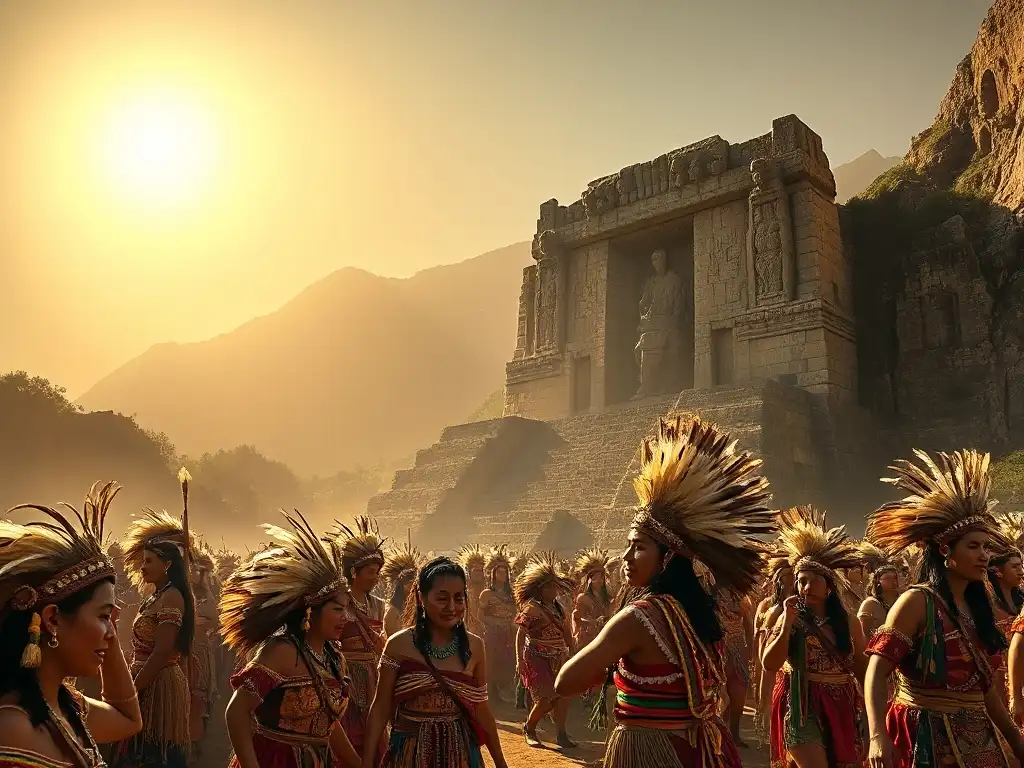
The Inca Empire, renowned for its sophisticated social structures and impressive engineering feats, also possessed a vibrant and deeply meaningful system of festivals and celebrations. These weren't mere holidays; they were integral to the fabric of Inca life, interwoven with religious beliefs, agricultural cycles, and social cohesion. Understanding these festivals offers a crucial window into the worldview and daily rhythms of the Inca people.
The meticulous organization and widespread participation in these events underscore their profound importance within Inca society. The Inca Empire festival traditions were not simply entertainment; they were a vital element of their complex civilization, reflecting their deep connection to the spiritual and physical worlds.
Inca celebrations held immense religious significance. The Inca worldview was deeply intertwined with nature, and festivals frequently centered on honoring the gods ( Apus, mountain spirits; the sun god, Inti; and others) and ensuring bountiful harvests. These events served as opportunities to reaffirm the relationship between the people and the divine, reinforcing social order and strengthening community bonds. For example, the Capac Raymi, the most important festival of the year, celebrated the winter solstice and the sun god Inti, emphasizing the Inca ruler's role as intermediary between the divine and the human realms.
The festivities involved elaborate rituals, sacrifices (often llamas), and large-scale processions, drawing participants from across the empire. The sheer scale of these events highlights their importance as both religious and social gatherings. Participation was not merely encouraged; it was expected, solidifying social unity and reinforcing the authority of the Inca leadership.
Beyond the overtly religious aspects, Inca festivals played a crucial role in maintaining social harmony and stability. They provided opportunities for people from different regions and social strata to interact, fostering a sense of shared identity and collective purpose. These gatherings facilitated the exchange of goods, information, and cultural practices, further strengthening the bonds that held the vast empire together.
Smaller, localized festivals also celebrated harvests, births, or other important community events, reinforcing local identities within the larger imperial framework. The meticulous planning and execution of these festivals, often involving significant resources and manpower, illustrate the value the Inca placed on communal celebrations. The integration of religious and social aspects within these celebrations underscores their multifaceted significance in Inca society.
Calendrical System and Festival Scheduling
The precise scheduling of Inca festivals was deeply connected to their sophisticated calendrical system. This system, based on both solar and lunar cycles, allowed the Inca to accurately predict agricultural seasons and plan their festivals accordingly. The calendar wasn't just a tool for agricultural planning; it was a framework for organizing their entire social and religious life.
Major festivals, like the Capac Raymi, were timed to coincide with specific astronomical events, reinforcing their religious significance. The Inca's mastery of astronomy and their ability to create such a precise calendar are testament to their advanced understanding of the natural world and their ability to integrate this knowledge into their social and religious practices. This intricate calendrical system was crucial for the planning and execution of the many festivals that punctuated the Inca year.
The Inca calendrical system also allowed for the scheduling of smaller, regional festivals. These events were tailored to local conditions and agricultural cycles, reflecting the diversity of the empire while maintaining a sense of overall unity. The ability to coordinate these numerous festivals across such a vast territory demonstrates the effectiveness of the Inca administrative system and its capacity for centralized planning and execution.
The precise timing of each festival was not arbitrary; it was carefully determined based on astronomical observations and agricultural needs, ensuring that the celebrations remained deeply intertwined with the natural world and the rhythms of Inca life. Understanding the Inca calendrical system is essential to appreciating the full extent of their sophisticated festival traditions. Further research into regional variations in festival timing and practices would enrich our understanding of the Inca Empire festival traditions and their role in the empire's overall social and religious life.
Key Inca Empire Festivals and Celebrations
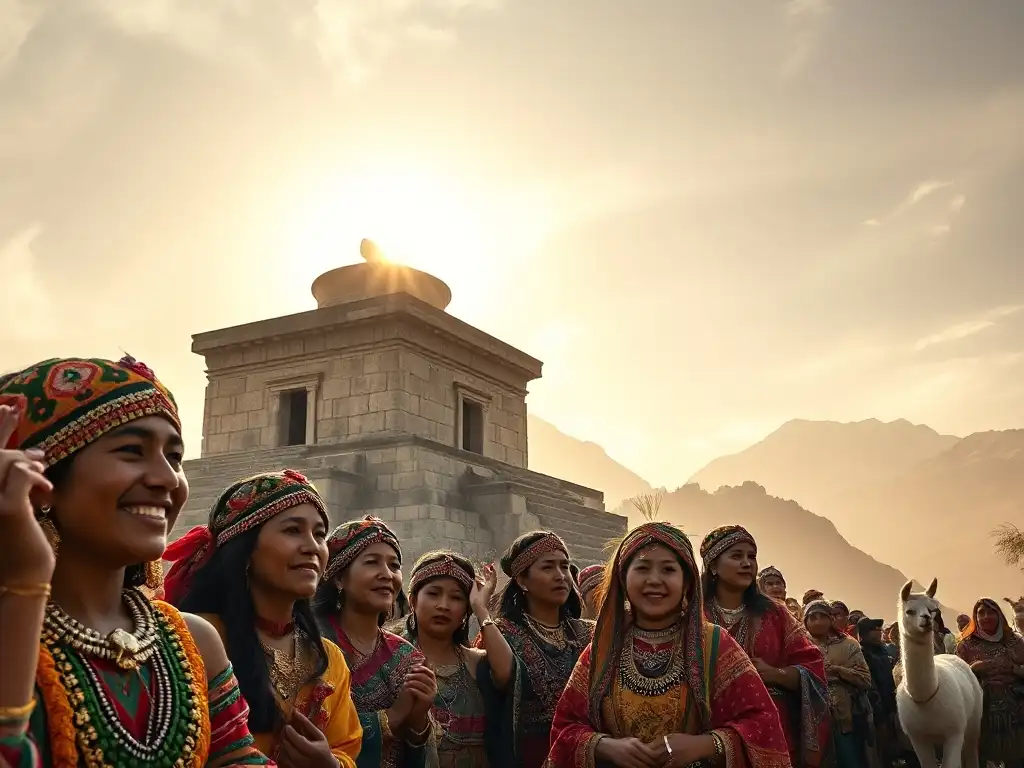
The Inca Empire, renowned for its sophisticated social structures and advanced engineering, also possessed a vibrant tapestry of festivals and celebrations. These events, deeply intertwined with their cosmology and agricultural cycle, were not mere spectacles but crucial rituals reinforcing social order, expressing gratitude to the gods, and ensuring the prosperity of the empire. Understanding these festivals offers a unique window into the Inca worldview and their intricate relationship with the natural world.
The meticulous planning and execution of these celebrations highlight the Inca's organizational prowess and their profound reverence for their deities and ancestors. This section will delve into two of the most significant Inca festivals: Inti Raymi and Capac Raymi, exploring their significance and the rich tapestry of traditions associated with them. The study of "Inca Empire festival traditions" reveals much about their beliefs and practices.
Inti Raymi: The Festival of the Sun
Inti Raymi, meaning "Festival of the Sun," was the most important festival in the Inca calendar. Dedicated to Inti, the sun god, it celebrated the sun's life-giving power and its crucial role in agriculture. The festival's timing, coinciding with the winter solstice in the Southern Hemisphere (around June 24th), underscores its significance in ensuring the success of the next agricultural cycle. The grandeur of the celebration emphasized the Inca emperor's role as a divine intermediary between the sun god and the people.
Honoring Inti, the Sun God
The Inca believed Inti was the supreme deity, the source of all life and energy. Honoring Inti was not just a religious obligation but a fundamental aspect of Inca life. The festival served as a powerful reaffirmation of this belief. Elaborate offerings, including gold and silver ornaments, coca leaves, and llama sacrifices, were presented to Inti.
These offerings symbolized the Inca's dependence on the sun's benevolence and their commitment to maintaining a harmonious relationship with the divine. The sheer scale of the offerings reflects the importance placed upon agricultural success, which was directly tied to the sun's power. Furthermore, the festival acted as a reminder of the emperor's divine authority, derived from his lineage and connection to the sun god.
Rituals and Ceremonies of Inti Raymi
Inti Raymi was a multi-day event involving processions, sacrifices, and feasts. The emperor, dressed in lavish attire, played a central role, leading the ceremonies and making offerings to Inti. Priests performed elaborate rituals, chanting prayers and offering libations. The rituals were meticulously choreographed, combining music, dance, and symbolic actions to express the Inca's deep reverence for the sun god.
Participants, dressed in vibrant clothing, engaged in festivities that included music, dancing, and feasting. The celebrations were not confined to the imperial capital of Cusco; similar, albeit smaller-scale, festivities took place across the empire, demonstrating the widespread reverence for Inti and the unifying power of the festival. Archaeological evidence, such as ceremonial sites and artifacts, provides tangible proof of the widespread participation and significance of Inti Raymi.
Capac Raymi: The Celebration of the Noble Lineage
Capac Raymi, translated as "Royal Feast," was another important festival, although less widely celebrated than Inti Raymi. This festival focused on celebrating the Inca royal lineage and reaffirming the emperor's divine right to rule. It was a powerful display of imperial authority and social hierarchy. The meticulous organization and execution of this celebration further highlight the Inca's organizational skills and their ability to mobilize resources on a grand scale.
Initiation Rites and Social Hierarchy
Capac Raymi incorporated elaborate initiation rites for young Inca nobles. These rites served to solidify their place within the social hierarchy and to prepare them for their future roles in governance and administration. The ceremonies involved tests of strength, endurance, and skill, reinforcing the values of discipline and loyalty essential to the Inca state. The successful completion of these rites symbolized their transition into adulthood and their acceptance into the ruling elite. This process reinforced the rigid social structure of the Inca Empire, where birthright and lineage determined social standing.
The Significance of Capac Raymi for Inca Power
Capac Raymi was not simply a celebration; it was a powerful tool for maintaining imperial control. The festival served to publicly demonstrate the emperor's authority and the legitimacy of his rule. The lavish display of wealth and power, the participation of the elite, and the carefully orchestrated ceremonies all contributed to reinforcing the emperor's divine status and the stability of the Inca Empire.
The festival's focus on lineage and heredity served to legitimize the emperor's claim to power and to discourage dissent. By showcasing the grandeur of the Inca court and the power of the imperial dynasty, Capac Raymi played a critical role in maintaining social order and ensuring the continuation of Inca rule. The meticulous records and chronicles kept by the Inca themselves, although fragmented, offer invaluable insights into the importance of this festival in consolidating power.
Coya Raymi: The Festival of the Queen
Honoring the Inca Queen and Fertility
Coya Raymi, meaning "Festival of the Queen," was a significant celebration honoring the coya, the Inca emperor's wife. More than just a royal consort, the coya held immense power and influence, embodying fertility and the prosperity of the empire. This festival wasn't merely a display of royal power; it was deeply intertwined with the Inca worldview, emphasizing the vital role of female fertility in ensuring bountiful harvests and the continuation of the Inca lineage.
The coya's health and well-being were seen as directly connected to the empire's prosperity, making this festival a crucial ritual for the entire Inca population. The celebrations involved elaborate processions, feasts, and offerings, all designed to honor the coya and invoke her blessings upon the land.
The timing of Coya Raymi likely varied across different regions of the vast Inca empire, adapting to local agricultural cycles and specific beliefs. Further research is needed to pinpoint the precise dates and regional variations of this important festival.
Rituals and Offerings in Coya Raymi
The rituals performed during Coya Raymi were meticulously planned and executed by priests and priestesses. These rituals often involved symbolic offerings, such as llamas and fine textiles, presented to the coya and the sun god, Inti. These offerings weren't simply gifts; they were acts of appeasement and a demonstration of loyalty and devotion.
The coya, often participating actively in the ceremonies, would receive gifts and tributes from all corners of the empire, a testament to her elevated status and the power she represented. The festival also likely featured musical performances, dances, and theatrical displays, all designed to entertain the coya and the assembled nobles. Archaeological evidence, while limited, suggests the use of specific colors and materials in the decorations and offerings, possibly reflecting specific meanings and beliefs related to fertility and royal power.
More detailed archaeological investigations are needed to fully understand the intricacies of the rituals and offerings involved in Coya Raymi. We can speculate that certain agricultural practices, such as planting rituals, may have been synchronized with the festival, reinforcing the connection between the coya's fertility and the prosperity of the land.
Uma Raymi: The Festival of Water
Importance of Water in Inca Agriculture
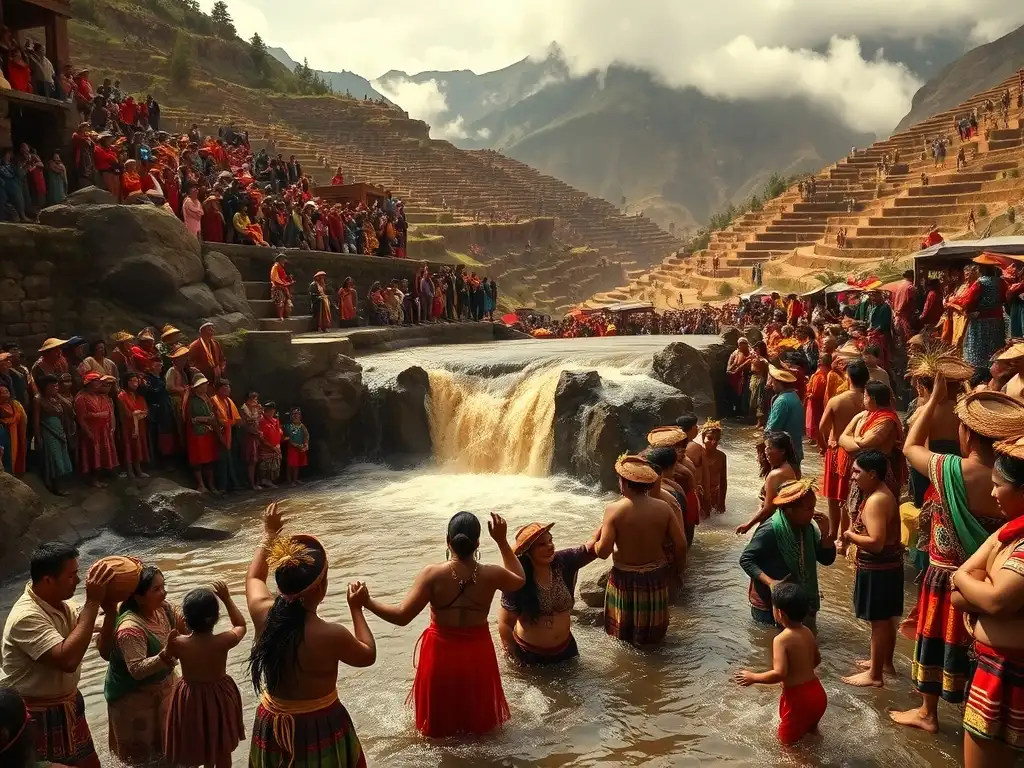
Uma Raymi, translating to "Festival of Water," underscores the crucial role of water in Inca society. In a predominantly agricultural empire, the availability of water directly determined the success of harvests and the overall well-being of the population. The Inca's sophisticated irrigation systems, a testament to their engineering prowess, depended entirely on the careful management and distribution of water resources.
The Inca understood the profound connection between water, agriculture, and their survival. Their reverence for water wasn't merely practical; it was deeply spiritual. Water was considered a sacred element, a gift from the gods, and its proper management was essential for maintaining balance and harmony with the natural world.
This reverence is reflected in the importance given to Uma Raymi, a festival dedicated to ensuring the continued flow of water and the success of the agricultural cycle. The timing of Uma Raymi likely coincided with the rainy season, further emphasizing its significance in the agricultural calendar.
Ceremonies Related to Water and Rainfall
The ceremonies during Uma Raymi were focused on appeasing the gods responsible for water and rainfall. Priests performed elaborate rituals, often involving offerings of coca leaves, chicha (a fermented corn beverage), and other sacred items. These offerings were meant to ensure the continued flow of water from the mountains and abundant rainfall for the crops.
Processions involving water-related symbols and deities were common, with participants carrying vessels of water and performing dances meant to invoke rainfall. In addition to the formal religious ceremonies, Uma Raymi likely also involved community-based rituals, where individuals would participate in prayers and offerings to ensure the well-being of their local water sources. The specific rituals and ceremonies associated with Uma Raymi may have varied across different regions of the Inca Empire, reflecting local variations in climate and agricultural practices.
Further research is needed to fully understand the diversity of practices associated with this important festival celebrating the life-giving power of water. The integration of music, dance, and community participation points to a vibrant and engaging festival that played a crucial role in the social and spiritual life of the Inca people.
Huarachicuy: The Rite of Passage for Young Men
The Huarachicuy was a pivotal ceremony in Inca society, marking the transition of young men into adulthood and their integration into the military structure. This wasn't simply a celebratory event; it was a rigorous process designed to test the physical and mental capabilities of the initiates, ensuring only the strongest and most resilient would serve the empire. The timing of the Huarachicuy varied depending on the specific community and the needs of the Inca army, but generally took place during the dry season, ensuring favorable weather conditions for the various trials.
The event involved a significant investment of time and resources from the community, highlighting its importance within the Inca worldview. Preparation for the Huarachicuy often began years in advance, with young men undergoing rigorous physical training and instruction in Inca traditions and values.
Initiation into Adulthood and Military Service
The Huarachicuy served as a formal initiation into adulthood, granting young men full rights and responsibilities within their communities. Upon successful completion of the trials, they were officially recognized as warriors and could participate in military campaigns and other civic duties. This transition was not merely symbolic; it represented a fundamental shift in societal standing and obligation.
The ceremony itself involved elaborate rituals, including offerings to the gods and the participation of elders and community leaders. This ensured the sacred nature of the event was maintained and that the initiates understood the gravity of their new responsibilities. Failure to successfully complete the Huarachicuy could have significant social consequences, potentially leading to marginalization within the community.
Tests of Skill and Endurance
The Huarachicuy involved a series of physically and mentally demanding tests designed to evaluate the young men's strength, agility, and resilience. These tests were not arbitrary; they reflected the practical skills required of Inca warriors. These might include: running long distances while carrying heavy loads, demonstrating proficiency in weaponry, and enduring harsh weather conditions.
Successful completion of these trials demonstrated not only physical prowess but also mental fortitude, a crucial element for any Inca soldier facing the challenges of warfare. The specific nature of the tests likely varied depending on the local environment and the specific needs of the army. This variability ensured the trials were always relevant and challenging.
The challenges were designed to push the participants to their limits, thereby preparing them for the rigors of military life. Stories and legends surrounding particularly difficult Huarachicuy trials likely helped to instill pride and discipline in future generations of Inca youth.
Aymoray: The Festival of the Harvest
The Aymoray was a joyous celebration marking the end of the agricultural cycle and the abundance of the harvest. This festival, celebrated throughout the Inca Empire, held immense religious and social significance. It was a time for expressing gratitude to the gods for a successful harvest, reinforcing community bonds, and distributing the agricultural surplus. The timing of the Aymoray coincided with the ripening of major crops, usually during the months corresponding to our late summer and early autumn. The exact dates, however, varied across different regions of the vast Inca Empire, depending on local agricultural cycles and climate.
Celebration of Agricultural Bounty
The Aymoray was characterized by feasting, dancing, and music, reflecting the abundance of food produced during the harvest. Communities came together to share their bounty, creating a vibrant atmosphere of celebration and unity. The feasts were not simply occasions for consumption; they were carefully orchestrated events that reinforced social hierarchies and strengthened community ties. The distribution of food was carefully managed, ensuring that all members of the community, including those less fortunate, received their share. This aspect of the Aymoray reflects the Inca Empire's emphasis on social justice and the well-being of its citizens.
Rituals of Gratitude and Abundance
Beyond the festivities, the Aymoray incorporated significant religious rituals aimed at expressing gratitude to the Inca gods for the successful harvest. These rituals often involved offerings of food and other valuable items, accompanied by prayers and sacrifices. The ceremonies were led by priests and community leaders, underscoring the religious importance of the event.
The rituals served to reinforce the belief in the power of the gods and the importance of maintaining a harmonious relationship with the natural world. The Aymoray was not merely a celebration of material abundance; it was a profound expression of spiritual gratitude and a reaffirmation of the Inca worldview. The rituals, passed down through generations, served as a powerful reminder of the interconnectedness between the people, the land, and the divine.
Music, Dance, and Rituals in Inca Festivals
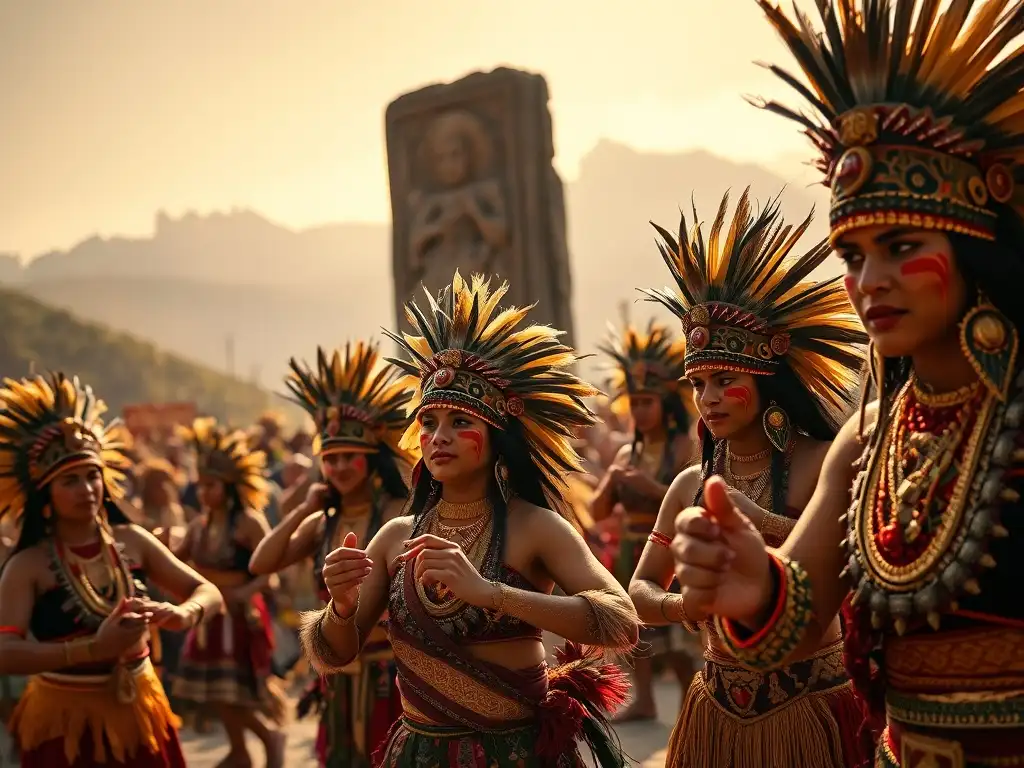
Inca Empire festival traditions were deeply intertwined with music, dance, and elaborate rituals, reflecting the profound spiritual beliefs and social structures of the empire. These vibrant expressions of culture served not only to celebrate key moments in the agricultural calendar and honor deities but also to reinforce social order and strengthen community bonds. The intricate interplay of these elements created a powerful and unforgettable experience for participants. Understanding these aspects is crucial to grasping the true essence of Inca life and their sophisticated worldview.
The Role of Music in Inca Ceremonies
Music played a central role in Inca ceremonies, acting as a powerful conduit to the divine and a vital component in shaping the atmosphere of festivals. Instruments like the pututu (a long shell trumpet), antara (panpipes), and tarka (vertical flute) produced sounds believed to resonate with the energies of the Andes mountains and the spirits inhabiting them. The rhythmic beating of drums, often made from animal hides stretched over wooden frames, provided a driving pulse that accompanied processions, dances, and ritual offerings.
Different instruments and musical styles were associated with specific deities or ceremonies, adding layers of meaning and significance. For example, the deep, resonant tones of the pututu were often used to announce important events or summon the people to religious gatherings, while the lighter melodies of the antara might accompany more joyful celebrations of the harvest. Unfortunately, precise details regarding the specific musical scores and their varied uses during different festivals are limited due to the lack of written musical notation from the Inca period.
However, ethnographic studies of surviving Andean musical traditions offer valuable insights into the likely soundscapes of Inca ceremonies. Further research into archaeological findings could potentially uncover more information about the construction and use of Inca musical instruments, thus enriching our understanding of their role in religious and social life.
Traditional Dances and Their Meanings
Inca festivals were characterized by elaborate and highly symbolic dances. These were not mere forms of entertainment, but rather powerful expressions of religious devotion, social cohesion, and agricultural cycles. Dances often involved large groups of performers, dressed in colorful costumes adorned with feathers, jewelry, and other symbolic decorations.
The movements themselves were carefully choreographed, conveying specific meanings related to the deities being honored or the agricultural activities being celebrated. For example, dances depicting agricultural processes might involve mimicking planting, harvesting, or even the cyclical nature of life and death. These dances served not only as a form of prayer or supplication but also as a means of transmitting knowledge and cultural values across generations.
The precise meanings of many Inca dances remain a subject of scholarly debate, as much of the knowledge was passed down orally and therefore lost with the conquest. However, through careful analysis of surviving iconography, archaeological evidence, and the traditions of later Andean cultures, scholars continue to reconstruct the rich tapestry of Inca dance and its significance within the broader context of Inca society. The surviving traditions of Andean dance provide a tangible link to the past, offering glimpses into the vibrant and meaningful role of dance in Inca festivals.
The Significance of Ritual Offerings
Ritual offerings formed an integral part of Inca festivals, representing a crucial means of communicating with the divine and maintaining the cosmic balance. These offerings varied greatly in nature, ranging from agricultural products like coca leaves, maize, and potatoes to precious metals, textiles, and even human sacrifices in certain extreme cases. The choice of offerings was carefully considered, reflecting the specific deity being honored or the desired outcome of the ceremony.
For instance, offerings of maize might be made to ensure a bountiful harvest, while gold and silver might be offered to the sun god, Inti. The act of offering itself was a deeply symbolic act, signifying the Inca's submission to the divine will and their dependence on the forces of nature. The locations of these offerings also held symbolic importance, often occurring at sacred sites such as mountaintops, caves, or springs, reflecting the Inca's close relationship with the natural environment.
The precise details surrounding the specific rituals and the symbolic meaning assigned to each type of offering are still being uncovered through ongoing archaeological research. The discovery of new archaeological sites and the development of more sophisticated analytical techniques continue to shed light on the complexity and sophistication of Inca religious practices and their significance within the broader context of their festival traditions. The study of these offerings provides essential clues to the Inca worldview and their understanding of the relationship between the human and spiritual realms.
The Legacy of Inca Festival Traditions
The Inca Empire, renowned for its sophisticated social structure and impressive engineering feats, also possessed a vibrant tapestry of festival traditions. These celebrations weren't merely frivolous events; they were deeply intertwined with the Inca worldview, reflecting their agricultural cycle, religious beliefs, and social hierarchy. Understanding these traditions provides crucial insight into the complexities of Inca society and its enduring influence on modern Andean cultures.
The meticulous planning and execution of these festivals, often involving vast numbers of people and elaborate rituals, underscore the importance of communal participation and the power of shared experiences in Inca life. These festivals served as vital mechanisms for reinforcing social bonds, reaffirming political authority, and ensuring the continuity of Inca traditions across generations. The impact of these celebrations is still felt today, echoing in the vibrant cultural landscape of the Andes.
Influence on Modern Andean Celebrations
Many modern Andean celebrations retain echoes of Inca festival traditions. While the specifics may have evolved over centuries, the underlying spirit of communal celebration, reverence for nature, and integration of religious and agricultural themes remain remarkably consistent. For example, the Fiesta de la Virgen del Carmen, a significant Catholic festival in many Andean communities, incorporates elements of pre-Columbian ritual and festivity.
The vibrant costumes, music, and dance often bear striking similarities to descriptions of Inca celebrations, suggesting a continuous thread of cultural transmission. Similarly, agricultural festivals throughout the Andes often incorporate ancient rituals related to the harvest and the worship of deities associated with fertility and abundance, indicating a blending of indigenous and Catholic practices. The persistence of these traditions highlights the resilience of Inca cultural heritage and its remarkable capacity for adaptation and syncretism.
Further research is needed to fully document the specific links between individual modern festivals and their Inca predecessors, but the overall influence is undeniable. The rich tapestry of Andean cultural practices today is a testament to the enduring legacy of Inca festival traditions.
Preserving Inca Cultural Heritage
The preservation of Inca cultural heritage, including its festival traditions, is a complex undertaking. Efforts range from archaeological excavations that unearth evidence of past celebrations to ethnographic studies documenting contemporary festivals and their historical connections. Museums across the Andes play a vital role in showcasing artifacts and providing educational resources to raise awareness of Inca culture. Additionally, community-based initiatives work to revitalize traditional practices, ensuring the continuation of these important cultural expressions.
However, challenges remain. The pressures of globalization, urbanization, and migration can threaten the transmission of traditional knowledge and practices. Furthermore, the delicate balance between preserving authenticity and adapting to modern contexts requires careful consideration.
A collaborative approach, involving archaeologists, anthropologists, community members, and policymakers, is essential to effectively preserve and celebrate the rich legacy of Inca festival traditions. This includes supporting local communities in their efforts to sustain these traditions while also making them accessible to a wider audience. The future of Inca cultural heritage depends on a multifaceted approach that prioritizes both scholarly research and community engagement.
The Modern Inti Raymi Celebration in Cusco
The Inti Raymi, or Festival of the Sun, is perhaps the most famous example of a modern celebration directly inspired by Inca traditions. Held annually in Cusco, Peru, on June 24th, it recreates the grandeur of the Inca Empire's solar festival. Thousands of participants, dressed in elaborate costumes representing various Inca social groups, participate in a spectacular procession that winds through the city.
The ceremony culminates at Sacsayhuamán, an ancient Inca fortress overlooking Cusco, where offerings are made to the sun god, Inti. While the modern Inti Raymi is a carefully staged event designed for tourism, it nevertheless offers a powerful glimpse into the significance of solar worship in Inca culture and the enduring appeal of these ancient traditions. The meticulous choreography, the vibrant costumes, and the palpable sense of communal participation all contribute to the event's captivating atmosphere and its enduring power as a symbol of Andean cultural identity.
The Inti Raymi demonstrates the successful integration of Inca heritage with modern tourism, creating an experience that both celebrates the past and fosters a renewed appreciation for Inca culture. It serves as a powerful reminder of the enduring legacy of Inca festival traditions and their continued relevance in contemporary Andean society.
Frequently Asked Questions
What were some important festivals celebrated in the Inca Empire?
The Inca Empire celebrated numerous festivals throughout the year, many tied to the agricultural cycle. Important examples include Inti Raymi (Festival of the Sun), a major celebration honoring the sun god, and Capac Raymi, a harvest festival. These festivals were crucial to Inca society.
How did Inca festivals reflect their religious beliefs?
Inca festivals were deeply intertwined with their polytheistic religion. Celebrations honored various deities, like the sun god Inti, and were designed to ensure a bountiful harvest and appease the gods for continued prosperity and good fortune. Rituals and sacrifices were central to the celebrations.
What role did music and dance play in Inca festivals?
Music and dance were integral components of Inca festivals. Elaborate ceremonies often featured musicians playing panpipes, drums, and other instruments, accompanied by dancers in vibrant costumes. These performances helped to create a vibrant and engaging atmosphere.
What were some of the common practices during Inca festivals?
Inca festivals involved a wide range of practices, including processions, offerings, feasts, and sacrifices. People from across the empire would participate, creating a sense of unity and shared identity. These events reinforced social structures and strengthened community bonds.
How did the Inca Empire's festivals differ from those of other Andean cultures?
While sharing some similarities with other Andean cultures, Inca festivals were characterized by their large-scale organization and imperial scope. The Inca's centralized government played a significant role in organizing and standardizing celebrations across their vast empire, showcasing their power and influence.
Final Reflection: Echoes of the Andes: A Legacy of Inca Celebration
The vibrant tapestry of Inca festivals, woven from threads of agriculture, spirituality, and community, continues to resonate in the cultural landscape of modern-day South America. Their enduring legacy reminds us of the profound connection between humanity and nature, a connection often lost in our fast-paced modern world. The echoes of their celebrations serve as a powerful call to reconnect with the rhythms of life and the importance of community.
The intricate system of Inca festivals, meticulously timed with the agricultural calendar, reveals a sophisticated understanding of the natural world and a deep respect for its cycles. These weren't merely celebrations; they were integral to the social fabric, reinforcing social hierarchies, fostering unity, and ensuring the prosperity of the empire. The Inca Empire was not merely a political entity, but a living organism, its heartbeat pulsed by the rhythm of its festivals.
This quote encapsulates the vital role these celebrations played in the Inca worldview, a worldview that offers valuable lessons for our own time, urging us to consider the interconnectedness of all things.
Consider the enduring power of ritual and celebration in your own life. How can you cultivate a deeper connection with the natural world and your community? What traditions, both ancient and modern, can you embrace to create a more meaningful and fulfilling life? Let the echoes of Inca festivals inspire you to find your own rhythms, to celebrate life's bounty, and to build stronger bonds with those around you. The spirit of celebration, like the Andes themselves, endures.
**Celebrate and Embrace the Inca Spirit! **
Thank you for exploring the vibrant world of festivals and celebrations in the Inca Empire! You've discovered the rhythms that defined a civilization and shaped the lives of its people. Now, let's put that inspiration into action!
- **Immerse yourself in a local cultural festival** to experience rich traditions firsthand and connect with your community. Perhaps attending a traditional Andean music concert or a local market showcasing handcrafted goods would be a great start.
- Share your newfound knowledge of Inca celebrations with friends and family, sparking curiosity and engaging conversations. Relate the captivating stories and customs you've learned, highlighting the enduring legacy of this remarkable civilization.
- Explore recipes and crafts inspired by Inca traditions, bringing a taste of history into your home. You could try recreating a traditional Andean dish or learning to weave using techniques inspired by Inca artistry.
Which aspect of Inca celebrations resonates most with you, and how will you integrate those vibrant rhythms into your own life?