
Inca Religious Practices: Worshipping the Sun and the Gods

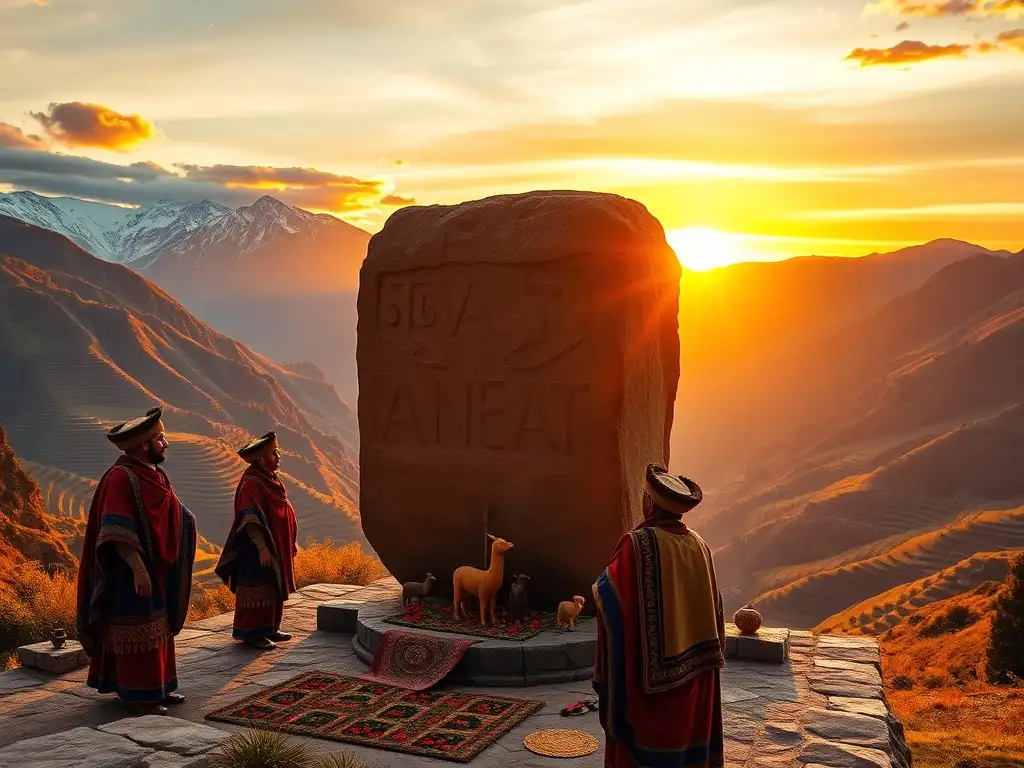
Step into a world lost to time, yet echoing with the power of ancient Andean empires. Prepare to unravel the mysteries of a civilization that thrived amidst breathtaking landscapes, leaving behind a legacy of breathtaking artistry and awe-inspiring ingenuity. Discover the secrets behind the Inca sun god worship practices, a fascinating facet of their rich religious life that reveals the heart of their beliefs and shaped their magnificent empire. Dare to delve deeper into the captivating world of the Incas and uncover the truth behind their celestial reverence. Their story awaits.
The Inca Empire, a civilization that flourished in the Andes Mountains from the 15th to the 16th century, was profoundly shaped by its religious beliefs and practices. Religion wasn't merely a separate aspect of Inca life; it was intricately woven into the fabric of their society, influencing everything from agricultural practices and political structures to daily routines and artistic expressions.
This article delves into the fascinating world of Inca religious practices, focusing specifically on the worship of Inti, the sun god, and the complex rituals that sustained their unique worldview. Understanding Inca sun god worship practices provides crucial insight into the heart of their empire and its enduring legacy.
We'll explore the central role of religion in Inca society, examine Inti's place within their cosmology, and detail the various ceremonies and rituals performed in his honor. This exploration will reveal a sophisticated and deeply spiritual civilization whose beliefs continue to resonate today.
The Central Role of Religion in Inca Society
Religion permeated every facet of Inca life. The Inca believed that the gods influenced every aspect of their existence, from the weather and harvests to the health and prosperity of the empire. This deep-seated faith manifested in a complex system of religious practices, rituals, and beliefs, overseen by a powerful priestly class.
The Sapa Inca, the emperor, held a dual role as both the supreme political leader and the highest religious authority, further emphasizing the inseparable nature of religion and state. The Inca worldview was deeply connected to the natural world; mountains, rivers, and celestial bodies were all considered sacred and imbued with spiritual power. This reverence for nature is evident in their agricultural practices, their sophisticated astronomical knowledge, and their elaborate temple architecture.
Furthermore, the Inca believed in a complex hierarchy of deities, with Inti, the sun god, at its apex. Their religious beliefs provided a framework for social order, political legitimacy, and a sense of unity amongst the diverse populations within the vast empire. The Inca state actively promoted religious practices, constructing magnificent temples, organizing elaborate festivals, and supporting a network of priests and priestesses dedicated to maintaining the cosmic balance and ensuring the well-being of the empire.
Inti: The Inca Sun God and Supreme Deity
Inti, the sun god, held the highest position in the Inca pantheon. He was considered the creator and sustainer of life, the source of all energy and warmth, and the ultimate authority in the Inca cosmos. Inti's image was ubiquitous throughout the empire, adorning temples, textiles, and even everyday objects. His representation was often depicted as a radiant disc, sometimes with human features, symbolizing his power and benevolent influence.
The Inca’s deep devotion to Inti stemmed from their dependence on the sun for their agricultural success. The sun’s life-giving energy was essential for the cultivation of crops, which formed the basis of their economy and survival. This practical dependence translated into a profound spiritual reverence, solidifying Inti's position as the supreme deity.
The Inca believed that Inti directly influenced the emperor's authority and the empire's prosperity. A successful harvest was seen as a direct sign of Inti's favor, while a poor harvest could be interpreted as a sign of displeasure or even divine punishment. This close connection between the sun god and the well-being of the empire underscored the importance of maintaining a strong relationship with Inti through constant worship and ritualistic practices.
The Significance of Inti in Inca Cosmology
In Inca cosmology, Inti occupied a central position, representing the vital force that governed the universe. He was not merely a deity but the embodiment of the sun's life-giving energy, the source of all creation and the guarantor of cosmic order. His influence extended beyond the physical world, shaping the Inca understanding of time, space, and the cyclical nature of life and death.
The Inca saw the sun's daily journey across the sky as a reflection of the continuous cycle of life, death, and rebirth. This cyclical perspective informed many aspects of Inca society, influencing their agricultural practices, their social structure, and even their funerary rites. The Inca calendar, meticulously aligned with the solar cycle, served as a vital tool for predicting the seasons and organizing agricultural activities.
This intricate understanding of the cosmos and Inti's role within it reveals a highly sophisticated and organized society deeply connected to the natural world. The precise astronomical observations and detailed calendrical systems demonstrate a profound knowledge of celestial mechanics and a deep appreciation for the sun's influence on their lives.
Rituals and Ceremonies Honoring Inti
The Inca performed numerous rituals and ceremonies to honor Inti, demonstrating their profound reverence for the sun god. These ceremonies were elaborate affairs, often involving large-scale processions, animal sacrifices, and elaborate offerings of gold, silver, and other precious materials. The most important festivals were timed to coincide with significant astronomical events, such as solstices and equinoxes. These events marked crucial points in the agricultural cycle and held profound religious significance.
The Inti Raymi, the most important festival of the Inca year, was a grand celebration dedicated to Inti, held during the winter solstice. This festival involved elaborate rituals, parades, and offerings, showcasing the Inca's deep devotion and their belief in Inti's power to ensure the prosperity of the empire. Smaller, more localized rituals were also performed throughout the year, reflecting the intimate connection between the Inca people and their sun god.
These rituals reinforced social cohesion, reaffirmed the emperor's authority, and helped maintain a sense of order and stability within the empire. The meticulous planning and execution of these ceremonies highlight the significance Inti held in the Inca worldview and the extent to which religious practices were integrated into their daily lives. These rituals weren't merely symbolic; they were vital to the Inca's understanding of their place in the cosmos and their relationship with the divine.
Other Important Inca Gods and Goddesses
The Inca pantheon extended far beyond Inti, the sun god. A complex web of deities governed various aspects of life, reflecting the intricate social and environmental realities of the Inca Empire. These gods and goddesses were not simply abstract entities; they were deeply intertwined with the daily lives of the Inca people, influencing everything from agriculture and weather patterns to health and prosperity. Understanding these other deities provides a more complete picture of Inca religious beliefs and practices.
The reverence shown to these figures underscores the holistic nature of their worldview, where the spiritual and physical realms were inextricably linked. The Inca believed that appeasing these gods was crucial for maintaining cosmic balance and ensuring a bountiful harvest and a healthy society. Their rituals and offerings were carefully designed to honor and placate these powerful beings.
Mama Quilla: The Moon Goddess and Her Influence
Mama Quilla, the moon goddess, held a position of significant importance in the Inca religious system, second only to Inti, the sun god. She was seen as the wife or sister of Inti, and her celestial cycles were closely observed and linked to agricultural practices and the menstrual cycles of women. Mama Quilla's influence was particularly pronounced in matters of fertility, both human and agricultural.
Many Inca rituals were timed to coincide with the lunar phases, highlighting her vital role in the Inca worldview. For example, certain agricultural activities, such as planting and harvesting, were planned according to the phases of the moon, reflecting the belief that Mama Quilla's influence could either enhance or hinder the success of these endeavors. Her image was frequently depicted in Inca art, often alongside Inti, emphasizing their intertwined roles in maintaining the cosmic order.
Illapa: The God of Thunder and Lightning
Illapa, the god of thunder and lightning, was a powerful and awe-inspiring deity in the Inca pantheon. His dramatic displays of power were both feared and revered. He was considered a force of nature capable of both destruction and creation. Illapa's association with rain made him crucial to Inca agriculture, as his storms brought the life-giving water necessary for successful harvests.
Farmers would perform rituals to appease Illapa and ensure sufficient rainfall, demonstrating the practical implications of their religious beliefs. Interestingly, Illapa wasn't always depicted as a benevolent god; his unpredictable nature meant he could also unleash devastating storms that could ruin crops and damage property. This duality reflected the Inca understanding of the unpredictable forces of nature and their need to maintain a delicate balance with the natural world.
Pachamama: The Earth Mother and Fertility
Pachamama, the Earth Mother, represented the fertile earth and was a central figure in Inca religious beliefs. She was considered the provider of sustenance and was deeply revered for her role in ensuring the abundance of crops. Offerings of food, drink, and coca leaves were frequently made to Pachamama to ensure her continued favor and to express gratitude for her bounty.
Her importance extended beyond agriculture; she was also associated with fertility in general, influencing the well-being of both humans and animals. Festivals and rituals dedicated to Pachamama were held throughout the year, reflecting the continuous connection between the Inca people and the earth that sustained them. The deep respect for Pachamama highlighted the Inca's understanding of their dependence on the natural world and their commitment to maintaining a harmonious relationship with it.
Viracocha: The Creator God and His Role
Viracocha, the creator god, occupied a supreme position in the Inca pantheon. He was believed to have created the world, the sun, the moon, and all living things. Viracocha's role was often portrayed as that of a creator and a lawgiver, establishing order and shaping the cosmos. Unlike many other deities, Viracocha was not associated with a specific natural phenomenon but instead represented a more abstract and overarching power.
While less directly involved in daily life than other gods, Viracocha's importance was paramount, representing the ultimate source of creation and authority. His image was often depicted in a majestic and awe-inspiring manner, reflecting his supreme status within the Inca religious system. The reverence for Viracocha emphasized the Inca's belief in a higher power that governed the universe and their place within it.
Inca Temples and Sacred Sites
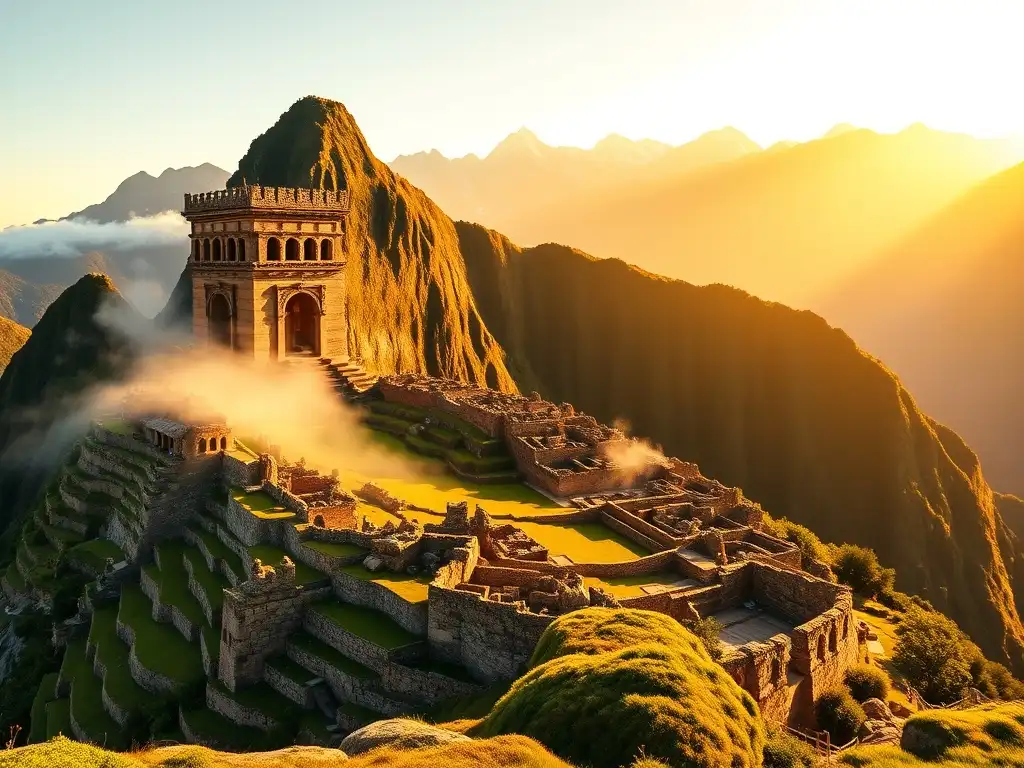
The Inca Empire boasted a remarkable array of temples and sacred sites, each imbued with deep religious significance. These structures served not only as places of worship but also as centers for ritualistic practices, astronomical observations, and political power. The impressive architecture and meticulous craftsmanship of these sites reflect the Inca's advanced technological capabilities and their profound spiritual beliefs. The careful placement of these sites, often aligned with celestial events, further underscores the deep connection between Inca religion and astronomy.
Coricancha: The Temple of the Sun in Cusco
Coricancha, located in Cusco, the Inca capital, was the most important temple in the Inca Empire. Dedicated to Inti, the sun god, it was a magnificent structure adorned with gold and precious stones. Its opulence reflected the immense importance of the sun god in Inca society. Coricancha served as the central hub for religious ceremonies and festivals related to the sun god.
Priests meticulously maintained the temple and performed elaborate rituals to honor Inti, ensuring the continuation of the Inca Empire's prosperity and the favor of the sun god. The sheer scale and grandeur of Coricancha served as a powerful symbol of Inca power and religious devotion. The meticulous construction and lavish decoration are testaments to Inca ingenuity and religious fervor.
Sacsayhuaman: A Fortress and Ceremonial Center
Sacsayhuaman, located overlooking Cusco, was not solely a fortress; it also functioned as a significant ceremonial center. Its massive stone structures, precisely fitted together without mortar, are a testament to Inca engineering prowess. The site's strategic location and imposing architecture suggest its importance as both a defensive structure and a place for religious rituals.
Astronomical alignments within the site further suggest its use in observing celestial events and timing religious ceremonies. Sacsayhuaman's grandeur served as a powerful symbol of Inca power and spiritual authority, reinforcing their control over the surrounding region. The sheer scale of the complex suggests the extensive labor and resources invested in its construction, highlighting the importance of the site within Inca society.
Other Notable Inca Religious Structures
Beyond Coricancha and Sacsayhuaman, numerous other temples and sacred sites existed throughout the Inca Empire. These structures varied in size and function but all played a vital role in Inca religious life. Many were dedicated to specific deities or natural phenomena, reflecting the diverse nature of Inca religious beliefs.
These sites often incorporated astronomical alignments, suggesting a sophisticated understanding of the cosmos and its influence on daily life. The precise locations and details of many of these smaller sites are still being uncovered by archaeologists, continuing to reveal the rich tapestry of Inca religious practices and beliefs. Further research is needed to fully understand the significance of these lesser-known but equally important structures.
Inca Priests and Religious Hierarchy
The Inca religious system was highly structured, with a complex hierarchy of priests and priestesses responsible for maintaining the cosmic order and ensuring the favor of the gods. At the apex of this hierarchy was the Willaq Uma, or High Priest, a powerful figure who advised the Sapa Inca, the emperor, on religious matters. Below the Willaq Uma were various levels of priests and priestesses, each with specific responsibilities.
These included specialists in divination, astrology, and healing, as well as those responsible for maintaining temples and conducting ceremonies. The training of these religious officials was rigorous, often beginning in childhood and involving years of study and apprenticeship. Their influence extended far beyond the religious sphere, impacting social, political, and economic life.
The priests were not only interpreters of divine will but also powerful figures who held significant political clout. Their knowledge of astronomy, for example, allowed them to predict agricultural cycles, influencing the timing of planting and harvesting, and thus holding immense sway over the empire's economy.
The Role of the High Priest
The Willaq Uma, or High Priest, held the highest religious office in the Inca Empire. This position was not hereditary; instead, the Sapa Inca selected the individual he deemed most worthy, based on piety, knowledge of religious practices, and demonstrated ability to interpret divine signs. The Willaq Uma served as the chief advisor to the emperor on all matters concerning religion, advising on policy, interpreting prophecies, and ensuring the proper performance of religious ceremonies.
He oversaw the entire priestly class, appointing and supervising priests and priestesses throughout the empire. Beyond advising the Sapa Inca, the Willaq Uma played a crucial role in maintaining social order. He was considered a direct link to the gods, and his pronouncements were highly influential in shaping public opinion and behavior.
Records suggest that the Willaq Uma also held significant political power, acting as a mediator in disputes and influencing decision-making at the highest levels of government. His influence extended to all aspects of Inca society, highlighting the deeply intertwined nature of religion and politics in the Inca world.
Religious Practices and Offerings
Inca religious practices centered around maintaining a harmonious relationship with the Apus (mountain gods), the sun god Inti, and other deities. These practices involved a variety of rituals, ceremonies, and offerings. Daily prayers and sacrifices were common, with individuals making personal offerings to the gods in their homes or at local shrines. Larger, more elaborate ceremonies were conducted by priests in temples and sacred sites.
These ceremonies often involved processions, music, dance, and the consumption of chicha, a fermented corn beverage. Offerings included coca leaves, food, precious metals, and textiles. The quality and quantity of the offerings reflected the importance of the occasion and the status of the individual making the offering. For instance, the Sapa Inca's offerings were significantly grander than those of a commoner.
The meticulous nature of these rituals speaks to the significance placed on maintaining a balance between the human and divine realms. The offerings weren’t merely gifts; they were acts of devotion and a way of ensuring the continued favor of the gods, crucial for the prosperity of the empire and its people. Specific offerings were tailored to specific deities, reflecting a complex understanding of the spiritual world.
Inca Religious Festivals and Celebrations
The Inca calendar was filled with numerous religious festivals and celebrations, marking significant agricultural cycles, astronomical events, and religious milestones. These festivals were an essential part of Inca life, providing opportunities for communal gatherings, reinforcing social bonds, and expressing devotion to the gods. They were carefully planned and executed, often involving elaborate processions, music, dance, and feasting.
The scale and importance of these events varied, ranging from small local celebrations to large-scale imperial festivals attended by thousands of people. The festivals were also deeply entwined with the agricultural cycle, reflecting the Inca's dependence on successful harvests for their survival. The meticulous timing of these festivals, often linked to astronomical observations, demonstrates the sophisticated understanding of the cosmos held by Inca priests.
Inti Raymi: The Festival of the Sun
Inti Raymi, the Festival of the Sun, was arguably the most important festival in the Inca calendar. Celebrated in June at the winter solstice, it marked the renewal of the sun's power and the beginning of the agricultural cycle. This grand festival lasted for several days and involved a spectacular procession from Cusco, the Inca capital, to the sacred site of Sacsayhuamán.
The Sapa Inca himself presided over the ceremonies, offering sacrifices to the sun god Inti and other deities. The festivities included elaborate rituals, music, dance, and feasting, with thousands of people participating. The festival served not only as a religious event but also as a powerful demonstration of imperial power and unity, reinforcing the Inca's dominion over their vast empire.
The sheer scale and grandeur of Inti Raymi underscore its importance as a pivotal event in the Inca religious calendar. The precise details of many rituals remain lost to time, but descriptions from Spanish chroniclers give us a glimpse into the awe-inspiring nature of the event.
The Importance of Sacrifice in Inca Religion
Sacrifice played a vital role in Inca religion. It wasn't simply a matter of offering gifts; rather, it was considered a necessary act to maintain the cosmic balance and ensure the continued prosperity of the empire. Sacrifices varied widely in nature, ranging from simple offerings of food and drink to more elaborate rituals involving animal sacrifices or, in rare cases, human sacrifice.
Animal sacrifices, often llamas or alpacas, were common and were seen as a way of appeasing the gods and ensuring good harvests. Human sacrifice, while less frequent, was reserved for particularly important occasions or times of crisis, such as the death of a Sapa Inca or during periods of drought or famine. These sacrifices were believed to appease the gods and ensure the well-being of the empire.
While the exact nature and frequency of human sacrifice are still debated among scholars, it's clear that it held a significant, albeit controversial, place within Inca religious practices. The Inca believed that the sacrifice of a human life would strengthen the connection between the human and spiritual worlds, strengthening the empire's bond with the divine.
Inca Beliefs about the Afterlife
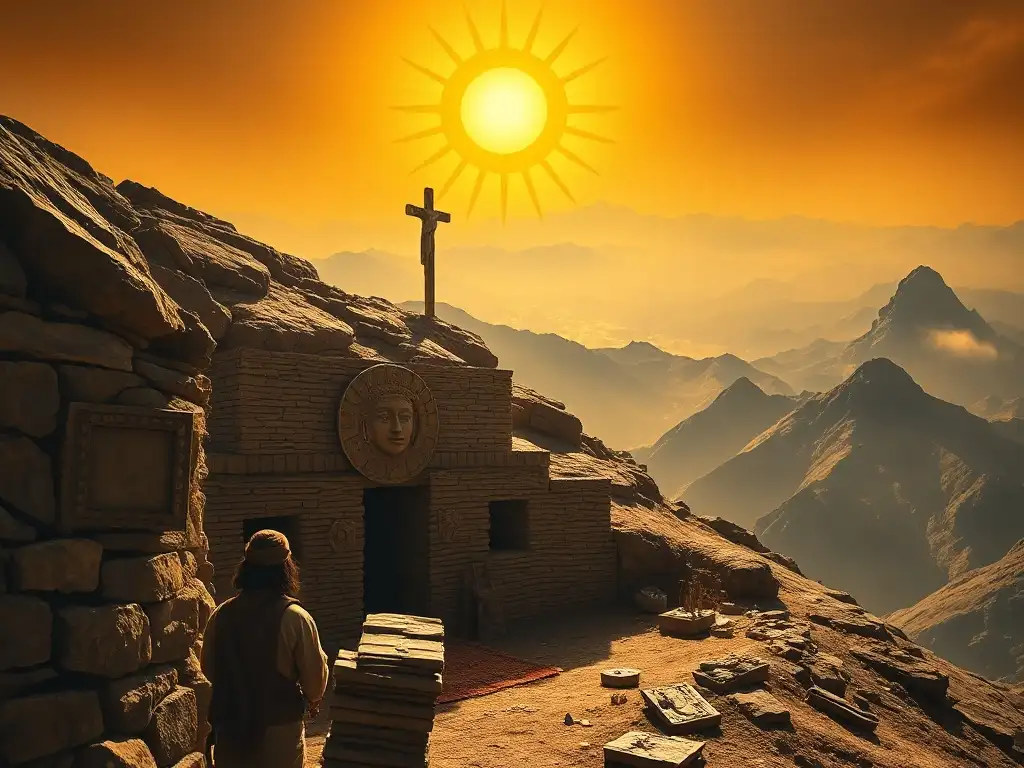
Inca beliefs about the afterlife were deeply intertwined with their reverence for the sun god, Inti, and the cosmos. They believed that death was not an end but a transition to a different realm, a continuation of life in a spiritual form. The successful navigation of this transition depended largely on one's actions in life and their relationship with the divine.
A virtuous life, marked by adherence to Inca social norms and respect for the gods, ensured a peaceful passage and a positive existence in the afterlife. Conversely, those who lived lives considered unworthy faced a less favorable fate in the spirit world. This belief system served as a powerful motivator for ethical behavior within Inca society.
The concept of a continued existence beyond physical death fostered a sense of community that extended beyond the boundaries of the living. The ancestors, in particular, played a crucial role in this continued connection, as discussed in the following section.
Mummification and Burial Practices
Mummification and elaborate burial rituals were central to Inca beliefs about the afterlife. The process of mummification wasn't solely a preservation technique; it was a sacred act, signifying the transition of the deceased into the spirit world. High-status individuals, such as rulers and priests, received the most elaborate mummification processes, often involving the removal of internal organs and the application of special preservatives.
Their bodies were then adorned with fine clothing and jewelry, reflecting their social standing and status even in death. These mummies were not simply interred; they were carefully placed in tombs, often within elaborate mausoleums or alongside ancestral remains, highlighting the Inca's deep connection to their ancestors and the continuity between generations. The careful preservation of the body reflected a belief that the spirit continued to reside within, maintaining a connection to the physical world.
The Concept of the Ancestors and Their Significance
The Inca held a profound reverence for their ancestors, believing they continued to exert influence on the living. Ancestors were not merely remembered; they were actively consulted and venerated. Their mummified remains were often kept within family homes, participating, in a sense, in the daily life of their descendants.
These mummies were dressed, fed, and even consulted on important matters. This practice underscores the deep-rooted belief in the continued spiritual presence and influence of the deceased. The ancestors were seen as intermediaries between the living and the gods, capable of influencing fortune, harvests, and the overall well-being of the community.
Their presence served as a constant reminder of the cyclical nature of life and the importance of respecting tradition and honoring one's lineage. The veneration of ancestors solidified social bonds and reinforced the importance of family and community within Inca society. Their role in shaping Inca religious practices and daily life is further explored below.
Inca Religious Practices and Daily Life
Inca religious practices were not confined to grand temples and elaborate ceremonies; they were deeply woven into the fabric of daily life. The sun, Inti, was the supreme deity, and its worship permeated every aspect of Inca society. Daily rituals, such as offerings of coca leaves and prayers to the sun, were common. Agricultural cycles were closely tied to religious observances, with festivals and ceremonies marking planting and harvest times.
These practices reinforced the interconnectedness of the spiritual and material worlds, demonstrating that religion wasn't a separate entity but an integral part of Inca existence. Even seemingly mundane activities, such as building projects or hunting expeditions, were often preceded by prayers and offerings, seeking divine favor and protection. The omnipresence of religious practices in daily life fostered a strong sense of community and shared purpose, solidifying the spiritual foundation of Inca society.
How Religion Influenced Inca Social Structure
Religion played a pivotal role in shaping the Inca social structure. The emperor, considered a direct descendant of the sun god, held supreme religious authority, reinforcing his political power. The priestly class, responsible for conducting rituals and interpreting divine will, occupied a position of considerable influence. The intricate hierarchy within Inca society, from the emperor down to the commoners, was directly influenced by religious beliefs and the associated power structures.
Religious festivals and ceremonies served as important social events, reinforcing social bonds and strengthening community ties. The elaborate system of tribute and labor, which fueled the Inca empire, was partly justified through religious ideology, with contributions viewed as acts of devotion to the gods and the emperor. This deeply ingrained religious influence ensured societal order and stability.
The Impact of Religious Beliefs on Inca Culture
Inca religious beliefs profoundly impacted their culture, shaping their art, architecture, and worldview. The sun god, Inti, was represented in countless artistic expressions, from intricately woven textiles to massive stone structures. Temples and palaces were designed to align with celestial movements, reflecting the importance of astronomy and the cosmos in their religious practices. The meticulous craftsmanship evident in Inca artifacts reflects the deep spiritual significance attached to their creation.
Religious beliefs also influenced Inca agricultural practices, leading to sophisticated irrigation systems and innovative farming techniques to ensure bountiful harvests, pleasing the gods and providing for the population. The pervasive influence of religion shaped virtually every aspect of Inca culture, creating a society deeply connected to its spiritual beliefs and traditions. The profound impact of these beliefs underscores the centrality of religion in defining Inca identity and cultural expression.
The Legacy of Inca Religious Practices
Inca religious practices, deeply intertwined with their cosmology and social structure, left an enduring legacy that continues to resonate in Andean cultures today. The reverence for the sun, Inti, as the supreme deity, permeated every aspect of Inca life, from agricultural cycles to royal lineage. The intricate system of huacas—sacred places and objects—demonstrates the profound spiritual significance attached to the natural world.
The Inca's sophisticated understanding of astronomy and its integration into their religious calendar highlight their advanced knowledge and the importance of celestial events in their worldview. This deep connection with the cosmos wasn't just a matter of ritual; it formed the very bedrock of their societal organization and political power. The Inca emperors, considered descendants of the sun god, wielded immense authority, legitimized by their divine connection.
The meticulous construction of temples and the elaborate ceremonies performed within them further emphasize the central role religion played in shaping Inca society. The legacy of these practices is not merely historical; it's a living testament to the enduring power of belief and the lasting influence of a remarkable civilization. Understanding this legacy requires appreciating the holistic nature of Inca religion, recognizing its impact on their social structures, political systems, and artistic expressions.
The Influence of Inca Religion on Modern Andean Culture
The influence of Inca religious beliefs and practices extends far beyond the empire's collapse. Many indigenous communities in the Andes region still retain elements of Inca religious traditions, albeit often syncretized with Catholicism and other introduced beliefs. The veneration of Inti, the sun god, persists in various forms, often integrated with Christian saints and local deities.
Celebrations and festivals that echo pre-Columbian rituals continue to be observed, demonstrating the remarkable resilience of Inca religious heritage. For example, the Inti Raymi festival, a vibrant celebration of the winter solstice, is a powerful example of how Inca traditions have been adapted and preserved over centuries. This fusion of ancient and modern practices reflects the ongoing dialogue between indigenous identities and the forces of globalization.
Moreover, the continued importance of huacas in many Andean communities highlights the enduring connection between people and the sacred landscape. The preservation of ancestral knowledge, passed down through generations, ensures that certain aspects of Inca religious beliefs continue to shape the spiritual lives of many Andean peoples. Academic research into Inca religion also contributes to the ongoing appreciation and understanding of its lasting influence, fostering cultural pride and promoting the preservation of this rich heritage.
The Preservation of Inca Religious Sites
The preservation of Inca religious sites is crucial for understanding their civilization and maintaining a connection to their rich cultural heritage. Many sites, such as Machu Picchu, Sacsayhuamán, and Ollantaytambo, are meticulously preserved and attract millions of visitors annually. These sites not only offer glimpses into Inca architectural prowess but also serve as powerful reminders of their religious beliefs and practices. However, the preservation efforts face numerous challenges, including the effects of weather, tourism, and looting.
Sustainable tourism practices are vital to mitigate the impact of visitors, ensuring the long-term preservation of these fragile sites. Furthermore, ongoing archaeological research helps in understanding the significance of these sites and informs conservation strategies. The collaboration between archaeologists, local communities, and government agencies is essential for implementing effective preservation plans.
These efforts not only protect valuable historical artifacts but also help to foster cultural pride and understanding among both local communities and the wider world. The preservation of Inca religious sites is not just a matter of historical preservation; it is a vital step in safeguarding the cultural identity and spiritual heritage of the Andean region. The careful management and ongoing research are critical to ensuring that these sites remain accessible and inspiring for generations to come.
- The Central Role of Religion in Inca Society
- Inti: The Inca Sun God and Supreme Deity
- Other Important Inca Gods and Goddesses
- Inca Temples and Sacred Sites
- Inca Priests and Religious Hierarchy
- Inca Religious Festivals and Celebrations
- Inca Beliefs about the Afterlife
- Inca Religious Practices and Daily Life
- The Legacy of Inca Religious Practices
Frequently Asked Questions
What was the most important deity in Inca religion?
The most important deity in Inca religion was the Sun God, Inti. He was considered the ancestor of the Inca emperors and was central to their religious practices and imperial legitimacy. His worship was widespread and elaborate.
How did the Incas worship the Sun God Inti?
Inca sun god worship involved elaborate temples, sacrifices (including human sacrifice in certain cases), and festivals celebrating the sun's power. They also built impressive structures aligned with the sun's movements.
What role did the Inca emperor play in sun worship?
The Inca emperor was considered a direct descendant of Inti, holding a sacred position as the intermediary between the gods and the people. He presided over many religious ceremonies and was responsible for maintaining the relationship with the divine.
What other deities did the Incas worship besides Inti?
Besides Inti, the Incas worshipped a pantheon of gods and goddesses, including Mama Quilla (the Moon), Pachamama (Mother Earth), and various regional deities representing mountains, rivers, and other natural forces. Each had unique significance and rituals.
What evidence exists to support our understanding of Inca sun god worship practices?
Evidence comes from archaeological discoveries such as temples dedicated to Inti, surviving texts written by Spanish chroniclers, and analysis of Inca art and iconography which depict sun worship rituals and symbols. These sources provide valuable insights.
Final Reflection: The Enduring Legacy of Inti, the Inca Sun God
The worship of Inti, the Inca sun god, wasn't merely a historical practice; it was a sophisticated cosmology that profoundly shaped Inca society and continues to resonate in modern-day Andean culture. The intricate rituals, the awe-inspiring architecture dedicated to Inti, and the deeply ingrained belief system all speak to a civilization that placed the sun at the very heart of its existence. Understanding this ancient faith offers a crucial lens through which to view the enduring strength and resilience of Andean communities.
The influence of Inti's worship extends far beyond the ruins of Machu Picchu and Cusco. The reverence for the sun, the mountains, and the interconnectedness of the natural world remains a powerful force in the spiritual lives of many Andean people today. This enduring connection highlights the timeless power of faith and the enduring legacy of cultural traditions. The sun is the father of all things, and we are his children.
This simple yet profound statement encapsulates the core belief that fueled the Inca civilization and continues to inform the worldview of many in the region.
Consider, for a moment, the profound implications of a society structured around the worship of a celestial body. What does this tell us about the human need for meaning, for connection to something larger than ourselves? You, the reader, are invited to reflect on the ways in which your own beliefs and values shape your understanding of the world. Explore the enduring power of faith in your own life, and consider how the legacy of Inti's worship can inspire a deeper appreciation for the natural world and the rich tapestry of human cultures across time.
Unveil the Spiritual Legacy of the Incas!
Thank you for joining us on this enlightening journey through Inca religious practices. We hope you've gained valuable insights into the richness of their beliefs and worship. Now, let's explore how you can honor this incredible heritage.
Here are a few ways to deepen your connection and understanding:
- Visit a museum featuring Andean artifacts, or explore online resources to experience Inca culture firsthand. The sheer artistry and craftsmanship of these objects offer a powerful connection to the past.
- Share what you've learned with friends and family, sparking a conversation about the enduring relevance of these ancient practices in modern life. Consider the parallels between Inca values and contemporary challenges.
- Connect with others who share an interest in Andean civilizations through online forums or groups. Exchanging ideas and insights can enrich your understanding significantly.
How will you integrate the wisdom of the Incas into your life today?