
The Importance of Coca in Inca Life: Rituals and Sustenance

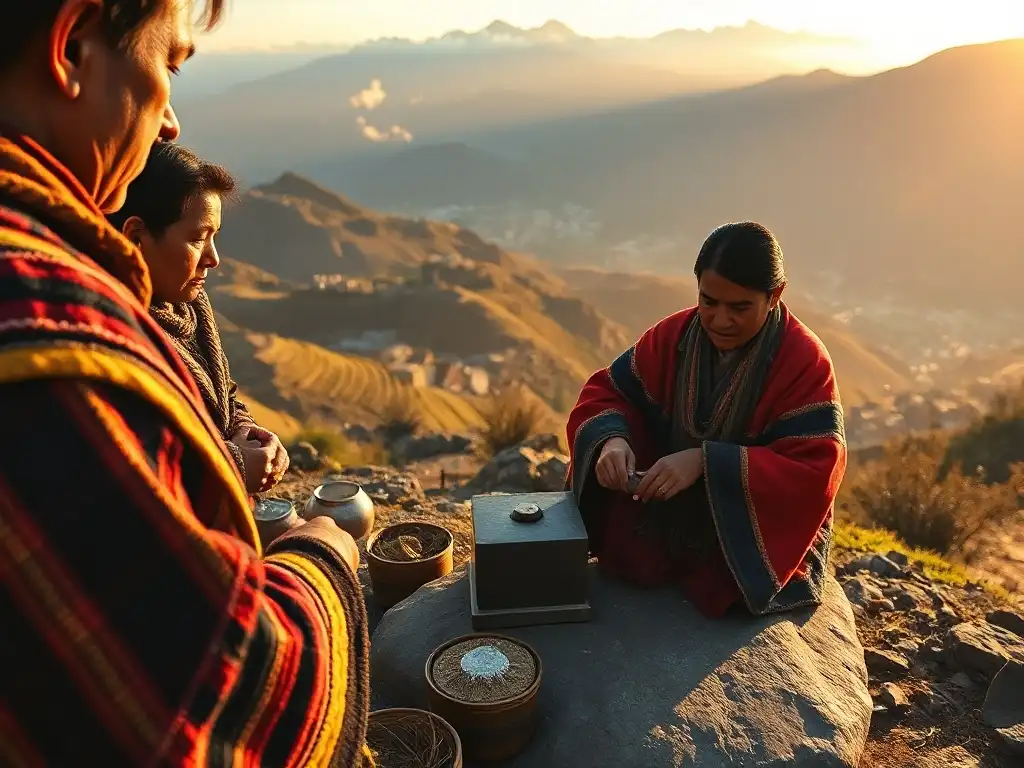
Step into a world lost to time, yet echoing with vibrant life. Imagine the soaring heights of the Andes, the breathtaking landscapes that cradled some of history's most enigmatic civilizations. Here, within the heart of the Andean world, we unravel the secrets of the Incas, Moche, Nazca, and Tiahuanaco. But our journey begins with a captivating mystery: the Inca coca leaf rituals. Were they mere stimulants, or something far more profound? Discover the answers and much more as we delve into the fascinating tapestry of Andean life.
The Inca Empire, a civilization that flourished in the Andes Mountains for centuries, left behind a rich tapestry of cultural practices and traditions. Central to their daily life and spiritual beliefs was the coca leaf ( Erythroxylum coca). Far from being merely a stimulant, coca held profound religious significance and played a crucial role in Inca society, shaping their rituals, social structures, and even their economy.
This article delves into the multifaceted importance of coca in Inca life, exploring its use in both daily sustenance and elaborate religious ceremonies, shedding light on its integral position within Inca culture and its enduring legacy. We will examine the intricate relationship between the Inca people and this sacred plant, revealing the depth and complexity of its role in their world.
Understanding the Inca's use of coca provides invaluable insight into their beliefs, social organization, and the overall fabric of their impressive empire. Prepare to be transported to the heights of the Andes and discover the secrets held within the humble coca leaf.
Coca as a Daily Staple: Fueling Inca Life
Coca leaves weren't simply a recreational substance for the Inca; they were a fundamental part of their daily diet, providing much-needed energy and sustenance in the challenging Andean environment. The high altitude and demanding physical labor required significant caloric intake and endurance. Chewing coca leaves, often mixed with an alkaline substance like lime to enhance the effects, provided a sustained energy boost, suppressing hunger and fatigue.
This was particularly crucial for farmers, builders, and soldiers who worked tirelessly under strenuous conditions. Archaeological evidence supports this, with coca leaf remnants frequently found in burial sites alongside tools and other everyday items, indicating its widespread use across various social strata. The effect wasn't just physical; the mild stimulant properties likely contributed to improved mood and morale, fostering a sense of community and well-being within Inca society.
Moreover, coca was believed to possess medicinal properties, used to alleviate altitude sickness, headaches, and other common ailments. Its importance as a daily necessity is undeniable, forming a cornerstone of Inca livelihood.
Coca in Inca Religious Rituals: Offerings and Ceremonies
Beyond its practical applications, coca held immense spiritual significance for the Inca. It was considered a sacred plant, a gift from the gods, and an integral component of numerous religious rituals and ceremonies. Coca leaves were used as offerings to the deities, placed on altars and presented during important events.
Priests, known as hamacas, played a vital role in these rituals, using coca to commune with the divine and interpret omens. The quantity and quality of coca leaves offered often reflected the importance of the occasion and the status of the individual making the offering. Elaborate ceremonies involved the meticulous preparation and presentation of coca, emphasizing its sacred nature.
Furthermore, coca leaves were believed to possess the ability to predict the future and provide guidance. By carefully observing the patterns and shapes of the chewed leaves, priests could interpret omens and advise the Inca rulers on important decisions, underscoring the plant's role as a conduit to the spiritual realm. These practices highlight the deeply ingrained religious significance of coca within Inca belief systems.
The widespread use of coca profoundly influenced Inca society and its economy. The cultivation, processing, and distribution of coca leaves created a complex system of trade and labor. Specialized coca plantations were established in suitable regions, employing a dedicated workforce to manage their growth and harvest. The coca trade generated economic activity, influencing the movement of goods and people across the empire.
The control of coca production and distribution was likely a source of power for the Inca rulers, further solidifying their authority and influence. Moreover, coca served as a form of payment and tribute, highlighting its value within the Inca economic system. Taxes were sometimes levied in coca leaves, demonstrating its importance as a valuable commodity. This economic role, coupled with its religious and practical uses, cemented coca's position as a central element of Inca life and its overall societal structure.
The Enduring Legacy of Inca Coca Leaf Rituals
Even after the Spanish conquest, the use of coca persisted in Andean cultures, albeit with significant changes introduced by colonization. While the elaborate religious rituals associated with coca were suppressed, its daily use continued, demonstrating the plant's enduring importance. The legacy of Inca coca leaf rituals is still visible today in various Andean communities, where coca remains a significant part of their cultural identity and spiritual practices.
The enduring presence of coca underscores its deep historical roots and the profound influence it exerted on the development and continuation of Andean cultures. Understanding this legacy is crucial to appreciating the rich tapestry of Andean history and its ongoing cultural relevance. The humble coca leaf, therefore, serves as a powerful symbol of the enduring resilience of Andean traditions and their enduring connection to their ancestral past.
- Coca as a Daily Staple: Fueling Inca Life
- Coca in Inca Religious Rituals: Offerings and Ceremonies
- The Social and Economic Impact of Coca
- The Enduring Legacy of Inca Coca Leaf Rituals
The Sacred Coca Leaf in Inca Society
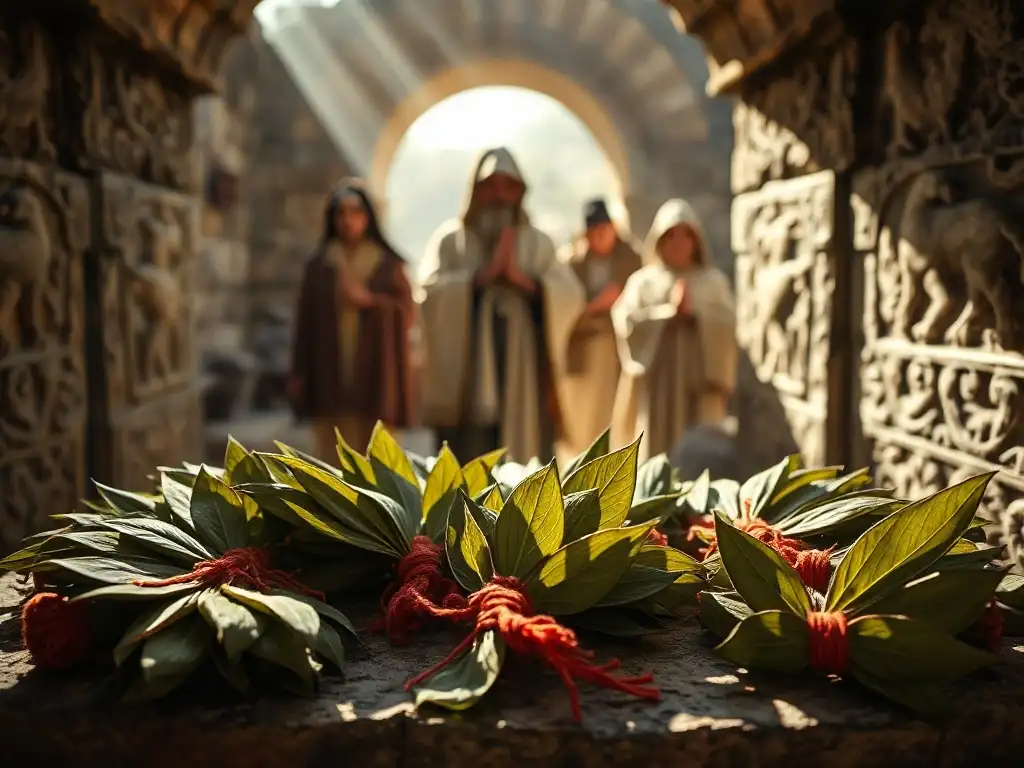
The coca leaf ( Erythroxylum coca) held a position of paramount importance in Inca society, far exceeding its simple use as a stimulant. It was deeply intertwined with religious beliefs, social structures, and daily life, playing a crucial role in both spiritual and secular aspects of Inca existence. Understanding the significance of coca within the Inca worldview is key to grasping the complexities of their civilization.
The Inca's reverence for the coca plant wasn't merely a matter of personal preference; it was a deeply ingrained cultural and spiritual practice, reflecting their profound connection to the natural world and their belief system. This section delves into the multifaceted role of coca in Inca life, examining its ritualistic uses and its contribution to the sustenance of the empire.
Significance of Coca to the Inca Empire
Coca wasn't simply a recreational substance; its economic and political importance within the Inca Empire was substantial. The Inca state controlled coca production and distribution, ensuring a steady supply for the elite and for religious ceremonies. This control extended to the cultivation, harvesting, and trade of coca, highlighting its strategic value.
Taxation in coca leaves was a significant part of the tribute system, with communities obligated to deliver a certain amount of coca to the Inca rulers annually. This system not only generated revenue for the empire but also reinforced the Inca's authority and control over the vast territories they governed. The quantity of coca leaves collected served as a measure of a region's productivity and its overall contribution to the empire.
Archaeological evidence supports this, with sites revealing large storage facilities specifically designed for coca leaves, indicating large-scale collection and distribution networks. Furthermore, the Inca likely used coca leaf quantities as a means of assessing population size and agricultural output, demonstrating the plant's significance beyond its spiritual connotations.
Coca's Role in Inca Culture and Tradition
Beyond its economic and political weight, coca held a central role in Inca culture and traditions. Its use permeated daily life, from religious ceremonies and medicinal practices to social interactions and celebrations. In religious rituals, coca leaves were offered to the gods as a sacred offering, a way to communicate with the divine and seek their favor. Shamans, or paqos, played a crucial role in these ceremonies, using coca leaves to induce altered states of consciousness and commune with the spiritual world.
They would chew coca leaves and interpret the resulting visions or sensations, providing guidance and insights for the community. The leaves were also used in divination rituals, with the patterns formed by the leaves during the ritual being interpreted to predict the future or provide answers to important questions. The Inca believed that coca possessed magical properties, capable of influencing both the physical and spiritual realms.
The everyday use of coca also played a crucial part in Inca society. Chewing coca leaves provided energy and helped alleviate hunger and altitude sickness, proving particularly vital for those working in the high-altitude Andes. It was considered a sign of respect to offer coca leaves to guests and dignitaries, mirroring its importance in social interactions. The act of sharing coca was a way to build relationships, foster trust, and strengthen social bonds within the community.
The deep integration of coca into every facet of Inca life underscores its significance as a cultural and spiritual cornerstone of the empire. The continued use of coca in some Andean communities today serves as a testament to its enduring legacy. Its historical importance continues to fascinate researchers and historians, providing valuable insights into the beliefs and practices of the Inca civilization.
Coca and Inca Ritual Practices
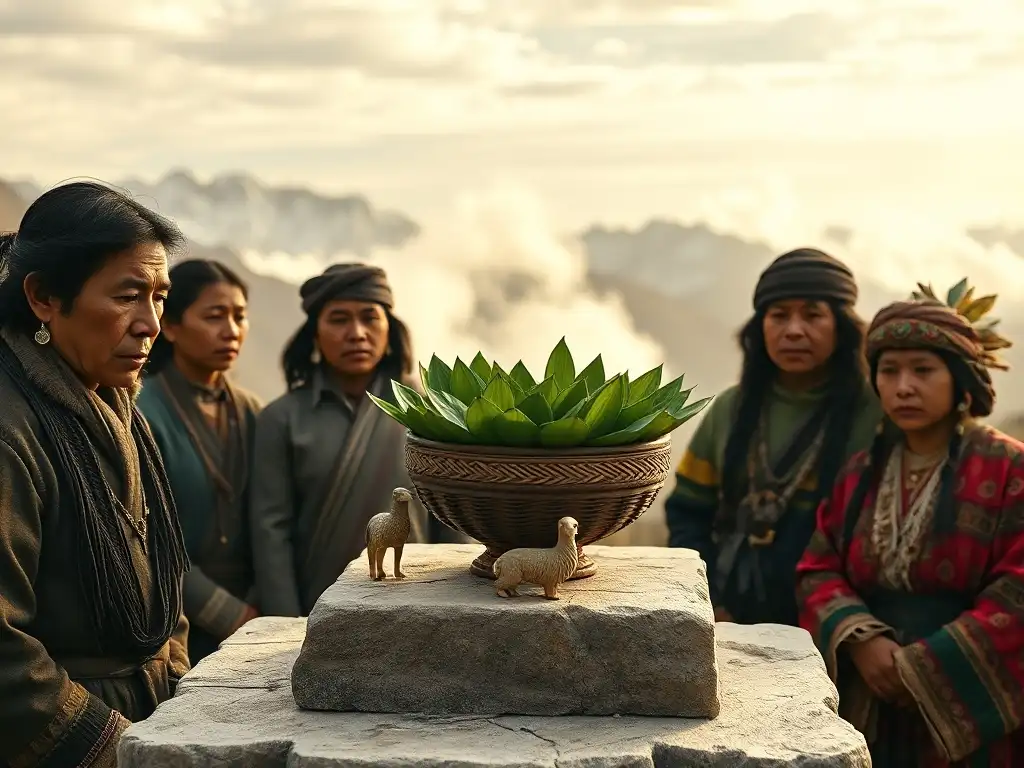
The coca leaf ( Erythroxylum coca) held a position of paramount importance within Inca society, far exceeding its role as a simple stimulant. Its significance permeated every facet of Inca life, from daily sustenance to elaborate religious ceremonies. Understanding the Inca's relationship with coca provides crucial insight into their spiritual beliefs, social structures, and overall worldview. While we know a great deal about the use of coca in Inca society, further research could help us understand the nuances of its societal impact. For example, [data on coca leaf production and distribution within the Inca Empire pending].
Inca Religious Ceremonies and Coca Use
Coca played a central role in Inca religious ceremonies, acting as a sacred offering and a facilitator of communication with the gods. Priests, or hamacs, would often chew coca leaves before conducting rituals, believing it enhanced their connection to the spiritual realm and aided in interpreting divine messages. The leaves weren't merely consumed; they were meticulously prepared and presented as part of the sacred ritual.
Evidence suggests that coca was used in various ceremonies, including those dedicated to the sun god, Inti, and the creator god, Viracocha. The specific rituals and the significance of coca within them varied depending on the deity and the occasion. For instance, [details on specific rituals involving coca leaves and different Inca deities pending].
Archaeological findings, such as coca leaves discovered in burial sites, further corroborate the religious significance of the plant. The presence of coca leaves alongside other ritual objects emphasizes its importance in the afterlife and the continuity of spiritual connection.
Ritual Chewing of Coca: A Sacred Act
The act of chewing coca leaves, known as acullico, wasn't simply a habit; it was a ritualized practice deeply embedded in Inca culture. It wasn't merely a method of combating hunger or altitude sickness, although it served those practical purposes. Instead, acullico was a social and spiritual act that fostered community and connected individuals to the divine.
Chewing coca was often performed communally, strengthening social bonds and facilitating communication. The sharing of coca leaves symbolized trust, respect, and mutual understanding within the community. It was a crucial element of social interactions, from daily conversations to important political discussions.
The ritualistic preparation of the coca, including the selection of leaves and the addition of an alkaline substance like lime (to enhance the effects), further highlighted its sacred nature. Detailed accounts of the acullico ritual are scarce, however, [additional research on the social dynamics of coca chewing among different Inca social groups pending].
Coca Offerings to Inca Gods
Coca leaves were frequently offered to the Inca gods as a sign of respect, gratitude, and supplication. These offerings could range from small, personal gestures to large-scale presentations during major festivals and ceremonies. The leaves were often placed on sacred altars, woven into intricate designs, or buried as part of offerings to the earth. The quantity and presentation of the coca leaf offering varied depending on the importance of the deity and the purpose of the offering.
For example, a small offering might be made to a local deity for good fortune, while a substantial offering might be presented to Inti during a major solar festival. The use of coca in these offerings underscores its symbolic power and its capacity to bridge the gap between the human and divine realms. Further research is needed to fully understand the different types of coca offerings and their varied meanings.
For instance, [analysis of archaeological evidence regarding the types and quantities of coca offerings found in different Inca sites pending]. The study of Inca iconography and texts might reveal additional insights into the symbolic significance of coca offerings. 🎨
Divination and Coca's Spiritual Connection
The Inca viewed coca leaves not merely as a stimulant but as a sacred plant deeply intertwined with the spiritual realm. Coca leaf divination, or llipta, played a crucial role in daily life and major decisions. Shamans, or paqos, were highly skilled in interpreting the patterns and shapes of the coca leaves, using them to gain insights into the future, seek guidance from the gods, and diagnose illnesses. This practice wasn't limited to the elite; ordinary people also consulted coca leaves for everyday matters, seeking answers to questions about harvests, journeys, or personal relationships.
The act of carefully selecting leaves, arranging them, and interpreting their subtle nuances was a complex ritual, requiring years of training and a deep understanding of the symbolic language of coca. The process often involved prayers, offerings, and a state of heightened awareness to achieve a meaningful connection with the spiritual world. Different leaf arrangements and patterns held specific meanings, adding layers of complexity to the divination process.
For example, a particular arrangement might signify impending good fortune, while another could foretell challenges or misfortune. The accuracy of the divination was believed to depend heavily on the shaman's skill, their connection to the spiritual realm, and the purity of their intentions. The coca leaf, therefore, acted as a conduit, connecting the physical world with the spiritual, allowing the Inca to seek guidance and understand the divine will.
The spiritual significance of coca extended beyond divination. It was believed to possess camac, a life force or energy, which could be harnessed for healing and protection. Coca leaves were often included in offerings to the gods, demonstrating their importance in religious ceremonies and rituals.
These offerings, which might involve other sacred objects, were presented to appease the gods, seek blessings, or express gratitude. The use of coca in such rituals reinforced its sacred status and its role as a link between the human and divine realms. The incorporation of coca leaves in burial practices further underscores their deep spiritual significance.
Archaeological evidence suggests that coca leaves were frequently included in the graves of Inca elites, suggesting that the plant was believed to accompany the deceased into the afterlife. This practice implies a belief in coca's power to sustain and protect the spirit in the realm of the dead. The enduring presence of coca in Inca religious practices and beliefs highlights its profound spiritual importance, far exceeding its practical applications.
Coca as a Source of Sustenance in the Inca Diet
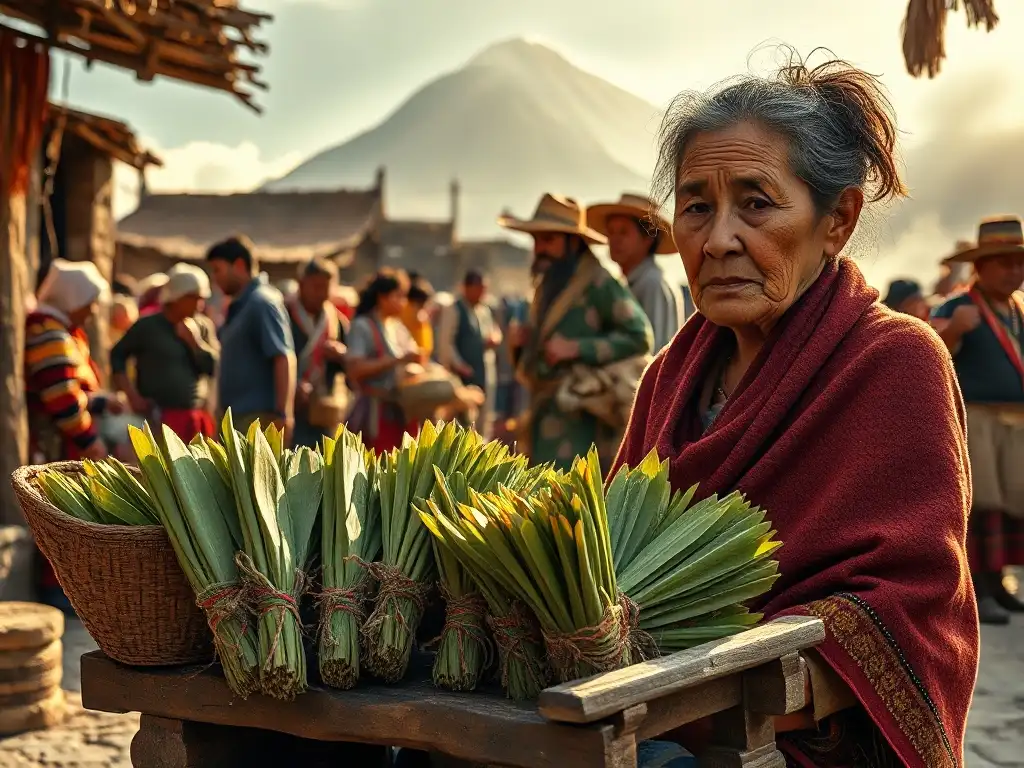
The coca leaf ( Erythroxylum coca) held a position of paramount importance within the Inca diet, far exceeding its purely ritualistic role. For the Inca population, particularly those living at high altitudes in the Andes, coca provided essential sustenance and energy. Its consumption wasn't simply a cultural practice; it was a necessary component of daily survival. This section explores the multifaceted ways coca contributed to the Inca diet, highlighting its nutritional value and its impact on the overall well-being of the Inca people.
Coca's Nutritional Value for the Inca Population
While not a complete nutritional powerhouse, coca leaves offered several key nutrients beneficial to the Inca diet. They provided a source of carbohydrates, albeit a small one, offering a readily available energy boost crucial for the physically demanding lives of the Inca people. Moreover, coca leaves contain small amounts of vitamins and minerals, including calcium, iron, and vitamin C, which supplemented the nutrients derived from other Andean crops like potatoes and quinoa.
The exact nutritional profile is difficult to pinpoint precisely due to variations in soil conditions and cultivation methods, but archaeological evidence and ethnobotanical studies suggest a consistent contribution to the overall nutritional intake. The alkaloids present in coca, while psychoactive, also possess certain stimulant properties that could have contributed to increased energy levels and improved physical endurance, essential for agricultural labor and other strenuous activities.
Coca's Role in Combating Altitude Sickness
Life at high altitudes in the Andes presented significant physiological challenges. The reduced oxygen levels resulted in altitude sickness, characterized by symptoms such as shortness of breath, nausea, and headaches. Coca leaves played a crucial role in mitigating these effects. The alkaloids in coca, particularly cocaine, act as a mild stimulant, helping to suppress appetite and increase energy levels, thus providing a degree of relief from the debilitating symptoms of altitude sickness.
Chewing coca leaves was a common practice among Inca people, allowing them to acclimatize more easily to the harsh conditions of the high Andes. This is supported by numerous accounts from Spanish chroniclers who observed the widespread use of coca among Inca populations at high altitudes. This adaptive strategy was instrumental in allowing the Inca Empire to flourish in such a challenging environment.
Coca and Inca Agricultural Practices
The cultivation of coca was deeply intertwined with Inca agricultural practices and reflects their sophisticated understanding of their environment. Coca thrived in specific ecological niches within the Andes, requiring careful planning and management. Inca agricultural engineers developed intricate terrace systems to optimize coca cultivation, maximizing yields in varied terrains.
The carefully managed irrigation systems ensured adequate water supply, while the use of fertilizer, often derived from animal manure, enhanced soil fertility. Coca was not simply a crop; it was a vital component of the Inca agricultural economy, contributing to both subsistence and trade. Its cultivation provided employment and economic stability to many Inca communities, further emphasizing its significance within Inca society.
The intricate relationship between coca cultivation and the broader Inca agricultural system showcases the advanced understanding and sophisticated practices of Inca farmers. ✈️ The Inca Empire's success, in part, hinged on its mastery of coca cultivation and its integration within the broader agricultural landscape.
The Socio-Economic Impact of Coca in the Inca Realm
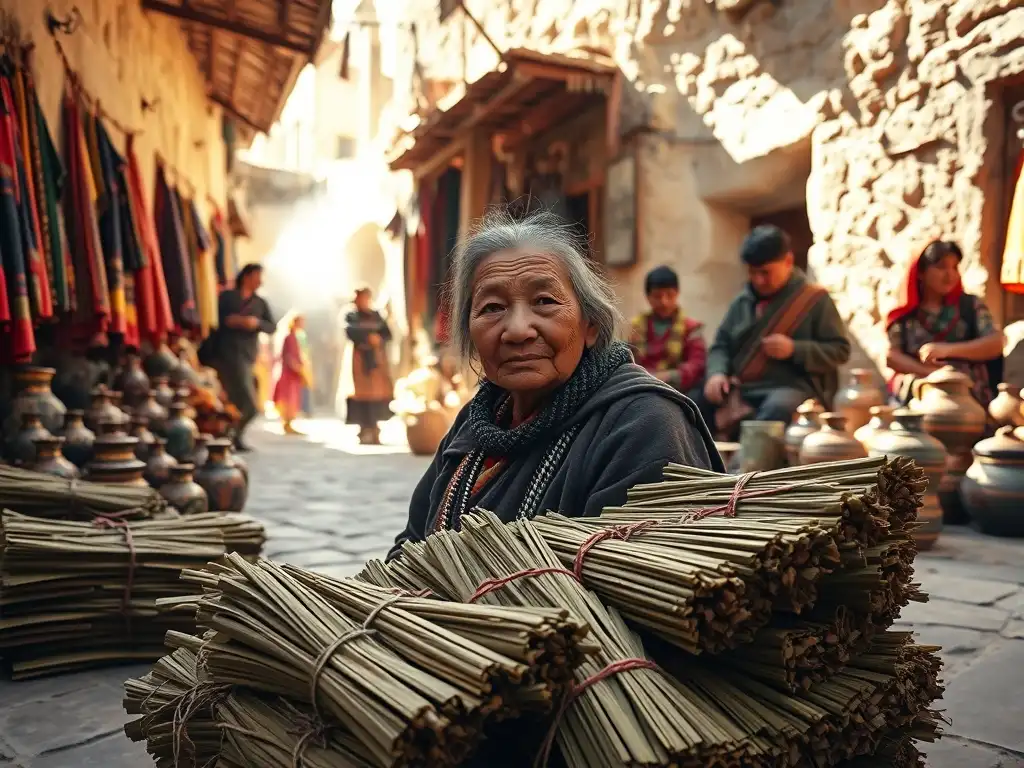
The coca leaf ( Erythroxylum coca) held a position of paramount importance within the Inca Empire, extending far beyond its recognized medicinal and stimulant properties. Its influence permeated the socio-economic fabric of Inca society, shaping labor systems, trade networks, and the power dynamics of the elite. Understanding the multifaceted role of coca is crucial to comprehending the complexities of Inca civilization. The Inca coca leaf rituals were deeply intertwined with these economic aspects, further highlighting its significance.
Coca Cultivation and Inca Labor Systems
Coca cultivation was not a haphazard affair; it was meticulously organized and integrated into the Inca mita system, a form of mandatory labor service. Vast coca plantations, known as cocales, were established in ecologically suitable regions, primarily along the eastern slopes of the Andes, where the climate and altitude were conducive to optimal growth. These cocales were often located near Inca settlements or along major trade routes, facilitating both production and distribution.
The mita system ensured a consistent supply of labor for planting, harvesting, and processing the coca leaves. Records, though incomplete, suggest that specific communities were assigned to coca cultivation as part of their annual labor obligations, highlighting the leaf's strategic importance to the empire's economy.
The organization and scale of these coca plantations underscore the Inca's mastery of agricultural techniques and their ability to mobilize vast labor forces for the benefit of the state. This systematic approach ensured a consistent and abundant supply of coca, vital for both ritualistic and everyday consumption.
Coca Trade and Distribution in the Inca Empire
The vast network of Inca roads, the Qhapaq Ñan, played a critical role in the efficient distribution of coca throughout the empire. Dried coca leaves, often bundled into chumpi (bundles), were transported across considerable distances, reaching even the most remote corners of the Inca realm. This extensive trade network facilitated the flow of coca not only between different regions but also between various social strata.
While the Inca elite undoubtedly controlled a significant portion of the coca supply, the leaf also circulated among commoners, albeit likely at a more controlled and regulated level. The sheer volume of coca traded suggests a sophisticated system of storage, transportation, and distribution, indicative of a highly organized economy. Archaeological evidence, including the discovery of coca remnants in various Inca sites, supports the wide-ranging distribution of this valuable commodity.
The precise mechanisms of trade and exchange, however, require further investigation. More research is needed to fully understand the intricacies of coca pricing, barter systems, and the potential role of taxation in regulating the coca trade.
The Control of Coca by the Inca Elite
The Inca elite exerted significant control over the production and distribution of coca, recognizing its economic and symbolic value. Coca was not simply a commodity; it was a powerful symbol of royal authority and religious power. The Inca emperors and their representatives held the right to allocate coca, using it as a reward for loyal service, a payment for labor, or a gift to solidify alliances.
This control extended to the regulation of coca consumption, with certain rituals and ceremonies reserved exclusively for the elite. The Inca's monopoly over coca production and distribution strengthened their political and economic power, reinforcing their status as the supreme rulers of the empire. This control extended beyond simple ownership; it was a strategic tool for managing the population, rewarding loyal subjects, and maintaining social order.
The elite's privileged access to coca and their ability to regulate its flow served as a powerful instrument of social control and political dominance within the Inca Empire. Further investigation into Inca administrative records and archaeological findings could reveal more nuanced details about the elite's control over coca production and distribution. For example, [specific information pending] regarding the exact mechanisms used to regulate coca consumption among commoners.
The Legacy of Coca in the Andes Today
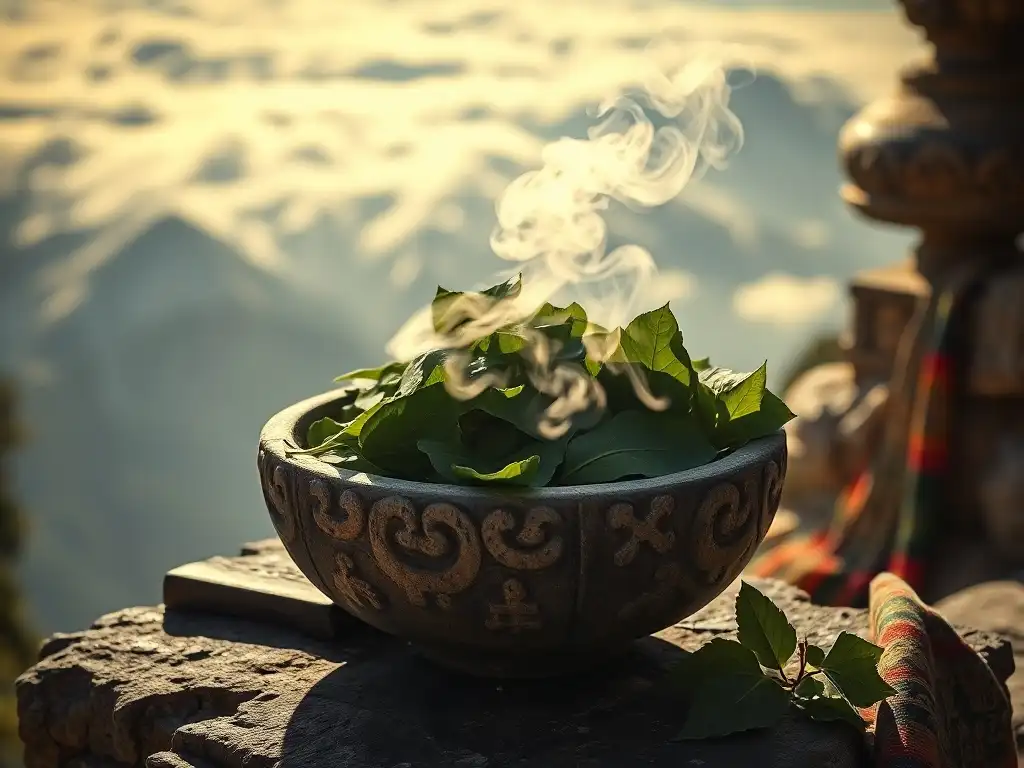
The coca leaf, Erythroxylum coca, holds a profound and enduring significance in the Andes, extending far beyond its historical importance in Inca society. Its legacy continues to shape cultural practices, social interactions, and even economic realities in modern Andean communities. Understanding this enduring connection is crucial to appreciating the full depth of Inca coca leaf rituals and their impact on the region's history and present.
The plant's continued use isn't simply a relic of the past; it's a vibrant, living tradition. We'll explore this legacy, examining both the positive aspects and the ongoing challenges related to coca cultivation and consumption.
Modern Use of Coca Leaf in Andean Communities
Today, coca leaf chewing remains a widespread practice in many Andean communities. It's not merely a habit; it's deeply embedded in daily life, serving various purposes. For many, it's a means of combating altitude sickness, suppressing hunger and thirst, and providing a gentle stimulant to aid in daily tasks. The leaves are often shared socially, fostering community bonds and facilitating conversations.
The act of sharing coca is a gesture of hospitality and respect, reflecting the plant's continued social and cultural importance. This practice, passed down through generations, represents a direct link to Inca traditions and provides a sense of continuity and cultural identity. The nuances of coca leaf preparation and consumption vary across different Andean communities, highlighting the rich diversity of traditions surrounding this significant plant. For example, some communities prefer to chew the leaves alone, while others incorporate them into traditional drinks or medicinal remedies.
The economic impact of coca is also significant. In some regions, coca cultivation forms a crucial part of the local economy, providing livelihoods for farmers and contributing to regional trade. However, this economic reliance also creates vulnerabilities, particularly regarding the global illicit drug trade associated with coca's derivative, cocaine. This delicate balance between traditional use and the potential for exploitation necessitates careful consideration and sustainable practices to protect both the cultural heritage and the economic well-being of Andean communities. The challenge lies in preserving the cultural significance of coca while mitigating the risks associated with its misuse.
Coca and its Connection to Inca Heritage
The Inca's reverence for the coca leaf is well documented. It wasn't merely a stimulant; it held significant religious and ceremonial importance. Inca coca leaf rituals were integral to their spiritual practices, used in offerings to deities and during important ceremonies.
Archaeological evidence, including the discovery of coca leaves in Inca tombs and ceremonial sites, strongly supports this. The Inca believed the coca leaf possessed sacred properties, connecting them to the spiritual realm and facilitating communication with the gods. The use of coca wasn't limited to the elite; it was integrated into various aspects of daily life for people of all social classes, reflecting its pervasive importance within Inca society.
Furthermore, the meticulous cultivation and distribution of coca demonstrate the Inca's sophisticated agricultural and logistical capabilities. The Inca Empire's control over coca production and trade played a significant role in maintaining its political and economic power. Their understanding of coca's properties and its symbolic meaning underscores their advanced knowledge of botany and its role in their culture.
The enduring connection between modern coca use and Inca traditions is undeniable. The practices, beliefs, and social significance associated with coca continue to reflect the historical importance of this plant within Andean culture. The modern use of coca isn't a mere continuation of a past practice; it's a living testament to the enduring cultural legacy of the Inca Empire. It's a tangible link connecting the past to the present, showcasing the resilience and continuity of Andean traditions. The significance of Inca coca leaf rituals continues to resonate in modern Andean life, shaping cultural identity and social interactions.
The Debate Surrounding Coca and its Derivatives
The coca leaf itself is not inherently harmful. However, its derivative, cocaine, is a highly addictive and dangerous substance. This distinction is crucial to understanding the complexities surrounding coca. The debate centers on the need to balance the cultural significance of coca leaf chewing with the global fight against drug trafficking.
This isn't simply a matter of restricting coca cultivation; it involves supporting sustainable agricultural practices that provide economic alternatives for farmers while preventing the diversion of coca crops for illicit cocaine production. The challenge lies in addressing the socio-economic factors that drive coca cultivation for illegal purposes. Many argue that effective solutions require a multi-faceted approach, encompassing poverty reduction, economic development initiatives, and community-based programs that support alternative livelihoods. The global conversation surrounding coca and cocaine remains a complex and sensitive one, requiring careful consideration of cultural sensitivities and the need for equitable solutions.
Finding a balance between protecting traditional practices and preventing drug trafficking requires international cooperation and a nuanced understanding of the social, economic, and cultural factors at play. The ongoing debate highlights the urgent need for innovative approaches that address both the cultural significance of coca and the serious threat posed by cocaine. It is a delicate balancing act that requires careful consideration and collaborative efforts.
Inca Coca Leaf Rituals: A Summary
The coca leaf ( Erythroxylum coca) held a position of paramount importance within Inca society, far exceeding its simple use as a stimulant. It was deeply interwoven into the fabric of Inca life, playing a crucial role in religious rituals, social interactions, and even economic systems. Understanding the significance of coca within Inca culture requires examining its multifaceted role, moving beyond the simplistic view of it as merely a recreational drug.
Inca coca leaf rituals were not simply ceremonial; they were integral to maintaining cosmic balance and societal harmony. The plant's sacred nature is evident in its presence in numerous archaeological finds, from burial sites to elite palaces.
Key Takeaways on Coca's Importance in Inca Life
The Inca's relationship with coca was multifaceted, impacting various aspects of their daily lives. Here are some key takeaways highlighting its significance:
- Religious Significance: Coca was considered a sacred plant, a gift from the gods. It was used in offerings to deities, particularly during important ceremonies and festivals. Shamans, or paqos, played a crucial role in these rituals, using coca leaves to commune with the spirit world and divine the future. The leaves were often chewed and offerings were made to pachamama (Mother Earth) to ensure successful harvests and good fortune.
- Social and Economic Role: Coca wasn't limited to religious contexts. It played a vital social role, facilitating communication and bonding amongst individuals. The exchange of coca leaves was a common practice, symbolizing friendship and trust. Furthermore, coca leaves served as a form of payment or tribute, highlighting their economic value within the Inca empire. Royal officials often received coca as a form of tribute, underscoring its status as a valuable commodity.
- Medicinal Uses: Beyond its spiritual and social roles, coca also held medicinal value. The Inca recognized its ability to alleviate hunger, fatigue, and altitude sickness – all significant concerns in their mountainous environment. Its use was not limited to the elite; it was accessible to various social strata, reflecting its practical importance in daily life. Traditional healers used coca in various preparations for medicinal purposes, further demonstrating the plant's versatility.
| Aspect of Inca Life | Role of Coca Leaf | Evidence |
|---|---|---|
| Religious Rituals | Offerings to deities, divination | Archaeological findings of coca leaves in temples and burial sites |
| Social Interactions | Symbol of friendship, exchange | Ethnographic accounts and archaeological context |
| Economic System | Form of payment, tribute | Records of tribute payments in colonial documents |
| Medicinal Practices | Alleviation of hunger, fatigue, altitude sickness | Traditional medicinal practices documented by early chroniclers |
The meticulous organization of coca cultivation and distribution within the Inca empire speaks volumes about its importance. The Inca meticulously managed coca plantations, ensuring a steady supply for both religious and secular purposes. This level of organization further underscores the plant's significance in Inca society. The systematic nature of coca cultivation also suggests a deep understanding of its agricultural needs, showcasing the Inca's sophisticated knowledge of agriculture.
Further Research on Inca Coca Practices
Further research into Inca coca practices requires a multidisciplinary approach, combining archaeological evidence with ethnohistorical accounts and botanical studies. Areas needing further investigation include:
- The specific rituals associated with coca use in different regions of the Inca Empire. Regional variations in coca use likely existed, reflecting the diverse cultural landscapes within the empire. More research is needed to understand these nuances.
- The role of coca in Inca warfare and political power. Did coca play a role in boosting the morale of soldiers or in reinforcing political alliances? Further investigation of this topic is warranted.
- A more detailed analysis of the chemical composition of coca leaves used by the Inca. Comparing the chemical composition of ancient coca leaves with modern coca leaves could offer insights into the plant's potency and its effects on the Inca people. This would require advanced chemical analysis techniques.
The study of Inca coca leaf rituals offers a unique window into the spiritual, social, and economic life of this remarkable civilization. By continuing to explore this complex topic, we can gain a deeper understanding of the Inca worldview and their intricate relationship with the natural world. The enduring legacy of coca in Andean cultures serves as a testament to its enduring importance. Further research will undoubtedly reveal even more about the significance of coca in the lives of the Inca people.
Frequently Asked Questions
What role did coca leaves play in Inca society?
Coca leaves held immense significance in Inca society, serving both as a source of sustenance and a crucial element in religious rituals and ceremonies. Their use was widespread, impacting daily life and spiritual practices.
Were coca leaf rituals only for the Inca elite?
No, coca leaf rituals were not exclusive to the elite. While the Inca royalty might have had more elaborate ceremonies, the use of coca was prevalent across all social classes, integrated into daily routines and community events.
What were some common Inca coca leaf rituals?
Inca rituals involved chewing coca leaves often mixed with lime, sometimes accompanied by prayers, offerings, and divination. These practices were associated with healing, spiritual connection, and social bonding.
How did the Incas use coca leaves beyond rituals?
Beyond ritualistic use, coca leaves provided essential energy and sustenance for the Inca people, especially those living at high altitudes. They aided in combating altitude sickness and hunger, enhancing endurance for demanding tasks.
What is the significance of coca leaves in understanding Inca culture?
Understanding the ritualistic and practical importance of coca leaves provides crucial insight into Inca culture, beliefs, and daily life. It reveals a deep connection between the physical and spiritual realms within their society.
Final Reflection: The Enduring Legacy of Coca in Inca Civilization
The vibrant tapestry of Inca life, intricately woven with threads of ritual and sustenance, remains profoundly relevant today. Understanding the central role of the coca leaf in this civilization offers a powerful lens through which to examine the complex interplay between culture, spirituality, and the natural world, a relationship that continues to resonate in contemporary discussions of indigenous rights and environmental stewardship.
The enduring influence of coca on Inca culture is undeniable, shaping not only their daily lives but also their spiritual beliefs and social structures. Its significance extended far beyond mere sustenance; it was a sacred plant, integral to religious ceremonies, medicinal practices, and social interactions. Coca was not simply a plant; it was a gift from the gods, a source of strength, and a symbol of Andean identity.
This quote, though paraphrased from various historical accounts, captures the profound reverence with which the Inca regarded this plant, a reverence that continues to echo in the traditions of many Andean communities today. The ongoing debate surrounding coca's use highlights the enduring tension between cultural preservation and modern societal norms.
Consider, for a moment, the intricate relationship between humans and nature as exemplified by the Inca's use of coca. What can we learn from their deep respect for the natural world and their integration of sacred plants into their daily lives? How can we, in our own lives, cultivate a more mindful and sustainable relationship with the environment and the resources it provides? Let the legacy of Inca coca leaf rituals inspire you to explore the profound connections between culture, spirituality, and the natural world, and to advocate for the preservation of indigenous traditions and knowledge.
Unveil the Rich Traditions of Coca Today!
Thank you for exploring the incredible role of coca in Inca life! You've discovered how this sacred plant was far more than just a source of sustenance; it was deeply interwoven into rituals and the very cultural fabric of Andean civilizations. Now, let's delve even deeper into this fascinating history.
Here's how you can continue your journey of discovery:
- Explore the use of coca leaves in traditional Andean practices, perhaps by trying a coca tea or researching sustainable sourcing.
- Share your newfound knowledge with friends and family, helping to spread awareness and appreciation for the significance of coca in Inca culture.
- Connect with others who share your interest by joining a local Andean cultural group or an online forum dedicated to Andean traditions.
How can we best use the story of coca to enrich our understanding of Andean culture today?