
The Inca Ayllu: Exploring the Foundation of Community and Kinship

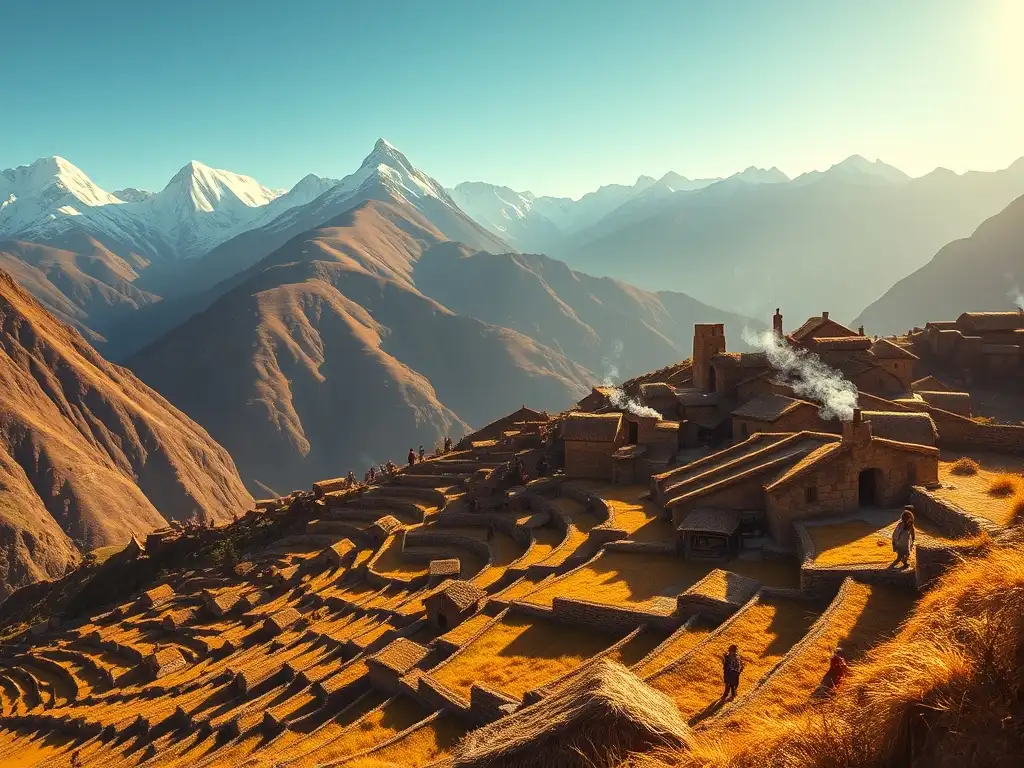
Step into a world lost to time, yet echoing with the whispers of a magnificent empire. Discover the intricate tapestry of Andean civilizations, where innovation and artistry flourished in the heart of the Andes Mountains. But what truly held these societies together? Unravel the secrets behind the Inca ayllu social structure, a cornerstone of Inca society that defined community, kinship, and the very fabric of their existence. Prepare to be captivated by the ingenuity and complexity of this ancient system – your journey into the heart of the Inca Empire begins now.
The Inca Empire, renowned for its sophisticated engineering feats like Machu Picchu and its vast territorial reach across the Andes Mountains, was built upon a remarkably intricate social structure. At its foundation lay the ayllu, a fundamental unit of Inca society that defined not just community organization but also kinship, land ownership, and economic activity. Understanding the ayllu is key to grasping the complexities of Inca social life, its resilience, and its ultimate impact on the development of Andean civilization.
This article delves into the core principles of the ayllu system, exploring its crucial role in the daily lives of Inca people and its contribution to the overall strength and stability of the empire. We will examine the ayllu's impact on everything from agricultural practices and resource allocation to religious ceremonies and social hierarchies, providing a detailed look into the "Inca ayllu social structure."
The ayllu was more than just a village; it was a complex network of extended families bound together by blood ties and shared ancestry. Members traced their lineage back to a common ancestor, creating a strong sense of collective identity and mutual responsibility. This kinship system wasn't simply based on blood relations; it also incorporated individuals who were adopted or integrated through marriage or other forms of social bonding.
The ayllu held collective ownership of land and resources, which were distributed among its members according to their needs and abilities. This communal ownership fostered cooperation and a sense of shared prosperity, mitigating the inequalities often found in other societies. Agricultural production was a collective effort, with land worked collaboratively and harvests shared amongst the community. This system ensured that everyone had access to essential resources, minimizing social stratification based on wealth accumulation.
The distribution of resources within the ayllu was overseen by community leaders, ensuring fairness and equity. This system of reciprocal obligations and shared responsibilities was crucial to the ayllu's success and sustainability. The success of the ayllu system relied heavily on the cooperation and commitment of its members, demonstrating a sophisticated social contract.
The Ayllu's Role in Inca Society and Daily Life
The ayllu's influence extended far beyond the realm of land ownership and resource allocation. It played a central role in various aspects of Inca daily life, including religious ceremonies, social control, and even military organization. Religious practices were often communal affairs, with ayllu members participating in rituals and festivals that reinforced their shared identity and strengthened social bonds. The ayllu also served as a primary unit of social control, with community leaders resolving disputes and enforcing social norms. This internal system of governance minimized the need for external intervention from the imperial administration.
Furthermore, the ayllu contributed significantly to the Inca military. In times of war, members of an ayllu would often fight together, creating strong military units based on kinship and shared loyalty. This system fostered cohesion and discipline within the Inca army. The ayllu provided a framework for social support and security, offering assistance to members in times of need.
This mutual support system was particularly important in a society that lacked sophisticated welfare systems. This intricate web of social relationships within the ayllu was essential to the overall stability and success of the Inca Empire. The system demonstrated a remarkable ability to integrate social, economic, and religious aspects of life, creating a cohesive and resilient society. The impact of the ayllu extends beyond the Inca Empire itself, offering valuable insights into the dynamics of community organization and social structures in pre-Columbian South America.
- Understanding the Inca Ayllu: Core Principles of Social Organization
- The Ayllu's Role in Inca Society and Daily Life
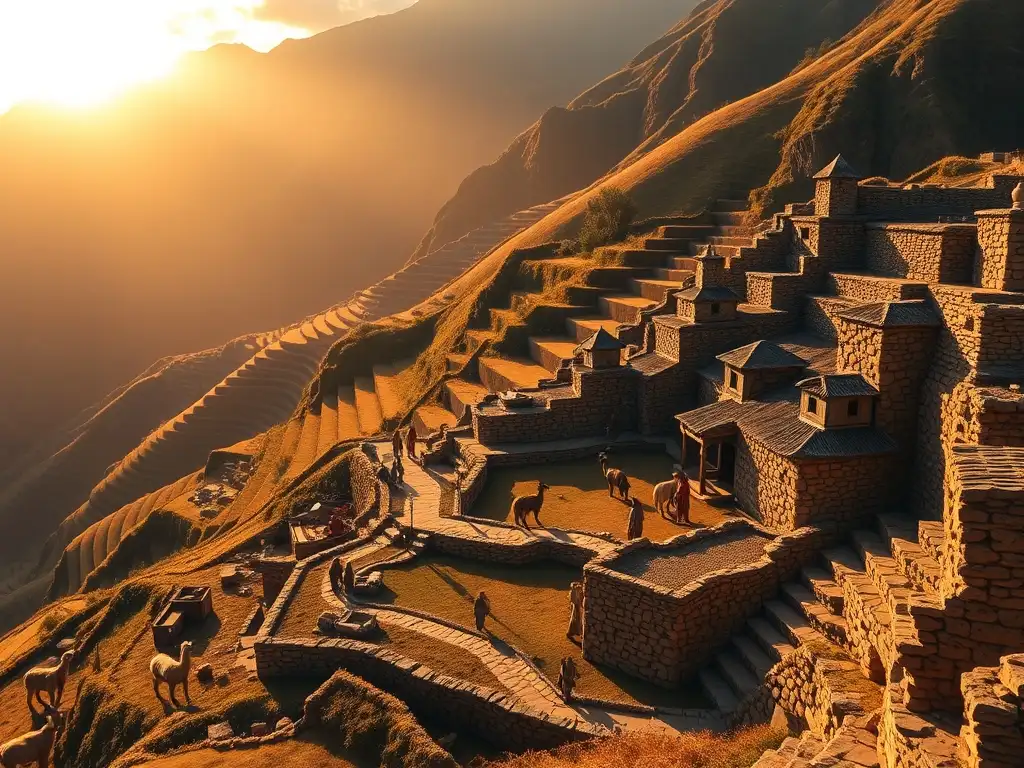
This section delves into the intricacies of the Inca ayllu, a fundamental social and economic unit crucial to understanding Inca society. We'll explore its structure, emphasizing the interwoven threads of kinship, reciprocity, and cooperation that bound its members together. The term "Inca ayllu social structure" itself highlights the deeply embedded nature of this system within the broader Inca civilization.
Defining the Ayllu: Beyond a Simple Family Unit
The ayllu is often mistakenly simplified as a mere extended family. While kinship undeniably formed its core, the ayllu transcended the limitations of a traditional family structure. It functioned as a complex network of individuals united by blood ties, shared ancestry, and a collective responsibility for land ownership and resource management. Think of it as a clan, but with far-reaching social and economic implications.
Members were not only related through blood but also through a shared history and collective identity tied to a specific territory and its resources. This territory, often encompassing agricultural lands, pastures, and water sources, was collectively owned and worked by the ayllu members. The size of an ayllu varied considerably, ranging from relatively small groups to larger, more complex entities. The precise size often depended on factors such as geographic location and the availability of resources.
One crucial aspect distinguishing the ayllu from a simple family was its enduring nature. Unlike a family that might experience dissolution or fragmentation over time, the ayllu persisted across generations, maintaining its collective identity and its claim to its ancestral lands. This continuity was vital for social stability and the transmission of cultural knowledge and traditions. Archaeological evidence, such as the layout of settlements and the distribution of agricultural plots, supports the existence of these enduring community structures. Further research into [specific archaeological sites pending] could provide more detailed insights into the size and internal organization of different ayllus.
The Importance of Reciprocity and Cooperation within the Ayllu
Reciprocity ( ayni) and cooperation ( minka) were the cornerstones of ayllu life. These principles governed not only the distribution of labor and resources but also shaped social relationships and the maintenance of social harmony. Ayni involved the exchange of goods and services between individuals and families within the ayllu, fostering mutual support and interdependence.
This wasn't simply a barter system; it was a deeply ingrained social obligation, ensuring everyone's needs were met. For example, one family might assist another with harvesting crops, expecting similar assistance in return during their own harvest season. Failure to participate in ayni could result in social sanctions and exclusion from the community.
Minka, on the other hand, involved collective labor for public works projects. These projects could range from building irrigation canals and temples to constructing roads and fortifications. Participation in minka was compulsory, strengthening community bonds and demonstrating shared responsibility for the well-being of the ayllu.
The Inca state often leveraged minka for large-scale projects, showcasing the ayllu's capacity for organized collective action. The efficiency and effectiveness of minka projects underscore the high level of social cohesion and cooperation within the ayllu. Detailed records of minka projects, unfortunately, are [specific data on Inca record-keeping pending], but surviving archaeological structures provide tangible evidence of their scale and impact.
Ayllu Membership and Lineage: Tracing Ancestral Ties
Membership in an ayllu was typically determined by descent, tracing lineage back through generations. This hereditary aspect reinforced the strong kinship bonds that held the ayllu together. However, it wasn't strictly limited to biological relationships. Adoption and integration of individuals from other groups were also possible, particularly in cases of marriage or through the Inca state's resettlement programs. This flexibility allowed for the ayllu to adapt and incorporate new members, while still maintaining its core identity.
Tracing ancestral ties was crucial for determining an individual's place within the ayllu and their rights and responsibilities. This system of lineage tracking, while not fully documented in written records, is evident in the patterns of land ownership and inheritance observed in archaeological studies. The use of [specific Inca record-keeping methods pending] likely played a role in maintaining accurate lineage records.
While precise details remain elusive, the enduring nature of ayllus across generations suggests a robust system for tracking ancestry and maintaining social order within these crucial Inca communities. Understanding the mechanisms for maintaining and updating ayllu membership is a critical area for future research on Inca social structures. The impact of Inca expansion and resettlement policies on ayllu membership also warrants further investigation.
The Economic Functions of the Ayllu in the Inca Empire
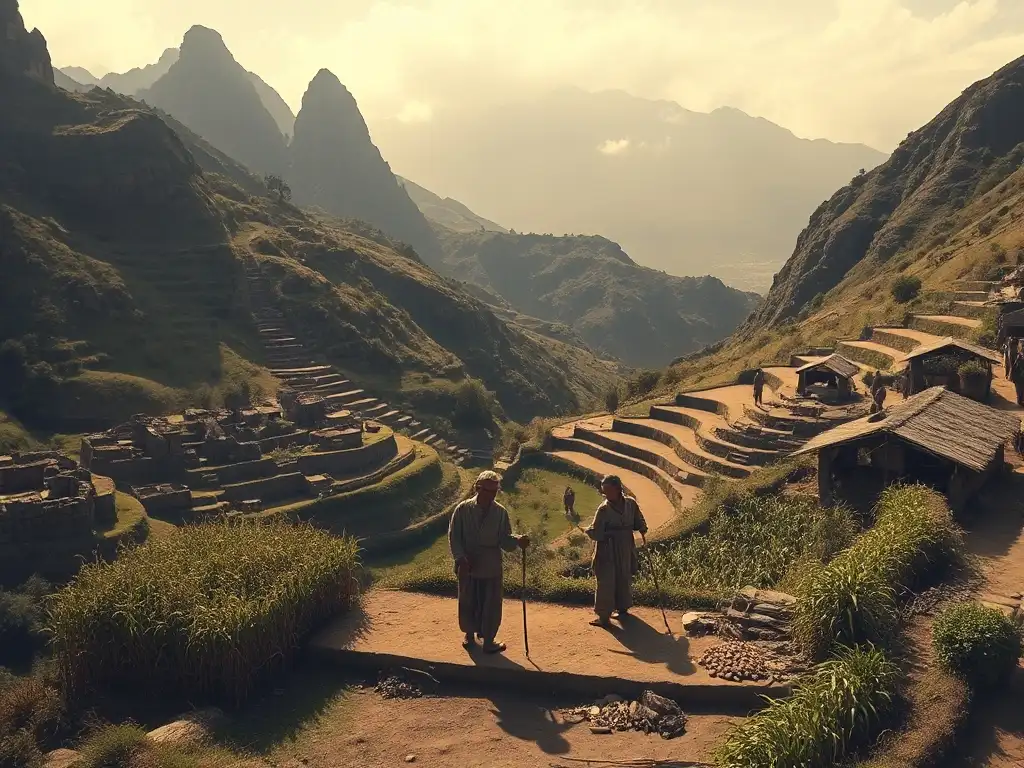
The Inca ayllu, often translated as a clan or community, was far more than just a social unit; it served as the bedrock of the Inca Empire's economy. Its structure, based on kinship and reciprocal obligations, facilitated efficient resource management, production, and distribution, ensuring the empire's stability and prosperity. Understanding the economic functions of the ayllu is crucial to grasping the Inca Empire's remarkable organizational capabilities and its lasting impact on Andean society.
The intricate interplay between kinship ties and economic activities within the ayllu showcases a sophisticated system of collective responsibility and shared resources, a model significantly different from many other ancient civilizations. This section will delve into the key economic roles of the ayllu, highlighting its importance in land ownership, labor organization, and resource management.
Land Ownership and Collective Labor within the Ayllu
Land ownership in the Inca Empire was fundamentally different from Western concepts of private property. The ayllu held collective ownership of the land, with individual families receiving plots based on their needs and the number of family members. This wasn't simply a matter of shared access; it entailed a complex system of responsibilities. Each family was obligated to cultivate their assigned plot, contributing to the overall productivity of the ayllu.
This collective labor wasn't merely about farming; it extended to other essential tasks, such as building infrastructure (like canals for irrigation), maintaining roads, and contributing to communal projects. The success of the ayllu depended on the cooperation and diligent work of its members. Failure to fulfill one's obligations could lead to social repercussions within the community.
Failure to participate in communal labor was not tolerated; it was considered a betrayal of the collective good and could result in social ostracism or even punishment. This system fostered a strong sense of community responsibility and ensured that everyone contributed to the well-being of the ayllu.
The efficiency of this system is evidenced by the Inca Empire's impressive agricultural output, which supported a large and densely populated empire. Detailed records of land distribution and labor assignments, while scarce, suggest a highly organized and equitable system, though further research is needed to fully understand the nuances of individual ayllu variations.
The Mit'a System and the Ayllu's Contribution to the Inca State
The mit'a system, a form of mandatory labor service, played a pivotal role in the Inca Empire's economic and political structure. While often perceived as a form of taxation, the mit'a was deeply intertwined with the ayllu system. The ayllu itself was responsible for providing a quota of able-bodied men for various state projects.
These projects ranged from construction of monumental structures like Machu Picchu to the building and maintenance of roads, irrigation systems, and military service. The ayllu leaders organized and managed the allocation of individuals for mit'a service, ensuring that the burden was distributed relatively equitably among families. This ensured that the ayllu continued to function effectively even while contributing to the larger empire.
The mit'a was not simply a form of forced labor; it also provided opportunities for individuals to gain experience in different skills and trades. Participation in state projects could enhance an individual's social standing within their ayllu and broader society. However, the system was not without its drawbacks.
The demands of the mit'a could sometimes strain the ayllu's resources, especially during times of intense state projects or military campaigns. The balance between the ayllu's needs and the demands of the Inca state was a constant negotiation, reflecting the complexities of the imperial system. Further research is needed to fully understand the regional variations in the implementation of the mit'a and its impact on different ayllus.
Resource Management and Distribution within the Ayllu
Efficient resource management was crucial for the ayllu's survival and prosperity. The ayllu controlled and distributed resources collectively, ensuring that everyone had access to the necessities of life. This included not only agricultural produce but also other essential goods like textiles, tools, and building materials.
The system relied heavily on reciprocity and redistribution, with surpluses being shared amongst members based on need. This system minimized waste and ensured a degree of social security within the community. The organization of storage facilities and the allocation of resources were likely managed by community leaders, reflecting the importance of communal decision-making in the ayllu.
The success of the Inca ayllu in managing resources and ensuring equitable distribution is a testament to its sophisticated social and economic organization. Archaeological evidence suggests the existence of well-organized storage facilities ( qollqas) throughout the Inca Empire, indicating a system capable of storing and managing surpluses for times of scarcity. However, the precise mechanisms of resource allocation and distribution within individual ayllus remain areas requiring further investigation.
Understanding the intricate details of resource management within the ayllu is key to appreciating the resilience and sustainability of Inca society. More detailed studies of specific ayllu case studies are needed to fully understand the nuances of this crucial aspect of Inca economic life.
The Ayllu and Inca Governance: A Symbiotic Relationship
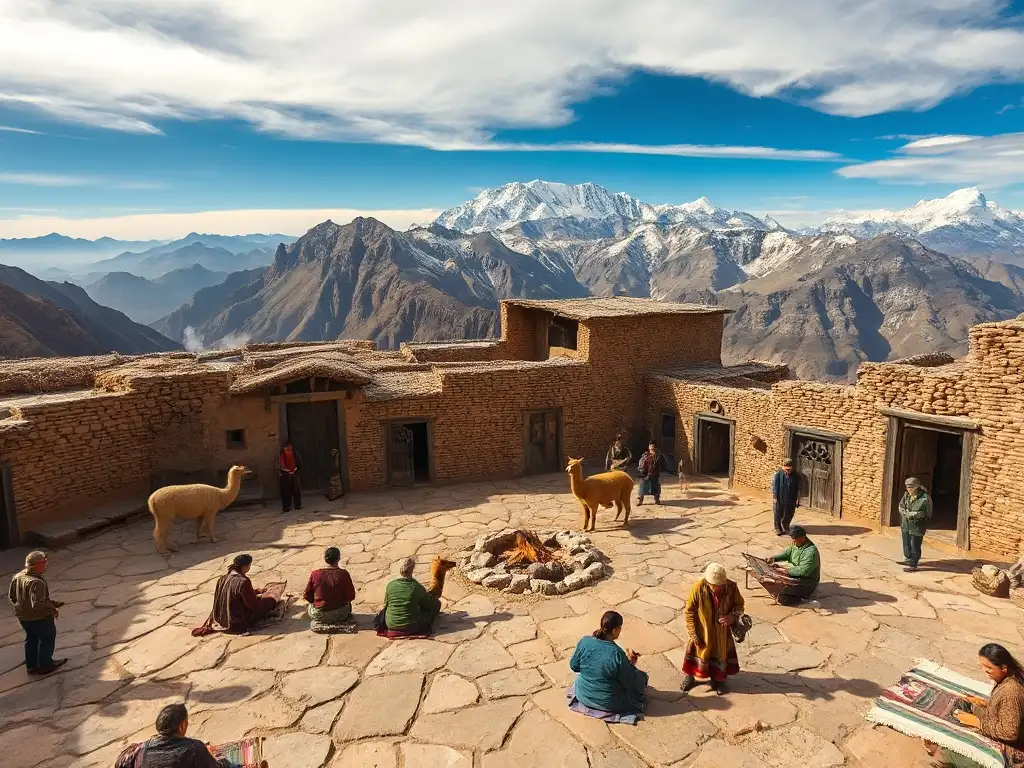
The Inca ayllu social structure wasn't simply a self-contained unit; it was intricately interwoven with the vast Inca imperial administration. Understanding the Inca Empire requires acknowledging this symbiotic relationship, where the ayllu provided the foundation for social organization and the Inca state leveraged this existing structure for effective governance and resource management. The Inca didn't impose a completely new system; instead, they adapted and integrated the pre-existing ayllu system, modifying it to serve their imperial needs.
This integration ensured a degree of stability and facilitated the collection of tribute and labor, vital to the empire's functioning. The success of the Inca Empire was, in no small part, due to its ability to harness the strength and resilience of the ayllu.
The system wasn't static; it evolved and adapted over time, reflecting the dynamic nature of the Inca state and its interactions with its diverse populations. Analyzing this dynamic interaction provides crucial insight into the Inca's sophisticated approach to empire-building and administration.
How the Inca State Interacted with the Ayllu System
The Inca state's interaction with the ayllu was multifaceted and strategically designed to maintain control while simultaneously preserving the ayllu's essential social functions. The Inca didn't abolish the ayllu; instead, they incorporated it into their administrative framework. This involved establishing a hierarchical system of officials who oversaw multiple ayllus, ensuring compliance with imperial demands.
These officials, often appointed from within the ayllus themselves, acted as intermediaries between the local communities and the central government. The Inca system relied heavily on mita, a form of rotational labor service, which was organized and managed at the ayllu level. This ensured that the burden of labor was distributed fairly within the community, minimizing resentment and maximizing efficiency.
The Inca also used the ayllu system to distribute land and resources, ensuring that each community had access to the necessities for survival and production. This strategy, while serving the empire's needs for manpower and resources, also reinforced the ayllu's position as a vital social unit, fostering loyalty and stability. The Inca's ability to seamlessly integrate the ayllu into their administrative machinery is a testament to their understanding of local social structures and their capacity to adapt their governance accordingly.
The Kuraka: Local Leaders and the Ayllu's Representation
The kuraka, the hereditary leader of an ayllu, played a crucial role in mediating the relationship between the ayllu and the Inca state. While their authority was ultimately subordinate to the Inca emperor, the kuraka retained considerable influence within their community. They were responsible for organizing mita labor, collecting tribute, and resolving disputes within the ayllu.
The Inca strategically utilized the kurakas, appointing them as intermediaries and incorporating them into the imperial bureaucracy. This ensured a degree of local autonomy while maintaining centralized control. The kurakas were often rewarded for their loyalty and cooperation, solidifying their position within both the ayllu and the Inca system.
However, the Inca also took steps to prevent the kurakas from becoming too powerful, ensuring that their authority remained firmly within the bounds of imperial control. The delicate balance between local autonomy and centralized authority, mediated through the kuraka, was a key element in the Inca's successful governance strategy. This system allowed for efficient administration while respecting the traditional social structures of the conquered populations.
The Inca ayllu social structure played a significant role in maintaining social order and stability within the empire. The strong kinship ties and communal responsibilities inherent in the ayllu fostered a sense of collective responsibility and mutual support. This collective responsibility extended to enforcing social norms and resolving conflicts within the community.
The ayllu functioned as a self-governing unit, with its own internal mechanisms for addressing disputes and maintaining order. This system, coupled with the Inca's emphasis on ayni (reciprocal labor) and mita, created a strong sense of community and social cohesion. The Inca's integration of the ayllu into their administrative system reinforced these existing social structures, leveraging them to maintain order and stability throughout the empire.
The emphasis on communal responsibility, combined with the hierarchical structure of the Inca state, resulted in a remarkably efficient and stable system of social control, a key factor contributing to the longevity and success of the Inca Empire. The ayllu, therefore, wasn't simply a social unit; it was a cornerstone of Inca governance and social stability.
The Ayllu's Cultural and Spiritual Significance
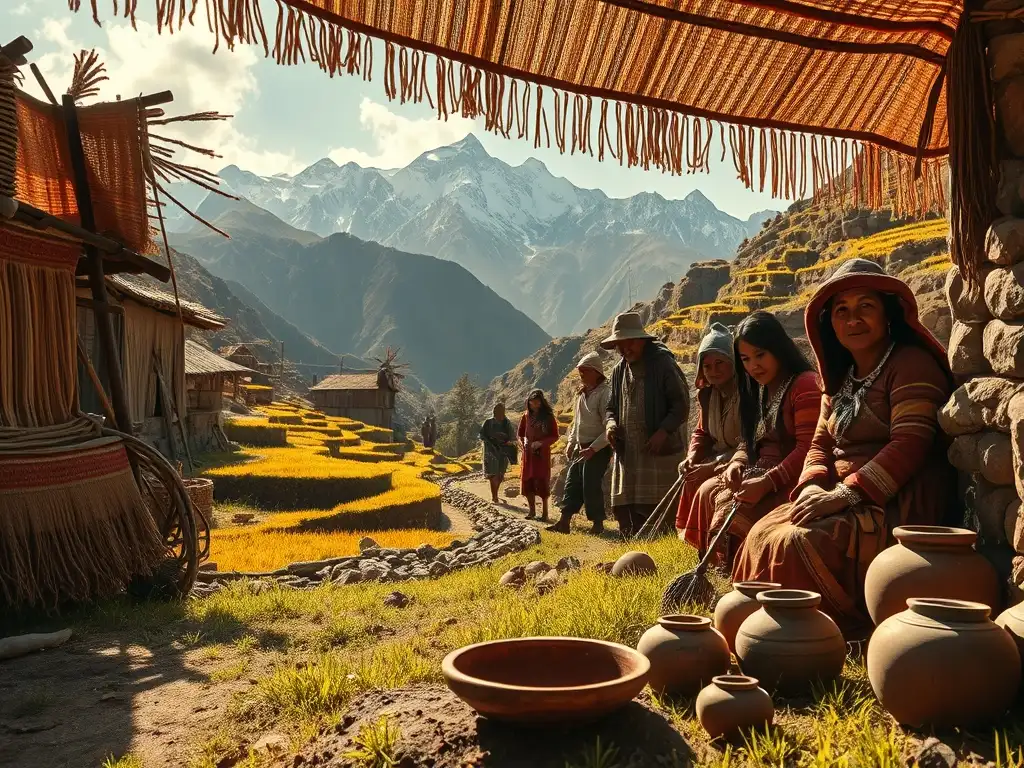
The Inca ayllu, far from being merely an economic or administrative unit, held profound cultural and spiritual significance for Inca society. Its structure mirrored the cosmos, reflecting a deeply ingrained belief system that interconnected the living, the dead, and the supernatural. Understanding the ayllu's spiritual dimension is crucial to grasping the Inca worldview and the strength of its social fabric.
The ayllu wasn't just a social structure; it was a living embodiment of Inca values, traditions, and beliefs, passed down through generations. The collective identity fostered within the ayllu was intrinsically linked to their spiritual practices and ancestral veneration. This intertwining of the secular and the sacred is a key element of understanding the Inca ayllu social structure.
Rituals and Ceremonies within the Ayllu
Rituals and ceremonies were integral to the functioning of the ayllu. These weren't simply isolated events; they were communal activities that reinforced social bonds and reaffirmed the ayllu's connection to the divine. The capacocha, for example, while involving human sacrifice on a larger scale, also had implications for individual ayllus.
The selection of a child for sacrifice often involved community participation and demonstrated the ayllu's commitment to the Inca state. Smaller, more frequent ceremonies, such as those related to agricultural cycles (e.g., capac raymi, the Inca New Year festival), were deeply embedded in the ayllu's daily life. These rituals provided opportunities for collective worship, strengthening social cohesion and reinforcing the ayllu's shared identity.
The precise details of many ayllu-specific rituals remain elusive due to limited surviving records, but archaeological evidence suggests a rich tapestry of local practices interwoven with broader Inca religious beliefs. Further research is needed to fully illuminate the diversity of ritual practices within different ayllus.
The Ayllu's Connection to Ancestral Worship
Ancestral veneration was paramount in Inca religion, and the ayllu played a central role in these practices. Each ayllu maintained its own huaca (sacred site), often associated with a particular ancestor or natural feature believed to possess spiritual power. These huacas served as focal points for community rituals and offerings, reinforcing the connection between the living and their ancestors. The ancestors were not merely revered figures of the past; they were considered active participants in the ayllu's life, offering protection and guidance. This belief system fostered a strong sense of continuity and collective identity, linking the present generation to the past and ensuring the transmission of cultural values and traditions. The ayllu's responsibility for maintaining their huaca and performing ancestral rites underscored the importance of collective action and shared responsibility within the community. The preservation of ancestral sites and traditions was a vital aspect of the Inca ayllu social structure.
The Ayllu's Role in Preserving Inca Traditions
The ayllu served as the primary mechanism for transmitting Inca traditions, knowledge, and skills from one generation to the next. This transmission wasn't merely a matter of oral history; it involved practical training and apprenticeship within the ayllu's various occupational groups. Agricultural practices, weaving techniques, construction methods, and other essential skills were passed down within family lines and through community workshops.
This system ensured the continuity of Inca culture and the preservation of its rich heritage. The ayllu's structure facilitated both the standardization and the diversification of Inca traditions, allowing for regional variations while maintaining a core cultural identity across the empire. The ayllu’s role in preserving Inca traditions highlights its importance not just as a social unit, but also as a crucial element in the empire's cultural continuity.
The ayllu’s enduring impact on Inca society is a testament to its effectiveness as a system of social organization and cultural preservation. The strength of the Inca ayllu social structure stemmed from its multifaceted nature: social, economic, and spiritual. The interplay of these elements created a resilient and cohesive society.
The Legacy of the Ayllu: Modern Adaptations and Influences
The Inca ayllu, a fundamental social and economic unit of the Inca Empire, didn't simply vanish with the Spanish conquest. Its influence on Andean social structures persists to this day, albeit in adapted forms. Understanding the enduring legacy of the ayllu is crucial to grasping the complexities of contemporary Andean societies and the deep-rooted communal values that shape them.
The principles of reciprocal labor ( ayni), collective land ownership, and kinship ties that defined the classical Inca ayllu continue to resonate in various aspects of modern life. This section explores how these principles have been adapted and reinterpreted across generations, demonstrating the remarkable resilience of this ancient social organization. Analyzing this continuity allows us to appreciate the profound impact of the Inca ayllu on "Inca ayllu social structure" and its enduring relevance in understanding modern Andean communities.
The Ayllu in Contemporary Andean Communities
While the formal structure of the Inca ayllu no longer exists, its spirit lives on in many Andean communities. The concept of collective responsibility and mutual support remains deeply ingrained in the cultural fabric. Many communities still utilize variations of ayni, engaging in cooperative labor for tasks like farming, construction, or celebrations.
This isn't simply a nostalgic practice; it's a vital mechanism for resource sharing and social cohesion, especially in rural areas where access to resources and modern infrastructure might be limited. For instance, in certain communities in the Peruvian Andes, the traditional minga, a form of communal work, is still practiced extensively, reflecting the enduring legacy of collaborative efforts rooted in the ayllu system.
This continued practice highlights the practicality and enduring social value of the ayllu’s principles even in the face of modernization. The emphasis on kinship ties also persists; familial obligations and support networks remain crucial elements of social life, echoing the strong kinship bonds that were central to the Inca ayllu social structure.
The enduring impact of the ayllu extends beyond cooperative labor and kinship. The concept of collective land ownership, though often modified by legal frameworks, still influences land management and resource distribution in many Andean regions. While private property exists, communal lands are often maintained and utilized collectively, reflecting the historical emphasis on shared resources inherent in the Inca ayllu.
This communal approach to land management can be seen in the continued use of traditional irrigation systems and cooperative farming practices, demonstrating a continuous connection to the past. Furthermore, the ayllu’s emphasis on social hierarchy, though significantly altered, continues to influence community leadership and decision-making processes in some areas.
While formal Inca structures are absent, a form of informal leadership based on respect for elders and community experience often persists, hinting at the lasting influence of the ayllu's hierarchical aspects. These subtle but significant echoes of the Inca ayllu social structure demonstrate its lasting influence on the cultural landscape of the Andes.
Ayllu Adaptations in Modern Peru and Bolivia
The adaptation of the ayllu varies considerably across different regions of Peru and Bolivia. In some areas, remnants of the traditional ayllu structure are more visible, with strong community organizations and cooperative farming practices remaining central to daily life. In other areas, the influence of the ayllu is more subtle, manifesting in the strong emphasis on kinship networks and mutual support, even within urban settings.
For example, [specific information pending] regarding the degree of ayllu influence in different regions of the Andes, including data on the prevalence of ayni and communal land ownership in specific communities. Further research is needed to fully understand the diverse ways in which the ayllu has been adapted and reinterpreted in contemporary Andean societies.
However, it is clear that the fundamental principles of reciprocity, collective responsibility, and kinship ties, which defined the Inca ayllu social structure, continue to play a significant role in shaping Andean communities and their unique social fabric. Understanding these adaptations is vital for a comprehensive understanding of "Inca ayllu social structure" and its ongoing legacy.
Frequently Asked Questions
What was the Inca ayllu?
The Inca ayllu was the fundamental socio-economic unit of Inca society. It was a community based on kinship, shared land, and reciprocal obligations. This system ensured social cohesion and efficient resource management.
The ayllu formed the backbone of Inca society, providing a framework for labor organization, resource distribution, and social control. Its structure ensured stability and facilitated the empire's vast infrastructure projects.
What were the responsibilities of ayllu members?
Members of an ayllu had reciprocal obligations to each other and the community. These included participating in communal labor (mita), contributing to religious ceremonies, and supporting vulnerable members.
How did the Inca government interact with the ayllu?
The Inca government utilized the ayllu system for administration and resource mobilization. They appointed local officials to oversee ayllu activities and ensured the system's integration into the broader imperial structure.
What happened to the ayllu after the Spanish Conquest?
The Spanish conquest significantly disrupted the ayllu system, attempting to replace it with a European-style land ownership model. However, aspects of the ayllu persisted, adapting and evolving within the colonial and post-colonial contexts.
Final Reflection: The Enduring Legacy of the Inca Ayllu
The principles of community and kinship embodied within the Inca ayllu remain strikingly relevant in today's world, a testament to the enduring power of collective well-being and social responsibility. While the Inca Empire itself is long gone, the innovative social structure they implemented continues to offer valuable lessons for modern societies grappling with issues of inequality, resource management, and social cohesion. Understanding the ayllu's intricate system provides a powerful framework for reimagining how we structure our own communities and prioritize the needs of all members.
The ayllu's emphasis on reciprocal obligations and shared responsibility profoundly shaped Inca society, fostering a sense of unity and mutual support that is sadly lacking in many contemporary contexts. Its impact resonates even now, influencing discussions about sustainable development, equitable resource distribution, and the importance of strong community bonds. As the anthropologist, John Murra, eloquently stated: The ayllu was not merely an economic unit; it was the fundamental social and political institution of the Inca Empire, a living organism that bound individuals together in a web of mutual obligations and shared destiny.
This quote encapsulates the profound social and spiritual significance of the ayllu, a significance that continues to inspire reflection on the nature of community and human connection.
Consider the ways in which the principles of the Inca ayllu – mutual aid, collective responsibility, and a focus on the common good – could enrich your own life and community. Think about how you can contribute to fostering stronger bonds within your own social circles, promoting collaboration, and working towards a more equitable and sustainable future. The legacy of the Inca ayllu is not merely a historical curiosity; it is a powerful call to action, urging us to re-evaluate our own social structures and strive for a more just and interconnected world.
Unveil the Power of Community: Take Action Today!
Thank you for joining us on this exploration of the Inca Ayllu! We hope you were inspired by their remarkable sense of community and kinship. Now, let's carry that spirit forward.
Here are some ways you can get involved:
- Engage with your community: Volunteer with a local organization, participate in a community project, or simply reach out to your neighbors. Building connections starts with a single step.
- Learn more: Delve deeper into Andean cultures! Our resources section offers books and documentaries exploring community and kinship in ancient civilizations.
- Share your knowledge: Discuss the Inca's communal practices with friends, family, or online. What can we learn from their example to build stronger communities today?
What steps will you take to foster a stronger sense of community in your life? Let's start a conversation!