
The Inca Language: Quechua, the Voice of the Andes

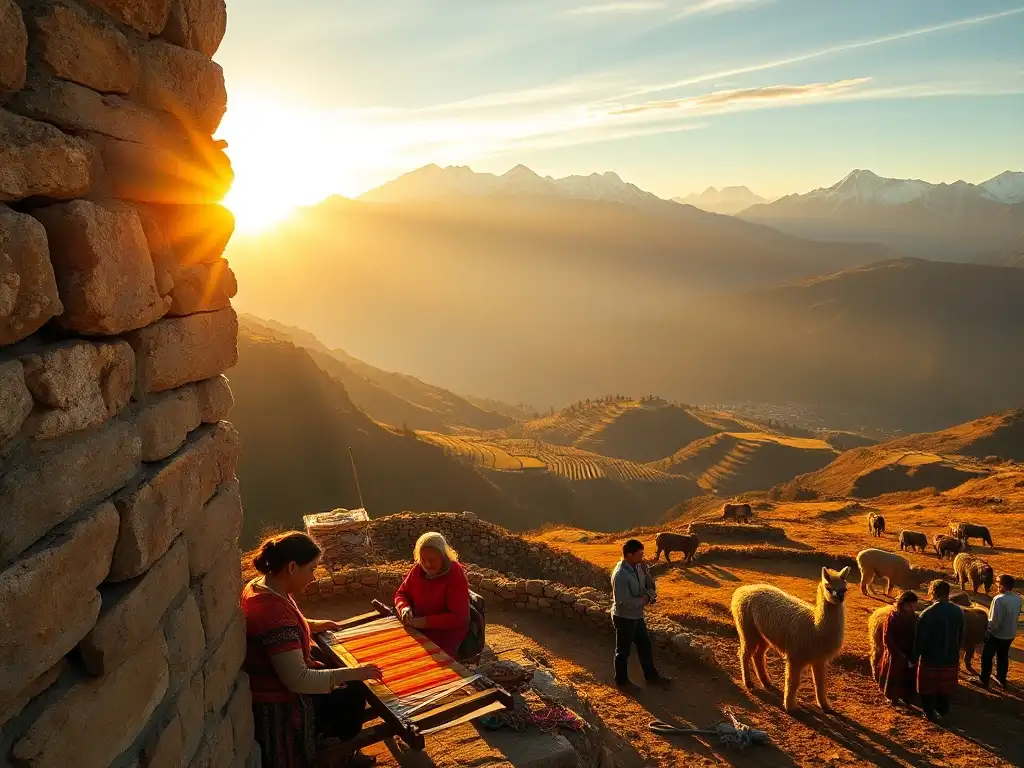
Step into a world lost to time, yet echoing with the vibrant voices of the Andes. Uncover the secrets of a civilization that thrived amidst towering peaks and breathtaking landscapes. Are you ready to delve into the fascinating intricacies of Quechua, the Inca language? Its meaning holds the key to understanding the Inca Empire's enduring legacy – a journey awaits you. Discover more about its profound influence on the region and the remarkable civilization that spoke it.
The Inca Empire, a civilization that flourished in the Andes Mountains from the 15th to the 16th century, left an indelible mark on South America. Its sophisticated social structures, impressive engineering feats, and intricate artistic expressions continue to fascinate historians and researchers. But beyond the magnificent Machu Picchu and the intricate textiles, lies a crucial element that cemented the empire's unity and cultural identity: its language, Quechua.
This article delves into the significance of Quechua, exploring its role in Inca society, its spread throughout the empire, and its enduring legacy. Understanding the Inca language Quechua meaning is key to understanding the very heart of this remarkable civilization.
We will explore the linguistic richness of Quechua and its profound impact on the Andean world, revealing how it served as a powerful tool for communication, administration, and cultural preservation within the vast Inca Empire. The exploration of "Inca language Quechua meaning" will unveil the intricacies of this vibrant language and its lasting influence on modern-day Peru and beyond.
Understanding the Importance of Quechua in Inca Society
Quechua wasn't merely a means of communication; it was intrinsically woven into the fabric of Inca society. It served as the primary vehicle for transmitting knowledge, traditions, and beliefs across generations. The oral tradition was paramount, with stories, songs, and poems passed down through generations, preserving cultural heritage and historical accounts.
This oral tradition was further reinforced by the use of quipus, complex knotted cords used for recording numerical data and, possibly, narrative information. While the exact nature of quipu-based communication remains a subject of ongoing research, their widespread use underscores the importance of a standardized language like Quechua in managing the vast empire's resources and administration. The Inca language Quechua meaning extended beyond simple communication; it represented a powerful symbol of cultural unity and identity.
Furthermore, religious ceremonies and rituals heavily relied on Quechua, with priests using the language to invoke deities and conduct sacred rites. The precise vocabulary used in these contexts added another layer of complexity and meaning to the language, highlighting its crucial role in the religious sphere.
Quechua: The Lingua Franca of the Inca Empire
The Inca Empire encompassed a vast and diverse territory, incorporating numerous ethnic groups speaking different languages. To facilitate communication and administration across this heterogeneous population, Quechua emerged as a lingua franca, a common language used for inter-group communication. This adoption of Quechua wasn't imposed forcefully; rather, it was a gradual process driven by the empire's expansion and the need for efficient governance.
Inca rulers actively promoted the use of Quechua, establishing schools and encouraging its adoption in official settings. This strategic linguistic policy contributed significantly to the empire's stability and facilitated the integration of conquered populations. The widespread use of Quechua, therefore, played a vital role in unifying the diverse peoples of the Andes under a single imperial banner.
The standardization of the language, though not perfectly uniform across the vast empire, ensured a baseline of communication that facilitated trade, governance, and the transmission of imperial decrees and cultural practices. Specific dialects certainly existed, but the core language provided a crucial foundation for communication across the empire.
Origins and Spread of the Quechua Language
The precise origins of Quechua remain a subject of ongoing scholarly debate, with various theories proposed. However, it's generally accepted that Quechua originated in the central Andes region and gradually spread outwards as the Inca Empire expanded. The process of linguistic diffusion was likely facilitated by the Inca's sophisticated road system and administrative structures, allowing for the movement of people and the exchange of ideas.
The expansion of the Inca Empire directly correlated with the spread of Quechua, with the language becoming dominant in many parts of the Andes. The language's adaptability and its adoption by different groups contributed to its wide-ranging influence. The Inca language Quechua meaning evolved and diversified over time, giving rise to various dialects across the Andean region.
While the core vocabulary and grammatical structures remained largely consistent, regional variations developed, reflecting the diverse cultural influences within the empire. The study of these dialects provides valuable insights into the history of the Inca Empire and the complex interactions between different Andean communities. The enduring legacy of Quechua is a testament to its adaptability and its importance in shaping the cultural landscape of the Andes.
Dialects and Variations within Quechua
Quechua, far from being a monolithic language, encompasses a diverse array of dialects. These variations arose organically over centuries, shaped by geographic isolation and the unique cultural practices of different Andean communities. While mutually intelligible to varying degrees, the differences can be significant enough to present challenges for speakers from distinct regions.
For instance, the Quechua spoken in the highlands of Cuzco differs noticeably from the coastal varieties, exhibiting variations in pronunciation, vocabulary, and even grammatical structures. Some linguists categorize these variations into distinct Quechua languages, while others prefer the term "dialects" acknowledging the significant overlap and intercomprehension. This linguistic diversity reflects the rich tapestry of Andean cultures and the enduring adaptability of the Quechua language itself.
Understanding this diversity is crucial for appreciating the full scope of Quechua's impact and its continued relevance in modern Peru and beyond. The complexity of Quechua's dialectal variations highlights the need for further research and documentation to preserve the unique linguistic heritage of each Andean community. Efforts to standardize the language for educational purposes often face challenges due to this inherent diversity.
The Structure of Quechua Grammar
Quechua grammar presents a fascinating study for linguists, differing significantly from the Indo-European languages familiar to many. It's an agglutinative language, meaning that grammatical information is conveyed by adding suffixes to the root word, often resulting in quite long words. Unlike English, which relies heavily on word order to express grammatical relationships, Quechua's word order is more flexible, with grammatical function primarily indicated by these suffixes.
For example, a single Quechua word can incorporate tense, mood, aspect, person, number, and even possessive information. This agglutinative nature leads to a system of verb conjugation that is substantially more complex than in languages like English or Spanish. Nouns are marked for number (singular and plural) and case (nominative, accusative, genitive, etc.)
using suffixes. The intricate system of prefixes and suffixes in Quechua reflects a nuanced understanding of time, space, and relationships within the Andean worldview. Mastering Quechua grammar requires a deep understanding of this intricate system of affixes and their interactions.
Quechua Vocabulary: Key Terms and Concepts
The vocabulary of Quechua reflects the unique environment, culture, and history of the Andes. Many words relate directly to agriculture, reflecting the importance of farming in Inca society. Terms like papa (potato), k'asa (house), and pachamama (Mother Earth) are just a few examples illustrating the close connection between the language and the Andean landscape. Furthermore, Quechua possesses a rich vocabulary related to kinship and social structures, reflecting the hierarchical organization of Inca society.
Terms for different family members and social roles are nuanced and often carry cultural significance beyond their literal meaning. The Inca worldview, with its emphasis on reciprocity and community, is also reflected in the language's vocabulary. For example, the concept of ayni, referring to reciprocal labor exchange, is a key element of Andean social life and has a corresponding term in Quechua.
Studying Quechua vocabulary provides valuable insights into the Inca worldview, social structures, and their relationship with the natural environment. Unfortunately, precise figures on the total number of words in Quechua are difficult to obtain due to the dialectal variations and ongoing linguistic research. However, it is safe to say the vocabulary is extensive and deeply rooted in Andean culture.

The Inca social structure, famously hierarchical, is reflected in the Quechua language through specific vocabulary. Terms like Sapa Inca (emperor) clearly denoted the highest position in the empire. This word itself illustrates the power of Quechua to express complex social relations; Sapa meaning "only" or "sole," emphasizes the Inca's unique and unparalleled authority.
Similarly, Kuraka designated local leaders who managed smaller communities and reported to higher authorities. The word highlights the decentralized yet centrally controlled nature of Inca governance. Understanding these terms provides crucial insight into the hierarchical relationships within Inca society and the mechanisms of power distribution.
Further research into related terms, such as those describing different levels of nobility or commoners (which would require further linguistic analysis of historical texts), would further illuminate the intricate social fabric of the Inca Empire. The precise semantic nuances within these terms, particularly those related to social mobility or the fluidity of social roles, remain an area of ongoing scholarly investigation.
Quechua Terms for Inca Agriculture and Technology
Inca agricultural prowess, famously displayed in their terraced farming and sophisticated irrigation systems, is also mirrored in the Quechua lexicon. Words like Andenes (terraces) directly name a key element of their agricultural technology. The term itself speaks to the ingenuity of the Inca's adaptation to the challenging Andean terrain.
Moreover, terms associated with irrigation, such as those referring to canals, aqueducts, and water management techniques, reflect the importance of water control in their agricultural practices. The precise vocabulary used to describe different types of crops and farming techniques, however, requires further investigation. Understanding the Quechua words for specific tools, like those used for tilling, planting, or harvesting, would greatly enhance our comprehension of Inca agricultural practices.
The detailed analysis of Quechua agricultural terminology provides a valuable window into the sophisticated technological achievements of the Inca civilization. For instance, the way Quechua distinguishes between different types of soil and their suitability for particular crops could reveal insights into their deep understanding of agronomy.
The Role of Quechua in Inca Religion and Mythology
Quechua played a vital role in Inca religion and mythology, serving as the vehicle for transmitting sacred stories, prayers, and rituals. Many Inca deities had names directly derived from Quechua, reflecting the close relationship between language and spirituality. The names themselves often held symbolic meaning, reflecting the attributes of the deity. For example, [specific deity name and Quechua meaning pending] illustrates this connection.
Furthermore, religious ceremonies and rituals were conducted in Quechua, ensuring the continuity of religious practices and beliefs across generations. The hymns, prayers, and chants used in these ceremonies were likely rich in symbolic language and metaphors, expressing the intricate cosmology of the Inca worldview. Exploring the religious terminology in Quechua requires a deeper understanding of Inca religious texts and oral traditions.
Unfortunately, the destruction of many Inca religious texts by the Spanish conquistadors makes this task challenging, requiring careful analysis of surviving fragments and indirect sources. The study of surviving Quechua religious texts and oral traditions can reveal a wealth of information about the Inca relationship with the supernatural world. This research offers a path to a more complete understanding of Inca religious practices and beliefs.
Quechua Oral Traditions: Stories and Legends
Quechua, far from being a mere vehicle for everyday communication, served as the lifeblood of a vibrant oral tradition within the Inca Empire. Generations of knowledge, history, and cultural values were transmitted through meticulously crafted narratives, songs, and poems. These oral traditions encompassed a wide range of subjects, from captivating myths about the creation of the world and the origins of the Inca people to practical instructions on agriculture, medicine, and social customs.
Think of the intricate stories surrounding the legendary figures like Manco Cápac and Mama Ocllo, the founders of Cusco, whose tales were passed down through generations, shaping Inca identity and reinforcing their connection to the land. These narratives weren't simply entertaining; they were fundamental to the Inca worldview, teaching moral lessons, preserving ancestral wisdom, and fostering social cohesion. The skillful use of mnemonic devices, such as repetitive phrases and rhythmic patterns, aided in the accurate transmission of complex information across vast distances and over long periods.
The loss of many of these oral traditions following the Spanish Conquest underscores their immense importance and fragility. Scholars are still working today to piece together fragments of these narratives, drawing on limited surviving accounts and anthropological research to understand the depth and richness of Inca oral culture. The study of Quechua oral traditions offers a unique window into the minds and beliefs of the Inca people, revealing a sophisticated system of knowledge transmission that shaped their society and worldview.
The Inca Language and the Arrival of the Spanish
The arrival of the Spanish in the 16th century marked a profound turning point in the history of Quechua. Prior to the conquest, Quechua, in its various dialects, served as the lingua franca across the vast Inca Empire, facilitating communication and administration across diverse regions and ethnic groups. The Inca's sophisticated system of chasquis, or runners, ensured rapid transmission of messages and decrees, relying heavily on the widespread understanding of Quechua.
The language was deeply intertwined with the Inca worldview, reflecting their cosmology, social structures, and intricate understanding of the natural world. However, the Spanish conquest brought with it a deliberate attempt to suppress Quechua and impose Spanish as the dominant language. This was part of a broader strategy to dismantle Inca power and impose a new colonial order.
The Spanish crown's policy of promoting the Spanish language played a critical role in the linguistic landscape of the newly colonized territories. This initial contact involved a complex interplay of communication strategies, with some early interactions relying on interpreters and attempts to learn elements of Quechua. However, the long-term impact would be a systematic effort towards linguistic dominance by Spanish.
The Impact of Spanish Colonization on Quechua
The Spanish colonization had a devastating impact on Quechua, leading to a significant decline in its use and the erosion of its cultural significance. The suppression of indigenous languages was a deliberate policy of the Spanish colonial regime, aimed at undermining Inca cultural identity and asserting Spanish dominance. This suppression manifested in various ways, including the banning of Quechua in official settings, the preference for Spanish in education and religious instruction, and the active discouragement of its use in everyday life. The introduction of the Spanish language led to a gradual shift in linguistic practices, with many Andean communities adopting Spanish as the primary language of interaction, particularly in urban areas.
This linguistic shift had profound social and cultural implications, contributing to the marginalization of Quechua speakers and the loss of valuable cultural knowledge embedded within the language. However, Quechua demonstrated remarkable resilience. Despite centuries of oppression, it persisted in rural communities throughout the Andes, maintaining its vitality through oral transmission and its continued use in daily life, family traditions and religious practices.
Today, Quechua remains a living language, spoken by millions across several Andean countries, a testament to its enduring cultural importance and the resilience of the communities that have preserved it. The ongoing efforts to revitalize Quechua and promote its use in education reflect a growing recognition of its cultural value and the importance of linguistic diversity. The story of Quechua's survival is a powerful example of cultural resistance and the enduring strength of indigenous languages in the face of colonization.
The Survival of Quechua: Modern Day Speakers

Quechua's survival is a testament to its cultural significance and the resilience of Andean communities. Despite centuries of colonization and the imposition of Spanish, Quechua persists as a vibrant language spoken by millions. While precise figures are difficult to obtain due to variations in self-reporting and the fluidity of language use, estimates suggest that millions of people across South America still speak various Quechua dialects daily.
This remarkable survival is due in part to the strong community ties and cultural identity associated with the language. Many indigenous communities actively maintain Quechua as the primary language within their families and communities, transmitting it through generations. The language is not merely a means of communication; it carries within it a rich cultural heritage, encompassing traditional stories, songs, and beliefs that are intrinsically linked to the Quechua identity.
The continued use of Quechua in daily life, from market transactions to religious ceremonies, underscores its enduring vitality and importance in the Andean region. Furthermore, the growing recognition of indigenous rights and cultural preservation efforts has significantly contributed to Quechua's continued presence in modern society. This includes initiatives promoting bilingual education and the incorporation of Quechua into official government communications in some regions.
Quechua Today: Geographic Distribution and Usage
Quechua's geographic distribution is vast, reflecting its historical reach across the Andes Mountains. While the Inca Empire's influence extended across a large swathe of South America, the modern distribution of Quechua speakers is concentrated primarily in the Andean highlands of Peru, Bolivia, Ecuador, Colombia, and Argentina. However, even within these regions, there is significant dialectal variation.
Linguists often categorize Quechua into several distinct dialects, some of which are mutually unintelligible. The level of Quechua usage varies greatly depending on factors such as geographic location, socio-economic status, and government policies. In some rural communities, Quechua remains the dominant language, while in urban areas, it often coexists with Spanish, leading to varying degrees of bilingualism.
The usage patterns also demonstrate a generational shift in some areas, with younger generations increasingly favoring Spanish for education and employment. However, concerted efforts to promote Quechua in education and media are helping to reverse this trend in some communities. The diverse usage patterns and dialectal variations highlight the dynamic nature of Quechua in the modern world, constantly adapting to changing social and political landscapes.
Efforts to Preserve and Promote the Quechua Language
Numerous initiatives are underway to preserve and promote the Quechua language and its rich cultural heritage. These efforts range from community-based language revitalization programs to national-level policies aimed at promoting bilingual education. Many organizations are working to create Quechua-language educational materials, including textbooks, dictionaries, and digital resources.
The development of Quechua-language media, such as radio programs, television shows, and online content, plays a crucial role in normalizing the use of the language and fostering a sense of cultural pride. Furthermore, the integration of Quechua into official government communications in certain regions is a significant step toward recognizing and valuing the language's importance. These initiatives are not only aimed at preserving Quechua for future generations but also at empowering Quechua speakers by providing them with access to information and resources in their native tongue.
The success of these efforts hinges on collaborative partnerships between government agencies, educational institutions, community organizations, and individuals committed to safeguarding the linguistic and cultural heritage of the Andes. The ongoing challenges include securing sufficient funding, addressing the digital divide in rural communities, and fostering a broader societal appreciation for linguistic diversity. The preservation of Quechua is not just a linguistic endeavor; it's a crucial step in preserving the cultural identity and heritage of the Andean people.
Quechua Meaning and Cultural Significance
Quechua, far from being merely a means of communication, holds profound cultural significance for Andean communities. Its meaning extends beyond simple translation; it embodies the worldview, history, and spiritual beliefs of the Inca and their descendants. The language itself is a living testament to their resilience and enduring cultural identity. Understanding Quechua requires appreciating its deeply embedded connection to the land, its people, and their traditions.
The very sounds and rhythms of the language reflect the Andean landscape, evoking the mountains, valleys, and rivers that shaped Inca civilization. Moreover, many Quechua words are inextricably linked to specific rituals, ceremonies, and social structures, offering invaluable insights into Inca society. The preservation and revitalization of Quechua are not simply linguistic endeavors; they are crucial steps in safeguarding the rich cultural heritage of the Andes.
This is especially important given the impact of colonization and globalization on indigenous languages worldwide. The continued use of Quechua serves as a powerful symbol of resistance and cultural pride. The language continues to evolve, reflecting the changing realities of Andean life, while retaining its core values and connections to the past.
Exploring the Deep Cultural Meaning of Quechua Words
Delving into the intricacies of Quechua reveals a fascinating tapestry of cultural meaning woven into its vocabulary. Many words possess layers of significance, reflecting the interconnectedness of the Inca worldview. For instance, the Quechua word for "mountain," allpa, often encompasses not just the physical landscape but also the spiritual realm, representing the sacred connection between the earthly and divine.
Similarly, the word for "community," ayllu, signifies far more than just a group of people; it encapsulates the complex social structures, reciprocal obligations, and shared resources that defined Inca society. The nuances of Quechua words often defy direct translation, demanding a deeper understanding of the cultural context to grasp their full meaning. Consider the word for "sun," inti, which, beyond its astronomical significance, represents the source of life, sustenance, and the very essence of Inca cosmology.
Analyzing Quechua vocabulary reveals a profound respect for nature, a deep understanding of the environment, and a sophisticated system of social organization. The richness of the language's vocabulary offers a window into the minds of the Inca, illuminating their perceptions of the world and their place within it. Further research into Quechua etymology and usage across different Andean communities is vital to fully appreciate the depth and breadth of its cultural significance.
Quechua's Connection to Inca Worldview
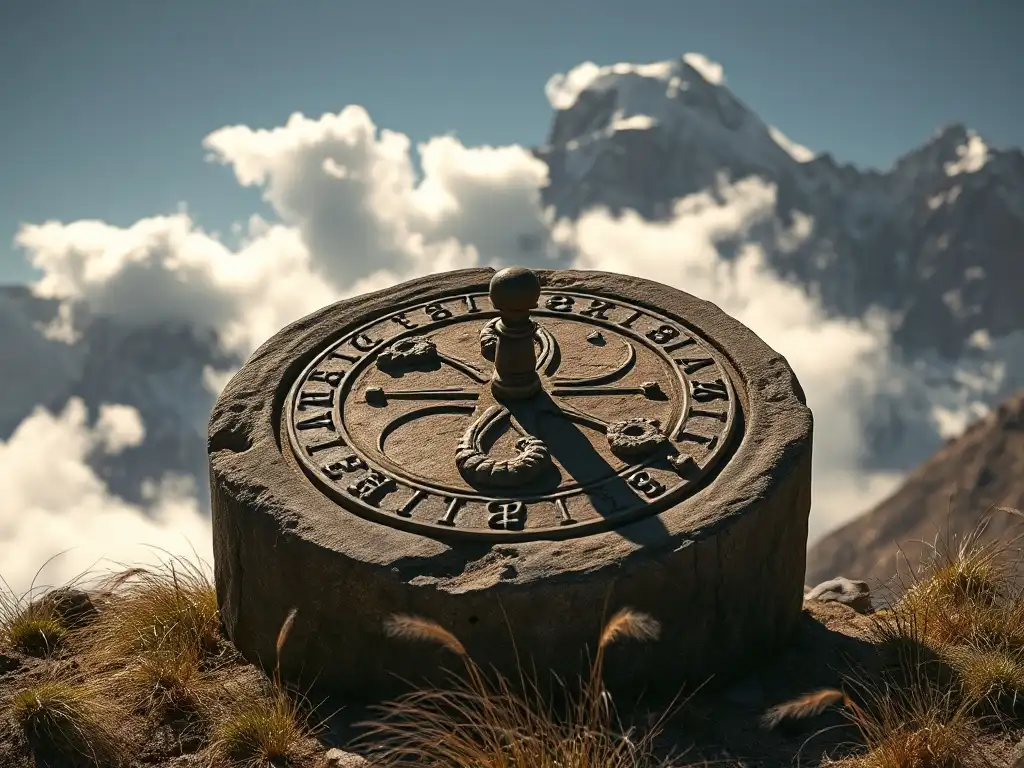
Quechua is not simply a tool for communication; it is intrinsically linked to the Inca worldview, reflecting their cosmology, spirituality, and social structures. The language itself mirrors the interconnectedness of the Inca understanding of the universe. The concept of ayni, reciprocity, is deeply ingrained in Quechua grammar and vocabulary, emphasizing the balance and interdependence between individuals, communities, and the natural world. Inca cosmology, with its emphasis on the interplay between the earthly and spiritual realms, is mirrored in the Quechua language's rich metaphorical expressions and symbolic vocabulary.
The use of specific terms for different types of mountains, plants, and animals demonstrates the Inca's intimate knowledge and respect for their environment. This detailed classification system, embedded within the language itself, highlights the importance of nature in their worldview. The Inca's sophisticated understanding of astronomy, reflected in their agricultural practices and religious beliefs, is also evident in the Quechua vocabulary related to celestial bodies and the cycles of nature.
The very structure of the Quechua language, with its agglutinative nature and complex grammatical features, reflects the complexity and intricacy of the Inca worldview, showcasing a sophisticated system of thought and expression. Understanding Quechua, therefore, is essential to understanding the Inca civilization's core values and beliefs. Continued study of the language promises to unlock further insights into this fascinating culture.
Learning Quechua: Resources and Opportunities
Learning Quechua, the Inca language, is becoming increasingly accessible. Numerous resources cater to various learning styles and proficiency levels. For beginners, introductory textbooks and online courses offer a structured approach, often incorporating audio and visual aids to improve comprehension and pronunciation. These resources typically start with basic vocabulary and grammar, gradually building up to more complex sentence structures and conversational skills.
Many online platforms offer interactive lessons, quizzes, and community forums, fostering an engaging learning environment and allowing students to connect with other learners and native speakers. Immersion programs, though less common, remain a highly effective way to accelerate language acquisition. These programs usually involve living in a Quechua-speaking community, providing daily opportunities for practical application and interaction with native speakers. This immersive experience allows students to master not only the grammar and vocabulary but also the nuances of the language, including colloquialisms and regional variations.
Additionally, language exchange programs connect learners with native Quechua speakers for personalized tutoring and conversation practice. These opportunities provide invaluable feedback and help learners to develop fluency and confidence in their speaking abilities. The availability of resources varies depending on the specific Quechua dialect (as there are several), but the general trend is toward increased accessibility and a growing community of learners. This increased interest reflects a growing global appreciation for indigenous languages and cultures.
Quechua and its Influence on Other Languages
Quechua's influence extends beyond its native speakers. Its long history and widespread use across the Andes have left a significant mark on various other languages in the region. Spanish, for example, has absorbed numerous Quechua words, particularly in areas related to flora, fauna, and everyday life. These loanwords often reflect the unique Andean environment and cultural practices, enriching the Spanish vocabulary with terms that are difficult or impossible to translate directly.
The extent of this influence varies regionally, with some areas showing a much stronger Quechua imprint on their Spanish dialect than others. This linguistic borrowing is a testament to the enduring presence of Quechua culture and language even after the Spanish conquest. Furthermore, Quechua's influence can be observed in other indigenous languages of the Andes. Through contact and interaction, certain vocabulary and grammatical features have been exchanged, leading to linguistic convergence in some cases.
This complex interplay between languages reflects the dynamic nature of language evolution and the interconnectedness of Andean cultures throughout history. Understanding Quechua's impact on other languages provides invaluable insight into the linguistic landscape of the Andes and the historical interactions between different communities. The study of these linguistic influences offers a unique perspective on the enduring legacy of the Inca Empire and the persistence of Quechua in the modern world.
The Future of the Inca Language: Quechua
The future of Quechua remains uncertain, yet hopeful. While facing challenges such as the dominance of Spanish and globalization, Quechua enjoys renewed interest and efforts to preserve and promote it. Educational initiatives, including the integration of Quechua into school curricula in some regions, are crucial steps toward ensuring its survival. These programs strive to teach Quechua not just as a subject but as a living language, emphasizing practical communication and cultural understanding.
Furthermore, the growing recognition of the importance of linguistic diversity and the rights of indigenous communities fosters a supportive environment for language revitalization. Governmental policies and international organizations are increasingly playing a role in supporting Quechua language programs and initiatives. These efforts aim to strengthen the position of Quechua in society, empowering speakers and promoting its use in various domains, from education and media to government and community life.
However, challenges remain, including the need for increased resources, improved teacher training, and broader societal acceptance of Quechua as a viable language for daily use. The future of Quechua will depend on the continued commitment of its speakers, educators, policymakers, and those who recognize the value of linguistic diversity and cultural preservation. The language's survival is not just a matter of linguistic preservation but also of safeguarding a rich cultural heritage and the unique identity of Andean communities.
Quechua's Enduring Legacy and Cultural Importance
Quechua's survival and continued use are testaments to its deep-rooted cultural significance within Andean communities. Far from being a relic of the past, Quechua remains a vibrant and evolving language, spoken by millions across South America. Its persistence is a powerful symbol of cultural resilience, demonstrating the enduring strength of indigenous identities in the face of colonization and globalization. The language is not merely a means of communication; it's intrinsically woven into the fabric of Andean society, carrying with it a wealth of traditional knowledge, stories, and beliefs passed down through generations. This oral tradition, rich in proverbs, songs, and narratives, continues to shape Andean worldview and cultural practices.
The preservation of Quechua is not simply a linguistic endeavor; it's a crucial step in safeguarding the diverse cultural heritage of the Andes. Many indigenous communities actively work to promote Quechua education and revitalization, recognizing its vital role in maintaining their cultural identity and self-determination. The continued use of Quechua in everyday life, from markets to religious ceremonies, showcases its enduring power and relevance in contemporary Andean society. Its presence in literature, music, and the arts further solidifies its status as a language of cultural expression and pride.
The ongoing efforts to document and preserve Quechua dialects ensure that the diverse voices and perspectives of Andean communities are heard and understood. This commitment to linguistic diversity is essential for fostering intercultural understanding and celebrating the richness of Andean cultures. The vitality of Quechua serves as a powerful reminder of the importance of linguistic diversity and the crucial role languages play in shaping cultural identity and social cohesion. The language acts as a powerful symbol of resistance and cultural affirmation, demonstrating the enduring spirit of the Andean people.
- Understanding the Importance of Quechua in Inca Society
- Quechua: The Lingua Franca of the Inca Empire
- Origins and Spread of the Quechua Language
- Dialects and Variations within Quechua
- The Structure of Quechua Grammar
- Quechua Vocabulary: Key Terms and Concepts
- Quechua Words Related to Inca Social Structure
- Quechua Terms for Inca Agriculture and Technology
- The Role of Quechua in Inca Religion and Mythology
- Quechua Oral Traditions: Stories and Legends
- The Inca Language and the Arrival of the Spanish
- The Impact of Spanish Colonization on Quechua
- The Survival of Quechua: Modern Day Speakers
- Quechua Today: Geographic Distribution and Usage
- Efforts to Preserve and Promote the Quechua Language
- Quechua Meaning and Cultural Significance
- Exploring the Deep Cultural Meaning of Quechua Words
- Quechua's Connection to Inca Worldview
- Learning Quechua: Resources and Opportunities
- Quechua and its Influence on Other Languages
- The Future of the Inca Language: Quechua
- Quechua's Enduring Legacy and Cultural Importance
Frequently Asked Questions
What is Quechua?
Quechua is the indigenous language family of the Andes, spoken by millions across South America. It wasn't just the Inca language; many different groups spoke various Quechua dialects. Inca royalty used a specific dialect.
Was Quechua only spoken by the Inca Empire?
No, while Quechua was the language of the Inca Empire, many other Andean groups spoke various Quechua dialects before the Inca's rise. The Inca's expansion simply spread its use more widely.
What is the significance of Quechua today?
Quechua remains a vital language for many communities in the Andes. It's a symbol of cultural identity and resistance, and efforts are underway to preserve and revitalize it.
How did the Inca language influence other languages?
Quechua's influence on other languages in the Andes is significant. Many words and grammatical structures in modern Andean languages show the impact of Quechua's dominance during the Inca Empire.
Where can I learn more about the Inca Language Quechua meaning?
Many resources exist online and in libraries. Search for "Quechua language courses" or "Quechua dictionaries" to find materials for learning. You can also explore academic resources focused on Andean linguistics.
Final Reflection: Quechua's Enduring Echo in the Andes
The revitalization of Quechua is not merely a linguistic endeavor; it is a fight for cultural survival, a testament to the enduring spirit of the Andean people. The rich tapestry woven from Quechua's history, its intricate grammar, and its vibrant vocabulary continues to resonate in the modern world, proving its relevance far beyond dusty textbooks and academic studies. Its survival, against the pressures of globalization and colonialism, stands as a powerful symbol of resilience.
The impact of Quechua extends far beyond the linguistic sphere; it's a cornerstone of Andean identity, a living link to a rich and complex past. Its continued use in daily life, in music, literature, and even in government initiatives, speaks volumes about its enduring power. A language is not merely a means of communication; it is a vehicle of culture, a repository of history, and a mirror to the soul of a people.
This quote perfectly encapsulates the profound significance of Quechua's preservation and its ongoing contribution to the cultural landscape of the Andes. The struggle to maintain and promote this language is a struggle to preserve a unique and invaluable heritage.
Consider, for a moment, the power inherent in a single word, a phrase, a story told in Quechua. Think about the generations who have passed down this language, weaving it into the very fabric of their lives. You, too, can be a part of this legacy. Learn a few words, listen to Quechua music, explore the literature – engage with this vibrant language and help ensure that the voice of the Andes continues to resonate for generations to come. Let us all contribute to the preservation of this invaluable cultural treasure.
Embrace the Echoes of the Andes: Speak Quechua Today!
Thank you for exploring the fascinating world of Quechua, the vibrant language of the Andes! Your interest not only expands your knowledge but also helps preserve this remarkable culture. Now, let's explore ways to keep the spirit of the Andes alive.
Here are some ways you can engage with the Quechua language and its rich heritage:
- **Begin your Quechua language learning journey** using online resources or language learning apps. Immerse yourself in the beautiful sounds and structures of this ancient tongue.
- **Share your progress** with friends on social media—inspire them to learn a few phrases alongside you!
- **Seek out local cultural events or workshops** celebrating Andean culture in your community. Connect with others who appreciate this incredible linguistic heritage.
What aspect of the Quechua language or culture intrigues you most?