
Inca Marriage Customs: Traditions and Unions in the Andes

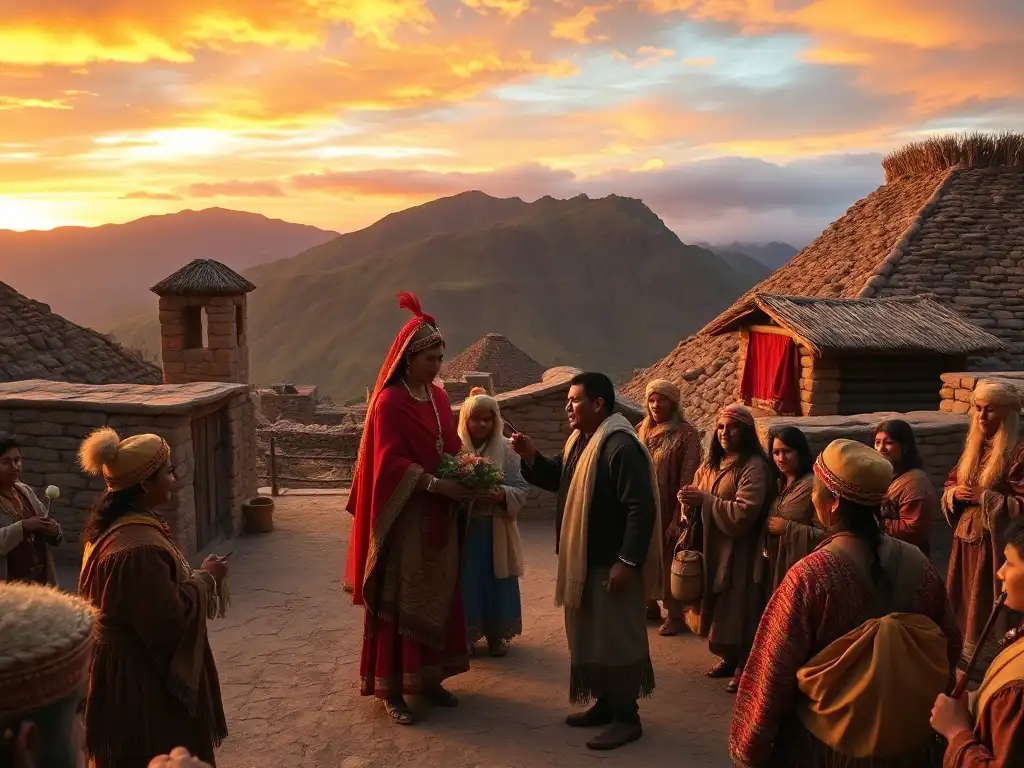
Step into a world lost to time, yet echoing with vibrant life. Discover the secrets of the Andes, a land sculpted by majestic mountains and shaped by extraordinary civilizations. But what truly bound these empires together? Unravel the intricate tapestry of Inca marriage traditions, customs far more complex and fascinating than you might imagine. Prepare to be amazed by the unique rituals and social structures that defined life within the Inca Empire, and embark on a journey through a captivating legacy.
- Inca Marriage Traditions Andes: A Glimpse into Ancient Andean Unions
- The Significance of Marriage in Inca Society
- Traditional Inca Wedding Customs
- Types of Inca Unions: Monogamy, Polygamy, and Beyond
- Inca Marriage Laws and Regulations
- The Economic Aspects of Inca Marriages
- The Legacy of Inca Marriage Practices
- Frequently Asked Questions
- Final Reflection: Echoes of the Andes: Love, Power, and Legacy in Inca Marriage
- Embrace the Richness of Inca Traditions!
Inca Marriage Traditions Andes: A Glimpse into Ancient Andean Unions
The Inca Empire, a civilization that flourished in the Andes Mountains from the 15th to the 16th century, left behind a rich tapestry of traditions, customs, and beliefs. Understanding their societal structures is key to comprehending the intricacies of their remarkable achievements. This exploration delves into the fascinating world of Inca marriage customs, examining the roles of marriage within their society, the rituals surrounding unions, and the significance of family within the broader Inca worldview. We'll uncover how Inca marriage traditions differed from our modern understanding of marriage, highlighting the unique cultural context of the Andes and the enduring legacy of these practices. This article aims to provide a comprehensive overview of Inca marriage, using available historical accounts and archeological evidence to paint a vivid picture of this crucial aspect of Andean life. The keyword "Inca marriage traditions Andes" will be explored throughout, offering a detailed analysis of the topic.
The Significance of Marriage in Inca Society
Inca society placed immense value on marriage, viewing it not merely as a personal union but as a fundamental building block of their social and economic structure. Marriage was not a matter of individual choice alone; it was intricately woven into the fabric of the ayllu, the communal system that governed Inca life. The ayllu was a kinship-based group, and marriages often served to strengthen ties between different families and lineages within the community. This ensured social cohesion and facilitated cooperation in agricultural production and other vital activities.
The stability of the ayllu depended heavily on strong family units forged through carefully arranged marriages. Furthermore, marriage was essential for the continuation of the ayllu itself, providing the necessary workforce and ensuring the perpetuation of traditions across generations. The role of marriage extended beyond the individual couple; it was a cornerstone of the Inca Empire's social and political order.
Arranged Marriages and the Role of the State
Unlike many modern societies, Inca marriages were largely arranged, with the state playing a significant role in the process. The Inca government actively intervened in matchmaking, often arranging unions to solidify alliances between different communities or to reward loyal subjects. This practice was particularly prevalent among the elite classes, where marriages were often used to consolidate power and maintain the ruling dynasty. While some freedom of choice might have existed within certain social strata, the overall influence of the state in marital arrangements was undeniable.
This systematic approach to marriage ensured social stability and fostered a strong sense of community responsibility. The state also regulated various aspects of married life, reflecting the deep integration of family life and the political structure of the Inca Empire. Evidence suggests that the Inca elite often had multiple wives, a practice that served to solidify their power and status within the society.
Marriage Rituals and Ceremonies
Inca marriage ceremonies were far from simple affairs; they were elaborate rituals imbued with deep spiritual significance. While precise details are scarce due to the destruction of many Inca records, accounts from Spanish chroniclers, archaeological findings, and surviving oral traditions provide glimpses into these events. These ceremonies often involved offerings to the Inca gods, prayers for fertility and prosperity, and symbolic gestures representing the union of the couple.
The participation of the community further underscored the importance of marriage as a collective event rather than a purely individual one. The ceremonies were not only about the joining of two individuals but also about the joining of two families and their respective lineages within the wider ayllu. The rituals, though specific details remain debated, reflected the deep-seated religious beliefs and social structures that governed Inca society.
Divorce and its Implications
While marriage was highly valued in Inca society, divorce was not unheard of. However, it was not a simple process and carried significant social consequences. Divorce was typically granted only under specific circumstances, such as infidelity or persistent incompatibility. The process involved community intervention, and the decision was rarely made unilaterally.
The dissolution of a marriage often had repercussions for both parties and their families, impacting their standing within the ayllu and potentially affecting their access to resources and support. The relative rarity of divorce and the social ramifications associated with it underscore the enduring importance of marital stability within Inca society. The social control mechanisms surrounding divorce highlight the strong communal bonds and the emphasis on maintaining social harmony.
Legacy of Inca Marriage Traditions
The legacy of Inca marriage traditions continues to resonate in the Andean region today, influencing family structures and social norms in many communities. While modern society has seen significant shifts in marital practices, the emphasis on community, family ties, and shared responsibility remains a significant aspect of Andean culture. Understanding the intricacies of Inca marriage traditions offers a deeper appreciation for the complexity and richness of Andean civilization and its enduring impact on the region.
The study of Inca marriage provides invaluable insights into the social, political, and religious fabric of this remarkable empire. Further research and exploration are needed to fully uncover the nuances of these fascinating traditions.
The Significance of Marriage in Inca Society
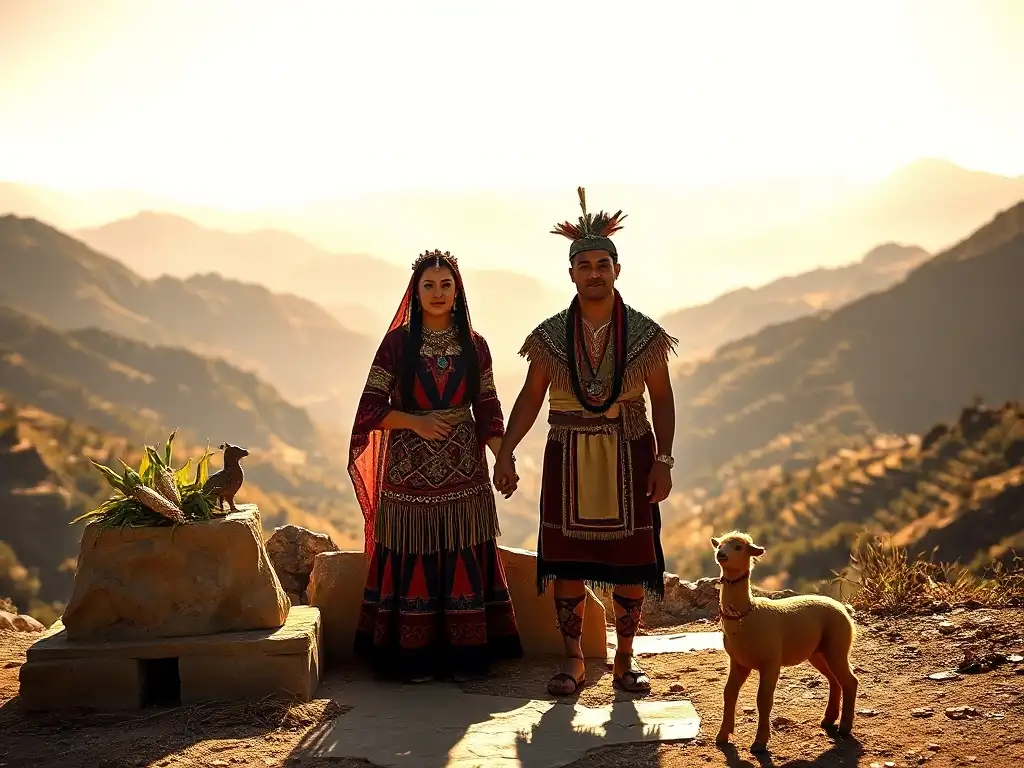
Inca marriage traditions in the Andes were far more than simply a union between two individuals; they were deeply intertwined with the social, political, and religious fabric of the empire. Understanding the significance of marriage within Inca society requires looking beyond romantic ideals and recognizing its crucial role in maintaining social order, expanding imperial power, and ensuring the continuity of Inca lineage and religious practices. The institution wasn't solely about personal fulfillment; it was a fundamental pillar of Inca civilization, shaping everything from kinship networks to agricultural production.
The importance placed upon marriage is evident in the elaborate ceremonies, the strict regulations governing unions, and the consequences of violating these established norms. This section will delve into the multifaceted nature of Inca marriage, exploring its social, political, and religious dimensions.
Inca social structure was highly stratified, with the Sapa Inca at its apex. Marriage played a vital role in reinforcing this hierarchy. Royal marriages, for instance, were carefully orchestrated political alliances, often uniting different lineages or consolidating power after conquest.
The Sapa Inca's marriage to a chosen Coya (empress) wasn't merely a personal choice; it was a strategic move to strengthen the imperial family's legitimacy and control. The Coya held significant power and influence, acting as a religious leader and advisor to the emperor. This demonstrates how marriage wasn't simply a private matter but a public act with far-reaching implications.
Beyond the royal family, marriage within the Inca social structure served to strengthen kinship ties and maintain community cohesion. Marriages were often arranged, with families carefully considering factors such as social standing, land ownership, and potential offspring. This system ensured the continuation of established social roles and responsibilities, contributing to the stability of the empire.
The community played a significant role in these unions, often participating in the ceremonies and ensuring compliance with customary laws. The emphasis on maintaining social order through marriage is a key aspect of understanding Inca marriage traditions in the Andes. We can see this reflected in the detailed records kept by Inca administrators, which meticulously documented marriages and family lineages.
The Inca Empire skillfully employed marriage as a tool for social control and political expansion. Marriage alliances were frequently used to solidify relationships with conquered populations. By marrying Inca nobles to members of the elite in conquered regions, the empire was able to integrate these communities into its administrative structure and reduce the risk of rebellion. This practice, known as mit'a, was not limited to the elite; it also involved strategic marriages between commoners to foster loyalty and maintain social order within the broader empire.
Furthermore, marriage served as a mechanism for distributing resources and land. Inheritance laws dictated how property was passed down through generations, often influencing marriage choices. The control over land and resources through marriage further solidified the Inca's control and ensured the empire's economic stability. This intertwining of marriage, land ownership, and political power is a testament to the sophisticated and strategic approach the Inca took towards marital unions.
The systematic nature of this process is evidenced by the detailed records kept by Inca officials, demonstrating a clear understanding of the power dynamics inherent in marriage within the empire. The use of marriage as a political tool demonstrates the far-reaching impact of this institution on the functioning and stability of the Inca Empire. It highlights the strategic nature of the Inca's approach, where even seemingly personal choices were meticulously planned to serve broader political goals.
Traditional Inca Wedding Customs
The Inca Empire, renowned for its sophisticated infrastructure and intricate social hierarchy, also possessed a rich tapestry of marriage customs that reflected their deeply rooted beliefs and values. Understanding Inca marriage traditions provides invaluable insight into the workings of Andean society, revealing the importance placed on lineage, social stability, and the spiritual realm. The keyword phrase "Inca marriage traditions Andes" accurately captures the essence of this fascinating aspect of Inca culture.
These traditions weren't simply about uniting two individuals; they were about strengthening family ties, maintaining social order, and ensuring the continuity of the empire itself. The intricacies of Inca marriage practices, while not fully documented due to the limitations of surviving sources, offer a glimpse into a complex and fascinating society.
Arranged Marriages and Parental Involvement
Inca marriages were predominantly arranged, with parental involvement playing a crucial role. The choice of spouse wasn't left to individual preference; instead, it was carefully orchestrated to maintain social stability and strengthen existing alliances between families and clans. Parents, often guided by considerations of social standing, economic resources, and lineage, selected partners for their children. This system prioritized the collective good over individual romantic feelings.
The union was viewed as a strategic move to consolidate power, expand influence, and ensure the continuity of family wealth and prestige. This practice was deeply ingrained in the Inca worldview, aligning with their hierarchical society where the needs of the community often superseded individual desires. Evidence suggests that while some level of consent might have been expected, the final decision rested firmly with the parents. The concept of "love marriage" as we understand it today was largely absent from Inca society.
Lineage and social status were paramount in Inca marriages. Unions were not merely about joining two individuals; they were about connecting two lineages and consolidating social standing. Marriages between individuals of similar social standing were common, reinforcing the existing social hierarchy. Royal marriages, in particular, were carefully planned to strengthen the Inca dynasty and maintain political stability.
These unions served as powerful symbols of power and legitimacy, solidifying the ruler's authority and ensuring the succession of the throne. The concept of ayllu, the kinship group, played a central role; marriages were often arranged to strengthen existing ayllu ties and create new alliances. Individuals from the same ayllu were often encouraged to marry, reinforcing the communal bonds and shared responsibilities within the group. The social mobility within Inca society was limited, and marriage largely served to reinforce existing social structures.
Inca Wedding Rituals and Ceremonies
Inca wedding ceremonies, while not extensively documented, were likely elaborate affairs reflecting the importance placed on these unions. While specifics remain elusive, we can piece together a picture based on accounts of related ceremonies and practices within Andean cultures. The ceremonies probably incorporated elements of both religious and secular traditions, highlighting the close relationship between the spiritual and social spheres of Inca life. The emphasis was on ensuring fertility, prosperity, and the blessing of the gods for the new union.
The Exchange of Coca Leaves
The exchange of coca leaves likely held a significant symbolic meaning during Inca wedding ceremonies. Coca, a sacred plant in Andean culture, was used in religious rituals and social gatherings. The exchange of coca leaves between the couple and their families could have symbolized a shared commitment, a bond of mutual respect, and a pledge of prosperity.
This act, infused with spiritual significance, would have served to solidify the union in both the physical and spiritual realms. The coca leaves, representing fertility and good fortune, would have been offered as a blessing for a successful and fruitful marriage. Further research into Inca botanical practices could provide more specific details about this ritual.
The Tying of the Couple's Mantles
Another possible element of the Inca wedding ceremony involved the tying of the couple's mantles ( llantas). The llantas, woven garments representing status and identity, could have been symbolically tied together, representing the fusion of two lives and lineages into one. This act visually and materially represented the union, signifying the merging of two families and the creation of a new social unit.
The ritual could have been accompanied by prayers and offerings, further solidifying the spiritual significance of the event. This practice, if confirmed by further archaeological evidence, would provide valuable insight into the symbolic aspects of Inca marriage customs. The precise nature of the tying of the mantles, the types of knots used, and the accompanying rituals remain areas requiring further scholarly investigation.
The Role of the Community in Inca Wedding Celebrations
Inca marriages weren't simply a union between two individuals; they were a significant event for the entire community. The collective participation underscored the importance of kinship and social cohesion within the Inca empire. Villages actively participated in the preparations and festivities, reflecting the deeply ingrained communal spirit of Andean society. This wasn't merely a matter of passive observation; community members played integral roles, contributing their skills and resources to ensure a successful and memorable celebration.
The preparation itself involved the collective effort of the ayllu, the extended family group. Neighbors, relatives, and friends would assist with tasks like weaving textiles for clothing and decorations, preparing food and beverages for the feast, and constructing any necessary structures for the ceremony. This communal contribution demonstrated the strong social bonds and reciprocal obligations within the Inca social structure. The shared labor also served as a way to strengthen community ties and reinforce social solidarity. The success of the wedding was viewed as a collective achievement, reflecting well on the entire community.
Furthermore, the wedding celebrations themselves were large-scale community events. The festivities often lasted for several days, involving music, dancing, feasting, and games. The entire ayllu would participate, creating a vibrant and joyful atmosphere. The communal participation wasn't just a matter of enjoying the festivities; it was also a way to celebrate the strengthening of the community through the union of two individuals.
These collective celebrations helped reinforce social bonds and maintain social harmony within the ayllu. The shared experience of the wedding festivities served to reinforce a sense of belonging and collective identity. It was a testament to the Inca's understanding of the importance of community in all aspects of life, from everyday tasks to significant life events like marriage. The vibrant energy and collective participation in Inca wedding celebrations highlight the deeply intertwined social fabric of Inca society.
Types of Inca Unions: Monogamy, Polygamy, and Beyond
Inca marriage traditions in the Andes were multifaceted, defying simplistic categorization. While often romanticized as a uniformly monogamous society, the reality presented a more nuanced picture, encompassing various forms of unions dictated by social standing, economic needs, and religious practices. Understanding the complexity of Inca marital arrangements requires moving beyond common stereotypes and delving into the specific contexts that shaped these unions.
The Inca concept of marriage wasn't solely about romantic love; it served crucial social, economic, and political functions within their hierarchical society. This section will explore the diverse spectrum of Inca unions, moving beyond the simplistic dichotomy of monogamy versus polygamy.
The Prevalence of Monogamous Marriages in Inca Society
Contrary to popular belief, monogamy was the norm for the vast majority of the Inca population. Commoners typically formed monogamous unions, reflecting the societal emphasis on stable family units and the efficient allocation of resources. These marriages were often arranged, with parents playing a significant role in selecting spouses for their children. The primary consideration was not romantic love, but rather the potential for economic stability and the continuation of the family lineage.
A successful marriage contributed to the overall productivity of the ayllu, the fundamental socio-economic unit of Inca society. The stability provided by monogamous unions fostered cooperation and ensured the smooth functioning of the agricultural system, crucial for the empire's survival. Evidence suggests that fidelity was valued, although the consequences of infidelity are not fully documented and varied depending on social status. Further research is needed to fully understand the lived experiences of commoners within these marriages.
Polygamy among the Inca Elite
In stark contrast to the commoners' monogamous unions, polygamy was practiced by the Inca elite, particularly the Sapa Inca (emperor) and other high-ranking officials. This practice served multiple purposes. Firstly, it solidified political alliances. Marrying women from powerful families strengthened the emperor's control and expanded his influence across the empire.
Secondly, polygamy increased the likelihood of producing heirs, ensuring the continuity of the royal lineage. The numerous wives of the Sapa Inca often came from different ayllus, further consolidating the emperor's power and authority. These marriages were not simply about procreation; they were powerful political statements.
The children of these unions often held significant positions within the empire, reinforcing the existing power structures. This practice, while seemingly contradictory to the monogamous norm, underscores the hierarchical nature of Inca society and the distinct privileges afforded to the ruling class. The Inca elite’s access to multiple spouses highlights the significant disparities in social power and influence within the Inca Empire.
Temporary Unions for Labor Purposes
Beyond formal marriages, temporary unions existed, particularly for labor-related purposes. These were not necessarily romantic relationships but rather pragmatic arrangements to facilitate the completion of large-scale projects or agricultural tasks. These temporary unions often involved individuals from different ayllus or even regions, brought together to work on collective projects like building roads, temples, or irrigation systems.
While the specifics of these temporary unions require further investigation, their existence suggests a pragmatic approach to labor organization within Inca society. The emphasis was on collective efficiency and the successful completion of tasks that benefited the entire community. These arrangements likely involved a degree of social control and oversight to ensure that labor contributions were made and that the projects progressed smoothly.
Further research is needed to fully understand the social dynamics and specific terms of these temporary labor unions within the Inca context. The details surrounding these arrangements, including their duration and social implications, require further scholarly attention. The limited evidence available suggests that these were functional arrangements rather than purely romantic relationships.
Inca Marriage Laws and Regulations
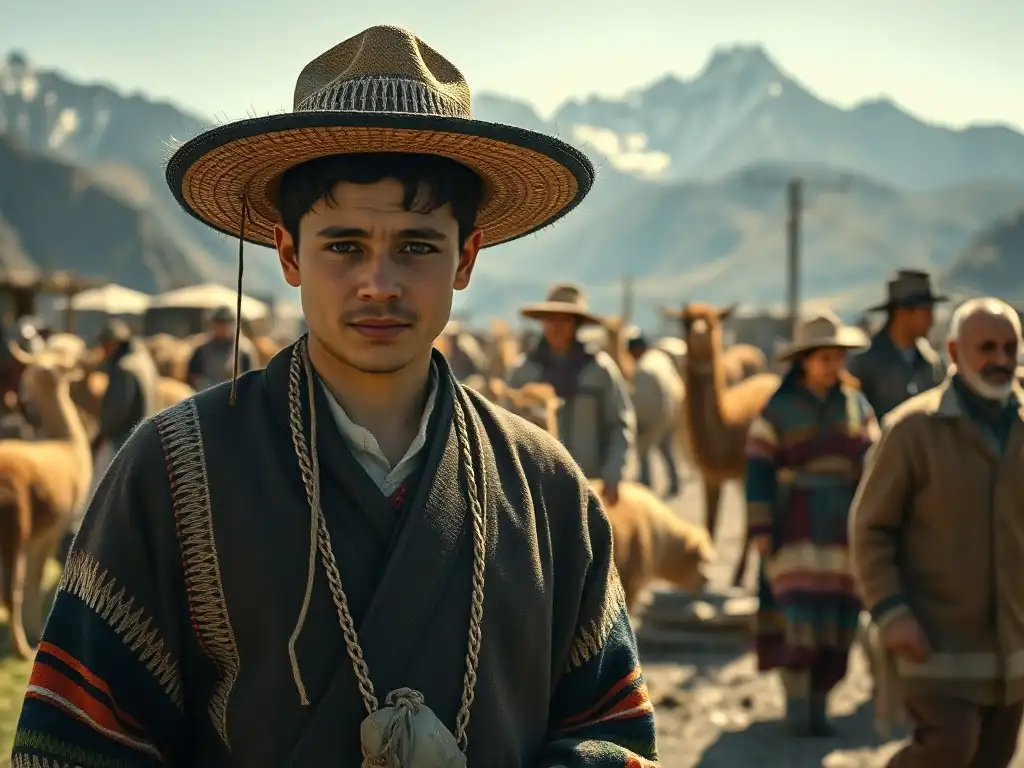
The Inca Empire, famed for its sophisticated social structure and intricate governance, had a formalized system regulating marriage. While romantic love played a role, unions were largely viewed through a pragmatic lens, serving crucial functions in maintaining social order, economic stability, and political alliances. Inca marriage wasn't simply a personal matter; it was a deeply ingrained societal practice with far-reaching implications. The ayllu, the fundamental socio-economic unit, heavily influenced marital arrangements.
Marriages often strengthened ties between ayllus, fostering cooperation and mutual support. The state, represented by the Sapa Inca and his administration, exerted significant control over marriage practices, ensuring adherence to established norms and preventing disruptions to the established social order. This control extended to who could marry whom, when, and under what circumstances. The Inca state actively intervened in marriage arrangements, sometimes even dictating unions to solidify political power or consolidate resources.
This system, while seemingly rigid, also provided a framework for social stability and economic prosperity within the vast empire. The Inca marriage system, therefore, wasn't just about individual unions; it was a vital component of the empire's overall governance. Understanding this context is key to appreciating the complexity and significance of Inca marriage traditions in the Andes.
Inca Rules Regarding Marriage Partners
Inca rules governing marriage partners were multifaceted and reflected the empire's hierarchical structure and emphasis on maintaining social order. Marriage within one's own ayllu was common, reinforcing community bonds and shared responsibilities. However, marriages between different ayllus also occurred, particularly among the elite, forging alliances and consolidating power. Endogamy, marriage within the same social class, was generally preferred, preserving social hierarchies.
The Sapa Inca and the nobility often arranged marriages to consolidate power and expand their influence across various regions of the empire. These marriages weren't solely based on affection; they were strategic political moves designed to enhance the stability and longevity of the Inca regime. Furthermore, strict rules prohibited marriage between close relatives, a practice reflecting a broader concern for genetic health and social harmony within the ayllu.
Deviation from these established norms could carry severe consequences, highlighting the importance placed on maintaining social order through regulated marriage practices. The Inca system meticulously documented marital unions, creating detailed records that reflected the significant role marriage played in the empire's social and political fabric. Specific data on the exact percentages of endogamous versus exogamous marriages is still being researched, but archaeological evidence suggests a complex interplay of both practices, shaped by social standing and political considerations.
The Consequences of Breaking Inca Marriage Customs
The Inca Empire's stringent marriage laws were not merely suggestions; they carried significant consequences for those who dared to break them. Violating Inca marriage customs could result in severe punishments, ranging from social ostracism to significant penalties imposed by the state. Adultery, for instance, was considered a serious offense, potentially leading to fines, imprisonment, or even death depending on the social standing of the individuals involved and the severity of the transgression.
Likewise, marriages deemed politically inconvenient or disruptive to the social order could be annulled, with the individuals involved facing repercussions. These consequences underscore the importance the Inca placed on maintaining social harmony and order through adherence to established marital norms. The Curacas, local leaders, played a crucial role in enforcing these laws within their respective communities, maintaining social control and reporting any violations to higher authorities.
The severity of the penalties served as a deterrent, reinforcing the importance of respecting and upholding Inca marriage traditions. While precise details on the frequency and specific types of punishments are scarce, the available evidence suggests a system designed to maintain societal control and prevent chaos.
Inca Divorce and Separation Practices
While Inca marriage was viewed as a significant societal commitment, divorce and separation were not unheard of. However, these were not casually undertaken and were typically governed by established procedures. The grounds for divorce varied, but often included cases of sterility, chronic illness preventing the fulfillment of marital duties, or serious misconduct such as adultery. The process typically involved mediation by community leaders and officials, aiming to reconcile the couple if possible.
If reconciliation failed, a formal separation could be granted. Unlike modern divorce proceedings, the Inca system focused on minimizing disruption to the social fabric. The division of property and the custody of children, if any, were likely determined based on customary practices and the specific circumstances of each case. The exact details of Inca divorce procedures remain somewhat obscure due to limited surviving documentation.
However, it is clear that the process wasn't arbitrary but rather followed established rules and norms. The goal was not only to dissolve the marriage but also to manage its consequences in a way that maintained social order and prevented wider conflicts within the ayllu and the broader Inca society. Further research is needed to fully understand the nuances of Inca divorce practices and their impact on the individuals and communities involved.
The Economic Aspects of Inca Marriages
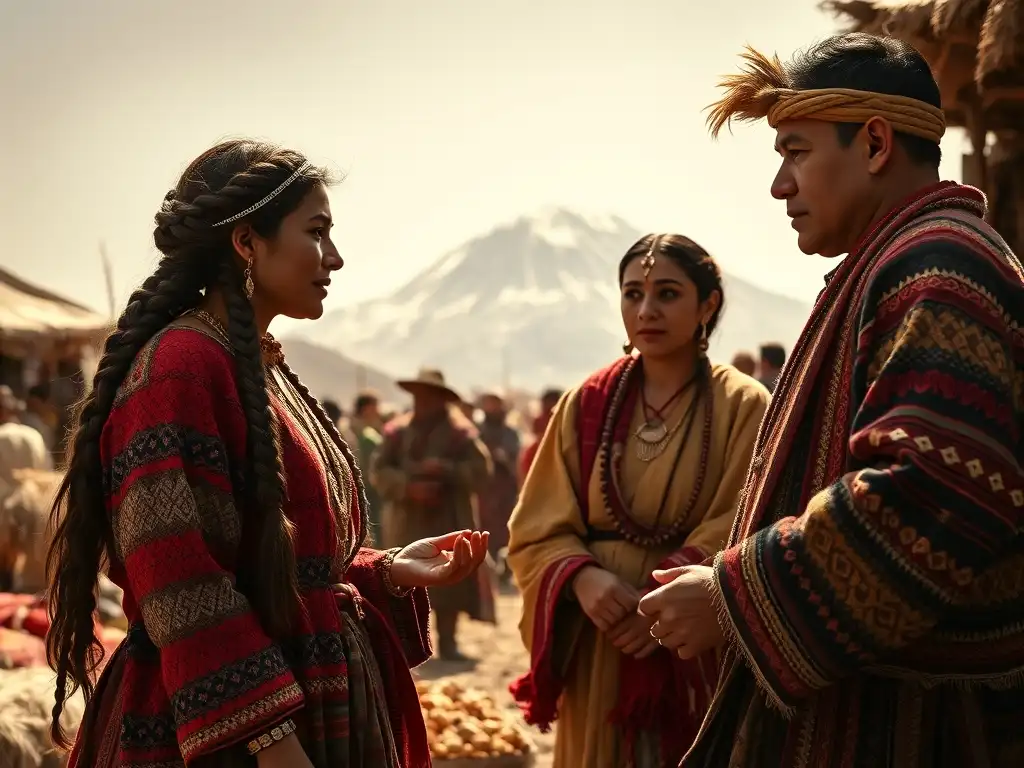
The economic implications of marriage within Inca society were significant, extending far beyond the simple union of two individuals. Marriage wasn't merely a social contract; it was a crucial element in the intricate web of Inca economic and social organization, impacting land ownership, labor distribution, and the overall productivity of the empire. Understanding these economic aspects provides a deeper appreciation for the complexities of Inca marriage traditions in the Andes.
The system wasn't solely based on romantic love; rather, it was deeply intertwined with the ayllu, the kinship-based community system that formed the backbone of Inca society. This intricate system involved complex economic transactions and responsibilities, shaping the lives of individuals and families within the empire. Analyzing these aspects illuminates a crucial dimension of Inca life often overlooked in simpler accounts.
Dowries and Bride Wealth in Inca Culture
Unlike some societies where dowries were primarily given by the bride's family, the Inca system was more nuanced. While direct monetary transactions were rare, the concept of bride wealth and dowry existed in a modified form. The exchange wasn't typically about material goods but rather about labor, land access, and the continuation of lineage within the ayllu.
A bride brought with her the potential for increased agricultural output, textile production, and other contributions to the communal economy. Her family's standing within the ayllu also contributed to the overall economic strength of the newly formed family unit. The groom, in turn, contributed his labor and skills to the shared resources and responsibilities of the community.
The "bride price," if one can call it that, wasn't a fixed payment but rather a contribution to the collective good. For example, a skilled artisan groom might contribute his expertise to the construction of community infrastructure, benefiting the entire ayllu. Similarly, a bride with agricultural skills could improve the yield of communal lands, benefiting all members. This system fostered cooperation and interdependence, strengthening the economic fabric of the community.
This system differed markedly from European models of dowry and bride price, highlighting the unique characteristics of Inca economic thought and practice. Further research is needed to fully quantify the various contributions made by each spouse, as detailed records are scarce. [Specific data on the relative value of different contributions pending].
The Economic Implications of Inca Family Structures
Inca family structures were directly linked to the economic organization of the empire. The ayllu system, based on extended family ties, played a pivotal role in land distribution and labor allocation. Marriage within the ayllu ensured the continuation of established land ownership patterns and the efficient use of resources. Inheritance practices further solidified this connection, with land and other resources often passed down through generations within the family unit, ensuring stability and continuity in agricultural production.
The mit'a system, a form of mandatory labor service, also impacted the economic lives of Inca families. While not directly related to marriage per se, the mit'a obligations often fell upon individuals within a family unit, highlighting the interconnectedness of family and imperial economic needs. The distribution of labor through the mit'a ensured the construction of infrastructure, the cultivation of state-owned lands, and the production of goods for the empire. This system, while demanding, also ensured a degree of economic security for participating families.
The impact of the mit'a on individual families varied depending on factors like location, skill set, and family size. [Further analysis needed to establish the precise economic impact of the mit'a on different Inca family structures]. The integration of family structures and economic systems within the Inca empire stands as a testament to the sophisticated organization of their society.
The Legacy of Inca Marriage Practices
Inca marriage traditions, deeply rooted in Andean cosmology and social structures, left an enduring legacy that continues to subtly influence Andean cultures today. While many overt practices have faded with the passage of time and the impact of colonialism, the underlying principles of community, reciprocity, and respect for ancestral wisdom persist. The emphasis on arranged marriages, for instance, while not as prevalent in its traditional form, still resonates in some communities' emphasis on family approval and the importance of maintaining strong social bonds through marriage.
Similarly, the Inca emphasis on fertility and the continuation of lineage finds echoes in contemporary Andean views on family and the importance of children. Studying these lingering influences provides valuable insights into the tenacity of Inca cultural values and their adaptation to modern circumstances.
The persistence of these traditions highlights the profound impact of the Inca Empire on the social fabric of the Andes, even centuries after its fall. Further research into specific Andean communities could reveal even more nuanced connections between past and present marriage practices.
Influences of Inca Marriage Traditions on Andean Culture Today
The echoes of Inca marriage customs can be found in various aspects of contemporary Andean culture. For example, the Inca's strong emphasis on ayni, the principle of reciprocity and mutual obligation, significantly shaped their marriage practices, and this principle continues to resonate in many Andean communities today. Marriages were not merely personal unions but also served to strengthen social ties and economic cooperation within the community.
This idea translates into modern-day Andean communities where mutual support between families remains crucial, particularly in rural areas where shared labor and resource management are essential for survival. Furthermore, the Inca's respect for elders and the importance placed on maintaining family unity continue to inform contemporary Andean family structures. Decisions regarding marriage are often made with the input of extended family members, reflecting the historical importance of collective decision-making within Inca society.
While the formal structures of Inca marriages have dissolved, the underlying values of community, reciprocity, and respect for family continue to shape marriage and family life in the Andes. This enduring influence underscores the lasting impact of the Inca civilization on the cultural landscape of the region.
Understanding Inca Society Through Their Marriage Customs
Inca marriage customs offer a compelling window into the complexities of Inca society. Analyzing these practices reveals insights into social stratification, economic systems, and religious beliefs. The practice of royal endogamy, where Inca rulers married within their own lineage to maintain power and purity, illustrates the hierarchical nature of Inca society. This practice reinforced the emperor's divine authority and ensured the continuation of the ruling family's bloodline.
In contrast, commoners had more freedom in choosing their spouses, though family approval and community considerations remained important factors. The economic aspects of marriage are also evident; marriage alliances often served to consolidate land ownership and resources, strengthening the economic stability of both families involved. Furthermore, the role of religious rituals in Inca marriages showcases the centrality of religion in Inca life. Marriages were not simply civil unions but sacred events that involved priests and elaborate ceremonies, underlining the importance of divine blessing and the integration of marriage into the broader cosmological framework.
By examining these different facets of Inca marriage, we gain a richer understanding of the intricate social, economic, and religious dynamics that shaped Inca society. The detailed study of such customs provides a deeper understanding of the Inca's social organization and worldview beyond just the political structures and military might. Further research on specific marriage rituals and their associated symbolic meanings would further enhance this understanding.
Frequently Asked Questions
What were the key considerations in Inca marriages?
Inca marriages were primarily political alliances, strengthening social structures and expanding the empire's influence. Royal marriages were particularly important for maintaining power and lineage.
How did the Inca choose their marriage partners?
While some marriages were arranged for political gain, others were based on social standing and family ties. Love played a role, but ultimately, the Inca elite controlled many unions.
What role did religion play in Inca wedding ceremonies?
Inca wedding ceremonies involved religious rituals and offerings to the gods, seeking blessings for the union and the couple's future. Pachamama, the Earth Mother, held significant importance.
What were some common Inca marriage customs and traditions?
Customs included elaborate feasts, gift exchanges, and symbolic rituals demonstrating commitment. The couple's families played crucial roles in the celebrations and ongoing support.
How did Inca marriage differ from European marriage traditions of the time?
Inca marriages were often more pragmatic, focused on social and political stability, unlike European traditions that frequently emphasized romantic love as the primary basis for marriage. Polygamy was also practiced by the Inca elite.
Final Reflection: Echoes of the Andes: Love, Power, and Legacy in Inca Marriage
The intricate tapestry of Inca marriage customs, woven from threads of tradition, social structure, and spiritual belief, continues to resonate in the Andes today. The echoes of these ancient practices, though muted by time, offer invaluable insights into the complexities of a vanished civilization and the enduring power of human connection across generations. Understanding these traditions allows us to appreciate the rich diversity of human experience and the enduring strength of cultural heritage.
The impact of Inca marriage customs extends far beyond the historical record; their influence can still be felt in the social fabric of Andean communities. The emphasis on community involvement, the importance of lineage, and the symbolic significance of marriage within the broader social and spiritual context continue to shape family structures and social dynamics. The past is never dead. It's not even past.
– William Faulkner. This quote perfectly encapsulates the enduring legacy of Inca marriage traditions, reminding us that the past is not merely a collection of facts but a living force that shapes our present.
Consider the enduring power of these traditions. How can we, in our modern world, learn from the Inca's emphasis on community and shared responsibility within marriage? How can we better appreciate the importance of respecting diverse cultural perspectives and understanding the historical context that shapes our present? You, the reader, hold the key to this legacy. Reflect on the ways in which the Inca's approach to marriage challenges or affirms your own understanding of relationships, family, and community. Let the echoes of the Andes inspire you to build stronger, more meaningful connections in your own life.
Embrace the Richness of Inca Traditions!
Thank you for exploring the fascinating world of Inca marriage customs! Learning about these traditions offers valuable insight into the role of love and unions in Andean civilization. Now, let's explore ways to connect with these enduring practices.
Here are some suggestions to deepen your understanding:
- **Attend a local cultural festival:** Seek out events celebrating Inca heritage or Andean culture in your area. Connecting with these communities firsthand will enrich your appreciation of their customs.
- **Explore traditional Andean symbolism:** Research and consider incorporating elements of Inca-inspired design or symbolism into your own celebrations. This could include incorporating traditional Andean music, clothing, or even floral arrangements to create a unique and meaningful experience.
- **Share your newfound knowledge:** Discuss these fascinating traditions with friends, family, or on social media to spread awareness and appreciation for the beauty of Inca culture. Encourage others to explore the rich tapestry of Andean customs.
What aspect of Inca marriage traditions resonates most with you, and how might you integrate its essence into your own life or celebrations?