
Inca Pottery Styles: Decoding the Art of Clay

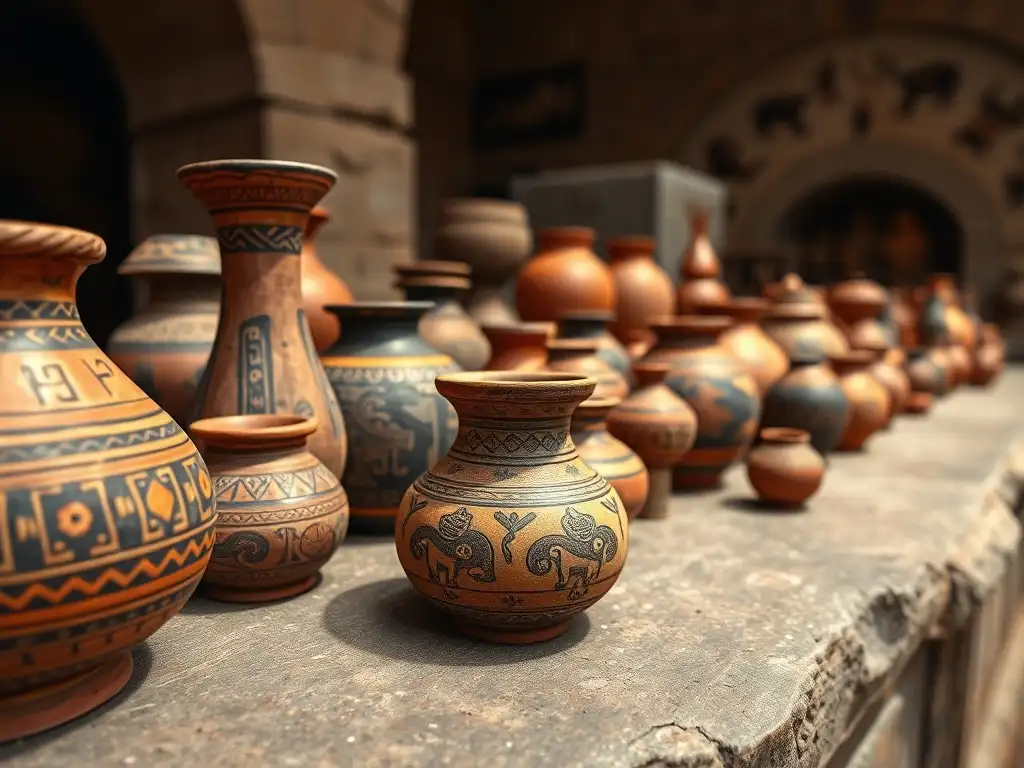
Uncover the secrets whispered by the Andes! Journey through time and explore the breathtaking artistry of ancient Andean civilizations. From the intricate designs of the Nazca lines to the awe-inspiring architecture of the Incas, a world of wonder awaits. But let's start with something truly captivating: discover the remarkable diversity and symbolism hidden within Inca pottery styles examples. Prepare to be amazed as we delve into the fascinating world of clay, revealing the stories etched into each piece.
The Inca Empire, renowned for its sophisticated engineering and intricate social structures, also left behind a rich legacy of artistic expression, most notably in its pottery. This article delves into the diverse styles and techniques of Inca ceramic art, exploring the significance of pottery within Inca society and providing examples that illustrate the remarkable skill and creativity of Inca artisans.
We will examine various Inca pottery styles examples, highlighting the key characteristics that distinguish different periods and regions within the vast Inca empire. Understanding Inca pottery styles offers a fascinating glimpse into the daily life, religious beliefs, and social hierarchy of this remarkable civilization, enriching our comprehension of their complex culture far beyond the impressive stone structures they left behind.
This exploration will focus on identifying key stylistic elements, examining the functions of different pottery types, and appreciating the artistry inherent in these enduring artifacts. Prepare to be amazed by the ingenuity and beauty captured in the clay of the Andes.
Introduction to Inca Ceramic Art
Inca pottery, unlike the monumental architecture for which the empire is famous, displays a surprising diversity of styles and techniques. While the Incas certainly inherited and adapted pre-existing traditions from earlier Andean cultures, they also developed their own distinctive aesthetic preferences and production methods. The use of clay was widespread, serving both practical and ceremonial purposes. From simple utilitarian vessels for everyday use to intricately decorated ceremonial pieces, Inca pottery reflects a sophisticated understanding of materials and techniques.
Several key characteristics define Inca pottery:
- Slip and Paint: Inca potters frequently used slip, a liquid clay mixture, to create a smooth surface before applying painted designs. A wide range of colors, including red, black, white, and yellow, were used, often in intricate combinations.
- Shapes and Forms: The shapes of Inca pottery varied greatly depending on its intended use. Common forms include jars, bowls, cups, plates, and figurines. Some vessels were highly stylized, while others were more functional in design.
- Decorative Motifs: Inca pottery decoration often featured geometric patterns, stylized animals, and representations of plants. These motifs frequently held symbolic meaning, reflecting religious beliefs or social status. The use of repeating patterns and symmetrical designs was very common.
- Regional Variations: While certain stylistic elements were consistent throughout the Inca Empire, regional variations also existed, reflecting local traditions and preferences. This regional diversity adds to the richness and complexity of Inca ceramic art.
The Significance of Pottery in Inca Society
Inca pottery played a vital role in various aspects of Inca society. Its significance extended beyond mere functionality, serving as a powerful medium for expressing cultural identity, religious beliefs, and social status.
- Daily Life: Simple, undecorated pottery was used for everyday tasks such as cooking, storing food, and serving beverages. The prevalence of these utilitarian pieces underscores the integral role pottery played in the daily lives of Inca people. The quantity and type of pottery found in archaeological sites often provide clues about the size and social organization of a settlement.
- Religious Ceremonies: Elaborately decorated pottery was used in religious ceremonies and rituals. Such pieces were often intricately painted with symbolic motifs, and some may have been used to contain offerings to the gods. The discovery of such vessels within sacred contexts helps researchers understand the religious beliefs and practices of the Inca.
- Social Status: The quality and decoration of pottery could also indicate social status. Individuals of higher social standing might have owned more elaborate and intricately decorated pieces, reflecting their wealth and prestige. The presence of specific motifs or styles on pottery may also have indicated membership in particular social groups or clans.
The study of Inca pottery styles examples provides invaluable insights into the rich tapestry of Inca culture, revealing a civilization that was both technologically advanced and artistically sophisticated. The enduring legacy of Inca pottery continues to fascinate and inspire, offering a tangible connection to the past and a deeper understanding of this remarkable civilization. Further research into specific pottery types and regional variations will unveil even more details about Inca life and culture.
Inca Pottery Forms and Their Functions
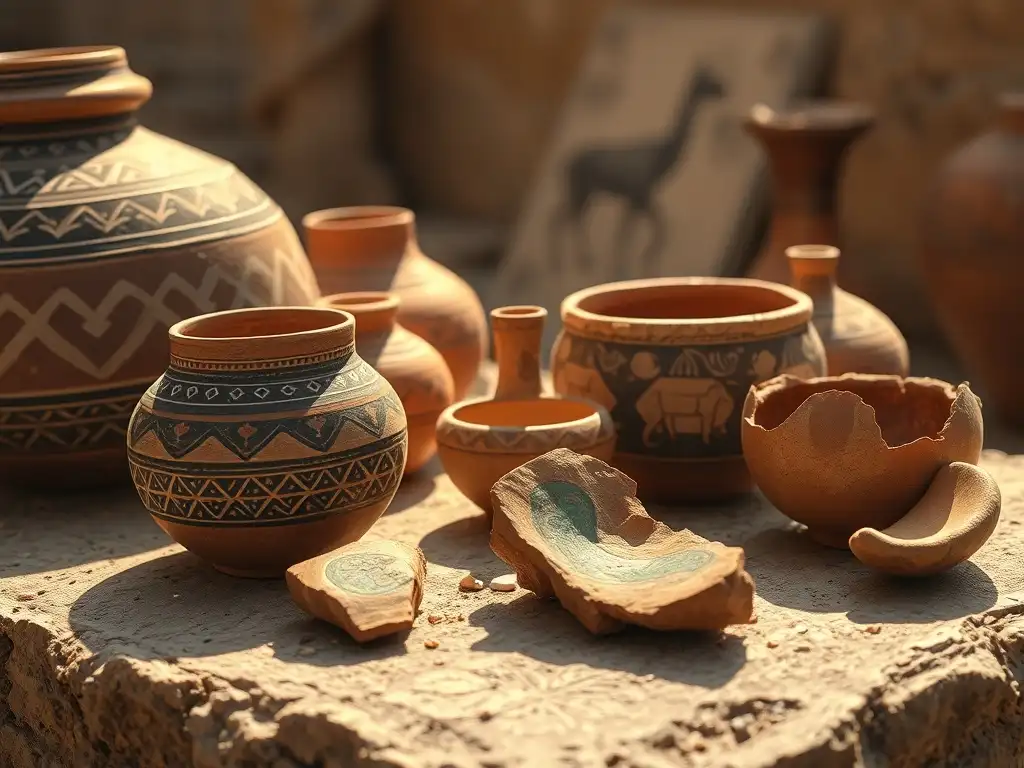
This section delves into the diverse forms of Inca pottery and their corresponding functions within Inca society. We'll explore how these clay creations weren't merely decorative, but integral to daily life, religious practices, and the overall structure of the Inca Empire. Examining specific examples will illuminate the ingenuity and artistry of Inca ceramic production, solidifying their place as masters of clay. Understanding these Inca pottery styles examples provides crucial insight into their culture.
Aryballos: The Iconic Inca Jar
The aryballos, a type of globular jar with a narrow neck and a single handle, stands as an iconic example of Inca pottery. These weren't simply vessels for liquids; their shapes and decorations often held symbolic meaning. Many aryballos were used for storing chicha, a fermented corn beverage central to Inca religious ceremonies and social gatherings. The size of the aryballos varied; smaller ones might have held personal portions of chicha, while larger versions served communal purposes.
The decoration on these jars is incredibly varied, providing further insight into Inca pottery styles examples. Some feature intricate geometric patterns, often using red, black, and white pigments. Others depict stylized animal figures, possibly representing deities or totems significant to specific communities. The precision and detail in these painted designs are remarkable, showcasing the advanced skill of Inca artisans.
Analysis of the pigments used also reveals insights into the Inca understanding of chemistry and mineral resources. For example, the vibrant red often came from cinnabar, a mercury sulfide, demonstrating their mastery of material science. The careful application of these pigments, often multiple layers to achieve rich colors and depth, highlights the dedication to craftsmanship.
Plates and Bowls: Everyday Inca Tableware
Inca plates and bowls represent the everyday utilitarian aspect of their pottery. While less elaborate than ceremonial pieces, their functionality and design still reveal much about Inca society. These items, readily identifiable in Inca pottery styles examples found across archaeological sites, came in a variety of sizes, suggesting a range of uses within the household. Larger, shallow bowls likely served as communal eating vessels, while smaller, deeper bowls may have been used for individual portions.
The materials used in their creation were often practical. While fine pottery was reserved for elite members of society or religious contexts, everyday tableware frequently utilized locally sourced clays, resulting in a more rustic appearance. However, even these simpler pieces often display some degree of decorative flair.
Simple geometric patterns, incised lines, or even the smooth, polished finish of the clay itself, suggest an appreciation for aesthetics even in everyday objects. The sheer quantity of these objects discovered in archaeological contexts underscores their prevalence and importance in the daily lives of Inca citizens. The durability of the clay and the relatively simple designs made them practical and easy to replace if broken, signifying a resilient and adaptable approach to daily life.
Storage Vessels: Securing Inca Resources
Large storage vessels, often cylindrical or ovoid in shape, played a crucial role in Inca resource management. These containers were vital for storing agricultural surpluses, ensuring food security for the population. The size and design of these vessels indicate their purpose: larger vessels for grains and other staples, while smaller ones possibly held smaller quantities of spices or other food items. The strategic placement of these storage containers within Inca settlements also provided insights into their logistical capabilities and societal organization.
Many Inca pottery styles examples of storage vessels show evidence of being sealed, likely to protect their contents from pests or the elements. This indicates a sophisticated understanding of preservation techniques. The materials used for these vessels were typically sturdy and durable, capable of withstanding the rigors of long-term storage.
The standardization in size and shape across different regions suggests a degree of centralized control over food production and distribution within the Inca Empire. These vessels, therefore, are not just artifacts of the past, but tangible evidence of the Inca's remarkable organizational skills and their ability to manage resources on a large scale. Their discovery continues to offer invaluable information on Inca agricultural practices, economic systems, and overall societal structure.
Ritual and Ceremonial Pottery: Inca Religious Practices
Inca religious practices were deeply intertwined with their sophisticated pottery traditions. Ceremonial vessels weren't simply utilitarian; they were integral components of rituals, offerings, and symbolic representations of the Inca worldview. These pieces often featured distinct stylistic elements that set them apart from everyday pottery. The use of specific colors, motifs, and forms held significant religious meaning, reflecting the complex cosmology and beliefs of the Inca people. For example, the color red, frequently used in ceremonial pottery, was associated with blood and sacrifice, symbolizing life force and connection to the divine.
Elaborate designs and intricate iconography decorated these vessels, frequently depicting deities, mythical creatures, and scenes from Inca mythology. These depictions weren't arbitrary; they served as visual narratives, communicating religious stories and reinforcing the power of the Inca state religion. The shapes of the vessels themselves also played a crucial role.
Certain forms, such as kero drinking vessels, were specifically reserved for ritual contexts and often featured elaborate ornamentation and precious metal inlays, signifying their sacred purpose. The creation of these ceremonial pieces was likely entrusted to skilled artisans, perhaps even possessing specialized religious knowledge and training, ensuring their accuracy and symbolic power.
The precise details of Inca religious ceremonies involving pottery remain partially obscured by the passage of time and the limited surviving written records. However, archaeological evidence strongly suggests that these vessels played a central role in various rituals, including those related to ancestor veneration, agricultural fertility, and appeasing deities. Offerings of food and drink, placed within or alongside ceremonial pottery, were likely an integral part of many rituals, strengthening the connection between the living and the spiritual realm.
The discovery of intact ceremonial vessels in tombs and sacred sites further emphasizes their importance within Inca religious practices. These finds provide tangible evidence of the profound spiritual significance attributed to these carefully crafted objects. The style and decoration of the pottery itself often served as a visual key, informing us about the specific nature of the ritual or ceremony it was associated with.
Further research and analysis continue to unravel the mysteries surrounding Inca ceremonial pottery, revealing more about their rich religious beliefs and practices. The careful study of these artifacts allows us to piece together a more complete understanding of Inca spirituality and its integral connection to their artistic expressions.
Examining Inca Pottery Styles Examples
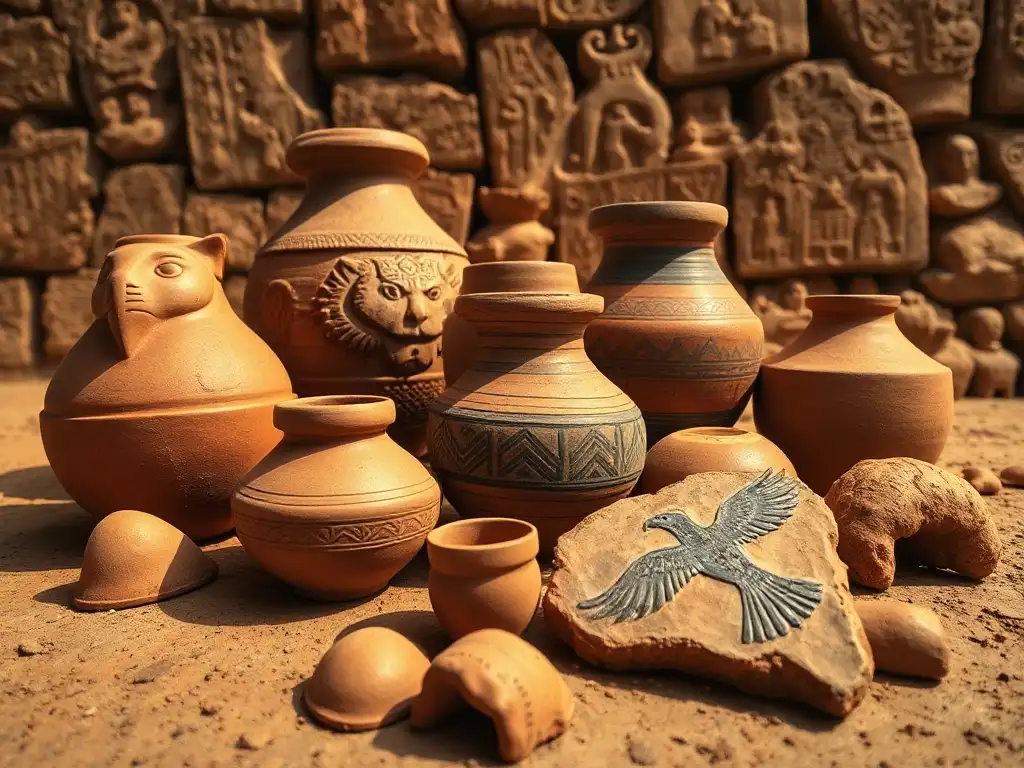
This section delves into the diverse and captivating world of Inca pottery styles, providing concrete examples and detailed analyses to illustrate the artistry and cultural significance embedded within these ceramic creations. Understanding Inca pottery styles offers a unique window into their societal structures, religious beliefs, and daily lives. We'll explore the key characteristics that define Inca ceramic traditions, focusing on the recurring motifs, techniques, and symbolic meanings reflected in their work. This exploration will clarify the nuances that distinguish different Inca pottery styles and highlight their enduring legacy.
Geometric Designs: Patterns in Inca Ceramics
Geometric patterns form a significant component of Inca pottery styles. These weren't merely decorative elements; they held deep symbolic meaning, often reflecting cosmological beliefs or social hierarchies. The precision and intricacy of these designs are remarkable, considering the tools and techniques available to the Inca artisans.
Common geometric motifs include:
- Triangles: Often representing mountains, a crucial element in Andean cosmology. The layering of triangles could symbolize the tiered agricultural systems or the stratified social structure of Inca society.
- Step patterns: These stepped designs likely represented agricultural terraces, a vital part of Inca farming practices. The meticulous repetition emphasized the importance of agricultural success to the Inca way of life.
- Zigzags: These dynamic lines may have represented lightning, rivers, or the paths of spirits in the Inca worldview. The energy and movement conveyed by zigzags often contrasted with the more static, structured triangles and steps.
- Squares and rectangles: These shapes often appeared in conjunction with other motifs, providing a framework for more complex designs. Their presence suggested order and stability within the Inca worldview.
The execution of these designs varied. Some were meticulously painted, while others were created through the use of stamps or incised lines. The choice of technique often reflected the function and intended use of the pottery piece. For example, simpler geometric patterns might adorn utilitarian vessels, while more complex designs graced ceremonial or elite objects.
Representational Art: Depicting Inca Life and Nature
While geometric designs are prevalent, Inca pottery also showcases remarkable examples of representational art. These depictions offer invaluable insights into Inca daily life, beliefs, and interactions with their environment. The artisans skillfully captured various aspects of their world, from animals and plants to human figures and scenes of daily activities.
Examples of representational motifs include:
- Camelids: Llamas and alpacas frequently appear, reflecting their importance as pack animals and sources of wool and meat. The style of depiction could vary, with some representations being highly stylized and others more realistic.
- Birds: Various bird species, often depicted in flight, might symbolize freedom, communication with the spirit world, or the cyclical nature of life and death.
- Human figures: Representations of humans, often depicted in ceremonial contexts or engaging in daily activities, provide glimpses into social interactions and rituals. The clothing and adornments shown on these figures offer clues about social status and roles.
- Plants: Depictions of plants, such as maize (corn), potatoes, and other crops, highlight their centrality to Inca agriculture and sustenance. The meticulous rendering of these plants underlines their significance within the Inca worldview.
The level of detail and realism in these representations varies significantly across different pottery styles and time periods. Some pieces display a high degree of naturalism, while others utilize a more stylized approach. The choice of style likely reflected the context of the object and the intended audience.
The Use of Color in Inca Pottery
Color played a crucial role in Inca pottery, functioning not merely as decoration but as a powerful symbolic language. The Inca artisans skillfully employed a range of colors, derived from natural pigments, to create striking visual effects and convey meaning.
The most common colors include:
- Red: Often associated with power, fertility, and the sun.
- Black: Frequently used to represent the underworld or night.
- White: Often symbolizes purity, sacredness, or the moon.
- Yellow: Associated with gold and the sun's radiance.
The combination and application of these colors were carefully considered. For instance, a vessel decorated with red and black might symbolize the duality inherent in the Inca worldview—the balance between life and death, light and darkness. The use of polychromy (multiple colors) was particularly sophisticated, with artisans creating intricate patterns and designs using a variety of hues.
The techniques for applying these colors also varied, with some employing a smooth, even application, while others used a more textured or brushstroke style. The study of color in Inca pottery offers a fascinating glimpse into their understanding of the world and their symbolic use of color to express complex concepts.
Regional Variations in Inca Ceramics
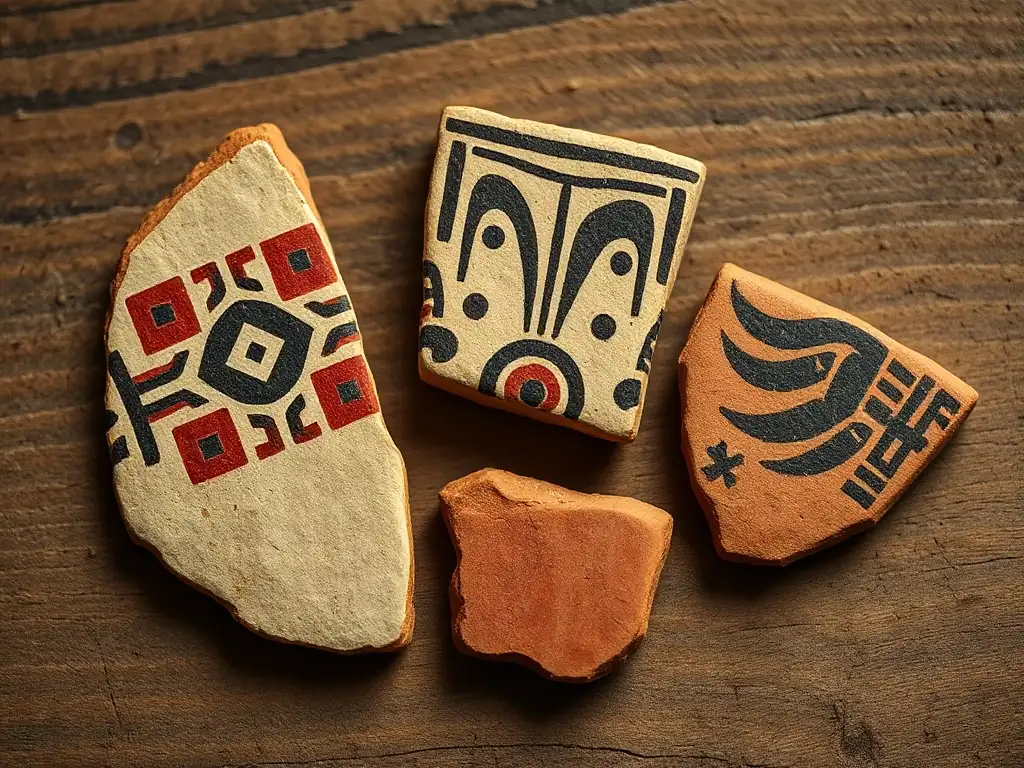
The Inca Empire, vast and diverse, didn't impose a single, uniform style of pottery across its territories. While a certain level of standardization existed, reflecting imperial power and control, regional variations in Inca pottery styles examples are significant and reveal much about local traditions and adaptation within the broader Inca framework. Analyzing these differences provides crucial insights into the complex interplay between imperial authority and local autonomy in the Andean world.
The stylistic variations weren't merely superficial; they often reflected differences in available resources, local artistic traditions, and even the intended use of the ceramic pieces. This section will delve into some key regional variations, showcasing the rich tapestry of Inca ceramic artistry.
Cusco Pottery: The Imperial Style
Cusco, the imperial capital, naturally produced pottery reflecting the grandeur and sophistication of the Inca court. Cusco pottery is often characterized by its refined elegance and adherence to standardized forms. Think of the iconic aryballos, a type of globular jar with a narrow neck, frequently decorated with geometric patterns and sometimes featuring depictions of stylized animals or human figures.
These pieces often showcase a high level of craftsmanship, with meticulous attention to detail and the use of fine-quality clay. The color palette typically includes shades of red, brown, and black, achieved through the use of natural pigments and firing techniques. The imperial style often prioritized symmetry and balance in its designs, reflecting the Inca's emphasis on order and harmony.
The use of a specific type of black-on-red pottery, characterized by precise geometric designs painted onto a reddish-brown background, was particularly associated with the imperial center. These intricate designs often incorporated symbols of power and authority, reinforcing the Inca's claim to dominion over the vast empire. Examples of these sophisticated pieces can be found in numerous museum collections worldwide, providing tangible evidence of the imperial style's dominance in Cusco. Further research into the specific clay sources used in Cusco and the techniques employed in their creation could provide further insights into the specialized nature of imperial pottery production.
Inca Pottery in the Provinces: Local Influences
While Cusco served as the center for the standardized imperial style, provincial pottery often displayed a fascinating blend of Inca aesthetics and pre-existing local traditions. In regions like Cajamarca, for instance, Inca potters integrated elements of earlier regional styles into their work. This resulted in a unique fusion of imperial and local motifs, evident in the shapes, decorative techniques, and color palettes employed. This is a prime example of the Inca's pragmatic approach to governance—allowing for a degree of cultural autonomy while simultaneously maintaining a visual connection to the imperial center.
One could argue that the provincial styles often possessed a greater level of stylistic freedom than their Cusco counterparts. While imperial pieces adhered strictly to established canons, provincial variations often demonstrated a playful experimentation with form and decoration. This is not to say that provincial pottery lacked sophistication; rather, its originality and regional character offer a unique window into the diverse artistic expressions within the Inca Empire.
Further research is needed to fully document the stylistic variations across all Inca provinces and to understand the specific local influences on pottery design in each region. This would provide a more complete picture of the diversity of Inca ceramic production. The study of provincial styles is crucial to understanding the intricacies of Inca cultural policy and its impact on local artistic practices.
North Coast Pottery: Chimú Influences
The north coast of Peru, a region conquered by the Inca, presented a particular challenge in terms of stylistic integration. The Chimú culture, which preceded the Inca in this region, had established a highly developed and distinct ceramic tradition. Inca potters in this area, therefore, had to navigate the pre-existing Chimú styles while also incorporating imperial motifs. The result was a fascinating blend of influences, with Inca designs often superimposed onto Chimú forms or vice-versa. This process of cultural exchange and adaptation is clearly visible in the pottery examples from this region.
The Chimú influence is particularly noticeable in the use of specific vessel shapes and decorative techniques. The characteristic Chimú use of black and white geometric designs, for instance, is often found integrated into Inca pottery from this region. However, Inca potters also incorporated their own imperial motifs, such as stylized representations of llamas or geometric patterns that were common in Cusco.
This fascinating intermingling of styles offers a compelling case study of cultural interaction and adaptation within the Inca Empire. Further research could focus on tracing the evolution of this hybrid style over time to understand how Inca dominance gradually reshaped local ceramic traditions while still acknowledging pre-existing artistic legacies. The blend of Chimú and Inca styles in the north coast represents a microcosm of the broader cultural dynamics within the Inca Empire, highlighting both imperial control and the persistence of local artistic identities.
Materials and Techniques in Inca Pottery Making
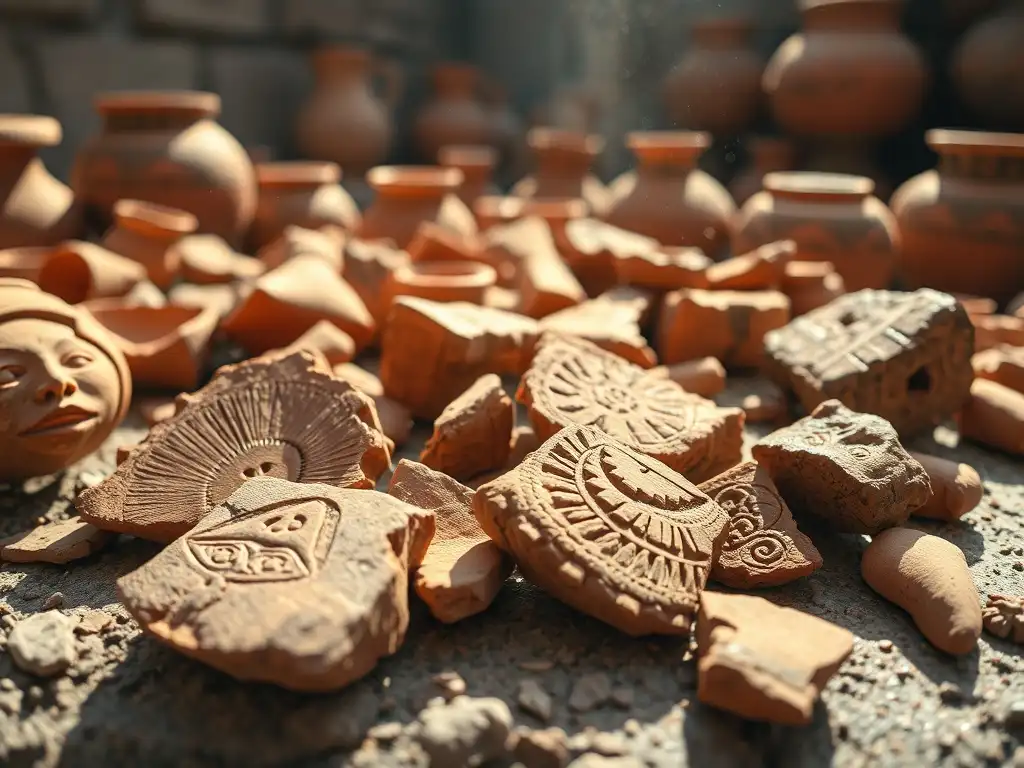
The artistry of Inca pottery is not solely defined by its captivating designs; the meticulous processes involved in its creation are equally fascinating. Understanding the materials and techniques employed reveals a sophisticated level of technological prowess and artistic expression integral to Inca culture. This section delves into the specifics of Inca pottery production, focusing on the sourcing of materials, the shaping techniques, and the crucial firing process that transformed simple clay into durable, aesthetically pleasing vessels. Analyzing these aspects provides a deeper appreciation for the ingenuity and skill behind the surviving examples of Inca pottery styles.
Clay Sources and Preparation
The quality of the finished product began with the careful selection and preparation of the clay. Inca potters weren't limited to a single clay source; they skillfully utilized locally available materials, adapting their techniques to the specific properties of each clay type. This meant sourcing clay from diverse locations across the vast Inca Empire, leading to regional variations in the final product's texture and color. Evidence suggests that they often preferred clays with a high concentration of kaolin, known for its plasticity and ability to hold intricate details.
The preparation process was equally crucial. Raw clay, often containing impurities like stones and organic matter, underwent a rigorous cleaning and purification process. This likely involved washing the clay in water, allowing heavier impurities to settle, and then carefully removing any remaining debris.
The cleaned clay was then often tempered – mixed with additives like sand, crushed rock, or even crushed pottery shards (chamotte) – to improve its workability and reduce cracking during firing. The precise tempering agents varied depending on the desired texture and the characteristics of the base clay, demonstrating a nuanced understanding of material science. This careful preparation directly impacted the durability and aesthetic qualities of the final Inca pottery styles examples.
Hand-Building and Mold Techniques
Inca potters mastered a variety of techniques to shape their vessels, ranging from the meticulous hand-building methods to the more efficient use of molds. Hand-building, particularly the coil method, was widely employed for creating a range of forms, from simple bowls to complex jars. This involved rolling out long coils of clay, carefully placing them atop each other, and smoothing the joins to create a seamless surface. The dexterity required for this technique is evident in the precision of many surviving Inca pottery styles examples.
Molds, on the other hand, allowed for mass production of standardized shapes, particularly useful for creating larger quantities of similar vessels for storage or ceremonial purposes. These molds were likely made from carved wood or stone, into which the clay was pressed. While molds facilitated efficiency, hand-finishing was still crucial to refine the shapes, add decorative elements, and ensure a high-quality finish.
The interplay between hand-building and mold techniques showcases the Inca potters' ability to adapt their methods to meet diverse production needs. The surviving examples of Inca pottery styles often reveal subtle variations that hint at the hand of the individual artisan, even within pieces produced using molds.
Firing Methods: Achieving Durability
The final stage of Inca pottery production, the firing process, was critical for achieving the desired durability and aesthetic qualities. Inca potters employed open-air kilns, often simple structures built of stone or clay. These kilns were not as sophisticated as later technologies, but they served their purpose effectively. The firing process involved carefully controlling the temperature and airflow to ensure even cooking and avoid cracking or warping.
The fuel source for these kilns varied regionally, but likely included wood, dung, or other readily available organic matter. The temperature reached during firing directly influenced the final color and hardness of the pottery. Lower temperatures resulted in a softer, more porous pottery, while higher temperatures yielded a harder, more durable product.
The potters' expertise lay in their ability to manage the firing process to achieve the desired outcome, demonstrating a profound understanding of the relationship between temperature, time, and the final properties of the clay. The variations in firing techniques contributed to the diverse range of colors and textures observed in surviving Inca pottery styles examples, highlighting the skill and artistry of these ancient artisans.
The Legacy of Inca Pottery
The enduring legacy of Inca pottery extends far beyond its historical significance. Its vibrant colors, intricate designs, and masterful craftsmanship continue to inspire and influence artists and artisans in the Andean region today. Understanding Inca pottery styles examples is crucial to appreciating this ongoing cultural connection.
The techniques and aesthetics developed during the Inca Empire remain a powerful source of inspiration, shaping contemporary ceramic practices and contributing to a vibrant artistic tradition that persists to this day. The legacy is not merely aesthetic; it's a living testament to the ingenuity and artistry of the Inca people, a heritage actively preserved and celebrated.
Examining the styles reveals a rich tapestry of cultural expression, reflecting the diverse regions and social structures within the vast Inca empire. This legacy is not simply a matter of imitation; it's a dynamic process of reinterpretation and innovation, with modern Andean artists drawing upon ancient techniques and motifs while injecting their own unique perspectives and styles.
Influence on Modern Andean Ceramics
Modern Andean ceramic artists frequently draw inspiration from Inca pottery styles examples. They often replicate or adapt traditional techniques, such as the use of specific clays, pigments, and firing methods. For example, the characteristic black-on-white pottery of the Inca period, often decorated with geometric patterns and stylized animal figures, continues to be recreated and reinterpreted by contemporary artisans.
However, this isn't simply a matter of copying; modern artists often blend traditional Inca styles with contemporary influences, creating unique and innovative pieces that reflect both their heritage and their individuality. This fusion of tradition and modernity is a testament to the enduring power of Inca artistic traditions. The use of traditional Inca motifs, such as the khipu (knotted-cord record-keeping system) or depictions of llamas and condors, continues to be prevalent in modern ceramic works, showcasing the continuity of cultural expression across centuries.
The vibrant colors and intricate designs of Inca pottery continue to serve as a rich source of inspiration for contemporary artists, who adapt and reinterpret these elements to create their own unique aesthetic visions. The enduring appeal of Inca pottery is evident in its continued presence in modern Andean art, reflecting the enduring power of artistic traditions and cultural heritage.
Inca Pottery in Archaeological Discoveries
Archaeological discoveries continue to unearth remarkable examples of Inca pottery, providing invaluable insights into Inca pottery styles examples and the daily lives of the Inca people. Excavations at sites throughout the Andean region, such as Machu Picchu, Ollantaytambo, and Cusco, regularly yield significant ceramic finds. These discoveries often include vessels of various shapes and sizes, each with unique decorative elements that reflect specific regional styles and social hierarchies.
The careful analysis of these artifacts reveals crucial information about Inca social structures, religious beliefs, and technological advancements in pottery production. For example, the discovery of elaborate ceremonial vessels at religious sites provides insights into Inca ritual practices, while the presence of simpler utilitarian vessels in domestic contexts sheds light on everyday life. The meticulous recording and analysis of these findings are crucial for understanding the cultural significance of Inca pottery and for reconstructing the rich tapestry of Inca society.
The sheer volume of pottery discovered highlights the importance of ceramics in Inca culture, from everyday use to elite ceremonies. Detailed analysis of the pottery's chemical composition, decoration techniques, and stylistic variations allows researchers to trace patterns of trade, migration, and cultural exchange within the Inca Empire. Ongoing archaeological research continues to uncover new and exciting examples of Inca pottery, further enriching our understanding of this remarkable civilization.
Preserving the Art of Inca Clay
Preserving the art of Inca clay involves a multifaceted approach encompassing conservation efforts, educational initiatives, and the promotion of traditional ceramic techniques. Museums and archaeological sites play a crucial role in preserving fragile artifacts through careful storage and conservation techniques. These efforts ensure that future generations can appreciate and learn from these invaluable historical objects. Furthermore, educational programs aimed at raising awareness of Inca pottery styles examples and their cultural significance are vital in fostering an appreciation for this rich heritage.
Teaching traditional Inca pottery techniques to younger generations helps to ensure the continuity of this ancient craft. This involves not only practical training but also the transmission of knowledge about the cultural context and historical significance of Inca ceramics. The promotion of contemporary Andean ceramic artists who draw inspiration from Inca traditions is also crucial for preserving this art form.
By supporting these artists and showcasing their work, we ensure that the legacy of Inca pottery continues to thrive and inspire. These combined efforts—conservation, education, and promotion—are essential to preserving the art of Inca clay for future generations, safeguarding a unique cultural heritage that continues to resonate today. The preservation of Inca pottery is not merely about preserving artifacts; it's about preserving a living cultural tradition.
Inca Pottery in Museums Worldwide
Inca pottery, a testament to the artistry and ingenuity of the Inca civilization, is highly sought after by museums and collectors globally. Many prestigious institutions boast impressive collections, offering invaluable insights into Inca techniques, designs, and societal structures. These collections are not merely static displays; they serve as crucial resources for ongoing research, allowing scholars to continually refine our understanding of Inca culture. The careful cataloging and study of these artifacts provide crucial data points for understanding stylistic shifts, regional variations, and the evolution of Inca ceramic production over time.
The sheer volume of Inca pottery held in museums around the world is staggering. Major collections are often organized chronologically and geographically, allowing visitors to trace the development of pottery styles across different regions and time periods. This organized approach helps highlight the nuances in design and execution, reflecting the diverse artistic traditions within the vast Inca Empire. For example, one might observe the shift from simpler, less ornate styles in earlier periods to the more elaborate and refined pieces characteristic of the later Inca Empire.
Beyond the sheer quantity, the quality of preservation and display is also noteworthy. Many museums have invested significantly in conservation efforts, ensuring that these fragile artifacts remain intact for future generations. Sophisticated display techniques, including controlled environments and informative signage, enhance the visitor experience and deepen appreciation for the artistry involved. These displays often incorporate technological advancements, such as interactive exhibits and augmented reality applications, making the experience more engaging and accessible to a wider audience.
The careful curation and presentation of these collections underline the importance placed on preserving and sharing this cultural heritage. The strategic placement of pottery within a broader context of Inca artifacts also enriches the narrative, offering a more holistic understanding of Inca life and society. This includes showcasing pottery alongside textiles, metalwork, and other artifacts to illustrate the interconnectedness of artistic expressions within the Inca culture.
Frequently Asked Questions
What are some common Inca pottery styles?
Inca pottery is characterized by simple shapes and geometric designs. Common styles include aryballoi (small, globular vessels), kero (large ceremonial cups), and urpu (storage jars). These often feature bands of color and geometric patterns.
How did Inca potters create their distinctive designs?
Inca potters used a variety of techniques, including slip painting, incising, and modeling. They employed natural pigments derived from plants and minerals to create their vibrant colors. Black-on-white and polychrome styles were particularly popular.
What materials did Inca potters use?
Inca pottery was primarily made from clay, often sourced locally. The clay was carefully prepared and mixed before being shaped and fired in kilns. The quality of the clay and firing process greatly influenced the final product's durability and appearance.
Where can I find examples of Inca pottery styles?
Examples of Inca pottery can be found in museums around the world, including the Larco Museum in Lima, Peru, and the American Museum of Natural History in New York. You can also find pictures online, though verifying authenticity is crucial.
What do Inca pottery designs symbolize?
Inca pottery designs often held symbolic meaning, representing religious beliefs, social status, or everyday life. Interpretations can be complex and vary depending on the specific motifs and context. Scholars are still actively researching these cultural significances.
Final Reflection: The Enduring Legacy of Inca Clay
The vibrant artistry of Inca pottery continues to resonate today, a testament to the ingenuity and cultural depth of a civilization lost to time. More than just aesthetically pleasing objects, these pieces serve as invaluable windows into the past, offering glimpses into Inca beliefs, social structures, and daily life. Their enduring presence in museums and private collections worldwide underscores the lasting impact of this ancient craft.
The intricate designs and diverse styles of Inca pottery profoundly shaped the artistic landscape of the Andes, influencing subsequent artistic movements and inspiring contemporary artists. Their legacy extends beyond mere aesthetics; it speaks to the power of human creativity to transcend generations. Art washes away from the soul the dust of everyday life.
– Pablo Picasso. This quote rings particularly true when considering the enduring power of Inca pottery to connect us to a rich and complex past, reminding us of the beauty and resilience of human expression.
Consider the intricate details, the bold colors, the symbolic representations found in each piece. Let the artistry of the Inca potters inspire you to appreciate the craftsmanship and cultural significance embedded in everyday objects. Take a moment to reflect on the stories these pieces tell, and how they connect us to a history far richer and more complex than we often realize. Let the legacy of Inca pottery inspire your own creativity and appreciation for the enduring power of art to bridge time and cultures.
**Unveil the Art of Inca Pottery! **
Thank you for exploring the fascinating world of Inca pottery! We hope you were inspired by the unique styles and stories behind these stunning artifacts. Now, let's delve even deeper!
Here are some ways to further appreciate Inca pottery:
- **Discover Local Artisans:** Visit a local pottery studio or craft fair to see how contemporary artisans are inspired by ancient Inca techniques. You might even find pieces that echo the artistry of the past.
- **Take a Pottery Class:** Learn firsthand the joy of creating ceramics using techniques reminiscent of the Inca. It's a fantastic way to connect with this rich cultural heritage.
- **Share Your Discoveries:** Connect with fellow enthusiasts by sharing your favorite Inca pottery pieces or styles on social media. Tag us—we'd love to see what inspires you!
As you continue your exploration, we'd love to hear your thoughts: What aspect of Inca pottery most captivates you, and how will you incorporate that inspiration into your own creative endeavors?